
Cork Travel Tips 2026: Essential Planning & Practical Advice
Cork, Ireland’s vibrant southern city along the River Lee, rewards travelers who understand its practical rhythms. From navigating bus connections and mobile connectivity to mastering tipping etiquette and seasonal weather patterns, these essential insights transform Cork from overwhelming to manageable, letting you focus on the city’s Georgian architecture, lively markets, and harbor excursions rather than logistical puzzles.
Key Takeaways: Cork Travel Essentials 2026
- Visa-Free Access for Most Visitors: US, Canadian, Australian, and EU citizens enter Ireland without visas for stays under 90 days in 2026, requiring only a passport valid for the duration of stay
- Mobile Connectivity Simplified: Cork Airport and city center shops sell prepaid SIM cards from €10-20 with substantial data allowances, while eSIM options activate before arrival for immediate connectivity
- Transportation Costs 2026: City buses cost €1.50 per ride with Leap Card, while Dublin-Cork trains run €13-60 depending on booking timing and hourly departures make intercity travel straightforward
- Weather Reality Check: Cork’s moderate oceanic climate brings temperatures between 8-19°C year-round with frequent rainfall regardless of season, making waterproof layers essential equipment rather than optional additions
- Tipping Culture Differs from US: Restaurants expect 10-12.5% for good service, pubs require no tips for drinks only, and taxi drivers appreciate fare rounding rather than percentage-based gratuities
- Seasonal Planning Matters: June through August offers warmest weather and longest daylight but brings peak crowds and premium accommodation rates, while shoulder seasons provide better value without sacrificing reasonable conditions
People Also Ask About Cork Travel 2026
Do I need a visa to visit Cork Ireland in 2026?
US, Canadian, Australian, New Zealand, and EU citizens do not require visas for tourism visits to Ireland under 90 days in 2026. You must present a passport valid for your entire stay, proof of sufficient funds, and evidence of return travel at immigration control. Ireland is not part of the Schengen Area, meaning Schengen visas do not grant entry. Visitors from visa-required countries must apply online through the Irish Immigration Service system at least three months before travel, submitting passport, financial documentation, accommodation proof, and application fees.
What’s the best way to stay connected in Cork 2026?
Purchase a prepaid SIM card at Cork Airport arrivals area or city center mobile operator shops for €10-20, providing 3GB-38GB data plus calls and texts for 14-28 day validity periods. Major networks include Three, Vodafone, and Eir with strong 4G/5G coverage across Cork city and surrounding areas. Alternatively, download an eSIM before departure from providers like Airalo, Holafly, or Nomad for €4-15 depending on data allowance, activating automatically upon arrival in Ireland. Both options work with unlocked phones and include EU roaming for travelers visiting multiple European countries.
How much should I tip in Cork restaurants and pubs 2026?
Cork restaurants expect 10-12.5% tips for sit-down table service when service charge is not already included on the bill, which you should always check before adding gratuity. Groups of six or more often see automatic 10-20% service charges added to bills. Pubs serving only drinks require no tips, though table service for drinks warrants €1-2 if someone delivers your order to the table. Tipping with cash ensures staff receives the full amount directly, while card tipping options vary by establishment.
What’s the weather like in Cork throughout 2026?
Cork experiences mild oceanic weather with average temperatures ranging from 8-10°C in winter months to 17-19°C during summer peak in July and August. The city receives approximately 1,000mm annual rainfall distributed fairly evenly across all months, though October sees the wettest conditions at 102mm while May brings the driest period at 72mm. Spring temperatures hover around 10-15°C with increasing daylight, autumn transitions from comfortable September conditions to colder November weather, and winter rarely sees snow despite frequent rain and wind. Pack waterproof layers and expect variable conditions regardless of travel dates.
Extended multi-day tours – 5+ days
Featured Cork Multi-Day Tour Packages
3 days
Cork 3-Day Discovery Tour
- ✓ Comprehensive Cork experience
- ✓ Expert local guides included
- ✓ All accommodation included
- ✓ Transportation provided
5 days
Cork 5-Day Highlights Experience
- ✓ Comprehensive Cork experience
- ✓ Expert local guides included
- ✓ All accommodation included
- ✓ Transportation provided

7 days
Cork 7-Day Cultural Journey
- ✓ Comprehensive Cork experience
- ✓ Expert local guides included
- ✓ All accommodation included
- ✓ Transportation provided
10 days
Cork 10-Day Complete Adventure
- ✓ Comprehensive Cork experience
- ✓ Expert local guides included
- ✓ All accommodation included
- ✓ Transportation provided
Multi-day tour packages powered by TourRadar. Prices and availability subject to change.
Introduction: Navigating Cork with Confidence in 2026
Cork’s reputation as Ireland’s cultural heartland draws travelers seeking authentic experiences beyond Dublin’s well-trodden tourist circuits, yet the city’s practical realities catch many visitors unprepared. Unlike European capitals where extensive metro systems simplify movement or tourist infrastructure anticipates every need, Cork rewards those who understand its particular rhythms: bus schedules that favor commuters over sightseers, tipping customs that differ markedly from North American expectations, weather patterns that shift within single afternoons, and connectivity options that require advance planning rather than airport arrivals.
The 2026 travel landscape brings both familiar challenges and evolving solutions. Ireland’s post-pandemic tourism recovery has stabilized, meaning Cork experiences predictable seasonal patterns without the capacity constraints that plagued 2022-2023. Transportation infrastructure improvements including expanded bus routes and upgraded rail connections make regional exploration more accessible, while digital payment adoption across restaurants, shops, and public transport simplifies daily transactions for international visitors.
This comprehensive planning guide addresses the practical questions that determine whether Cork feels manageable or overwhelming: securing reliable mobile connectivity from the moment you arrive, navigating visa requirements if you’re among the minority who need them, understanding transportation costs and options for both urban movement and countryside excursions, dressing appropriately for Ireland’s famously unpredictable weather, and handling money matters from currency exchange to tipping etiquette. Rather than generic Ireland advice, these recommendations reflect Cork’s specific conditions as Ireland’s second-largest city with its own character distinct from Dublin or Galway.
The following sections progress logically through your planning timeline, starting with essential pre-departure preparations like visa verification and connectivity arrangements, moving through arrival logistics including airport transfers and initial orientation, addressing day-to-day practicalities from weather readiness to money management, and concluding with insider knowledge about seasonal considerations and cultural customs that smooth your Cork experience.
Entry Requirements and Visa Information 2026
Ireland maintains straightforward entry requirements for most international visitors, though understanding your specific situation prevents arrival complications. The country stands outside the Schengen Area despite European Union membership, meaning Schengen visas provide no entry authorization and travelers must present passports when crossing from EU countries.
Visa-Exempt Nationals for Cork Tourism 2026
Citizens of the United States, Canada, Australia, New Zealand, Japan, South Korea, and all European Union member states enter Ireland without visas for tourism or business stays under 90 days. United Kingdom nationals enjoy unrestricted access under the Common Travel Area arrangement. Additional visa-exempt countries include Argentina, Brazil, Chile, Mexico, and Malaysia among others, totaling approximately 60 nations. These visitors present passports valid for the entire stay duration, though Ireland requires no specific validity period beyond your departure date unlike many countries mandating six months remaining validity.
Immigration officers at Cork Airport or ferry terminals may request supplementary documentation including return flight confirmation, accommodation booking proof, and evidence of sufficient funds to support your stay. No specific financial threshold exists, with officers making case-by-case assessments based on trip duration and planned activities. Credit cards, bank statements showing recent balances, or confirmed hotel reservations typically satisfy this requirement. The 90-day visa-free period begins upon entry and cannot be extended except in exceptional emergency circumstances requiring application before your current authorization expires.
Visa Application Process for Required Nationals 2026
Citizens from visa-required countries including China, India, Russia, Turkey, and most African and Asian nations must obtain Irish visas before travel. Applications proceed entirely online through the Irish Immigration Service AVATS system, requiring completion at least three months before your intended departure date. The process involves creating an online application, uploading supporting documents including passport biographical page, recent photographs, financial statements, employment letters, and accommodation confirmations, paying the visa fee (currently €60 for short-stay visas with exemptions for certain nationalities), and submitting your physical passport to your nearest Irish embassy or consulate.
Processing times vary from four weeks for straightforward tourist visas to significantly longer for complex applications requiring additional documentation. The Irish Immigration Service publishes weekly decision lists online where applicants check their reference numbers for status updates. Approved applicants receive passport stamps valid for single entry or multiple entries depending on application type, while refusals include detailed explanations and appeal rights. Applications submitted through embassies in high-volume locations like Beijing, New Delhi, or Lagos face longer processing than those from lower-volume posts.
Special Visa Waiver Programs 2026
The British-Irish Visa Scheme allows certain nationals holding valid UK visas to travel to Ireland without obtaining separate Irish visas, though only Chinese and Indian citizens currently qualify for this arrangement. Travelers must enter the United Kingdom first, then proceed to Ireland within the UK visa’s validity period. The Short Stay Visa Waiver Programme permits nationals from specified countries including United Arab Emirates, India (under certain conditions), and China (under certain conditions) who hold valid UK visas to visit Ireland without Irish visas for tourism purposes only.
These waiver programs carry specific conditions including arrival order requirements and purpose restrictions, making advance verification essential. Ukrainian nationals received temporary visa exemptions in 2022 that continue through 2026, allowing visa-free entry regardless of passport type. Family members of EU/EEA citizens exercising free movement rights may enter without visas if holding residence cards issued under EU Directive 2004/38/EC, though those joining Irish citizens require preclearance applications even from visa-exempt countries.
Mobile Connectivity Solutions Cork 2026
Reliable mobile data transforms Cork navigation from stressful to straightforward, enabling real-time bus tracking, restaurant reservations, accommodation communications, and map access throughout your stay. Ireland’s competitive mobile market offers visitors multiple affordable connectivity options with strong network coverage across Cork city and surrounding coastal areas.
Prepaid SIM Cards: Physical Options 2026
Cork Airport arrivals hall hosts mobile operator kiosks from major carriers including Vodafone, Three, and Eir where you can purchase prepaid SIM cards immediately upon landing. Prices start at €10 for basic 14-day plans with 3GB data and limited calls, extending to €20 for 28-day plans including unlimited domestic calls, 38GB data, and EU roaming allowances. City center options include official carrier stores on Patrick Street and Oliver Plunkett Street, plus convenience shops, newsagents, and major supermarket chains like Tesco and Dunnes Stores stocking prepaid SIM cards from multiple providers.
Vodafone delivers Ireland’s most extensive network coverage with consistent performance in rural areas beyond Cork city limits, making it ideal for travelers planning countryside excursions to Kinsale, Cobh, or West Cork destinations. Three offers the most generous data allowances at competitive prices with growing 5G availability in Cork city center, though rural coverage sometimes trails Vodafone. Eir provides reliable middle-ground service with decent Cork coverage and competitive pricing. Tesco Mobile operates as a Vodafone network reseller, offering similar coverage at slightly lower prices through supermarket-exclusive promotions.
All Irish SIM cards require registration under national law, involving providing your name, local address (your Cork accommodation suffices), and date of birth either online through the carrier’s website or by calling customer service after purchase. The process takes five minutes and activates your service for immediate use. Your phone must be unlocked to accept Irish SIM cards, meaning devices purchased through carrier financing in the United States or other countries may require unlocking requests to your home carrier before departure.
eSIM Technology: Digital Activation 2026
Modern smartphones from iPhone 11 onward, Samsung Galaxy S20 series and newer, Google Pixel 4 and later models, plus recent flagships from other manufacturers support eSIM technology allowing digital SIM profile downloads without physical card swaps. International eSIM providers including Airalo, Holafly, Nomad, and Saily sell Ireland-specific data plans ranging from €4 for 1GB valid seven days to €45 for unlimited data over 30 days, with most travelers finding 5-10GB plans at €10-20 sufficient for typical two-week visits.
The eSIM purchase and activation process completes entirely online before departure: select your Ireland eSIM plan through the provider’s website or mobile app, receive a QR code via email after payment, scan the code through your phone’s settings menu to download the eSIM profile, and enable the eSIM as your active data connection upon arrival in Cork. This advance setup delivers immediate connectivity when your plane lands, eliminating airport queue time for SIM card purchases and allowing instant access to ride-sharing apps, accommodation communications, and navigation services.
Most eSIM plans function as data-only services without Irish phone numbers for calls or SMS, though you maintain your home country number for incoming calls and can use internet-based calling through WhatsApp, FaceTime, or similar apps. Some providers offer add-on voice minutes for direct calls at premium rates. EU-wide eSIM plans cover Ireland plus 30-40 other European countries for travelers continuing beyond Cork to continental destinations, providing better value than Ireland-only plans if you’re touring multiple countries.
Technical requirements include verifying your phone supports eSIM functionality through settings menus, ensuring your device remains unlocked for international use, and maintaining your home SIM card installed alongside the eSIM for dual-SIM operation receiving calls on your original number while using Irish data for internet access. Most phones allow selecting which SIM handles data, calls, and messages independently, letting you optimize cost and functionality throughout your trip.
Getting to Cork and Airport Transfers 2026
Cork Airport serves as Southern Ireland’s primary aviation gateway, located 6.5 kilometers south of Cork city center with straightforward transfer options for arriving passengers. Understanding your choices and costs allows efficient planning whether you prioritize speed, economy, or convenience.
Cork Airport Bus Services 2026
The Airport Express 226A bus operates between Cork Airport and Cork city center Bus Station with 30-minute journey times and €8 single fares (€12 return tickets available). Service runs every 30 minutes during daytime hours from approximately 6:00 AM until 11:00 PM daily, reducing to hourly departures during early morning and late evening periods. The bus stops at Cork Airport terminal building outside the arrivals hall, making intermediate stops at UCC campus and Cork Bus Station before terminating at Parnell Place in the city center. Purchase tickets onboard from the driver using cash or contactless card, or download tickets through the Transport for Ireland app.
Local bus route 215 provides an economy alternative at €1.50 single fare with Leap Card, though extended 45-60 minute journey times via residential neighborhoods make it impractical for travelers with luggage or tight schedules. The route operates less frequently than the Airport Express with irregular timing patterns, creating unpredictable waiting periods especially during weekends and off-peak hours.
Taxi and Rideshare Options from Cork Airport 2026
Licensed taxis queue at designated ranks outside the Cork Airport arrivals terminal, charging approximately €18-25 for trips to Cork city center depending on traffic conditions and exact destination. Journey times range from 15 minutes during off-peak periods to 30 minutes during morning and evening rush hours. Irish taxis operate on meters with regulated fares, eliminating price negotiation but requiring fare verification before departing to avoid route manipulation attempts targeting tourists.
Rideshare services including Uber and local competitor FreeNow operate in Cork with pricing typically matching or slightly undercutting traditional taxis. Apps provide upfront fare estimates, cashless payment, and driver tracking, offering convenience advantages over conventional taxis though availability fluctuates based on demand timing. Airport pickup requires following app instructions to designated rideshare collection points separated from taxi ranks.
Rental Car Considerations 2026
Major rental agencies including Hertz, Enterprise, Sixt, and Irish companies operate desks in Cork Airport’s arrivals hall with vehicles parked in adjacent rental car lots. A week-long rental costs €200-400 for economy automatic transmission vehicles booked in advance through comparison sites, though prices escalate during summer peak season and for larger vehicles or manual transmissions. Ireland drives on the left side of the road, requiring American and other right-side-driving visitors to adjust to opposite lane positioning, roundabout navigation, and narrow rural roads.
Rental cars prove most valuable for exploring West Cork coastal routes, visiting Blarney Castle and surrounding attractions, or touring the Ring of Kerry and Dingle Peninsula from Cork as your base. City center driving faces challenges including limited parking, expensive parking fees at €2-4 per hour, narrow medieval streets, and one-way traffic patterns that confuse GPS navigation. Most Cork city exploration proves more practical using public transport, walking, and occasional taxis, reserving rental cars for countryside excursions.
Transportation Within Cork City 2026
Cork’s compact city center sits within comfortable walking distance for most attractions, though understanding public transport options expands your reach to suburban destinations, university campus areas, and ferry terminals for Cobh excursions.
Cork City Bus Network 2026
Bus Éireann operates Cork’s city bus network with single adult fares at €1.50 when using a TFI Leap Card, rising to €2-3 for cash payments to drivers. The Leap Card functions as Ireland’s contactless smart card for public transport, available for purchase at €5 initial cost plus top-up amounts from convenience stores, newsagents, and the Cork Bus Station customer service desk. Cards work across all Irish public transport including Dublin buses, DART trains, and Luas trams if you continue to other cities, with daily fare caps at €5.60 preventing excessive charges for multiple journeys.
Cork buses serve routes radiating from the city center Bus Station at Parnell Place to residential suburbs, shopping districts, university campuses, and nearby towns. Route 202 connects Cork city center with Carrigaline, route 203 serves Ballincollig, and route 216 reaches Douglas and Mahon Point shopping center. Service frequency varies from every 15 minutes on major routes during weekday daytime to hourly or less on peripheral routes and weekend schedules. Real-time bus tracking through the Transport for Ireland app shows estimated arrival times, route maps, and service disruptions, eliminating blind waiting at bus stops.
Walking Cork City Center 2026
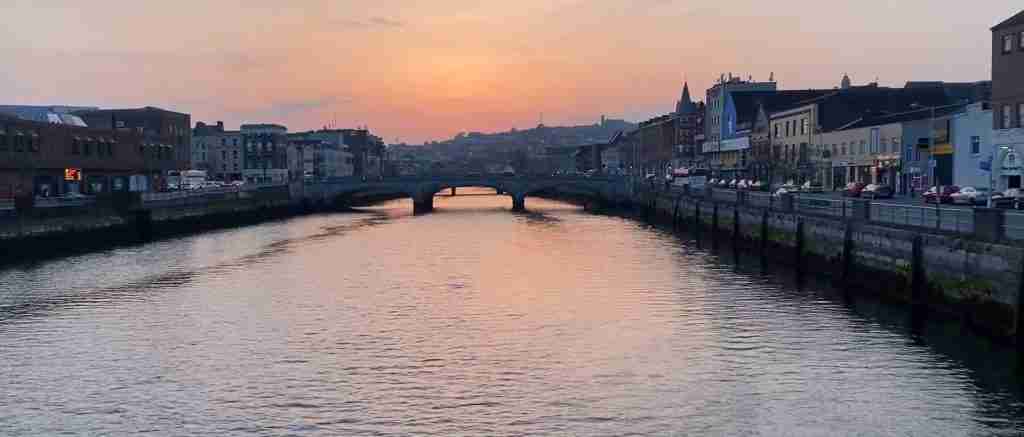
Cork’s medieval street pattern creates a walkable city center spanning Patrick Street’s pedestrian shopping district, the English Market’s covered food hall, St Fin Barre’s Cathedral, University College Cork campus, and the River Lee’s scenic quays within a 2-3 kilometer radius. Most major hotels, restaurants, pubs, and attractions cluster in this central zone, making walking your primary daytime movement method with good footwear and weather-appropriate clothing.
The city’s hilly topography means walking routes involve inclines, particularly when climbing from riverside areas to elevated neighborhoods like Shandon with its famous church bells. Pedestrian infrastructure includes designated crossings, traffic signals, and sidewalks on all major streets, though some narrow lanes force shared space with vehicles. Cork’s Georgian architecture and colorful shopfronts reward unhurried walking exploration, allowing spontaneous market browsing, café stops, and architectural photography impossible when rushing between bus connections.
Intercity Rail Connections from Cork 2026
Cork’s Kent Station serves as Southern Ireland’s rail hub with direct trains to Dublin Heuston Station every hour during weekday daytimes, reducing to every two hours on weekends. Journey times average 2 hours 30 minutes covering 266 kilometers with walk-up off-peak single fares starting at €13 for advance online bookings, rising to €40-60 for flexible tickets purchased close to departure. The service stops at Mallow (important interchange for Killarney and Tralee connections), Thurles, Portlaoise, and other intermediate stations before reaching Dublin.
Advance booking through Irish Rail’s website or mobile app delivers significant savings versus purchasing tickets at stations, with the lowest fares available 90 days before travel. All Dublin-Cork services offer onboard Wi-Fi, power outlets at seats, and trolley refreshment service, making the journey productive for work or relaxation. Premier Class upgrades cost €20-30 above standard fares, providing larger seats, complimentary meals, and quieter carriages worth considering for longer journeys or business travel.
Cork Commuter Rail services connect the city with Cobh (25-minute journey, €6 return fare) and Midleton (30 minutes, €7 return) with frequent daytime departures every 30-60 minutes making these popular day trip destinations easily accessible without rental cars. The scenic Cobh route follows Cork Harbour’s waterfront, passing naval facilities and harbor islands before reaching the colorful waterfront town where Titanic passengers boarded in 1912.
Weather Patterns and Seasonal Planning 2026
Cork’s oceanic climate delivers moderate temperatures year-round with persistent rainfall and rapid weather changes requiring flexible clothing strategies rather than single-outfit planning. Understanding seasonal patterns helps set realistic expectations and pack appropriate gear for comfortable exploration.
Summer Season Cork Weather (June-August 2026)
Cork’s warmest months from June through August bring average high temperatures between 17-19°C with overnight lows around 11-13°C, creating comfortable conditions for outdoor activities without the heat stress common in Mediterranean destinations. July typically peaks as the warmest month, though 20°C represents a warm day rather than guaranteed summer heat. Sunshine hours reach their annual maximum at 6-7 hours daily in May and June, decreasing slightly to 5-6 hours in July and August as cloud cover increases.
Rainfall during summer months averages 74-79mm monthly, distributed across 15-18 rain days per month meaning brief showers interrupt most weeks rather than sustained downpours. The Gulf Stream’s warming influence prevents extreme temperatures in either direction, creating pleasant conditions for walking tours, coastal drives, and outdoor festivals. Daylight extends from approximately 5:30 AM sunrise to 10:00 PM sunset at the summer solstice in late June, providing extensive exploration time.
Summer brings peak tourism season consequences including highest accommodation rates, advance booking requirements for popular restaurants and hotels, crowded attractions at Blarney Castle and Cork’s English Market, and elevated rental car prices. The trade-off delivers reliable warm weather, full tourism infrastructure operation, and maximum daylight hours for sightseeing, making summer ideal for first-time visitors prioritizing weather reliability over budget considerations.
Shoulder Season Conditions (April-May, September-October 2026)
Cork’s spring months from April through May see temperatures rising from 10°C to 15°C as daylight increases and gardens bloom across the city. April brings moderate 72mm average rainfall, while May experiences Cork’s driest conditions at 72mm, though “driest” remains relative in Ireland’s maritime climate. September extends summer-like conditions with 17°C averages before October’s transition toward winter brings temperatures down to 13-14°C and rainfall increasing to 102mm as Cork’s wettest month.
Shoulder seasons deliver Cork’s best value proposition with accommodation rates 30-40% below summer peaks, uncrowded attractions allowing spontaneous visits without advance bookings, and generally pleasant weather suitable for outdoor activities with appropriate layering. September maintains summer warmth without peak crowds, while May offers increasing warmth and decreasing rain creating favorable conditions for budget-conscious travelers. Cultural events including Cork’s jazz festival in late October and spring food festivals provide entertainment beyond standard tourist attractions.
Daylight hours range from 13-14 hours in April and September to 15-16 hours at May’s peak and 11-12 hours by late October, providing ample exploration time across most of the shoulder season. The primary weather risk involves increased rainfall variability compared to summer’s more predictable patterns, requiring flexible daily itineraries that adapt to weather conditions rather than rigid advance scheduling.
Winter Period Reality Check (November-March 2026)
Cork winters maintain mild temperatures averaging 8-10°C from December through February, rarely dropping below freezing and almost never experiencing snow accumulation. January occasionally sees temperatures fall to -3°C during cold snaps, though these events last days rather than weeks. The city’s maritime influence moderates winter cold compared to continental European cities at similar latitudes, making outdoor exploration feasible year-round with proper clothing.
The challenging winter element involves persistent rainfall averaging 88-95mm monthly from November through March combined with strong winds from Atlantic weather systems and dramatically reduced daylight hours. December’s winter solstice brings sunrise around 8:30 AM and sunset by 4:30 PM, providing only 7-8 hours of daylight severely limiting sightseeing productivity. January and February extend daylight slightly to 8-9 hours but maintain gray, overcast conditions that restrict outdoor photography and dampen spirits for visitors accustomed to sunnier winter climates.
Winter travel to Cork suits visitors prioritizing indoor cultural experiences including museums, galleries, traditional music pub sessions, and culinary exploration over outdoor activities and coastal drives. Accommodation rates reach annual lows during November through March excluding Christmas and New Year periods, with hotels offering substantial discounts to fill rooms during the off-season. The Cork Opera House, Everyman Theatre, and various cultural venues maintain full performance schedules, providing entertainment alternatives when weather prevents outdoor plans.
Essential Weather Preparation Cork 2026
Pack layered clothing systems rather than single heavy coats, combining base layers, insulating mid-layers, and waterproof outer shells that adapt to Cork’s variable conditions. A quality waterproof jacket with hood represents your single most important clothing item regardless of travel season, protecting against rain showers that arrive with minimal warning and pass within 30 minutes. Waterproof footwear or shoes with good tread prevent slipping on wet cobblestones and keep feet dry during rainy exploration sessions.
Locals adopt a pragmatic approach to rain, continuing daily activities during light showers rather than seeking shelter, making compact umbrellas or rain jackets essential accessories carried constantly. The phrase “if you don’t like Irish weather, wait ten minutes” reflects rapid condition changes from rain to sunshine and back within single afternoons, requiring mental flexibility and practical rain gear rather than perfect weather expectations.
Check Irish weather forecasts through Met Éireann, Ireland’s national meteorological service, which provides accurate localized predictions and severe weather warnings when Atlantic storms approach. The forecast accuracy extends 3-5 days reliably, allowing advance planning for outdoor activities, coastal drives, and photography sessions during predicted clear periods while scheduling indoor museum visits and culinary experiences during forecast rain.
Money Matters and Financial Planning Cork 2026
Ireland uses the Euro as its official currency despite the Republic’s distinction from Northern Ireland’s Pound Sterling, creating straightforward financial planning for visitors from Eurozone countries while requiring currency exchange considerations for American, British, Canadian, and other non-Euro travelers.
Currency Exchange Options Cork 2026
Cork Airport’s arrivals hall hosts currency exchange bureaus offering immediate Euro access upon landing, though airport exchange rates typically include 5-8% margins above mid-market rates plus transaction fees. City center banks including AIB, Bank of Ireland, and Permanent TSB on Patrick Street and South Mall provide better exchange rates during business hours Monday through Friday, though queuing times and limited weekend access restrict convenience. Independent currency exchange offices scattered through Cork’s tourist areas advertise competitive rates but frequently hide fees in fine print, requiring careful comparison shopping.
ATM withdrawals using debit cards deliver the most favorable exchange rates for most visitors, accessing near-market rates with only your home bank’s international transaction fees applied. Cork’s ATMs operate throughout the city center outside bank branches, in shopping centers, and at convenience stores, accepting Visa, Mastercard, and Maestro networks. Withdrawal limits typically cap at €200-400 per transaction, requiring multiple withdrawals for large cash needs and triggering per-transaction fees if your bank charges for international ATM use.
Specialized travel money cards from providers like Wise, Revolut, and others offer pre-loaded Euro balances at competitive exchange rates without transaction fees, functioning as debit cards throughout Ireland while avoiding dynamic currency conversion charges and providing spending tracking through mobile apps. These cards require advance online ordering before departure, making airport arrival purchases impossible but delivering superior rates for planned spending.
Credit Card Acceptance Cork 2026
Cork businesses widely accept Visa and Mastercard credit cards across hotels, restaurants, shops, and major attractions, with contactless payments functioning for purchases under €50 without PIN entry. American Express sees more limited acceptance particularly at smaller establishments and pubs, while Discover and other regional cards rarely work outside major hotel chains. Always carry backup payment methods including a second credit card and moderate cash reserves for vendors requiring cash payment or experiencing card system failures.
Dynamic currency conversion represents a common credit card trap where payment terminals offer to charge your card in your home currency rather than Euros, applying unfavorable exchange rates that cost 3-5% above standard conversion. Always decline DCC offers and select “charge in Euros” or “local currency” when presented with currency choice, allowing your credit card issuer to convert at better rates. Restaurant servers and shop clerks sometimes frame DCC as beneficial for “knowing the exact charge in your currency,” though this seemingly helpful option consistently costs more than standard processing.
Verify your credit cards carry no foreign transaction fees before departure, as these 3% charges substantially increase costs during extended stays. Premium travel credit cards typically waive foreign transaction fees while offering travel insurance and other benefits worth considering for international trips.
Tipping Customs Cork 2026
Cork restaurants expect tips between 10-12.5% of the bill total for satisfactory table service, with exceptional service warranting up to 15% but rarely exceeding that threshold. Check your bill carefully before adding tips, as many establishments automatically include service charges of 10-12.5% particularly for groups of six or more diners. When service charges appear on bills, additional tipping remains optional unless service substantially exceeded expectations. Groups of 10+ people commonly see automatic 20% service charges added without advance notification, requiring careful bill review before paying.
Cash tipping ensures staff receives the full amount directly, while card tipping availability varies by establishment with some restaurants processing tips through payment systems and others unable to add gratuity to card transactions. When uncertain about card tip processing, ask servers directly whether adding tips to card payments reaches staff or cash tips work better, as transparency helps ensure your gratitude reaches the intended recipient.
Cork pubs require no tips for drink orders at the bar, as bartenders earn standard wages without dependence on gratuities. Table service for drinks justifies small €1-2 tips when servers deliver orders to your table, particularly for large rounds or exceptional attentiveness. Food service in pubs follows restaurant tipping conventions at 10-12.5% for satisfactory meal service. Resist pressure to tip per drink or round as American visitors sometimes encounter, as this practice contradicts Irish customs and marks you as unfamiliar with local standards.
Taxi drivers appreciate fare rounding to the nearest Euro rather than percentage-based tips, making €12 fares become €13-14 or €18 rides round to €20. Drivers who assist with heavy luggage or provide particularly helpful navigation advice warrant extra €1-2 additions beyond simple rounding. Tour guides on multi-day excursions traditionally receive €5-10 per person per day depending on group size and service quality, while day tour guides earn €2-5 per person for satisfactory experiences.
Daily Budget Estimates Cork 2026
Budget-conscious travelers manage Cork visits on approximately €55-85 per person daily, combining hostel dormitory beds or budget hotel rooms at €35-55, self-catered breakfast and lunch from supermarkets at €10-15, one modest restaurant dinner at €12-18, public transport using Leap Card at €3-8, and limited paid attraction entry at €5-12. This budget requires discipline avoiding spontaneous pub meals, premium attraction entry fees, and excessive public transport use.
Mid-range comfort costs approximately €135-185 per person daily including mid-range hotel rooms at €95-135 (assuming two sharing with room cost divided), breakfast included or café breakfast at €8-12, lunch at casual restaurants at €12-18, dinner at good restaurants at €20-35, mixed public transport and occasional taxis at €8-15, and standard attraction entry fees at €8-15. This budget allows comfortable exploration without luxury excesses or constant budget monitoring.
Luxury experiences require €250-350+ per person daily covering boutique hotels or premium properties at €180-280 (two sharing), upscale dining for all meals at €60-90, private transportation or rental cars at €30-50, premium attraction tickets and experiences at €20-40, and allowances for shopping and spontaneous spending. Luxury travel eliminates budget constraints while maintaining reasonable rather than extravagant spending patterns.
Accommodation Strategies Cork 2026
Cork offers diverse accommodation options from backpacker hostels through boutique hotels, with location and booking timing significantly impacting both price and experience quality. Understanding neighborhood characteristics and seasonal pricing patterns helps optimize your lodging selection.
City Center Accommodation Benefits 2026
Staying within Cork’s compact city center bounded by St Patrick’s Street, the River Lee, and Washington Street provides walking access to major attractions, restaurants, pubs, and public transport hubs while eliminating taxi expenses and navigation complexity. Properties here charge premium rates during summer peak season and major event weekends including Cork Jazz Festival in late October, with advance booking essential for securing reasonable options during high-demand periods.
City center hostels like Sheila’s Hostel and Kinlay House Cork provide budget beds from €22-35 in dormitories or €70-95 for private rooms, including kitchens for self-catering, common areas for meeting fellow travelers, and central locations near St Fin Barre’s Cathedral and the English Market. Mid-range city center hotels including Jurys Inn Cork, The Metropole, and River Lee Hotel charge €120-180 for double rooms during shoulder seasons, rising to €180-280 during summer and special events. Boutique properties like The Montenotte Hotel and Imperial Hotel Cork offer premium positioning at €200-350 depending on season and room category.
Suburban and Outlying Options 2026
Cork’s suburbs including Douglas, Ballincollig, and Blackrock provide more affordable accommodation at €80-140 for mid-range hotels, though requiring bus commutes or rental cars for city center access adds transportation time and costs to your daily routine. Airport hotels near Cork Airport suit early departure or late arrival itineraries, offering free parking and airport shuttle services at €90-150 per night but isolating you from Cork’s cultural and dining offerings.
Coastal villages including Kinsale (25 kilometers south), Cobh (20 kilometers southeast), and Crosshaven offer charming alternatives to city center lodging, combining harbor views, fresh seafood restaurants, and quieter atmospheres at comparable or slightly lower prices than central Cork. These locations work best for travelers with rental cars, as public transport connections require bus transfers and extended journey times limiting spontaneous evening returns to Cork city nightlife.
Booking Timing and Cancellation Flexibility 2026
Book Cork accommodation 2-3 months ahead for summer travel (June-August), major event weekends, and holiday periods including Easter and Christmas, when city hotels fill completely and prices reach annual peaks. Shoulder season and winter travel allows shorter booking windows of 2-4 weeks, with last-minute deals sometimes appearing on booking platforms as hotels reduce rates to fill vacant rooms.
Prioritize flexible cancellation terms when booking far in advance, as unpredictable circumstances may require itinerary changes and non-refundable rates save minimal amounts compared to cancellation flexibility benefits. Most booking platforms highlight free cancellation periods, typically ending 24-72 hours before arrival, providing protection against unexpected changes while securing preferred properties during high-demand periods.
Safety and Health Considerations Cork 2026
Cork ranks among Europe’s safest cities for tourists, though basic vigilance and health precautions ensure trouble-free visits rather than simply hoping for the best.
Personal Safety in Cork 2026
Violent crime against tourists remains extremely rare in Cork, with the primary risks involving petty theft including pickpocketing in crowded areas and bag snatching from outdoor café tables. Keep valuables secure in front pockets or cross-body bags, avoid displaying expensive jewelry or electronics unnecessarily, and maintain awareness in tourist-heavy zones near the English Market, Patrick Street shopping district, and evening pub areas where crowds create opportunities for opportunistic theft.
Cork’s pub culture creates late-night street activity particularly Thursday through Saturday, with most incidents involving alcohol-fueled disputes between locals rather than tourist targeting. Walking well-lit main streets back to hotels remains safe even after midnight, though dark lanes and quiet residential areas warrant taxi use especially for solo travelers. Cork’s compact size means short taxi rides cost €8-12 within the city center, representing worthwhile safety investments versus uncertain late-night walking routes.
Emergency services in Ireland respond to 999 or 112 calls, connecting you to police (Gardaí), ambulance, or fire services. Cork University Hospital on Wilton Road provides 24-hour emergency care for serious medical situations, while smaller urgent care facilities handle minor injuries and illnesses during business hours. Pharmacy chains including Boots, Hickey’s, and independent chemists stock over-the-counter medications for common ailments, operating extended hours in city center locations.
Health Insurance and Medical Access 2026
Ireland provides emergency medical care to all visitors regardless of insurance status, though non-emergency treatments and hospital stays generate substantial bills for those without coverage. EU citizens present European Health Insurance Cards for reciprocal care access matching Irish residents’ public healthcare entitlements, while Americans, Canadians, and other non-EU visitors should verify their travel insurance includes adequate medical coverage including emergency evacuation provisions.
Standard travel insurance policies cover emergency medical treatments, hospital stays, medication costs, and medical evacuation to home countries when necessary, providing essential financial protection against unexpected illness or injury abroad. Pre-existing conditions typically require disclosure during policy purchase for coverage eligibility, with some insurers excluding coverage for pre-existing issues while others cover them after waiting periods or premium surcharges.
No vaccinations beyond standard childhood immunizations are required for Ireland travel, with the country maintaining excellent public health standards and no endemic tropical diseases. Water quality throughout Cork meets EU standards with safe tap water in all hotels, restaurants, and public buildings. Seasonal flu vaccines prove worthwhile for winter travelers, particularly elderly visitors or those with compromised immune systems, as Ireland experiences typical Northern European flu seasons from October through March.
COVID-19 Considerations 2026
Ireland eliminated most COVID-19 entry restrictions during 2022, with 2026 maintaining this open approach requiring no vaccination certificates, testing, or quarantine for international arrivals. Mask wearing remains optional in most settings including shops, restaurants, and public transport, though some healthcare facilities maintain masking requirements for patient protection.
The virus continues circulating at low levels with periodic autumn and winter increases, making hand hygiene, ventilation awareness, and personal health monitoring sensible precautions particularly for vulnerable travelers. Pharmacies stock home COVID-19 test kits for approximately €5-8 each, allowing symptom monitoring if you develop cold-like symptoms during your visit. Most travel insurance policies cover COVID-19-related medical treatments and trip interruptions, though verifying specific coverage details before departure prevents unpleasant surprises if illness occurs.
Cultural Customs and Social Etiquette Cork 2026
Cork’s friendly social atmosphere welcomes tourists warmly, though understanding basic Irish customs and Cork-specific character enhances interactions and prevents inadvertent offense.
Pub Culture and Social Drinking 2026
Cork’s pubs function as social gathering spaces rather than purely drinking establishments, with locals meeting friends, watching sports, enjoying traditional music sessions, and conversing over pints in relaxed multi-hour sessions. Ordering drinks at the bar represents standard practice in most pubs rather than table service, requiring you to approach the bar, make eye contact with bartenders, and order when acknowledged. Rounds culture involves group members taking turns buying drinks for everyone present, creating reciprocal buying patterns where refusing participation marks you as antisocial. If joining established groups, signal your round intentions early to avoid appearing cheap or freeloading.
Pace yourself to Irish drinking patterns that favor conversation over rapid consumption, as Irish pub sessions often extend 3-4 hours making American-speed drinking unsustainable and embarrassing. Cork people pride themselves on friendly welcomes to visitors, with spontaneous conversations starting at bars, music sessions, and sports viewing creating opportunities for genuine local interactions beyond tourist bubble experiences.
Cork Regional Pride and Identity 2026
Cork residents express strong regional identity distinct from Dublin, considering their city Ireland’s true cultural capital and referring to it as “The Real Capital” despite Dublin’s official status. Cork people call themselves “Corkonians” and take pride in the city’s history as a rebel stronghold during Irish independence struggles, its distinct accent and vocabulary, and its reputation for arts, food, and music. Engage this pride respectfully through questions about Cork’s culture and history while avoiding comparisons suggesting Dublin’s superiority, which irritates locals.
Cork’s accent features distinctive pronunciation patterns including dropped ‘g’ endings and unique vowel sounds that sometimes challenge American ears initially. Don’t mock accents or request repetitions in exaggerated tones, as this causes offense. Instead, politely ask for clarification when genuinely unable to understand, which locals accommodate good-naturedly. Cork vocabulary includes unique expressions like “grand” meaning fine or acceptable, “craic” (pronounced “crack”) referring to fun or good times, and “yoke” as a catch-all word for any object whose proper name escapes you.
Conversation Topics and Sensitivities 2026
Irish people generally welcome political discussions and hold strong opinions about government, church, and social issues, though visitors should avoid presuming expertise about Irish history, Northern Ireland politics, or religious divisions based on stereotypes or brief research. Let locals lead sensitive conversations rather than introducing controversial topics yourself, and listen respectfully when people share perspectives even when they conflict with your preconceptions.
Weather complaints bond Irish people through shared suffering about rainfall and gray skies, making weather commentary a safe conversation starter rather than sensitive topic. Sports including Gaelic football, hurling, rugby, and soccer provide endless discussion material, with Cork’s GAA team (Gaelic Athletic Association) inspiring fierce local loyalty. Asking about these sports, expressing interest in attending matches, or discussing recent games builds rapport with sports-minded locals.
Avoid assuming all Irish people maintain strong Catholic faith or conservative social views, as Ireland experienced rapid secularization and social liberalization over recent decades including same-sex marriage legalization and abortion reform. Cork particularly embraces progressive values through its university population and urban character, making assumptions about religious conservatism often inaccurate and occasionally offensive.
Cork-Specific Insider Tips 2026
Beyond general Ireland travel advice, these Cork-specific insights address the city’s particular character and practical realities.
English Market Navigation 2026
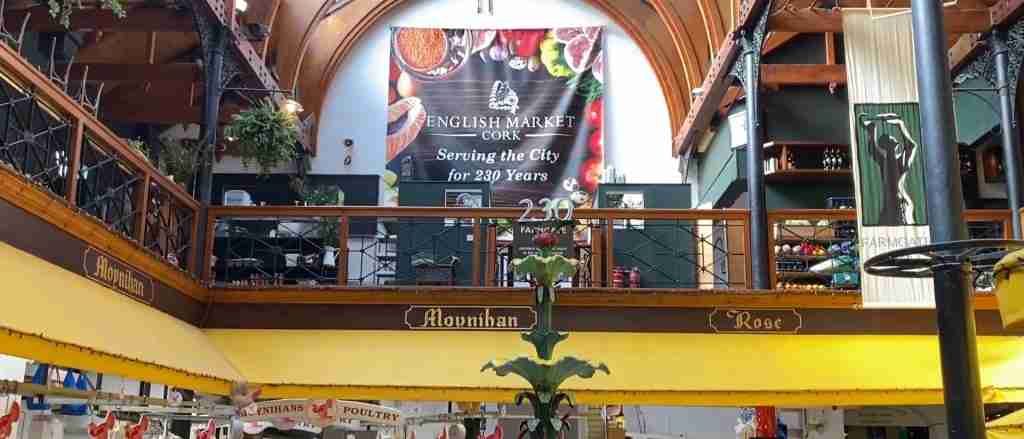
Cork’s covered English Market on Grand Parade represents the city’s culinary heart, operating Monday-Saturday from 8:00 AM to 6:00 PM with reduced Saturday hours. Visit during mid-morning hours from 10:00 AM to 12:00 PM for the best selection and fewer crowds than lunchtime rushes. The market’s maze-like layout rewards exploration, with fish vendors including O’Connell’s and Kay O’Connell’s displaying daily catches, artisan cheese stalls offering tastings, specialty butchers selling local meats, and prepared food counters serving excellent lunches.
Sample liberally from vendors offering tastings, as this represents standard practice rather than inappropriate freeloading. Purchase picnic supplies for countryside excursions or apartment meal preparation, sourcing superior ingredients at competitive prices compared to supermarkets. The market’s upstairs gallery level houses café seating with market views, providing atmospheric lunch settings though prices exceed counter service rates.
Blarney Stone Timing Strategies 2026
Blarney Castle’s famous Blarney Stone attracts crowds creating 30-60 minute queues during peak summer afternoons from 12:00 PM to 4:00 PM. Arrive when gates open at 9:00 AM or after 4:00 PM during extended summer hours for minimal waits, though castle gardens and grounds warrant 2-3 hour visits beyond stone-kissing time. The stone-kissing process involves leaning backwards while lying on your back and gripping iron rails, assisted by staff members who steady visitors during the awkward maneuver.
Bus 215 connects Cork city center with Blarney village in 25 minutes for €3-4 each way, operating hourly during daytimes Monday-Saturday with reduced Sunday service. The walk from Blarney village to castle entrance takes 10 minutes through the village’s main street lined with souvenir shops selling Blarney-branded products at inflated prices compared to Cork city alternatives.
Cobh Harbor Excursions 2026
Cobh (pronounced “Cove”) sits 20 kilometers southeast of Cork, accessible via scenic 25-minute train rides from Cork Kent Station costing €6 return with trains departing every 30-60 minutes. The colorful waterfront town served as Titanic’s final port of call in 1912, with the Titanic Experience museum occupying the original White Star Line ticket office. The museum charges €12 adult admission, running guided tours every 30 minutes from 9:00 AM to 6:00 PM during summer months.
Cobh’s steep streets rising from the harbor feature Victorian townhouses painted in vibrant colors creating Instagram-worthy photography opportunities, while St Colman’s Cathedral dominates the skyline with its 100-meter spire visible across Cork Harbour. Allow 3-4 hours for Cobh visits including train travel, museum tours, harbor walks, and lunch at waterfront restaurants serving fresh seafood at €15-25 per main course.
Cork University Campus Access 2026
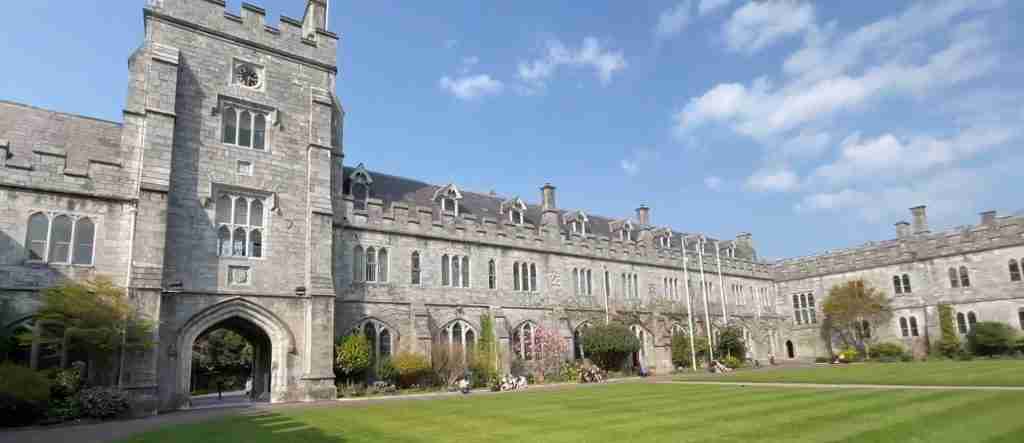
University College Cork welcomes visitors exploring its Gothic Revival quadrangle buildings, riverside grounds, and the Glucksman contemporary art gallery offering free admission Tuesday-Saturday. The campus occupies the Western Road area within walking distance from city center, creating peaceful green spaces for picnic lunches and architectural photography. The adjacent Fitzgerald Park hosts Cork Public Museum with free entry providing local history context, while the park’s gardens and river walks offer respite from urban exploration.
Seasonal Events and Festival Planning 2026
Cork’s cultural calendar peaks during specific annual events warranting advance accommodation booking and itinerary adjustments.
Cork Jazz Festival October 2026
The Cork Jazz Festival transforms the city during the last weekend of October, bringing international jazz musicians to venues across the city from intimate pub sessions through large-scale concert halls. The festival operates primarily from Thursday evening through Sunday, with hundreds of free pub gigs complementing ticketed main stage performances. Accommodation books months in advance for this weekend, with hotel rates doubling or tripling normal October prices and availability becoming extremely limited.
Festival-goers need no advance tickets for pub sessions, arriving early to secure standing room in popular venues hosting major artists. Ticketed concerts require advance purchase through the festival website, with popular shows selling out weeks ahead. The festival atmosphere creates crowded streets, packed pubs, and electric energy throughout Cork city center, making this weekend either ideal for jazz enthusiasts or a period to avoid for travelers seeking quiet cultural exploration.
Cork Midsummer Festival June 2026
Cork’s Midsummer Festival celebrates arts and culture during mid-June with theater performances, art exhibitions, music events, and street performances across two weeks. The festival features a mix of free outdoor events and ticketed shows, with programming announced in early May allowing planning around specific interests. This period marks summer season commencement with improving weather conditions and increasing tourist activity, requiring moderate advance accommodation booking though not reaching October’s jazz festival intensity.
St Patrick’s Day Cork 2026
St Patrick’s Day on March 17th brings Cork’s main parade through the city center with floats, marching bands, and community groups creating family-friendly afternoon entertainment. Unlike Dublin’s massive commercial event, Cork maintains a more local character with community participation and less aggressive commercialization. Pubs operate extended hours and experience capacity crowds, with city center establishments requiring patience for bar service and restricted movement in packed venues.
Many Cork businesses close for the public holiday, limiting shopping and some restaurant options while focusing the day on parade viewing and pub socializing. The parade itself lasts approximately 90 minutes starting around 1:00 PM from Grand Parade through Patrick Street, with prime viewing locations filling an hour before start times.
Photography and Documentation Tips Cork 2026
Cork’s colorful architecture, riverside settings, and market atmospheres create photogenic environments rewarding prepared photographers.
Best Photography Locations Cork 2026
St Fin Barre’s Cathedral from Bishop Street captures Gothic spires against sky backgrounds, photographing best during golden hour morning light from 8:00-9:00 AM when low sun illuminates detailed stonework. The English Market’s interior presents challenging mixed lighting from overhead fluorescents and natural skylight, requiring higher ISO settings or wide aperture lenses for sharp handheld photography avoiding flash that disturbs vendors.
Shandon Church’s tower and surrounding neighborhood provide elevated city views with colorful row houses cascading down steep hills toward the River Lee. Elizabeth Fort’s walls offer panoramic Cork vistas including both cathedral branches, though limited opening hours during Tuesday-Saturday require timing verification. Cobh’s waterfront with St Colman’s Cathedral backdrop creates classic Cork Harbour compositions, photographing best during mid-afternoon hours when sunlight illuminates the colorful townhouses without harsh shadows.
Photography Etiquette and Permissions 2026
English Market vendors welcome photography of food displays and market atmosphere but appreciate courtesy requests before photographing people directly, with many stallholders happy to pose or demonstrate their craft when asked politely. Street photography in Cork follows general European norms allowing public space photography while respecting privacy in situations where individuals hold reasonable expectations against photography like medical facilities or private property.
Pub photography during music sessions requires sensitivity to performers and patrons, with flash photography particularly disruptive to traditional music environments where subtle dynamics matter. Observe whether locals photograph sessions freely or maintain respectful distance from performers, following community norms rather than asserting photographer rights regardless of setting.
Frequently Asked Questions Cork Travel 2026
Can I drink Cork tap water safely in 2026?
Yes, Cork’s tap water meets EU drinking water standards and is completely safe for consumption directly from taps in hotels, restaurants, and public buildings. The water comes from local reservoirs with treatment facilities ensuring quality, making bottled water purchases unnecessary unless you prefer specific taste profiles. Restaurants serve tap water free when requested, providing economical hydration throughout your visit.
Do Cork shops and restaurants accept US dollars or British pounds in 2026?
No, Cork businesses operate exclusively in Euros with extremely rare exceptions at major hotels or tourist attractions that might accept other currencies at unfavorable exchange rates. Exchange currency before shopping or dining to avoid embarrassment and poor exchange rates, using ATMs, banks, or currency exchange offices to obtain Euros for all transactions throughout your Cork stay.
How walkable is Cork city center for travelers with mobility limitations in 2026?
Cork’s city center features mostly level terrain along the River Lee quays and Patrick Street pedestrian area, though significant hills challenge wheelchair users and those with walking difficulties in neighborhoods like Shandon and areas surrounding St Fin Barre’s Cathedral. Many historic buildings lack elevator access due to Georgian architecture, while modern hotels and major attractions provide accessibility features including ramps, elevators, and accessible restrooms. City buses offer low-floor access for wheelchair users, and accessible taxis operate throughout Cork though requiring advance booking for guaranteed availability.
What electrical outlets and voltage does Cork use in 2026?
Ireland uses Type G electrical outlets (three rectangular pins) with 230V electrical supply at 50Hz frequency, matching UK standards but differing from US 110V and European Continental Type C outlets. North American travelers require outlet adapters plus voltage converters for devices not supporting dual voltage (110-240V), though most modern phone chargers, laptop power supplies, and camera batteries accept both voltages requiring only plug adapters. Purchase adapters before departure or at Cork Airport shops, as city center electronics stores charge premium prices for basic travel adapters.
Can I easily travel from Cork to other Irish destinations in 2026?
Yes, Cork’s central southern location provides excellent access to other Irish destinations via train, bus, and rental car options. Direct trains connect Cork with Dublin (2.5 hours), Killarney (1.5 hours), and intermediate cities, while Bus Éireann operates routes throughout Ireland from Cork’s Parnell Place Bus Station. Ring of Kerry, Dingle Peninsula, Killarney National Park, and Cliffs of Moher all sit within 2-3 hour drives from Cork, making the city an excellent base for exploring southwestern Ireland’s scenic attractions.
What’s the minimum time needed to experience Cork properly in 2026?
Allocate minimum 2-3 days for Cork city proper, covering the English Market, St Fin Barre’s Cathedral, University College campus, riverside walks, and evening pub culture while allowing time for spontaneous discoveries and relaxed pacing. Adding Blarney Castle, Cobh, and Kinsale day trips extends ideal stays to 4-5 days, while using Cork as a base for Ring of Kerry or Dingle excursions justifies week-long visits. First-time Ireland visitors often rush Cork in single-day visits between Dublin and Killarney, missing the city’s cultural depth and relaxed exploration rewards.
How does Cork’s size compare to other Irish cities for 2026 travel?
Cork ranks as Ireland’s second-largest city with approximately 210,000 residents in the city proper and 300,000 in the metropolitan area, substantially smaller than Dublin’s 1.4 million but larger than Galway’s 85,000 or Limerick’s 95,000. This size creates ideal urban exploration balance combining genuine city amenities including diverse dining, cultural venues, and shopping with manageable scale preventing the overwhelming complexity of larger European capitals. Cork feels less touristy than Dublin while maintaining urban sophistication lacking in smaller Irish towns.
What Cork souvenirs and purchases make sense in 2026?
Irish woolens including Aran sweaters, scarves, and blankets from Cork shops provide practical cold-weather clothing and home goods reflecting traditional craft, though verifying Irish manufacture rather than imported products ensures authenticity. Local artisan foods including farmhouse cheeses from English Market vendors, craft chocolates from Skelligs Chocolate, and specialty jams ship successfully when properly packaged for luggage transport. Cork gin from Micil or craft whiskey from local distilleries offer portable liquid souvenirs for alcohol enthusiasts, while Ogham jewelry featuring ancient Irish script provides distinctive accessories unavailable elsewhere.
Is Cork safe for solo travelers in 2026?
Yes, Cork maintains excellent safety records for solo travelers of all genders, with violent crime extremely rare and locals generally friendly toward visitors exploring independently. Solo female travelers report comfortable experiences walking city center areas during daytime and early evening, with standard precautions like avoiding dark lanes late at night and staying aware in crowded areas providing adequate safety. Hostel common areas and pub settings create natural opportunities for meeting fellow travelers and locals, while solo dining at restaurants faces no social stigma in Irish culture.
What language considerations matter for Cork travel in 2026?
English functions as Cork’s primary language with virtually all residents speaking fluent English, eliminating language barriers for Anglophone visitors. Irish (Gaeilge) appears on street signs, government buildings, and cultural contexts but represents heritage rather than daily communication language in Cork city, with limited practical use for tourists beyond appreciation. Cork’s distinctive accent featuring rapid speech patterns and local vocabulary occasionally challenges American ears initially, though patience and polite clarification requests overcome any comprehension difficulties within days of immersion.