Cork Responsible Tourism Guide: Sustainable Travel Practices & Eco-Friendly Experiences
Cork stands at the forefront of Ireland’s sustainable tourism movement, combining rich cultural heritage with environmental stewardship across its vibrant city center and dramatic coastal landscapes. The region demonstrates that responsible travel enhances rather than diminishes the visitor experience, offering authentic connections to local communities while protecting the ecosystems that make Cork extraordinary. This guide equips travelers with practical strategies for exploring Cork sustainably, from choosing eco-certified accommodations to supporting farm-to-table restaurants that anchor Cork’s celebrated food culture.
Key Takeaways: Cork Sustainable Tourism Essentials
- Green Hospitality Leadership: Cork hosts numerous Green Hospitality and Ecotourism Ireland certified properties, from boutique city hotels to countryside estates, all implementing renewable energy, waste reduction, and local sourcing programs that allow visitors to minimize environmental impact without sacrificing comfort.
- Farm-to-Table Food Capital: Cork’s sustainable food scene centers on legendary institutions like Ballymaloe House, which pioneered Ireland’s farm-to-fork movement in 1964, alongside contemporary restaurants sourcing ingredients from the English Market’s 230-year-old artisan network and regional organic farms within a 12-mile radius.
- Active Transportation Infrastructure: Cork’s expanding network of greenways, including the Lee to Sea route and Old Blackrock Railway line, provides car-free exploration options, while the Cork Cycling Network Plan prioritizes segregated cycle lanes connecting major attractions, educational institutions, and employment centers across the metropolitan area.
- Conservation and Biodiversity Protection: The County Cork Biodiversity Action Plan protects Special Areas of Conservation, Special Protection Areas, and Natural Heritage Areas across diverse ecosystems from coastal wetlands to inland forests, with organizations like Cork Nature Network leading restoration initiatives and wildlife monitoring programs.
- Leave No Trace Commitment: Cork’s tourism sector has embraced Leave No Trace Ireland principles through partner hotels, tour operators, and attractions, educating visitors on minimizing environmental and social impacts while exploring Cork’s natural and cultural heritage responsibly.
- Supporting Local Economies: Responsible tourism in Cork means patronizing locally owned businesses, artisan producers, and community-based tour operators that retain economic benefits within Cork while providing authentic cultural experiences unavailable through international chains.
People Also Ask About Cork Responsible Tourism
What makes Cork a leader in sustainable tourism in Ireland?
Cork has established comprehensive sustainability infrastructure across accommodation, dining, transportation, and conservation sectors. Visit Cork, representing the Cork Convention Bureau and Pure Cork brand, operates under a Sustainability Strategy running through 2030 with measurable commitments to environmental, social, and economic sustainability. The city joined the Global Destination Sustainability Index in 2018, benchmarking progress against international standards. Numerous Cork properties hold Green Hospitality certification, which assesses energy management, food sourcing, waste reduction, transportation access, biodiversity support, and community relationships. The English Market, operational for 230 years, exemplifies sustainable food systems through its network of local artisan suppliers who appear on restaurant menus citywide, creating transparent farm-to-fork connections. Cork’s expanding cycling infrastructure, including dedicated greenways and segregated urban bike lanes, provides low-carbon transportation alternatives that reduce congestion while improving visitor experiences.
How can visitors practice Leave No Trace principles in Cork?
Leave No Trace Ireland operates through seven core principles that Cork visitors should implement across all outdoor activities. Plan ahead by researching permitted access areas, trail conditions, and Leave No Trace partners among Cork accommodations and tour operators. Travel and camp on durable surfaces by staying on designated trails along Cork’s greenways and coastal paths, avoiding vegetation trampling that causes erosion and habitat disruption. Dispose of waste properly by packing out all litter, using provided recycling facilities, and participating in beach cleanup initiatives along Cork’s coastline. Leave what you find by photographing rather than collecting fossils, flowers, or archaeological artifacts from Cork’s protected sites. Minimize campfire impacts by using designated fire pits only when permitted, or better yet, using portable camping stoves to prevent wildfire risk. Respect wildlife by observing from safe distances, never feeding animals, keeping dogs leashed near livestock and nesting birds, and avoiding sensitive areas during breeding seasons. Be considerate of other visitors and local residents by keeping noise minimal, yielding trail access, parking responsibly without blocking farm gates, and respecting private property boundaries.
Which Cork restaurants prioritize sustainable and local sourcing?
Ballymaloe House pioneered farm-to-fork dining in Ireland when Myrtle Allen opened her restaurant in 1964, serving produce from the family farm and neighboring properties. Today, Ballymaloe maintains this commitment with ingredients from its walled garden, on-site farm, and trusted local suppliers, minimizing food miles while supporting regional agriculture. Sage Restaurant in Midleton operates with a “12-mile ethos,” sourcing 90% of ingredients from within Cork, with vegetables and eggs from nearby farms and seafood from local boats. The Field Kitchen at Camus Farm in West Cork grows vegetables in walled gardens and polytunnels, harvesting hours before service, with solar panels and composting systems supporting zero-waste operations. Cafe Paradiso in Cork city center creates acclaimed vegetarian cuisine using seasonal local ingredients that change with harvest cycles. Greenes Restaurant emphasizes foraged, organic, and locally grown ingredients with sustainability commitments evident throughout operations. Good Day Deli at Nano Nagle Place combines locally sourced food with environmental responsibility practices. The English Market itself provides sustainable food access, with stallholders like K O’Connell fish merchants and numerous artisan producers supplying ingredients that appear on menus throughout Cork, creating traceable food networks visible to visitors.
What eco-certified accommodations are available in Cork?
Cork offers diverse eco-certified accommodations across price points and locations. Vienna Woods Hotel holds Green Hospitality certification, operating within 22 acres of natural woodland with over 150 solar panels, water conservation systems, energy-efficient room designs, and plastic-free policies. The River Lee received the Gold Award from Green Tourism, sourcing electricity from renewable providers, implementing structured waste management, sponsoring beehives for honey production, partnering with Tree Aid for reforestation projects, offering exclusively vegan and organic wines, and working with Green Spaces for Health Cork on community cleanup initiatives. Gougane Barra Hotel in Ballingeary holds Green Hospitality certification while operating in the beautiful Gougane Barra valley. Multiple Cork city properties maintain Green Hospitality or GTBS UK certification, including four-star hotels on MacCurtain Street near transit stations and boutique hotels recognized for sustainability achievements. Celtic Ross Hotel in Rosscarbery achieved Fifty Shades Greener certification overlooking the spectacular estuary. These certifications require documented environmental performance across energy consumption, water usage, waste diversion, local procurement, biodiversity protection, and community engagement, with regular third-party audits maintaining standards.
Extended multi-day tours – 5+ days
Featured Cork Multi-Day Tour Packages
3 days
Cork 3-Day Discovery Tour
- ✓ Comprehensive Cork experience
- ✓ Expert local guides included
- ✓ All accommodation included
- ✓ Transportation provided
5 days
Cork 5-Day Highlights Experience
- ✓ Comprehensive Cork experience
- ✓ Expert local guides included
- ✓ All accommodation included
- ✓ Transportation provided
7 days
Cork 7-Day Cultural Journey
- ✓ Comprehensive Cork experience
- ✓ Expert local guides included
- ✓ All accommodation included
- ✓ Transportation provided
10 days
Cork 10-Day Complete Adventure
- ✓ Comprehensive Cork experience
- ✓ Expert local guides included
- ✓ All accommodation included
- ✓ Transportation provided
Multi-day tour packages powered by TourRadar. Prices and availability subject to change.
Introduction: Sustainable Tourism in Cork
Cork has transformed sustainable tourism from peripheral concern to central operating principle across its hospitality, food, transportation, and conservation sectors. This transformation reflects both Ireland’s national commitment to becoming a world leader in sustainable travel and Cork’s specific geographic, cultural, and economic advantages that make responsible tourism not merely feasible but superior to conventional mass tourism models.
The region’s advantages begin with compact urban form and spectacular rural landscapes accessible without excessive travel. Cork city center concentrates cultural attractions, accommodations, restaurants, and services within walkable distances, while the metropolitan area’s greenway network and public transit infrastructure provide low-carbon access to coastal villages, heritage sites, and natural areas. This density enables visitors to experience diverse attractions without the environmental costs and inconvenience of constant driving.
Cork’s food culture, recognized nationally as Ireland’s “food capital,” derives authentic distinction from local sourcing networks established over decades. The English Market’s 230-year operation anchors transparent connections between artisan producers and consumers, with market stallholders supplying restaurants citywide. This system predates contemporary farm-to-table trends, representing traditional Irish food culture adapted for modern sustainable practice rather than imported concepts grafted onto existing infrastructure.
Tourism Ireland’s “Ireland Unrushed” campaign, which invested over two million dollars in promoting sustainable tourism and eco-conscious travel, specifically highlights Cork’s vibrant food scene alongside other Irish regions chosen for their sustainable transportation options and meaningful cultural experiences. This national recognition validates Cork’s leadership position while providing international visibility that attracts visitors specifically seeking responsible travel options.
The County Cork Biodiversity Action Plan establishes conservation frameworks protecting diverse ecosystems from coastal wetlands to inland forests, with legal designations including Special Areas of Conservation, Special Protection Areas, and Natural Heritage Areas covering significant portions of the county. These protected areas support wildlife populations while providing visitors with opportunities to experience Cork’s natural heritage under managed conditions that prevent ecological degradation.
Visit Cork’s Sustainability Strategy, spanning 2023 through 2030, commits the destination marketing organization to measurable environmental, social, and economic sustainability targets. The Cork Convention Bureau joined the Global Destination Sustainability Index in 2018, submitting to international benchmarking that tracks progress and identifies improvement opportunities. This institutional commitment ensures sustainable tourism development continues regardless of individual business turnover or changing visitor demographics.
Organizations like Cork Nature Network, the Irish Wildlife Trust, and BirdWatch Ireland maintain active conservation programs, restoration initiatives, and educational services that engage both residents and visitors. Leave No Trace Ireland has established partnerships with Cork accommodations, tour operators, and attractions, creating educational touchpoints throughout visitor journeys. The Burren Ecotourism Network, while centered in County Clare, demonstrates collaborative models that Cork businesses increasingly adopt.
Sustainable tourism in Cork delivers tangible benefits beyond environmental protection. Visitors who engage with local food systems, use active transportation, stay in certified green accommodations, and support conservation initiatives report higher satisfaction levels than those following conventional tourism patterns. These enhanced experiences derive from authentic cultural connections, physical engagement with landscapes, discovery of hidden local knowledge, and the intrinsic satisfaction of aligning travel behavior with personal environmental values.
Economic benefits concentrate in local communities rather than dispersing to international corporations. Family-owned restaurants purchasing from neighboring farms, locally managed hotels employing Cork residents, independent tour operators providing specialized knowledge, and artisan producers selling directly to visitors all retain revenue within the regional economy. This wealth circulation supports sustainable employment, preserves traditional skills, maintains cultural landscapes, and creates economic incentives for environmental stewardship.
The following sections provide comprehensive practical guidance for implementing sustainable tourism practices throughout Cork visits, organized by key decision categories: accommodations, dining, transportation, activities, shopping, and conservation support. Each section presents concrete options, specific provider names, actionable strategies, and contextual information enabling informed choices aligned with responsible tourism principles.
Understanding Cork’s Sustainable Tourism Certifications and Standards
Cork’s sustainable tourism sector operates under multiple third-party certification programs that assess environmental performance, social responsibility, and economic sustainability through documented standards and regular audits. Understanding these certification systems enables visitors to identify genuinely sustainable businesses versus those merely claiming environmental concern without substantive action.
Green Hospitality Programme represents Ireland’s leading third-party environmental sustainability certification for tourism and hospitality businesses. The program assesses properties across energy consumption, water usage, waste management, food sourcing, transportation access, nature conservation, and community relationships. Certification levels progress from Bronze through Silver to Gold, with each tier requiring documented performance improvements and audit verification. Properties display Green Hospitality awards prominently, and global booking platforms recognize certification through sustainability filters that provide competitive advantage. Cork properties holding Green Hospitality certification include Vienna Woods Hotel, The River Lee, Gougane Barra Hotel, and multiple city center establishments.
Ecotourism Ireland operates as both a certification body and advocacy organization promoting responsible tourism practices. Gold Level certification requires comprehensive environmental management systems, measurable sustainability achievements, and ongoing improvement commitments. Vagabond Tours of Ireland, which operates small-group tours throughout the country including Cork, achieved Ecotourism Ireland Gold Level certification before the company founders acquired Ecotourism Ireland itself, cementing their commitment to responsible tourism standards.
GTBS UK (Green Tourism Business Scheme) provides international certification recognized across Britain and Ireland. The program evaluates environmental management, social responsibility, and economic sustainability through rigorous assessment processes. Cork properties holding GTBS certification alongside Green Hospitality demonstrate commitment to meeting multiple international standards, not merely selecting the least demanding certification available.
Sustainable Travel Ireland recognition comes through documented sustainable practices across transportation, accommodations, activities, and dining. Multiple Irish tourism businesses, including those operating in Cork, have received recognition through this initiative, which connects to Ireland’s national goal of becoming a world leader in sustainable travel.
Leave No Trace Ireland Partners complete Leave No Trace Awareness Training and commit to promoting the seven Leave No Trace principles to visitors. Partnership status indicates businesses understand outdoor ethics and actively educate guests on minimizing environmental impacts. The Burren Ecotourism Network businesses, including the Cliffs of Moher Visitor Experience, have maintained Leave No Trace Partnership since 2014, demonstrating sustained commitment rather than temporary greenwashing.
Global Destination Sustainability Index (GDS-Index) represents the leading destination sustainability ranking system worldwide. Cork Convention Bureau joined GDS-Index in 2018, submitting annual performance data across environmental management, social sustainability, supplier performance, and destination strategy. This destination-level certification complements individual business certifications by assessing Cork’s overall sustainable tourism infrastructure.
Fifty Shades Greener Course provides environmental management system implementation support for businesses pursuing sustainability improvements. Cork properties completing this program gain structured frameworks for measuring consumption, identifying waste reduction opportunities, implementing renewable energy, and tracking progress toward environmental targets.
Tourism Cares Maps, an initiative mapping meaningful travel experiences that benefit communities and conservation, features Cork properties like Barnahown in Mitchelstown. This restored Georgian property operates with solar power, rainwater harvesting, zero single-use items, native planting, and EV chargers, introducing guests to local producers through pop-up food events and curated wellness experiences.
Climate Action Programme certification through Fáilte Ireland indicates properties actively working to reduce carbon footprint and energy consumption across departments. Vienna Woods Hotel participates in this program, implementing measurable sustainability goals from cutting food waste to introducing sustainable practices involving staff and guests.
B Corp certification, while more common among tour operators than accommodations, indicates comprehensive social and environmental performance meeting rigorous standards. Vagabond Tours achieved B Corp certification in January 2021 and was recertified in July 2024, demonstrating sustained commitment to responsible business practices.
Visitors seeking certified sustainable accommodations, restaurants, and tour operators should look for these specific certification logos displayed on websites, booking platforms, and physical premises. Properties making general sustainability claims without third-party verification may implement genuine environmental practices, but certification provides independent confirmation through documented standards and audit processes. The Pure Cork website maintains a searchable list of sustainable hotels in Cork city and county that have achieved certification through Green Hospitality or GTBS UK, organized by location and certification level.
Choosing Eco-Certified Accommodations in Cork
Cork accommodations demonstrate sustainability leadership through certified properties spanning luxury country houses, boutique city hotels, budget-friendly options, and countryside guesthouses, each implementing environmental practices appropriate to their scale and setting.
Vienna Woods Hotel exemplifies comprehensive urban sustainability within Cork’s metropolitan area. Situated on 22 acres of untouched natural woodland near Glanmire, the hotel installed over 150 solar panels generating renewable electricity, implemented water conservation systems throughout the property, designed energy-efficient room features, eliminated single-use plastics, planted native species supporting biodiversity, and installed EV charging infrastructure. As a Fáilte Ireland Climate Action Programme participant, Vienna Woods tracks carbon footprint reduction and energy consumption across all departments, setting measurable improvement goals for food waste reduction and sustainable operational practices. The woodland setting provides guests with nature immersion without traveling to remote locations, while proximity to Cork city center maintains urban amenity access.
The River Lee holds Green Tourism Gold Award certification, representing significant investment in sustainable operating models and climate-conscious practices. Specific initiatives include purchasing electricity exclusively from renewable sources, implementing structured waste management reducing landfill contributions, sponsoring beehives with honey used in restaurant recipes, partnering with Tree Aid supporting sustainable farming in Africa, offering restaurant wine menus featuring only vegan and organic selections, implementing green procurement processes with suppliers cutting air miles and emphasizing local seasonal produce, and working with Green Spaces for Health Cork arranging community cleanup days. The hotel’s Cork city center location on Western Road provides walkable access to attractions while supporting sustainable transportation choices.
Ballymaloe House combines historic country house elegance with pioneering farm-to-fork sustainability dating to 1964. The ivy-clad Georgian property operates within organic farm fields, maintains extensive walled gardens supplying restaurant ingredients, keeps free-range hens for guaranteed fresh egg supply, raises heritage pork on-site with local processing reducing food miles, sources lamb and beef from grass-fed herds on neighboring farms, produces dairy from nearby organic pastures with daily morning milking, grows diverse fruits including strawberries, raspberries, plums, apples, pears, and heritage varieties, operates beehives managed by local beekeepers with honey used throughout the kitchen, plants wildflower meadows providing essential habitat for pollinators and wildlife, and implements biodiversity preservation across sustainably managed lands. The property’s Shanagarry location in East Cork positions guests within Cork’s renowned food region while maintaining rural tranquility.
Gougane Barra Hotel holds Green Hospitality certification while operating in one of Cork’s most spectacular natural settings. The family-run establishment in Ballingeary sits within the beautiful valley of Gougane Barra, surrounded by mountains and overlooking the source of the River Lee. The location provides immediate access to hiking trails, forest walks, and pristine natural environments while demonstrating that certified sustainability extends beyond urban properties to countryside accommodations.
Barnahown in Mitchelstown represents sustainable restoration of heritage properties. This Georgian residence was restored in 2023-2024 by local artisans using traditional techniques preserving historic character while installing solar power, rainwater harvesting, zero single-use items policies, native planting schemes, and EV charging infrastructure. Located in Ireland’s Hidden Heartlands at the foot of the Galtee Mountains within the Golden Vale farming region, Barnahown introduces guests to local producers through bespoke pop-up food events and curated wellness experiences with artisans and tour guides. The concierge service helps visitors explore award-winning producers and stunning landscapes sustainably while supporting local community, environment, and economy.
Multiple Cork city center properties maintain Green Hospitality or GTBS UK certifications, providing sustainable accommodation options for visitors prioritizing urban access, cultural attractions, and walking convenience. These properties range from four-star hotels near MacCurtain Street train and bus stations to boutique hotels recently awarded Best Boutique Hotel recognition, and luxury five-star establishments offering superior service within sustainability frameworks. Certification listings available through Pure Cork website enable visitors to search by location, certification type, and accommodation category.
Budget-conscious travelers can find certified sustainable accommodations through hostel networks and guesthouse options that implement environmental practices appropriate to their operational scale. While luxury properties may install extensive solar arrays and comprehensive water treatment systems, budget accommodations demonstrate sustainability through waste reduction, renewable energy purchasing, local food sourcing, and community engagement scaled to available resources.
Celtic Ross Hotel in Rosscarbery achieved Fifty Shades Greener certification while overlooking the spectacular Rosscarbery estuary. This three-star property demonstrates that sustainability certification spans all accommodation categories rather than limiting to luxury tier exclusively.
When booking accommodations, visitors should verify current certification status through property websites, direct contact, or sustainability certification organization listings, as certifications require ongoing compliance and properties occasionally lose status through operational changes or failure to maintain standards. Questions to ask during booking include: What renewable energy percentage does the property use? How does waste management separate recyclables and compostables? Which local suppliers provide food ingredients? What water conservation measures are implemented? Does the property support any local conservation or community initiatives? What sustainable transportation options exist nearby?
Certified accommodations typically charge competitive rates within their category, as sustainability often reduces operational costs through energy efficiency, waste reduction, and local sourcing. The premium, if any, represents investment in renewable infrastructure, third-party certification costs, and commitment to practices benefiting environment and community rather than maximizing short-term profits.
Supporting Cork’s Farm-to-Table Dining and Local Food Systems
Cork’s identity as Ireland’s food capital derives from authentic farm-to-fork systems predating contemporary sustainability trends, with restaurants, markets, and producers maintaining transparent connections that allow visitors to trace meal origins while supporting regional agriculture.
Ballymaloe House pioneered modern Irish cuisine when Myrtle Allen started serving farm-sourced ingredients in 1964, decades before farm-to-table became fashionable terminology. Today’s five-course dinner menus follow seasonal availability dictated by garden harvests and farm production rather than standardized year-round offerings enabled by global supply chains. Vegetables and herbs come from walled gardens tended by Head Gardener Mags Cullinane and team, supplemented by Ballymaloe Cookery School’s organic farm and gardens. Free-range hens provide guaranteed fresh eggs. Heritage pork raised on property processes locally through Cork butchers, reducing food miles while supporting traditional meat processing skills. Poultry comes from non-intensive, free-range, organic local producers. Lamb and beef arrive grass-fed from neighboring farms. Dairy products source from nearby cookery school where Jersey and Friesian cows graze organic pastures with morning milking providing fresh yogurt and butter. Fish comes from small boats in Ballycotton Bay through Ballycotton Seafoods, with shellfish from Kenmare Bay and artisan smoking from Sally Barnes, Frank Hederman, and George Devereux. Meat purchases use entire carcasses with main components, secondary parts for mincing, and bones for stocks, leaving zero waste. The two-acre apple orchard planted in 2014 now provides apple juice and Ballymaloe Cider. Beehives produce honey used throughout restaurant and kitchen operations.
Sage Restaurant in Midleton operates with a “12-mile ethos” sourcing 90% of ingredients from within Cork county. Chef Kevin Aherne originally offered a “12-mile tasting menu” featuring foods grown within that radius before expanding the commitment across the entire menu during a 2013 remodel. Vegetables and eggs arrive from local farms with ingredients sourced using this geographic principle. The hyper-local approach demonstrates that sustainable sourcing doesn’t require sacrificing culinary creativity or quality, but rather enhances both through ingredient freshness and seasonal variation.
The Field Kitchen at Camus Farm in West Cork near Clonakilty delivers authentic farm-to-table experience, now in its sixth season as an established destination. Proprietors Victor and Deborah purchased Camus Farm in 2006, renovating derelict 1850s stone barns that now serve as residence and restaurant. Vegetables grown in walled gardens and two large polytunnels harvest hours before service ensuring maximum freshness. Outstanding vegetarian and vegan menus feature alongside gluten-free and dairy-free options, all using farm-grown organic produce. Local craft beers on draught and old world wines from small-scale producers complement food offerings. Sustainable practices extend beyond food sourcing to water drawn from on-farm well, solar thermal panels contributing to hot water, solar photovoltaic panels contributing to electrical power, large log-burning stove using farm-grown firewood providing winter heating, and composting all restaurant food waste for soil improvement. The Dexter cattle herd, Ireland’s smallest native breed descended from early Celtic livestock, maintains permanent pastures through conservation grazing.
Cafe Paradiso represents Cork city’s premier vegetarian restaurant, winning Best Chef of the Year from Food & Wine magazine and recognition as Ireland’s best restaurant. Chef Denis Cotter creates unique vegetarian dishes using locally sourced seasonal ingredients, adapting menus to each season’s harvest rather than maintaining static offerings year-round. The vegetarian focus reduces environmental impact compared to meat-centric dining while demonstrating that plant-based cuisine achieves excellence through ingredient quality and culinary skill rather than meat substitution. Outstanding wine list pairs with seasonal dishes, with servers providing pairing recommendations.
Greenes Restaurant embodies farm-to-table cuisine in Cork city center, offering unique culinary experiences celebrating locally sourced ingredients with emphasis on seasonal produce and flavors. The inviting, cozy atmosphere suits romantic dinners or special celebrations. Creative fusion of traditional Irish dishes with contemporary twists demonstrates precision and care. Commitment to sustainability extends to foraged, organic, and locally grown ingredients, with menus accommodating seafood lovers, hearty Irish stew enthusiasts, and vegetarian preferences. The restaurant showcases Cork’s best ingredients, having become recognized among Cork’s top establishments for ingredient quality and sustainable sourcing.
Good Day Deli at Nano Nagle Place combines commitment to environmental responsibility with delicious, nourishing, locally sourced food. Nestled in the historic, tranquil garden oasis, the sustainable food restaurant serves meals prepared from Cork ingredients supporting regional agriculture while minimizing transportation impacts.
The Model Farm provides farm-to-table approach highlighting Cork foods and seasonal flavors within traditional Irish hospitality framework. The friendly, inviting atmosphere features comfortable seating and cozy ambiance. Known menu items include the steak sandwich featuring six-ounce sirloin steak on garlic-toasted ciabatta garnished with onion rings and rocket, popular when paired with mozzarella sticks.
Farmgate Cafe operates in the heart of Cork’s English Market, using fresh locally sourced ingredients straight from market stalls below to craft simple yet mighty menus. The location within Ireland’s most famous food market provides ultimate transparency in sourcing, with diners literally above the stalls supplying their meal ingredients. Dedication to fresh market ingredients has drawn locals for decades.
Ichigo Ichie achieved Michelin-star recognition for authentic casual Japanese cuisine that’s enjoyable and sustainable. The intimate, low-lit setting with minimalist touches and Japanese-inspired decor creates unique dining experiences focused on ingredient quality and sustainable sourcing practices.
L’Atitude operates as Cork’s idyllic wine bar committed to sustainability in food and wine service, using ingredients sourced locally from environmentally conscious producers. The establishment demonstrates that wine-focused venues can maintain sustainable practices through careful supplier selection and local ingredient emphasis.
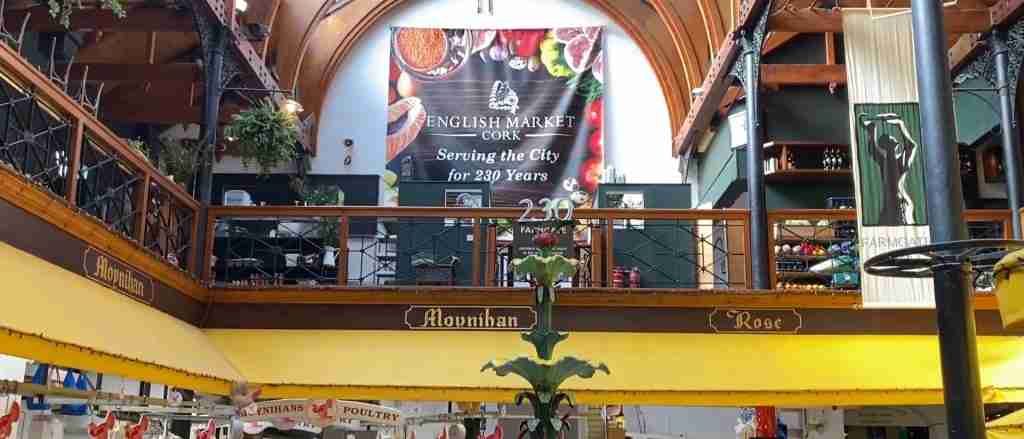
The English Market itself represents Cork’s most important sustainable food infrastructure. Operational for 230 years, this covered market houses artisan food suppliers whose names appear throughout Cork restaurant menus, creating visible farm-to-fork connections. Stallholders like K O’Connell fish merchants (formerly run by Kay’s father Paul, who famously made Queen Elizabeth laugh during her Cork visit) maintain multi-generational food traditions while supplying restaurants citywide. The sustainable premise on which market suppliers operate emphasizes local production, traditional methods, and transparent connections between producers and consumers. Weekly shopping at the English Market provides visitors with direct access to the same ingredients appearing in Cork’s best restaurants while supporting the artisan network sustaining Cork’s food culture.
Cork Food History Walking Tours organized by Activities Days Ireland combine cultural education with sustainable food discovery. Tours include visits to Shandon Bells, the Butter Museum, and extensive English Market exploration, piecing together the farm-to-fork service evident throughout Cork city. Must-visit stalls receive expert introduction, providing context for Cork’s food heritage and contemporary sustainable practices.
Marina Markets Cork assembles diverse food stalls offering global cuisines alongside local Cork producers. The mix includes sweet selections from Leahy’s Open Farm Ice Cream and Midleton’s Messy Buns, creating a cultural and social hub where locals and tourists enjoy great food while exploring unique offerings from Cork and beyond.
When dining in Cork, sustainable choices include prioritizing restaurants with visible local sourcing commitments, asking servers about ingredient origins, choosing seasonal menu items that reflect current harvests, selecting restaurants within walking distance reducing transportation impacts, supporting independent establishments over international chains, trying vegetarian or plant-based options that generally carry lower environmental footprints, avoiding food waste by ordering appropriate portions, and purchasing provisions from the English Market or local farmers markets rather than supermarket chains when self-catering.
Cork’s sustainable food culture extends beyond restaurants to include artisan producers, farmers markets, organic farms offering tours, cookery schools teaching local ingredient preparation, and food festivals celebrating regional specialties. Engaging with these diverse elements provides comprehensive understanding of Cork’s food systems while directing economic support toward sustainable agriculture and traditional food crafts.
Utilizing Sustainable Transportation Networks in Cork
Cork’s compact geography, expanding cycling infrastructure, greenway networks, and public transit improvements enable low-carbon exploration across city center attractions, coastal villages, and countryside destinations without the environmental costs and logistical burdens of constant driving.
Cork Cycling Network Plan for the Cork Metropolitan Area and surrounding towns, published in 2017, commits to delivering safe Primary, Secondary, Inter-Urban, and Greenway cycle routes across the region. The plan aligns with Ireland’s National Development Plan 2018-2027 commitment to walking and cycling networks for all Irish cities, and with the Cork Metropolitan Area Transport Strategy. Routes feature high-quality facilities designed to National Cycle Manual standards with full or light segregation from motor traffic where possible, quiet ways, and greenways providing stress-free cycling experiences.
Lee to Sea Greenway represents Cork’s flagship car-free route, connecting Cork city center to Passage West along the scenic coastline. Phase 1 opened to public use, with additional phases planned to complete the full route. By promoting sustainable active travel and alleviating vehicular congestion, this greenway serves as regional asset, tourism draw, and contribution toward making Cork a more vibrant, connected, competitive, and sustainable European city.
Old Blackrock Railway Line Greenway provides scenic cycling from Cork city center to Mahon in just 20 minutes, mostly along traffic-free former railway alignment. This stress-free commute offers significantly better experience than sitting in traffic, with eight greenway routes featured on Cork Cycle Maps providing family-friendly rides and commuter alternatives.
Cork Cycle Map, created by Cork Cycling Campaign, features city center and surrounding suburbs for the first time with comprehensive route information. Routes connect University College Cork, Munster Technological University, Kent Station, Bus Station, Fitzgerald’s Park, The Marina, and extend to Mahon Point, Douglas, Bishopstown, and Blackpool. Color-coded routes indicate road type: segregated paths, one-way streets, shared routes with cars and buses, quiet roads, or greenways. The maps help navigate Cork by bike whether commuting to work, school, or shops, with cycling having grown faster than any other transport mode over the past decade in Cork.
Viaduct to City Cycle Route Phase 1 provides high-quality direct route for pedestrians and cyclists between city center, Lehenaghmore, and Eagle Valley. Additional cycle links align with Cork Metropolitan Area Transport Strategy proposed public transport networks including BusConnects and new orbital link roads.
Carrigtwohill to Midleton Pedestrian and Cycle Route received funding for development, alongside Ballinacurra to Midleton route, Little Island multi-modal infrastructure, and Carrigaline – Ringaskiddy – Passage West Cycle Routes. These investments expand car-free transportation options across Cork county.
Monkstown Active Travel Link enhances accessibility by sustainable transport modes, connecting schools, residential estates, and town center while creating improved pedestrian and cycling amenity through Monkstown village. The 400-meter shared pedestrian and cycleway represents one phase of routes linking Glenbrook to Carrigaline.
Safe Routes to School projects across Cork city and county received significant funding, including allocations for Bishopstown Community School and St. Luke’s National School Douglas, improving safe walking and cycling infrastructure for school commutes while reducing car dependency from early ages.
BusConnects Cork program develops Sustainable Transport Corridors along key bus routes featuring dedicated bus lanes and bus priority alongside improved cycling and pedestrian facilities. These corridors help build more sustainable city infrastructure addressing climate change. Three standalone proposed schemes combine multiple corridors: Cork City North Sustainable Transport Corridors Scheme (Dunkettle to City, Mayfield to City, Blackpool to City, Hollyhill to City), Cork City West and South West Sustainable Transport Corridors Scheme, and Cork City South East Sustainable Transport Corridors Scheme (Airport Road to City, Maryborough Hill to City, Mahon to City, Kinsale Road to Douglas).
Public transport within Cork includes city bus services connecting neighborhoods and attractions, with integration between walking, cycling, and transit enabling car-free exploration. Transit stops near accommodations, attractions, and dining concentrations allow visitors to minimize private vehicle use throughout stays.
Rail connections serve Cork through Kent Station, providing intercity services to Dublin and regional destinations. The station’s central location enables walking or cycling access from many Cork accommodations, with cycle parking facilities supporting intermodal transportation.
Walking infrastructure receives continuous improvements in tandem with BusConnects corridor enhancements, light rail station development, and cycle network implementation. The Walking Strategy identified Strategic Routes overlapping with employment and education areas, linking with public transport services to identify where pedestrian infrastructure investment delivers greatest modal shift benefits.
Bike share schemes continue rolling out across Cork, with consideration of dockless bike systems providing flexible access without fixed station requirements. Supporting infrastructure includes shower and changing facilities at employment centers and significant uplift in residential, visitor, and workplace cycle parking capacity.
Electric vehicle charging infrastructure expands across Cork accommodations, public parking facilities, and attraction sites. Properties like Vienna Woods Hotel and Barnahown installed EV chargers supporting visitors traveling by electric vehicles, while Cork’s renewable electricity grid ensures charging genuinely reduces emissions compared to fossil fuel alternatives.
Car-free Cork itineraries demonstrate practical sustainable transportation implementation. Visitors arriving by train at Kent Station can walk to city center accommodations, explore Cork city attractions on foot, cycle the Marina and Blackrock greenways, take buses to Blarney Castle or nearby towns, join organized tours using shared transportation, access coastal areas via cycling routes, visit the English Market and city restaurants without vehicles, and day-trip to surrounding areas using public transit connections. Multi-day stays in Cork city enable exploring urban attractions, food culture, cultural sites, and nearby natural areas entirely through walking, cycling, and public transport combinations.
For destinations requiring cars, sustainable approaches include renting vehicles only for specific excursions rather than entire trips, choosing fuel-efficient or electric rental options, coordinating with other travelers to share vehicles, combining multiple destinations into single outings minimizing total driving, and offsetting unavoidable emissions through verified carbon offset programs.
Tourism Ireland’s “Ireland Unrushed” campaign specifically promotes sustainable transport choices including trains, buses, and walking instead of driving, highlighting that half of Ireland visitors skip rental cars. Cork’s expanding sustainable transportation infrastructure makes car-free exploration increasingly practical while delivering superior experiences through closer engagement with landscapes, communities, and urban environments impossible when encapsulated in vehicles.
Engaging with Cork’s Conservation Initiatives and Natural Heritage
Cork’s diverse ecosystems from coastal wetlands to inland forests support rich biodiversity protected through legal designations, conservation organizations, and community initiatives that visitors can support through responsible behavior, volunteer participation, and direct contribution.
County Cork Biodiversity Action Plan provides comprehensive framework for wildlife and nature conservation, representing the crucial link between global and national biodiversity policy and local implementation. The plan’s overall aim involves conserving and enhancing biodiversity while ensuring every county resident has opportunity to appreciate and understand its importance. Cork’s distinctive natural heritage derives from geology, South coast position, and historical settlement patterns creating unique combinations of habitats and species.
Special Areas of Conservation (SACs) protect habitats and species of European importance across Cork county. These legally designated sites receive protection under EU Habitats Directive implemented through Irish planning and environmental legislation. SACs cover diverse habitats including coastal areas, wetlands, woodlands, and uplands, each supporting characteristic species assemblages. Visitor activities within SACs must avoid disturbing protected species, damaging habitats, or interfering with natural processes. Cork County Council’s Planning Enquiry System provides digital maps showing SAC boundaries, enabling visitors to identify protected areas and understand conservation restrictions.
Special Protection Areas (SPAs) designate sites protecting wild bird populations under EU Birds Directive. Cork’s intricate coastline with cliffs, inlets, and estuaries provides essential habitat for marine birds including nesting seabirds, overwintering waterfowl, and migratory species using Irish coasts during seasonal movements. Offshore islands support breeding populations of internationally important seabird colonies. SPAs implement restrictions on activities potentially disturbing birds during sensitive periods including nesting, raising young, and winter roosting.
Natural Heritage Areas (NHAs) and proposed Natural Heritage Areas (pNHAs) protect sites of national importance for habitats, species, or geological features. While lacking the legal protection strength of SACs and SPAs, NHAs represent conservation priorities for Irish biodiversity. Cork hosts numerous NHAs covering bogs, wetlands, rough grasslands, uplands, and other areas of significant biological diversity where native plants and animals thrive.
Cork’s marine waters, offshore islands, and intricate coastline with cliffs, inlets, and estuaries create important areas for marine plants and animals. Coastal habitats including salt marshes, mudflats, and rocky shores support diverse species assemblages adapted to intertidal conditions. These areas face pressures from recreation, development, pollution, and climate change, requiring careful management balancing conservation with appropriate public access.
Cork Nature Network operates as grassroots conservation organization protecting and promoting Ireland’s wildlife through education, conservation, and research restoring healthy ecosystems for all species and habitats. The network’s mission recognizes that 63% of Irish species, including previously common birds like House Sparrows and Starlings, decline at alarming rates requiring urgent intervention. Long-term projects focus on otters, valuing insects, restoring nature, and addressing climate change impacts on wildlife.
Climate change dramatically shapes Cork’s natural world with extreme weather events happening more frequently. Changes to weather patterns including warmer winters and earlier springs affect wildlife behaviors including hibernation timing, migration schedules, and reproductive cycles. Cork Nature Network programs and events increase awareness about climate change impacts on biodiversity, encouraging adaptive management approaches.
Irish Wildlife Trust maintains conservation programs throughout Ireland including Cork sites like Port Ban recognized for conservation value. The organization works to conserve wildlife and habitats while encouraging greater understanding and appreciation of the natural world and protection needs. The 2023 Citizens Assembly report on Biodiversity Loss included key recommendations that Irish environmental organizations including IWT advocate for rapid implementation.
BirdWatch Ireland operates nature reserves and conservation programs supporting threatened bird species and habitats. While major reserves concentrate outside Cork, the organization’s national initiatives benefit Cork bird populations through habitat management, monitoring programs, and advocacy for stronger environmental protections. Supporting BirdWatch Ireland through membership or donations funds conservation work benefiting Cork’s avian biodiversity.
National Parks and Wildlife Service (NPWS) manages Ireland’s protected sites, nature reserves, and conservation programs at national level. NPWS administers legal protections for SACs, SPAs, and NHAs, conducts wildlife surveys and monitoring, implements species recovery programs, and provides conservation guidance. The agency’s work underpins Cork’s biodiversity protection even when specific programs operate outside Cork boundaries.
Environmental Protection Agency’s Ireland’s State of the Environment Report 2024 provides comprehensive information about environmental conditions and challenges nationally and globally. The report contextualizes Cork’s environmental situation within broader Irish and international trends, identifying priority issues requiring attention.
Heritage Council supports heritage conservation including natural heritage through funding programs, policy development, and public engagement initiatives. Cork projects receiving Heritage Council support contribute to biodiversity protection, heritage site conservation, and environmental education.
Tree planting initiatives restore native woodlands supporting biodiversity and carbon sequestration. Vagabond Tours partners with Trees on the Land planting over 3,000 native Irish trees annually, representing one tree per tour guest. Using native species promotes biodiversity and fosters effective natural habitats for insects, birds, and mammals. Visitors can support reforestation through donations to Tree Aid, Irish tree-planting initiatives, or volunteer participation in planting days organized by conservation groups.
Beach cleanup initiatives address marine litter and coastal pollution. While Cork beach cleanups typically occur at summer’s end, visitors can organize independent cleanups inspiring others to join. Participating in existing cleanup events or conducting personal litter removal during beach visits prevents marine debris harming wildlife and degrading coastal habitats.
Wildlife monitoring programs collect data on species populations, distribution changes, and habitat conditions. Cork Nature Network operates monitoring initiatives that volunteers including visitors can join, contributing valuable observations while learning about Cork’s biodiversity. Bird counts, insect surveys, and habitat assessments all benefit from citizen science participation.
Conservation volunteering opportunities enable visitors to contribute directly to habitat restoration, species protection, and environmental education. Organizations operating in Cork occasionally welcome short-term volunteers for specific projects, though most programs prioritize longer-term local participants. Contacting Cork Nature Network, local wildlife trusts, or conservation organizations before visiting can identify opportunities aligning with travel schedules.
Financial contributions to conservation organizations provide essential funding for land acquisition, habitat management, species monitoring, legal advocacy, and environmental education. Tax-deductible donations to Irish environmental charities including Cork Nature Network, Irish Wildlife Trust, BirdWatch Ireland, and others support work protecting Cork’s natural heritage. Memberships provide sustained funding while offering benefits including publications, event access, and volunteer opportunities.
Responsible wildlife observation follows basic principles preventing disturbance and habitat damage. Maintain safe distances using binoculars or telephoto lenses rather than approaching closely. Never feed wild animals, which alters natural behaviors and can cause health problems. Observe nesting birds from sufficient distance to avoid causing abandonment. Keep dogs leashed near wildlife, especially during breeding seasons. Stay on designated paths avoiding vegetation trampling and nest destruction. Avoid sensitive areas during critical periods including nesting, breeding, and overwintering. Report unusual wildlife sightings or conservation concerns to appropriate authorities rather than publicizing locations attracting crowds to sensitive sites.
Habitat protection extends beyond designated nature reserves to everyday landscapes including farmland, hedgerows, roadside verges, and urban green spaces. Respecting private property, closing gates as found, avoiding crop damage, not picking wildflowers, leaving natural materials undisturbed, and following Leave No Trace principles across all landscapes protects biodiversity throughout Cork rather than limiting conservation to official reserves.
Implementing Leave No Trace Principles Throughout Cork Visits
Leave No Trace Ireland promotes responsible outdoor recreation through seven core principles applicable to all Cork activities from urban walking to coastal hiking, providing specific guidance for minimizing environmental and social impacts while maintaining recreational freedom.
Plan Ahead and Prepare represents the foundation enabling all other principles. Research access permissions for areas you wish to visit, as not all Irish land permits public access despite the tradition of hillwalking. Check weather forecasts and trail conditions before departing, adjusting plans when conditions create excessive environmental impact or safety risks. Prepare for weather extremes by bringing appropriate clothing and gear, reducing rescue needs that disturb natural areas. Repackage food into reusable containers eliminating excess packaging that becomes litter. Schedule trips avoiding peak periods at sensitive sites when practical, distributing visitor pressure across time rather than concentrating impacts. Know your abilities and choose routes matching fitness levels, preventing overextension requiring rescue or creating trail-widening from multiple attempts at difficult sections. Inform someone of your plans and expected return time. Carry maps, navigation tools, and emergency contact information. Visit Leave No Trace Ireland website for area-specific guidance and current advisories.
Travel and Camp on Durable Surfaces concentrates use on areas tolerating impact rather than spreading damage across pristine zones. In popular areas, concentrate use on established trails and campsites where impact already exists, as dispersing across multiple routes causes more total damage than intensive use of designated paths. Durable surfaces include established trails, rocks, gravel, dry grasses, and snow. Avoid fragile soils, wet areas, and vegetation that damages easily. Walk single file in middle of trail even when muddy rather than widening paths by skirting edges. When traveling cross-country in pristine areas, disperse group members to avoid creating visible paths. Camp at least 60 meters from water sources protecting riparian zones. Good campsites are found, not made – the best sites often lie well away from water and trails. If you need to alter sites significantly to camp, better options probably exist nearby. When breaking camp, naturalize the area with leaves or other materials obscuring use evidence. Cork’s greenways and designated trails provide durable surface options for most visitors, making cross-country travel unnecessary except in specific wilderness settings.
Dispose of Waste Properly follows the simple rule: pack it in, pack it out. Inspect campsites and rest areas for trash and spilled food, packing out all litter including organic waste like fruit peels that decompose slowly and attract non-native scavengers. Deposit human waste in proper facilities when available. When facilities don’t exist, use catholes dug 15-20 centimeters deep at least 60 meters from water, trails, and camp, covering and disguising the site when finished. Pack out toilet paper and hygiene products rather than burying. Strain dishwater and scatter widely away from water sources and campsites. Use biodegradable soap sparingly and only away from water sources, as even biodegradable products harm aquatic ecosystems when introduced directly. Participate in Too Good To Go app programs reducing food waste in Cork’s restaurants and cafes. Support Cork businesses implementing comprehensive recycling and composting programs. Carry reusable water bottles, coffee cups, and shopping bags eliminating single-use plastics throughout Cork visits.
Leave What You Find preserves Cork’s natural and cultural heritage for others to discover. Examine but do not disturb archaeological structures, old walls, heritage artifacts including holy wells, mine workings, and monuments. Leave rocks, flowers, plants, and animals as found. Avoid picking wildflowers or collecting natural objects from protected sites. Fossil collection from Special Areas of Conservation is forbidden by law, with other geological sites covered by Irish Geological Heritage Programme managed by Geological Survey Ireland and recognized by Cork County Council under Planning and Development Act. Limited academic or educational collection requires permissions from National Parks and Wildlife Service before proceeding. If you find interesting fossils in Cork, photograph them, note precise locations, and send images to appropriate authorities rather than removing specimens. Minimize campsite alterations, avoiding trenching around tents or building structures. Preserve the past by examining without damaging, conserve the present by leaving habitats as found.
Minimize Campfire Impacts addresses risks in Irish context where 99% of wildfires result from human activity in outdoors. Use lightweight stoves for cooking rather than fires. Where fires are permitted, use established fire rings, fire pans, or mound fires. Keep fires small using only sticks from ground that can be broken by hand. Burn all wood and coals to ash, put out campfires completely, and scatter cool ashes. In Cork’s often-wet climate, fires may seem low-risk but dry periods create significant wildfire danger. Uncontrolled fires and inappropriate barbeque use in countryside cause devastating damage to habitats, threaten human property, and consume resources for suppression. When camping is appropriate, carry and use portable camping stoves exclusively unless specific sites provide permanent fire facilities designed for safe use.
Respect Wildlife gives animals their place in outdoors. Observe wildlife from distances that don’t cause behavioral changes. Never feed wild animals, which damages their health, alters natural behaviors, exposes them to predators, and creates aggressive behavior. Protect wildlife by storing food and trash securely. Avoid wildlife during sensitive times including mating, nesting, raising young, and winter. Control pets at all times. Keep dogs on leads, especially around farm animals and wildlife, and always clean up after them. Dogs approaching or chasing farm animals or wildlife cause changes to eating patterns and energy expenditure resulting in poor health or death. Voice and sight control means dogs come immediately on first command in every situation – if your dog cannot comply, leash them for their sake and others’. Cork’s agricultural landscapes include active farms with livestock requiring protection from dog disturbance. Coastal areas support nesting seabirds vulnerable to ground-nesting disruption. Responsible pet management respects both domestic animals and wildlife.
Be Considerate of Other Visitors protects experience quality for everyone sharing Cork’s outdoor spaces. Respect other visitors and protect their experience quality. Be courteous, yield to other trail users, and step aside for horses. Take breaks and camp away from trails and other visitors. Let nature’s sounds prevail by keeping noise minimal. Avoid loud voices and noises. Respect property including farming equipment, forestry machinery, fences, and stone walls. Leave gates as found since farmers have specific reasons for gate positions. Park appropriately avoiding blocking gateways, forest entrances, or narrow roads. Remember that farm machinery, local residents, and emergency services may need access at all times. Respect people who live and work in countryside. Cork’s landscapes include working farms, active forestry, and residential communities alongside tourist attractions. Considerate behavior maintains positive relationships between visitors and residents, ensuring continued access while minimizing conflicts.
Leave No Trace Ireland’s annual “Love This Place” campaign, now in its fifth year, receives support from Department of Rural and Community Development, Office of Public Works, Coillte, Sport Ireland, Waterways Ireland, and multiple county councils including Cork City Council. The campaign reinforces the simple message: “If you love this place, leave no trace,” recognizing that more people than ever seek nature connection through hiking, swimming, dog-walking, and exploring. Partners support responsible outdoor recreation and environmental stewardship protecting Ireland’s rich natural landscapes for continued enjoyment.
Leave No Trace principles apply across all Cork environments from urban parks to remote coastal headlands. City center green spaces, river walks, harbor areas, and urban trails all benefit from waste disposal, noise consideration, and wildlife respect. Countryside hiking, cycling routes, and coastal paths require adherence to all seven principles. Even brief nature encounters during primarily urban visits provide opportunities to demonstrate environmental responsibility inspiring others toward sustainable behavior.
Shopping Sustainably and Supporting Cork’s Artisan Economy
Cork’s artisan producers, independent retailers, and traditional craftspeople offer sustainable shopping alternatives to mass-produced imports, with purchases supporting local economies while reducing environmental impacts from manufacturing and transportation.
The English Market stands as Cork’s premier sustainable shopping destination, housing artisan food suppliers maintaining traditional production methods and transparent sourcing. Operating for 230 years, the covered market provides access to local meats, fresh fish, farmhouse cheeses, organic vegetables, artisan breads, handmade chocolates, and specialty ingredients unavailable through supermarket chains. Shopping at the English Market supports multi-generational family businesses, preserves food crafts, minimizes packaging waste, and eliminates transportation emissions from global supply chains. Stallholders provide detailed information about production methods, ingredient sources, and preparation suggestions, creating educational shopping experiences impossible in conventional retail.
Cork’s independent bookstores offer carefully curated selections supporting local literacy culture while avoiding the environmental costs of online retail’s packaging waste and long-distance shipping. Purchasing books locally keeps revenue within Cork’s economy, supports knowledgeable booksellers who hand-sell quality titles, and creates opportunities for serendipitous discovery impossible through algorithm-driven recommendations.
Craft galleries and artisan shops throughout Cork city and county sell handmade goods from local makers including pottery, textiles, jewelry, woodwork, and other traditional crafts. These purchases support individual artisans maintaining heritage skills while providing unique items impossible to mass-produce. Handmade goods typically use sustainable materials, avoid industrial manufacturing impacts, and last longer than cheap mass-produced alternatives, reducing long-term consumption and waste.
Cork farmers markets beyond the English Market operate in neighborhoods and towns, selling seasonal produce, artisan cheeses, farmhouse meats, preserves, baked goods, and prepared foods directly from producers. Market shopping eliminates intermediary markups, ensures freshness through rapid farm-to-consumer timelines, reduces packaging compared to supermarket equivalents, and creates direct connections between consumers and food producers. Weekly market attendance supports sustainable agriculture while providing superior ingredients for self-catering accommodations.
Vintage and secondhand shops offer sustainable alternatives to new purchases for clothing, housewares, books, and decorative items. Extending product lifecycles through secondhand commerce reduces manufacturing demand, diverts usable goods from landfills, and often reveals unique items reflecting Cork’s history and culture unavailable new. Cork’s vintage shops cluster in city center neighborhoods, providing accessible sustainable shopping options for visitors.
Cork distilleries, breweries, and cideries produce craft beverages with local ingredients and traditional methods. Purchasing Cork-made spirits, beers, and ciders supports local agriculture supplying ingredients, maintains traditional beverage crafts, and reduces transportation impacts compared to imported alternatives. Many producers offer tours and tastings educating visitors about production while supporting direct sales.
Sustainable shopping practices extend beyond what to buy to include how to buy. Bring reusable shopping bags eliminating single-use plastic. Choose products with minimal packaging or recyclable packaging materials. Avoid impulse purchases by considering whether you need items before buying. Select quality over quantity, purchasing fewer durable goods rather than multiple cheap items requiring replacement. Ask retailers about local production, material sourcing, and environmental practices before purchasing. Support businesses with visible sustainability commitments including certified B Corporations, Green Hospitality members, and businesses displaying environmental certifications.
Souvenir purchases should emphasize locally made goods over imported mass-produced items claiming Irish origins. Genuine Cork products include foods from the English Market, craft beverages from local producers, handmade crafts from identified artisans, books by Cork authors or about Cork history, artisan chocolates and sweets, farmhouse cheeses, traditional Irish textiles, and locally designed jewelry or accessories. Avoid “Irish” souvenirs manufactured overseas then imported for tourist sales, which provide no economic benefit to Cork while generating transportation emissions and supporting exploitative labor practices.
Cork’s food producers offer products suitable as gifts or personal consumption including artisan cheeses, smoked salmon, craft chocolates, specialty preserves, local honey, craft beers and ciders, small-batch spirits, specialty coffees, and traditional breads. These food products showcase Cork’s culinary excellence while supporting sustainable agriculture and traditional food crafts. Many producers ship internationally, allowing visitors to continue supporting Cork businesses after returning home.
Sustainable shopping decisions accumulate impact when multiplied across numerous visitors. Individual purchases may seem insignificant, but collective patronage of sustainable businesses versus unsustainable alternatives determines which business models thrive. Visitors voting with wallets for local, sustainable, artisan production send clear market signals that responsible business practices deliver competitive advantage, encouraging more businesses to adopt sustainable operations while protecting those already committed to environmental and social responsibility.
Participating in Sustainable Tours and Activities in Cork
Cork’s tour operators and activity providers increasingly emphasize sustainable practices, small-group experiences, local expertise, and environmental education, offering visitors opportunities to explore Cork while supporting responsible tourism operators.
Vagabond Tours of Ireland operates small-group tours throughout Ireland including Cork with comprehensive sustainability commitments recognized through Ecotourism Ireland Gold Level certification and B Corp status achieved in 2021 and renewed in 2024. The company joined Tourism Declares A Climate Emergency initiative, committing to halve emissions by 2030 and reach Net Zero before 2050, with actions aligned to latest scientific recommendations limiting global temperature rise to 1.5 degrees Celsius above pre-industrial levels. Specific initiatives include planting over 3,000 native trees annually through Trees on the Land partnership representing one tree per guest, conserving approximately 48,000 liters of water annually by washing tour vehicles only at tour completion using eco-friendly products, recycling all waste generated during tours and at headquarters, installing fast EV charging points supporting staff electric vehicle commuting, operating solar panels installed on headquarters roof in 2019, and sourcing from locally owned providers throughout tours to retain spending within rural Irish communities. The company won Best Environmental Tourism Initiative at 2019 Irish Tourism Industry Awards and Green Tourism & Entertainment Award at 2018 Green Awards.
Wild N Happy Travel offers eco-tours in Ireland taking visitors off beaten track to explore amazing landscapes and experience unique culture and ecological wonders. The company’s philosophy revolves around fully experiencing destinations rather than viewing through bus windows, believing that truly loving places motivates protecting them. Responsible travel commitments recognize duty to create better places for people to live and visit, ensuring tourism products adhere to principles respecting local natural resources, cultural heritage, and human values while encouraging clients to be aware of their environmental, social, and economic impacts. Tours feature walking experiences, cycling tours, and culturally immersive activities connecting with Ireland’s outdoors and local communities.
Cork Food History Walking Tours organized by Activities Days Ireland combine cultural education with sustainable food discovery through visits to historical sites and English Market exploration with expert guides. Tours provide context for Cork’s food heritage and contemporary farm-to-fork practices while supporting local guides and encouraging sustainable food system engagement.
Walking tours throughout Cork city and surrounding areas provide low-impact exploration emphasizing cultural heritage, architectural history, and local stories. Self-guided walking using published routes or apps eliminates emissions while allowing flexible pace and spontaneous detours. Guided walking tours support local knowledge-holders while limiting group sizes preventing crowding and environmental damage.
Cycling tours along Cork’s greenways and quiet roads offer active sustainable exploration with minimal environmental impact. Tour operators providing bicycles, route guidance, and support enable visitors without equipment to access cycling routes. Electric-assist bikes expand accessibility for varied fitness levels while maintaining low emissions compared to motorized transportation.
Kayaking and water-based activities along Cork’s rivers, harbor, and coastal areas provide nature engagement with minimal environmental impact when operators follow Leave No Trace principles including appropriate launch sites, wildlife distance guidelines, and waste management. Cork’s intricate coastline and river systems offer diverse paddling opportunities from sheltered harbors to open water coastal touring.
Heritage site visits support conservation when entrance fees fund maintenance, restoration, and protection programs. Choosing attractions with visible conservation commitments, educational interpretation, and sustainable operations ensures tourism revenue supports rather than exploits heritage resources. Cork’s numerous historic houses, gardens, archaeological sites, and cultural attractions implement varying sustainability levels – research before visiting identifies most responsible options.
Wildlife watching tours focusing on seabirds, marine mammals, and terrestrial species should follow strict distance guidelines preventing disturbance. Responsible operators limit group sizes, maintain appropriate distances, avoid sensitive areas during breeding seasons, educate participants about species ecology and conservation, and contribute portions of revenue to conservation programs. Cork’s coastal headlands, offshore islands, and estuaries support diverse wildlife populations accessible through responsible tour operators.
Farm visits and agricultural tourism experiences connect visitors with sustainable food production while supporting working farms. Cork’s artisan food producers occasionally offer farm tours, tastings, and workshops educating visitors about sustainable agriculture, traditional food production, and the challenges farmers face. These experiences build appreciation for local food systems while providing direct economic support to farmers diversifying income through tourism.
Workshop and skill-sharing experiences including cooking classes, craft demonstrations, traditional music sessions, and language lessons support cultural preservation while creating authentic connections with Cork communities. Learning traditional Irish skills from local practitioners provides depth impossible through passive observation while generating income supporting cultural continuity.
Volunteer tourism opportunities enable visitors to contribute directly to conservation, community development, or heritage preservation. While most programs prioritize long-term participants, some accept short-term volunteers for specific projects. Contacting organizations before visiting can identify opportunities aligning with travel schedules and skills. Legitimate volunteer tourism provides genuine benefit to receiving organizations rather than creating make-work projects exploiting free labor from privileged visitors.
When selecting tours and activities, sustainable criteria include: small group sizes limiting impacts, local operator ownership retaining revenue in Cork, visible sustainability commitments and certifications, educational components teaching environmental or cultural knowledge, support for conservation or community programs through revenue contributions or direct action, transparent pricing without exploitative low-cost models underpaying workers, equipment and vehicle maintenance standards ensuring safety and efficiency, Leave No Trace principle adherence, accessible pricing making sustainable options available across income levels, and positive reviews specifically mentioning guide knowledge, environmental responsibility, and cultural sensitivity.
Avoiding unsustainable tours protects Cork’s environment and communities from exploitative tourism practices. Red flags include extremely low pricing suggesting worker exploitation or corner-cutting on safety and environmental standards, very large group sizes overwhelming destinations and preventing quality interactions, lack of local ownership with revenue flowing to distant corporations, absence of visible environmental policies or commitments, guaranteed wildlife encounters suggesting harassment or baiting, access to closed areas or sites without permissions, promotional materials emphasizing consumption and luxury over learning and connection, and negative reviews mentioning disrespect toward local communities, environmental damage, or unethical wildlife interactions.
Understanding Seasonal Considerations for Sustainable Cork Tourism
Seasonal timing of Cork visits significantly impacts environmental sustainability and community relationships, with off-peak travel reducing pressure on popular sites while maintaining or improving visitor experiences through smaller crowds, lower prices, and enhanced access to local communities.
Peak summer months from June through August concentrate visitor numbers at Cork’s major attractions, accommodations, and restaurants. This concentration creates environmental stress through increased waste generation, water consumption, energy use, and transportation impacts. Popular natural areas experience trail erosion, vegetation trampling, and wildlife disturbance from heavy use. Accommodations and restaurants strain local water supplies and waste management systems. Transportation networks face congestion reducing efficiency and increasing emissions per passenger.
Shoulder seasons in May and September through early October offer optimal sustainable tourism conditions. Weather remains generally favorable for outdoor activities with longer daylight hours than winter, though rain remains possible requiring flexible planning. Attractions operate normally with full services but reduced crowding improves visitor experiences. Accommodations often offer lower rates during shoulder periods, improving accessibility while maintaining revenue supporting year-round employment. Restaurants reduce waste from over-preparation for uncertain customer flows. Natural areas recover from summer impacts while still providing excellent hiking, cycling, and wildlife observation opportunities. Local communities experience tourism at manageable scales allowing genuine interactions rather than overwhelming residential life.
Autumn in Cork features spectacular foliage colors in forested areas and parks, harvest festivals celebrating agricultural abundance, comfortable temperatures for walking and cycling, and dramatic coastal light conditions. September and October provide some of Cork’s best weather years with mild temperatures and often settled conditions between summer changeable weather and winter storms. Food experiences emphasize autumn harvests with seasonal menus highlighting apples, squashes, root vegetables, game meats, and preserved foods.
Winter from November through February sees dramatic visitor reduction creating opportunities for those embracing seasonal character. Accommodations offer significant discounts maintaining some revenue during slow periods while welcoming guests who appreciate quiet, uncrowded conditions. Restaurants focus on local winter menus featuring root vegetables, preserved foods, and hearty preparations reflecting traditional Irish cuisine. Cultural attractions including museums, galleries, and heritage sites maintain operations without summer crowding. Cities and towns celebrate Christmas and New Year with local traditions accessible to visitors. Winter storms create dramatic coastal scenery though limiting some outdoor activities. Dark evenings enable cozy pub experiences, traditional music sessions, and cultural events featuring prominently in winter social life.
Spring from March through May brings renewed natural activity with wildflower blooms, nesting bird activity, and migrant species arriving on Cork coasts. Temperatures moderate from winter lows while rainfall remains common requiring weather-appropriate clothing. Gardeners and farmers begin seasonal work visible in countryside landscapes. Spring festivals and cultural events celebrate seasonal transitions. Pricing remains lower than summer peak while day length increases providing extended activity hours.
Event-based tourism during festivals and cultural celebrations concentrates impacts but supports cultural preservation when managed sustainably. Cork’s food festivals, music festivals, cultural celebrations, and sporting events attract visitors year-round. Sustainable event attendance includes using public transportation and cycling infrastructure, staying in certified accommodations, supporting local food vendors rather than imported catering, participating respectfully in cultural traditions, and departing without leaving waste or damage.
Climate change affects seasonal patterns with warmer winters, earlier springs, increased extreme weather frequency, and changing precipitation patterns altering traditional seasonal characteristics. Cork’s tourism sector adapts to these changes while visitors should remain flexible and prepared for unpredictable conditions regardless of season.
Off-peak travel benefits local communities by distributing economic benefits and visitor interactions across longer periods rather than concentrating in brief summer seasons. Year-round employment becomes feasible when visitation extends beyond traditional peaks. Community facilities face less strain from tourism when crowds disperse temporally. Residents maintain normal routines and access to public spaces when tourism operates at sustainable scales rather than overwhelming local capacity during peak periods.
Pricing incentives encourage off-peak travel through accommodation discounts, restaurant promotions, and attraction fee reductions during slow periods. These financial benefits make sustainable tourism choices economically attractive rather than requiring premium payments, democratizing responsible travel rather than limiting to affluent visitors able to pay peak-season premiums.
Visitors planning Cork trips should consider personal flexibility around travel dates, weighing whether specific summer events or guaranteed warm weather justify contributing to peak-season impacts versus accepting some uncertainty for shoulder or off-season visits with reduced environmental footprints, lower costs, enhanced local interactions, and often superior experiences through reduced crowding.
Supporting Cork’s Cultural Heritage and Community Initiatives
Responsible tourism extends beyond environmental sustainability to include cultural preservation, community support, and economic equity, with visitors contributing to Cork’s social sustainability through conscious engagement with cultural heritage and community-based initiatives.
Cork’s built heritage includes Georgian architecture, Victorian industrial buildings, medieval churches, traditional shopfronts, and historic neighborhoods requiring ongoing maintenance and sensitive adaptation for contemporary uses. Heritage conservation depends on economic viability making historic buildings useful rather than museum pieces. Patronizing businesses in historic buildings, staying in heritage accommodations, dining in converted warehouses or traditional pubs, and shopping in historic districts provides revenue supporting conservation while maintaining living heritage rather than frozen tableaux.
Traditional Irish music sessions in Cork pubs represent authentic cultural expressions welcoming respectful visitor participation. Sessions operate under informal etiquette including listening attentively during performances, not requesting songs as though musicians are hired entertainers, contributing to the session through purchasing drinks supporting venue operations, avoiding intrusive photography disrupting performers and atmosphere, and learning about session customs before participating directly. Cork’s traditional music culture thrives through local participants with tourism revenue supporting venue operations but sessions remaining community cultural events rather than staged performances.
Irish language (Gaeilge) preservation receives support from visitors learning basic phrases, attending Irish language events and workshops, purchasing Irish language books and materials, and showing interest in language history and current revitalization efforts. While English dominates Cork’s urban areas, Irish language cultural events, Gaeltacht areas in West Cork, and language enthusiasts maintaining traditional knowledge all benefit from visitor engagement demonstrating that language preservation matters beyond purely local concerns.
Community development initiatives including affordable housing projects, youth programs, environmental cleanups, and social services face challenges when tourism drives property costs beyond local affordability. Responsible visitors support community initiatives through donations to local charities, participation in community events open to visitors, spending with social enterprises employing disadvantaged populations, and advocating for tourism policies balancing economic benefits with community wellbeing.
Cork’s working waterfront heritage continues through commercial fishing, boat building, and maritime trades despite redevelopment pressures converting working harbors to residential and recreational uses. Supporting working waterfront businesses including fresh fish markets, maritime chandlers, boat repair yards, and commercial fishing cooperatives maintains authentic maritime culture while providing economic alternatives to complete gentrification.
Traditional crafts including stone masonry, thatching, cooperage, blacksmithing, and other heritage skills survive through master craftspeople passing knowledge to apprentices. Purchasing traditionally crafted goods, commissioning custom work, attending craft demonstrations, and supporting craft schools and guilds provides economic incentive for skills preservation. Cork’s heritage buildings require traditional repair techniques, creating ongoing demand for skilled craftspeople when owners prioritize authentic restoration over cheaper modern alternatives.
Local festivals and cultural celebrations including music festivals, agricultural shows, sporting events, and religious observances welcome respectful visitor participation. Understanding cultural context prevents inappropriate behavior while allowing genuine cultural exchange. Purchasing local goods from festival vendors, attending performances and events, respecting local customs and spaces, and departing without leaving waste supports cultural celebration while minimizing tourism impacts.
Cork’s agricultural heritage survives through working farms, traditional livestock breeds, heritage crop varieties, and landscape patterns shaped by centuries of farming. Supporting farmers markets, purchasing farmhouse products, visiting working farms, and learning about agricultural history connects visitors with landscapes’ human dimensions while providing economic support for continued traditional farming.
Educational institutions including University College Cork and Munster Technological University contribute to Cork’s cultural and intellectual life through public lectures, performances, exhibitions, and cultural programming. Attending public events, visiting institutional museums and galleries, and engaging with academic research dissemination supports Cork’s intellectual community while providing enriching visitor experiences.
Social equity considerations recognize that sustainable tourism should benefit all community segments, not merely property owners and business operators positioned to capture tourism revenue. Supporting social enterprises, community-owned attractions, cooperatives, and businesses employing disadvantaged populations directs tourism revenue toward equitable distribution. Advocating for tourism policies prioritizing community benefit, affordable housing protection, living wages for tourism workers, and local economic ownership helps ensure tourism development serves Cork communities rather than exploiting them.
Overtourism prevention requires collective visitor responsibility limiting impacts on popular sites. When attractions show crowding signs including physical congestion, degraded visitor experiences, local resident complaints, or environmental damage, visitors should choose alternative destinations, visit during off-peak times, limit visit duration, or skip overwhelmed sites entirely. Personal sacrifice of seeing famous attractions preserves experiences for future visitors and protects sites from irreversible damage while discovering less-known alternatives often provides superior experiences without crowds.
Measuring and Offsetting Your Cork Travel Carbon Footprint
Understanding and minimizing travel carbon emissions represents crucial sustainable tourism component, with visitors calculating footprints, reducing emissions through travel choices, and offsetting remaining emissions through verified programs supporting environmental restoration.
Flight emissions constitute most visitors’ largest carbon impacts, with transatlantic flights from North America generating approximately 1.5 to 2 tons of carbon dioxide equivalent per passenger round-trip, while European flights produce proportionally less based on distance. Cork Airport serves direct flights from European cities enabling lower-emission access than connections through Dublin or Shannon for some origins. When flights are unavoidable, emission reduction strategies include choosing direct flights over connections since takeoffs and landings consume disproportionate fuel, selecting economy class which allocates emissions across more passengers than business class, flying with airlines operating newer fuel-efficient aircraft, and combining Cork visits with extended Ireland trips maximizing destination time relative to flight emissions.
Ground transportation emissions vary dramatically based on mode choices. Driving rental cars in Cork generates approximately 200 grams of carbon dioxide per kilometer for average vehicles, with emissions increasing for larger vehicles and decreasing for fuel-efficient models. Electric vehicle rentals reduce emissions approximately 60% compared to petrol equivalents when charged from renewable electricity sources. Public buses produce approximately 50 grams per passenger kilometer due to passenger sharing, while trains generate approximately 40 grams per passenger kilometer. Cycling and walking produce zero direct emissions beyond food production for fueling human metabolism. Cork visitors minimizing ground transportation emissions should prioritize walking and cycling for local movements, use public transit for intercity travel, limit rental car use to excursions genuinely requiring private vehicles, choose electric or hybrid vehicles when renting, consolidate driving trips combining multiple destinations, and maintain vehicles properly for optimal fuel efficiency.
Accommodation emissions derive from heating, cooling, lighting, hot water, cooking, and laundry services. Hotels average approximately 15 to 30 kilograms of carbon dioxide per room night depending on size, amenities, and energy sources. Cork accommodations using renewable electricity significantly reduce emissions compared to fossil-fuel dependent properties. Emission reduction strategies include choosing certified green accommodations prioritizing renewable energy and efficiency, declining daily housekeeping and towel replacement services reducing laundering frequency, using room heating and cooling efficiently by not leaving climate control active during absences, taking shorter showers reducing hot water consumption, turning off lights and electronics when not in use, and supporting accommodations with visible emission reduction commitments and verified performance.
Food emissions vary based on production methods, ingredients, and transportation distances. Animal products generally carry higher emissions than plant-based alternatives, with beef producing approximately 27 kilograms of carbon dioxide equivalent per kilogram compared to approximately 2 kilograms for vegetables. Cork’s local food systems reduce transportation emissions while supporting sustainable agriculture. Emission reduction through dining includes choosing restaurants with local sourcing commitments visible in Cork’s farm-to-table establishments, emphasizing plant-based menu options which generally carry lower emissions, avoiding food waste by ordering appropriate portions, selecting seasonal ingredients matching current harvests rather than requiring long-distance importation, supporting organic agriculture avoiding synthetic fertilizer emissions, and purchasing from farmers markets and the English Market rather than conventional supermarkets.
Activity emissions depend on transportation requirements, energy consumption, and equipment manufacturing. Low-emission activities include walking tours, cycling excursions, museum visits in buildings accessible via public transit, heritage site exploration, local music sessions, and food market visits. Higher-emission activities involve motorized recreational equipment, activities requiring extensive driving to access remote locations, heated swimming pools, and energy-intensive attractions. Prioritizing low-emission activities reduces overall footprints while often providing more authentic Cork experiences than energy-intensive alternatives.
Carbon footprint calculators enable visitors to estimate total emissions from Cork trips. Various online calculators accept inputs including flight distances and class, ground transportation modes and distances, accommodation types and durations, and activity patterns, generating total emission estimates typically ranging from 0.5 to 5 tons of carbon dioxide equivalent for week-long Cork visits depending on transportation choices and origin locations. Understanding emission magnitude informs reduction strategies and offsetting needs.
Carbon offset programs fund projects reducing or sequestering greenhouse gas emissions equal to traveler emissions, theoretically achieving carbon neutrality through financial contributions. Legitimate offset programs demonstrate additionality meaning projects wouldn’t occur without offset funding, permanence ensuring emissions reductions persist long-term, verifiability through third-party auditing confirming claimed reductions, and co-benefits delivering environmental or social advantages beyond carbon reduction. Cork-relevant offset projects include Irish reforestation programs supporting native woodland restoration, renewable energy development reducing fossil fuel dependence, agricultural practice improvements reducing fertilizer emissions, and peatland restoration sequestering carbon while protecting biodiversity.
Reputable offset providers include certified programs through Gold Standard, Verified Carbon Standard, or Plan Vivo verification systems. Irish-specific options include Trees on the Land which partners with tourism operators including Vagabond Tours for native tree planting, Tree Aid supporting sustainable land management internationally with Irish organizational presence, and Irish reforestation programs accepting direct donations. Offset costs vary but typically range from 10 to 30 euros per ton of carbon dioxide equivalent, making offset of entire Cork trip emissions affordable for most visitors while acknowledging that emission reduction remains preferable to offsetting when possible.
Offset skepticism acknowledges legitimate concerns that offset programs sometimes enable continued high-emission activities rather than driving behavior change, verify reductions inadequately allowing ineffective projects to sell offsets, suffer permanence problems when carbon storage proves temporary, and create justice issues when wealthy travelers offset emissions by funding projects in lower-income regions. These concerns argue for prioritizing emission reduction through transportation and consumption choices over reliance on offsets to compensate for unsustainable behavior. Nevertheless, offsetting unavoidable emissions through verified programs provides better outcomes than uncompensated emissions, particularly when offset projects deliver co-benefits including biodiversity protection, community development, and ecosystem restoration.
Long-term emission reduction requires systemic changes beyond individual choices. Supporting policies promoting renewable energy, sustainable transportation infrastructure, energy-efficient buildings, and sustainable agriculture creates conditions enabling low-emission lifestyles rather than requiring constant sacrifice. Advocating for aviation emissions pricing, improved rail networks, protected cycling infrastructure, and green building standards supports structural changes benefiting all travelers rather than limiting sustainable tourism to those with knowledge, resources, and commitment to navigate unsustainable systems.
Frequently Asked Questions About Responsible Tourism in Cork
How do I find eco-certified accommodations in Cork?
Pure Cork website maintains searchable list of sustainable hotels in Cork city and county that achieved certification through Green Hospitality Programme or GTBS UK, organized by location and certification level. Search the Green Hospitality Programme website directly for complete list of certified Irish properties including detailed Cork listings. Contact properties directly to ask about current certification status, specific environmental practices, renewable energy usage, waste management systems, local sourcing commitments, and conservation initiatives. Look for certification logos on property websites including Green Hospitality awards, Ecotourism Ireland recognition, GTBS UK certification, or Sustainable Travel Ireland acknowledgment. Use booking platform sustainability filters which increasingly recognize third-party certifications, though verify directly as platforms sometimes apply filters loosely. Vienna Woods Hotel, The River Lee, Gougane Barra Hotel, and multiple Cork city center properties maintain verified certifications with documented environmental performance.
What makes Cork a sustainable food destination?
Cork’s sustainable food culture evolved from Ballymaloe House pioneering farm-to-fork dining in 1964, decades before contemporary trends, creating authentic rather than imposed sustainability. The English Market, operational for 230 years, maintains transparent connections between artisan producers and consumers, with stallholders supplying restaurants citywide creating visible traceable food networks. Cork’s geography concentrates diverse agricultural production from coastal fisheries to inland dairy farms and market gardens within short distances enabling local sourcing without extensive transportation. Restaurants including Sage Restaurant, The Field Kitchen, Cafe Paradiso, and Greenes Restaurant implement documented local sourcing commitments sourcing 90% or more of ingredients from Cork suppliers. The region’s designation as Ireland’s food capital reflects genuine distinction in local food systems rather than marketing claims, supported by awards, chef recognition, and visitor testimonials. Cork County Council’s agricultural heritage protection and Visit Cork’s sustainability strategy incorporate food system sustainability into destination management planning.
Can I explore Cork entirely car-free?
Cork city center and immediate metropolitan area enable completely car-free exploration through walking, cycling, and public transit combinations. Arrive at Cork Airport using bus connections to city center, or by train at Kent Station from Dublin or other Irish cities. Stay in city center accommodations within walking distance of major attractions including English Market, Crawford Art Gallery, Cork City Gaol, and historic neighborhoods. Walk to restaurants, pubs, cultural venues, and shopping districts concentrated in compact downtown. Cycle the Marina and Old Blackrock Railway line greenway reaching Mahon in 20 minutes, Lee to Sea Greenway accessing Passage West, and extensive cycling network connecting University College Cork, Munster Technological University, and residential areas. Use city buses for trips to Blarney Castle, surrounding towns, and suburban destinations. Join organized tours using shared transportation for day trips to coastal areas, heritage sites, and countryside attractions. Regional bus services connect Cork to nearby towns enabling multi-day car-free explorations. Some remote coastal areas, inland heritage sites, and countryside destinations remain difficult to access without vehicles, but comprehensive Cork experiences occur entirely through sustainable transportation modes.
What conservation organizations can I support in Cork?
Cork Nature Network operates grassroots conservation protecting Irish wildlife through education, conservation, and research, with programs focusing on otters, insects, nature restoration, and climate change. Membership provides direct support for Cork-focused initiatives while offering resources, events, and networking opportunities. Irish Wildlife Trust maintains national conservation programs including work at Cork sites like Port Ban, with membership funding habitat protection, species monitoring, and environmental advocacy. BirdWatch Ireland supports bird conservation nationally benefiting Cork populations through habitat management and monitoring programs. National Parks and Wildlife Service manages Ireland’s protected sites including Cork’s Special Areas of Conservation and Special Protection Areas, with supporting donations funding conservation work. Heritage Council supports natural heritage conservation through funding programs and policy development. Donations to Leave No Trace Ireland fund outdoor ethics education reaching Cork visitors and residents. Tree planting programs including Trees on the Land accept contributions supporting native woodland restoration. Contact organizations directly to identify specific Cork projects accepting volunteer participation or financial support.
How can I minimize waste during my Cork visit?
Carry reusable water bottle refilling at accommodations, restaurants, and public fountains rather than purchasing single-use plastic bottles. Bring reusable coffee cup to cafes which increasingly offer discounts for personal cups. Pack reusable shopping bags for purchases at English Market, farmers markets, and retail shops eliminating plastic bag use. Decline daily housekeeping and towel replacement at accommodations reducing laundering frequency and chemical use. Bring personal toiletries avoiding miniature single-use hotel amenities, or choose accommodations providing refillable dispensers rather than individual bottles. Order appropriate food portions avoiding plate waste, requesting takeaway containers for leftovers when dining creates excess. Separate recyclables and compostables when accommodations provide sorting facilities, asking staff about proper disposal when uncertain. Use Too Good To Go app purchasing surplus restaurant food preventing waste while accessing discounted meals. Avoid single-use plastics by declining straws, requesting no plastic utensils for takeaway, and choosing package-free products when possible. Support Cork businesses implementing zero-waste initiatives including composting programs, comprehensive recycling, and packaging reduction.
What is the best season to visit Cork for sustainable tourism?
Shoulder seasons in May and September through early October provide optimal sustainable tourism conditions balancing favorable weather with reduced environmental and social impacts. Weather remains generally suitable for outdoor activities with longer daylight than winter months, though rain remains possible requiring flexible planning and appropriate clothing. Attractions operate normally with full services but significantly reduced crowding improving visitor experiences while decreasing environmental stress on popular sites. Accommodations offer lower rates during shoulder periods improving accessibility while maintaining revenue supporting year-round local employment. Restaurants reduce waste from over-preparation for uncertain demand during peaks. Natural areas recover from summer impacts while still providing excellent conditions for hiking, cycling, and wildlife observation. Local communities experience tourism at manageable scales allowing genuine interactions rather than overwhelming residential life. Autumn features spectacular foliage colors, harvest festivals, comfortable temperatures, and often settled weather between summer variability and winter storms. Spring brings wildflower blooms, nesting bird activity, and renewed agricultural activity visible in countryside landscapes.
How do I practice Leave No Trace principles in urban Cork?
Leave No Trace principles apply to urban environments including Cork city center, parks, river walks, and harbor areas. Plan ahead by researching permitted access, facility locations, and operating hours before visiting urban parks and green spaces. Travel on durable surfaces by staying on designated paths even in city parks, avoiding shortcuts across landscaped areas that cause erosion and vegetation damage. Dispose of waste properly by using provided litter bins and recycling facilities, carrying trash until bins are available rather than littering. Leave what you find by not picking flowers from public plantings, avoiding graffiti or vandalism, and respecting public art and monuments. Minimize impacts by using designated facilities rather than creating informal paths or sitting areas. Respect wildlife including urban bird populations and river species by observing without feeding, maintaining appropriate distances, and keeping dogs leashed in designated areas. Be considerate of other visitors and residents by keeping noise minimal especially in residential neighborhoods, respecting private property boundaries, yielding pedestrian and cycling right-of-way appropriately, and cleaning up after dogs on urban trails and sidewalks. Urban Leave No Trace prevents degradation of city parks and public spaces while demonstrating environmental responsibility regardless of setting.
What sustainable tours operate in Cork?
Vagabond Tours of Ireland operates small-group tours throughout Ireland including Cork with Ecotourism Ireland Gold Level certification and B Corp status. The company plants over 3,000 native trees annually through Trees on the Land partnership, conserves approximately 48,000 liters of water yearly, operates solar panels at headquarters, provides EV charging infrastructure, and sources from locally owned providers retaining revenue in rural communities. Wild N Happy Travel offers eco-tours emphasizing off-beaten-track exploration and responsible travel practices respecting local natural resources, cultural heritage, and human values. Cork Food History Walking Tours combine cultural education with sustainable food discovery through expert-guided visits to historical sites and English Market. Walking tour companies operating throughout Cork provide low-impact cultural and architectural exploration with local knowledge-holders. Cycling tour operators enable sustainable active exploration along Cork’s greenways and quiet roads. Kayaking and water-based activity providers following Leave No Trace principles offer nature engagement with minimal environmental impact. Farm visit experiences connect visitors with sustainable food production while supporting working farms. Research specific operators before booking to verify current sustainability commitments, certifications, local ownership, and responsible practices.
How can I support Cork’s local economy through tourism?
Stay in locally owned accommodations including independent hotels, guesthouses, and bed-and-breakfasts rather than international hotel chains which extract profits from Cork to distant corporate headquarters. Dine in independent restaurants emphasizing local ingredients and Cork ownership over chain establishments serving standardized menus from industrial suppliers. Shop at English Market, farmers markets, independent retailers, and artisan producers rather than supermarket chains and international brands. Use locally owned tour operators providing specialized Cork knowledge and retaining revenue within the region. Purchase Cork-made products including artisan foods, craft beverages, handmade goods, and locally designed items rather than imported mass-produced souvenirs claiming Irish origins. Attend local cultural events including music sessions, festivals, and performances supporting Cork artists and cultural organizations. Hire local guides for specialized activities bringing Cork expertise impossible through international tour operators. Bank with local credit unions or Irish banks rather than international financial institutions when extended stays require banking services. Support social enterprises and cooperatives employing disadvantaged populations and distributing benefits equitably. Request local ownership information when uncertain about business origins, as some apparently local establishments represent franchise operations or international ownership despite local appearance.
Are there any Cork-specific environmental challenges I should be aware of?
Cork faces biodiversity loss affecting 63% of Irish species including previously common birds like House Sparrows and Starlings declining at alarming rates requiring conservation intervention. Climate change impacts include warmer winters, earlier springs, extreme weather frequency increases, and changing precipitation patterns affecting wildlife behaviors, agricultural practices, and natural ecosystem functions. Coastal erosion threatens Cork’s extensive coastline from rising sea levels and increased storm intensity, affecting habitats and infrastructure. Development pressure threatens old estate grounds, wetlands, and undeveloped areas with significant biodiversity value requiring planning protections. Agricultural intensification in some areas reduces habitat diversity and increases nutrient runoff affecting water quality. Invasive species introduced through human activities including horticulture, aquaculture, and global trade threaten native ecosystems. Visitor pressure on popular natural areas causes trail erosion, vegetation trampling, and wildlife disturbance requiring management interventions and responsible visitor behavior. Water quality faces challenges from agricultural runoff, urban development, and inadequate wastewater treatment in some areas. Peatland degradation from historical cutting and inadequate protection threatens important carbon stores and unique ecosystems. Understanding these challenges enables visitors to minimize contributions through responsible behavior while supporting conservation organizations addressing environmental threats.