Cork 3-Day Itinerary 2026: First-Time Visitor Ultimate Guide
Cork, Ireland’s vibrant “Rebel City,” offers first-time visitors an extraordinary blend of maritime history, culinary excellence, and Georgian architecture along the River Lee. This comprehensive three-day itinerary balances iconic landmarks like Blarney Castle with authentic local experiences, maximizing your time while keeping logistics simple and budgets realistic for 2026 travel.
Key Takeaways: Cork 3-Day Itinerary 2026
- Budget Planning for 2026: Expect €95-140 per person daily for budget travel (two sharing budget hotel), €170-260 for mid-range comfort, or €290-400 for luxury experiences. Complete three-day trips range €285-420 (budget), €510-780 (mid-range), or €870-1,200 (luxury) per person.
- Essential First-Day Experience: Start with the historic English Market for breakfast, climb St. Fin Barre’s Cathedral, explore Cork City Gaol prison museum, and ring the Shandon Bells — covering Cork’s culinary heritage, religious architecture, rebel history, and musical tradition in one comprehensive day.
- Strategic Day Trip Timing 2026: Book Blarney Castle for early morning Day 2 to avoid crowds at the Blarney Stone, then continue to Cobh for the Titanic Experience and waterfront walk, returning to Cork for evening dining on the Victorian Quarter.
- Walking-Friendly City Layout: Cork’s compact city center makes most attractions accessible on foot within 10-20 minute walks, minimizing transport costs and maximizing exploration time — only Blarney Castle requires dedicated transport (8 kilometers from city center).
- Money-Saving Strategy 2026: Combine the free English Market, Crawford Art Gallery, and Elizabeth Fort with paid attractions, utilize the €1.50 Leap Card bus fare versus €1.90 cash, and target early bird restaurant menus between 5:00-7:00 PM for €25-30 three-course dinners versus €45-60 standard pricing.
- Optimal Arrival Pattern: Fly into Cork Airport (six kilometers from city center), take the bus into Parnell Place for €8-10, check into centrally located accommodation along St. Patrick’s Street or the Victorian Quarter, then begin exploring immediately — this itinerary assumes afternoon Day 1 arrival with evening exploration.
People Also Ask About Cork 3-Day Itinerary 2026
How much does a 3-day trip to Cork cost in 2026?
A three-day Cork trip costs €285-420 per person for budget travelers staying in budget hotels (two sharing), €510-780 for mid-range comfort, or €870-1,200 for luxury experiences. Budget travelers spend €95-140 per person daily including accommodation divided by two, meals, local transport, and attraction entry fees. Mid-range visitors allocate €170-260 daily for upgraded hotels, nicer restaurants, and premium tours, while luxury travelers invest €290-400 daily for four-star hotels, fine dining, and private experiences. These ranges account for accommodation at €70-180 per room (budget-mid-range) or €280-350 (luxury), dining costs from pub meals at €20-30 to upscale dinners at €55-75, and transport between €6-35 daily depending on walking versus taxi usage.
Is 3 days enough to see Cork in 2026?
Three days provides ideal coverage for first-time visitors to experience Cork’s essential attractions, take one major day trip, and absorb local culture without rushing. Day 1 covers city center highlights including the English Market, St. Fin Barre’s Cathedral, Cork City Gaol, and Shandon Bells within walking distance. Day 2 allows a full Blarney Castle and Cobh excursion including the Titanic Experience and returning for evening city dining. Day 3 explores Crawford Art Gallery, University College Cork grounds, Fitzgerald Park, and the Victorian Quarter with time for shopping, pub culture, and riverside walks. This pacing balances major landmarks with atmospheric neighborhoods, leaving room for spontaneous discoveries rather than cramming every possible sight into an exhausting schedule.
What is the best time to visit Cork in 2026?
May through September 2026 offers the best Cork weather with temperatures of 15-20°C, longer daylight hours until 9:00-10:00 PM, and minimal rainfall compared to winter months. July and August bring peak tourist crowds and higher accommodation prices (€220-280 per room versus €140-180 in shoulder season), making May, June, and September optimal for combining good weather with better value and manageable visitor numbers. Spring (March-April) delivers lower prices and blooming gardens but increased rainfall probability, while autumn (October-November) provides cultural events and harvest dining experiences with moderate temperatures of 12-16°C. Winter (December-February) sees the lowest accommodation rates at €90-140 per room but experiences shorter days, cold temperatures of 5-10°C, and frequent rain requiring indoor-focused activities.
Can you walk everywhere in Cork city in 2026?
Cork’s compact city center allows walking to most major attractions within 10-20 minutes, making it highly pedestrian-friendly for visitors with moderate mobility. The English Market, St. Patrick’s Street shopping district, Crawford Art Gallery, and waterfront areas cluster within a tight one-square-kilometer zone. St. Fin Barre’s Cathedral sits 15 minutes south, Shandon Bells 15 minutes north, and Cork City Gaol 25 minutes west — all reasonable walks along well-maintained pathways. Only Blarney Castle (eight kilometers northwest) requires dedicated transport via bus €8 return or taxi €30-40 each way. The city’s island geography creates thirty-plus bridges crossing the Lee’s channels, making riverside walks scenic and navigationally straightforward. For those preferring not to walk, the city bus network charges €1.50 per ride with Leap Card or €1.90 cash, covering all major attractions except Blarney Castle which requires route 215 bus service.
Extended multi-day tours – 5+ days
Featured Cork Multi-Day Tour Packages
3 days
Cork 3-Day Discovery Tour
- ✓ Comprehensive Cork experience
- ✓ Expert local guides included
- ✓ All accommodation included
- ✓ Transportation provided
5 days
Cork 5-Day Highlights Experience
- ✓ Comprehensive Cork experience
- ✓ Expert local guides included
- ✓ All accommodation included
- ✓ Transportation provided
7 days
Cork 7-Day Cultural Journey
- ✓ Comprehensive Cork experience
- ✓ Expert local guides included
- ✓ All accommodation included
- ✓ Transportation provided
10 days
Cork 10-Day Complete Adventure
- ✓ Comprehensive Cork experience
- ✓ Expert local guides included
- ✓ All accommodation included
- ✓ Transportation provided
Multi-day tour packages powered by TourRadar. Prices and availability subject to change.
Introduction: Planning Your First Cork Visit in 2026
Cork stands as Ireland’s second-largest city yet maintains an intimate village atmosphere where locals greet visitors warmly and centuries-old traditions blend seamlessly with contemporary culture. The city earned its “Rebel City” nickname through centuries of resistance against British rule, producing revolutionary figures including Michael Collins who shaped modern Ireland. Today that rebellious spirit manifests in independent spirit, fierce local pride, and a culinary scene that rivals Dublin while maintaining authentic character untainted by mass tourism.
The River Lee splits into two channels creating Cork’s island center, connected by thirty pedestrian bridges forming a compact, walkable core where Georgian architecture houses artisan cafes, traditional pubs serve Murphy’s stout brewed locally since 1856, and the English Market dating to 1788 continues daily operation selling produce from Cork County farms and fishermen. First-time visitors discover a city simultaneously historical and vibrant, where morning explorations of Victorian prisons and Gothic cathedrals transition naturally into evening traditional music sessions in centuries-old pubs where locals still gather nightly.
This three-day itinerary prioritizes efficiency without sacrificing depth, structured around Cork’s walkable geography to minimize transport time and maximize authentic experiences. Rather than rushing through twenty attractions superficially, the schedule focuses on Cork’s defining elements: maritime heritage at Cobh where the Titanic made its final stop, rebel history at Cork City Gaol where Irish revolutionaries were imprisoned, culinary tradition at the English Market where Queen Elizabeth II visited during her 2011 Irish state visit, and architectural grandeur at St. Fin Barre’s Cathedral showcasing French Gothic revival mastery. Each day balances iconic landmarks with atmospheric wandering through neighborhoods like the Victorian Quarter and Shandon, allowing spontaneous pub stops, gallery discoveries, and conversations with locals that transform sightseeing into genuine cultural immersion.
The itinerary assumes afternoon arrival on Day 1, providing evening orientation time before full exploration begins Day 2. Cork Airport sits six kilometers from city center with frequent bus service costing €8-10 for the fifteen-minute journey to Parnell Place bus station, the city’s central transport hub located five minutes’ walk from most recommended hotels. Central accommodation along St. Patrick’s Street, South Mall, or the Victorian Quarter minimizes walking distances and places visitors within Cork’s evening dining and pub culture concentration. Those arriving via Dublin can reach Cork in three hours by bus (€20-25) or train (€30-40), both depositing travelers at central terminals within immediate walking distance of hotels and attractions.
Budget planning for 2026 requires understanding Cork’s tiered pricing structure. Daily costs range €95-140 per person for budget travelers sharing budget hotels and eating pub meals, €170-260 for mid-range comfort with nicer hotels and restaurants, or €290-400 for luxury experiences including four-star properties and fine dining. The city rewards planning ahead — advance hotel bookings secure rates €30-50 lower than walk-in pricing during summer months, while early bird restaurant menus between 5:00-7:00 PM offer €25-30 three-course dinners versus €45-60 standard evening pricing. The Leap Card transport pass saves thirty percent versus cash fares, accumulating to €15-20 savings over three days for visitors using public buses frequently.
Cork’s 2026 calendar includes the Cork Midsummer Festival (June 13-23) showcasing street performances, theater, and music, and the Cork Jazz Festival (October 24-27) attracting international musicians to venues citywide. These events enhance visits with cultural programming but also increase accommodation prices by thirty to fifty percent, requiring booking four to six months in advance during festival periods versus two to four weeks for normal travel dates.
This guide provides specific routing, realistic timing including travel between attractions, exact pricing with current 2026 rates, and strategic advice for maximizing value — transforming Cork from an overwhelming list of possibilities into a logical, enjoyable, memorable three-day experience showcasing why locals insist their city, not Dublin, represents the true heart of Ireland.
Day 1 Itinerary: Cork City Center Essentials 2026
Day 1 introduces Cork’s compact center through a walking route connecting the city’s defining landmarks while allowing atmospheric absorption of local culture. This schedule assumes afternoon arrival with hotel check-in around 2:00-3:00 PM, providing evening exploration time without rushing exhausted travelers through major attractions better experienced fresh on subsequent days.
Afternoon Arrival and Hotel Check-In (2:00-3:00 PM)
Cork Airport arrivals take the Bus Éireann service to Parnell Place bus station (€8-10, departures every thirty minutes, fifteen-minute journey). The Imperial Hotel, Metropole Hotel, and River Lee Hotel all sit within five to ten minutes’ walk from Parnell Place, offering central locations at €140-220 per room in mid-range category or budget options like Bru Bar & Hostel from €35-45 per person for dormitory beds. Check hotel luggage storage policies if rooms aren’t ready — most central properties allow bags to be stored while guests begin exploring immediately.
Those arriving by bus or train from Dublin reach Cork Kent Station or Parnell Place station, both centrally located within walking distance of recommended accommodation. The walk from either station to hotels along St. Patrick’s Street takes ten to fifteen minutes along well-signed pedestrian routes crossing the Lee’s southern channel via Parliament Bridge.
St. Patrick’s Street Shopping District (3:00-4:00 PM)
Begin orientation with a walk along St. Patrick’s Street, Cork’s primary shopping thoroughfare forming a gentle curve through the city center. This pedestrianized street showcases Victorian and Georgian facades housing contemporary retailers, providing first impressions of Cork’s architectural blend while allowing visitors to acclimate after travel. The iconic curved design resulted from the street being built over a filled-in channel of the River Lee, creating its distinctive arc rather than straight alignment typical of planned streets.
Window shopping requires no budget allocation, though cafes like Cork Coffee Roasters (€3.70-4.20 for coffee) offer rest stops. Use this hour for practical matters — locating nearby pharmacy, ATM machines, and evening dining options for later meal planning. The street terminates at Grand Parade, adjacent to the English Market entrance, establishing geographic orientation for tomorrow’s morning market visit.
English Market Quick Reconnaissance (4:00-4:30 PM)
Enter the English Market briefly to observe Cork’s culinary heart before returning for proper exploration tomorrow morning when produce arrives fresh and stalls operate at full activity. This Victorian-era covered market dates to 1788 and houses more than fifty traders selling everything from grass-fed beef and smoked salmon to artisan cheeses, duck eggs, and fresh vegetables sourced from Cork County farms and fishing boats.
Entry is free — visitors pay only for purchases. A quick walk-through familiarizes the layout for tomorrow’s breakfast at Farmgate Cafe on the upper gallery, where morning menu items cost €8-15 for full Irish breakfast using market ingredients. The afternoon reconnaissance allows mental noting of interesting stalls — perhaps On the Pig’s Back for charcuterie, the Alternative Bread Company for sourdough, or Kay O’Connell’s fish stall famously visited by Queen Elizabeth II in 2011.
St. Fin Barre’s Cathedral (4:30-5:30 PM)
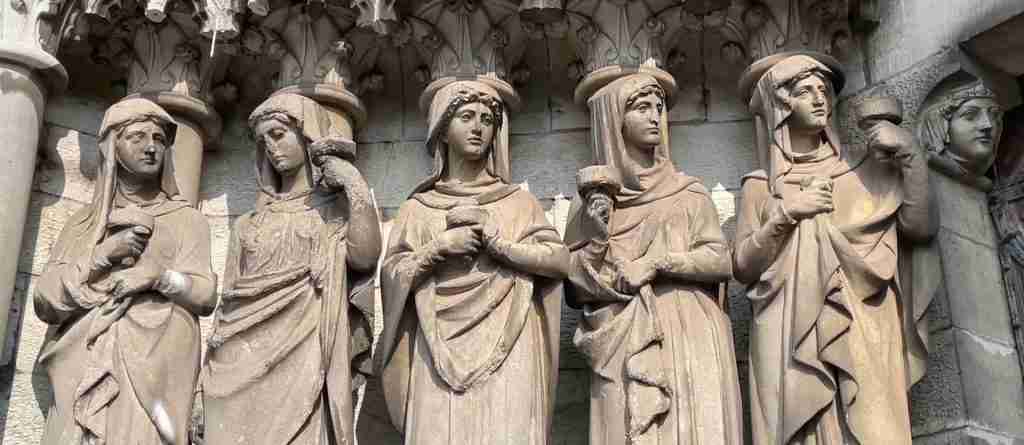
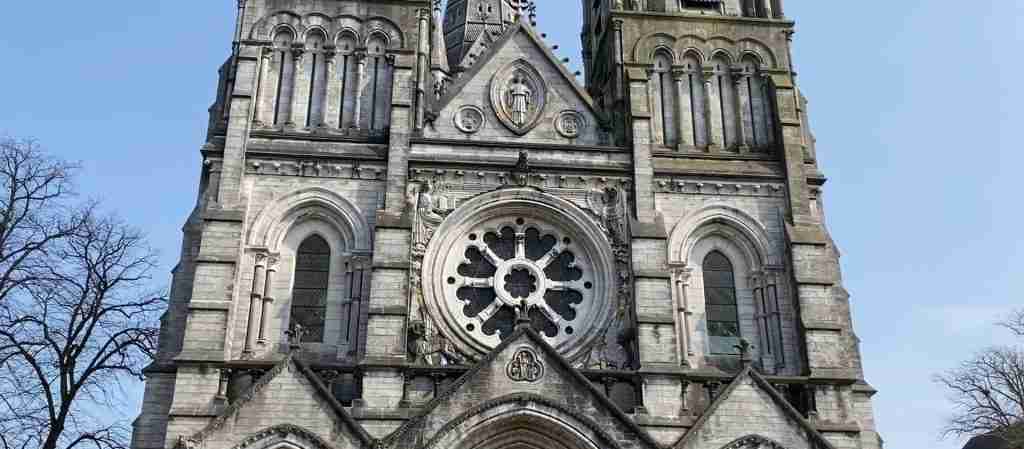
Walk south fifteen minutes from the English Market along Grand Parade and Bishop Street to reach St. Fin Barre’s Cathedral, Cork’s Gothic Revival masterpiece completed in 1879 and designed by English architect William Burges. Adult admission costs €7 (check official website for current rates), providing access to the ornate interior featuring elaborate mosaics, stained glass windows, and the bishop’s throne carved from Irish oak.
The cathedral occupies the site where St. Fin Barre founded a monastic school in the seventh century, establishing Cork’s origins as a center of learning. Guided tours operate at 11:00 AM and 2:00 PM daily (€12 including admission), but self-guided visits work perfectly for afternoon arrivals. Allow forty-five to sixty minutes to examine the angel weathervane atop the cathedral (legend says Cork will be destroyed when it falls), explore the exterior grounds, and photograph the three spires dominating Cork’s southern skyline.
The cathedral neighborhood rewards brief wandering — Elizabeth Fort sits five minutes west, offering free entry to bastioned walls with panoramic city views. The walk back to city center passes through Cork’s historic southern neighborhoods where Georgian townhouses line quiet streets far from tourist concentrations.
Early Dinner on South Mall (6:00-7:30 PM)
Return to the city center via South Mall, Cork’s elegant boulevard lined with Georgian buildings housing banks, solicitors’ offices, and upscale restaurants. Early bird menus between 5:00-7:00 PM offer significant savings — Greene’s Restaurant serves three-course dinners for €30 versus €50-60 evening pricing, while Greenes on the Mall provides similar value at €28-35 for pre-theater menus.
Alternatively, explore the Victorian Quarter north of the river where Market Lane Restaurant offers Cork dishes in relaxed atmosphere (€20-35 per person), or visit a traditional pub like The Franciscan Well Brewery serving house-brewed beers alongside pub meals (€18-28 for fish and chips, shepherd’s pie, or Irish stew). Budget travelers can grab takeaway from Lennox’s Gastro Pub (€10-15) and eat in hotel rooms, saving funds for tomorrow’s fuller restaurant experiences.
Evening River Walk and Pub Culture (7:30-10:00 PM)
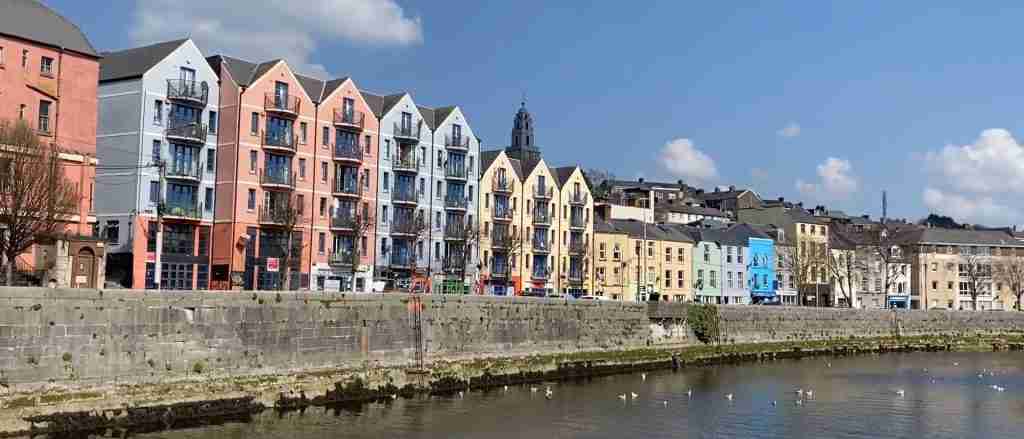
Walk off dinner along the River Lee’s channels, crossing various bridges to experience Cork’s island geography. The walk from St. Patrick’s Street to St. Anne’s Church Shandon takes twenty minutes north along Pope’s Quay, passing waterfront buildings lit attractively after dark and providing orientation for tomorrow’s Shandon Bells visit.
Traditional music sessions begin around 9:00-9:30 PM in pubs citywide. Sin É on Coburg Street hosts nightly sessions in intimate setting (no cover charge, though purchasing drinks supports musicians), while The Oliver Plunkett on Oliver Plunkett Street offers larger venue with guaranteed music every night. A pint of Murphy’s stout costs €6.50-7.50, considerably cheaper than cocktails at €12-15. Non-drinkers can order tea, coffee, or soft drinks (€3-4.50) and still enjoy the music — Irish pubs welcome all customers regardless of alcohol consumption.
Return to hotels by 10:00-10:30 PM for rest before tomorrow’s fuller day. The city center remains safe for evening walking, though standard urban caution applies — stick to well-lit main streets and avoid isolated areas after dark.
Day 1 Budget Summary
Accommodation €70-180 per room (€35-90 per person, two sharing), afternoon coffee €4, St. Fin Barre’s Cathedral €7, dinner €25-35, pub drinks €7-15. Total approximately €78-151 per person depending on accommodation tier and dining choices. This partial day establishes orientation while conserving energy for tomorrow’s fuller schedule.
Day 2 Itinerary: Blarney Castle and Cobh Day Trip 2026
Day 2 ventures beyond Cork city for Ireland’s most famous castle and the Titanic’s final port of call, combining iconic tourism with poignant maritime history. Early departure maximizes time at both destinations while avoiding Blarney Castle’s notorious summer crowds that peak between 11:00 AM-2:00 PM.
Breakfast at Farmgate Cafe (8:00-9:00 AM)
Begin at Farmgate Cafe overlooking the English Market’s main floor, where the breakfast menu features Irish sausages, black pudding, eggs, tomatoes, and mushrooms sourced from stalls below. Full Irish breakfast costs €12-15, continental options €8-10. The elevated vantage point allows observing market activity while eating — butchers preparing cuts, fishmongers arranging displays, produce sellers stacking seasonal vegetables.
Arrive when the market opens at 8:00 AM to secure window seats and experience the venue at peak authenticity before tour groups arrive mid-morning. The cafe operates counter service — order at the register, receive a number, and staff delivers food to tables. Coffee (€3.70-4.20) accompanies meals, with tea as traditional Irish alternative (€3).
Blarney Castle Morning Visit (9:30 AM-12:30 PM)
Depart Cork at 9:00 AM on Bus Éireann route 215 from Parnell Place to Blarney Village (€4 each way, thirty-minute journey, departures every hour). The bus deposits visitors at Blarney village center, from where Blarney Castle sits five minutes’ walk north along well-signed pedestrian paths.
Adult admission costs €20 (check official website for current rates), providing access to castle ruins, the famous Blarney Stone, and extensive grounds including rock gardens, poison garden, and fern garden. Arrive by 9:30 AM to beat crowds — early visitors often kiss the Blarney Stone without queuing, while afternoon arrivals can wait thirty to sixty minutes during peak season.
Kissing the Blarney Stone requires climbing spiral staircases to the castle’s top level, then leaning backward over the battlements while grasping iron railings as attendants guide positioning. Legend promises “the gift of gab” — eloquent speech — to those who complete the ritual. Photography is encouraged and attendants offer to take visitor photos during the process (tips €2-5 appreciated).
After the stone ceremony, explore the castle’s history dating to 1446 when Cormac Laidhiv MacCarthy built the fortress. Interpretive panels explain the MacCarthy clan’s role in Irish history, the castle’s strategic importance during Tudor conflicts, and the origin of the word “blarney” itself — Queen Elizabeth I coined the term after Lord Blarney repeatedly promised allegiance while never actually submitting to English rule, giving “blarney” its meaning of clever flattery.
The castle grounds require ninety minutes to explore properly. The Poison Garden features toxic plants like wolfsbane and hemlock with educational signage explaining their historical uses and dangers. The Rock Close contains ancient yew trees, druidic stones, and the Wishing Steps where walking backward down seven steps while making a wish supposedly ensures its fulfillment. The extensive gardens showcase rhododendrons, magnolias, and rare tree specimens collected from worldwide sources.
Blarney village offers lunch options including the Blarney Woollen Mills cafe (€10-18 for sandwiches and soups, located adjacent to the famous woollen mills retail store) or pub meals at Maureen’s Bar (€15-25). Budget-conscious travelers can pack sandwiches from Cork supermarkets like Tesco or Dunnes Stores (€5-8) and picnic on castle grounds where outdoor seating areas welcome visitors.
Cobh Afternoon Exploration (2:00-6:00 PM)
Return to Cork city center by 1:00 PM, then take the train from Cork Kent Station to Cobh (€7 each way, twenty-five-minute journey, departures every hour). The scenic rail line hugs Cork Harbor’s shoreline, offering water views and passing the Royal Cork Yacht Club founded in 1720 as the world’s oldest yacht club.
Cobh (pronounced “Cove”) served as the Titanic’s final port of call on April 11, 1912, where 123 passengers boarded before the ship’s tragic maiden voyage. The town’s colorful Victorian terraced houses rise steeply from the waterfront, creating Cork’s most photographed vista. Begin at the Titanic Experience museum located in the original White Star Line ticket office where passengers boarded tenders for the short trip to the anchored Titanic.
Adult admission costs €12 (check official website for current rates), providing hour-long guided tours through recreated third-class cabins, boarding procedures, and passenger stories. The experience concludes with harbor views from the building’s upper floors where guides explain Titanic’s anchoring position and the boarding process visible in historical photographs. The museum’s personal approach — following specific passengers’ journeys from ticket purchase through boarding — makes Titanic history tangible rather than abstract.
After the museum, walk Cobh’s waterfront promenade past the Lusitania memorial commemorating the 1,198 victims when a German U-boat torpedoed the passenger liner off Cork coast in 1915. The memorial’s sculpture depicts drowning figures, creating stark contrast with the peaceful harbor setting. Continue to St. Colman’s Cathedral, a Neo-Gothic structure completed in 1919 with Ireland’s largest carillon containing forty-nine bells. Free entry allows viewing the ornate interior and climbing the tower for harbor panoramas (€5 for tower access).
Cobh’s emigration history rivals its Titanic connection — between 1848-1950, over 2.5 million Irish emigrants departed from these docks for North America, making Cobh Ireland’s primary emigration port. The Queenstown Story museum (€10 adult admission) details this mass departure, though most visitors find the Titanic Experience sufficient for one afternoon combined with waterfront wandering.
The walk from Cobh train station to the waterfront takes five minutes downhill through colorful streets. Return trains to Cork depart hourly, with the 5:30 PM or 6:30 PM services allowing adequate time for Titanic museum, cathedral visit, and waterfront exploration without rushing.
Evening Dining in Victorian Quarter (7:00-9:00 PM)
Return to Cork city for dinner in the Victorian Quarter, the neighborhood north of the river centered on Carey’s Lane and French Church Street. This area concentrates Cork’s contemporary dining scene including Market Lane Restaurant (€25-40 per person, Cork ingredients in modern preparations), Elbow Lane Brew and Smokehouse (€22-35, American BBQ styles with Irish ingredients), and Ichigo Ichie (€95-120, Cork’s only Michelin-starred restaurant for splurge occasions).
Early bird menus typically expire by 7:00 PM, so this evening represents standard pricing — budget €30-50 per person for dinner with wine at mid-range establishments, €15-25 for pub meals, or €60+ for upscale dining. Alternatively, explore the Coal Quay Market area where diverse takeaway options include Thai, Indian, Chinese, and Italian at €10-18 per person, eaten at outdoor seating near the Coal Quay market building.
Optional Evening Activity: Shandon Bells (9:00-9:30 PM)
St. Anne’s Church Shandon extends hours until 9:30 PM during summer months (May-September), allowing visitors to climb the tower and ring the famous bells for €7 admission. The church’s distinctive salmon and limestone facade earns its nickname “the four-faced liar” because the four clock faces rarely show identical times due to mechanical variations.
Visitors receive brief instruction then ring the eight bells by pulling ropes, attempting simple tunes like “Danny Boy” or “The Bells of Shandon.” The experience lasts fifteen to twenty minutes including tower climbing and bell ringing, concluding with 360-degree city views from the belfry where Cork’s geography as an island city becomes visually apparent with River Lee channels visible below.
Day 2 Budget Summary
Breakfast €12, Blarney Castle admission €20, bus to Blarney €8 return, lunch €12-18, train to Cobh €14 return, Titanic Experience €12, dinner €30-50, optional Shandon Bells €7, drinks €8-15. Total approximately €113-144 per person excluding accommodation. Add €35-90 per person for accommodation (two sharing), bringing daily total to €148-234 per person. This represents the itinerary’s highest-cost day due to multiple paid attractions and transport to destinations outside walking distance.
Day 3 Itinerary: Cultural Cork and Riverside Exploration 2026
Day 3 explores Cork’s artistic, academic, and natural dimensions through a relaxed schedule allowing recovery from yesterday’s full day while experiencing aspects of local life beyond major tourist attractions. This itinerary emphasizes walking through atmospheric neighborhoods, free or low-cost cultural venues, and riverside paths where Cork residents actually spend time.
Crawford Art Gallery (10:00 AM-11:30 AM)
Begin at Crawford Art Gallery on Emmet Place, offering free admission to one of Ireland’s leading regional art museums. The collection spans historical and contemporary Irish art including works by Jack B. Yeats (brother of poet William Butler Yeats), Daniel Maclise’s historical paintings, and rotating contemporary exhibitions featuring emerging Irish artists.
The building itself represents Cork architectural history — originally the city’s Custom House in 1724, then the Royal Cork Institution, before becoming Crawford Municipal School of Art in 1884. Many exhibits contextualize art within Cork’s social history, showing how the city’s industrial prosperity, revolutionary politics, and maritime connections influenced artistic production.
Allow ninety minutes for thorough exploration, including the sculpture gallery in the main hall, the upstairs Irish art collection chronologically arranged from 18th century through contemporary works, and the cafe serving excellent coffee (€3.70-4.20) and pastries (€3-5) in the glass-roofed atrium. The gallery shop sells Irish design objects, art books, and locally made ceramics at reasonable prices (€10-50) for meaningful souvenirs beyond mass-produced tourist items.
University College Cork and Fitzgerald Park (11:30 AM-1:30 PM)
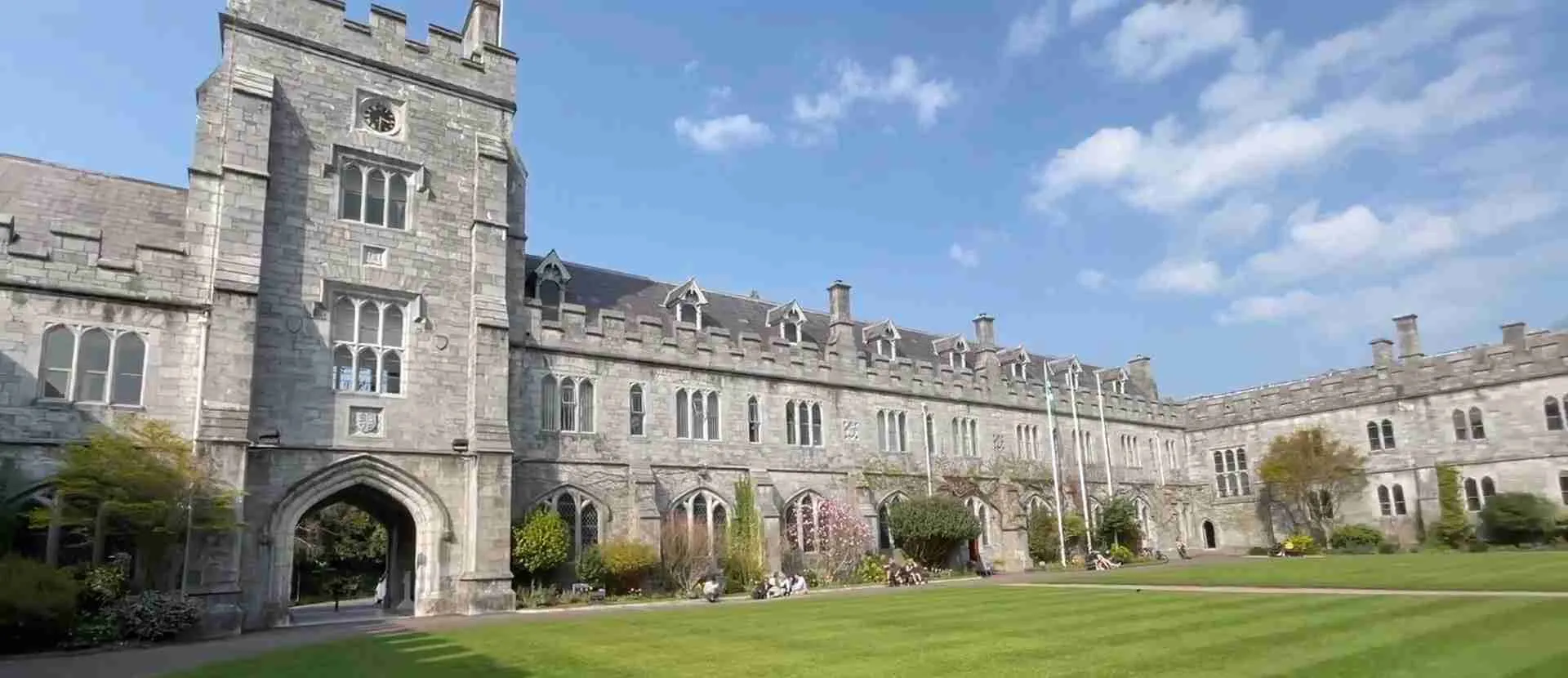
Walk west along Western Road fifteen minutes to reach University College Cork, a prestigious constituent university of the National University of Ireland founded in 1845 as Queen’s College Cork. The Gothic Revival quadrangle welcomes public visitors — walk freely through the grounds admiring limestone buildings, manicured lawns, and the Honan Chapel featuring Irish Arts and Crafts movement stained glass and Celtic Revival decorations (free entry, open 9:00 AM-5:00 PM weekdays).
The Stone Corridor contains the Ogham Stones collection — ancient Irish stones carved with the Ogham alphabet dating to the 4th-6th centuries AD, representing some of Europe’s earliest written language examples. Free guided campus tours operate at 3:00 PM on Tuesdays and Thursdays during academic term (September-May), providing historical context and access to buildings otherwise restricted to students.
Continue west along tree-lined paths to Fitzgerald Park, Cork’s Victorian public park spanning twenty-seven acres along the River Lee. The park entrance sits five minutes from the university gates, leading to landscaped gardens, a fish pond, a 19th-century bandstand, and the Cork Public Museum.
Cork Public Museum admission is free, housing collections on Cork’s archaeological history, the Irish War of Independence (1919-1921), and Cork’s industrial heritage including silver, glass, and lace production that made the city wealthy during the 18th-19th centuries. The museum occupies a Georgian mansion within the park, requiring thirty to forty-five minutes for thorough viewing.
Fitzgerald Park provides ideal picnic spots — purchase supplies at the English Market or nearby Quay Co-op (€8-15 for sandwiches, salads, and drinks) and eat on park benches overlooking the river. The park’s western edge features children’s playgrounds and walking paths following the Lee upstream toward University College Cork’s sports fields, creating a green corridor through otherwise urban Cork.
Lunch in City Center (1:30-2:30 PM)
Return to city center for lunch at one of Cork’s daytime casual venues. Liberty Grill on Washington Street serves burgers, sandwiches, and salads (€12-18), Nash 19 on Princes Street offers Middle Eastern-influenced bowls and wraps (€10-15), or Iyers Cafe serves South Indian vegetarian thalis and dosas (€9-14). These represent Cork’s multicultural dining scene beyond traditional Irish establishments.
Alternatively, return to the English Market for lunch at one of several casual vendors — O’Connell’s Fish sells fish and chips (€10-14), the Olive Stall offers Mediterranean mezze plates (€8-12), or grab pastries from the Alternative Bread Company (€3-6) with coffee from Cork Coffee Roasters inside the market (€3.70).
Coal Quay and Shandon Neighborhood (2:30-4:30 PM)
Explore Shandon, Cork’s historic northern neighborhood centered on Coal Quay Market and St. Anne’s Church Shandon. This working-class area maintains authentic character where locals shop, elderly residents chat on stoops, and laundry hangs from apartment windows — providing contrast with the polished tourist zones around St. Patrick’s Street.
Coal Quay Market (free entry, open daily 9:00 AM-5:00 PM) sells secondhand books, vintage clothing, and miscellaneous goods in a covered Victorian market hall. The surrounding streets contain independent shops, ethnic grocers serving Cork’s immigrant communities, and neighborhood pubs where tourists rarely venture.
St. Anne’s Church Shandon warrants a second visit if not completed yesterday evening, or serves as this afternoon’s bell-ringing experience for €7 admission. The church’s website lists the sheet music available for bell-ringing — “The Bells of Shandon” proves easier than more complex tunes, suitable for musical novices pulling ropes under staff guidance.
The Butter Museum (€5 admission) sits adjacent to Shandon Church, documenting Cork’s butter trade that made the city Europe’s largest butter exporter during the 18th-19th centuries. The specialized topic appeals most to food history enthusiasts and those fascinated by trade economics, though casual visitors find thirty minutes sufficient for the small museum’s exhibits on butter production, salting methods, and international trade routes.
Afternoon Tea or Coffee Break (4:30-5:30 PM)
Descend from Shandon back to city center, stopping for afternoon refreshment at one of Cork’s excellent cafes. Cork Coffee Roasters on Bridge Street serves specialty coffee (€3.70-4.20) roasted on-site, Filter on George’s Quay offers batch brew and pour-over preparations (€3.50-4), or the Crawford Gallery Cafe provides genteel afternoon tea service (€15-20) in the gallery’s atrium.
This pause creates transition time between afternoon walking and evening activities, allowing rest before dinner and final evening exploration. Cork’s cafe culture thrives — locals treat cafes as social spaces for conversation, laptop work, or newspaper reading, making these venues ideal for observing everyday Cork life beyond tourist-focused attractions.
Shopping on St. Patrick’s Street (5:30-7:00 PM)
Return to St. Patrick’s Street for shopping if desired. Brown Thomas department store anchors the upscale end with Irish and international designer goods, Eason’s bookstore sells Irish literature and local interest titles, and smaller shops along Oliver Plunkett Street offer Irish crafts, Aran sweaters, and jewelry at varied price points (€20-200).
For authentic Irish products beyond tourist souvenirs, visit Blarney Woollen Mills on St. Patrick’s Street (different location from the castle mill) for quality woollen goods, O’Sullivan Antiques on Paul Street for antique Irish silver and furniture (primarily browsing unless serious collector), or the Coal Quay Market vendors for quirky secondhand finds at €5-50.
Farewell Dinner and Evening Entertainment (7:00-10:00 PM)
Conclude the Cork visit with dinner at a restaurant capturing local character. Orso Kitchen and Bar on Pembroke Street serves Mediterranean-influenced dishes using Cork ingredients (€28-42 per person), Jacques Restaurant on Phoenix Street offers French-Irish fusion in intimate bistro setting (€35-50), or return to favorite pub from earlier in the trip for familiar comfort (€18-30).
Post-dinner options include traditional music sessions (starting 9:00-9:30 PM citywide), theater at Everyman Theatre or Cork Opera House (ticket prices €20-45 depending on production, check websites for current 2026 schedules), or cinema at Gate Multiplex showing international and Irish films (€10-12).
Alternatively, simply walk Cork’s lit streets one final evening, crossing bridges, observing the river, and absorbing the atmosphere of a city that has revealed itself gradually over three days. The South Mall and Grand Parade areas light attractively after dark, St. Patrick’s Street remains pedestrian-active until 10:00 PM, and riverside paths offer peaceful conclusion to active days.
Day 3 Budget Summary
Crawford Art Gallery free, coffee/pastry €7, lunch €12-18, Shandon Bells €7, Butter Museum €5, afternoon coffee €4, shopping variable (€0-100), dinner €30-50, entertainment €10-20. Total approximately €75-209 per person excluding accommodation. Add €35-90 per person for accommodation (two sharing), bringing daily total to €110-299 per person. This final day offers the most flexible budget — free galleries and parks allow significant savings if desired, while shopping and upscale dining enable spending for those with remaining budget allocation.
Complete 3-Day Budget Breakdown 2026
Understanding Cork’s complete cost structure helps travelers budget accurately and make informed trade-offs between accommodation quality, dining choices, and activity spending. All costs expressed per person per day, assuming two people sharing hotel rooms.
Budget Traveler Three-Day Costs (€285-420 Per Person)
Budget travelers staying in hostels or budget hotels spend €95-140 per person daily. Accommodation in dormitory beds costs €35-45 per person or budget double rooms €70-90 divided by two. Meals combine self-catered breakfast from supermarkets (€5-8), lunch at cafes or takeaway (€10-15), and pub dinners with early bird specials (€20-30). Transport relies on walking whenever possible with Leap Card bus fares (€1.50 per ride) for longer distances. Attractions prioritize free venues like Crawford Art Gallery, English Market, and Elizabeth Fort, supplemented with selected paid entries like St. Fin Barre’s Cathedral (€7) and Blarney Castle (€20). Drinks in pubs cost €6.50-7.50 per pint with one to two drinks nightly. Complete three-day trips total €285-420 per person covering all accommodation, meals, transport, and attraction entries.
Mid-Range Traveler Three-Day Costs (€510-780 Per Person)
Mid-range visitors allocate €170-260 per person daily for increased comfort. Accommodation in three-star hotels along St. Patrick’s Street or the Victorian Quarter costs €160-220 per room divided by two, providing central location, private bathrooms, and breakfast sometimes included. Meals upgrade to sit-down restaurants for lunch (€15-25) and dinner (€35-50) while maintaining one cafe breakfast (€12-18). Transport combines walking with occasional taxis (€10-15 per trip) for convenience. All major paid attractions are included — Blarney Castle, Titanic Experience, Cork City Gaol, cathedral entries — totaling €50-70 in admission fees over three days. Evening entertainment includes one theater performance or live music venue with cover charge (€15-30). Drinks allow two to three pints nightly or wine with dinner (€15-25 daily). Complete three-day trips total €510-780 per person with notably superior comfort over budget travel while remaining accessible to many travelers.
Luxury Traveler Three-Day Costs (€870-1,200 Per Person)
Luxury experiences require €290-400 per person daily for premium hotels, fine dining, and convenient transport. Accommodation at four-star properties like The River Lee Hotel or Hayfield Manor costs €280-350 per room divided by two, offering riverside locations, spas, upscale rooms, and included breakfast. Meals feature upscale restaurants for lunch (€25-40) and dinner (€55-75), including one Michelin-starred experience. Private taxis replace public transport (€20-35 daily), guides enhance major attractions with private tours (€50-100 supplements), and shopping receives meaningful allocation (€100-200 over three days). Wine accompanies dinners (€30-50 per evening) and premium whiskey tastings add cultural depth (€15-30). Complete three-day trips total €870-1,200 per person, delivering maximum comfort, culinary excellence, and stress-free logistics.
Money-Saving Strategies for Cork 2026
Even mid-range and luxury travelers benefit from Cork’s value opportunities. Purchase the Leap Card (€5 card fee plus loaded credit) saving thirty percent versus cash bus fares — the card pays for itself after seven to eight bus rides. Book accommodation two to four weeks in advance securing rates €30-50 lower than walk-in pricing, or four to six months ahead for summer peak periods. Utilize early bird restaurant menus between 5:00-7:00 PM saving €15-30 per person versus standard dinner pricing. Combine free attractions (Crawford Art Gallery, English Market, Elizabeth Fort, university grounds, Fitzgerald Park) with paid highlights, creating full days without continuous admission costs. Eat one picnic lunch daily using English Market provisions (€8-15) versus restaurants (€15-25), accumulating €20-30 savings over three days. Purchase alcohol at Tesco or Dunnes Stores (€10-15 per bottle of wine) for hotel room pre-dinner drinks rather than paying pub premiums (€8-10 per glass). Walk whenever possible — Cork’s compact geography makes most attractions reachable within twenty minutes on foot, eliminating frequent transport costs.
Essential Cork Travel Logistics 2026
Getting to Cork in 2026
Cork Airport sits six kilometers south of city center with frequent bus service to Parnell Place bus station (€8-10, fifteen-minute journey, departures every thirty minutes 6:00 AM-midnight). Airlines serving Cork include Aer Lingus, Ryanair, British Airways, and KLM with connections throughout Europe. Advance booking secures better rates — summer flights from London cost €80-150 return, from Paris €100-180, with shoulder season rates dropping twenty to thirty percent below peak pricing.
Train service from Dublin reaches Cork Kent Station in three hours (€30-40 one way, departures every two hours 7:00 AM-9:00 PM). The scenic route passes through Ireland’s midlands before following the River Lee valley into Cork. Bus service offers cheaper alternative (€20-25 one way) with similar journey times via motorway M7 and M8, arriving at Parnell Place bus station in city center.
Cork Public Transport System 2026
Bus Éireann operates Cork’s city bus network with routes radiating from Parnell Place central station. Single fares cost €1.50 with Leap Card, €1.90 cash payment. Daily passes (€15.50) benefit visitors making four or more journeys daily, though Cork’s walkable center usually eliminates this need. Buses run 6:00 AM-11:30 PM Monday-Saturday, reduced Sunday service 9:00 AM-10:00 PM. The TFI Journey Planner app shows real-time bus locations, route maps, and fare information.
Taxis operate from ranks on St. Patrick’s Street, outside Kent Station, and at Parnell Place. Typical city center journeys cost €8-12, Cork Airport to city center €25-30 depending on traffic and time of day. Ride-sharing services like Uber and Bolt operate in Cork but with limited driver availability compared to Dublin.
Accommodation Booking Strategy 2026
Book hotels two to four weeks in advance for regular travel dates, four to six months for Cork Midsummer Festival (June) and Jazz Festival (October) when prices increase thirty to fifty percent and availability becomes scarce. Central locations along St. Patrick’s Street, South Mall, or the Victorian Quarter minimize walking distances — properties within five hundred meters of the English Market provide ideal bases. Budget travelers find excellent value at Bru Bar & Hostel (€35-45 dormitory beds, €70-90 private rooms), mid-range comfort at Maldron Hotel South Mall or Moxy Cork (€140-180), luxury at The River Lee Hotel or Hayfield Manor (€250-350).
Weather and Packing for Cork 2026
Cork experiences temperate maritime climate with frequent rainfall year-round. Summer temperatures reach 15-20°C with occasional warm spells to 25°C, winter averages 5-10°C rarely dropping below freezing. Pack waterproof jacket and comfortable walking shoes regardless of season — Cork’s cobblestone streets and frequent rain make both essential. Layers work better than heavy coats, allowing adjustment to indoor heating, outdoor chill, and variable conditions throughout single days. Umbrellas prove less useful than waterproof jackets during Cork’s breezy weather that turns umbrellas inside-out.
Dining Reservations and Timing 2026
Upscale restaurants require reservations one to two weeks in advance for Friday-Saturday dinners, one to three days for weeknight tables. Call directly or use booking platforms — restaurants often hold tables for walk-ins but prime times (7:00-8:30 PM) book solid. Early bird menus operating 5:00-7:00 PM welcome walk-ins at most establishments, providing value pricing and table availability without advance booking. Traditional pubs serve food without reservations on first-come basis, though popular venues like Market Lane fill 6:00-8:00 PM requiring waits of twenty to forty-five minutes or earlier/later dining times.
Cork Neighborhood Guide 2026
City Center and St. Patrick’s Street
Cork’s commercial heart contains pedestrianized shopping streets, major hotels, and transport connections. St. Patrick’s Street curves through the center lined with retail stores, cafes, and Georgian buildings housing contemporary businesses. Accommodation here maximizes convenience for first-time visitors — walk to major attractions, catch buses to Blarney Castle or Cobh, and access restaurants/pubs within five-minute radius. The area lacks neighborhood character found in surrounding districts but trades atmosphere for logistical efficiency.
Victorian Quarter
North of the river centering on Carey’s Lane and French Church Street, the Victorian Quarter concentrates Cork’s contemporary dining and nightlife. Converted warehouses house restaurants, craft breweries, and cocktail bars attracting local crowds alongside visitors. Accommodation here places travelers among Cork residents evening social patterns rather than tourist-concentrated zones. The Coal Quay Market, Shandon Church, and working-class neighborhoods extend northward from the Victorian Quarter, showing Cork’s social fabric beyond polished tourist areas.
Shandon
Cork’s historic northern neighborhood climbs steeply from the river to St. Anne’s Church Shandon, whose salmon-and-limestone tower dominates the skyline. This working-class area maintains authentic character — locals shop at small grocers, elderly residents gather on street corners, and laundry hangs from terraced houses. Few hotels operate here but the neighborhood rewards afternoon walks showing Cork beyond tourist infrastructure. The Butter Museum, Firkin Crane Centre (cultural venue in converted butter market building), and Shandon Craft Centre provide visitor amenities while maintaining local context.
South Mall and Grand Parade
Cork’s elegant commercial district features Georgian limestone buildings along wide boulevards paralleling the river’s southern channel. Historic banks, solicitors’ offices, and upscale shops occupy ground floors, restaurants and hotels upper levels. The area conveys Cork’s 18th-19th century prosperity when butter trade, textiles, and provisions made the city wealthy. Accommodation prices run slightly higher than other districts but the prestige addresses and architectural quality justify premiums for some travelers. Bishop Lucey Park provides green space, St. Fin Barre’s Cathedral sits fifteen minutes south, and the English Market connects directly via Grand Parade.
University Area and Western Road
Extending west from city center along Western Road, this residential and academic district contains University College Cork, Fitzgerald Park, and the Cork Public Museum. Victorian and Edwardian houses converted to student accommodation line streets leading to campus, creating lively atmosphere during academic term (September-May) but quieter summer character. Budget guesthouses and B&Bs operate here at €60-100 per room, offering value for travelers willing to walk fifteen to twenty minutes to city center. The riverside Mardyke Walk provides scenic path from university to city, passing rowing clubs and Fitzgerald Park along the Lee’s wooded banks.
Cork Day Trips and Extensions 2026
Kinsale Food and Harbor Town
Kinsale sits thirty kilometers south of Cork, reached by bus (€12 return, forty-five minutes) or car along the scenic coastal road. This picturesque fishing port claims Ireland’s “Gourmet Capital” title, housing numerous restaurants serving fresh seafood from local boats. The compact town features colorful Georgian houses, two ruined forts protecting the harbor entrance (Charles Fort €5 admission, James Fort free), and waterfront walks along the estuary. Day trips allow six to seven hours including travel — morning departure, afternoon harbor exploration, late lunch at Fishy Fishy restaurant (€25-40, reservations essential), return evening bus to Cork. Extends Cork visit to four days comfortably.
Spike Island Prison Tour
Ireland’s “Alcatraz” sits in Cork Harbor fifteen kilometers from city center, reached by ferry from Cobh (€18 including island admission, departures 11:00 AM-3:00 PM summer season). This island fortress operated as monastery, fortress, and prison across 1,300 years, most famously housing Irish political prisoners during 19th-century independence struggles. Guided tours cover outer fortifications and Victorian punishment blocks before allowing self-exploration of 1980s prison cells, artillery batteries, and island walks. Combined with Cobh Titanic Experience creates full Cork Harbor day trip. Not suitable for mobility-limited visitors due to extensive walking and uneven surfaces.
Bantry Bay and Beara Peninsula
West Cork’s rugged coastline offers dramatic Atlantic scenery ninety kilometers from Cork city. Full-day bus tours from Parnell Place (€45-60 including guide) visit Bantry town, Bantry House and Gardens (€14 admission to Italianate mansion), and Glengarriff village where boat tours reach Garinish Island’s subtropical gardens (€15 boat plus €5 island admission). Self-drivers can explore further along the Beara Peninsula, Cork’s least-touristed Wild Atlantic Way section featuring mountain passes, coastal villages, and ancient stone circles. Requires full day with early departure and evening return.
Cork Cultural Calendar 2026
Cork Midsummer Festival (June 13-23, 2026)
Cork’s premier arts festival presents theater, music, visual arts, and street performances across ten days. Productions range from experimental theater in alternative venues to large-scale outdoor spectacles on St. Patrick’s Street. Many events are free, ticketed shows cost €10-30, and the festival atmosphere transforms Cork into outdoor cultural venue. Accommodation prices increase thirty percent during festival weeks, requiring booking four to six months in advance.
Cork Jazz Festival (October 24-27, 2026)
International and Irish jazz musicians perform in venues citywide during Ireland’s largest jazz festival. Ticketed concerts run €20-45 at main venues like Cork Opera House and Everyman Theatre, while dozens of pubs host free performances creating spontaneous street party atmosphere. October weather remains mild but wet — expect temperatures around 12-15°C with frequent showers. Hotels book solid four to six months advance, with prices increasing forty to fifty percent above normal October rates.
Cork Film Festival (November 8-17, 2026)
Ireland’s oldest film festival screens international cinema, Irish productions, and documentary films. Most screenings occur at Gate Multiplex and Triskel Arts Centre with tickets €10-12. Industry events and director Q&As provide insights for serious film enthusiasts. November represents Cork’s off-season with low accommodation prices (€90-140 per room versus €180-250 summer rates) making cultural visit affordable despite wet, cool weather.
Cork for Different Traveler Types 2026
Solo Travelers in Cork
Cork welcomes solo visitors with safe streets, sociable pub culture, and hostels facilitating connections with other travelers. Bru Bar & Hostel organizes pub crawls and walking tours included with accommodation, creating instant social groups. Solo travelers pay full room rates at hotels (€140-280 per night) but can share dormitory accommodation at €35-45 per bed. Dining alone in Cork pubs feels comfortable — counter seating, communal tables, and bar service normalize single diners more than formal restaurants. Traditional music sessions provide entertainment without requiring companion. Solo female travelers report feeling safe walking city center evening hours, though standard urban caution applies to isolated areas after dark.
Families Visiting Cork
Cork accommodates families well with compact geography minimizing transport hassles and attractions spanning age ranges. Fota Wildlife Park (€18 adult, €12 child, twenty minutes from Cork by train) provides full-day animal encounters, the Cork Butter Museum demonstrates historical butter-making entertaining children surprising frequently, and Fitzgerald Park playgrounds offer free outdoor activity. Family rooms at hotels like The River Lee (€220-280) house four people for slightly more than double-occupancy rates. Restaurants welcome children — Irish culture includes multi-generational dining with children present throughout evening hours without raised eyebrows. The English Market’s casual vendors provide flexible meal options when children won’t sit formal restaurants.
Accessibility in Cork 2026
Cork’s hilly geography and historic buildings create accessibility challenges. St. Patrick’s Street and major shopping areas feature level paving, the English Market provides ramped entrance though upper gallery accessed only by stairs, Crawford Art Gallery installs elevator access to all floors. Cork City Gaol’s hilltop location and Victorian architecture limit wheelchair access — contact ahead for current accessibility arrangements. Hotels built since 1990 generally provide accessible rooms meeting current standards, older Georgian properties often cannot accommodate wheelchairs due to narrow doorways and staircases. Buses increasingly feature low-floor designs with ramps, though not all routes use accessible vehicles. Taxis can accommodate wheelchairs if requested at booking — specify requirements when calling rather than hailing street cabs.
Practical Cork Information 2026
Language and Communication
English dominates Cork with distinctive local accent characterized by sing-song intonation. Irish (Gaeilge) appears on signs and official buildings but virtually all interactions occur in English. Cork vocabulary includes unique terms: “yoke” means thing/object, “biy” addresses males of any age (from “boy”), “grand” means acceptable/fine. Locals speak rapidly with dropped consonants requiring acclimatization for visitors — politely ask for repetition if needed, Cork residents understand their accent challenges outsiders.
Money and Payments
Ireland uses Euro currency. ATMs (called “cash machines”) concentrate around St. Patrick’s Street dispensing notes in €10, €20, €50 denominations. Credit cards work universally at hotels, restaurants, and shops — Visa and Mastercard standard, American Express accepted at major establishments. Contactless payment limits reach €50 per transaction. Small vendors, markets, and some pubs prefer cash. Banks exchange foreign currency but charge fees — using ATMs with home bank cards typically provides better exchange rates despite withdrawal fees.
Tipping Customs
Restaurant service warrants ten to fifteen percent gratuity for good service — check bills as some establishments include service charge automatically. Pub food and drink orders placed at bar require no tip, table service in pubs merits rounding up bill or €2-5 depending on party size. Taxi drivers appreciate rounding up to nearest €5 or ten percent for longer journeys. Hotel porters receive €2-3 per bag, housekeeping €2-3 per night. Tour guides earn €5-10 per person for good service. Tipping remains discretionary — withheld for poor service without social awkwardness.
Safety and Emergency Numbers
Cork maintains low crime rates with violent crime extremely rare. Petty theft in crowded tourist areas warrants standard urban precautions — watch bags in busy pubs, don’t leave valuables visible in cars, secure hotel room doors. Cork’s compact center remains safe for evening walking along main streets, though isolated areas merit taxi use after midnight. Emergency services number: 112 or 999 (police, ambulance, fire). Cork University Hospital provides emergency medical care, smaller injuries treated at South Infirmary-Victoria University Hospital. Pharmacies (called “chemists”) operate throughout city center for minor medical needs.
Internet and Mobile Connectivity
Hotels, cafes, restaurants provide free WiFi — quality varies but generally adequate for email, messaging, browsing. Mobile networks offer good coverage in Cork city and major routes to Blarney/Cobh, weakening in rural West Cork areas. EU visitors use phones without roaming charges under EU regulations. Non-EU visitors can purchase prepaid SIM cards at phone shops along St. Patrick’s Street (€10-20 including credit) or use international roaming though costs accumulate quickly. Tourist Information Centre on Grand Parade provides free WiFi and visitor assistance.
Cork Food and Drink Guide 2026
Essential Cork Food Experiences
Cork’s culinary reputation stems from exceptional local ingredients and chefs committed to traditional preparations alongside contemporary innovation. The English Market represents Cork food culture’s epicenter where artisan producers, fourth-generation butchers, and specialized fishmongers maintain quality standards resisting mass market pressures. Visitors should try Cork’s signature dishes including drisheen (blood sausage served with tripe), spiced beef (corned beef rubbed with spices and brown sugar, traditional at Christmas but available year-round at O’Reilly’s stall), and buttered eggs (nineteenth-century preservation method creating unique flavor).
Cork Harbor produces exceptional seafood — oysters, mussels, crab, and various fish landed at Ballycotton and Union Hall appearing on menus within hours of catch. Restaurants like Elbow Lane smoke their own fish, Market Lane sources directly from English Market stalls, and Ichigo Ichie (Cork’s Michelin-starred Japanese restaurant) combines Irish seafood with Japanese techniques creating unique fusion respected internationally.
Murphy’s Versus Guinness
Cork loyalty runs to Murphy’s stout brewed locally since 1856 rather than Dublin’s Guinness. The Franciscan Well Brewery produces craft beers including Friar’s Leap pale ale, Chieftain IPA, and Rebel Red. Pubs pour Murphy’s at €6.50-7.50 per pint, craft beers €5.50-6.50. Whiskey selection in Cork pubs emphasizes Jameson distilled at nearby Midleton Distillery (tours available forty-five minutes east of Cork, €25 admission including tastings). Cocktail culture has emerged with Cask on South Main Street pioneering craft cocktails using Irish spirits, native botanicals, and molecular techniques (€12-15 per cocktail).
Where Locals Actually Eat
Tourist concentration around St. Patrick’s Street and the English Market means better value and authenticity often hide slightly off beaten paths. Locals favor Nash 19 on Princes Street for lunch (€10-15), Miyazaki on Evergreen Street for Japanese (€18-28), and the Quay Co-op on Sullivan’s Quay for vegetarian wholefood (€9-16). Traditional pubs maintaining local clientele include The Idle Hour near the university, Charlie’s on Union Quay, and The Donkey’s Ears on Union Quay — these serve excellent pub food (€15-25) without tourist markup or manufactured “authentic Irish pub” atmosphere.
Frequently Asked Questions About Cork 3-Day Itinerary 2026
How do I get from Cork Airport to the city center in 2026?
Bus Éireann route 226A operates between Cork Airport and city center Parnell Place bus station every thirty minutes from 6:00 AM to midnight, costing €8-10 for the fifteen-minute journey. Taxis wait outside arrivals charging €25-30 to city center hotels depending on exact destination and traffic. Private transfer services cost €35-50 for advance bookings but provide door-to-door service with luggage assistance. The airport sits only six kilometers from city center making all transport options quick and relatively affordable compared to larger cities.
Can I visit both Blarney Castle and Cobh in one day?
Yes, this represents the recommended Day 2 itinerary timing. Depart Cork 9:00 AM on bus to Blarney Castle, spend two to three hours kissing the Blarney Stone and exploring grounds, return to Cork by 1:00 PM, then catch afternoon train to Cobh for Titanic Experience and harbor exploration, returning to Cork by 6:00-7:00 PM. This pacing allows adequate time at both destinations without rushing, though individuals wanting extensive time at each location might prefer separate days. The combination works because Blarney Castle is best visited early morning before crowds arrive, while Cobh’s Titanic museum and waterfront walk suit afternoon timing perfectly.
What’s included with Blarney Castle admission in 2026?
The €20 adult admission provides access to castle ruins including the famous Blarney Stone, extensive gardens (Rock Close, Poison Garden, fern gardens), woodland walks, and grounds totaling approximately sixty acres. Attendants assist with stone kissing at no extra charge beyond base admission, photography is encouraged throughout the property, and visitors can spend two to four hours exploring depending on interest level. The admission does not include guided tours (available as separate €30-40 option) or food/drink — the castle grounds prohibit outside food but operated cafes sell refreshments at typical attraction pricing (€8-15 for basic meals).
Is the Cork City Gaol worth visiting in 2026?
Cork City Gaol provides one of Ireland’s best prison museums, worth visiting for anyone interested in Irish revolutionary history, Victorian social conditions, or atmospheric historical buildings. The €10-12 admission (€2 extra for audio guide highly recommended) covers self-guided exploration of restored cells, interpretive exhibits on Irish independence struggle, and displays on 19th-century prison conditions. The museum occupies an imposing hilltop building fifteen to twenty minutes’ walk west from city center, creating dramatic arrival. Allow ninety minutes to two hours for thorough exploration including outdoor ramparts with city views. The audio guide proves essential for understanding the specific revolutionary figures imprisoned here including Michael Collins, without which the experience becomes generic historic prison rather than specifically Irish revolutionary site.
Do I need to book Titanic Experience Cobh in advance for 2026?
Advance booking is recommended but not essential except during peak summer months (July-August) and weekends. The museum operates timed entry tours every fifteen to twenty minutes with capacity limits per tour. Walk-in visitors during shoulder season (May-June, September) typically secure same-day tickets, while summer peak may require waiting sixty to ninety minutes or returning later. Online booking guarantees specific time slots and often provides small discounts (€1-2) versus walk-up rates. The museum’s website shows real-time availability making same-morning decisions possible. Combined Blarney-Cobh day trips should book Titanic Experience for 2:00-4:00 PM time slots accommodating morning Blarney Castle visit and train travel timing.
What restaurants require reservations in Cork 2026?
Upscale establishments including Ichigo Ichie (Michelin-starred), Orso Kitchen and Bar, Jacques Restaurant, and Greene’s Restaurant require reservations one to two weeks in advance for Friday-Saturday dinners, one to three days for weeknights. Mid-range popular venues like Market Lane, Elbow Lane, and Farmgate Cafe accept walk-ins but prime dinner hours (7:00-8:30 PM) often fill, creating thirty to sixty-minute waits or requiring earlier/later dining times. Early bird menus (5:00-7:00 PM) and lunch service generally accommodate walk-ins without difficulty. Traditional pubs serve food first-come basis without reservations though popular locations fill 6:00-8:00 PM. Phone ahead same morning or previous day for casual planning, book further ahead for cannot-miss restaurants during trip highlights.
How walkable is Cork for visitors with limited mobility in 2026?
Cork city center provides level paving on main streets like St. Patrick’s Street, South Mall, and Grand Parade, making these areas wheelchair accessible. However, Cork’s island geography creates hills north (Shandon neighborhood) and south (St. Fin Barre’s Cathedral area) of the central zone, limiting mobility-impaired access to these attractions. Cork City Gaol sits atop steep hill requiring twenty-five-minute uphill walk or taxi, while Shandon Bells also involves significant climbing. The English Market provides ramped entrance but upper gallery with Farmgate Cafe accessed only by stairs. Buses increasingly feature low-floor accessible designs though not universally across all routes. Hotels built post-1990 generally offer accessible rooms, older Georgian properties often cannot accommodate wheelchairs. Travelers with mobility limitations should focus on city center zone, Crawford Art Gallery (elevator access), riverside flat walks, and taxi transport to avoid hills, accepting that some Cork experiences remain physically inaccessible without significant assistance.
What’s the best way to experience Cork traditional music in 2026?
Traditional music sessions occur nightly throughout Cork at pubs including Sin É (Coburg Street), The Oliver Plunkett (Oliver Plunkett Street), and Charlie’s (Union Quay). Sessions typically start 9:00-9:30 PM and continue until midnight or later, entirely free though purchasing drinks supports musicians indirectly. Authentic sessions feature local musicians playing for their own enjoyment with listeners welcome to observe — avoid applauding between tunes as breaks indicate tuning/conversation rather than performance endings. The best sessions operate weekly schedules rather than nightly — Sin É’s Sunday evening session draws serious traditional musicians, The Oliver Plunkett guarantees nightly music but attracts tourist crowds. Arrive early for seating at popular venues, stand respectfully if full, and order drinks from bar service rather than disrupting with table service requests during performances. Cork’s traditional music culture remains genuine musical practice rather than tourist entertainment, creating authentic experiences for respectful visitors.
Should I rent a car for a Cork 3-day visit in 2026?
Car rental is unnecessary and counterproductive for this three-day Cork city itinerary. Cork’s compact walkable center eliminates transport needs for Day 1 and Day 3 activities, while Day 2’s Blarney Castle and Cobh excursions work perfectly via public bus and train service costing €30 total versus €60-80 daily car rental plus €15-20 parking. Cork city parking is expensive (€2.50-3 per hour, daily maximum €18-25), difficult to find in city center, and many hotels charge €15-20 overnight parking fees. Street parking requires payment 8:00 AM-7:00 PM Monday-Saturday via pay-and-display machines accepting coins only. Visitors extending to West Cork destinations (Kinsale, Bantry, Beara Peninsula) benefit from rental cars providing access to coastal villages unreachable by public transport, but for Cork city focus specifically, car rental creates unnecessary expense and parking hassle while providing negligible benefit over excellent public transport and walkable distances.
What does a typical Cork 3-day itinerary cost in 2026?
Budget travelers spend €285-420 per person for three-day Cork trips staying in hostels or budget hotels (two sharing), eating pub meals and utilizing early bird specials, walking whenever possible with selective bus use, and balancing free attractions with key paid entries. Mid-range visitors allocate €510-780 per person for upgraded hotels along St. Patrick’s Street, sit-down restaurant meals, occasional taxis, and comprehensive attraction coverage including all major paid entries. Luxury travelers invest €870-1,200 per person for four-star properties like The River Lee Hotel or Hayfield Manor, upscale dining including Michelin-starred experiences, convenient taxi transport, and premium tours with private guides. These ranges include all accommodation (two sharing hotel rooms), meals from breakfast through dinner, local transport including Blarney Castle and Cobh day trip, attraction admissions, and evening entertainment/drinks, providing complete trip costs without hidden categories requiring additional budget allocation.