Cork Museums & Galleries 2026: Complete Cultural Guide
Cork’s cultural institutions span centuries of Irish heritage, from medieval monasteries to contemporary art spaces, offering visitors exceptional museum and gallery experiences throughout 2026. The city’s museums showcase everything from ancient archaeological treasures and 19th-century prison history to quirky specialized collections celebrating Cork’s butter trade, while its galleries present both historic Irish masterworks and cutting-edge contemporary exhibitions across venues ranging from award-winning university spaces to intimate artist-run studios.
Key Takeaways: Cork Museums & Galleries 2026
- Crawford Art Gallery Closure 2026: Cork’s premier art museum remains closed throughout 2026 for major transformation works and reopens in 2027, requiring visitors to adjust cultural itineraries accordingly
- Admission Costs 2026: Cork Public Museum and Glucksman Gallery offer free entry, while Cork City Gaol costs €10 for adults and the Butter Museum charges €5, making a full museum day affordable at €15-20 per person for paid attractions
- Geographic Spread: Museums concentrate in three distinct areas—city center (Crawford site, Butter Museum, Nano Nagle Place), riverside Fitzgerald Park (Cork Public Museum), and UCC campus (Glucksman Gallery)—each requiring 20-30 minutes walking between clusters
- Seasonal Variations 2026: Opening hours shift significantly between summer and winter seasons, with several museums reducing days and hours November through February, requiring advance schedule verification for off-season visits
- Hidden Gems Beyond Major Venues: Nano Nagle Place combines museum, heritage gardens, and café in one complex, while the Radio Museum at Cork City Gaol showcases broadcasting history as an unexpected bonus attraction included with Gaol admission
- Planning Considerations: Allow 1.5-2 hours per major museum, book Cork City Gaol tickets online during peak summer months, and time visits around Butter Museum’s live butter-making demonstrations (scheduled weekly) for enhanced experiences
People Also Ask About Cork Museums & Galleries 2026
Is the Crawford Art Gallery open in 2026?
The Crawford Art Gallery remains closed throughout all of 2026 for major transformation and renovation works, with the gallery scheduled to reopen in 2027. Originally built as Cork’s Customs House in 1724, this National Cultural Institution is Cork’s largest and most significant art museum, housing nearly 4,000 works from 18th-century European paintings through contemporary video installations. The closure means visitors to Cork in 2026 should redirect their art gallery visits to the Lewis Glucksman Gallery at UCC or plan return trips for 2027 to experience the Crawford’s renowned collections of Irish masters including Harry Clarke, Jack B. Yeats, Seán Keating, and Mainie Jellett, plus the famous Canova Casts brought from the Vatican in 1818.
Which Cork museums offer free admission in 2026?
Cork Public Museum in Fitzgerald Park and the Lewis Glucksman Gallery at University College Cork both offer completely free admission year-round in 2026, with no booking required and full access to all exhibitions and permanent collections. Cork Public Museum, Ireland’s oldest local authority museum operating since 1945, showcases 7,000 years of Cork settlement history across archaeology, military, and social collections at zero cost. The Glucksman provides free entry to award-winning contemporary art exhibitions Tuesday through Sunday 11am-5pm, though visitors can purchase optional guided tours for €5 or leave a suggested €5 donation. These two free venues alone provide 3-4 hours of quality cultural experiences, making Cork exceptionally accessible for budget-conscious cultural tourists.
How much does Cork City Gaol cost to visit in 2026?
Cork City Gaol admission in 2026 costs €10 for adults, €6 for children, and €30 for family tickets covering two adults plus up to four children, with tickets including both the historic 19th-century prison museum and the Radio Museum housed in the former Governor’s residence. Student admission over 18 years costs €8.50. Visitors receive a detailed guidebook with their ticket, while audio guides in 13 languages rent for an additional €2 per device. Booking online through the official Cork City Gaol website or platforms like Viator is recommended during peak summer months (June-August) and school holiday periods to guarantee admission and avoid queues at this popular attraction. The ticket price represents excellent value considering the comprehensive 1.5-2 hour self-guided experience spanning two distinct museums within the magnificent castle-like Victorian prison complex.
What are the opening hours for Cork museums in winter 2026?
Cork museum hours reduce significantly during winter 2026 compared to summer schedules, with most institutions shortening operating days and hours between November and February. Cork Public Museum operates Tuesday-Friday 10am-4pm and Saturday 11am-4pm year-round, closing Sunday afternoons outside May-September. The Butter Museum switches from daily summer operations to Wednesday-Saturday 10am-4pm and Sunday 11am-4pm during November-December. Cork City Gaol typically runs 10am-4pm in winter months compared to extended 9:30am-5pm summer hours. The Lewis Glucksman Gallery maintains consistent Tuesday-Sunday 11am-5pm hours year-round. Visitors planning winter Cork trips should verify exact schedules on official museum websites 1-2 weeks before travel, as specific November-February dates and Irish public holidays can affect individual institution schedules.
Extended multi-day tours – 5+ days
Featured Cork Multi-Day Tour Packages
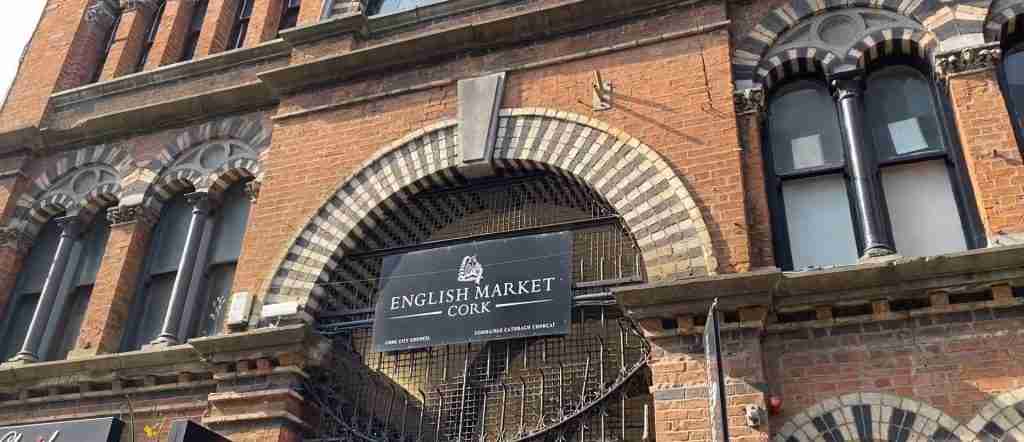
3 days
Cork 3-Day Discovery Tour
- ✓ Comprehensive Cork experience
- ✓ Expert local guides included
- ✓ All accommodation included
- ✓ Transportation provided
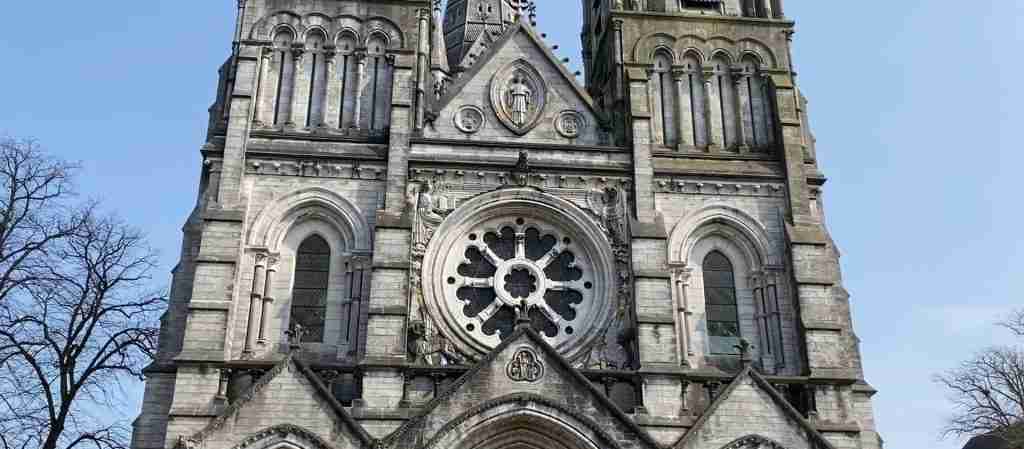
5 days
Cork 5-Day Highlights Experience
- ✓ Comprehensive Cork experience
- ✓ Expert local guides included
- ✓ All accommodation included
- ✓ Transportation provided
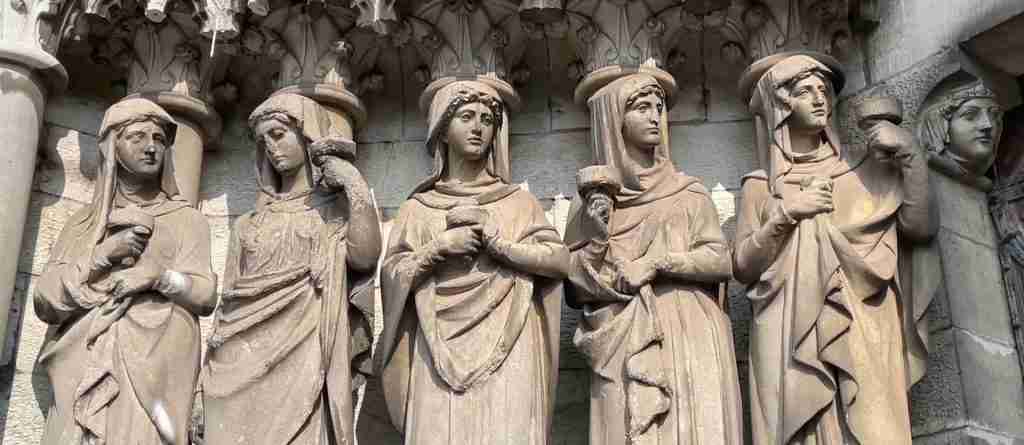
7 days
Cork 7-Day Cultural Journey
- ✓ Comprehensive Cork experience
- ✓ Expert local guides included
- ✓ All accommodation included
- ✓ Transportation provided
10 days
Cork 10-Day Complete Adventure
- ✓ Comprehensive Cork experience
- ✓ Expert local guides included
- ✓ All accommodation included
- ✓ Transportation provided
Multi-day tour packages powered by TourRadar. Prices and availability subject to change.
Introduction to Cork’s Museums & Galleries 2026
Cork’s museum and gallery landscape presents a sophisticated cultural ecosystem rivaling far larger cities, built over centuries through civic investment, academic patronage, and passionate private collectors. The city’s museums tell uniquely Cork stories—from the world’s largest 19th-century butter market to Victorian prison reform experiments, from ancient monastic dairy traditions to the evolution of Irish radio broadcasting—while its galleries showcase both revered historic Irish art and ambitious contemporary international exhibitions. The concentration of free-admission venues combined with specialized collections found nowhere else makes Cork essential for cultural tourists exploring Ireland’s second city.
The 2026 cultural calendar presents both opportunities and challenges for museum visitors. The transformation closure of the Crawford Art Gallery, Cork’s premier fine art institution, removes the city’s largest and most comprehensive historical art collection from public view throughout the year, requiring art enthusiasts to adjust expectations and plan return visits for the renovated 2027 reopening. However, this gap creates opportunities to discover Cork’s lesser-known cultural gems—the architecturally stunning Glucksman Gallery on UCC’s riverside campus, the quirky charm of the Butter Museum in Shandon’s historic market quarter, the sobering historical depth of Cork City Gaol perched above the city, and the serene heritage gardens at Nano Nagle Place. The combination of free-entry major venues and affordable specialized museums means comprehensive cultural exploration remains accessible regardless of budget tier.
Cork’s museums cluster in distinct geographical zones rather than concentrating in a single cultural quarter, shaping visit logistics. The Shandon neighborhood north of the River Lee holds the Butter Museum near the famous Shandon bells. Western suburbs contain Cork City Gaol in Sunday’s Well and Cork Public Museum in Fitzgerald Park’s landscaped grounds. The University College Cork campus at the city’s western entrance houses the award-winning Glucksman Gallery. The city center, while home to the (currently closed) Crawford Art Gallery site, offers Nano Nagle Place and proximity to emerging smaller galleries. This geographic spread requires strategic planning—attempting all major museums in a single day means significant walking distances or tactical bus use, while a more relaxed two-day cultural itinerary allows proper appreciation of each institution plus time for the excellent museum cafés that have become Cork attractions in their own right.
Understanding Cork’s museum character helps set appropriate expectations. This is not a city of encyclopedic national collections spanning every art movement and historical period—those remain concentrated in Dublin. Instead, Cork excels in deep, focused storytelling about specifically Irish and especially Cork themes presented through engaging, human-scale exhibitions. The former prison at Cork City Gaol doesn’t merely display Victorian crime statistics; it recreates the texture of 19th-century incarceration through life-size figures in furnished cells telling individual prisoner stories. The Butter Museum doesn’t just explain dairy economics; it illuminates how a single agricultural product shaped Cork’s global trade position and Irish rural culture. Cork Public Museum connects ancient Bronze Age artifacts discovered locally with 20th-century independence struggle artifacts in ways that make 7,000 years of settlement tangibly real. Visitors who embrace this approach to cultural institutions—narrative depth over encyclopedic breadth, Irish specificity over European survey—find Cork’s museums profoundly rewarding.
Major Museums & Collections Cork 2026
Cork Public Museum: Ireland’s Oldest Local Authority Museum
Cork Public Museum stands as Ireland’s oldest local authority museum, welcoming visitors free of charge since 1945 in a Georgian house commanding the heart of Fitzgerald Park’s 18-acre landscaped grounds. Originally built in 1845 as “The Shrubberies,” the Beamish family home, the elegant two-story building provides an appropriately historic setting for collections tracing over 7,000 years of human settlement in Cork from prehistoric times through the 20th-century Irish independence struggle. The museum excels at connecting Cork’s deep past with relatively recent history, demonstrating continuity and change across millennia through archaeology, military history, civic records, and social history collections that tell uniquely Cork stories often overlooked in national narratives dominated by Dublin perspectives.
The ground floor archaeological exhibits open with Stone Age and Bronze Age artifacts discovered in County Cork, including tools, weapons, and domestic implements that make abstract prehistory tangible. Viking raid and settlement material connects Cork to 9th-11th century Scandinavian expansion, while medieval Cork’s development as an important trading port emerges through merchant records and imported goods evidence. Upstairs collections shift to more recent centuries, with particularly strong holdings on Cork’s role in Irish independence movements from the 1798 Rebellion through the War of Independence and Civil War. Life-size displays, period photographs, military artifacts, and personal effects of prominent Cork rebels create visceral connections to events that shaped modern Ireland. The museum also maintains excellent records of Cork’s civic, industrial, and social development, from 18th-century guild records to 20th-century manufacturing and labor history.
Cork Public Museum operates Tuesday through Friday 10am-4pm, Saturday 11am-4pm, and Sunday 2pm-4pm (May through September only), remaining closed Mondays year-round. Admission stays completely free with no booking required—simply walk in during operating hours. The museum’s Fitzgerald Park setting enhances visits significantly, with the 18-acre Victorian park offering riverside walks along the Lee, mature tree specimens, ornamental gardens, and the iconic Daly’s Bridge (Shakey Bridge) pedestrian suspension bridge dating to 1926. Combining museum interior time (typically 60-90 minutes) with park exploration creates a pleasant 2-3 hour cultural and natural experience. The museum lacks an on-site café, but the nearby Farmgate Café on Fitzgerald Park’s edge serves excellent local food, while the historic Eldon Hotel sits just across from the park entrance. Free parking exists on surrounding streets, though weekend availability can be limited; alternatively, several city buses serve Western Road stops within 5 minutes’ walk.
Cork City Gaol: 19th-Century Prison & Radio Museum
Cork City Gaol ranks among Ireland’s most atmospheric and educational historical attractions, transforming a magnificent castle-like 19th-century prison into a museum that brings Victorian-era incarceration viscerally to life through life-size figures, furnished cells, sound effects, and meticulously researched prisoner narratives. Built high above the River Lee in Sunday’s Well from 1818-1824 to replace the overcrowded old city prison, the Gaol was designed by William Robertson and constructed from local red sandstone as a modern, orderly institution—reportedly “the finest in three kingdoms” at opening. Over its century of operation (closed 1923), the prison housed everyone from petty thieves imprisoned for stealing bread or drunkenness to female Republican prisoners during the Irish Civil War, with its history reflecting broader shifts in Irish penal philosophy, social conditions, and political struggle.
The self-guided tour experience immerses visitors in prison reality through innovative exhibition design. Life-size wax figures depicting actual historical prisoners and staff populate furnished cells recreating different eras and prisoner categories—debtors, petty criminals, political prisoners, children. Each figure represents a real individual with documented history, from specific crimes committed to sentences served to eventual fates. Audio points throughout deliver prisoner testimonies, prison officer accounts, and period soundscapes recreating the shuffling feet, jangling keys, and echoing voices that filled these corridors. The west wing showcases the evolution from single-cell Victorian reform philosophy to the double-sided cell wing remodeled in 1870. The women’s prison period (1878-1923) receives particular attention, including stories of Republican women like Countess Markievicz who famously called this “the most comfortable jail” she’d been in—an ironic comment on relative conditions rather than actual comfort. The Radio Museum in the former Governor’s house presents an unexpected bonus attraction, showcasing Cork’s first radio station 6CK that broadcast from the Gaol buildings in the late 1920s-1950s after prison closure, with vintage equipment, RTE collections, and connections to Marconi’s pioneering work.
Cork City Gaol operates with seasonal hours requiring advance verification: typically 9:30am-5pm last admission March through October, and 10am-4pm last admission November through February, though exact schedules shift year to year. Check the official website at corkcitygaol.com before visiting. Admission in 2026 costs €10 for adults, €6 for children, €8.50 for students over 18, and €30 for family tickets (two adults plus up to four children), with tickets including both the Gaol and Radio Museum plus a detailed guidebook in 12 languages. Audio guides rent for €2 additional and enhance the experience significantly through 40 minutes of carefully scripted historical narrative. Online booking through the official website or Viator is strongly recommended during peak summer months and Irish school holidays, when crowds can fill available time slots. Guided tours run at scheduled times (typically 2pm year-round, hourly July-August), while self-guided visitors can enter anytime during operating hours. Allow 1.5-2 hours minimum for thorough exploration. The Gaol sits 2km northwest of Patrick Street in Sunday’s Well; free on-street parking exists directly in front (maximum 2 hours), city buses serve nearby routes, and the Cork City Tours hop-on-hop-off bus stops right outside March-November. Walking from city center takes approximately 30 minutes uphill—manageable but steady climb.
Cork Butter Museum: Ireland’s Global Dairy Trade History
The Cork Butter Museum celebrates one of Ireland’s great economic success stories through the unlikely lens of dairy culture, documenting how butter transformed from a vital rural necessity into Cork’s dominant 19th-century export commodity and eventually into the global Kerrygold brand. Housed in the former Cork Butter Market building dating to 1849 in Shandon’s historic market quarter, this quirky, charming museum illuminates aspects of Irish history rarely explored elsewhere—the central role of dairy culture in early medieval Ireland, the innovative grading and quality control systems that made Cork butter the world’s first global food brand, the traditional craft of hand butter-making, and the modern commercial success that continues today. What could seem niche instead reveals unexpected depths about Irish agricultural economics, global trade networks, technological evolution, and cultural identity tied to land and livestock.
The ground floor experience begins with a 15-minute audiovisual presentation explaining butter’s role in Irish culture from medieval monastery dairy operations through the establishment of the Cork Butter Exchange in 1789—at its 19th-century peak, the largest butter market in the world. The Cork merchants pioneered global food quality assurance by becoming the first to systematically grade food products before sale, inspecting, branding, and guaranteeing butter packed in 56-pound firkins (wooden barrels) for shipment to the West Indies, Brazil, Britain, India, and Australia. The museum’s proudest possession—a wooden barrel of thousand-year-old bog butter preserved in peat—demonstrates ancient Irish butter-making and preservation traditions. Display cases showcase traditional butter-making equipment from wooden churns to ceramic crocks, the evolution of mechanical dairy equipment, and an extensive collection of Irish butter wrappers showing the 150+ distinctive regional brands that existed before consolidation into the Kerrygold brand in the 1960s. Live butter-making demonstrations (scheduled Wednesdays and Saturdays at noon) let visitors watch traditional hand-churning techniques and taste freshly made butter on bread—a highlight frequently mentioned in visitor reviews.
The Butter Museum operates with distinct seasonal schedules: May through October daily 10am-4pm Monday-Saturday and 11am-4pm Sunday; November through December Wednesday-Saturday 10am-4pm and Sunday 11am-4pm (closed Monday-Tuesday). The museum typically closes January-April but may open for special events—verify via thebuttermuseum.com before winter/early spring visits. Admission in 2026 costs €5 for adults, €4 for students and seniors, and €2 for children 12 and older, with children under 12 free when in a family group. Groups of 10+ can arrange special rates by advance contact. The small museum requires 45-75 minutes for thorough exploration, though butter-making demonstration attendees often linger longer. The museum shop sells butter-themed souvenirs, Irish food products, and books about dairy history. Located in Shandon between Dominick Street and Church Street, the museum sits within easy walking distance (10 minutes) of St. Anne’s Shandon Church with its famous bells, creating a natural Shandon cultural cluster. Street parking exists on surrounding lanes though availability varies; alternatively, walk from city center in 15-20 minutes or take buses serving North Main Street stops.
Nano Nagle Place: Heritage, Museum & Gardens
Nano Nagle Place transforms the convent grounds where 18th-century educational pioneer Nano Nagle lived and worked into a contemporary heritage center combining museum exhibitions, heritage gardens, café, and community spaces that honor her legacy while creating a serene urban retreat. Nano Nagle (1718-1784) founded the Presentation Sisters, establishing schools for poor children in Cork when Catholic education was illegal under Penal Laws, becoming known as “the Lady with the Lantern” for teaching at night with only lantern light for safety. The heritage center opened in recent years occupies beautifully restored 18th and 19th-century convent buildings near St. Fin Barre’s Cathedral and Elizabeth Fort, presenting Nano’s life and social justice work through interactive exhibitions, audiovisual presentations, and access to the historic chapel and grounds where she established her educational mission.
Guided tours led by knowledgeable docents bring Nano Nagle’s story and broader context to life with passion and detail that self-guided visitors might miss. These tours typically run scheduled times daily and are included in modest admission prices (exact rates vary; check nananagleplace.org). The interactive exhibition spaces use modern museum techniques to make 18th-century history engaging—touch screens, video testimonials, period artifacts, and connections between Nano’s pioneering work and contemporary social justice movements. The heritage gardens provide contemplative outdoor space with native plantings, reflection areas, and sculpture, while the on-site Nano Nagle Place Café & Restaurant has developed its own reputation for excellent locally-sourced lunch menus served in the atmospheric former convent setting. The museum shop stocks religious items, Irish crafts, and books about Nano Nagle and Irish Catholic history.
Nano Nagle Place operates Tuesday-Saturday with guided tours at scheduled times (typically 10am, 11:30am, 1pm, 2:30pm, 4pm, though times vary seasonally). Admission includes guided tour, access to exhibition spaces, chapel viewing, and gardens. The center welcomes walk-in visitors but booking online guarantees tour spots during busy periods. Allow 90 minutes for the full guided experience, or 45-60 minutes if exploring exhibition spaces independently. The atmospheric café operates extended hours for lunch and afternoon tea. Located on Douglas Street near the city center, Nano Nagle Place sits within easy walking distance of St. Fin Barre’s Cathedral (5 minutes), Elizabeth Fort (3 minutes), and the English Market (10 minutes), forming a natural cultural cluster for half-day itineraries. Street parking exists on surrounding roads; alternatively, the site is highly walkable from all central Cork accommodations.
Art Galleries & Exhibition Spaces Cork 2026
Crawford Art Gallery: Closed for Transformation (Reopening 2027)
The Crawford Art Gallery, Cork’s premier and Ireland’s regional art museum for Munster, remains closed throughout all of 2026 for major transformation and renovation works, with reopening scheduled for 2027. This closure represents the most significant gap in Cork’s cultural offerings for 2026, as the Crawford houses the city’s most important and comprehensive art collection spanning 18th-century European masters through cutting-edge contemporary Irish art. Designated a National Cultural Institution in 2006, the gallery’s permanent collection comprises nearly 4,000 works ranging from Georgian-era Irish and European paintings and sculpture through modern video installations, all normally displayed free of charge in the historic former Customs House building dating to 1724 on Emmet Place in the city center beside Cork Opera House.
The Crawford’s collections that will return in 2027 include several areas of exceptional strength and national significance. At the heart sits a collection of Greek and Roman sculpture casts by Antonio Canova, brought to Cork from the Vatican Museum in Rome in 1818 as a gift from Pope Pius VII through the Prince Regent (later George IV) to the Society of Fine Arts in Cork—among them casts of the Belvedere Torso, Apollo Belvedere, and Laocoön and His Sons, representing neoclassical artistic ideals. The Irish painting collection excels particularly in the “Irish School” from the 18th century forward, with major works by John Butts (including his celebrated 1755 panorama of Cork City), Dublin-born Harry Clarke (one of early 20th century’s greatest illustrators and stained glass artists), Jack B. Yeats (brother of poet W.B. Yeats and Ireland’s most important modernist painter), and Seán Keating (whose realist works documented Irish life and the independence struggle). The Crawford holds particularly strong holdings of female Irish artists from the mid-19th century onward, including Cubist painter Norah McGuinness (1901-1980), abstract pioneer Mainie Jellett (1897-1944), and Anne Butler Yeats, demonstrating women’s vital contributions to Irish modernism often overlooked in broader art historical narratives.
While the Crawford remains closed in 2026, art enthusiasts can find updates on transformation progress and tentative 2027 reopening schedules via the gallery’s official website at crawfordartgallery.ie and social media channels. The Crawford’s acclaimed café, a Cork institution in its own right serving local seasonal food in the gallery’s bright atrium space, also remains closed during transformation works. Visitors to Cork in 2026 specifically interested in experiencing the Crawford’s collections should plan return trips for 2027, when the renovated and expanded gallery promises enhanced exhibition spaces, improved accessibility, and refreshed presentations of the permanent collection. The transformation represents the most significant investment in the Crawford’s facilities since the major 2000 extension that doubled gallery space, positioning the museum for its next quarter-century as Munster’s regional art center.
Lewis Glucksman Gallery: Award-Winning Contemporary Art at UCC
The Lewis Glucksman Gallery (now known simply as “The Glucksman”) stands as Cork’s premier contemporary art venue and one of Ireland’s most architecturally distinguished cultural buildings, offering free admission to rotating exhibitions of Irish and international contemporary art in an award-winning structure that seemingly floats among trees above the River Lee at University College Cork’s main entrance. Opened in October 2004 and designed by acclaimed Irish architectural firm O’Donnell + Tuomey, the gallery won the Royal Institute of the Architects of Ireland’s “Best Public Building in Ireland” award in 2005, an RIBA award, and shortlisting for the prestigious Stirling Prize, while being named “One of the 1001 Buildings to See Before You Die.” In 2022, the Glucksman received the European Museum Academy’s Art Museum Award recognizing its social role as a museum, cementing its status as both an architectural landmark and a vital cultural and educational institution.
The Glucksman’s architectural design creates the exhibition experience as powerfully as the artworks displayed within. The building’s limestone base anchors it to the landscape while the timber-clad gallery spaces rise among mature trees in an interlocking suite of rooms offering selected views up and down the Lee Valley. Natural daylight floods certain gallery spaces while others provide controlled lighting for light-sensitive works, giving curators flexibility for diverse contemporary art practices from painting and sculpture to video installations and conceptual works. The interconnected plan and section create varied spatial experiences as visitors move through exhibitions—intimate chambers giving way to generous open spaces, river glimpses alternating with tree-canopy views. The gallery’s location at UCC’s threshold makes it simultaneously an academic resource and a public civic space, bridging campus and community in ways that have made it central to Cork’s cultural infrastructure since opening.
The Glucksman presents 3-4 major temporary exhibitions annually, typically running 3-4 months each, featuring established and emerging Irish artists, international contemporary practitioners, and thematic group shows exploring current artistic and cultural questions. Past exhibitions have ranged from solo retrospectives of major Irish artists to conceptual installations addressing climate change, migration, and social justice to historical explorations of Irish modernism. The gallery’s education programs, artist talks, workshops, and public events create engagement beyond passive viewing, while the university connection enables ambitious curatorial projects and scholarly publications that situate exhibitions in broader cultural contexts. Unlike the Crawford’s encyclopedic historical collection, the Glucksman focuses exclusively on contemporary practice, offering Cork audiences access to current artistic discourse typically requiring travel to Dublin, London, or European capitals.
The Glucksman operates Tuesday through Sunday 11am-5pm year-round, closed Mondays. Admission remains free with no booking required for general gallery access, though the suggested €5 donation helps support programming. Optional guided tours cost €5 plus booking fee and run hourly 11am-4pm, bookable via Eventbrite. Free self-guided viewing windows occur between tours at half-past each hour (11:30am, 12:30pm, etc.). The gallery spaces close to the public three times yearly for exhibition changeovers, typically lasting 2-3 weeks; check the website at glucksman.org for current exhibition schedules and changeover dates before visiting. Allow 60-90 minutes for thorough exhibition exploration. The on-site Glucksman Restaurant serves lunch and afternoon coffee with riverside terrace seating when weather permits, while the gallery shop stocks exhibition catalogues, Irish art books, and artist-designed items. Located at UCC’s main Western Road entrance gates, the Glucksman is easily reached by walking from city center (15 minutes), city buses serving UCC stops, or parking in surrounding streets (limited) or UCC visitor parking (fee applies). Combining Glucksman visits with walks through UCC’s Gothic Revival quadrangle and riverside grounds creates an excellent half-day cultural and architectural experience.
Lavit Gallery & Emerging Independent Galleries
The Lavit Gallery represents Cork’s longest-established commercial gallery, operating continuously for over 52 years as an artist-run registered charity and not-for-profit organization dedicated to making art accessible while supporting emerging and established artists. Originally founded by a collective of artists wanting to promote interest in art and provide exhibition opportunities beyond institutional spaces, the Lavit has introduced generations of Cork audiences to artists they might not otherwise encounter, showing work by over 200 contemporary Irish artists across its 800 square feet of exhibition space spanning two floors. The gallery maintains a democratic ethos, showing everything from traditional landscape and portrait painting to cutting-edge contemporary styles, ensuring variety that appeals to diverse tastes and budgets. The annual “Student of the Year” award demonstrates ongoing commitment to nurturing emerging talent, providing early-career artists with professional exhibition opportunities that launch many successful practices.
The Lavit operates Tuesday through Saturday 10:30am-6pm, closed Sundays and Mondays. Admission is free; the gallery functions as both viewing space and sales venue where visitors can purchase original artworks at prices ranging from affordable prints and small works to investment pieces by established names. Located in central Cork (exact address on MacCurtain Street), the Lavit is easily incorporated into downtown walking routes. The compact space means visits typically last 20-40 minutes unless engaging deeply with specific exhibitions or consulting gallery staff about purchases.
Beyond the Lavit, Cork’s independent gallery scene remains relatively modest compared to Dublin but includes several spaces worth exploring for contemporary art enthusiasts. The Triskel Arts Centre, while primarily a multidisciplinary venue for music, theater, and film, includes gallery spaces showing visual arts exhibitions. Private commercial galleries occasionally open in city center locations, though turnover can be high and operating hours irregular—current listings appear in Cork city cultural guides and local press. The FirkinCrane Centre in Shandon, while focused on dance and movement arts, occasionally hosts visual arts exhibitions in its distinctive 19th-century butter market tower building. Visitors specifically interested in emerging contemporary Cork art should check Cork Midsummer Festival (June), Cork Culture Night (September), and other annual cultural events when artist studios, pop-up galleries, and temporary exhibition spaces often open across the city, revealing artistic activity beyond permanent institutional venues.
Specialty & Niche Collections Cork 2026
Radio Museum at Cork City Gaol
The Radio Museum occupies the former Governor’s house at Cork City Gaol, creating an unexpected but fascinating companion to the prison museum by documenting Cork’s broadcasting history in the very building that housed Ireland’s pioneering radio operations after the Gaol closed as a prison in 1923. Radio Éireann established Cork’s first radio station, 6CK, in the late 1920s and broadcast from the Gaol buildings through the 1950s, transforming prison cells and administrative spaces into studios, transmission rooms, and broadcast facilities. The museum preserves the original 6CK studio setup with period equipment, telling the story of early Irish radio’s development, Marconi’s pioneering role in wireless communication, and the specific Cork contribution to Irish broadcasting history often overshadowed by Dublin-centric national narratives.
Collections include vintage radio equipment, transmitters, and receivers spanning the evolution from early crystal sets through valve radios to transistor technology. RTE archival materials show the development of professional broadcasting standards and programming. Audiovisual displays explain the technical principles of radio transmission and Marconi’s foundational wireless experiments. The museum also contextualizes radio’s social impact—how it transformed rural Irish life by ending isolation, created mass audiences for news and entertainment, established new forms of political communication, and shaped modern Irish cultural identity. The juxtaposition of prison history and broadcasting history in the same building creates thought-provoking contrasts between institutions of confinement and technologies of connection, silence and voice, control and liberation.
Radio Museum admission is included with Cork City Gaol tickets (€10 adults, €6 children, €30 families) with no separate charge or booking required. Visitors typically explore the Radio Museum after completing the Gaol tour, adding 20-30 minutes to total visit time. The museum operates the same seasonal hours as the main Gaol. While modest in scale compared to dedicated broadcast museums in larger cities, the Radio Museum offers Cork-specific history unavailable elsewhere and provides engaging complement to the prison experience, particularly for visitors interested in technology history, Irish social history, or broadcasting heritage.
University College Cork Museums & Special Collections
University College Cork maintains several smaller specialized museums and collections accessible to public visitors beyond the Glucksman Gallery, though with more limited hours and advance contact sometimes required. The UCC Geology Museum houses significant geological specimens, minerals, and fossils used for academic teaching but open to interested visitors by arrangement. The UCC Zoology Museum collections include preserved specimens, skeletal materials, and research collections documenting Irish fauna. The UCC Physics Collection preserves historic scientific instruments and demonstration equipment from the university’s 19th and 20th-century teaching history. The Honan Chapel, completed 1916 and designed by architect James F. McMullen, contains exceptional Arts & Crafts stained glass windows by Harry Clarke and other Irish craftsmen, religious artifacts, and Celtic Revival decorative programs that make it an important example of Irish cultural nationalism expressed through ecclesiastical art and architecture.
Access to these smaller UCC collections varies significantly. The Honan Chapel opens regularly for visitor viewing with posted hours (typically weekday afternoons). The scientific collections generally require advance contact through relevant academic departments to arrange viewing, as they function primarily as teaching resources rather than public museums. The UCC campus itself—a Gothic Revival architectural ensemble designated a protected structure—rewards exploration as outdoor museum of Victorian collegiate architecture, with the main quadrangle designed by Thomas Deane and Benjamin Woodward (1845-1849) representing one of Ireland’s finest Tudor Gothic Revival compositions. Combining Glucksman Gallery visits with UCC campus architectural walking, Honan Chapel viewing, and the riverside Lower Grounds creates an excellent cultural half-day without requiring pre-arranged access to specialized academic collections.
Regional Museums Within Day Trip Range Cork 2026
Cobh Heritage Centre & Titanic Experience
Cobh (pronounced “Cove”), located 25km southeast of Cork city, functioned as Ireland’s primary emigration port for centuries and the last port of call for RMS Titanic before its fatal 1912 Atlantic crossing, making it home to two significant heritage museums worth day trip exploration from Cork. The Cobh Heritage Centre tells the broader story of Irish emigration to America, Canada, and Australia from the Great Famine forward, using Cobh’s role as departure point for millions of Irish emigrants to illuminate this defining aspect of Irish history and diaspora formation. The Titanic Experience Cobh specifically focuses on the luxury liner’s brief Cobh call, the 123 passengers who boarded there, and the disaster that followed, using interactive exhibitions, historical artifacts, and guided tours of the original White Star Line offices where Titanic passengers processed before boarding tenders to the ship anchored in Cork Harbour.
Both museums operate daily with separate admission fees (verify current rates and hours via cobhheritage.com and titanicexperiencecobh.ie). Combining both museums with Cobh’s Victorian seaside architecture, St. Colman’s Cathedral towering over the harbor, and waterfront walks creates an excellent full-day excursion from Cork. Regular trains connect Cork Kent Station to Cobh in 25 minutes with scenic harbor-edge routing, making car-free day trips simple and affordable. Alternatively, driving allows flexibility to explore nearby Spike Island (former prison, now heritage center accessible by ferry) and Fota Wildlife Park. Budget full day for comprehensive Cobh heritage exploration: 2 hours Titanic Experience, 1.5 hours Heritage Centre, 1 hour cathedral and waterfront, plus travel time.
Blarney Castle & Desmond Castle Kinsale
Blarney Castle, located 8km northwest of Cork city, ranks among Ireland’s most visited heritage sites despite being more tourist attraction than museum in the traditional sense. The medieval tower house (constructed 1446) houses the famous Blarney Stone embedded in the battlements, which millions have kissed seeking the “gift of the gab” according to legend. Beyond the stone ritual, Blarney rewards visitors with intact medieval castle architecture, dungeons, defensive features, and extensive grounds including Rock Close’s ancient rock formations and gardens. The Blarney Castle estate operates as commercial attraction with admission fees approximately €18-20 adults (verify current rates at blarneycastle.ie), operating daily year-round with extended summer hours. Regular buses connect Cork city center to Blarney village in 20 minutes, or the castle sits 10 minutes’ drive from Cork. Allow 2-3 hours for castle, grounds, and village exploration.
Desmond Castle in Kinsale, 28km south of Cork, offers different heritage experience—an intact 16th-century tower house that has served as customs house, prison (including housing French and American prisoners during wars), and now museum operated by the Office of Public Works. The castle’s International Museum of Wine explores Ireland’s historical wine trade connections with France, Spain, and Portugal, demonstrating Cork’s broader maritime commerce beyond butter exports. Kinsale itself—a picturesque harbor town with strong culinary reputation—makes an excellent day trip destination combining Desmond Castle heritage (allow 45-60 minutes), harbor walks, historic fort explorations (Charles Fort and James Fort), and dining at acclaimed restaurants. Buses serve Kinsale from Cork city, though driving allows more flexibility to explore surrounding coastal areas. Combine with Cobh for a comprehensive harbor heritage day, or dedicate separate days to each destination for relaxed exploration.
Planning Your Cork Museums Visit 2026
Strategic Itinerary Planning for Museum Clusters
Cork’s museums distribute across three distinct geographic zones rather than concentrating in a walkable cultural quarter, requiring strategic planning to minimize backtracking and maximize cultural experiences per day. The City Center / Shandon cluster includes the (closed) Crawford Art Gallery site, Butter Museum, St. Anne’s Shandon Church, and Nano Nagle Place, all within 15-20 minutes’ walking of each other north and south of the River Lee. The Western Suburbs cluster contains Cork Public Museum in Fitzgerald Park and Cork City Gaol in Sunday’s Well, separated by approximately 20 minutes’ walking or 5 minutes’ driving. The UCC Campus zone centers on the Glucksman Gallery with university grounds providing additional architectural and landscape interest. Attempting all three zones in a single day means significant travel time between clusters—feasible but rushed. A more satisfying approach divides museums across 2-3 days, grouping by geographic proximity and thematic coherence.
Sample One-Day Intensive Cultural Itinerary: Start at Cork City Gaol (9:30am opening, 2 hours including Radio Museum), walk or drive to Cork Public Museum in Fitzgerald Park (15 minutes arrival, 1.5 hours museum plus park stroll), lunch at nearby Farmgate Café, afternoon at Glucksman Gallery (2pm-4pm, 2 hours including exhibitions and campus walk), evening stroll through city center with exterior Crawford site viewing, dinner near Butter Museum vicinity, finish with sunset walk through Shandon neighborhood. This intensive schedule covers all major museums in one ambitious day but requires stamina, efficient transitions, and acceptance of limited time at each institution. More realistic for most visitors: spread across 2 days with morning and afternoon museum sessions separated by leisurely lunches, shopping, pub visits, or rest periods at accommodations.
Sample Two-Day Relaxed Cultural Itinerary: Day 1 focuses on western suburbs and UCC—morning at Cork City Gaol (arrive 10am, depart 12:30pm), lunch at Cork Public Museum café or nearby, afternoon Cork Public Museum and Fitzgerald Park exploration (1:30pm-4pm), evening free for city center dining and pubs. Day 2 explores city center and Shandon—morning at Glucksman Gallery and UCC grounds (10am-12:30pm), lunch at Glucksman Restaurant or walk to English Market, afternoon Butter Museum (2pm-3:30pm), St. Anne’s Shandon Church bells ringing (3:30pm-4pm), Nano Nagle Place (4pm-5:30pm guided tour), evening in city center. This pace allows proper appreciation of each institution without rush, builds in meal breaks and transition time, and creates thematic coherence within each day while covering all open major museums and galleries.
Seasonal Timing & Weather Considerations 2026
Cork museum visiting experiences shift significantly between seasons due to both operational hours and weather impact on museum combinations with outdoor activities. Summer months (June-August) offer maximum flexibility with extended operating hours at most institutions, daily seven-day operations at seasonal venues like the Butter Museum, and long daylight hours enabling early morning starts and evening additions. However, summer also brings peak tourist crowds requiring advance booking at Cork City Gaol, fuller exhibition spaces at free venues, and higher accommodation costs in Cork city. The shoulder seasons—May and September—provide excellent compromise: most museums operate full summer schedules, crowds thin compared to peak July-August, weather remains generally pleasant for outdoor museum elements like Fitzgerald Park and UCC grounds, and accommodation availability improves with rates slightly lower.
Winter visiting (November-February) presents distinct challenges requiring adaptation. Several museums reduce operating days and hours—the Butter Museum closes Mondays and Tuesdays, Cork Public Museum drops Sunday hours except December, Cork City Gaol shortens to 10am-4pm schedules. Some venues close completely for annual maintenance during January or early February—verify specific dates on official websites before booking winter Cork trips. However, winter also offers advantages: minimal tourist crowds mean intimate museum experiences, free venues like Cork Public Museum and Glucksman operate normally without summer congestion, indoor cultural activities pair naturally with Ireland’s damp winter weather, and Cork’s Christmas markets and New Year events create festive atmosphere around cultural institutions. Winter visitors should build itineraries with backup plans acknowledging potential weather disruptions to outdoor elements and reduced hours requiring earlier finish times.
Weather preparedness matters year-round in Cork’s maritime climate characterized by frequent light rain, changeable conditions, and moderate temperatures without extreme heat or cold. Museums with outdoor components—Fitzgerald Park surrounding Cork Public Museum, UCC grounds framing the Glucksman, heritage gardens at Nano Nagle Place—become more enjoyable with appropriate rain gear and layered clothing enabling comfortable transitions between indoor galleries and outdoor walking. The uphill walk to Cork City Gaol in wet conditions requires good footwear, though city buses provide alternative access. Conversely, rare sunny Cork days make outdoor museum elements exceptional—Fitzgerald Park in sunshine rivals any urban park in Ireland, while UCC’s riverside Lower Grounds become magical in dappled light through mature trees. Flexible planning that can shift indoor and outdoor elements based on morning weather checks produces the best results.
Admission Costs & Budget Planning 2026
Cork museums and galleries span the full spectrum from completely free admission to moderate paid-entry institutions, enabling cultural experiences at virtually any budget level. Free admission venues—Cork Public Museum and the Glucksman Gallery—provide 3-4 hours of quality museum experiences at zero cost beyond transportation. Adding the paid major museums creates the following budget scenarios for comprehensive cultural exploration:
Budget Cultural Day (Free Museums Focus): Cork Public Museum (free) + Glucksman Gallery (free) + city center architecture walking + English Market exploration = €0 museum admission, approximately €5-10 for café refreshments if desired. This zero-admission-cost itinerary still delivers substantial cultural value through Cork’s best archaeology/history museum and premier contemporary art gallery, supplemented by self-guided appreciation of Cork’s Victorian and Georgian architecture, public sculptures, and covered food market heritage. Budget travelers can experience core Cork cultural offerings without admission fees, reserving paid attractions for days when budget allows.
Mid-Range Cultural Day (Major Museums): Cork City Gaol (€10) + Butter Museum (€5) + Cork Public Museum (free) + Glucksman Gallery (free) = €15 total admission per person. This represents the complete major museum circuit minus the closed Crawford Gallery, providing comprehensive coverage of Cork’s cultural institutions from medieval dairy history through Victorian prison life to contemporary art across 6-8 hours of museum time. Families benefit from Cork City Gaol family tickets (€30 for two adults plus up to four children) reducing per-person costs, while Butter Museum’s free admission for children under 12 with families further improves family economics. A mid-range full cultural day including admissions, lunch, and coffee breaks runs approximately €35-50 per person.
Comprehensive Cultural Budget (Including Nano Nagle Place & Guided Tours): Cork City Gaol (€10) + audio guide (€2) + Butter Museum (€5) + Nano Nagle Place guided tour (approximately €8-10) + Glucksman Gallery guided tour (€5) + Cork Public Museum (free) = approximately €30-32 admission and tour costs per person. This premium approach adds guided interpretation at venues where docent expertise significantly enhances experiences—Cork City Gaol’s historical prisoner narratives come alive through audio guide details, Nano Nagle Place’s guide illuminates 18th-century Irish Catholic history with passion and context, Glucksman tours provide contemporary art interpretation and architectural insights. The comprehensive budget scenario enables deepest possible engagement with Cork’s cultural offerings while remaining far more affordable than comparable museum days in major European capitals where multiple €15-20 admission fees accumulate rapidly.
Booking, Tickets & Advance Planning Requirements
Cork museums vary significantly in advance booking requirements, from completely walk-in venues to attractions requiring online reservation during peak periods. Understanding these distinctions prevents disappointment and optimizes visit logistics. Cork Public Museum and the Glucksman Gallery require zero advance booking—simply arrive during operating hours and enter freely. This flexibility allows spontaneous schedule adjustments based on weather, energy levels, or sudden interest shifts. The Butter Museum similarly operates walk-in admission at the door, though butter-making demonstration schedules (Wednesdays and Saturdays at noon) are worth checking via their website to time visits around these popular events if interested.
Cork City Gaol represents the sole Cork museum where advance online booking becomes essential during peak periods. Summer months (June-August), Irish school holidays (Easter, mid-term breaks, Christmas), and three-day weekends can see available time slots fill days in advance, particularly for guided tours running at scheduled times. The Gaol’s website (corkcitygaol.com) enables ticket purchase with specific entry time selection, while third-party platforms like Viator offer the same tickets with flexible cancellation policies (typically 24 hours before visit for full refund). Online booking costs the same as walk-up admission with the security of guaranteed entry. Off-season months (November-March) and weekday visits generally allow walk-up entry without booking, though online purchase still provides peace of mind. Guided tours reach capacity faster than self-guided admission—book several days ahead if preferring guided interpretation.
Nano Nagle Place operates guided tours at scheduled times throughout the day, with capacity limits on each tour group. While walk-in visitors can often join the next available tour if space exists, busy periods may mean 1-2 hour waits for the following tour with space. The venue recommends booking through their website (nananagleplace.org) to guarantee preferred tour times, particularly when coordinating visits around other Cork museums in tight daily itineraries. The Glucksman’s optional paid guided tours (€5) similarly benefit from advance booking via Eventbrite, though the free self-guided viewing requires no reservation.
Accessibility & Family Considerations 2026
Cork’s museum accessibility varies significantly based on building ages and protection status, requiring advance research for visitors with mobility limitations or wheelchair users. The Glucksman, as Cork’s newest purpose-built museum (2004), provides full wheelchair access throughout with elevators, accessible restrooms, and circulation designed for universal access. Cork Public Museum offers ground floor wheelchair access to many gallery spaces, though the Georgian building’s historic staircases limit second-floor access—staff can advise on main collection highlights viewable from accessible areas. The Butter Museum’s two-floor layout in an 1849 building presents accessibility challenges with stairs connecting floors and no elevator, though ground floor exhibits include the audiovisual presentation and significant collection elements.
Cork City Gaol presents the greatest accessibility challenges due to Victorian prison architecture with multiple levels connected by original staircases unsuitable for elevator installation within the protected structure. The Gaol management acknowledges partial wheelchair access only—contact in advance (+353 21 430 5022) to discuss specific mobility requirements and determine which prison areas remain accessible. Families with baby strollers face similar constraints, though strollers can be left at admission desk. The Radio Museum section accessed from outside the main cell blocks may offer better accessibility for some visitors with mobility limitations. Visitors requiring full wheelchair access should prioritize the Glucksman and accessible areas of Cork Public Museum, recognizing that Cork City Gaol’s complete experience remains difficult to achieve with significant mobility challenges.
Family-friendliness spans Cork’s museum offerings, with particular strengths at institutions that have actively developed young visitor programming. Cork City Gaol excels for children approximately 8 years and older, with life-size figures, atmospheric Victorian prison cells, and the punishment quiz competition engaging young imaginations while presenting age-appropriate history without graphic violence. The Radio Museum’s vintage equipment and early broadcasting technology fascinate children interested in how things work. Younger children (under 8) may find the Gaol’s dim lighting and prison themes somewhat eerie, though not frightening—parents should gauge individual child sensitivity. Cork Public Museum’s archaeology exhibits, Viking artifacts, and historical films appeal to history-interested children, while younger visitors may find the presentation style somewhat traditional and text-heavy compared to modern interactive children’s museums.
The Butter Museum delights families with its quirky subject matter, hands-on butter label stamping activity, and especially the live butter-making demonstrations where children watch traditional churning and taste fresh butter on bread. The 45-minute to 1-hour visit length prevents young children’s attention from flagging. The Glucksman’s contemporary art exhibitions vary in child appeal depending on specific artworks shown—some installations captivate children’s imagination while others require mature art appreciation. The gallery’s family programs, workshops, and special events (check website for schedules) create specifically child-oriented cultural experiences. Nano Nagle Place’s heritage gardens provide outdoor space for children to move between museum sections, while the guided tours’ narrative style may hold attention for older children (10+) interested in history but prove too detailed for younger visitors. Most Cork museums lack dedicated children’s programming during regular hours, functioning as adult-oriented cultural spaces that welcome families without specifically catering to young children. Parents planning museum-heavy Cork itineraries should intersperse cultural visits with child-oriented activities—playgrounds in Fitzgerald Park, UCC campus walks, Blarney Castle grounds exploration—to maintain engagement.
Museum Cafés & Dining Around Cork Cultural Institutions 2026
Glucksman Gallery Restaurant & Fitzgerald Park Area
The Glucksman Restaurant situated within the gallery building has earned reputation as destination dining separate from museum visiting, serving seasonal lunch menus emphasizing locally-sourced Irish ingredients in the architecturally striking space with riverside terrace seating. The restaurant operates extended hours beyond gallery viewing times, making it suitable for either lunch breaks within museum visits or standalone dining experiences. Menu prices typically run €12-18 for mains, €6-10 for lighter options, with excellent coffee and pastries available throughout service hours. The space’s floor-to-ceiling windows overlooking the Lee and thoughtful interior design by the same architects who created the gallery make the restaurant itself an aesthetic experience. Booking recommended for weekend lunches, particularly when weather permits terrace dining.
Cork Public Museum’s Fitzgerald Park location benefits from proximity to several excellent nearby cafés and restaurants. The Farmgate Café, located at Fitzgerald Park’s entrance on the Mardyke, serves breakfast, lunch, and early dinner featuring Cork’s famous English Market produce (the Farmgate operates a restaurant stall within the market as well). Menu philosophy emphasizes traditional Irish preparations of local ingredients—expect dishes like Cork black pudding, Ballycotton fish, local farmhouse cheeses—at prices approximately €10-16 for mains. The historic Eldon Hotel across from Fitzgerald Park offers traditional pub food and bar service in Victorian premises. Walking toward city center from Fitzgerald Park leads to Western Road and UCC campus dining options, creating flexibility for post-museum meals.
Shandon & Butter Museum Dining Options
The Shandon neighborhood surrounding the Butter Museum contains several café and dining options supporting cultural exploration of this historic market quarter. The historic area north of the River Lee operates at slower pace than commercial city center, with independent cafés, traditional pubs, and small restaurants creating authentic local atmosphere. Budget €8-15 for casual lunch options, €15-25 for more substantial dinners in neighborhood establishments. The area’s character leans working-class traditional Cork rather than polished tourist-oriented, appealing to visitors seeking genuine local flavor alongside cultural institutions. St. Anne’s Church tower and bells viewing combines naturally with Butter Museum visits, with surrounding lanes offering picturesque Cork architecture and glimpses of harbor views from elevated Shandon position.
Nano Nagle Place Café & City Center Options
Nano Nagle Place operates its own café serving lunch, coffee, and afternoon tea in atmospheric converted convent spaces with access to heritage gardens. The café emphasizes locally-sourced ingredients with menu changing seasonally, typically offering 3-4 lunch main options €10-14, house-baked cakes and pastries €4-6, and proper Irish teas and quality coffee. The tranquil setting and garden views create contemplative atmosphere distinct from busier city cafés. Hours typically align with museum operations Tuesday-Saturday, with some extended afternoon hours for tea service.
Nano Nagle Place’s location near the city center, St. Fin Barre’s Cathedral, and Elizabeth Fort provides easy access to Cork’s broader restaurant scene for post-museum dining. The English Market (10 minutes’ walk) houses multiple food stalls, cafés, and the excellent Farmgate Market Restaurant serving market-fresh ingredients. Cork’s restaurant concentration on streets around St. Patrick’s Street, Oliver Plunkett Street, and Princes Street offers dozens of options from traditional Irish pubs to international cuisines to contemporary fine dining, all within 10-15 minutes’ walk of the Nano Nagle Place. This central location makes combining Nano Nagle heritage visits with broader Cork dining exploration particularly convenient.
Cork Museums & Galleries for Special Interests 2026
Irish History & Independence Struggle Enthusiasts
Cork played central role in Irish independence movements from 1916 Easter Rising through War of Independence (1919-1921) and Civil War (1922-1923), with the city and county producing prominent Republican leaders including Michael Collins and Terence MacSwiney. Cork Public Museum houses the most comprehensive Cork-based collections documenting this revolutionary period, with extensive displays on the Cork Brigade IRA, prominent Cork figures in the independence struggle, military artifacts from the period, and contextual materials explaining Cork’s particular experience of conflict, British response, and eventual Free State/Republic transition. The museum’s collections include weapons, uniforms, documents, photographs, and personal effects that connect abstract historical narratives to specific individuals and events.
Cork City Gaol adds another dimension by housing Republican women prisoners during the Civil War period, including Countess Markievicz whose ironic comment about the Gaol being “the most comfortable jail” she experienced reveals both the political prisoner context and comparative prison conditions. The Gaol’s general 19th-century collections also illuminate social conditions, poverty, and legal systems that formed backdrop to nationalist movements—understanding Victorian-era poverty, evictions, and penal philosophy helps contextualize later political resistance. Beyond Cork city, Michael Collins House & Museum in Clonakilty (approximately 60km west) provides more specialized focus on Collins’s life and death, while regional heritage centers across West Cork explore the guerrilla warfare, ambushes, and reprisals that characterized the War of Independence in rural areas.
Art History & Irish Visual Arts Specialists
The Crawford Art Gallery’s 2026 closure creates significant gap for art history specialists and Irish visual arts enthusiasts, as no other Cork venue matches its comprehensive historical collections spanning 18th-century through mid-20th century Irish art. The Glucksman partially compensates by focusing exclusively on contemporary practice, offering current artistic discourse and temporary exhibitions of quality matching many Dublin venues. The Glucksman’s rotating schedule means exhibition content varies significantly based on visit timing—checking advance exhibition announcements via the gallery website allows art specialists to plan Cork trips around particularly relevant shows. The gallery’s scholarly publications, artist talks, and curator-led tours provide depth beyond passive viewing, creating engagement with contemporary artistic and theoretical discussions typically requiring major city institutional access.
The Crawford’s absence in 2026 means art history enthusiasts specifically interested in Irish visual arts golden age (1880-1950) should plan Dublin day trips to access National Gallery of Ireland and Hugh Lane Gallery collections, or defer Cork cultural trips to 2027 when the renovated Crawford reopens with refreshed presentations of its Irish art strengths. Alternatively, regional galleries beyond Cork—including Model Arts Centre in Sligo, Limerick City Gallery of Art, or smaller municipal collections in towns like Waterford and Kilkenny—offer Irish art holdings worth exploring for comprehensive understanding of national visual arts development outside Dublin dominance.
Social History & Material Culture Researchers
Cork’s museums excel in social history and material culture documentation through collections and exhibitions emphasizing lived experience, domestic life, work, and everyday objects rather than great events and famous individuals. Cork Public Museum’s extensive holdings of archaeological and historical artifacts provide material culture evidence spanning 7,000 years of Cork settlement—Bronze Age tools demonstrating technological capabilities, Viking trade goods revealing commercial networks, medieval domestic items showing living standards, 18th-19th century craft production evidencing industrial development. The museum’s approach contextualizes objects within broader social patterns rather than treating them as isolated art pieces, making it particularly valuable for researchers interested in how ordinary people lived, worked, and survived across centuries.
The Butter Museum similarly illuminates social and economic history through highly focused lens—dairy culture reveals agricultural practices, gender division of labor (butter-making traditionally women’s work), quality control development, global trade network formation, technological change from hand production to industrial creameries, and modern corporate branding emergence. This depth-over-breadth approach produces insights about broader historical forces through concentrated study of single commodity. Cork City Gaol documents 19th-century penal philosophy, prison conditions, crime patterns (petty theft, drunkenness, poverty crimes dominating), gender-specific imprisonment practices, and state control systems through visceral recreation of lived experience rather than abstract policy history. Together, these institutions create robust picture of Irish social history from perspectives often missing in political and military-focused national narratives.
Combining Museums with Other Cork Experiences 2026
Museum & Architecture Walking Tours
Cork’s Victorian and Georgian architectural heritage provides excellent framework for combining museum visits with self-guided architectural walking tours that contextualize cultural institutions within broader built environment. The UCC campus surrounding the Glucksman Gallery represents one of Ireland’s finest Gothic Revival ensembles, designed by Thomas Deane and Benjamin Woodward (1845-1849) with influence from English architect Augustus Pugin’s Gothic principles. The main quadrangle’s Tudor Gothic detailing, the Honan Chapel’s Arts & Crafts interiors, and the riverside President’s Garden create architectural tour merit regardless of museum visiting. Self-guided UCC architectural walks take 45-60 minutes covering main historic buildings, or join scheduled campus tours when available.
The city center between Crawford Art Gallery site and Nano Nagle Place contains Cork’s greatest concentration of Georgian and Victorian commercial and ecclesiastical architecture. St. Fin Barre’s Cathedral (1870, William Burges architect) exemplifies Victorian Gothic Revival at florid peak, with French-influenced spires, elaborate interior decoration, and narrative sculptural programs worth 30-45 minutes exploration. The English Market (1788, rebuilt 1862) represents unique covered Victorian market architecture with cast-iron roof structure and continuous commercial use since 18th century. The Victorian Cork Opera House (1965 rebuild after fire destroyed 1855 original), Patrick Street’s commercial Victorian facades, and surviving Georgian terraces on Pope’s Quay and South Mall create walking routes connecting cultural institutions through significant built heritage. Free Cork architecture walking guides available from tourist information or online enable self-directed appreciation of building heritage complementing museum content.
Museum & Garden/Park Combinations
Several Cork museums sit within or adjacent to significant public parks and gardens enabling combined cultural and natural experiences. Fitzgerald Park surrounding Cork Public Museum provides 18 acres of Victorian landscaped gardens along the River Lee, with mature specimen trees, ornamental plantings, river walks, and the iconic Daly’s Bridge (Shakey Bridge) pedestrian suspension crossing. The park’s original 1902-03 Cork International Exhibition site history connects to the museum’s location in the former exhibition building. Spring visits (April-May) capture peak flowering of park ornamentals, while summer offers full tree canopy and longer evening light, autumn brings dramatic leaf color, and winter reveals Victorian landscape architecture usually obscured by foliage. Allow 45-90 minutes for thorough park exploration beyond museum time—longer if picnicking or relaxing by river.
UCC’s Lower Grounds framing the Glucksman Gallery create another museum-garden combination, with the Lee Valley riverside setting, mature woodland, and campus tree plantings providing extensive walking routes. The university grounds connect to adjacent Sunday’s Well neighborhood and ultimately to Cork City Gaol, creating a 30-40 minute riverside/hillside walk linking two major cultural attractions through green space rather than urban streets. Nano Nagle Place’s heritage gardens, while more modest in scale than public parks, provide contemplative walled garden spaces with native Irish plantings, religious statuary, and heritage orchard connecting contemporary garden design with 18th-century convent traditions. These combinations transform museum visiting from indoor-only cultural consumption into fuller-day experiences engaging Cork’s landscape character alongside its built heritage.
Museum & Food Market Experiences
The English Market—Cork’s covered Victorian food market operating since 1788—functions simultaneously as working market, tourist attraction, and social institution, making it natural combination with museum visits into comprehensive Cork cultural experiences. Located between St. Patrick’s Street and Grand Parade in the city center, the English Market provides access to Cork’s famous food culture through dozens of traditional butchers, fishmongers, vegetable sellers, artisan cheese vendors, specialty food shops, and prepared food stalls. The Farmgate Café restaurant operates from upstairs gallery overlooking the market floor, serving lunch menus featuring market ingredients. Market visiting typically takes 30-60 minutes for thorough browsing, with optional purchases of Irish farmhouse cheeses, Clonakilty black pudding, fresh seafood from Cork’s fishing ports, or artisan chocolates and baked goods.
Combining English Market exploration with Nano Nagle Place (10 minutes’ walk), the Crawford Art Gallery site (adjacent), or morning Butter Museum visiting (15 minutes’ walk) creates food-and-culture half-days revealing Cork’s culinary heritage alongside artistic and historical institutions. The Market operates Monday-Saturday approximately 8am-6pm (hours vary by stall, busiest mid-morning through lunchtime), closed Sundays. The juxtaposition of working food market and museums illuminates connections between Cork’s agricultural hinterland, urban commercial culture, and contemporary food scene that has made Cork Ireland’s gastronomic capital outside Dublin. Market vendors often provide samples, answer food questions, and share local food knowledge, creating interactive cultural experience complementing passive museum viewing.
Practical Logistics & Transportation Cork Museums 2026
Public Transportation Access to Museums
Cork’s compact city center and museum concentration within 2-3km radius makes most cultural institutions accessible via Cork city bus network, though walking remains fastest option for several routes. Cork Public Museum and Cork City Gaol in western suburbs benefit most from bus services. Routes serving Western Road (UCC campus area) stop within 5-10 minutes’ walk of both Fitzgerald Park/Cork Public Museum and the Glucksman Gallery—multiple route numbers serve this corridor with frequent service throughout the day. Cork City Gaol in Sunday’s Well sits slightly further from regular bus routes, though some services come within 10 minutes’ walk. Alternatively, the Cork City Tours hop-on-hop-off open-top bus includes Cork City Gaol as scheduled stop from March through November, providing tourist-oriented transportation option combining sightseeing with museum access.
City center museums—Butter Museum in Shandon, Nano Nagle Place near South Infirmary—are readily walkable from central Cork accommodations and attractions within 10-20 minutes, making bus transportation unnecessary for visitors staying centrally. The Glucksman Gallery at UCC’s main gates sits approximately 15 minutes’ walk from Patrick Street city center, manageable for most visitors though buses provide alternative for those preferring to avoid walking. Cork’s city buses operate frequent schedules throughout the day with reduced evening and Sunday services, charging flat fares for single journeys (approximately €2-3 depending on route) or offering day passes for multiple trips. Real-time bus arrival information available via smartphone apps or at equipped bus stops. Overall, Cork’s walkable size and museum concentration means transportation planning remains relatively simple compared to larger cities requiring extensive transit use for cultural touring.
Parking & Driving Considerations
Driving to Cork museums makes sense primarily for Cork City Gaol and Cork Public Museum in western suburbs, where free or affordable parking exists near attractions. Cork City Gaol provides free on-street parking directly in front of the entrance (maximum 2 hours, typically sufficient for museum visit), though spaces fill during busy summer periods—arrival before 11am or after 3pm improves parking availability. Cork Public Museum area offers free street parking on surrounding roads near Fitzgerald Park, with spaces along Mardyke Walk and nearby residential streets usually available except weekend summer afternoons when park popularity creates competition. Neither location requires navigating Cork’s congested city center or paying commercial car park fees, making driving stress-free for these western suburb museums.
City center museum visiting by car presents greater challenges due to limited street parking, traffic congestion on approach streets, and need for paid parking facilities. The Butter Museum, Nano Nagle Place, and Crawford site area require either luck finding street parking (metered, limited duration) or use of multi-story car parks charging €2-3 per hour, €10-15 for full day. Cork’s medieval street pattern creates narrow, congested routes into the city center that can frustrate drivers unfamiliar with the layout. The Glucksman Gallery at UCC provides limited visitor parking within campus (fee applies), though availability isn’t guaranteed—street parking on surrounding residential roads provides free alternative requiring 5-10 minutes’ walk to gallery. Overall, visitors staying in central Cork accommodations benefit from leaving cars parked and walking to museums, while those based in county Cork or making regional day trips can drive efficiently to Cork City Gaol and Cork Public Museum before returning to accommodation outside city.
Walking Routes Between Major Museums
Cork’s three museum clusters create walking routes of varying practicality depending on time available and physical capability. The Western Suburbs route connecting Cork City Gaol to Cork Public Museum covers approximately 2km (25-30 minutes) walking through Sunday’s Well residential neighborhood with steady downhill from the Gaol toward Fitzgerald Park. This route works well one direction (Gaol to Museum) but requires uphill return—visitors can walk down, visit museum and park, then bus or taxi return to city center rather than climbing back to Gaol area. The walk passes pleasant residential Cork architecture and provides glimpses of the Lee Valley, though it functions primarily as transportation rather than destination walk.
The City Center to UCC route linking Shandon/Butter Museum area through downtown to the Glucksman Gallery spans approximately 1.5-2km (20-25 minutes) depending on exact starting point. This walk traverses Cork’s commercial core, crosses the River Lee via one of several bridges (each offering different architectural character), and passes through UCC’s main gates to the gallery. The route provides excellent Cork urban character sampling—Victorian shop fronts, bridge views, river walks, university Gothic Revival architecture—making it pleasant destination walk rather than merely functional transportation. Navigation is straightforward following Western Road westward from city center toward UCC campus.
Attempting to walk the complete circuit connecting all three clusters (City Center → Western Suburbs → UCC → City Center) creates approximately 5-6km total walking distance before adding museum exploration time. This full circuit suits fit walkers comfortable with 90-120 minutes total walking between museums across a day, but many visitors prefer strategic bus use or taxi/car transportation for the longest legs (particularly the Sunday’s Well Gaol return journey) to conserve energy for museum engagement rather than transit logistics.
Annual Events & Special Exhibitions Cork Museums 2026
Cork Culture Night September 2026
Culture Night, Ireland’s nationwide annual celebration of arts and culture held each September (typically third Friday of the month), creates exceptional opportunities for Cork museum experiences with extended evening hours, free admission at normally-paid venues, special programming, artist demonstrations, curator talks, and festive atmosphere across cultural institutions. Cork Culture Night 2026 (date to be confirmed, likely September 18-20) will see Cork’s museums and galleries opening evening hours with special events—Cork City Gaol may offer evening prison tours with atmospheric lighting, the Butter Museum could host butter-making demonstrations and tastings, Cork Public Museum typically presents special exhibitions or collections usually in storage, the Glucksman Gallery often previews upcoming exhibitions or hosts artist talks and performances.
Culture Night transforms cultural tourism from daytime scheduled visiting to vibrant evening festival experience with street performers, food vendors, special transportation, and crowds moving between venues creating social event atmosphere beyond typical quiet museum contemplation. Families with children find Culture Night particularly appealing as extended hours, interactive programming, and festival energy engage young visitors who might resist traditional museum touring. Culture Night requires no advance booking for most events—simply arrive during extended hours (typically 5pm-11pm) and experience museums alongside Cork residents celebrating local cultural offerings. The event’s free admission at normally-paid venues creates significant value, though free-admission Cork institutions (Public Museum, Glucksman) add special programming beyond standard displays. Mark September 2026 calendars for exceptional Cork cultural immersion opportunity.
Museum Temporary Exhibitions & Special Collections Access
The Glucksman Gallery’s temporary exhibition model (3-4 major shows annually, each running 3-4 months) means specific exhibition content varies significantly based on visit timing. Major exhibition changes typically occur December/January, March/April, June/July, and September/October, with 2-3 week gallery closures between shows for installation. Visitors planning Cork trips around specific Glucksman exhibitions should consult the gallery website (glucksman.org) 6-8 weeks before travel to confirm exhibition schedules and avoid arriving during changeover closures. The gallery publishes detailed exhibition information, artist profiles, and contextual materials online enabling advance research about whether specific shows align with personal interests—abstract contemporary art, politically engaged work, Irish historical themes, international practitioners, or conceptual installations.
Cork Public Museum occasionally presents temporary exhibitions supplementing permanent collections, typically focused on Cork-specific themes drawing from holdings usually in storage—local industry history, Cork artists not permanently displayed, archaeological discoveries, anniversary commemorations of historical events. These temporary shows appear irregularly rather than on fixed schedule, announced via the museum’s Cork City Council website page and local Cork media. Checking 1-2 months before Cork visits may reveal special exhibitions adding incentive to include Cork Public Museum in itineraries. The museum’s modest resources mean temporary exhibitions occur perhaps 2-3 times yearly rather than continuous rotation, but when present they often reveal unexpected collection strengths.
Heritage Open Days & Special Access Events
Heritage Open Days, typically held in August or September as part of European Heritage Days coordination, sometimes provide special access to Cork cultural sites normally closed or offering limited visiting. This can include behind-the-scenes museum collection areas, conservation workshops, curator-led special tours, or access to buildings usually private. While Cork’s major museums operate regular public access year-round, Heritage Open Days occasionally feature UCC’s specialized academic collections (geology museum, zoology collections, physics apparatus), private institutional archives, or historic buildings hosting temporary exhibitions. The program varies annually based on participating organizations—check Cork City Council heritage pages or Heritage Ireland websites in summer 2026 for specific Cork Heritage Open Days programming.
Photography, Souvenirs & Museum Shops Cork 2026
Photography Policies Cork Museums
Photography policies vary across Cork museums with most institutions permitting personal photography without flash while restricting commercial use and sometimes prohibiting photography of specific exhibits. Cork Public Museum and Cork City Gaol generally allow personal photography for non-commercial use throughout most galleries, with specific items occasionally restricted due to copyright, loan agreements, or conservation concerns—staff will indicate restricted materials. The Butter Museum similarly permits casual photography. Flash photography universally restricted due to potential artifact damage from repeated bright light exposure, while tripod use typically prohibited due to space constraints and visitor circulation concerns. Visitors should ask at admission desk if uncertain about specific photography needs.
The Glucksman Gallery’s photography policies depend on specific temporary exhibitions, as individual artists and lenders may restrict photography of artworks under copyright. Contemporary art photography restrictions reflect intellectual property considerations rather than conservation concerns affecting historical collections. The gallery clearly posts photography policies at exhibition entrances—when permitted, photography must be without flash, for personal non-commercial use, and respectful of other visitors’ viewing experiences. Professional photography, filming, or commercial use requires advance permission through gallery administration regardless of exhibition. Social media posting of personal photographs from Cork museums is generally acceptable for non-commercial sharing, credited to the institution and artist (when applicable).
Museum Shops & Cultural Souvenirs
Cork museums vary in museum shop scope from extensive retail spaces to minimal souvenir counters. The Glucksman Gallery operates the most developed museum shop, stocking exhibition catalogues documenting past and current shows, Irish art books, contemporary art theory texts, artist-designed items (prints, textiles, jewelry, ceramics), design objects, and Irish-made crafts. The shop functions as cultural resource for serious collectors and casual souvenir seekers alike, with prices ranging from €5 postcards to €50+ limited edition artist prints. The Glucksman shop’s curation reflects the gallery’s contemporary art focus and architectural design excellence, making it destination shopping for design-conscious visitors beyond museum touring.
Cork City Gaol’s shop sells prison-themed souvenirs, local Cork history books, Irish historical texts, and general Irish gift items (Celtic jewelry, woolens, food products). The former prison setting creates unique souvenir context—reproduction historical documents, Victorian crime and punishment books, Irish independence struggle materials. The Butter Museum shop offers butter-themed items, dairy history publications, Irish food souvenirs, and Cork-specific gifts, capitalizing on the quirky specialized collection. Cork Public Museum operates minimal shop selling primarily Cork history publications and basic postcards rather than extensive gift retail. Nano Nagle Place shop stocks religious items, Irish spirituality books, crafts by local artisans, and heritage-themed gifts reflecting the site’s spiritual and educational mission.
Visitors seeking substantive Irish cultural books, exhibition catalogues, or artist-designed items should prioritize the Glucksman Gallery shop, while those wanting quirky specialized souvenirs reflecting specific Cork heritage might choose Butter Museum or Cork City Gaol offerings. General Irish gift shopping is better pursued at dedicated Cork retail shops in city center rather than museum shops, which excel at institution-specific items unavailable elsewhere.
Hidden Cork Cultural Experiences Beyond Major Museums 2026
Artist Studios & Creative Quarter Exploration
Cork’s visual arts scene extends beyond institutional museums and galleries into working artist studios, creative quarters, and grassroots cultural spaces that provide glimpses of contemporary Cork artistic production often invisible to tourists following conventional museum circuits. The Wandesford Quay Studios, located in renovated industrial buildings along the Lee waterfront, house dozens of working artists across painting, sculpture, printmaking, ceramics, and mixed-media practices. While not a public gallery with regular hours, Open Studio events (typically during Cork Midsummer Festival in June or around Culture Night in September) allow visitors to meet artists, view works in production, and purchase directly from makers. These behind-the-scenes experiences reveal artistic processes, studio conditions, and working artist realities distinct from finished gallery exhibitions.
The Cork Printmakers studio and gallery space provides another grassroots art access point, hosting exhibitions, workshops, and print sales showcasing contemporary printmaking from traditional techniques to experimental digital/analog hybrid processes. The organization’s commitment to making art accessible and promoting printmaking education creates welcoming atmosphere for curious visitors unfamiliar with contemporary art jargon and gallery intimidation. Various Cork neighborhoods—particularly around Barrack Street, Douglas Street, and the Victorian Quarter near Everyman Theatre—contain independent studios, pop-up galleries, and artist-run spaces that open sporadically for exhibitions, performances, or sales. Following Cork arts organizations on social media or checking local arts listings in Cork Independent and other publications reveals these temporary opportunities supplementing permanent institutional offerings.
Cork’s Medieval & Monastic Heritage Sites
Cork’s museum collections document medieval Cork, but experiencing actual medieval and early Christian sites requires venturing to buildings and ruins across Cork city and county. St. Fin Barre’s Cathedral, while Victorian (1870), occupies site of medieval cathedral and earlier monastic settlement dating to 7th-century founding by Cork’s patron saint. The cathedral’s crypt contains medieval foundations and archaeological materials, while the treasury displays medieval manuscripts and ecclesiastical artifacts. Elizabeth Fort, a 17th-century star fort near Nano Nagle Place, provides medieval/early modern military architecture and Cork harbor defense history complementing museum military collections. Both sites operate public visiting with modest admission or suggested donation.
Within day-trip range, numerous medieval ruins and monastic sites contextualize Cork’s pre-modern heritage: Timoleague Franciscan Friary (45km south), Bridgetown Priory (30km west), Cloyne Round Tower and Cathedral (35km east), and Midleton’s 12th-century monastic remains. These atmospheric ruins often maintain free or minimal-cost access through heritage organizations, providing tangible connection to medieval Irish monasticism and Norman colonial settlement that museum artifacts represent abstractly. Combining major Cork museum visits with selected heritage site exploration creates fuller picture of Cork’s thousand-year cultural development from medieval monastic scholarship through Viking trading to Norman conquest and modern independence.
Frequently Asked Questions: Cork Museums & Galleries 2026
Can I visit all major Cork museums in one day?
Visiting all major Cork museums in a single day is physically possible but creates rushed experience that sacrifices quality for quantity. Cork City Gaol requires 1.5-2 hours including Radio Museum, Cork Public Museum needs 1.5 hours plus Fitzgerald Park time, the Butter Museum takes 45-60 minutes, Nano Nagle Place guided tour runs 90 minutes, and the Glucksman Gallery deserves 60-90 minutes for exhibition viewing. This totals approximately 6.5-8 hours of museum time before adding transportation between venues (1-2 hours total), meal breaks (1.5-2 hours), and rest periods. A truly comprehensive one-day museum marathon is achievable for highly motivated visitors willing to accept limited time at each institution, minimal breaks, and significant walking or strategic bus use between geographic clusters. Most visitors gain better experience spreading museums across 2 days with 2-3 institutions daily, allowing proper appreciation, leisurely meals, and combination with Cork’s non-museum attractions like the English Market, riverside walks, or pub culture.
Which Cork museum is best for first-time visitors with limited time?
Cork Public Museum provides the best single-museum introduction to Cork for first-time visitors with limited time, offering comprehensive 7,000-year Cork settlement history from prehistoric archaeology through medieval development to 20th-century independence struggle, free admission, beautiful Fitzgerald Park setting, and manageable 1.5-2 hour visit duration. The museum’s breadth allows understanding of Cork’s character, historical development, and cultural distinctiveness more effectively than specialized single-topic museums. However, visitor interests significantly affect this recommendation—those fascinated by Victorian social history should prioritize Cork City Gaol’s immersive prison experience, while contemporary art enthusiasts benefit most from Glucksman Gallery’s cutting-edge exhibitions. Cork Public Museum’s zero admission cost also enables casual visiting without pressure to maximize paid-entry value, creating relaxed experience ideal for limited-time travelers.
Are Cork museums worth visiting if I’ve already seen Dublin’s museums?
Cork museums offer substantially different content and character from Dublin institutions, making them worthwhile even after comprehensive Dublin cultural exploration. Cork’s museums excel at specifically Cork and Munster regional stories underrepresented or absent in Dublin’s national institutions: the Victorian prison system’s local implementation (Cork City Gaol), global butter trade economics (Butter Museum), Cork’s specific role in independence movements distinct from Dublin’s 1916 Rising focus (Cork Public Museum), and contemporary art from Munster regional perspective (Glucksman). Dublin’s National Museum of Ireland, National Gallery, and other major institutions provide encyclopedic national and European coverage Cork doesn’t attempt to match, while Cork offers focused, local, human-scale storytelling about subjects unique to the region. The complementary rather than duplicative relationship means visitors gain fuller Irish historical and cultural understanding by experiencing both cities’ museums rather than assuming Dublin coverage makes Cork redundant. Cork’s free-admission institutions also provide cultural experiences without admission costs that accumulate significantly in Dublin.
What Cork museums are open on Sundays and Mondays in 2026?
Cork museum Sunday and Monday operations vary significantly, requiring advance schedule verification. Cork Public Museum opens Sundays 2pm-4pm but only May through September—closed Sunday afternoons October through April. Cork City Gaol operates Sundays 10am-4pm (or later depending on season) year-round. The Butter Museum opens Sundays 11am-4pm during its operating season (May-October daily, November-December weekends only, typically closed January-April). The Glucksman Gallery opens Sundays 11am-5pm year-round. Nano Nagle Place typically closes Sundays. Monday operations even more limited: Cork Public Museum, the Glucksman, and Nano Nagle Place all close Mondays, while Cork City Gaol and the Butter Museum open Mondays during peak season but may reduce Monday hours off-season. Visitors planning Sunday-Monday Cork stays should build itineraries around limited museum options those days, potentially scheduling Monday for non-museum Cork activities (city walks, English Market, harbor excursions) and concentrating museum visiting Tuesday-Saturday when all institutions operate.
Do Cork museums offer combination tickets or Cork museum pass?
Cork currently lacks a comprehensive museum pass or combination ticket covering multiple institutions, unlike some European cities offering multi-day passes with bundled admission. Each Cork museum operates independent ticketing—Cork City Gaol €10, Butter Museum €5, Nano Nagle Place approximately €8-10 (exact rate varies), while Cork Public Museum and Glucksman Gallery remain free. The absence of combination tickets reflects Cork’s relatively small paid-admission museum scene (only 2-3 major paid venues) and mix of free/paid institutions making pass economics complicated. However, certain tourist attraction combination tickets sold by third-party operators may bundle Cork City Gaol with non-museum Cork attractions like Blarney Castle, distillery tours, or regional day trips. Verify what’s actually included before purchasing third-party combination tickets, as savings versus individual admission purchases may be minimal. Family tickets at Cork City Gaol (€30 for two adults plus up to four children versus €10 individual adults, €6 children) represent the main admission discount opportunity for families.
Can I bring luggage or large bags to Cork museums?
Most Cork museums accommodate small daypacks and handbags without issue but restrict large luggage, wheeled suitcases, or oversized backpacks due to limited storage space, security concerns, and circulation constraints in gallery spaces. Cork City Gaol, Cork Public Museum, and the Glucksman can typically store small bags at admission desks or designated areas upon request, but large luggage storage isn’t guaranteed—arriving with large suitcases may result in entry refusal or being asked to return luggage to accommodation/vehicle before admission. Visitors touring Cork museums as part of travel days with luggage should verify storage options by calling ahead (+353 21 430 5022 for Cork City Gaol, +353 21 490 1844 for Glucksman), or arrange accommodation check-in before cultural touring to leave luggage at hotels. Cork Kent Station (main railway station) and Bus Éireann coach station offer paid luggage storage facilities providing secure alternative for travelers unable to check into accommodation before museum visiting.
What languages are Cork museum materials available in besides English?
Cork museums provide multilingual materials to varying degrees reflecting visitor demographics and resource availability. Cork City Gaol offers the most comprehensive language access with self-guided tour guidebooks available in 12 different languages and audio guides in 13 languages (€2 rental), covering major European languages plus Asian languages for international tourism. The Butter Museum’s film presentation includes subtitles or language options for several major languages. Cork Public Museum operates primarily in English with limited multilingual signage, though major collections include multilingual interpretation panels for key artifacts. The Glucksman Gallery exhibition materials appear primarily in English, though major international artist exhibitions occasionally include artist’s native language alongside English. Nano Nagle Place guided tours run in English, though non-English speakers can request advance notice for translation arrangements. Irish language (Gaeilge) appears alongside English in official signage at all public institutions per Irish government policy, though full exhibition content in Irish remains limited. French, German, Spanish, and Italian represent the most commonly supported languages beyond English across Cork’s cultural institutions.
Are there senior, student, or disability discounts at Cork museums?
Cork museums’ discount policies vary by institution and funding model. The Butter Museum explicitly offers reduced admission for students and seniors (€4 versus €5 adults), while children under 12 enter free with families. Cork City Gaol charges €8.50 for students over 18 versus €10 adult admission, with companion/carer admission free when accompanying visitors with disabilities. Family tickets at the Gaol (€30 for two adults plus up to four children) provide per-person savings for family groups. Cork Public Museum and the Glucksman Gallery’s free admission means no discount structure—universal free access already provides maximum affordability. Nano Nagle Place pricing (verify current rates) may include concession rates for seniors, students, or unemployment card holders, following cultural sector standard practices. Visitors should carry valid student ID, senior citizen cards, or disability documentation when requesting concession rates. Irish and EU disability/carer cards receive wider recognition than international equivalents, so international visitors with disabilities should carry documentation plus consider contacting museums in advance to confirm access and discount policies.
What is the best time of year to visit Cork museums in 2026?
May, June, and September represent optimal months for Cork museum visiting, balancing pleasant weather, full museum operating hours, moderate crowds, and good accommodation availability at reasonable rates. May and September avoid peak July-August tourist congestion while maintaining summer operating schedules at seasonal venues like the Butter Museum and extended hours at Cork City Gaol. June offers longest daylight hours enabling early starts and late afternoon museum visits while maintaining shoulder-season affordability relative to July-August peaks. Weather in these months typically delivers mix of sunny and overcast days with occasional showers—the Irish norm requiring rain preparation but often providing pleasant walking conditions between museums. Spring (March-April) and autumn (October) offer quieter Cork with fewer tourists but risk museum hour reductions, potential temporary closures for maintenance, and more frequent rain limiting outdoor museum elements like Fitzgerald Park. Winter (November-February) suits travelers prioritizing minimal crowds and low accommodation costs willing to accept short days, reduced museum hours, and wet weather requiring primarily indoor activities. Avoid Irish bank holiday weekends (check 2026 calendar) when domestic tourism peaks and Cork accommodations fill with Irish visitors from other counties.
Can I visit Cork museums with a dog or service animal?
Service animals assisting visitors with disabilities receive welcome at all Cork museums in accordance with Irish equality legislation—Cork Public Museum, Cork City Gaol, Butter Museum, Glucksman Gallery, and Nano Nagle Place all accommodate certified service animals accompanying visitors with visual impairment, hearing impairment, mobility limitations, or other disabilities requiring animal assistance. Visitors should notify staff upon arrival that they’re accompanied by working service animal to facilitate access. Pet dogs, however, face restrictions at most Cork museums due to hygiene concerns, artifact preservation requirements, and visitor safety considerations. Cork City Gaol’s outdoor grounds and Fitzgerald Park surrounding Cork Public Museum may permit well-behaved leashed dogs in exterior spaces, though not in interior galleries—verify with individual institutions before arrival. The Glucksman Gallery and Butter Museum typically exclude non-service animals from all areas. Visitors traveling with pet dogs should arrange dog-friendly accommodation and plan museum visiting during times when the dog can remain comfortably at lodging, or explore Cork’s many dog-welcome parks, trails, and outdoor heritage sites requiring no interior access.