Cork Hidden Gems Guide: Secret Spots & Local Favorites
Beyond the English Market and St. Fin Barre’s Cathedral lies a Cork that most visitors never discover—hidden lanes where traditional music sessions unfold in century-old pubs, secret gardens tucked behind Georgian townhouses, clifftop walks overlooking dramatic coastlines, and neighborhood cafes where locals gather for morning conversations. This guide reveals the authentic Cork that exists away from the guidebook circuit, where the city’s true character emerges in quiet corners, unexpected discoveries, and places cherished by those who call the Rebel County home.
Key Takeaways: Cork’s Hidden Treasures
- Authentic Neighborhoods Beyond the Center: Blackpool, Sunday’s Well, and Douglas offer genuine Cork life with independent shops, traditional pubs, and residential charm that tourist areas lack, revealing daily rhythms unchanged for generations.
- Secret Natural Escapes: Ballincollig Regional Park, Tramore Valley Park, and Lough Mahon provide wilderness experiences within city limits—ancient woodlands, riverside trails, and waterbird sanctuaries accessible by local bus routes.
- Hidden Cultural Venues: The Firkin Crane, Triskel Arts Centre, and Cork Community Print Shop showcase contemporary arts, experimental performances, and creative workshops in intimate settings where Cork’s artistic community gathers and creates.
- Undiscovered Food Scene: Nash 19, Ichigo Ichie, and Elbow Lane represent Cork’s culinary innovation beyond the obvious choices—Michelin-starred Japanese precision, natural wine bars in converted warehouses, and neighborhood bistros championing local producers.
- Secret Viewpoints and Walks: Patrick’s Hill summit, Daly’s Bridge perspective, and the Marina linear park reveal Cork from angles tourist trails miss—panoramic city views, Victorian engineering marvels, and riverside paths where swans glide past rowing clubs.
- Local Shopping Treasures: The Shelter, Alchemy, and Coal Quay Market provide alternatives to mainstream retail—independent bookshops with literary events, sustainable fashion designers, and vintage markets where Cork’s eclectic style flourishes.
People Also Ask About Cork Hidden Gems
What are the most authentic neighborhoods in Cork for experiencing local life?
Blackpool on Cork’s northside represents authentic working-class Cork with traditional shopfronts, century-old pubs, and community life unchanged by gentrification. Sunday’s Well combines Victorian elegance with residential authenticity—tree-lined streets, hidden gardens, and locals walking to neighborhood cafes. Douglas southside offers suburban Cork reality with family-run businesses, sports clubs, and shopping centers where residents conduct daily life. These neighborhoods lack tourist infrastructure deliberately—no hop-on buses, few hotels, minimal signage—creating spaces where Cork people live rather than perform for visitors. The reward for venturing here is genuine interaction, fair pricing, and observation of Cork culture unfiltered by tourism economics.
Where can I find traditional Irish music sessions that locals actually attend?
Sin É on Coburg Street hosts legendary traditional sessions where serious musicians gather for impromptu performances—no tourist entertainment, just authentic sean-nós singing and instrumental virtuosity in a tiny space where locals squeeze in for pints. The Corner House in Douglas attracts session players from across Cork for Thursday night gatherings that stretch past midnight, with fiddles, bodhráns, and whistles creating spontaneous harmonies. An Spailpín Fánach near the Beamish brewery maintains regular sessions in an atmospheric setting where traditional music remains community practice rather than staged performance. Fred Zeppelins on Parliament Street offers folk and traditional music in an intimate venue favored by Cork’s music community. These sessions operate on local schedules—starting late, running long, and maintaining standards that tourist-oriented venues abandon.
What secret nature spots exist within Cork city limits?
Ballincollig Regional Park preserves 143 acres of ancient woodland, wetlands, and riverside trails along the Lee just west of Cork city—oak and ash forests, meadow habitats, and the atmospheric Gunpowder Mills ruins create wilderness atmosphere minutes from suburban streets. Tramore Valley Park offers 67 acres of parkland with fishing lakes, walking loops, and bird observation points where herons stalk shallow waters and kingfishers flash blue along wooded streams. Lough Mahon’s northern shoreline provides tidal mudflats attracting curlews, redshanks, and black-tailed godwits—internationally important wetland habitat accessible via Dunkettle roundabout with paths offering waterbird observation and Lee Estuary views. The Marina linear park stretches along the south channel with tree-canopied paths, swan populations, and rowing club activity revealing Cork’s relationship with its river. These spaces receive minimal tourist attention despite offering authentic natural experiences within city boundaries.
Which Cork cafes and restaurants do locals favor over tourist spots?
Nash 19 on Princes Street represents Cork’s neighborhood bistro excellence—daily-changing menus, natural wines, and unpretentious atmosphere where locals meet for long lunches and early dinners. Ichigo Ichie delivers Michelin-starred Japanese kaiseki in an intimate setting favored by Cork food enthusiasts who appreciate precision and seasonality. Elbow Lane Brew and Smoke House on Oliver Plunkett Street combines craft beer, smoked meats, and industrial-chic atmosphere attracting locals for casual dining. The Rocket Man on North Main Street serves exceptional coffee and simple food in a space where Cork’s creative community gathers mornings. Liberty Grill on Washington Street offers unfussy cooking with Cork ingredients, fair prices, and zero tourist-targeting. These establishments maintain quality without marketing to visitors—their clientele consists of Cork residents who return weekly, creating atmosphere and standards that tourist-dependent venues cannot replicate.
Extended multi-day tours – 5+ days
Featured Cork Multi-Day Tour Packages
3 days
Cork 3-Day Discovery Tour
- ✓ Comprehensive Cork experience
- ✓ Expert local guides included
- ✓ All accommodation included
- ✓ Transportation provided
5 days
Cork 5-Day Highlights Experience
- ✓ Comprehensive Cork experience
- ✓ Expert local guides included
- ✓ All accommodation included
- ✓ Transportation provided
7 days
Cork 7-Day Cultural Journey
- ✓ Comprehensive Cork experience
- ✓ Expert local guides included
- ✓ All accommodation included
- ✓ Transportation provided
10 days
Cork 10-Day Complete Adventure
- ✓ Comprehensive Cork experience
- ✓ Expert local guides included
- ✓ All accommodation included
- ✓ Transportation provided
Multi-day tour packages powered by TourRadar. Prices and availability subject to change.
Introduction: Discovering Authentic Cork
Cork reveals itself slowly to those willing to wander beyond the obvious circuit. While tour groups photograph the Shandon Bells and English Market stalls, the city’s genuine character emerges elsewhere—in northside neighborhoods where traditional shop signs fade above unchanged storefronts, along riverside paths where locals walk dogs and contemplate the Lee’s tidal movements, within galleries and bookshops where Cork’s intellectual and artistic communities gather, and across hills offering panoramic perspectives that contextualize the compact city sprawling through its valley.
The hidden Cork exists parallel to the tourist version—same geographic footprint, radically different experience. Where visitors queue for afternoon tea in Victorian hotels, locals gather in neighborhood cafes serving exceptional coffee at fair prices. While tour buses idle outside cathedral gates, Cork residents explore wooded parks minutes from the city center where ancient trees shelter rare orchids and waterbird populations. As guided walks recount familiar histories, alternative Cork unfolds in contemporary art spaces, experimental music venues, and craft studios where the city’s creative evolution continues.
Finding hidden Cork requires abandoning the assumption that valuable experiences announce themselves with signage and marketing. The city’s best pub traditional sessions occur in spaces too small for tour groups. Its finest viewpoints demand steep climbs unreachable by bus. Its most authentic neighborhoods lack hotels deliberately, preserving residential character that gentrification erodes elsewhere. The merchants, musicians, and makers who define Cork’s cultural identity operate in spaces tourists rarely penetrate—not from exclusivity, but from disinterest in tourism’s economics and aesthetics.
This guide maps the Cork that Cork people know—specific addresses, precise directions, honest assessments of what makes each location significant beyond novelty. The hidden treasures catalogued here represent genuine Cork culture: community pubs maintaining traditional music standards, independent shops resisting chain retail homogenization, natural spaces preserved through local advocacy, food establishments prioritizing quality over tourist volume, and neighborhoods retaining character despite development pressures. Discovery requires willingness to walk farther, climb steeper, and arrive without expectations that every experience will photograph well or generate social content. The reward is authentic Cork—imperfect, idiosyncratic, and infinitely more memorable than the packaged version.
Hidden Neighborhoods: Authentic Cork Beyond the Center
Cork’s most genuine neighborhoods exist beyond the tourism perimeter where residential life proceeds without visitor accommodation. These areas reveal daily Cork rhythms—school runs and sports clubs, shopping patterns and social routines, community institutions and local pride—offering observation opportunities unavailable in the city center’s performative spaces.
Blackpool: Northside Character and Tradition
Blackpool stretches north from the city along the Blackpool Road corridor, representing working-class Cork culture with minimal gentrification pressure. Victorian and Edwardian terraces line streets where traditional shopfronts—butchers, bakers, hardware stores—serve neighborhood needs. The area maintains authentic Cork character through community stability, with multi-generational families creating social continuity that transient areas lack.
The neighborhood’s pubs preserve traditional Cork pub culture—Dan Lowrey’s, The Watercourse, and The Ashton—spaces where regulars gather for conversation and occasional traditional sessions without tourist performance aspects. Blackpool Shopping Centre serves as the area’s commercial heart, revealing suburban Irish shopping patterns and daily life rhythms. St. Mary’s on the Hill cathedral dominates the skyline, a Victorian Gothic landmark visible across northside Cork.
Visiting Blackpool requires bus travel from the city center—routes 205 and 220 provide connections—and willingness to experience Cork without tourist infrastructure. The reward is observation of genuine community life, fair pricing in shops and pubs, and interaction with Cork people conducting daily routines rather than performing for visitors. The neighborhood offers no attractions in conventional terms, but provides authentic Cork atmosphere that gentrified areas have lost.
Sunday’s Well: Victorian Elegance and Residential Charm
Sunday’s Well rises west of the city center across the north channel of the Lee, where Victorian villas and terraces cascade down steep hillsides overlooking the river valley. This residential neighborhood combines architectural elegance with community life—tree-lined streets, hidden gardens, neighborhood shops, and local cafes creating village atmosphere within the city.
Blarney Street forms the neighborhood’s commercial spine with independent shops, traditional pubs, and family businesses serving the local population. The area’s elevated position provides panoramic city views from residential streets, particularly dramatic at sunset when light illuminates Cork’s spires and the Lee’s channels. Fitzgerald’s Park borders the neighborhood, offering public gardens, Cork Public Museum, and riverside walks connecting to University College Cork.
Walking Sunday’s Well reveals Cork’s Victorian expansion—successful merchants and professionals built substantial homes here, creating residential districts of architectural consistency and environmental quality. Contemporary Sunday’s Well maintains this character through community preservation efforts and resistance to inappropriate development. The neighborhood attracts Cork residents seeking residential authenticity rather than tourists seeking attractions, making it ideal for observing daily life.
Access requires uphill walking from the city center or bus connections via routes serving Blarney Street. The neighborhood rewards exploration with architectural discovery, unexpected viewpoints, and cafe culture catering to locals rather than visitors. Sunday’s Well represents Cork’s residential quality—how the city lives rather than how it presents itself to tourists.
Douglas: Southside Suburban Reality
Douglas extends south from Cork city into suburban territory where residential Cork conducts family life and community routines. Douglas Court Shopping Centre, Douglas Village, and associated residential areas reveal Cork’s suburban character—sports clubs, schools, supermarkets, and family-oriented services creating the infrastructure of daily life beyond tourist Cork.
The neighborhood’s pubs—The Corner House, Douglas GAA clubhouse, local establishments—serve community functions hosting sports teams, traditional sessions, and neighborhood gatherings. Douglas Golf Club and sports facilities provide recreation for local populations. The area maintains authenticity through minimal tourist presence and economic dependence on residential populations rather than visitor spending.
Visiting Douglas offers Cork observation opportunities unavailable in the city center—supermarket shopping patterns, sports club culture, residential architecture styles, and suburban Irish life rhythms. The South Ring Road provides vehicular access, while city buses serve the area via multiple routes. Douglas lacks traditional attractions but provides authentic Cork suburban experience, revealing how the majority of Cork’s population actually lives beyond the compact urban core.
Secret Natural Spaces: Wilderness Within City Limits
Cork’s position along the Lee River valley and proximity to wooded hills creates natural spaces within city boundaries offering wilderness experiences accessible without rural travel. These parks, trails, and reserves receive minimal tourist attention despite providing exceptional opportunities for wildlife observation, quiet walking, and escape from urban intensity.
Ballincollig Regional Park: Ancient Woodland and Industrial Heritage
Ballincollig Regional Park preserves 143 acres of oak and ash woodland, wetlands, and riverside habitat along the Lee River’s western reach. The park combines natural areas with historical significance—the Gunpowder Mills ruins occupy the site where Cork manufactured explosives from 1794 to 1903, creating atmospheric industrial archaeology within mature forest.
Walking trails traverse varied habitats—deciduous woodland with bluebells and wild garlic in spring, riverside paths following the Lee’s meandering course, wetland boardwalks offering waterbird observation, and meadow areas with wildflower diversity. The woodland canopy supports resident and migratory bird populations including blackcaps, chiffchaffs, and spotted flycatchers. Riverside sections attract grey herons, kingfishers, and dipper populations.
The Gunpowder Mills complex provides historical context—weir systems, mill races, storage buildings, and workers’ cottages in various states of preservation creating atmospheric ruins integrated with forest regrowth. Interpretation panels explain the site’s industrial significance and ecological restoration efforts. The park’s visitor center offers information and facilities, though many visitors bypass this to access trails directly.
Ballincollig sits eight kilometers west of Cork city center, accessible via bus routes 220 and 232 to Ballincollig town, followed by fifteen-minute walks to park entrances. The park receives local use—dog walkers, joggers, families—but minimal tourist visitation despite exceptional natural quality and historical interest. Multiple entrance points allow varied approaches, with the main access off Old Quarter providing easiest visitor center and parking access. Plan two to three hours for comprehensive exploration of trails and ruins.
Tramore Valley Park: Urban Wilderness and Bird Sanctuary
Tramore Valley Park occupies 67 acres in Cork’s southern suburbs, where artificial lakes, woodland strips, and meadow habitats create important bird sanctuary recognized for waterbird populations. The park serves local recreation needs—walking loops, fishing platforms, playground facilities—while maintaining natural areas attracting diverse wildlife.
Three interconnected lakes provide different habitat types—shallow margins with reed beds support breeding moorhens and coots, deeper sections attract diving ducks including tufted duck and pochard, and island features offer nesting sites for great crested grebes. Woodland edges support resident robin, wren, and blackbird populations, while winter months bring fieldfare and redwing thrushes. The site’s position along migration routes makes it valuable for passage waders and terns.
Walking circuits of varying length loop the lakes with observation points offering waterbird viewing without disturbing feeding areas. Early morning visits provide best wildlife observation—reduced human activity allows closer approach to shy species. The park maintains accessible paths suitable for all mobility levels, though rougher trails penetrate wooded sections for those seeking more challenging terrain.
Location in the Tramore area south of Cork city provides easy access via bus routes serving Douglas and Rochestown. The park attracts local users rather than tourists, maintaining quiet atmosphere conducive to wildlife observation. Bring binoculars for optimal bird watching—the lakes’ size prevents close approach to many species. The park demonstrates Cork’s commitment to urban green space and biodiversity conservation within developed areas.
Lough Mahon: Tidal Estuary and Wetland Habitat
Lough Mahon forms where the Lee River broadens into tidal estuary east of Cork city, creating internationally important wetland habitat supporting over-wintering waterbird populations. The northern shoreline offers accessible observation points where mudflats, saltmarsh, and shallow waters attract waders, wildfowl, and gulls in numbers that qualify the site for conservation designation.
Winter months bring peak waterbird concentrations—black-tailed godwits probe mudflats for invertebrates, curlew flocks feed on exposed sediments at low tide, and redshank populations work the tide edge. The site supports resident populations of shelduck, oystercatcher, and grey heron throughout the year. Passage periods in spring and autumn add scarce visitors including spotted redshank, greenshank, and occasional rarities that attract dedicated birders from across Ireland.
Observation requires timing visits to tidal cycles—falling tides expose feeding areas bringing birds closer to shore, while high tides push populations to roost sites. The Dunkettle roundabout area provides shoreline access with informal paths following the water’s edge. Bring binoculars or spotting scopes—the estuary’s width prevents close approach, but patient observation reveals feeding behaviors and species identification details.
Lough Mahon receives minimal recreational pressure compared to urban parks, maintaining quiet essential for shy waterbird species. The site’s importance for migrating and over-wintering populations makes it valuable for understanding Cork’s position within international bird migration routes. Access via Little Island Road and Dunkettle interchange provides parking and walking access to key observation points. Plan visits around low tide for optimal bird viewing when mudflats expose feeding opportunities.
Hidden Cultural Venues: Cork’s Alternative Arts Scene
Cork’s cultural life extends far beyond major institutions into smaller venues where experimental work, emerging artists, and community-focused programming create intimate artistic experiences. These spaces operate on limited budgets with passionate commitment, offering performances, exhibitions, and workshops that commercial venues cannot support.
The Firkin Crane: Contemporary Dance and Performance
The Firkin Crane occupies a distinctive circular building on Shandon Street—originally a butter market weighing house, now Cork’s dedicated contemporary dance venue. The intimate 200-seat theater hosts Irish and international dance companies, experimental performance work, and cross-disciplinary productions that mainstream venues avoid due to commercial pressures.
Programming emphasizes emerging choreographers, risk-taking work, and collaborations between dance and other art forms. The venue operates as both performance space and creative development center, with studio facilities supporting professional companies and community dance programs. Regular seasons bring visiting companies from European and international contemporary dance scenes, exposing Cork audiences to cutting-edge work.
The building’s architecture creates unique performance atmosphere—the circular shape and heritage features provide distinctive backdrop for contemporary work, while compact audience capacity ensures intimate artist-audience connection. The Firkin Crane supplements major productions with outreach programs, workshops, and talks that deepen community engagement with contemporary dance.
Located on Shandon’s hillside near the famous bells, the venue occupies a quieter area of central Cork where residential and artistic uses coexist. Evening performances typically begin at 8 PM with pre-show bars and post-performance discussions fostering audience interaction. Tickets remain affordable compared to commercial theater, reflecting the venue’s commitment to accessibility and audience development. Check the Firkin Crane website for current season programming—productions rotate frequently with limited runs requiring advance planning.
Triskel Arts Centre: Multidisciplinary Arts Hub
Triskel Arts Centre operates from a converted church on Tobin Street, providing galleries, cinema, performance space, and cafe under one roof. The center champions experimental and challenging work across visual arts, film, music, and literature, creating Cork’s primary venue for arts that commercial galleries and cinemas cannot accommodate.
Visual arts programming rotates exhibitions showcasing Irish and international contemporary artists, with particular emphasis on emerging talents and challenging themes. The cinema screens art house films, documentaries, foreign language cinema, and classic repertory programming absent from commercial multiplexes. Performance spaces host intimate music gigs, spoken word events, and experimental theater in atmospheric settings encouraging artist-audience interaction.
The center’s cafe functions as informal creative community hub where artists, students, and cultural workers gather throughout the day. This social dimension complements formal programming, creating environment where chance conversations and idea exchanges flourish. Triskel maintains strong connections to Cork’s third-level institutions, arts organizations, and creative industries, positioning itself as connector between sectors.
Central location near St. Fin Barre’s Cathedral makes Triskel easily accessible on foot from the city center. The venue operates daily with extended hours for evening performances and film screenings. Membership schemes offer discounted tickets and programming benefits, worthwhile for visitors spending extended time in Cork. The Triskel represents Cork’s commitment to artistic experimentation and cultural diversity beyond mainstream commercial offerings.
Cork Community Print Shop: Collaborative Printmaking Studio
Cork Community Print Shop occupies workshop space in the Wandesford Quay area, providing access to professional printmaking equipment and expertise through open-access model. Artists, students, and enthusiasts use the studio’s facilities for screenprinting, etching, relief printing, and lithography under guidance from experienced printmakers.
The print shop operates as cooperative venture where membership provides equipment access, while workshops and courses introduce techniques to beginners. This model creates vibrant creative community where practitioners share knowledge and collaborate on projects. Regular exhibitions showcase members’ work, and the shop participates in Cork’s cultural events including Culture Night and print fairs.
Visiting the print shop requires advance contact—it operates primarily for members with specific public visiting hours. However, workshops provide entry point for visitors interested in printmaking, offering hands-on experience with traditional techniques. The collaborative atmosphere and technical expertise available make it valuable resource for artists and crafters seeking printmaking capabilities.
Location along the south bank of the Lee near University College Cork places the print shop in Cork’s cultural corridor. The facility demonstrates Cork’s support for craft skills and community arts infrastructure, providing access to specialized equipment that individual artists cannot afford. Check the Cork Community Print Shop website for current workshop schedules and visiting arrangements.
Undiscovered Food and Drink: Cork’s Hidden Culinary Scene
Cork’s reputation for food extends beyond the English Market and established restaurants into neighborhood cafes, innovative wine bars, and chef-driven establishments where local ingredients and culinary creativity flourish without tourism marketing. These venues serve Cork’s food-literate population with quality and authenticity that tourist-focused restaurants cannot match.
Nash 19: Neighborhood Bistro Excellence
Nash 19 operates from a narrow shopfront on Princes Street, delivering daily-changing menus showcasing Cork and Irish ingredients with simple French-influenced technique. The compact space accommodates approximately thirty diners in intimate atmosphere where kitchen sounds and food aromas create sensory engagement. Chef-proprietor Peter Nash sources directly from local producers—vegetables from West Cork growers, seafood from Ballycotton and Union Hall, meats from traditional butchers—building menus around seasonal availability.
Cooking emphasizes ingredient quality over elaborate presentation—roasted fish with simple vegetable accompaniments, properly hung meats with classic sauces, seasonal vegetables receiving careful attention. The wine list features natural and organic selections from small European producers, with by-the-glass options encouraging experimentation. Prices reflect quality without tourist premiums—two courses with wine costs considerably less than equivalent meals at marketing-heavy restaurants.
Nash 19 attracts Cork food enthusiasts who appreciate unpretentious excellence and seasonal eating. The dining room’s intimacy creates convivial atmosphere where solo diners feel welcome at the bar and conversations flow between tables. Reservations prove essential for dinner service—the restaurant’s small size and local following create consistent demand. Lunch service offers more walk-in availability with similar menu quality at lower price points.
Location on Princes Street places Nash 19 in a quiet area near the courthouse, away from main tourist thoroughfares. This positioning reinforces the restaurant’s focus on Cork clientele rather than visitor traffic. The restaurant operates dinner Tuesday through Saturday with limited lunch service—check current schedules before visiting as hours vary seasonally.
Ichigo Ichie: Michelin-Starred Japanese Precision
Ichigo Ichie brings authentic kaiseki dining to Cork through chef Takashi Miyazaki’s precise execution and commitment to Japanese culinary principles. The restaurant occupies an intimate space on Sheares Street, seating approximately twenty diners for seasonal tasting menus that change with Irish ingredient availability. Miyazaki’s training in Japan and experience in Irish kitchens creates unique fusion—traditional kaiseki structure and techniques applied to Cork Bay seafood, Irish vegetables, and local meats.
Dining at Ichigo Ichie follows kaiseki’s formal progression—multiple small courses building through flavor profiles and textures, with careful attention to seasonal appropriateness and visual presentation. Seafood receives particular focus—Cork’s coastal proximity provides exceptional raw materials for sashimi and delicate cooking techniques. The beverage program includes sake selections and wine pairings chosen to complement the menu’s Japanese elements while respecting Western dining preferences.
The restaurant’s Michelin star recognizes technical excellence and culinary ambition unusual in Cork’s dining scene. Reservations require advance planning—limited seating and local food enthusiast following create consistent demand. Prices reflect fine dining standards while remaining reasonable compared to equivalent restaurants in Dublin or European cities. The experience suits special occasions and serious food appreciation rather than casual dining.
Ichigo Ichie demonstrates Cork’s culinary diversity and willingness to embrace non-traditional cuisines executed at high levels. The restaurant attracts diners from across Ireland seeking authentic Japanese fine dining unavailable elsewhere outside major cities. Location near the Opera House places it in Cork’s cultural quarter with easy walking access from the city center.
Elbow Lane Brew and Smoke House: Craft Beer and Barbecue
Elbow Lane occupies a converted warehouse on Oliver Plunkett Street, combining craft brewery, barbecue restaurant, and industrial-chic atmosphere. The venue brews beer on-site in visible equipment, operates wood-burning smokers producing American-style barbecue, and maintains extensive beer selection from Irish and international craft breweries. The result is casual dining and drinking environment attracting Cork’s younger population and craft beer enthusiasts.
Food focuses on smoked meats—brisket, pulled pork, ribs—prepared using traditional low-and-slow techniques with wood smoke flavor. Sides include American barbecue classics adapted to Irish ingredients and tastes. The menu offers vegetarian and fish options alongside meat-focused dishes, maintaining quality across all categories. Portions tend toward generous, with sharing plates encouraging group dining.
The beer program features Elbow Lane’s own brews—IPAs, stouts, and seasonal specials—alongside rotating guest taps from Irish and international craft breweries. Knowledgeable staff provide tasting notes and pairing recommendations, creating educational element for those exploring craft beer. The industrial setting with exposed brick, metal, and wood creates casual atmosphere suitable for relaxed dining rather than formal occasions.
Elbow Lane operates lunch and dinner service daily, with extended weekend hours accommodating late-night crowds. The venue attracts mixed demographics—craft beer devotees, food enthusiasts, young professionals, and visitors seeking Cork’s contemporary dining scene. Reservations recommended for dinner, though the bar area accommodates walk-ins. The space represents Cork’s embrace of craft beer culture and alternative dining formats beyond traditional restaurant models.
The Rocket Man: Coffee Culture and Community Space
The Rocket Man operates a compact cafe on North Main Street, serving exceptional coffee with simple food in atmosphere emphasizing quality and community. The cafe roasts its own beans, operates professional espresso equipment, and trains staff to specialty coffee standards—unusual commitment in Cork’s cafe scene. This focus attracts coffee enthusiasts seeking precise extraction and bean quality rather than convenient location or instagrammable presentation.
Food offerings remain deliberately simple—toast with house preserves, pastries from local bakeries, sandwiches with quality ingredients. This restraint reflects coffee-first philosophy and recognition that elaborate food programs dilute beverage focus. The menu changes based on seasonal availability and baker partnerships, maintaining freshness and supporting Cork’s food network.
The cafe’s physical space promotes interaction—communal tables encourage conversation, limited seating creates cozy atmosphere, and barista interaction is standard rather than exceptional. Regular customers include Cork’s creative workers, students, and neighborhood residents who appreciate the cafe’s unpretentious quality and community feel. Morning visits reveal local patterns—students studying before lectures, remote workers occupying tables, friends meeting for coffee rather than performing for social media.
Location on North Main Street places The Rocket Man in Cork’s evolving creative quarter, where independent businesses and artistic ventures cluster. The cafe operates daytime hours focusing on breakfast and lunch rather than extending into evening. Prices reflect quality coffee economics—higher than chain cafes, lower than specialist Dublin roasteries. The Rocket Man represents Cork’s specialty coffee culture and neighborhood cafe tradition resisting commercial homogenization.
Secret Viewpoints and Scenic Walks: Cork from Hidden Angles
Cork’s hilly topography and river valley setting create dramatic viewpoints revealing the city’s geographic context and architectural character from elevated perspectives. These vantage points require effort—steep climbs, out-of-the-way locations—but reward with panoramic views unavailable from tourist trails.
Patrick’s Hill: Panoramic City Views from Cork’s Steepest Street
Patrick’s Hill rises directly north from the city center, claiming distinction as Cork’s steepest residential street with gradients approaching 1-in-5. The climb from St. Patrick’s Bridge to the hilltop delivers expansive views across Cork’s river channels, spires, and hills—one of the city’s finest urban panoramas and thoroughly underpublicized considering its accessibility and drama.
Ascending the hill passes terraced houses clinging to the slope, with painted facades creating color contrast against grey Cork skies. The summit rewards climbers with 360-degree views—northward across Blackpool toward Blarney hills, westward along the Lee valley toward wooded slopes, southward across the city center’s spires and rooftops, eastward toward the harbor and estuary. Evening visits capture sunset light illuminating the city’s architecture and the Lee’s reflecting surfaces.
The viewpoint receives minimal visitor attention despite central location—tourists stick to flat walking routes, missing the perspective gained through vertical exploration. Locals know Patrick’s Hill as both viewpoint and challenging route, with some using the climb for fitness training. The hill’s residential character means visiting requires respect for residents and quiet appreciation rather than disruptive photography sessions.
Access starts from St. Patrick’s Bridge in the city center, with the hill rising directly north—impossible to miss once located. The climb takes five to ten minutes depending on fitness, with the steepest section near the base. No facilities exist at the summit beyond the view itself and residential surroundings. The Patrick’s Hill perspective contextualizes Cork’s valley setting and compact urban form in ways impossible from ground level.
Daly’s Bridge (Shakey Bridge): Victorian Engineering and River Perspectives
Daly’s Bridge spans the north channel of the Lee between Fitzgerald’s Park and Sunday’s Well, offering suspension footbridge engineering dating to 1927. Locals call it “Shakey Bridge” for the swaying movement pedestrians create crossing its narrow deck—distinctive experience and photogenic structure that somehow escapes most tourist itineraries despite central location and architectural interest.
The bridge’s suspension cables and simple deck create elegant profile against river and park backdrops. Walking the bridge provides river-level perspectives of the Lee’s channels, with views extending upstream toward University College Cork and downstream toward the city center. The structure’s movement underfoot creates mild sensation—enough to register but far from dangerous—adding experiential dimension to the crossing.
Approaching from Fitzgerald’s Park provides context—the Victorian public gardens, Cork Public Museum, and tree-lined riverside walks create sequence of discoveries culminating in the bridge crossing. Sunday’s Well side offers residential perspective, with houses rising up the hillside and neighborhood cafes providing refreshment stops. The bridge serves daily commuter and pedestrian traffic, integrating tourism interest with functional use.
Daly’s Bridge accessibility from the city center via Fitzgerald’s Park makes inclusion in walking routes straightforward, yet most visitors never discover it. The bridge appears in few guidebooks despite being Instagram-worthy and historically interesting—classic hidden gem hiding in plain sight. The structure demonstrates Cork’s Victorian infrastructure investment and provides pleasant crossing between park and residential areas. Visit any time, though evening light creates particularly attractive photography conditions with sun illuminating the river and bridge from the west.
The Marina Linear Park: Riverside Paths and Swan Populations
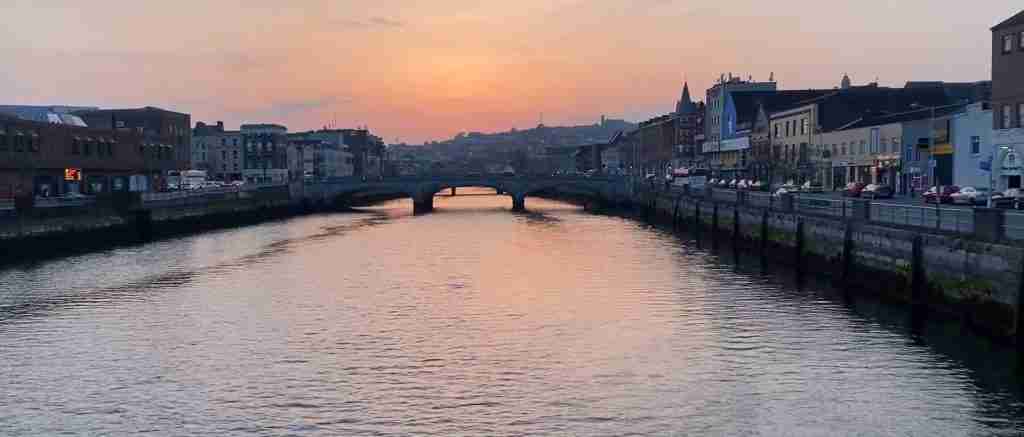
The Marina extends along Cork’s south channel from the city center eastward toward Blackrock, creating linear park with tree-shaded paths, grassy banks, and river views. The walking route follows the water’s edge where swans, ducks, and occasional herons feed and roost, while rowing clubs operate from boathouses and recreational users jog, cycle, and walk dogs.
Walking the Marina reveals Cork’s relationship with the Lee—tidal movements creating changing water levels and exposed mudbanks, rowing eights practicing technique in synchronized patterns, and industrial heritage sites including older wharves and maritime structures. The path’s tree canopy provides shade and natural tunnel effect, with openings offering river glimpses and opposite bank views toward residential areas.
The Marina attracts local use rather than tourists—morning joggers, dog walkers, families with children, and elderly residents taking constitutional walks. This creates authentic Cork atmosphere where observation of daily routines and social patterns provides cultural insight unavailable in tourist-oriented spaces. The area demonstrates Cork’s investment in public realm and riverside access, maintaining green corridors within urban fabric.
Access from the city center follows the south channel eastward, with multiple entry points allowing varied route lengths. A full Marina walk from Pairc Ui Chaoimh stadium to Blackrock covers approximately five kilometers one way—manageable for most fitness levels on flat terrain. Public transport serves the route with buses connecting back to the city center for one-way walks. The Marina represents Cork’s everyday recreation spaces where city residents engage with natural features and maintain health and social connections.
Local Shopping Treasures: Independent Retail and Markets
Cork’s independent retail scene offers alternatives to chain stores and tourist shops through bookstores, vintage markets, craft studios, and specialty retailers serving Cork’s population with curated selections and personal service. These businesses maintain Cork’s retail diversity and community character against homogenizing commercial pressures.
The Shelter: Independent Bookshop and Literary Hub
The Shelter operates from premises on McCurtain Street, providing independent bookshop focused on Irish writing, international literature, and titles overlooked by chain retailers. The shop curates selection based on quality and interest rather than bestseller algorithms, creating inventory reflecting literary values and staff expertise. Regular author events, book clubs, and literary discussions make The Shelter community hub for Cork’s reading public.
Book selection emphasizes Irish publishers, independent presses, and literary fiction alongside carefully chosen non-fiction across history, politics, arts, and cultural topics. Staff knowledge allows informed recommendations and special ordering for titles not stocked. The shop maintains poetry section unusual in mainstream bookstores and supports Cork’s poets and writers through readings and promotions.
The Shelter’s community function extends beyond retail—the shop serves as meeting place for Cork’s literary community, event venue for launches and discussions, and supporter of Cork’s writing culture. This positions it as cultural institution rather than mere retailer, creating value beyond commercial metrics. Visitors interested in Irish writing discover titles and authors unavailable in airport bookshops and chain stores.
Location on McCurtain Street places The Shelter in Cork’s northside commercial area, easily walkable from the city center. The shop operates standard retail hours with extended evening hours for events. Browsing is encouraged rather than rushed—the space invites exploration and serendipitous discovery. The Shelter represents Cork’s intellectual culture and literary tradition, maintaining independent bookshop presence against digital and chain competition.
Alchemy: Sustainable Fashion and Design
Alchemy occupies shopfront on Barrack Street, showcasing Irish designers and sustainable fashion brands creating alternatives to fast fashion. The boutique curates selection emphasizing quality, ethical production, and design innovation rather than trend-following and volume. This approach attracts Cork’s style-conscious shoppers seeking distinctive clothing and accessories supporting Irish creative industry.
Stock includes Irish fashion designers working with sustainable materials and production methods, jewelry makers creating contemporary pieces, and accessory designers producing limited-run items. The shop prioritizes quality over quantity, with higher price points reflecting ethical production costs and designer values. Staff provide styling advice and designer background information, creating educational shopping experience.
Alchemy participates in Cork’s cultural events and supports emerging designers through trunk shows and collaborative projects. This community involvement positions the shop within Cork’s creative ecosystem rather than isolated retail operation. The boutique demonstrates viable alternatives to chain fashion retail while supporting Irish design talent and sustainable production values.
Barrack Street location places Alchemy slightly away from main shopping streets, requiring intentional seeking rather than casual discovery. This positioning reinforces the shop’s focus on committed customers rather than tourist traffic. The store operates standard retail hours with personal service allowing time for browsing and conversation. Alchemy represents Cork’s design culture and ethical consumption values.
Coal Quay Market: Vintage Treasures and Local Characters
Coal Quay Market operates Saturdays in Cornmarket Street, bringing vintage clothing, antiques, collectibles, and eclectic goods to outdoor market stalls. The market maintains Cork’s traditional market culture while serving contemporary vintage and secondhand shopping interests. Stall holders include longtime vendors and newer traders, creating mix of experience and fresh perspectives.
Market offerings span vintage clothing from multiple decades, furniture pieces requiring restoration, books and vinyl records, costume jewelry, and miscellaneous collectibles. Quality varies significantly between stalls—careful browsing discovers genuine treasures while avoiding overpriced tat. The market rewards patient searching and negotiation skills, with prices generally lower than vintage shops’ retail markups.
Coal Quay’s atmosphere combines commercial activity with social function—vendors and regular customers know each other, conversations flow, and market day serves community gathering purpose beyond pure commerce. This creates lively environment where observation of Cork social patterns complements shopping activity. The market demonstrates Cork’s resistance to complete retail modernization, maintaining traditional market format valued by vendors and customers.
Saturday-only operation from morning through afternoon requires timing visits appropriately. The market occupies outdoor space in Cornmarket Street area, weather-dependent with rain reducing activity and stall numbers. Bring cash—many vendors prefer cash transactions over cards. Coal Quay represents Cork’s traditional market culture and vintage shopping scene, offering authentic experience unavailable in sanitized shopping centers.
Hidden Historical Sites and Architecture
Cork’s architectural heritage extends beyond headline attractions into residential streets, industrial sites, and religious buildings revealing the city’s development through centuries. These locations receive minimal tourist attention despite historical significance and architectural quality.
Cork City Gaol: Victorian Prison and Social History
Cork City Gaol occupies elevated position on the city’s western edge, where Victorian prison architecture and social history exhibitions reveal Ireland’s penal system and social conditions through the 19th and early 20th centuries. The prison operated from 1824 to 1923, housing thousands of prisoners including political activists, common criminals, and those imprisoned for poverty-related offenses.
The building preserves Victorian prison architecture—cell blocks, exercise yards, governor’s quarters, and chapel—with audio-visual presentations recreating prison life and individual prisoner stories. Wax figures in period costume occupy cells and workrooms, while soundscapes add atmospheric elements. The prison’s elevation provides panoramic Cork views from the exercise yard and upper floors.
Exhibitions contextualize imprisonment within Irish social history—the Great Famine’s impact on poverty and crime, political resistance to British rule, women’s experiences in Victorian prisons, and prison reform movements. This historical depth transforms the gaol from curiosity into serious educational resource revealing Irish society’s struggles and evolution.
The gaol operates as museum with admission fees and guided tour options. Location on Convent Avenue requires uphill walking from the city center or bus connections to Sunday’s Well area. The site attracts some tourist traffic but far less than comparable attractions in other cities, creating quieter visiting conditions. Plan one to two hours for comprehensive exploration of cells, exhibitions, and grounds. The gaol represents significant Cork heritage site often overshadowed by more celebrated attractions.
Saint Fin Barre’s Cathedral: Gothic Revival Masterpiece
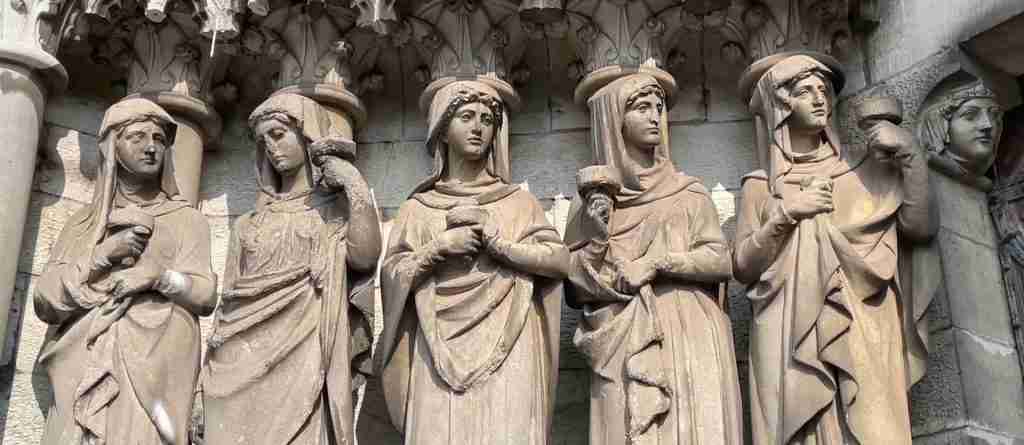
Saint Fin Barre’s Cathedral dominates Cork’s south side with French Gothic Revival architecture completed in 1879 to designs by William Burges. The cathedral replaces earlier churches on the site where Cork’s patron saint founded monastery in the 7th century, creating architectural and spiritual continuity across thirteen centuries. Burges’s design creates Victorian Gothic fantasy with elaborate sculpture, metalwork, and mosaic decoration.
The cathedral’s exterior presents limestone façades with three towers, elaborate carving, and sculpture representing biblical scenes and Christian symbolism. Interior spaces continue the decorative intensity—marble mosaics paving the floor, carved stone capitals depicting botanical and narrative themes, stained glass windows by Irish and English makers, and metalwork including brass lecterns and iron screens. The craftsmanship represents Victorian Gothic Revival at its most ambitious, with Burges insisting on authentic medieval techniques and materials.
Regular worship services maintain the cathedral’s religious function while permitting visitor access during non-service hours. The building serves as Church of Ireland cathedral for Cork, Cloyne and Ross diocese, preserving Protestant tradition in predominantly Catholic Cork. Guided tours provide architectural and historical context unavailable through independent visiting, explaining symbolism and construction techniques.
The cathedral occupies prominent position on Bishop Street with views across the south channel of the Lee. Admission fees support maintenance of the elaborate building and decoration. The site attracts moderate tourist visitation but many visitors photograph the exterior without entering, missing the interior’s decorative richness. Saint Fin Barre’s represents Victorian ambition and Gothic Revival architecture at impressive scale, worthy of extended exploration beyond quick photo stops.
Elizabeth Fort: Military Architecture and City Views
Elizabeth Fort occupies elevated ground south of the city center, where star-shaped fortifications built in the early 17th century protected Cork from attack. The fort served military, police, and administrative functions through its history, with the site now restored as public space and historical attraction. The bastioned walls create distinctive profile visible from across central Cork.
The fort’s star plan reflects early modern military engineering principles, with angled bastions providing defensive firing positions and height advantage over surrounding terrain. Walls and bastions preserve original stonework alongside restoration work, with walkways allowing circuit of the ramparts. The elevated position provides exceptional views across Cork’s rooftops to the Lee channels, bridges, and hills beyond.
Historical interpretation explains the fort’s construction under English rule, its role in Cork’s military history including the Irish Confederate Wars and later conflicts, and its transformation through various uses including women’s prison and Garda (police) station. This layered history reveals Cork’s complex relationship with military authority and political control.
Elizabeth Fort operates as free-admission heritage site with daily opening hours. Location near Barrack Street places it within walking distance of the city center, though the elevated position requires uphill approach. The site attracts modest visitor numbers compared to its architectural and historical significance, creating peaceful exploration conditions. The fort demonstrates Cork’s military heritage and provides exceptional urban viewpoints from its rampart walks.
Cork’s Music Scene Beyond the Obvious
Cork’s music culture extends far beyond publicized venues into pubs, community centers, and alternative spaces where traditional sessions, contemporary performers, and experimental music flourish without commercial pressures. These venues maintain Cork’s musical diversity and provide authentic performance experiences.
Sin É: Traditional Music Institution
Sin É occupies tiny premises on Coburg Street, where traditional Irish music sessions maintain standards that larger tourist-oriented venues abandon. The pub’s compact size accommodates perhaps forty people maximum, creating intimate atmosphere where musicians play for enjoyment rather than payment and audiences listen attentively rather than treating music as background noise.
Sessions at Sin É attract Cork’s serious traditional musicians—fiddle players, tin whistle virtuosos, bodhrán players, and sean-nós singers gathering for impromptu performances following traditional session etiquette. The music quality reflects participants’ skill and commitment, with difficult tunes executed precisely and harmonies developing organically. This creates authentic traditional music experience unavailable in venues catering to tourists seeking entertainment.
The pub’s atmosphere reinforces musical focus—minimal decoration, basic furnishings, and acoustics favoring instruments over conversation. Regular sessions occur multiple evenings weekly without fixed schedules—musicians arrive, sessions develop, music continues while interest holds. This spontaneity means visiting without guarantee of session activity, but when music happens, the quality and authenticity justify the uncertainty.
Sin É’s location near the Cork Opera House places it in the cultural quarter within easy walking distance of the city center. The pub operates standard hours with traditional music most likely during evening hours Thursday through Saturday. Respect for music and musicians is expected—loud conversation during tunes is frowned upon, requests for tourist favorites are ignored, and appreciation for traditional repertoire is assumed. Sin É represents Cork’s traditional music culture at its most authentic and uncompromising.
Fred Zeppelins: Folk and Alternative Music Venue
Fred Zeppelins operates on Parliament Street, providing intimate venue for folk, acoustic, and alternative music performances. The upstairs room hosts touring musicians, local performers, and traditional sessions in atmosphere favoring music appreciation over alcohol sales. This focus creates listening environment where performers receive attention and audiences engage seriously with music.
Programming spans Irish traditional music, contemporary folk, singer-songwriters, and acoustic genres with emphasis on quality and musicianship. The venue’s size suits solo performers and small ensembles, creating connection between artists and audiences impossible in larger spaces. Ticket prices remain affordable, reflecting the venue’s community-oriented philosophy rather than commercial maximization.
Fred Zeppelins operates as dedicated music venue rather than pub with music, though the bar serves drinks during performances. This distinction creates environment where music is the primary activity rather than accompaniment to socializing. Sound quality receives attention, with proper amplification and monitoring supporting performers and enhancing audience experience.
The venue’s Parliament Street location places it in Cork’s nightlife area with easy access from the city center. Performance schedules vary with touring artist availability and local scene activity—check venue website or social media for current listings. Fred Zeppelins represents Cork’s commitment to live music and provides platform for emerging artists and established performers in intimate settings favored by serious music fans.
Coughlan’s: Live Music Across Genres
Coughlan’s on Douglas Street operates traditional pub downstairs with music venue upstairs, hosting performances across rock, indie, electronic, and alternative genres. The venue supports Cork’s contemporary music scene by providing performance space for local bands, touring acts, and experimental projects that mainstream venues ignore. This creates vibrant environment where Cork’s music community gathers and new artists develop audiences.
The upstairs room maintains intimate scale suitable for emerging bands and established acts seeking smaller venues. Sound quality and technical support exceed typical pub standards, allowing performers to present work professionally. The venue’s programming philosophy emphasizes musical diversity and willingness to take chances on unproven acts, creating development pathway for Cork musicians.
Downstairs the traditional pub operates with occasional informal music sessions and social atmosphere attracting neighborhood regulars and music venue attendees before and after shows. This dual function creates community hub where music connects with social and cultural activity beyond pure performance consumption.
Coughlan’s location on Douglas Street places it slightly away from main nightlife concentrations, requiring intentional visiting rather than casual discovery. This positioning reinforces the venue’s focus on music enthusiasts rather than general nightlife traffic. Performance schedules vary significantly—the venue might host multiple shows weekly or have quieter periods depending on touring schedules and local activity. Check listings before visiting to match timing with musical interests. Coughlan’s represents Cork’s diverse music scene and independent venue culture supporting artistic development.
Day Trips from Cork: Hidden Coastal and Rural Treasures
Cork’s position in southwest Ireland provides access to dramatic coastlines, historic towns, and rural landscapes offering escape from urban intensity while revealing regional character and natural beauty. These destinations receive less attention than major tourist attractions while providing equally rewarding experiences.
Ballycotton: Clifftop Walks and Fishing Village Character
Ballycotton occupies dramatic position on Cork’s southeastern coast where a working fishing village maintains traditional character and clifftop walks offer spectacular Atlantic views. The village serves local fishing industry with harbor, fish merchants, and seafood restaurants sourcing directly from local boats. Tourism remains secondary to fishing economy, preserving authenticity often lost in coastal villages dependent on visitor spending.
The Ballycotton Cliff Walk traverses coastline between village and Ballyandreen beach, providing five kilometers of clifftop path with ocean views, seabird observation, and lighthouse perspectives. The walk’s elevation offers dramatic vantage points where waves crash against rocks below and Atlantic weather systems sweep across open water. Spring and early summer bring wildflower displays, while autumn and winter reveal the coast’s raw power during storm conditions.
Ballycotton village offers traditional pub atmosphere, seafood restaurants serving local catch, and village amenities without tourist overlay. The harbor provides fishing boat observation and occasional opportunities to purchase fresh seafood directly from fishermen. The area attracts Irish visitors and informed international travelers rather than mass tourism, maintaining quiet character and reasonable prices.
Reaching Ballycotton requires private transport or bus service from Cork city—the journey takes approximately forty-five minutes by car via Midleton. The village provides parking for cliff walk access and harbor visiting. Plan half-day minimum for cliff walk and village exploration, full day to include leisurely dining and complete coastal appreciation. Ballycotton represents Cork’s coastal heritage and natural beauty without tourist commercialization.
Cobh: Maritime Heritage and Emigration History
Cobh occupies Great Island in Cork Harbor, where Victorian architecture, maritime history, and emigration heritage create layered historical experience. The town served as major Irish emigration port through the 19th and early 20th centuries, sending millions of Irish abroad including Titanic’s final passengers. This history permeates contemporary Cobh through museums, heritage sites, and architectural remnants of the port’s peak prosperity.
St. Colman’s Cathedral dominates Cobh’s skyline with Gothic Revival architecture and position overlooking the harbor. The terraced houses climbing the hillside create distinctive colorful townscape photographed extensively but worth visiting for architectural appreciation and harbor views. The Cobh Heritage Centre explores emigration history and Titanic connections through exhibitions and individual stories revealing human dimensions of mass migration.
Contemporary Cobh combines heritage tourism with working port functions and residential community. The waterfront maintains cafes, restaurants, and shops serving visitors and residents, while the harbor continues commercial and leisure marine activity. This functional diversity prevents Cobh from becoming pure heritage attraction, maintaining authentic town character alongside historical interpretation.
Train service connects Cobh to Cork city via branch line journey of approximately twenty-five minutes—frequent service throughout the day makes car-free visiting practical. The town center’s compact scale allows exploration on foot, with steep hillside streets providing exercise and views. Plan two to four hours for heritage center, cathedral, and town exploration depending on historical interest level. Cobh represents Irish emigration history and maritime heritage with architectural quality and authentic atmosphere.
Kinsale: Historic Port Town and Coastal Setting
Kinsale occupies sheltered harbor position southwest of Cork city, where narrow streets, colorful buildings, and historic fortifications create attractive coastal town atmosphere. The town’s history spans Viking settlement, Norman fortification, and critical battles including the 1601 Battle of Kinsale marking Spanish-Irish defeat by English forces. Contemporary Kinsale combines heritage tourism with yachting center functions and quality restaurant scene.
Charles Fort guards the harbor entrance with star-shaped bastioned fortifications built in the 1670s, now preserved as heritage site with guided tours explaining military architecture and strategic significance. The fort’s position provides panoramic harbor views and access to coastal walks along the Old Head of Kinsale peninsula. The fortification represents Ireland’s most impressive surviving military architecture from the period.
Kinsale town center offers independent shops, galleries, and restaurants concentrated in compact historic core. The restaurant scene emphasizes seafood and quality dining, with several establishments maintaining high standards and local sourcing commitments. The town attracts Irish visitors and international tourists, creating seasonal variation in activity levels and prices.
Reaching Kinsale requires private transport or bus service from Cork city—the journey takes approximately thirty-five minutes by car. The town provides parking though capacity is limited during peak summer periods. Plan minimum half-day for fort and town exploration, full day to include coastal walks and leisurely dining. Kinsale represents Cork’s coastal heritage and contemporary quality lifestyle appealing to both heritage tourists and Irish residents seeking coastal recreation.
Seasonal Experiences and Local Events
Cork’s cultural calendar includes festivals, markets, and seasonal events revealing community life and cultural priorities beyond permanent attractions. These occasions provide insight into Cork’s identity and social patterns while offering unique experiences unavailable through standard tourism.
Cork Midsummer Festival: Contemporary Arts Celebration
Cork Midsummer Festival occupies late June annually, transforming the city into contemporary arts showcase with theater, dance, music, visual arts, and outdoor performances. The festival emphasizes Irish and international contemporary work, with programming spanning established artists and emerging talents. Venues across Cork—theaters, galleries, outdoor spaces, and unusual locations—host performances and exhibitions creating city-wide cultural event.
Festival programming balances accessibility and artistic ambition, with free outdoor events attracting general audiences while ticketed performances serve arts enthusiasts. The festival’s commitment to contemporary work means encountering challenging, experimental, and innovative performances unavailable through conventional programming. This positions Midsummer as significant cultural event for Cork’s artistic community and informed audiences seeking cutting-edge work.
The festival’s late June timing coincides with summer weather and long daylight hours, enhancing outdoor programming and street festival atmosphere. Cork’s pubs, restaurants, and cultural venues experience increased activity, creating vibrant environment where festival events integrate with normal city life. The multi-day format allows attendance at multiple events and engagement with festival’s breadth.
Midsummer Festival attendance requires advance planning—accommodation books early for festival dates and popular performances sell tickets rapidly. The festival website provides comprehensive programming information and booking systems. Costs vary from free outdoor events to ticketed performances at standard Cork theater prices. The festival represents Cork’s contemporary arts commitment and creates annual cultural highlight attracting participants from across Ireland and internationally.
English Market Christmas Season: Festive Food Culture
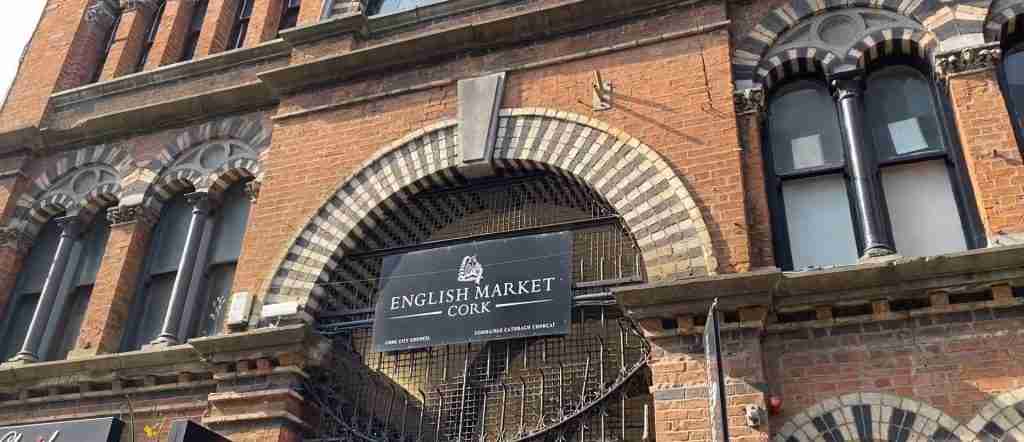
Cork’s English Market transforms during December into festive food destination where traditional Christmas foods, specialty items, and seasonal decorations create atmospheric shopping experience. The market’s permanent vendors supplement regular offerings with Christmas-specific products—whole turkeys and geese, traditional puddings, specialty cheeses, artisan chocolates, and seasonal produce. This creates concentrated celebration of Cork’s food culture and Christmas traditions.
The market’s Victorian architecture gains festive decoration while maintaining authentic market character—no sanitized Christmas village aesthetic, but genuine working market responding to seasonal demand. Shoppers include Cork families purchasing Christmas provisions alongside visitors seeking specialty foods and atmospheric experience. This mix of practical shopping and tourism creates authentic market atmosphere where commerce and culture intersect.
Visiting the English Market during December requires navigating crowded conditions—the market’s popularity and compact spaces create intense activity levels. However, the atmosphere and food quality justify the crowds for those interested in Irish Christmas traditions and artisan food culture. The market operates extended hours during the Christmas period while maintaining daily schedule through much of December.
The English Market’s central location makes access straightforward year-round—December visiting simply intensifies the experience. The festive season reveals Cork’s food culture at peak intensity, with quality and tradition receiving emphasis over novelty. The market demonstrates Cork’s commitment to artisan food production and traditional Christmas observance resisting commercial homogenization.
Cork Folk Festival: Traditional Music and Song
Cork Folk Festival occurs annually in October, celebrating Irish traditional music, folk song, and related genres through concerts, sessions, workshops, and informal gatherings. The festival attracts musicians from across Ireland and internationally, creating concentrated period where Cork’s traditional music scene expands beyond normal activity levels. Venues across the city host performances ranging from intimate pub sessions to formal concert hall presentations.
Festival programming balances traditional Irish music with international folk traditions, contemporary folk, and experimental work pushing genre boundaries. This creates diverse musical experience while maintaining folk music core identity. Workshop programs allow participatory engagement for musicians and singers, while lectures and discussions provide intellectual context for musical traditions.
The festival’s October timing positions it during autumn shoulder season when Cork experiences reduced tourist activity and comfortable temperatures. This creates more authentic local atmosphere than summer festival periods. The festival attracts serious folk music enthusiasts rather than casual tourists, creating knowledgeable audiences and high musical standards.
Cork Folk Festival participation requires monitoring festival announcements for specific year programming—dates, venues, and performers vary annually. Ticketed events require advance booking for popular performances, though many festival activities including pub sessions remain free or low-cost. The festival represents Cork’s traditional music heritage and contemporary folk music innovation, offering concentrated musical experience unavailable through normal visiting.
Practical Tips for Discovering Hidden Cork
Finding Cork’s hidden treasures requires different approaches than standard tourism—willingness to walk farther, interact with locals, trust uncertain outcomes, and accept that some discoveries won’t photograph well or impress friends back home. These strategies maximize authentic Cork experiences.
Transportation Beyond the Tourist Center
Cork’s bus system provides access to neighborhoods, parks, and destinations that walking range excludes. Understanding basic routes expands exploration possibilities significantly. Bus Éireann operates city services with routes serving Blackpool, Sunday’s Well, Douglas, Ballincollig, and other areas mentioned throughout this guide. Real-time information and route maps are available through the Transport for Ireland website and mobile app.
Single journey tickets cost a few euros depending on distance, with day passes offering unlimited travel value for those planning multiple trips. Buses accept exact change or cashless payment—drivers cannot provide change for large notes. Service frequencies vary by route and time—main routes operate fifteen to thirty minute intervals while suburban services run hourly. Evening and Sunday services reduce significantly on most routes.
Walking remains Cork’s most rewarding exploration method for accessible areas. The city’s compact center allows walking between most central locations within fifteen minutes, while longer walks to neighborhoods like Sunday’s Well or along the Marina provide exercise and observation opportunities. Cork’s hills create physical challenges—comfortable shoes and reasonable fitness help. Rain gear proves essential given Ireland’s climate—showers occur year-round regardless of forecast.
Timing Visits to Avoid Crowds and Discover Local Patterns
Cork’s hidden spaces reveal themselves most clearly during off-peak hours when tourist traffic diminishes and local patterns emerge. Weekday mornings in neighborhood cafes show Cork’s work and student populations following daily routines. Lunchtime in non-tourist pubs reveals regulars gathering and traditional pub culture continuing. Early evening walks along the Marina or through residential areas capture locals exercising, walking dogs, and conducting daily business.
Weekend mornings bring different patterns—Coal Quay Market operates Saturdays, parks fill with families, and sports activities dominate recreation spaces. Sunday mornings offer church service observation opportunities and post-service social patterns. Sunday afternoons reveal Cork at leisure with traditional pub sessions, family gatherings, and residential life pacing itself differently than weekdays.
Seasonal timing affects discovery quality significantly. Summer brings extended daylight allowing evening exploration and outdoor dining, but also increases tourist numbers in central areas. Autumn and spring offer comfortable temperatures, fewer visitors, and seasonal changes in parks and natural areas. Winter reduces tourist traffic dramatically while testing commitment to outdoor exploration—shorter days and frequent rain discourage casual visiting but create atmospheric conditions and authentic experience for persistent explorers.
Engaging with Cork People and Local Knowledge
Cork people generally welcome genuine interest and conversation while maintaining reserves toward performative tourism. Asking local recommendations in cafes, pubs, and shops often yields valuable information unavailable in guidebooks—current favorite restaurants, upcoming traditional sessions, neighborhood events, and honest assessments of tourist attractions. The key is approaching as curious visitor rather than demanding tourist expecting instant gratification.
Cork’s distinctive accent and local expressions create communication challenges initially—speaking clearly, listening carefully, and asking for clarification when needed establishes respectful interaction. Cork people appreciate attempts to understand their accent and culture rather than expecting accommodation to tourist preferences. Learning basic Irish greeting “Dia dhuit” (hello) and “Go raibh maith agat” (thank you) demonstrates cultural respect though English remains the primary language.
Independent shops, cafes, and businesses provide better local information than chain establishments. Staff in these locations often have genuine knowledge and enthusiasm for Cork culture, food, music, and hidden treasures. Asking specific questions—”Where do you eat lunch?” “Which pub has the best traditional session?” “What’s your favorite Cork walk?”—works better than generic requests for recommendations. Accepting that not every interaction yields useful information prevents frustration and maintains positive approach.
Photography and Social Media Considerations
Cork’s hidden treasures often resist photography—intimate pub sessions, neighborhood cafes, residential streets, and community spaces function poorly as Instagram content while providing rich experiential value. Obsession with photographing every discovery diminishes authentic engagement and marks visitors as tourists rather than curious explorers. The most memorable Cork experiences—conversation with session musicians, unexpected discovery of perfect cafe, observation of daily life patterns—create memories rather than images.
When photography is appropriate, respect for residents and context matters. Photographing people without permission in pubs, cafes, or residential areas is intrusive. Commercial establishments may have photography restrictions during performances or sessions. Residential streets deserve privacy respect—photographing architecture fine, photographing residents in their daily lives questionable. Cork is home to its residents, not open-air museum for tourist documentation.
Social media posting requires similar judgment—geotagging hidden locations attracts crowds that destroy the quiet character making them special. Sharing discoveries publicly accelerates their transformation from local treasures to tourist attractions. Consider whether posting that perfect neighborhood cafe or secret viewpoint serves personal validation or genuinely helps like-minded travelers—and whether the local community benefits from increased attention or suffers from it. Some treasures deserve protection through discretion.
Cork’s Creative Community and Contemporary Culture
Cork’s identity extends beyond heritage and tradition into contemporary creativity where artists, designers, musicians, and cultural workers build alternative economies and cultural scenes resisting mainstream commercialization. Understanding these communities reveals Cork’s living culture rather than preserved past.
Artist Studios and Creative Spaces
Cork supports numerous artist studios and creative workspaces where visual artists, craftspeople, and designers produce work and occasionally open studios to public. The Wandesford Quay Studios, Sample Studios, and various smaller spaces across Cork provide affordable workspace enabling artistic practice. These spaces occasionally organize open studio events allowing public viewing of work and artist interaction.
The creative community’s presence influences Cork neighborhoods—Barrack Street area contains several studios and creative businesses, while the Quays attract alternative retail and cultural uses. This creative infrastructure exists below tourist radar but shapes Cork’s cultural identity and economic diversity. Artist-run initiatives, pop-up galleries, and collaborative projects emerge from these spaces, creating dynamic cultural scene distinct from institutional arts.
Engaging with Cork’s creative community requires monitoring local arts websites, social media channels, and community notice boards for open studio announcements, exhibitions, and events. Culture Night in September provides coordinated access to creative spaces normally closed to public. The creative community welcomes genuine interest while maintaining working focus—studios are workplaces not tourist attractions, requiring respectful visiting approaches.
Cork’s Design and Craft Scene
Cork sustains community of designers and craftspeople working in ceramics, textiles, jewelry, furniture, and other disciplines. These makers operate between fine art and functional production, creating objects balancing aesthetic and utilitarian values. Outlets including Cork Craft and Design, occasional markets, and direct studio sales provide purchasing opportunities.
The craft community maintains traditional skills—pottery throwing, hand weaving, metalwork—while incorporating contemporary design sensibilities and sustainable practices. This creates work reflecting Irish craft traditions while avoiding nostalgic reproduction. The makers often source local materials, maintain small-scale production, and prioritize quality over quantity—values contrasting sharply with mass retail.
Discovering Cork craft requires seeking independent makers rather than tourist shops selling mass-produced “Irish” goods. Craft fairs including the Cork Craft Fair and seasonal markets bring multiple makers together. Direct studio visits offer optimal engagement—seeing workspace, understanding process, meeting makers—but require advance contact and appointment scheduling. Cork’s craft scene demonstrates alternative economic models and creative practice resisting commercial pressures.
Independent Publishing and Zine Culture
Cork supports small-scale publishing including literary journals, art books, and zine production creating alternative print culture. Publications like “The Penny Dreadful” and various artist zines emerge from Cork’s creative community, distributed through independent bookshops, cultural events, and online platforms. This publishing activity creates space for experimental writing, visual work, and ideas excluded from mainstream media.
Zine culture particularly thrives in Cork’s alternative spaces—photocopied publications, artist books, and self-published works circulate through informal networks and occasional zine fairs. This DIY publishing maintains punk and alternative tradition while providing platform for emerging voices and experimental work. The productions range from crude photocopies to carefully designed publications, with content spanning personal narrative, political commentary, art documentation, and creative writing.
Accessing Cork’s independent publishing requires visiting specialist shops like The Shelter, attending literary events and launch readings, and connecting with the creative community. Online presence varies—some publications maintain professional websites while others exist purely in physical form. This underground publishing scene reveals Cork’s intellectual and creative currents flowing beneath mainstream cultural visibility.
Frequently Asked Questions
How do I find traditional music sessions that aren’t tourist traps?
Authentic traditional sessions occur in small neighborhood pubs rather than large tourist venues, typically starting late evening without fixed schedules and continuing as long as musicians remain interested. Sin É on Coburg Street represents the gold standard—tiny space, serious musicians, local audience, and zero concessions to tourism. The Corner House in Douglas hosts Thursday sessions attracting accomplished players from across Cork. An Spailpín Fánach near the Beamish brewery maintains regular traditional programming in atmospheric setting. Fred Zeppelins on Parliament Street offers folk and traditional music in intimate listening environment. These sessions follow traditional etiquette—conversations pause during tunes, requests for tourist favorites receive cold reception, and appreciation for musicianship is expected. The sessions start late by tourist standards, often not beginning until 9 or 10 PM and running past midnight when the music is flowing. Visit midweek for more authentic experience as weekends attract larger crowds including casual visitors.
What neighborhoods should I explore for authentic Cork character?
Blackpool on Cork’s northside offers working-class authenticity with traditional shopfronts, century-old pubs, and community life unchanged by gentrification. Sunday’s Well combines Victorian architecture with residential village atmosphere—tree-lined streets, hidden gardens, neighborhood cafes, and locals conducting daily routines. Douglas southside reveals suburban Cork reality with family businesses, sports clubs, and shopping centers where residents live rather than perform for visitors. These neighborhoods lack tourist infrastructure deliberately, creating spaces where observation of genuine Cork culture occurs without the filtering effects of tourism economics. Accessing these areas requires bus travel from the city center and willingness to wander without specific attractions as destinations. The reward is fair pricing, authentic interaction, and insight into how Cork people actually live beyond the tourism perimeter.
Where can I experience Cork’s food culture beyond the English Market?
Nash 19 on Princes Street delivers neighborhood bistro excellence with daily-changing menus, local sourcing, and unpretentious atmosphere where Cork food enthusiasts gather. Ichigo Ichie provides Michelin-starred Japanese kaiseki using Irish ingredients in intimate setting favored by serious diners. Elbow Lane combines craft brewery, wood-smoked barbecue, and industrial atmosphere attracting younger Cork crowds. The Rocket Man on North Main Street serves exceptional coffee with simple food in community-focused space where Cork’s creative workers congregate. Liberty Grill on Washington Street offers straightforward cooking with Cork ingredients at fair prices without tourist targeting. These establishments maintain quality without marketing to visitors—their regular clientele consists of Cork residents who return weekly, creating atmosphere and standards that tourist-dependent venues cannot replicate. Reservations prove essential for Nash 19 and Ichigo Ichie dinner service, while other venues accept walk-ins with potential wait times during peak hours.
What natural areas exist within Cork for walking and wildlife observation?
Ballincollig Regional Park preserves 143 acres of ancient woodland, wetlands, and Gunpowder Mills ruins eight kilometers west of the city center—oak forests, riverside trails, and waterbird habitat accessible via bus routes 220 and 232. Tramore Valley Park offers 67 acres of parkland with fishing lakes and bird observation in Cork’s southern suburbs—moorhens, coots, diving ducks, and great crested grebes breed on three interconnected lakes. Lough Mahon’s northern shoreline provides internationally important wetland habitat for curlews, redshanks, black-tailed godwits, and over-wintering waterfowl—tidal mudflats and saltmarsh accessible from Dunkettle area. The Marina linear park stretches along the south channel with tree-canopied paths, swan populations, and rowing club activity revealing Cork’s river relationship. These spaces receive minimal tourist attention despite offering wilderness experiences and wildlife observation opportunities within city boundaries. Visit early morning for optimal bird activity and reduced human disturbance. Bring binoculars for waterbird observation at Lough Mahon where viewing distances prevent close approach.
How can I discover Cork’s contemporary arts scene?
The Firkin Crane on Shandon Street presents contemporary dance and experimental performance in intimate 200-seat circular theater—Irish and international companies performing cutting-edge work that commercial venues avoid. Triskel Arts Centre operates galleries, cinema, and performance spaces in converted church on Tobin Street, showcasing contemporary visual arts, art house films, and challenging programming. Cork Community Print Shop provides collaborative printmaking facilities with workshops introducing traditional techniques. Sample Studios and Wandesford Quay Studios house artist workspaces that occasionally open for Culture Night and studio events. Following Cork cultural organizations on social media reveals exhibition openings, performances, and events occurring in alternative spaces beyond mainstream venues. The contemporary scene operates on limited budgets with irregular schedules—checking websites and social channels before visiting prevents disappointment. Cork’s artistic community welcomes genuine interest while maintaining working focus, requiring respectful engagement rather than entitled tourist expectations.
What are Cork’s best viewpoints for understanding the city’s geography?
Patrick’s Hill summit reached via steep climb from St. Patrick’s Bridge provides 360-degree panoramas across Cork’s river channels, spires, and surrounding hills—one of the city’s finest urban viewpoints requiring minimal effort beyond the climb itself. Elizabeth Fort’s ramparts offer elevated perspectives across the south side with views to the Lee channels and beyond. Daly’s Bridge (Shakey Bridge) provides river-level perspectives of the Lee’s north channel with views extending toward University College Cork and the city center. The Marina linear park reveals Cork’s relationship with tidal waters through riverside paths where the Lee’s movements and waterbird populations create dynamic natural scenes. St. Colman’s Cathedral tower in Cobh offers harbor panoramas from Great Island. These viewpoints contextualize Cork’s valley setting, compact urban form, and river-defined geography in ways impossible from ground level in the city center. Patrick’s Hill and Elizabeth Fort are accessible year-round with no admission fees, while cathedral tower access may have seasonal restrictions and nominal charges.
Which Cork markets offer alternatives to tourist shopping?
Coal Quay Market operates Saturdays in Cornmarket Street with vintage clothing, antiques, collectibles, and eclectic goods at prices reflecting local market economics rather than tourist premiums—patient browsing reveals genuine treasures among varied stall offerings. Douglas Village Farmers Market brings local food producers together Saturdays with seasonal vegetables, artisan breads, farmhouse cheeses, and prepared foods bypassing supermarket systems. Midleton Farmers Market in nearby market town provides similar local food focus with broader producer representation. These markets serve Cork’s population rather than tourists, maintaining authentic atmosphere and fair pricing. The Coal Quay rewards negotiation and careful selection—quality varies significantly between stalls and items. Farmers markets operate morning hours only, with best selection early before popular items sell out. Bring cash for market transactions as card payment availability varies by vendor. These markets reveal Cork’s food culture and alternative retail systems beyond mainstream shopping centers.
How should I time my visit to Cork for optimal hidden gem exploration?
Shoulder seasons of April-May and September-October provide comfortable temperatures, reduced tourist numbers, and seasonal transitions creating dynamic natural conditions in parks and coastal areas. Spring brings wildflower displays and bird migration activity, while autumn offers dramatic weather, harvest season foods, and Cork Folk Festival programming. Winter reduces tourist traffic dramatically while testing commitment to outdoor exploration—shorter days and frequent rain discourage casual visiting but create atmospheric conditions for persistent explorers. Summer extends daylight hours enabling evening exploration and outdoor dining but increases tourist presence in central areas and raises accommodation prices. Weekday visiting reveals authentic Cork patterns as residents conduct daily routines, while weekends bring different rhythms with markets, sports activities, and traditional sessions in full swing. Early mornings in neighborhood cafes show local work and student populations, while late evenings capture traditional music sessions and pub culture. Cork’s hidden treasures reveal themselves most clearly during off-peak hours and seasons when tourist overlay diminishes and genuine city life emerges without performance for visitors.
What practical considerations affect exploring Cork’s hidden locations?
Cork’s hills create physical challenges requiring comfortable walking shoes and reasonable fitness—Patrick’s Hill’s steep gradients, Sunday’s Well’s elevated streets, and coastal clifftop paths demand effort that tour bus routes avoid. Ireland’s frequent rain makes waterproof jacket essential year-round regardless of morning forecasts—showers develop rapidly and persist unpredictably. Bus system knowledge expands exploration possibilities beyond walking range, with Transport for Ireland app providing real-time information and route planning. Exact change or cashless payment required for buses as drivers cannot break large notes. Many hidden venues operate irregular hours or by appointment—traditional sessions start late without fixed schedules, artist studios require advance contact, specialty shops maintain limited hours. Bringing cash proves essential as smaller establishments and market vendors often lack card payment systems. Cork operates on Irish time—schedules function as approximate guides rather than rigid commitments, requiring patience and flexibility. Accepting that some explorations yield disappointment while others exceed expectations prevents frustration and maintains discovery spirit essential to finding Cork’s hidden treasures.
How do I respectfully engage with Cork’s residential neighborhoods and community spaces?
Cork’s authentic neighborhoods function as residential communities rather than tourist attractions, requiring respectful visiting approaches that acknowledge residents’ daily lives and privacy. Photographing architecture fine, photographing residents in their yards or conducting daily activities intrusive. Neighborhood pubs welcome visitors who engage with the space authentically—ordering drinks, respecting regular customers’ established positions, and maintaining conversation at appropriate volumes. Traditional music sessions demand attention during tunes with conversations pausing while musicians play—loud talking during performances marks visitors as disrespectful tourists. Independent shops and cafes appreciate genuine interest over performative consumption—engaging with staff, asking questions, and purchasing goods supports businesses economically while creating positive interactions. Cork people generally welcome curious visitors demonstrating cultural respect while maintaining reserves toward entitled tourists expecting instant gratification and performance. Learning to recognize when spaces serve community functions rather than tourism purposes prevents intrusion and maintains the authentic character that makes these locations valuable. The hidden Cork exists for Cork people first, with visitor access conditional on respectful engagement rather than entitled consumption.