
Copenhagen 10 Free Things to Do: 2026 Budget Travel Guide
Copenhagen rewards budget-conscious travelers with an impressive array of free experiences, from royal palaces and UNESCO heritage sites to innovative urban spaces and harbor swimming. This comprehensive guide reveals how to explore Denmark’s capital without spending a cent while discovering world-class architecture, Viking history, and contemporary Danish culture throughout your 2026 visit.
Key Takeaways
- Free Royal Access: Experience changing of the guard daily at Amalienborg Palace, climb Christiansborg Tower for panoramic city views, and explore Kastellet fortress without admission fees
- Cultural Treasures: Visit the Royal Library’s Black Diamond building, explore Freetown Christiania’s alternative community, and discover world-class architecture at Frederikskirken (Marble Church)
- Natural Copenhagen 2026: Swim in harbor baths during summer, stroll through the 1874 Botanical Garden with tropical palm house, and relax in Rosenborg Castle Gardens
- CopenPay Rewards: June 17-August 17, 2026 program offers free tours, meals, and museum access for sustainable travel choices like biking or taking trains
- Daily Free Walking Tours: Tip-based tours depart Rådhuspladsen at 10:30 AM covering historic center, harbor, Carlsberg district, and LGBTQ+ history
- Strategic Planning: Combine multiple free attractions in geographic clusters (harbor route, royal quarter, alternative districts) to maximize experiences while minimizing transport costs
People Also Ask About Copenhagen Free Experiences 2026
What’s completely free to do in Copenhagen in 2026?
Copenhagen offers over 20 completely free experiences including Christiansborg Tower (106-meter panoramic views), the Changing of the Guard at Amalienborg Palace (daily 12:00 PM), Kastellet fortress (open 6 AM-10 PM summer), Botanical Garden with tropical palm house, harbor swimming, The Little Mermaid statue, Nyhavn viewing, Freetown Christiania exploration, Marble Church exterior, and Superkilen Park. The Royal Library’s Black Diamond building provides free access to architectural spaces, while Rosenborg Castle Gardens offer peaceful green spaces. Free walking tours depart daily at 10:30 AM from Rådhuspladsen on a tip-basis, covering different themes including historic center, harbor district, Carlsberg area, and LGBTQ+ history.
How does the CopenPay program work in 2026?
The CopenPay initiative runs June 17-August 17, 2026 (9 weeks), rewarding sustainable travel choices with free experiences. Visitors arriving by train receive surplus food meals at Central Station. Cycling instead of driving earns free bike rentals and boat tours. Helping clean Copenhagen Harbor or working in urban gardens provides free museum admission, guided tours at Carlsberg Brewery and Danish Architecture Center, yoga sessions, and discounts at attractions. Collecting and planting flower seeds in designated areas grants free entry to Kronborg Castle. Staying 4+ days qualifies for additional rewards. Visit copenpay.com to see participating attractions and available rewards, then perform sustainable actions to claim benefits throughout summer 2026.
Can I swim for free in Copenhagen in 2026?
Copenhagen Harbor offers multiple free swimming locations throughout the city center during summer 2026. Harbor Baths provide clean, designated swimming areas at Islands Brygge (most popular, with diving platforms), Fisketorvet, and Sluseholmen. The water quality meets EU standards and undergoes regular testing. Download the “KBH Havn” app for real-time water quality updates, current conditions, and swimming area locations. Swimming season typically runs May-September depending on water temperature. Free kayak borrowing programs operate during summer months – borrow a kayak while helping keep harbor waters clean. All harbor swimming areas feature changing facilities, though these may have modest fees. Beaches at Amager Strandpark also provide free swimming with extensive sandy shores.
What are the best free viewpoints in Copenhagen 2026?
Christiansborg Tower offers Copenhagen’s highest free viewpoint at 106 meters, providing 360-degree panoramic views over the city, harbor, and beyond. Access via elevator from the King’s Gate, though queues form during peak hours (arrive early morning or late afternoon). CopenHill features a free rooftop viewpoint accessible via elevator to the rooftop bar area, then additional stairs to the top observation point, offering dramatic North Sea and city vistas. The Round Tower requires paid admission but provides historic spiral ramp access to city views. Marble Church dome offers occasional free access during special opening hours. Kastellet’s ramparts provide free harbor and city views from the star-shaped fortress walls. For sunset viewing, the harbor promenade along Langelinie offers free waterfront perspectives toward the Opera House.
Extended multi-day tours – 5+ days
Featured Copenhagen Multi-Day Tour Packages
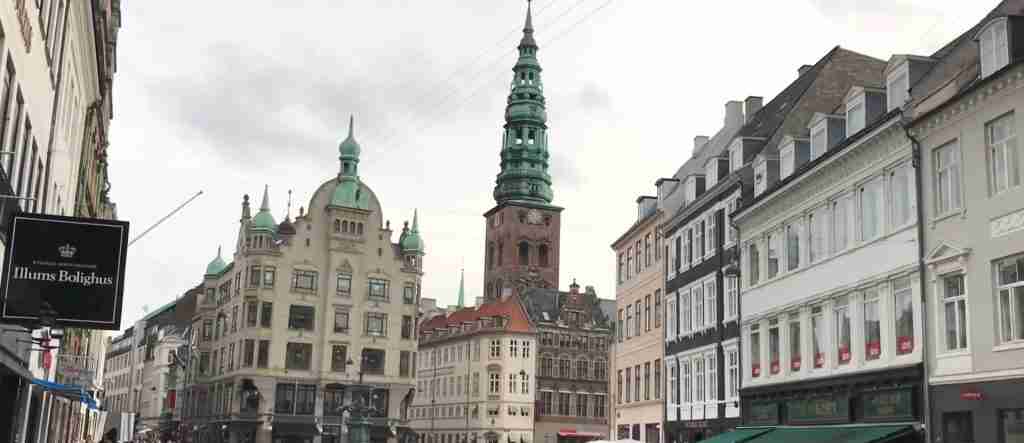
3 days
Copenhagen 3-Day Discovery Tour
- ✓ Comprehensive Copenhagen experience
- ✓ Expert local guides included
- ✓ All accommodation included
- ✓ Transportation provided
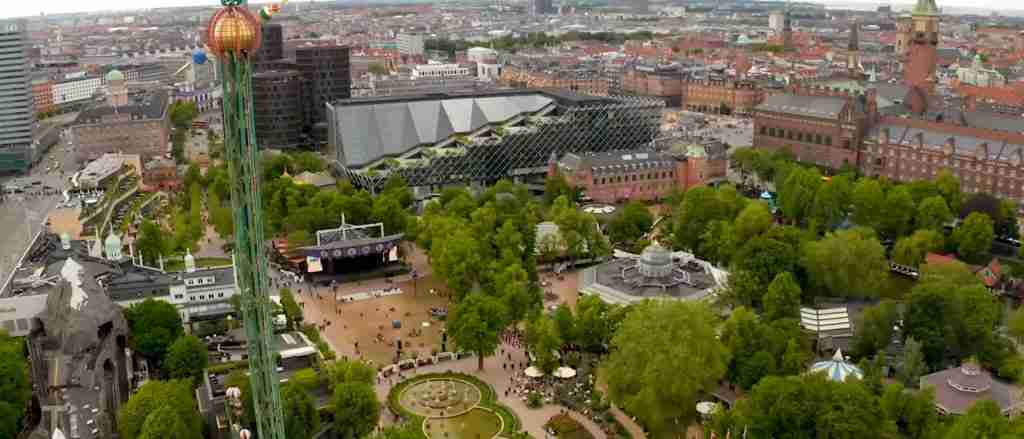
5 days
Copenhagen 5-Day Highlights Experience
- ✓ Comprehensive Copenhagen experience
- ✓ Expert local guides included
- ✓ All accommodation included
- ✓ Transportation provided

7 days
Copenhagen 7-Day Cultural Journey
- ✓ Comprehensive Copenhagen experience
- ✓ Expert local guides included
- ✓ All accommodation included
- ✓ Transportation provided
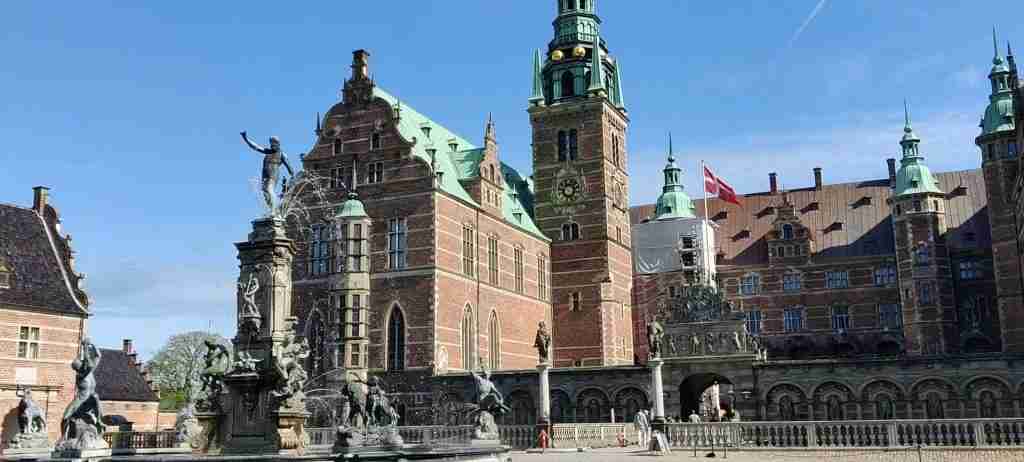
10 days
Copenhagen 10-Day Complete Adventure
- ✓ Comprehensive Copenhagen experience
- ✓ Expert local guides included
- ✓ All accommodation included
- ✓ Transportation provided
Multi-day tour packages powered by TourRadar. Prices and availability subject to change.
Introduction: Copenhagen’s Free Cultural Landscape 2026
Copenhagen challenges the perception that Scandinavia demands prohibitive budgets. Denmark’s capital has strategically opened its most significant cultural, historical, and architectural treasures to visitors without admission fees, creating unprecedented opportunities for budget travelers in 2026. From the highest viewpoint in the city to royal palace ceremonies, from alternative communities to pristine harbor swimming, Copenhagen demonstrates that meaningful travel experiences transcend financial investment.
This comprehensive approach to accessible tourism reflects Danish values of equality and sustainability. The city’s infrastructure supports free exploration through excellent public spaces, the CopenPay rewards program incentivizing sustainable choices, and daily free walking tours providing expert context. Unlike many European capitals where major attractions require substantial admission fees, Copenhagen offers complete cultural immersion through its free offerings – you can experience Viking history at Kastellet, royal traditions at Amalienborg, modernist architecture at the Black Diamond, and contemporary Danish culture in Christiania without spending anything beyond transport and accommodation.
The 2026 travel landscape in Copenhagen emphasizes both traditional free attractions and innovative programs encouraging sustainable tourism. Understanding how to navigate these offerings strategically allows you to craft rich itineraries combining historical depth, architectural excellence, natural beauty, and contemporary culture. This guide provides the detailed information needed to maximize free experiences while avoiding tourist traps and understanding when modest investments enhance overall value.
Free Royal Copenhagen Experiences 2026
Copenhagen’s royal heritage provides some of the city’s most impressive free experiences, allowing visitors to engage with centuries of Danish monarchy without admission costs. These experiences combine ceremonial traditions, architectural grandeur, and accessible public spaces that reflect Denmark’s democratic approach to heritage preservation.
Amalienborg Palace: Changing of the Guard
The Changing of the Guard ceremony at Amalienborg Palace occurs daily at 12:00 PM, providing one of Copenhagen’s most photogenic free experiences. The Royal Life Guard (Den Kongelige Livgarde) marches from their barracks at Rosenborg Castle through Copenhagen streets to Amalienborg Palace Square, often accompanied by a military band playing traditional marches. The ceremony lasts approximately 30 minutes including the formal guard exchange.
Arrive at Amalienborg Square by 11:45 AM to secure good viewing positions along the palace colonnade. The octagonal square provides multiple vantage points, though the area directly facing the guard post offers optimal photography angles. When the royal family resides in the palace (indicated by the raised royal standard), the ceremony includes additional ceremonial elements. The palace square itself remains freely accessible throughout the day, allowing you to photograph the rococo architecture and explore the immediate vicinity.
The march from Rosenborg to Amalienborg follows Gothergade and Store Kongensgade, allowing you to photograph the guards in transit. Morning light (east-facing) provides better photography conditions at the palace square. Respect barriers and designated viewing areas – security maintains clear protocols around active guard positions. The ceremony proceeds in all weather conditions, so dress appropriately for outdoor viewing in Copenhagen’s variable climate.
Christiansborg Palace Tower
Christiansborg Tower stands as Copenhagen’s tallest structure at 106 meters, offering the city’s premier free panoramic viewpoint. Access via elevator from the King’s Gate operates Tuesday-Sunday (closed Mondays), though opening hours vary seasonally. The observation platform provides 360-degree views encompassing the historic city center, harbor, Øresund strait, and on clear days, southern Sweden across the water.
Free admission attracts significant visitor numbers, particularly during summer 2026 and weekends. Queues form during peak midday hours (12:00-15:00), with wait times extending 30-60 minutes. Strategic timing maximizes your experience: arrive right at opening (typically 10:00 AM) or late afternoon (after 16:00) to minimize waits. The tower closes earlier during winter months, so verify current hours before visiting.
The viewing platform features informational displays identifying visible landmarks and explaining Christiansborg’s role as the seat of Danish Parliament, the Prime Minister’s Office, and the Supreme Court. Photography benefits from morning light for eastern perspectives and afternoon light for western harbor views. The tower stands at the heart of Slotsholmen island, allowing you to combine the viewpoint with free exploration of the surrounding government district, Royal Library, and historic waterfront.
Rosenborg Castle Gardens (King’s Garden)
Rosenborg Castle Gardens, known as Kongens Have (King’s Garden), represent Denmark’s oldest royal garden dating to the early 17th century. The 12-hectare park provides free access year-round from sunrise to sunset, offering manicured baroque gardens, tree-lined promenades, and extensive lawns perfect for picnicking. The castle itself requires paid admission, but the surrounding gardens deliver complete enjoyment without entry fees.
The gardens feature distinct areas including formal rose gardens (blooming June-September), the Hercules Pavilion with surrounding sculptures, and extensive open lawns where locals gather for sunbathing and socializing during summer months. The central axis aligning with the castle provides classic photography compositions, while side paths offer quieter strolling routes beneath mature trees. Spring brings cherry blossoms and tulips, while autumn transforms the gardens into a palette of orange and gold foliage.
Visit early morning (7:00-9:00 AM) for peaceful exploration before crowds arrive, or late afternoon for social atmosphere as Copenhageners relax after work. The gardens connect to the city center via Gothersgade, positioning them perfectly for combined itineraries with nearby attractions like the National Gallery (SMK), Botanical Garden, and the historic Latin Quarter. Free concerts occasionally occur during summer months – check local event calendars for performance schedules.
Free Historical & Cultural Landmarks 2026
Copenhagen’s historical landmarks tell the story of Danish civilization from Viking origins through medieval Christianity to contemporary democratic society. These sites provide free access to centuries of architectural and cultural heritage while remaining active parts of the city’s daily life.
The Little Mermaid Statue
Hans Christian Andersen’s bronze Little Mermaid has watched over Copenhagen Harbor since 1913, becoming Denmark’s most photographed monument despite her modest 1.25-meter height. Located at Langelinie promenade north of the city center, the statue sits on rocks at the water’s edge, creating the iconic image recognized worldwide. Free viewing attracts significant crowds, particularly during summer cruise ship arrivals.
Access the statue via a pleasant 20-minute walk along the harbor from Kastellet, combining multiple free attractions in one route. Alternatively, bus 26 stops at Esplanaden station near the entrance to the Langelinie area. Early morning visits (before 9:00 AM) or evening approaches (after 19:00 in summer) provide less crowded photography opportunities. The surrounding Langelinie park offers additional free strolling with harbor views, park benches, and the Gefion Fountain nearby.
Manage expectations: the statue’s small size surprises many visitors. The experience lies more in the waterfront setting and the literary connection than in the monument itself. Combine the visit with a longer harbor walk extending to Nyhavn (approximately 30-minute walk south along the waterfront), creating a comprehensive free harbor experience incorporating multiple landmarks.
Kastellet (The Citadel)
Kastellet represents one of Northern Europe’s best-preserved star fortresses, with origins dating to 1626 under King Christian IV. The five-pointed fortification remains an active military installation while providing free public access to its ramparts, historic buildings, and scenic grounds. Open daily from 6:00 AM to 10:00 PM during summer (6:00 AM to 8:00 PM in winter), the fortress offers extensive free exploration.
The classic red wooden windmill at the northern bastion has become Kastellet’s photographic icon, though the entire fortress provides remarkable architecture including historic barracks, the Church of Kastellet, and the Commandant’s House. Walking the complete rampart circuit (approximately 1.5 kilometers) takes 30-45 minutes at a leisurely pace, providing elevated perspectives over the moat, surrounding parkland, and distant harbor views.
The fortress grounds feature well-maintained pathways perfect for jogging, walking, or cycling. Local Copenhageners use Kastellet as a peaceful green space away from city noise. Respect the active military presence – certain buildings remain off-limits and designated areas should not be entered. Photography is permitted throughout public areas, though avoid photographing military personnel or restricted zones. The fortress connects directly to Langelinie promenade, creating an ideal route combining Kastellet exploration with The Little Mermaid visit and harbor walking.
Frederikskirken (The Marble Church)
Frederikskirken, commonly called the Marble Church, dominates the Frederiksstaden district with Scandinavia’s largest church dome modeled after St. Peter’s Basilica in Rome. Construction began in 1749, paused for over a century due to funding challenges, and finally completed in 1894 using Norwegian marble. The church provides free exterior viewing showcasing magnificent baroque architecture, with interior access also free during daytime hours.
The dome reaches 31 meters in diameter, creating dramatic visual impact when approached from Amalienborg Palace Square along Frederiksgade. Interior viewing reveals elaborate marble work, frescoes depicting the apostles, and the impressive height of the central rotunda. Free organ concerts occasionally occur – check the church’s schedule for special musical performances. The exterior provides exceptional photography opportunities from multiple angles, particularly the direct view down Frederiksgade toward Amalienborg.
Visit during morning hours (10:00 AM-12:00 PM) for optimal interior natural lighting through the dome windows. The church sits at the heart of the Frederiksstaden district, allowing combined exploration with Amalienborg Palace, the Design Museum Denmark (paid admission), and the surrounding rococo architecture. Sunday services occur at 10:00 AM, during which tourist exploration is limited – time visits accordingly to ensure full access.
Jelling Monuments Interpretation (City Context)
While the actual UNESCO World Heritage Jelling Monuments lie outside Copenhagen in Jutland, Copenhagen offers free interpretation of this foundational Danish heritage through displays at the National Museum (free general admission) and informational markers throughout the city referencing King Harald Bluetooth’s unification of Denmark and introduction of Christianity. Understanding this context enriches appreciation of Copenhagen’s medieval churches and royal heritage.
The National Museum on Frederiksholms Kanal provides free general admission to Danish cultural history collections, including substantial Viking Age artifacts, runic stone reproductions, and interpretive materials explaining Denmark’s transition from paganism to Christianity. The museum operates Tuesday-Sunday 10:00 AM-17:00 PM, with free admission making it Copenhagen’s premier cultural history resource without cost barriers.
Several churches throughout Copenhagen reference the Christianization period, including the Church of Our Lady (Vor Frue Kirke), Copenhagen’s cathedral offering free interior access to neoclassical architecture and sculptures by Bertel Thorvaldsen. These ecclesiastical spaces provide tangible connections to the religious transformation initiated at Jelling, allowing budget travelers to understand Danish Christian heritage without leaving the capital.
Free Alternative & Contemporary Copenhagen 2026
Contemporary Copenhagen expresses itself through innovative urban spaces, alternative communities, and progressive design thinking accessible without admission fees. These experiences reveal the city’s creative energy and commitment to inclusive public spaces.
Freetown Christiania
Christiania represents Copenhagen’s most distinctive free experience – an alternative community established in 1971 on former military barracks, now home to approximately 1,000 residents who maintain partial autonomy from Danish state authority. The 34-hectare area operates as a car-free, self-governing neighborhood where visitors can explore colorful street art, unconventional architecture, organic cafes, artisan workshops, and performance spaces without entry fees.
Enter via the main gate on Prinsessegade in the Christianshavn district, immediately encountering the famous “You are now entering the EU” sign marking Christiania’s symbolic boundary. The area divides into distinct zones: the entrance area with restaurants and galleries, the central Green Hall concert venue, the lakeside areas with unique self-built houses, and the workshop districts. Walking the main paths takes approximately 45-60 minutes, though longer exploration reveals hidden corners and artistic installations.
Important protocols govern Christiania visits in 2026. Photography is prohibited in certain areas, particularly the central commercial zones – respect posted signage and local requests regarding cameras. The area maintains its own social rules including no running (considered aggressive behavior), no photographs, and no hard drugs (despite Christiania’s complicated relationship with soft drug commerce, which remains illegal under Danish law even if historically tolerated). Recent years have seen increased police presence and ongoing debates about Christiania’s future legal status.
Visit during afternoon hours (14:00-18:00) when cafes and workshops operate actively, providing vibrant atmosphere. Evening visits offer different energy with concert venues opening, though exercise standard urban caution in less-populated areas after dark. The area features several organic cafes and restaurants with reasonable prices, though budget travelers can explore without purchasing anything. Christiania represents living social history – approach with respect for residents’ chosen lifestyle while appreciating the artistic and architectural creativity throughout the community.
Superkilen Park
Superkilen exemplifies Copenhagen’s innovative approach to urban design through a public park celebrating global diversity. Designed by Bjarke Ingels Group (BIG), the park divides into three distinct color-coded zones: the Red Square with sports facilities and geometric patterns, the Black Market with playgrounds and urban furniture collected from 60 countries, and the Green Park with rolling hills and picnic areas. Free access provides engagement with urban design concepts while serving as a functional neighborhood gathering space.
The park features authentic objects from around the world including Moroccan fountains, Japanese octopus playground equipment, Palestinian soil, English litter bins, and Swedish exercise equipment. Each item includes signage explaining its origin and cultural significance. The intentional diversity reflects the Nørrebro neighborhood’s multicultural population, creating a physical celebration of immigration and cultural exchange.
Access Superkilen via Metro to Nørrebro station or bus routes along Nørrebrogade. The park extends approximately 750 meters, allowing complete exploration in 30-45 minutes though many locals spend hours using the sports facilities or picnicking on the green lawns. Photography thrives throughout the colorful spaces – the Red Square provides particularly striking geometric compositions. Combine with exploration of Nørrebro’s vibrant multicultural neighborhood, known for ethnic restaurants, independent shops, and creative energy distinct from tourist-focused central Copenhagen.
CopenHill (Amager Bakke) Viewpoint
CopenHill represents Copenhagen’s commitment to innovative sustainable design – a waste-to-energy plant topped with an artificial ski slope and free rooftop viewpoint. Access the viewpoint via elevator from the base facility to the rooftop bar level, then climb additional stairs to the summit observation point providing dramatic North Sea and city panoramas. The structure itself demonstrates architectural ambition, transforming necessary infrastructure into recreational space.
The free viewpoint attracts fewer crowds than Christiansborg Tower, offering more spacious viewing conditions. The industrial aesthetic contrasts dramatically with traditional Copenhagen architecture, providing unique photography compositions. The ski slope operates seasonally with paid admission, but the viewpoint remains freely accessible year-round during facility opening hours. The rooftop bar serves refreshments at standard Copenhagen prices – purchase optional but the viewpoint itself remains free.
Located in the Amager district south of the city center, CopenHill requires intentional transit planning. Metro M1 to Øresund station positions you approximately 1 kilometer from the facility – walkable or brief bus connection. The viewpoint works best combined with other Amager attractions including Amager Strandpark beach (free) or the nearby Reffen Street Food Market (free entry, food costs extra). The facility demonstrates Copenhagen’s progressive approach to urban sustainability – the plant burns waste cleanly, generates electricity and district heating, and provides recreational amenities, creating a tangible example of circular economy principles.
Royal Library – Black Diamond
The Royal Library’s modern extension, nicknamed the Black Diamond for its dark granite facade and angular architecture, provides free public access to one of Copenhagen’s most striking contemporary buildings. Designed by Schmidt Hammer Lassen Architects and opened in 1999, the structure cantilevers dramatically over the waterfront, combining polished black Zimbabwe granite with glass walls creating dramatic reflections and light effects.
Public areas include the impressive entrance atrium with its tilted glass walls, reading rooms with harbor views (library card not required for access to ground floor spaces), exhibition areas showcasing rare books and manuscripts (check for current free exhibitions), and the waterfront terrace providing harbor perspectives. The building also houses the National Museum of Photography with rotating exhibitions (admission varies – verify current exhibition fees).
Access via walking along the harbor from Christiansborg or via Metro to Kongens Nytorv station then 10-minute walk. The building’s exterior provides exceptional photography opportunities from multiple angles – the waterfront promenade offers straight-on perspectives showcasing the full facade, while approaches from the Christiansborg side reveal the structure’s dramatic cantilever. Interior photography is permitted in public areas though exhibitions may have restrictions. Combine with free exploration of the adjacent Slotsholmen island, the old library building, and the surrounding government quarter.
Free Nature & Recreation in Copenhagen 2026
Copenhagen integrates nature throughout its urban fabric, providing green spaces, harbor swimming, and recreational opportunities accessible without fees. These natural areas offer respite from sightseeing while revealing how Copenhageners balance urban living with outdoor life.
Botanical Garden
Copenhagen’s Botanical Garden, part of the Natural History Museum of Denmark, offers free admission to 10 hectares of carefully curated plant collections. Established at the current location in 1874, the gardens feature the historic Palm House (tropical greenhouse) with free entry, rock gardens, systematic plant arrangements, a lake with waterfowl, and thematic garden areas representing different climatic zones and botanical families.
The Palm House stands as the garden’s architectural centerpiece – a Victorian-era iron and glass structure housing tropical and subtropical species including towering palms, exotic ferns, and flowering tropical plants. The interior climate maintains warmth and humidity year-round, providing a tropical escape particularly welcomed during Copenhagen’s cold months. Adjacent greenhouses feature cacti and succulents, Mediterranean plants, and orchids, all freely accessible.
The outdoor gardens organize plants by scientific classification in systematic beds, allowing botanical education alongside aesthetic enjoyment. Seasonal highlights include spring bulbs (March-April), rhododendron blooming (May-June), and autumn color transformations (September-October). The lakeside area with its stone bridge provides peaceful contemplation spots away from city noise. The gardens attract local families, students, and elderly visitors seeking peaceful outdoor time without commercial pressures.
Open daily from 8:30 AM to 6:00 PM (hours vary seasonally), the gardens occupy space between the National Gallery (SMK) and Rosenborg Castle, allowing easy integration into cultural itineraries. The free admission makes the garden ideal for budget travelers seeking rest between paid attractions or needing peaceful outdoor space during extended Copenhagen stays. Benches throughout invite reading, sketching, or simple relaxation. Photography thrives throughout the gardens, though respect other visitors’ peaceful enjoyment.
Harbor Swimming
Copenhagen Harbor’s transformation from industrial waterway to clean swimming destination represents one of the city’s most impressive environmental achievements. Multiple harbor bath locations provide free swimming during the summer season (typically May-September, weather dependent), featuring floating platforms, diving boards, and designated swimming zones throughout the city center.
Islands Brygge Harbor Bath, the most popular location, features five basins including a children’s pool, diving platforms at different heights, and extensive sunbathing areas. The facility attracts hundreds of swimmers and sunbathers on warm summer days, creating a festive atmosphere. Fisketorvet and Sluseholmen offer additional swimming locations with less crowding. All harbor baths maintain water quality meeting EU standards with regular testing – download the “KBH Havn” (Copenhagen Harbor) app for real-time water quality updates and current conditions.
Facilities include changing areas (some locations charge small fees for lockers), showers, and basic amenities. Bring your own towel and swimwear – no equipment rentals available. Swimming operates on a free, unsupervised basis – users assume responsibility for their own safety. Water depth varies by location and basin, with clearly marked depths and designated diving areas. The harbor experiences tidal currents and boat traffic in adjacent channels – stay within designated swimming zones marked by buoys.
Free kayak borrowing programs operate during summer months at select locations, allowing you to borrow a kayak while participating in harbor cleanup efforts. These programs combine recreation with environmental stewardship, providing unique ways to explore Copenhagen’s waterfront while contributing to maintenance of swimming water quality. Contact GreenKayak for current 2026 program details and reservation procedures.
Assistens Cemetery
Assistens Cemetery in Nørrebro functions both as an active burial ground and as a beloved public park where Copenhageners picnic, jog, and socialize among the graves. Established in 1760, the cemetery holds remains of famous Danes including Hans Christian Andersen, Søren Kierkegaard, and Niels Bohr, while serving as a daily neighborhood green space demonstrating Danish attitudes toward death and public space.
Free admission provides access to tree-lined paths, historic grave monuments, and peaceful green lawns. Maps near entrance gates identify notable graves, allowing self-guided tours to significant historical figures’ resting places. The cemetery’s dual function as both sacred space and recreational park reflects Danish pragmatism – locals see no contradiction in respecting the dead while celebrating life in the same space.
Visit during late afternoon for the most atmospheric lighting through the mature trees. Spring brings cherry blossoms along central paths, while summer sees families picnicking on grass areas between graves. The cemetery provides genuine local experience away from tourist routes – observe respectful behavior while enjoying the space as Copenhageners do. Multiple entrances along Kapelvej and Jagtvej make access easy from various directions in Nørrebro.
Free Tours & Guided Experiences 2026
Copenhagen’s free walking tour scene provides expert-guided exploration on a tip-basis, allowing budget travelers to access professional interpretation while maintaining spending control. These tours operate through the “free tour” model where guides work for tips rather than fixed fees.
Copenhagen Free Walking Tours
The longest-running free walking tour operation in Copenhagen offers daily tours departing from Rådhuspladsen (City Hall Square) at 10:30 AM. Look for guides with green umbrellas at the square’s central meeting point. The classic city tour covers approximately 2.5 hours, walking through the historic center including Strøget shopping street, Nyhavn, Amalienborg Palace, and the harbor area with detailed historical and cultural commentary.
Reservations are recommended through the tour company’s website to guarantee spots and help guides plan group sizes, though walk-ups are accepted subject to capacity. The tour model operates entirely on tips – guides receive no fixed payment, earning income only from participant gratuities. Industry standards suggest 100-150 DKK per person for good tours, though you determine final amounts based on your budget and experience quality.
Additional themed tours operate on specific days including the harbor tour (Opera House, Kastellet, Gefion Fountain, Nyboder), Carlsberg district tour (brewery history, architecture, urban transformation), and LGBTQ+ history tour (Fridays and Saturdays November 2025-Easter 2026). Each tour runs 2-2.5 hours with knowledgeable local guides providing insider perspectives impossible to replicate through self-guided exploration. Tours operate year-round in all weather conditions – dress appropriately for outdoor walking in Copenhagen’s variable climate.
StoryHunt Audio Walking Tours
StoryHunt provides free self-guided audio walking tours accessible through their mobile app, offering flexibility to explore at your own pace without scheduled tour times. Routes include Historic Center, The Round Tower, King’s Garden, Assistens Cemetery, and Christian IV’s Copenhagen, each featuring GPS-triggered audio commentary as you walk. Download tours in advance via WiFi to avoid mobile data charges.
The app operates on a freemium model – basic tours are free with optional paid premium content for extended historical detail. The free content provides substantial value, guiding you through neighborhoods and landmarks with professional narration explaining history, architecture, and cultural context. Self-guided flexibility allows you to pause for coffee, photography, or extended exploration without keeping pace with tour groups.
Audio tours work best with headphones and smartphones with reliable GPS. Battery consumption can be significant – ensure full charge or bring portable battery pack for longer routes. The format suits independent travelers who prefer solo exploration but want expert context beyond guidebook reading. Combine with printed maps or Google Maps for navigation between audio waypoints.
Free Events & Seasonal Experiences 2026
Copenhagen’s seasonal calendar includes numerous free cultural events, festivals, and special programs enhancing visits beyond permanent attractions. Strategic timing around these events amplifies budget travel value.
CopenPay Summer Program
The CopenPay initiative operates June 17-August 17, 2026 (9 weeks), rewarding sustainable travel behaviors with free experiences at participating attractions. The program incentivizes environmentally conscious choices including arriving by train instead of flying, staying 4+ days, cycling rather than driving, participating in urban cleanup, and eating plant-based meals.
Participating attractions offer rewards including free museum admission, complimentary boat tours, free bike rental extensions, free kayaking experiences, guided tours at Carlsberg Brewery and Danish Architecture Center, yoga sessions at participating hotels, and free meals using surplus food. Arriving by train at Copenhagen Central Station qualifies for free surplus food meals from local stores, addressing food waste while providing budget meal options.
Access rewards by visiting copenpay.com to see available offerings at each participating attraction. Document your sustainable action (take photo of your train ticket, bicycle, cleanup participation, etc.) and present to attraction staff to claim corresponding reward. The program operates on an honor system supported by simple documentation. Popular rewards like free museum entry and guided tours have limited daily capacity – arrive early or make reservations when possible.
The initiative represents Copenhagen’s commitment to sustainable tourism, directly rewarding behaviors that reduce environmental impact. Budget travelers benefit doubly – sustainable choices often cost less (trains vs flights, cycling vs car rental) while earning free experiences that would otherwise require admission fees. Plan your June-August 2026 Copenhagen visit around CopenPay participation to maximize both sustainability and budget efficiency.
Harbor Ring Free Experiences
The 13-kilometer Harbor Ring walking and cycling route circumnavigates Copenhagen Harbor, connecting free attractions throughout the waterfront. Follow the route to discover hidden harbor perspectives, industrial heritage areas, and contemporary development districts without admission fees. The complete circuit takes 3-4 hours walking or 1.5-2 hours cycling at leisure pace.
Key free stops along the Harbor Ring include Islands Brygge Harbor Bath, Reffen Street Food Market (free entry, food costs extra), Paper Island cultural complex, Copenhagen Contemporary art museum (verify current exhibition fees), maritime heritage sites, and numerous harbor viewpoints. Detailed route maps available at tourist information points or downloadable as PDFs guide you through the complete circuit with historical notes at significant locations.
The route suits cycling particularly well – Copenhagen’s extensive bike lane network makes harbor navigation safe and efficient. Bike rental costs money, though the Harbor Ring’s free attractions justify the modest rental investment by providing a full day of free sightseeing once cycling. Alternatively, walk specific Harbor Ring sections connecting attractions of particular interest rather than completing the full circuit.
Free Summer Concerts
Various Copenhagen parks host free summer concert series during June-August 2026, featuring local musicians and international acts in outdoor settings. Fælledparken, Kongens Have (Rosenborg Gardens), and cultural centers schedule weekly performances with Danish rock, jazz, classical, and world music. Check local event calendars and Visit Copenhagen’s website for current summer concert schedules.
Amager Strandpark and harbor areas occasionally host larger free festivals during summer months, featuring multiple stages, food vendors, and activities. While food and drinks cost money, the concert programming and festival atmosphere remain free to experience. Bring your own food and beverages (non-alcoholic) to enjoy performances without spending on-site.
Free concerts attract local audiences providing authentic Copenhagen cultural experiences beyond tourist-oriented activities. Danes bring picnic blankets, wine, cheese, and bread for afternoon outdoor socializing during performances. Join this tradition by preparing your own picnic from supermarket purchases (significantly cheaper than restaurant meals) while enjoying world-class music in beautiful settings.
Strategic Planning for Free Copenhagen 2026
Maximizing free experiences in Copenhagen requires geographic organization and timing awareness. The city’s compact size allows efficient multi-attraction visits when planned strategically.
Royal Quarter Free Route
Combine Amalienborg Palace changing of guard (12:00 PM), Marble Church, Royal Library Black Diamond, Christiansborg Tower, and Rosenborg Gardens in one comprehensive royal-focused day. Start at Rosenborg Gardens for morning tranquility (8:00-10:00 AM), walk to Amalienborg arriving by 11:45 AM for changing of guard, visit Marble Church afterward (13:00-14:00), walk to Christiansborg Tower for afternoon viewpoint (14:30-15:30), ending at Royal Library Black Diamond for late afternoon harbor views (16:00-18:00).
This route covers approximately 4 kilometers walking with extended time at each attraction. The sequence follows logical geographic progression minimizing backtracking while timing the changing of guard appropriately. Add Botanical Garden if energy remains, positioned between Rosenborg and Amalienborg. Budget 6-8 hours for complete exploration including breaks.
Alternative Copenhagen Free Route
Focus on contemporary and alternative experiences by combining Freetown Christiania, Superkilen Park, Assistens Cemetery, and Reffen Street Food Market. Start at Christiania mid-morning (10:00-12:00), take bus to Superkilen (12:30-13:30), continue to Assistens Cemetery for afternoon exploration (14:00-16:00), ending at Reffen for early dinner atmosphere (17:00-19:00). This route reveals Copenhagen’s creative and multicultural dimensions away from traditional tourist circuits.
The route requires public transport between locations – a 24-hour or 72-hour travel card makes economic sense for multiple transit days. Alternatively, rent bicycles for complete route flexibility and faster transit between districts. This approach suits travelers interested in urban culture, street art, alternative lifestyles, and contemporary Danish society beyond historical monuments.
Harbor Free Route
Follow the waterfront from Kastellet through The Little Mermaid, Amalienborg, Nyhavn (viewing only), Royal Library Black Diamond, to harbor swimming at Islands Brygge. This route spans approximately 5 kilometers along Copenhagen’s extensive harbor development, showcasing maritime heritage and contemporary waterfront transformation. Budget full day (8-10 hours) if including harbor swimming time during summer.
Start early at Kastellet (7:00-8:00 AM) for peaceful fortress exploration before crowds, walk to Little Mermaid (8:30-9:00), view changing of guard at Amalienborg en route (if timing allows), stroll through Nyhavn for photography (10:00-11:00), visit Royal Library (11:30-12:30), ending at Islands Brygge for lunch and swimming (13:00 onward). Bring swimming gear and towel if visiting during warm weather.
Free Copenhagen Budget Planning 2026
While Copenhagen’s free attractions eliminate admission costs, strategic planning for meals, transport, and incidental expenses maximizes overall budget efficiency.
Daily Free Activities Budget Model
A full day focused entirely on free Copenhagen attractions can operate on minimal spending: breakfast from supermarkets (40-60 DKK for bread, cheese, fruit), lunch as picnic in parks (60-80 DKK for sandwich ingredients, beverages), transport via walking and strategic bus/metro use (approximately 48 DKK for pay-per-ride tickets or absorbed into 24-hour pass if purchased). Total minimum daily cost excluding accommodation: 148-188 DKK (approximately 20-25 EUR).
Strategic supermarket shopping (Netto, Fakta, Lidl offer lowest prices) provides substantial savings versus restaurant meals. Copenhagen’s excellent tap water eliminates beverage purchase needs – bring refillable bottle and use public fountains or request tap water at cafes. Bakeries provide cheaper breakfast and lunch options than sit-down restaurants – a Danish pastry and coffee costs 35-45 DKK versus 90-120 DKK at cafes.
Copenhagen Card Alternative Analysis
The Copenhagen Card provides free admission to 80+ attractions plus unlimited public transport, costing approximately 549 DKK for 24 hours, 779 DKK for 48 hours, 929 DKK for 72 hours (2026 prices subject to verification). For budget travelers focusing on free attractions, the card’s value proposition weakens significantly. Calculate break-even based on your specific itinerary: if planning mostly free attractions with only 1-2 paid museums, purchasing individual tickets plus transport passes costs less than the Copenhagen Card.
The card makes economic sense for visitors planning intensive paid attraction schedules: Tivoli Gardens (175 DKK), Rosenborg Castle (130 DKK), Round Tower (40 DKK), and multiple museums quickly justify the 72-hour card cost. For free-focused itineraries, skip the card and invest savings in quality meals or day trips outside Copenhagen.
Accommodation Budget Strategies
Copenhagen accommodation represents the largest budget challenge. Hostel dorm beds start 200-300 DKK per night, budget hotels 600-800 DKK, while mid-range hotels exceed 1,200 DKK. Alternative strategies include Airbnb apartments outside city center (often cheaper than hotels and providing kitchen facilities for food savings), camping at Charlottenlund Fort Camping (150-200 DKK per tent with transport access), or staying in Malmö, Sweden and commuting via train (30 minutes, additional transport costs but potentially cheaper accommodation).
Book accommodation far in advance for summer 2026 visits – Copenhagen’s popularity drives prices higher as availability decreases. Consider weekday rather than weekend visits if schedule flexibility exists, as weekend rates often increase 20-40 percent. Shoulder seasons (April-May, September-October) offer better accommodation value while maintaining most free outdoor activities.
Frequently Asked Questions
How many free things can I actually do in Copenhagen?
Copenhagen offers 20+ completely free major attractions including Christiansborg Tower, Changing of the Guard, Kastellet, Botanical Garden, harbor swimming, The Little Mermaid, Marble Church, Christiania, Superkilen Park, Royal Library, Rosenborg Gardens, Assistens Cemetery, and multiple free walking tours. Beyond these permanent attractions, the Harbor Ring circuit, numerous parks, beaches, and seasonal events expand free options significantly. The CopenPay program (June 17-August 17, 2026) adds temporary free experiences for sustainable behaviors. Budget travelers can easily fill 2-4 days with entirely free activities while experiencing Copenhagen’s culture, history, architecture, and natural spaces comprehensively.
Is Copenhagen expensive if I focus on free attractions?
Focusing on free attractions dramatically reduces Copenhagen costs, though accommodation and food remain expensive. Daily expenses excluding accommodation can drop to 150-200 DKK (20-27 EUR) through supermarket meals, tap water, and walking rather than transit when distances allow. Compare this to 800-1,200 DKK (107-160 EUR) daily for typical tourists paying attraction admissions and eating restaurant meals. The free attraction strategy transforms Copenhagen from prohibitively expensive to moderately affordable, though still costlier than Central/Eastern European destinations. Accommodation remains unavoidable expense (200-800+ DKK nightly depending on choice) but free attractions eliminate the second-largest expense category.
What’s the best free activity in Copenhagen for first-time visitors?
The free walking tour departing Rådhuspladsen daily at 10:30 AM provides the best comprehensive introduction for first-time visitors. The 2.5-hour tour covers major landmarks, provides historical context, explains Danish culture, and offers insider tips from local guides. The tip-based model (suggested 100-150 DKK) maintains affordability while delivering professional interpretation. This foundation allows you to understand Copenhagen’s layout and identify attractions meriting deeper exploration during remaining visit days. Alternatively, combining Christiansborg Tower viewpoint with Nyhavn stroll provides self-guided orientation showcasing the city’s geographic layout and photogenic center.
Can I swim in Copenhagen Harbor year-round in 2026?
Harbor swimming operates primarily May-September when water temperatures reach comfortable levels (typically 15-20°C). Outside summer months, swimming remains technically possible but water temperatures drop significantly (5-10°C in winter), attracting only dedicated cold-water swimmers. Harbor bath facilities may close completely during coldest months or reduce operating hours. Check the KBH Havn app for current water temperatures, quality reports, and facility opening status before planning swimming activities. Winter swimming culture exists in Copenhagen with dedicated groups practicing cold water immersion, but casual swimmers should focus on May-September for enjoyable experiences.
Are free walking tours actually free or is tipping required?
Free walking tours operate on a voluntary tip model where guides work entirely for gratuities rather than fixed wages. While tours are technically free (no prepayment or mandatory charge), tipping represents expected etiquette compensating guides’ time, knowledge, and professionalism. Industry standards suggest 100-150 DKK per person for good tours, though you determine final amounts based on service quality and personal budget. Participating without tipping is technically allowed but considered poor etiquette unless the tour quality genuinely warranted zero compensation. Budget accordingly: treat the suggested tip amount as the effective tour cost while maintaining flexibility to adjust based on experience.
What free attractions are open in winter 2026?
Most free Copenhagen attractions operate year-round: Christiansborg Tower (closed Mondays), Changing of the Guard (daily 12:00 PM regardless of weather), Marble Church, Kastellet (6:00 AM-8:00 PM winter hours), Botanical Garden (reduced hours but open), Royal Library, Assistens Cemetery, churches, and parks. Harbor swimming closes during cold months, though harbor baths may operate reduced schedules for cold water enthusiasts. Free walking tours continue year-round in all weather conditions – dress warmly. Christiania remains accessible. Winter brings reduced daylight hours (sunrise 8:30 AM, sunset 15:30 PM in December) requiring adjusted timing, but indoor options like Royal Library, churches, and museums balance outdoor limitations. CopenPay operates only June-August, not during winter months.
How do I access Christiansborg Tower for free?
Christiansborg Tower access operates Tuesday-Sunday (closed Mondays) with varying seasonal hours. Enter through the King’s Gate (Ridebanebroen entrance), where security screening occurs before elevator access. No tickets or reservations required – simply queue for the elevator (waits range 0-60 minutes depending on timing). The tower is the only part of Christiansborg Palace open without admission fees – the royal reception rooms, stables, and other palace areas require paid tickets. Free access represents Danish governmental transparency, allowing public access to the parliamentary building. Arrive at opening time or late afternoon to minimize waits. No time limits once at the observation platform – enjoy views as long as desired before descending.
Can I bring food and drinks to free Copenhagen attractions?
Outdoor free attractions (Kastellet, parks, Christiania, Assistens Cemetery, harbor areas) fully permit picnicking with your own food and non-alcoholic beverages, supporting budget strategies. Some locations (Rosenborg Gardens, Botanical Garden) become popular picnic spots especially during summer. Indoor venues (churches, Royal Library public areas) prohibit food consumption though water bottles generally receive tolerance if discreet. Harbor swimming areas allow food and beverages in sunbathing areas though not in water. Alcohol consumption follows Danish public drinking laws (legal in most public spaces but not permitted in certain designated zones). Supermarket picnic supplies provide major cost savings versus restaurant meals while allowing extended time at attractions without hunger forcing expensive cafe purchases.
What’s the best time of day to visit Christiansborg Tower?
Early morning (opening time, typically 10:00 AM) minimizes queues significantly – arrive 15-20 minutes before opening to be among first visitors. Late afternoon (after 16:00) also sees reduced crowds as many day-trippers have departed. Midday hours (12:00-15:00) experience longest waits, particularly during summer and weekends. Photography benefits from different lighting conditions: morning light illuminates eastern perspectives (harbor, Amalienborg), afternoon light enhances western views (city center). Clear weather matters more than time of day for view quality – check forecasts and consider flexible timing to capture optimal visibility. Winter’s limited daylight restricts afternoon visits – aim for midday to early afternoon for best light during short winter days.
How does Copenhagen’s free offering compare to other Scandinavian capitals?
Copenhagen provides more extensive free major attractions than Stockholm or Oslo. Stockholm requires admission for the Royal Palace, Vasa Museum, and most significant museums, though old town (Gamla Stan) wandering and changing of guard remain free. Oslo charges for Viking Ship Museum, Fram Museum, and opera house tours, though the waterfront and Vigeland Sculpture Park offer free access. Copenhagen’s combination of free Christiansborg Tower, extensive harbor access, Botanical Garden, and major church interiors creates more substantial free experiences. However, Stockholm’s archipelago and Oslo’s proximity to mountains provide free natural experiences Copenhagen cannot match. For purely urban cultural free attractions, Copenhagen leads Scandinavian capitals, while Stockholm and Oslo excel in free nature access.