
Best Time to Visit Copenhagen 2026: Weather, Events & Seasonal Tips
Choosing the right time to visit Copenhagen in 2026 significantly impacts your travel experience, from weather conditions and daylight hours to event availability and crowd levels. The Danish capital offers distinct experiences across seasons—long summer days perfect for outdoor exploration, cozy winter hygge culture, vibrant spring awakenings, and colorful autumn transformations—each with unique advantages depending on your interests, budget, and travel preferences.
Key Takeaways: Copenhagen Timing Essentials 2026
- Peak Summer (June-August 2026): Longest days with up to 18 hours of daylight, warmest weather averaging 17-22°C (63-72°F), and peak tourist season bring vibrant outdoor life, festivals, and street activities, though prices reach yearly highs and attractions experience maximum crowds.
- Shoulder Seasons (April-May, September-October 2026): Moderate weather, reduced crowds, and lower prices create ideal conditions for sightseeing, with spring flowers and autumn colors adding visual appeal, though weather unpredictability requires flexible planning.
- Winter Low Season (November-February 2026): Short days with limited daylight (7-8 hours), cold temperatures averaging 0-5°C (32-41°F), and minimal crowds offer authentic hygge experiences, Christmas markets, and lowest prices, appealing to budget travelers and those seeking cozy indoor culture.
- Weather Variability 2026: Copenhagen’s maritime climate creates unpredictable conditions with sudden rain showers possible year-round, requiring layered clothing and waterproof gear regardless of season, though extreme weather remains rare.
- Major Events 2026: Copenhagen Jazz Festival (July), Pride Week (August), cultural festivals, and sporting events concentrate during summer months, while Christmas markets and New Year celebrations define winter, influencing accommodation availability and pricing.
- Budget Optimization 2026: Visiting during November, January-February, or early March yields savings of 30-50% on accommodation compared to summer peak, while shoulder seasons offer moderate pricing with better weather than winter months.
People Also Ask About Copenhagen 2026
What is the best month to visit Copenhagen in 2026?
June 2026 offers the optimal balance of excellent weather, long daylight hours, and vibrant city atmosphere, with temperatures reaching comfortable 17-20°C (63-68°F), up to 18 hours of daylight enabling extended sightseeing, and outdoor cafes, parks, and waterfront areas at their most inviting. However, “best” depends on priorities: budget-conscious travelers benefit from visiting in May or September 2026 when weather remains pleasant but prices drop 20-30% below peak summer rates; culture enthusiasts might prefer July for Copenhagen Jazz Festival or December for Christmas markets; visitors seeking minimal crowds should consider April or October 2026 when tourist numbers remain manageable. May 2026 deserves particular consideration, offering spring blooms, mild temperatures averaging 12-16°C (54-61°F), longer days, and pre-summer pricing, while September 2026 provides similar advantages with autumn colors, comfortable weather, and post-summer crowd reductions. Winter months suit those embracing Danish hygge culture, with January-February 2026 offering lowest prices and authentic local experiences, though short days and cold temperatures require adjusting expectations regarding outdoor activities.
How cold does Copenhagen get in winter 2026?
Winter 2026 in Copenhagen will likely see average temperatures ranging 0-5°C (32-41°F) from December through February, with occasional colder periods dropping to -5°C (23°F) and rare mild spells reaching 8-10°C (46-50°F). Wind chill from Baltic breezes makes temperatures feel colder than thermometer readings, particularly near waterfront areas, requiring warm layered clothing including windproof outer layers. Snow occurs occasionally but rarely accumulates significantly, with most precipitation falling as rain or sleet. January 2026 typically represents the coldest month, averaging around 2°C (36°F), while December and February stay slightly milder. Despite cold temperatures, Copenhagen remains comfortable for winter visitors through excellent public transportation, well-heated indoor spaces, and cultural acceptance of outdoor activities in cold weather—locals bicycle year-round and outdoor cafes provide blankets and heaters. The short daylight hours (7-8 hours in December-January) impact travel more than cold temperatures, with sunrise around 8:30 AM and sunset by 4 PM limiting outdoor sightseeing time. However, winter 2026 offers opportunities to experience authentic Danish hygge culture, with cozy cafes, Christmas markets (early December), candlelit restaurants, and museums at their least crowded, making it appealing for travelers who embrace winter atmosphere and seek authentic local experiences over optimal weather conditions.
Does it rain a lot in Copenhagen throughout 2026?
Copenhagen experiences moderate rainfall distributed fairly evenly throughout 2026, averaging 10-13 rainy days per month year-round, with autumn (October-November) and summer (July-August) typically receiving slightly more precipitation than other seasons. The maritime climate creates unpredictable weather patterns with sudden showers possible any time of year, though extended heavy rainfall remains uncommon—most rain falls as brief showers lasting 30 minutes to a few hours rather than all-day downpours. Visitors should pack waterproof jackets and umbrellas regardless of travel month in 2026, as even summer trips can encounter rainy periods. Spring 2026 (March-May) tends toward drier conditions with occasional showers, while autumn 2026 (September-November) brings more frequent rain alongside increasing wind. Winter precipitation in 2026 may fall as rain, sleet, or light snow, with overcast skies common throughout the season. Despite precipitation frequency, rain rarely disrupts travel plans significantly—Copenhagen’s infrastructure handles wet weather well, with excellent public transportation, numerous museums and indoor attractions, and cultural acceptance of outdoor activities in light rain. Danes continue daily routines regardless of weather, bicycling in rain with appropriate gear, so visitors prepared with waterproof clothing can explore comfortably even during wetter periods. The unpredictability means travelers should maintain flexible itineraries, keeping indoor alternatives available for particularly wet days while taking advantage of dry spells for outdoor sightseeing and photography.
What are the major events and festivals in Copenhagen during 2026?
Copenhagen’s 2026 event calendar concentrates major festivals during summer months, led by Copenhagen Jazz Festival in July, Denmark’s largest music event featuring hundreds of concerts across venues from concert halls to street corners, parks, and bars, with both international stars and local musicians performing across jazz, blues, and related genres. Copenhagen Pride Week in August celebrates LGBTQ+ culture with parades, parties, cultural events, and concerts, creating vibrant atmosphere throughout the city. Distortion in early June transforms Copenhagen neighborhoods into massive street parties with music stages, food stalls, and outdoor celebrations spanning five days. Cultural Night (October) opens museums, galleries, churches, and cultural institutions for special evening programs with performances, exhibitions, and activities. Christmas markets begin late November, continuing through December, with Tivoli Gardens’ Christmas season offering special lights, decorations, and festive atmosphere. Roskilde Festival (late June/early July), though located outside Copenhagen, attracts visitors to Denmark for one of Europe’s largest music festivals. The Royal Danish Ballet and opera companies maintain seasons throughout the year with world-class productions. Sporting events include football matches, cycling races, and marathons scheduled across 2026. Restaurant festivals, design weeks, and neighborhood celebrations occur throughout warmer months. Specific dates for 2026 events typically release 6-12 months in advance, so travelers planning around particular festivals should monitor official websites for confirmation and ticket availability, as major events like Jazz Festival and Pride Week significantly increase accommodation demand and prices during their dates.
Extended multi-day tours – 5+ days
Featured Copenhagen Multi-Day Tour Packages
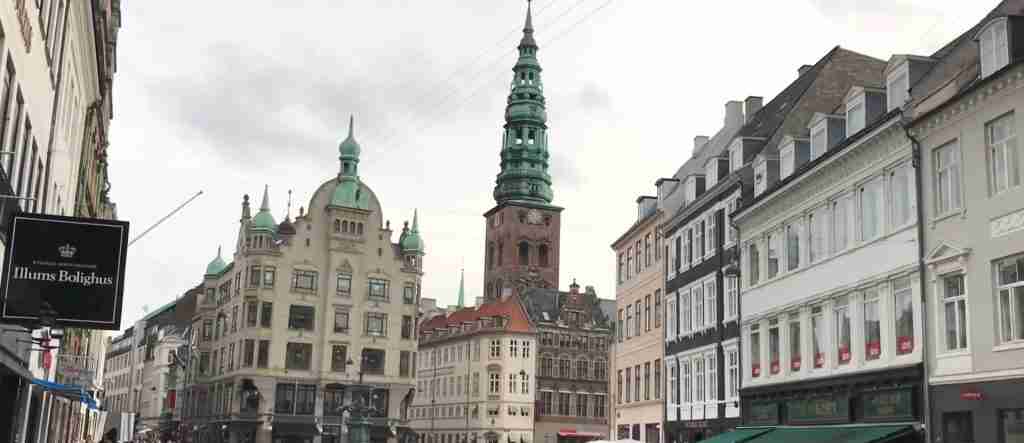
3 days
Copenhagen 3-Day Discovery Tour
- ✓ Comprehensive Copenhagen experience
- ✓ Expert local guides included
- ✓ All accommodation included
- ✓ Transportation provided
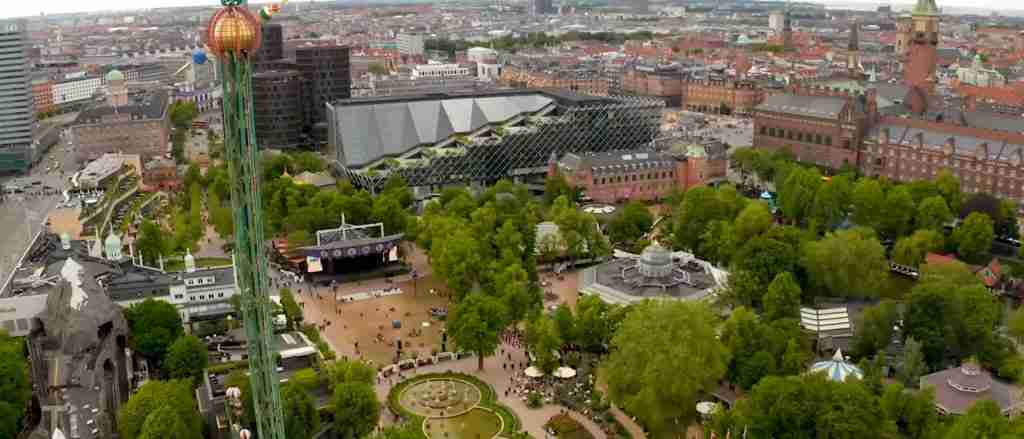
5 days
Copenhagen 5-Day Highlights Experience
- ✓ Comprehensive Copenhagen experience
- ✓ Expert local guides included
- ✓ All accommodation included
- ✓ Transportation provided

7 days
Copenhagen 7-Day Cultural Journey
- ✓ Comprehensive Copenhagen experience
- ✓ Expert local guides included
- ✓ All accommodation included
- ✓ Transportation provided
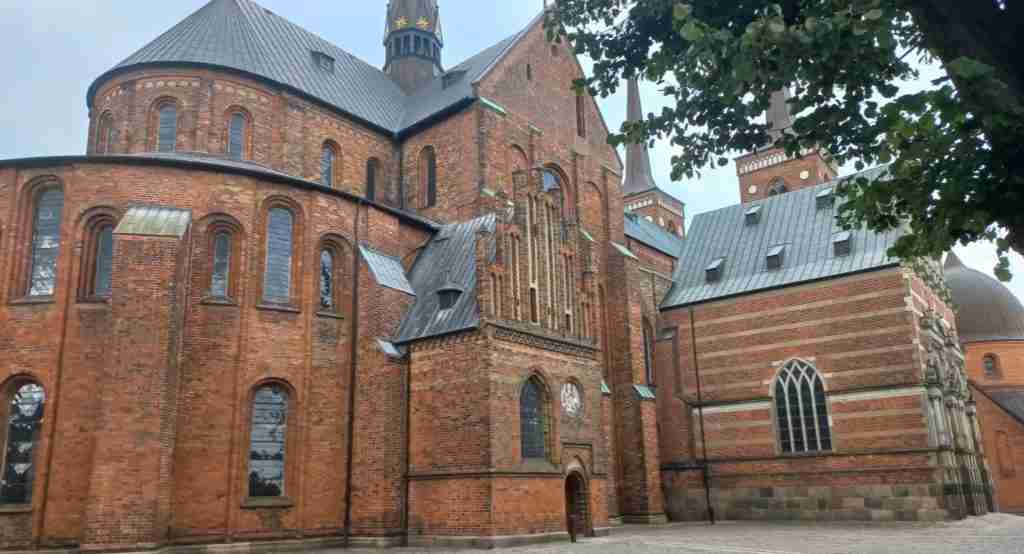
10 days
Copenhagen 10-Day Complete Adventure
- ✓ Comprehensive Copenhagen experience
- ✓ Expert local guides included
- ✓ All accommodation included
- ✓ Transportation provided
Multi-day tour packages powered by TourRadar. Prices and availability subject to change.
Introduction: Planning Your 2026 Copenhagen Visit
Copenhagen presents distinct characters across seasons, each offering unique advantages that appeal to different traveler types and priorities. The city’s northern latitude (55.7°N, roughly equivalent to Moscow or northern Scotland) creates dramatic seasonal variations in daylight hours, ranging from 18-hour summer days when the sun barely sets to 7-hour winter days when darkness dominates. These daylight variations influence not just sightseeing logistics but the entire atmosphere and rhythm of the city, with summer’s extended twilight encouraging outdoor lingering and winter’s early darkness promoting cozy indoor gatherings.
Weather in Copenhagen remains famously unpredictable year-round, with the maritime climate bringing changeable conditions that can shift from sunshine to showers within hours. This variability means no season guarantees perfect weather, though summer months offer the highest probability of warm, dry days suitable for extensive outdoor exploration. The Danish saying “There’s no such thing as bad weather, only bad clothing” reflects local attitudes toward weather—Copenhageners cycle, walk, and enjoy outdoor activities regardless of conditions, simply dressing appropriately.
Tourism patterns in Copenhagen follow clear seasonal trends, with peak season spanning late May through August when international visitors maximize, prices reach yearly highs, and popular attractions require advance booking. Shoulder seasons (April-early May, September-October) balance good weather with reduced crowds and moderate prices. Winter low season (November-February) brings minimal international tourism, lowest prices, and authentic local experiences, though short days and cold temperatures require adjusting expectations.
Budget considerations play significant roles in timing decisions, with accommodation prices fluctuating 40-50% between high and low seasons. A hotel room costing €200-250 in July might drop to €100-150 in January, while restaurant prices, attraction admission, and transportation costs remain relatively stable year-round. Travelers willing to embrace winter conditions can experience Copenhagen at fraction of summer costs while enjoying museum visits, Danish hygge culture, and winter-specific activities like Christmas markets.
Cultural events and festivals concentrate during summer months when outdoor gatherings prove most practical, though Copenhagen maintains active cultural calendar year-round with indoor performances, exhibitions, and celebrations. Major summer festivals like Copenhagen Jazz Festival and Pride Week attract dedicated visitors planning trips around these events, while winter Christmas markets and New Year celebrations appeal to those seeking festive atmosphere.
The “best” time ultimately depends on individual priorities: weather-focused travelers prioritize June-August; budget-conscious visitors choose January-March or November; culture enthusiasts align with specific festivals; photography lovers favor spring and autumn light; hygge seekers embrace winter coziness. Understanding seasonal characteristics, weather patterns, event schedules, and budget implications allows informed decisions matching personal preferences and travel goals for 2026 Copenhagen visits.
Copenhagen Weather Patterns Throughout 2026
Copenhagen’s weather in 2026 will follow established patterns driven by its maritime climate and northern location, creating four distinct seasonal characters while maintaining year-round unpredictability that requires flexible planning and appropriate preparation. The Baltic Sea moderates temperature extremes, preventing severe heat or cold but contributing to high humidity and frequent precipitation throughout the year.
Temperature ranges vary significantly across seasons. Summer (June-August 2026) averages 17-22°C (63-72°F) during daytime, with occasional warm spells reaching 25-28°C (77-82°F) and cooler periods dropping to 12-15°C (54-59°F). Nights cool to 12-15°C (54-59°F), making light jackets or sweaters useful even during peak summer. Spring (April-May 2026) transitions from cool to mild, with April averaging 8-13°C (46-55°F) and May reaching 12-17°C (54-63°F). Autumn (September-October 2026) reverses this pattern, with September maintaining summer warmth around 15-18°C (59-64°F) before October cools to 9-13°C (48-55°F). Winter (December-February 2026) stays cold but rarely extreme, averaging 0-5°C (32-41°F) with wind chill making conditions feel colder.
Precipitation occurs throughout the year, averaging 10-13 rainy days monthly with slight increases during autumn and summer. Most rain falls as brief showers rather than extended downpours, though autumn can bring longer periods of drizzle. Winter precipitation may fall as rain, sleet, or snow, with snow accumulation rare and usually melting within days. Spring tends toward drier conditions though April showers remain proverbial across Northern Europe. Travelers should pack waterproof outer layers and umbrellas regardless of season, accepting that some precipitation will likely occur during any Copenhagen visit.
Wind affects Copenhagen significantly year-round, particularly in exposed waterfront areas and along open streets in newer districts. Baltic breezes make temperatures feel colder than thermometer readings, especially during autumn and winter. Summer winds prove less bothersome though can still create cool conditions on waterfront walks. Buildings provide wind breaks in older neighborhoods, while parks and open squares experience full wind exposure.
Daylight hours vary dramatically across seasons, fundamentally affecting travel experiences. Summer solstice (June 21, 2026) brings approximately 17.5 hours of daylight, with sunrise around 4:30 AM and sunset near 10 PM, followed by extended twilight lasting past 11 PM. This allows extensive sightseeing, outdoor dining, and evening activities in natural light. Spring equinox (March 20, 2026) and autumn equinox (September 22, 2026) provide approximately 12 hours of daylight. Winter solstice (December 21, 2026) limits daylight to just 7 hours, with sunrise around 8:30 AM and sunset by 3:45 PM, requiring adjusted schedules that maximize limited daylight for outdoor activities while embracing long evenings for indoor cultural experiences, dining, and hygge.
Humidity remains relatively high year-round due to proximity to water, contributing to damp feel during cold months and occasional muggy conditions during summer warm spells. This humidity makes cold temperatures feel colder and warm temperatures feel warmer than equivalent conditions in drier climates, requiring layered clothing that adjusts to indoor-outdoor transitions.
Extreme weather events remain rare in Copenhagen, with the moderate maritime climate preventing severe storms, intense heat waves, or dangerous cold. Occasional wind storms occur during autumn and winter, and rare summer thunderstorms bring brief heavy rain, but these disruptions prove temporary and infrastructure handles them efficiently.
Spring in Copenhagen 2026 (March-May)
Spring 2026 in Copenhagen offers transition from winter darkness to summer brightness, with improving weather, lengthening days, blooming parks, and increasing outdoor activity creating refreshing atmosphere after months of winter. This shoulder season provides advantages of emerging warmth and reduced crowds while avoiding peak summer prices and tourist congestion.
March 2026 bridges winter and spring, with temperatures averaging 3-8°C (37-46°F) and daylight increasing rapidly—gaining approximately 90 minutes of daylight during the month. Early March maintains winter character with cold mornings and potential snow or sleet, while late March shows clear spring signs with crocuses blooming and temperatures occasionally reaching 12-15°C (54-59°F). This transitional month offers lowest spring prices and minimal crowds, appealing to budget travelers willing to accept variable weather. Pack winter clothing with spring layers, as conditions shift between seasons unpredictably.
April 2026 brings definitive spring arrival, with temperatures climbing to 8-13°C (46-55°F), cherry blossoms and magnolias blooming throughout parks and gardens, and increasing outdoor cafe culture as Copenhageners embrace longer days and milder weather. Easter (April 20, 2026) may bring school holidays increasing family tourism, though crowds remain moderate compared to summer. Spring flowers create photogenic scenes in parks like Frederiksberg Gardens and Botanical Garden. Weather remains changeable with sunny days alternating with rainy periods, requiring flexible itineraries. Accommodation prices stay 20-30% below summer peak while offering much better weather than winter months.
May 2026 represents optimal spring month, combining mild temperatures averaging 12-17°C (54-63°F), abundant blooming flowers and trees, long daylight hours approaching summer levels (approximately 16 hours by late May), and pre-summer pricing that provides excellent value. Outdoor activities become fully practical—cycling tours, canal boat rides, picnics in parks—while indoor attractions remain uncrowded. Late May coincides with Whitsun holidays (June 8-9, 2026) potentially increasing European visitors, and approaching summer season may trigger early price increases at hotels anticipating peak season. This month suits travelers seeking spring atmosphere, good weather probability, moderate crowds, and balanced pricing.
Spring 2026 advantages include awakening nature with blooming parks and gardens creating beautiful scenery; moderate temperatures comfortable for extensive walking and outdoor exploration; increasing daylight enabling longer sightseeing days; reduced tourist crowds compared to summer allowing easier access to attractions and restaurants; lower accommodation prices than peak season; and vibrant local atmosphere as Copenhageners celebrate winter’s end. Disadvantages include unpredictable weather requiring flexible planning; occasional cold or rainy periods limiting outdoor activities; some seasonal attractions or tours not yet operating at full capacity; and limited major events or festivals compared to summer months.
Spring 2026 suits travelers seeking balance between good weather and reasonable prices, photography enthusiasts wanting spring blooms and soft light, visitors comfortable with weather uncertainty in exchange for fewer crowds, and those preferring moderate temperatures to summer heat or winter cold. Early spring (March-early April) appeals to budget-focused travelers willing to accept winter-like conditions for lowest prices, while late spring (late April-May) provides near-summer weather with shoulder-season advantages.
Summer in Copenhagen 2026 (June-August)
Summer 2026 represents Copenhagen’s peak season, combining longest days, warmest weather, most vibrant atmosphere, and maximum tourist activity. The city comes alive with outdoor festivals, street culture, harbor swimming, and extended daylight that encourages lingering in parks, cafes, and waterfront areas well into evening hours. However, peak season also brings highest prices, largest crowds, and need for advance planning to secure accommodations and popular restaurant reservations.
June 2026 opens summer season with temperatures climbing to 17-20°C (63-68°F), approximately 17-18 hours of daylight, and St. Hans Eve (Midsummer, June 23) celebrations featuring bonfires and outdoor gatherings marking the year’s longest day. Early June remains relatively calm before peak crowds arrive, offering sweet spot of excellent weather with moderate tourist numbers. Distortion festival (early June) transforms neighborhoods into massive street parties, though this may increase accommodation demand. Outdoor dining becomes standard, with nearly every restaurant offering sidewalk seating, and harbor baths open for swimming in surprisingly pleasant water temperatures. Prices begin climbing toward peak season levels, especially late June, while attractions extend operating hours to accommodate long days.
July 2026 peaks as warmest month, averaging 19-22°C (66-72°F) with occasional warm spells reaching 25-28°C (77-82°F), though Copenhagen rarely experiences extreme heat. This month sees maximum tourist crowds, particularly during Copenhagen Jazz Festival (dates TBA for 2026, typically early-mid July) when hundreds of concerts transform the city into music festival. Accommodation prices reach yearly maximums, with popular hotels selling out weeks or months ahead, and restaurant reservations essential at better establishments. Despite crowds, July offers optimal conditions for outdoor activities—cycling, canal tours, beach visits, park picnics—and extended twilight allows sightseeing until 10-11 PM. The combination of warm weather, long days, and festival atmosphere creates magical experience, though requires accepting crowds and high costs.
August 2026 maintains summer warmth, averaging 18-21°C (64-70°F), while beginning subtle transition toward autumn. Early August continues peak season atmosphere with Copenhagen Pride Week (typically early-mid August) bringing colorful celebrations and events. Late August sees slight crowd reduction as European families return home for school starting, creating opportunities for better hotel rates while maintaining excellent weather. Water temperatures reach annual maximum, making harbor swimming most pleasant. Some restaurants begin transitioning menus toward autumn ingredients, and evening temperatures cool slightly, requiring light jackets for late outdoor dining. This transitional period combines summer weather advantages with early autumn crowd reductions, particularly appealing to travelers with flexible schedules who can visit after mid-August.
Summer 2026 advantages include warmest weather and highest probability of sunny days; longest daylight hours enabling extended sightseeing and evening activities; full operation of all attractions, tours, and seasonal venues; vibrant festival and event calendar with major cultural celebrations; optimal conditions for outdoor activities—cycling, canal boats, harbor swimming, park relaxation; lively street culture with outdoor cafes, food markets, and social atmosphere; and best conditions for experiencing Copenhagen’s waterfront and parks. Disadvantages include highest accommodation prices (30-50% above low season); maximum tourist crowds requiring advance booking and patience at popular attractions; need for early restaurant reservations at sought-after establishments; higher prices for some tours and activities; occasional heat waves making indoor spaces uncomfortable; and booking competition requiring planning 2-3 months ahead for preferred accommodations.
Summer 2026 suits first-time visitors wanting optimal weather and full city experience; festival enthusiasts attending Jazz Festival, Pride, or other events; families with school-age children restricted to summer travel; outdoor activity enthusiasts wanting cycling, swimming, and harbor activities; and those willing to pay premium prices for best weather conditions. Travelers seeking value, smaller crowds, or authentic local experiences beyond tourist zones should consider shoulder seasons instead.
Autumn in Copenhagen 2026 (September-October)
Autumn 2026 offers compelling shoulder season alternative, combining pleasant weather, beautiful fall colors, reduced tourist crowds, and moderate pricing that provides excellent value compared to summer peak. The season transitions from summer warmth to winter cold, with September maintaining summer-like conditions while October signals clear autumn arrival and approaching winter.
September 2026 extends summer atmosphere with temperatures averaging 15-18°C (59-64°F), making it comfortable for outdoor activities without summer’s occasional heat. Early September particularly appeals as summer crowds dissipate while weather remains excellent—hotels reduce prices 20-30% from August peak, restaurants become easier to book without advance reservations, and attractions experience manageable visitor numbers. Daylight decreases noticeably through the month, from approximately 14 hours early September to 12 hours by month’s end, but still provides ample time for sightseeing. Trees begin changing colors in parks and along streets, creating photogenic scenes. Water temperatures remain warm enough for hardy swimmers at harbor baths. Cultural calendar continues with events like Cultural Night (typically mid-October, may occur late September) offering special museum access and programs. This month suits travelers seeking summer weather without summer crowds and prices.
October 2026 brings definitive autumn with temperatures cooling to 9-13°C (48-55°F), increased rainfall, stronger winds, and trees displaying peak fall colors in parks, gardens, and along canals. Days shorten significantly—from 12 hours early October to just over 9 hours by month’s end—requiring adjusted schedules that prioritize outdoor activities during midday while embracing longer evenings for indoor cultural experiences. Cozy cafe culture intensifies as Danes begin embracing hygge mindset after outdoor summer. Halloween celebrations (October 31) increasingly influence Copenhagen culture, with some venues hosting themed events. Tourist numbers drop substantially, creating opportunities to experience attractions without crowds and negotiate hotel rates, particularly mid-week. Weather unpredictability increases with mix of sunny autumn days and rainy, windy periods requiring flexible itineraries. Pack layered clothing, waterproof jacket, and accept that some outdoor plans may shift to indoor alternatives.
Autumn 2026 advantages include moderate temperatures comfortable for walking and sightseeing; beautiful fall colors creating photogenic scenes; significantly reduced tourist crowds compared to summer; lower accommodation prices (20-40% below summer peak); easier access to restaurants without advance reservations; authentic local atmosphere as tourist season winds down; and pleasant combination of outdoor activities during decent weather with cozy indoor experiences during rainy periods. Disadvantages include increasing rainfall and wind, particularly October; shorter daylight hours limiting outdoor sightseeing time; some seasonal attractions or tours reducing schedules or closing for season; cooler temperatures requiring warmer clothing; and weather unpredictability requiring flexible planning.
Autumn 2026 suits budget-conscious travelers seeking value without extreme winter conditions; photography enthusiasts wanting fall colors and atmospheric light; visitors comfortable with variable weather in exchange for smaller crowds; and those appreciating transition seasons’ unique character. September appeals to those wanting near-summer weather with shoulder-season advantages, while October suits travelers embracing autumn atmosphere and willing to accept shorter days and cooler temperatures for optimal pricing and minimal crowds.
Winter in Copenhagen 2026 (November-February)
Winter 2026 in Copenhagen presents the city’s most challenging season for weather but offers unique cultural experiences, authentic local atmosphere, lowest prices, and opportunities to embrace Danish hygge culture at its most genuine. The season requires accepting short daylight hours, cold temperatures, and indoor-focused activities while appreciating Christmas markets, cozy cafes, winter-specific events, and minimal tourist crowds.
November 2026 begins winter transition with temperatures dropping to 5-9°C (41-48°F), increasing rainfall, strong winds, and rapidly decreasing daylight—from approximately 9 hours early November to just 7 hours by month’s end. This dark, damp month represents Copenhagen’s least appealing weather period, with overcast skies, frequent rain, and gloomy atmosphere. However, late November brings Christmas market opening and festive decoration installation, particularly at Tivoli Gardens which transforms into winter wonderland. Hotel prices drop to yearly lows, restaurants welcome guests without reservations, and museums operate with minimal crowds. This month suits hardy travelers seeking absolute lowest prices and authentic winter experience, willing to embrace indoor-focused activities and limited daylight.
December 2026 offers winter’s most atmospheric period, with Christmas markets in full operation, Tivoli Gardens’ Christmas season creating magical environment, festive decorations throughout the city, and Danish holiday traditions creating special ambiance despite cold temperatures averaging 2-5°C (36-41°F). Daylight remains minimal at approximately 7 hours throughout the month, requiring strategic planning to maximize limited outdoor time while embracing long dark evenings for restaurant meals, cultural performances, and hygge experiences. Christmas markets sell mulled wine, æbleskiver, and holiday treats while showcasing Danish crafts and gifts. The Royal Danish Theatre, concert halls, and cultural venues maintain full schedules. New Year’s Eve (December 31) brings spectacular fireworks display, though weather may be cold and wet. Accommodation prices increase slightly around Christmas and New Year but remain well below summer levels. This month appeals to those seeking Christmas market experiences, festive atmosphere, and winter magic willing to accept cold weather and short days.
January 2026 represents winter’s coldest period, averaging 0-3°C (32-37°F) with occasional colder spells and possible snow, though accumulation rarely lasts. Post-holiday quiet descends on Copenhagen, with minimal tourist numbers creating opportunities for contemplative museum visits, uncrowded restaurant dining, and authentic local experiences. Daylight begins increasing slightly—from 7 hours early January to 9 hours by month’s end—providing psychological boost as winter’s darkest period passes. Prices remain at yearly lows for accommodation, with hotels offering significant discounts particularly mid-week. January sales begin at shops and boutiques. Indoor cultural calendar continues robustly with exhibitions, performances, and events. This month suits extreme budget travelers, those seeking absolute minimal crowds, and visitors wanting authentic winter experience without holiday premiums.
February 2026 continues winter conditions while showing early signs of approaching spring, with temperatures averaging 1-4°C (34-39°F) and daylight increasing to approximately 10 hours by month’s end. While still cold and potentially snowy, February offers better light than December-January, making photography and outdoor activities more practical during midday hours. Cafes and restaurants maintain cozy winter atmosphere while locals begin anticipating spring. Carnival celebrations (dates vary) may bring festive events. Hotel prices remain low though begin increasing toward March. This month provides last opportunity for winter pricing and minimal crowds while avoiding November’s darkness and December-January’s extreme cold, suiting those wanting winter experience with slowly improving conditions.
Winter 2026 advantages include lowest accommodation prices (40-50% below summer peak); minimal tourist crowds allowing easy access to all attractions; authentic local atmosphere and hygge culture at its most genuine; Christmas markets and festive decorations (December); opportunities to experience Danish winter traditions; uncrowded museums and cultural venues; and minimal need for advance planning or reservations. Disadvantages include very short daylight hours (7-9 hours) limiting outdoor sightseeing; cold temperatures requiring substantial warm clothing; frequent rain, wind, and occasional snow; many outdoor activities closed or impractical; some attractions reducing hours or closing for season; gloomy weather potentially affecting mood; and necessity of indoor-focused itineraries.
Winter 2026 suits budget-focused travelers prioritizing savings over weather; culture enthusiasts wanting museum visits, performances, and exhibitions without crowds; hygge seekers embracing cozy cafes, candlelit restaurants, and indoor comfort; Christmas market enthusiasts (December); those with flexible schedules unconstrained by optimal weather; and visitors curious about authentic Nordic winter experience. This season requires realistic expectations about daylight and weather while appreciating unique winter atmosphere, cultural opportunities, and financial advantages.
Major Events and Festivals Calendar 2026
Copenhagen’s 2026 event calendar concentrates major festivals and celebrations during warmer months when outdoor gatherings prove most practical, though cultural programming continues year-round with indoor performances, exhibitions, and seasonal celebrations. Understanding event timing helps travelers align visits with interests while avoiding unexpected crowds or price increases during major festivals.
Spring events in 2026 begin with Easter celebrations (April 20) bringing family-oriented activities, though Copenhagen observes Easter more quietly than some European cities. Queen’s Birthday (April 16) features celebrations at Amalienborg Palace. May 1 (Labour Day) brings political rallies and social gatherings in parks. Spring festival season gradually increases through May with smaller cultural events, outdoor markets, and neighborhood celebrations as weather improves.
Summer festival season explodes with multiple major events. Distortion (early June, exact dates TBA) transforms neighborhoods into massive street parties spanning five days, with music stages, food stalls, and outdoor celebrations attracting young international crowds and significantly impacting accommodation availability in affected neighborhoods. St. Hans Eve (June 23) celebrates midsummer with bonfires and outdoor gatherings throughout Denmark. Roskilde Festival (late June/early July, exact dates TBA) occurs outside Copenhagen but brings thousands of music fans to Denmark for one of Europe’s largest festivals. Copenhagen Jazz Festival (typically early-mid July, exact dates TBA for 2026) represents the year’s cultural highlight, featuring hundreds of concerts across every venue type from grand concert halls to intimate jazz clubs, outdoor stages to casual bars, with both international stars and Danish musicians performing across jazz, blues, and related genres over 10 days. Copenhagen Pride Week (typically early-mid August, exact dates TBA) celebrates LGBTQ+ culture with parade, parties, cultural events, and concerts, creating vibrant, inclusive atmosphere. These major summer events require advance accommodation booking—hotels near festival areas sell out months ahead, and prices increase 20-40% during festival dates.
Autumn events include Cultural Night (typically mid-October, exact date TBA) opening museums, galleries, churches, and cultural institutions for special evening programming with performances, exhibitions, and activities, allowing visitors to experience venues in unique nighttime atmosphere. Copenhagen Cooking (typically August-September, exact dates TBA) celebrates food culture with restaurant events, cooking demonstrations, and culinary experiences. Halloween (October 31) increasingly influences Copenhagen with themed events at bars, clubs, and some attractions, though remaining less prominent than in North America.
Winter events center on Christmas and New Year celebrations. Christmas markets begin late November, operating through December at locations including Tivoli Gardens, Nyhavn, and various city squares, selling gifts, decorations, seasonal foods, and mulled wine (gløgg) while creating festive atmosphere. Tivoli Gardens’ Christmas season (late November-early January) features special decorations, lights, ice skating, and winter attractions creating magical environment. New Year’s Eve (December 31) brings spectacular citywide fireworks display, with Copenhageners launching fireworks from streets, parks, and harbor areas, though weather may be cold and wet. Copenhagen Light Festival (February) illuminates winter darkness with artistic light installations throughout the city.
Sporting events throughout 2026 include football matches at Parken Stadium featuring FC Copenhagen and Danish national team, Copenhagen Marathon (typically May), and various cycling events. The Royal Danish Ballet and Royal Danish Opera maintain seasons at the Opera House with world-class productions throughout the year. Copenhagen Philharmonic Orchestra and other musical ensembles offer regular concert series.
When planning around events, monitor official websites for confirmed 2026 dates (typically announced 6-12 months ahead), book accommodation early for major festivals (3-6 months advance for Jazz Festival, Pride, popular weekends), expect price increases of 20-40% during peak events, reserve restaurants ahead during major festivals, and consider whether event atmosphere enhances or detracts from your intended experience—while festivals create excitement, they also bring crowds and noise that might not suit all travelers.
Crowd Analysis and Tourism Patterns 2026
Understanding Copenhagen’s tourism patterns helps travelers optimize timing to avoid extreme crowds while recognizing that Denmark’s capital never reaches overcrowded levels of Venice, Barcelona, or Amsterdam even during peak periods. The manageable tourist numbers reflect Copenhagen’s relative expense, northern location, and weather variability that discourages casual mass tourism while attracting dedicated visitors.
Peak season (late May-August 2026) brings maximum international visitors, with July representing absolute peak for tourist numbers. Major attractions like Tivoli Gardens, Nyhavn, Rosenborg Castle, and Little Mermaid statue experience significant crowds during midday hours, requiring patience for photos and potentially longer wait times. However, Copenhagen’s excellent public transportation, bike-friendly infrastructure, and dispersed attraction distribution prevent the overwhelming congestion found in some European capitals. Peak season requires advance booking for popular restaurants, guided tours, and some attractions offering timed entry, while hotels in central areas book solid months ahead, particularly during Jazz Festival and Pride Week.
Shoulder seasons (April-early May, September-October 2026) see moderate tourism levels that balance accessibility with atmosphere. Attractions remain busy but manageable, restaurants accept walk-ins more readily, hotels offer availability without months-ahead booking, and the overall experience feels less rushed and crowded than peak summer. These months attract experienced travelers seeking optimal balance of weather, crowds, and pricing, along with European visitors taking advantage of school holidays or long weekends.
Low season (November-February 2026) brings minimal international tourism, with visitors primarily consisting of business travelers, Christmas market enthusiasts (December), and budget-focused tourists willing to embrace winter conditions. Museums, restaurants, and attractions operate with skeleton crowds, creating contemplative atmosphere ideal for cultural immersion. Hotels frequently have availability even day-before booking, and staff have more time for personal interaction without summer rush pressure.
Weekly patterns show weekends (Friday-Sunday) busier than weekdays year-round, with Sunday being particularly popular for Danish families visiting attractions. Weekdays, especially Tuesday-Thursday, offer quieter experiences even during peak season. Business travelers concentrate Monday-Thursday, potentially increasing weekday demand for central hotels while creating weekend availability in business-focused properties.
Specific timing strategies for avoiding crowds include: visiting major attractions early morning (opening time) or late afternoon (last entry times); exploring neighborhoods away from Nyhavn/Strøget tourist corridor; scheduling museum visits on weekday mornings; dining at lunch rather than dinner at popular restaurants; using bikes to access less-visited areas quickly; and maintaining flexibility to shift plans based on real-time crowd observations.
Even during peak season, Copenhagen never feels overwhelmingly crowded compared to many European destinations. The city’s size, efficient infrastructure, and local tendency toward reserved behavior prevent the aggressive tourist atmosphere of more famous capitals. Visitors comfortable with moderate crowds and willing to plan strategically can enjoy Copenhagen throughout summer, while those seeking absolute minimal interference from other tourists should target November, January-March, or weekdays in April/October.
Budget and Pricing Variations Across 2026
Copenhagen’s costs fluctuate significantly across seasons, with accommodation prices showing most dramatic variation while restaurant dining, attraction admission, and transportation remain relatively stable year-round. Understanding these pricing patterns allows strategic timing that can save hundreds of euros on multi-day visits without necessarily sacrificing weather or experience quality.
Accommodation pricing follows clear seasonal patterns. Peak summer months (June-August 2026) see hotel rates reaching yearly maximums, with mid-range hotels averaging €150-250 per night, upper-mid-range properties €250-400, and luxury hotels €400-600+. Major events like Jazz Festival and Pride Week can push prices even higher, with popular hotels selling out entirely or demanding premium rates. Shoulder seasons (April-May, September-October 2026) reduce prices approximately 20-30%, with the same mid-range hotel dropping to €120-180, offering substantial savings while maintaining good weather. Low season (November-February 2026) sees dramatic price drops of 40-50% from peak, with €150 summer rooms available for €80-100, though requiring acceptance of winter conditions. Weekend rates typically run €20-40 higher than weekdays even within same season, creating opportunities for midweek savings.
Restaurant prices remain relatively stable year-round, with menu costs, wine lists, and service charges showing minimal seasonal variation. High-end restaurants charge the same tasting menu prices in January as July, while casual dining and street food maintain consistent pricing. However, demand influences availability—summer requires reservations at popular restaurants weeks or months ahead, while winter allows walk-in dining at establishments that would be fully booked during peak season. Some restaurants offer special lunch menus or early dinner deals providing savings opportunities regardless of season.
Attraction admission prices stay consistent throughout 2026, with Tivoli Gardens, museums, castles, and tours charging same entry fees year-round. However, some seasonal attractions operate only during warmer months—harbor baths, certain boat tours, outdoor entertainment—meaning winter visitors miss some experiences entirely rather than simply finding them cheaper. Tivoli Gardens operates different schedules and pricing structures for regular season versus Christmas season versus reduced winter hours.
Transportation costs remain stable year-round, with Copenhagen Card, metro tickets, bus passes, and train fares maintaining consistent pricing regardless of season. Bicycle rental rates show minimal variation, and taxi prices follow meter rates unaffected by tourism seasons. This stability means transportation budgets require no seasonal adjustment.
Sample daily budgets demonstrate seasonal cost variations. Summer peak (July 2026): budget traveler €90-120 (hostel/budget hotel €50-70, meals €25-30, attractions €10-15, transport €5), mid-range traveler €200-280 (hotel €150-200, meals €40-60, attractions €10-15, transport €5), and luxury traveler €500+ (hotel €300-400+, fine dining €150-200+, attractions/experiences €50+). Winter low season (January 2026): budget traveler €60-80 (accommodation €30-40, other costs similar), mid-range traveler €140-180 (accommodation €90-120, other costs similar), luxury traveler €400+ (accommodation €200-250, other costs similar). These ranges demonstrate how accommodation drives seasonal cost variations while other expenses remain relatively constant.
Booking strategies for optimal pricing include: reserving hotels 2-4 months ahead for summer peak to secure reasonable rates before prices escalate; targeting shoulder seasons (especially September) for best value-to-weather ratio; considering winter visits if budget is primary concern and winter activities appeal; booking during weekdays for lower hotel rates; watching for hotel sales and promotions during low season; using comparison sites but also checking hotel direct booking for best rate guarantees; and remaining flexible on exact dates to capture lower-priced periods.
Hidden cost considerations include: restaurant alcohol prices (beer €7-10, wine glasses €10-15) that can significantly inflate meal costs; attraction photography or special access fees beyond basic admission; guided tour premiums during peak season; taxi costs from airport (€30-40) versus cheaper metro option (€5); and checking if Copenhagen Card provides value based on planned activities and travel dates.
Best Month-by-Month Recommendations for 2026
Each month in 2026 offers distinct advantages and drawbacks, with optimal choice depending on priorities regarding weather, crowds, budget, and specific interests. This month-by-month guide helps identify ideal timing for different traveler types.
January 2026: Best for extreme budget travelers seeking lowest prices and minimal crowds willing to embrace very short days (7-8 hours daylight), cold temperatures, and indoor-focused activities. Advantages include rock-bottom hotel rates, empty museums, authentic winter experience. Skip if requiring good weather or extensive outdoor activities.
February 2026: Slightly better than January with increasing daylight (to 10 hours by month’s end) while maintaining winter pricing and minimal crowds. Suitable for budget-conscious culture enthusiasts comfortable with cold weather. Copenhagen Light Festival may occur.
March 2026: Transitional month with improving weather and rapidly increasing daylight but still winter-like conditions and low prices. Appealing for budget travelers willing to accept variable weather for substantial savings and uncrowded attractions.
April 2026: Excellent shoulder season choice with spring blooms, moderate temperatures (8-13°C), long daylight, reduced crowds, and reasonable prices. Suitable for most travelers seeking balance of decent weather and value. Cherry blossoms create beautiful scenes. Easter holidays (April 20) may increase crowds briefly.
May 2026: Optimal spring month combining near-summer weather (12-17°C), blooming parks, long days (16+ hours), pre-summer pricing, and moderate crowds. Highly recommended for first-time visitors wanting pleasant conditions without peak season drawbacks. Late May may see early summer price increases.
June 2026: Excellent overall choice with warm weather (17-20°C), longest days (17-18 hours), full attraction operation, and vibrant atmosphere. Early June offers sweet spot before peak crowds, while late June sees summer peak developing. Distortion festival occurs early month. Recommended for outdoor activity enthusiasts and first-time visitors comfortable with moderate crowds and prices.
July 2026: Peak season with warmest weather (19-22°C), maximum daylight, most events including Jazz Festival, and fullest city atmosphere. Best for festival enthusiasts, families restricted to summer travel, and those prioritizing optimal weather over budget. Requires advance booking and acceptance of crowds and high prices.
August 2026: Continues summer warmth and atmosphere with Pride Week (early month) and slight crowd reduction late month. Recommended for festival attendees and those wanting summer experience with potential late-month deals as season winds down.
September 2026: Excellent shoulder season combining pleasant weather (15-18°C), fall colors, significantly reduced crowds, and moderate pricing. Highly recommended for photography, budget-conscious travelers, and those seeking summer-like conditions without peak season disadvantages. Cultural Night typically occurs.
October 2026: Attractive autumn month with beautiful fall colors, cool comfortable temperatures (9-13°C), minimal crowds, and low prices. Suitable for autumn enthusiasts, budget travelers, and those comfortable with shorter days (12 to 9 hours) and variable weather. Photography conditions excellent.
November 2026: Challenging month with short days (9 to 7 hours), frequent rain, gloomy atmosphere, and cold temperatures. Only recommended for extreme budget travelers or those specifically seeking Christmas market opening (late November). Skip unless winter atmosphere specifically appeals.
December 2026: Winter month redeemed by Christmas markets, festive atmosphere, and special holiday events. Suitable for Christmas market enthusiasts, winter romantics, and those seeking hygge experiences willing to accept cold weather (2-5°C) and minimal daylight (7 hours). Tivoli Christmas season creates magical environment. New Year’s Eve brings fireworks celebration.
Top overall recommendations: May 2026 for best all-around balance; June or September 2026 for excellent weather with manageable crowds; July 2026 for optimal summer experience accepting peak prices; December 2026 for unique Christmas atmosphere; and January-February 2026 for budget-focused winter experience.
Frequently Asked Questions About Copenhagen 2026 Timing
Is Copenhagen worth visiting in winter despite the short days and cold weather?
Copenhagen offers worthwhile winter experiences for travelers with appropriate expectations and interests, particularly those seeking authentic Nordic winter culture, Christmas markets (December), minimal crowds, and budget savings. Winter 2026 provides opportunities to experience Danish hygge at its most genuine—cozy cafes with candlelight, warming comfort food, intimate restaurant atmospheres, and indoor cultural richness including world-class museums, performances, and exhibitions without summer crowds. The drastically lower prices (accommodation 40-50% below summer) allow extended stays or luxury upgrades impossible during peak season, while short daylight hours (7-9 hours) require adjusted schedules that prioritize indoor activities and cultural immersion over extensive outdoor sightseeing. Winter suits culture enthusiasts wanting museum focus, Christmas market lovers (December), budget-conscious travelers prioritizing savings over weather, and those curious about authentic Nordic winter experience. However, winter proves poor choice for outdoor activity enthusiasts, those requiring good weather for enjoyment, first-time visitors wanting comprehensive city exploration, or travelers negatively affected by darkness or cold. Success requires realistic expectations—accept limited daylight, cold temperatures, and indoor-focused itineraries while appreciating unique winter atmosphere, cultural opportunities, and financial advantages that summer visitors never experience.
How far in advance should I book accommodation for summer 2026 in Copenhagen?
Summer 2026 accommodation in Copenhagen requires booking 2-4 months ahead for reasonable rates and good selection, with specific timing depending on travel dates, hotel preferences, and flexibility. July peak season—especially during Copenhagen Jazz Festival (typically early-mid July, exact dates TBA)—demands earliest booking at 3-6 months advance, as popular central hotels sell out entirely while remaining properties raise rates substantially. June and August allow slightly later booking at 2-3 months ahead, particularly for mid-week stays or hotels outside immediate center. Weekend stays (Friday-Sunday) throughout summer require earlier booking than weekdays, as both tourists and domestic visitors increase weekend demand. Budget travelers using hostels or budget chains may find availability closer to travel dates but sacrifice location choice, while luxury hotels and boutique properties book earliest among travelers planning well ahead. Waiting until weeks before summer travel risks very limited selection at inflated prices, potentially forcing accommodation far from center or in less desirable areas. Booking strategies include setting calendar reminders for 3-4 months before intended travel to begin searching; comparing prices across booking platforms while checking hotel direct websites for rate guarantees; reading recent reviews to ensure properties maintain quality standards; and booking refundable rates when possible to allow adjustments if plans change. Last-minute deals occasionally appear but prove unreliable for summer peak, making advance booking the safer strategy for summer 2026 Copenhagen visits.
Does Copenhagen experience midnight sun or complete darkness during extreme seasons?
Copenhagen’s latitude (55.7°N) places it south of the Arctic Circle, so the city never experiences true midnight sun (24-hour daylight) or polar night (24-hour darkness) that occur in far northern Scandinavia. However, summer solstice (June 21, 2026) brings extended twilight creating near-midnight sun effect—while the sun technically sets around 10 PM, twilight persists until nearly midnight with sky never becoming fully dark before sunrise around 4:30 AM. This creates magical summer atmosphere with evening activities extending late into night under natural light. Conversely, winter solstice (December 21, 2026) brings very short days with sunrise around 8:30 AM and sunset by 3:45 PM, limiting daylight to approximately 7 hours, though the city never experiences complete polar darkness—days follow normal day-night cycles, just extremely abbreviated compared to summer. The dramatic daylight variation affects travel experiences significantly: summer visitors enjoy extended sightseeing opportunities and vibrant late-night culture, while winter visitors must maximize limited daylight hours for outdoor activities while embracing long evenings for indoor cultural experiences, dining, and hygge. Understanding these patterns helps travelers adjust expectations and plan appropriate itineraries—summer allows unhurried exploration with late outdoor dining, while winter requires strategic scheduling to accomplish outdoor sightseeing during precious daylight hours.
What happens if weather is bad during my planned Copenhagen visit in 2026?
Copenhagen’s variable weather requires flexible planning and backup indoor options, though poor weather rarely ruins visits entirely given the city’s excellent museums, restaurants, cafes, and indoor attractions. When weather turns rainy or cold, successful visitors shift focus to Copenhagen’s rich indoor offerings: world-class museums including National Museum, Ny Carlsberg Glyptotek, Louisiana Museum (short train ride), and countless specialized museums; cozy cafes with excellent coffee and pastries perfect for extended stays during rain; shopping in covered areas like Magasin du Nord department store or boutiques in Latin Quarter; restaurant lunches or afternoon tea experiences; indoor markets like Torvehallerne with covered sections; brewery tours and tastings; Royal Danish Theatre performances, concerts, or opera; and Nordic Noir walking tours that embrace atmospheric weather. Rain gear (waterproof jacket, umbrella, water-resistant footwear) allows continuing outdoor activities even during light rain—Danes don’t let weather stop daily routines, and visitors equipped properly can explore comfortably. Public transportation and bike sharing provide covered or quick transit between destinations minimizing weather exposure. Many attractions offer both indoor and outdoor components, allowing partial experiences during poor weather. Extended bad weather spells remain uncommon—most rainy periods last hours or single days rather than week-long deluges, so multi-day visits typically experience mixed conditions allowing some outdoor exploration. The Danish attitude that “there’s no such thing as bad weather, only bad clothing” helps visitors embrace whatever conditions arise while maintaining enjoyable travel experiences through proper preparation and flexible itineraries.
Are there specific cultural events or holidays that close attractions in 2026?
Copenhagen observes several public holidays when some businesses, shops, and attractions close or operate reduced hours, requiring planning around these dates to avoid disappointment. Major holidays affecting visitor access include: New Year’s Day (January 1), Easter (April 17-20, 2026, with Good Friday, Easter Sunday, and Easter Monday seeing closures), Great Prayer Day (May 15, unique Danish holiday), Ascension Day (May 28), Whit Sunday and Monday (June 7-8), Constitution Day (June 5, half-day holiday), Christmas Eve through Boxing Day (December 24-26, with December 24 seeing widespread closure), and New Year’s Eve (December 31, many closing early). During these holidays, major museums often close completely or operate reduced hours, many restaurants close (especially December 24), and shops largely shut down except for convenience stores. Public transportation runs reduced Sunday schedules. However, tourist-focused attractions like Tivoli Gardens (when in season), some museums, and hotel restaurants typically maintain operations, particularly during summer holidays. Planning strategies include checking specific attraction and restaurant hours for intended travel dates, particularly around Easter and Christmas; making restaurant reservations well ahead for holidays when many close; avoiding December 24 for sightseeing as city essentially shuts down; and recognizing that Sunday openings remain limited year-round in Copenhagen compared to some international cities. Most international visitors aren’t significantly affected unless visiting during Christmas week or Easter weekend, when advance research and booking become essential for finding operating establishments.
Can I see Northern Lights from Copenhagen during winter 2026?
Northern Lights (Aurora Borealis) remain extremely unlikely from Copenhagen during winter 2026, as the city’s latitude (55.7°N) falls too far south for regular aurora activity. Northern Lights typically occur above the Arctic Circle (66.5°N) and occasionally extend to northern Scandinavia (60-65°N) during strong solar storms, but rarely reach Denmark’s latitude. Exceptional geomagnetic storms might produce faint aurora visible from far northern Denmark (Skagen, Jutland coast), but even during such events, Copenhagen’s southern location and light pollution make viewing essentially impossible. Travelers specifically seeking Northern Lights experiences should visit Arctic Norway (Tromsø, Alta), northern Sweden (Abisko, Kiruna), northern Finland (Rovaniemi, Kakslauttanen), or Iceland—all offering reliable aurora opportunities during winter dark periods with proper conditions. Copenhagen’s winter advantages lie elsewhere: cozy hygge culture, Christmas markets, indoor cultural richness, and authentic Danish winter experiences rather than arctic phenomena. Winter visitors should adjust expectations accordingly, focusing on urban cultural experiences while recognizing that Denmark’s relatively southern location precludes Northern Lights viewing during typical conditions. Those combining Copenhagen with northern Scandinavia destinations during winter could potentially experience aurora in northern regions before or after Copenhagen city stay.
What’s the ideal length of stay in Copenhagen for a first-time visitor in 2026?
First-time visitors to Copenhagen should plan 3-4 days minimum for meaningful exploration covering major attractions while experiencing the city’s atmosphere without excessive rushing. A 3-day stay allows covering essentials: Tivoli Gardens, Nyhavn harbor, Rosenborg Castle, National Museum, canal tour, Freetown Christiania, and sample dining experiences including smørrebrød and New Nordic cuisine. Four days adds depth with day trip options (Kronborg Castle in Helsingør, Louisiana Museum, or Roskilde), additional neighborhood exploration (Nørrebro, Vesterbro), more extensive food experiences, and relaxed pace. Five or more days suit travelers wanting comprehensive coverage including multiple day trips, in-depth museum visits, extensive restaurant exploration, and authentic local experiences beyond major attractions. The ideal length also depends on travel season—summer visitors might extend stays to enjoy outdoor activities, harbor swimming, and long evening hours, while winter visitors may find 3 days sufficient given shorter daylight limiting outdoor possibilities. Consider interests when planning: culture enthusiasts wanting thorough museum exploration benefit from longer stays; foodies seeking diverse dining experiences need multiple days for various restaurants and food tours; architecture lovers photographing buildings want unhurried time; and casual tourists checking main sights manage comfortably in 3 days. Copenhagen’s manageable size, excellent public transportation, and concentrated attractions allow efficient sightseeing without excessive length, though the city rewards extended stays with deeper appreciation of Danish culture, cuisine, and lifestyle. Combining Copenhagen with other Scandinavian destinations (Sweden via bridge, Norway via flight/ferry) often makes sense for visitors traveling long distances, creating week-long or longer Scandinavia itineraries.
How does weather affect cycling in Copenhagen throughout 2026?
Weather influences cycling comfort in Copenhagen but rarely prevents it entirely, as locals cycle year-round in all conditions using appropriate clothing and equipment. Summer 2026 (June-August) provides ideal cycling weather with mild temperatures (17-22°C), long daylight, and mostly dry conditions, making bike exploration highly enjoyable for visitors—cycle infrastructure operates at full capacity, bikes remain available at all rental stations, and routes become social experiences with thousands of cyclists commuting and touring. Spring and autumn (April-May, September-October 2026) offer good cycling conditions with moderate temperatures requiring light layers, occasional rain demanding waterproof gear, and manageable daylight hours, though autumn wind can create challenging conditions particularly in exposed areas. Winter 2026 (November-February) presents the most challenging cycling weather with cold temperatures (0-5°C), potential rain/sleet/snow, strong winds, and short daylight limiting safe cycling hours, though locals continue cycling using winter clothing, lights, and studded tires when icy. Visitor cyclists during winter should assess personal cold tolerance and weather conditions before renting bikes, considering metro or bus alternatives during particularly poor weather. Copenhagen’s cycling infrastructure maintains high standards year-round with plowed/salted bike lanes during snow, excellent lighting for dark conditions, and protected lanes reducing weather exposure on many routes. Rental bikes and bike-share systems operate throughout the year, though coverage may reduce slightly during winter low season. Essential weather-appropriate cycling preparation includes: waterproof jacket and pants stored in bike basket for sudden rain; layered clothing allowing adjustment to exertion heat vs. wind chill; gloves for cold weather; lights during autumn/winter darkness; and flexible attitudes accepting need to walk bikes during heaviest rain or strongest wind. Understanding that Danes cycle in conditions that might seem prohibitive helps visitors embrace cycling culture regardless of weather, discovering the freedom and efficiency that make Copenhagen a cycling capital.
Are there specific neighborhoods that come alive during different seasons in 2026?
Copenhagen neighborhoods display different seasonal characters, with some thriving during summer outdoor season while others maintain year-round appeal or particularly shine during winter months. Nyhavn waterfront becomes Copenhagen’s summer epicenter with outdoor restaurant seating, boat tours departing frequently, street performers, and crowds enjoying colorful buildings and harbor atmosphere—winter transforms it into quieter, more photogenic scene with fewer crowds and occasional Christmas markets but most restaurants closing outdoor sections. Islands Brygge and harbor bath areas activate fully during summer when swimming becomes possible and waterfront parks host gatherings, while winter sees these areas becoming quiet residential zones. Vesterbro demonstrates year-round vitality with hip cafes, restaurants, and nightlife maintaining activity regardless of season, though summer brings street culture and outdoor seating enhancing the creative neighborhood vibe. Nørrebro similarly thrives year-round with multicultural atmosphere, cafes, and markets operating continuously, while summer adds outdoor markets, street festivals, and park activities in Assistens Cemetery and Superkilen park. The Latin Quarter and Strøget shopping district maintain consistent activity year-round as commercial and tourist centers, with Christmas season bringing special decorations and shopping rush. Christianshavn and Freetown Christiania show seasonal variation—summer allows full exploration including climbing Church of Our Saviour tower and enjoying canal-side atmosphere, while winter focuses on indoor venues and the community’s alternative culture. Tivoli Gardens operates seasonal schedule reflecting neighborhood impact—summer and Christmas seasons bring thousands of visitors to surrounding area, while winter closure periods (January-March) quiet the vicinity. Seasonal neighborhood strategies include exploring waterfront areas (Nyhavn, Islands Brygge, harbor) during summer for optimal atmosphere; focusing on Vesterbro and Nørrebro year-round for authentic local culture; saving Christianshavn tower climb for good weather; experiencing Latin Quarter during Christmas shopping season; and recognizing that all neighborhoods remain accessible year-round with winter offering quieter, more intimate experiences than summer’s crowded vibrancy.
How do Copenhagen prices compare to other Scandinavian capitals in 2026?
Copenhagen ranks among Scandinavia’s most expensive cities alongside Oslo and Stockholm, with prices generally comparable to or slightly lower than Oslo but higher than most other European capitals. Accommodation costs run similar across Scandinavian capitals—mid-range Copenhagen hotel (€150-250 summer peak) compares to Oslo (€180-280) and Stockholm (€140-240), with Copenhagen offering marginally better value than Oslo but similar to Stockholm. Restaurant dining costs less in Copenhagen than Oslo due to different alcohol taxation and wage structures, with main courses at mid-range restaurants averaging €20-30 in Copenhagen versus €25-35 in Oslo, though Stockholm prices align closely with Copenhagen. Alcohol proves expensive throughout Scandinavia, with Copenhagen beer prices (€7-10 in restaurants) comparing favorably to Oslo (€9-12) but similarly to Stockholm (€7-10). Public transportation costs roughly equivalent—Copenhagen metro day pass approximately €16, Stockholm €12, Oslo €14—with all three cities offering tourist cards providing transport plus attraction admission. Attraction entrance fees vary by specific sites but generally align across capitals, with Copenhagen attractions averaging €10-20, comparable to other Scandinavian cities. Grocery costs run similar throughout Scandinavia, with all capitals showing 30-50% higher supermarket prices than European averages. The relative expense reflects Scandinavia’s high living standards, strong currencies, and wage levels rather than poor value—quality remains high, portions generous, and services excellent. Budget-conscious visitors face similar challenges across all Scandinavian capitals, with strategies including self-catering using grocery stores, eating lunches at restaurants offering cheaper midday menus, avoiding alcohol or purchasing from supermarkets, using public transportation cards, and mixing expensive highlights with free activities. Copenhagen’s advantages include extensive cycling infrastructure reducing transport costs, excellent free museums and parks, and food market options providing quality meals at moderate prices, making it comparably affordable to other Scandinavian capitals while potentially offering better food value than Oslo specifically.