Tijuca Forest Rio de Janeiro 2026: Hiking Trails & Waterfalls
Key Takeaways:
- Tijuca National Park covers 3,953 hectares as the world’s largest urban forest, offering 30+ hiking trails ranging from easy 20-minute walks to challenging 3-4 hour summit climbs
- Park entrance remains free in 2026 though guided tours cost R$150-280 per person for 3-4 hour experiences including transportation and expert interpretation
- Major waterfalls include Cascatinha Taunay (30 meters high, easiest access 400m paved path) and Horto Waterfall (requiring moderate 40-minute hike through rainforest)
- Best hiking season runs April-October with drier weather and clearer trail conditions, while November-March brings heavier rainfall creating muddy paths but fuller waterfalls
- Essential preparation includes proper footwear, sunscreen, insect repellent, minimum 2 liters water per person, and Portuguese/English trail maps downloaded offline as cellular signals remain weak throughout the forest
Understanding Tijuca National Park in 2026
Tijuca National Park encompasses Brazil’s most remarkable conservation success story, representing one of the world’s largest reforested urban areas. The forest covering four sectors (Floresta, Serra da Carioca, Pedra Bonita/Pedra da Gávea, and Pretos Forros/Covanca) began as coffee plantations during the 19th century until Emperor Dom Pedro II ordered reforestation in 1861 following severe water shortages threatening Rio’s water supply. Over 150 years, this replanted rainforest evolved into thriving Atlantic Forest ecosystem hosting 350+ bird species, numerous mammals including monkeys and ocelots, and thousands of plant species creating the verdant landscape visitors experience in 2026.
The park’s accessibility from Rio’s tourist neighborhoods creates unique opportunities for genuine rainforest immersion without lengthy travel to remote wilderness areas. Visitors transition from beach hotels to dense jungle within 30-45 minutes, encountering waterfalls, panoramic viewpoints, and diverse wildlife while maintaining proximity to urban amenities. This convenience allows incorporating forest experiences into broader Rio itineraries without dedicating entire days to nature activities, though comprehensive exploration rewards visitors spending full days hiking multiple trails and discovering hidden corners throughout the extensive park system.
Understanding the park’s layout helps planning efficient visits. The Floresta sector contains most popular trails including Pico da Tijuca (highest point at 1,021 meters), Cascatinha Taunay waterfall, and Vista Chinesa viewpoint. Serra da Carioca includes Christ the Redeemer access and Paineiras area. Pedra Bonita/Pedra da Gávea sector offers advanced technical climbing and hang gliding launch sites. Most visitors focus on Floresta sector for comprehensive hiking and waterfall experiences accessible through organized tours or self-guided exploration using the park’s established trail network.
People Also Ask About Tijuca Forest Rio de Janeiro 2026
How much does it cost to visit Tijuca Forest in 2026?
Tijuca National Park maintains free admission in 2026 with no entrance fees for independent visitors accessing trails and waterfalls. The park operates as federal protected area funded through Brazilian government conservation budgets rather than visitor fees. Guided tours cost R$150-280 per person depending on duration and inclusions, with basic half-day group tours charging R$150-180 and private full-day experiences reaching R$250-280. Check tour operator websites for current official rates as pricing may vary by group size and seasonal demand. Self-guided visits require only transportation costs R$15-35 depending on method (public bus, taxi, Uber) and optional expenses for food, drinks, and gear if not already owned. Daily independent visit budgets total R$50-80 per person including transportation, snacks, and water purchases.
What are the best hiking trails in Tijuca Forest for 2026?
Pico da Tijuca trail represents the park’s most rewarding summit hike, climbing 1,021 meters elevation over 3.5 kilometers one-way requiring 2-2.5 hours ascent and 1.5-2 hours descent. The trail features moderate-to-challenging difficulty with steep sections, stone steps, and occasional scrambling over rocks requiring good fitness and proper footwear. Summit panoramas encompass entire Rio including Sugarloaf Mountain, Christ the Redeemer, Guanabara Bay, and Atlantic coastline. Cascatinha Taunay offers easiest access through 400-meter paved path suitable for all fitness levels, reaching 30-meter waterfall in 15-20 minutes from parking area. Pedra da Gávea advanced technical climb requires guide assistance and rock climbing experience, reaching 842-meter summit over 6-8 hours round-trip. Transcarioca Trail traverses entire park system covering 180 kilometers for multi-day trekking adventures typically completed in 8-12 days by experienced hikers.
When is the best time to hike Tijuca Forest in 2026?
April-October dry season provides optimal hiking conditions in 2026 with less rainfall, clearer trails, better visibility from summit viewpoints, and reduced mosquito activity. These months experience average 60-90mm monthly rainfall compared to November-March wet season’s 120-180mm monthly totals. Dry season mornings 7-10 AM offer coolest temperatures 18-22°C before midday heat intensifies. November-March wet season brings heavier rainfall creating muddy trail conditions and afternoon thunderstorms but produces fuller waterfalls and lusher vegetation. Morning hikes during wet season (departing 7-8 AM) typically complete before afternoon rain arrives 2-4 PM. Brazilian winter June-August provides coolest temperatures 16-24°C though some visitors find mornings chilly requiring light jackets. Weekday visits avoid weekend crowds when carioca families fill popular trails particularly near Cascatinha Taunay and Vista Chinesa viewpoint.
Is Tijuca Forest safe for solo hikers in 2026?
Popular trails including Pico da Tijuca, Cascatinha Taunay, and Vista Chinesa maintain good safety standards with regular park ranger patrols and consistent hiker traffic creating community safety through numbers. Stick to established marked trails avoiding unmarked paths leading into dense forest where navigation becomes difficult and rescue access limited. Solo hikers should inform accommodation staff or friends about planned routes and expected return times. Cellular signals remain weak or absent throughout most trails limiting emergency communication capacity; download offline trail maps and carry physical backup maps. Bring fully charged phones with emergency numbers programmed including park rangers (contact information posted at major trailheads), hotel phone numbers, and local emergency services 192 (ambulance) and 190 (police). Weather changes rapidly in mountainous terrain; start hikes early morning allowing time to descend before afternoon thunderstorms during wet season. Most visitors experience no safety issues when following standard precautions including staying on marked trails, hiking during daylight hours, carrying adequate water and supplies, and joining other hikers on less-traveled routes rather than venturing into remote areas alone.
Extended multi-day tours – 5+ days
Featured Rio De Janeiro Multi-Day Tour Packages

3 days
Rio De Janeiro 3-Day Discovery Tour
- ✓ Comprehensive Rio De Janeiro experience
- ✓ Expert local guides included
- ✓ All accommodation included
- ✓ Transportation provided
5 days
Rio De Janeiro 5-Day Highlights Experience
- ✓ Comprehensive Rio De Janeiro experience
- ✓ Expert local guides included
- ✓ All accommodation included
- ✓ Transportation provided

7 days
Rio De Janeiro 7-Day Cultural Journey
- ✓ Comprehensive Rio De Janeiro experience
- ✓ Expert local guides included
- ✓ All accommodation included
- ✓ Transportation provided
10 days
Rio De Janeiro 10-Day Complete Adventure
- ✓ Comprehensive Rio De Janeiro experience
- ✓ Expert local guides included
- ✓ All accommodation included
- ✓ Transportation provided
Multi-day tour packages powered by TourRadar. Prices and availability subject to change.
Essential Planning Information for 2026 Forest Visits
Transportation Options and Access Points for 2026
Accessing Tijuca National Park from Rio’s beach neighborhoods requires multiple transportation options depending on destination sectors and preferred independence levels. Public buses provide most economical access, with routes 221 and 233 from downtown Centro reaching Alto da Boa Vista (main forest entrance) in 45-60 minutes for R$4.70 per ride. Buses depart every 30-45 minutes 6 AM-10 PM from terminal near Uruguaiana metro station. The route climbs winding mountain roads providing scenic previews of forest density and elevation changes. Request “Alto da Boa Vista” or “Praça Afonso Viseu” stops for main trailhead access, though drivers familiar with tourist patterns typically announce these stops.
Taxis and ride-sharing apps (Uber, 99) offer direct door-to-door service costing R$60-90 from Copacabana to Alto da Boa Vista depending on traffic and time of day. Morning rides (pre-9 AM) complete in 30-40 minutes while afternoon traffic extends travel to 50-70 minutes. Return transportation requires advance planning as taxi availability at forest trailheads remains limited; arrange return pickup times with drivers or use ride-sharing apps (cellular signals work at main parking areas though not on trails). For group visits of 3-4 people, taxi costs per person approach bus fares while providing significantly faster, more comfortable transportation.
Organized tours include round-trip transportation in their pricing, picking up participants from beach neighborhood hotels typically 7:30-8:30 AM. Tour vehicles (air-conditioned vans or small buses) provide comfortable transport with guides explaining route geography and forest history during transit. This option eliminates navigation concerns and return transportation coordination, particularly valuable for visitors uncomfortable with public transit or Portuguese language barriers. Rental cars offer maximum flexibility for exploring multiple forest sectors and stopping at roadside viewpoints, though mountain road driving requires confidence with steep grades, sharp curves, and occasional narrow passages. Parking areas at major trailheads (Alto da Boa Vista, Cascatinha, Vista Chinesa) charge R$15-25 for all-day parking in 2026.
Trail Difficulty Classifications and Fitness Requirements for 2026
Tijuca trails span broad difficulty spectrum from wheelchair-accessible paved paths to technical rock scrambles requiring climbing experience. Easy trails including Cascatinha Taunay (400m paved path) and parts of Vista Chinesa road require minimal fitness, suitable for families with young children and visitors with limited mobility. These options provide rainforest immersion and waterfall access within 15-30 minutes walking on maintained surfaces. Moderate trails including sections of Pico da Tijuca lower slopes and Horto Waterfall approach (2.5km round-trip) require basic fitness with ability to walk uphill sustained periods, navigate uneven natural surfaces, and manage 200-300m elevation gains.
Challenging trails including Pico da Tijuca summit (7km round-trip, 600m elevation gain) demand good cardiovascular fitness, strong legs for steep sustained climbs, and comfort with occasional rock scrambling using hands for balance. These routes take 3.5-5 hours total requiring endurance for extended physical exertion. Technical trails including Pedra da Gávea require rock climbing skills, specialized equipment, and mandatory guide accompaniment as routes include exposed cliff sections, vertical climbing passages, and significant fall hazards. Park regulations prohibit solo attempts on technical routes, with certified guides providing equipment and safety management.
Honest self-assessment prevents problematic situations on trails lacking easy exit options once committed to routes. Consider recent hiking experience levels, current fitness conditions, and environmental factors including heat, humidity, and altitude effects on performance. Rio’s year-round warmth and high humidity (70-85% even during dry season) intensify physical exertion compared to temperate climate hiking. Trail timing recommendations account for typical fitness levels: Cascatinha Taunay 30-45 minutes total including viewing time, Pico da Tijuca 4-5.5 hours total for average fitness hikers, Horto Waterfall 2-2.5 hours round-trip. Build buffer time into schedules allowing slower paces without pressure to rush, reducing injury risks from hasty movements on uneven terrain.
Essential Gear and Preparation Checklist for 2026
Proper footwear represents the single most important gear decision for Tijuca hiking. Closed-toe hiking shoes or trail runners with good ankle support and aggressive tread patterns prevent slips on wet rocks, exposed tree roots, and muddy sections common even during dry season. Regular sneakers lack adequate traction and support for uneven natural surfaces. Avoid sandals, flip-flops, or casual footwear insufficient for trail conditions. Break in new hiking shoes before forest visits as blisters from unfamiliar footwear ruin hiking experiences. Lightweight breathable shoes dry faster than heavy waterproof boots in humid rainforest conditions.
Water requirements exceed normal daily consumption due to heat, humidity, and physical exertion. Carry minimum 2 liters water per person for half-day hikes, 3-4 liters for full-day summit attempts. Hydration packs or water bottles in easily accessible backpack side pockets allow regular drinking without stopping. No reliable water sources exist on trails as streams flow from natural sources potentially containing parasites or contaminants. Some trailheads have water fountains (Alto da Boa Vista visitors center) but not all access points offer refill opportunities. Dehydration creates serious problems in hot humid conditions; drink regularly before feeling thirsty as thirst signals existing dehydration.
Sun protection proves essential despite forest canopy coverage as trails cross open areas, ridgelines, and exposed summit zones. Apply waterproof sunscreen SPF 50+ to all exposed skin before starting hikes, reapplying every 2-3 hours. Bring sunglasses and wide-brimmed hats providing facial sun protection during exposed sections. Insect repellent containing DEET prevents mosquito and other insect bites common in humid rainforest environment; apply to exposed skin and clothing before entering forest. Pack light rain jacket or poncho as afternoon thunderstorms develop rapidly particularly November-March, though even dry season experiences occasional precipitation. Bring small first-aid kit including bandages, antibiotic ointment, pain relievers, and any personal medications. Fully charged smartphone with offline maps downloaded provides navigation backup when cellular signals fail. Small backpack (20-30 liter capacity) carries all supplies comfortably without restricting movement. Pack light snacks (energy bars, dried fruits, nuts) providing sustained energy for longer hikes without weighing packs excessively.
Major Waterfalls and Scenic Highlights for 2026
Cascatinha Taunay Waterfall Experience
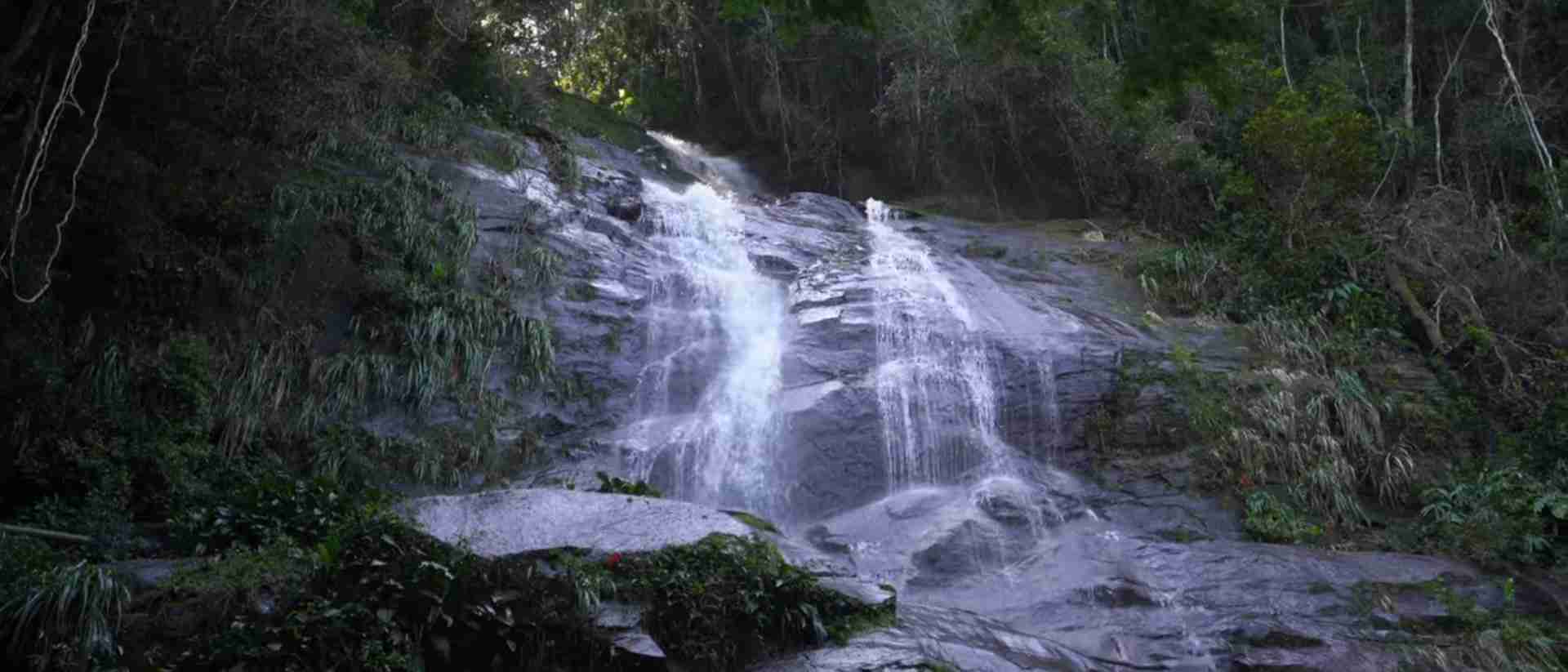
Cascatinha Taunay stands as Tijuca’s most accessible and photographed waterfall, cascading 30 meters over dark rock face into crystal-clear pool surrounded by lush Atlantic Forest vegetation. The paved 400-meter access path from parking area allows visitors of all mobility levels to experience significant rainforest waterfall within 15-20 minutes walking. The trail passes through dense forest featuring massive tree ferns, colorful bromeliads, and frequent wildlife sightings including marmosets, toucans, and various tropical birds. Interpretive signs along the route (Portuguese and English) explain forest ecology, reforestation history, and species identification.
The waterfall viewing platform provides optimal photography angles particularly morning hours (8-11 AM) when sunlight penetrates forest canopy illuminating falling water against shadowed rock face. The pool below the falls appears inviting but swimming remains prohibited due to water quality concerns and safety regulations protecting fragile ecosystem. The waterfall’s volume fluctuates seasonally, reaching peak flow December-March during wet season when water thunders over the ledge creating impressive displays. April-October dry season reduces flow to moderate cascading streams still visually impressive but less dramatic than wet season volumes.
Facilities at Cascatinha include restrooms at parking area, small snack bar (operates weekends and holidays) selling cold drinks and simple foods, and covered picnic areas popular with Brazilian families on weekend outings. Arrive early morning (before 10 AM) or late afternoon (after 3 PM) avoiding midday crowds when tourist buses and local families concentrate. The site charges R$15-25 parking fee but no admission charge for walking visitors arriving by public transport or drop-off. Budget 60-90 minutes total for complete experience including walking, viewing, photography, and return to parking area. Combine Cascatinha with other nearby trails (Vista Chinesa 15 minutes drive, Pico da Tijuca trailhead 10 minutes) creating efficient multi-site forest days.
Horto Waterfall and Trail Route
Horto Waterfall requires moderate 2.5-kilometer round-trip hike through pristine rainforest, offering more adventurous experience than paved Cascatinha access. The trailhead begins at Horto neighborhood (accessible via taxi/Uber or bus 409 from Botafogo) near Jardim Botânico district. Trail follows natural dirt path with moderate elevation gain crossing small streams over wooden bridges and navigating exposed tree roots requiring attention to footing. The 40-50 minute approach passes through magnificent forest sections featuring towering trees, hanging vines, and dense understory vegetation creating cathedral-like atmosphere filtered by high canopy.
The waterfall splits into two distinct cascades totaling approximately 35 meters height, plunging into rocky pools where swimming occurs despite official prohibition. The remote location and lack of ranger presence creates practical tolerance for careful swimmers respecting ecological sensitivity. Water quality remains excellent as streams originate high in protected watershed. The falls’ isolation means few visitors compared to Cascatinha, with weekday visits sometimes offering private waterfall experiences particularly during non-summer months. Wet season (November-March) creates impressive water volumes worth timing visits to experience full power, while dry season reduces flows to multiple smaller cascades still providing scenic beauty and swimming opportunities.
Trail difficulty reaches moderate level requiring reasonable fitness, proper hiking shoes, and comfort with natural trail conditions including stream crossings, muddy sections after rainfall, and occasional steep short climbs. The return uphill section proves more challenging than descent approach as accumulated fatigue combines with elevation gain. Budget 2-2.5 hours total for round-trip hike allowing swimming time and rest breaks. Bring towel if planning to swim, though bring small quick-dry travel towel rather than bulky beach towels. Waterproof bags protect phones, cameras, and valuables during stream crossings and around waterfall spray. No facilities exist at trailhead or waterfall; pack adequate water, snacks, and any needed supplies. The trail suits adventurous travelers seeking more authentic rainforest experience away from crowds, willing to accept moderate physical challenge for rewarding natural beauty.
Vista Chinesa Viewpoint and Surrounding Trails
Vista Chinesa (Chinese View) features distinctive pagoda-style pavilion at 380-meter elevation providing panoramic views across Rio including South Zone beaches, Rodrigo de Freitas Lagoon, and Christ the Redeemer statue. The viewpoint accessible via paved road allows vehicle access, making it popular stop for tour groups and casual visitors not attempting hiking trails. The site charges R$15 parking fee with small café selling drinks and snacks. Visit early morning (6-9 AM) for clearest atmospheric conditions before afternoon haze reduces visibility, and to photograph Christ the Redeemer with favorable front lighting.
Several hiking trails connect Vista Chinesa with other forest areas, including 1.5-kilometer path to Mesa do Imperador (Emperor’s Table) taking 30-40 minutes through shaded forest. This easy-moderate trail leads to historic stone table where Emperor Dom Pedro II supposedly held meetings surrounded by forest tranquility. The picnic area offers partial views and pleasant rest spot. Another trail connects Vista Chinesa to Cascatinha Taunay over 4 kilometers requiring 1.5-2 hours, creating option for hikers seeking longer forest immersion beyond individual site visits.
The viewpoint’s accessibility attracts crowds particularly Sunday mornings when Brazilian families combine forest visits with weekend outings. Weekday early morning visits (arriving 7-8 AM) provide quieter experiences with better photography light and wildlife activity. Some visitors arrive for sunrise watching dawn illuminate Rio’s landscape, requiring 5:30-6 AM arrivals depending on season. Security concerns existed historically but improved patrols and camera installations reduced incidents; maintain standard urban precautions avoiding displaying valuable items and remaining aware of surroundings. Budget 45-60 minutes for Vista Chinesa stop including walking around pavilion, photography, and enjoying views, or longer periods when combining with connecting trails.
Summit Hikes and Challenging Trails for 2026
Pico da Tijuca Summit Trail Complete Guide
Pico da Tijuca summit at 1,021 meters elevation represents Tijuca National Park’s highest point and most popular challenging day hike. The 3.5-kilometer one-way trail gains 600 meters elevation over 2-2.5 hours ascent requiring good fitness and determination. Trailhead begins at Bom Retiro parking area (accessible via taxi/Uber from Copacabana R$70-95, 35-45 minutes) with clear trail marking following orange blazes and occasional stone steps. Early morning starts (7-8 AM departure) allow summit arrivals before clouds obscure views and provide cooler hiking temperatures reducing heat stress.
The trail divides into distinct sections progressing from shaded forest floor through increasingly open terrain to exposed summit rocks. Lower sections traverse dense Atlantic Forest with massive trees, hanging vines, and frequent wildlife encounters including monkeys, toucans, and colorful butterflies. Middle sections steepen significantly with sustained climbing over natural terrain and constructed stone steps. Several rest platforms provide breather opportunities and partial views motivating continued effort. Upper sections emerge from forest canopy onto exposed ridgeline requiring hands-on-rock scrambling over granite outcrops, though technical difficulty remains manageable for average physical fitness without climbing gear requirements.
Summit rewards physical effort with 360-degree panoramas encompassing entire Rio landscape. Views include Sugarloaf Mountain, Guanabara Bay, Atlantic coastline extending north and south, Christ the Redeemer statue, downtown Centro, and surrounding mountain peaks. Clear morning conditions November-March (wet season) paradoxically offer best visibility as afternoon rainfall scrubs atmospheric pollution and dust. Dry season April-October provides more reliable clear weather but slightly hazier atmospheric conditions. Summit space accommodates 15-20 people comfortably with flat granite surfaces ideal for rest breaks and photography. Cellular signals occasionally work at summit allowing communication and photo sharing though not reliable for emergency communications.
Trail Logistics and Safety Considerations
Descent from Pico da Tijuca takes 1.5-2 hours following same route as ascent, with downhill pressure on knees and toes requiring proper footwear and careful foot placement on steep sections. Total round-trip hiking time reaches 4-5.5 hours for average fitness hikers including 30-45 minute summit rest. Add transportation time (35-45 minutes each way) and logistics buffer creating 6-8 hour total trip duration from beach accommodations. Proper timing prevents rushing and reduces injury risks from hasty movements over uneven terrain. Start hikes early morning (depart accommodations 6:30-7 AM) allowing summit arrival 9:30-11 AM with descent completion before afternoon heat peaks.
Water and snack requirements increase for summit attempts compared to shorter trail options. Carry minimum 2.5-3 liters water per person as physical exertion, heat, and elevation combine creating significant dehydration risks. No water sources exist along trail; what you carry determines your supply. Pack high-energy snacks including nuts, dried fruits, energy bars, and sandwiches providing sustained energy for 4-5 hour physical exertion. Avoid heavy meals before hiking as digestive demands compete with muscle energy needs and stomach discomfort hampers performance. Eat light breakfast 2-3 hours before starting, snack regularly during hike maintaining steady energy levels rather than waiting until depleted.
Trail conditions vary seasonally with wet season (November-March) creating muddy sections and occasional waterlogged areas requiring careful foot placement. Dry season (April-October) provides drier footing though exposed roots and rocks still require attention. Weather changes rapidly in mountainous terrain with summit conditions differing significantly from base elevations. Morning summit temperatures may reach 15-18°C (cooler than 25-28°C at parking area) while afternoon sun exposure creates 30+ degree heating. Layer clothing starting with moisture-wicking base layer, bringing light jacket for summit cool and potential rain protection. Leave cotton fabrics at hotel as wet cotton loses insulating properties and dries slowly in humid conditions. Synthetic or wool materials maintain warmth when damp and dry faster after sweating or rain exposure.
Pedra da Gávea Advanced Technical Climb
Pedra da Gávea rises 842 meters as Rio’s most iconic monolithic peak featuring distinctive profile visible from beaches and famous difficult summit route. The climb requires technical rock climbing skills, specialized equipment (harness, helmet, ropes), and mandatory certified guide accompaniment as park regulations prohibit independent attempts on technical routes. The 6-8 hour round-trip expedition combines hiking through lower forest sections with exposed rock scrambling and vertical climbing passages including the notorious Carrasqueira section—a 20-meter near-vertical rock face requiring rope assistance and upper body strength.
Guided climbs cost R$350-450 per person including all necessary technical equipment, experienced guide, and small group sizes (typically 2-6 climbers maximum). Operators require participants to demonstrate reasonable fitness, complete pre-climb safety briefings, and sign liability waivers acknowledging inherent risks. Previous rock climbing experience proves beneficial though not strictly required as guides provide instruction and assistance throughout technical sections. However, significant fear of heights creates serious problems on exposed passages where psychological comfort with vertical exposure proves as important as physical capabilities.
Summit views rival or exceed Pico da Tijuca perspectives with added drama of exposed position creating sensation of floating above landscape. The flat summit platform (approximately 20×30 meters) provides safe rest area contrasting sharply with exposed climbing passages. Some adventurous hang gliders launch from summit flying down to São Conrado beach, though this requires separate specialized training and permits beyond climbing expertise. Booking requirements extend 2-3 weeks ahead particularly during dry season peak months (June-August) when favorable conditions attract maximum climber interest. Winter months (June-September) provide most stable weather patterns with less afternoon rain risk, though year-round climbing occurs with flexible scheduling around weather windows. This climb suits adventure-seeking travelers with good fitness, comfort with heights, and willingness to accept physical and psychological challenges for extraordinary summit experience.
Wildlife Encounters and Nature Photography for 2026
Common Species and Wildlife Viewing Strategies
Tijuca’s diverse ecosystem hosts impressive wildlife populations considering urban proximity. Marmosets (small New World monkeys) appear frequently along popular trails, particularly near Cascatinha Taunay and Vista Chinesa where habituated families accept close human presence. These diminutive primates (20-30cm body length) display curiosity toward hikers, often approaching within 2-3 meters seeking food offerings. Feeding wildlife remains prohibited as human food creates health problems and dependency behaviors altering natural foraging patterns. Observe and photograph without interaction, maintaining respectful distance allowing natural behaviors.
Bird diversity includes 350+ species ranging from colorful tanagers and toucans to numerous hummingbird species and endemic Atlantic Forest specialties. Early morning hours (6-9 AM) provide peak bird activity as species forage after night’s rest and vocalize for territory establishment. Bring binoculars (8×42 or 10×42 magnification) enhancing distant bird observation in forest canopy. Keen-eyed visitors spot toucans (particularly Toco Toucan with distinctive orange bill), various parrots and parakeets, and occasional harpy eagles soaring above forest. Reptiles including various lizard species, occasional snakes (most non-venomous though venomous species exist requiring caution), and tree frogs populate diverse habitats.
Larger mammals remain elusive due to nocturnal habits or shy temperaments but include ocelots, coatis, and rarely-seen jaguarundis. Capybaras (world’s largest rodents, 50-60kg adults) inhabit waterside areas particularly near park boundaries. Insect diversity astounds with countless butterfly species, impressive walking stick insects, and colorful beetles. The forest’s ecological health supports this biodiversity, contrasting with fragmented Atlantic Forest remnants elsewhere. Photography opportunities abound for patient observers willing to move slowly, remain quiet, and watch for wildlife movements. Wide-angle lenses (16-35mm) capture forest atmosphere and trail context while telephoto lenses (70-200mm or longer) allow frame-filling wildlife portraits from respectful distances.
Photography Tips and Best Locations
Rainforest photography presents technical challenges including low light levels under dense canopy, high contrast between bright sky and shadowed forest floor, and humidity effects on equipment. Shoot in RAW format providing maximum post-processing flexibility for recovering shadow details and managing exposure. Increase ISO settings (800-1600) maintaining adequate shutter speeds preventing motion blur from hand-held shooting in dim light. Bring protective rain cover or waterproof camera housing as afternoon showers develop rapidly and humidity levels remain constantly high.
Waterfalls benefit from multiple exposure strategies depending on desired effects. Fast shutter speeds (1/250 second or faster) freeze water motion capturing individual droplet details and texture. Slow shutter speeds (1-4 seconds) create silky water flow effects using tripod for camera stability during long exposures. Polarizing filters reduce water surface glare and enhance color saturation in foliage. Morning light (8-11 AM) provides best illumination for Cascatinha Taunay with sunlight penetrating from favorable angles. Horto Waterfall’s forest enclosure creates challenging lighting but afternoon visits (1-3 PM) occasionally receive sun rays penetrating canopy at specific angles creating magical light effects.
Panoramic viewpoints including Pico da Tijuca summit and Vista Chinesa require wide-angle lenses (16-24mm on full-frame, 10-16mm on crop sensor) capturing expansive landscapes. Shoot early morning for clearest atmosphere before haze accumulates. Include foreground interest (rocks, vegetation, architectural elements) creating depth and visual anchors rather than relying solely on distant cityscapes. Summit photography benefits from waiting for dynamic cloud movements and changing light conditions rather than accepting initial conditions upon arrival. Wildlife photography requires patience, quiet movement, and ethical practices maintaining respectful distances without harassing animals for photographs. The forest’s consistent warmth and humidity creates fog on lenses when entering air-conditioned vehicles or buildings; wipe lenses carefully with microfiber cloths preventing moisture damage and maintaining optical clarity.
Organized Tour Options vs. Independent Exploration for 2026
Guided Tour Benefits and Operator Recommendations
Professional guided tours provide multiple advantages for Tijuca exploration particularly for first-time visitors, travelers uncomfortable with independent navigation, or those seeking deeper ecological and historical context. Guides navigate efficiently to trail systems, explain forest ecology and reforestation history during walks, identify wildlife and plant species otherwise passing unnoticed, and provide safety oversight including route-finding and first-aid capabilities. English-speaking guides eliminate language barriers when reading trail signs or seeking local information. Tours include round-trip transportation from beach hotels removing coordination logistics and return taxi arrangements from remote trailheads.
Rio Hiking offers small-group tours (maximum 8 participants) led by certified guides combining Tijuca hiking with cultural interpretation. Their half-day Pico da Tijuca tour costs R$180 per person including transportation, water, snacks, and 4-5 hour guided experience. Book via riohiking.com.br 7-14 days ahead depending on season. Jungle Me specializes in Atlantic Forest ecology tours emphasizing biodiversity and conservation education. Their full-day forest immersion costs R$280 per person covering multiple trails, waterfall visits, and comprehensive natural history interpretation. Small group sizes (4-6 maximum) allow personalized pacing and detailed questions. Book through jungleme.com.br minimum 10 days advance.
Private custom tours through Get Your Guide or Viator platforms cost R$450-650 per person for 2-4 participants offering completely flexible itineraries. These services accommodate specific interests (birdwatching focus, photography-oriented pacing, family-friendly moderate routes) and unusual schedules (sunrise summit attempts, full-day multi-trail exploration). Book 14-21 days ahead providing detailed preference information. Tour quality varies significantly across operators; research reviews carefully and verify guide credentials particularly for technical climbs like Pedra da Gávea where safety depends on proper equipment and expert leadership. Look for operators with certified national park guides, comprehensive liability insurance, and established safety protocols visible in their booking information and pre-tour communications.
Independent Hiking Planning and Navigation
Self-guided Tijuca exploration offers maximum flexibility, budget savings, and opportunities for personal pace and spontaneous discoveries. Independent hiking suits travelers with outdoor experience, comfortable navigation using maps and trail markers, and Portuguese language abilities aiding communication with local visitors and park staff. Free admission eliminates entry costs, with only transportation (R$15-35) and minimal gear expenses creating R$50-80 daily budgets compared to R$150-280 for organized tours. This approach requires thorough pre-trip research including downloading offline maps, studying trail descriptions, and understanding transportation logistics for various trailheads.
Essential resources include Maps.me and Google Maps offline downloads covering Tijuca National Park area. These apps function without cellular data using GPS for position tracking against downloaded trail maps. Park website (parquedatijuca.com.br, Portuguese language) provides official trail information though English resources remain limited. WikiLoc app hosts user-contributed GPS tracks for popular trails showing actual routes followed by previous hikers, helping verify correct paths when trail markings become ambiguous. Print backup paper maps from online sources as technology backup when phone batteries die or GPS signals fail in dense forest canopy.
Independent hiking safety requires conservative decision-making and proper preparation. Share itinerary details with hotel staff including planned trail, expected return time, and emergency contacts. Start hikes early morning allowing ample time for completion before afternoon storms and darkness. Turn back if trail conditions exceed comfort levels or weather deteriorates rather than pushing forward into potentially dangerous situations. Join other hikers when possible creating informal groups providing mutual assistance if problems arise. The park’s popularity means popular trails like Pico da Tijuca and Cascatinha usually have other visitors nearby, though more remote trails may see limited traffic requiring greater self-sufficiency. Independent exploration works best for travelers with outdoor experience and comfort handling unexpected situations, while first-time rainforest visitors benefit significantly from professional guide expertise and safety oversight.
Sample Itineraries for 2026 Forest Experiences
Half-Day Waterfall and Easy Trails Experience
This accessible 5-6 hour program suits families, casual hikers, and visitors seeking rainforest immersion without challenging summit climbs. Depart accommodations 8 AM via Uber to Cascatinha Taunay (R$75-95 from Copacabana, 35-40 minutes). Arrive 8:45 AM walking paved 400-meter trail to waterfall over 15-20 minutes. Spend 45-60 minutes at falls photographing, observing wildlife, and absorbing rainforest atmosphere. Return to parking area 10:15-10:30 AM continuing via short taxi ride (R$15-20, 10 minutes) to Vista Chinesa pagoda viewpoint.
Explore Vista Chinesa 10:45-11:45 AM enjoying panoramic Rio views and walking short connecting trail to Mesa do Imperador (30-40 minutes round-trip, easy difficulty). The historic stone table provides pleasant forest rest spot and partial views. Return to Vista Chinesa parking area for cold drinks at small café (R$8-15 per beverage, light snacks R$12-20). Depart Vista Chinesa 12:30 PM via Uber return to accommodations (R$70-90, 35-40 minutes arriving 1:15-1:30 PM) or continue to nearby neighborhoods like Jardim Botânico for lunch.
Transportation R$175-220, parking fees R$30-50, snacks and drinks R$20-35. Total cost: R$225-305 per person. This itinerary provides comprehensive forest introduction covering major accessible highlights without significant physical demands, suitable for all ages and fitness levels. Timing allows return to hotels for afternoon beach time or other Rio activities, efficiently integrating forest experience into broader city exploration schedules.
Full-Day Pico da Tijuca Summit Challenge
Comprehensive summit hiking day requires early start, good fitness, and full commitment. Depart accommodations 6:30 AM via arranged taxi/Uber to Bom Retiro trailhead (R$70-95, 35-45 minutes). Arrive 7:15-7:30 AM beginning immediate summit attempt. Pack substantial breakfast eaten en route or upon arrival allowing early trail start before heat intensifies. The 3.5-kilometer ascent takes 2-2.5 hours for average fitness hikers, reaching summit 9:45-10:30 AM ideal timing for clearest views before afternoon clouds.
Rest at summit 45-60 minutes enjoying views, eating packed lunch, photographing Rio panorama. Cellular signals occasionally allow social media updates though not reliable. Begin descent 10:30-11:30 AM taking 1.5-2 hours careful downhill walking arriving parking area 12:15-1:00 PM. Continue exploration via taxi to Vista Chinesa (R$15-20) for different perspective views and rest stop. Alternatively, brave hikers attempt connecting trail from Pico da Tijuca to Cascatinha Taunay (4 kilometers, additional 1.5-2 hours) creating extended forest immersion though this requires excellent fitness and adequate time management.
Depart forest area 2:30-3 PM via Uber return to accommodations (R$70-90) arriving 3:15-3:45 PM. Total costs: Transportation R$155-205, parking R$15-25, snacks and lunch (packed from hotel or purchased previous day) R$25-40. Complete day total: R$195-270 per person. This intensive hiking day delivers significant physical satisfaction and spectacular views rewarding effort investment. Requires good fitness and mental commitment to sustained physical exertion, unsuitable for casual hikers or those with knee problems struggling with sustained downhill walking. Rest day following summit attempt proves advisable as legs recover from extended climbing.
Photography-Focused Multi-Location Forest Tour
Specialized photography itinerary optimizes morning light and multiple scenic locations. Depart accommodations 5:45 AM via arranged taxi reaching Vista Chinesa for sunrise arrival 6:30-6:45 AM (exact timing varies seasonally). Photograph pagoda silhouetted against dawn sky, capturing Christ the Redeemer with favorable front lighting and Rio landscape emerging from darkness. Spend 60-75 minutes shooting multiple angles and compositions as light changes during golden hour. Depart Vista Chinesa 7:45-8 AM continuing via taxi to Cascatinha Taunay (R$15-20, 10 minutes).
Arrive Cascatinha 8-8:15 AM during optimal waterfall lighting as sun penetrates forest canopy from favorable angles. Shoot waterfall using multiple techniques including fast shutter freezing motion and slow shutter creating silk water effects. Photograph forest atmosphere along access trail capturing ferns, bromeliads, and filtered canopy light. Wildlife activity peaks during early morning providing bird photography opportunities. Spend 90-120 minutes comprehensive photography session. Depart Cascatinha 10-10:30 AM returning toward city stopping at roadside viewpoints (numerous pullouts along descent road) capturing Rio cityscape with morning light still favorable.
Conclude forest area 11:30 AM-12 PM via Uber return to accommodations (R$75-95) arriving 12:30-1 PM. Total costs: Early morning taxi surcharge R$90-120 (pre-dawn travel commands premium), inter-forest transport R$15-20, return taxi R$75-95, parking fees R$30-50, drinks R$15-25. Complete morning total: R$225-310 per person. This itinerary captures Tijuca’s photographic highlights during optimal light conditions unavailable during standard tour times. Requires discipline for early departure but rewards with superior images and nearly empty locations providing composition freedom without crowd management. Photographers bring backup batteries, memory cards, and complete gear including wide-angle and telephoto lenses, tripod for long exposures, and protective rain covering.
Practical Planning Strategies for 2026
Seasonal Timing and Weather Considerations
Choosing optimal timing for Tijuca visits balances weather reliability, crowd levels, and seasonal natural phenomena. Brazilian winter (June-August) provides most stable weather patterns with less rainfall and clearer skies increasing summit view reliability. These months bring cooler temperatures 16-24°C creating comfortable hiking conditions though morning starts may feel chilly requiring light layers. Winter represents peak tourist season overall in Rio due to Northern Hemisphere summer vacation timing, bringing moderate crowds to popular trails though far less congested than beach neighborhoods.
Shoulder seasons (April-May and September-November) balance favorable weather with lower visitor numbers and good value timing. April-October dry season reduces rainfall though occasional showers occur unpredictably. These months provide comfortable temperatures 20-28°C without summer extremes. Waterfalls maintain moderate flows (reduced from wet season peaks but still impressive) and trail conditions remain good with minimal mud. September-November brings spring flowering with numerous Atlantic Forest species blooming creating colorful forest understory and attracting pollinators including hummingbirds and butterflies.
Wet season (November-March) coincides with Rio’s hottest months and heaviest rainfall but offers tradeoffs including fuller waterfalls, lusher vegetation, and fewer international tourists. Morning hikes (departing 7-8 AM) typically complete before afternoon thunderstorms arriving 2-4 PM. This timing strategy requires discipline for early starts but successfully avoids most precipitation while experiencing cooler morning temperatures. Wet season brings higher humidity increasing physical exertion perception but creates fantastic atmospheric conditions for photography with dramatic cloud formations and occasional mist in valleys. Be prepared for sudden rain with waterproof jacket always in pack regardless of morning weather appearance.
Combining Forest with Other Rio Activities
Tijuca experiences integrate efficiently into broader Rio itineraries without requiring dedicated forest-only days for shorter hikes. Half-day forest visits combining Cascatinha and Vista Chinesa complete in 5-6 hours allowing afternoon beach time, city exploration, or rest after morning physical activity. This approach works well for 4-7 day Rio visits where dedicating entire days to forest seems excessive. Morning forest visits provide coolest temperatures and clearest views, with afternoon returns to accommodations allowing showering before evening dining and entertainment.
Full-day summit attempts or multi-trail explorations deserve dedicated day status recognizing significant physical investment and time requirements. Schedule these intensive forest days mid-trip after acclimatizing to Rio’s heat and humidity but before exhaustion accumulates from busy sightseeing schedules. Follow strenuous hiking days with less physically demanding activities like museums, neighborhood walking tours, or beach relaxation allowing muscle recovery. This pacing prevents overexertion injuries and maintains energy levels throughout Rio stays.
Consider Cristo Redentor visits in relation to forest planning as Christ the Redeemer sits within Tijuca National Park boundaries. Some visitors combine Cristo visit with forest hiking though practical logistics challenge this integration. Cristo access via cog railway or van services focuses on statue experience rather than forest immersion, while forest hiking prioritizes nature and trails over monument tourism. Most visitors optimize each experience separately: Cristo visit as standalone 3-4 hour trip and forest hiking as distinct nature-focused day. This separation provides better appreciation for each attraction’s unique qualities rather than rushed combined itineraries satisfying neither goal fully.
Budget Planning and Money-Saving Strategies
Tijuca’s free admission creates excellent value for budget-conscious travelers willing to handle independent logistics. Transportation represents largest expense with round-trip taxi/Uber costs R$140-190 from Copacabana to main trailheads. Budget approach uses public buses R$9.40 round-trip though adds 90-120 minutes transit time compared to 70-90 minute taxi round-trip. For groups of 3-4 travelers, taxi per-person costs approach bus fares while providing significantly faster, more comfortable transportation. Pack food and drinks from supermarkets or hotel breakfast buffets rather than purchasing at limited park food stalls charging premium prices.
Organized tours cost R$150-280 per person but include transportation, guide services, and safety oversight potentially justifying premium for travelers valuing these benefits over budget savings. Calculate cost-benefit comparing independent visit (R$50-80 including transport and supplies) versus guided tour (R$150-280) considering time savings, educational value, and convenience factors. First-time visitors or those uncomfortable with independent outdoor exploration often find tour investments worthwhile, while experienced hikers and repeat visitors maximize budget efficiency through self-guided approaches.
Equipment rental possibilities remain limited in Rio with most outdoor gear requiring purchase or bringing from home. Basic hiking shoes, backpacks, and water bottles available at sporting goods stores like Decathlon with locations in Barra da Tijuca and other districts. Budget R$150-300 for basic hiking shoe purchase if arriving without appropriate footwear. Sunscreen, insect repellent, and first-aid supplies available at pharmacies citywide. These purchases amortize across multiple days and activities rather than single-use forest visits. Minimalist approach using existing athletic shoes, regular backpacks, and careful preparation reduces gear costs while still maintaining safe enjoyable forest experiences for moderate trail difficulties.
Frequently Asked Questions
Do you need a guide for Tijuca Forest hiking?
Guides remain optional for popular trails including Pico da Tijuca, Cascatinha Taunay, and Vista Chinesa as these well-marked routes see regular traffic and maintain park ranger oversight. Self-guided hiking works well for experienced outdoor enthusiasts comfortable with navigation, Portuguese language basics, and independent problem-solving. However, guides provide significant value through ecological education, wildlife identification, safety oversight, and efficient navigation maximizing limited vacation time. Technical routes like Pedra da Gávea require certified guides by park regulation as exposed climbing sections demand proper equipment and expert management. First-time rainforest visitors benefit substantially from professional guide expertise explaining forest dynamics, pointing out easily-missed wildlife, and providing cultural-historical context enriching experiences beyond simple trail walking. Independent hikers should download offline maps, inform hotel staff of plans, and maintain conservative decision-making turning back if conditions exceed comfort levels.
Can you swim in Tijuca Forest waterfalls?
Official park regulations prohibit swimming at waterfalls due to water quality concerns and liability issues, with signs posted at popular falls including Cascatinha Taunay enforcing no-swimming policies. However, enforcement varies by location with Cascatinha maintaining visible ranger presence preventing swimming while more remote falls like Horto operate with minimal supervision. Practical reality shows local visitors swimming at Horto and other isolated falls accepting personal risk regarding water quality and safety. Water purity remains generally excellent as streams originate high in protected watershed, though some risk exists from natural parasites and bacteria present in any wild water source. Swimmers accepting these risks should avoid immersing heads, prevent water ingestion, and shower promptly after leaving forest. Rocks surrounding pools create slip hazards and occasional injuries occur from falls on wet surfaces. No lifeguards or rescue services exist at remote waterfalls placing complete responsibility on individual judgment. Consider these factors when deciding whether personal risk tolerance aligns with unofficial swimming at remote locations.
What wildlife dangers exist in Tijuca Forest?
Tijuca presents minimal wildlife dangers with no large predators threatening humans and most species displaying shy temperaments avoiding human contact. Venomous snakes including jararaca pit vipers inhabit the forest but encounters remain rare as snakes detect vibrations from footsteps and retreat before hikers arrive. Wear closed-toe hiking shoes, watch foot placement on trails, and avoid reaching into dark crevices where snakes may rest. No recorded deaths from snake bites occur in recent park history as encounters remain extremely uncommon. Insects represent primary concern with mosquitoes potentially carrying dengue, though transmission risks remain low in forest compared to urban areas. Apply DEET-based repellent preventing bites. Some caterpillars possess urticating hairs causing skin irritation if touched; admire without handling. Bees and wasps occasionally nest near trails; avoid disturbing and leave area quickly if encountering swarms. The forest lacks large mammals like jaguars or bears threatening hikers. Marmosets may approach hoping for food but pose no threat beyond potential minor scratches if attempting to grab items. Following basic wilderness precautions including watching footing, avoiding wildlife interaction, and using insect protection allows safe enjoyable forest experiences.
How fit do you need to be for Pico da Tijuca?
Pico da Tijuca summit requires good general fitness with ability to sustain 2-2.5 hours uphill hiking over 3.5 kilometers gaining 600 meters elevation. Comparable fitness includes regular cardio exercise 3-4 times weekly, comfort walking uphill for 30+ minutes continuously, and healthy cardiovascular systems. Previous hiking experience helps but perfect training specificity is not required. The trail’s moderate-to-challenging difficulty exceeds casual fitness levels but remains achievable for regular exercisers without athlete-level conditioning. People who jog regularly, attend fitness classes consistently, or maintain active lifestyles generally complete the summit successfully allowing adequate time and rest breaks. Honest self-assessment prevents problematic situations as trail lacks easy exit options once committed to upper sections. Test fitness on shorter Tijuca trails like Horto Waterfall approach before attempting summit, building confidence and understanding personal capabilities. Rio’s constant warmth and 70-85% humidity intensify physical exertion compared to temperate climate hiking; visitors from cooler regions experience elevated perceived difficulty. Allow 4-5.5 hours total including ascent, summit rest, and descent. Conservative pacing with regular rest breaks proves more successful than rushing attempting fast completion times.
What should you wear for Tijuca hiking in 2026?
Proper hiking attire balances sun protection, comfort during physical exertion, and adaptation to rapid weather changes. Wear moisture-wicking synthetic or merino wool shirts avoiding cotton which retains sweat and loses insulating properties when wet. Lightweight long-sleeve hiking shirts provide sun protection and prevent insect bites while maintaining coolness through technical fabrics. Quick-dry hiking pants or shorts work equally well; shorts offer better cooling but expose legs to insects and sun requiring additional protection through repellent and sunscreen. Closed-toe hiking shoes or trail runners with good ankle support and aggressive tread prove essential as regular sneakers lack adequate traction on wet rocks, roots, and muddy sections. Bring lightweight rain jacket or poncho as afternoon thunderstorms develop rapidly particularly November-March, though even dry season experiences occasional precipitation. Wide-brimmed hat provides facial sun protection during exposed sections while maintaining better cooling than enclosed baseball caps. Sunglasses protect eyes from UV exposure during ridgeline and summit sections. Pack light jacket for summit cool as temperatures drop 4-6°C at 1,000-meter elevations compared to sea level. Avoid jeans, cotton t-shirts, sandals, flip-flops, and casual footwear insufficient for trail conditions. Layer clothing allowing adjustments as exertion levels and environmental conditions change throughout hikes.
Are there restrooms and facilities on Tijuca trails?
Facilities vary dramatically by location with popular areas offering basic amenities while remote trails lack any services. Cascatinha Taunay parking area provides restrooms, though conditions vary depending on maintenance schedules and visitor traffic. Vista Chinesa has restrooms and small café selling drinks and snacks during operating hours (typically 8 AM-5 PM though hours vary). Pico da Tijuca trailhead at Bom Retiro has no facilities beyond parking area. Summit trails lack any restrooms or services requiring visitors to plan accordingly. Bring sufficient toilet paper in waterproof bag as emergency backup for remote trail needs, practicing proper Leave No Trace ethics by carrying out all waste. No water fountains exist along trails as streams flow from natural sources potentially containing parasites. Carry all required water from base areas. Some trailheads like Alto da Boa Vista have visitor centers with restrooms during staffed hours but schedules vary. Plan bathroom stops at accommodations, restaurants, or cafes before beginning hikes. Gas stations along routes to park entrances provide reliable restroom access though purchasing small items (drinks, snacks) represents courteous protocol when using facilities. The forest’s remote nature requires self-sufficiency regarding personal needs as rescue services and facilities remain limited or non-existent throughout trail systems.
Can you visit Tijuca Forest with young children?
Family-friendly forest experiences exist for children depending on age and fitness. Cascatinha Taunay’s 400-meter paved path suits all ages including strollers, providing accessible rainforest immersion and impressive waterfall within 15-20 minutes walking. The trail’s gentleness allows young children (3-10 years) to complete independently with parental supervision. Vista Chinesa viewpoint reached via vehicle provides panoramic views without hiking requirements suitable for all mobility levels. These sites combined create excellent half-day family outing introducing children to rainforest without challenging hiking demands. Picnic facilities at Cascatinha allow extended stays with food brought from hotels or purchased previously. School-age children (8-12 years) with regular outdoor experience handle moderate trails like Horto Waterfall approach successfully when properly paced with frequent rest breaks. The 2.5-kilometer round-trip takes 2-2.5 hours allowing children to develop outdoor skills in beautiful setting. Pico da Tijuca summit proves too strenuous for most children under 12 as sustained uphill hiking and 4-5 hour duration exceed typical child endurance. Teenagers with good fitness manage summit attempts successfully when motivated. Consider children’s temperaments regarding sustained physical activity, attention spans for nature observation, and adaptability to heat and humidity. Bring extra snacks, adequate sun protection, and entertainment devices for rest periods maintaining positive attitudes throughout outings. Family tours with guides provide educational value and safety oversight helping parents manage logistics while children engage with professional interpretation.
Do cellular phones work in Tijuca Forest?
Cellular signals remain weak, intermittent, or completely absent throughout most Tijuca trails. The dense forest canopy, mountainous terrain, and distance from cellular towers create reception dead zones across large portions of the park. Some locations including Vista Chinesa, Cascatinha Taunay parking areas, and occasionally Pico da Tijuca summit provide limited signals allowing brief messages or emergency calls, but mid-trail sections lack any connectivity. Download offline maps (Maps.me, Google Maps) before entering forest as navigation apps requiring data connections fail without signals. Save important contact numbers (hotel, emergency services 192 ambulance/190 police, park rangers) directly in phone allowing dialing without internet-based services. Bring fully charged portable battery packs extending phone usage for photography and emergency situations. The connectivity limitations necessitate informing hotel staff about hiking plans including expected return times as communication during hikes proves impossible if problems arise. This isolation actually enhances forest immersion experience for some visitors appreciating disconnection from constant digital connectivity, though requires mental adjustment and planning acknowledging self-sufficiency needs without technology backup. Consider renting portable satellite communicators (Garmin inReach or similar) for extended remote hiking if absolute emergency communication capacity seems necessary, though most visitors manage successfully without these specialized devices through proper preparation and conservative decision-making.
What is the best physical preparation before visiting Tijuca Forest?
Optimal preparation begins 4-6 weeks before Rio trips allowing gradual fitness development without overtraining injuries. Cardiovascular conditioning forms foundation through regular aerobic exercise including brisk walking, jogging, cycling, or swimming 30-60 minutes sessions 3-4 times weekly. Increase intensity gradually over preparation period building endurance for sustained effort. Stair climbing specifically trains for uphill hiking demands; incorporate regular stair workouts or incline treadmill walking developing leg strength and cardio capacity simultaneously. Add weight to backpack during training walks simulating actual hiking conditions with water, supplies, and gear creating realistic weight distribution experience. Practice hiking in expected footwear breaking in new shoes preventing blisters and identifying comfort issues requiring equipment adjustments before trip. Heat adaptation proves challenging for visitors from temperate climates; if possible, conduct training during warmer weather or overdressed conditions acclimating body to exertion in heat and humidity. Flexibility and balance training reduces injury risks on uneven trail surfaces; simple yoga or stretching routines maintain joint mobility and core strength. Adequate sleep, proper nutrition, and hydration optimization during preparation period establish healthy baselines continuing through travel. Visitors without preparation time still manage Tijuca successfully through conservative pacing, frequent rest breaks, and appropriate trail selection matching fitness levels, though preparation significantly enhances enjoyment and reduces physical stress during challenging summit attempts.