
Constanta Travel Guide 2026: Black Sea Coast & Danube Delta Gateway
Constanta anchors Romania’s Black Sea coast where ancient Roman ruins meet sandy beaches and the mighty Danube Delta begins its UNESCO-protected spread into Europe’s largest wetland wilderness. This 2,500-year-old port city combines beach resort energy in nearby Mamaia with genuine historical depth in the Old Town, serving as the primary gateway for travelers bound for the Danube Delta’s labyrinthine waterways and spectacular birdlife while offering compelling attractions in its own right from the Art Nouveau Casino to the Great Mahmudiye Mosque.
Key Takeaways:
- Budget-Friendly Black Sea Access 2026: Constanta delivers exceptional value with budget travelers spending $45-75 per person daily (two sharing budget accommodations), mid-range visitors investing $95-140 per person daily, and luxury travelers enjoying premium experiences for $155-240 per person daily including Black Sea beachfront hotels and fresh seafood dining.
- Dual-Destination Gateway: The city functions as both a standalone destination with Roman archaeology and beach culture, and the essential launching point for Danube Delta excursions, positioned 140 miles east of Bucharest with hourly train connections taking 2 hours 12 minutes for $10-30.
- Seasonal Pricing Variations 2026: Hotel rates fluctuate dramatically from February lows averaging $45 per night to September peaks reaching $181 per night, while beach season June-September drives restaurant and activity pricing upward by 30-40% compared to off-season rates.
- Danube Delta Access Hub: Day tours to the UNESCO Danube Delta start from €79 ($85) from Constanta, with Tulcea-based boat excursions costing €25 ($27) per person for 3-hour wildlife viewing trips through Europe’s premier birdwatching destination accessible via organized tours or independent travel.
- Transportation Excellence: Constanta Railway Station connects hourly to Bucharest (departures 6:00 AM-8:30 PM) with buses providing alternative service at $8-21, while local public transport networks 21 routes of buses, trams, and trolleybuses covering all major attractions at minimal cost.
- Historical Depth Beyond Beaches: Romania’s oldest continuously inhabited city offers substantive cultural attractions including the National Museum of History and Archaeology, Ovid Square commemorating the exiled Roman poet, and the iconic Casino building showcasing Art Nouveau architecture overlooking the Black Sea promenade.
People Also Ask About Constanta 2026
How much does a trip to Constanta cost per day in 2026?
Daily costs in Constanta range $45-75 per person for budget travelers sharing hostel dormitories or budget hotels, $95-140 per person daily for mid-range visitors staying in 3-star hotels, and $155-240 per person daily for luxury travelers in 4-5 star beachfront properties. These figures assume two people sharing accommodation with hotel rates divided equally, and include all meals, local transportation, and attraction admissions. Budget travelers utilize hostels at 60-100 RON ($12-20) per bed or budget hotels at 180-280 RON ($37-57) per room, eat at inexpensive restaurants for 40-100 RON ($8-20) per meal, and rely on public transport. Mid-range visitors book 3-star hotels averaging 460-570 RON ($95-117) per room, dine at mid-range restaurants spending 100-150 RON ($20-30) for dinner, and use a mix of public transit and occasional taxis. Luxury travelers select 4-5 star hotels at 710-1,060 RON ($146-217) per room, enjoy upscale dining experiences, and utilize private transfers.
What is the best time to visit Constanta in 2026?
June through early September 2026 represents peak season for Constanta with beach weather averaging 24-28°C water temperatures, full hotel occupancy, and maximum attraction operating hours, though prices peak in September with hotels averaging $181 per night compared to February’s $45 average. May and late September offer the sweet spot of pleasant weather 18-24°C, reduced crowds, and shoulder-season pricing 20-30% below summer peaks while maintaining access to most beach facilities and restaurants. Winter months December-February deliver the lowest hotel rates and minimal tourist presence but cold temperatures 0-8°C, limited beach access, and reduced restaurant hours, making this period suitable only for travelers prioritizing historical attractions, museum visits, and significant budget savings over beach activities. Spring April-May brings moderate temperatures 12-18°C, wildflowers in surrounding areas, and hotel rates 30-40% below summer while Danube Delta birdwatching activity increases as migratory species arrive.
How do I get from Bucharest to Constanta in 2026?
Romanian Railways operates hourly direct trains from Bucharest North Station (Gara de Nord) to Constanta Railway Station covering 127 miles in 2 hours 12 minutes to 2 hours 36 minutes, with tickets costing $10-30 depending on class and booking timing. Departures run from 6:00 AM first train to 8:30 PM last departure, offering second class seats, first class compartments, and overnight sleeper options for various price points. FlixBus and competing operators run buses from Bucharest Autogara Militari to Constanta bus terminal 5 times daily, taking 3 hours 15 minutes and costing $8-21, providing a budget alternative though slower than rail. Private taxis charge 700-900 RON ($150-195) for the 2.5-hour direct drive offering door-to-door convenience for groups of 3-4 splitting costs. Booking train tickets advance through Romanian Railways or third-party platforms secures the $10-12 lowest fares, while last-minute same-day purchases often cost $22-30.
What are the must-see attractions in Constanta in 2026?
Constanta Casino dominates the Old Town waterfront as Romania’s most photographed Art Nouveau landmark, a 1910 architectural masterpiece currently undergoing restoration but accessible for exterior photography and offering panoramic Black Sea views from the surrounding promenade. The National Museum of History and Archaeology displays extensive Roman artifacts from ancient Tomis including mosaics, sculptures, and the massive Glykon serpent statue, operating Tuesday-Sunday with admission around 15 RON ($3), while the adjacent Roman Edifice with Mosaic preserves intricate floor designs in situ. Mamaia Beach stretches 8 kilometers north of the city as Romania’s premier beach resort, offering white sand unusual for the Black Sea region, watersports facilities, beachfront clubs, and the Telegondola cable car connecting beach to lakefront for 30 RON ($6) per ride. The Great Mahmudiye Mosque built 1910 serves Constanta’s Muslim community with its 164-foot minaret accessible for panoramic city views, featuring a massive Persian carpet gift from Sultan Abdul Hamid and Byzantine-Romanian architectural elements. Ovid Square anchors the Old Town around the bronze statue of the exiled Roman poet designed by Ettore Ferrari in 1887, surrounded by cafes, the Genoese Lighthouse, and access to the Roman Baths archaeological site.
Extended multi-day tours – 5+ days
Featured Romania Multi-Day Tour Packages

7 days
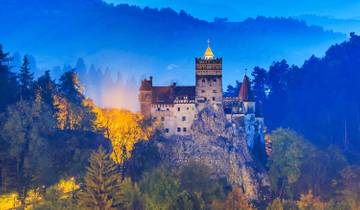
Authentic Transylvania: 7-Day Small-Group Journey
- ✓ Comprehensive Romania tour
- ✓ Expert local guides included
- ✓ All accommodation arranged
- ✓ Transportation provided
10 days
Best of Romania in 10 days
- ✓ Comprehensive Romania tour
- ✓ Expert local guides included
- ✓ All accommodation arranged
- ✓ Transportation provided
4 days
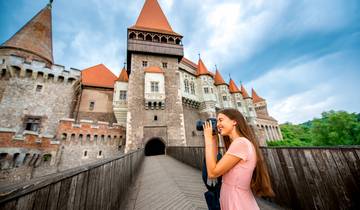
Transylvania Castles tour in 4 days from Bucharest
- ✓ Comprehensive Romania tour
- ✓ Expert local guides included
- ✓ All accommodation arranged
- ✓ Transportation provided
8 days
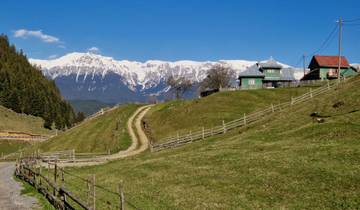
Transylvanian Village Life: 8-Day Carpathian Hiking & Cultural Journey
- ✓ Comprehensive Romania tour
- ✓ Expert local guides included
- ✓ All accommodation arranged
- ✓ Transportation provided
Multi-day tour packages powered by TourRadar. Prices and availability subject to change.
Introduction: Romania’s Ancient Black Sea Capital
Constanta occupies a unique position in Romanian tourism as the nation’s gateway to both Mediterranean-style beach culture and Europe’s most significant wetland wilderness, combining roles that few destinations manage simultaneously. Founded as Tomis by Greek colonists around 600 BCE and later developed by Romans who exiled the poet Ovid here in 8 CE, the city carries 2,500 years of continuous habitation visible in archaeological sites scattered throughout the modern urban center. The Black Sea coastline extending north and south from Constanta’s port has evolved into Romania’s primary beach resort destination, with Mamaia Beach specifically attracting hundreds of thousands of summer visitors to its 8-kilometer white sand strand—an unusual geological feature for this region creating a distinctly tropical beach atmosphere despite the temperate latitude.
Beyond the beaches, Constanta functions as the essential staging ground for Danube Delta expeditions, positioned 140 miles from Bucharest and connected by frequent rail service making day trips or multi-day excursions logistically feasible. The Danube Delta UNESCO World Heritage Site, Europe’s largest wetland ecosystem and second-largest river delta globally, spreads across 2,200 square miles where the Danube River meets the Black Sea, creating a labyrinth of channels, lakes, and reed islands supporting over 300 bird species and serving as a critical stopover on the East African-West Asian flyway. Travelers reach the delta’s gateway town of Tulcea from Constanta or arrange guided boat tours that handle transportation logistics, positioning Constanta as the coastal hub from which delta adventures radiate.
The city proper rewards exploration beyond its transit function. Constanta’s Old Town preserves Roman-era foundations including mosaic floors, bath complexes, and defensive walls alongside Ottoman-period mosques, a Genoese lighthouse, and the iconic Art Nouveau Casino perched on the waterfront promenade. Romania’s fourth-largest city maintains working port operations that have sustained the economy for millennia, creating an authentic urban atmosphere distinct from purpose-built resort towns. This combination of ancient archaeology, functioning seaport character, beach resort energy, and delta gateway positioning makes Constanta a multi-dimensional destination where travelers can construct itineraries ranging from pure beach relaxation to cultural immersion to wildlife expeditions, often blending these elements within a single trip.
Planning for 2026 requires understanding Constanta’s pronounced seasonal variations. Summer months June-September bring peak pricing, maximum crowds, and full operational hours for all beach facilities, restaurants, and tour operators, with hotel rates in Mamaia reaching $181 per night in September. Shoulder seasons May and late September-October offer reduced rates while maintaining pleasant weather and delta access, creating optimal conditions for budget-conscious travelers. Winter December-February delivers rock-bottom hotel prices averaging $45 per night but cold temperatures limiting outdoor activities primarily to historical site visits and museum tours. The Danube Delta maintains distinct seasons, with spring April-June offering peak birdwatching as migratory species nest, summer providing easiest weather conditions despite higher mosquito activity, and autumn September-October bringing spectacular bird migrations and autumn foliage in the Letea Forest sections.
Understanding Constanta Costs in 2026
Constanta presents exceptional value compared to Western European beach destinations, with daily costs in all budget categories running 40-60% below equivalent Mediterranean resorts while delivering comparable beach quality and superior archaeological depth. The Romanian Leu (RON) operates as local currency with exchange rates around 4.9-5.1 RON per USD in 2026, though prices below appear in USD for traveler convenience with original RON amounts noted where relevant for those exchanging currency locally. Hotels represent the largest expense category and display the widest price variation both seasonally and between budget levels, ranging from $12 hostel dormitory beds to $217 per night luxury Black Sea view suites, with accommodation forming 35-50% of total daily costs depending on traveler category.
Food expenses remain remarkably affordable with inexpensive restaurant meals costing 40-100 RON ($8-20), mid-range three-course dinners for two running 200-400 RON ($40-80), and local supermarkets offering self-catering supplies at prices 50-70% below Western European equivalents. Fresh Black Sea fish features prominently in Constanta dining, with restaurants along the Old Town waterfront and in Mamaia serving grilled sea bream, turbot, and mussels at prices notably lower than Adriatic or Aegean equivalents. Public transportation operates efficiently through an integrated network of 21 bus, tram, and trolleybus routes with tickets interchangeable across all three modes, though specific current fares require verification at yellow ticket kiosks displaying the CT Bus logo found at stops throughout the city.
Attraction admission costs trend low, with major museums charging 15-40 RON ($3-8) and even signature experiences like the Telegondola cable car at 30 RON ($6) remaining budget-friendly. Danube Delta excursions represent the primary premium experience, with organized day tours from Constanta starting around €79 ($85) including transportation and boat rides, while independent travelers reaching Tulcea can book local boat tours for approximately €25 ($27) per person for 3-hour delta exploration. Seasonal pricing creates substantial variation, with hotel rates in peak September averaging $181 per night compared to February’s $45 average representing a 300% swing, while restaurants and tour operators implement 30-40% summer surcharges June-September compared to off-season rates.
Budget Traveler Costs 2026: Hostels, Street Food & Public Transit
Budget-conscious travelers achieve comfortable Constanta experiences for $45-75 per person daily assuming two sharing budget hotel rooms or selecting hostel dormitories, with this range covering accommodation, all meals, local transportation, and essential attraction admissions while maintaining decent quality standards. Hostel dormitory beds cost 60-100 RON ($12-20) per night in properties concentrated near the railway station and Old Town, offering basic amenities including WiFi, shared kitchens, and common areas where travelers meet others for beach outings or delta excursion cost-sharing. Budget hotel double rooms priced 180-280 RON ($37-57) per night provide private bathroom and air conditioning essential during summer heat, with per-person costs of $18-28 when two travelers split the room rate before adding other expenses.
Breakfast options range from bakery pastries and coffee for 20-30 RON ($4-6) to staying in accommodations offering included continental breakfast saving both money and morning logistics. Lunch from street vendors selling shaorma (Romanian döner kebab) or local fast food costs 20-40 RON ($4-8), while inexpensive restaurants serve filling meals of traditional Romanian dishes like sarmale (cabbage rolls) or mici (grilled meat rolls) for 40-60 RON ($8-12). Dinner at budget-friendly establishments runs 50-80 RON ($10-16), with larger portions often shareable between two people reducing per-person costs. Supermarket shopping for breakfast items, snacks, and simple prepared foods cuts costs further, with Kaufland, Lidl, and Penny Market chains offering Western European product selection at Eastern European pricing.
Public transportation tickets purchased at kiosks provide unlimited transfers across bus, tram, and trolleybus networks, typically costing 5-7 RON ($1-1.50) per ride based on 2026 pricing structures, though travelers should verify current fares upon arrival as Romanian public transit occasionally updates rates. Walking covers most Old Town attractions within 2 kilometers, while buses connect to Mamaia Beach and the railway station. Beach access at Modern Beach (Plaja Modern) near the city center costs nothing, though sunbed and umbrella rental runs 30-50 RON ($6-10) daily if desired, with budget travelers often bringing towels to skip this expense. Free attractions include Ovid Square, exterior photography of the Casino, waterfront promenade walks, and the Great Mahmudiye Mosque (donations appreciated but not required).
Museum admissions consume $3-8 daily for budget travelers visiting one or two sites, with the National Museum of History and Archaeology at approximately 15 RON ($3) and the Ion Jalea Sculpture Museum at similar pricing offering excellent value for archaeology and art enthusiasts. The Dolphinarium charges 40 RON ($8) adults and 20 RON ($4) children for shows running multiple times daily in summer, representing good family value though budget solo travelers might skip in favor of free beach time. Danube Delta access on strict budgets requires independent travel to Tulcea via train or bus, then booking local fisherman boat tours directly at the waterfront for lower costs than pre-arranged packages, though this approach demands flexibility and Romanian language capability benefiting travelers who enjoy spontaneous logistics.
Sample budget daily breakdown demonstrates realistic spending: accommodation $18-28 per person (two sharing budget hotel), breakfast $4-6 (bakery and coffee), lunch $8-12 (street food or inexpensive restaurant), dinner $10-16 (budget restaurant), transport $2-4 (public transit), attractions $3-8 (one museum). Total approximately $45-75 per person daily. Weekly budget travel costs run $315-525 per person for seven days assuming consistent budget-level spending, representing exceptional value for a European coastal destination with this depth of historical attractions and beach quality. Budget travelers extending stays can reduce costs through weekly apartment rentals starting around $200-300 per week and cooking most meals, potentially dropping daily averages to $30-40 per person for longer-term visits.
Mid-Range Comfort Costs 2026: Quality Hotels, Restaurant Dining & Convenient Travel
Mid-range travelers enjoy comfortable Constanta experiences with quality 3-star hotels, diverse restaurant dining, and convenient transportation options for $95-140 per person daily assuming two sharing mid-range accommodations. Three-star hotels averaging 460-570 RON ($95-117) per room nightly provide air-conditioned comfort, central locations, often-included breakfast buffets, and amenities like swimming pools or beach access, with per-person accommodation costs of $47-58 when two travelers split expenses. Properties in this category include Continental Forum Constanta near the Old Town, Hotel Oxford in Mamaia with beach proximity, and Bavaria Blu Hotel offering conference facilities and modern rooms, all maintaining international standard comfort while remaining affordable by Western European comparison.
Breakfast included in most mid-range hotels saves $6-8 daily per person compared to purchasing separately, offering continental spreads of bread, cheese, cold cuts, eggs, and coffee sufficient to fuel morning sightseeing before lunch. Lunch at casual restaurants serving Romanian and international cuisine runs 60-100 RON ($12-20) per person for entrees like grilled fish, pasta dishes, or traditional plates with sides, with portions typically generous. Dinner represents the main dining experience with mid-range travelers allocating 100-150 RON ($20-30) per person at quality establishments like Pescaria lui Matei in nearby Agigea serving Black Sea seafood with spectacular views, Sofra Turkish Restaurant offering authentic Ottoman cuisine in atmospheric Old Town setting, or La Ana si Ion presenting traditional Romanian specialties with craft beer selections. Cappuccino breaks at waterfront cafes cost 10-17 RON ($2-3.50), fitting comfortably within mid-range budgets.
Transportation flexibility characterizes mid-range travel, with budgets allowing mixed use of public transit for longer distances at minimal cost plus occasional taxis for convenience, beach-to-hotel transfers, or late evening returns costing 20-40 RON ($4-8) per ride. Private car rental opens additional possibilities for independent Danube Delta access or exploration of nearby ancient sites like Histria citadel, with daily rental rates around €30-50 ($33-55) plus fuel. Rideshare apps Uber and Bolt operate in Constanta offering transparent pricing and convenient booking, though taxi availability remains good with drivers congregating at major hotels, the railway station, and popular beaches.
Attraction access expands at mid-range budgets to include paid experiences beyond basic museum entry. The Telegondola cable car becomes an easy “yes” at 30 RON ($6) per person for unique aerial perspectives of Mamaia and Lake Siutghiol. The Dolphinarium show fits mid-range itineraries at 40 RON ($8) adults without budget stress. Organized day tours to the Danube Delta through established operators like EuropaAdventure starting around €79 ($85) per person provide turnkey experiences with guide expertise, though mid-range travelers sometimes split the difference by taking the train to Tulcea independently then booking boat tours locally for €25 ($27) per person, combining cost savings with convenience.
Wine tasting excursions to Viisoara Winery in nearby wine country, guided walking tours of Old Town Constanta with historical interpretation, and water sports activities at Mamaia beaches all become accessible at mid-range budgets. Beach experiences upgrade from towels on sand to reserved sunbed-umbrella sets for 30-50 RON ($6-10) daily, with mid-range travelers also patronizing beach clubs offering food service, showers, and music for enhanced comfort. Evening entertainment includes cocktails at bars along Ovid Square, dinner at upscale waterfront restaurants, or attending performances at the State Theater when seasonal programming operates.
Sample mid-range daily breakdown shows realistic spending: accommodation $47-58 per person (two sharing 3-star hotel), breakfast included or $6-8 (restaurant), lunch $12-20 (casual restaurant), dinner $20-30 (quality restaurant), transport $4-8 (public transit plus occasional taxi), attractions $6-12 (multiple paid experiences). Total approximately $95-140 per person daily. Weekly mid-range costs run $665-980 per person for seven days of comfortable travel with quality meals, good hotels, and flexibility for activities, representing solid value for travelers seeking convenience without luxury pricing. This budget level allows stress-free enjoyment of Constanta’s best restaurants, easy delta access through organized tours, and comfortable accommodations throughout.
Luxury Experience Costs 2026: Beachfront Hotels, Fine Dining & Private Experiences
Luxury travelers experience Constanta’s finest offerings with 4-5 star beachfront hotels, upscale dining, and personalized services for $155-240 per person daily assuming two sharing luxury accommodations. Four and five-star hotels command 710-1,060 RON ($146-217) per room nightly at properties like Crowne Plaza Constanta-Mamaia Beach offering Black Sea views, infinity pools, spa facilities, and direct beach access, or New Splendid Hotel & Spa with adults-only ambiance and premium amenities, providing per-person accommodation costs of $73-108 when couples share. Peak season September pricing pushes luxury properties toward the upper end of this range and beyond, while shoulder seasons May and late September deliver the same quality at 20-30% discounts making luxury more accessible outside peak summer.
Breakfast buffets included in luxury hotel rates eliminate this expense while providing extensive spreads of hot and cold items, fresh pastries, made-to-order eggs, premium coffee, and often champagne service creating leisurely morning starts. Lunch at upscale establishments runs 120-180 RON ($24-37) per person for sophisticated preparations of seafood, steaks, or contemporary Romanian cuisine with wine pairings. Dinner represents the culinary highlight with luxury travelers allocating 180-250 RON ($37-51) per person at top-tier restaurants like Toscana serving refined Italian cuisine near the waterfront, or premium seafood specialists where multi-course meals with wine selections showcase Black Sea catches prepared by renowned Romanian chefs. Private chef experiences, wine cellar dinners, and beachfront dining setups arranged through luxury hotels add premium options beyond standard restaurant scenes.
Transportation elevates to private transfers, with luxury travelers arranging direct car service from Bucharest to Constanta for approximately 700-900 RON ($150-195) offering door-to-hotel convenience and flexible scheduling. Within Constanta, private drivers provide day services for approximately €80-120 ($85-130) enabling personalized itineraries to wineries, archaeological sites, and coastal viewpoints without navigation hassles or parking concerns. Premium car rental from international chains offers Mercedes, BMW, or Audi options for self-driving luxury travelers, though many prefer the convenience of arranged transport eliminating logistics entirely.
Danube Delta experiences transform through private boat charters and multi-day luxury lodge stays rather than standard day tours. Private speedboat excursions from Tulcea cost $480-780 per group (up to 6 passengers) for 6-8 hour explorations reaching remote delta channels inaccessible to larger tourist boats, with flexible itineraries customized to passenger wildlife photography interests or culinary experiences at isolated fishing villages. Multi-day delta packages through luxury eco-lodges combine rustic-chic accommodations with gourmet fish cuisine, expert naturalist guides, and exclusive access to protected bird colonies, running €150-300 ($165-330) per person nightly all-inclusive. These elevated delta experiences deliver depth impossible on standard day trips, transforming wildlife viewing from touristic activity to genuine naturalist immersion.
Exclusive experiences accessible at luxury budgets include private archaeological tours with university professors providing academic-level interpretation of Roman sites, helicopter flights over the delta and coastline for aerial photography, yacht charters for Black Sea cruising with swimming stops and champagne service, and VIP access to the Neversea electronic music festival in summer drawing international DJ talent to Constanta’s beaches. Spa treatments at luxury hotel facilities, private yoga sessions on beach platforms at sunrise, and personalized shopping assistance all enhance the luxury travel experience beyond basic sightseeing and dining.
Sample luxury daily breakdown illustrates spending patterns: accommodation $73-108 per person (two sharing 4-5 star hotel), breakfast included (hotel buffet), lunch $24-37 (upscale restaurant), dinner $37-51 (fine dining), transport $10-20 (private transfers), attractions $10-20 (guided private tours). Total approximately $155-240 per person daily. Weekly luxury costs run $1,085-1,680 per person for seven days of premium experiences with exceptional hotels, finest restaurants, and personalized service throughout, delivering refined Romanian Black Sea luxury at pricing 30-50% below equivalent Western European coastal destinations. This investment transforms Constanta from transit point to destination worthy of extended exploration with every comfort attended to professionally.
Accommodation Options 2026: From Hostels to Beachfront Luxury
Constanta’s accommodation landscape divides between the city center Old Town area offering historical atmosphere and easy access to Roman sites, and the Mamaia resort strip 6 kilometers north providing direct beach access and summer resort energy. Budget travelers find concentrated hostel options near the railway station and in the Old Town, with properties like Downtown Hostel and Retro Hostel offering dormitory beds for 60-100 RON ($12-20) per night including WiFi, shared kitchens, and social common areas where travelers meet others for beach excursions or cost-sharing on delta tours. Private rooms in hostels run 150-200 RON ($30-41) for couples seeking budget pricing with more privacy than dormitory settings, though budget hotel options often match these prices while providing marginally superior facilities.
Budget hotels cluster around the city center and near the railway station, offering double rooms with private bathrooms, air conditioning, and basic amenities for 180-280 RON ($37-57) per night. Properties in this category include Hotel Nevada providing reasonable comfort near the port, smaller family-run establishments throughout the Old Town, and chain budget options offering standardized quality for travelers who prioritize reliable standards over local character. These properties lack pools, extensive breakfast buffets, or beachfront locations, but deliver clean, functional accommodation well-positioned for sightseeing at prices allowing budget extension over multiple nights. February presents the absolute lowest rates around $45 per night average for budget hotels as demand drops during cold winter months.
Mid-range accommodations elevate quality substantially while remaining affordable by Western European standards. Three-star hotels averaging $95-117 per room nightly provide central locations, included breakfast buffets, air conditioning, WiFi, and often swimming pools or proximity to beaches. Continental Forum Constanta in the city center offers 4-star comfort at mid-range pricing with excellent Old Town location for historical exploration, while properties along the Mamaia strip like Hotel Oxford and TOP CountryLine Zenith Hotel Conference and Spa provide beach access and resort amenities at similar rates. These establishments typically include breakfast buffets with hot and cold items sufficient to start the day well-fueled, room service for convenience, and tour desks assisting with delta excursion booking and transportation arrangements.
Seasonal variation affects mid-range pricing significantly, with summer July-August commanding premium rates often 40-60% above shoulder season pricing, while September peaks at an average $181 per night across the mid-range category reflecting maximum demand as European tourists take late-summer holidays. Booking advance for summer stays through platforms like Booking.com or direct hotel websites secures better rates than last-minute reservations, with early-bird discounts of 10-20% common for bookings made 2-3 months ahead. May and late September offer ideal timing for mid-range value, with rates 30-40% below peak summer while weather remains pleasant for beach activities and all restaurants and attractions operate full hours.
Luxury accommodations concentrate in Mamaia and premium Old Town locations, with 4-5 star properties commanding $146-217 per room nightly delivering beachfront positions, extensive amenities, and refined service. Crowne Plaza Constanta-Mamaia Beach leads the luxury segment with its IHG brand standards applied to a striking modern property offering Black Sea views from all rooms, an infinity pool overlooking the water, full-service spa, multiple restaurants serving international and local cuisine, and direct private beach access with reserved sunbeds for guests. New Splendid Hotel & Spa maintains an adults-only (+16 years) policy creating serene atmosphere, while properties like Hotel Cherica blend boutique character with luxury amenities in more intimate settings than large resort hotels.
Luxury hotels include extensive breakfast buffets in rates, eliminating this expense while providing champagne, made-to-order egg dishes, fresh pastries, and premium coffee creating leisurely morning starts. Concierge services arrange private delta boat charters, winery visits with personal guides, restaurant reservations at top establishments, and specialized experiences like archaeological tours with university professors or helicopter flights over the coastline. Room categories range from standard sea-view accommodations to suites with terraces, jacuzzis, and separate living areas, with suite upgrades adding $50-100 nightly to base luxury rates. Spa facilities offer massage therapies, facial treatments, and wellness packages utilizing local Black Sea mud and salt products traditional to the region’s therapeutic culture.
Alternative accommodation options include private apartments rented through Airbnb and Booking.com ranging $40-120 per night depending on size and location, offering full kitchens for self-catering travelers and living space comfortable for families or groups sharing costs. Weekly apartment rentals often negotiate 10-15% discounts over nightly rates, benefiting extended stays. Mamaia also offers all-inclusive resort properties where meals, drinks, and activities bundle into single pricing, though these typically suit families more than independent travelers who prefer exploring local restaurants and creating flexible itineraries. Off-season November-March sees some Mamaia properties close entirely as demand drops to minimal levels, though city center hotels maintain year-round operations serving business travelers and off-season tourists.
Food and Dining Costs 2026: Fresh Seafood, Romanian Specialties & International Cuisine
Constanta’s dining scene reflects its Black Sea coastal position and multi-cultural heritage, with fresh fish and seafood featuring prominently alongside traditional Romanian dishes, Turkish influences from the Ottoman period, and international options serving the summer tourist influx. Restaurant pricing spans wide ranges from street food costing under $5 per meal to upscale seafood establishments where dinner with wine reaches $50+ per person, with meal costs representing 25-35% of total daily budgets for travelers eating all meals at restaurants rather than self-catering through supermarket shopping or hostel kitchen use.
Budget dining options center on street food vendors selling shaorma (Romanian döner kebab) for 15-25 RON ($3-5), traditional Romanian fast food chains offering mici (grilled meat rolls) and sarmale (cabbage rolls) for 20-35 RON ($4-7) per meal, and inexpensive restaurants serving filling portions of Romanian staples. McDonald’s and similar international chains price combo meals at 26-50 RON ($5-10), providing familiar options for travelers seeking known quantities. Inexpensive local restaurants charge 40-100 RON ($8-20) for main courses with the lower end buying traditional Romanian dishes like tochitura (pork stew) or mamaliga (polenta) with sides, while the upper range covers pasta, pizza, or simple grilled fish preparations in casual settings.
Bakeries throughout the city sell fresh bread, pastries, and sweet treats for 5-15 RON ($1-3) each, perfect for breakfast paired with coffee from cafes costing 10-17 RON ($2-3.50) for cappuccino or similar preparations. Supermarket chains Kaufland, Lidl, Penny Market, and local grocers offer full selections of bread, cheese, cold cuts, yogurt, fruit, and prepared foods allowing budget travelers to assemble picnic lunches or simple dinners for $5-8 per person, approximately half the cost of inexpensive restaurant meals. Romanian craft beer costs 6-20 RON ($1.20-4) per pint in bars, with imported beers running 10-17 RON ($2-3.50), while table wine in restaurants starts around 60-80 RON ($12-16) per bottle for decent Romanian vintages.
Mid-range dining elevates quality and atmosphere while remaining affordable. Casual restaurants along the waterfront and throughout the Old Town serve three-course meals for 200-400 RON ($40-80) for two people, with individual entrees running 60-100 RON ($12-20) covering contemporary Romanian cuisine, fresh Black Sea fish grilled or baked Mediterranean-style, pasta and risotto preparations, and international dishes. La Ana si Ion specializes in traditional Romanian cuisine in Old Town setting, serving sarmale cu mamaliga (cabbage rolls with polenta), mici with mustard and bread, and papanași (fried dough dessert with sour cream and jam) at mid-range pricing with portions large enough for sharing. Turkish restaurants like Sofra and Marco Polo offer authentic Ottoman cuisine including mezze platters, kebabs, pide (Turkish pizza), and baklava in atmospheric settings reflecting Constanta’s historical Turkish community.
Seafood specialists provide the quintessential Constanta dining experience, with restaurants like Pescaria lui Matei in nearby Agigea village 10 kilometers south offering spectacular Black Sea views alongside platters of grilled sea bream, turbot, mussels, and squid caught that morning and prepared simply with lemon and olive oil. Mid-range seafood dinners run 80-150 RON ($16-30) per person for fish selections with sides and wine, representing exceptional value compared to Mediterranean equivalents. The Old Town harbor area concentrates several seafood establishments including Bacaro Port serving Mediterranean-style preparations and The Boat specializing in fresh catch with creative sauces, all operating in the $$ – $$$ price range maintaining quality without luxury pricing.
Upscale dining suitable for special occasions or luxury travelers centers on establishments like Toscana serving refined Italian cuisine with extensive wine lists, premium seafood restaurants offering chef-prepared tasting menus, and contemporary Romanian restaurants elevating traditional dishes through modern techniques. Luxury dinner experiences run 180-250 RON ($37-51) per person for multi-course meals with wine pairings, cocktails, and desserts, with presentation and service quality matching international fine-dining standards. Some upscale restaurants require reservations especially in peak summer months, with hotel concierges assisting luxury travelers in securing tables at fully-booked establishments.
Breakfast options range from bakery pastries and coffee for $4-6 to full restaurant buffets at 30-40 RON ($6-8) for travelers whose hotels don’t include this meal, with most mid-range and luxury properties incorporating extensive breakfast spreads in room rates eliminating this expense. Romanian breakfast buffets typically include bread, cheese, cold cuts, eggs, yogurt, fruit, pastries, coffee, and juice providing substantial fuel for morning sightseeing. Lunch represents the most flexible meal budget-wise, with travelers choosing between $5 street food, $12-20 casual restaurant meals, or skipping entirely in favor of larger snacks between breakfast and dinner, depending on appetite and daily activity intensity.
Tipping operates at 10% of the bill as standard practice in Romanian restaurants, with POS terminals increasingly offering options to add gratuity directly to card payments though cash tips remain common. Service quality varies from casual establishments where waitstaff simply take orders and deliver food, to upscale restaurants providing knowledgeable wine recommendations, pacing coordination between courses, and attentive service throughout meals. Food delivery apps Glovo, Wolt, and Bolt Food operate in Constanta enabling hotel or apartment meal delivery from hundreds of restaurants, convenient for travelers preferring to dine in after long beach or delta excursion days, with delivery fees typically 5-10 RON ($1-2) plus the meal cost.
Transportation in Constanta 2026: Getting There and Around
Constanta Railway Station serves as the primary arrival point for travelers from Bucharest and other Romanian cities, with Romanian Railways (CFR) operating hourly direct service from Bucharest North Station covering 127 miles in 2 hours 12 minutes to 2 hours 36 minutes depending on train type. Departures run from 6:00 AM first train through 8:30 PM last departure, offering multiple class options from second class seats starting around $10-12 when booked advance through first class compartments at $22-30, to overnight sleeper berths for travelers connecting from distant Romanian regions. The railway station sits approximately 2.5 kilometers from the Old Town center, manageable as a 35-minute walk or quick bus/taxi ride for travelers with luggage.
Train tickets book through the official Romanian Railways website, third-party platforms like Omio and Virail, or directly at station ticket windows, with advance online booking typically securing the lowest fares $10-12 compared to last-minute same-day purchases reaching $22-30 for the same journey. Ticket prices vary by class with second class providing basic seating adequate for the 2-hour journey, first class offering more spacious seating and quieter compartments, and various sleeper and couchette options for overnight services from distant origins. Peak travel times Friday afternoons and Sunday evenings see fuller trains as Bucharest residents head to weekend beach breaks, while midweek and off-season departures often have ample seating availability.
Bus service provides alternative transportation from Bucharest with FlixBus and competing operators running from Bucharest Autogara Militari or other terminals to Constanta bus station 3-5 times daily. The bus journey takes approximately 3 hours 15 minutes, slightly longer than trains due to highway traffic, but costs $8-21 representing the absolute cheapest public transport option. Buses offer modern coaches with air conditioning, WiFi, and bathroom facilities making the journey comfortable despite the longer duration. The Constanta bus terminal sits near the railway station making onward connections to hotels or beaches straightforward via local public transit or taxi.
Private taxi service from Bucharest to Constanta costs approximately 700-900 RON ($150-195) for the direct 2.5-hour drive, a viable option for groups of 3-4 travelers splitting costs or those prioritizing door-to-door convenience and flexible departure timing over budget concerns. Rideshare apps and pre-arranged private transfers through tour companies offer transparent pricing and reliable service, with luxury travelers often choosing this option to avoid train station logistics and maintain control over departure schedules. Rental cars from Bucharest starting around €30-50 ($33-55) daily plus fuel enable independent travelers to explore coastal areas and inland sites at their own pace, though parking in Constanta center during summer can prove challenging with paid lots charging 10-20 RON ($2-4) per hour.
Within Constanta, the public transportation network comprises 21 routes of buses, trams, and trolleybuses connecting the railway station, Old Town, Mamaia Beach, shopping centers, and residential neighborhoods efficiently. Tickets purchase at yellow kiosks displaying CT Bus logos found at most stops, with fares around 5-7 RON ($1-1.50) per ride based on recent pricing though travelers should verify current rates upon arrival. Tickets validate when boarding and provide transfers across all three transport modes for the journey, making it economical to reach Mamaia Beach from the city center or traverse longer distances without taxi expense. Route maps display at major stops and the CT Bus website provides journey planning tools, though many visitors find that asking hotel staff for specific route guidance proves most practical for first-time navigation.
Taxis and rideshare services offer convenient point-to-point transport throughout Constanta, with official taxis clearly marked and regulated by the municipality charging metered rates. Uber and Bolt rideshare apps operate providing transparent upfront pricing and convenient payment through the apps, eliminating language barrier issues and ensuring fair fares for tourists unfamiliar with local geography. Short trips within the city center run 15-25 RON ($3-5), while taxi rides to Mamaia Beach from Old Town cost approximately 30-50 RON ($6-10), and airport transfers to Mihail Kogălniceanu International Airport 25 kilometers northwest run 80-120 RON ($16-24). Taxis congregate at the railway station, major hotels, and popular beaches, while rideshare apps enable pickup from any location with a wait typically under 10 minutes in the city center.
Walking covers most Old Town attractions within compact areas, with Ovid Square, the Casino, Roman archaeological sites, the waterfront promenade, and the Great Mahmudiye Mosque all accessible on foot within 2 kilometers of each other. The flat coastal terrain makes walking easy despite summer heat, though visitors should carry water and wear sun protection during peak afternoon temperatures. Bicycle rental exists in limited form through some hotels and private operators, though Constanta lacks the extensive bike lane infrastructure of some European cities making cycling more suitable for experienced urban riders comfortable navigating mixed traffic.
Car rental enables exploration beyond Constanta including independent visits to the Danube Delta gateway town of Tulcea 125 kilometers north, the ancient Greek citadel of Histria 70 kilometers north, wine country around Murfatlar 40 kilometers inland, and beach towns like Eforie Nord and Mangalia south along the coast. International rental agencies Europcar, Budget, and local Romanian companies operate from the airport and city center locations, with compact cars starting around €30 ($33) daily and larger vehicles or automatics costing €50-70 ($55-77) daily plus fuel at approximately €1.60 ($1.75) per liter. Romanian road conditions generally maintain good standards on main highways though rural roads accessing some archaeological sites may have rougher pavement requiring cautious driving.
Black Sea Beaches 2026: Mamaia Resort & Coastal Access
Mamaia Beach dominates Constanta’s beach scene as Romania’s premier seaside resort, stretching 8 kilometers along a narrow sand spit between the Black Sea and Lake Siutghiol just north of the city center. The fine white sand creates a distinctly tropical beach atmosphere unusual for the Black Sea region, with water temperatures reaching comfortable 24-28°C during peak summer months July-August enabling extended swimming. Beach season officially runs June through September with optimal conditions July-August when all facilities operate at full capacity, though shoulder months June and September offer pleasant swimming with fewer crowds and lower accommodation costs making these periods ideal for travelers who can time visits outside peak summer.
Beach infrastructure includes hundreds of sunbed and umbrella sets available for rental at 30-50 RON ($6-10) per day providing shade and comfort, though budget travelers often bring towels and stake claims on sand for free access. Beach clubs line the Mamaia strip offering enhanced services including reserved sunbeds, food and drink service directly to chairs, showers, changing facilities, and music creating party atmosphere at establishments like Crush Beach popular with younger crowds. Entry to beaches remains free as Romanian law mandates public beach access, with charges applying only to rental equipment and club facilities rather than sand access itself.
Watersports concessions operate throughout summer offering jet ski rental, parasailing, banana boat rides, and paddleboard hire at prices typically 50-150 RON ($10-30) per activity depending on duration and type. The relatively calm Black Sea waters in this area suit families with children, though occasional summer storms create rougher conditions requiring swimming caution when red flags fly. Lifeguard stations operate at regular intervals during peak season, though coverage may be less comprehensive during shoulder months requiring swimmers to exercise additional personal judgment about conditions.
The Telegondola cable car connects Mamaia Beach to the lakeside area across Lake Siutghiol, offering 15-20 minute rides covering 2.1 kilometers with panoramic views of the beach, resort development, and lake for 30 RON ($6) per person. Operating hours run 12:30 PM to 10:30 PM daily except Mondays when service starts at 3:00 PM, with the sunset rides particularly popular for photography and romantic atmosphere. The cable car provides unique perspective on Mamaia’s geography and development density worth the modest cost for travelers interested in aerial views.
Mamaia’s beach club scene creates distinct zones along the 8-kilometer strand, with the northern sections trending younger and more party-oriented hosting beach raves and electronic music events especially on summer weekends, while southern areas nearer Constanta proper maintain calmer family-friendly atmosphere. July-August weekends see maximum crowding with sunbeds filling early and beach access roads congested, while weekdays even in peak season offer more relaxed conditions with easier parking and sunbed availability. Off-season beach visits November-April deliver empty sands ideal for contemplative walks and coastal photography, though swimming becomes impractical as water temperatures drop to 8-12°C and weather turns cold and often rainy.
Modern Beach (Plaja Modern) within Constanta city limits provides alternative beach access closer to the Old Town without Mamaia’s resort atmosphere. This smaller beach attracts more locals than tourists, offering authentic Romanian beach culture without the commercialization of Mamaia’s club scene. Facilities remain basic with some sunbed rental available but fewer amenities, making Modern Beach suitable for travelers prioritizing proximity to historical attractions over resort infrastructure. The beach sits walking distance from the Old Town and Casino, enabling easy combination of morning historical sightseeing followed by afternoon beach relaxation without transportation logistics.
Beach towns south of Constanta including Eforie Nord and Eforie Sud offer additional coastal options, particularly for travelers interested in therapeutic mud baths and spa treatments using Black Sea minerals and local salt products traditional to the region. Frequent buses connect Constanta to these southern beach communities for 5-7 RON ($1-1.50) per ride, with journey times of 20-40 minutes depending on destination. These southern beaches tend quieter than Mamaia with more Romanian family visitors than international tourists, though infrastructure and service levels drop accordingly with fewer English-speaking staff and more basic facilities.
Beachfront dining along Mamaia ranges from casual kiosks selling grilled corn, ice cream, and drinks to full-service restaurants preparing fresh Black Sea fish and international dishes. Prices trend 20-30% above equivalent restaurants in Constanta city center due to prime beachfront locations and captive audience dynamics, with meals at beach restaurants running 80-150 RON ($16-30) per person compared to 60-100 RON ($12-20) in the Old Town. Budget beach visitors often pack snacks and water from supermarkets before heading to the sand, taking occasional breaks at beachfront cafes for drinks or ice cream while avoiding full restaurant meals to control costs.
Danube Delta Access 2026: Europe’s Premier Wetland Wilderness
The Danube Delta UNESCO World Heritage Site spreads across 2,200 square miles where Europe’s second-longest river empties into the Black Sea, creating a labyrinthine ecosystem of channels, lakes, reed islands, and floating vegetation supporting over 300 bird species and functioning as a critical stopover on the East African-West Asian migratory flyway. Constanta serves as the coastal gateway for delta exploration, positioned 125 kilometers south of Tulcea, the delta’s main access town where boat tours depart into the wilderness. Travelers reach the delta through organized day tours from Constanta, independent travel to Tulcea followed by local boat hire, or multi-day expeditions staying in delta guesthouses for immersive wildlife experiences impossible on quick visits.
Organized day tours from Constanta provide turnkey delta experiences for travelers prioritizing convenience over cost savings, with companies like EuropaAdventure offering full-day excursions starting around €79 ($85) per person including round-trip minivan transportation to the delta, boat tours through main channels, stops at traditional fishing villages, and guide services explaining delta ecology and cultural history. These tours typically depart Constanta around 7:00-8:00 AM for the 2-hour drive to delta entry points, spend 4-6 hours on boats navigating channels and observing wildlife, then return to Constanta by evening around 6:00-7:00 PM. The all-inclusive structure suits travelers with limited time, those uncomfortable arranging independent logistics, or visitors wanting expert interpretation of delta ecosystems and bird identification.
Independent delta access requires reaching Tulcea via bus or train, then arranging boat tours through local operators congregating at the waterfront near the Danube River Museum. Buses from Constanta to Tulcea run several times daily taking approximately 2-3 hours and costing 30-60 RON ($6-12), while trains offer alternative service though less frequently. Upon reaching Tulcea, travelers find numerous boat operators offering 3-hour delta tours for approximately €25 ($27) per person, with longer full-day excursions running €40-60 ($43-65) per person visiting more remote areas. These local boats typically operate as small groups of 6-12 passengers sharing costs, making independent delta access feasible for budget-conscious travelers willing to handle logistics and language challenges, as many local boat operators speak limited English.
Multi-day delta immersion through guesthouse stays in villages like Sulina, Mila 23, or Crisan transforms wildlife viewing from touristic day trip to genuine naturalist experience. Two-day delta packages starting around €120-180 ($130-195) per person include guesthouse accommodation, traditional fish-based meals, multiple boat excursions to different delta zones, and guides with specialized knowledge of bird behavior and seasonal migration patterns. Extended stays allow morning and evening boat trips when bird activity peaks, exploration of multiple delta channels impossible to reach on day trips, and interaction with delta fishing communities maintaining traditional lifestyles adapted to wetland environments. Specialized birdwatching tours during spring April-June migration seasons attract serious ornithologists pursuing rare species documentation and photography.
The delta ecosystem varies dramatically by season affecting optimal visit timing. Spring April-June brings massive bird migrations as over 300 species including pelicans, herons, cormorants, and egrets arrive to nest, creating spectacular concentrations of wildlife with constant activity as birds establish territories, build nests, and raise young. Summer July-August offers easiest weather conditions with warm temperatures and minimal rain, though increased mosquito activity requires proper repellent and lightweight long-sleeve clothing, while some bird species complete breeding and depart reducing diversity. Autumn September-October delivers another migration peak as birds gather before flying south for winter, with the added attraction of autumn foliage in the Letea Forest sections creating photographic color contrast against water and reeds.
Delta wildlife extends beyond birds to include wildcats, wild boars, wolves in remote sections, and wild horses particularly in the Letea Forest region near Sulina. The forest itself represents a unique ecological feature—a sand dune forest growing above water level with subtropical vegetation including climbing vines and ancient oaks creating atmospheric wilderness unlike typical delta reed marshes. Visits to Letea require specialized boat-and-safari combinations, with traditional boats navigating channels to forest edges then off-road vehicles traversing sand dunes to reach interior sections where wild horses roam free. These Letea excursions add approximately €50-80 ($55-85) per person to standard delta tour costs but deliver unique ecosystem experiences unavailable elsewhere in Europe.
Traditional fishing villages throughout the delta maintain cultures adapted to wetland living, with houses built on stilts or floating foundations, boat-based transportation replacing roads, and economies centered on fishing and reed harvesting. Stops at villages like Mila 23 provide cultural insights into delta life, with some tours incorporating traditional fish lunches prepared by local families using recipes passed through generations. The famous delta fish soup (ciorbă de peşte) combines multiple freshwater species with vegetables and sour cream creating complex flavors representative of Romanian-Ukrainian delta cuisine fusion, typically costing 30-50 RON ($6-10) per bowl when purchased from village restaurants.
Practical delta preparation requires sun protection including hats and sunscreen as boats offer minimal shade during multi-hour excursions, insect repellent for mosquitoes particularly abundant in reed-dense areas, binoculars essential for bird observation at distance, and cameras with telephoto capability for wildlife photography. Comfortable clothing that covers arms and legs protects against both sun and insects while allowing boat-deck movement, with layers recommended as temperatures can vary between open water and forested channels. Water bottles and snacks supplement lunch provided on full-day tours, while overnight delta visitors should pack minimal luggage as traditional boats accessing guesthouses have limited storage space.
Delta conservation represents ongoing challenge balancing traditional fishing and reed harvesting livelihoods against ecosystem protection, with UNESCO designation providing framework for sustainable management. Visitors contribute to conservation through tour fees funding protected area maintenance and creating economic incentives for local communities to preserve wildlife habitat rather than converting wetlands to agriculture. Responsible delta tourism follows leave-no-trace principles including taking all trash out, respecting bird nesting areas by maintaining distance, and supporting local guides and guesthouses that reinvest in their communities rather than external tour operators extracting profits without local benefit.
Historical and Cultural Attractions 2026
Constanta’s 2,500-year continuous habitation creates archaeological depth rare among European coastal cities, with Greek colonization around 600 BCE establishing Tomis as a trading post later expanded under Roman rule into a significant port city. The Roman Emperor Augustus famously exiled the poet Ovid to Tomis in 8 CE for alleged moral transgressions, and Ovid spent his final decade here writing poetry lamenting his separation from Rome and describing Black Sea frontier life. Modern Constanta commemorates this literary connection through Ovid Square (Piața Ovidiu), the city’s central meeting point anchored by Ettore Ferrari’s 1887 bronze statue of the poet, surrounded by cafes, the Genoese Lighthouse, and pedestrian streets lined with 19th-century buildings displaying architectural details from various periods.
The National Museum of History and Archaeology preserves extensive collections from Greek, Roman, and Byzantine periods excavated from Constanta and surrounding archaeological sites. Highlights include the massive Glykon serpent sculpture discovered in local ruins, intricate Roman mosaic floors depicting mythology scenes and geometric patterns, Greek pottery spanning several centuries, and Byzantine religious artifacts illustrating the region’s Christian conversion. Museum admission costs approximately 15 RON ($3) with operating hours Tuesday-Sunday year-round, though specific times vary seasonally so verification on official websites proves prudent before visiting. The museum building itself dates from 1878 designed by Romanian architect Ion Mincu in traditional architectural style complementing the ancient artifacts housed within.
The Roman Edifice with Mosaic complex preserves in situ archaeological remains including a large floor mosaic covering several hundred square meters with geometric and floral designs demonstrating Roman artistic sophistication in this provincial setting. The adjacent Roman Baths archaeological site reveals the sophisticated bathing infrastructure Romans constructed in Tomis, with visible remains of hot rooms (caldarium), warm rooms (tepidarium), and cold rooms (frigidarium) plus the underground heating system (hypocaust) that circulated hot air beneath floors. These sites operate as open-air archaeological parks with walkways allowing close examination while protecting the ancient structures from weather exposure and foot traffic degradation.
The Constanta Casino dominates waterfront views as Romania’s most photographed Art Nouveau building, constructed 1910 when the city served as fashionable resort destination for Bucharest elite and European travelers. The elaborate facade combines Byzantine and Art Nouveau elements with intricate detailing, decorative columns, and a prominent position jutting into the Black Sea on a pier creating dramatic silhouettes especially at sunset. The building fell into severe disrepair during communist period and post-1989 economic difficulties, with restoration efforts beginning in recent years though the interior remains closed to visitors as of 2026 due to ongoing structural repairs. The exterior remains fully accessible for photography from the surrounding promenade, with the Casino serving as Constanta’s signature landmark appearing on postcards and promotional materials representing the city’s Belle Époque glamour.
The Great Mahmudiye Mosque built 1910 serves Constanta’s Muslim community descended from Ottoman-period settlement and Tatar populations who migrated to the region over centuries. The mosque combines Byzantine and Romanian architectural elements unusual for Islamic religious buildings, with its 164-foot minaret offering panoramic city views accessible to visitors who climb 140 steps to the top. The interior features a massive Persian carpet woven at the Hereche Handicraft Centre in Turkey and gifted by Sultan Abdul Hamid, one of the largest carpets in Europe weighing 1,080 pounds and covering much of the prayer hall floor. Five times daily, the muezzin climbs to the minaret summit to call the faithful to prayer, maintaining traditions while the mosque welcomes respectful tourists interested in Islamic architecture and Ottoman cultural heritage in Romania.
The Genoese Lighthouse stands near the Casino as a historic maritime monument, though its exact construction date remains debated among historians with theories ranging from 13th to 15th century Genoese trading presence in the Black Sea region. The lighthouse currently functions as a museum housing maritime exhibits and offering views from its upper levels, with its white cylindrical form creating a distinctive landmark visible from the waterfront promenade. The structure’s survival through centuries of warfare, political changes, and urban development illustrates Constanta’s continuous importance as a port city requiring navigational aids for ships approaching the harbor.
The Folk Art Museum showcases Romanian traditional culture through collections of textiles, pottery, religious icons, and folk costumes representing various regional traditions. The exhibits demonstrate craftsmanship techniques passed through generations including intricate embroidery patterns specific to different Romanian regions, pottery glazing methods, and icon painting following Byzantine Orthodox traditions. For travelers interested in understanding Romanian rural culture that persists alongside modernization, this museum provides accessible introduction to traditions still practiced in countryside villages beyond tourist circuits.
The Ion Jalea Sculpture Museum honors the Romanian sculptor whose work spans expressionist portraits to complex relief compositions exploring human emotions and historical events. The collection represents the largest assembly of Jalea’s sculptures, offering insight into 20th-century Romanian art movements and the cultural production during interwar and communist periods. Admission costs approximately 15 RON ($3) making it an affordable cultural activity for art-interested travelers, with the museum’s small size suitable for focused 1-hour visits rather than overwhelming multi-hour marathons.
Day Trips and Excursions 2026
The Ancient Citadel of Histria located 70 kilometers north of Constanta preserves Romania’s oldest archaeological site, originally established as a Greek colony in 657 BCE making it among the earliest permanent Greek settlements in this region. The extensive ruins spread across coastal terrain where archaeological excavations reveal city walls, Greek temples, Roman bath complexes, and Byzantine Christian churches representing over 1,400 years of continuous habitation. Guided tours from Constanta including transportation and entrance fees run approximately €40-60 ($43-65) per person, while independent travelers with rental cars pay the entrance fee around 15 RON ($3) and explore the large site at their own pace using informational panels explaining visible structures.
Wine country around Murfatlar and Viisoara lies 30-50 kilometers inland from Constanta, offering tastings and vineyard tours in Romania’s oldest wine region where viticulture dates to ancient Thracian and Greek periods. Viisoara Winery founded 2016 by the Albu family produces Fetească Albă, Sauvignon Blanc, Chardonnay, and other varieties using modern techniques applied to traditional local grape cultivars. Guided vineyard tours with tastings cost approximately €20-30 ($22-33) per person, providing education about Romanian wine production less internationally recognized than its quality justifies. The Murfatlar region produces both dry table wines and traditional sweet fortified wines popular locally, with multiple wineries welcoming visitors for tours and purchases though advance booking recommended especially during harvest season August-October.
Mangalia, the southernmost Romanian Black Sea resort town, sits 40 kilometers south of Constanta accessible via frequent buses for 10-15 RON ($2-3) or trains taking approximately 45 minutes. The town combines beach access with archaeological sites including ancient Callatis Greek settlement ruins and the 16th-century Esmahan Sultan Mosque displaying Ottoman architectural influence. Mangalia’s beaches tend less crowded than Mamaia with more Romanian family visitors than international tourists, while therapeutic mud baths using local minerals attract spa tourism clientele. Day trips combine beach relaxation with cultural sites and local seafood restaurants serving catches from the surrounding waters.
Adamclisi located 60 kilometers northwest of Constanta preserves Tropaeum Traiani, a massive Roman victory monument commemorating Emperor Trajan’s conquest of Dacia (ancient Romania) in 102-106 CE. The original monument partially collapsed over centuries, but a 1977 reconstruction recreates its imposing circular form rising 40 meters with relief sculptures depicting battle scenes. The adjacent archaeological museum displays original sculptural fragments and explains the monument’s historical context within Roman expansion into the Danube frontier. Independent access requires rental car as public transport options remain limited, though organized tours from Constanta occasionally include Adamclisi in multi-site day excursions focusing on Roman history.
Bucharest, Romania’s capital, offers reverse day trip potential for Constanta-based travelers interested in the nation’s political and cultural center. The 2-hour train connection makes same-day visits feasible, with Bucharest attractions including the Palace of Parliament (world’s heaviest building and second-largest administrative structure after the Pentagon), the Village Museum preserving traditional Romanian architecture from all regions, Herastrau Park offering green space and lake recreation, and the atmospheric Old Town district filled with restaurants, bars, and historical buildings. While most travelers base in Bucharest and day-trip to Constanta for beach and delta access, the reverse proves equally viable for coastal-based travelers who want capital city experiences without changing accommodations.
Practical Information 2026: Weather, Safety & Travel Tips
Constanta experiences humid subtropical climate with hot summers averaging 26-30°C (79-86°F) July-August when beach season peaks, mild shoulder seasons in spring and autumn with temperatures 15-22°C (59-72°F) suitable for sightseeing without extreme heat, and cool winters averaging 2-8°C (36-46°F) with occasional snow though accumulation rarely exceeds a few centimeters. Black Sea water temperatures reach maximum 24-28°C (75-82°F) in August providing comfortable swimming, drop to 18-22°C (64-72°F) in June and September remaining swimmable for most visitors, and become cold 8-14°C (46-57°F) October-May when only hardy locals attempt beach swimming.
Rainfall distributes relatively evenly throughout the year though May-June sees slight increase bringing occasional thunderstorms that pass quickly, while autumn September-November experiences somewhat higher precipitation potentially affecting outdoor plans. Summer months remain generally dry with sunshine dominant, though strong winds occasionally blow off the sea creating rough water conditions unsuitable for swimming when red flags fly at beaches. Winter weather turns gray and damp with frequent cloud cover, making this season least appealing for visitors unless specifically interested in off-season museum visits and dramatic seascapes without crowds.
Safety in Constanta follows typical European urban patterns with petty theft representing the primary concern for tourists rather than violent crime. Pickpockets operate in crowded areas including markets, public transport, railway stations, and popular beaches during peak summer when tourist density creates opportunities. Practical precautions include using hotel safes for passports and excess cash, carrying only daily-use amounts of money, maintaining awareness in crowded environments, and securing bags in restaurants and on beaches where distraction theft occasionally occurs. The Old Town and Mamaia tourist zones maintain visible police presence during summer with officers patrolling on foot creating deterrent effect.
Taxis and rideshare services operate honestly in general, though unofficial taxis without proper marking occasionally attempt overcharging tourists at the railway station or airport. Using marked official taxis from designated stands or rideshare apps Uber and Bolt eliminates this concern through regulated metering or upfront pricing. Hotel reception staff can call reputable taxi companies for guests uncomfortable navigating the system independently. Walking after dark in well-lit central areas poses minimal risk, though solo travelers should exercise normal urban caution avoiding poorly-lit peripheral neighborhoods or deserted beach areas after sunset.
Healthcare facilities include modern private clinics and pharmacies throughout the city center and Mamaia, with English-speaking doctors available at premium facilities catering to tourists though basic Romanian language skills help at public hospitals. European Health Insurance Cards provide coverage for EU citizens, while non-EU travelers should verify their travel insurance includes Romanian medical coverage or purchase supplemental policies. Pharmacies (farmacia) recognize green cross symbols and stock standard medications with many available over the counter that require prescriptions in other countries, though bringing sufficient supplies of prescription medications from home remains advisable.
Currency exchange operates through banks, exchange offices (casa de schimb), and ATMs withdrawing Romanian Lei directly from international accounts. Exchange offices concentrate around the railway station, Old Town, and Mamaia offering competitive rates though traveler should compare posted rates and avoid airport exchanges offering poor conversions. Credit and debit cards function widely in hotels, restaurants, and shops, with contactless payment increasingly standard though smaller establishments and market vendors prefer cash. ATMs from major Romanian banks impose minimal withdrawal fees, making cash access convenient without excessive transaction costs.
Language barriers exist as Romanian dominates daily communication, though English proficiency has increased substantially among younger Romanians, hotel staff, restaurant servers in tourist areas, and tour guides. Basic Romanian phrases assist with market shopping, taxi directions, and restaurant ordering where English support may be limited, with phrase books or translation apps bridging communication gaps. Many signs throughout the Old Town and Mamaia display English translations alongside Romanian, while museums increasingly provide English exhibit labels recognizing international visitor expectations.
Internet connectivity reaches Western European standards with 4G/5G mobile coverage throughout Constanta and Mamaia, though signal may weaken in remote Danube Delta areas where coverage remains spotty. Hotels, restaurants, and cafes routinely offer free WiFi with passwords posted or provided upon request, enabling travelers to research attractions, check transportation schedules, and communicate without consuming mobile data. International roaming charges vary by home carrier with EU travelers benefiting from roaming regulation allowing Romanian network use at domestic rates, while non-EU visitors should verify roaming costs or purchase local SIM cards for extended stays.
Electricity operates on European standard 230V/50Hz with Type C and Type F plugs (two round pins), requiring plug adapters for visitors from UK, US, and other regions using different outlet configurations. Most hotels provide adapters upon request or loan, though bringing personal adapters ensures availability. USB charging ports appear increasingly in modern hotels and some public areas, though traditional plug sockets remain the norm requiring appropriate adapters for all electronic device charging.
Sample Itineraries 2026: Budget, Mid-Range & Luxury
Three-Day Budget Itinerary ($135-225 Total Per Person)
Day 1: Old Town & History – Arrive Constanta via morning train from Bucharest $12, check into hostel dormitory $14 sharing 4-bed room, lunch at inexpensive restaurant $10, afternoon exploring Ovid Square, Roman Mosaic, and Casino (free exterior viewing), dinner at budget restaurant $12, evening stroll along waterfront promenade. Daily total: $48 per person.
Day 2: Mamaia Beach – Breakfast from bakery $4, bus to Mamaia Beach $2, full day on beach with towel (no sunbed rental), lunch from beachfront kiosk $8, return bus to city $2, dinner at budget restaurant $12. Daily total: $42 per person.
Day 3: Museums & Departure – Hostel checkout, breakfast from bakery $4, National Museum of History and Archaeology $3 admission, Ion Jalea Sculpture Museum $3, lunch at inexpensive restaurant $10, afternoon train to Bucharest $12, optional stop at supermarket for snacks. Daily total: $32 per person, trip total $122 plus hostel night 2 ($14) and night 3 ($14) = approximately $150 for three days.
Five-Day Mid-Range Itinerary ($475-700 Total Per Person)
Day 1: Arrival & Old Town – Train from Bucharest $22, check into 3-star hotel $50 per person (two sharing), lunch at mid-range restaurant $16, afternoon guided Old Town walking tour $25, dinner at quality restaurant $25, evening drinks at Ovid Square cafe $8. Daily total: $146 per person.
Day 2: Danube Delta Excursion – Hotel breakfast included, full-day organized delta tour $85 including lunch and boat rides, return to hotel evening, dinner at seafood restaurant $28. Daily total: $163 per person including night 2 hotel $50.
Day 3: Mamaia Beach & Cable Car – Hotel breakfast included, taxi to Mamaia $8, beach club sunbed rental $10, lunch at beach restaurant $18, Telegondola cable car ride $6, taxi return $8, dinner at upscale restaurant $30. Daily total: $130 per person including night 3 hotel $50.
Day 4: Wine Country – Hotel breakfast included, private car service to Viisoara Winery $40 (split between two = $20 each), winery tour and tasting $25, lunch at winery restaurant $20, return to Constanta afternoon, free time shopping or relaxing, dinner at Turkish restaurant $25. Daily total: $140 per person including night 4 hotel $50.
Day 5: Departure – Hotel breakfast included, morning visit to Great Mahmudiye Mosque (free, donation optional), late morning checkout, lunch at mid-range restaurant $16, afternoon train to Bucharest $22. Daily total: $38 per person, five-day trip total approximately $617 per person.
Three-Day Luxury Itinerary ($465-720 Total Per Person)
Day 1: VIP Arrival & Fine Dining – Private transfer from Bucharest $80 per person (two sharing), check into 5-star Crowne Plaza Mamaia $110 per person, late lunch at beachfront restaurant $35, afternoon spa treatment at hotel $60, evening fine dining at Toscana restaurant $45, cocktails at premium bar $15. Daily total: $345 per person.
Day 2: Private Delta Experience – Hotel breakfast included, private speedboat delta tour $130 per person (group of 4), gourmet lunch at delta village $30, return to hotel afternoon, relaxation at hotel pool and beach, dinner at upscale seafood restaurant $50. Daily total: $320 per person including night 2 hotel $110.
Day 3: Leisure & Departure – Hotel breakfast included, morning private yacht cruise along Black Sea coast with swimming stops $65 per person, champagne lunch on board included, afternoon hotel checkout, private transfer to Bucharest airport $80 per person. Daily total: $145 per person, three-day luxury trip total approximately $810 per person.
Seasonal Planning 2026: When to Visit Constanta
Peak summer season June through August delivers maximum beach conditions with water temperatures 24-28°C, full operating hours for all restaurants and attractions, vibrant beach club atmosphere in Mamaia, and optimal weather for outdoor activities, but brings maximum crowds on beaches and in Old Town, hotel rates 100-200% above off-season levels, restaurant surcharges of 30-40%, and occasional summer heat waves exceeding 35°C requiring afternoon retreat to air conditioning. July-August specifically represents absolute peak with European school holidays driving maximum occupancy, though early June and late August offer similar beach conditions with moderately reduced crowding and marginally lower pricing.
Shoulder seasons May and September provide ideal balance for many travelers, with May bringing spring temperatures 18-24°C perfect for sightseeing without summer heat exhaustion, Danube Delta birdwatching activity peaking as migratory species arrive to nest, hotel rates 30-40% below summer peaks, and sufficient beach weather for swimming though water remains cooler 18-22°C. September maintains summer warmth with air temperatures 22-28°C and water still comfortable 22-26°C from summer heat accumulation, reduced crowds as families return for school year, and autumn light creating excellent photography conditions, though hotel rates peak in September to $181 average as it captures the best combination of warm weather and reduced crowding.
Late spring April and early autumn October suit travelers prioritizing cultural attractions over beach time, with comfortable sightseeing temperatures 12-20°C, minimal tourist crowds enabling unhurried museum visits and restaurant seating without reservations, rock-bottom hotel rates 40-60% below summer, and operational hours at major attractions though some beach facilities begin closing or reducing schedules. Water temperatures 14-18°C limit swimming to the very hardy, making these months better for historical exploration, wine country visits, and budget-conscious travel rather than beach holidays.
Winter December-February delivers the absolute lowest pricing with hotel rates averaging $45 per night and empty museums and archaeological sites providing private viewing experiences, but cold temperatures 0-8°C, frequent gray overcast conditions, strong winds off the Black Sea creating harsh wind chill, and minimal operational services as many Mamaia establishments close entirely for the season. Winter suits only travelers specifically interested in off-season solitude, dramatic seascapes without crowds, museum-focused visits, and maximum budget savings while accepting weather limitations eliminating all beach activities and outdoor comfort.
The Danube Delta maintains distinct optimal seasons with April-June representing peak birdwatching as over 300 species arrive for breeding season, creating spectacular wildlife viewing density and constant activity, though spring mosquito emergence requires proper repellent and clothing. Summer July-August brings easiest weather conditions though bird diversity decreases as some species complete nesting and depart, while mosquito populations peak requiring defensive measures. Autumn September-October delivers second migration spectacle as birds gather before southward flights, with the added attraction of autumn foliage in Letea Forest creating photographic opportunities against water and reed backgrounds.
Money-Saving Strategies 2026
Timing visits for shoulder seasons May and late September cuts accommodation costs 30-40% below peak summer while maintaining pleasant weather and full attraction access, with hotel rates dropping from September’s $181 average to May’s $90-120 range for equivalent properties. Booking hotels 2-3 months in advance through comparison sites like Booking.com, Hotels.com, and Expedia often secures early-bird discounts of 10-20% compared to last-minute reservations, particularly important for summer visits when properties fill completely. Flexibility on exact dates within a week allows targeting Tuesday-Thursday arrivals when hotels charge lowest rates compared to Friday-Sunday premium weekend pricing.
Self-catering through apartment rentals and supermarket shopping dramatically reduces food costs, with weekly apartment rentals starting around $200-300 providing full kitchens where travelers prepare breakfasts and simple dinners saving $20-30 daily per person compared to restaurant dining for all meals. Kaufland, Lidl, and Penny Market supermarkets stock everything needed for breakfast spreads, picnic lunches, and basic dinners at prices 50-70% below Western European equivalents, with Romanian products like local cheese, bread, and produce offering excellent quality-value ratios. Restaurant meals concentrate on lunch when many establishments offer daily menus (meniu zilei) at 30-50 RON ($6-10) providing substantial portions cheaper than evening à la carte pricing.
Public transportation eliminates taxi costs for patient travelers comfortable navigating the 21-route bus, tram, and trolleybus network at 5-7 RON ($1-1.50) per ride compared to $6-10 taxi fares for equivalent distances. Walking covers the compact Old Town area entirely, while public transport reaches Mamaia Beach and all major attractions without rental car expense or parking fees. Train travel from Bucharest books cheapest through advance purchase of second class tickets online for $10-12 compared to same-day station window purchases reaching $22-30, with overnight departures offering sleeper class at slightly higher cost but saving a hotel night for travelers arriving from distant regions.
Free attractions eliminate admission costs while providing authentic Constanta experiences, including Ovid Square and the waterfront promenade, exterior photography of the Casino, Modern Beach sand access without sunbed rental, the Great Mahmudiye Mosque (donations appreciated but optional), and simply wandering Old Town streets observing daily life and architectural details. Budget travelers bring beach towels from accommodations avoiding 30-50 RON sunbed rental costs, stake early claims on prime sand positions near the water, and rely on beachfront kiosks for affordable drinks and snacks rather than full beach club services.
Danube Delta access costs drop substantially through independent travel to Tulcea via $6-12 bus followed by direct booking with local boat operators at the waterfront for €25 ($27) per person compared to $85 organized tours from Constanta, though this requires flexibility, Romanian language capability helpful for negotiations, and comfort with spontaneous logistics. Group formation among hostel guests enables cost-sharing on private boat charters and taxis, with solo budget travelers often finding others interested in splitting delta tour costs or rental car expenses for wine country visits.
Eating where locals eat rather than tourist-zone restaurants reduces meal costs 30-50%, with neighborhoods away from the waterfront and Mamaia offering authentic Romanian restaurants serving generous portions at 40-60 RON ($8-12) compared to tourist-area equivalent meals at 80-100 RON ($16-20). Street food shaorma vendors, local bakeries, and market food stalls provide filling meals under $5 per person, while supermarket delis prepare hot meals and rotisserie chickens for takeaway at prices lower than budget restaurant dining.
Museum combination tickets occasionally offer discounts when visiting multiple city institutions, though Constanta’s already-low individual admission prices around $3 per museum mean percentage savings remain modest in absolute terms. Free museum days or discounted evening hours occasionally operate though schedules change seasonally requiring verification through tourist information centers or official museum websites. Student ID cards, senior cards, and EU youth cards sometimes qualify for admission reductions at Romanian museums and attractions, worth presenting at ticket counters even when discounts aren’t prominently advertised.
Family Travel in Constanta 2026
Constanta and Mamaia deliver exceptional family beach vacation value with safe swimming conditions, diverse activities beyond beaches, and pricing considerably below Western European equivalents making multi-day stays affordable for families managing tight budgets. Mamaia’s shallow-sloping beach with gradual depth increase creates ideal swimming conditions for children, while lifeguard coverage during summer season June-September provides parental peace of mind. Beach infrastructure includes children’s play areas, watersports suitable for older kids and teens, and beach clubs offering family-friendly atmospheres with food service and facilities eliminating the need to leave the sand for bathroom breaks or meals.
The Constanta Dolphinarium operates multiple daily shows during peak season featuring trained Black Sea dolphins performing acrobatic routines and interactive demonstrations explaining marine mammal biology and conservation. Admission costs 40 RON ($8) adults and 20 RON ($4) children, representing good value for family entertainment with shows lasting approximately 45 minutes. Adjacent facilities include the Constanta Aquarium showcasing Black Sea marine life and the Micro Delta recreation area with local fauna including pelicans and water birds, creating a full day of family-oriented activities concentrated in one location eliminating transportation logistics between separated attractions.
Accommodation suited to families includes apartment rentals providing multiple bedrooms, living space, and kitchens for meal preparation helping control food costs when feeding children who may resist Romanian restaurant cuisine, with properties starting around $60-100 nightly sleeping 4-6 people more economically than booking multiple hotel rooms. Family hotels offer connecting rooms, children’s play areas, pools with separate children’s sections, and animation programs during summer providing supervised activities while parents relax, though all-inclusive resort packages typically cost more than independent travel while reducing dining flexibility.
Child-friendly restaurants throughout Mamaia and the Old Town serve familiar international dishes alongside Romanian specialties, with pizza, pasta, grilled chicken, and french fries universally available eliminating concerns about children refusing local cuisine. Portion sizes typically suffice for sharing, with one adult entrée often feeding two younger children when supplemented with sides or appetizers, reducing meal costs compared to ordering separate children’s plates. Many restaurants provide high chairs, children’s menus, and crayons for coloring, indicating family-welcome policies beyond mere tolerance.
Educational family activities include the National Museum of History and Archaeology with its dramatic ancient sculptures and mosaics capturing children’s imagination beyond typical museum boredom, the Roman Mosaic complex where kids can observe actual ancient Roman artwork in original position, and boat tours into the Danube Delta providing wildlife spotting excitement competitive with television nature programming. The Telegondola cable car delivers adventure appeal for older children and teens with its 2.1-kilometer ride high above the beach and lake creating memorable family photos and experiences.
Practical family travel considerations include Romanian pharmacies stocking all standard children’s medicines, baby supplies including diapers and formula widely available at supermarkets and pharmacies at prices below Western European levels, and stroller-friendly sidewalks throughout central areas though beach sand access requires baby carriers or leaving strollers at beach edges. Summer heat requires sun protection discipline with hats, sunscreen, and afternoon beach breaks during peak hours 12:00-4:00 PM when UV exposure peaks, while hydration emphasis prevents heat-related issues in children not accustomed to Mediterranean-level temperatures.
Frequently Asked Questions About Constanta 2026
Is Constanta worth visiting in 2026?
Constanta merits visits for travelers seeking European beach destinations with strong value propositions, combining quality Black Sea beaches comparable to Adriatic or Aegean alternatives with 2,500 years of Greek and Roman archaeological depth at costs 40-60% below equivalent Mediterranean resorts. The dual function as both standalone beach destination and gateway to the UNESCO Danube Delta creates itinerary diversity impossible at single-dimension beach towns, enabling travelers to blend beach relaxation, historical exploration, and wildlife expeditions within one trip. Budget-conscious travelers particularly benefit from accommodation costs $45-140 per person daily delivering comfort levels requiring $100-250 daily in Western European beach cities, while the delta’s 300+ bird species and vast wetland wilderness represent experiences unavailable elsewhere in Europe.
How many days do I need in Constanta in 2026?
Three days suffice for experiencing Constanta’s primary attractions including one beach day, one day of Old Town historical sightseeing, and one Danube Delta excursion, providing balanced introduction to the city’s diverse offerings without exhausting available activities. Five days allow deeper exploration including multiple delta visits or overnight delta stays, wine country excursions, visits to nearby archaeological sites like Histria, and more relaxed beach time without rushed itineraries. Single-night stops work for travelers simply using Constanta as Black Sea access point before continuing to other Romanian destinations, though this timing captures only beach atmosphere without archaeological or delta depth. The optimal duration balances traveler interests in beaches versus history versus wildlife, with beach-focused visitors potentially spending a week in Mamaia while history enthusiasts might prefer 3-4 days concentrating on museums and ruins with shorter beach intervals.
What currency does Constanta use and should I exchange money in advance?
Romania uses the Romanian Leu (RON) as official currency with exchange rates around 4.9-5.1 RON per USD in 2026, though the country hasn’t adopted the Euro despite EU membership making EUR less useful than RON for daily transactions. Exchanging money in advance typically delivers poor rates at home-country banks or airport exchange counters, making Romanian ATM withdrawal upon arrival the optimal strategy for obtaining RON at near-interbank rates with minimal transaction fees from major Romanian banks. Credit and debit cards function widely at hotels, restaurants, and shops with contactless payment increasingly standard, though carrying RON cash remains necessary for street food vendors, market purchases, public transit tickets, and smaller establishments preferring cash transactions. Exchange offices (casa de schimb) throughout Constanta offer competitive rates for converting USD, EUR, or GBP to RON, though comparing posted rates across multiple establishments prevents paying premium fees at tourist-zone locations.
Is English widely spoken in Constanta?
English proficiency varies considerably in Constanta with younger Romanians under 35, hotel staff, restaurant servers in tourist areas, and tour guides generally communicating effectively in English, while older generations, market vendors, public transit drivers, and staff in budget establishments often speak minimal English requiring basic Romanian phrases or translation app assistance. The Old Town and Mamaia tourist zones maintain higher English usage than residential neighborhoods, while museums increasingly provide English exhibit labels and audio guides recognizing international visitor expectations. Essential transactions like hotel check-in, restaurant ordering in mid-range establishments, and organized tour bookings proceed smoothly in English, though independent travelers venturing beyond tourist infrastructure benefit from learning key Romanian phrases for market shopping, taxi directions, and basic polite interactions enhancing local goodwill.
Can I drink tap water in Constanta?
Romanian tap water meets EU safety standards and is technically safe to drink throughout Constanta, though many locals and travelers prefer bottled water due to mineral content, chlorine taste, and old building pipe infrastructure potentially affecting water quality despite treatment plant standards. Bottled water costs minimal amounts at supermarkets with 1.5-liter bottles running 2-4 RON ($0.40-0.80), making it economical to purchase bottled water for drinking while using tap water for teeth brushing and similar purposes. Hotels typically provide glasses for tap water consumption in rooms, with some properties offering filtered water in public areas or complimentary bottled water in rooms. Restaurants serve bottled water as standard expectation though requesting tap water remains acceptable in casual establishments where staff won’t object, while cafes and bars use tap water for ice and beverage preparation following standard European food safety practices.
What’s the best area to stay in Constanta?
The Old Town provides optimal location for travelers prioritizing historical attractions, authentic urban atmosphere, and proximity to restaurants and nightlife, with walking access to museums, Ovid Square, the Casino waterfront, and the railway station for easy arrival and departure logistics. Mamaia suits beach-focused visitors seeking resort atmosphere, direct sand access, beachfront hotels, and vibrant summer party scene, though this area sits 6 kilometers from historical attractions requiring bus or taxi connections to access Old Town cultural sites. Budget travelers find concentrated hostel options near the railway station and in Old Town neighborhoods, while luxury seekers prefer Mamaia beachfront properties delivering Black Sea views and resort amenities. Mid-range travelers balance between Old Town’s 3-star hotels offering cultural immersion and Mamaia’s beach-access properties depending on trip priorities, with ideal solutions sometimes involving split stays using Old Town accommodation for cultural exploration days and Mamaia properties for dedicated beach relaxation.
How do I get to the Danube Delta from Constanta in 2026?
Organized day tours provide turnkey delta access from Constanta with companies like EuropaAdventure offering full-day excursions starting around €79 ($85) per person including round-trip transportation, boat tours, fishing village visits, and guide services departing Constanta around 7:00-8:00 AM and returning by evening. Independent travelers reach Tulcea, the delta’s gateway town, via bus services running several times daily for 30-60 RON ($6-12) taking approximately 2-3 hours, then arrange boat tours through local operators at the Tulcea waterfront for approximately €25 ($27) per person for 3-hour delta exploration. Multi-day delta immersion requires overnight stays in delta villages accessible through specialized tour operators offering packages starting around €120-180 ($130-195) per person for two days including guesthouse accommodation, meals, and multiple boat excursions. The independent approach costs less but demands flexibility and Romanian language helpful for negotiations, while organized tours deliver convenience and expert interpretation at premium pricing.
What should I pack for Constanta in summer 2026?
Beach essentials include swimwear, beach towels (though hotels provide these), reef-safe sunscreen with high SPF for intense summer sun, sunglasses and hats for UV protection, and lightweight sandals or water shoes for beach and pool areas. Lightweight breathable clothing suits summer temperatures 26-30°C with shorts, t-shirts, sundresses, and similar items forming daily wear, while one nicer outfit accommodates upscale restaurant dinners or evening entertainment. Light jacket or cardigan helps for air-conditioned interiors, evening breezes, or occasional cool days, while comfortable walking shoes prove essential for Old Town sightseeing on cobblestone streets and archaeological site exploration. Insect repellent becomes critical for Danube Delta excursions where mosquitoes emerge from wetland breeding grounds, while binoculars enhance wildlife viewing and cameras capture spectacular bird photography opportunities.
Are beaches in Constanta free to access?
Romanian law mandates free public beach access meaning the sand itself costs nothing to reach and use, with charges applying only to rental equipment like sunbeds and umbrellas at 30-50 RON ($6-10) per day or enhanced services at beach clubs offering food service, showers, and reserved areas. Budget travelers bring towels from accommodations and stake claims on free sand positions, while those preferring comfort rent sunbed-umbrella sets from the numerous operators spaced along Mamaia Beach and other strands. Beach clubs create premium sections with higher-level amenities including music, table service, and sometimes pool access at elevated costs beyond basic sunbed rental, though walking 50 meters up or down the beach always locates free sand without any access charges, maintaining the public access principle throughout Romanian coastal areas.
What’s the food scene like in Constanta?
Constanta’s dining reflects its Black Sea coastal position and multicultural heritage, with fresh fish and seafood dominating quality restaurants serving grilled sea bream, turbot, mussels, and squid caught locally and prepared Mediterranean-style with olive oil and lemon. Traditional Romanian cuisine appears at establishments like La Ana si Ion serving sarmale (cabbage rolls), mici (grilled meat rolls), and mamaliga (polenta) representing hearty inland traditions transplanted to the coast, while Turkish restaurants like Sofra and Marco Polo showcase Ottoman culinary influence through mezze platters, kebabs, and baklava reflecting Constanta’s historical Turkish community. International options span Italian restaurants, sushi establishments, and casual chains serving pizza and burgers, providing familiar alternatives for travelers hesitant about Romanian cuisine. Price ranges accommodate all budgets from $5 street food to $50+ fine dining, with mid-range seafood dinners offering exceptional quality-value ratios compared to Mediterranean equivalents charging double for similar fish preparations.