
Cluj-Napoca Travel Guide 2026: Transylvania’s Cultural Capital
Cluj-Napoca blends Transylvanian heritage with contemporary energy as Romania’s unofficial capital of culture and innovation. This vibrant university city combines Gothic architecture, Habsburg-era elegance, and a thriving tech scene with surprisingly accessible prices, making it an exceptional value destination for travelers seeking authentic European experiences without Western European costs.
Key Takeaways About Visiting Cluj-Napoca in 2026
- Budget-Friendly European Destination: Daily costs range from $40-75 for budget travelers staying in hostels or budget hotels (two sharing), $110-180 for mid-range comfort in centrally located hotels, and $255-405 for luxury experiences — significantly lower than comparable Western European cities like Prague or Vienna.
- Optimal Travel Window 2026: May through September offers the best weather with temperatures from 68-81°F (20-27°C), though visiting in May or September saves 20-40% on accommodation compared to peak summer festival months of July and August.
- Compact Walkable Center: The historic Old Town measures just 25 minutes walking end-to-end, concentrating all major attractions — St. Michael’s Church, Union Square, Botanical Garden, museums, and dining — within easy reach on foot or via the efficient 70-cent public transit system.
- Gateway to Transylvania: Cluj-Napoca serves as the perfect base for exploring Romania’s most iconic attractions, with Turda Salt Mine just 30 minutes away ($18-21 entry), medieval Sighișoara reachable in 2.5 hours, and the Apuseni Mountains offering hiking and cave exploration within an hour’s drive.
- Multilingual and Tech-Savvy: As Romania’s second-largest city and a university hub with 85,000 students, Cluj offers excellent English proficiency, widespread contactless payments, lightning-fast internet, and a sophisticated coffee culture rivaling any Western European capital.
- Festival Season Intensity: July and August transform Cluj into Romania’s festival epicenter with Transilvania International Film Festival (TIFF) in June, Untold electronic music festival (200,000+ attendees) in August, and Electric Castle in July — book accommodation 3+ months ahead or visit shoulder seasons for better availability and 30-50% lower hotel rates.
People Also Ask About Cluj-Napoca 2026
How much does Cluj-Napoca cost per day in 2026?
Cluj-Napoca costs $40-75 per person daily for budget travelers, $110-180 for mid-range comfort, and $255-405 for luxury experiences. Budget travelers staying in hostel dormitories or budget hotels (two sharing) can cover accommodation, three meals at inexpensive restaurants or self-catering, public transport, and attraction entries within this range. Mid-range visitors enjoying sit-down restaurant meals, mid-range hotels, and paid museum entries will spend toward the higher end. These costs position Cluj as one of Romania’s more expensive cities while remaining significantly cheaper than Western European alternatives — a mid-range day in Cluj costs roughly half what the same standard would in Prague or Budapest.
What’s the best time to visit Cluj-Napoca in 2026?
May through September represents the best time to visit Cluj-Napoca in 2026, with May, June, and September offering optimal conditions. Late spring (May-early June) delivers warm temperatures averaging 68-77°F (20-25°C), fewer crowds before peak summer, and accommodation prices 20-40% lower than July-August. Early autumn (September) provides equally pleasant weather, beautiful light for photography, and the city’s return to its authentic university-town character after the festival crowds depart. July and August bring peak warmth at 77-84°F (25-29°C) plus major festivals including TIFF, Untold, and Electric Castle, but accommodation often exceeds $105 per night for basic rooms versus $55-75 in shoulder seasons. Winter months (November-February) see temperatures drop to 23-37°F (-5 to 3°C) with persistent fog and limited daylight, though Christmas markets and 30-50% lower prices attract budget-conscious visitors.
Is Cluj-Napoca safe for tourists in 2026?
Cluj-Napoca ranks as one of Romania’s safest major cities in 2026, with violent crime against tourists extremely rare and standard urban precautions sufficient. Pickpocketing can occur on crowded buses, particularly routes to/from the airport and around Union Square during peak tourist season, so keep valuables secured in front pockets or cross-body bags. Solo female travelers consistently report feeling comfortable exploring alone, including in the Old Town’s evening restaurant and bar scene. The main scam to avoid involves unlicensed taxis at Cluj-Napoca Airport — always use Bolt or Uber ride-sharing apps ($7-9 to city center) or the official automated dispatch terminals rather than accepting rides from drivers who approach you directly, as airport taxi scams charging 3-5 times normal fares remain the city’s most persistent tourist-targeting issue. University district neighborhoods including Hașdeu and the Student Campus maintain lively but safe atmospheres, though some outer suburbs warrant standard caution after dark.
How many days do you need in Cluj-Napoca in 2026?
Three to four days provides ideal time to experience Cluj-Napoca thoroughly in 2026 — two days for city exploration plus one to two days for essential day trips to Turda Salt Mine and surrounding Transylvania attractions. A well-paced three-day itinerary covers the compact Old Town’s main sights (St. Michael’s Church, Union Square, Botanical Garden, museums) on day one, includes a full-day excursion to Turda Salt Mine and Turda Gorge or Rimetea village on day two, and allows time for café culture immersion, Central Park strolling, and Cetățuia Hill sunset views on day three. Budget-conscious travelers or those with limited time can experience Cluj’s highlights meaningfully in two days by combining efficient city sightseeing with a half-day Turda visit. Festival attendees planning around TIFF (June) or Untold (August) should add 2-3 days to accommodate event schedules. Cluj also functions excellently as a multi-day base for exploring wider Transylvania, with medieval Sighișoara (2.5 hours), Brașov (3.5 hours), and the Apuseni Mountains all accessible as day trips.
Extended multi-day tours – 5+ days
Featured Transylvania Multi-Day Tour Packages

3 days
Transylvania 3-Day Discovery Tour
- ✓ Comprehensive Transylvania experience
- ✓ Expert local guides included
- ✓ All accommodation included
- ✓ Transportation provided
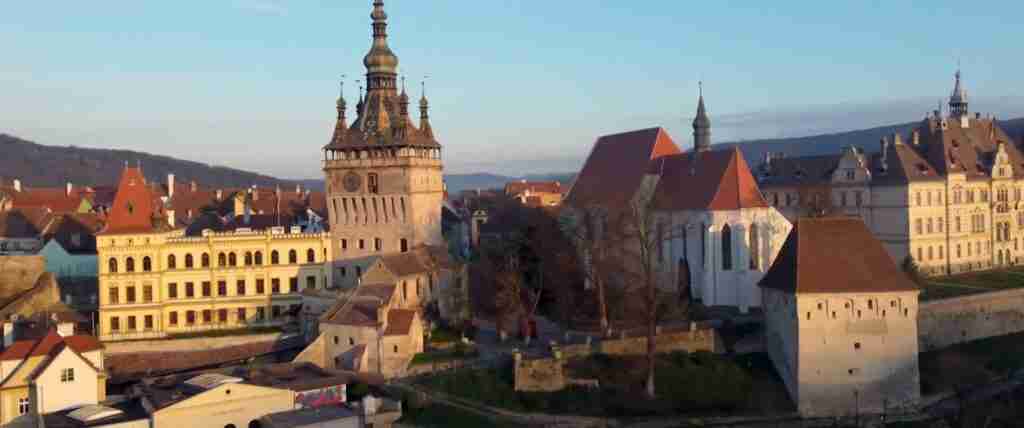
5 days
Transylvania 5-Day Highlights Experience
- ✓ Comprehensive Transylvania experience
- ✓ Expert local guides included
- ✓ All accommodation included
- ✓ Transportation provided
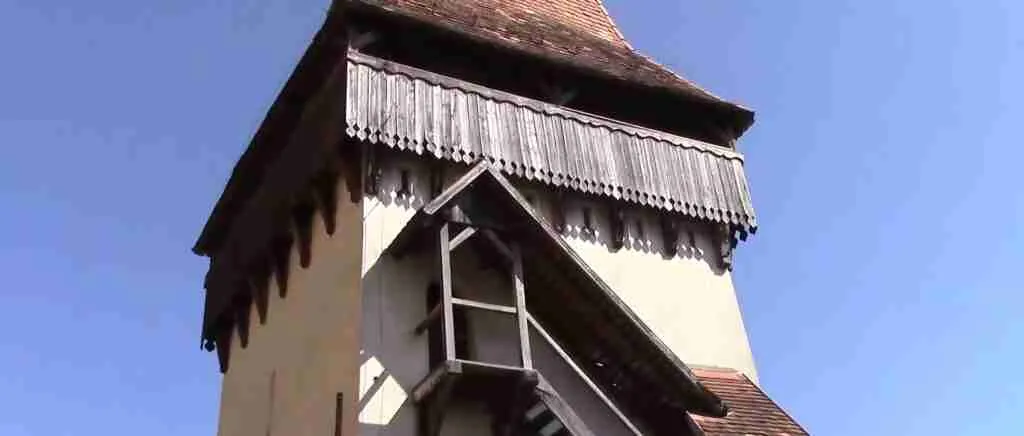
7 days
Transylvania 7-Day Cultural Journey
- ✓ Comprehensive Transylvania experience
- ✓ Expert local guides included
- ✓ All accommodation included
- ✓ Transportation provided

10 days
Transylvania 10-Day Complete Adventure
- ✓ Comprehensive Transylvania experience
- ✓ Expert local guides included
- ✓ All accommodation included
- ✓ Transportation provided
Multi-day tour packages powered by TourRadar. Prices and availability subject to change.
Introduction: Planning Your Cluj-Napoca Visit in 2026
Cluj-Napoca occupies a unique position in Romania’s travel landscape — neither purely medieval like Brașov nor overwhelmingly metropolitan like Bucharest, but rather a sophisticated fusion of Transylvanian heritage and 21st-century innovation. Romania’s second-largest city and the unofficial capital of Transylvania, Cluj combines 2,000 years of layered history (Roman Napoca ruins, Gothic churches, Habsburg architecture) with a vibrant present shaped by 85,000 university students, a booming tech sector earning it the nickname “Silicon Valley of Transylvania,” and Central Europe’s most dynamic festival culture.
The city’s appeal rests on several distinctive advantages for 2026 travelers. Foremost is exceptional value — daily costs ranging from $40-75 for budget travelers to $110-180 for mid-range comfort deliver experiences that would cost double in Prague or triple in Vienna, while Cluj’s sophistication rivals these Western European capitals. The compact 25-minute-walkable Old Town concentrates all major attractions within easy reach, eliminating transportation hassles. A massive student population (Babeș-Bolyai University enrolls 45,000+) creates excellent English proficiency, hundreds of affordable restaurants, and a creative energy rare in cities Cluj’s size (population 290,000, metro area 420,000).
Cluj’s cultural calendar defines Romanian festival culture in 2026. The Transilvania International Film Festival (TIFF) in mid-June screens over 200 films including Hollywood premieres and regional cinema discoveries in venues ranging from Union Square’s open-air screenings to the nearby Bánffy Castle. Jazz in the Park fills the Ethnographic Park with live performances in early June. Untold festival draws 200,000+ attendees and global electronic music headliners to Cluj Arena in early August, while Electric Castle transforms Bánffy Castle’s Renaissance courtyards into one of Europe’s most atmospheric multi-genre music events in July. These festivals elevate Cluj from regional city to international cultural destination for several months annually, though they also create accommodation scarcity and 50-100% hotel price increases during event dates.
Geography positions Cluj as Transylvania’s ideal exploration base. The city sits in a valley surrounded by the Apuseni Mountains 350 meters above sea level, creating a moderate continental climate with warm summers (68-84°F / 20-29°C) and cold winters (23-37°F / -5 to 3°C). This central location places Cluj 30 minutes from Turda Salt Mine (one of Romania’s most visited attractions), 1.5 hours from the Apuseni’s hiking trails and cave systems, 2.5 hours from medieval Sighișoara (Dracula’s birthplace), and 3.5 hours from Brașov and the Carpathian Mountains. Romanian trains connect Cluj to Budapest (10 hours), Timișoara (5 hours), and Bucharest (9-14 hours via the slow scenic route), though buses often prove faster and more comfortable for most domestic routes.
The city’s ethnic and linguistic diversity adds cultural depth often missing in more homogeneous destinations. Approximately 14% of Cluj’s population identifies as Hungarian, creating a bilingual Romanian-Magyar character visible in dual street signs, Hungarian restaurants serving paprika-rich goulash and lángos alongside Romanian sarmale and mămăligă, and Hungarian Cultural Days celebrations each August. This multicultural heritage, combined with centuries of Romanian, Hungarian, German Saxon, and Jewish communities, produces an architectural and culinary richness that rewards extended exploration beyond the main-square selfie spots.
For 2026 planning purposes, Cluj presents different personalities across seasons. Spring (April-May) brings blooming Botanical Garden displays and comfortable 55-68°F (13-20°C) temperatures before crowds arrive. Summer (June-August) offers peak warmth, maximum festival energy, and longest daylight (15+ hours in June) but also highest prices and largest crowds. Autumn (September-October) delivers arguably the city’s most pleasant conditions — warm days around 70°F (21°C), golden light illuminating Habsburg facades, university-term liveliness without festival chaos, and 20-40% accommodation savings. Winter (November-March) sees persistent fog, short daylight, and temperatures often below freezing, though Christmas markets and rock-bottom hotel rates ($25-35 nightly) attract budget maximizers willing to brave the cold.
This guide provides comprehensive practical information for Cluj-Napoca in 2026, organized for efficient trip planning. Detailed budget breakdowns with pre-calculated daily costs help travelers align expenses with their comfort level. Transportation sections cover getting to Cluj (flights, trains, buses) and navigating the city’s walkable center plus public transit system. Accommodation recommendations span budget hostels to luxury hotels across key neighborhoods. Food and dining coverage ranges from 30-lei ($7) lunch menus at traditional Romanian canteens to upscale dining experiences. Day trip planning includes Turda Salt Mine logistics, Apuseni Mountains hiking options, and medieval town excursions. Seasonal considerations help travelers choose optimal timing based on weather, crowds, and pricing patterns. Practical tips address currency (Romanian Leu / RON), tipping customs, English availability, and safety considerations specific to Cluj-Napoca’s urban environment.
Understanding Cluj-Napoca’s Travel Costs in 2026
Cluj-Napoca occupies a unique pricing position within Romania and broader Central Europe — more expensive than most Romanian destinations due to its university population, tech sector, and festival culture, yet substantially cheaper than comparable Central European cities offering similar cultural sophistication. This section breaks down realistic daily budgets, identifies cost drivers specific to Cluj, and reveals pricing patterns across seasons and neighborhoods to help travelers budget accurately.
The city’s cost structure reflects several distinctive factors. Cluj hosts Romania’s largest university (Babeș-Bolyai, 45,000 students) plus multiple other institutions totaling 85,000+ students, creating robust demand for affordable dining and accommodation that keeps budget options plentiful even as the city’s tech boom and tourism growth push mid-range and luxury prices higher. The thriving IT sector — Cluj houses offices for Microsoft, Amazon, Bosch, and hundreds of Romanian tech companies — sustains a sophisticated coffee culture with third-wave cafés charging 12-18 RON ($3-4) per specialty coffee, more than Bucharest but less than Vienna. Summer festival season (June-August) creates extreme accommodation price volatility, with basic hotels that charge 240 RON ($55) nightly in May or September jumping to 440+ RON ($100+) during TIFF or Untold weekends.
Cluj’s compact walkable center reduces transportation costs significantly compared to sprawling cities. Most visitors spend just 3-6 RON ($0.70-1.40) daily on public transit for occasional bus rides to outlying attractions, as the 25-minute walk from one end of the Old Town to the other covers St. Michael’s Church, Union Square, Botanical Garden, museums, and the main restaurant zones. This walkability advantage means travelers can invest more budget in dining and experiences rather than burning money on taxis or metro tickets.
The city’s dining scene spans extraordinary range — from 30 RON ($7) three-course lunch menus at traditional Romanian canteens to 280+ RON ($65+) per person at acclaimed restaurants like Baracca or Roata. This breadth allows budget flexibility unmatched in many European cities, where budget and premium dining exist in separate spheres. Students sustain hundreds of cheap eateries serving filling meals for $7-12, while the tech professional demographic supports upscale bistros and international cuisine at $20-45 per person. Markets including Piața Mihai Viteazul sell fresh produce at Romanian rural prices, enabling self-catering travelers to prepare meals for $3-6 per person.
Cultural attraction pricing remains remarkably accessible. Major museums charge 15-28 RON ($3.50-6.50) entry, the stunning Botanical Garden costs just 15-20 RON ($3.50-5), and iconic St. Michael’s Church (Cluj’s symbol) requires no entry fee for basic access. Many Romanians consider Cluj expensive because it exceeds Bucharest prices by 10-20% in some categories, but international visitors find Cluj’s €3-6 museum entries and €15-25 daily attraction budgets exceptional value. The 30-kilometer journey to Turda Salt Mine — one of Romania’s top three attractions — costs just 14 RON ($3) return by public bus plus 76-92 RON ($18-21) mine entry, making world-class day trips feasible on modest budgets.
Accommodation represents Cluj’s most seasonally volatile cost category. Budget beds in clean hostels start at 45-90 RON ($10-21) year-round, but mid-range hotels that charge 240-350 RON ($55-80) nightly during spring or autumn can spike to 440-700 RON ($100-160) during major festivals, with some properties near sold out 3+ months ahead. Visitors flexible on dates save substantially by avoiding TIFF (mid-June), Electric Castle (early July), and Untold (early August) weekends. Winter months (November-February) bring the deepest discounts — expect 30-50% off summer rates, with decent budget hotels available for 90-140 RON ($21-32) nightly, though you trade savings for cold, fog, and limited daylight.
Pricing varies noticeably by neighborhood. Old Town and immediate center hotels command 20-35% premiums over properties in Mărăști (business district) or Someșeni (residential) neighborhoods, though Cluj’s compact size means even “distant” hotels sit just 10-15 minutes from Union Square by bus. Restaurant pricing follows similar patterns — expect to pay 15-25% more for meals on Union Square or Museum Square terraces versus identical dishes two streets away on side lanes.
Hidden costs worth noting include Romania’s 1% accommodation city tax (applied automatically to hotel bills), the 10% restaurant tipping norm (added to your mental budget for each meal), and occasional SMS surcharges (2.29 RON / $0.53) when purchasing public transit tickets via text message. ATM withdrawals face potential fees if you use unaffiliated bank machines, particularly avoiding Euronet machines known for poor exchange rates and 20-36 RON ($4.70-8.30) withdrawal fees — stick to bank-affiliated ATMs from BCR, BRD, or BT for fair rates.
Exchange rate context: As of 2026, 1 USD equals approximately 4.33 Romanian Lei (RON). Cash remains useful for markets, street food, and some smaller traditional restaurants, though contactless card payments work at virtually all hotels, modern restaurants, museums, and chains. Cluj’s tech-hub status means payment infrastructure rivals Western Europe — tap-to-pay terminals, reliable Bolt/Uber apps for ride-sharing, and excellent 4G/5G connectivity throughout the city center.
Comparing Cluj to peer destinations reveals its value proposition clearly. A mid-range day (hotel, three restaurant meals, museum entry, local transport) costs $110-180 in Cluj versus $160-240 in Prague, $200-280 in Vienna, or $180-260 in Budapest. Budget travelers accessing Cluj’s student-oriented infrastructure (hostel dorms, lunch menus, free attractions, public transit) achieve $40-75 daily costs nearly impossible to match in Western European cities offering comparable urban sophistication.
Daily Budget Breakdown Cluj-Napoca 2026
This section provides detailed per-person daily cost breakdowns for three travel styles — budget, mid-range, and luxury — allowing travelers to plan realistic spending aligned with their comfort preferences. All figures assume two people sharing accommodation and represent per-person costs for a typical full day in Cluj-Napoca. Prices reflect 2026 rates verified through current hotel booking platforms, restaurant menus, and official attraction pricing.
Budget Traveler Daily Costs 2026 ($40-75 Per Person)
Budget travelers staying in hostel dormitories or sharing budget hotels can experience Cluj-Napoca comfortably for $40-75 per person daily. This budget prioritizes value while maintaining decent standards — clean safe accommodation, filling meals, public transportation, and selective paid attractions balanced with free exploration.
Accommodation forms the foundation of budget travel. Hostel dormitories in central Cluj cost 45-90 RON ($10-21) per person nightly in properties like Retro Hostel (excellent Old Town location near city walls) or The Spot Cosy Hostel (newer facility near Central Park). These typically include basic breakfast, shared bathrooms, lockers, and common areas with decent WiFi. Budget hotels offering private rooms for couples cost 90-170 RON ($21-39) per room, translating to $11-20 per person when sharing — properties like Pension Bellagio or smaller family-run hotels in neighborhoods just outside the historic core deliver private bathrooms and simple but clean rooms at these rates.
Meals represent where budget travelers extract maximum value through Cluj’s student-focused dining infrastructure. Traditional Romanian canteens and lunch menus provide exceptional deals — expect to pay 30-45 RON ($7-10) for substantial three-course lunch menus including soup, main course (often cabbage rolls with polenta and sour cream, or grilled pork with vegetables), and dessert. Breakfast can cost $3-6 when purchased from bakeries (fresh pastries, coffee) or prepared using hostel facilities. Dinner at inexpensive restaurants runs 40-70 RON ($10-16) for mains like traditional sarmale or Hungarian goulash with bread. Self-catering reduces costs further — shopping at Lidl, Penny Market, or Kaufland supermarkets allows breakfast and lunch preparation for $8-15 combined, leaving budget for one daily restaurant meal. Total daily meal cost: $21-34.
Transportation costs minimal given Cluj’s compact walkable center. Most budget travelers purchase 14 RON ($3) day passes covering unlimited bus and trolley rides for occasional trips to Botanical Garden, Central Park, or the airport. Alternatively, single tickets cost 3 RON ($0.70) per ride, making 3-6 RON ($0.70-1.40) typical daily transit spend for 1-2 journeys. Walking handles 80% of movement within the historic core.
Attractions require selectivity at this budget level. Cluj offers substantial free exploration — St. Michael’s Church exterior and square atmosphere, wandering cobblestone streets, Cetățuia Hill climb for panoramic sunset views, and people-watching from Central Park benches cost nothing. Budget 15-40 RON ($4-10) daily for paid attractions, covering perhaps Botanical Garden entry (15-20 RON) one day, Art Museum (28 RON) another day, while balancing with free days exploring neighborhoods, markets, and architecture. The strategic approach: one paid museum every other day rather than cramming all attractions into a short visit.
Budget daily cost summary per person (two sharing budget hotel or hostel): accommodation $11-22, meals $21-34, transport $3-6, attractions $4-10. Total: approximately $40-75 per person daily.
Mid-Range Traveler Daily Costs 2026 ($110-180 Per Person)
Mid-range budgets deliver comfortable Cluj experiences without luxury premiums — clean centrally-located hotels with private bathrooms and breakfast, sit-down restaurant meals, convenient taxis when useful, and comprehensive attraction access including paid museums and occasional guided tours.
Accommodation centers on well-reviewed three-star and four-star hotels in the Old Town or Central Park areas. Properties like Hotel Beyfin (Union Square location with Italian restaurant), Hampton by Hilton Cluj-Napoca (modern rooms ten minutes from Old Town), or Platinia Hotel (near Cluj Arena) charge 240-435 RON ($55-100) per room nightly outside festival season, translating to $28-50 per person when sharing. These typically include buffet breakfast, air conditioning, comfortable beds, modern bathrooms, and central heating for winter visits. Spring and autumn rates cluster $55-75 nightly for quality options, while summer non-festival dates push toward $75-100.
Dining at this level means predominantly restaurant meals with selective budget choices. Breakfast typically comes included with hotels, saving $8-14 daily. Lunch at mid-range establishments costs 70-100 RON ($16-24) per person — bistros like Samsara Foodhouse, traditional restaurants with table service, or international cuisine cafés. Dinner represents the main meal, averaging 120-180 RON ($28-42) per person for appetizer or soup, main course, dessert, and non-alcoholic beverage at restaurants like Casa Boema (Hungarian-Romanian cuisine), Baracca (Italian), or local favorites in the Old Town. Wine or beer adds 15-30 RON ($3.50-7) per drink. Occasional budget lunches (30 RON menus) or café meals balance splurge dinners, keeping overall food budget realistic. Total daily meal cost: $52-79 including hotel breakfast value.
Transportation blends public transit with occasional taxis or Bolt rides for convenience. Public transit day passes (14 RON / $3) handle most movement, but mid-range travelers might Bolt to/from airport ($7-9), take evening taxis home from dinner ($3-6 typical trip), or use ride-sharing for rainy-day convenience. Budget $10-18 daily for blended transportation averaging $45-75 weekly.
Attractions receive fuller engagement at this budget level. Entry to multiple museums (15-28 RON each), Botanical Garden visits, day trips to Turda Salt Mine ($18-21 entry plus $7 bus fare), occasional guided walking tours ($20-35), and perhaps a paid festival event or concert fit within $18-28 daily attraction budgets when averaged across a week-long visit. This allows genuine cultural immersion rather than selective attraction picking.
Mid-range daily cost summary per person (two sharing mid-range hotel): accommodation $28-50, meals $52-79, transport $10-18, attractions $18-28. Total: approximately $110-180 per person daily for comfortable urban exploration.
Luxury Traveler Daily Costs 2026 ($255-405 Per Person)
Luxury budgets in Cluj-Napoca access the city’s top hotels, acclaimed restaurants, private transportation, and premium experiences including guided tours, spa facilities, and VIP festival access where available. While Cluj lacks five-star properties at Budapest or Vienna standards, its best hotels deliver excellent service and prime locations at fraction of Western European luxury prices.
Accommodation comprises Cluj’s finest properties. Radisson Blu Hotel Cluj (five-star rated, central location with rooftop restaurant), DoubleTree by Hilton Cluj-City Plaza (modern facilities, signature warm cookie arrival), Grand Hotel Italia (historic charm near Old Town), or boutique options like Vibre Hotel charge 570-890+ RON ($132-206+) per room nightly outside festival peaks. Per-person costs when sharing: $70-110 nightly. These properties offer spacious rooms, exceptional breakfast buffets, fitness centers, business facilities, concierge services, and locations literally steps from Union Square attractions. Festival weekends push rates toward $200-250 per room even at these properties.
Dining explores Cluj’s acclaimed restaurant scene. Breakfast typically comes with luxury hotels. Lunch at upscale bistros or international restaurants runs 150-240 RON ($35-55) per person for multi-course meals with wine. Dinner at destinations like Roata (traditional Romanian elevated preparations), Baracca (high-end Italian with local ingredients), or new-wave Cluj establishments averages 280-400 RON ($65-95) per person for three courses with wine pairings. Specialty coffee at third-wave cafés, afternoon pastries at boutique bakeries, and occasional street food sampling add variety. Total daily meal cost: $118-178.
Transportation emphasizes convenience through private drivers, consistent Bolt/Uber use, and rental cars for day trips. Budget $25-45 daily for transportation flexibility — airport transfers via pre-arranged private car ($20-25), taxis for all urban movement, and rental car costs for Turda Salt Mine or Apuseni Mountains excursions amortized across trip days.
Attractions and experiences receive premium treatment. Private guided tours of Cluj ($60-100), Turda Salt Mine private excursions with guide and driver ($100-150), VIP festival tickets for TIFF or Untold events when available, spa treatments at Cluj’s limited spa facilities, and curated wine tasting or culinary experiences fit within $40-70 daily activity budgets. This level accesses experiences unavailable to budget travelers — private access, expert guides, skip-the-line entries, and customized itineraries.
Luxury daily cost summary per person (two sharing luxury hotel): accommodation $70-110, meals $118-178, transport $25-45, attractions and experiences $40-70. Total: approximately $255-405 per person daily for premium Cluj-Napoca experiences.
Weekly and Multi-Day Trip Costs Cluj-Napoca 2026
Understanding cumulative costs helps travelers budget complete trips accurately. This section translates daily budgets into realistic week-long visit totals and provides sample itinerary costs for common Cluj-Napoca trip lengths.
A seven-day Cluj-Napoca visit generates the following approximate total costs per person when maintaining consistent spending levels across the week: Budget travelers (hostel or budget hotel sharing, lunch menus, public transit, selective attractions): approximately $280-525 total per person for the week. Mid-range travelers (comfortable centrally-located hotel, regular restaurant meals, balanced transit and taxis, comprehensive attraction access): approximately $770-1,260 total per person for the week. Luxury travelers (top hotels, acclaimed restaurants, private transportation, premium experiences): approximately $1,785-2,835 total per person for the week.
These totals exclude international flights to Romania, which vary dramatically by origin city, season, and booking timing. European cities often connect to Cluj-Napoca’s Avram Iancu International Airport for €25-60 one-way on Wizz Air when booked 2+ months ahead, while North American travelers typically route through Bucharest, Budapest, or Vienna with total flight costs ranging $550-900+ roundtrip depending on season and departure city. Budget an additional $100-300 per person for domestic transportation if arriving via Bucharest (buses $24-35, flights $30-60 one-way when available).
Sample five-day mid-range trip budget breakdown (two people sharing) illustrates how costs accumulate: Accommodation 260 RON ($60) per night × 5 nights = $300 per person. Meals averaging $65 per person daily × 5 days = $325 per person. Transportation including airport transfers, public transit, and occasional taxis: $55 per person total. Attractions including Botanical Garden, Art Museum, Turda Salt Mine day trip, and miscellaneous entries: $90 per person total. Total five-day mid-range trip cost: approximately $770 per person excluding flights, or $1,540 for a couple.
Budget-conscious three-day weekend budget breakdown demonstrates achievable costs for shorter visits: Accommodation hostel dormitory 70 RON ($16) per night × 3 nights = $48 total. Meals averaging $28 per person daily (mix of lunch menus, self-prepared breakfast, one budget restaurant dinner) × 3 days = $84 total. Transportation public transit day passes $3 × 3 days = $9 total. Attractions Turda Salt Mine entry $21, Botanical Garden $4, free walking exploration = $25 total. Three-day budget weekend cost: approximately $165 per person, or $330 for a couple excluding flights.
Trip cost optimization strategies reduce expenses without sacrificing experience quality. Visiting during shoulder seasons (May, September-early October) saves 20-40% on accommodation versus July-August peaks while maintaining excellent weather. Booking accommodation 2+ months ahead locks better rates and prevents festival weekend sellouts that force expensive last-minute bookings. Balancing restaurant meals with grocery-store self-catering — perhaps enjoying lunch out at traditional canteens ($7-10) while preparing breakfast and light dinners — cuts food budgets by 30-40%. Using public transit consistently rather than defaulting to taxis saves $5-15 daily for minimal inconvenience in compact Cluj. Prioritizing free attractions (St. Michael’s Church, Central Park, Cetățuia Hill sunset, neighborhood wandering) with selective paid museum visits rather than attempting to see everything reduces daily attraction costs from $20-28 to $8-15 without diminishing experience depth.
Accommodation Guide Cluj-Napoca 2026: Where to Stay
Cluj-Napoca’s accommodation spans hostels charging $10-21 per bed to luxury hotels at $132-206+ per room, with the city’s compact size meaning even “distant” properties sit just 10-15 minutes from the Old Town by bus. Neighborhood choice matters more for atmosphere than practicality — whether you prefer waking up amidst student energy and nightlife or in quieter residential surroundings.
Budget Accommodation Cluj-Napoca ($10-39 Per Room)
Budget accommodation divides between hostel dormitories at 45-90 RON ($10-21) per bed and budget hotels offering private rooms for 90-170 RON ($21-39) per room. Hostels concentrate in and near the Old Town, providing social atmosphere, shared kitchens for meal preparation, and locations literally steps from Union Square. Retro Hostel occupies a historic building near the old city walls with mixed dormitories and some private rooms, receiving consistent praise for cleanliness and helpful staff. The Spot Cosy Hostel near Central Park offers modern facilities with spacious dorms and good WiFi. Transylvania Hostel caters specifically to backpackers with communal events and tour desk services.
Budget hotels and pensions suit couples or travelers prioritizing private bathrooms over hostel social scenes. These cluster in residential neighborhoods 10-20 minutes walk from the center — Someșeni, Grigorescu, and streets radiating from Piața Mihai Viteazul. Properties like Pension Bellagio, smaller family-run guesthouses, and basic hotels deliver clean private rooms with en-suite bathrooms, simple breakfasts, and minimal but adequate amenities. Expect aging but functional furnishings, smaller rooms than mid-range alternatives, and limited English from staff at the cheapest options, though standards remain perfectly acceptable for travelers prioritizing cost savings over luxury.
Booking strategy for budget accommodation: Reserve 4+ weeks ahead during May-September as student travel and festivals create demand even for budget beds. Winter months (November-March) often offer walk-in availability and room for last-minute negotiation. Read recent reviews carefully as budget property quality varies substantially — some deliver exceptional value while others cut corners on cleanliness or security.
Mid-Range Accommodation Cluj-Napoca ($55-100 Per Room)
Mid-range hotels offering 240-435 RON ($55-100) nightly represent Cluj-Napoca’s accommodation sweet spot — centrally located properties with modern amenities, included breakfast, and professional service at fraction of Western European prices. This category encompasses both international chains and excellent local properties.
Top mid-range picks include Hotel Beyfin on Union Square itself, delivering unbeatable location with views of St. Michael’s Church, an excellent Italian restaurant, and stylish rooms at $80-100 nightly outside festivals. Hampton by Hilton Cluj-Napoca sits ten minutes walk from Old Town with reliably comfortable rooms, strong WiFi, gym access, and Hilton’s consistent standards for $65-85. Hotel Platinia near Cluj Arena offers good value at $60-75 with modern facilities and easy tram access to center. Golden Tulip Ana Dome provides four-star comfort at three-star prices ($70-90) with restaurant, bar, and convenient Central Park location.
Neighborhood considerations at this price point allow choice. Old Town properties charge 15-25% premiums but put you literally amid the action — roll out of bed onto cobblestone streets with cafés, restaurants, and attractions steps away. Central Park area hotels (Parcul Central, streets near Someș River) deliver quieter evenings with 10-minute walks or 5-minute bus rides to Union Square, good for travelers preferring to escape the hub after sightseeing. Mărăști business district hotels near Iulius Mall sacrifice historic atmosphere for modern facilities, shopping access, and sometimes lower prices.
Booking window matters significantly. May and September shoulder season rates cluster $55-75 for quality three-star properties. June festival season (TIFF) and July-August push identical rooms to $85-125, with Untold weekend in early August creating near-sellouts at any price. Winter months drop rates to $45-65, though heating quality becomes relevant when overnight temperatures hit -5°C (23°F) or lower. Book 8-12 weeks ahead for summer dates, 4-6 weeks for shoulder seasons.
Luxury Accommodation Cluj-Napoca ($132-206+ Per Room)
Cluj’s luxury tier lacks the grand dame historic hotels of Vienna or Prague but delivers excellent modern comfort at premium-moderate prices. The top properties cluster $132-206+ nightly outside festival peaks, rising to $200-280 during Untold or TIFF weekends.
Radisson Blu Hotel Cluj anchors the luxury segment with genuine five-star facilities including rooftop restaurant with panoramic city views, fitness center, business lounge, and spacious rooms with excellent beds and bathrooms. Expect to pay $160-206 for superior rooms, $200-250 for suites. DoubleTree by Hilton Cluj-City Plaza delivers Hilton’s upscale brand standards — signature warm cookie arrival, contemporary design, central location near shopping and dining, and attentive service at $145-190. Grand Hotel Italia offers historic charm in an Old Town building with individually decorated rooms, restaurant, and character that modern chains cannot match, at $132-175.
Boutique options provide alternative luxury experiences. Vila-Hotel ESCALA features just a few rooms with artistic design, personalized service, and intimate atmosphere at $140-180. Wonderland Cluj Resort on the city outskirts (requiring taxi access) delivers resort experience with gardens, pool, and spa facilities at $165-220, appealing to travelers prioritizing relaxation over urban convenience.
Luxury booking strategy: These properties fill early for festival dates — reserve 12+ weeks ahead for Untold weekend, 8-10 weeks for TIFF. Loyalty program members at Radisson or Hilton sometimes access better rates or upgrades. Winter months see the deepest discounts with four-star rooms dropping to $90-120, though you trade savings for cold and fog.
Seasonal Accommodation Pricing Patterns 2026
Cluj-Napoca’s hotel rates fluctuate dramatically across the calendar year, making timing selection crucial for budget optimization. January through March represents absolute low season with hotels 30-50% below summer peaks — decent budget hotels available for $21-32, mid-range properties $45-65, luxury options $90-135. Cold temperatures (-5 to 5°C / 23-41°F), persistent fog, and limited daylight deter most tourists despite rock-bottom prices.
April and early May shoulder season brings pleasant weather with rates still 15-25% below summer — budget beds $12-19, mid-range rooms $50-70, luxury hotels $110-150. This window offers exceptional value for weather-tolerant travelers.
Late May through June sees rates climb as festival season approaches. TIFF (mid-June) creates the first major spike — expect 40-80% increases over April rates with many centrally-located properties sold out months ahead. July and August maintain elevated pricing (budget $16-22, mid-range $75-100, luxury $145-195) even during non-festival dates due to general summer tourism.
Untold weekend (early August) represents Cluj’s annual accommodation pricing peak. Basic hotels that charge $55 in May hit $100-135 for Untold weekend. Mid-range properties selling for $75 normally reach $140-180. Luxury hotels approach $230-280. Many properties implement 3-4 night minimum stays. Festival attendees book 6+ months ahead or pay severe premiums.
September through mid-October shoulder season delivers arguably Cluj’s best accommodation value-weather balance — pleasant 15-20°C (59-68°F) days with rates dropping back toward April levels as student semester begins and festival crowds depart. Budget beds $12-18, mid-range hotels $55-75, luxury properties $120-165.
Late October through December sees progressive rate declines toward winter lows, though Christmas market dates (late November through December) create brief spikes. November presents the deepest discount opportunity with lowest rates and lowest tourist traffic, though weather becomes genuinely unpleasant.
Food and Dining Costs Cluj-Napoca 2026
Cluj-Napoca’s dining scene delivers extraordinary value and variety, from 30 RON ($7) three-course lunch menus at traditional canteens to 280+ RON ($65+) per person at the city’s most acclaimed restaurants. The massive student population sustains hundreds of cheap eateries, while tech professionals and festival culture support sophisticated coffee shops and upscale bistros, creating dining depth rare in cities Cluj’s size.
Budget Dining Cluj-Napoca ($7-16 Per Meal)
Budget travelers access filling authentic meals for $7-16 per person through Cluj’s traditional Romanian canteens, student-oriented restaurants, and strategic self-catering from supermarkets. The prânz meniu (lunch menu) represents the single best dining value — expect to pay 30-45 RON ($7-10) for soup, substantial main course (sarmale with polenta and sour cream, grilled meats with vegetables, or bean stew), dessert, and sometimes bread at traditional restaurants throughout the Old Town and university district. These multi-course lunches contain more food than most travelers finish, making them ideal for travelers willing to eat their main meal at midday.
Street food and fast casual options supplement lunch menus. Lángos (fried dough with toppings) costs 12-20 RON ($3-5) from market stalls. Kürtőskalács (chimney cake, a Hungarian-Transylvanian specialty) runs 8-15 RON ($2-3.50). Covrigi (Romanian pretzels) sell for 2-4 RON ($0.50-1). Local pizza slices cost 8-12 RON ($2-3). These work well for quick cheap lunches or supplementary snacks.
Self-catering dramatically reduces costs for budget-conscious travelers. Cluj hosts multiple supermarket chains — Lidl, Penny Market, Kaufland, Profi — with prices roughly 40-60% below U.S. or Western European equivalents. Fresh bread costs 3-6 RON ($0.70-1.40), cheese 15-25 RON ($3.50-6) per portion, cold cuts 10-18 RON ($2.30-4.20), produce 5-15 RON ($1.20-3.50) per kilo. Hostel kitchens or budget hotels with mini-fridges enable breakfast and light dinner preparation for $3-8 per person daily, leaving budget for restaurant lunches.
Traditional Romanian restaurants with larger portions and full service charge 40-70 RON ($10-16) for main courses at dinner — expect dishes like mici (grilled meat rolls with mustard and bread), tochitura (pork stew with polenta and egg), or papanași (fried dough with cream and jam) to fill even substantial appetites. Add 5-8 RON ($1.20-2) for soup, 12-20 RON ($3-5) for dessert.
Coffee culture in Cluj spans extreme price range. Student cafés and traditional spots charge 5-8 RON ($1.20-2) for standard espresso or cappuccino. Third-wave specialty coffee shops popular with tech workers and visitors ask 12-18 RON ($3-4.20) for pour-overs, flat whites, and single-origin brews — still reasonable by Western standards but elevated for Romanian context.
Mid-Range Dining Cluj-Napoca ($16-42 Per Meal)
Mid-range dining encompasses most sit-down restaurants where travelers spend comfortable evenings without luxury pricing. Lunch at bistros, international cuisine restaurants, or upscale Romanian establishments runs 70-100 RON ($16-24) per person for appetizer or soup, main course, and drink. Dinner with fuller courses averages 120-180 RON ($28-42) per person before alcohol.
Recommended mid-range restaurants span diverse cuisines. Samsara Foodhouse serves excellent vegetarian and vegan dishes reimagining Romanian and international recipes, with mains 45-75 RON ($10-17). Casa Boema specializes in Hungarian-Romanian fusion with generous portions — expect to pay 60-90 RON ($14-21) for main courses like stuffed cabbage or goulash. Roata offers traditional Romanian preparations elevated through careful technique and quality ingredients at 80-120 RON ($19-28) per main. Baracca delivers Italian cuisine with fresh pasta and local ingredients at 70-110 RON ($16-26) for pastas and pizzas, 90-140 RON ($21-32) for secondi.
International options reflect Cluj’s cosmopolitan character. Asian restaurants including Vietnamese, Thai, and Japanese establishments charge 50-85 RON ($12-20) for main courses. Mediterranean and Middle Eastern spots average 55-95 RON ($13-22) per person. Burger specialists and modern casual dining concepts popular with university crowds ask 40-70 RON ($9-16) for quality burgers with sides.
Wine and beer add 15-30 RON ($3.50-7) per glass for decent Romanian wines, 8-15 RON ($2-3.50) for draft beer. Full bottle wine prices range 80-200 RON ($19-46) for good Romanian vintages, 150+ RON ($35+) for international selections. Non-alcoholic drinks cost 8-15 RON ($2-3.50).
Coffee at mid-range price point means Cluj’s excellent third-wave specialty shops. Expect to pay 12-18 RON ($3-4.20) for pour-overs, flat whites, cortados, and single-origin espresso at destinations like Frudisiac, Roots Specialty Coffee, or Joben Bistro’s coffee bar. These rival any Western European specialty coffee scene in quality while remaining significantly cheaper.
Luxury Dining Cluj-Napoca ($35-95+ Per Meal)
Cluj’s upscale dining tier delivers creative cuisine, excellent service, and memorable experiences at prices still well below equivalent Western European restaurants. Top restaurants charge 150-240 RON ($35-55) for lunch with wine, 280-400+ RON ($65-95+) for three-course dinners with pairings.
Roata sits atop Cluj’s dining hierarchy, reinterpreting traditional Romanian dishes through modern techniques with seasonal local ingredients. Expect to invest 280-350 RON ($65-80) per person for tasting menu experiences. Baracca’s upscale preparations push toward 120-180 RON ($28-42) for premium main courses. New-wave Romanian bistros experimenting with Transylvanian ingredients and international techniques cluster around 100-160 RON ($23-37) per main course.
High-end international options include Japanese restaurants with fresh fish imports charging 100-180 RON ($23-42) for specialty rolls and sashimi plates, upscale Italian with imported ingredients at 90-150 RON ($21-35) for pastas and 140-220 RON ($32-51) for fish or meat secondi, and French-inspired fine dining at similar price points.
Wine programs at luxury tier restaurants showcase Romanian premium vintages — expect to pay 120-280+ RON ($28-65+) per bottle for excellent selections from Dealu Mare, Murfatlar, or Transylvanian producers, with international bottles starting at 200 RON ($46) and extending upward without practical limit.
Tasting menu experiences where available run 350-500 RON ($80-115) per person for multi-course explorations, often with optional wine pairings adding 150-250 RON ($35-58). These deliver Cluj’s most sophisticated dining experiences while remaining substantially cheaper than equivalent offerings in Vienna, Prague, or Budapest.
Transportation Guide Cluj-Napoca 2026
Cluj-Napoca’s compact walkable center minimizes transportation needs for most visitors, with excellent public transit covering routes beyond walking distance and reliable ride-sharing apps providing convenient alternatives. This section covers getting to Cluj from other Romanian cities and international airports, navigating the city efficiently, and accessing day trip destinations.
Getting to Cluj-Napoca 2026
Cluj-Napoca’s Avram Iancu International Airport (CLJ) connects to major European cities through budget carriers Wizz Air and TAROM plus regional carriers. Wizz Air operates extensive routes from London, Paris, Rome, Barcelona, and dozens of secondary European cities with advance-purchase fares often $25-60 one-way. TAROM provides Romanian flag carrier service to Bucharest and select international destinations at slightly higher prices but better reliability. International travelers from North America, Asia, or distant origins typically route through Bucharest Henri Coandă International Airport, Budapest, Vienna, or Frankfurt, then continue to Cluj via connecting flight, train, or bus.
Domestic flights between Bucharest and Cluj take one hour versus 9-14 hours by train, making the $30-60 flight cost worthwhile for time-constrained travelers. Wizz Air and TAROM operate this route multiple times daily with advance-purchase fares competitive with bus prices when booking 6+ weeks ahead.
Trains from Bucharest to Cluj traverse scenic routes through the Carpathians but require patience — the fastest InterCity trains take 9-10 hours with second-class tickets around 100-140 RON ($23-32), first-class 140-200 RON ($32-46). Overnight sleeper trains exist but schedules make the journey inconveniently long. The route’s beauty — winding through mountain passes, crossing valleys, passing traditional villages — appeals to travelers prioritizing journey over destination, though most choose faster bus options.
Buses provide the practical overland option for domestic Romanian travel. FlixBus and Romanian operators connect Cluj to Bucharest in 7 hours for 100-140 RON ($23-32), Brașov in 3.5 hours for 60-90 RON ($14-21), and Timișoara in 5 hours for 80-120 RON ($19-28). Buses depart from Cluj’s Autogara Beta Nord (northern bus station) with several daily frequencies on major routes. Book through autogari.ro or FlixBus app for best prices and schedule certainty.
International bus services connect Cluj to Budapest (6-7 hours, €15-25), Vienna (12-14 hours, €35-55), and other Central European cities, appealing to budget travelers with time flexibility.
Cluj-Napoca Airport to City Center 2026
Cluj-Napoca Airport sits 9 kilometers east of city center with several transport options. Public bus route provides the cheapest connection at just 5 RON ($1.20) for the 30-minute journey to Piața Mihai Viteazul near the Old Town. Buses depart every 30-60 minutes depending on time of day — check schedules as evening/night frequencies reduce significantly. Purchase tickets from airport kiosk or driver (exact change helps though not strictly required).
Taxis via Bolt or Uber cost 30-40 RON ($7-9) for the 15-20 minute drive to city center, providing convenient door-to-door service particularly valuable for travelers with luggage or arriving late. Critical warning: never accept rides from taxi drivers who approach you directly at the airport — this represents Cluj’s most persistent tourist scam with drivers charging 3-5 times normal fares. Use only the official automated dispatch terminals in arrivals hall or summon Bolt/Uber via app.
Pre-arranged private transfers through hotels or booking platforms cost $20-30, offering peace of mind for travelers uncomfortable navigating public transport or ride-sharing apps after international flights.
Getting Around Cluj-Napoca City Center 2026
Walking handles 80% of tourist movement in Cluj-Napoca’s compact core. The distance from Union Square to Central Park measures approximately 15 minutes on foot. Botanical Garden sits 20-25 minutes walk from the center. Cetățuia Hill climb takes 30 minutes from Old Town starting point. Most hotels, restaurants, museums, and attractions concentrate within this walkable zone.
Public transit consists of bus and trolley routes covering the wider city. Single-ride tickets cost 3 RON ($0.70), purchased from street kiosks (bright orange color) or via SMS text message (text “CTP 1” to designated number, though this adds 2.29 RON / $0.50 surcharge). Day passes at 14 RON ($3) make sense for visitors planning 3+ rides, while three-day passes cost 23 RON ($5). Validate tickets immediately upon boarding using the yellow machines inside vehicles — controllers check regularly and fine evasion 50 RON ($12) minimum.
Key routes for tourists include buses to Botanical Garden (multiple routes from center), Central Park connections, and routes to residential neighborhoods housing budget hotels. Cluj’s public transit app (CTP Cluj-Napoca) provides real-time schedules and route planning in English.
Taxis via Bolt or Uber work reliably throughout Cluj with typical in-city rides costing 15-30 RON ($3.50-7). Bolt generally offers slightly lower prices than Uber. Both apps accept international cards and provide transparent upfront pricing. Traditional taxis using meters exist but ride-sharing apps nearly always prove cheaper and more convenient for non-Romanian speakers.
Rental cars make no sense for experiencing Cluj-Napoca itself given walkability, cheap public transit, and scarce expensive parking. However, renting a car for multi-day Transylvania exploration makes excellent sense — accessing Turda Salt Mine plus Turda Gorge, visiting Apuseni Mountains caves and villages like Rimetea, exploring fortified churches in Sibiu County, or touring multiple medieval towns becomes dramatically easier with car independence. Rental rates start around 130-180 RON ($30-42) daily for economy cars, with weekly rates offering better value. Book through international platforms (Rentalcars.com aggregates local and international agencies) for transparent pricing and insurance coverage. Mandatory RoVinieta (electronic road toll) costs 13 RON ($3) for 7 days and must be purchased for any use of Romania’s national road network.
Top Attractions and Sights Cluj-Napoca 2026
Cluj-Napoca concentrates remarkable attractions in its compact historic core, blending 2,000 years of layered history with contemporary cultural vitality. This section details essential sights with practical visiting information and entry costs verified for 2026.
St. Michael’s Church and Union Square
The Gothic St. Michael’s Church dominates Union Square (Piața Unirii) with its 80-meter tower serving as Cluj’s instantly recognizable landmark. Construction began in the 14th century with significant modifications continuing through the 18th century, creating an architectural palimpsest blending Gothic foundations with Baroque tower additions. The church opens daily 6 AM-9 PM with no entry fee for basic access, making it Cluj’s most accessible major sight. Climb the tower (when open, check current schedules) for panoramic city views extending to the surrounding hills — tower access typically requires a small fee around 10-15 RON ($2.30-3.50).
Union Square itself functions as Cluj’s de facto living room — outdoor café terraces fill the perimeter, street performers entertain summer crowds, and the square hosts major festivals including TIFF’s outdoor screenings. The surrounding architecture showcases diverse periods: Bánffy Palace (18th-century Baroque) houses the Art Museum, while Habsburg-era buildings provide the square’s distinctive character. Simply spending time absorbing Union Square’s atmosphere costs nothing while delivering quintessential Cluj experiences.
National Museum of Transylvanian History
This comprehensive museum occupies a former Transylvanian government building and traces the region’s complex history from prehistoric Dacian settlements through Roman Napoca, medieval Hungarian rule, Habsburg Empire integration, and modern Romania. Collections include Roman artifacts from Cluj’s ancient incarnation as Napoca, medieval weapons and armor, traditional Transylvanian folk costumes, and exhibits explaining the region’s multi-ethnic heritage. Entry costs approximately 15-20 RON ($3.50-5) with student discounts available. English-language information varies by room — some exhibits provide thorough translations while others rely primarily on Romanian text. Budget 1.5-2 hours for a complete visit.
Cluj-Napoca Art Museum
The Art Museum occupies the stunning Bánffy Palace on Union Square with collections spanning medieval religious art through 20th-century Romanian modernism. The building itself rivals the artwork in significance — Baroque architecture with original parquet floors, elaborate ceiling frescoes, and period rooms providing glimpses of 18th-century aristocratic life. Collections include works by Romanian masters like Nicolae Grigorescu plus European paintings and sculpture. Entry costs 28 RON ($6) with photography surcharges occasionally applied. The museum’s Union Square location makes it an easy addition to any walking tour, with visits taking 1-1.5 hours depending on art engagement depth.
Botanical Garden Alexandru Borza
Cluj’s Botanical Garden spreads across 14 hectares with over 10,000 plant species creating one of Romania’s finest botanical collections. Established in 1872, the garden divides into themed sections — rose garden, Japanese garden, Roman Garden featuring archaeological remnants including statues and sarcophagi from ancient Napoca, and extensive greenhouses housing tropical and subtropical species. An observation tower provides elevated views over the meticulously landscaped grounds.
Entry costs 15-20 RON ($3.50-5), with the higher rate applying when greenhouses open (typically April through October). Budget 1.5-2.5 hours for a leisurely visit — the garden’s rolling terrain and numerous benches invite extended picnic breaks. Spring visits (late April through June) showcase peak flowering across multiple garden zones. The location approximately 20-25 minutes walk from Union Square makes this an easy half-day excursion, with several bus routes providing alternatives to walking.
Cetățuia Hill and Fortifications
Cetățuia Hill rises immediately west of the Old Town offering panoramic views over Cluj-Napoca and surrounding valleys. The hilltop hosts ruins of a 17th-century Habsburg fortress plus a modern hotel, but most visitors climb for sunset vistas. The 30-minute walk from Union Square follows a steady incline with the final approach steepening significantly — wear appropriate footwear and carry water for summer climbs. Entry to the hill and viewpoint costs nothing, making this Cluj’s finest free attraction for travelers willing to invest some physical effort. The view encompasses the entire historic core with St. Michael’s Church tower prominent in the foreground, surrounding residential neighborhoods, and mountains visible in the distance on clear days.
Central Park Simion Bărnuțiu
Cluj’s Central Park stretches along the Someș River providing green space for running, picnicking, and escape from urban density. The Casino building (currently awaiting restoration) dominates the park’s northern end — this Art Nouveau structure served as Cluj’s social hub in the early 20th century. Chios Casino Restaurant currently operates despite the building’s partial state of disrepair. The park hosts occasional festivals, outdoor movie screenings, and concerts during summer months. Walking the park’s perimeter takes 30-40 minutes, with benches, playgrounds, and cafés scattered throughout. No entry fee applies — simply a pleasant free space for reading, jogging, or watching Cluj life unfold.
Tailors’ Bastion and Medieval Fortifications
Remnants of Cluj’s medieval fortifications survive in several locations, with the Tailors’ Bastion (Bastionul Croitorilor) providing the most complete example. This 15th-century defensive tower once anchored the city’s southwestern walls. The bastion now houses a small museum explaining Cluj’s medieval guild system and defensive architecture, with access to rampart walks offering different perspectives on the Old Town. Entry typically costs around 10 RON ($2.30). The location near Retro Hostel and the edge of the historic core makes this an easy addition to Old Town wandering, requiring just 30-45 minutes for complete exploration.
Pharmacy Museum
This small specialty museum occupies one of Cluj’s oldest pharmacy buildings, showcasing the evolution of pharmaceutical practice from medieval herbalism through 20th-century chemical preparations. Original furnishings, medicine jars, medical instruments, and prescriptions create an atmospheric glimpse into historical healthcare. Entry costs approximately 8-12 RON ($2-3) making this Cluj’s best value specialized museum for visitors interested in medical history or simply seeking refuge from rain. The pharmacy’s location deep in the Old Town’s narrow streets gives it a hidden-treasure quality despite its historical significance. Budget 30-45 minutes for a complete visit.
Ethnographic Museum of Transylvania
This museum spreads across two locations — a headquarters in Reduta Park and an open-air Ethnographic Park (Parcul Etnografic Romulus Vuia) approximately 4 kilometers from center. The Reduta Park building displays indoor collections of traditional Transylvanian folk costumes, ceramics, textiles, and artifacts explaining rural life across Romania’s diverse ethnic communities. The open-air park features dozens of reassembled traditional buildings — farmhouses, churches, watermills, wine presses — transported from Transylvanian villages and reconstructed in a landscaped setting. Combined entry to both locations costs around 20-25 RON ($5-6). The open-air park particularly appeals to families and visitors seeking authentic rural architecture without traveling to remote villages. Budget 2-3 hours for both locations or 1 hour for indoor museum alone.
Day Trips from Cluj-Napoca 2026
Cluj-Napoca’s central Transylvania location provides access to Romania’s most iconic attractions as easy day trips. This section details practical logistics, costs, and timing for the most popular excursions from Cluj.
Turda Salt Mine
The Turda Salt Mine (Salina Turda) ranks among Romania’s most visited attractions and represents the single most essential day trip from Cluj-Napoca. This former salt mine dating to Roman times and operating commercially from 1690 to 1932 now functions as an underground theme park featuring massive chambers reaching 100 meters deep, an underground lake with boat rentals, a Ferris wheel, mini-golf course, amphitheater, and spa facilities all carved from salt formations.
Independent travel via public bus provides the cheapest access. Buses operated by Fany depart Cluj’s Piața Mihai Viteazul stop approximately three times hourly on weekdays, twice hourly on weekends, making the 30-kilometer journey in 35-45 minutes. Tickets cost 14 RON ($3) one-way purchased directly from the driver. Buses stop first at Turda’s Piața Republicii in the town center, then continue to Turda Micro on the eastern outskirts — you want the town center stop, from which the salt mine entrance lies approximately 2 kilometers. Local taxis or rideshares complete the journey for 10-15 RON ($2.30-3.50), or walk 25 minutes.
Salt mine entry costs 76-92 RON ($18-21) depending on whether you visit during regular hours or extended evening openings. This provides full access to all chambers, the underground lake (boat rentals cost an additional 20 RON / $5 for 30 minutes), and facilities. Underground temperatures remain constant at 10-12°C (50-54°F) year-round regardless of surface weather, so bring a light jacket even in summer. The mine provides lockers for storing extra layers and bags. Budget 2-3 hours underground to experience all sections without rushing — visitors often underestimate how much there is to see and end up staying longer than planned.
Organized tours from Cluj provide door-to-door convenience with guide commentary but cost substantially more than independent travel. Half-day tours typically charge 150-250 RON ($35-58) per person including transportation and mine entry, while full-day excursions combining Turda Salt Mine with Turda Gorge or Rimetea village run 250-350 RON ($58-80). Small-group tours (4-7 people) deliver better guide-passenger ratios than large bus tours but charge premium prices around 300-450 RON ($70-105) per person. Evaluate whether convenience and guide commentary justify the 3-5x cost premium over independent travel — for confident navigators comfortable with basic Romanian phrases or smartphone translation apps, the public bus option works perfectly well.
Turda Gorge Hiking
Turda Gorge (Cheile Turzii) provides dramatic canyon hiking just beyond Turda Salt Mine, making it an excellent combination day trip for outdoor enthusiasts. The limestone gorge features towering rock walls reaching 300 meters height, a small river flowing through the canyon floor, caves including prehistoric habitation sites, and a well-maintained hiking trail requiring 2-3 hours for the complete loop.
Access requires transportation to the village of Petreștii de Jos at the gorge entrance, approximately 45 kilometers from Cluj. Public bus options exist but involve connections and inconvenient schedules, making organized tours the practical choice for most visitors unless renting a car. Full-day tours combining Turda Salt Mine and Turda Gorge typically charge 250-350 RON ($58-80) per person including all transportation, mine entry, and guide services. These leave Cluj around 9 AM, visit the salt mine first, break for lunch in Turda or Rimetea village, then hike the gorge in afternoon, returning to Cluj by 6-7 PM.
The hike itself requires moderate fitness but no technical climbing skills. The path features sections with steel cables for hand support where cliffs drop steeply to the river, adding adventure without genuine danger for normally mobile adults. Proper footwear (hiking boots or substantial sneakers) makes the experience far more enjoyable than attempting the trail in sandals or casual shoes. Bring water (at least 1 liter per person) as the gorge has no facilities. Swimming in the small river pools remains possible during summer months, adding refreshment to the hike.
Rimetea Village and Colțești Fortress
Rimetea represents one of Transylvania’s most picturesque Hungarian villages, featuring whitewashed houses with distinctive architecture nestled beneath the Șureanu Mountains’ limestone cliffs. The village earned UNESCO recognition for its preserved traditional character and continues functioning as an authentic rural community rather than a museum village. Traditional Hungarian cuisine served at village guesthouses, hiking opportunities to Colțești Fortress ruins with panoramic valley views, and the striking geological formation of “the Sleeping Giant” visible from the village create compelling reasons for the 1.5-hour journey from Cluj.
Independent travel to Rimetea proves challenging given infrequent public transport, making this predominantly a guided tour destination or rental car excursion. Full-day tours from Cluj combining Turda Salt Mine and Rimetea typically cost 250-350 RON ($58-80) per person, including transportation, mine entry, traditional Hungarian lunch in the village, and a guided hike to Colțești Fortress viewpoint (1-hour round trip, moderate difficulty). These tours follow a similar schedule to salt mine-gorge combinations — depart Cluj 9 AM, visit Turda Salt Mine mid-morning, lunch in Rimetea around 1 PM, afternoon hike, return to Cluj 6-7 PM.
Visitors with rental cars can explore Rimetea independently, allowing flexible timing and the possibility of overnight stays in village guesthouses. The drive from Cluj takes approximately 1.5 hours via scenic rural roads through small Transylvanian villages. Rimetea itself has no entry fees — simply park (free) and explore on foot. Traditional meals at village restaurants cost 40-80 RON ($9-19) per person for authentic Hungarian dishes.
Apuseni Mountains
The Apuseni Mountains rise immediately west of Cluj, offering extensive hiking, cave systems including some of Romania’s largest accessible caves, traditional villages preserving centuries-old lifestyles, and pristine mountain landscapes less developed than the Carpathians further south. Day trips from Cluj access only the easiest mountain fringes, but destinations like Scar ișoara Ice Cave (containing perennial underground ice formations), Valea Ierii villages, or Pădurea Craiului plateau provide authentic mountain experiences within 1.5-2 hours driving.
These destinations require either rental cars or organized tours, as public transport remains limited or nonexistent. Multi-day hiking and village-to-village trekking in the Apuseni represents one of Romania’s premier outdoor activities, but day-trippers from Cluj can sample the mountains’ character through guided excursions. Full-day cave and mountain tours cost 280-400 RON ($65-93) per person including specialized guides for cave exploration, all transportation, and sometimes meals. Book through Cluj tour operators or hotels rather than attempting to arrange guides independently unless you have excellent Romanian language skills.
Sighișoara
Medieval Sighișoara, Dracula’s birthplace and one of Europe’s best-preserved walled towns, lies 110 kilometers southeast of Cluj requiring 2.5 hours by car or 3+ hours by train. The citadel’s multicolored townhouses, Clock Tower, Church on the Hill, and cobblestone streets create an instantly photogenic medieval atmosphere that UNESCO recognized as a World Heritage Site. Day trips from Cluj prove feasible but create a long day — depart early morning, arrive mid-morning, explore 4-5 hours, return late afternoon/evening.
Trains provide the most reliable independent option, with 2-3 daily departures from Cluj and ticket prices around 50-70 RON ($12-16) second class one-way. Check CFR Călători (Romanian railways) for current schedules and book tickets in advance during summer peak season. Alternatively, organized bus tours from Cluj to Sighișoara cost 200-280 RON ($46-65) per person including round-trip transportation and guided walking tour but no meals or entrance fees — these depart around 8 AM and return around 7-8 PM.
Budget a full day for Sighișoara trips from Cluj. The experience rewards the effort — climbing the covered wooden staircase to the Church on the Hill, exploring the Clock Tower museum, photographing pastel medieval houses, and dining in restaurants occupying 15th-century buildings creates powerful Transylvanian memories, but the 5+ hours of total travel time makes this more suitable for visitors with 5+ days in Cluj or those specifically prioritizing medieval architecture.
Seasonal Guide to Visiting Cluj-Napoca 2026
Cluj-Napoca’s appeal varies dramatically across seasons, with weather, crowds, and pricing creating distinct experiences between spring bloom and winter fog. This section breaks down monthly patterns to help travelers choose optimal timing aligned with their priorities.
Winter in Cluj-Napoca (November-March)
Winter brings Cluj’s most challenging weather alongside its deepest discounts. November through March sees daytime temperatures ranging from freezing to just above, with January and February averaging -2 to 4°C (28-39°F) daytime highs and regular overnight lows below -5°C (23°F). Persistent fog envelops the city during many winter weeks, creating gray atmosphere and reducing visibility to a few hundred meters. Snow falls regularly from December through February with January receiving the most precipitation as snow. Daylight shrinks to just 8-9 hours in December and January, limiting sightseeing windows.
The compensation for harsh weather comes through extraordinary pricing. Hotels drop 30-50% below summer peaks with decent three-star properties available for $25-40 nightly and budget hostel beds as low as $8-12. Restaurants remain open but outdoor terrace culture disappears, pushing dining indoors. Flights to Cluj from European cities often cost 40-60% less than summer dates — €20-35 one-way fares common on Wizz Air during January and February.
Christmas markets (late November through early January) provide winter’s main tourist draw, transforming Union Square and Central Park into festive zones with wooden chalets selling traditional crafts, mulled wine (vin fiert), and seasonal foods. New Year’s Eve brings large outdoor celebrations despite the cold. Otherwise, winter Cluj feels quiet and local — the university in session, cafés full of students rather than tourists, and a genuine small-city atmosphere absent the festival energy of summer months.
Winter visiting makes sense for budget maximizers willing to sacrifice weather, photographers seeking moody fog-shrouded architecture, and travelers who prefer destinations at their most authentic rather than their most comfortable. Pack serious cold-weather gear including insulated jacket, gloves, and warm footwear. Indoor attractions (museums, churches, cafés) become the focus during freezing or foggy days.
Spring in Cluj-Napoca (April-May)
Spring represents Cluj’s emergence from winter gloom, with April and May delivering progressively warmer temperatures, blooming gardens, and pre-summer value pricing. Early April temperatures range 8-15°C (46-59°F) daytime highs, warming to 15-20°C (59-68°F) by late May. Nights remain cool (3-10°C / 37-50°F) requiring layers, but daylight extends dramatically from 12 hours in early April to 15 hours by late May.
The Botanical Garden reaches peak magnificence during late April through May as thousands of spring flowering species bloom simultaneously — tulips, crocuses, magnolias, and countless other specimens create photographic paradise. Central Park’s trees leaf out, outdoor café terraces reopen, and Cluj’s public spaces revive after winter hibernation.
Accommodation pricing remains 20-30% below summer peaks during April and early May, climbing as June approaches. Expect to find mid-range hotels for $50-70 nightly versus $75-100 in summer. Tourist crowds stay minimal until late May when European visitors begin arriving ahead of festival season.
Spring weather brings variability — beautiful 20°C (68°F) sunny days alternate with 10°C (50°F) rainy stretches. Pack layers including light rain jacket alongside t-shirts and sunglasses. April averages 8-9 rainy days, May 10-11 rainy days, though rainfall typically comes as afternoon showers rather than all-day rain.
Late May represents arguably Cluj’s sweet spot — warm pleasant days, fully bloomed gardens, outdoor terraces operating, festival energy beginning to build, yet prices and crowds still well below June-August peaks. Universities remain in session maintaining the city’s authentic student character.
Summer in Cluj-Napoca (June-August)
Summer transforms Cluj into Romania’s festival capital while delivering peak warmth and longest daylight. June through August sees daytime temperatures ranging 20-27°C (68-81°F) with occasional heat waves pushing to 30°C+ (86°F+). Nights cool to comfortable 11-15°C (52-59°F), perfect for evening restaurant terraces and outdoor events. Daylight stretches to 15.5+ hours in June with sunset after 9 PM, maximizing sightseeing time.
The festival calendar defines summer Cluj. Transilvania International Film Festival (TIFF) occupies mid-June with 10 days of screenings ranging from Hollywood premieres to regional cinema, transforming Union Square into an outdoor cinema and filling venues across the city. Jazz in the Park brings live music to Ethnographic Park in early June. Electric Castle takes over Bánffy Castle in Bonțida (30 kilometers from Cluj) in early July with multi-genre lineups drawing 100,000+ attendees over four days. Untold festival represents the summer pinnacle — early August sees Cluj Arena and surrounding venues host 200,000+ electronic music fans for four days of Europe’s largest EDM gathering.
These festivals create extreme accommodation challenges. Hotels fill 3-6 months ahead with prices doubling or tripling normal rates during TIFF and Untold weekends. Budget beds that cost $12 in May hit $25-35 during festivals. Mid-range hotels charging $65 normally reach $140-180 for Untold weekend. Many properties implement 3-4 night minimum stays. Festival attendees planning around these events should book accommodation immediately upon festival date announcements (typically January-February for summer festivals) or accept significant price premiums and limited selection.
July and August bring peak tourism beyond festivals, with accommodation averaging 25-40% above spring prices even during non-festival dates. European vacation season creates steady visitor flow, outdoor terrace reservations advisable for popular restaurants, and Turda Salt Mine seeing maximum daily crowds.
Weather provides summer’s main advantage — reliable warmth, minimal rain (though afternoon thunderstorms occur), and long daylight enabling extended daily exploration. Central Park and outdoor spaces reach maximum activity with families, students, and visitors filling green spaces. The Someș River attracts sunbathers to its banks. Outdoor cafés operate at full capacity.
Summer visiting suits festival enthusiasts, travelers prioritizing guaranteed warm weather, and those with flexible budgets willing to pay premium prices for peak-season experiences. Book accommodation far ahead, expect crowds at major attractions, and embrace the vibrant festival atmosphere that defines summer Cluj.
Autumn in Cluj-Napoca (September-October)
Autumn delivers arguably Cluj’s finest overall conditions — warm comfortable days, beautiful light, reduced crowds, and substantial savings versus summer while avoiding winter’s harsh weather. September maintains summer-like temperatures averaging 20-22°C (68-72°F) daytime highs with cooler but pleasant nights around 10-12°C (50-54°F). October brings progressive cooling to 13-16°C (55-61°F) days and 4-7°C (39-45°F) nights, with first frost possible by month’s end.
The quality of light transforms during autumn — golden-hour illumination lasting longer creates stunning photography conditions. Habsburg architecture along Union Square glows in afternoon sun, the Botanical Garden’s trees transition to autumn colors, and Cetățuia Hill sunset views reach peak beauty.
University semester begins in early October, restoring Cluj’s authentic student character after festival-dominated summer. Cafés fill with local students rather than tourists, restaurants return to normal pricing and availability, and the city feels genuinely Transylvanian again rather than a festival destination.
Accommodation prices drop 20-35% from summer peaks immediately after Untold concludes in early August. By September, mid-range hotels available for $55-75 that charged $100-140 in July. October brings further discounts to $50-70 range. Flights similarly see prices decline with September and October fares often 30-50% below July-August peaks.
Weather variability increases through autumn. September remains generally reliable with 8-9 rainy days averaging only brief afternoon showers. October sees 9-10 rainy days with longer precipitation events possible. Temperatures can swing significantly day-to-day — one day reaching 20°C (68°F) and sunny, the next cloudy and struggling to 12°C (54°F). Pack layered clothing including light jacket, long sleeves, and a compact rain shell.
Autumn visiting rewards flexible travelers who prioritize value and pleasant conditions over guaranteed heat. The season lacks summer’s festival intensity and spring’s dramatic bloom but offers comfortable exploration, authentic local atmosphere, and excellent pricing. September specifically delivers summer warmth without summer crowds or prices, making it arguably the single best month for general Cluj-Napoca tourism.
Cluj-Napoca Festivals and Events 2026
Cluj’s transformation from regional Transylvanian city to Romanian cultural capital rests heavily on its exceptional festival calendar. Understanding these events helps travelers either plan visits around desired experiences or avoid periods of extreme accommodation scarcity and inflated pricing.
Transilvania International Film Festival (TIFF)
TIFF ranks as Romania’s most prestigious cinema event and one of Central Europe’s significant film festivals, typically occupying 10 days in mid-June (exact 2026 dates announced January-February, historically mid-to-late June). The festival screens 200+ films spanning Hollywood premieres, European cinema, Asian productions, and regional Romanian films across multiple venues including Union Square’s massive outdoor screen, historic cinema halls, and nearby Bánffy Castle in Bonțida.
Festival passes range from single-screening tickets (20-35 RON / $5-8) to full festival passes (300-500 RON / $70-115) providing unlimited access. The outdoor Union Square screenings create magical atmosphere — thousands gather on the cobblestones as darkness falls, watching films projected against St. Michael’s Church backdrop. These free or low-cost public screenings make TIFF accessible to budget travelers, though indoor premiere screenings and special events require purchased tickets often selling out weeks ahead.
TIFF creates Cluj’s first major accommodation spike of summer. Hotels fill rapidly with film industry professionals, international cinephiles, and Romanian visitors, pushing prices 40-80% above May levels. Book 8-12 weeks ahead minimum for TIFF dates or expect very limited selection at premium prices. The festival atmosphere completely transforms the Old Town — every restaurant terrace full, special menus appear, late-night energy persists, and Cluj feels genuinely cosmopolitan for the festival duration.
Electric Castle
Electric Castle occupies Bánffy Castle and its surrounding grounds in Bonțida village (30 kilometers from Cluj) for four days in early July, drawing 100,000+ attendees to one of Europe’s most atmospheric music festivals. The lineup spans electronic music, rock, indie, hip-hop, and alternative genres across multiple stages, with past headliners including international stars like The XX, Gorillaz, and Arctic Monkeys alongside Romanian acts.
The castle’s Renaissance architecture provides extraordinary visual backdrop for performances, particularly main-stage acts playing against illuminated fortress walls. Multi-day passes cost 500-800 RON ($115-185) depending on booking timing and package type, with single-day tickets around 200-300 RON ($46-70). Camping on festival grounds remains the most popular accommodation option for attendees, though Cluj hotels fill with visitors preferring comfort over mud.
Electric Castle impacts Cluj accommodation and transport significantly. Hotels raise rates 30-60% for the festival weekend, rideshares and taxis to Bonțida become scarce and expensive, and Cluj’s roads clog with festival traffic. The festival caters more to music enthusiasts than casual visitors — four days of outdoor concerts, camping conditions, and crowds suit dedicated festival-goers rather than general travelers seeking cultural exploration.
Untold Festival
Untold represents Romania’s largest festival and one of Europe’s premier electronic dance music gatherings, transforming Cluj Arena and surrounding Central Park area into a massive four-day rave in early August (typically first weekend of August, exact 2026 dates announced January). The festival draws 200,000+ attendees for lineups featuring global EDM superstars — past editions hosted Armin van Buuren, David Guetta, Martin Garrix, and virtually every major electronic music act.
Four-day passes cost 600-1,000 RON ($140-230) with pricing tiers rewarding early booking (first tier releases sell out within days at lowest prices, subsequent tiers increase progressively). Single-day tickets run 200-350 RON ($46-80). The festival operates 6 PM to 6 AM with multiple massive stages, art installations, and production values rivaling Tomorrowland or Ultra Music Festival.
Untold creates Cluj’s absolute peak accommodation crisis. Hotels that charge $55 nightly in May reach $140-200 for Untold weekend, with budget hostels hitting $35-45 per dormitory bed. Many properties implement 4-night minimum stays. Central Cluj hotels within walking distance of Cluj Arena sell out 6+ months ahead. Visitors booking later than March face severely limited options at extreme prices or must stay in neighboring towns (Turda, Gherla, Dej) and arrange transport.
The festival completely overwhelms Cluj’s normal infrastructure. Streets around Cluj Arena close to traffic, thousands camp in Central Park, bars and clubs operate 24 hours, and the city transforms into a massive party zone for four days. Non-festival visitors should absolutely avoid Cluj during Untold weekend unless specifically interested in EDM culture and prepared for chaos, noise, and premium pricing for everything.
Jazz in the Park
This more relaxed festival brings live jazz and world music to Cluj’s Ethnographic Park (Parcul Etnografic Romulus Vuia) in early June, typically preceding TIFF by 1-2 weeks. The multi-day event features Romanian and international jazz acts performing outdoors in the park’s beautiful natural setting. The intimate scale (thousands rather than hundreds of thousands) creates accessible atmosphere where serious jazz appreciation meets casual picnic vibes.
Day passes cost 80-150 RON ($19-35) with multi-day options available. The festival attracts music fans rather than party crowds, skewing older and more sedate than Electric Castle or Untold. Accommodation impact remains minimal — hotels see slightly increased demand but nothing approaching TIFF or Untold chaos. Jazz in the Park works well for travelers who enjoy live music in pleasant outdoor settings without the intensity of massive electronic festivals.
Hungarian Cultural Days
Cluj’s significant Hungarian minority (approximately 14% of the population) celebrates its heritage through Hungarian Cultural Days typically in mid-to-late August. Traditional folk performances, Hungarian food stalls selling lángos and goulash, craft exhibitions, and cultural programming fill Union Square and other city venues. The event highlights Cluj’s multicultural character and provides accessible introduction to Hungarian-Transylvanian traditions.
Most activities occur free in public spaces, with some concerts or special events requiring purchased tickets at modest prices (20-50 RON / $5-12). The festival creates no significant accommodation impact — a genuine local cultural event where tourists remain welcome but not the primary audience. Travelers who happen to visit during Hungarian Cultural Days enjoy authentic cultural immersion unavailable during other periods.
Practical Travel Tips Cluj-Napoca 2026
This section addresses practical concerns helping travelers navigate Cluj-Napoca smoothly — currency and payments, language and communication, safety considerations, tipping customs, and local etiquette.
Currency and Payments
Romania uses the Romanian Leu (RON, plural Lei) as official currency. As of 2026, exchange rates hover around 4.33 RON per 1 USD. Euro acceptance remains limited to some hotels and tourist-oriented businesses, with change typically given in Lei and exchange rates unfavorable compared to official bank rates. Always conduct transactions in Lei rather than accepting dynamic currency conversion offered by credit card terminals — choosing to pay in Lei rather than your home currency saves 3-6% on exchange rate markup.
ATM withdrawals provide the best exchange rates for obtaining Lei. Use bank-affiliated ATMs from major Romanian banks — BCR (Banca Comercială Română), BRD (BRD-Groupe Société Générale), BT (Banca Transilvania) — rather than independent ATMs. Avoid Euronet machines which charge high fees (20-36 RON / $4.70-8.30 per withdrawal) and apply poor exchange rates. Most Romanian banks charge minimal or zero withdrawal fees for international cards, with your home bank’s foreign transaction fees representing the primary cost.
Contactless card payments work everywhere in Cluj-Napoca except some small traditional restaurants, markets, and corner shops. Hotels, modern restaurants, cafés, museums, and chain stores accept cards universally. Cluj’s tech-hub status means payment infrastructure rivals Western Europe — tap-to-pay terminals, reliable connectivity, and zero merchant resistance to card payments. Carry 50-100 RON ($12-23) cash for street food, markets, public transit tickets from kiosks, and occasional small restaurants operating cash-only.
Credit cards versus debit cards: Both work equally well. Visa and Mastercard acceptance is nearly universal; American Express significantly less common outside major hotels and tourist establishments. Inform your card issuer about Romania travel before departure to avoid fraud blocks on legitimate transactions.
Language and Communication
Cluj-Napoca’s large university population and international tech sector create excellent English availability compared to rural Romania or smaller cities. Young Romanians under 35 typically speak functional to fluent English, making communication with hotel staff, restaurant servers, tour guides, and most service providers straightforward. Older Romanians (50+) often speak limited English but may offer German, Hungarian, or French depending on their education era.
Basic Romanian phrases improve interactions and demonstrate respect: Bună ziua (boo-nuh zee-wah, hello), Mulțumesc (mool-tsoo-mesk, thank you), Vă rog (vuh rohg, please/you’re welcome), Scuzați-mă (skoo-zah-tzee-muh, excuse me), Cât costă? (cut cost-uh, how much does it cost?), La revedere (lah reh-veh-deh-reh, goodbye). Most Romanians appreciate even minimal attempts at their language despite being prepared to switch to English.
Restaurant menus in the Old Town and tourist areas typically provide English translations. Traditional canteens in residential neighborhoods may offer Romanian-only menus, though smartphone translation apps work excellently — Google Translate’s camera function instantly translates printed Romanian text to English.
Hungarian speakers enjoy special advantages given Cluj’s large Hungarian minority. Approximately 14% of residents speak Hungarian natively, with bilingual Romanian-Hungarian signage common. Restaurant staff in traditional Hungarian establishments often speak Hungarian as their primary language. This creates occasional amusing situations where English-speaking tourists, Hungarian-speaking locals, and Romanian-speaking staff all work out communication through linguistic improvisation.
Safety and Scams
Cluj-Napoca ranks as one of Romania’s safest cities with violent crime against tourists extremely rare. The main safety concerns involve petty theft and one persistent scam rather than serious criminal threats.
Pickpocketing occurs primarily on crowded buses, particularly routes to/from the airport and during rush hours when buses pack tight. Keep valuables (wallet, phone, passport) in front pockets, cross-body bags, or secured inside jackets rather than back pockets or open purses. Never place phones or wallets in outside pockets of backpacks. The risk remains moderate compared to Barcelona or Rome but higher than in many Central European cities.
The Cluj airport taxi scam represents the city’s most persistent tourist-targeting scheme. Unlicensed drivers approach arriving passengers offering rides at “fixed rates” of 100-150 RON ($23-35) for the 9-kilometer journey to center — 3-5 times the legitimate 30-40 RON ($7-9) Bolt/Uber fare. These drivers often use aggressive tactics claiming official taxi services don’t exist, Uber doesn’t work, or their rate represents the standard price. Solution: ignore anyone who approaches you directly, use Bolt or Uber apps to summon rides, or use the official automated dispatch terminals in the arrivals hall. This simple awareness eliminates the scam completely.
ATM card skimming occurs occasionally, though less frequently than major tourist cities. Use ATMs inside bank branches during business hours when possible, check for unusual attachments to card readers, shield PIN entry with your hand. If a machine behaves strangely (doesn’t return your card, unusual delays), cancel the transaction and report to bank staff immediately.
Solo female travelers report feeling comfortable exploring Cluj day and night, with standard precautions sufficient (don’t accept drinks from strangers, avoid isolated areas after dark, maintain awareness in nightlife zones). The university atmosphere creates safety through numbers, with young people filling streets until late.
Emergency numbers: 112 reaches police, fire, ambulance (operators speak English). Cluj’s Tourist Police patrol the Old Town during summer providing assistance and directions.
Tipping and Service Charges
Romanian tipping customs follow European norms with 10% representing the standard restaurant gratuity. Unlike the United States, tips supplement decent base wages rather than comprising the majority of server income, making tipping appreciated but not desperately expected.
Restaurant tipping: 10% for good service, rounded up to convenient amounts. For a 85 RON ($20) meal, leave 95 RON total (10 RON / $2.30 tip). For exceptional service, 15% is generous. Some upscale restaurants add automatic service charges — check the bill before tipping additionally. Budget canteens and fast-casual spots expect minimal tips — rounding 32 RON to 35 RON or simply leaving small change is appropriate.
Café tipping: Rounding up 13 RON coffee to 15 RON or leaving 2-3 RON per drink is standard. If ordering multiple rounds, tipping once at the end rather than per drink works fine.
Taxi and rideshare tipping: Bolt and Uber include tips in app, though adding 5-10 RON for excellent service or help with luggage is appreciated but not expected. Traditional taxis appreciate rounding up 28 RON fare to 30 RON.
Hotel tipping: Leave 10-20 RON ($2.30-5) per day for housekeeping, 5-10 RON for bellhops who carry bags, nothing expected for front desk or concierge in mid-range properties (luxury hotels see higher standards). Many travelers skip hotel tipping entirely in Romania without social awkwardness.
Tour guide tipping: 20-40 RON ($5-9) per person for half-day tours, 50-80 RON ($12-19) for full-day excursions if satisfied with the service. Poor tours deserve nothing — tipping remains voluntary for genuinely bad experiences.
Internet and Mobile Connectivity
Cluj-Napoca delivers exceptional internet connectivity reflecting its “Silicon Valley of Transylvania” tech-hub status. Public WiFi blankets the Old Town, with cafés, restaurants, hotels, and museums all providing free high-speed access. Connection speeds often exceed what travelers experience at home in North America or Western Europe — fiber internet delivering 100+ Mbps is standard even in budget accommodations.
Mobile data: International travelers have several options. EU residents with EU SIM cards roam freely in Romania under EU roaming regulations with no additional charges. Non-EU visitors can purchase Romanian SIM cards from Orange, Vodafone, or Digi mobile shops with tourist-friendly prepaid plans offering 10-20 GB data for 30-50 RON ($7-12) monthly. Alternatively, eSIM services like Airalo provide Romanian data plans downloadable to compatible phones without visiting physical stores — expect to pay around 23 RON ($5) for 1 GB valid 7 days, with larger packages offering better value.
4G and 5G coverage is excellent throughout Cluj city center with speeds rivaling fixed broadband. Romania consistently ranks among Europe’s top countries for internet speed and coverage quality.
Electricity and Outlets
Romania uses Type F (Schuko) power outlets with 230V / 50Hz electricity supply. North American travelers (110V) require both plug adapters and voltage converters for devices that aren’t dual-voltage. Most modern electronics (phones, laptops, cameras, tablets) accept 100-240V input and require only plug adapters, but hair dryers, curling irons, and other heating appliances may need voltage converters or simply don’t work safely in Romania.
Purchase universal travel adapters before departure rather than searching Cluj electronics shops — selection varies and prices often exceed online options. Hotels sometimes provide adapters at front desk but cannot guarantee sufficient quantity during busy periods.
Frequently Asked Questions Cluj-Napoca 2026
Is Cluj-Napoca worth visiting in 2026?
Cluj-Napoca delivers exceptional value for travelers seeking authentic Transylvanian culture, Habsburg architecture, vibrant university atmosphere, and gateway access to Romania’s top attractions at prices 40-60% below comparable Western European cities. The city rewards visitors who appreciate urbanism over pristine medieval perfection — Cluj feels genuinely lived-in rather than museumified, with 85,000 university students creating contemporary energy alongside 2,000 years of layered history. Daily costs ranging $40-75 for budget travelers and $110-180 for mid-range comfort enable extended stays impossible in Prague, Vienna, or Budapest at similar standards. The compact walkable center, excellent festival calendar (TIFF, Untold, Electric Castle), and position as perfect base for Turda Salt Mine, Apuseni Mountains, and medieval Transylvania towns make Cluj worth visiting for travelers prioritizing cultural authenticity and value over luxury infrastructure or perfect weather guarantees.
How do I get from Cluj-Napoca to Brașov in 2026?
Cluj-Napoca to Brașov requires 3.5 hours by bus or 5-6 hours by train through scenic Carpathian routes. Buses provide the most practical option with FlixBus and Romanian operators departing Cluj’s Autogara Beta Nord several times daily for 60-90 RON ($14-21) one-way, arriving at Brașov’s Autogara 2 station convenient to city center. Book through FlixBus app or autogari.ro for schedules and advance tickets. Trains traverse beautiful mountain scenery but take significantly longer — expect 5-6 hours for the 220-kilometer journey with second-class tickets around 70-100 RON ($16-23). CFR Călători operates 2-3 daily trains with departures requiring verification for current schedules. Rental cars enable flexible routing through Turda, Alba Iulia, and Sibiu en route to Brașov, transforming the journey into a multi-stop Transylvania exploration — expect 4-5 hours driving time plus stops, with rental costs from 130-180 RON ($30-42) daily.
What should I pack for Cluj-Napoca in 2026?
Packing for Cluj-Napoca depends entirely on season. Summer visits (June-August) require lightweight clothing for 20-27°C (68-81°F) days, comfortable walking shoes, sunglasses, sunscreen, light rain jacket for afternoon thunderstorms, and one long-sleeve layer for air-conditioned interiors and occasional cool evenings. Spring and autumn (April-May, September-October) demand layering strategy — t-shirts, long-sleeve shirts, light sweater or fleece, waterproof jacket, comfortable walking shoes that handle cobblestones and light rain, and adaptability for 10-22°C (50-72°F) temperature swings between morning and afternoon. Winter visits (November-March) require serious cold-weather gear — insulated jacket rated for -10°C (14°F) or colder, warm layers including thermal underwear, winter gloves, warm hat covering ears, waterproof winter boots with good traction for icy cobblestones, and scarf. All seasons: comfortable broken-in walking shoes (Cluj’s cobblestone Old Town and hills punish fashion over function), day pack for carrying water and layers, power adapter for Type F outlets, reusable water bottle, basic first-aid supplies, and any prescription medications in original packaging. Turda Salt Mine excursions require light jacket even in summer as underground temperatures stay 10-12°C (50-54°F) year-round.
Can I use Euros in Cluj-Napoca?
Euro acceptance in Cluj-Napoca is limited and discouraged. While some hotels, tourist restaurants, and larger establishments technically accept Euros, they apply unfavorable exchange rates typically 8-12% worse than official rates, essentially charging premium for the convenience. You receive change in Romanian Lei at poor conversion rates. The universal recommendation: use Romanian Lei (RON) for all transactions, obtained through ATM withdrawals at bank-affiliated machines (BCR, BRD, Banca Transilvania) providing fair exchange rates. Credit and debit cards work everywhere modern (hotels, restaurants, cafés, museums, shops) eliminating need for large cash amounts. Carry 50-100 RON ($12-23) cash for street food, public transit tickets, markets, and occasional cash-only traditional restaurants. Never accept dynamic currency conversion at payment terminals — always choose to pay in Lei rather than your home currency to avoid 3-6% markup. Some ATMs offer withdrawal in Euros but this defeats the purpose of obtaining local currency at good rates.
Is Cluj-Napoca expensive compared to other Romanian cities?
Cluj-Napoca ranks as one of Romania’s most expensive cities alongside Bucharest, driven by its large university population (85,000 students creating housing demand), thriving tech sector (high-salary IT workers supporting upscale dining and services), and festival tourism. Daily costs average 15-25% higher than Romanian cities like Timișoara, Iași, or Sibiu, with accommodation showing the largest premium — mid-range hotels charging $65-85 in Cluj cost $50-65 in comparable Romanian destinations. Restaurant prices exceed Bucharest by 10-15% in some categories, particularly trendy cafés and upscale bistros catering to tech professionals. However, Cluj remains substantially cheaper than Western European cities offering similar sophistication — daily costs of $40-75 budget and $110-180 mid-range compare to $65-110 budget and $160-240 mid-range in Prague or $80-130 budget and $200-280 mid-range in Vienna. Festival season (June-August) creates extreme spikes — Untold weekend hotel prices rival Western Europe. For Romanian context Cluj is expensive; for international travelers seeking Central European experiences it delivers exceptional value.
How many days should I spend in Cluj-Napoca in 2026?
Three to four days provides ideal timeframe for experiencing Cluj-Napoca thoroughly — two days exploring the compact city center’s attractions (Union Square, St. Michael’s Church, Botanical Garden, museums, Central Park, Cetățuia Hill sunset) plus one to two days for essential day trips to Turda Salt Mine and surrounding areas (Turda Gorge, Rimetea village, or Apuseni Mountains). A well-paced three-day itinerary: Day 1 covers Old Town walking including St. Michael’s Church, Union Square cafés, Art Museum, and evening restaurant experience. Day 2 visits Botanical Garden, National Museum of Transylvanian History, Ethnographic Museum, and Cetățuia Hill sunset with traditional Romanian dinner. Day 3 executes full-day Turda Salt Mine excursion possibly combined with Turda Gorge hike or Rimetea village. Budget-conscious travelers or those with limited time can experience Cluj meaningfully in two days by combining efficient city sightseeing Day 1 with half-day Turda visit plus afternoon exploration Day 2. Festival attendees planning around TIFF or Untold should add 2-4 days to accommodate event schedules. Cluj also functions excellently as multi-day base for wider Transylvania exploration — Sighișoara (2.5 hours), Brașov (3.5 hours), and Sibiu (2.5 hours) all accessible as day trips for visitors with 5-7 days total in the region.
What’s the WiFi situation in Cluj-Napoca?
Cluj-Napoca delivers exceptional WiFi availability and speeds reflecting its status as Romania’s tech capital. Free high-speed WiFi blankets virtually all tourist-relevant locations — hotels, hostels, cafés, restaurants, museums, and shopping centers provide complimentary access typically requiring simple password request from staff. Connection speeds routinely exceed 50-100 Mbps even in budget accommodations, with many venues offering fiber internet surpassing 200+ Mbps. Public squares including Union Square and Central Park maintain free municipal WiFi though speeds and reliability vary. Romania consistently ranks among Europe’s top countries for internet infrastructure, with Cluj specifically benefiting from tech-sector investment in connectivity. Digital nomads, remote workers, and connectivity-dependent travelers find Cluj’s internet infrastructure equal to or better than most Western European capitals at fraction of accommodation costs. The combination of ubiquitous free WiFi and affordable local SIM cards (10-20 GB prepaid data plans for $7-12) means travelers never face connectivity challenges unless venturing into remote Apuseni Mountains villages.
Are there any UNESCO World Heritage Sites near Cluj-Napoca?
While Cluj-Napoca itself holds no UNESCO World Heritage designation, several UNESCO sites lie within day-trip or short-drive distance. Sighișoara historic center (110 kilometers southeast, 2.5 hours) ranks as the nearest UNESCO site — this perfectly preserved medieval citadel represents one of Europe’s finest walled towns with multicolored townhouses, Clock Tower, and Dracula birth house creating photogenic 15th-century atmosphere. The Villages with Fortified Churches in Transylvania constitute a collective UNESCO designation protecting medieval Saxon villages scattered throughout central Romania — several accessible as day trips from Cluj including Biertan (100 kilometers, 1.5 hours), Viscri (110 kilometers, 2 hours), and Valea Viilor. These villages feature massive fortified churches where entire communities sought refuge during Ottoman invasions, with architectural and cultural significance earning UNESCO recognition. The Wooden Churches of Maramureș lie farther north (150-200 kilometers, 3-4 hours) making them marginal day trips or requiring overnight stays — these extraordinary tall wooden churches with distinctive towers represent unique Northern Romanian religious architecture. For travelers specifically prioritizing UNESCO sites, Cluj functions as reasonable base for Sighișoara and Saxon fortified villages while requiring Brașov or Sibiu positioning for more efficient access to Southern Transylvania UNESCO properties.
What’s Cluj-Napoca’s nightlife like in 2026?
Cluj-Napoca’s 85,000-strong student population sustains one of Romania’s most vibrant nightlife scenes, with hundreds of bars, pubs, and clubs catering to diverse tastes from craft beer enthusiasts to electronic music devotees. The Piezișa area near Hașdeu student campus concentrates budget-friendly bars popular with university crowds — expect cheap beer (8-15 RON / $2-3.50 per pint), late hours (many operate until 3-5 AM), and young energetic atmosphere. Old Town around Union Square and Museum Square hosts more sophisticated cocktail bars, wine bars, and music venues attracting mixed crowds of students, professionals, and visitors — drinks cost moderately (20-40 RON / $5-9 cocktails) with better ambiance than student pubs. Major clubs including Midi Club, Enigma, and Janis Club book international DJs and host themed nights spanning electronic, hip-hop, indie, and mainstream dance music — cover charges range free to 30 RON ($7) depending on night and event. Live music venues feature Romanian bands and occasional international acts. The underground/alternative scene thrives in spaces like Flying Circus hosting experimental music, art exhibitions, and countercultural events. Nightlife peaks Thursday through Saturday with student schedule, though Wednesday remains active. Festival season (June-August) intensifies nightlife significantly with TIFF, Untold, and Electric Castle bringing temporary clubs, pop-up venues, and 24-hour party atmosphere. Safety remains good by European standards though standard precautions apply — watch drinks, travel in groups late at night, use Bolt/Uber rather than walking long distances after 2 AM.
Can I drink tap water in Cluj-Napoca?
Cluj-Napoca’s tap water meets EU safety standards and is technically potable, though many Romanians prefer bottled water due to taste preferences and aging pipes in some buildings rather than contamination concerns. Hotels, restaurants, and public buildings maintain water quality suitable for drinking, brushing teeth, and cooking. The water tastes slightly chlorinated to some palates but poses no health risks to visitors. Budget-conscious travelers safely drink tap water throughout Cluj, though carrying a reusable bottle and occasionally purchasing bottled water for taste variety remains common. Restaurants provide free tap water upon request (ask for “apă de la robinet”), though many default to suggesting bottled water (mineral or flat) for which they charge 8-15 RON ($2-3.50) per large bottle. In traditional Romanian establishments, requesting tap water sometimes elicits surprise as locals generally consume bottled water when dining out. For extended stays, water filter bottles or portable purifiers eliminate any taste issues while maintaining safety and reducing plastic waste. Avoid drinking from public fountains or outdoor taps unless specifically marked potable. Overall: Cluj tap water is safe to drink, taste is acceptable, and no special precautions beyond normal European travel standards apply.