
Colosseum Weather Guide: Best Times to Visit by Season
Rome’s Mediterranean climate creates distinct seasonal experiences at the Colosseum, each offering unique advantages and challenges for visitors. Understanding weather patterns, temperature variations, and seasonal crowd fluctuations helps you choose the optimal time for your visit while preparing appropriately for the conditions you’ll encounter.
Key Takeaways
- Best overall weather: April-May and September-October offer ideal temperatures (18-25°C) with moderate rainfall
- Peak summer caution: July-August temperatures reach 30-35°C with intense sun requiring early morning visits
- Winter advantages: December-February brings mild weather (8-15°C), dramatic skies, and minimal crowds
- Rainy season planning: November-January sees most rainfall but rarely prevents outdoor exploration
- Optimal daily timing: Early morning (8-10 AM) provides best conditions regardless of season
- Equipment essentials: Layered clothing, sun protection, and weather-appropriate footwear for ancient stone surfaces
The Colosseum’s outdoor location and ancient stone construction create specific microclimate effects that influence comfort levels throughout the year. The massive travertine blocks absorb and radiate heat, creating temperature variations that can significantly impact your experience depending on season, time of day, and weather conditions.
This comprehensive weather guide analyzes each season’s characteristics, providing practical advice for timing your visit, selecting appropriate clothing, and maximizing comfort while exploring one of the world’s most spectacular ancient monuments. Whether you prefer the vibrant energy of peak season or the peaceful atmosphere of quieter months, understanding Rome’s climate helps ensure an unforgettable Colosseum experience.
Spring Weather: March – May
Spring represents the ideal time for most visitors to experience the Colosseum, offering comfortable temperatures, manageable crowds, and spectacular lighting conditions that enhance both sightseeing and photography opportunities.
Temperature and Climate Conditions
March temperatures range from 8-18°C (46-64°F), with cool mornings giving way to pleasantly warm afternoons. The weather can be variable, with occasional cold snaps followed by surprisingly warm days that hint at the approaching summer. Layered clothing proves essential for adapting to these temperature fluctuations throughout the day.
April brings more consistent conditions with temperatures ranging from 12-22°C (54-72°F), creating ideal circumstances for extended outdoor exploration. The spring warmth begins to make the ancient stones comfortable to touch, while morning and evening hours remain refreshingly cool for walking and photography.
May temperatures climb to 16-26°C (61-79°F), approaching the upper limit of comfortable outdoor activity. However, the heat hasn’t yet reached summer intensity, making midday visits still manageable with appropriate sun protection and hydration.
Rainfall and Weather Patterns
Spring rainfall averages 60-80mm per month, with brief afternoon showers more common than extended rainy periods. These spring showers often clear quickly, leaving behind dramatic skies and excellent visibility that enhance photography opportunities and create spectacular atmospheric conditions.
Post-rain conditions frequently produce some of the most beautiful lighting at the Colosseum, with clear air, dramatic clouds, and enhanced color saturation that makes both professional and casual photography exceptionally rewarding. The limestone surfaces also appear refreshed and more vibrant after rain.
Wind patterns during spring can be variable, with occasional strong breezes that provide cooling relief but may affect outdoor dining and photography. These winds, known locally as the “maestrale,” typically bring clear skies and excellent visibility after passing through.
Crowd Levels and Tourism Dynamics
March sees moderate tourist numbers as international tourism begins increasing after the winter lull. This timing provides good access to attractions while avoiding the overwhelming crowds that characterize peak summer months. Accommodation prices remain reasonable, and restaurant reservations are generally easier to obtain.
April marks the beginning of high season, with significantly increased visitor numbers coinciding with Easter holidays and spring break periods. While crowds are noticeable, they remain manageable compared to summer levels, and the improved weather makes any waiting time more comfortable.
May brings substantial tourist numbers but still offers advantages over peak summer months. The extended daylight hours allow for early morning and late afternoon visits that avoid the heaviest crowds while taking advantage of optimal lighting conditions.
Extended multi-day tours – 5+ days
Featured Rome Multi-Day Tour Packages

5 days
The Ultimate Rome Food & Cultural Small-Group Tour Package – 5 Days
- ✓ Comprehensive Rome tour
- ✓ Expert local guides included
- ✓ All accommodation arranged
- ✓ Transportation provided
3 days
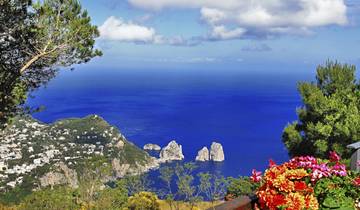
3-Day Pompeii, Capri & Sorrento Mini Tour
- ✓ Comprehensive Rome tour
- ✓ Expert local guides included
- ✓ All accommodation arranged
- ✓ Transportation provided
3 days
Advent in Rome: Markets, Churches & Tiramisu
- ✓ Booking needs min. 2 travelers
5 days
Ciao Italia: 5 Days, 2 Cities, Infinite Wonders
- ✓ Comprehensive Rome tour
- ✓ Expert local guides included
- ✓ All accommodation arranged
- ✓ Transportation provided
Multi-day tour packages powered by TourRadar. Prices and availability subject to change.
Summer Weather: June – August
Summer presents both the most challenging weather conditions and the most vibrant atmosphere around the Colosseum. Success during this season requires careful timing, proper preparation, and strategic planning to maximize comfort while minimizing heat-related discomfort.
High Temperature Management
June temperatures range from 20-30°C (68-86°F), marking the transition into Rome’s hot season. The ancient stones begin absorbing significant heat during the day, creating warm surface temperatures that persist into the evening hours. Early morning visits become essential for comfortable exploration.
July and August bring the year’s hottest conditions, with temperatures regularly reaching 30-35°C (86-95°F) and occasional heat waves pushing temperatures even higher. The Colosseum’s stone surfaces can become uncomfortably hot to touch, and the lack of natural shade in many areas creates challenging conditions for extended visits.
The urban heat island effect around the Colosseum intensifies summer temperatures, as the massive stone structures and paved areas absorb and radiate heat throughout the day. Evening temperatures often remain above 25°C (77°F), providing little relief from the daytime heat.
Sun Exposure and Protection Requirements
Summer sun intensity in Rome is substantial, with UV levels reaching dangerous levels during midday hours (11 AM – 4 PM). The Colosseum’s open-air design provides minimal natural shade, making sun protection equipment essential for visitor safety and comfort.
High-SPF sunscreen (30+), wide-brimmed hats, and UV-protective sunglasses become necessary equipment rather than optional accessories. Light-colored, long-sleeved clothing provides better protection than shorts and tank tops, despite seeming counterintuitive in hot weather.
Dehydration risks increase significantly during summer visits, as the combination of heat, physical activity, and sun exposure creates high fluid loss rates. Carrying abundant water and electrolyte replacement becomes crucial for maintaining energy and avoiding heat-related health issues.
Optimal Summer Timing Strategies
Early morning visits (7:00-9:00 AM) provide the only comfortable period for extensive Colosseum exploration during summer months. The stones retain less heat from overnight cooling, shadows are longer, and tourist crowds haven’t yet reached peak intensity.
Late afternoon visits (5:00-7:00 PM) can work during summer, but temperatures often remain uncomfortably high until after sunset. However, the golden hour lighting during this period creates spectacular photography opportunities for visitors willing to endure the heat.
Midday visits (10 AM – 4 PM) should be avoided during summer unless absolutely necessary. If midday exploration is unavoidable, focus on shaded areas, take frequent breaks, and consider indoor alternatives like air-conditioned museums or restaurants.
Autumn Weather: September – November
Autumn provides excellent conditions for Colosseum visits, combining comfortable temperatures with dramatic skies and reduced tourist numbers. This season offers many of spring’s advantages while adding unique atmospheric qualities that enhance the ancient monument’s visual impact.
Temperature Transition and Comfort
September maintains warm but comfortable temperatures ranging from 18-28°C (64-82°F), as the intense summer heat gradually subsides while retaining pleasant warmth for outdoor activities. The ancient stones begin releasing their accumulated summer heat, creating more comfortable surface temperatures.
October brings ideal conditions with temperatures from 15-23°C (59-73°F), perfect for extended exploration without heat-related discomfort. The crisp air enhances visibility while comfortable temperatures allow all-day outdoor activities without the timing restrictions required during summer months.
November temperatures drop to 10-18°C (50-64°F), requiring warmer clothing but still providing excellent conditions for sightseeing. The cooler temperatures create comfortable walking conditions while the lower sun angle produces beautiful warm lighting throughout more of the day.
Atmospheric Conditions and Photography
Autumn weather patterns frequently produce dramatic skies with interesting cloud formations that enhance architectural photography. The changing atmospheric conditions create dynamic lighting situations that add visual interest to images of the ancient monument.
The lower sun angle during autumn months creates longer shadows and warmer color temperatures that complement the Colosseum’s travertine construction. These lighting conditions persist longer throughout the day, providing extended periods optimal for photography.
Post-summer air clarity improves visibility for distant views and reduces the haze that can affect photography during the hottest months. This enhanced visibility makes autumn ideal for capturing the Colosseum’s relationship to surrounding landmarks and cityscape.
Rainfall and Weather Variability
September typically remains relatively dry, with rainfall averaging 60-80mm for the month. When rain does occur, it often comes in brief, intense showers that clear quickly and leave behind improved atmospheric conditions.
October and November see increased rainfall as Mediterranean weather patterns shift toward winter conditions. However, rainy days rarely feature all-day precipitation, and the mild temperatures make brief showers more of an inconvenience than a serious barrier to exploration.
Weather variability during autumn requires flexible planning and layered clothing that can adapt to changing conditions throughout the day. However, this variability also creates the dramatic atmospheric conditions that make autumn photography particularly rewarding.
Winter Weather: December – February
Winter offers unique advantages for Colosseum visits, including minimal crowds, dramatic lighting, and mild temperatures that make exploration comfortable despite the season’s reputation for cold weather. Rome’s Mediterranean climate ensures that winter conditions rarely prevent outdoor activities.
Mild Winter Temperatures
December temperatures range from 5-15°C (41-59°F), requiring warm clothing but remaining well above freezing for most of the month. The mild conditions allow comfortable outdoor exploration with appropriate layering, while the absence of extreme cold makes extended visits feasible.
January brings the year’s coolest temperatures, typically ranging from 3-13°C (37-55°F). While warm clothing becomes essential, the temperatures rarely drop to levels that make outdoor sightseeing unpleasant or dangerous. Occasional frost may occur early in the morning but typically melts quickly.
February begins the transition toward spring with temperatures from 5-15°C (41-59°F), offering comfortable conditions with the promise of warmer weather ahead. The increasing daylight hours and slightly warmer temperatures make February an excellent choice for winter visits.
Winter Lighting and Atmospheric Effects
The low winter sun angle creates warm, golden lighting that lasts much longer throughout the day compared to summer’s harsh overhead illumination. This extended golden hour period provides excellent photography opportunities and enhances the visual appeal of the ancient architecture.
Winter storms often produce spectacular skies with dramatic cloud formations that create striking backgrounds for Colosseum photography. The contrast between ancient stone and dynamic skies adds visual drama that’s difficult to achieve during other seasons.
Occasional winter weather phenomena like light snow (rare but possible) or frost create unique photographic opportunities that transform the familiar monument into something extraordinary. These conditions occur infrequently but can provide once-in-a-lifetime images.
Crowd Advantages and Practical Benefits
Winter brings the year’s smallest tourist crowds, allowing peaceful exploration and easier photography without human distractions. Popular viewpoints that are overcrowded during peak season become accessible for contemplative visits and unobstructed photography.
Accommodation prices drop significantly during winter months, while restaurant reservations become much easier to obtain. The reduced demand allows for more spontaneous travel planning and often results in upgraded services at reduced costs.
Shorter daylight hours concentrate sightseeing activities into a more manageable timeframe while the comfortable temperatures make indoor cultural activities like museums and churches particularly appealing during any inclement weather.
Daily Weather Patterns and Timing
Understanding Rome’s daily weather cycles helps optimize your Colosseum visit timing regardless of season, maximizing comfort while taking advantage of optimal lighting and atmospheric conditions.
Morning Conditions and Advantages
Early morning hours (7:00-9:00 AM) consistently provide the most comfortable conditions for Colosseum visits across all seasons. Temperatures are at their daily minimum, crowds are smallest, and lighting conditions are optimal for photography with warm, golden illumination.
Morning air quality is typically best, with improved visibility and reduced urban pollution that enhances distant views and photography clarity. The peaceful atmosphere during early hours allows for contemplative appreciation of the monument’s historical significance.
Sunrise timing varies significantly by season, from approximately 7:45 AM in winter to 5:30 AM in summer. Planning arrivals to coincide with sunrise or shortly thereafter maximizes the benefits of optimal lighting and minimal crowds.
Midday Challenges and Considerations
Midday conditions (11 AM – 3 PM) present the most challenging circumstances for Colosseum visits, with maximum temperatures, intense sun exposure, and peak crowd levels. These factors combine to create potentially uncomfortable and crowded conditions.
The overhead sun angle during midday hours creates harsh shadows and high contrast that can be unflattering for photography while the lack of directional lighting reduces the three-dimensional appearance of architectural details.
Summer midday conditions can become dangerous for extended outdoor exposure, with surface temperatures on ancient stones exceeding 50°C (122°F) and minimal natural shade available throughout most of the site.
Evening and Sunset Opportunities
Late afternoon and evening hours (4:00-7:00 PM) provide excellent lighting conditions as the sun angle decreases and warm golden light returns. However, temperatures may remain elevated during summer months, requiring careful timing and preparation.
Sunset timing varies dramatically by season, from approximately 4:45 PM in winter to 8:00 PM in summer. This variation affects the optimal timing for evening visits and requires seasonal adjustment of visit planning.
Evening crowds often peak as tour groups arrive for sunset photography, potentially offsetting the advantages of improved lighting conditions. Early evening timing (4:00-5:30 PM) may provide better balance between good lighting and manageable crowd levels.
Clothing and Equipment Recommendations
Appropriate clothing and equipment selection based on seasonal conditions ensures comfort and safety while maximizing your ability to fully explore and enjoy the Colosseum experience.
Seasonal Clothing Guidelines
Spring and autumn require layered clothing that can adapt to changing temperatures throughout the day. A light jacket or sweater combined with breathable pants and comfortable walking shoes provides flexibility for varying conditions.
Summer demands light-colored, loose-fitting clothing that provides sun protection while allowing air circulation. Long pants and long-sleeved shirts offer better protection than shorts and tank tops, despite initially seeming warmer.
Winter clothing should include warm, waterproof outer layers that can be adjusted as conditions change. Quality walking boots with good traction become important for potentially wet stone surfaces.
Essential Equipment for All Seasons
High-quality sunglasses provide essential eye protection year-round, as the ancient limestone surfaces create significant glare even during winter months. UV protection remains important regardless of season due to reflection from light-colored stone surfaces.
Portable water bottles become crucial equipment rather than optional accessories, particularly during warmer months when dehydration risks increase significantly. Insulated bottles help maintain comfortable water temperature in extreme conditions.
Weather protection equipment like compact umbrellas or light rain jackets prove valuable across all seasons, as Rome’s weather can change quickly and brief showers are possible year-round.
Photography Equipment Considerations
Camera equipment requires weather protection in all seasons, from sun shields during summer to moisture protection during winter rain. Lens filters can help manage the high contrast created by bright limestone against dark shadows.
Extra batteries become essential during winter months when cold temperatures reduce battery life significantly. Keeping spare batteries warm in inner clothing pockets helps maintain their performance in cold conditions.
Tripods and other support equipment may be restricted in some areas but can be valuable for low-light photography during winter months when shorter days create extended twilight conditions ideal for atmospheric images.
Special Weather Events and Phenomena
Occasional special weather conditions create unique opportunities for extraordinary Colosseum experiences, though these events require flexibility and appropriate preparation to take advantage safely.
Thunderstorms and Dramatic Weather
Summer thunderstorms can create spectacular atmospheric conditions with dramatic skies and enhanced lighting effects. However, safety requires seeking shelter during active storms due to lightning risks in open areas around the monument.
Pre-storm and post-storm conditions often provide exceptional photography opportunities with dramatic cloud formations and enhanced air clarity. The contrast between dark storm clouds and ancient stone architecture creates striking visual compositions.
Storm tracking through weather apps helps anticipate these conditions and plan visits to take advantage of dramatic atmospheric effects while maintaining safety during active weather.
Rare Snow and Frost Events
Snow in Rome is rare but creates extraordinary visual opportunities when it occurs. The contrast between white snow and ancient travertine produces images unlike those possible at any other time, making these rare events worth experiencing despite cold conditions.
Frost conditions during winter mornings can create interesting crystalline effects on stone surfaces while providing unique atmospheric conditions for photography. These conditions typically occur early in the morning and disappear quickly as temperatures rise.
Cold weather photography requires special attention to equipment protection and battery life, but the unique visual opportunities created by these rare conditions often justify the additional effort and preparation required.
Heat Waves and Extreme Conditions
Occasional summer heat waves can push temperatures above 40°C (104°F), creating dangerous conditions for extended outdoor exposure. During these extreme events, early morning visits become not just preferable but essential for safety.
Heat wave conditions may require modifying visit plans to focus on air-conditioned indoor attractions during peak heat hours while limiting outdoor exploration to very early morning or late evening periods.
Health precautions during extreme heat include frequent hydration, electrolyte replacement, and recognition of heat exhaustion symptoms. Visitors with health conditions should consider postponing visits during extreme weather warnings.
Frequently Asked Questions
What is the best month to visit the Colosseum weather-wise?
April and October offer ideal conditions with comfortable temperatures (18-25°C), minimal rainfall, and moderate crowds. May and September are also excellent, though slightly warmer and more crowded. These months provide the best balance of pleasant weather and manageable tourist numbers.
How hot does it get at the Colosseum in summer?
Summer temperatures regularly reach 30-35°C (86-95°F), with the ancient stone surfaces becoming even hotter. The lack of shade and heat reflection from limestone can make it feel significantly warmer. Early morning visits (7-9 AM) are essential during July and August.
Does it rain much in Rome, and will it affect my Colosseum visit?
Rome receives moderate rainfall, mostly during autumn and winter months (October-February). Rain is typically brief and rarely prevents exploration. Bring an umbrella or light rain jacket, but don’t worry about extended downpours ruining your visit.
What should I wear to the Colosseum in winter?
Winter temperatures range from 3-15°C (37-59°F), requiring warm layers, a jacket, and comfortable waterproof walking shoes. The weather is generally mild, so heavy winter coats aren’t necessary. Dress in layers to adapt to changing conditions throughout the day.
Is the Colosseum too crowded during good weather?
Spring and early autumn attract the largest crowds due to ideal weather conditions. However, early morning visits (8-9 AM) help avoid peak crowds even during busy seasons. Consider weekday visits and advance ticket booking to minimize wait times.
What time of day has the best lighting for Colosseum photography?
Early morning (7-9 AM) and late afternoon (4-6 PM) provide the best lighting year-round, with warm golden tones that enhance the ancient stone. Avoid midday photography when harsh overhead sun creates unflattering shadows and high contrast.
Are there any weather conditions when the Colosseum closes?
The Colosseum rarely closes for weather, as Rome’s mild climate seldom produces dangerous conditions. Extreme storms might temporarily close outdoor areas, but the monument typically remains accessible. Check official websites during severe weather warnings.
How does Rome’s weather compare to other European cities for tourism?
Rome enjoys a Mediterranean climate that’s generally milder and sunnier than Northern European cities. Winters are much warmer than London or Paris, while summers are hotter and drier. This climate allows year-round outdoor sightseeing with proper preparation.
Should I bring an umbrella or rain jacket to the Colosseum?
A compact umbrella or light rain jacket is wise year-round, as brief showers can occur in any season. These items take little space and provide protection during unexpected weather changes. They’re particularly valuable during autumn and winter months.
What weather app should I use for Rome and Colosseum planning?
Popular weather apps like Weather Underground, AccuWeather, or local Italian services provide accurate forecasts for Rome. Check both general Rome weather and specific conditions around the Colosseum area, as urban microclimates can vary slightly.