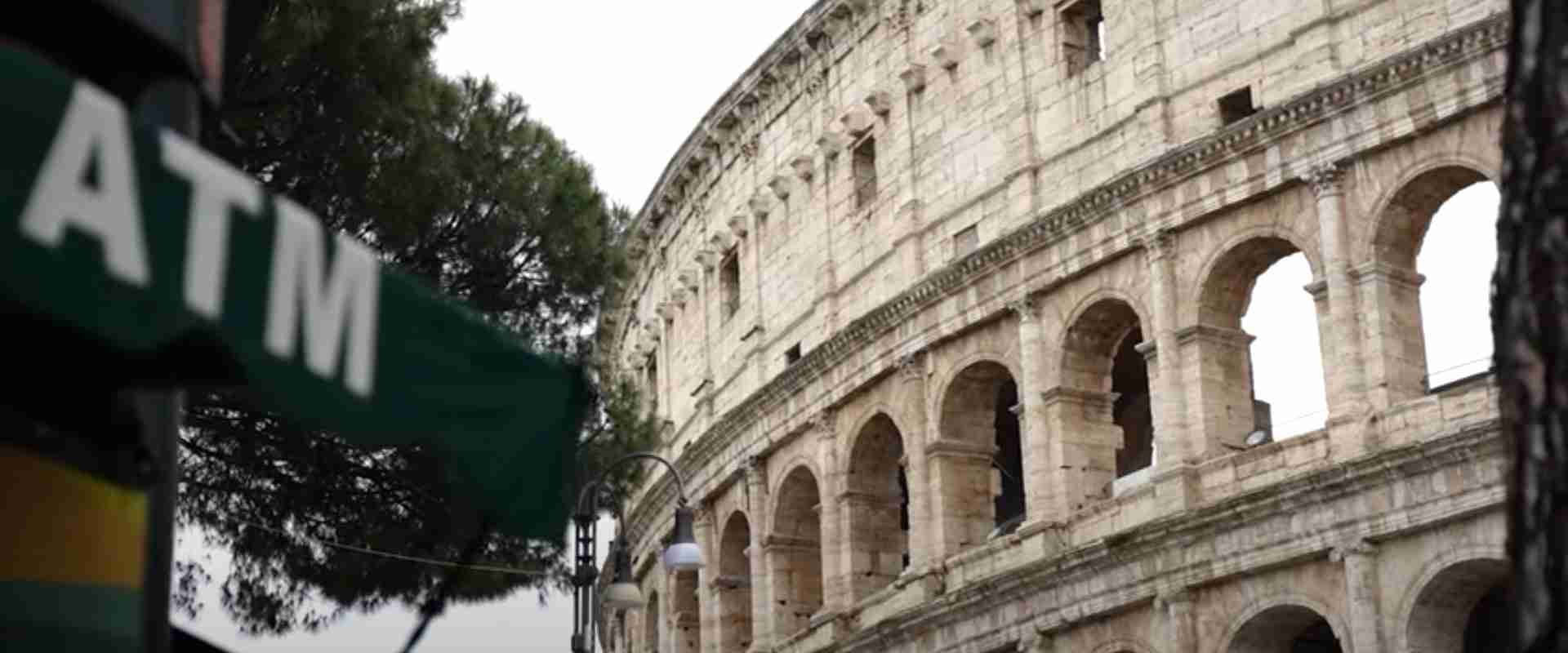
Colosseum Safety Guide: Security, Scams & Travel Tips
Visiting the Colosseum safely requires awareness of both common tourist-targeted crimes and general urban safety practices in one of the world’s busiest archaeological sites. While Rome generally maintains good security standards and the Colosseum area benefits from heavy police presence, the concentration of tourists creates opportunities for pickpockets, scam artists, and other opportunistic criminals.
Key Takeaways
- Overall safety: The Colosseum area is generally safe with heavy police presence, but pickpocketing and tourist scams are common
- Peak risk times: Crowded periods (10 AM-4 PM) present highest risk for theft and scams targeting distracted tourists
- Common scams: Fake gladiators, friendship bracelet sellers, petition signers, and fake ticket vendors operate around the monument
- Money safety: Use hotel safes, carry minimal cash, and keep backup cards/documents in separate locations
- Emergency contacts: Police 113, Medical 118, Tourist Police 06-4686-2987 for English-speaking assistance
- Best practices: Stay alert, avoid displaying valuables, trust your instincts, and stick to well-lit, populated areas
Understanding the specific risks and safety challenges around the Colosseum helps visitors enjoy their experience while protecting themselves, their belongings, and their travel companions. Most safety issues involve minor crimes like pickpocketing or tourist scams rather than serious violent crime, making prevention through awareness and preparation the most effective protection strategy.
This comprehensive safety guide covers practical prevention strategies, recognition of common scams, emergency procedures, and general safety best practices that ensure your Colosseum visit remains memorable for the right reasons. Whether you’re a solo traveler, family group, or elderly visitor, these guidelines help maintain security while maximizing your ancient Roman adventure.
General Security Environment
The Colosseum area benefits from extensive security measures including regular police patrols, surveillance systems, and tourist police specifically trained to assist international visitors. However, the massive daily crowds and tourist concentration create unique security challenges that require visitor awareness and preparation.
Police Presence and Security Infrastructure
Multiple law enforcement agencies operate around the Colosseum, including local police (Polizia), national police (Carabinieri), and specialized tourist police who speak multiple languages and understand visitor-specific security needs. These officers maintain visible presence throughout the day and respond quickly to reported incidents.
Security screening at the Colosseum entrance includes metal detectors and bag checks similar to airport security, though less intensive. This screening process helps prevent weapons from entering the site while creating security bottlenecks that pickpockets sometimes exploit by targeting distracted visitors in queues.
Surveillance cameras throughout the area provide additional security monitoring, though visitors should not rely solely on passive security measures. The combination of active police presence and technological monitoring creates generally safe conditions, but personal vigilance remains essential for optimal protection.
Risk Assessment by Time and Location
Peak tourist hours (10 AM – 4 PM) present the highest risk periods for theft and scams as large crowds provide cover for criminals while tourists become distracted by sightseeing activities. Early morning and late afternoon visits typically involve lower crime risk due to smaller crowds and better individual attention from security personnel.
The immediate Colosseum perimeter experiences higher crime rates than surrounding neighborhoods due to tourist concentration and criminal focus. Moving just 2-3 blocks away from the monument significantly reduces crime risk while maintaining convenient access to the archaeological site.
Transportation hubs like the Colosseo Metro station present elevated pickpocketing risk as criminals target travelers managing luggage and navigating unfamiliar transit systems. Extra vigilance during arrival and departure helps prevent theft during vulnerable travel transitions.
Extended multi-day tours – 5+ days
Featured Rome Multi-Day Tour Packages
3 days
Rome 3-Day Discovery Tour
- ✓ Comprehensive Rome experience
- ✓ Expert local guides included
- ✓ All accommodation included
- ✓ Transportation provided

5 days
Rome 5-Day Highlights Experience
- ✓ Comprehensive Rome experience
- ✓ Expert local guides included
- ✓ All accommodation included
- ✓ Transportation provided

7 days
Rome 7-Day Cultural Journey
- ✓ Comprehensive Rome experience
- ✓ Expert local guides included
- ✓ All accommodation included
- ✓ Transportation provided
10 days
Rome 10-Day Complete Adventure
- ✓ Comprehensive Rome experience
- ✓ Expert local guides included
- ✓ All accommodation included
- ✓ Transportation provided
Multi-day tour packages powered by TourRadar. Prices and availability subject to change.
Common Scams and How to Avoid Them
Tourist-targeted scams around the Colosseum follow predictable patterns that make recognition and avoidance straightforward once you understand the common techniques and warning signs. These scams rarely involve violence but can result in financial loss and travel disruption.
Fake Gladiator Photo Scams
Costumed individuals dressed as Roman gladiators or centurions approach tourists offering “free” photos, then demand payment after the photo is taken. These operators often work in groups and can become aggressive when payment is refused, sometimes claiming official status or threatening to involve police.
Legitimate historical reenactors typically work through official tour companies and clearly state pricing before any interaction. If someone approaches you unsolicited for photos, politely decline and continue walking. Real gladiator demonstrations are scheduled events at the Colosseum with clear promotional materials and official oversight.
If you’re already engaged with fake gladiators, firmly state you don’t want photos and walk away immediately. Don’t allow them to place props in your hands or pose you for pictures, as this escalates the scam commitment and makes extraction more difficult.
Friendship Bracelet and Petition Scams
Scammers approach tourists claiming to offer “free” friendship bracelets, often targeting solo travelers or couples appearing vulnerable or distracted. Once the bracelet is placed on your wrist, accomplices surround you demanding payment while preventing easy escape from the situation.
Similar tactics involve individuals with clipboards claiming to collect signatures for various causes (deaf assistance, children’s charities, etc.). While you’re distracted reading or signing, accomplices pick your pockets or grab phones and cameras left unattended while you focus on the papers.
Never accept items from strangers or sign petitions from unofficial sources. Legitimate charities work through established organizations with proper identification and don’t use aggressive street tactics. If approached, say “No grazie” firmly and keep walking without stopping to engage.
Ticket and Tour Scams
Unofficial ticket sellers around the Colosseum offer “skip-the-line” tickets at inflated prices, often claiming official status or special access. These tickets may be counterfeit, expired, or simply standard tickets sold at massive markups to uninformed tourists.
Fake tour guides approach visitors claiming special expertise or official status, sometimes wearing unofficial badges or carrying laminated identification. These guides often provide poor information while charging premium prices, and may lead groups to shops where they receive commissions on purchases.
Only purchase tickets from official sources: the Colosseum website, authorized ticket offices, or verified tour companies with established reputations. Real tour guides have official licenses and work through legitimate companies with fixed pricing and clear terms of service.
Pickpocketing Prevention
Pickpocketing represents the most common crime risk for Colosseum visitors, with criminals using crowd cover and tourist distraction to steal wallets, phones, and other valuables. Understanding common techniques and implementing prevention strategies significantly reduces theft risk.
High-Risk Situations and Locations
Crowded areas create optimal conditions for pickpockets, particularly during security lines, bus boarding, and popular photo spots where tourists focus attention away from personal belongings. The Metro station and surrounding transportation areas present elevated risk during rush periods and tourist arrival times.
Distraction techniques include staged arguments, accidental bumping, or asking for directions while accomplices work behind you. Groups of children sometimes surround tourists while older individuals pick pockets, using the children as distraction and sympathy generators.
Restaurant patios and outdoor cafes near the Colosseum see frequent phone and bag thefts when diners place valuable items on tables or chair backs. Criminal motorcyclists sometimes grab phones and bags from outdoor dining areas before speeding away through traffic.
Protective Strategies and Equipment
Distribute valuables across multiple secure locations rather than keeping everything in one wallet or bag. Use hotel safes for backup credit cards, excess cash, and copies of important documents, carrying only daily necessities while sightseeing.
Money belts, hidden pockets, and anti-theft bags with locking zippers provide additional security layers, though they must be used correctly to remain effective. Keep frequently accessed items like Metro tickets and small bills in easily reached but secure pockets to avoid exposing larger amounts of cash or credit cards.
Avoid displaying expensive jewelry, watches, or electronics that attract criminal attention. Smartphones should be secured with wrist straps when used for photography, and consider using phone cases that attach to clothing or bags with retractable cables.
Behavioral Prevention Techniques
Maintain situational awareness by regularly scanning your surroundings and trusting instincts about suspicious individuals or situations. Walk confidently and purposefully, as criminals typically target tourists who appear lost, distracted, or vulnerable.
Keep bags zipped and positioned in front of your body in crowded areas, maintaining physical contact with valuables through hand placement or body positioning. Avoid counting money in public or displaying large amounts of cash when making purchases.
Travel in groups when possible, as criminals typically target isolated individuals rather than groups that provide mutual security and witness potential. If traveling solo, position yourself near families or other tourist groups in crowded areas for additional security.
Emergency Procedures and Contacts
Knowing appropriate emergency contacts and procedures ensures quick, effective response to security incidents while minimizing travel disruption and potential complications from crime or safety issues.
Essential Emergency Numbers
Italian emergency services use different numbers for different services: 113 for general police emergencies, 118 for medical emergencies, and 115 for fire emergencies. The European emergency number 112 connects to appropriate services but may involve language barriers for English speakers.
Tourist Police (Polizia di Stato – Commissariato Borgo) at 06-4686-2987 provide English-speaking assistance specifically for tourist-related crimes and incidents. This specialized service understands common tourist problems and can provide appropriate guidance for document replacement and insurance claims.
Your country’s embassy or consulate provides assistance for serious emergencies, document replacement, and legal support. Save these contact numbers in your phone before traveling and keep physical copies in separate locations from your primary documents.
Theft Response Procedures
If theft occurs, immediately report the incident to local police to obtain an official report (denuncia) required for insurance claims and document replacement. The nearest police station to the Colosseum is located at Via San Vitale, 15, and tourist police can provide English-language assistance.
Contact your bank and credit card companies immediately to cancel stolen cards and report fraudulent charges. Many financial institutions provide 24-hour international emergency numbers for exactly these situations, and quick reporting limits liability for unauthorized charges.
Document theft details while memory remains fresh, including time, location, circumstances, and descriptions of perpetrators. This information helps police investigations and insurance claims while providing learning opportunities to prevent future incidents.
Medical Emergency Preparedness
European Health Insurance Cards (EHIC) or Global Health Insurance Cards (GHIC) provide EU residents with emergency medical coverage, while travelers from other countries should verify their insurance coverage includes international emergency treatment.
The nearest hospital to the Colosseum is Ospedale San Giovanni Addolorata at Via Amba Aradam, 9, which provides emergency treatment and has some English-speaking staff. Pharmacies (marked with green crosses) provide basic medical supplies and advice for minor health issues.
Carry essential medical information including allergies, medications, and emergency contacts in both English and Italian. Translation apps can help communicate medical needs, but written information prevents miscommunication during stressful emergency situations.
Money and Document Security
Protecting financial resources and important documents requires redundancy and strategic planning that ensures travel continuation even if primary items are lost or stolen.
Financial Security Strategies
Notify banks and credit card companies about your travel plans to prevent security holds on your accounts when international charges appear. Request emergency contact numbers for international use and understand fee structures for foreign transactions and ATM withdrawals.
Carry multiple payment methods distributed across different locations: some cash in your wallet, backup cards in hotel safe, and emergency cash hidden in separate luggage compartments. This redundancy ensures financial access even if primary payment methods are compromised.
Use ATMs inside banks or hotels rather than standalone machines in tourist areas, which may have higher fees or security risks. Cover your PIN entry and count money discretely to avoid attracting criminal attention to your financial resources.
Document Protection and Backup Systems
Create digital copies of all important documents (passport, driver’s license, travel insurance, etc.) stored in cloud services accessible from any internet connection. Email copies to yourself and trusted family members for additional backup access.
Keep physical copies of essential documents separate from originals, with copies in luggage, wallet, and hotel safe providing multiple recovery options. Laminated copies resist damage and remain legible if exposed to water or excessive handling.
Register with your embassy or consulate upon arrival in Rome for additional document security and emergency assistance. This registration expedites help if documents are stolen and provides embassy services with current contact information for emergency situations.
Personal Safety Best Practices
Personal safety extends beyond crime prevention to include general health, navigation, and communication practices that ensure overall trip security and enjoyment.
Navigation and Communication Safety
Download offline maps and translation apps before exploring to maintain navigation capability without relying on internet connections that may be unreliable or expensive. Share daily itineraries with trusted contacts and establish regular check-in schedules for solo travelers.
Learn basic Italian phrases for emergencies, directions, and common interactions to improve communication capability and demonstrate respect for local culture. “Aiuto” (help), “Polizia” (police), and “Ospedale” (hospital) are essential emergency vocabulary.
Carry business cards from your hotel and important contact information written in Italian to show taxi drivers or police if needed. This backup communication method works even if phone batteries die or language barriers prevent clear verbal communication.
Health and Environmental Safety
Stay hydrated in Rome’s climate, particularly during summer months when temperatures and walking distances can cause dehydration quickly. Public water fountains (nasoni) throughout the city provide free, safe drinking water for refilling bottles.
Wear appropriate footwear for walking on ancient stones and uneven surfaces that can cause trips or falls. The Colosseum and surrounding archaeological areas feature original Roman paving that becomes slippery when wet and uneven throughout.
Protect yourself from sun exposure with sunscreen, hats, and appropriate clothing, as much Colosseum exploration occurs in open areas with minimal shade. Heat exhaustion and sunburn can quickly ruin travel plans and require medical attention.
Group Travel Safety Considerations
Establish meeting points and times in case group members become separated in crowds around the Colosseum. Exchange contact information and ensure everyone has maps and emergency numbers appropriate for independent navigation if needed.
Designate group leaders responsible for tickets, money management, and decision-making to prevent confusion and reduce vulnerability during tourist activities. Clear leadership reduces group dithering that criminals often exploit.
Plan for different fitness levels and mobility needs within groups to prevent exhaustion or separation during extended walking tours. Rome’s archaeological sites involve significant walking on uneven surfaces that challenge some group members more than others.
Technology and Digital Security
Modern travel involves significant technology use that creates new security vulnerabilities requiring specific protection strategies for devices, data, and digital communications.
Device Protection and Backup
Enable remote wipe capabilities on phones and tablets before traveling, allowing data protection if devices are stolen. Password protect all devices and use biometric locks when available for additional security layers that prevent unauthorized access.
Backup photos and important data regularly to cloud services or hotel wifi, ensuring that memories and information survive device loss or damage. Avoid connecting to unsecured public wifi networks that may compromise personal data or device security.
Consider bringing backup devices or power banks for extended sightseeing days when phone batteries may not last for navigation, photography, and communication needs. Device failure at critical moments can create safety vulnerabilities or travel disruptions.
Digital Privacy and Security
Avoid posting real-time location information on social media platforms that advertise your absence from home or current location to potential criminals. Share travel photos and experiences after events rather than during them for both personal and home security.
Use VPN services when connecting to public wifi networks in hotels, restaurants, or tourist areas to protect personal data and communications from potential interception. Public networks often lack security that protects sensitive information.
Be cautious about photography restrictions around the Colosseum and other sensitive sites where security concerns may prohibit certain types of photos or require specific permissions for photography equipment use.
Weather and Environmental Safety
Rome’s climate and urban environment present specific safety considerations that affect comfort, health, and security during Colosseum visits throughout different seasons.
Summer Heat Safety
Summer temperatures in Rome regularly exceed 35°C (95°F) with high humidity that can cause heat exhaustion, dehydration, and sunstroke during extended outdoor activities. Plan Colosseum visits for early morning or late afternoon hours when temperatures are more manageable.
Recognize heat exhaustion symptoms including dizziness, nausea, excessive sweating, and fatigue that require immediate cooling and hydration. Seek air-conditioned spaces like museums or restaurants if heat symptoms develop during sightseeing activities.
Carry water bottles and electrolyte supplements during summer visits, refilling at public fountains throughout the city. Many tourists underestimate fluid needs in Mediterranean climates and develop dehydration that affects judgment and physical capability.
Rain and Storm Safety
Roman thunderstorms can develop quickly during autumn and winter months, creating dangerous conditions for visitors in open archaeological areas. Monitor weather forecasts and seek indoor shelter during storm warnings or severe weather conditions.
Wet ancient stones become extremely slippery, increasing fall risks throughout the Colosseum and surrounding archaeological sites. Wear appropriate footwear with good traction and exercise extra caution when surfaces are wet or conditions are poor.
Lightning safety requires avoiding elevated positions and metal structures during storms, making the Colosseum and surrounding areas dangerous during electrical activity. Plan indoor alternatives for severe weather days to maintain safety while continuing cultural exploration.
Frequently Asked Questions
Is the Colosseum area safe for solo female travelers?
Yes, the Colosseum area is generally safe for solo female travelers with normal urban precautions. Heavy police presence and tourist crowds provide security, but be aware of pickpockets and avoid isolated areas after dark. Trust your instincts and stay in well-lit, populated areas.
What should I do if I’m approached by fake gladiators?
Say “No grazie” firmly and keep walking without stopping. Don’t let them put anything in your hands or pose for photos. If they become aggressive, walk toward police or security personnel who are visibly present throughout the area.
Are there pickpockets inside the Colosseum itself?
Pickpocketing inside the Colosseum is less common due to security screening and controlled access, but remain vigilant in crowded areas and during entrance/exit procedures. The highest risk areas are the Metro station and surrounding streets before security screening.
What emergency numbers should I save in my phone for Rome?
Save 113 (police), 118 (medical), 115 (fire), and 06-4686-2987 (English-speaking tourist police). Also save your embassy contact and hotel phone number. The European emergency number 112 works but may involve language barriers.
How much cash should I carry when visiting the Colosseum?
Carry only daily spending money (€50-100) and use credit cards when possible. Keep backup cash and cards in your hotel safe. Never carry all your money in one place, and avoid displaying large amounts when making purchases.
Are there safe places to store belongings near the Colosseum?
The Colosseum doesn’t have luggage storage, but some nearby hotels and tour companies offer storage services. Use hotel safes for valuables and important documents. Don’t leave anything valuable in vehicles or unattended in public areas.
What should I do if my passport is stolen in Rome?
Report the theft to police immediately for an official report, then contact your embassy or consulate for emergency document replacement. Having digital copies and backup identification speeds the replacement process significantly.
Is it safe to use ATMs near the Colosseum?
Use ATMs inside banks or hotels rather than standalone machines in tourist areas. Cover your PIN, be aware of your surroundings, and count money discretely. Avoid ATMs with suspicious devices attached or in isolated locations.
How can I avoid tourist scams around the Colosseum?
Never accept “free” items from strangers, don’t sign petitions, avoid unofficial ticket sellers, and only use licensed tour guides from established companies. If something seems too good to be true or feels wrong, trust your instincts and walk away.
What should I do if I feel unsafe or threatened near the Colosseum?
Move toward police officers (visibly present throughout the area), enter a nearby shop or restaurant, or approach other tourists for assistance. Don’t hesitate to call emergency services if you feel genuinely threatened. Trust your instincts about dangerous situations.