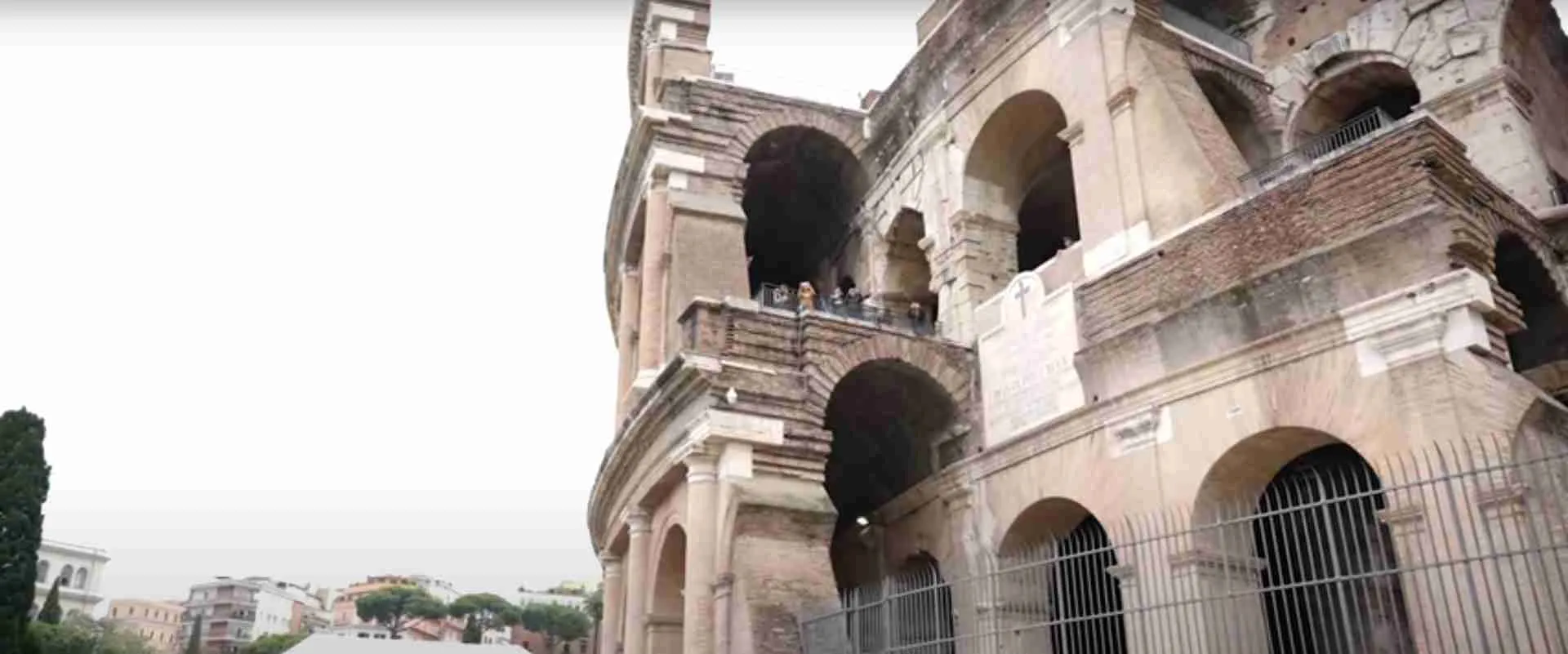
Colosseum Shopping Guide: Souvenirs, Gifts & Where to Buy
Shopping near the Colosseum offers everything from tacky tourist trinkets to authentic Roman crafts, with the key to success lying in knowing where locals shop versus where tour groups are directed. The area around Rome’s most famous monument presents unique opportunities to find meaningful souvenirs and quality gifts while supporting local artisans and businesses.
Key Takeaways
- Quality vs. tourist traps: Avoid souvenir shops directly facing the Colosseum – walk to Monti or Trastevere for authentic, locally-made items
- Best authentic finds: Handmade ceramics, quality leather goods, and artisanal food products make meaningful Roman souvenirs
- Budget shopping: Via del Corso and local markets offer good-quality items at reasonable prices, away from monument markups
- Local artisans: Support Roman craftspeople in neighborhood workshops creating unique pieces you won’t find elsewhere
- Smart timing: Shop during afternoon riposo (3-5 PM) when tourist shops are busy but local stores are quieter
- Value strategy: Combine souvenir shopping with exploring authentic neighborhoods for a richer Roman experience
The neighborhoods surrounding the Colosseum—particularly Monti, Celio, and parts of the Centro Storico—preserve traditional Roman shopping culture with independent boutiques, artisan workshops, and specialty stores that offer items impossible to find elsewhere. These areas provide authentic shopping experiences that connect visitors to contemporary Roman life while offering unique products that tell genuine stories.
This comprehensive shopping guide reveals both hidden gems and reliable classics, from budget-friendly markets to high-end artisan studios. Whether you’re seeking the perfect Colosseum miniature, authentic Roman crafts, or distinctive Italian design, you’ll discover where to find quality items that create lasting memories of your ancient Roman adventure.
Authentic Souvenir Shops vs Tourist Traps
The distinction between authentic souvenir shops and tourist traps around the Colosseum often comes down to location, product quality, and target customers. Understanding these differences helps ensure your shopping budget supports quality craftsmanship rather than mass-produced imports.
Identifying Quality Souvenir Shops
Authentic souvenir shops typically operate away from the immediate Colosseum area, often in residential neighborhoods where locals also shop. These establishments feature higher-quality merchandise, knowledgeable staff who can explain product origins, and price points that reflect genuine craftsmanship rather than tourist markups.
Look for shops that display “Made in Italy” certifications prominently and can provide information about product origins and manufacturing processes. Quality souvenir shops often carry items from multiple Italian regions rather than focusing exclusively on Roman themes, indicating broader authentic sourcing relationships.
Staff at quality establishments speak multiple languages but don’t aggressively pressure customers or use high-pressure sales tactics. They typically provide helpful information about products and can suggest items based on your specific interests or gift recipients.
Extended multi-day tours – 5+ days
Featured Rome Multi-Day Tour Packages
5 days
The Ultimate Rome Food & Cultural Small-Group Tour Package – 5 Days
- ✓ Comprehensive Rome tour
- ✓ Expert local guides included
- ✓ All accommodation arranged
- ✓ Transportation provided

3 days
3-Day Pompeii, Capri & Sorrento Mini Tour
- ✓ Comprehensive Rome tour
- ✓ Expert local guides included
- ✓ All accommodation arranged
- ✓ Transportation provided
3 days
Advent in Rome: Markets, Churches & Tiramisu
- ✓ Booking needs min. 2 travelers
5 days
Ciao Italia: 5 Days, 2 Cities, Infinite Wonders
- ✓ Comprehensive Rome tour
- ✓ Expert local guides included
- ✓ All accommodation arranged
- ✓ Transportation provided
Multi-day tour packages powered by TourRadar. Prices and availability subject to change.
Avoiding Tourist Trap Indicators
Tourist trap shops cluster immediately around the Colosseum perimeter, often featuring aggressive sidewalk vendors, multilingual signs with inflated prices, and mass-produced items labeled with inflated country-of-origin claims. These establishments target visitors who haven’t ventured beyond the immediate monument area.
Warning signs include shops selling identical merchandise found in multiple locations, aggressive pricing tactics like “special discounts” that never expire, and products that seem suspiciously inexpensive for claimed quality levels. Many items in these shops are manufactured in Asia and simply labeled with Italian imagery.
The highest-quality authentic souvenirs typically cost more than tourist trap alternatives but provide lasting value through superior materials, craftsmanship, and genuine Italian origin. Investing in fewer, higher-quality items often provides better satisfaction than purchasing multiple cheap alternatives.
Traditional Roman Crafts and Artisans
Rome maintains living traditions of craftsmanship that produce unique items unavailable anywhere else in the world. Supporting these local artisans ensures the continuation of traditional skills while providing visitors with truly distinctive souvenirs.
Handmade Ceramics and Pottery
Roman ceramic traditions date back over 2,000 years, with contemporary artisans continuing techniques that reflect both ancient methods and modern artistic sensibilities. Several workshops in the Monti neighborhood offer handmade ceramics that range from functional dinnerware to decorative art pieces.
Bottega del Ceramista on Via dei Neophiti creates unique pieces inspired by ancient Roman designs but adapted for contemporary use. Each item is individually crafted, making every purchase a one-of-a-kind addition to your home that carries authentic connection to Roman artistic traditions.
The ceramics feature distinctive glazes and decorative motifs that reflect Roman artistic heritage while maintaining functional utility for modern lifestyles. Prices range from €15-20 for small decorative items to €80-150 for larger functional pieces, representing excellent value for handmade artisan work.
Leather Goods and Traditional Craftsmanship
Italian leather craftsmanship enjoys worldwide recognition, and Rome includes several workshops where traditional techniques produce exceptional handbags, wallets, belts, and accessories. These artisans often work with customers to create custom pieces that perfectly match individual preferences.
Gabs, with locations throughout Rome including near the Pantheon, specializes in customizable handbags where customers choose from hundreds of fabric covers that transform basic leather structures into personalized accessories. This innovative approach combines traditional leather craftsmanship with contemporary customization options.
Traditional leather workshops in Trastevere and Monti offer custom work that can often be completed within 24-48 hours, allowing visitors to commission unique pieces during their Roman stay. These custom items become meaningful souvenirs that reflect both Italian craftsmanship and personal style preferences.
Religious Art and Devotional Items
Rome’s position as the center of Catholic Christianity creates unique opportunities to purchase authentic religious art and devotional items crafted by local artisans. These items range from simple blessed medals to elaborate handcrafted crucifixes and religious paintings.
The area around Vatican City features numerous shops specializing in religious items, but quality establishments also operate near other major basilicas throughout Rome. These shops often provide blessing services for purchased items, adding spiritual significance to religious souvenirs.
Handcrafted rosaries, religious medals, and small religious artwork make meaningful gifts for religious family members while supporting traditional Roman religious artisanship. Prices vary widely based on materials and craftsmanship, from €5-10 for simple blessed items to €100+ for elaborate handcrafted pieces.
Local Markets and Street Shopping
Rome’s markets offer authentic shopping experiences where locals and visitors mingle while browsing everything from fresh produce to vintage clothing and artisanal crafts. These markets provide cultural immersion along with shopping opportunities.
Porta Portese Sunday Market
Every Sunday morning, Porta Portese hosts Rome’s largest flea market, where hundreds of vendors sell everything from antiques and vintage clothing to handmade crafts and local food products. This massive market requires several hours to explore thoroughly and offers authentic Roman market culture.
The market’s size and variety ensure that patient shoppers can find unique items at reasonable prices, from vintage Roman posters and antique maps to handmade jewelry and restored vintage cameras. Bargaining is expected and part of the cultural experience.
Early arrival (8:00-9:00 AM) provides access to the best selection before crowds arrive and vendors become less willing to negotiate prices. The market operates regardless of weather, though rain can affect vendor participation and merchandise protection.
Campo de’ Fiori Daily Market
The morning market at Campo de’ Fiori offers fresh produce, flowers, and specialty food products in a historic setting that has hosted market activities for centuries. While primarily focused on food, several vendors offer kitchen accessories, linens, and food-related gifts.
High-quality Italian specialty foods like aged balsamic vinegar, artisanal pasta, and regional olive oils make excellent gifts that reflect Italian culinary traditions. Many vendors provide vacuum packaging for international travel, ensuring that food gifts reach their destinations safely.
The market’s central location makes it easily accessible during sightseeing, while the surrounding area features numerous boutiques and specialty shops that extend shopping opportunities beyond the market itself.
Via del Corso Shopping District
This major shopping street connecting Piazza del Popolo to Piazza Venezia features both international chains and Italian brands at various price points. The pedestrian-friendly environment makes browsing comfortable while offering everything from fast fashion to luxury goods.
Italian brands like Furla, Mandarina Duck, and Carpisa offer quality accessories and luggage at prices often lower than those found in international markets. These purchases provide authentic Italian design while maintaining practical utility for travel and daily use.
Side streets off Via del Corso hide smaller boutiques and specialty shops that offer more unique selections away from the main commercial corridor’s crowds. These secondary shopping areas often provide better prices and more personalized service.
Specialty Food Products and Culinary Souvenirs
Food products make excellent Roman souvenirs that extend your culinary experience beyond your visit while sharing authentic Italian flavors with friends and family at home. Rome offers numerous specialty food shops with products unavailable elsewhere.
Artisanal Pasta and Sauces
Several Roman shops specialize in handmade pasta and traditional sauces that capture authentic Roman flavors in travel-friendly packages. These products allow recreation of restaurant-quality Roman dishes at home while supporting local food artisans.
Pasta shops in Trastevere and Monti offer daily-made fresh pasta that can be vacuum-sealed for travel, along with authentic sauce recipes and preparation instructions. Many shops provide cooking demonstrations that teach proper preparation techniques for purchased products.
Traditional Roman pasta shapes like tonnarelli and bucatini, paired with authentic carbonara or amatriciana sauce preparations, create dinner party centerpieces that transport guests to Roman trattorias while showcasing your culinary adventure experiences.
Local Wines and Spirits
Roman wine shops offer selections from local Lazio region producers alongside Italy’s most celebrated wines at prices often significantly lower than international markets. These purchases provide ongoing enjoyment while supporting Italian viticulture.
Frascati and other local white wines represent distinctly Roman choices that pair perfectly with recalled memories of your visit while offering friends authentic tastes of the Roman countryside. Many shops provide shipping services for larger purchases.
Digestivi and liqueurs like Sambuca, Amaro, and regional specialties offer unique gifts that reflect Italian drinking culture and provide conversation starters about your Roman experiences. Travel-sized bottles accommodate luggage restrictions while maintaining gift impact.
Specialty Olive Oils and Vinegars
High-quality olive oils and aged balsamic vinegars from various Italian regions offer culinary gifts that enhance cooking while lasting much longer than consumable food products. Many shops provide tasting opportunities that help identify preferred flavor profiles.
Small bottles of premium products provide affordable gifts that pack easily while offering recipients authentic Italian culinary experiences. Shop staff often provide preparation suggestions and pairing recommendations that enhance gift value.
Regional specialties like Sicilian olive oils, Modena balsamic vinegars, and flavored oils create curated gift collections that tell stories about Italian culinary diversity while providing practical cooking enhancement.
Fashion and Design Shopping
Rome’s fashion scene combines high-end Italian design with accessible contemporary style, offering shopping opportunities that range from luxury boutiques to emerging designer showcases in neighborhood ateliers.
Italian Designer Boutiques
Via dei Condotti and surrounding streets near the Spanish Steps feature flagship stores from Italy’s most prestigious fashion houses, offering complete collections that may be unavailable in international markets. These purchases provide authentic Italian style while often offering better pricing than international retailers.
Established brands like Prada, Gucci, and Ferragamo maintain their Roman flagship locations with exclusive items and seasonal collections that reflect Italian design sensibilities. Personal shopping services help navigate selections while providing styling advice.
During sale seasons (January-February and July-August), even luxury Italian fashion becomes more accessible, with discounts that make designer purchases realistic for visitors who want authentic Italian style statements.
Emerging Designer Ateliers
Monti and Trastevere neighborhoods feature small ateliers where emerging Italian designers create unique pieces that bridge contemporary fashion with traditional craftsmanship. These purchases support developing artistic talent while providing truly unique wardrobe additions.
Many ateliers offer custom alterations or limited customization that ensures perfect fit and personal style adaptation. This personalized service creates meaningful connections between visitors and Roman fashion culture.
Accessories from emerging designers often provide more accessible entry points into Italian fashion than major designer pieces while still offering distinctive style and quality craftsmanship that reflects Italian design heritage.
Vintage and Second-Hand Fashion
Rome’s vintage fashion scene includes carefully curated shops that specialize in Italian fashion history, from 1950s couture to 1980s designer pieces. These items offer authentic Italian style with historical significance and often remarkable quality.
Vintage Italian fashion often features superior construction and materials compared to contemporary mass-produced alternatives, making these purchases both fashionable and investment-worthy. Many pieces appreciate in value while providing decades of stylish wear.
The hunt for perfect vintage pieces becomes part of the Roman adventure, with discoveries that create unique personal style statements impossible to replicate through contemporary shopping.
Books, Maps, and Cultural Items
Cultural souvenirs that enhance understanding of Roman history, art, and contemporary life provide lasting educational value while commemorating your visit with intellectually meaningful purchases.
Antiquarian Bookshops and Maps
Rome’s antiquarian bookshops offer historical maps, vintage travel guides, and rare books about Roman history that provide unique perspectives on the city’s development. These items appeal to history enthusiasts while offering genuine historical artifacts.
Reproduction historical maps of ancient Rome allow visualization of the city’s development while providing wall art that celebrates your visit. High-quality reproductions offer historical accuracy with contemporary printing quality and reasonable pricing.
Vintage travel guides and postcards provide fascinating glimpses into how previous generations experienced Rome, while offering affordable collectibles that document changing tourism patterns and cultural perspectives.
Art Books and Photography Collections
Italian art book publishers produce exceptional publications about Roman art, architecture, and history that offer comprehensive visual documentation of monuments and museums. These books provide ongoing reference value while supporting Italian cultural scholarship.
Photography books featuring Roman architecture, daily life, or historical development create coffee table displays that maintain connection to your Roman experience while sharing visual stories with friends and family.
Specialized books about specific topics like Roman engineering, papal history, or contemporary Roman culture offer deep dives into subjects that capture your particular interests while providing expert insights unavailable in general travel guides.
Budget Shopping Strategies
Successful budget shopping in Rome requires understanding local pricing patterns, seasonal sales cycles, and alternative shopping venues that offer quality items without tourist markups.
Outlet Shopping and Discount Opportunities
Rome’s outlet centers, located outside the city center, offer significant discounts on Italian designer goods during specific seasons. These venues require transportation planning but provide authentic Italian fashion at substantially reduced prices.
End-of-season sales in January-February and July-August create opportunities to purchase authentic Italian products at fraction of regular pricing. Planning visits during these periods maximizes shopping value while maintaining quality standards.
Student discounts are widely available with proper identification, while some shops offer tax-free shopping for non-EU residents that effectively reduces prices by 10-15% for significant purchases.
Alternative Shopping Venues
University area shops near La Sapienza and other Roman universities offer clothing, accessories, and gifts at prices targeted to student budgets while maintaining style and quality appropriate for young Italian tastes.
Neighborhood markets beyond the tourist center provide authentic Roman shopping experiences with local pricing and genuine cultural immersion. These venues require more effort to reach but offer substantial savings and cultural authenticity.
Off-season shopping during winter months often provides better selection and pricing as shops clear inventory and offer incentives to maintain customer traffic during slower tourism periods.
Frequently Asked Questions
Where can I find authentic Roman souvenirs that aren’t tourist traps?
Walk away from the Colosseum to neighborhoods like Monti, Trastevere, or near Campo de’ Fiori. Look for shops where locals also shop, featuring “Made in Italy” certifications and knowledgeable staff. Avoid shops with aggressive sidewalk vendors or identical merchandise found everywhere.
What are the best authentic souvenirs to buy in Rome?
Quality Italian leather goods, handmade ceramics, artisanal food products (pasta, olive oil, wine), religious items blessed in Rome, and books about Roman history. These items reflect genuine Italian craftsmanship and cultural significance while providing lasting value.
How much should I budget for souvenir shopping near the Colosseum?
Budget €50-100 for authentic souvenirs. Small handmade items cost €15-30, quality leather goods €40-150, and artisanal food products €10-50. Tourist trap shops charge 50-100% more for inferior quality. Walk to residential neighborhoods for better prices.
When are the best times to shop for deals in Rome?
January-February and July-August bring major sales with 30-70% discounts. Shop during afternoon riposo (3-5 PM) when tourist shops are busy but local stores are quieter. Avoid shopping directly at major monuments where prices are inflated year-round.
Can I find good quality items at Roman markets?
Yes, Porta Portese Sunday market offers unique vintage and artisanal items with bargaining expected. Campo de’ Fiori has excellent food products and kitchen items. Markets provide authentic experiences and better prices than tourist shops, but require more time and effort.
What Italian fashion brands offer the best value in Rome?
Italian brands like Furla, Mandarina Duck, and Carpisa offer quality accessories at prices often lower than international markets. During sale seasons, even luxury brands become accessible. Support emerging designers in Monti ateliers for unique pieces.
Are there any items I should avoid buying as Roman souvenirs?
Avoid “ancient Roman” artifacts (likely fake), cheap gladiator costumes, mass-produced miniature Colosseums made in Asia, and overpriced items sold by aggressive street vendors. If the price seems too good to be true for claimed quality, it probably is.
How can I ship purchases home from Rome?
Many shops offer shipping services, especially for wine, large ceramics, or multiple purchases. Italian postal service (Poste Italiane) provides international shipping from post offices. For valuable items, use tracked shipping services that provide insurance coverage.
What food products make the best gifts from Rome?
Artisanal pasta with authentic Roman sauce recipes, high-quality olive oils and aged balsamic vinegars, local wines from Lazio region, and specialty items like aged Pecorino Romano cheese. Many shops provide vacuum packaging for international travel.
Do shops near the Colosseum accept credit cards?
Most shops accept major credit cards, but small artisan workshops and market vendors often prefer cash. Carry euros for small purchases and bargaining situations. Some shops offer tax-free shopping for non-EU residents on purchases over certain amounts.