
Coimbra Hidden Gems Guide: Beyond the University
Coimbra conceals extraordinary treasures far beyond its celebrated UNESCO-inscribed university. While thousands flock to the Joanine Library and historic academic courtyards, the city’s true character reveals itself in abandoned Gothic monasteries rising from flood plains, poetry-carved viewpoints overlooking the Mondego Valley, secret gardens where tragic royal lovers once met, and intimate chapels where male students serenade midnight audiences with Portugal’s most soulful fado tradition. This comprehensive guide unveils the hidden dimensions of Portugal’s ancient capital that most visitors never discover.
Key Takeaways
- Penedo da Saudade: This hillside garden viewpoint preserves centuries of student poetry carved into stone tablets, creating Portugal’s most poignant outdoor literary museum where generations inscribed verses about love, loss, and nostalgia overlooking panoramic city vistas
- Santa Clara-a-Velha Monastery: Gothic ruins abandoned for three centuries after relentless Mondego River flooding reveal remarkably preserved 14th-century architecture, including the site where Inês de Castro was murdered in Portugal’s most famous tragic love story
- Quinta das Lágrimas Gardens: Romantic estate gardens surrounding a luxury hotel preserve the legendary Fountain of Tears where Inês supposedly shed her final tear, featuring centuries-old trees, ornamental ponds, and hidden pathways steeped in Portuguese folklore
- Fado de Coimbra Tradition: Unlike Lisbon’s fado, Coimbra’s academic version sung exclusively by male university students and alumni in intimate venues like À Capella offers softer, more poetic serenades reflecting seven centuries of student culture
- Botanical Garden Legacy: Established in the 18th century as part of the Marquis of Pombal’s university reforms, this 13-hectare living museum spanning terraced hillsides showcases exotic species collected from Portugal’s former colonies alongside native Mediterranean flora
- Machado de Castro Museum: Built atop Roman cryptoporticus foundations within a former bishop’s palace, this national museum houses Portugal’s finest sculpture collection including medieval religious treasures relocated from flood-damaged monasteries
People Also Ask About Coimbra Hidden Gems
What makes Penedo da Saudade special compared to other viewpoints?
Penedo da Saudade distinguishes itself as Portugal’s most literary viewpoint through hundreds of stone tablets inscribed with student poetry dating from 1855 to the present. Unlike typical scenic overlooks, this hillside garden functions as an outdoor museum of Portuguese verse where graduating classes and anniversary reunions have carved emotional farewells to their student years. The poetry addresses themes of saudade (untranslatable Portuguese longing), romantic loss, academic nostalgia, and the bittersweet nature of leaving Coimbra. Two distinct areas called Sala dos Cursos and Sala dos Poetas organize the plaques chronologically, while the viewpoint offers sweeping vistas across the Mondego River to Serra da Lousã. The tradition continues actively, with contemporary students adding their verses to this evolving anthology carved in stone, maintaining an unbroken connection between 19th-century Romantic poets and modern undergraduates.
Why was Santa Clara-a-Velha Monastery abandoned?
The Monastery of Santa Clara-a-Velha suffered systematic flooding from the Mondego River throughout its existence from 1330 until final abandonment in 1677. Built on the river’s left bank flood plain by Queen Saint Isabel, the monastery endured its first documented flood merely one year after consecration in 1331. Over three centuries, the Poor Clare nuns progressively raised floor levels to combat rising waters during seasonal floods, but the Mondego’s determination ultimately proved insurmountable. King João IV ordered construction of the replacement Monastery of Santa Clara-a-Nova on elevated ground beginning in 1649, and the last nuns departed the old complex in 1677, transferring Queen Isabel’s Gothic tomb to the new location. The abandoned monastery gradually filled with river sediment and marsh vegetation, remaining partially submerged for over 300 years until ambitious archaeological excavations beginning in 1995 cleared accumulated mud and revealed Gothic architecture in remarkable preservation.
How does Fado de Coimbra differ from Lisbon fado?
Fado de Coimbra represents a distinct academic tradition sung exclusively by male university students and alumni, contrasting sharply with Lisbon’s professional fado performed by both genders in commercial venues. Coimbra fado emerged from 19th-century student serenades beneath dormitory windows and evolved into softer, more contemplative compositions emphasizing poetic lyrics over dramatic vocal displays. Performers wear traditional black academic capes and maintain strict conventions including performing standing rather than seated, often in groups rather than solo. The repertoire draws heavily from Portuguese literature and student experiences, creating intimate late-night performances in small venues like À Capella and Fado ao Centro rather than large tourist-oriented restaurants. Instrumentation remains simpler than Lisbon fado, typically featuring only Portuguese guitar and classical guitar. The tradition connects directly to Coimbra’s seven-century academic culture, with songs passing through generations of students who consider themselves custodians of this unique musical heritage rather than professional entertainers.
What’s the story behind Quinta das Lágrimas?
Quinta das Lágrimas preserves the legendary site where Prince Pedro and Inês de Castro conducted their forbidden romance in the 14th century, culminating in Portugal’s most enduring tragic love story. Inês served as lady-in-waiting to Pedro’s wife Constanza, and after Constanza’s death in 1345, Pedro refused any marriage except to Inês despite his father King Afonso IV’s fierce opposition. Fearing Inês’s influence and potential Castilian interference through her family connections, Afonso ordered her assassination in 1355, with the murder occurring in these very gardens. Legend claims Inês’s tears formed the Fonte das Lágrimas (Fountain of Tears), now called Fonte dos Amores, where red algae stains supposedly represent her blood. After ascending to the throne, Pedro allegedly had Inês’s body exhumed and crowned as queen, forcing courtiers to kiss her decomposed hand. The estate’s romantic gardens, centuries-old trees including a massive Moreton Bay fig, and ornamental water features perpetuate this Gothic romance, while the 19th-century palace now operates as a luxury hotel maintaining public garden access.
Extended multi-day tours – 5+ days
Featured Coimbra Multi-Day Tour Packages

3 days
Coimbra 3-Day Discovery Tour
- ✓ Comprehensive Coimbra experience
- ✓ Expert local guides included
- ✓ All accommodation included
- ✓ Transportation provided
5 days
Coimbra 5-Day Highlights Experience
- ✓ Comprehensive Coimbra experience
- ✓ Expert local guides included
- ✓ All accommodation included
- ✓ Transportation provided

7 days
Coimbra 7-Day Cultural Journey
- ✓ Comprehensive Coimbra experience
- ✓ Expert local guides included
- ✓ All accommodation included
- ✓ Transportation provided

10 days
Coimbra 10-Day Complete Adventure
- ✓ Comprehensive Coimbra experience
- ✓ Expert local guides included
- ✓ All accommodation included
- ✓ Transportation provided
Multi-day tour packages powered by TourRadar. Prices and availability subject to change.
Introduction
Coimbra’s identity extends far beyond the baroque splendor of the Joanine Library and academic pageantry of the UNESCO World Heritage university complex crowning its hilltop. This ancient city serving as Portugal’s capital for over a century before Lisbon assumed that role conceals layers of history, culture, and natural beauty that reveal themselves only to travelers willing to venture beyond the well-marked tourist circuits converging on the university quarter. The authentic character of Coimbra emerges in neighborhoods descending the slopes toward the Mondego River, across bridges leading to flood-scarred monasteries, within student republics perpetuating medieval communal traditions, and along pathways connecting viewpoints where generations inscribed their emotional departures in stone.
The university’s gravitational pull on visitor attention creates the paradox that makes Coimbra’s hidden gems truly hidden despite their proximity to heavily trafficked sites. Travelers allocating a single day to Coimbra typically ascend to the university, marvel at the library’s gilded baroque interior, photograph the clock tower views, then descend to catch afternoon trains to Porto or Lisbon without exploring the city’s broader dimensions. This pattern leaves extraordinary attractions like Santa Clara-a-Velha’s Gothic ruins, Penedo da Saudade’s poetic viewpoint, and Quinta das Lágrimas’s romantic gardens comparatively deserted even during peak summer months when university courtyards overflow with tour groups.
Understanding Coimbra’s hidden treasures requires appreciating how the city’s geography shaped its development across two distinct zones separated by the Mondego River. The Alta (upper town) clustering around the university represents medieval Coimbra’s aristocratic and ecclesiastical core, while the Baixa (lower town) along Rua Ferreira Borges and Praça do Comércio developed as the commercial and artisan quarter. Across the Mondego on the left bank, the Santa Clara district evolved around royal estates and religious foundations including the two Santa Clara monasteries, creating a quieter riverside zone that most visitors never reach. This spatial division between academic hilltop, commercial lower town, and monastic riverside preserves distinct neighborhoods each offering unique perspectives on Coimbra’s multifaceted identity.
The city’s student population of approximately 25,000 attending the University of Coimbra infuses contemporary life while perpetuating traditions dating to the institution’s 1290 founding. Student culture manifests not only in formal university ceremonies but through living customs including republic houses where students maintain self-governing communal residences, academic dress codes featuring long black capes, and the annual Queima das Fitas festival celebrating graduation with elaborate parades and symbolic ribbon burning. These traditions create an authentic cultural dimension that distinguishes Coimbra from museum-cities where historic architecture lacks contemporary vitality. Engaging with student culture through venues like fado houses, republic neighborhoods, and academic calendar events provides insights into how medieval university traditions adapt to 21st-century student life.
Coimbra’s strategic location midway between Lisbon and Porto along the primary north-south corridor connecting Portugal’s two largest cities positions it as either a brief stopover or extended exploration base depending on traveler priorities. The compact historic center permits walking exploration, with most hidden gems accessible within 30 minutes from the university on foot. However, the city’s true value emerges through unhurried exploration allowing time for atmospheric discoveries—lingering in Penedo da Saudade at sunset as light transforms the Mondego Valley, attending intimate evening fado performances, wandering the Botanical Garden’s terraced slopes, or simply observing student life in the neighborhoods clustering around the university’s periphery where authentic daily rhythms persist beyond tourist attention.
Penedo da Saudade: Portugal’s Outdoor Poetry Museum
Penedo da Saudade stands as Coimbra’s most emotionally resonant viewpoint, functioning simultaneously as scenic overlook, literary monument, and living tradition connecting generations of students through inscribed verse. This hillside garden park built in 1849 on what was previously known as Pedra dos Ventos (Boulder of the Winds) transformed into an outdoor anthology of Portuguese poetry as graduating students carved farewell verses into stone tablets commemorating their years in Coimbra. The tradition beginning in 1855 continues actively, creating an evolving collection of hundreds of poetic plaques spanning 170 years of student sentiment addressing themes of saudade, romantic loss, academic nostalgia, and the bittersweet transition from student freedom to adult responsibilities.
The viewpoint’s name derives from the uniquely Portuguese concept of saudade, a profound emotional state combining longing, nostalgia, melancholy, and love’s memory that lacks direct translation in other languages. Students departing Coimbra after four or five years immersed in its academic culture and social traditions experience intense saudade for the friendships, intellectual stimulation, romantic entanglements, and youthful freedom defining their university experience. Penedo da Saudade provided a physical space for externalizing these emotions through poetry, transforming private feelings into public memorial. The carved verses function as time capsules preserving how students across different eras processed similar transitions, creating unexpected continuity between 19th-century Romantic poets and contemporary undergraduates facing identical emotional territory.
The site organizes into distinct areas including the Sala dos Cursos and Sala dos Poetas, two open-air chambers where stone tablets cluster most densely. Walking these spaces reveals poetry in various forms from simple farewell dedications signed by entire graduating classes to elaborate verses demonstrating sophisticated literary craft. Some tablets commemorate reunion anniversaries as alumni return after 10, 25, or 50 years to inscribe reflections on how their Coimbra years shaped subsequent lives. The poetry encompasses love declarations, philosophical meditations, humorous observations about student poverty and examination anxiety, and political commentary reflecting Portugal’s turbulent 20th-century history including the Salazar dictatorship period when student protests originated from Coimbra’s republic houses.
Beyond its literary significance, Penedo da Saudade offers sweeping panoramic views encompassing Coimbra’s eastern districts, the Mondego River valley, the Pedro and Inês Bridge connecting the city’s two banks, and the Serra da Lousã mountain range defining the eastern horizon. The elevated perspective reveals Coimbra’s topography more clearly than the university viewpoint, showing how the city spreads across hillsides descending to the river and extends into the Santa Clara district across the water. The viewpoint proves particularly atmospheric during golden hour when late afternoon sunlight bathes the valley in warm tones, transforming the Mondego into a ribbon of reflected light and silhouetting the mountains beyond.
Visiting Penedo da Saudade rewards unhurried exploration allowing time to read multiple poetic inscriptions and absorb the contemplative atmosphere the site cultivates. The garden features shaded pathways beneath mature trees, decorative ponds, and strategically placed benches encouraging visitors to pause and reflect. The space attracts relatively few tourists compared to the university, creating peaceful interludes where the only sounds might be birdsong and distant traffic. Local residents use the park for morning walks and afternoon reading, while students continue treating it as a traditional destination for romantic outings and philosophical conversations echoing generations of predecessors who gathered here for similar purposes.
The viewpoint’s accessibility from the university makes it an ideal addition to hillside exploration. From Porta Férrea at the university entrance, a 15-minute walk descending along Avenida Marnoco e Sousa reaches Penedo da Saudade without requiring navigation through dense lower-town streets. This proximity means visitors can easily incorporate the viewpoint into university itineraries, though timing visits for late afternoon maximizes both lighting conditions for photography and atmospheric quality as the city transitions from daytime commercial activity to evening calm. The park maintains no admission fee and remains perpetually open, though exercising caution after dark proves advisable as the isolated hilltop location offers limited security presence.
Santa Clara-a-Velha Monastery: Gothic Ruins Reclaimed from Flood
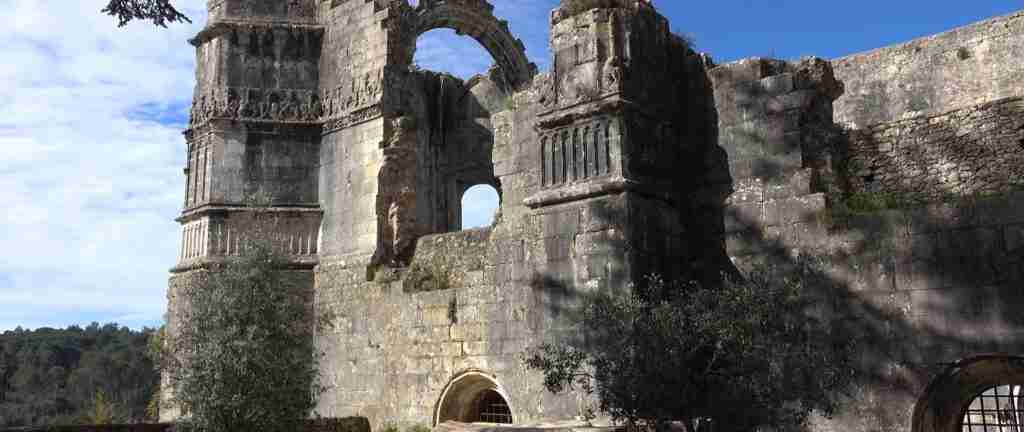
The Monastery of Santa Clara-a-Velha presents one of Portugal’s most remarkable architectural resurrection stories, revealing pristine 14th-century Gothic structures after three centuries submerged beneath Mondego River sediment. These evocative ruins across the river from Coimbra’s historic center preserve the site where Queen Saint Isabel established a Poor Clare convent that endured systematic flooding from 1331 until final abandonment in 1677, then lay buried until ambitious archaeological excavations beginning in 1995 cleared accumulated mud and exposed architecture surviving in exceptional condition. The monastery grounds now function as both atmospheric ruins and interpretive center explaining medieval monastic life, Portuguese Gothic architecture, and the tragic romance between Prince Pedro and Inês de Castro that unfolded within these walls.
Queen Isabel of Aragon, canonized as Saint Isabel of Portugal, sponsored the monastery’s reconstruction beginning in 1314 after earlier foundations proved unsustainable. The queen engaged Domingos Domingues, architect of the Alcobaça Monastery cloisters, to design a grand complex reflecting Cistercian Gothic principles adapted to Portuguese conditions. The church consecrated in 1630 featured three naves of equal height covered by stone vaulting, a design emphasizing spatial unity characteristic of mendicant orders like the Poor Clares. A substantial cloister adjoining the church’s south side provided contemplative space for the enclosed nuns, while ancillary buildings included chapter house, refectory, dormitories, and the queen’s personal palace adjacent to the monastery proper.
The monastery’s fatal flaw emerged immediately, with documented flooding occurring in 1331 merely one year after consecration. Built directly on the Mondego’s left bank flood plain to provide water access and flat construction terrain, the complex occupied the precise zone where seasonal floods deposited overflow. Over succeeding centuries, the nuns adapted by progressively raising floor levels, adding upper stories, and constructing protective walls, but the Mondego’s relentless cycles ultimately overwhelmed human engineering. The flooding grew severe enough that King João IV ordered construction of a replacement monastery on elevated ground, and between 1649 and 1677 the nuns gradually relocated to Santa Clara-a-Nova taking their most precious possessions including Queen Isabel’s Gothic tomb.
The abandoned monastery rapidly deteriorated as floods deposited mud throughout the structures. Within decades, sediment accumulated to depths exceeding two meters in some areas, completely filling the church nave and cloister arcades. River vegetation colonized the ruins, creating romantic overgrown aesthetics that inspired 19th-century painters and poets even as architectural details disappeared beneath marshland. The site achieved National Monument status in 1910 prompting limited conservation efforts, but serious restoration awaited late-20th-century archaeological initiatives. Between 1995 and 2008, teams led by archaeologist Artur Côrte-Real systematically excavated the complex, pumping millions of liters of water, removing accumulated sediment, and revealing Gothic architecture that centuries underwater had paradoxically preserved by protecting it from weathering and human vandalism.
Contemporary visitors access the monastery through a modern interpretive center designed by architects Alexandre Alves and Sérgio Fernandez, opened in 2009 to provide context before entering the ruins themselves. The museum displays archaeological artifacts recovered during excavations including ceramics, coins, religious objects, and everyday implements revealing medieval monastic life. Particularly fascinating exhibits explain the nuns’ adaptations to flooding including raised walkways, elevated living quarters, and water management systems attempting to channel flood waters away from critical spaces. A detailed architectural model reconstructs the monastery’s original appearance, helping visitors understand how complete structures relate to surviving foundations and walls.
The ruins themselves prove remarkably extensive and well-preserved given their ordeal. The church facade remains substantially intact, its Gothic portal demonstrating sophisticated stonework despite centuries underwater. Interior spaces reveal the triple-nave layout with columns supporting vanished vaults, while side chapels preserve traces of painted decoration. The cloister ruins showcase characteristic doubled columns supporting pointed arches, with vegetable-motif capitals demonstrating medieval sculptural craft. Archaeological excavations exposed a circular Gothic fountain basin at the cloister’s center where nuns performed ritual hand-washing before communal meals. Foundation remnants of the chapter house, refectory, and smaller service cloister illustrate the monastery’s substantial scale accommodating a significant religious community.
The monastery grounds preserve the most dramatic site in Coimbra’s connection to the Pedro and Inês de Castro legend. Inês resided in the adjacent Queen’s Palace where she conducted her forbidden romance with Prince Pedro, and the traditional account places her 1355 assassination by King Afonso IV’s agents within the monastery complex itself. While historical certainty regarding the precise murder location remains elusive, the ruins’ atmospheric Gothic architecture and tragic history combine to evoke the medieval drama more powerfully than any other Coimbra site. Walking the cloister remains while imagining Inês’s final moments creates profound emotional resonance that mere historical facts cannot achieve.
Visiting Santa Clara-a-Velha requires crossing the Mondego River from the historic center via the Santa Clara Bridge or the newer Pedro and Inês Bridge. The monastery sits approximately 15 minutes walking from either bridge, following the left bank through the Santa Clara neighborhood. The interpretive center operates Tuesday through Sunday with seasonal hours, typically opening 10:00 to 19:00 during summer months and 10:00 to 18:00 in winter. Admission fees apply for museum and ruins access. The site rewards allowing 90 minutes to two hours for thorough exploration including museum exhibits, architectural examination of the ruins, and contemplative time absorbing the atmospheric setting. Photography opportunities abound, particularly capturing how Gothic arches frame views of the surrounding landscape and how light penetrates the roofless church creating dramatic shadow patterns across stone floors.
Quinta das Lágrimas: Gardens of Forbidden Love
Quinta das Lágrimas preserves Portugal’s most romantic landscape, transforming the tragic 14th-century love story of Prince Pedro and Inês de Castro into tangible experience through landscaped gardens, legendary water features, and centuries-old trees marking where royal passion ended in assassination. This estate located south of the historic center along the Mondego River functions simultaneously as luxury hotel occupying the 19th-century palace and publicly accessible gardens maintaining traditions connecting contemporary visitors to medieval romance. The property’s name translates as Estate of Tears, referencing the legendary Fonte das Lágrimas (Fountain of Tears) where Inês supposedly wept before her murder, creating one of Portuguese literature’s most enduring symbolic landscapes.
The Pedro and Inês story represents Portugal’s answer to Romeo and Juliet, though the historical events carry greater complexity than Shakespeare’s fictional tragedy. Prince Pedro, heir to the Portuguese throne, married Castilian noblewoman Constanza Manuel in a political alliance arranged by his father King Afonso IV. Constanza brought her cousin Inês de Castro as lady-in-waiting, and Pedro developed passionate attachment to Inês that scandalized the court. After Constanza’s death in 1345, Pedro refused any marriage except to Inês despite Afonso’s fierce opposition stemming from fears about Castilian influence through Inês’s powerful family connections. The couple lived openly together at Quinta das Lágrimas producing four children, until Afonso ordered Inês’s assassination in 1355 to eliminate perceived threats to Portuguese sovereignty.
The murder’s aftermath elevated the romance from scandal to legend. Pedro reportedly went mad with grief, launching civil war against his father before eventual reconciliation. Upon ascending to the throne as Pedro I in 1357, the new king claimed he had secretly married Inês, declaring her legitimate queen and their children legitimate heirs. Most dramatically, Pedro allegedly ordered Inês’s body exhumed from her Coimbra grave, dressed in royal regalia, seated on a throne, and crowned as queen while forcing courtiers to kiss her hand in homage. Whether historical fact or embellished legend, this necromantic coronation became one of medieval Europe’s most Gothic episodes. Pedro eventually transferred Inês to an elaborate Gothic tomb at Alcobaça Monastery, positioned foot-to-foot with his own so they would face each other upon resurrection, with the inscription “Até ao fim do mundo” (Until the end of the world).
Quinta das Lágrimas gardens spread across expansive grounds featuring landscaping from different eras reflecting evolving aesthetic preferences. The Renaissance-era gardens near the palace display geometric beds, trimmed hedges, and ornamental parterres characteristic of 16th-century formal design. Romantic 19th-century landscaping introduced naturalistic elements including meandering pathways, ornamental ponds, and exotic tree species creating picturesque vistas. The mature tree collection includes botanical rarities like the massive Moreton Bay fig (Ficus macrophylla) with spreading branches and exposed aerial roots creating dramatic natural sculpture. Other notable specimens include Lebanese cedars, araucarias, and various palm species reflecting Portugal’s botanical exchange with colonial territories.
The legendary Fonte das Lágrimas occupies a grotto setting surrounded by lush vegetation where a natural spring feeds a stone basin. The fountain’s water displays reddish coloration from iron-rich algae that popular legend interprets as Inês’s blood, though the actual red hue predates any medieval events. Regardless of historical accuracy, the fountain functions as powerful symbolic focus where the love story achieves tangible presence. Contemporary visitors follow Portuguese tradition by writing lovers’ names on ribbons and tying them to surrounding tree branches, creating colorful textile canopy invoking eternal love through association with Inês and Pedro’s tragic devotion. The Fonte dos Amores designation increasingly replaces the older Tears reference, emphasizing romantic rather than mournful associations.
The gardens provide peaceful refuge from Coimbra’s urban intensity, offering shaded pathways ideal for contemplative walks particularly during hot summer afternoons when the tree canopy creates natural air conditioning. Multiple ponds and water features punctuate the landscape, creating reflective surfaces and providing habitat for waterfowl and aquatic plants. The grounds maintain semi-wild zones where vegetation grows less controlled, preserving naturalistic aesthetics valued in contemporary landscape design. Garden benches positioned at strategic viewpoints invite lingering to observe changing light conditions, seasonal flowering cycles, and the interplay between cultivated and wild elements defining romantic landscape traditions.
The 19th-century palace dominating the estate operates as the Quinta das Lágrimas Hotel, a five-star luxury property offering accommodation, dining, and spa services. While hotel facilities remain restricted to guests, the gardens maintain public access allowing non-guests to experience the historic landscape. Visitors should verify current access policies and any admission fees through official channels, as arrangements occasionally change. The property’s website provides detailed historical information, garden maps, and visitor guidelines. Photography is generally permitted throughout the gardens, with the fountain grotto and mature trees offering particularly photogenic subjects. The estate lies approximately 20 minutes walking south from the historic center following the Mondego River’s left bank, though taxis provide convenient direct access for those prioritizing time efficiency.
Coimbra Botanical Garden: 18th-Century Scientific Legacy
The University of Coimbra Botanical Garden represents one of Europe’s oldest scientific plant collections, established in 1772 as part of the Marquis of Pombal’s sweeping university reforms modernizing Portuguese higher education. This 13-hectare living laboratory cascading down hillside terraces from the university toward the Aqueduct of São Sebastião showcases over 1,200 plant species collected from Mediterranean regions, tropical colonies, and temperate zones worldwide. The garden functions simultaneously as active research facility supporting university botanical studies, public educational resource introducing plant diversity and conservation principles, and atmospheric green space offering peaceful escape from the historic center’s dense stone architecture and tourist crowds.
The Marquis of Pombal commissioned the garden as teaching facility for the reformed Natural Philosophy curriculum emphasizing empirical observation over theological speculation. The original design by architect William Elsden incorporated Enlightenment principles organizing plants by Linnaean taxonomic classifications rather than aesthetic considerations, creating systematic arrangement facilitating scientific study. The terraced layout exploited Coimbra’s hillside topography creating microclimates supporting plants requiring different growing conditions, with upper terraces receiving full sun while lower zones benefited from shade and moisture retention. An elaborate irrigation system channeled water from the São Sebastião Aqueduct ensuring consistent moisture availability for exotic species adapted to tropical rainfall patterns.
The upper garden areas near the university entrance feature formal geometric beds displaying medicinal and aromatic plants arranged by pharmaceutical properties and chemical constituents. These sections reflect 18th-century pharmacology’s dependence on botanical knowledge for drug preparation, with plants labeled by scientific names, common names, and therapeutic applications. Historical iron glasshouses constructed in the 19th century provide controlled environments for tropical species requiring protection from Portugal’s occasional winter frosts and summer heat extremes. These elegant Victorian-era structures combine functional temperature regulation with architectural beauty, their curved glass panels and ornamental ironwork creating photogenic subjects while housing collections of orchids, bromeliads, ferns, and other shade-loving tropicals.
The central garden zones descending the terraces showcase geographical collections grouped by origin regions. The Mediterranean section features cork oaks, stone pines, cistus, lavender, rosemary, and other species adapted to hot dry summers and mild wet winters characteristic of Portugal’s climate. The Brazilian collection reflects Portugal’s colonial connections, displaying rubber trees, Brazilian pepper trees, jacarandas, and various palm species. The Australian section introduces eucalyptus, acacias, and banksias demonstrating adaptive strategies for surviving nutrient-poor soils and fire ecology. These geographic groupings create immersive experiences transporting visitors to distant ecosystems through strategic plant arrangements mimicking natural associations.
The lower garden areas transitioning toward the aqueduct incorporate bamboo groves, a serene pond supporting aquatic plants and providing habitat for frogs and dragonflies, and naturalistic woodland plantings under mature tree canopies. A particularly impressive bamboo collection includes multiple species demonstrating the remarkable diversity within this grass family, from delicate ornamental varieties to massive timber bamboos reaching substantial heights. The bamboo grove creates distinctive soundscape as wind rustles through dense stems and leaves, producing gentle rustling quite different from typical Portuguese forest sounds. The pond area attracts waterbirds including coots and moorhens, adding wildlife observation opportunities to botanical interests.
The garden’s scientific collections include significant holdings of cycads, primitive seed plants predating flowering plant evolution, and various succulent families demonstrating water-storage adaptations enabling survival in arid environments. The cycad collection features ancient lineages resembling palm trees but actually representing separate evolutionary branch, with some specimens displaying impressive size attesting to their slow growth rates and considerable age. The succulent collections showcase creative solutions to water scarcity including thick fleshy leaves, extensive root systems, photosynthetic stems, and protective spines, with examples from cactus, agave, aloe, and euphorbia families demonstrating convergent evolution producing similar forms in unrelated plant lineages.
Educational signage throughout the garden provides botanical information, historical context, and conservation messages explaining threats facing plant diversity and importance of botanical gardens in preservation efforts. The garden participates in international seed exchange networks maintaining genetic diversity for rare and endangered species, contributing to global conservation initiatives while advancing botanical research. Temporary exhibitions, guided tours, and educational programs cater to school groups, university students, and interested public members seeking deeper engagement beyond casual garden strolling. These programs cover topics including plant evolution, ethnobotany, medicinal plants, climate change impacts on vegetation, and practical gardening techniques adapted to Mediterranean conditions.
Visiting the Botanical Garden provides ideal complement to the university’s architectural grandeur, offering natural counterpoint to baroque libraries and formal courtyards while remaining within easy walking distance of the main campus. The garden entrance near the Marquis of Pombal statue opens daily with free admission, democratizing access to this scientific and cultural resource. Allow minimum 60 minutes for basic exploration covering main pathways and representative collections, though botanical enthusiasts easily spend half a day examining plant diversity, reading interpretive materials, and photographing specimens. The garden proves particularly pleasant during spring flowering season when bulbs, fruit trees, and ornamental shrubs create colorful displays, and during hot summer days when shaded pathways and elevated positions capture cooling breezes unavailable in the dense lower town.
Fado de Coimbra: Academic Musical Tradition
Fado de Coimbra represents Portugal’s second major fado tradition, emerging from university student culture rather than Lisbon’s working-class neighborhoods and maintaining distinctive characteristics that separate it from the more internationally famous capital city version. This academic fado sung exclusively by male students and alumni in Coimbra features softer, more contemplative melodies emphasizing poetic lyrics addressing student experiences, romantic longing, and philosophical musings characteristic of university intellectual environments. The tradition connects directly to Coimbra’s seven-century academic heritage, evolving from impromptu serenades beneath dormitory windows into formalized performance art preserving student culture across generations while adapting to contemporary contexts.
The fundamental differences between Coimbra and Lisbon fado reflect their distinct social origins and intended audiences. Lisbon fado developed in working-class neighborhoods like Alfama and Mouraria during the 19th century, performed by both male and female singers in taverns and fado houses for paying audiences seeking emotional catharsis through songs addressing fate, loss, longing, and hardship. Coimbra fado emerged from aristocratic and middle-class student populations studying at Portugal’s elite university, initially performed informally among students themselves rather than for external audiences. This private origin shaped Coimbra fado’s more intimate scale, softer dynamics, and emphasis on literary quality over vocal power, creating music designed for late-night gatherings among friends rather than crowded restaurant performances.
Gender restrictions represent the most obvious distinction, with Coimbra fado remaining exclusively male domain while Lisbon fado includes numerous celebrated female fadistas. This male exclusivity reflects the university’s historical composition as all-male institution until the 20th century, though the tradition persists despite contemporary gender integration. Female students may attend fado performances and participate in supporting roles, but actual singing remains reserved for men maintaining connection to historical practices. This conservative adherence to tradition sometimes generates controversy in contemporary Portugal’s more egalitarian culture, though defenders argue preserving historical authenticity justifies gender restrictions as cultural heritage rather than active discrimination.
Performance protocols in Coimbra fado emphasize formal traditions absent from Lisbon’s more flexible approaches. Singers wear the traditional black academic cape (capa e batina) symbolizing student identity and connecting contemporary performers to centuries of predecessors. Performances occur standing rather than seated, often with the singer positioned in group formations or circles rather than individual spotlight. The instrumental accompaniment remains simpler than Lisbon arrangements, typically featuring only Portuguese guitar (guitarra portuguesa) and classical guitar (viola) without the additional instruments sometimes incorporated in Lisbon performances. Audience behavior during performances demands complete silence and attention, with applause reserved until song conclusion unlike Lisbon venues where some interaction and appreciation during performances proves acceptable.
The repertoire draws heavily from Portuguese literary classics, particularly poems by Camões, Florbela Espanca, and other canonical figures whose verses musicians set to original melodies. Student-composed lyrics address university experiences including exam anxiety, romantic disappointments, republic house camaraderie, and the melancholy awareness of student years’ transience. Many songs explore the saudade concept so central to Portuguese emotional vocabulary, expressing longing for departed friends, lost loves, vanished youth, and the inevitable transition from student freedom to adult responsibilities. The poetic emphasis requires singers to emphasize clear diction and interpretive nuance conveying lyrics’ emotional and intellectual content rather than showcasing vocal pyrotechnics.
Experiencing authentic Coimbra fado requires identifying venues maintaining traditional standards while remaining accessible to visitors unfamiliar with student networks. À Capella stands as the premier venue, occupying a former chapel near the university converted into atmospheric performance space featuring exceptional acoustics, religious architectural details, and intimate seating arrangements. The venue hosts regular evening performances combining dinner service with fado presentations, allowing visitors to experience the tradition in appropriate context. Reservations prove essential particularly during academic year when student audiences compete with tourists for limited seating. The converted chapel setting with vaulted ceilings, stone walls, and subtle lighting creates memorable ambiance enhancing the music’s contemplative qualities.
Fado ao Centro provides alternative venue specifically designed to introduce visitors to both Coimbra and Lisbon fado traditions through educational performances explaining musical and cultural contexts. Daily shows combine live music with historical explanations and comparative demonstrations highlighting differences between the two fado styles. The center occupies restored historic building in the lower town, maintaining more tourist-oriented approach than À Capella while preserving musical authenticity. The educational focus makes Fado ao Centro particularly valuable for first-time fado listeners seeking structured introduction before experiencing more traditional performance contexts.
Attending Coimbra fado performances during the academic year offers richer experience than summer visits when reduced student presence diminishes authentic atmosphere. The tradition intensifies during major academic calendar events including Queima das Fitas in May when graduating students celebrate their departures with elaborate festivities incorporating extensive fado performances. October’s Latada welcoming first-year students also features fado traditions as upperclassmen introduce newcomers to university culture. These calendar peaks provide opportunities to observe how fado functions within living student culture rather than as preserved museum artifact, though accessing performances during these periods may require advance planning and local connections.
Machado de Castro National Museum: Sculpture and Roman Foundations
The Machado de Castro National Museum occupies a former bishop’s palace overlooking Coimbra’s lower town, housing Portugal’s premier sculpture collection while incorporating remarkable Roman cryptoporticus foundations into the museum complex. This multilayered cultural institution combines exhibits spanning Portuguese art from the Middle Ages through the 18th century with archaeological remains revealing Coimbra’s Roman origins as the settlement of Aeminium. The museum underwent extensive renovation and expansion completed in 2013, incorporating contemporary architectural interventions by architects João Mendes Ribeiro and others that respect historic fabric while creating dramatic underground galleries exploiting the Roman foundations and terraced hillside topography.
The building’s history reflects Coimbra’s ecclesiastical importance, constructed originally as the bishop’s palace adjacent to the cathedral atop the Roman forum foundations. The site’s significance extends to antiquity when Roman engineers carved an elaborate cryptoporticus (underground gallery system) into the hillside to create level platform for the forum above, demonstrating impressive engineering solving the challenges of building monumental civic architecture on steep terrain. These vaulted subterranean passages constructed in the 1st century CE survived subsequent building campaigns, remaining substantially intact despite two millennia of overlying construction. The museum renovation exposed these Roman structures, transforming them into atmospheric exhibition galleries where contemporary visitors walk the same passages Roman citizens traversed when accessing the forum.
The sculpture collection represents the museum’s greatest strength, featuring masterworks spanning medieval religious art through baroque altar pieces. Highlights include the 14th-century Knight of the Tomb sculpture demonstrating refined Gothic naturalism, the intricate Last Supper altarpiece attributed to Flemish-influenced Portuguese masters, and numerous carved wooden polychrome statues of saints displaying technical virtuosity in rendering fabric folds, facial expressions, and symbolic attributes. Many pieces originated from monasteries and churches throughout the Coimbra region, particularly Santa Clara-a-Velha and other religious foundations damaged by floods, fires, or secularization policies that dissolved religious houses and dispersed their artistic patrimony.
The medieval religious art galleries immerse visitors in the visual culture shaping Portuguese devotional life across centuries. Sculptors combined native chestnut and oak wood with painting and gilding techniques creating luminous sacred images intended to inspire piety through aesthetic beauty. The collection demonstrates evolution from Romanesque severity through Gothic elegance to Manueline exuberance and finally baroque theatrical emotion, tracing how artistic styles reflected changing theological emphases and cultural contexts. Interpretive materials explain iconographic symbols, saints’ attributes, and the social functions these artworks fulfilled in their original ecclesiastical settings, helping contemporary secular audiences appreciate devotional art beyond purely aesthetic considerations.
The Renaissance and Mannerist collections showcase Portugal’s engagement with Italian artistic innovations filtered through distinctive Portuguese sensibilities. Works by Flemish masters active in Portugal demonstrate the country’s artistic connections extending beyond Iberian borders, reflecting how wealthy Portuguese patrons commissioned foreign artists bringing Northern European techniques to Portuguese contexts. The collection includes paintings, sculptures, goldsmith works, and liturgical textiles creating comprehensive picture of artistic production serving religious and aristocratic patronage during Portugal’s golden age when colonial wealth funded elaborate cultural projects.
The Roman cryptoporticus represents the museum’s most unique architectural feature, creating underground maze of vaulted galleries extending through multiple levels beneath the palace. The rough-hewn stone passages maintain consistent cool temperatures year-round, providing ideal conditions for artifact preservation while creating dramatically atmospheric exhibition spaces quite unlike typical museum galleries. Strategic lighting illuminates the Roman masonry revealing construction techniques, while preserved sections display original floor surfaces and wall treatments. Exhibitions installed in these spaces address Roman Portugal’s history, archaeological methodologies, and Coimbra’s development from Aeminium through medieval and modern periods.
The museum expansion incorporated contemporary architecture creating dialogue between historic structures and modern interventions. Glass elevator shafts and walkways contrast with ancient stone walls, while strategic openings frame views connecting interior exhibition spaces with the city beyond. The rooftop terrace provides panoramic vistas across Coimbra’s terracotta roofs toward the Mondego River and Santa Clara district, offering perspective on the city’s topography and spatial organization. This viewing platform transforms the museum visit into comprehensive urban experience combining artistic appreciation with geographical understanding of how Coimbra’s terrain shaped its development.
Temporary exhibition galleries host rotating displays addressing specific themes, artists, or periods supplementing the permanent collections. The museum maintains active acquisition, conservation, and research programs advancing scholarly understanding of Portuguese artistic heritage while building collections representing underrepresented periods or media. Educational programming includes guided tours, lectures, workshops, and family-oriented activities making the museum accessible to diverse audiences beyond art specialists. The museum shop offers carefully curated books, reproductions, and crafts connecting visitors to Portuguese artistic traditions through tangible objects suitable as thoughtful souvenirs.
The museum operates Tuesday through Sunday with seasonal hours, closing Monday and major holidays. Admission fees apply with reductions for students, seniors, and families. The museum’s central location near the Old Cathedral makes it easily accessible from both the university hilltop and lower town, positioned roughly midway between the two zones. Allow minimum 90 minutes for basic exploration covering highlight works and the cryptoporticus, though comprehensive visits examining collections thoroughly require three to four hours. The museum café provides refreshment options and additional viewing terrace accessing city views, offering pleasant break point during extended visits.
Lower Town Discoveries: Santa Cruz Monastery and Surrounding Neighborhoods
The lower town (Baixa) extending from Praça 8 de Maio along Rua Ferreira Borges represents Coimbra’s commercial and artisan heart, contrasting with the hilltop university quarter’s academic grandeur through more intimate scale, everyday commercial vitality, and neighborhood authenticity. This zone centered on the Santa Cruz Monastery contains significant historical monuments dispersed among contemporary shops, cafés, and residential buildings creating lived-in urban fabric where tourism constitutes activity among others rather than dominant economic driver. Exploring the Baixa reveals how contemporary Coimbra functions beyond university-centered tourism, providing insights into daily life, local commerce, and community dynamics sustaining the city’s permanent population.
Santa Cruz Monastery represents one of Portugal’s most historically significant Augustinian foundations, established in 1131 during Afonso Henriques’ reign as Portugal’s first king and serving as royal pantheon housing tombs of Afonso Henriques himself and his son Sancho I. The monastery church underwent extensive Manueline renovation during the early 16th century under King Manuel I, adding elaborate portal sculpture, azulejo tile panels, and carved choir stalls transforming the original Romanesque structure into showcase of Portuguese Renaissance artistry. The pulpit designed by sculptor João de Ruão demonstrates sophisticated marble carving depicting biblical scenes with exceptional detail, while the vaulted ceiling paintings covering the nave create comprehensive visual narrative of salvation history.
The monastery complex includes sacristy preserving important religious treasures, chapter house featuring intricate stonework, and the Silence Cloister displaying exquisite azulejo panels depicting biblical narratives and decorative motifs. The azulejos installed during the 1520s represent early examples of this quintessentially Portuguese art form before it achieved the blue-and-white aesthetic dominance emerging later in the 17th century. The polychrome panels demonstrate Sevillian influence in their color palette and geometric patterning, reflecting Portugal’s artistic exchanges with Islamic Spain and Renaissance Italy. Visiting the monastery reveals layers of artistic intervention spanning five centuries, from Romanesque foundations through Manueline additions to baroque altar pieces, creating comprehensive survey of Portuguese ecclesiastical architecture and decoration.
Adjacent to Santa Cruz, the Café Santa Cruz occupies a former auxiliary chapel converted into atmospheric coffeehouse maintaining original vaulted ceiling, stone walls, and religious architectural details. This café functions as traditional gathering spot for students, intellectuals, and locals seeking conversation and refreshment in historic setting quite unlike generic modern coffee chains. The café serves traditional Portuguese pastries including pastéis de Santa Clara (local almond-based sweets), regional wines, and espresso drinks while maintaining ambiance encouraging leisurely socializing rather than rushed consumption. Evening hours occasionally feature live fado or classical music performances transforming the space into impromptu concert hall, though schedules vary and spontaneity characterizes these cultural offerings.
The Praça do Comércio and surrounding streets preserve Coimbra’s traditional retail character through family-owned shops selling textiles, ceramics, regional foods, and artisan crafts. The municipal market (Mercado Municipal) operates in modernized facility offering produce, meats, fish, cheeses, and prepared foods sourced from regional farms and producers. Visiting the market during morning hours when vendors actively sell and locals shop for daily ingredients provides authentic slice of Portuguese food culture absent from tourist-oriented restaurants. The market’s upper floor houses affordable eateries serving traditional dishes to workers and residents, offering opportunities to sample home-style Portuguese cooking at extremely modest prices while observing how locals actually eat rather than tourist-oriented presentations.
The narrow streets radiating from the lower town contain neighborhood bakeries producing regional specialties including broa (corn bread), various sweet rice desserts, and seasonal pastries tied to religious calendar celebrations. These establishments cater primarily to residents maintaining traditional food preferences rather than tourists seeking exotic experiences, meaning quality and authenticity remain high while prices reflect local purchasing power. Engaging with neighborhood bakeries, wine shops, and specialty food vendors provides insights into contemporary Portuguese culinary culture beyond the codified restaurant presentations, revealing how traditional recipes adapt to modern lifestyles while maintaining essential character.
The lower town architecture demonstrates vernacular building traditions adapted to Coimbra’s climate and topography, featuring narrow multi-story structures with small windows limiting heat gain during summer, overhanging upper floors creating shaded pedestrian passages, and ceramic tile facades protecting walls from moisture while permitting decorative expression. Azulejo panels adorn many buildings from different periods, creating outdoor gallery of tile work spanning simple geometric patterns to elaborate pictorial compositions. Photographing these architectural details reveals craft traditions and aesthetic preferences otherwise overshadowed by major monuments, documenting how ordinary buildings contribute to cityscape character through accumulated small-scale design decisions.
Republic houses scattered through neighborhoods near the university maintain student communal living traditions dating to medieval universities’ organizational principles. These self-governing residences where students collectively manage domestic affairs, share expenses, and perpetuate unique cultural traditions represent living continuation of academic customs largely vanished from other European university cities. While republic interiors remain private spaces not typically accessible to visitors, observing their distinctive exterior decorations, door plaques identifying different republics, and occasional public events like open houses during academic festivals provides glimpses into this alternative student lifestyle. The republic tradition emphasizes egalitarianism, cultural continuity, and mutual support distinguishing it from conventional dormitory accommodations, creating communities that alumni often cite as their most formative university experience.
Pedro and Inês Bridge: Contemporary Architecture and Symbolic Landscape
The Ponte Pedro e Inês (Pedro and Inês Bridge) represents Coimbra’s most significant contemporary architectural intervention, opened in 2006 as pedestrian and cyclist crossing connecting the historic center with the Santa Clara district while embodying the tragic medieval romance through innovative structural design. Portuguese architect João Luís Carrilho da Graça conceived the bridge as two independent curved decks that approach each other but never meet, symbolizing Pedro and Inês’s doomed love where attraction draws them together yet circumstances prevent union. This poetic architectural gesture transforms functional infrastructure into emotional landscape, demonstrating how contemporary design can engage historical narratives through abstract formal language rather than literal representation.
The bridge design employs parallel curved concrete decks suspended from inclined masts creating dynamic asymmetrical composition quite unlike conventional bridge aesthetics. The two decks originate from opposite riverbanks, gradually converging as they span the Mondego, reaching closest proximity at mid-river where a 12-meter gap separates them before each deck curves away toward the opposite bank. This spatial choreography requires users to walk most of the bridge’s 275-meter length before crossing between decks via connecting pathway at the gap, creating journey metaphor for the lovers’ prolonged separation followed by brief union before final divergence. The structural engineering enabling this unconventional form demonstrates Portuguese technical sophistication while the symbolic program elevates the bridge beyond purely functional considerations.
Walking the bridge provides unique perspective on Coimbra’s topography and urban fabric, revealing the dramatic elevation differences between the historic center climbing hillsides and the relatively flat Santa Clara district, the Mondego River’s serpentine course through the valley, and the visual relationships between major landmarks including the university crowning its hill, the cathedral towers, and the two Santa Clara monasteries across the water. The pedestrian-only designation creates calm traversal experience absent from vehicular bridges where traffic noise and safety concerns diminish the crossing’s contemplative potential. Cyclists share the path, requiring awareness while walking, though the generous deck width accommodates both users comfortably.
The bridge’s contemporary aesthetics initially generated controversy among preservation-minded critics concerned that modern architecture would clash with Coimbra’s historic character dominated by medieval and baroque monuments. The successful integration demonstrates how skillful contemporary design can complement rather than compete with historic contexts through careful attention to scale, materials, and urban relationships. The concrete’s neutral gray tone relates to stone prevalent in traditional construction without attempting literal imitation, while the structure’s relatively low profile avoids dominating views when observed from the historic center. The bridge now functions as beloved landmark appearing frequently in promotional images representing Coimbra’s engagement with contemporary culture alongside historical preservation.
Interpretive signage at both bridge approaches explains the Pedro and Inês story and the architectural symbolism, providing context for visitors unfamiliar with the legend. The panels present historical narrative, literary excerpts from Portuguese writers addressing the romance, and architects’ statements describing design intentions. These educational elements transform the crossing from simple transit into cultural experience, encouraging users to consider how physical infrastructure can communicate abstract concepts and emotional content. The bridge demonstrates Portuguese tradition of integrating art, architecture, and landscape into unified compositions addressing both functional requirements and cultural aspirations.
The bridge proves particularly atmospheric during evening hours when subtle lighting illuminates the deck from below, creating glowing ribbons suspended above the dark river. The lighting design avoids excessive brightness that would create light pollution, instead using restrained illumination emphasizing the structure’s sculptural qualities while maintaining nocturnal ambiance. Sunset timing offers optimal photography conditions with backlighting creating silhouettes against colorful skies, while early morning light produces soft side illumination revealing concrete’s texture and the deck’s curvature. The bridge functions as popular jogging and cycling route for Coimbra residents, though tourist foot traffic remains relatively light compared to vehicular bridges suggesting many visitors overlook this contemporary monument despite its architectural significance.
Accessing the bridge from the historic center requires descending to river level via the Parque Dr. Manuel Braga (also called Parque da Cidade) occupying the right bank between the Santa Clara and Rainha Santa bridges. This riverside park created in 1920 features tree-lined pathways, formal gardens, statues honoring Portuguese literary figures including poets Florbela Espanca and Antero de Quental, and benches providing rest points along the river promenade. The park functions as recreational space for residents engaging in morning exercise, afternoon strolls, and evening socializing, creating dynamic public realm distinct from tourist-focused historic center streets. Observing local park use patterns reveals how contemporary Coimbra residents interact with public space, providing cultural insights complementing historical monument visits.
Portugal dos Pequenitos: Miniature Architecture Park
Portugal dos Pequenitos (Portugal of the Little Ones) presents an unusual attraction occupying the Santa Clara district, featuring miniature reproductions of Portuguese architectural monuments, regional vernacular buildings, and colonial-era structures from former Portuguese territories scaled to child proportions. Created in 1940 by philanthropist Dr. Bissaya Barreto, this theme park originally served educational purposes introducing Portuguese children to their nation’s architectural heritage and colonial empire during the Estado Novo dictatorship period when nationalist propaganda emphasized Portugal’s civilizing mission abroad. Contemporary interpretation recognizes the park’s complicated historical context while appreciating its architectural inventory documenting building traditions across the Portuguese-speaking world.
The park layout organizes miniature buildings into zones representing Portuguese regions (Minho, Alentejo, Algarve, etc.) and former colonies (Brazil, Angola, Mozambique, Goa, Macau, Timor). The regional Portuguese section reproduces characteristic vernacular architecture including Minho’s granite houses with external staircases, Alentejo’s whitewashed structures with blue trim, Algarve’s chimney varieties, and Madeira’s traditional thatched houses. The metropolitan monuments section includes scaled replicas of Lisbon’s Belém Tower, Jerónimos Monastery, Commerce Square, Porto’s Torre dos Clérigos, and other iconic structures. The colonial zones present traditional architecture from Portugal’s former territories, though contemporary visitors recognize these representations reflect Portuguese colonial perspectives rather than authentic indigenous architectural traditions.
The miniature scale targeting children creates surreal experience for adult visitors who can peer over building rooftops, observe architectural details at unusual angles, and physically navigate spaces designed for smaller bodies. This perspective shift reveals construction techniques, decorative elements, and spatial relationships invisible when experiencing full-scale buildings from ground level. The park’s aging infrastructure and somewhat faded aesthetic create nostalgic atmosphere evoking mid-20th-century optimism about educational tourism and Portugal’s global significance during the late colonial period. These qualities appeal to visitors appreciating retro aesthetics and historical curiosities beyond conventional tourist attractions seeking pristine contemporary presentation.
Educational value persists despite the park’s dated didactic approach and problematic colonial framing. The architectural reproductions demonstrate regional building traditions adapted to local climates, materials, and cultural practices, illustrating how vernacular architecture reflects environmental conditions and available resources. The miniatures preserve documentation of building types increasingly rare in original contexts as modernization replaces traditional structures with contemporary construction. Photography opportunities abound for capturing unusual perspectives on familiar monuments, while children genuinely enjoy navigating the scaled structures and relating them to buildings they’ve encountered in actual size during Portuguese travels.
The park includes costume museum displaying traditional Portuguese regional dress, furniture museum showing period domestic interiors, and small naval museum with model ships documenting Portuguese maritime exploration history. These auxiliary collections expand beyond architecture into broader cultural documentation, though presentation quality varies and interpretive materials remain basic compared to major national museums. The collections appeal primarily to visitors with specific interests in Portuguese ethnography or those seeking comprehensive introduction to Portuguese cultural diversity beyond major metropolitan monuments.
Contemporary critical perspectives recognize Portugal dos Pequenitos reflects Estado Novo ideology promoting Portuguese exceptionalism and colonial paternalism through selective representation emphasizing European architectural traditions while marginalizing African and Asian contributions to Portuguese colonial societies. The colonial sections particularly demonstrate how architectural reproduction served propaganda purposes celebrating Portuguese civilization’s supposed benefits to colonized populations. These ideological dimensions make the park interesting document of mid-20th-century Portuguese nationalism and colonial mentality, though visitors should approach colonial representations critically rather than accepting them as neutral cultural education.
Families with children represent the park’s primary audience, as the scaled buildings, playground equipment, and open spaces provide recreational opportunities beyond passive monument observation. Children enjoy physical interaction with miniature structures, creating play scenarios using the architectural environment, and comparing their size to various buildings. The park’s location across the river from the historic center makes it less accessible than central attractions, though the separation from tourist crowds creates more relaxed atmosphere. Visiting requires dedicating specific time to the attraction rather than incorporating it into walking tours of central Coimbra, with most visitors allowing 60 to 90 minutes for exploration.
Conimbriga Roman Ruins: Archaeological Site Beyond Coimbra
The archaeological site of Conimbriga located 16 kilometers south of Coimbra preserves Portugal’s most extensive Roman settlement remains, revealing urban planning, domestic architecture, engineering systems, and artistic decoration demonstrating Roman civilization’s sophistication in Lusitania province. This substantially excavated city occupied continuously from the 2nd century BCE through the 5th century CE developed from indigenous Iron Age settlement into prosperous Roman municipium featuring forum, baths, aqueduct, defensive walls, elaborate villas with mosaic floors, and commercial districts. The site combines atmospheric ruins exploring Roman urbanism with modern museum displaying archaeological finds and explaining excavation methodologies, creating comprehensive introduction to Portugal’s Roman heritage beyond the limited remnants surviving in contemporary cities like Coimbra.
Conimbriga’s name connects to Coimbra’s Roman identity as Aeminium, with confusion between the two settlements persisting into medieval times before historical research clarified their distinct identities. During the late Empire period, Aeminium surpassed Conimbriga in importance particularly after Visigothic invasions damaged Conimbriga’s infrastructure prompting population migration to the more defensible hilltop location of Aeminium. The bishop’s seat transferred to Aeminium in the 6th century, establishing the settlement that evolved into medieval Coimbra while Conimbriga declined into abandonment. This reversal of fortunes paradoxically preserved Conimbriga’s Roman architecture as subsequent building campaigns never buried the ruins under continuous urban development like what occurred at Aeminium/Coimbra.
The excavated areas expose urban infrastructure revealing Roman engineering sophistication. The forum occupied the city’s civic center, featuring colonnaded porticos surrounding an open plaza where commercial transactions, political assemblies, and social interactions occurred. Adjacent temple ruins demonstrate religious architecture serving imperial cult worship and traditional Roman deities. The substantial thermal bath complex showcases Roman bathing culture’s social importance, with preserved caldarium (hot room), tepidarium (warm room), and frigidarium (cold room) organized in sequence allowing bathers to experience temperature progression. Hypocaust systems beneath floors circulated heated air providing efficient heating, while elaborate water management channeled fresh water from the aqueduct through the complex.
The residential areas contain multiple houses ranging from modest dwellings to elaborate villas demonstrating social stratification. The House of Cantaber represents Conimbriga’s most impressive private residence, named after inscription identifying the owner, featuring peristyle courtyard surrounded by columns, private bath suite, multiple reception rooms, and over 500 square meters of mosaic floors. The mosaics demonstrate exceptional craftsmanship depicting geometric patterns, mythological scenes, marine life, and decorative borders in colored stone tesserae creating durable flooring serving both functional and aesthetic purposes. The House of the Fountains features elaborate water garden with ornamental pools, fountains, and water channels integrating landscaping with architecture in sophisticated composition demonstrating wealthy Romans’ appreciation for combining natural elements with built environments.
The defensive walls constructed during the late 3rd and 4th centuries CE reveal Roman responses to increasing Germanic tribal pressures threatening frontier provinces. The hastily built fortifications incorporated earlier structures including parts of the forum into the defensive circuit, demonstrating how military necessity overrode civic planning during crisis periods. The walls’ limited circuit protecting only the city’s core indicates Conimbriga’s reduced population and resources compared to earlier prosperity. Archaeological evidence reveals violent destruction during the 460s CE when Suevi invasions damaged the settlement contributing to its eventual abandonment. These material traces of decline and fall provide tangible evidence connecting archaeological data to historical narratives about Western Roman Empire’s collapse.
The museum adjacent to the ruins displays artifacts recovered during excavations beginning in the 1930s and continuing intermittently to the present. Collections include ceramics demonstrating pottery production and trade networks, glass vessels showcasing Roman glassworking technology, coins documenting monetary systems and economic connections, jewelry revealing personal adornment preferences, agricultural implements illustrating rural economy, and funerary monuments commemorating deceased residents. The exhibits explain archaeological methodologies including stratigraphy, dating techniques, and interpretive processes translating excavated remains into historical understanding. Dioramas and scale models reconstruct buildings’ original appearances, helping visitors visualize complete structures from surviving foundations and wall fragments.
Conservation challenges facing Conimbriga include protecting exposed mosaics from weathering, preventing vegetation damage to masonry, managing water infiltration causing structural problems, and balancing public access with preservation requirements. The site demonstrates ongoing tension between archaeological research advancing knowledge, conservation preventing deterioration, and public education making findings accessible. Recent interventions include protective shelters covering particularly fragile mosaics, walkways directing visitor traffic away from vulnerable areas, and interpretive infrastructure explaining visible remains without compromising archaeological integrity. These measures reflect contemporary archaeological practice emphasizing sustainable heritage management rather than complete excavation or reconstruction.
Visiting Conimbriga requires transportation from Coimbra as public transit connections remain limited. Rental cars provide most flexibility, with the 16-kilometer drive taking approximately 20 minutes via well-marked routes. Organized tours from Coimbra combine Conimbriga with other regional attractions including Lousã schist villages or Bussaco Forest, though these composite itineraries limit time at the archaeological site. Independent visitors should allow minimum two hours for thorough exploration covering museum exhibitions, major excavated areas, and interpretive materials. The site operates year-round with seasonal hours, closing Monday and major holidays. Admission fees apply covering both museum and ruins access. The rural setting provides peaceful contrast to Coimbra’s urban density, with surrounding agricultural landscape preserving visual context similar to ancient Conimbriga’s countryside setting.
Student Traditions and Republic House Culture
Coimbra’s student traditions represent living cultural heritage distinguishing the university from conventional modern higher education institutions, maintaining customs connecting contemporary undergraduates to medieval academic foundations through distinctive dress, housing arrangements, calendar celebrations, and behavioral codes perpetuated across generations. Understanding these traditions provides essential context for experiencing Coimbra beyond superficial monument touring, revealing how the historic university functions as active educational community rather than architectural museum. The traditions create visible markers of student identity pervading the city particularly during academic year when approximately 25,000 students constitute substantial proportion of Coimbra’s population influencing commercial offerings, cultural programming, and urban rhythms.
The academic costume consisting of long black cape (capa) over dark suit represents the most obvious student identity marker, worn during formal university ceremonies, special occasions, and often voluntarily by students emphasizing connection to tradition. The capes derive from ecclesiastical garments reflecting universities’ medieval origins as church-controlled institutions training clergy and administrators. Contemporary students distinguish year levels and academic programs through subtle cape variations, colored ribbons representing different faculties (law, medicine, letters, sciences, etc.), and insignia denoting academic achievement or republic affiliation. Observing students in traditional dress navigating contemporary contexts creates temporal dissonance suggesting Harry Potter comparisons, though Coimbra’s traditions predate J.K. Rowling’s fictional Hogwarts by seven centuries.
Republic houses (repúblicas) perpetuate medieval university housing traditions where students collectively manage shared residences independent from institutional oversight or family control. These self-governing communities typically occupy multi-story houses in neighborhoods surrounding the university, with residents sharing domestic responsibilities, financial obligations, and cultural programming. Each republic maintains unique identity expressed through distinctive names (often humorous or philosophical), entrance decorations, internal rules, and ritual practices. New members undergo initiation processes including pranks, challenges, and ceremonial inductions welcoming them into the community. Republic culture emphasizes egalitarianism transcending students’ varied socioeconomic backgrounds, intellectual solidarity supporting academic success, and preservation of songs, stories, and customs constituting each house’s particular heritage.
The Queima das Fitas (Burning of the Ribbons) celebration represents Coimbra’s most spectacular student festival, occurring each May as graduating students symbolically burn the colored ribbons identifying their faculties marking transition from student to alumni status. The week-long festivities include elaborate parade featuring floats representing different faculties, traditional fado serenades, academic processions in full ceremonial dress, public performances, and massive parties transforming the entire city into celebration venue. The burning ceremony itself occurs at the university stadium where thousands of graduates gather for this cathartic ritual severing formal ties to student identity. The festival attracts alumni returning for anniversary reunions, families celebrating graduates’ achievements, and visitors experiencing Portuguese academic culture’s most exuberant public manifestation.
The Latada welcoming first-year students occurs each October, featuring procession through city streets where newcomers wear creative costumes and decorations while upperclassmen lead them in traditional songs and chants. This initiation ritual introduces first-years to student culture’s collective dimensions, establishing bonds transcending academic programs and individual achievement orientation. The parade’s carnival atmosphere contrasts with university ceremonies’ formal solemnity, demonstrating student culture’s capacity for both reverence and irreverence depending on context. The Latada concludes with concerts, parties, and republic open houses where first-years explore potential future residences and established students recruit next generation maintaining their communities’ continuity.
Student serenades represent romantic tradition where groups of male students dressed in academic capes perform fado beneath female students’ windows during evening hours. This courtship ritual mixing music, romance, and public performance descends from medieval troubadour traditions adapted to university context. Contemporary serenades maintain nostalgic appeal despite evolving gender dynamics and dating practices rendering the tradition somewhat anachronistic. Observing spontaneous serenades requires fortunate timing and knowledge of which neighborhoods students frequent, though organized performances at cultural events like Queima das Fitas preserve the tradition for predictable public access.
Academic behavior codes regulate student conduct within university spaces and during public events, establishing protocols distinguishing students from general population. These codes address appropriate attire, silence requirements in certain locations, proper forms of address for professors, and comportment during ceremonies. Violation provokes peer sanctioning rather than institutional punishment, as student culture polices itself through reputation management and social pressure. Understanding these informal rules helps visitors interpret student behaviors that might otherwise seem peculiar, recognizing how tradition shapes contemporary practice even when explicit rationales have faded from common knowledge.
The academic calendar structures Coimbra’s annual rhythm with distinct character shifts between term-time intensity and vacation periods’ relative quiet. September and October bring new student arrivals creating housing demand, commercial activity, and social energy as undergraduates establish themselves for academic year. November through May maintain steady academic intensity punctuated by examination periods driving library usage and study group formation. May’s Queima das Fitas creates celebratory interlude before final examinations, then June departure as students scatter to home regions for summer. July and August transform Coimbra into considerably quieter city dominated by tourists rather than students, revealing how profoundly student presence shapes urban character. Timing visits to coincide with term periods provides fuller experience of Coimbra’s living academic culture rather than merely touring historic architecture.
Schist Villages of Serra da Lousã: Mountain Escapes
The Serra da Lousã schist villages represent distinctive mountain settlements perched on forested slopes approximately 30 kilometers southeast of Coimbra, preserving vernacular architecture constructed entirely from dark schist stone abundant in the region’s geology. These villages including Talasnal, Cerdeira, Casal Novo, and Candal demonstrate adaptive building traditions maximizing limited arable land by clustering houses on steep terrain unsuitable for agriculture, developing water management systems channeling mountain streams, and creating communal spaces fostering social cohesion in isolated mountain environments. The villages faced depopulation during the mid-20th century as residents abandoned subsistence agriculture for urban employment, but recent decades brought selective restoration transforming abandoned structures into tourism accommodation, artisan workshops, and cultural venues preserving architectural heritage while introducing sustainable economic alternatives.
Talasnal represents the most developed and accessible schist village, featuring restored houses along stone-paved alleys climbing the mountainside following natural topographic contours. The settlement’s compactness reflects limited construction sites and defensive considerations when banditry threatened isolated communities. Houses built directly against bedrock integrate natural stone into walls, minimizing materials needed while maximizing structural stability. Schist’s layered geology permits splitting into thin slabs ideal for roof tiles, exterior cladding, and paving, creating uniform dark gray aesthetic distinguishing these villages from Portugal’s typical whitewashed Mediterranean settlements. Restoration projects maintained traditional techniques including dry-stone masonry requiring no mortar, schist roofing, wooden lintels and beams, and minimal fenestration protecting interiors from mountain weather.
Cerdeira functions as artists’ village where restored structures house studios, workshops, and residencies supporting contemporary craft production including ceramics, textiles, metalwork, and woodworking. This cultural programming demonstrates how heritage preservation can integrate living artistic communities rather than creating museum villages frozen in historical presentations. Visiting Cerdeira allows observing artisans working traditional and contemporary techniques, purchasing original craft objects, and understanding how creative economies can sustain rural settlements facing demographic challenges. The village organizes periodic festivals, workshops, and exhibitions attracting visitors interested in craft traditions and contemporary applications of historical building stock.
Hiking trails connecting the schist villages provide access to Serra da Lousã’s natural landscapes including mixed forests of chestnut, oak, and pine, mountain streams, seasonal waterfalls, and rocky outcrops offering panoramic views across the valley toward Coimbra visible in the distance. These pedestrian routes follow ancient paths connecting villages, agricultural terraces, water mills, and shepherding zones revealing how mountain populations integrated built and natural environments through subsistence activities. Trail networks varying from easy village-to-village walks to challenging ridge traverses accommodate different fitness levels and time availability, with well-marked routes, interpretive signage, and downloadable maps facilitating independent exploration.
The villages’ rural restaurants serve traditional mountain cuisine emphasizing locally-sourced ingredients including wild mushrooms, chestnuts, game meats, mountain cheeses, and honey. These establishments often occupy restored houses maintaining traditional architectural character while adapting interiors for dining service. Menu offerings reflect seasonal availability and preservation techniques including curing, smoking, pickling, and air-drying that historically permitted year-round food access despite limited growing seasons. Experiencing this mountain gastronomy provides culinary counterpoint to Coimbra’s urban restaurant offerings, demonstrating regional food diversity within relatively compact geographic area.
Accommodation options include restored stone houses converted into guesthouses, rural tourism facilities, and occasional camping sites permitting overnight stays immersing visitors in mountain environments. Staying overnight allows experiencing the villages’ evening and morning atmospheres when day-trippers depart, revealing quieter rural rhythms, nocturnal soundscapes, and changing light conditions transforming the schist architecture’s appearance. The accommodation generally maintains rustic character emphasizing authentic traditional settings over luxury amenities, appealing to travelers prioritizing cultural immersion and natural environment engagement.
Accessing the schist villages requires private transportation as public transit connections remain limited and infrequent. The approximately 30-kilometer drive from Coimbra traverses increasingly mountainous terrain via narrow winding roads demanding careful driving, particularly during wet conditions when surfaces become slippery. Organized tours from Coimbra combine schist villages with other regional attractions creating comprehensive day trips, though these limit flexibility and time at individual villages. Independent visitors should allow full day for meaningful exploration including village walking, hiking segments, meal experiences, and unhurried appreciation of mountain landscapes. The villages prove particularly rewarding during autumn when deciduous forests display seasonal colors, and spring when wildflowers bloom and water features flow most dramatically.
Seasonal Considerations and Timing Your Hidden Gems Exploration
Coimbra’s seasonal variations influence visitor experience significantly despite Portugal’s generally temperate climate, with academic calendar rhythms, weather patterns, tourist crowd fluctuations, and cultural event schedules creating distinct advantages and challenges across different months. Understanding these seasonal dynamics helps travelers optimize visits to hidden gems by timing exploration when specific attractions prove most accessible, atmospheric, or culturally vibrant while avoiding periods when weather extremes, overcrowding, or reduced services diminish experience quality. The city’s dual identity as university town and tourist destination creates unusual seasonal patterns where academic breaks coincide with both tourism peaks and cultural programming gaps requiring strategic planning.
Spring months from March through May offer optimal conditions for Coimbra exploration combining moderate temperatures, blooming gardens, manageable tourist crowds, and full university activity creating authentic academic atmosphere. The Botanical Garden reaches peak aesthetic appeal during April and May when spring bulbs, fruit trees, and ornamental shrubs create colorful displays throughout the terraced hillsides. Quinta das Lágrimas gardens similarly benefit from spring flowering and fresh green foliage enhancing the romantic landscape. Student presence remains high through May providing opportunities to observe authentic campus life, republic activities, and culminating in Queima das Fitas festival typically occurring mid-May creating spectacular celebration week though accommodation availability becomes extremely limited requiring advance reservations.
Summer months June through August bring intense heat particularly during July and August when temperatures regularly exceed 35°C creating uncomfortable conditions for extended walking exploration of Coimbra’s hilly terrain and exposed archaeological sites like Conimbriga. Tourist crowds peak during these months particularly at major attractions including the university and Joanine Library where queues extend significantly and booked tours sell out days in advance. However, summer also offers longest daylight hours permitting extended exploration schedules, reduced precipitation ensuring reliable outdoor activity planning, and vibrant evening atmosphere as locals and visitors populate outdoor cafés, riverside promenades, and cultural events capitalizing on warm nights. Hidden gems like Penedo da Saudade and Santa Clara-a-Velha prove less crowded than central monuments providing refuge from tourist concentrations.
The academic calendar creates unusual summer dynamics as student departure during June transforms Coimbra into considerably quieter city dominated by tourists rather than resident student population. This shift reduces authentic academic culture visibility eliminating spontaneous republic events, reducing fado performances to primarily tourist-oriented venues, and generally diminishing the living traditions distinguishing Coimbra from conventional tourist cities. However, summer’s reduced student presence also means easier access to neighborhoods, cafés, and facilities otherwise crowded with undergraduates, creating tradeoffs between cultural authenticity and practical convenience that different travelers will evaluate differently based on priorities.
Autumn months September through November restore student populations as academic year resumes, bringing renewed energy and cultural programming particularly during October when Latada welcomes first-years creating festive atmosphere. Weather remains generally pleasant through October with moderate temperatures and occasional rainfall increasing through November. Autumn proves excellent period for schist villages exploration as deciduous forests display seasonal color transformations creating photogenic mountain landscapes, while reduced tourist crowds compared to summer make hiking trails and rural restaurants more accessible. The Botanical Garden transitions to autumn palette while maintaining substantial visual interest through foliage colors and late-flowering species.
Winter months December through February bring Coimbra’s coolest temperatures and highest precipitation though conditions rarely approach severe by Northern European standards. Daytime temperatures typically range 10-15°C with occasional colder snaps, while rainfall increases substantially particularly during December and January. Winter’s reduced daylight hours limit exploration schedules, though the shorter days create extended golden hour lighting beneficial for photography. Tourist crowds drop significantly during winter particularly in January and February creating peaceful visitation conditions and reduced accommodation costs. Student presence varies with Christmas and examination period breaks creating fluctuating activity levels. Indoor attractions like Machado de Castro Museum, Santa Cruz Monastery interior, and fado venues prove particularly valuable during inclement weather.
Cultural event calendars concentrate major celebrations during academic year with Queima das Fitas in May and Latada in October representing primary festivals, while summer months paradoxically offer fewer authentic cultural events despite peak tourist season. This pattern reflects university traditions’ dominance in Coimbra’s cultural calendar, with student-centered programming taking precedence over tourist-oriented events. Visitors seeking authentic cultural immersion should prioritize academic year visits despite summer’s weather advantages, while those emphasizing comfortable conditions and monument touring without cultural events may find summer perfectly adequate despite reduced authenticity.
Day-trip planning from Lisbon or Porto should account for Coimbra’s midway position requiring approximately 90 minutes minimum transit time from either city via express trains. Day trips prove feasible for experiencing highlights including university, selective hidden gems, and meals, though rushed schedules sacrifice the contemplative exploration these lesser-known attractions reward. Overnight stays permitting full day exploration plus evening cultural experiences including fado provide substantially richer engagement with Coimbra’s multifaceted identity. Multiple-night visits allow incorporating day trips to Conimbriga, schist villages, or other regional attractions while maintaining unhurried pace appropriate to hidden gems’ atmospheric qualities.
Practical Navigation and Local Resources
Successfully exploring Coimbra’s hidden gems requires understanding the city’s challenging topography, transportation options, information resources, and local customs that influence how efficiently and comfortably visitors navigate between dispersed attractions across steep hillsides and river-separated districts. The compact historic center permits walking as primary transportation mode for core attractions, though Coimbra’s dramatic elevation changes create physical demands exceeding typical flat European city touring. Strategic use of taxis, rideshare services, and occasional public transit combined with intelligent route planning minimizing redundant climbing optimizes limited exploration time while reducing fatigue that can diminish appreciation of atmospheric sites requiring contemplative engagement.
The city’s elevation profile divides into three primary zones requiring vertical navigation between them. The university hilltop reaches approximately 100 meters elevation offering panoramic views but demanding steep ascents from lower areas. The Baixa (lower town) occupies intermediate elevations around 40-60 meters along the hillside below the university, with Rua Ferreira Borges and Praça 8 de Maio representing the commercial core. River level at approximately 10-15 meters elevation creates additional descent required to access riverside parks and bridges connecting to Santa Clara district. These elevation differences mean exploring Coimbra involves substantial stair climbing and slope navigation unavoidable through any route selection, requiring appropriate footwear, hydration, and realistic pace expectations particularly during hot weather.
Strategic route planning sequences attractions minimizing elevation changes by exploring each zone thoroughly before transitioning to next level. Begin explorations at highest elevations visiting the university and Penedo da Saudade first, then descend through lower town covering Santa Cruz Monastery and surrounding neighborhoods, finally reaching river level for bridges and Santa Clara district attractions. This downhill-biased sequence exploits gravity reducing physical exertion compared to reverse routing requiring multiple ascents. However, afternoon lighting sometimes favors photographing university and hilltop viewpoints, creating tradeoffs between physical ease and aesthetic considerations. Taxis or rideshare services provide affordable transportation uphill to starting points, with descent accomplished on foot enjoying architectural details and neighborhood atmosphere invisible when driving.
Public transit in Coimbra operates primarily through bus routes connecting outlying neighborhoods with the center, though most tourist attractions cluster within compact historic core walkable from central accommodation. The electric lift (Elevador do Mercado) connecting Mercado Municipal at lower elevation with the Sé Velha (Old Cathedral) mid-hillside provides efficient vertical transportation shortcutting steep pedestrian routes, though it operates limited hours and occasionally closes for maintenance. Taxis and Uber/Bolt rideshare services prove affordable for selective use particularly when fatigue, time constraints, or weather conditions make walking impractical. A 10-minute taxi ride costs typically €5-8 making strategic use economically reasonable compared to time lost and energy expended on challenging walks.
The Coimbra Welcome Center occupying restored building on Praça 8 de Maio provides official tourist information including maps, brochures, event calendars, and staff assistance planning itineraries. The center maintains current information about monument hours, temporary closures, special events, and practical logistics more reliable than internet sources which often contain outdated details. Collecting printed maps before beginning exploration provides backup navigation when mobile devices drain batteries or lose signal, while staff can recommend specific attractions matching individual interests and time availability. The center also sells Coimbra Card offering combined admission to multiple monuments plus public transit access, though cost-benefit calculation depends on specific attractions visited and length of stay.
Mobile connectivity throughout Coimbra enables GPS navigation, online research, and communication, though some historical building interiors and underground spaces like the Machado de Castro cryptoporticus may experience reduced signal strength. Downloading offline maps before departures ensures navigation capability during signal gaps, while portable battery packs maintain device power during extended exploration days involving heavy camera, navigation, and research usage. Wi-Fi availability at most accommodations, many cafés, and some monuments permits connectivity for planning without consuming mobile data allowances.
Portuguese language dominates in Coimbra outside heavily touristed university areas, though English competency among younger residents and tourism industry workers generally proves adequate for basic communication. Learning fundamental Portuguese courtesies (bom dia, obrigado/obrigada, por favor, desculpe) demonstrates respect and often encourages locals toward greater assistance than tourists demanding English automatically. Restaurant menus, monument signage, and cultural event information increasingly offer English translations though Portuguese-only materials remain common particularly in neighborhood establishments catering primarily to residents. Translation apps bridge language gaps when encountering Portuguese-only content, though pictographic menus and pointing communication prove effective for basic restaurant ordering.
Safety in Coimbra remains generally excellent with violent crime against tourists extremely rare. Standard urban precautions apply including awareness in crowded areas where pickpockets occasionally operate, avoiding ostentatious displays of expensive electronics and jewelry, and exercising caution in isolated areas after dark. The university neighborhood and historic center maintain active evening populations creating natural surveillance, though areas like Penedo da Saudade’s hilltop park prove isolated after dark warranting particular caution or avoidance. Republic house neighborhoods may generate noise during parties particularly Thursday through Saturday nights and during major festivals, potentially affecting sleep in nearby accommodations though rarely presenting safety concerns beyond occasional drunk students navigating homeward.
Local customs regarding dining hours, shop schedules, and social behaviors differ from Northern European and North American patterns requiring adaptation. Lunch typically occurs 13:00-15:00 with many restaurants closing 15:00-19:00 between service periods. Dinner reservations before 20:00 identify diners as tourists, while locals typically eat 20:30-22:30. Traditional shops close 13:00-15:00 for lunch particularly in neighborhoods outside tourist zones. Sunday closures affect many shops and some restaurants though major monuments and tourist-oriented establishments maintain operations. Understanding these rhythms prevents disappointment from discovering desired restaurants or shops closed during tourist-intuitive timing while enabling alignment with local patterns creating more authentic experiences.
Frequently Asked Questions
Is Penedo da Saudade accessible with limited mobility?
Penedo da Saudade presents significant accessibility challenges for visitors with limited mobility due to its hillside location, unpaved pathways, and numerous stone steps throughout the park. The main entrance requires climbing stepped paths from street level, while internal circulation involves uneven surfaces, moderate slopes, and additional stairs accessing different viewing areas. Wheelchairs and walkers cannot navigate most of the site, and even visitors with moderate mobility limitations may find the terrain challenging. No designated accessible routes or facilities exist. However, the lower entrance near Avenida Marnoco e Sousa provides somewhat easier access to limited sections of the park compared to upper approaches, permitting partial experience of the viewpoint atmosphere and some poetry plaques. Visitors should honestly assess their physical capabilities before attempting the visit, considering that alternative viewpoints like the university terrace or Pedro and Inês Bridge offer panoramic city views with better accessibility.
Can you visit Santa Clara-a-Velha Monastery ruins without entering the museum?
No, accessing the monastery ruins requires purchasing admission covering both the interpretive center museum and the archaeological site. The museum functions as mandatory entry portal with ticketing, orientation exhibits, and controlled access to the ruins beyond. This integrated approach ensures all visitors receive historical context through museum displays before experiencing the architectural remains, helping non-specialists understand what they’re observing in the ruins. The museum visit typically requires 20-30 minutes examining artifacts, watching orientation videos, and viewing architectural models before proceeding through exits leading to the outdoor ruins. While this combined admission increases visit duration and cost compared to ruins-only access, the educational programming substantially enhances appreciation of the medieval monastery’s significance and the dramatic restoration project that revealed the Gothic architecture. The integrated ticket pricing reflects this comprehensive approach, currently including both components in single admission fee.
Are Quinta das Lágrimas gardens open to non-hotel guests?
Yes, the Quinta das Lágrimas gardens maintain public access allowing non-hotel guests to explore the historic landscape surrounding the luxury hotel property. Visitors can wander the gardens, view the Fonte das Lágrimas, examine the centuries-old trees, and experience the romantic atmosphere associated with the Pedro and Inês legend without booking hotel accommodation or purchasing meals. However, access policies and any admission fees should be verified through the hotel’s official website or direct contact as arrangements occasionally change based on events, maintenance, or policy updates. The gardens typically remain accessible during daylight hours, though evening access may be restricted to hotel guests. Certain areas immediately adjacent to the hotel building and guest facilities remain private, with signage indicating restricted zones. Photography for personal use is generally permitted throughout the publicly accessible gardens, while commercial photography or large group visits may require advance permission. The estate combines historical significance with contemporary luxury hospitality, creating somewhat unusual arrangement where private property maintains public cultural access reflecting the landscape’s importance to Portuguese heritage.
How does student presence affect visiting Coimbra’s attractions?
Student presence fundamentally shapes Coimbra’s character and visitor experience across multiple dimensions. During academic term (September through May excluding Christmas and Easter breaks), approximately 25,000 students create vibrant atmosphere populating cafés, bookstores, cultural venues, and neighborhoods surrounding the university. This vitality manifests through republic house activities, spontaneous fado performances, academic ceremonies in traditional dress, and generally youthful energy pervading the city. Cultural programming during term time includes authentic student events, performances, and traditions unavailable during summer vacation periods when tourist populations replace resident students. However, student presence also means increased competition for accommodation near the university, busier restaurants and cafés in student-frequented areas, and occasional noise from republic parties particularly Thursday through Saturday evenings. Major university attractions like the Joanine Library maintain consistent access during term and vacation periods, though summer months offer somewhat easier reservation availability as student-accompanied family visits decline. For visitors prioritizing authentic academic culture and living traditions, term-time visits prove essential despite practical inconveniences. Those emphasizing comfortable touring conditions without cultural immersion may find July-August summer vacation periods perfectly adequate while benefiting from reduced local competition for services.
What are the best photography opportunities among Coimbra’s hidden gems?
Penedo da Saudade offers exceptional panoramic photography during golden hour approximately one hour before sunset when warm light bathes the Mondego Valley and illuminates the poetry-carved stone tablets. The viewpoint captures sweeping city vistas including the university hilltop, cathedral towers, river bridges, and mountain ranges beyond. Santa Clara-a-Velha Monastery provides atmospheric Gothic ruins photography with dramatic compositions contrasting preserved medieval architecture against contemporary landscape, particularly effective during overcast conditions creating even lighting that reveals stonework detail without harsh shadows. The roofless church allows creative framing using arched openings as natural frames for sky and surrounding vegetation. Quinta das Lágrimas gardens offer romantic landscape photography with centuries-old trees, ornamental water features, and dappled light filtering through forest canopy creating mysterious atmosphere. The Fonte das Lágrimas grotto with colorful ribbon-tied branches creates vibrant cultural detail shots. The Botanical Garden provides botanical close-up opportunities showcasing exotic species, seasonal flowering, and Victorian glasshouses combining nature and architecture. The Pedro and Inês Bridge permits architectural detail photography emphasizing the curved concrete decks and dramatic structural engineering, while early morning or late afternoon side lighting reveals texture and creates strong shadows defining the sculptural forms. The Machado de Castro Museum’s Roman cryptoporticus offers challenging but rewarding underground photography requiring artificial lighting or high ISO settings to capture the ancient stone vaulting and atmospheric passages.
Can you attend authentic Coimbra fado performances without expensive dinner service?
Yes, several options exist for experiencing authentic Coimbra fado without mandatory expensive dinner requirements. Fado ao Centro operates specifically as educational performance venue presenting daily shows with tickets covering the music and historical presentation without obligatory meal purchase, though refreshments are available for additional cost. The venue’s cultural center approach creates accessible entry point to the tradition at moderate pricing typically around €10-12 admission. À Capella, while operating as combined dining and performance venue, occasionally offers drink-only seating options depending on availability and advance reservation timing, though securing these spots requires flexibility and early booking. During major academic calendar events including Queima das Fitas and other festivals, impromptu fado performances occur in public spaces, republic houses, and university areas accessible without admission charges, though these spontaneous events require fortunate timing and insider knowledge to encounter. Some restaurants offering fado include the performance in standard meal pricing without significant premium compared to equivalent dining without music, making the combined experience reasonably valued. Visitors should verify current policies directly with venues as arrangements change, but legitimate pathways exist for experiencing this living tradition without budget-breaking expenditures provided travelers research options, book strategically, and remain flexible about timing and specific venue choices.
Is it worth visiting Conimbriga if you’ve seen other Roman sites?
Conimbriga merits visiting even for travelers familiar with other Roman archaeological sites based on several distinctive qualities. The mosaic floor preservation ranks among Europe’s finest, with the House of Cantaber alone containing over 500 square meters of intact polychrome mosaics depicting geometric patterns, mythological narratives, and decorative borders demonstrating exceptional craftsmanship. Few Roman sites outside Italy, Tunisia, and Turkey preserve comparable mosaic collections in original architectural contexts. The site’s relative completeness revealing substantial urban planning including forum, baths, defensive walls, and multiple residential zones permits understanding Roman city organization more comprehensively than fragmentary remains surviving in continuously occupied cities. The museum’s archaeological displays explain excavation methodologies and material culture through well-curated exhibits superior to many larger Roman sites lacking comparable interpretive infrastructure. The Portuguese context differentiates Conimbriga from more famous Mediterranean sites, revealing how Roman civilization adapted to Lusitania’s distinct conditions, indigenous populations, and peripheral frontier status. The site’s peaceful rural setting creates contemplative atmosphere contrasting with crowded tourist experiences at major Roman monuments like Pompeii or the Roman Forum, permitting unhurried exploration and photography without managing dense visitor flows. The 30-minute proximity to Coimbra makes incorporating Conimbriga feasible within broader Portuguese itineraries without major detours, creating convenient opportunity for Roman heritage enthusiasts.
How do you find republic houses during academic term?
Republic houses concentrate in neighborhoods surrounding the university particularly along slopes descending from the hilltop toward the lower town, with highest concentrations in streets radiating from Praça da República and areas near the Botanical Garden. External markers identify republics including distinctive name plaques, decorative door surrounds, painted facades, and occasionally flags or banners displaying republic symbols. Walking these neighborhoods during afternoon and evening hours when students populate the area increases chances of observing republic activities and identifying specific houses. However, republics function as private student residences not operating as tourist attractions, meaning interior access and detailed interaction require invitation or special circumstances. Some republics organize open house events during Latada welcoming first-years in October when prospective residents tour facilities, or during Queima das Fitas when graduating residents celebrate with public parties. These calendar moments provide legitimate opportunities for outsiders to experience republic culture firsthand. Otherwise, respecting privacy while observing external architectural details and neighborhood atmosphere proves appropriate approach. Tourist information centers sometimes organize special republic walking tours during academic year with advance arrangements providing supervised visits to participating houses willing to share their traditions with visitors. These structured programs create ethical access avoiding uninvited intrusion while supporting cultural education about this unique student housing tradition.
What distinguishes the Botanical Garden from Quinta das Lágrimas gardens?
The Botanical Garden and Quinta das Lágrimas serve fundamentally different purposes creating distinct visitor experiences despite both offering green spaces near the university. The Botanical Garden functions as scientific institution emphasizing plant diversity, taxonomic organization, educational programming, and conservation research. The 13-hectare site showcases global plant collections arranged by geographic origin, taxonomic relationships, and functional properties with educational signage explaining botanical concepts. The garden targets audiences interested in plant identification, horticultural techniques, ecological principles, and natural science education. Free public access democratizes this scientific resource for students, researchers, and interested citizens. The terraced hillside layout exploits topography creating microclimates supporting diverse species requiring different growing conditions, while Victorian-era glasshouses protect tropical collections. The atmosphere emphasizes educational exploration and contemplative nature observation rather than romantic associations or historical narratives. Quinta das Lágrimas gardens surround a luxury hotel property emphasizing romantic landscape design, historical associations with the Pedro and Inês legend, and atmospheric grounds supporting leisure activities. The estate features mature exotic trees, ornamental water features, and naturalistic landscaping creating picturesque compositions rather than systematic plant collections. The legendary Fonte das Lágrimas provides symbolic focus connecting visitors to Portuguese literary and historical traditions through tangible landscape features. The gardens target audiences interested in romantic landscapes, cultural heritage, and contemplative walking rather than botanical education. The luxury hotel context creates more manicured, consciously designed aesthetic compared to the Botanical Garden’s scientific collections. Both warrant visiting for different reasons, with the Botanical Garden appealing to natural science enthusiasts and the Quinta das Lágrimas attracting history and culture devotees.
Are schist villages accessible by public transportation from Coimbra?
Public transportation connecting Coimbra to the Serra da Lousã schist villages remains extremely limited, making private vehicle rental or organized tours the practical access methods. No direct bus routes serve most schist villages, and existing rural transit options operate infrequent schedules unsuitable for day-trip timing. The nearest public transport reaches Lousã town, a small municipality at the mountain base, but continuing from Lousã to individual schist villages like Talasnal requires additional transportation unavailable through scheduled public services. Some adventure tourism operators and cultural associations organize shuttle services during peak seasons and weekends connecting Lousã with major schist villages, though these specialized options require advance research and booking rather than spontaneous travel. Organized day tours departing Coimbra combine schist villages with other regional attractions including Conimbriga or Buçaco Forest, providing convenient access without driving responsibilities though limiting flexibility and village exploration time. Rental car provides optimal access enabling independent timing, multiple village visits, and integration of hiking routes connecting settlements. The mountain roads demand careful driving on narrow passages with limited guardrails and occasional vehicle passages, requiring driver confidence and appropriate vehicle selection. Visitors without driving access should budget for organized tour costs or allocate resources to private taxi hire enabling schist village experiences, as attempting public transit connections proves frustrating and time-consuming ultimately delivering unsatisfactory results given limited schedules and connection gaps.