
Coimbra Travel Tips 2026: Essential Planning & Local Insights
Coimbra, Portugal’s historic university city, rewards prepared travelers with authentic experiences, remarkable value, and a pace that invites genuine connection with centuries of academic and cultural tradition. This former Portuguese capital sits halfway between Lisbon and Porto, offering travelers steep cobblestone streets, Baroque libraries, student-driven nightlife, and costs substantially lower than Portugal’s major cities. Armed with practical knowledge about transportation networks, accommodation strategies, dining customs, and seasonal patterns, visitors unlock Coimbra’s full potential while avoiding common pitfalls that diminish first-time experiences.
Key Takeaways About Visiting Coimbra in 2026
- Transportation Value: Coimbra’s public transport runs efficiently with single bus fares at €2 and day passes at €4, while intercity connections via train reach Porto in 90 minutes and Lisbon in 2 hours, making the city an ideal base for exploring central Portugal.
- Accommodation Pricing 2026: Budget travelers find hostel beds from €15-40 nightly, mid-range hotels average €60-125 per night, and luxury properties range €150-250, with prices substantially lower than Lisbon or Porto throughout the year.
- Dining Economics: Traditional tascas serve complete meals for €7-15 per person, mid-range restaurants charge €15-30 for main courses, and the city’s compact size means excellent dining options sit within walking distance regardless of accommodation location.
- Seasonal Timing Strategy: Spring (April-May) and early autumn (September-October) deliver mild weather, manageable crowds, and lower accommodation rates, while avoiding summer’s heat and the empty weekends when students leave campus.
- University Access Planning: The Joanina Library sells timed-entry tickets that frequently sell out—booking through the university website days in advance prevents disappointment and allows strategic morning visits before afternoon tour groups arrive.
- Walkability Reality: Coimbra’s historic center climbs steep hills with ancient cobblestone streets requiring proper footwear, while the absence of metro or tram services means comfortable walking shoes become essential equipment rather than optional accessories.
People Also Ask About Coimbra Travel 2026
How much money do I need per day in Coimbra in 2026?
Budget travelers manage comfortably on €40-60 daily including hostel accommodation, tasca meals, public transport, and free attractions like wandering historic streets. Mid-range visitors spend €90-140 daily for hotel accommodation, restaurant dining, paid attractions including the university (€13), and occasional taxi use. Luxury travelers invest €180-250+ daily for upscale hotels, fine dining experiences, private tours, and premium wine tastings in nearby regions. Coimbra costs approximately 25-30% less than Lisbon or Porto across all budget tiers, with particularly strong value in accommodation and dining categories.
Is Coimbra safe for tourists in 2026?
Coimbra ranks among Portugal’s safest cities with exceptionally low violent crime rates and minimal tourist-targeted incidents. The large student population creates vibrant yet respectful street life, visible police presence reassures without overwhelming, and locals actively assist lost or confused visitors. Petty theft remains rare even in crowded tourist areas around the university, though standard precautions apply: keep valuables secure, avoid poorly lit areas late at night when traveling alone, and use licensed taxis or reputable ride-hailing services. The city’s compact size and strong community bonds contribute to safety levels that consistently surprise first-time visitors accustomed to urban caution.
What is the best way to get around Coimbra in 2026?
Walking dominates local transportation as Coimbra’s compact historic center places major attractions within 20-minute walks, though steep hills demand comfortable footwear and reasonable fitness. The SMTUC bus network serves areas beyond walking distance including the Forum Coimbra shopping mall, university campus extensions, and train stations, with single fares at €2 and rechargeable cards offering better value at €1 per trip when loaded with 11-trip packages costing €6. Taxis and ride-hailing apps handle late-night returns, luggage-heavy transfers, and trips to attractions like Conimbriga Roman ruins 16 kilometers south, while bicycle rentals suit flat riverside paths but struggle with the old town’s vertical geography.
When should I visit the University of Coimbra in 2026?
Morning arrivals between 9-10 AM encounter smallest crowds at the Joanina Library and allow exploration before afternoon tour buses arrive, though timed-entry tickets purchased online days ahead guarantee access regardless of arrival time. The university operates year-round but achieves peak atmosphere during academic terms (October-June) when students activate courtyards, cafes buzz with debate, and traditional black capes appear on streets—weekends and summer breaks drain this energy as students depart. May brings the Queima das Fitas festival celebrating graduating students with week-long parties, parades, and concerts that fill hotels months ahead but showcase Coimbra’s unique academic traditions at maximum intensity.
Extended multi-day tours – 5+ days
Featured Coimbra Multi-Day Tour Packages
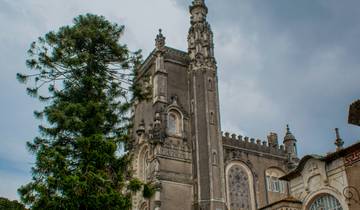
6 days
Wine and Gastronomy in the Heart of Portugal
- ✓ Booking needs min. 2 travelers
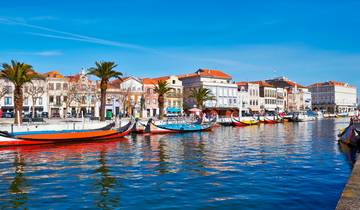
4 days
Northern Portugal
- ✓ Comprehensive Coimbra tour
- ✓ Expert local guides included
- ✓ All accommodation arranged
- ✓ Transportation provided
6 days
Northern Portugal with Lisbon
- ✓ Comprehensive Coimbra tour
- ✓ Expert local guides included
- ✓ All accommodation arranged
- ✓ Transportation provided

7 days
Porto to Coimbra self-guided bike tour
- ✓ Comprehensive Coimbra tour
- ✓ Expert local guides included
- ✓ All accommodation arranged
- ✓ Transportation provided
Multi-day tour packages powered by TourRadar. Prices and availability subject to change.
Understanding Coimbra’s Geography and Layout 2026
Coimbra divides into distinct vertical zones that shape visitor experience and determine accommodation strategy. The upper town, dominated by the university complex perched atop the city’s highest hill, concentrates historic monuments, prestigious libraries, and panoramic viewpoints but demands significant uphill walking from lower districts. The Baixa, Coimbra’s commercial downtown spreading along the Mondego River’s right bank, hosts shopping streets, traditional cafes, the municipal market, and most mid-range hotels within relatively flat terrain that rewards pedestrian exploration.
The Santa Clara district across the river offers quieter residential atmosphere, Gothic monasteries including Santa Clara-a-Velha and Santa Clara-a-Nova, and family attractions like Portugal dos Pequenitos miniature park, connected to the historic center via the Pedro and Ines footbridge. Understanding this layout prevents underestimating walking distances—the university sits approximately 1.5 kilometers and 100 vertical meters above the riverside Baixa district, translating to 20-30 minute climbs on cobblestone streets that challenge unprepared visitors.
Two train stations serve different purposes: Coimbra-A downtown handles local and regional services with direct historic center access, while Coimbra-B, 2.5 kilometers north, manages express trains between Lisbon and Porto with free shuttle buses connecting to Coimbra-A every few minutes. The central bus station on Avenida Fernão de Magalhães sits 10-15 minutes walking from downtown hotels, receiving express buses from major Portuguese cities and regional services to attractions including Conimbriga Roman ruins.
Seasonal Patterns and Best Times to Visit Coimbra 2026
Spring months from April through May deliver Coimbra’s optimal visiting conditions with daytime temperatures ranging 15-22°C, minimal rainfall compared to winter months, blooming university botanical gardens, and the spectacular Queima das Fitas festival in early May when graduating students celebrate with week-long festivities including parade floats, concerts, and traditional ceremonies. Hotels fill rapidly around Queima das Fitas (typically first week of May), requiring reservations months ahead, but the festival showcases Coimbra’s academic culture at peak intensity with students in ceremonial dress, fado performances, and city-wide celebration atmosphere.
Early autumn, particularly September through mid-October, matches spring’s weather advantages while adding harvest season benefits: local markets overflow with seasonal produce, nearby wine regions celebrate grape harvests with festivals and tastings, and summer’s departing tourists create breathing room at major attractions without the winter chill that arrives November onward. Academic year resumption in late September reactivates student energy that vanished during July-August summer break, when many cafes and bars reduce hours as their primary clientele scatters to hometowns across Portugal.
Summer (June-August) brings warmest temperatures reaching 28-32°C, longest daylight hours for extended sightseeing, and reduced hotel rates as business travel diminishes, but student absence drains considerable vitality from this university city and afternoon heat makes steep hill climbing uncomfortable. Winter months (November-February) offer lowest accommodation prices and smallest crowds but deliver frequent rain, temperatures dropping to 5-12°C, shorter daylight limiting sightseeing hours, and weekend ghost-town atmosphere when students leave campus for family visits.
Transportation to Coimbra 2026: Getting There
Train travel dominates intercity connections with comfortable, punctual services linking Coimbra to Portugal’s major cities throughout the day. Express Alfa Pendular trains complete the Lisbon-Coimbra journey in approximately 2 hours with departures every 1-2 hours from Lisboa Santa Apolónia and Oriente stations, costing €22-35 depending on booking timing and class—purchasing 8+ days ahead unlocks discounts reaching 65% off standard fares. Porto sits 90 minutes north via frequent Intercidades and regional trains departing from Campanhã station, with fares ranging €12-25 and similar advance-purchase discounts available through the CP (Comboios de Portugal) website or mobile app.
All express trains stop at Coimbra-B station 2.5 kilometers north of downtown, requiring free shuttle bus connections to Coimbra-A central station that depart every 5-10 minutes and include shuttle access in all train tickets—walking between stations takes 20-25 minutes along a busy road lacking pedestrian charm. Regional trains often terminate at Coimbra-A, providing direct downtown access but requiring longer journey times and mandatory standing during peak hours when seat reservations aren’t offered.
Express buses from companies including Rede Expressos and Flixbus connect Coimbra to Lisbon (2.5 hours, €12-18), Porto (1.5 hours, €8-15), and destinations across Portugal and Spain, terminating at the central bus station on Avenida Fernão de Magalhães within 10-15 minutes walking from most downtown hotels. Buses typically cost less than trains but sacrifice speed and comfort, though reclining seats, WiFi, and power outlets on modern coaches narrow the gap. Booking ahead online through company websites secures lowest fares and guaranteed seats during peak travel periods including weekends and holidays.
Porto Airport (Francisco Sá Carneiro), 110 kilometers north, serves as Coimbra’s nearest international gateway with direct flights from major European cities and transatlantic services from Newark. From the airport, travelers choose between private transfers (€90-120, pre-booked online), shared shuttles, or public transport combinations: Metro do Porto Line E to Campanhã station (€2, 25 minutes) then train to Coimbra-B (€12-25, 60-75 minutes). Lisbon Airport sits 210 kilometers south with broader international connections but longer transfer times—metro to Oriente station (€2, 20 minutes) plus train to Coimbra-B (€22-35, 2 hours) totals 3+ hours door-to-door.
Local Transportation Within Coimbra 2026
The SMTUC (Serviços Municipalizados de Transportes Urbanos de Coimbra) bus network provides the city’s only public transit as no metro, tram, or funicular systems exist. Key routes for tourists include Line 1 connecting Coimbra-A train station to the university campus, Line 4 reaching the botanical garden and university extensions, and various lines serving the Forum Coimbra shopping center across the river. Single-journey tickets purchased onboard cost €2 cash-only, while rechargeable Anda cards available at kiosks and SMTUC offices near Coimbra-A station reduce per-trip costs to €1 when loaded with multi-trip packages: 3 trips for €2, 11 trips for €6, offering significant savings for visitors making multiple journeys.
Day passes at €4 suit travelers planning 3+ bus journeys in 24 hours, covering unlimited trips on all SMTUC routes and removing per-journey payment hassle. Buses operate approximately 6 AM to midnight on main routes with reduced service on Sundays and holidays—the official SMTUC mobile app provides real-time arrival information, route planning, and schedule updates essential for avoiding long waits at stops. Validate tickets or cards in yellow machines near bus entrances to avoid €150+ fines from plainclothes inspectors who patrol routes randomly.
Taxis stationed at major landmarks including Largo da Portagem, Praça da República, and train stations charge metered rates starting €4 base fare plus €0.50 per kilometer within city limits, with typical cross-town trips costing €6-10. Ride-hailing apps including Uber and Bolt operate throughout Coimbra with competitive pricing and cashless convenience, though availability decreases late at night and during peak university events when demand surges. Always confirm destination and approximate fare before departing to avoid misunderstandings, particularly when heading to addresses in newer peripheral neighborhoods unfamiliar to some drivers.
Walking dominates short-distance travel as Coimbra’s compact historic center places most attractions within 1 kilometer of each other, though vertical geography creates challenges: the climb from riverside Baixa to the university summit gains 100 vertical meters over 1.5 kilometers of steep, cobbled streets that require 20-30 minutes and reasonable fitness. Strategic route planning minimizes redundant climbing—ascending to the university once daily for morning exploration, then descending for afternoon activities in flatter Baixa areas, proves more efficient than multiple up-down cycles. Comfortable closed-toe shoes with grip become essential equipment rather than optional accessories, as polished cobblestones turn treacherous when wet and high heels create ankle-twisting hazards on uneven surfaces.
Accommodation Strategies for Coimbra 2026
Budget travelers find excellent value in Coimbra’s hostels concentrated in Baixa and around Praça da República, offering dormitory beds from €15-25 nightly and private rooms from €35-50 with shared bathrooms. HI Coimbra Youth Hostel, well-located near the historic center, provides clean facilities, communal kitchens, and social atmosphere favored by backpackers, while smaller independent hostels like Coimbra Portagem Hostel offer more intimate settings with local recommendations from owner-operators who live on premises. Most hostels include breakfast, free WiFi, luggage storage, and organized activities including walking tours and pub crawls that facilitate meeting fellow travelers.
Mid-range hotels spanning €60-125 nightly dominate the accommodation landscape with properties ranging from modernized historic buildings to chain hotels near the train station. Hotels in Baixa between the river and Praça 8 de Maio position guests within walking distance of restaurants, cafes, and shops while maintaining relative quiet compared to student-heavy neighborhoods around the university. Properties including Hotel Oslo Coimbra (€70-95) and Hotel Mondego (€60-85) deliver reliable comfort, helpful English-speaking staff, breakfast buffets, and central locations worth the premium over peripheral budget options requiring bus connections for sightseeing.
Luxury accommodations at €150-250+ nightly include historic properties and boutique hotels showcasing Coimbra’s architectural heritage. Quinta das Lágrimas, a 5-star estate hotel in former palace grounds, offers botanical gardens, spa facilities, and fine dining in an atmospheric setting linked to Portugal’s legendary Pedro and Inês love story. Sapientia Boutique Hotel near the university combines elegant contemporary design with historic building bones, providing sophisticated base for visitors prioritizing style and proximity to major monuments over budget constraints. Booking 2-3 months ahead secures best availability and rates, particularly for May’s Queima das Fitas festival and September-October autumn peak season.
Location strategy significantly impacts daily experience. Baixa accommodation provides flat walking to restaurants and river, moderate climbs to the university, and proximity to both train stations. Santa Cruz neighborhood near the university summit offers immediate access to major monuments but requires descending for dining and shopping with limited nearby restaurant options after dark. Santa Clara district across the river delivers quieter residential atmosphere and lower prices but adds 10-15 minutes walking to cross the Pedro and Inês bridge for downtown access. Weekend availability improves dramatically as business travelers depart and students return to family homes, creating opportunity for last-minute deals at mid-range properties.
Dining and Food Culture in Coimbra 2026
Traditional tascas—small, informal restaurants serving hearty Portuguese fare—provide Coimbra’s best dining value with complete meals including soup, main course, dessert, and wine for €10-15 per person. Zé Manel dos Ossos on Beco do Azougue operates as local legend serving chanfana (slow-cooked goat stew), bacalhau (salt cod preparations), and generous portions in rustic no-frills atmosphere where sharing tables with strangers becomes expected practice during lunch rush. Arriving before 1 PM for lunch or before 8 PM for dinner secures tables at popular tascas that don’t accept reservations and fill rapidly with locals who judge restaurants by wait times rather than online reviews.
The prato do dia (dish of the day) represents Portuguese dining’s best-kept secret: complete lunch menus at €7-12 including soup, main course, drink, and coffee served weekdays at restaurants targeting local workers rather than tourists. Quality matches or exceeds standard menu items at 30-40% lower prices, though options change daily based on market availability and kitchen whim. Cafes and bakeries serve breakfast and light meals at minimal cost: a bica (Portuguese espresso) costs €1, pastéis de nata (custard tarts) sell for €1-2 each, and tosta mista (grilled ham and cheese sandwiches) at A Brasileira cafe on Rua Ferreira Borges provide filling breakfast for under €5.
Mid-range restaurants charging €15-30 for main courses cluster around Praça 8 de Maio and upper town streets near the university, offering modern interpretations of Portuguese cuisine alongside traditional preparations. Solar do Bacalhau specializes in bacalhau à lagareiro (salt cod with olive oil and crispy potatoes), while A Tasquinha on Rua do Almada serves excellent bacalhau à Brás with extensive Portuguese wine selection. Reservations help at dinner (8-10 PM) when restaurants fill, though lunches (12:30-3 PM) typically accommodate walk-ins except weekends when both locals and tourists create demand spikes.
Fine dining experiences at €30-60+ per person include restaurants like PAPA offering upscale Portuguese cuisine in sophisticated settings, and establishments in luxury hotels including Quinta das Lágrimas where multi-course tasting menus showcase regional ingredients with contemporary techniques. Local specialties extend beyond bacalhau to leitão (roasted suckling pig), arroz de cabidela (rice with chicken and blood), and regional cheeses including Serra da Estrela paired with wines from Dão and Bairrada regions. Vegetarian and vegan options remain limited outside tourist-oriented restaurants, though tascas typically offer vegetable-based soups, salads, and omelets when requested.
The Mercado Municipal D. Pedro V near Praça 8 de Maio operates weekday mornings (7 AM-2 PM) and Saturday mornings with fresh produce, artisanal cheeses, cured meats, regional wines, and prepared foods at prices substantially below tourist-area restaurants. Shopping here provides authentic local interaction, ingredients for picnic lunches, and understanding of seasonal Portuguese cuisine cycles. Supermarkets including Continente, Pingo Doce, and Minipreço scattered throughout Baixa stock groceries at standard Portuguese prices—a rotisserie chicken costs €5-7, fresh bread €1-2, and local wine starts €3 per bottle, enabling budget-conscious travelers to prepare simple meals in hostel kitchens or hotel rooms with kettle and refrigerator.
Money Management and Costs in Coimbra 2026
Portugal uses the euro with ATMs dispensing cash throughout Coimbra’s city center, train stations, and shopping areas. Multibanco ATMs belonging to the national network accept international cards and charge €2-4 withdrawal fees depending on home bank policies, though selecting “decline conversion” when prompted avoids unfavorable exchange rates imposed by ATM operators. Credit and debit cards work widely at hotels, restaurants, and shops, but smaller tascas, market vendors, and some cafes accept cash only—maintaining €50-100 cash reserves prevents payment difficulties at authentic local establishments.
Tipping practices in Portugal differ from American customs: rounding up cafe bills to the nearest euro suffices for coffee and pastries, leaving €2-5 cash at restaurant tables rewards good service (5-10% of total bill), and taxi drivers appreciate €1-2 added to metered fares but don’t expect percentage-based tips. Service charges already included in restaurant bills mean tips go directly to staff rather than house, so cash tips even when paying by card ensure servers receive gratuities. Exceptional service merits more generous tipping, particularly at small family-run establishments where staff remember regulars and personalize future visits.
Daily budget planning for Coimbra breaks into three tiers. Budget travelers spending €40-60 daily allocate €15-25 for hostel dormitory beds, €15-20 for two tasca meals plus cafe breakfast, €5-8 for local transport and incidentals, leaving €5-10 for one paid attraction or splurge expense. Mid-range budgets at €90-140 daily assign €60-85 for hotel accommodation, €25-40 for restaurant dining, €8-12 for transport including occasional taxis, and €10-15 for attraction entries and museum visits. Luxury travelers at €180-250+ daily invest €150-180 in upscale hotels, €35-50 in fine dining experiences, €10-15 in private transport, and €15-25 in premium tours, wine tastings, and cultural experiences.
Cost comparisons reveal Coimbra’s value proposition: accommodation runs 25-35% cheaper than Lisbon or Porto in equivalent categories, restaurant meals cost 15-25% less for comparable quality, and major attractions including the university (€13) and national museums (€6-8) charge substantially below European averages. Weekly stays generate additional savings through negotiated hotel rates (10-20% discounts for 5+ nights) and rechargeable transport cards that reduce per-journey costs. Advance booking for trains (65% off when purchased 8+ days ahead) and early accommodation reservations capture best rates before seasonal demand drives prices upward.
University of Coimbra Visiting Guide 2026
The University of Coimbra, founded in 1290 and designated UNESCO World Heritage Site in 2013, forms the city’s primary attraction and cultural centerpiece. General admission to the Paço das Escolas courtyard and tower costs €13 for adults, while the premium ticket including the Joanina Library adds €13 more (€26 total)—the library alone justifies the premium as Portugal’s most spectacular Baroque library housing 200,000 ancient books in gilded halls decorated with exotic wood, trompe l’oeil ceilings, and elaborate frescoes. Library visits operate on timed-entry system with 30-minute windows and capacity limits that sell out days ahead during peak seasons, requiring advance booking through the university website rather than hoping for walk-up availability.
Optimal visiting strategy involves morning arrival between 9-10 AM when crowds remain manageable and natural light illuminates library interiors through tall windows, though any booked time slot guarantees entry regardless of crowd levels. The general admission ticket includes access to the Capela de São Miguel with 18th-century organ and azulejo tiles, the Sala dos Capelos ceremonial hall where doctoral defenses occur, and the university tower offering 360-degree panoramic views across Coimbra and the Mondego River valley—climbing the tower’s 180 steps rewards with photography opportunities and spatial understanding of the city’s geography that aids navigation during remaining visit days.
The Botanical Garden, separately accessed below the main university complex, charges €2 entry for terraced gardens established in 1772 containing exotic plant species, medicinal herb collections, and tropical greenhouses. The garden provides peaceful respite from monument crowds, shaded walking paths ideal during hot afternoons, and benches overlooking city views where locals read newspapers and students study between classes. Opening hours extend 9 AM-6 PM (winter) or 9 AM-8 PM (summer), though arriving before 11 AM avoids tour groups and catches morning light ideal for plant photography.
University atmosphere varies dramatically by academic calendar: term-time (October-June) brings student energy with black-caped figures rushing between classes, cafeteria debates, and evening study sessions in historic reading rooms, while summer break (July-August) empties courtyards and closes student facilities creating museum-like quiet that some visitors prefer and others find disappointing. The Queima das Fitas festival in early May showcases academic traditions at peak intensity with graduating students in ceremonial dress, serenade performances, and week-long celebrations culminating in massive concerts, though hotel availability during festival week requires 3-6 month advance booking.
Cultural Experiences and Local Traditions 2026
Fado music in Coimbra follows distinct traditions separating it from Lisbon’s fado: male university students traditionally perform rather than female fadistas, singers wear academic black capes, and repertoires emphasize themes of academic life, love, and longing tied to student experience. Fado ao Centro, a cultural association dedicated to Coimbra fado preservation, hosts daily 50-minute concerts at 6 PM in intimate venues seating 50-60 people—advance reservations through their website secure seats at performances that sell out regularly during peak seasons. The venue serves no food or drink, focusing entirely on musical tradition in respectful atmosphere where photography and conversation during performance earn disapproving glances from both performers and audience.
Casa Fado ao Centro in Santa Cruz Monastery offers evening performances combining fado with historical context about the tradition’s development, student customs, and the genre’s role in Portuguese cultural identity. Tickets cost €12-15 with proceeds supporting fado education and tradition preservation rather than commercial entertainment objectives. Several restaurants in Baixa offer dinner with live fado shows at €30-50 per person including meal, though quality varies and tourist-oriented establishments sometimes lack the authenticity and acoustic intimacy that make Coimbra fado distinctive from other Portuguese musical traditions.
The student republics (repúblicas) scattered throughout the upper town near the university represent communal living houses where students govern themselves according to traditions dating to the 14th century. These houses, identified by colorful facades, political posters, and alternative artwork, form essential components of Coimbra’s student culture but remain private residences rather than tourist attractions—viewing their distinctive exteriors during walks provides cultural insight without invasive peering into residential spaces. May’s Queima das Fitas festival showcases republic culture through parade floats representing different republics, concerts, and public celebrations that normally private communities open to city-wide participation.
Portuguese customs observed throughout Coimbra include leisurely meal pacing (rushing through courses signals disrespect for food and company), late dining hours (restaurants fill 8-10 PM rather than 6-7 PM), and reserved public behavior contrasting with exuberant private socializing. Greetings between acquaintances involve two cheek kisses (right cheek first), though handshakes suffice for business or first meetings. Learning basic Portuguese phrases—”bom dia” (good morning), “obrigado/obrigada” (thank you masculine/feminine), “desculpe” (excuse me), “fala inglês?” (do you speak English?)—demonstrates respect for local culture and often elicits warmer responses than assuming English fluency, though most tourism workers and younger residents speak conversational English.
Day Trips and Nearby Attractions from Coimbra 2026
Conimbriga Roman ruins, 16 kilometers south of Coimbra, preserve Portugal’s largest excavated Roman settlement with remarkably intact floor mosaics, villa remains, thermal baths, and defensive walls. Bus route 209 departs Largo da Portagem weekdays at 9 AM, 9:30 AM, and 12:30 PM, returning from Conimbriga at 1:25 PM, 4:25 PM, and 5:55 PM—€3 each way, 37 minutes journey time. The site charges €5 entry including museum access, requires 2-3 hours for thorough exploration, and offers virtually no shade during summer afternoons when temperatures make outdoor archaeological viewing uncomfortable. Bringing water, sunscreen, and hat proves essential as on-site facilities provide minimal refreshment options.
Figueira da Foz, 45 kilometers west, delivers Portugal’s largest urban beach with golden sand stretching several kilometers, seafront promenade, fresh seafood restaurants, and casino entertainment. Trains depart Coimbra-B hourly throughout the day, reaching Figueira in 60-75 minutes for €5-8 depending on service type—regional trains stop at coastal villages along the route while Intercidades services make the journey faster but cost slightly more. The beach town functions primarily as summer resort with peak activity July-August when Portuguese families vacation, while shoulder seasons (May-June, September) offer quieter beach experience and lower restaurant prices without sacrificing weather quality.
Aveiro, 60 kilometers north, markets itself as the “Venice of Portugal” with picturesque canals, colorful moliceiro boats (traditional seaweed-harvesting vessels now offering tourist rides), and Art Nouveau architecture throughout the historic center. Regular trains connect Coimbra to Aveiro in 45-60 minutes for €6-10, with departures every 1-2 hours making day trips easily achievable. The coastal neighborhood of Costa Nova, accessible by bus from Aveiro center, showcases distinctive striped beach houses and wide Atlantic beaches popular with Portuguese tourists—allocating full day allows exploration of both canal-town atmosphere and beach relaxation without feeling rushed between locations.
Buçaco Forest, 30 kilometers northeast, protects 105 hectares of exotic trees planted by Carmelite monks, walled forest paths, and the Palace Hotel do Buçaco occupying a former royal hunting lodge. No public transport serves Buçaco directly, necessitating rental car (€35-50 daily from Coimbra agencies), private tour, or taxi (€45-60 each way)—the forest entrance charges €4 for vehicles, while walking trails remain free. The forest provides escape from urban heat during summer, peaceful walking among giant sequoias and exotic cedars, and picnic grounds where locals gather weekends. The palace hotel operates restaurants open to non-guests serving traditional Portuguese cuisine in ornate dining rooms worth experiencing even without overnight stays.
Safety and Health Considerations for Coimbra 2026
Coimbra ranks among Portugal’s safest cities with violent crime rates minimal and tourist-targeted incidents rare. Petty theft including pickpocketing occurs occasionally in crowded tourist areas near the university and at Largo da Portagem, though far less frequently than in Lisbon or Porto—standard precautions of securing valuables in front pockets or cross-body bags, avoiding phone use while walking in crowded areas, and maintaining awareness in tourist zones suffice to prevent most opportunistic theft. The large student population creates lively nightlife atmosphere without the aggressive solicitation or street harassment common in some European cities, and solo travelers including women report feeling safe walking through lit areas of Baixa and upper town after dark.
Police presence remains visible but unobtrusive with the PSP (Polícia de Segurança Pública) maintaining stations throughout the city and officers patrolling tourist areas on foot during peak hours. The emergency number 112 connects to police, medical, and fire services with English-speaking operators available 24/7. Tourist Police services operate from offices near major attractions providing assistance with crime reports, lost documents, and travel emergencies—reporting theft enables insurance claims and passport replacement processes but rarely results in property recovery given investigation resource limitations for minor crimes.
Healthcare access in Coimbra exceeds most European cities with the Hospital da Universidade de Coimbra serving as major medical center and teaching hospital offering emergency services to all visitors regardless of insurance or payment ability. The emergency department (urgências) treats acute conditions 24/7, though non-emergency care requires appointments at health centers (centros de saúde) or private clinics throughout the city. European Health Insurance Card (EHIC) holders from EU countries receive treatment at Portuguese public healthcare rates, while travelers from other countries face full charges—comprehensive travel insurance covering medical treatment, emergency evacuation, and repatriation proves essential for non-EU visitors given costs of serious illness or accident.
Pharmacies (farmácias) identified by green cross signs sell prescription medications, over-the-counter remedies, and basic medical supplies with pharmacists providing professional health advice and minor treatment recommendations. At least one pharmacy in central Coimbra operates 24-hour service on rotating schedule—the pharmacy on duty (farmácia de serviço) posts notices in pharmacy windows and appears on municipal websites. Portuguese pharmacies stock extensive medication selections and pharmacists often speak English, but carrying prescriptions for regular medications prevents confusion over drug names that differ between countries. Tap water throughout Coimbra meets European Union safety standards and tastes clean, though visitors with sensitive stomachs may prefer bottled water during initial adjustment days.
Practical Details for Daily Life in Coimbra 2026
Banking hours typically run Monday-Friday 8:30 AM-3 PM with most branches closed weekends and holidays, though ATMs provide 24/7 cash access throughout the city center. Currency exchange services operate at banks offering better rates than airport or hotel exchanges, while ATM withdrawals using debit cards generate competitive exchange rates minus bank fees. Credit cards work widely but some smaller establishments impose minimum purchase amounts (€10-15) or cash-only policies, particularly at traditional markets and family-run tascas where card processing fees cut into thin profit margins.
Shop hours vary by business type: chain stores and shopping centers including Forum Coimbra operate 10 AM-10 PM daily, traditional shops in Baixa open 9 AM-7 PM Monday-Friday and 9 AM-1 PM Saturdays with Sunday closures remaining common, and restaurants serve lunch 12:30-3 PM and dinner 7:30-10 PM with kitchens closing between services. Bakeries and cafes open earliest at 7-8 AM for breakfast, while bars and clubs in student areas operate midnight-4 AM Thursday-Saturday during academic terms but reduce hours dramatically during summer break and holiday periods.
Portugal uses Type C and Type F electrical plugs with 230V, 50Hz power—travelers from North America require both plug adapters and voltage converters for devices lacking dual-voltage capability, though modern phone and laptop chargers typically handle 100-240V without converters. Free WiFi operates at most accommodations, cafes, and restaurants with connection quality generally reliable for email and web browsing but insufficient for video streaming or large downloads. Portuguese mobile operators including MEO, NOS, and Vodafone sell prepaid SIM cards at €10-20 with data packages suitable for 1-2 week visits, though EU roaming regulations allow European visitors to use home country mobile plans without additional charges.
Public toilets remain scarce outside major attractions, train stations, and shopping centers—cafes and restaurants provide facilities for customers, making coffee purchases strategic during long walking days. Asking “Posso usar a casa de banho?” (May I use the bathroom?) demonstrates courtesy before accessing facilities, though most establishments accommodate requests from obvious tourists even without purchases. Some public facilities including train stations charge €0.50 for access via coin-operated turnstiles, while shopping center toilets remain free but often lack soap and paper towels requiring hand sanitizer carry.
Language Tips and Communication in Coimbra 2026
Portuguese serves as Coimbra’s primary language with English proficiency varying significantly by generation and profession. Tourism workers including hotel staff, restaurant servers in tourist areas, and university guides typically speak conversational English, while older residents, traditional market vendors, and bus drivers often communicate solely in Portuguese. Younger generations under 30, particularly university students, generally speak good English due to education system emphasis and media consumption, making them valuable resources when lost or seeking recommendations.
Learning essential Portuguese phrases improves interactions and demonstrates cultural respect: “Bom dia” (good morning), “Boa tarde” (good afternoon), “Boa noite” (good evening/night), “Por favor” (please), “Obrigado” (thank you, said by males), “Obrigada” (thank you, said by females), “Desculpe” (excuse me/sorry), “Não compreendo” (I don’t understand), “Fala inglês?” (Do you speak English?), “Quanto custa?” (How much does it cost?), and “A conta, por favor” (The bill, please) cover most common tourist situations. Portuguese speakers appreciate attempts at their language even when pronunciation stumbles, and making the effort often elicits helpful responses and friendly corrections that improve learning.
Spanish-Portuguese similarities create both advantages and pitfalls: while speakers of one language can often read the other with reasonable comprehension, assuming interchangeability offends Portuguese cultural pride and leads to communication breakdowns. Portuguese pronunciation differs substantially from Spanish with nasal vowels, soft consonants, and rapid speech patterns challenging for learners, though written Portuguese resembles Spanish closely enough for reading menus, signs, and basic directions. Translation apps including Google Translate work reliably for Portuguese, with camera translation features helpful for menu reading, though nothing replaces basic phrase learning for common interactions.
University areas and student haunts naturally attract more English speakers, both Portuguese students practicing foreign languages and international students studying in Coimbra. Engaging students in conversation—at cafes, on university grounds, or during evening gatherings—provides authentic cultural exchange, local recommendations for restaurants and activities students actually enjoy, and often leads to invitations for evening activities or weekend day trips. This social approach to travel creates memories and insights unavailable through guidebooks or organized tours, though requires initiative and comfort with spontaneous conversation.
Student Culture and Academic Traditions 2026
Coimbra’s identity intertwines inseparably with its university and the student culture dominating the city’s character. The academic year runs October through June with distinct periods affecting visitor experience: October brings caloiros (freshmen) undergoing praxe (hazing rituals that range from harmless tasks to controversial activities), November-December marks intense study periods, and May culminates with Queima das Fitas festival celebrating graduating students through week-long festivities. Understanding this calendar helps visitors align with high-energy periods when student life peaks or avoid them if seeking quieter atmosphere.
Traditional student dress includes the traje académico (academic suit): black suit, cape, and tie for men, with various details indicating faculty, year, and achievements. Students wear traje during official ceremonies, special occasions, and sometimes lectures, though casual dress dominates daily campus life. The black cape carries particular significance with damages, tears, and decorations telling stories of student journey—upon graduation, students burn or tear their capes during Queima das Fitas symbolizing academic chapter closure.
Student republics (repúblicas) function as self-governed communal houses where 5-15 students live together following traditions established centuries ago. Each republic maintains unique character and political leanings from conservative to radical leftist, with facades often decorated with provocative murals, political slogans, and artistic expressions. While not tourist attractions, these houses exemplify student culture visible throughout upper town neighborhoods where rent affordability attracts student residents. Some republics host public concerts, art exhibitions, or cultural events advertised through posters around campus and social media channels.
Fado de Coimbra distinguishes itself from Lisbon fado through academic origins and performance traditions. Student serenades under lovers’ windows, nighttime performances in republican courtyards, and ceremonial singing at university events maintain living tradition connecting current students with centuries of predecessors. The melancholic songs address themes of love, longing, academic struggle, and the bittersweet passage of youth, resonating with universal experiences while maintaining specifically Coimbrão character. Attending authentic fado performance provides insight into emotional landscape of student life that persists across generations despite changing political and social contexts.
Shopping and Souvenirs in Coimbra 2026
Traditional shopping concentrates along Rua Ferreira Borges and surrounding Baixa streets where family-owned shops sell Portuguese products including ceramics, textiles, regional wines, and artisanal foods. Shops specializing in university-themed merchandise near the university gates stock academic capes, pins, books about Coimbra history, and reproduction Joanina Library items, though prices target tourist budgets rather than student wallets. Quality varies dramatically with some shops offering authentic regional crafts while others sell mass-produced imports—examining merchandise carefully and comparing prices across multiple shops prevents overpaying for low-quality souvenirs.
The Mercado Municipal D. Pedro V operates weekday mornings selling fresh produce, regional cheeses, cured meats, and artisanal products at prices serving local residents rather than tourists. Vendors offer samples of cheese and sausage, discuss preparation methods, and recommend wine pairings, creating interactive shopping experiences unavailable at supermarkets or tourist shops. Bringing reusable bags, arriving early for best selection (7-10 AM), and carrying cash (many vendors don’t accept cards) maximizes market shopping success while supporting local producers and agricultural traditions.
Regional specialties worth purchasing include Queijo Serra da Estrela (semi-soft sheep’s milk cheese from nearby mountains), pastéis de Santa Clara (sweet pastries filled with almond and egg), Bairrada wines from local vineyards, and Coimbra ceramics featuring distinctive patterns and colors. Quality cheese shops including those on Rua Direita near the old cathedral offer vacuum-packed options suitable for international transport, while pastry shops sell decorative tins preventing pastry damage during travel. Wine shops provide expert guidance matching preferences to local vintages, with Bairrada reds and whites offering excellent quality-to-price ratios compared to better-known Douro and Alentejo regions.
The Forum Coimbra shopping center across the Mondego River houses chain stores, electronics retailers, bookshops, and modern amenities including cinema and food court, serving local residents rather than tourists but offering refuge during rainy days or providing familiar brands for travelers needing specific items. Prices match standard Portuguese retail with sales (saldos) typically occurring January-February and July-August when clothing and housewares discount 30-70% off regular prices. The center operates 10 AM-midnight daily with free parking for shoppers and bus connections from downtown via several SMTUC routes.
Weather Preparation and Packing Tips for Coimbra 2026
Coimbra’s climate follows Mediterranean patterns with dry, warm summers and wet, mild winters, though the inland location creates more temperature variation than coastal cities. Summer months (June-August) deliver daytime highs of 28-32°C with cool evenings dropping to 15-18°C, minimal rainfall, and intense afternoon sun requiring sunscreen, hat, and light breathable clothing. The steep hills and stone surfaces amplify heat, making early morning or late afternoon sightseeing more comfortable than midday exploration when temperatures peak and shade proves scarce on exposed cobblestone streets.
Winter (November-February) brings frequent rain, daytime temperatures of 10-15°C, and nighttime lows around 5°C requiring waterproof jacket, layered clothing, and closed-toe shoes with good traction for wet cobblestones that turn treacherous. Umbrellas help but struggle with wind on exposed hilltop areas, making hooded rain jacket more practical for extended outdoor walking. Heating in budget accommodations varies in quality—packing warm sleeping clothes and investigating room heating systems before booking prevents uncomfortable nights when temperatures drop.
Spring (March-May) and autumn (September-October) offer variable weather requiring flexible packing: light layers for warm afternoons reaching 20-25°C, sweater or light jacket for cool mornings and evenings at 12-15°C, and rain protection for occasional showers. These seasons deliver Coimbra’s most pleasant walking conditions but also most unpredictable weather when morning sunshine can shift to afternoon rain without warning. Checking extended forecasts the week before travel helps refine packing decisions, though bringing one extra layer covers unexpected temperature drops during shoulder season visits.
Footwear represents critical packing decision given Coimbra’s steep cobblestone streets, uneven medieval pathways, and significant daily walking distances. Comfortable closed-toe shoes with good arch support, grippy soles for traction on polished stones, and ankle support preventing twists on uneven surfaces become essential equipment rather than optional accessories—inappropriate footwear ruins visits through blisters, falls, or forced limitation of sightseeing ambitions. Breaking in new shoes before travel prevents painful discoveries during vacation, while packing moleskin or blister prevention supplies provides backup when footwear proves less comfortable than store testing suggested.
Photography and Social Media Considerations 2026
Coimbra offers exceptional photography opportunities with distinct vertical layers creating varied perspectives: riverside views from Santa Clara district showing university-crowned hillside, elevated shots from the university tower surveying red-roofed downtown and Mondego River valley, and intimate street scenes capturing daily life on cobblestone lanes. Morning light (8-10 AM) illuminates the university’s eastern facade while avoiding harsh midday shadows, sunset (6-8 PM in summer, 5-6 PM in winter) bathes riverside areas in warm glow, and blue hour after sunset provides dramatic lighting for the illuminated university complex visible across the city.
The Joanina Library prohibits photography inside its gilded halls, enforcing rules strictly to protect centuries-old books from camera flash damage and maintain contemplative atmosphere—attempting photos despite prohibition risks ejection without refund. The university courtyard, ceremonial halls, chapel, and tower permit photography without additional fees, though tripods require advance permission. Street photography throughout Coimbra proceeds without restrictions, though courtesy suggests asking permission before photographing market vendors, restaurant staff, or residents in intimate moments—most people agree when asked politely but resent candid captures that feel invasive or disrespectful.
Social media posting deserves cultural sensitivity awareness: sharing student republic addresses, locations of late-night student gatherings, or insider cultural information online can overwhelm spaces intended for community members rather than tourist consumption. The balance between documentation and exploitation requires considering whether sharing particular locations benefits the poster’s image at potential cost to local quality of life—viral Instagram posts bringing crowds to previously quiet neighborhoods generate tension between tourism promotion and resident satisfaction with living conditions.
Accessibility Considerations for Travelers with Disabilities 2026
Coimbra’s medieval architecture and topography create significant accessibility challenges for travelers with mobility limitations. The historic center’s steep hills, cobblestone streets, and steps between districts prevent wheelchair navigation without assistance, while narrow medieval alleys and building entrances exclude wheeled access to many traditional restaurants and shops. The university’s upper campus, reached via 100 vertical meters of climbing from river level, lacks elevator access, though the university tower elevator reaches panoramic viewing platform accessible to visitors unable to climb stairs.
Modern SMTUC buses feature wheelchair ramps and designated seating, though older vehicles in the fleet lack full accessibility features—the SMTUC mobile app identifies accessible bus arrivals. Taxis can accommodate wheelchairs when requested in advance through dispatcher, though street-hail taxis typically drive sedan cars without adaptation. Hotels built or renovated in recent decades incorporate accessibility features including elevator access, adapted bathrooms, and wide doorways, but historic properties in converted medieval buildings often lack wheelchair accessibility despite boutique appeal—confirming accessibility features directly with accommodation before booking prevents arrival disappointment.
Sidewalks throughout Coimbra feature Portuguese calcada paving (small black and white stones creating decorative patterns) that creates uneven walking surface challenging for walking aids, wheelchairs, and vision-impaired travelers. Tactile paving at crossings helps vision-impaired navigation in newer city areas, but historic center streets lack such features. Travelers with service animals find Portuguese law prohibits discrimination and requires accommodation access, though communicating service animal status (animal de assistência) prevents confusion with pet policies that exclude animals from restaurants and museums.
Environmental Responsibility and Sustainable Tourism 2026
Coimbra’s compact size and excellent public transport infrastructure facilitate low-impact tourism when visitors choose walking and buses over taxis and rental cars. The SMTUC bus network runs modern, efficient vehicles with lower per-passenger emissions than individual car journeys, while walking between downtown attractions produces zero emissions beyond natural respiration. Choosing accommodation in Baixa or Santa Cruz neighborhoods within walking distance of major attractions eliminates transport needs for sightseeing days, reducing both environmental impact and daily expense budgets.
Supporting local businesses over international chains directs tourism revenue into the community rather than corporate headquarters abroad. Eating at family-run tascas, shopping at the municipal market, booking locally-owned guesthouses, and using independent tour guides employs residents while preserving cultural authenticity that attracts visitors initially—mass-market chain establishments contribute to homogenization that degrades the distinctive character making Coimbra worth visiting. These choices require minimal additional effort or expense while generating substantially greater positive impact on local economy and cultural preservation.
Waste management practices include recycling bins (yellow for plastic/metal, blue for paper, green for glass) throughout the city, though proper sorting requires attention as contamination reduces recycling effectiveness. Carrying reusable water bottles, refusing plastic bags at shops, and declining single-use packaging when offered reduces waste generation while modeling sustainable behavior. Tap water quality in Coimbra meets high European standards, making bottled water purchases environmentally questionable convenience rather than health necessity for most travelers with resilient digestive systems.
Respecting cultural spaces includes following university grounds rules, maintaining appropriate volume in libraries and churches, dressing modestly at religious sites, and observing photography restrictions without attempting creative rule-bending. Over-tourism pressure remains minimal in Coimbra compared to Lisbon, Porto, or Algarve coast, but visitor behavior still impacts residents’ quality of life—noise late at night in residential areas, blocking sidewalks for extended photography sessions, and treating neighborhoods as outdoor museums rather than living communities generate tension between tourism revenue benefits and daily living quality degradation.
Frequently Asked Questions About Visiting Coimbra 2026
Do I need to speak Portuguese to visit Coimbra in 2026?
No essential Portuguese knowledge required for successful Coimbra visit as tourism workers including hotel staff, restaurant servers in tourist areas, and university guides typically speak conversational English sufficient for standard travel needs. However, learning basic phrases including greetings, please/thank you, and simple questions dramatically improves interactions and demonstrates cultural respect that Portuguese speakers appreciate. Outside tourist areas at traditional markets, smaller tascas, and residential neighborhoods, English proficiency decreases significantly, making translation apps or phrase books helpful backup resources. The effort to attempt Portuguese, however imperfectly, often elicits friendly assistance and patient correction that purely English-reliant approaches miss.
Can I visit Coimbra as a day trip from Lisbon or Porto in 2026?
Yes, though rushed day trips sacrifice Coimbra’s contemplative atmosphere and require early morning departure for meaningful exploration time. From Lisbon, the 2-hour train journey means 9 AM departure enables 11 AM-7 PM window covering the university, Joanina Library, one or two secondary attractions, lunch at traditional tasca, and leisurely river walk before evening return—budget €22-35 round-trip train fare plus €30-40 for attractions and meals. From Porto, the 90-minute train journey allows later 10 AM departure while maintaining similar sightseeing window, costing €12-25 round-trip. Overnight stays prove vastly superior for experiencing Coimbra beyond monument checklist, allowing evening fado performance, unhurried exploration, and morning university visit before tour buses arrive.
What should I avoid doing in Coimbra in 2026?
Avoid wearing high heels or dress shoes on cobblestone streets that demand comfortable closed-toe walking shoes with good traction—inappropriate footwear creates ankle-twisting hazards, painful blisters, and forced limitation of sightseeing ambitions. Don’t assume all restaurants accept credit cards, particularly at traditional tascas and market vendors where cash remains king despite Portugal’s general card acceptance. Skip attempting photography inside the Joanina Library where strict prohibition protects ancient books from flash damage and maintains contemplative atmosphere—violation risks ejection without refund. Don’t expect nightlife vibrancy during summer break (July-August) when students depart and bars reduce hours dramatically, or arrive expecting beach access as Coimbra sits 45 kilometers inland from nearest coastal areas.
Is Coimbra boring compared to Lisbon and Porto in 2026?
Coimbra offers different appeal than Portugal’s largest cities rather than simply lesser version of the same experience. The city lacks Lisbon’s contemporary energy, Porto’s trendy food scene, or Algarve’s beaches, but provides something neither larger city delivers: authentic university town atmosphere where academic traditions dating to 1290 shape daily life, spectacular Baroque library rivaling any European cultural monument, fado tradition distinct from Lisbon’s commercialized versions, and genuine local character mostly undiluted by mass tourism. Visitors seeking non-stop nightlife, cutting-edge dining, or extensive museum collections find Coimbra limited, while those valuing historical depth, cultural authenticity, and escape from tourist crowds discover rewarding destination largely overlooked by travelers racing between Portugal’s marquee attractions.
How many days should I spend in Coimbra in 2026?
Two full days suffice for thorough Coimbra exploration covering the university and Joanina Library, old cathedral, Machado de Castro museum, botanical garden, riverside walks, traditional dining experiences, and evening fado performance without feeling rushed. A third day enables Conimbriga Roman ruins day trip or Buçaco Forest excursion, though travelers on tight schedules manage compressed one-night stays hitting major highlights. Extended stays of 3-4 nights suit travelers using Coimbra as base for day trips to Figueira da Foz beach, Aveiro canals, Porto, or simply enjoying slower pace that reveals the city’s character beyond monument checklist—the academic atmosphere, student culture, and local rhythms emerge gradually rather than announcing themselves during brief visits.
Where should I stay in Coimbra for first-time visitors in 2026?
Baixa district between the river and Praça 8 de Maio positions first-time visitors optimally with flat walking to restaurants and shops, moderate climbs to the university, proximity to both train stations, and concentration of mid-range hotels offering reliable comfort at reasonable prices (€60-100 nightly). Budget travelers prioritize hostels near Praça da República or Largo da Portagem where dormitory beds cost €15-25 and social atmosphere aids solo travelers meeting companions for dining and evening activities. Luxury seekers consider properties including Quinta das Lágrimas combining upscale amenities with historic character and gardens, though peripheral location adds 15-20 minutes walking to downtown dining and nightlife options.
Can I use ride-sharing apps in Coimbra in 2026?
Yes, Uber and Bolt operate throughout Coimbra with competitive pricing, cashless convenience, and transparent fare estimates removing negotiation uncertainty of traditional taxis. Availability proves reliable during daytime and early evening hours, though late-night service (after midnight) becomes inconsistent particularly during summer break when fewer drivers work reduced student demand periods. Typical cross-town rides cost €5-8, airport transfers to Porto run €90-120, and Conimbriga day trips reach €45-60 each way—comparing app pricing against traditional taxi meters generally favors ride-sharing, though surge pricing during peak events including Queima das Fitas festival negates usual savings advantage.
What Portuguese dishes must I try in Coimbra in 2026?
Chanfana, slow-cooked goat or lamb stew simmered with wine, garlic, and herbs until tender, represents Coimbra’s signature dish served at traditional tascas including Zé Manel dos Ossos where locals judge quality and portions exceed tourist expectations. Leitão à Bairrada, roasted suckling pig with crackling skin and tender meat, dominates regional celebrations and appears on many restaurant menus though quality varies dramatically—establishments near Mealhada 20 kilometers north specialize in this preparation. Bacalhau prepared multiple ways including à Brás (shredded cod with eggs and potatoes) and à Lagareiro (roasted cod with olive oil and garlic potatoes) showcases Portuguese national obsession with salt cod across endless recipe variations. Pastéis de Santa Clara, sweet almond and egg pastries, provide dessert or breakfast option unique to Coimbra alongside conventional pastéis de nata ubiquitous throughout Portugal.
Does Coimbra have a beach in 2026?
No, Coimbra sits 45 kilometers inland from the Atlantic coast without beach access within city limits. The nearest beach at Figueira da Foz reaches via hourly trains making 60-75 minute journey for €5-8 each way, enabling day trips during summer when temperatures make beach respite attractive between monument visits. The Mondego River flowing through Coimbra provides riverfront walking paths and occasional swimming spots used by locals during hot summer days, though these informal areas lack facilities and water quality monitoring that proper Atlantic beaches provide. Travelers prioritizing beach access consider staying at coastal destinations including Figueira da Foz or Nazaré with day-trip access to Coimbra rather than basing in the university city itself.
Is Coimbra worth visiting if I’m not interested in universities or history in 2026?
Coimbra’s appeal centers overwhelmingly on university heritage, academic traditions, and historical monuments—visitors dismissing these interests find limited attraction in the city compared to alternatives offering beaches, nightlife, contemporary culture, or natural landscapes. The compact size, excellent value, strategic location between Lisbon and Porto, and authentic local character unaffected by mass tourism provide secondary benefits, but removing university and history from equation leaves Coimbra without compelling unique selling points distinguishing it from dozens of other mid-sized Portuguese cities. Travelers seeking Portugal’s contemporary culture, cutting-edge dining, or outdoor adventure find better matches in Lisbon, Porto, Algarve coast, or northern mountain regions where Coimbra’s historical focus holds less relevance to travel priorities.
Frequently Asked Questions About Visiting Coimbra 2026
Do I need to speak Portuguese to visit Coimbra in 2026?
No essential Portuguese knowledge required for successful Coimbra visit as tourism workers including hotel staff, restaurant servers in tourist areas, and university guides typically speak conversational English sufficient for standard travel needs. However, learning basic phrases including greetings, please/thank you, and simple questions dramatically improves interactions and demonstrates cultural respect that Portuguese speakers appreciate. Outside tourist areas at traditional markets, smaller tascas, and residential neighborhoods, English proficiency decreases significantly, making translation apps or phrase books helpful backup resources. The effort to attempt Portuguese, however imperfectly, often elicits friendly assistance and patient correction that purely English-reliant approaches miss.
Can I visit Coimbra as a day trip from Lisbon or Porto in 2026?
Yes, though rushed day trips sacrifice Coimbra’s contemplative atmosphere and require early morning departure for meaningful exploration time. From Lisbon, the 2-hour train journey means 9 AM departure enables 11 AM-7 PM window covering the university, Joanina Library, one or two secondary attractions, lunch at traditional tasca, and leisurely river walk before evening return—budget €22-35 round-trip train fare plus €30-40 for attractions and meals. From Porto, the 90-minute train journey allows later 10 AM departure while maintaining similar sightseeing window, costing €12-25 round-trip. Overnight stays prove vastly superior for experiencing Coimbra beyond monument checklist, allowing evening fado performance, unhurried exploration, and morning university visit before tour buses arrive.
What should I avoid doing in Coimbra in 2026?
Avoid wearing high heels or dress shoes on cobblestone streets that demand comfortable closed-toe walking shoes with good traction—inappropriate footwear creates ankle-twisting hazards, painful blisters, and forced limitation of sightseeing ambitions. Don’t assume all restaurants accept credit cards, particularly at traditional tascas and market vendors where cash remains king despite Portugal’s general card acceptance. Skip attempting photography inside the Joanina Library where strict prohibition protects ancient books from flash damage and maintains contemplative atmosphere—violation risks ejection without refund. Don’t expect nightlife vibrancy during summer break (July-August) when students depart and bars reduce hours dramatically, or arrive expecting beach access as Coimbra sits 45 kilometers inland from nearest coastal areas.
Is Coimbra boring compared to Lisbon and Porto in 2026?
Coimbra offers different appeal than Portugal’s largest cities rather than simply lesser version of the same experience. The city lacks Lisbon’s contemporary energy, Porto’s trendy food scene, or Algarve’s beaches, but provides something neither larger city delivers: authentic university town atmosphere where academic traditions dating to 1290 shape daily life, spectacular Baroque library rivaling any European cultural monument, fado tradition distinct from Lisbon’s commercialized versions, and genuine local character mostly undiluted by mass tourism. Visitors seeking non-stop nightlife, cutting-edge dining, or extensive museum collections find Coimbra limited, while those valuing historical depth, cultural authenticity, and escape from tourist crowds discover rewarding destination largely overlooked by travelers racing between Portugal’s marquee attractions.
How many days should I spend in Coimbra in 2026?
Two full days suffice for thorough Coimbra exploration covering the university and Joanina Library, old cathedral, Machado de Castro museum, botanical garden, riverside walks, traditional dining experiences, and evening fado performance without feeling rushed. A third day enables Conimbriga Roman ruins day trip or Buçaco Forest excursion, though travelers on tight schedules manage compressed one-night stays hitting major highlights. Extended stays of 3-4 nights suit travelers using Coimbra as base for day trips to Figueira da Foz beach, Aveiro canals, Porto, or simply enjoying slower pace that reveals the city’s character beyond monument checklist—the academic atmosphere, student culture, and local rhythms emerge gradually rather than announcing themselves during brief visits.
Where should I stay in Coimbra for first-time visitors in 2026?
Baixa district between the river and Praça 8 de Maio positions first-time visitors optimally with flat walking to restaurants and shops, moderate climbs to the university, proximity to both train stations, and concentration of mid-range hotels offering reliable comfort at reasonable prices (€60-100 nightly). Budget travelers prioritize hostels near Praça da República or Largo da Portagem where dormitory beds cost €15-25 and social atmosphere aids solo travelers meeting companions for dining and evening activities. Luxury seekers consider properties including Quinta das Lágrimas combining upscale amenities with historic character and gardens, though peripheral location adds 15-20 minutes walking to downtown dining and nightlife options.
Can I use ride-sharing apps in Coimbra in 2026?
Yes, Uber and Bolt operate throughout Coimbra with competitive pricing, cashless convenience, and transparent fare estimates removing negotiation uncertainty of traditional taxis. Availability proves reliable during daytime and early evening hours, though late-night service (after midnight) becomes inconsistent particularly during summer break when fewer drivers work reduced student demand periods. Typical cross-town rides cost €5-8, airport transfers to Porto run €90-120, and Conimbriga day trips reach €45-60 each way—comparing app pricing against traditional taxi meters generally favors ride-sharing, though surge pricing during peak events including Queima das Fitas festival negates usual savings advantage.
What Portuguese dishes must I try in Coimbra in 2026?
Chanfana, slow-cooked goat or lamb stew simmered with wine, garlic, and herbs until tender, represents Coimbra’s signature dish served at traditional tascas including Zé Manel dos Ossos where locals judge quality and portions exceed tourist expectations. Leitão à Bairrada, roasted suckling pig with crackling skin and tender meat, dominates regional celebrations and appears on many restaurant menus though quality varies dramatically—establishments near Mealhada 20 kilometers north specialize in this preparation. Bacalhau prepared multiple ways including à Brás (shredded cod with eggs and potatoes) and à Lagareiro (roasted cod with olive oil and garlic potatoes) showcases Portuguese national obsession with salt cod across endless recipe variations. Pastéis de Santa Clara, sweet almond and egg pastries, provide dessert or breakfast option unique to Coimbra alongside conventional pastéis de nata ubiquitous throughout Portugal.
Does Coimbra have a beach in 2026?
No, Coimbra sits 45 kilometers inland from the Atlantic coast without beach access within city limits. The nearest beach at Figueira da Foz reaches via hourly trains making 60-75 minute journey for €5-8 each way, enabling day trips during summer when temperatures make beach respite attractive between monument visits. The Mondego River flowing through Coimbra provides riverfront walking paths and occasional swimming spots used by locals during hot summer days, though these informal areas lack facilities and water quality monitoring that proper Atlantic beaches provide. Travelers prioritizing beach access consider staying at coastal destinations including Figueira da Foz or Nazaré with day-trip access to Coimbra rather than basing in the university city itself.
Is Coimbra worth visiting if I’m not interested in universities or history in 2026?
Coimbra’s appeal centers overwhelmingly on university heritage, academic traditions, and historical monuments—visitors dismissing these interests find limited attraction in the city compared to alternatives offering beaches, nightlife, contemporary culture, or natural landscapes. The compact size, excellent value, strategic location between Lisbon and Porto, and authentic local character unaffected by mass tourism provide secondary benefits, but removing university and history from equation leaves Coimbra without compelling unique selling points distinguishing it from dozens of other mid-sized Portuguese cities. Travelers seeking Portugal’s contemporary culture, cutting-edge dining, or outdoor adventure find better matches in Lisbon, Porto, Algarve coast, or northern mountain regions where Coimbra’s historical focus holds less relevance to travel priorities.