
Coimbra Best Tours & Walking Routes 2026: University, Fado & Heritage
Coimbra’s UNESCO World Heritage university district, medieval alleyways, and authentic fado tradition create Portugal’s most intellectually rich destination, where 700 years of academic heritage converges with intimate cultural experiences. This guide maps the essential tours, self-guided walking routes, and fado performances that reveal both the monumental grandeur and hidden character of Portugal’s former capital.
Key Takeaways: Coimbra Tours & Walking Routes 2026
- University Access Essentials 2026: Standard admission costs €13 including Joanina Library, Royal Palace, St. Michael’s Chapel, Chemistry Laboratory, and Science Museum, with timed library entry requiring advance booking as only 60 visitors enter every 20 minutes throughout the day.
- Optimal Walking Circuit: The classic hilltop-to-riverside route covers 2.2 kilometers in 2-3 hours, descending from Paço das Escolas through Quebra Costas (Breakback Street) to Largo da Portagem, minimizing uphill climbs while connecting 13 major heritage sites.
- Authentic Fado Experiences 2026: Fado ao Centro presents daily 50-minute performances at 6 PM for €14 featuring university-trained musicians in traditional academic robes, while À Capella offers evening shows in a converted 14th-century chapel starting at 9:30 PM with tapas service from 7 PM.
- Guided Tour Value 2026: Private university walking tours with skip-the-line access range €45-85 per person for 90-minute experiences led by former students, while comprehensive city tours including panoramic sightseeing, dinner, and fado cost €90-145 per person for 4-hour evening programs.
- Free Walking Tour Availability: Multiple tip-based tours depart daily at 10 AM and 3 PM from Largo da Portagem, covering downtown, historic center, university grounds, and botanical gardens in 2-3 hours with guides rated 4.8-4.9 stars across platforms.
- Strategic Timing for 2026: Visit May for the annual Queima das Fitas (Burning of the Ribbons) festival when graduating students hold serenades on Old Cathedral steps, or September-October for smaller crowds, comfortable walking temperatures, and full access to all university buildings without academic closures.
People Also Ask About Coimbra Tours 2026
How much does a Coimbra University tour cost in 2026?
Independent university visits cost €13 for the standard ticket covering Joanina Library, Royal Palace, St. Michael’s Chapel, Chemistry Laboratory, Cabinet of Curiosities, Physics Cabinet, Academic Museum, and both Science and Natural History Museums. Check the official University of Coimbra website for current rates as pricing may vary. The library-excluded ticket costs €7 but skips the site’s primary attraction. Clock tower access adds €2. Guided private tours with former students range €45-85 per person for 90-minute experiences including skip-the-line entry and insider context about academic traditions.
What are the best self-guided walking routes in Coimbra for 2026?
The Introduction Walking Tour starts at Largo da Portagem, ascends through Almedina Arch and Quebra Costas to the university hilltop, then descends via the botanical gardens to São Sebastião Aqueduct, covering 2.2 kilometers in 2-3 hours across 13 heritage sites. The University Circuit begins at Paço das Escolas with timed Joanina Library entry, continues through St. Michael’s Chapel, Royal Palace, Iron Gate, Chemistry Lab, and Cabinet of Curiosities, requiring 2-3 hours for thorough exploration. Both routes download as GPS-guided apps via GPSmyCity with offline functionality, detailed attraction descriptions, and historical background at each stop.
Where can I experience authentic Coimbra fado in 2026?
Fado ao Centro on Rua do Quebra Costas presents daily 50-minute performances at 6 PM for €14, featuring university students and alumni in traditional black academic robes with Portuguese guitars distinctive to Coimbra’s larger, lower-tuned style. The venue opens at 10 AM for free exhibition visits about fado history, with musicians rehearsing throughout the day. À Capella, a converted 14th-century chapel, offers evening fado starting at 9:30 PM with tapas service from 7 PM in an intimate setting attracting locals and visitors. Café Santa Cruz, a former 16th-century chapel, presents free fado nights almost daily in Coimbra’s landmark café atmosphere.
Are there guided tours of Coimbra in English for 2026?
Multiple operators offer English-language tours including private university walking tours (€45-85, 90-150 minutes), comprehensive city tours combining downtown and university (€55-95, 2.5-3 hours), and evening programs pairing panoramic sightseeing with fado performances and traditional dinner (€90-145, 4 hours). Free tip-based walking tours depart Largo da Portagem daily at 10 AM and 3 PM, covering historic center, university, and botanical gardens with guides holding anthropology and cultural heritage degrees from University of Coimbra. GetYourGuide, Viator, and local operators like GO! Walks Portugal provide advance booking with free cancellation up to 24 hours before departure.
Extended multi-day tours – 5+ days
Featured Coimbra Multi-Day Tour Packages

3 days
Coimbra 3-Day Discovery Tour
- ✓ Comprehensive Coimbra experience
- ✓ Expert local guides included
- ✓ All accommodation included
- ✓ Transportation provided
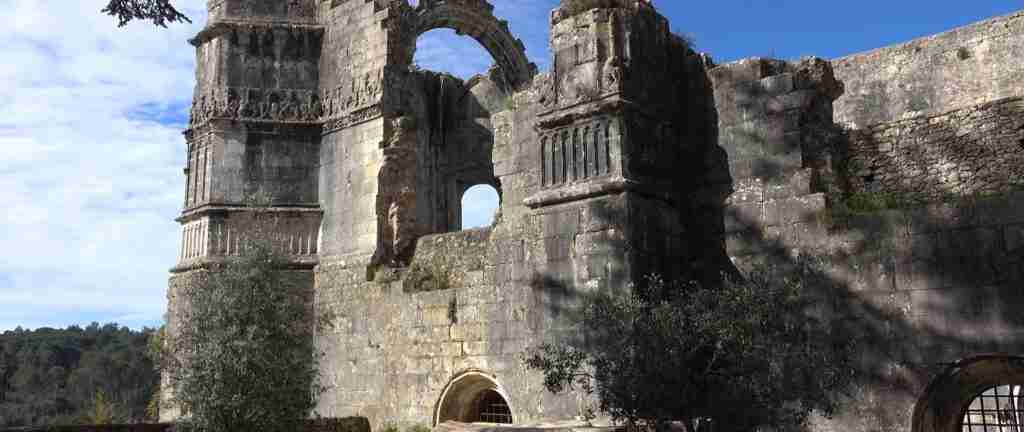
5 days
Coimbra 5-Day Highlights Experience
- ✓ Comprehensive Coimbra experience
- ✓ Expert local guides included
- ✓ All accommodation included
- ✓ Transportation provided
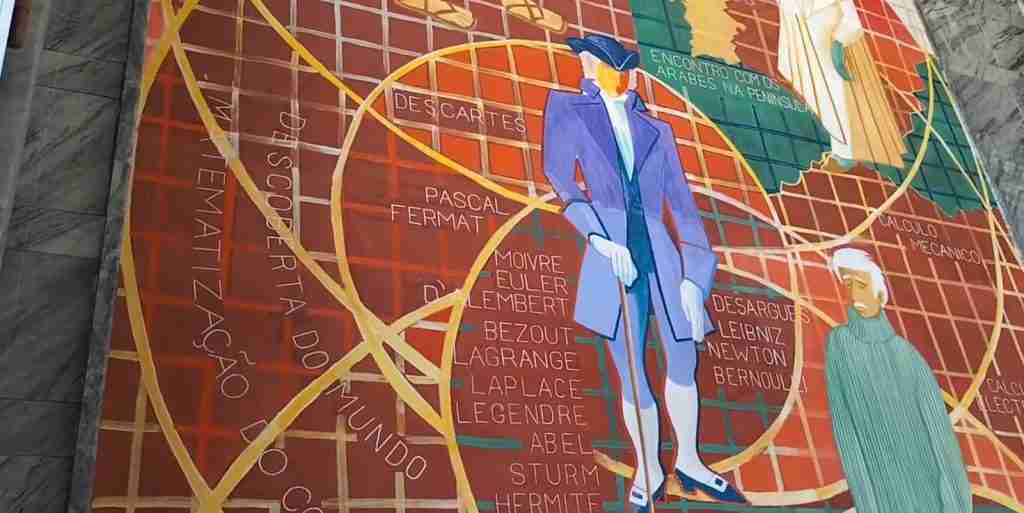
7 days
Coimbra 7-Day Cultural Journey
- ✓ Comprehensive Coimbra experience
- ✓ Expert local guides included
- ✓ All accommodation included
- ✓ Transportation provided
10 days
Coimbra 10-Day Complete Adventure
- ✓ Comprehensive Coimbra experience
- ✓ Expert local guides included
- ✓ All accommodation included
- ✓ Transportation provided
Multi-day tour packages powered by TourRadar. Prices and availability subject to change.
Introduction: Coimbra’s Living Academic Heritage
Coimbra occupies a unique position among European heritage cities as the only UNESCO World Heritage site where a functioning university remains the centerpiece of daily urban life rather than a museum of past grandeur. Founded in 1290 and relocated to its hilltop palace site in 1537, the University of Coimbra continues educating over 20,000 students from 80 nationalities while maintaining architectural and cultural traditions spanning seven centuries. This living heritage creates extraordinary touring experiences where visitors encounter both monumental Baroque libraries preserving 250,000 ancient volumes and contemporary students in traditional black capes rushing to lectures in Renaissance courtyards.
The city’s vertical topography concentrates heritage sites within a compact 2-3 kilometer radius yet demands strategic route planning to minimize exhausting uphill climbs through medieval streets. The classic touring pattern starts at the hilltop university district, explores the interconnected palace rooms, chapels, libraries, and museums occupying the former royal residence, then descends through the old town’s stepped alleyways past Romanesque cathedrals, medieval gates, and riverside gardens. This downhill-dominant route delivers maximum architectural exposure with minimum physical exertion, particularly valuable given Portugal’s summer heat and the university’s elevated position 100 meters above the Mondego River.
Coimbra fado distinguishes itself from Lisbon’s commercially-oriented performances through its exclusive connection to university student life and strict adherence to academic traditions. Performed only by male students or alumni wearing academic robes, accompanied by Portuguese guitars tuned distinctively lower than Lisbon variants, Coimbra fado evolved as serenades sung beneath windows of courted women and farewell songs marking graduation. Modern performances preserve this authentic character in intimate venues where musicians explain historical context in English before each piece, creating accessible cultural experiences that balance artistic integrity with visitor engagement. Understanding where and when to encounter genuine fado versus tourist-oriented approximations transforms a pleasant evening into profound connection with Portugal’s Intangible Cultural Heritage.
Touring Coimbra demands different strategies than Lisbon or Porto due to three distinctive characteristics: timed entry requirements for the Joanina Library that structure entire visit schedules, the absence of large-scale commercial tour infrastructure favoring intimate small-group experiences, and the academic calendar’s impact on building access and atmospheric authenticity. Spring visits during May’s Queima das Fitas festival witness the city transformed by week-long student celebrations culminating in serenades on cathedral steps, while fall semester weeks deliver authentic campus energy without festival crowds. Winter sees shortened opening hours and occasional academic building closures, though fewer tourists and lower hotel rates compensate. This guide maps the practical logistics, cultural context, and strategic timing that convert Coimbra from a half-day Porto excursion into a deeply rewarding 2-3 day immersion in Portugal’s intellectual soul.
University of Coimbra Official Tour Circuit 2026
The University of Coimbra operates a self-paced visitor circuit accessing the Royal Palace complex’s most significant heritage spaces through a single admission ticket purchased at the Porta Férrea ticket office. Standard admission costs €13 and includes timed entry to Joanina Library plus unrestricted access to St. Michael’s Chapel, Great Hall of Acts (Sala dos Capelos), Academic Museum, Physics Cabinet, Cabinet of Curiosities, Chemistry Laboratory, Science Museum, and Natural History Museum. An alternative €7 ticket covers all sites except the library but represents poor value as the Baroque library constitutes the circuit’s primary attraction and the experience most visitors prioritize. Clock tower admission adds €2 for those wanting 360-degree city views from the 34-meter observation platform accessed via 180 steps.
Joanina Library timed entry operates on 20-minute intervals with maximum 60-visitor capacity per slot, creating the circuit’s critical scheduling constraint. The ticket office opens at 8:45 AM with first library entries at 9 AM, continuing until final 6:40 PM slot during March-October extended hours or 4:40 PM final entry during November-February restricted schedule. Arriving before 9 AM or by 9:30 AM latest secures convenient morning library times allowing afternoon exploration of other sites without fragmented schedules. Showing up after 11 AM risks receiving late afternoon library slots requiring either rushed morning visits to other buildings or multi-hour gaps filled exploring downtown Coimbra.
The library visit lasts approximately 20 minutes within the three-room Baroque interior where photography prohibitions and strict silence rules preserve the 18th-century atmosphere. Gilded woodwork covers walls floor to ceiling, elaborate frescoes adorn vaulted ceilings, and exotic Brazilian jacaranda shelving houses leather-bound volumes dating to the 1500s. The famous bat colony that protects books from insects emerges nightly, with furniture covered by leather blankets each evening before the bats begin their insect-hunting patrol. Guides positioned inside answer questions quietly but visitors explore independently rather than following formal tours.
St. Michael’s Chapel occupies the circuit’s spiritual center with its monumental 2,682-pipe organ, gilded Baroque altar, and azulejo tile panels depicting biblical scenes. The royal chapel served palace residents before the university’s 1537 arrival and continues hosting academic ceremonies where doctoral candidates defend theses in Latin before assembled faculty. Large windows flood the interior with natural light contrasting dramatically with the library’s controlled dimness. The adjacent Sala dos Capelos (Great Hall of Acts) displays portraits of Portuguese kings in the throne room where graduation ceremonies have occurred since the 16th century, creating tangible connections between contemporary academic life and centuries of tradition.
The Physics Cabinet and Cabinet of Curiosities form the circuit’s most unexpected highlights housed in interconnected rooms beyond the Iron Gate courtyard. The Physics Cabinet displays 18th-century scientific instruments considered among Europe’s rarest and most important collections by the European Physical Society, including astronomical observation devices, early electrical experiment equipment, and precision measurement tools that advanced Enlightenment-era Portuguese scientific research. The Cabinet of Curiosities presents natural history specimens collected from Portuguese Empire expeditions to Africa, Asia, and Brazil, including minerals, fossils, embalmed animals, a two-headed calf, peacocks, snakes, and a massive whale skeleton occupying an entire room. This space delivers genuine surprise as few visitors anticipate discovering world-class scientific collections within a university famous for Baroque architecture.
The Natural History Museum and Science Museum, located down the hill near the New Cathedral, extend the university ticket to two additional world-class collections housed in spectacularly restored historic buildings. The Natural History Museum occupies a former Jesuit college with galleries displaying comprehensive zoological, geological, and paleontological specimens arranged in traditional Victorian-era presentation style. The Science Museum inhabits one of Coimbra’s most beautiful 18th-century structures, the university’s former laboratory among the world’s oldest, now transformed into interactive science education center with modern displays exploring diverse themes through hands-on exhibits appealing to all ages. Both museums open at 10 AM compared to the 9 AM Royal Palace opening, creating logical sequencing where visitors complete hilltop sites first then descend to museums before closure at 5 PM winter or 7 PM summer.
The entire circuit requires 2.5-3.5 hours for thorough exploration without rushing through exhibits or skipping text panels. Efficient visitors complete the library visit first using their assigned time slot, immediately explore the chapel and palace rooms while already on the hilltop, examine both cabinets which take 30-40 minutes combined, then walk downhill to both museums allowing 45 minutes each. This sequence minimizes backtracking and optimizes energy expenditure by concentrating physically demanding uphill positioning at visit start when energy levels remain high. The circuit operates Monday-Sunday year-round except January 1, Easter Sunday, May 1, and December 25.
Guided University Tours with Former Students 2026
Private guided university tours led by former students or anthropology graduates specializing in cultural heritage transform the self-paced circuit into deeply contextualized experiences revealing academic traditions, architectural evolution, and contemporary student life invisible to independent visitors. These 90-150 minute tours typically cost €45-85 per person depending on group size and booking platform, include skip-the-line university admission, and provide timed Joanina Library access coordinated by guides who manage logistics eliminating visitor stress about securing optimal entry slots.
Former student guides bring insider perspectives about the capa e batina (cape and gown) academic costume still worn by thousands of students, the praxe tradition of senior students mentoring freshmen through ritualized activities, the symbolic significance of colored ribbons distinguishing different academic faculties, and the evolution from elite institution enrolling exclusively aristocratic males to diverse international university educating women since 1872 and students from 80 countries today. They explain the library’s bat colony management system, the Chapel organ’s restoration history, the Great Hall’s continuing ceremonial use for doctoral defenses, and the Physics Cabinet’s role in Portugal’s Enlightenment-era scientific advancement with specificity and anecdotal detail that printed panels cannot convey.
Tours typically begin at Porta Férrea (Iron Gate) where guides provide historical orientation before entering the palace courtyard, proceed to the Clock Tower for panoramic context if purchased, visit St. Michael’s Chapel with organ demonstration when scheduled, enter the Joanina Library at the pre-arranged time, explore the Great Hall where guides explain the academic ceremony traditions, and conclude at either the Cabinet of Curiosities or museum buildings depending on tour length. The skip-the-line benefit proves particularly valuable during May’s Queima das Fitas festival and July-August peak season when ticket office queues extend 30-45 minutes and popular library time slots sell out by mid-morning.
Booking platforms including Viator, GetYourGuide, and TripAdvisor offer multiple tour options differentiated by duration, group size, and included sites. Standard 90-minute tours cover the Royal Palace core without museums, 2.5-hour versions add both museum buildings, and 3-hour comprehensive experiences incorporate downtown walking segments connecting university heritage to city historical context. Private tours guarantee personalized pacing and flexible questioning, while small group tours limited to 8-12 participants reduce per-person costs to €45-55 range while maintaining intimate scale. Reviews consistently highlight guides’ English proficiency, ability to make historical content accessible without academic jargon, and willingness to extend discussions when groups demonstrate particular interest in specific topics.
Premium guided experiences combine university access with additional Coimbra cultural elements in multi-hour programs costing €90-145 per person. Popular combinations include university tour plus Old Cathedral visit and fado performance, university exploration with traditional lunch at historic restaurants, and comprehensive packages pairing morning university circuit with afternoon Conimbriga Roman ruins excursion. These integrated programs solve the logistics challenge of coordinating timed library entry with restaurant reservations, fado show schedules, and transportation to sites outside downtown, delivering seamless full-day experiences particularly valuable for visitors on tight schedules wanting maximum cultural exposure with minimum planning burden.
For budget-conscious visitors or those preferring self-paced exploration, purchasing independent admission and using the comprehensive audio guide available through University of Coimbra’s official app provides middle-ground between fully independent visits and guided tours. The audio guide costs €5, covers 40+ sites across the circuit with 3-5 minute narrations per location, and allows unlimited replay and flexible sequencing. Combined with advance online ticket purchase and strategic library time slot selection, this approach delivers substantial context at fraction of guided tour cost while preserving the flexibility to linger at personally interesting exhibits or accelerate through less compelling spaces.
Self-Guided Walking Routes Through Historic Coimbra 2026
The Introduction Walking Tour creates Coimbra’s most comprehensive self-guided circuit, connecting 13 major heritage sites across 2.2 kilometers in 2-3 hours depending on stop duration at each location. The route begins at Largo da Portagem, the riverside square marking historic entry to the walled city, ascends through medieval defensive gates and the famous Quebra Costas (Breakback Street) to the university hilltop, then descends via botanical gardens to the São Sebastião Aqueduct. This carefully sequenced path concentrates the most strenuous uphill segments early when energy levels remain high, rewards the climb with spectacular viewpoints, then follows predominantly downhill trajectories through afternoon segments when fatigue typically increases.
Starting at Largo da Portagem provides immediate orientation along the Mondego River with views toward Santa Clara Convent on the opposite bank and the white marble square landscaped with flower beds surrounding Joaquim António de Aguiar’s statue. The 19th-century “Friar-Killer” minister stripped religious orders of their properties after Portugal’s civil war, earning both his prominent monument position and controversial historical reputation. From the square, walk northeast on Ferreira Borges Street toward Igreja São Bartolomeu, a small Romanesque church tucked into the commercial district, then continue uphill to the Arco de Almedina and Torre de Almedina, the sole surviving medieval gate and tower from the 11th-century Arab-era defensive walls.
The Almedina Arch forms the psychological transition point where contemporary commercial Coimbra gives way to medieval upper town character. Pass through the vaulted tunnel beneath the tower that once announced city gate opening and closing schedules via bell signals until 1870, emerging onto Quebra Costas (Breakback Street), the whitewashed stepped alley earning its name through relentless steep gradient climbing 100 vertical meters over 300 meters horizontal distance. The street narrows progressively during ascent, lined with traditional houses, small bars serving Portuguese custard tarts and coffee, gift shops, and the Fado ao Centro venue where musicians rehearse daily. Strategic rest stops at viewpoint overlooks provide both physical recovery and photographic opportunities across red-tiled rooftops toward the river valley.
Sé Velha de Coimbra (Old Cathedral) marks the ascent’s conclusion and medieval Coimbra’s most significant Romanesque monument. Built between 1162 and 1184 during the Reconquista period when Portuguese forces reclaimed territory from Moorish control, the fortress-like cathedral features massive stone walls, narrow defensive slits rather than windows, and austere interior spaces reflecting the military architecture prevalent when Christian-Muslim conflicts remained active threats. The cloister’s Gothic arches and azulejo decorations represent later 13th-16th century additions softening the Romanesque severity. Admission costs €3 for combined cathedral and cloister access, with hours 10 AM-6 PM Monday-Saturday year-round.
From the cathedral, continue uphill through narrow streets to the Museu Nacional de Machado de Castro, Portugal’s most important archaeological museum housed in a former episcopal palace built atop Roman cryptoporticus (underground galleries). The museum collection spans Roman sculptures, medieval religious art, Portuguese Renaissance paintings, and decorative arts, but the rooftop restaurant terrace delivers the route’s finest panoramic viewpoint overlooking the university, cathedral spires, and river valley. Museum admission costs €6 with free entry on Sundays before 2 PM, operating hours 10 AM-6 PM Tuesday-Sunday with Monday closures.
The Sé Nova (New Cathedral), a short walk from the museum, presents Baroque grandeur contrasting dramatically with the Old Cathedral’s Romanesque austerity. Originally constructed as a Jesuit college church in the 16th century, it became Coimbra’s cathedral in 1772 when the bishopric relocated from the medieval structure. The ornate gilded interior displays typical Counter-Reformation visual theology emphasizing Catholic doctrine through overwhelming decorative programs. Free admission, open 8 AM-7 PM daily, makes this an efficient route addition requiring only 15-20 minutes.
The university district (described in the previous section) occupies the walking route’s architectural and cultural apex. After completing the official circuit, descend from Paço das Escolas through the Iron Gate toward the Jardim Botânico (Botanical Garden), an 18th-century scientific garden established by the Marquis of Pombal to advance Portuguese agricultural and medicinal plant research. The 13-hectare terraced garden features tropical greenhouses, systematic plant collections, ornamental ponds, and shaded paths descending the hillside toward the aqueduct. Free admission, open 9 AM-8 PM April-September and 9 AM-5:30 PM October-March, creates peaceful contrast to the dense architectural concentration in preceding route segments.
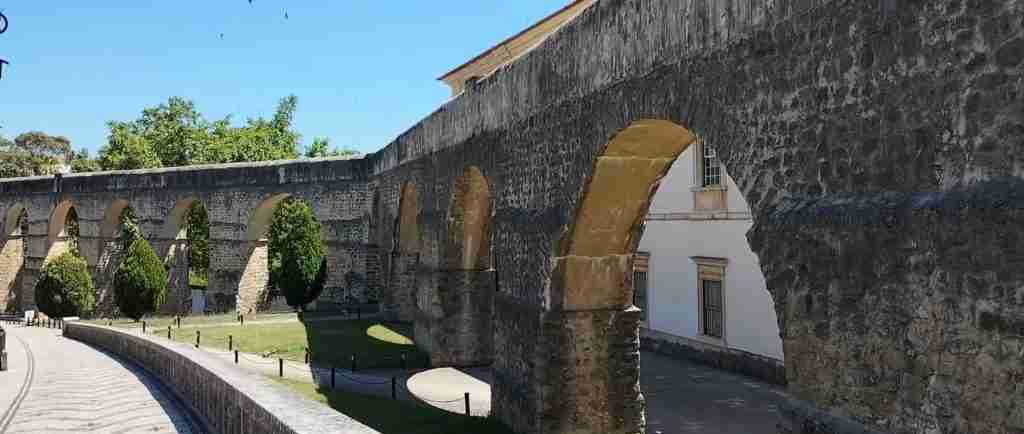
The São Sebastião Aqueduct concludes the walking tour with Renaissance engineering spanning valleys and streets to transport water from mountain springs to the hilltop city. Constructed between 1568 and 1570, the multi-level stone arcade stretches over 1 kilometer though only portions remain visible due to 20th-century urban development. The arches near the botanical garden provide dramatic photographic subjects particularly during golden hour late afternoon light. From the aqueduct, walking routes either return to Largo da Portagem via downtown commercial streets or extend to the Monastery of Santa Clara-a-Velha across the river for those with energy remaining.
GPS navigation apps including GPSmyCity and Komoot provide offline downloadable versions of this route with turn-by-turn directions, detailed attraction descriptions, historical background, photo examples, and estimated timing for each segment. The GPSmyCity app’s “Coimbra Introduction Walking Tour” covers the exact route described above with audio narration available for €5 in-app purchase, while free versions provide map navigation without audio content. For visitors combining self-guided downtown exploration with guided university tours, this walking route efficiently connects lower city heritage sites that guided tours typically skip while saving guided tour fees for the complex university buildings where expert context delivers maximum value.
Free Walking Tours of Coimbra 2026
Tip-based free walking tours depart Largo da Portagem daily at 10 AM and 3 PM, covering historic center, university grounds, and botanical gardens in 2-3 hour experiences led by guides holding University of Coimbra degrees in anthropology, cultural heritage, history, and art history. The “free” designation indicates no mandatory fixed price with guides working for tips averaging €10-15 per person based on satisfaction and financial capacity, creating accessible entry points for budget travelers while incentivizing guides to deliver engaging performances earning positive reviews and generous gratuities.
Multiple operators compete in Coimbra’s free tour market including Take Tours, Roger the Guide of Coimbra, GO! Walks Portugal, and independent guides operating through GuruWalk platform. Tours differentiate themselves through routing variations, narrative styles, and thematic focuses rather than covering fundamentally different sites. Roger’s tours emphasize historical anecdotes and legends appealing to general audiences, Take Tours targets younger backpacker demographics with contemporary cultural context, while GO! Walks Portugal leverages founder Sara Cruz’s tourism management background for systematic heritage interpretation balancing academic accuracy with accessible delivery.
The standard route begins at Largo da Portagem with orientation about Coimbra’s Roman foundations, medieval capital status, and university’s founding, then ascends through Almedina Arch explaining defensive architecture before climbing Quebra Costas with periodic stops for historical context and photo opportunities. At the Old Cathedral, guides typically provide 15-minute exterior explanation about Romanesque architecture and Reconquista military-religious buildings rather than entering the paid-admission interior. The university visit includes Iron Gate courtyard, Clock Tower exterior, and public areas without entering the paid Royal Palace circuit, though guides explain library traditions, academic ceremonies, and student customs visible in the surrounding campus environment.
Guides conclude tours with comprehensive recommendation lists for restaurants, fado venues, viewpoints, local specialties, and practical logistics shared via printed handouts or WhatsApp group messages. This information transfer represents significant value as guides curate suggestions based on years of visitor feedback rather than commercial partnerships or commission arrangements. Common recommendations include A Taberna for traditional petiscos (Portuguese tapas), Fangas Mercearia Bar for craft beers and casual atmosphere, Ze Manel dos Ossos for authentic working-class restaurant experience, and Fado ao Centro or À Capella for fado performances with advance reservation emphasis.
Reviews consistently rate these tours 4.8-4.9 stars across TripAdvisor, GuruWalk, and Google platforms with specific praise for guides’ English proficiency, ability to make history accessible without excessive academic detail, flexibility in adjusting pace to group abilities particularly on steep sections, and willingness to answer questions beyond tour scope about Portuguese culture, language, contemporary politics, and travel throughout the country. Common criticisms focus on group sizes occasionally exceeding 20-25 participants reducing intimacy and making quiet guide narration difficult to hear in noisy street environments.
Booking free tours requires advance reservation through GuruWalk, TripAdvisor, or operator websites despite the “free” designation, as guides need participant counts for logistics planning. Reservations involve no payment or credit card holds with cancellations accepted up to tour start time, though respectful cancellation via platform if plans change allows guides to adjust group expectations. During May’s Queima das Fitas and July-August high season, popular morning tours fill days in advance requiring 3-4 day booking windows, while September-June shoulder and low seasons often accept same-day or walk-up participants.
For visitors seeking structured orientation before independent exploration, free walking tours deliver maximum value by mapping the city’s physical geography, highlighting key heritage sites, explaining historical context that makes subsequent independent visits more meaningful, and providing practical recommendations for optimizing limited time. Combining a morning free walking tour with an afternoon self-paced university circuit creates comprehensive first-day Coimbra experiences costing only the €13 university admission plus guide gratuity, leaving budget capacity for evening fado performances or traditional dinner.
Fado ao Centro: Authentic Coimbra Fado Performances 2026
Fado ao Centro operates as Coimbra’s premier venue for authentic academic fado experiences, presenting daily 50-minute performances at 6 PM featuring university students and alumni wearing traditional black academic robes with cape and performing the distinctive Coimbra fado style developed over 160 years of student troubadour tradition. Located on Rua do Quebra Costas in the historic center between the Almedina Arch and Old Cathedral, the venue occupies a traditional house converted into cultural center dedicated to preserving and promoting Coimbra fado as distinct from Lisbon’s commercially-oriented variant.
Adult admission costs €14 with youth ages 7-18 admitted at €7 and children under 7 entering free. Tickets purchase online via the official Fado ao Centro website or booking platforms including Civitatis, GetYourGuide, and Viator, with advance reservation strongly recommended during April-October high season when performances sell out days ahead. The intimate space accommodates approximately 60-80 seated guests in rows facing a small performance area, creating concert hall formality rather than restaurant-club casualness. No food service occurs during performances though a glass of port wine serves as post-performance complimentary offering allowing guests to linger and potentially engage musicians in conversation.
Performances begin with a 10-minute introductory video in Portuguese with English subtitles explaining Coimbra fado’s historical development from 19th-century student serenades through contemporary preservation as UNESCO Intangible Cultural Heritage. The video covers distinctive characteristics separating Coimbra from Lisbon styles: exclusively male performers compared to Lisbon’s predominantly female artists, mandatory academic costume rather than civilian dress, Portuguese guitar tuned one step lower producing deeper resonance, and repertoire focusing on academic themes of youthful hope, heartbreak, farewell, and romantic longing rather than saudade nostalgia for maritime empire and urban melancholy.
The live performance features rotation of three performers: classical guitarist, Portuguese guitarist, and vocalist, with musicians changing between songs to showcase different artistic interpretations and vocal styles. Performers range from current university students maintaining living tradition to elder statesmen in their 60s-70s who studied at Coimbra decades ago and continue singing the fado that defined their youth. This generational diversity demonstrates fado’s continuity as transmitted cultural practice rather than museum artifact, with younger musicians learning directly from predecessors through oral tradition supplementing formal musical training.
Song selections typically include canonical Coimbra classics like “Balada da Despedida” (Farewell Ballad) whose opening line “Coimbra tem mais encanto na hora da despedida” (Coimbra has more charm in the hour of farewell) remains more recognizable than the formal title, instrumental pieces showcasing Portuguese guitar technical virtuosity, and contemporary compositions following traditional stylistic frameworks while addressing modern student experiences. Singers often provide brief English explanations before each piece describing the song’s theme, historical context, or compositional background, making performances accessible to international visitors without Portuguese language skills.
The venue operates daily 10 AM-7 PM as free-admission cultural center and permanent exhibition space about Coimbra fado history even when not attending evening performances. Displays include historical photographs of legendary performers, antique Portuguese guitars showing construction evolution, academic costumes documenting dress code changes, vinyl recordings and sheet music spanning fado’s development, and video testimonials from musicians explaining technical and emotional dimensions of performance tradition. Musicians frequently rehearse during daytime hours, creating informal opportunities for visitors to observe practice sessions, ask questions about instruments and techniques, and witness the rigorous preparation underlying polished evening performances.
For visitors seeking authentic cultural experiences rather than tourist-oriented entertainment, Fado ao Centro delivers rare access to living tradition maintained with scrupulous artistic integrity. The venue’s cultural association structure rather than commercial business model prioritizes preservation and education over profit maximization, resulting in selective musician recruitment limited to those meeting “highest standards” of technical ability and stylistic authenticity. This curatorial rigor produces performances that university music faculty attend alongside tourists, validating quality while creating unique environments where cultural insiders and curious visitors share the same artistic experience.
À Capella and Alternative Fado Venues 2026
À Capella operates in a converted 14th-century chapel where a medieval synagogue once stood, presenting evening fado performances starting at 9:30 PM (10 PM in summer season) in an atmospheric venue attracting local residents and culturally-engaged visitors rather than tour bus crowds. The bar-restaurant opens at 7 PM serving drinks and traditional Portuguese petiscos (small plates), with outdoor terrace seating overlooking historic streets providing ideal spots for pre-performance dining and people-watching as evening light fades and the city’s nightlife energy builds.
Unlike Fado ao Centro’s concert hall formality, À Capella delivers club atmosphere where fado performances interrupt rather than dominate the evening experience. Guests order drinks and food throughout the night, conversations continue at reduced volume during songs, and performers move through the space rather than remaining on formal stage. This casual environment appeals to those wanting fado integrated into broader social evening rather than isolated cultural consumption, though the relaxed ambiance sometimes sacrifices acoustic quality and focused listening to performance nuances.
Admission operates on consumption minimums rather than fixed ticket prices, with venues requesting patrons order at least drinks though most guests add food creating typical spend of €20-30 per person. The informal structure means reservations prove essential during high season as walk-in guests risk finding no available seating, yet the venue rarely posts show schedules or booking systems on websites requiring phone or email advance contact. This deliberately low-tech approach maintains local character while frustrating visitors accustomed to online booking convenience.
Café Santa Cruz, occupying a former 16th-century chapel adjacent to the Santa Cruz Monastery, presents free fado performances almost daily as the city’s historic literary café where students, intellectuals, and artists have gathered for generations. The café operates primarily as traditional Portuguese coffeehouse serving pastries, wines, and light meals in spectacular vaulted Gothic interior adorned with azulejo tiles and stained glass. Fado performances occur irregularly, typically Friday-Saturday evenings during academic term when student musicians organize spontaneous sessions, creating authentic experiences impossible to schedule with certainty yet delivering magical moments when encountered.
The annual Queima das Fitas festival in May transforms outdoor public spaces into fado performance venues when graduating students hold traditional serenata (serenade) on the Old Cathedral steps. Male graduates wearing full academic costume with cape gather in formations of 30-50 singers accompanied by classical and Portuguese guitar orchestras, performing canonical fado repertoire to assembled crowds of thousands including families, younger students, and tourists who happened to arrive during the city’s most significant annual celebration. These public performances represent fado in its original social context as communal student expression rather than commercial entertainment, though the massive scale and outdoor acoustics sacrifice the intimate intensity of small venue performances.
For visitors wanting comprehensive fado experiences beyond single venue visits, combination tours pair evening performances with traditional dinners and city sightseeing in 4-hour programs costing €90-145 per person. These packages typically include hotel pickup, 1-hour panoramic minivan tour through illuminated historic center with photo stops at key viewpoints, three-course traditional Portuguese dinner at family-run restaurants, and reserved seating at either À Capella or similar venues for full fado performances. The structured format solves logistics challenges of coordinating dinner reservations, fado show timing, and navigation through unfamiliar nighttime streets while providing comprehensive cultural immersion in single evening.
Understanding Coimbra fado’s distinctive characteristics proves essential for appreciating performances and avoiding disappointment from misaligned expectations. The exclusively male performance tradition reflects historical university regulations prohibiting female students until 1872 and social customs restricting women’s public performance through mid-20th century, creating artistic lineage where fathers literally trained sons and maestros mentored male students in preservation of closely-guarded techniques. The mandatory academic costume connects fado directly to university identity as student art form rather than professional entertainment, with performers often preferring amateur status maintaining day jobs as professors, doctors, or lawyers while singing fado as cultural duty and personal passion rather than primary income source.
The Portuguese guitar’s distinctive Coimbra tuning one step lower than Lisbon standard produces darker, more resonant tones matching the music’s thematic focus on youthful melancholy, romantic longing, and farewell rather than Lisbon fado’s themes of urban nostalgia, working-class struggle, and maritime loss. This tuning difference remains audible even to untrained listeners as Coimbra performances sound “deeper” and “richer” compared to Lisbon recordings, though the contrast requires direct comparison to fully appreciate. The larger Coimbra Portuguese guitar model also contributes tonal difference through increased resonating chamber volume amplifying lower frequency harmonics.
Multi-Day Tour Packages and Day Trips from Lisbon/Porto 2026
Coimbra’s position 200 kilometers north of Lisbon and 120 kilometers south of Porto makes the city accessible as day trip destination from either gateway, though multi-day packages combining Coimbra with surrounding Central Portugal attractions deliver superior experiences without exhausting transportation schedules. Day trip options from both cities typically cost €85-145 per person including round-trip transportation, guided city tour, university admission, and sometimes lunch, operating 8-9 hour schedules allowing 3-4 hours actual Coimbra exploration after subtracting 4-5 hours total driving time.
From Lisbon, popular day trip routes combine Coimbra with Fátima creating pilgrimage-focused programs visiting both Portugal’s intellectual capital and its primary Marian shrine site. These 12-hour tours cost €95-135 per person with 6-8 participants in Mercedes Sprinter vans, departing Lisbon hotels 8-8:30 AM, arriving Fátima 10 AM for 90-minute visit to the sanctuary, Chapel of Apparitions, and Basilica of Our Lady of the Rosary, continuing to Coimbra noon-12:30 PM for 3-hour exploration including lunch and university tour, then returning to Lisbon arriving 7:30-8:30 PM. The compressed schedule limits Coimbra exposure to highlights only without time for botanical gardens, museums, or leisurely fado experiences.
From Porto, Coimbra day trips often incorporate Aveiro creating “Portuguese Venice” coastal combination touring programs. These 9-10 hour experiences cost €85-125 per person, depart Porto 9 AM, visit Aveiro first for 90-minute moliceiro boat ride through canals and Art Nouveau architecture walking tour, continue to Coimbra arriving 1-1:30 PM for 3-hour afternoon exploration and university visit, then return to Porto arriving 6:30-7:30 PM. Alternative routes substitute Buçaco National Forest for Aveiro, incorporating the neo-Manueline palace hotel and ancient forest trails for visitors prioritizing nature over coastal architecture.
Multi-day tour packages positioning Coimbra as overnight destination within broader Central Portugal itineraries provide substantially richer experiences by allowing evening fado attendance, unhurried morning university exploration before afternoon departures, and discovery of sites day-trippers inevitably skip. Three-day Lisbon-Coimbra-Porto routes cost €385-545 per person in small group format with 3-star accommodations, visiting Fátima and Batalha en route north from Lisbon day one, dedicating full day two to Coimbra university, downtown walking, botanical gardens, and evening fado dinner, then continuing to Porto day three with morning Coimbra departure allowing Aveiro stop before Porto evening arrival.
For visitors prioritizing Coimbra as primary destination rather than brief stop, the emerging multi-day Coimbra-based programs exploring surrounding Central Portugal attractions from the city as hub deliver optimal depth. These 4-5 day packages include 2-3 nights Coimbra accommodation, comprehensive city touring, and day trips to Conimbriga Roman ruins, Bussaco forest and palace, Piódão schist village, Lousã mountain fortresses, and Figueira da Foz beaches, creating immersive regional experiences rarely encountered in standard Lisbon-Porto corridor itineraries. Costs range €485-785 per person in 3-star packages or €845-1,285 in boutique hotel versions including all transportation, admissions, and most meals.
Conimbriga represents Central Portugal’s most significant Roman archaeological site located 16 kilometers south of Coimbra with remarkably preserved mosaics, house foundations, bath complexes, and aqueduct remains dating from the 1st century BCE through 5th century CE occupation. Half-day tours from Coimbra cost €45-65 per person for 4-hour experiences including round-trip transport, site admission, and guided interpretation of the excavations and on-site museum displaying artifacts recovered during decades of archaeological investigation. The site provides essential context for understanding Coimbra’s Roman foundation as Aeminium and the region’s role in Lusitania province administration and commerce.
The Schist Villages of Lousã mountain represent preserved examples of traditional Central Portugal mountain architecture constructed entirely from layered schist stone creating distinctive gray facades integrated organically into steep hillside topography. Full-day 4×4 jeep tours departing Coimbra visit 4-5 villages including Talasnal, Cerdeira, and Casal Novo across 6-8 hours, cost €95-145 per person, and include village walking explorations, traditional lunch at mountain tavern, and interpretation of the villages’ historical role in charcoal production, shepherding, and subsistence agriculture that sustained mountain communities before 20th-century rural depopulation. These tours appeal particularly to photographers and those seeking authentic rural Portugal experiences beyond standard urban heritage circuits.
Strategic Timing and Seasonal Considerations 2026
Coimbra experiences dramatic seasonal variation in visitor numbers, atmospheric character, and practical access conditions based on university academic calendar, weather patterns, and festival schedules. Strategic timing transforms the touring experience from fighting crowds and summer heat to discovering the city at its most authentic with comfortable walking conditions and spontaneous interactions with student populations.
The Queima das Fitas (Burning of the Ribbons) festival during the first or second week of May represents Coimbra’s most significant annual celebration when graduating students hold week-long festivities culminating in elaborate serenades, ribbon-burning ceremonies symbolizing academic career completion, parade processions through downtown streets, and public concerts converting the city into massive outdoor party. The festival delivers unparalleled cultural immersion and photographic opportunities as students wear full academic regalia throughout the week, male graduates gather in formations of 30-50 for traditional fado serenades on Old Cathedral steps, and the entire city participates in celebrations acknowledging the university’s central role in local identity and economy.
However, festival week creates significant practical challenges including hotel rates doubling or tripling normal prices with months-advance booking requirements, university buildings closing for ceremonies limiting touring access, restaurant reservations difficult to secure particularly near campus, and overwhelming crowds reducing the contemplative atmosphere that characterizes normal periods. Visitors specifically targeting Queima das Fitas should book accommodations by February and accept reduced access to university interiors in exchange for extraordinary street festival experiences. Those prioritizing quiet university touring should avoid the festival week entirely.
June through August comprises peak tourist season with maximum visitor numbers from international travelers and Portuguese domestic tourists, extended 9 AM-7 PM operating hours for university sites and museums, and consistently warm-to-hot weather with daytime temperatures 26-32°C (79-90°F) creating physical demands during uphill walking segments. The academic calendar sees reduced student presence as the university operates only summer session courses enrolling minority of regular population, noticeably diminishing campus energy and eliminating opportunities for casual interactions with students that enrich shoulder season visits. Hotel rates reach annual peaks during July-August with advance booking essential, while restaurant reservations become necessary for popular venues that accept walk-ins during low season.
September and October deliver ideal touring conditions combining warm-but-not-hot weather, returning student populations creating authentic campus atmosphere, substantially reduced visitor numbers compared to summer, and September’s extended summer operating hours maintaining accessibility. Late September marks fall semester opening when 20,000+ students return to the city, filling cafés, libraries, and streets with academic energy invisible during summer tourist season. The vintage festival (Festa das Vindimas) in September celebrates Central Portugal wine harvest with tastings, traditional music, and cultural programming throughout the region. Hotel rates drop to mid-range levels and advance booking loses urgency though popular weekend dates still benefit from planning ahead.
November through February represents low season with shortest daylight hours, restricted 9 AM-5 PM operating hours for university sites and museums (9 AM-1 PM and 2 PM-5 PM with lunch closure), potential rain averaging 12-15 days monthly, and minimum visitor numbers creating empty streets and churches compared to summer crowds. Winter temperatures remain mild by Northern European standards at 8-15°C (46-59°F) daytime, rarely freezing, though the humidity and Atlantic weather systems create penetrating damp chill particularly during uphill walking. The Clock Tower closes entirely November-March eliminating one viewpoint option.
Low season advantages include lowest hotel rates at 40-60% below summer peaks, no competition for popular Joanina Library time slots allowing spontaneous visit schedules, maximum attention from guides and museum staff with capacity to answer extended questions, authentic Portuguese rather than tourist-oriented atmosphere particularly in restaurants and cafés, and superior photographic opportunities as winter light produces dramatic contrasts and rain-cleared skies deliver exceptional clarity. Student populations remain at full strength during November-December and February-May academic terms creating genuine campus energy lacking during summer.
The Christmas season from mid-December through early January sees university closure for winter break reducing student presence while adding holiday decorations, markets, and special programming. The city remains accessible and hotels offer attractive holiday packages, though the academic dimension that defines Coimbra character diminishes when students absent. New Year celebrations focus on Lisbon and Porto rather than Coimbra, making the city quiet alternative for visitors avoiding the coastal cities’ massive crowds and inflated prices.
For visitors with flexible schedules, the optimal windows combine favorable weather, authentic student atmosphere, manageable crowds, and extended operating hours: late April before Queima das Fitas festival, early June before peak summer crowds, mid-September through October after summer conclusion, and late March through mid-April as spring emerges. These windows deliver Coimbra at its most balanced without the extremes of festival chaos, summer heat, winter restricted hours, or academic break emptiness.
Practical Logistics: Transportation, Tickets, and Tour Booking 2026
Coimbra operates two train stations creating initial confusion for first-time visitors: Coimbra-B, the main intercity station 2 kilometers north of downtown where long-distance trains from Lisbon and Porto terminate, and Coimbra-A, the central station 500 meters from Largo da Portagem accessible by connecting shuttle trains departing Coimbra-B every 10-20 minutes requiring 5 minutes transit time. All train tickets to Coimbra automatically include the shuttle connection with no additional fare, and station signage clearly directs passengers to the correct platform for downtown transfer.
From Lisbon, Intercidades (Intercity) and Alfa Pendular (high-speed) trains depart hourly 6 AM-8 PM covering the 200-kilometer journey in 1.5-2 hours depending on service type. Alfa Pendular trains cost €28-35 in Turística (second class) or €38-48 in Conforto (first class) with advance online purchase through CP (Comboios de Portugal) website or Omio booking platform, offering assigned seating, air conditioning, and reliable schedules. Intercidades trains cost €20-27 and add 15-20 minutes journey time with slightly older rolling stock but comparable comfort for the moderate distance. Regional trains requiring 3+ hours with multiple stops cost €12-16 but waste vacation time with marginal savings compared to faster services.
From Porto, hourly trains departing 6:30 AM-9 PM cover the 120-kilometer journey in 50 minutes (Alfa Pendular) to 75 minutes (Intercidades and Regional), costing €14-22 Alfa Pendular, €10-16 Intercidades, or €8-12 Regional. The shorter distance makes Regional service more defensible economically as time differential between fastest and slowest options shrinks to 30-40 minutes rather than Lisbon’s 90+ minute spread. Advance online booking provides guaranteed seating and 10-20% discount compared to station counter purchases, with CP website and app allowing mobile ticket display eliminating printed ticket requirements.
The Rede Expressos intercity bus network connects Coimbra to Lisbon (2.5 hours, €15-20) and Porto (90 minutes, €10-14) with departures every 60-90 minutes throughout the day, providing budget alternative to trains with comparable travel times but less comfort on older coaches and downtown bus terminal locations less convenient than Coimbra-A train station. Buses prove most useful for destinations without rail service including Fátima, smaller Central Portugal towns, and direct airport connections to Lisbon that avoid train transfer through city center.
Francisco Sá Carneiro Airport in Porto sits 120 kilometers north of Coimbra accessible via direct bus (2 hours, €18-22) or train requiring Porto city center transfer (2.5 hours total including metro airport access and connection wait, €18-25). Lisbon Airport lies 200 kilometers south accessible by direct airport bus (2.5 hours, €20-25) or train requiring Lisbon city transfer (3 hours total, €25-35). For visitors with luggage and morning flight schedules, direct airport buses eliminate metro/train transfers and deliver door-to-door convenience justifying modest premium over complex multi-transfer train routing.
Within Coimbra, the city’s compact historic center makes walking the primary transportation mode with distances between major sites rarely exceeding 1 kilometer. The challenging vertical topography concentrating the university 100 meters above downtown creates the main mobility challenge, addressed by strategic use of taxis or ride-sharing apps (Uber, Bolt) for uphill segments costing €4-6 from Largo da Portagem to university gates. Bus routes serve residential neighborhoods and peripheral areas but provide limited value for tourists concentrating on historic core attractions all accessible by foot.
University admission tickets purchase online via the official visit.uc.pt website or at the Porta Férrea ticket office opening 8:45 AM. Online purchase requires selecting specific Joanina Library time slot from availability calendar, provides PDF e-ticket for smartphone display, and allows €13 credit card payment. Ticket office purchase grants same-day library slot availability which during low season April-June and September-October typically allows preferred timing but during July-August peak season may result in afternoon assignments requiring schedule flexibility or multi-hour downtown exploration gaps.
Fado ao Centro tickets book through the official website fadoaocentro.com or via Civitatis and GetYourGuide platforms. Official website direct booking costs €14 adult with immediate confirmation email, while third-party platforms add €1-2 booking fees but integrate with existing travel accounts and provide familiar payment processing. Advance booking proves essential during April-October when performances sell out 2-4 days ahead, while November-March allows same-day and sometimes walk-up availability though advance purchase remains recommended to guarantee seating.
Guided tour booking through GetYourGuide, Viator, TripAdvisor Experiences, and local operator websites provides comparative pricing and review access simplifying selection among the dozens of similar-sounding tour options. Prices often fluctuate based on booking volume with “early bird” discounts for reservations 30+ days ahead or last-minute deals filling empty tour slots, creating 15-30% variation for identical tours. Free cancellation policies vary by operator with some requiring 24-hour notice, others 48-72 hours, and premium tours imposing 7-day cancellation deadlines with graduated refund scales, making cancellation terms critical consideration when choosing among comparable tours.
Combining University Touring with Broader Coimbra Exploration 2026
The university’s dominance in Coimbra tourism marketing sometimes obscures the city’s other significant heritage dimensions including Romanesque and Gothic religious architecture, medieval urban fabric, botanical heritage, riverside recreational spaces, and contemporary cultural programming. Comprehensive Coimbra exploration requires balancing the university’s undeniable centrality with deliberate attention to sites typically bypassed by tour groups concentrating solely on the academic district.
The Monastery of Santa Cruz, founded in 1131 as Portugal’s most significant Augustinian monastery, houses the tombs of Portugal’s first two kings, Afonso Henriques and Sancho I, in elaborate Gothic-Manueline monuments under the choir. The monastery’s national pantheon status makes it essential Portuguese history site independent of university associations, while the church’s Manueline portal carved by Diogo de Boitaca and azulejo panels designed by António de Oliveira Bernardes represent Portuguese Renaissance artistic peaks. The adjacent cloister’s Silence Cloister garden and Chapter House containing 18th-century tile scenes create contemplative spaces contrasting the university’s academic intensity. Free admission, open 9 AM-6 PM Monday-Saturday and 4-6 PM Sunday, makes this efficient inclusion in downtown walking routes.
The Monastery of Santa Clara-a-Velha, located across the Mondego River from downtown, represents one of Europe’s most successful architectural conservation projects rescuing a 14th-century Poor Clares convent from centuries of flood damage that buried the church floor beneath 6 meters of river sediment. Modern excavation and drainage installed permanent water management systems allowing visitors to explore the Gothic church ruins, archaeological museum displaying artifacts recovered during excavation, and interpretive center explaining the monastery’s history as Queen Isabel of Portugal’s burial site before flood damage forced Poor Clares relocation uphill to Santa Clara-a-Nova in the 17th century. Admission costs €4, operating hours 10 AM-7 PM April-September and 10 AM-5 PM October-March Tuesday-Sunday, with combined tickets for both Santa Clara monasteries available at €6.
The Portugal dos Pequenitos, a miniature park displaying scaled models of Portuguese architectural monuments, historic buildings, and colonial territories constructed at 50% child-scale, appeals particularly to families with children and visitors interested in Portugal’s global imperial history. The park sections representing former African and Asian colonies present complex heritage as educational entertainment created during Estado Novo dictatorship promoting Portuguese exceptionalism, requiring critical engagement with the displays’ colonial nostalgia while acknowledging the craftsmanship in the detailed miniature reproductions. Admission costs €10 adults and €6.50 children ages 3-13, open 10 AM-7 PM March-September and 10 AM-5 PM October-February daily, located adjacent to Santa Clara-a-Velha across the river from downtown.
The Penedo da Saudade (Rock of Saudade), a hilltop garden on the opposite side of the university from downtown, provides the city’s finest panoramic viewpoint overlooking the Mondego valley, downtown rooftops, and university buildings from southern perspective. The romantic garden developed in the 19th century attracts students for quiet study sessions and couples for evening walks among the statues, inscribed poetry panels, and shaded pathways beneath mature trees. Free access year-round creates peaceful escape from tourist-dense downtown streets particularly during golden hour late afternoon light ideal for panoramic photography. The steep uphill approach deters casual visitors maintaining tranquil atmosphere even during peak season.
The traditional market at Mercado Municipal D. Pedro V operates Tuesday-Saturday mornings 7 AM-2 PM in an early 20th-century iron and glass pavilion selling fresh produce, regional cheeses, cured meats, seafood, flowers, and prepared foods representing authentic Portuguese market culture. The market creates efficient morning activity before university sites open at 9 AM, provides breakfast opportunities at interior cafés serving fresh pastries and coffee, and offers cultural immersion watching local residents conduct daily shopping routines. Free admission and location 600 meters from Largo da Portagem makes this natural inclusion in downtown walking circuits for visitors interested in food culture and everyday Portuguese life beyond heritage monuments.
Combining these sites into multi-day Coimbra itineraries creates balanced experiences alternating between major tourist attractions requiring advance planning and spontaneous discoveries encountered while wandering residential neighborhoods. A recommended three-day sequence allocates day one to university circuit with advance library booking and afternoon downtown walking, day two to monasteries and riverside sites with relaxed pacing and Portugal dos Pequenitos if traveling with children, and day three to morning market visit, Penedo da Saudade hike, free time in botanical gardens, and evening fado dinner creating comprehensive exposure without exhausting schedules rushing between sites.
Photography Opportunities and Optimal Times 2026
Coimbra delivers exceptional photography subjects combining monumental architecture, vertical urban topography creating layered compositions, distinctive student culture providing human interest elements, and dramatic lighting conditions particularly during golden hour and blue hour periods. Understanding optimal times and locations transforms casual snapshots into compelling images capturing the city’s aesthetic and atmospheric qualities.
The Joanina Library represents photography’s greatest frustration as flash prohibition and ambient lighting restrictions protect the fragile book collections and historical interior while eliminating most visitors’ ability to capture the space’s elaborate Baroque decoration, gilded woodwork, and painted ceilings. The prohibition applies strictly with guards monitoring visitors and immediately stopping anyone attempting photography even without flash. This policy protects the heritage while denying the Instagram-era impulse to document every experience, forcing visitors to engage visually without the camera-as-intermediary creating unexpectedly meditative encounters with the space. Postcard and book sales at the university shop provide professional photographs for those wanting visual mementos.
The University Courtyard (Paço das Escolas) provides the city’s most iconic composition from the Via Latina colonnade framing the Royal Palace, Clock Tower, and Chapel grouped around the central plaza paved with traditional Portuguese cobblestone depicting Minerva, Roman goddess of wisdom. Early morning before 9 AM delivers best light with eastern sun illuminating the yellow-painted palace façade without harsh midday shadows, while minimal visitor presence allows unobstructed compositions impossible once tour groups arrive mid-morning. Late afternoon 5-7 PM during extended summer hours creates warm golden light on stone surfaces with lengthening shadows adding depth and drama to architectural forms.
The Clock Tower viewing platform accessed via 180 steps provides 360-degree panoramas requiring wide-angle lenses (16-24mm equivalent) to capture comprehensive vistas in single frames or panoramic stitching sequences for ultra-wide final images. Morning light 9-11 AM favors eastward views toward downtown and the Mondego River valley with sun behind the photographer illuminating the scene, while late afternoon 4-6 PM serves westward compositions. Midday 12-2 PM creates harsh overhead light reducing dimensional modeling but maximizing clarity for distant landscape elements including surrounding hills and agricultural plains extending to horizons.
Quebra Costas (Breakback Street) photographs best from bottom looking upward with the stepped whitewashed alley creating strong linear perspective converging toward the Old Cathedral dominating the upper terminus, or from top looking downward emphasizing vertical drop and traditional house facades lining the steep gradient. Mid-morning 10 AM-noon provides balanced light penetrating the narrow street without excessive contrast between sunlit and shaded areas, while golden hour creates dramatic side-lighting emphasizing texture in stone walls and cobblestone paving though deepening shadows can create exposure challenges requiring HDR or graduated neutral density techniques.
The Mondego River bridges including the Ponte de Santa Clara provide wide-angle riverside perspectives showing the city’s vertical profile rising from water level through downtown to hilltop university with Old Cathedral’s fortress-like Romanesque towers marking the medieval settlement extent. Sunrise photography 7-8 AM during April-September creates stunning reflections in calm water before wind disturbs surface conditions, while sunset 8-9 PM summer or 6-7 PM winter provides warm backlight silhouetting the university buildings against sky creating dramatic simplified compositions emphasizing form over architectural detail.
Student life photography during academic term September-May captures the human dimension through black-caped students walking to classes, studying in cafés, socializing in university courtyards, and performing in fado venues. Respectful engagement asking permission before photographing individuals creates opportunities for environmental portraits showing contemporary academic culture continuing centuries-old traditions. The May Queima das Fitas festival provides extraordinary subjects as graduating students wear full regalia throughout the week creating street photography opportunities documenting rituals, celebrations, and the university’s continuing social role in Portuguese culture.
The botanical gardens’ 13 hectares provide natural subject matter from tropical greenhouse exotic plants to systematic collection geometric layouts to terraced garden perspectives descending the hillside with university buildings background. Spring flowering April-May creates peak color with roses, azaleas, and native Portuguese flora in bloom, while autumn October-November delivers foliage color changes in deciduous species and dramatic storm light when Atlantic weather systems move through. Macro photography enthusiasts find extensive subject matter in the tropical greenhouses where controlled environment maintains flowering specimens year-round.
Practical photography considerations include Coimbra’s hilly topography creating physical demands when carrying camera equipment, narrow medieval streets limiting tripod use for street photography without obstructing pedestrian flow, and indoor venues like the Old Cathedral requiring high ISO capability (3200-6400) for hand-held available light photography given limited ambient light levels and flash prohibition or inappropriateness for reverent spaces. Weather variability particularly September-May requires rain protection for equipment with sudden showers common even during generally sunny days, while summer’s strong sunlight 12-4 PM creates harsh contrast challenging for capturing architectural detail in single exposures without HDR or fill-flash techniques.
Frequently Asked Questions About Coimbra Tours 2026
Do I need to book Coimbra University tickets in advance for 2026?
Advance online booking proves essential during peak season July-August and absolutely critical during May’s Queima das Fitas festival when popular library time slots sell out by 10 AM for same-day visits. Online booking through visit.uc.pt allows selecting specific Joanina Library entry time guaranteeing access at preferred morning or afternoon slots while avoiding ticket office queues that extend 30-45 minutes during high season. September-June shoulder and low seasons typically allow same-day ticket office purchases with library times available, though online booking still recommended for securing optimal 9-10 AM library slots allowing efficient sequential site visits. Tickets purchased online arrive as PDF emailed immediately after payment for smartphone display at entrance eliminating paper ticket requirements.
How long should I spend at Coimbra University in 2026?
Comprehensive exploration of the complete official circuit including Joanina Library, St. Michael’s Chapel, Royal Palace, Academic Museum, Physics Cabinet, Cabinet of Curiosities, Chemistry Laboratory, Clock Tower, Science Museum, and Natural History Museum requires 3.5-4 hours without rushing through exhibits or skipping text panels. Visitors concentrating on absolute highlights can complete Joanina Library, Chapel, Palace, and Cabinet of Curiosities in 90 minutes though this abbreviated approach misses significant collections and reduces each site to brief glimpses rather than thorough appreciation. The timed library entry creates fixed anchoring point around which other sites schedule, making 2.5-3 hour allocation optimal for balanced pacing covering main attractions with adequate attention without exhausting multiple-hour museum fatigue.
What’s the difference between Coimbra fado and Lisbon fado in 2026?
Coimbra fado maintains exclusively male performance tradition with singers and musicians wearing mandatory academic costume (black cape and gown) reflecting the music’s origin as university student serenades, while Lisbon fado features predominantly female singers in civilian dress performing in restaurant-club venues emphasizing commercial entertainment. Coimbra Portuguese guitars tune one step lower than Lisbon standard producing deeper, more resonant tones and employ larger body construction amplifying lower frequency harmonics, creating audibly distinct sound recognizable even to untrained listeners. Thematically, Coimbra repertoire focuses on academic life themes of youthful hope, romantic longing, farewell, and intellectual aspiration, contrasting Lisbon’s emphasis on saudade nostalgia, urban working-class experience, maritime empire memory, and melancholic acceptance of fate. Coimbra performances typically occur in small cultural centers and intimate venues prioritizing artistic integrity, while Lisbon fado houses operate as commercial restaurants where music accompanies dinner service creating different atmospheric contexts for experiencing the tradition.
Can I visit Coimbra as a day trip from Lisbon or Porto in 2026?
Day trips prove logistically feasible from both cities but deliver compressed experiences limiting Coimbra exposure to highlights only without time for botanical gardens, museums, leisurely meal experiences, or evening fado performances that define the city’s cultural character. From Lisbon, the 200-kilometer journey requires 1.5-2 hours each direction by train, consuming 3-4 hours in total travel time from 8-9 hour day trip schedules leaving only 4-5 hours actual Coimbra exploration sufficient for university circuit and brief downtown walking but eliminating deeper immersion. From Porto, the shorter 120-kilometer distance and 50-75 minute each direction train time creates more viable day trip proposition with 5-6 hours on-ground time allowing university visit plus downtown exploration though still preventing evening activities. Overnight stays deliver substantially superior experiences by allowing evening fado attendance, unhurried morning university touring before afternoon departure, and discovery of sites day-trippers inevitably skip including riverside monasteries, botanical gardens, market visits, and neighborhood exploration revealing authentic Portuguese city life beyond tourist monument circuits.
Are Coimbra tours suitable for visitors with mobility limitations in 2026?
Coimbra’s medieval topography built on steep hillside creates significant accessibility challenges with Quebra Costas and other connecting streets featuring stepped gradients, narrow uneven cobblestone surfaces, and 100-meter elevation changes between riverside downtown and university hilltop. The university has implemented accessibility improvements including elevator access to Joanina Library, ramps at Porta Férrea entrance, and adapted bathrooms, though the Royal Palace’s historic character means multiple floors lack elevator access and narrow doorways may restrict wheelchair passage in some rooms. Visitors with mobility limitations should utilize taxis or ride-sharing apps for uphill transport from downtown to university gates (€4-6) eliminating the exhausting climb, concentrate touring on the university plateau’s relatively level surfaces and accessible buildings, and skip sites requiring extensive stair navigation including Clock Tower and Cabinet of Curiosities upper floors. Guided tours can modify routing to prioritize accessible sites and arrange vehicle transport for uphill segments upon advance request, though the medieval city center’s authentic character fundamentally limits full accessibility compared to modern cities designed with universal access principles.
What’s the best time of year to visit Coimbra for tours in 2026?
Late September through October delivers optimal conditions combining returning student populations creating authentic campus atmosphere, warm-but-not-hot weather ideal for uphill walking (18-24°C daytime), substantially reduced tourist numbers compared to summer crowds, extended operating hours through September before November winter schedule reduction, and harvest season programming including wine festivals and agricultural celebrations. April through mid-May provides excellent alternative with spring flowering in botanical gardens, comfortable temperatures before summer heat, full student presence during final academic term weeks, and lengthening daylight extending afternoon touring possibilities. The May Queima das Fitas festival offers extraordinary cultural immersion for visitors specifically targeting this celebration willing to accept doubled hotel rates, reduced building access, and overwhelming crowds in exchange for unique witness to Portugal’s most significant academic tradition, though the festival’s exact dates shift annually requiring schedule flexibility. Avoid August when Portuguese domestic tourism peaks creating maximum crowds and highest prices despite university emptiness reducing authentic campus character, and November-February when shortest daylight hours, restricted operating schedules, and potential rain create less favorable touring conditions despite lowest prices and emptiest sites.
Do I need a guide for Coimbra University or can I tour independently in 2026?
Independent touring proves entirely feasible and delivers satisfying experiences for visitors comfortable with self-directed exploration using information panels, university audio guide app, and pre-trip research to understand historical and architectural context. The €13 admission includes access to all major sites without requiring guide accompaniment, while the official University of Coimbra audio guide app provides comprehensive English narration for €5 covering 40+ locations with 3-5 minute segments per site offering historical background, architectural analysis, and cultural significance explanation. However, guided tours led by former students add substantial value through insider perspectives about academic traditions, contemporary student life, building ceremonial uses, and anecdotal details that printed materials cannot convey, with the €45-85 cost including skip-the-line admission and guaranteed optimal library time slot coordination eliminating visitor stress about securing preferred entry times. The choice depends on personal touring preferences, budget constraints, and depth of interest in university culture beyond architectural appreciation, with independent visits adequate for general sightseeing while guided experiences recommended for those wanting comprehensive understanding of the institution’s continuing academic and social role in Portuguese culture.
How much does a complete Coimbra tour cost per person in 2026?
Budget-conscious independent touring costs €13 university admission, €0 for free walking tour (€10-15 typical guide gratuity), €14 Fado ao Centro performance, and €25-35 traditional restaurant dinner totaling €62-77 per person for comprehensive cultural day accessing major attractions. Mid-range visitors adding private guided university tour (€55-75), À Capella fado with dinner (€35-45), and museum admissions (€10-15) spend €110-150 per person for enhanced experiences with expert interpretation and reserved seating at premier venues. Premium packages combining private tours, skip-the-line access, panoramic sightseeing, fado dinner shows, and boutique hotel accommodation range €200-350 per person daily depending on hotel category and included meals, delivering fully-curated experiences eliminating all logistics planning and booking challenges. Multi-day packages from Lisbon or Porto including round-trip transportation, overnight accommodation, guided tours, and some meals cost €385-545 per person for three-day programs or €485-785 for four-five day Coimbra-based itineraries exploring surrounding Central Portugal attractions from the city as hub.
What should I wear for Coimbra walking tours in 2026?
Comfortable closed-toe walking shoes with substantial sole cushioning and ankle support prove essential for navigating cobblestone streets, steep gradients, and the 180 Clock Tower steps, with athletic shoes or hiking boots appropriate while fashion-forward sandals or heels create safety hazards on uneven surfaces. Layered clothing accommodating morning cool and afternoon warmth works year-round as Coimbra temperatures fluctuate significantly between shaded narrow streets and sun-exposed plazas, with light jacket or sweater recommended even during summer for air-conditioned museum interiors and breezy riverside locations. Sun protection including wide-brimmed hat, sunglasses, and SPF 30+ sunscreen addresses intense Portuguese summer sun particularly at 100-meter university elevation with reduced atmospheric filtering, while compact umbrella or rain jacket proves valuable September-May when sudden showers interrupt generally sunny days. Modest dress covering shoulders and knees shows respect when visiting religious sites though Coimbra maintains relatively relaxed standards compared to Vatican or major cathedrals, with casual tourist attire acceptable at all venues except the most formal evening fado performances where smart casual (no shorts or athletic wear) represents appropriate choice.
Can I take photos inside Coimbra University buildings in 2026?
Photography policies vary by building with complete prohibition in Joanina Library where flash and ambient light damage risks to 18th-century books and gilded decoration mandate strict no-photography enforcement, guards actively monitoring visitors and immediately stopping anyone attempting images even without flash. St. Michael’s Chapel, Royal Palace, and Great Hall permit non-flash photography for personal use while prohibiting commercial photography, tripods, and flash equipment that could disturb other visitors or damage historic surfaces. The Cabinet of Curiosities and museums allow photography without flash throughout galleries with signage clearly marking the few individual exhibits restricting images due to copyright or conservation concerns. Exterior photography remains unrestricted throughout university grounds including courtyards, building façades, and campus landscapes, though respect for students and staff means requesting permission before photographing individuals in close-range portraits rather than candid street photography capturing general campus atmosphere. Understanding and respecting these policies prevents embarrassing guard confrontations, protects irreplaceable heritage from cumulative light damage, and maintains contemplative atmosphere allowing all visitors to engage the spaces without constant camera activity diminishing shared experience.