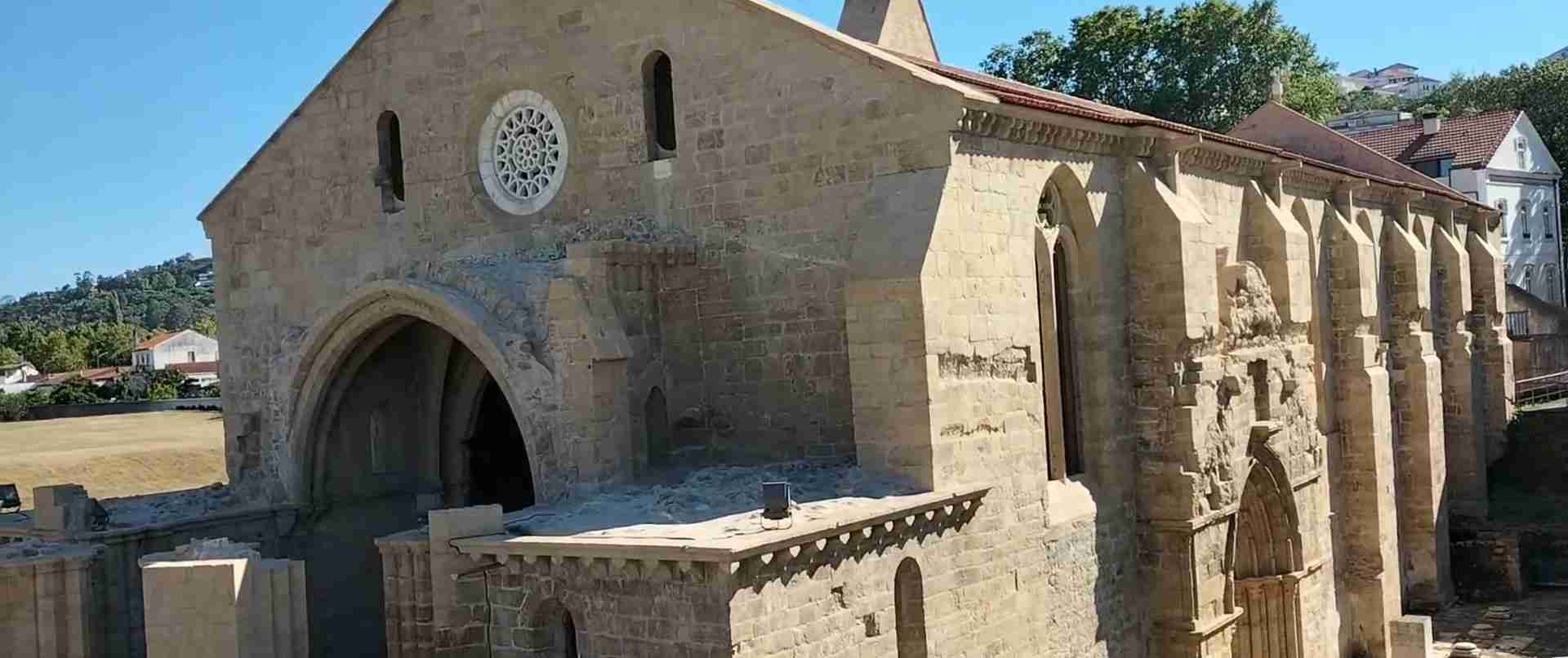
Coimbra Travel Guide 2026: Portugal’s University City
Coimbra rises above the Mondego River as Portugal’s intellectual heart, where Europe’s oldest continuously operating university dominates cobblestone streets filled with black-caped students and centuries-old traditions. This historic city offers travelers a compelling blend of academic grandeur, authentic Fado music, Roman ruins, and medieval architecture, all wrapped in a more manageable and affordable package than Lisbon or Porto. Whether exploring the UNESCO-listed university complex, wandering through hidden riverside gardens, or experiencing soulful student serenades, Coimbra delivers Portugal’s cultural essence without overwhelming crowds or inflated tourist prices.
Key Takeaways for Visiting Coimbra 2026
- Budget-Conscious Exploration: Budget travelers spend €60-85 per person daily staying in hostels, eating at traditional tascas, and utilizing free attractions, with weekly costs ranging €420-595 for those sharing accommodations.
- Mid-Range Comfort Experience: Mid-range visitors invest €110-190 per person daily for comfortable hotels, quality restaurants, and comprehensive sightseeing, totaling €770-1,330 weekly when two share hotel rooms.
- University of Coimbra Access: The main attraction requires €65 for guided tours including the spectacular Joanina Library, with only 60 visitors admitted at 20-minute intervals making advance morning booking essential in 2026.
- Strategic Seasonal Timing: April through June and September through October offer ideal conditions with mild weather, fewer crowds than summer, and hotel rates €40-80 lower per night than July-August peak season.
- Compact Walkable Center: Most major attractions concentrate within 2 kilometers of the university district, though steep hills require comfortable footwear and occasional use of €1.60 local buses or €3.50 day passes.
- Authentic Fado Tradition: Coimbra’s unique male student Fado differs entirely from Lisbon’s version, with intimate performances starting around €19 and the annual Queima das Fitas festival in May showcasing Portugal’s vibrant student culture.
People Also Ask About Coimbra Travel 2026
How much does visiting Coimbra cost per day in 2026?
Daily costs in Coimbra 2026 range €60-85 per person for budget travelers staying in hostels and eating at local tascas, €110-190 per person for mid-range comfort with quality hotels and restaurants, and €200-315 per person for luxury experiences with upscale accommodations and fine dining. These figures assume two people sharing hotel rooms, with accommodation costs divided by two before calculating per-person totals. Budget travelers benefit from Coimbra’s excellent value compared to Lisbon or Porto, with similar quality accommodation and dining available for 30-40% less. The compact city center reduces transportation expenses, as most attractions sit within comfortable walking distance despite challenging hills. Free experiences including the Botanical Garden, riverside walks, and historic street exploration enable budget-conscious visitors to experience Coimbra’s essence without significant spending. Mid-range travelers enjoy comfortable modern hotels, quality Portuguese cuisine at traditional restaurants, and comprehensive access to all major paid attractions. Luxury visitors access boutique accommodations, gourmet dining experiences, private guides, and premium wine tastings that showcase central Portugal’s culinary traditions.
What is the best time to visit Coimbra in 2026?
April through June represents Coimbra’s optimal visiting window in 2026, combining mild temperatures between 15-25°C, minimal rainfall, and the spectacular Queima das Fitas student celebration during early May. This spring period delivers comfortable sightseeing weather before summer heat arrives while avoiding peak tourist crowds and prices. September through October provides equally excellent conditions as autumn shoulder season, with pleasant temperatures, fewer visitors than summer, and hotel rates €40-80 lower per night than July-August peaks. These months showcase the university returning to active session, creating authentic academic atmosphere absent during summer break. Early May specifically offers exceptional value for cultural enthusiasts, as the week-long Queima das Fitas festival fills streets with parades, concerts, traditional ceremonies, and student celebrations marking academic year completion. Winter months from November through March deliver lowest prices with mid-range hotels dropping to €60-90 versus €100-145 in summer, though rain falls 10-15 days monthly and some attractions maintain reduced hours. July and August bring peak crowds, maximum heat, and highest prices, with the university closed and student life absent, reducing Coimbra’s characteristic academic atmosphere despite guaranteed sunny weather.
How many days do you need in Coimbra 2026?
Two to three days provides sufficient time to experience Coimbra’s major attractions comprehensively in 2026, with one full day exploring the university complex and old town, one day visiting surrounding sites like Conimbriga Roman ruins or Schist Villages, and optional additional time for leisurely exploration or day trips to nearby destinations. Budget-conscious visitors can see highlights in one intensive day, spending morning hours touring the university and Joanina Library, afternoon exploring the lower town’s churches and riverfront, and evening experiencing traditional Fado performance. Mid-range travelers benefit from a relaxed three-day itinerary allowing thorough university exploration, comprehensive museum visits, unhurried dining at quality restaurants, and time appreciating the city’s characteristic atmosphere beyond major monuments. The compact historic center enables efficient sightseeing, though Coimbra’s steep topography creates surprising distance between lower riverfront and upper university district despite short linear measurements. Visitors combining Coimbra with Porto or Lisbon typically allocate two nights, providing one full day for university and town exploration plus morning or afternoon visiting either Conimbriga archaeological site 16 kilometers south or natural attractions in surrounding countryside. Extending to four or five days enables thorough exploration of regional attractions including Figueira da Foz beach town, Lousã Mountain schist villages, Monastery of Batalha, and Fátima pilgrimage site, all accessible as day trips.
Is Coimbra worth visiting compared to Lisbon and Porto in 2026?
Coimbra absolutely merits visiting in 2026 as it offers Portugal’s most authentic academic and cultural heritage at significantly lower costs than Lisbon or Porto, with comparable quality accommodation priced 30-40% less, fewer tourist crowds enabling genuine local interactions, and unique attractions unavailable elsewhere including the spectacular Joanina Library and authentic student Fado tradition. The university complex alone justifies the journey, representing one of Europe’s most historically significant academic institutions wrapped in stunning Baroque architecture and functioning academic tradition rather than museum preservation. Visitors seeking authentic Portuguese culture beyond tourist-focused experiences find Coimbra superior to larger cities, as the substantial student population maintains living traditions, packed tascas serve locals rather than tourists, and Fado performances feature actual students rather than professional entertainers. Budget travelers particularly benefit from Coimbra’s value proposition, with excellent hostels costing €25-40 versus €35-60 in Lisbon, traditional restaurant meals at €8-12 rather than €12-18, and comprehensive sightseeing possible on €60-85 daily versus €85-125 in capital cities. The compact size enables thorough exploration in 2-3 days compared to 4-5 days needed for Lisbon or Porto, reducing total trip costs while delivering comparable cultural depth. Coimbra functions excellently as a stopping point between Porto and Lisbon on Portugal’s main north-south route, accessible by frequent express trains taking 70 minutes from Porto or 90 minutes from Lisbon.
Extended multi-day tours – 5+ days
Featured Coimbra Multi-Day Tour Packages
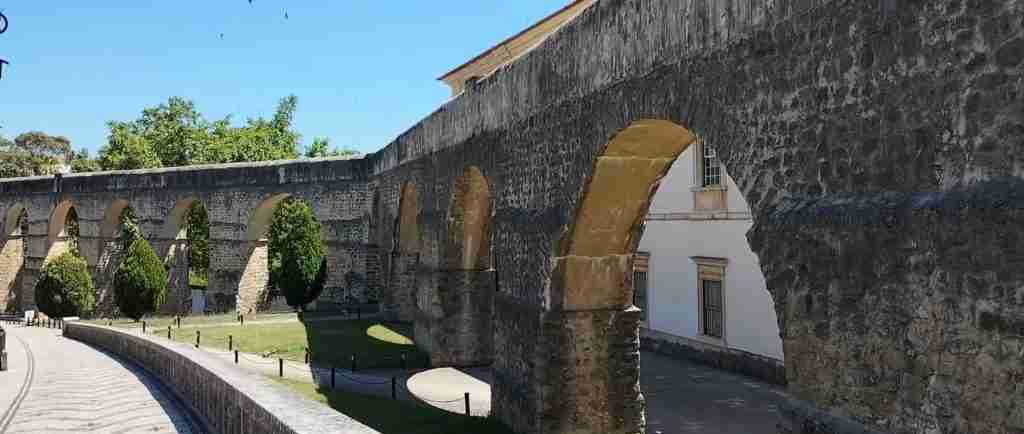
3 days
Coimbra 3-Day Discovery Tour
- ✓ Comprehensive Coimbra experience
- ✓ Expert local guides included
- ✓ All accommodation included
- ✓ Transportation provided
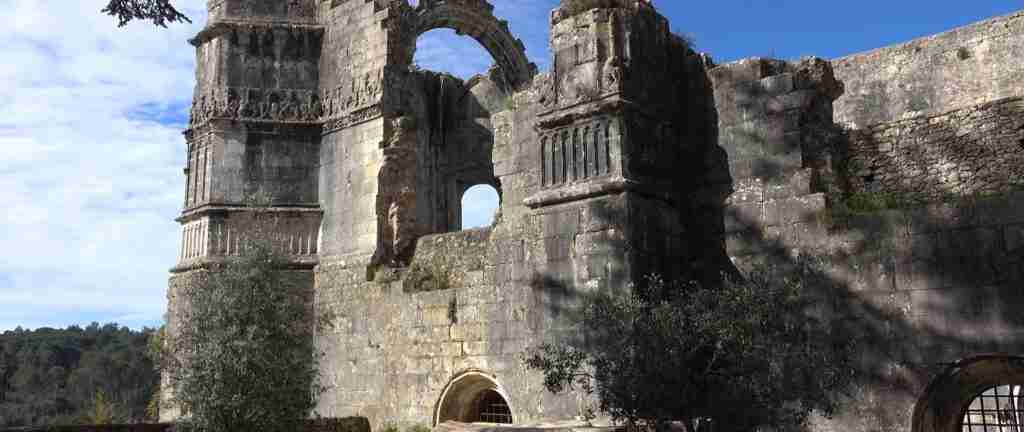
5 days
Coimbra 5-Day Highlights Experience
- ✓ Comprehensive Coimbra experience
- ✓ Expert local guides included
- ✓ All accommodation included
- ✓ Transportation provided

7 days
Coimbra 7-Day Cultural Journey
- ✓ Comprehensive Coimbra experience
- ✓ Expert local guides included
- ✓ All accommodation included
- ✓ Transportation provided
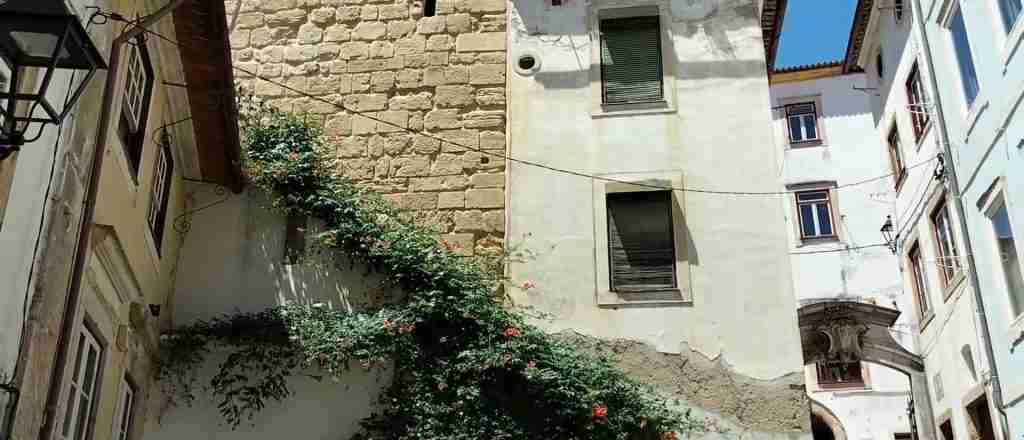
10 days
Coimbra 10-Day Complete Adventure
- ✓ Comprehensive Coimbra experience
- ✓ Expert local guides included
- ✓ All accommodation included
- ✓ Transportation provided
Multi-day tour packages powered by TourRadar. Prices and availability subject to change.
Introduction to Coimbra: Portugal’s Academic Capital
Coimbra occupies a unique position in Portugal’s cultural landscape, serving as the nation’s capital from 1139 to 1256 before political power shifted to Lisbon while academic and intellectual authority remained concentrated along the Mondego River. The University of Coimbra, established in 1290 and receiving its permanent location in the former royal palace in 1537, dominates both the city’s physical skyline and cultural identity, creating an atmosphere where academic traditions shape daily rhythms, architectural development, and local economy more thoroughly than tourism or industry. This creates a destination appealing to travelers seeking authentic Portuguese culture rather than beach resorts or international nightlife, with the university’s 25,000 students maintaining living traditions that evolved over seven centuries rather than preserved museum exhibits.
The city divides into distinct zones reflecting its layered history and topography. The Alta district crowns the hilltop, dominated by the UNESCO World Heritage university complex with its spectacular Joanina Library, royal palace rooms, ornate chapel, and astronomical tower offering panoramic river views. Below this academic citadel, the medieval Baixa lower town spreads along the riverfront, featuring 12th-century churches, Renaissance gardens, narrow cobblestone streets, and the lively commercial district where students and locals shop, dine, and gather. Across the Mondego River, the Santa Clara district showcases convents, the miniature park Portugal dos Pequenitos, and residential neighborhoods providing insight into contemporary Portuguese life beyond tourist zones. This vertical geography creates challenging but rewarding exploration, with steep ascents separating major attraction zones but delivering spectacular viewpoints and architectural discoveries impossible in flat cities.
Coimbra’s positioning between Porto and Lisbon on Portugal’s main transport corridor makes it exceptionally accessible for travelers, with express trains connecting to Porto in 70 minutes and Lisbon in 90 minutes throughout the day. This central location enables efficient itineraries visiting all three cities, with many travelers allocating 2-3 days in Coimbra between longer stays in the larger coastal cities. The surrounding region offers compelling day trip options including the Conimbriga Roman archaeological site featuring Portugal’s finest ancient mosaics, the mystical Schist Villages scattered across Lousã Mountain’s forests, and the coastal resort of Figueira da Foz with Portugal’s widest urban beach. These regional attractions extend Coimbra visits to 4-5 days for travelers exploring central Portugal comprehensively.
The academic calendar significantly impacts Coimbra’s atmosphere and visitor experience throughout 2026. The university operates from September through July, with most students present October through May excluding Christmas and Easter breaks. This creates markedly different environments between academic session months featuring packed student districts, evening Fado performances, and lively nightlife versus quiet summer months when students depart and the city assumes a more tranquil character. The Queima das Fitas celebration during the first week of May represents the academic year’s climax, with graduating students participating in traditional ceremonies, parades, concerts, and farewell rituals dating to the 19th century. This week-long festival attracts 100,000 visitors annually and showcases Portuguese student culture more authentically than any museum or tour.
Unlike Portugal’s beach-focused Algarve or cosmopolitan Lisbon, Coimbra appeals to cultural enthusiasts, history seekers, architecture admirers, and travelers interested in authentic local life rather than resort amenities or international dining. The city lacks beaches, major shopping districts, or extensive nightclub scenes, instead offering exceptional museums, historic monuments, traditional restaurants, intimate Fado venues, and the intangible atmosphere of a functioning medieval university town. This focus enables Coimbra to deliver exceptional value, with quality accommodation, dining, and experiences available at prices 30-40% below equivalent offerings in Lisbon or Porto, making it particularly appealing to budget-conscious and mid-range travelers seeking maximum cultural content per euro spent.
Understanding Coimbra’s Layout and Neighborhoods 2026
Coimbra’s dramatic topography fundamentally shapes visitor experience and accommodation decisions, with the city rising sharply from the Mondego riverbank to the university hilltop 100 meters above, creating distinct elevation zones connected by steep streets, stone staircases, and occasional bus routes. The Alta (upper town) encompasses the university district and medieval citadel, featuring the city’s most significant monuments, steepest streets, and most spectacular views. The Baixa (lower town) spreads along the river and contains most shops, restaurants, hotels, and transportation hubs, providing flat terrain for easier navigation. Santa Clara across the river offers parks, convents, and residential neighborhoods with limited tourist infrastructure but authentic local atmosphere.
The university district demands exploration despite challenging access, as the UNESCO World Heritage complex represents Coimbra’s primary attraction and most distinctive feature. The climb from lower town to university takes 15-25 minutes via various routes, with the scenic Rua Quebra Costas providing the most atmospheric ascent through medieval streets despite steep gradients and irregular stone steps. Alternative routes include gentler switchback streets adding 10 minutes to the climb, or buses departing from the lower town that deposit passengers near the university gates. The district surrounding the university offers limited accommodation but several restaurants catering to students, numerous viewpoints over the river valley, and the Botanical Garden providing respite from architectural sightseeing.
The lower town between the river and university hill concentrates most tourist infrastructure, with hotels ranging from budget to luxury, restaurants serving all price points, shopping streets, the main tourist office, and the primary transportation hub at Coimbra-A station. This zone provides flat terrain enabling easier navigation for visitors with mobility limitations, though accessing the university still requires ascending the hill via bus, taxi, or walking routes. The Santa Cruz district in the lower town features the magnificent Santa Cruz Monastery, pleasant squares with outdoor cafés, and the majority of evening dining and entertainment options frequented by both students and locals.
Accommodation selection significantly impacts daily experience based on elevation choice. Staying in the lower town near the river provides easier access to transportation, flat streets for evening strolls, proximity to diverse restaurants, and simpler navigation despite requiring uphill travel to reach the university each day. Upper town accommodation near the university delivers immediate access to primary attractions, spectacular views, and authentic medieval atmosphere but limits evening dining options and requires descending to the lower town for transportation connections and broader services. Budget travelers typically choose lower town hostels and guesthouses offering better value and services, while luxury seekers may prefer boutique properties in restored historic buildings scattered throughout both zones.
The Santa Clara district across the Mondego River attracts fewer tourists but offers worthwhile attractions including the Portugal dos Pequenitos miniature park popular with families, the New Monastery of Santa Clara containing Queen Isabel’s tomb, the partially submerged ruins of Santa Clara-a-Velha monastery, and the Quinta das Lágrimas garden where legend places Pedro and Inês’s tragic love story. This zone provides pleasant riverside walks, authentic residential neighborhoods, and perspectives on the university skyline unavailable from within the historic center. Budget-conscious travelers find limited accommodation options in Santa Clara, though the area remains easily accessible via the Santa Clara bridge and regular buses from the city center.
Orientation proves straightforward despite steep topography, as the Mondego River provides constant reference running roughly east-west through the city. The university rises unmistakably on the north bank’s hilltop, with its clock tower visible throughout the region. The main commercial street Rua Ferreira Borges and parallel Rua Visconde da Luz run along the lower town parallel to the river, connecting the train station area to the historic center. Most visitors establish the lower town around Santa Cruz Monastery as their base point, with the university visible uphill to the north, the river and bridge to the south, and the commercial district extending east toward Coimbra-A station.
University of Coimbra: UNESCO World Heritage Complex 2026
The University of Coimbra stands among Europe’s oldest continuously operating universities, founded in Lisbon in 1290 before relocating to Coimbra in 1308, returning to Lisbon in 1338, and establishing permanent residence in Coimbra’s former royal palace in 1537. This complex academic heritage combined with remarkable Baroque architecture earned UNESCO World Heritage designation in 2013, recognizing both the physical monuments and the living traditions maintained by 25,000 students across eight faculties. Visitors in 2026 encounter a functioning academic institution rather than preserved museum, with students attending classes in centuries-old buildings, utilizing the historic library for research, and maintaining traditions including black cape uniforms and ritualized ceremonies dating to the Middle Ages.
The Joanina Library represents the university’s most spectacular attraction and Portugal’s finest Baroque interior, constructed between 1717 and 1728 during King João V’s reign to house the university’s growing collection. The three interconnected rooms feature floor-to-ceiling gilded woodwork, frescoed ceilings, exotic wood tables, and approximately 60,000 volumes printed before 1800, creating an overwhelming impression of scholarly opulence. The library maintains strict conservation protocols admitting only 60 visitors at 20-minute intervals, making advance ticket purchase essential. Tours cost €65 including library access, royal palace rooms, chapel, and tower, with tickets available through official university channels or authorized tour operators. Independent visitors can purchase tickets at the university ticket office opening at 8:45 AM, though summer mornings often see all available library time slots claimed by 10 AM.
The library’s unique conservation approach employs a colony of pipistrelle bats inhabiting the space overnight, consuming insects that might otherwise damage priceless volumes. These bats depart before the library opens to visitors each morning, leaving behind guano that staff carefully remove from protective leather coverings placed over reading tables nightly. This unconventional but effective preservation system fascinates visitors while demonstrating practical solutions to conservation challenges in historic buildings. Photography prohibitions protect light-sensitive materials, though visitors receive ample time to absorb the spectacular interiors during their allocated 20-minute visit.
The Royal Palace complex surrounding the Joanina Library contains several rooms accessible during guided tours, including the Sala dos Capelos ceremonial hall where graduation ceremonies and academic events occur in the former throne room beneath 17th-century royal portraits. The Private Examination Room features remarkable azulejo tilework depicting academic themes, while the Armoury Room displays historical university regalia and ceremonial objects. These spaces maintain active use for academic purposes, with visitors sometimes encountering ceremony preparations or administrative activities emphasizing the building’s continued function beyond tourist attraction status.
The Chapel of São Miguel dates to the 16th century and showcases remarkable Manueline architecture, ornate gilded woodwork, painted ceilings, and a spectacular Baroque organ built in 1733 featuring over 2,000 pipes. The chapel hosts occasional concerts and religious services, with music performances taking advantage of the exceptional acoustics created by its stone construction and high ceiling. The chapel’s location within the university complex allows seamless integration into guided tours, though visitors can also attend public masses and concerts scheduled throughout the year.
The Clock Tower rising 34 meters above the university courtyard provides panoramic views over Coimbra, the Mondego River valley, and surrounding countryside. The tower dates to the early 18th century and originally served astronomical observation purposes, explaining its unusual lack of roof compared to similar European bell towers. Access requires climbing narrow spiral stairs, with the tower open April through October from 10:30 AM to 7 PM. The 360-degree views from the top justify the climb, particularly during golden hour before sunset when warm light illuminates the red-tiled roofs and river valley below.
The University courtyard accessed through the 17th-century Iron Gate serves as the complex’s ceremonial heart, with cobblestone pavement featuring a mosaic of the Roman goddess Minerva and surrounding arcades connecting various university buildings. This space hosts graduation ceremonies, official events, and the dramatic Queima das Fitas celebrations each May. The courtyard’s elevated position provides spectacular views over the lower town even without ascending the tower, making it a popular gathering point for students and visitors throughout the day.
Beyond the main palace complex, the university encompasses additional buildings scattered throughout the upper town, including the Sciences Faculty buildings housing specialized museums. The Science Museum occupies the former 18th-century chemistry laboratory, now restored and featuring interactive exhibits exploring scientific themes appropriate for all ages. The Natural History Museum displays remarkable collections of fossils, minerals, embalmed animals, and scientific instruments considered among Europe’s rarest and most important by the European Physical Society, with highlights including complete whale skeletons brought from Portuguese Empire expeditions during the 18th century.
Guided tours led by former students provide exceptional context and insider knowledge unavailable through independent exploration. These tours typically last 90-120 minutes and include all major university attractions with commentary covering architectural development, academic traditions, student life, and historical anecdotes. Tour guides share personal experiences from their student years, discuss contemporary university life, and explain rituals and customs maintaining continuity with medieval origins. Advance booking through official channels or authorized tour operators guarantees space and preferred departure times, particularly important during peak season when groups fill available slots days in advance.
Historic Monuments and Churches of Coimbra 2026
The Old Cathedral (Sé Velha) dominates Coimbra’s medieval quarter as Portugal’s only Romanesque cathedral surviving substantially unaltered from its 12th-century construction, with fortress-like walls, crenellated roofline, and minimal exterior decoration reflecting the military architecture common during the Reconquista period when Christian kingdoms gradually reclaimed Iberian Peninsula territories from Moorish control. The cathedral’s interior reveals remarkable Romanesque purity, with massive stone columns supporting rounded arches, limited natural light creating atmospheric gloom, and a stunning gilded altarpiece added during the Renaissance providing visual contrast to the austere architecture. The Gothic cloister added in the 13th century features elegant pointed arches, sculptural details, and peaceful atmosphere removed from the bustling streets outside.
The cathedral hosts the tombs of Portugal’s first two kings and witnessed the coronation of King Sancho I, connecting it fundamentally to Portuguese national identity and medieval political history. Modern visitors appreciate both the architectural significance and the building’s role in Coimbra’s academic traditions, as graduating students gather on the cathedral steps during Queima das Fitas week to perform traditional Fado serenades. Entry costs €3 including the main cathedral and cloister, with the building open daily except during religious services. The location in the lower town between the river and university makes it a natural stopping point during walks between these zones.
The New Cathedral (Sé Nova) replaced the Old Cathedral as the city’s main church in 1772, occupying a former Jesuit college building constructed in the late 16th century. The austere Mannerist and Baroque façade conceals an opulent gilded interior featuring remarkable woodwork, painted ceilings, and elaborate side chapels demonstrating the wealth and influence of religious orders during Portugal’s imperial period. The cathedral’s elevated position near the university provides excellent views over the lower town and makes it easily accessible during university district exploration. Entry is free though donations are encouraged, with the building open daily for visits outside mass times.
The Santa Cruz Monastery represents one of Portugal’s most important religious foundations, established in 1131 by Portugal’s first king Afonso Henriques and serving as royal pantheon for the nation’s early monarchs. The building underwent extensive 16th-century renovation adding Manueline decorative elements to the original Romanesque structure, creating a fascinating architectural palimpsest showing multiple construction periods and styles. The church features spectacular carved stone pulpit, ornate choir stalls, painted ceilings, and remarkable azulejo tile panels depicting scenes from Portuguese history. The attached cloisters display additional tilework and architectural details in peaceful settings appropriate for contemplative breaks during sightseeing.
The monastery complex includes the Café Santa Cruz occupying former monastery spaces and offering atmospheric surroundings for coffee and pastries surrounded by stone arches and historic details. This café represents Coimbra’s most distinctive coffee stop, with locals and students gathering throughout the day beneath vaulted ceilings that once housed religious services. The monastery’s location in the heart of the lower town’s commercial district makes it easily accessible and appropriate for brief visits between other activities.
The Monastery of Santa Clara-a-Velha sits partially submerged near the Mondego riverbank, victim of repeated flooding that eventually forced the Poor Clare nuns to abandon the building in 1677 and relocate to higher ground across the river. Archaeological excavation and stabilization completed in the early 21st century revealed the Gothic structure’s lower levels and created a remarkable modern interpretation center explaining the monastery’s history, the nuns’ daily life, and the ongoing conservation challenges posed by the building’s position in the flood plain. The juxtaposition of medieval ruins and contemporary architecture creates a striking visual composition, particularly when water still pools within the exposed church floor. Entry costs €6 including the interpretation center and access to the partially excavated ruins, with the complex open daily except Mondays.
The New Monastery of Santa Clara-a-Nova occupies commanding positions on hills across the river from the old monastery, built 1649-1696 to house the Poor Clare community relocated from their flood-prone original foundation. The massive building demonstrates Portuguese Baroque religious architecture at impressive scale, with the church containing the silver tomb of Queen Saint Isabel whose remains transferred here from the old monastery. The queen’s association with the miracle of roses legend makes this an important pilgrimage site, with her tomb reportedly emitting rose fragrance according to local tradition. The monastery’s elevated position provides spectacular views back across the river to the university and old town, making the crossing worthwhile even for visitors not specifically interested in religious architecture.
Museums and Cultural Attractions Coimbra 2026
The Machado de Castro National Museum occupies the former Bishop’s Palace built atop Roman Aeminium’s cryptoporticus, an impressive subterranean structure of arched galleries carved from living rock to create a level building platform on the hillside. This unique foundation makes the museum architecturally significant before considering its collections, with the Roman galleries accessible to visitors and providing atmospheric exhibition spaces for archaeological materials. The museum’s collections span Portuguese sculpture, religious art, ceramics, metalwork, and painting from medieval through modern periods, with particular strengths in Renaissance and Baroque devotional works reflecting Coimbra’s religious importance. Entry costs €6 with free admission Sunday mornings before noon, and the museum closes Mondays throughout the year.
The collections occupy multiple floors organized chronologically and thematically, allowing visitors to trace Portuguese artistic development across centuries while appreciating the palace’s architectural evolution and the Roman foundations below. Highlights include medieval stone sculptures from dissolved religious houses, ornate Renaissance altarpieces demonstrating Portuguese woodcarving excellence, and remarkable collections of Portuguese and international ceramics showing trade connections across Portuguese maritime empire. The museum requires 90-120 minutes for thorough exploration, though visitors pressed for time can focus on the Roman cryptoporticus and medieval sculpture galleries representing the most distinctive elements.
Portugal dos Pequenitos creates a miniature Portugal showcasing the nation’s architectural heritage through meticulously detailed 1:5 scale replicas of famous monuments, traditional houses, and colonial buildings from across the Portuguese-speaking world. Children delight in exploring tiny versions of Lisbon’s Belém Tower, Porto’s bridges, regional folk architecture, and former colonial structures from Angola, Mozambique, Goa, and Brazil, while adults appreciate the craftsmanship and comprehensive representation of Portuguese architectural diversity. The park includes museums displaying traditional costumes, furniture, and cultural objects from different regions, along with playgrounds and green spaces making it ideal for families with young children. Entry costs €10 for adults and €6 for children, with the complex open daily year-round and requiring 60-90 minutes for complete exploration.
The Botanical Garden spreading across 13 hectares on the hillside between the university and Mondego River represents one of Europe’s oldest scientific gardens, established in 1772 to support medical and natural science education. The gardens feature remarkable collections of exotic species brought from Portuguese colonies during the 18th and 19th centuries, including bamboo groves, palm collections, tropical greenhouses, and systematic plantings organized by botanical classification. Visitors appreciate both the scientific collections and the peaceful atmosphere, with shaded paths, water features, and secluded benches providing respite from architectural sightseeing and urban energy. Entry is free and the gardens open daily from dawn to dusk, making them excellent additions to university district exploration or standalone destinations for contemplative afternoons.
The Academic Prison located within the university complex served as detention center for students guilty of academic or disciplinary infractions from the 18th century until the 1970s, with cells preserved showing the austere conditions where students served sentences for offenses including missing classes, disrespecting professors, or participating in political activities. The prison’s continued use into the late 20th century reflects the university’s extensive autonomy and internal justice system, with access included in comprehensive university tour tickets providing glimpses into aspects of academic life beyond ceremonial spaces and libraries.
Fado de Coimbra: Authentic Musical Tradition 2026
Coimbra Fado differs fundamentally from the better-known Lisbon Fado style, performed exclusively by male students or graduates wearing traditional black capes, following stricter musical conventions, and expressing academic rather than urban working-class themes. The tradition evolved within the university community during the 19th century, with students developing distinctive musical forms, poetic conventions, and performance rituals that continue with remarkable consistency into 2026. The annual Serenata das Fitas performed during Queima das Fitas week represents the tradition’s pinnacle, with hundreds of black-caped students gathering on the Old Cathedral steps at midnight to perform mournful farewells to student life and unrequited loves.
Multiple venues throughout Coimbra offer Fado performances year-round, with quality varying significantly between tourist-oriented dinner shows and intimate performances attracting knowledgeable local audiences. Fado ao Centro operates as a cultural association presenting daily shows in the historic center, with performances around €19 including exhibition access explaining Coimbra Fado’s history and traditions. The venue maintains high standards requiring performers to demonstrate authentic connection to the tradition rather than simply entertaining tourists, though the central location and accessible pricing create inevitable tourist presence. Shows last approximately 50 minutes with explanations provided in Portuguese, English, and other languages depending on audience composition.
Several restaurants combine dinner service with Fado performances, offering complete evenings of food, wine, and music at prices ranging €25-50 depending on venue quality and menu selections. These dinner shows provide convenient cultural experiences for visitors unwilling to navigate separate dining and entertainment arrangements, though purists consider the format overly commercialized compared to performance-focused venues. Advance reservations prove essential during peak season, with popular venues filling days ahead particularly during academic session months when student participation adds authenticity.
The most authentic Fado experiences occur spontaneously in student bars and traditional venues throughout the academic year, particularly Thursday through Saturday evenings when students gather after classes and exams. These informal performances lack fixed schedules or tourist-friendly explanations but provide genuine glimpses into living traditions maintained by participants rather than performers. Visitors comfortable approaching strangers in bars can inquire about Fado happening that evening, though respect for the music’s solemnity and emotional depth requires appropriate behavior including silence during performances and restraint from photography or recording.
Understanding basic Fado etiquette enhances appreciation and acceptance at performances. Audiences remain completely silent during songs, with conversations, phone usage, and movements forbidden until performers complete each piece and acknowledge applause. Photography and recording generally require explicit permission, with many venues prohibiting both to maintain atmosphere and protect performers’ rights. Traditional Fado greeting involves applause following each song rather than during performances, though standing ovations and enthusiastic appreciation suit particularly moving pieces. Requesting specific songs or dedicating performances follows established protocols varying by venue, with some accepting written requests while others maintain fixed programs determined by performers.
The university’s academic calendar significantly impacts Fado availability and quality, with performances most frequent and authentic during academic session months when student performers remain in Coimbra. Summer months see reduced activity and increased reliance on professional performers rather than students, altering the music’s character despite maintained technical quality. Visitors prioritizing authentic Fado experiences should plan visits during academic session, particularly October through May excluding Christmas and Easter breaks when student presence reaches peak levels.
Day Trips and Excursions from Coimbra 2026
Conimbriga archaeological site preserves Portugal’s finest Roman ruins and mosaics, located 16 kilometers south of Coimbra near the village of Condeixa-a-Nova. The ancient city served as major regional center during Roman occupation, with excavated remains including remarkable floor mosaics, house foundations, defensive walls, and public baths demonstrating sophisticated urban planning and artistic achievement. The site museum displays artifacts recovered from excavations including sculptures, coins, ceramics, and household objects illuminating daily life during the Roman period. Combined site and museum entry costs €5, with buses departing Coimbra several times daily making independent visits feasible without car rental. Visitors should allocate 3-4 hours for comprehensive exploration including travel time, making Conimbriga an excellent half-day excursion particularly for travelers interested in classical archaeology.
The Schist Villages (Aldeias do Xisto) scatter across the Serra da Lousã mountain range 35-50 kilometers east of Coimbra, comprising traditional hamlets constructed entirely from dark schist stone and recently revitalized through sustainable tourism initiatives. The villages occupy dramatic hillside locations surrounded by forests of pine, chestnut, oak, and beech, with narrow stone paths connecting terraced houses, tiny chapels, and communal ovens. Talasnal, Casal de São Simão, and Janeiro de Cima represent the most accessible and photogenic villages, each maintaining distinctive character while offering walking trails, traditional restaurants, and occasional guesthouses for overnight stays. The villages lack public transportation connections requiring car rental or organized tours, with full-day excursions allowing visits to 2-3 villages combined with hiking, photography, and traditional meal experiences.
Figueira da Foz beach resort sits 40 kilometers west of Coimbra at the Mondego River mouth, featuring one of Europe’s widest urban beaches stretching 2 kilometers with powdery sand backed by modern promenade, hotels, and entertainment facilities. The beach attracts Portuguese families during summer months and remains Portugal’s traditional seaside escape for Coimbra residents, offering complete contrast to the city’s academic atmosphere and architectural focus. Regular trains connect Coimbra to Figueira da Foz in approximately 75 minutes costing €4-6, making beach day trips feasible during hot summer weather. The town offers minimal cultural attractions beyond the beach itself, though the casino, restaurants, and bars provide evening entertainment for visitors choosing overnight stays.
The Bussaco Forest and Palace occupy protected woodland 30 kilometers north of Coimbra, featuring remarkable tree collections including giant sequoias and exotic species planted by Carmelite monks who occupied the site from the 17th to 19th centuries. The forest provides peaceful hiking trails, hidden chapels, and springs while the extravagant neo-Manueline palace built 1888-1907 now operates as luxury hotel showcasing remarkable decorative arts. Day visitors can explore the forest freely and admire the palace exterior and public spaces, with guided tours available revealing the building’s spectacular interiors. Buses connect Coimbra to nearby Luso town requiring short taxi ride to reach Bussaco, though car rental simplifies access and enables combined visits to surrounding attractions.
Porto lies just 120 kilometers north connected by frequent express trains taking 70 minutes and costing €5-19 depending on train type and advance booking. The journey makes Porto feasible as very long day trip though most travelers prefer overnight stays to explore Portugal’s second city thoroughly. The Alfa Pendular express trains provide fastest service departing approximately hourly, while slower regional and intercity services offer budget alternatives taking 90-120 minutes. All trains require changing at Coimbra-B station located 3 kilometers from the city center, with free connecting buses coordinating with train arrivals and departures.
Lisbon sits 200 kilometers south accessible by Alfa Pendular express trains taking 90 minutes and costing €10-26 depending on booking timing and class selection. The proximity enables ambitious travelers to visit Lisbon as extended day trip though overnight stays prove more practical for meaningful exploration. Multiple daily departures provide scheduling flexibility, with advance booking through Portuguese Railways (CP) website securing lowest fares. The train journey follows the Mondego River valley and Atlantic coastal plain, offering pleasant scenery particularly during spring when wildflowers bloom.
Accommodation in Coimbra 2026: Budget to Luxury Options
Coimbra offers accommodation across all budget ranges with significantly better value than Lisbon or Porto, with quality options available from €25 hostel dormitory beds through €200 luxury boutique hotels. The compact city center concentrates most tourist accommodation in the lower town within walking distance of the train station, shopping streets, and riverside, though a few properties occupy upper town locations near the university trading convenience for spectacular views. Peak season from June through August sees rates increase €40-80 per room compared to shoulder season, with advance booking essential during academic events particularly Queima das Fitas week in early May when accommodation throughout the city fills weeks ahead.
Budget travelers find excellent value in Coimbra’s hostel sector, with properties offering dormitory beds €25-40 and private rooms €50-75 in well-maintained facilities featuring communal kitchens, social areas, and knowledgeable staff providing touring advice. Serenata Hotel and Hostel combines hostel pricing with hotel services in restored historic building near the university, offering dormitories €30-40 and private rooms €60-85 with breakfast included and rooftop terrace providing city views. The Lugage offers modern pod-style dormitories €28-38 focusing on privacy and quiet compared to traditional hostel environments, with designer interiors and central location appealing to style-conscious budget travelers. Guest houses and budget hotels fill the €40-70 price range, with properties like Residencial Infante Dom Henrique and Hotel Domus providing simple but clean accommodations with private bathrooms and basic breakfast service in historic buildings maintaining period character.
Mid-range hotels dominate Coimbra’s accommodation market, with €80-145 securing comfortable rooms in well-located properties offering modern amenities, quality breakfast buffets, and professional service standards. Hotel Vitoria occupies restored building in the lower town with spacious rooms €85-120, traditional decor maintaining period atmosphere, and central location enabling easy walking to attractions. Vila Galé Coimbra represents modern comfort with €100-145 rates including contemporary design, business facilities, on-site restaurant, and efficiency appealing to both business and leisure travelers. Hotel Oslo provides 3-star comfort at €75-110 with pet-friendly policies, family facilities, and positioning near both train station and historic center. Boutique properties like Sapientia Hotel offer distinctive experiences at €95-130, with stylish contemporary design, rooftop terraces, personalized service, and locations in restored historic buildings.
Luxury accommodation remains limited compared to larger cities but delivers exceptional value, with €120-200 securing boutique properties, historic palaces, or modern luxury hotels that would cost €250-400 in Lisbon. Quinta das Lágrimas represents Coimbra’s premier luxury property, occupying palace and gardens associated with Pedro and Inês legend with rates €160-280 including spa facilities, fine dining restaurant, historic atmosphere, and extensive grounds providing peaceful retreat despite proximity to city center. The Hotel Astoria combines Belle Époque grandeur with Mondego River views at €130-220, featuring elegant public spaces, traditional service, and central location appealing to travelers seeking historic atmosphere with modern comfort.
Apartment rentals provide excellent value for longer stays, families, or groups, with one-bedroom properties available €50-90 nightly and two-bedroom apartments €80-140 depending on location and amenities. Properties in the lower town near shopping streets and restaurants offer convenience while upper town locations near the university provide atmosphere and views compensating for reduced dining options and steeper approaches. Parking proves challenging in the historic center with most hotels lacking dedicated facilities, making locations near paid parking lots or with included spaces valuable for drivers despite slightly higher rates.
Booking timing significantly impacts availability and pricing, with winter months November through March offering lowest rates and abundant availability while summer months require advance reservations and command premium prices. Queima das Fitas week in early May represents the year’s tightest accommodation market, with the city’s entire inventory typically selling out weeks ahead and prices increasing 50-100% above normal rates. Travelers unable to secure Coimbra accommodation during this week can consider staying in nearby towns like Lousã, Miranda do Corvo, or even Figueira da Foz, accessing the city via public transportation for daytime activities.
Dining and Cuisine in Coimbra 2026
Coimbra’s culinary scene reflects central Portugal’s agricultural abundance and traditional cooking methods, with local specialties including chanfana (slow-cooked goat stew), leitão (suckling pig roasted in wood ovens), lamprey eels during spring season, and arroz de cabidela (rice cooked in poultry blood). The substantial student population maintains traditional tascas serving hearty portions at affordable prices alongside contemporary restaurants offering modern interpretations of regional cuisine. Prices remain notably lower than Lisbon or Porto, with excellent meals available €8-15 at traditional establishments and €20-35 at quality restaurants representing equivalent €15-25 and €35-50 experiences in larger cities.
Traditional tascas represent Coimbra’s greatest dining value, with these informal establishments serving authentic regional dishes at prices appealing to students and budget-conscious locals. Zé Manel dos Ossos achieves legendary status despite tiny size and no-reservations policy, with queues forming before lunch and dinner service for access to exceptional chanfana, grilled meats, and rustic atmosphere at €10-20 per person. Tasca do Museu occupies a small space near the Machado de Castro Museum serving traditional dishes €9-16 with generous portions and local wine selection. Adega Típica Regional showcases central Portuguese home cooking at €12-18, with daily specials reflecting seasonal ingredients and traditional preparation methods.
The prato do dia (dish of the day) offered at traditional restaurants represents exceptional value, typically providing soup, main course, dessert or coffee, and drink for €8-12 during weekday lunch service. These set menus enable budget travelers to enjoy substantial traditional meals for minimal expense, with quality often equaling or exceeding more expensive à la carte offerings. Portions satisfy substantial appetites, with main courses frequently featuring proteins, starches, and vegetables in quantities reflecting working-class expectations rather than contemporary dietary trends.
Contemporary restaurants elevate regional ingredients and traditional dishes through modern techniques and presentation, with venues like Arcada within Hotel Astoria offering refined dining €25-40 in elegant surroundings. These establishments attract both locals celebrating special occasions and visitors seeking elevated Portuguese cuisine without excessive pretension or pricing. Wine lists emphasize regional selections from Bairrada and Dão denominations, with knowledgeable staff guiding appropriate pairings.
The Bairrada wine region adjacent to Coimbra produces distinctive sparkling wines and robust reds from the Baga grape variety, with many restaurants offering house wines directly from small producers at exceptional prices €8-15 per bottle. These local wines provide authentic regional experience impossible to replicate through internationally distributed brands, with servers often possessing personal knowledge of producers and vineyards. Restaurants may offer wine by the jug or carafe at even lower prices, continuing traditional service styles predating modern bottling conventions.
Cafés throughout Coimbra serve coffee and pastries throughout the day, with the most atmospheric venues occupying historic buildings like Café Santa Cruz in the former monastery. Traditional Portuguese breakfast consists of coffee with milk and bread, toast, or pastries, rarely exceeding €3-5 even in tourist-focused establishments. The pastel de nata egg custard tart available throughout Portugal costs €1-2 in Coimbra cafés, providing sweet afternoon energy during sightseeing breaks.
Self-catering through supermarkets and markets enables maximum food budget control, with Pingo Doce and Continente chains offering fresh bread €1-2, cheese €4-8 per 200 grams, Portuguese cured meats €5-9 per 200 grams, fruit €1-3 per kilogram, and prepared meals €3-6. The municipal market in the lower town provides superior produce, regional products, and atmospheric shopping environment at marginally higher prices than supermarkets. Travelers staying in apartments or hostels with kitchen facilities can prepare meals for €15-25 daily compared to €35-60 restaurant spending.
Tipping practices in Portugal remain moderate, with 5-10% appropriate for good service in restaurants while cafés and tascas expect only rounding up bills or leaving small change. Service charges occasionally appear on bills particularly in tourist-focused establishments, with additional tipping unnecessary when service has been included. Portuguese dining culture emphasizes leisurely meals with multiple courses and wine, contrasting with rushed service common in some tourist destinations.
Transportation and Getting Around Coimbra 2026
Coimbra’s compact historic center enables walking as primary transportation method, with most attractions accessible on foot despite steep topography creating elevation challenges between lower town and university district. The SMTUC municipal bus system provides comprehensive coverage throughout the city and surrounding areas, with single tickets €1.60 purchased on board or day passes €3.50 offering unlimited travel. The rechargeable Anda card reduces per-trip costs below €1 and eliminates need for exact change, available at kiosks throughout the city with €5 initial credit purchase. Most useful bus routes connect the lower town to university district, shopping centers, and residential neighborhoods, with frequency varying from 15-minute intervals on primary routes to hourly service on peripheral lines.
The main train station Coimbra-A sits in the lower town near the historic center, serving regional trains and providing free connecting bus services to Coimbra-B station 3 kilometers outside the city where express trains stop. This two-station system confuses first-time visitors, though clear signage and coordinating bus schedules minimize difficulties. Express Alfa Pendular and Intercidade trains require reservations and stop only at Coimbra-B, with passengers transferring to free connecting buses completing journeys to the city center. Regional trains serve both stations with Coimbra-A providing more convenient access to accommodation and attractions.
Train connections link Coimbra to major Portuguese cities throughout the day, with Porto accessible in 70 minutes via Alfa Pendular costing €19 or 90-120 minutes via slower services at €5-12. Lisbon sits 90 minutes away via express trains costing €10-26 depending on advance booking and service class. Portuguese Railways (CP) operates all services with tickets available through website, mobile app, station ticket offices, or self-service machines. Advance booking secures lowest fares particularly for express services, with same-day tickets commanding premium prices.
Intercity buses provide budget alternatives to train travel, with companies like Rede Expressos and Flixbus offering services to Lisbon €8-14 and Porto €5-10 taking 2-3 hours depending on route and stops. The bus station occupies less central location than Coimbra-A train station requiring 15-minute walk or local bus connection to reach the historic center. Bus travel delivers slower journeys than express trains but substantially lower fares appealing to budget-conscious travelers, with online booking available through company websites several weeks ahead.
Taxis and ride-sharing services operate throughout Coimbra, with metered taxis charging €5-12 for trips within the city center and to nearby attractions. The steep streets between lower town and university justify taxi use for mobility-limited travelers or those unwilling to tackle the climb on foot. Ride-sharing apps function with limited availability compared to larger cities, though traditional taxi stands provide reliable service throughout the day and evening. Airport transfers to Porto or Lisbon airports cost €80-120 depending on distance and scheduling, with advance booking recommended for early morning departures.
Car rental proves unnecessary for Coimbra city exploration but enables convenient access to regional attractions like Schist Villages, Bussaco Forest, and coastal areas lacking public transportation. Major international rental companies maintain offices near the train station and in commercial districts, with daily rates €25-50 depending on vehicle category and booking timing. Parking proves challenging in the historic center with narrow streets prohibiting access and limited legal parking spaces commanding premium hourly rates. Hotels often lack dedicated parking requiring guests to utilize public lots or street parking when available.
Bicycle rental and electric scooters provide alternative transportation options, though Coimbra’s steep topography limits practical cycling to riverside paths and flat lower town streets. The hills separating major attraction zones make bikes impractical for comprehensive sightseeing despite the short linear distances involved. Electric scooters available through smartphone apps partially address elevation challenges but face restrictions on sidewalk riding and storage in crowded tourist areas.
Daily Budget Breakdown Coimbra 2026
Budget-conscious travelers visiting Coimbra spend €60-85 per person daily covering hostel accommodation, meals at traditional tascas, local transportation, and free or low-cost attractions. This budget enables comfortable exploration without severe sacrifices, with strategic choices maximizing value while maintaining quality experiences. Accommodation consumes the largest expense at €30-40 for hostel dormitory beds in well-maintained facilities with communal kitchens, social spaces, and central locations. Hostel private rooms cost €50-75 though budget travelers typically share dormitories accepting reduced privacy for significant savings.
Food costs for budget travelers range €21-32 daily combining self-catered breakfast, affordable lunch at traditional tasca, and economical dinner balancing restaurant meals with supermarket provisions. Breakfast costs €3-5 purchasing bread, cheese, fruit, and coffee from supermarkets or bakeries, while lunch prato do dia specials at tascas provide soup, main course, dessert, and drink for €8-12. Dinner options include simple meals at casual restaurants €10-15 or self-catered options utilizing supermarket purchases for €5-8. This food budget allows one substantial restaurant meal daily plus lighter self-catered options rather than eliminating restaurant experiences entirely.
Transportation costs remain minimal at €3-4 daily using SMTUC day passes €3.50 for unlimited bus travel or purchasing single tickets €1.60 as needed. Budget travelers maximize walking despite steep hills, reserving buses for specific climbs or distant attractions. The compact historic center enables foot access to most major sites, with patient climbing replacing paid transportation except during extreme heat or when carrying luggage.
Attraction costs average €5-10 daily focusing on free experiences including Botanical Garden, riverside walks, historic street exploration, and window-shopping while selectively visiting paid sites. The university tour represents the primary paid attraction at €65, requiring budget allocation over multiple days through advance savings or accepting this single splurge disrupting otherwise consistent spending. Budget travelers can reduce costs further by skipping guided university tours and exploring freely accessible areas though missing the Joanina Library interior that justifies most visits.
Mid-range travelers invest €110-190 per person daily for comfortable hotels, quality restaurant meals, comprehensive attraction access, and convenient transportation. Accommodation consumes €40-73 per person assuming two sharing hotel rooms costing €80-145 nightly, with comfortable properties offering private bathrooms, quality bedding, included breakfast buffets, and professional service. These hotels occupy central locations within walking distance of attractions while providing elevators, luggage storage, and tourism information services valuable for efficient exploration.
Dining costs for mid-range travelers total €48-72 daily covering breakfast at hotel or quality café, lunch at good traditional restaurant, and dinner at contemporary or upscale establishment. Breakfast costs €8-12 whether included in hotel rates or purchased at cafés, while lunch at quality restaurants averages €15-25 for main courses, drinks, and desserts. Dinner represents the day’s primary meal at €25-35 for complete service with wine, appetizers, and leisurely pace appropriate to Portuguese dining culture. This budget enables daily restaurant meals at mix of traditional tascas and contemporary venues without financial stress or menu limitations.
Transportation expenses average €4-8 daily combining walking as primary movement method with occasional buses, taxis for steep climbs, and day trip transportation to nearby attractions. Mid-range travelers purchase SMTUC day passes for convenience rather than monitoring individual rides, and utilize taxis €5-10 when weather, timing, or fatigue make walking impractical. Day trips to Conimbriga or other regional sites add bus or tour costs €10-25 depending on destination and transportation choice.
Attraction costs range €20-35 daily covering comprehensive access to paid sites including university guided tours €65, museums €5-10, and specialized experiences like Fado performances €19-40. Mid-range budgets enable visiting all desired attractions without selective prioritization required by budget constraints, with guided tours, audio guides, and premium time slots available rather than relying on independent exploration or off-peak access. This comprehensive approach maximizes educational value and experiential depth justifying the moderate additional expense over budget alternatives.
Luxury travelers allocate €200-315 per person daily for boutique accommodations, fine dining, private guides, premium experiences, and maximum convenience. Accommodation costs €60-100 per person assuming two sharing luxury properties €120-200 nightly, with boutique hotels, historic palaces, or modern luxury establishments offering designer interiors, exceptional service, spa facilities, and distinctive character impossible in standard hotels. These properties provide concierge services, in-room amenities, and atmospheric public spaces enhancing overall experiences beyond simple lodging function.
Dining consumes €90-135 daily covering upscale breakfast, refined lunch, and fine dining experiences showcasing regional cuisine at highest quality levels. Breakfast costs €15-20 at luxury hotels or premium cafés, while lunch at contemporary restaurants averages €30-45 for creative menus, quality wines, and elegant presentations. Dinner represents the day’s culinary highlight at €45-70 for multi-course tasting menus, premium wine pairings, and refined service in atmospheric settings. This budget enables exploring Coimbra’s emerging fine dining scene without price consciousness limiting selections or wine choices.
Transportation costs average €10-20 daily relying primarily on taxis, private transfers, and premium tour transportation rather than public buses or extensive walking. Luxury travelers prioritize convenience and time efficiency over cost savings, with taxis readily available for short trips and private vehicles arranged for day excursions. This approach eliminates logistical stress and physical fatigue enabling maximum focus on experiences rather than transportation mechanics.
Attraction expenses range €40-60 daily covering private guided tours, premium experiences, VIP access, and specialized activities unavailable to general visitors. Luxury budgets enable hiring expert private guides €100-150 for half-day personalized university tours, arranging exclusive wine tastings at premier Bairrada producers, and accessing special exhibitions or performances requiring advance arrangements. This investment delivers educational depth, personalized attention, and unique access justifying premium costs for discerning travelers.
Sample Itineraries for Coimbra 2026
Budget-Focused Three-Day Coimbra Itinerary
Day 1 – University and Upper Town: Begin at Coimbra-A station collecting tourist maps and information, then walk to historic center via Rua Ferreira Borges exploring commercial district and Santa Cruz Monastery (free entry). Coffee and pastel de nata at Café Santa Cruz €3. Climb Rua Quebra Costas to university district appreciating medieval architecture and viewpoints along the route. Explore university courtyard and exterior buildings (free), visit Old Cathedral €3, and tour Botanical Garden (free entry). Pack picnic lunch from supermarket €6 consuming in garden setting. Afternoon explores Science Museum €6 and Natural History Museum €6 before descending to lower town. Dinner at budget tasca €12. Evening stroll along Mondego riverfront. Total: approximately €36 per person.
Day 2 – Lower Town and Cultural Experiences: Early morning visit to municipal market appreciating local products and atmosphere (free), then breakfast at café €4. Explore Machado de Castro Museum including Roman cryptoporticus €6. Lunch prato do dia at traditional restaurant €10. Afternoon visits Monastery of Santa Clara-a-Velha €6 and Portugal dos Pequenitos €10. Return to hotel for rest before evening Fado performance at Fado ao Centro €19. Light dinner from supermarket provisions €6. Total: approximately €61 per person.
Day 3 – Conimbriga Day Trip: Take morning bus to Conimbriga archaeological site €5 round-trip, exploring Roman ruins and museum €5. Pack lunch from supermarket €6. Return afternoon for final university district exploration focusing on previously missed areas. Early dinner at budget restaurant before departure €12. Total: approximately €28 per person.
Three-Day Budget Total: Approximately €125 per person plus accommodation €90-120 for three nights in hostel dormitory, totaling €215-245 complete budget.
Mid-Range Five-Day Comprehensive Itinerary
Day 1 – Arrival and Lower Town Orientation: Arrive mid-morning and check into hotel. Lunch at quality restaurant €20. Afternoon explores Santa Cruz Monastery, commercial streets, and riverfront familiarizing with city layout. Coffee break overlooking river €5. Dinner at traditional tasca €28. Evening stroll and early rest. Total: approximately €53 per person plus accommodation.
Day 2 – University Deep Dive: Reserved 9 AM guided university tour including Joanina Library €65. Tour lasts 2 hours covering all major university attractions. Lunch at restaurant near university €22. Afternoon visits Science Museum €6, explores Botanical Garden, and climbs clock tower for views. Return to hotel for rest. Dinner at contemporary restaurant €32. Total: approximately €125 per person plus accommodation.
Day 3 – Museums and Cultural Immersion: Morning visit Machado de Castro Museum €6. Lunch with city views €25. Afternoon explores Old Cathedral €3, New Cathedral (free), and wanders medieval streets discovering hidden viewpoints. Coffee and pastries at historic café €6. Evening Fado performance with dinner €45. Total: approximately €85 per person plus accommodation.
Day 4 – Regional Excursion: Full-day organized tour to Schist Villages including transportation and guide €75. Traditional lunch included in tour price. Return evening for dinner at hotel restaurant €30. Total: approximately €105 per person plus accommodation.
Day 5 – Monasteries and Departure Preparation: Morning visits Monastery of Santa Clara-a-Velha €6 and Santa Clara-a-Nova exploring riverside Santa Clara district. Lunch at neighborhood restaurant away from tourist areas €18. Afternoon Portugal dos Pequenitos with family-friendly activities €10. Final dinner at favorite restaurant discovered earlier in trip €30. Total: approximately €64 per person plus accommodation.
Five-Day Mid-Range Total: Approximately €432 per person plus accommodation €400-725 for five nights in comfortable hotel (two sharing), totaling €832-1,157 complete budget.
Luxury Three-Day Cultural Immersion
Day 1 – Refined Introduction: Private transfer from Porto or Lisbon €100 per person. Check into Quinta das Lágrimas luxury property. Late lunch at hotel restaurant €45. Afternoon private guided walking tour of lower town and university exterior €50 per person. Spa treatment €80. Dinner at Arcada fine dining €70. Total: approximately €345 per person plus accommodation.
Day 2 – Academic and Culinary Excellence: Private guided university tour with former student focusing on architecture and academic traditions €75 per person. Lunch at contemporary restaurant €50. Afternoon wine tasting experience at premium Bairrada producer including transportation €85 per person. Return for hotel rest and preparation. Evening combines intimate Fado performance €40 with dinner at traditional restaurant elevated by sommelier wine pairings €65. Total: approximately €315 per person plus accommodation.
Day 3 – Regional Exploration and Departure: Private vehicle and guide for Conimbriga archaeological site and Schist Villages exploration €150 per person including gourmet picnic lunch. Return afternoon for final hotel amenities and preparation. Farewell dinner at hotel showcasing regional specialties €75. Late evening private transfer to airport €100 per person. Total: approximately €325 per person plus accommodation.
Three-Day Luxury Total: Approximately €985 per person plus accommodation €480-840 for three nights in luxury property (two sharing), totaling €1,465-1,825 complete budget.
Best Time to Visit Coimbra: Seasonal Guide 2026
April through June represents Coimbra’s optimal visiting window, combining ideal weather conditions, manageable crowds, and the spectacular Queima das Fitas student celebration in early May. Spring temperatures range 15-25°C enabling comfortable all-day walking despite the city’s steep topography, with minimal rainfall and extended daylight hours supporting leisurely sightseeing schedules. The university maintains active session during these months creating authentic academic atmosphere with students attending classes, gathering in cafés, and performing traditional Fado in evening venues. April sees cherry blossoms blooming throughout parks and gardens while May delivers reliably sunny days perfect for outdoor exploration and riverside walks.
The Queima das Fitas celebration during the first week of May transforms Coimbra into Portugal’s liveliest student festival, with week-long ceremonies, parades, concerts, and traditional rituals marking academic year completion. Graduating students wearing black capes participate in midnight Fado serenades on the Old Cathedral steps, elaborate parade floats satirizing academic life and contemporary politics, and ritual burnings of faculty ribbons symbolizing freedom from student obligations. The festival attracts 100,000 visitors annually creating exceptional atmosphere but also driving accommodation prices up 50-100% and requiring advance bookings weeks ahead. Cultural enthusiasts prioritizing authentic Portuguese student traditions should plan visits specifically targeting this week despite logistical challenges and premium costs.
September through October provides equally excellent visiting conditions as autumn shoulder season, with temperatures remaining mild 18-24°C, summer crowds dissipating, and hotel rates dropping €40-80 per night below peak season levels. The university reopens in late September bringing students back to city and revitalizing the academic atmosphere absent during summer months. September often delivers Portugal’s most stable weather with minimal rainfall and consistent sunshine, while October sees occasional showers but fewer tourists and authentic local rhythms as Portuguese residents return from August beach holidays. These months enable experiencing Coimbra as functioning university city rather than summer tourist destination.
Summer months July and August bring guaranteed sunshine and maximum temperatures 25-35°C but also peak tourist crowds, highest accommodation rates, and the university’s summer closure removing students from city life. The absence of academic activity fundamentally alters Coimbra’s character, with quiet student districts, reduced Fado performances, and atmosphere more resembling preserved historic site than living academic community. Heat makes the steep climbs between lower town and university district particularly challenging during midday hours, requiring early morning or late afternoon sightseeing schedules. Despite these drawbacks, summer provides reliable weather for travelers unable to visit during shoulder seasons, with longer daylight hours enabling extended sightseeing and evening riverside dining.
Winter months November through March deliver Coimbra’s lowest prices with mid-range hotel rooms dropping to €60-90 versus €100-145 during summer peaks, though rain falls 10-15 days monthly and some attractions maintain reduced hours or close entirely. December through February temperatures range 8-15°C requiring layers and rain protection but rarely reaching freezing levels. The university maintains active session November through mid-December and February through May, with Christmas break mid-December through January and brief exam periods reducing student presence. Budget travelers willing to accept occasional rain and cooler temperatures find exceptional value during winter months, with quality accommodation and restaurant meals available at prices 40-50% below summer rates.
The academic calendar fundamentally shapes Coimbra’s visitor experience throughout 2026, with the city assuming markedly different characters during term time versus vacation periods. October through May brings students to streets, cafés, and evening venues creating vibrant atmosphere and authentic academic traditions. The Christmas break mid-December through early January and Easter week create quiet periods when students depart for family holidays despite the university technically remaining in session. Summer months June through September see complete student absence transforming Coimbra into quieter historic town relying on tourism rather than academic life for economic activity.
Specific events throughout 2026 merit consideration when planning visits. The Queima das Fitas festival dominates early May with specific dates announced by the Academic Association several months ahead, typically spanning Thursday through following Tuesday. Academic ceremonies, cultural performances, and traditional Fado events occur throughout the year following university calendar, with graduation ceremonies particularly atmospheric during summer months when families gather celebrating student achievements in historic university spaces. Religious festivals including Easter and Corpus Christi feature processions and special masses at major churches, with the latter creating particularly elaborate celebrations in June.
Practical Travel Tips for Coimbra 2026
Comfortable walking shoes prove essential for Coimbra exploration given the city’s steep topography and cobblestone surfaces throughout historic areas. The climb from lower town to university district involves sustained uphill walking on irregular stone steps and sloping streets, with proper footwear preventing slips, reducing fatigue, and enabling confident navigation. Athletic shoes or hiking boots suit the terrain better than fashion footwear, though many visitors successfully manage the hills in comfortable walking sandals during warm weather. The vertical distance creates surprising physical demands despite short linear measurements, with the 15-25 minute climb from river level to university hilltop equivalent to ascending 10-story building.
Advance booking for university tours including Joanina Library access prevents disappointment and enables preferred time slots, as only 60 visitors enter the library at 20-minute intervals creating limited daily capacity. Summer mornings often see all available library spots claimed by 10 AM when independent travelers arrive at the ticket office, forcing either acceptance of afternoon time slots or complete inability to enter the library that day. Purchasing tickets online through official university channels or authorized tour operators guarantees access and allows scheduling around other planned activities. Morning time slots generally prove preferable as afternoon heat makes the steep university approach more challenging during summer months.
Portuguese dining schedules differ from some other European countries and North American patterns, with lunch service typically 12:30-3 PM and dinner 7:30-10 PM at restaurants. Traditional tascas may close during mid-afternoon between lunch and dinner services, while contemporary restaurants maintain continuous service. Breakfast options remain limited before 9 AM as cafés and restaurants gear toward mid-morning coffee breaks rather than early meals. Travelers maintaining rigid meal schedules may need adjusting expectations or utilizing supermarket provisions when restaurant hours don’t align with hunger patterns.
Credit cards achieve widespread acceptance in hotels, restaurants, and major attractions though some traditional tascas, small shops, and markets operate cash-only. ATMs throughout the city dispense euros at reasonable exchange rates, with machines located in commercial districts, near major attractions, and shopping areas. Withdrawing larger amounts reduces per-transaction fees though carrying excessive cash creates security concerns. The contactless payment systems increasingly common throughout Europe function reliably in Coimbra’s modern establishments though traditional venues may lack necessary equipment.
Language barriers rarely create serious difficulties as tourism professionals, younger residents, and university students generally speak functional English. However, basic Portuguese phrases enhance interactions and demonstrate cultural respect, with greetings, please/thank you, and simple requests easily learned. Older residents and traditional restaurant staff may speak limited English, with patience and good humor bridging communication gaps. Restaurant menus increasingly include English translations though traditional tascas may offer Portuguese-only menus requiring translation apps or adventurous ordering. The substantial international student population means English speakers remain common throughout university district and student-frequented areas.
Safety concerns remain minimal in Coimbra compared to larger European cities, with violent crime exceptionally rare and petty theft less common than Lisbon or Porto. Standard precautions including securing valuables, maintaining awareness in crowded areas, and avoiding isolated locations late at night prove sufficient. The steep topography creates additional nighttime challenges as poorly lit staircases and sloping streets increase fall risks, with extra caution warranted after alcohol consumption. Solo travelers including women generally report feeling safe throughout the city, though common-sense awareness applies particularly in quiet areas after midnight.
Tap water throughout Coimbra meets high quality standards and remains perfectly safe for drinking, with Portuguese water quality among Europe’s best. Restaurants automatically serve bottled water when patrons request “água” though specifying “água da torneira” (tap water) secures free water if preferred. Many visitors purchase bottled water from supermarkets for convenience during sightseeing despite tap water’s potability, with 1.5-liter bottles costing €0.50-1.
Public restrooms exist throughout the historic center in museums, cafés, restaurants, and some public buildings, though standalone facilities remain uncommon. Purchasing coffee or beverage at café grants restroom access as social convention dictates, with establishments generally accommodating reasonable requests even without purchases. Museums and major attractions include restroom facilities as standard amenities included in entry fees. Travelers uncomfortable with European-style squat toilets will find conventional seated toilets throughout Coimbra in all modern facilities.
The Portuguese siesta custom affects some businesses particularly during summer months, with shops, offices, and services potentially closing 1-4 PM for extended lunch breaks before reopening until 7-8 PM. This pattern proves less common in tourist-oriented businesses and larger establishments but remains standard in traditional shops and local services. Museums and major attractions generally maintain continuous hours without midday closures, while restaurants embrace the siesta period as normal lunch-dinner service gap.
Electrical outlets in Portugal follow European standards using Type C and F plugs operating at 230V/50Hz, requiring adapters for North American and British devices. Most modern electronics including phone chargers, laptops, and camera batteries accept 100-240V input requiring only plug adapters rather than voltage transformers. Hotels increasingly provide USB charging ports and universal outlets though bringing personal adapters prevents dependence on limited hotel equipment.
Medical facilities in Coimbra include modern hospitals, clinics, and pharmacies providing quality healthcare, with the Hospital of the University of Coimbra representing one of Portugal’s premier medical centers. EU citizens should carry European Health Insurance Cards enabling access to public healthcare system, while non-EU travelers need comprehensive travel insurance covering medical expenses. Pharmacies identified by green cross signs dispense prescription and over-counter medications with pharmacists offering basic medical advice for minor ailments. Emergency services respond to 112 calls connecting to police, ambulance, or fire departments as appropriate.
Shopping and Local Products Coimbra 2026
Coimbra’s shopping scene focuses more on local products and student necessities than luxury retail or international brands, with commercial streets in the lower town offering clothing, shoes, books, and everyday items while specialized shops sell regional crafts, wines, and food products. The main shopping street Rua Ferreira Borges and surrounding pedestrian zone contain most retail concentrated in the lower town, with Forum Coimbra shopping mall across the river providing modern retail environment including international chains, cinema, and food court. Traditional shops maintaining specialized focus increasingly rare in modern retail persist in Coimbra, with family-owned businesses selling azulejo tiles, cork products, ceramics, and regional foods.
Local wines from Bairrada and Dão regions represent excellent purchases combining quality, authenticity, and value impossible to replicate through international distribution. Specialized wine shops throughout the city offer guidance on regional producers, grape varieties, and appropriate selections for various preferences and budgets. Bairrada sparkling wines produced through traditional methods compete favorably with more expensive alternatives from other regions, while Dão reds showcase Portugal’s indigenous grape varieties in structured, age-worthy wines. Prices remain remarkably low with quality bottles available €8-20 and premium selections €25-50, all dramatically undercutting equivalent wines from better-known regions.
Cork products showcase Portugal’s role as world’s largest cork producer, with items ranging from practical wine stoppers and trivets through fashion accessories including handbags, wallets, and jewelry. The material’s sustainability, unique texture, and Portuguese origin make cork products appealing souvenirs combining practicality with cultural authenticity. Quality varies significantly between tourist-oriented imports and genuine Portuguese manufacture, with specialized shops providing superior selections and prices compared to generic souvenir stores.
University-themed merchandise including black capes, faculty ribbons, and academic regalia appeals to visitors interested in student traditions, though authentic items require purchasing from official university shops or specialized retailers rather than generic tourist stores. The traditional black cape worn by students costs €80-150 for genuine wool versions versus €30-50 for synthetic tourist alternatives lacking the weight, texture, and cultural significance of authentic garments. Faculty ribbons in different colors representing various academic disciplines make lightweight, affordable souvenirs directly connected to Coimbra’s academic identity.
Regional ceramics and pottery reflect central Portugal’s artistic traditions, with both functional dinnerware and decorative pieces available throughout shops in the historic center. Traditional patterns, modern interpretations, and contemporary designs offer selections appealing to various aesthetic preferences, with pieces ranging from affordable small items €5-15 through statement ceramics €50-200. Shipping larger pieces requires careful packing though many shops offer international shipping services simplifying transport logistics for fragile items.
Portuguese food products make practical souvenirs and gifts, with olive oil, port wine, tinned fish, honey, jams, and traditional sweets available in supermarkets, specialty shops, and markets at prices far below equivalent items in other countries. The municipal market provides atmospheric shopping environment with vendors offering samples and advice, while supermarkets deliver convenience and lower prices for standard products. Weight restrictions on airline luggage limit food purchases though carefully selected items provide lasting reminders of Portuguese culinary excellence.
Books about Portuguese history, culture, and architecture available in Coimbra’s numerous bookstores offer intellectual souvenirs appealing to culturally-focused travelers. The university bookstores stock academic publications alongside popular titles, with some volumes available in English, Spanish, and French alongside Portuguese originals. Antiquarian bookshops scattered through the historic center sell vintage volumes, prints, and maps representing the city’s intellectual heritage though requiring Portuguese language skills for effective browsing.
Azulejo tiles both antique and reproduction provide quintessentially Portuguese decorative items, with specialized shops selling everything from individual historic tiles recovered from demolitions through complete custom panels depicting traditional patterns or commissioned images. Prices vary dramatically based on age, condition, artistic merit, and size, with single antique tiles starting around €15 and elaborate custom panels reaching hundreds or thousands of euros. Modern reproductions of traditional patterns offer affordable alternatives maintaining aesthetic appeal while avoiding antique market’s ethical considerations and price premiums.
Family-Friendly Activities in Coimbra 2026
Portugal dos Pequenitos creates ideal family attraction combining education and entertainment through miniature replicas of Portuguese monuments, traditional houses, and colonial buildings at 1:5 scale enabling children to explore tiny versions of national landmarks. Young visitors delight in discovering buildings they can enter and manipulate, traditional village scenes bringing Portuguese regional culture to life, and playground equipment integrated throughout the complex. The site includes small museums displaying traditional costumes, furniture, and cultural objects from different regions though most families focus primarily on outdoor exploration. Entry costs €10 for adults and €6 for children ages 4-13, with the complex requiring 60-90 minutes for thorough exploration including playground time and snack breaks.
The Botanical Garden provides peaceful green space where families escape urban density and architectural sightseeing, with shaded paths, exotic plant collections, duck ponds, and open lawns suitable for picnics and unstructured play. Children enjoy discovering different garden zones including bamboo groves, tropical greenhouses, and systematic plantings while adults appreciate the scientific collections and tranquil atmosphere. The garden’s free admission and dawn-to-dusk access make it convenient rest stop during intensive sightseeing days, with benches, fountains, and varied terrain supporting different activity levels and interests.
The Science Museum features interactive exhibits exploring various scientific themes through hands-on demonstrations, experiments, and displays appropriate for children from elementary through high school ages. The restored 18th-century laboratory building provides atmospheric setting for exploring physics, chemistry, astronomy, and natural history through engaging presentations making abstract concepts tangible. Entry costs €6 for adults with reduced rates for children, and the museum requires 60-90 minutes for comprehensive exploration though families can adjust timing based on children’s interest levels and attention spans.
The Natural History Museum showcases remarkable animal specimens including complete whale skeletons, embalmed creatures from Portuguese colonial expeditions, fossils, minerals, and scientific instruments fascinating to children interested in natural world. The collections reflect 18th and 19th-century Portuguese scientific exploration across Africa, Asia, and Brazil, with specimens displayed in traditional museum cabinets creating vintage atmosphere contrasting with contemporary interactive museums. The whale room particularly impresses children with massive skeleton dominating the space and demonstrating ocean giants’ extraordinary scale. Combined tickets with Science Museum provide value for families visiting both locations.
Mondego River activities including riverside walks, playground areas, and occasional boat trips provide outdoor alternatives to architectural and academic attractions. The riverbanks feature paved paths suitable for strollers and young cyclists, with playgrounds scattered along the route offering equipment for various age groups. During warmer months, small tourist boats offer short river cruises departing from the lower town and providing different perspectives on the university skyline and historic buildings, though service frequency varies with season and demand rather than maintaining fixed schedules.
The university complex appeals to older children and teenagers interested in history, architecture, or academic traditions, particularly when guided tours include engaging narratives about student life, historical events, and the Joanina Library’s bat conservation system. The clock tower climb provides adventure element with narrow spiral stairs and panoramic views rewarding the effort, while the Academic Prison’s preserved cells spark discussions about historical justice systems and university autonomy. Family-focused tours adjust content and pacing for younger participants, emphasizing visual elements and memorable anecdotes over dense historical detail.
Restaurant selection proves straightforward as Portuguese cuisine emphasizes simple grilled meats, fish, and familiar preparations rather than challenging flavors or unusual ingredients. Traditional tascas generally welcome families with children, providing high chairs when requested and accommodating simple requests like plain grilled chicken or fish with rice and vegetables. The generous Portuguese portions often enable sharing dishes among family members, reducing costs while managing food waste from children’s variable appetites. Later dinner hours in Portuguese culture mean families dining 7-8 PM encounter other families with children rather than exclusively adult diners.
Accommodation selection impacts family experiences significantly, with apartment rentals providing space, kitchen facilities, and flexibility impossible in standard hotel rooms. Two-bedroom apartments accommodate families comfortably at prices often lower than booking two hotel rooms, with kitchen enabling budget-friendly breakfasts and simple dinners reducing restaurant dependence. Family rooms in hotels provide alternative though space limitations and lack of cooking facilities reduce advantages compared to apartment arrangements. Location proves particularly important for families as lower town flat streets enable stroller navigation while upper town steep approaches create challenges for families with young children or baby equipment.
Hidden Gems and Off-the-Beaten-Path Coimbra 2026
The Monastery of Santa Clara-a-Velha achieves lesser-known status despite dramatic location and fascinating history, with the partially submerged Gothic structure creating haunting visual composition as flood waters claimed the building forcing nuns’ relocation in 1677. Recent archaeological excavation and stabilization revealed the monastery’s lower levels with modern interpretation center explaining the Poor Clare community’s life, repeated flooding episodes, and conservation challenges. The juxtaposition of medieval ruins and contemporary architecture creates exceptional photography opportunities particularly during golden hour when low sun illuminates the exposed church floor and remaining walls. Limited tourist presence compared to university attractions enables peaceful contemplation of the building’s tragic beauty and historical significance.
The Penedo da Saudade viewpoint occupies hilltop garden on the university district’s northern edge, offering spectacular panoramas over the Mondego River valley, historic center, and surrounding countryside without the crowds gathering at the university tower and courtyard. The terraced gardens feature stone benches, shaded paths, monuments honoring Portuguese writers and poets, and peaceful atmosphere attracting more local students than international tourists. The location requires 20-30 minute walk from the university following residential streets away from main tourist routes, with the effort rewarded by exceptional views and authentic neighborhood atmosphere. Sunset visits prove particularly atmospheric as warm light paints the river valley and city below.
The Fado ao Centro cultural association operates in restored building on Rua Quebra Costas, presenting daily Fado performances in intimate setting while maintaining free exhibition space explaining Coimbra Fado’s history, traditions, and cultural significance. The exhibition occupies the building’s upper floor with photographs, instruments, academic regalia, and interpretive panels detailing how Coimbra Fado evolved within university community and how it differs from Lisbon’s better-known style. Visitors can explore the exhibition independently without attending evening performances, gaining cultural context and historical background enriching appreciation even for those unable to attend live shows. The location on the atmospheric staircase street connecting lower and upper towns places it directly on most walking routes between major attractions.
The Jardim da Sereia garden occupies former monastery grounds near the Mondego riverbank, featuring fountain with mermaid sculpture giving the garden its name alongside formal plantings, shaded walks, and quiet corners removed from tourist circuits. The garden sees primarily local use as neighborhood park and casual meeting spot, with minimal tourist presence despite pleasant atmosphere and convenient location near Santa Clara bridge. The adjacent Parque Verde do Mondego extends along the riverbank with paved paths, playgrounds, and open spaces popular with local families particularly weekend afternoons when Coimbra residents gather for outdoor recreation.
The Arco de Almedina represents the medieval city’s primary gate, with stone archway incorporating Islamic architectural elements from Coimbra’s Moorish period before Christian reconquest. The arch sits on steep street connecting lower town to university district, with atmospheric narrow passage, defensive tower above, and historical markers explaining its significance in the city’s fortification system. Most tourists pass through without recognizing the structure’s age and importance, with only informed visitors pausing to appreciate the Romanesque construction and strategic location controlling access between town zones.
The Quinta das Lágrimas gardens occupy grounds associated with the legendary romance of Prince Pedro and Inês de Castro, with the Fonte das Lágrimas (Fountain of Tears) marking the spot where Inês supposedly died in 1355 according to tragic love story central to Portuguese literature and national mythology. The gardens now surround luxury hotel though paths remain accessible to public enabling walks through romantic woodland setting, formal gardens, and along streams feeding the historic fountain. The grounds provide peaceful escape from urban density with sufficient literary and historical associations to interest culture-focused visitors beyond simple natural beauty.
The Torre de Anto occupies medieval tower in the upper town, now housing municipal poetry center with occasional exhibitions and events celebrating Coimbra’s literary traditions. The building itself demonstrates vernacular medieval architecture rarely preserved in Portuguese cities, with thick stone walls, narrow windows, and original defensive features maintained despite residential conversion. Limited opening hours and Portuguese-language programming reduce international tourist visits though the exterior remains visible along walking routes between university and cathedral.
The local neighborhood markets scattered through residential districts beyond the central municipal market showcase authentic Portuguese shopping culture without tourist-oriented pricing or atmosphere. These smaller markets feature regional produce, fresh fish, meat, and Portuguese products at prices reflecting local rather than tourist budgets, with vendors willing to explain items and offer samples despite language barriers. The markets operate primarily morning hours 8 AM to 1 PM with peak activity 9-11 AM when local shoppers select daily provisions, providing cultural immersion impossible in sanitized tourist environments.
Coimbra for Solo Travelers 2026
Coimbra welcomes solo travelers with safe environment, walkable size, and social atmosphere created by substantial student population maintaining casual venues, affordable dining options, and evening activities. The compact historic center enables confident solo navigation with major attractions concentrated within 2-kilometer radius, while the university’s international character creates accustomed local attitudes toward independent travelers moving through the city alone. Hostel common areas, walking tours, and evening Fado performances provide natural social opportunities for travelers seeking connections, while the city’s manageable scale allows independent exploration without overwhelming complexity or safety concerns common in larger metropolitan areas.
Accommodation selection significantly impacts solo travel experiences, with hostels providing social environments, shared facilities, and organized activities facilitating traveler interactions. Coimbra’s hostels attract mix of budget backpackers, student travelers, and solo explorers creating diverse communities in common areas. Properties like Serenata Hotel and Hostel combine hostel social culture with hotel private room options, enabling solo travelers to choose dormitory experiences when seeking company or private accommodations when desiring solitude. The substantial international student population means English-speaking fellow travelers remain common in hostels throughout the year.
Dining alone proves comfortable in Coimbra’s casual restaurant culture, with traditional tascas accustomed to individual diners including students eating between classes and local workers consuming quick meals. Bar seating when available provides natural positions for solo diners, while small tables accommodate individual service without awkwardness common in formal dining rooms. The Portuguese custom of lingering over meals reduces pressure to vacate tables quickly, with solo travelers welcome to read, write, or simply observe street life through extended lunch or dinner services. Coffee culture similarly accommodates solo patrons spending hours in cafés with books or laptops, with servers refilling coffee cups and maintaining friendly but unobtrusive service.
Group walking tours organized by tourism office, hotels, or specialized companies provide structured social opportunities meeting fellow travelers while gaining informed context about Coimbra’s attractions and history. University tours particularly attract international visitors creating natural conversation opportunities about shared experiences and travel plans. These tours typically cost €15-25 for 2-3 hour guided walks, with advance booking online or through hotels securing spaces and preferred departure times. The guided format eliminates navigation stress while built-in rest stops and group pacing accommodate various fitness levels without pressure to maintain specific speeds or routes.
Safety concerns remain minimal for solo travelers including women, with violent crime exceptionally rare and harassment uncommon compared to larger European tourist destinations. The substantial student population including many young women moving independently through the city creates normal social patterns where solo female travelers attract minimal attention. Standard urban precautions including avoiding isolated areas late at night, maintaining awareness in crowded spaces, and securing valuables prove sufficient. The steep topography creates additional considerations as poorly lit staircases and sloping streets increase fall risks after dark, with solo travelers particularly advised regarding stable footing and illuminated routes.
Evening activities including Fado performances, student bars, and riverside cafés provide social opportunities without requiring advance companions or group participation. Fado venues welcome solo patrons appreciating the music’s emotional depth, with the performance-focused format eliminating need for conversation partners. Student bars around the university create casual social environments where solo travelers can observe Portuguese student culture, overhear conversations introducing local issues and attitudes, and potentially engage curious students practicing English language skills. The riverside promenade sees evening strollers, joggers, and café patrons creating safe public atmosphere even after dark.
Budget considerations shift for solo travelers as accommodation costs don’t benefit from sharing arrangements reducing per-person expenses. Hostel dormitories maintain consistent per-person pricing whether traveling solo or in groups, while private hotel rooms cost the same for one or two occupants creating relative expense for solo travelers. Restaurant prato do dia lunch specials provide excellent solo dining value, with fixed-price meals including multiple courses, drinks, and often generous portions at €8-12 regardless of party size. Solo travelers can reduce costs through strategic hostel dormitory use, lunch as main restaurant meal, and self-catered breakfast and dinner options from supermarket purchases.
The university atmosphere creates natural opportunities for cultural exchange and conversation, with students accustomed to international presence and often eager to practice English language skills. Coffee shops and casual bars around the university see students gathering between classes, with friendly Portuguese culture generally receptive to polite conversation starters from solo travelers. Language exchange events occasionally occur at student bars and cultural centers, with international students and local Portuguese learners gathering for informal practice creating natural social environments even for visitors without Portuguese skills.
Money-Saving Strategies for Coimbra 2026
The prato do dia lunch special represents Coimbra’s greatest dining value, with traditional restaurants offering soup, substantial main course, dessert or coffee, and drink for €8-12 during weekday lunch service approximately noon to 3 PM. These set menus provide identical quality to à la carte dinner offerings at 40-50% lower prices, with portions sufficient to fuel afternoon sightseeing and potentially reduce dinner appetite enabling lighter evening meals. Budget-conscious travelers structure days around lunch as primary restaurant meal, consuming light supermarket breakfast and simple dinner while investing in quality midday dining experiences. Weekend lunch specials prove less common as many traditional restaurants reserve fixed-price menus for weekday working-crowd service.
Free attractions deliver substantial cultural content without admission charges, with the Botanical Garden, Mondego riverfront walks, historic street exploration, Old Cathedral exterior, university courtyard views, and numerous churches providing meaningful experiences. The combination of free sites enables full days of sightseeing without expenditure beyond transportation and meals, with strategic planning incorporating paid attractions selectively based on genuine interest rather than completist visiting impulses. Photography enthusiasts particularly benefit from Coimbra’s vertical topography creating dramatic viewpoints and architectural compositions accessible without fees.
Supermarket provisions enable budget breakfast and simple dinners at fraction of restaurant costs, with Portuguese supermarkets offering excellent fresh bread €1-2, regional cheese €4-8 per 200 grams, cured meats €5-9 per 200 grams, fresh fruit €1-3 per kilogram, yogurt €3-5 for multi-packs, and prepared meals €3-6. The combination creates breakfast for €3-5 and simple dinner for €6-10 compared to €8-12 breakfast and €15-25 dinner at restaurants. Hostels and apartment accommodations with kitchen facilities maximize this strategy, though even hotel guests can assemble no-cook meals from supermarket selections consuming breakfast in rooms and evening snacks along the riverfront.
The municipal bus day pass at €3.50 provides unlimited local transportation compared to €1.60 per individual ride, with the pass justifying itself after three trips. Visitors making multiple daily bus journeys to university district, shopping areas, or peripheral attractions benefit from day pass convenience and savings, while those primarily walking with occasional bus use may find individual tickets more economical. The rechargeable Anda card reduces per-trip costs to approximately €1 for frequent bus users planning extended Coimbra stays, though the card requires €5 minimum initial credit purchase and remains practical only for stays exceeding 3-4 days with regular bus usage.
Walking maximizes budget savings while providing intimate engagement with Coimbra’s architecture, street life, and vertical topography impossible from bus windows. The compact historic center concentrates attractions within 2-kilometer radius enabling comprehensive exploration on foot despite challenging hills, with patient pacing and strategic rest stops managing physical demands. Early morning and late afternoon walks avoid midday heat during summer months, while winter walking requires rain gear but delivers atmospheric experiences and seasonal light impossible during conventional tourist seasons. Comfortable shoes prove essential given cobblestone surfaces and steep gradients requiring stable footing.
Shoulder season visits from April through May and September through October deliver 30-40% accommodation savings compared to summer peaks while maintaining excellent weather and full attraction access. Mid-range hotels costing €100-145 in July-August drop to €80-110 during shoulder months, with similar reductions across budget and luxury categories. The combination of lower accommodation costs, reduced restaurant crowding enabling access to popular tascas without reservations, and authentic local atmosphere as Portuguese residents dominate the city rather than international tourists creates optimal value periods for budget-conscious quality-seeking travelers.
Advance booking for trains, accommodation, and university tours secures lowest available rates particularly during peak season and major events. Portuguese Railways releases tickets 60 days ahead with significant discounts for advance purchases on express services, while same-day tickets command premium prices. Hotels similarly reward advance booking with early-bird rates 20-30% below standard pricing, though cancellation policies vary requiring attention when booking non-refundable promotions. The Queima das Fitas festival week in early May requires advance planning months ahead as accommodation throughout the city sells out with premium pricing, making early booking essential rather than optional for budget protection.
Wine purchased from supermarkets costs €3-8 for quality regional bottles compared to €10-20 at restaurants, with superior selections available from specialized wine shops at €8-15 for bottles costing €20-35 at restaurants. Portugal’s liberal public drinking laws permit consuming wine in parks, along the riverfront, and other outdoor spaces, enabling budget-friendly evening relaxation with quality wine purchased at supermarket prices. Cork products from specialized shops cost 30-50% less than equivalent items at tourist-focused souvenir stores, with superior quality and authentic Portuguese manufacture justifying slightly higher investment in genuine products over mass-produced alternatives.
Frequently Asked Questions About Visiting Coimbra 2026
Do I need to speak Portuguese to visit Coimbra?
English functions adequately throughout Coimbra’s tourist infrastructure without Portuguese language skills, as hotel staff, restaurant servers in tourist areas, tour guides, and younger residents generally speak functional English enabling basic communication. The substantial international student population creates accustomed local attitudes toward English speakers, with university district establishments particularly accommodating non-Portuguese visitors. However, basic Portuguese phrases enhance experiences and demonstrate cultural respect, with simple greetings, please/thank you, and ordering phrases easily learned and genuinely appreciated by locals. Traditional tascas and neighborhood shops may employ staff with limited English, though patience, gestures, and translation apps bridge most gaps. Restaurant menus increasingly include English translations in tourist-frequented areas, while traditional establishments may offer Portuguese-only menus requiring adventurous ordering or translation assistance. The effort to learn basic phrases pays social dividends beyond practical communication needs, as Portuguese residents appreciate visitors attempting their language even when English would prove more efficient.
How do I get from Porto or Lisbon to Coimbra?
Express Alfa Pendular trains connect Porto to Coimbra in 70 minutes costing €19 and Lisbon to Coimbra in 90 minutes costing €26, with multiple daily departures providing convenient scheduling flexibility. Slower regional and intercity trains offer budget alternatives at €5-12 from Porto and €10-18 from Lisbon requiring 90-150 minutes depending on service type and stops. All trains require changing at Coimbra-B station located 3 kilometers outside the city center, with free connecting buses coordinating with train arrivals depositing passengers at Coimbra-A station in the historic center. Advance booking through Portuguese Railways website secures lowest fares particularly for express services, with same-day tickets commanding 40-60% premium prices. Intercity buses provide cheapest alternatives at €5-10 from Porto and €8-14 from Lisbon requiring 90-150 minutes and 2-3 hours respectively, though comfort and convenience trail train options. The bus station occupies less central location than Coimbra-A train station requiring additional walking or local bus connection to reach hotel areas. Private transfers cost €80-120 from Porto and €150-200 from Lisbon offering door-to-door convenience particularly valuable for groups sharing costs or travelers with substantial luggage.
What is Queima das Fitas and when does it occur in 2026?
Queima das Fitas represents Portugal’s largest student festival, occurring annually during the first week of May when University of Coimbra graduating students celebrate academic year completion through traditional ceremonies, parades, concerts, and farewell rituals dating to the 19th century. The festival attracts 100,000 visitors annually transforming quiet academic city into week-long party with midnight Fado serenades on Old Cathedral steps, elaborate parade floats satirizing academic life and contemporary politics, concerts featuring Portuguese and international artists, and ritual burnings of faculty ribbons symbolizing freedom from student obligations. The 2026 edition occurs May 22-31 with exact dates announced by Academic Association several months ahead, featuring enhanced sustainability initiatives including zero-waste zones and tree planting programs alongside traditional ceremonies. The festival creates exceptional cultural atmosphere showcasing authentic Portuguese student traditions impossible to experience through museums or tours, though accommodation throughout Coimbra sells out weeks ahead with prices increasing 50-100% above normal rates. Cultural enthusiasts prioritizing genuine Portuguese experiences should target this week despite logistical challenges and premium costs, while budget travelers and crowd-averse visitors avoid this period selecting quieter months for better value and manageable tourist density.
Can I visit Coimbra as a day trip from Porto or Lisbon?
Coimbra functions acceptably as day trip from Porto given the 70-minute express train connection enabling morning departure, full day exploration, and evening return while maintaining reasonable schedules. Visitors departing Porto around 8-9 AM arrive Coimbra by 10 AM allowing comprehensive university tour, lunch at traditional restaurant, afternoon exploring lower town churches and museums, and return journey departing 6-7 PM reaching Porto by 8 PM. This compressed schedule proves feasible though rushed, missing evening Fado performances and forcing selective attraction prioritization over thorough exploration. Day trips from Lisbon prove more challenging given 90-minute minimum train journey each direction consuming 3 hours of potential sightseeing time, though ambitious travelers can execute morning departure, intensive 5-6 hour Coimbra visit, and evening return accepting limitations. Overnight stays prove strongly preferable enabling relaxed exploration, evening cultural experiences including Fado performances, appreciation of the city’s characteristic atmosphere beyond major monuments, and flexibility responding to weather or energy levels. The modest accommodation costs and substantial cultural content justify independent Coimbra visits rather than treating the city as brief Porto or Lisbon sidebar, with 2-3 night stays delivering appropriate time for comprehensive exploration without excessive redundancy.
What are typical costs for a week in Coimbra in 2026?
Budget travelers spend €420-595 per person weekly combining hostel dormitory accommodation €210-280 for seven nights, meals primarily at tascas and self-catered options €147-224 total, local transportation €21-28, and selective paid attraction access €35-70. This budget enables comfortable exploration without severe deprivation, with strategic choices maximizing value through lunch prato do dia specials, free attractions, walking as primary transportation, and hostel facilities reducing restaurant dependence. Mid-range travelers invest €770-1,330 per person weekly for comfortable hotel accommodation €280-510 for seven nights assuming two sharing rooms, quality restaurant meals €336-505 total, comprehensive attraction access €140-245, and convenient transportation including occasional taxis €28-70. This budget delivers comfortable experiences without constant price consciousness, enabling spontaneous dining decisions, comprehensive paid attraction access, and transportation convenience when walking proves impractical. Luxury travelers allocate €1,400-2,205 per person weekly for boutique accommodation €420-700 for seven nights sharing luxury properties, fine dining experiences €630-945 total, premium guided tours and exclusive access €280-420, and private transportation €70-140. These figures assume daily spending at calculated rates sustained throughout seven-day period, with actual weekly totals potentially varying based on specific activity choices, seasonal pricing, and individual consumption patterns.
Are credit cards widely accepted in Coimbra?
Credit cards achieve widespread acceptance in hotels, mid-range and upscale restaurants, major attractions, and modern shops throughout Coimbra, though some traditional tascas, small family businesses, markets, and neighborhood establishments operate cash-only requiring Portuguese currency. Visa and Mastercard function most reliably, with American Express less commonly accepted particularly in smaller establishments. Contactless payment systems increasingly common throughout Portugal work smoothly in modern businesses though traditional venues may lack necessary equipment. ATMs throughout the city dispense euros at reasonable exchange rates, with machines located in commercial districts, near major attractions, shopping centers, and hotel areas. Withdrawing larger amounts €100-200 reduces per-transaction fees though carrying excessive cash creates security concerns and practical difficulties. Budget approximately 30-40% of total spending for cash expenses covering traditional restaurant meals, market purchases, small shops, public transportation if not using rechargeable cards, and tips or miscellaneous expenses. The combination of strategic ATM withdrawals and credit card usage enables secure payment management without excessive cash carrying or transaction fees.
What should I pack for visiting Coimbra?
Comfortable walking shoes prove essential given Coimbra’s steep topography and cobblestone surfaces throughout historic areas, with athletic shoes or hiking boots preferred over fashion footwear for sustained uphill walking on irregular stone steps and sloping streets. Layered clothing enables adaptation to variable temperatures and building interiors, with spring and autumn requiring light jackets or sweaters for morning and evening coolness despite midday warmth. Summer visits demand sun protection including hats, sunscreen, and sunglasses as exposed hilltop locations and reflected light from white buildings intensify solar exposure, while light breathable fabrics manage heat during steep climbs. Winter packing includes rain gear, warmer layers, and waterproof shoes as precipitation occurs 10-15 days monthly though rarely continuously. Modest clothing suffices for church visits without strict dress codes, though covered shoulders and knees show appropriate respect in active religious spaces. Small daypack carries water bottles, snacks, cameras, and layers during sightseeing without the bulk of larger luggage, with theft concerns minimal compared to larger cities. European electrical adapters, reusable water bottles, and any prescription medications complete essential packing, while most toiletries and incidental needs purchase easily in Coimbra’s supermarkets and pharmacies at reasonable prices.
Is Coimbra suitable for travelers with mobility limitations?
Coimbra’s steep topography creates significant challenges for travelers with mobility limitations, as the university hilltop rises 100 meters above the riverfront with primary connections via steep streets, stone staircases, and sloping cobblestone paths. The lower town maintains relatively flat terrain enabling wheelchair navigation along commercial streets, riverfront paths, and most hotels, restaurants, and shops. Accessing the university district requires either climbing steep routes unsuitable for wheelchairs or utilizing local buses providing mechanized transport to the hilltop, though buses may lack wheelchair accessibility depending on specific vehicles deployed on routes. Modern hotels and major attractions increasingly provide elevator access, ramps, and accessible facilities complying with European disability accommodation standards, while historic buildings and traditional establishments often lack adaptations given architectural constraints and heritage protection requirements. The Botanical Garden features paved paths navigable by wheelchairs though some sections involve slopes and unpaved areas limiting complete access. Museums and major monuments generally provide ground-floor access though upper levels may remain inaccessible in buildings lacking elevators. Travelers with mobility limitations should research specific accommodation accessibility features, plan itineraries focusing on lower town flat areas, utilize taxis for transportation between elevation zones, and contact attractions ahead regarding accessibility before visiting to prevent disappointment or wasted effort reaching inaccessible sites.
What local dishes should I try in Coimbra?
Chanfana represents Coimbra’s signature dish, featuring goat meat slow-cooked in red wine with garlic and spices until tender, traditionally prepared in black clay pots and served with rice or potatoes. This hearty stew showcases central Portugal’s pastoral traditions and demands patient cooking delivering rich flavors impossible through quick preparation. Leitão (suckling pig) roasted whole in wood-fired ovens until crispy skin develops over tender meat represents another regional specialty, with nearby Bairrada region claiming particular expertise in this preparation. The dish appears at traditional restaurants throughout Coimbra, typically served in generous portions with roasted potatoes and salad. Lamprey eels arrive in Coimbra restaurants during spring season January through April, prepared as arroz de lampreia (lamprey rice) or caldeirada (stew) showcasing this ancient delicacy’s unique texture and flavor. The Mondego River historically supported lamprey populations though modern supplies typically source from northern Portuguese rivers. Arroz de cabidela utilizes poultry blood thickening rice into dark rich preparation reflecting traditional rural cooking maximizing ingredient usage, with chicken or rabbit providing meat component. Chanfana de Cabrito à Bairrada specifically designates kid goat version from neighboring Bairrada region, while local variations may substitute lamb or use different wine selections. Pastéis de Tentúgal represent Coimbra region’s distinctive sweet pastry, featuring paper-thin dough layers enclosing sweet egg filling, though originally from Tentúgal village 25 kilometers away the pastries appear throughout Coimbra bakeries and cafés.
How does Coimbra compare to Lisbon and Porto for tourists?
Coimbra delivers more intimate and authentic Portuguese cultural experience than Lisbon or Porto at significantly lower costs, with comparable quality accommodation, dining, and attractions available 30-40% cheaper while maintaining manageable scale enabling thorough exploration in 2-3 days versus 4-5 days required for larger cities. The university represents unique attraction unavailable elsewhere in Portugal, combining active academic institution, UNESCO World Heritage architecture, living student traditions, and the spectacular Joanina Library creating compelling content impossible to replicate in Lisbon or Porto despite those cities’ superior museums, monuments, and contemporary cultural scenes. Coimbra’s compact size and vertical topography create walkable environment where major attractions cluster within 2-kilometer radius, contrasting with Lisbon and Porto’s sprawling neighborhoods requiring extensive public transportation or substantial daily walking distances. The student population maintains affordable dining options, evening social venues, and authentic Portuguese culture less influenced by international tourism compared to Lisbon’s increasingly globalized restaurant and nightlife scenes. However, Coimbra lacks beaches, extensive shopping, major international airports, contemporary art museums, and cosmopolitan atmosphere appealing to travelers seeking beach holidays, shopping excursions, or urban sophistication. The city functions excellently as Portuguese culture and history destination particularly combined with Porto and Lisbon in comprehensive Portugal itineraries, with strategic positioning on main north-south rail corridor enabling seamless integration into broader travel plans. Budget travelers particularly benefit from Coimbra’s value proposition as quality experiences cost substantially less than equivalent offerings in capital cities, while mid-range and luxury travelers appreciate the authentic atmosphere and freedom from overwhelming tourist crowds plaguing Lisbon and Porto during peak seasons.