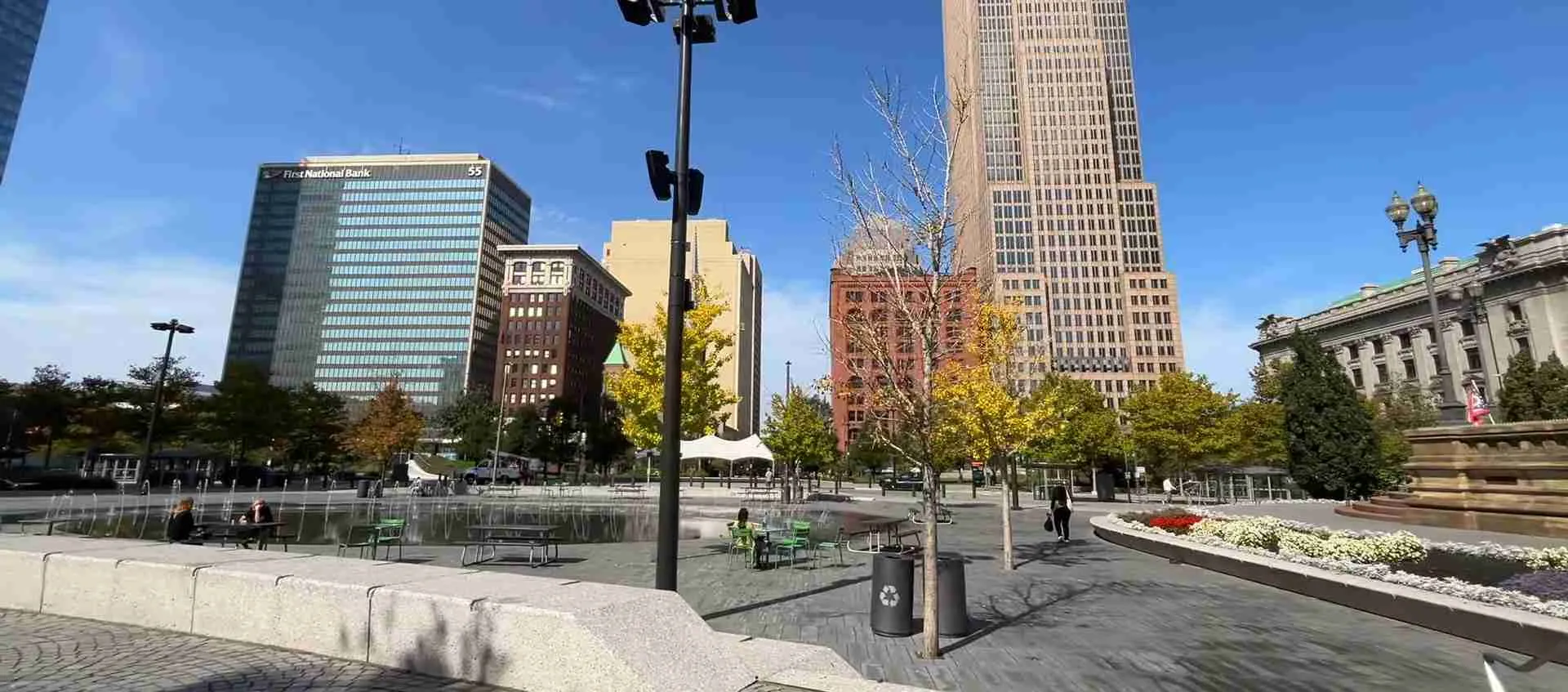
Cleveland Travel Guide 2026: Ultimate Planning Resource
Cleveland transforms preconceptions about Midwestern cities through its world-class cultural institutions, revitalized waterfront neighborhoods, championship-caliber sports passion, and unexpected culinary innovation that reflects decades of immigrant heritage. This comprehensive guide equips travelers with essential planning resources for experiencing Ohio’s second-largest city in 2026, from navigating the efficient RTA transit system to budgeting realistic daily costs across accommodation tiers.
Key Takeaways for Cleveland Travel 2026
- Budget Planning: Daily costs range $90-140 per person for budget travelers (two sharing budget hotel), $160-245 for mid-range comfort (two sharing mid-range hotel), and $255-400+ for luxury experiences (two sharing luxury hotel), covering accommodation, meals, transport, and attractions.
- Cultural Excellence Without Entry Fees: Cleveland Museum of Art provides free admission to over 45,000 artworks spanning 6,000 years, while the Cleveland Metroparks system offers 24,000 acres of green space across 18 reservations with zero entrance charges.
- Transportation Value: RTA all-day passes cost $5 and provide unlimited access to buses, rapid transit lines, and the HealthLine BRT connecting downtown to University Circle, eliminating expensive rideshare dependency.
- Rock Hall Premium: Rock & Roll Hall of Fame admission costs $40 for adults in 2026, positioning it as Cleveland’s most significant paid attraction requiring advance budget allocation.
- Seasonal Timing: April-May and September-October deliver optimal weather for outdoor exploration without summer humidity or winter lake-effect snow, with shoulder-season hotel rates 25-40% below summer peaks.
- Regional Connectivity: Cleveland Hopkins International Airport sits 30 minutes from downtown via RTA Red Line, while the city serves as a strategic base for exploring Cuyahoga Valley National Park, Lake Erie islands, and Cedar Point amusement park.
People Also Ask About Cleveland Travel 2026
How much does Cleveland cost per day in 2026?
Cleveland costs $90-140 per person daily for budget travelers (two sharing budget hotel), $160-245 for mid-range comfort (two sharing mid-range hotel), and $255-400+ for luxury experiences (two sharing luxury hotel) in 2026. Budget travelers stay in hostels or budget hotels at $60-90 per night, eat at casual restaurants spending $30-48 daily on meals, use RTA all-day passes at $5, and prioritize free museums with occasional paid attractions costing $25-40. Mid-range travelers select hotels at $116-180 per night, dine at neighborhood restaurants spending $50-80 on meals, combine RTA passes with occasional rideshares adding $15-20 for transport, and visit multiple paid attractions spending $35-55. Luxury travelers choose upscale hotels at $180-300+ per night, enjoy fine dining spending $80-120 on meals, use rideshare services exclusively adding $25-40 for transport, and select premium experiences costing $60-90. These figures assume two people sharing hotel accommodation with room rates divided by two before calculating per-person totals.
What is the best time to visit Cleveland in 2026?
Late April through May and September through mid-October represent ideal windows for visiting Cleveland in 2026, delivering comfortable temperatures between 60-75°F, minimal precipitation, vibrant seasonal color transitions, and hotel rates 25-40% below summer peaks. Spring brings blooming gardens at the Cleveland Botanical Garden, manageable crowds at major attractions, and Tribe baseball season opening at Progressive Field. Early fall offers spectacular foliage displays across the Metroparks system, optimal conditions for exploring outdoor attractions without summer humidity, harvest festivals celebrating regional agriculture, and Browns football season generating electric game-day atmospheres. Summer (June-August) attracts peak visitor numbers with temperatures reaching 80-85°F and occasional humidity, though lakefront venues provide cooling breezes and extended museum hours. Winter (December-March) brings lake-effect snow averaging 68 inches annually, significantly reduced hotel rates, and unique seasonal attractions including Wild Winter Lights at Cleveland Metroparks Zoo, though outdoor exploration becomes challenging.
Is the Rock & Roll Hall of Fame worth visiting in 2026?
The Rock & Roll Hall of Fame justifies its $40 admission cost in 2026 through unparalleled music artifact collections, immersive multimedia exhibitions spanning seven floors, and exclusive memorabilia unavailable elsewhere globally. The museum houses handwritten Beatles lyrics, Taylor Swift’s piano, stage costumes from iconic performers, interactive recording studios allowing hands-on music creation, and rotating special exhibitions highlighting specific artists or musical movements. Most visitors spend 2.5-4 hours exploring the comprehensive permanent collection, watching documentary films in the Foster Theater, and engaging with digital displays connecting musical influences across decades. The distinctive pyramid architecture designed by I.M. Pei creates dramatic Lake Erie waterfront views from upper-floor galleries. Music enthusiasts find exceptional value while casual visitors appreciate the cultural education and entertaining presentation even without deep genre knowledge. Purchasing advance tickets online provides smooth entry logistics and saves $3 compared to door rates. The museum’s location adjacent to the Great Lakes Science Center and within walking distance of downtown attractions enables efficient itinerary planning.
How do I get around Cleveland in 2026?
Cleveland’s Greater Cleveland Regional Transit Authority (RTA) operates buses, rapid transit rail lines, and the HealthLine bus rapid transit system connecting major tourist destinations efficiently in 2026. Single rides cost $3 while all-day passes cost $5, valid until 3 AM the following morning across all RTA services. The Red Line provides direct airport-to-downtown service in 30 minutes with trains departing every 15 minutes. The HealthLine runs dedicated lanes along Euclid Avenue connecting downtown to University Circle in 20-25 minutes, accessing the Cleveland Museum of Art, Natural History Museum, Botanical Garden, and Case Western Reserve University. Blue and Green Lines serve eastern suburbs and lakefront areas. Purchase tickets through the Transit app with EZfare integration, at ticket vending machines located at rail stations, or pay cash with exact change on buses. Downtown attractions cluster within walkable distances while University Circle institutions sit close together requiring minimal transit between venues. Uber and Lyft operate throughout Cleveland with typical rides within downtown costing $8-15. Bike share programs provide alternative short-distance transport during warm months.
Extended multi-day tours – 5+ days
Featured Midwest Usa Multi-Day Tour Packages
7 days
Chicago – The Home of Skyscrapers
- ✓ Booking needs min. 2 travelers
8 days
Chicago and Niagara ROT (including Niagara Falls)
- ✓ Comprehensive Midwest Usa tour
- ✓ Expert local guides included
- ✓ All accommodation arranged
- ✓ Transportation provided

8 days
From Chicago's Skyline to Niagara's Mist – 8 days
- ✓ Comprehensive Midwest Usa tour
- ✓ Expert local guides included
- ✓ All accommodation arranged
- ✓ Transportation provided

4 days
City Break in Chicago Among Skyscrapers
- ✓ Booking needs min. 2 travelers
Multi-day tour packages powered by TourRadar. Prices and availability subject to change.
Introduction to Cleveland Travel Planning 2026
Cleveland defies outdated perceptions about Rust Belt decline through sustained urban renaissance transforming abandoned industrial spaces into thriving cultural districts, waterfront entertainment zones, and nationally recognized culinary destinations. The city’s strategic Lake Erie location fostered 19th-century industrial dominance through steel production, oil refining, and manufacturing, creating generational wealth that funded extraordinary cultural institutions including the Cleveland Museum of Art, Severance Hall home of the Cleveland Orchestra, and Playhouse Square theater district. Economic restructuring following manufacturing decline drove decades of population loss, yet Cleveland emerged from this transition with preserved architectural heritage, world-class healthcare anchored by Cleveland Clinic, renewed downtown vitality, and authentic neighborhood character.
The 2026 travel landscape presents exceptional value for visitors seeking sophisticated cultural experiences without coastal city pricing. University Circle concentrates premier museums within walkable proximity, downtown venues host championship sports teams generating electric game atmospheres, the Flats entertainment district showcases waterfront dining reinvention, and surrounding neighborhoods from Tremont to Ohio City demonstrate grassroots revitalization through independent restaurants, craft breweries, and arts galleries. Cleveland’s compact geography enables efficient exploration while the RTA transit system connects dispersed attractions affordably.
Planning requires understanding seasonal weather extremes ranging from summer humidity to winter lake-effect snow, recognizing neighborhood distinctions that shape dining and accommodation decisions, and allocating appropriate time for premium attractions including the Rock & Roll Hall of Fame while maximizing free cultural resources. This guide addresses practical planning elements from budget calculations across spending tiers to transportation logistics, seasonal timing considerations to neighborhood characteristics, and itinerary optimization strategies enabling both first-time visitors and returning travelers to experience Cleveland’s cultural depth efficiently.
Best Time to Visit Cleveland 2026: Seasonal Planning Guide
Cleveland’s continental climate produces distinct seasonal experiences requiring strategic timing aligned with visitor priorities and weather tolerance. Understanding monthly patterns enables optimization of outdoor activities, cultural programming, hotel rates, and crowd levels.
Spring Season Cleveland 2026 (April-May)
April and May deliver Cleveland’s most rewarding weather window combining comfortable temperatures averaging 55-70°F, minimal precipitation compared to summer months, blooming gardens throughout the Metroparks system, and hotel rates 20-30% below summer peaks. Spring baseball season brings Opening Day festivities at Progressive Field typically scheduled in early April, while the Cleveland Marathon transforms downtown streets in mid-May attracting 20,000+ participants. Cultural institutions maintain regular operating hours without summer extensions yet avoid overwhelming crowds. The Cleveland Botanical Garden showcases peak spring displays including tulip collections and early perennials. Outdoor dining reopens along restaurant patios in Tremont and Ohio City as temperatures stabilize above 60°F.
Packing requires layering strategies as morning temperatures often start in the 40s before climbing to the 60s-70s by afternoon. Light rain showers occur intermittently throughout both months necessitating compact umbrellas. Spring represents ideal timing for first-time visitors seeking manageable weather, reduced crowds at major attractions, and authentic experiences before summer tourist season intensifies.
Summer Season Cleveland 2026 (June-August)
Summer attracts peak visitor numbers as temperatures reach 75-85°F with occasional 90°F days accompanied by moderate humidity levels. Lake Erie moderates extreme heat creating cooling breezes along waterfront areas including Edgewater Park and North Coast Harbor. Museums extend operating hours with the Rock & Roll Hall of Fame remaining open until 8 PM Thursdays through Saturdays in July-August. Outdoor festivals proliferate including the Cleveland International Film Festival in July, Feast of the Assumption celebrating Italian heritage in Little Italy during mid-August, and weekly Concert in the Park series across the Metroparks.
Hotel rates peak 35-45% above shoulder seasons while advance booking becomes essential for weekend visits. Downtown accommodations during Indians home game series or Browns preseason events require reservations months ahead. Summer enables comprehensive outdoor exploration including kayaking on the Cuyahoga River, hiking the Towpath Trail through Cuyahoga Valley National Park accessible 30 minutes south, and attending concerts at Blossom Music Center. The West Side Market operates expanded summer hours showcasing peak-season produce from regional farms.
Fall Season Cleveland 2026 (September-October)
Early fall rivals spring as Cleveland’s optimal visitation period with September-early October offering comfortable temperatures averaging 60-75°F, spectacular foliage displays across the Metroparks beginning late September, Browns football season generating passionate game-day atmospheres, and hotel rates declining 25-35% from summer peaks. September maintains summer-like conditions without humidity while October transitions toward cooler weather requiring light jackets for evening activities. The Cleveland Oktoberfest celebrates German heritage in early September while the Cleveland National Air Show draws massive crowds to the lakefront in mid-September.
Fall foliage peaks typically occur during the first two weeks of October transforming the Metroparks into vibrant displays of orange, red, and gold. Rocky River Reservation and Brecksville Reservation provide particularly dramatic color showcases accessible via RTA connections. Cultural institutions maintain full operating schedules while outdoor dining extends through October in sheltered patios. Browns home games create electric downtown energy on Sundays with tailgating traditions visible throughout parking areas near FirstEnergy Stadium.
Winter Season Cleveland 2026 (November-March)
Winter brings Lake Erie lake-effect snow averaging 68 inches annually, temperatures regularly below freezing December through February, significantly reduced hotel rates dropping 40-50% from summer pricing, and unique seasonal attractions compensating for challenging outdoor conditions. The Wild Winter Lights event at Cleveland Metroparks Zoo transforms the facility into an illuminated wonderland from late November through January. Playhouse Square theater productions intensify during winter months while the Cleveland Orchestra maintains its full concert schedule at Severance Hall.
Downtown remains accessible via the RTA system operating regular service despite snowfall, though suburban attractions become challenging to reach during storms. Indoor cultural experiences dominate winter itineraries including extended museum visits, West Side Market shopping, Tower City Center mall exploration, and brewery tours throughout Ohio City and Gordon Square neighborhoods. Hotel bargains attract budget-conscious visitors willing to prioritize indoor activities over outdoor exploration. February experiences the coldest temperatures averaging 25-35°F while March begins transitioning toward spring with increasing daylight and occasional 50°F days.
Special Events Calendar 2026
Cleveland’s event calendar influences visitation timing, hotel availability, and neighborhood atmosphere throughout 2026. The Cleveland Auto Show occupies the I-X Center February 20-March 1 in its final year at this venue before relocating. St. Patrick’s Day celebrations transform downtown and Ohio City on March 17 with parade routes and pub festivities. The Short. Sweet. Film Fest screens independent productions March 2-8. Brite Winter festival activates frozen lakefront spaces in late February with outdoor installations and performances.
Summer festivals include Rib Cook-Off in early June, Pride celebrations in mid-June, and the Blossom Music Festival summer concert series. The Cuyahoga County Fair operates in early August. Fall events feature Cleveland Oktoberfest in early September, the Cleveland Gaming Classic mid-September, and the Spooky Pooch Parade in October. The Lakewood Chocolate Walk occurs in late October while Light Up Lakewood marks early December. Planning around major events requires advance hotel reservations as downtown capacity fills quickly, particularly during Browns home games, Indians playoff series, or Cavaliers playoffs.
Essential Cleveland Neighborhoods 2026: Where to Stay and Explore
Cleveland’s neighborhood geography shapes accommodation decisions, dining options, and daily logistics requiring understanding of distinct district characteristics beyond generic downtown classifications.
Downtown Cleveland 2026
Downtown encompasses the central business district, Public Square, Playhouse Square theater district, Gateway Sports District housing Progressive Field and Rocket Mortgage FieldHouse, and the Warehouse District entertainment zone. This area concentrates major hotels, corporate offices, cultural venues, and nightlife within compact walkable boundaries connected by RTA rail lines. Hotels range from budget options like Comfort Inn Cleveland Downtown at $80-120 per night to luxury properties including The Ritz-Carlton Cleveland at $250-400 per night. Downtown positioning provides immediate access to sports venues, theater productions at Playhouse Square, restaurants along East 4th Street, and RTA connections to University Circle.
The Warehouse District west of Public Square showcases Cleveland’s entertainment renaissance through converted industrial buildings housing restaurants, bars, and nightclubs. The Flats East Bank and West Bank neighborhoods occupy former industrial zones along the Cuyahoga River transformed into waterfront dining, entertainment venues, and residential lofts. Downtown suits business travelers, sports fans attending games, theater enthusiasts visiting Playhouse Square, and first-time visitors prioritizing central location above neighborhood authenticity.
University Circle 2026
University Circle sits 4 miles east of downtown accessible via the HealthLine BRT in 20-25 minutes, concentrating the Cleveland Museum of Art, Cleveland Museum of Natural History, Cleveland Botanical Garden, Cleveland Institute of Art, Cleveland Institute of Music, Case Western Reserve University, Severance Hall, and University Hospitals within a 550-acre cultural district. This neighborhood delivers unparalleled museum density enabling efficient multi-venue days without transit logistics. The InterContinental Cleveland and InterContinental Suites Hotel Cleveland serve the area at $140-220 per night positioning guests within walking distance of major institutions.
The Cleveland Museum of Art anchors the district with free admission attracting visitors avoiding downtown hotel pricing. Little Italy borders University Circle’s southern edge offering authentic Italian restaurants including Maxi’s and Mama Santa’s along Mayfield Road. Wade Oval creates green space connecting museums with summer concerts and festivals. University Circle suits cultural enthusiasts prioritizing museum access, classical music performances, and quieter atmospheres removed from downtown’s sports-oriented energy.
Ohio City 2026
Ohio City occupies the near west side immediately across the Cuyahoga River from downtown, accessible via Veterans Memorial Bridge walkable in 15 minutes or RTA bus service. This revitalized neighborhood centers on the West Side Market operating since 1840 as Cleveland’s premier public market featuring 100+ vendors selling meats, produce, baked goods, ethnic specialties, and prepared foods. Ohio City transformed from post-industrial decline into Cleveland’s trendiest neighborhood through craft brewery proliferation, independent restaurant openings, Victorian home restorations, and arts gallery expansion.
Great Lakes Brewing Company anchors the neighborhood’s craft beer scene while Market Garden Brewery, Platform Beer Company, and Terrestrial Brewing Company contribute additional options. Restaurants span casual spots like Momocho Modern Mexican to upscale options including Flying Fig. Hotels remain limited with visitors choosing Airbnb rentals in restored Victorian homes or commuting from downtown hotels via short transit connections. Ohio City suits food-focused travelers, craft beer enthusiasts, and visitors seeking authentic neighborhood experiences beyond tourist corridors.
Tremont 2026
Tremont occupies the near south side accessible from downtown via RTA bus service or rideshare in 10 minutes, known for arts galleries, independent restaurants, historic architecture, and residential character attracting young professionals. The neighborhood gained fame housing A Christmas Story House museum featuring filming locations and props from the holiday classic. Lincoln Park creates community green space while Professor Avenue and Literary Road concentrate restaurant and retail options.
Restaurants include Dante Boccuzzi’s namesake upscale Italian, Sokolowski’s University Inn serving traditional Polish-American fare since 1923, and Fat Cats casual dining. Tremont Art Walk occurs monthly on the second Friday drawing crowds to gallery openings. The neighborhood lacks significant hotel inventory requiring visitors to stay downtown or in Ohio City while visiting Tremont for dining and cultural experiences. Tremont suits travelers seeking residential neighborhood atmosphere, independent dining options, and architectural character beyond downtown’s corporate environment.
Lakewood 2026
Lakewood sits immediately west of Cleveland along Lake Erie, operating as an independent municipality closely integrated with Cleveland’s metropolitan area. Detroit Avenue functions as the commercial spine featuring diverse restaurants, independent shops, breweries, and the historic Capitol Theatre. Lakewood Beach Park provides Lake Erie waterfront access with swimming beaches, picnic areas, and sunset viewing. The neighborhood attracts visitors seeking suburban calm, lakefront recreation, and residential dining options while maintaining proximity to downtown via RTA Clifton Boulevard bus service.
Hotel options include the Stone Gables Inn bed and breakfast at $140-200 per night providing intimate accommodations. Lakewood’s Chocolate Walk in October and Light Up Lakewood in December create seasonal events. The neighborhood suits travelers prioritizing lakefront access, quieter residential atmosphere, and easy parking availability while accepting 20-30 minute commutes to downtown attractions.
Cleveland Accommodation Guide 2026: Hotels Across Budget Tiers
Cleveland’s hotel landscape spans historic properties, modern chains, boutique conversions, and suburban value options requiring budget-aligned selections and neighborhood positioning.
Budget Accommodations Cleveland 2026 ($60-90 Per Night)
Budget travelers find hostels limited in Cleveland requiring focus on economy chain hotels and older properties offering basic amenities. Hostels International Cleveland provides dormitory beds at $30-50 per night in University Circle positioning budget travelers near free museums. Comfort Inn Cleveland Downtown charges $80-120 per night for downtown location with free breakfast, basic fitness facilities, and self-parking at $15 daily. The property suits budget-conscious travelers accepting dated interiors and limited amenities in exchange for downtown positioning.
Airport area hotels including La Quinta Inn & Suites by Wyndham Cleveland-Airport North offer $65-90 per night rates with free airport shuttle service during limited hours, free parking, and basic continental breakfast. These properties suit travelers with rental cars willing to commute 25-35 minutes to downtown via Interstate 71 or RTA connections. Budget accommodations generally lack distinctive character, maintain functional cleanliness, and provide essential services without premium amenities. Booking directly through hotel websites often delivers better rates than third-party aggregators while enabling direct communication for special requests.
Mid-Range Accommodations Cleveland 2026 ($116-180 Per Night)
Mid-range properties balance comfort, location, and value through modern chains, boutique conversions, and updated historic buildings. Drury Plaza Hotel Cleveland Downtown occupies the former Board of Education building at $145-180 per night offering free hot breakfast, free evening kickback with light meals and beverages, heated indoor pool, and impressive architectural restoration preserving original details. The hotel provides exceptional value through complimentary amenities reducing daily food costs.
Kimpton Schofield Hotel occupies a 1902 landmark building in downtown charging $120-180 per night with quirky modern personality, free bike rentals, pet-friendly policies without size restrictions, fitness classes, and proximity to dining along East 4th Street. Hampton Inn Cleveland-Downtown offers $110-150 per night rates with free breakfast, convenient downtown location, and standard chain reliability. The Westin Cleveland Downtown provides $116-170 per night positioning near the Convention Center with modern rooms, fitness facilities, and Starbucks in the lobby.
InterContinental Cleveland in University Circle charges $140-220 per night positioning guests within walking distance of major museums, offering upscale amenities, direct Cleveland Clinic connections, and club lounge access for premium rooms. Mid-range properties typically include fitness centers, business facilities, complimentary WiFi, and either free breakfast or on-site dining options reducing meal expenses.
Luxury Accommodations Cleveland 2026 ($180-300+ Per Night)
Luxury hotels deliver exceptional service, premium amenities, distinctive architecture, and elevated dining options commanding premium rates. The Ritz-Carlton Cleveland occupies a restored 1918 landmark building at $250-400 per night offering 206 rooms with modern luxury appointments, state-of-the-art fitness center, all-day restaurant and lounge, elevated meeting venues, and signature Ritz-Carlton service. The property serves as Cleveland’s only true luxury hotel maintaining consistent Forbes standards.
Hilton Cleveland Downtown charges $180-280 per night for 600 rooms with floor-to-ceiling windows providing Lake Erie and skyline views, direct Huntington Convention Center connections, rooftop Bar 32 offering dramatic vistas, heated indoor pool, and multiple dining options. The hotel’s sheer size enables competitive luxury positioning without boutique intimacy. Hotel Cleveland Autograph Collection occupies a historic building at $190-300 per night blending restored architectural details with modern Marriott standards, downtown positioning, and distinctive character.
Luxury properties justify premium rates through superior locations, attentive service, distinctive design, upgraded room amenities including premium bedding and bath products, concierge services, valet parking, room service, and elevated food and beverage programs. Booking luxury properties during winter months or weekday periods often secures rates 30-40% below summer weekend peaks.
Alternative Accommodations Cleveland 2026
Airbnb and VRBO rentals proliferate in Ohio City, Tremont, and Detroit Shoreway neighborhoods offering Victorian homes, converted lofts, and residential apartments at $80-200 per night depending on size and appointments. Entire home rentals suit groups and families seeking multiple bedrooms, full kitchens enabling meal preparation, residential parking, and neighborhood immersion beyond hotel corridors. Bed and breakfasts including Stone Gables Inn in University Circle and The Glidden House provide intimate accommodations with included breakfast at $140-200 per night.
Extended stay hotels including Residence Inn and Homewood Suites offer suite configurations with full kitchens, separate living areas, and complimentary breakfast at $130-180 per night, suitable for multi-day stays and business travelers requiring workspace. These properties reduce meal costs through in-room cooking capabilities while maintaining hotel amenities including daily housekeeping and fitness facilities.
Cleveland Dining and Food Guide 2026: Budget Across Meal Types
Cleveland’s culinary landscape reflects Eastern European immigrant heritage, Midwestern comfort food traditions, emerging chef-driven innovation, and ethnic diversity creating dining options from pierogi specialists to modern American fine dining.
Breakfast and Brunch Cleveland 2026 ($8-25 Per Person)
Breakfast options span hotel complimentary spreads, diner classics, and upscale brunch destinations. Many mid-range and budget hotels include free breakfast reducing daily food costs by $10-15 per person. The West Side Market opens at 7 AM Mondays, Wednesdays, Fridays, and Saturdays providing fresh baked goods, coffee, and breakfast sandwiches at $5-12 from vendors including Flour Girl & Flame Wood-Fired Pizza and Crepes A Latte.
Jack Flaps serves classic diner breakfast in Kamm’s Corners at $10-18 per person for hearty portions including pancakes, omelets, and traditional American breakfast plates. Lucky’s Café in Tremont offers farm-to-table brunch on weekends at $15-25 per person featuring seasonal ingredients and creative preparations. Rising Star Coffee Roasters operates multiple locations providing quality coffee at $4-6 and light breakfast items at $5-10. Budget-conscious travelers minimize breakfast costs through hotel complimentary offerings, market purchases, or quick coffee shop stops reserving dining budgets for lunch and dinner experiences.
Lunch Cleveland 2026 ($12-30 Per Person)
Lunch provides opportunities for sampling acclaimed restaurants at reduced prices compared to dinner service while exploring neighborhood dining scenes. The West Side Market functions as Cleveland’s premier lunch destination with vendors offering international cuisine, fresh sandwiches, ethnic specialties, and prepared foods at $8-18 per person. Market highlights include Czuchraj Meats for Polish specialties, Dohar & Sons for Middle Eastern preparations, and various produce vendors enabling picnic assembly.
Downtown lunch options cluster along East 4th Street including Greenhouse Tavern offering seasonal American fare at $18-28 per person, Dante Next Door serving Italian-inspired dishes at $15-25 per person, and Lola Bistro featuring Michael Symon’s creative American cuisine at $20-30 per person. Ohio City lunch spots include Momocho Modern Mexican at $15-25 per person and West Side Market Cafe at $12-20 per person. Lunch specials at upscale restaurants often provide access to acclaimed kitchens at 30-40% below dinner pricing enabling budget-conscious sampling of Cleveland’s culinary scene.
Dinner Cleveland 2026 ($25-60+ Per Person)
Dinner represents Cleveland’s primary culinary showcase ranging from neighborhood ethnic restaurants to nationally recognized chef destinations. Sokolowski’s University Inn in Tremont serves traditional Polish-American cafeteria-style dinner at $18-28 per person featuring pierogis, stuffed cabbage, and roasted meats in generous portions attracting multi-generational local families and curious visitors.
Mid-range dinner options include Collision Bend Brewing Company in the Flats offering gastropub fare at $20-35 per person with waterfront views, Barrio in Tremont serving build-your-own tacos at $15-25 per person in energetic atmosphere, and Great Lakes Brewing Company in Ohio City providing elevated pub food at $18-32 per person alongside craft beer selections. These restaurants deliver satisfying meals in distinctive settings without premium pricing.
Upscale dining destinations include Dante Boccuzzi Akron-Canton in Tremont charging $45-75 per person for sophisticated Italian preparations, The Plum Cafe & Kitchen offering New American cuisine at $35-60 per person, and Red the Steakhouse providing premium cuts at $60-100+ per person. Reservations become essential for acclaimed restaurants particularly on weekend evenings. Budget-conscious travelers balance occasional upscale dinners with mid-range and casual options maintaining daily meal spending within target ranges.
Ethnic and Specialty Dining Cleveland 2026
Cleveland’s immigrant communities create authentic ethnic dining options often delivering exceptional value. Little Italy along Mayfield Road features Italian restaurants including Maxi’s at $25-45 per person, Mama Santa’s at $20-35 per person, and Presti’s Bakery for cannoli and Italian pastries at $3-8. AsiaTown around Superior Avenue and Payne Avenue concentrates Vietnamese, Chinese, and Korean restaurants including Superior Pho offering Vietnamese noodle soups at $10-16 per person and Li Wah serving dim sum at $15-25 per person.
Middle Eastern options include Aladdin’s Eatery with multiple locations serving Lebanese cuisine at $12-22 per person. German restaurants including Hofbräuhaus Cleveland in the Flats provide authentic Bavarian atmosphere and traditional preparations at $20-35 per person. These ethnic specialists often deliver superior value compared to generic American restaurants while offering cultural immersion through cuisine.
Budget-Conscious Dining Strategies 2026
Minimizing food costs while experiencing Cleveland’s culinary diversity requires strategic approaches. Prioritize the West Side Market for breakfast and lunch purchases saving 30-40% compared to restaurant meals. Many acclaimed restaurants offer lunch service at significantly reduced prices enabling sampling of chef-driven cuisine within modest budgets. Happy hour specials throughout Ohio City and downtown provide discounted appetizers and beverages typically 4-6 PM on weekdays.
Hotel complimentary breakfasts eliminate morning meal costs for travelers staying at participating properties. Ethnic restaurants consistently deliver better value than upscale American establishments providing authentic cultural experiences at lower price points. Cleveland Restaurant Week occurs twice annually in March and November offering prix fixe menus at $39 per person at participating independent restaurants, creating opportunities for trying acclaimed establishments at standardized pricing. Grocery stores including Heinen’s and Giant Eagle enable meal assembly for travelers with kitchen access in Airbnb rentals or extended-stay hotels.
Cleveland Transportation Guide 2026: Getting Around the City
Cleveland’s transportation infrastructure combines comprehensive public transit, walkable downtown districts, bike facilities, and typical urban rideshare services creating multiple mobility options aligned with budget priorities and destination patterns.
RTA Public Transit System 2026
The Greater Cleveland Regional Transit Authority operates bus routes, rapid transit rail lines, and the HealthLine bus rapid transit connecting major tourist destinations throughout Cuyahoga County. Single rides cost $3 while all-day passes cost $5, valid until 3 AM the following morning providing unlimited transfers across all services. The RTA system eliminates expensive rideshare dependency for visitors willing to navigate routes and schedules.
The Red Line provides the most crucial visitor connection running from Cleveland Hopkins International Airport to Tower City Station downtown, continuing to University Circle, and terminating in East Cleveland. Trains depart the airport every 15 minutes during peak hours and every 30 minutes during off-peak periods, completing the airport-to-downtown journey in 30 minutes. This $3 connection saves $35-50 compared to rideshare services while delivering travelers directly to downtown hotels and Tower City Center.
The HealthLine operates dedicated bus rapid transit lanes along Euclid Avenue connecting Public Square downtown to University Circle in 20-25 minutes with stations at major cultural institutions including the Cleveland Museum of Art, Museum of Natural History, Botanical Garden, and Severance Hall. The HealthLine functions as Cleveland’s cultural corridor enabling museum visitors to efficiently access multiple venues without taxi expenses. Blue and Green Lines serve eastern suburbs and lakefront areas providing connections to residential neighborhoods and supplementary attractions.
Purchasing RTA Fares 2026
Purchase RTA tickets through multiple channels optimizing convenience and pricing. The Transit app with EZfare integration enables mobile ticket purchases allowing riders to buy single rides, all-day passes, seven-day passes, and monthly passes directly from smartphones. Digital tickets display on the app for scanning when boarding eliminating physical fare media. Ticket vending machines at all RTA rapid transit stations and HealthLine BRT stops accept credit cards, debit cards, and cash, though cash machines require exact change.
Buses accept cash payment with exact change required as operators cannot make change. Riders paying cash on buses must pay the full $3 fare for each boarding without transfer privileges. Multi-day passes including seven-day passes at $25 and monthly passes at $95 provide value for extended stays though most visitors find all-day passes at $5 sufficient. Senior citizens age 65+, students, and disabled riders receive reduced fares with appropriate identification.
Walking and Biking Cleveland 2026
Downtown Cleveland enables walking between clustered attractions including Playhouse Square, Public Square, Rock & Roll Hall of Fame, Great Lakes Science Center, and East 4th Street dining within 15-20 minute walks. University Circle similarly concentrates museums within 5-10 minute walks enabling car-free cultural days. Ohio City’s West Side Market sits 15 minutes walking from downtown across Veterans Memorial Bridge providing pleasant waterfront strolls in warm weather.
Bike share programs including UHBikes operate stations throughout downtown, University Circle, and surrounding neighborhoods providing short-term rentals at $3 per 30-minute trip or $15 for 24-hour access with unlimited 60-minute rides. Cleveland’s relatively flat terrain and expanding bike lane network facilitate cycling between downtown and near-west neighborhoods including Ohio City and Tremont. The Towpath Trail through Cuyahoga Valley National Park accommodates recreational cycling in natural settings accessible via car or limited transit connections.
Rideshare and Taxi Services 2026
Uber and Lyft operate throughout Cleveland providing on-demand transportation when public transit proves inconvenient or timing constraints exist. Typical rideshare costs within downtown range $8-15 while trips from downtown to University Circle cost $12-18 and airport rides range $35-50 depending on time and demand. Rideshare surge pricing activates during major events including Browns games, Indians playoff games, and downtown concerts significantly increasing costs.
Traditional taxi services remain available through companies including Americab though smartphone-based rideshare platforms have largely displaced traditional taxi usage. Budget-conscious travelers minimize rideshare expenses by prioritizing RTA for routine transit while reserving rideshare for late-night returns, luggage-heavy airport transfers, or time-sensitive connections.
Driving and Parking Cleveland 2026
Rental cars provide flexibility for exploring regional destinations including Cuyahoga Valley National Park, Lake Erie islands accessible via ferry from Sandusky, and Cedar Point amusement park in Sandusky but create parking complications and expenses for downtown activities. Daily parking at downtown hotels ranges $15-57 depending on property and valet versus self-park options. Street parking meters operate throughout downtown charging $2 per hour with enforcement Monday-Saturday until 6 PM.
Parking garages near major attractions including Tower City Center, Rock & Roll Hall of Fame, and Public Square charge $10-20 for event parking. University Circle offers free parking at museums including the Cleveland Museum of Art though spaces fill quickly on weekends. Visitors focusing exclusively on downtown and University Circle attractions benefit from avoiding rental cars entirely, relying on RTA connections and occasional rideshare for specific needs. Travelers planning day trips to regional attractions or seeking suburban accommodation find rental cars valuable despite downtown parking costs.
Airport Connections Cleveland 2026
Cleveland Hopkins International Airport sits 12 miles southwest of downtown accessible via RTA Red Line rail service, rideshare, rental cars, hotel shuttles, and airport limousines. The Red Line provides the most economical connection at $3 for 30-minute direct service to Tower City Station downtown with trains departing every 15 minutes during peak hours. The airport station connects directly to the terminal building enabling easy access with luggage.
Rideshare services from the airport to downtown cost $35-50 depending on traffic and demand, providing door-to-door convenience for travelers with significant luggage or arriving during off-peak RTA hours. Many mid-range and budget hotels offer complimentary airport shuttles operating on scheduled intervals, though travelers should verify shuttle availability and timing when booking accommodations. Rental car facilities operate at the airport with all major companies represented, suitable for visitors planning regional exploration beyond Cleveland city limits.
Cleveland Major Attractions 2026: Planning and Budgeting
Cleveland’s attraction portfolio spans world-class free museums, premium paid experiences, outdoor recreation areas, and specialized institutions requiring strategic planning and budget allocation.
Rock & Roll Hall of Fame 2026
The Rock & Roll Hall of Fame represents Cleveland’s signature paid attraction charging $40 for adults, $30 for youth ages 6-12, and $35 for students, military, first responders, and Northeast Ohio residents with proof of eligibility in 2026. Check the official Rock Hall website for current rates as pricing may vary seasonally. Children under 6 enter free. The distinctive I.M. Pei-designed pyramid building houses seven floors of music history spanning rock’s origins through contemporary artists with rotating special exhibitions, interactive recording studios, stage costumes, handwritten lyrics, musical instruments, and immersive multimedia displays.
Most visitors spend 2.5-4 hours exploring the comprehensive collection though dedicated music enthusiasts easily occupy 5+ hours examining detailed exhibits. The museum opens daily at 10 AM with extended hours until 8 PM Thursdays through Saturdays during summer months (July-August). Purchasing advance tickets online ensures smooth entry and saves waiting in ticket lines during peak periods. The Power of Rock Experience theater presents concert footage and documentary films while the Foster Theater screens music documentaries included with admission.
Special exhibitions rotate quarterly highlighting specific artists, musical movements, or cultural phenomena providing fresh content for repeat visitors. The museum store offers extensive music merchandise, artist-specific memorabilia, and Rock Hall branded items. Budget 3 hours minimum for meaningful engagement with permanent collections plus special exhibitions. The lakefront location provides dramatic Lake Erie views from upper floors and positions visitors within walking distance of the Great Lakes Science Center, USS Cod submarine, and downtown dining.
Cleveland Museum of Art 2026
The Cleveland Museum of Art provides free general admission to permanent collections spanning over 45,000 works representing 6,000 years of artistic achievement, ranking among America’s finest encyclopedic art museums without entry fees. The museum occupies an impressive complex in University Circle combining the original 1916 neoclassical building with modern glass expansions creating the stunning Ames Family Atrium connecting historical and contemporary wings.
Collection highlights include ancient Egyptian artifacts, European paintings featuring works by Monet, Renoir, and Picasso, Asian art galleries showcasing Chinese, Japanese, and Indian masterworks, contemporary installations, decorative arts, photography, and textile collections. Gallery One provides interactive digital displays enabling visitors to explore collection highlights, create custom tours, and engage with educational content through large touchscreens particularly appealing to children and technology-oriented learners.
The museum maintains free admission policies funded by endowments, memberships, and donor support, though special ticketed exhibitions occasionally charge supplementary fees. Museum hours vary seasonally with extended Friday evening hours until 9 PM attracting local crowds for social gallery experiences. The museum restaurant Provenance offers upscale dining while the café provides casual options. Plan 2-4 hours for meaningful engagement with permanent collections depending on art interest levels. Free admission enables repeat visits throughout multi-day Cleveland stays without budget constraints.
Cleveland Museum of Natural History 2026
The Cleveland Museum of Natural History underwent major renovations completing transformation in recent years, charging $25 for advance adult admission or $28 at the door, $18 advance for youth ages 2-18, seniors 61+, undergraduates, military veterans, and first responders, or $21 at the door in 2026. Children under 2 enter free. Advance online purchase saves $3 per ticket while ensuring timed entry reservations during busy periods. The museum explores natural sciences through fossil collections including famous dinosaur skeletons, live animal exhibits, interactive displays, planetarium shows, and 3D movies.
The completely reimagined museum spaces showcase Ohio’s natural heritage, evolutionary processes, cultural anthropology, and contemporary conservation challenges through modern exhibit design. Planetarium shows and 3D movies require additional tickets at $7 per person though visitors can purchase All-Access Passes bundling general admission, planetarium, and 3D movie for combined savings of approximately $4 per person. Most visitors spend 2-3 hours exploring exhibitions though families with children often extend stays to 4+ hours engaging with interactive elements.
The museum participates in reciprocal admission programs including ASTC and NARM enabling members of other institutions to receive free or discounted entry. Select local city residents including Cleveland, East Cleveland, Brooklyn, Euclid, Garfield Heights, Maple Heights, and Warrensville Heights receive free Saturday and Sunday admission with proof of residency. The museum café provides refreshments while the museum store offers science-themed gifts and educational materials.
Greater Cleveland Aquarium 2026
The Greater Cleveland Aquarium occupies the historic FirstEnergy Powerhouse in the Flats featuring regional and global aquatic species in immersive exhibits including a 230,000-gallon shark tunnel. Adult admission costs approximately $24 while children ages 2-12 pay around $18 in 2026, with current pricing available on the aquarium website. The relatively compact facility enables thorough exploration in 45-90 minutes making it suitable for families with young children or as a supplementary activity rather than full-day destination.
Exhibits showcase Lake Erie native species, tropical reef environments, touch pools enabling hands-on interactions with rays and sharks, seahorse displays, and jellyfish galleries. The aquarium’s location in the Flats positions visitors near waterfront restaurants and entertainment venues enabling combined itineraries. The facility attracts family audiences though smaller scale compared to major metropolitan aquariums in cities like Atlanta, Monterey, or Boston. Consider visiting during weekday mornings to avoid weekend family crowds.
Cleveland Botanical Garden 2026
The Cleveland Botanical Garden features 10 acres of outdoor gardens plus the Eleanor Armstrong Smith Glasshouse showcasing tropical Costa Rican cloud forest and Madagascar spiny desert ecosystems under glass. Adult admission costs approximately $15 while children pay $8 in 2026. The Glasshouse creates immersive environments housing live butterflies, exotic birds, tropical plants, and desert adaptations providing dramatic experiences particularly appealing during Ohio’s winter months when outdoor gardens lie dormant.
Seasonal outdoor gardens peak during spring tulip displays and summer perennial blooms while fall offers ornamental grasses and late-season color. The herb garden, children’s garden featuring interactive elements, and Japanese garden provide diverse horticultural experiences. The garden participates in the University Circle CirclePass offering bundled admission to three attractions at 25% savings. Most visitors spend 1.5-2.5 hours exploring indoor glasshouse exhibits and seasonal outdoor gardens. The garden café serves light refreshments while the plant shop offers unusual specimens and garden supplies.
Free and Low-Cost Attractions Cleveland 2026
Beyond the Cleveland Museum of Art’s free admission, Cleveland offers numerous zero-cost cultural and recreational options. The Cleveland Metroparks system encompasses over 24,000 acres across 18 reservations providing free access to hiking trails, picnic areas, nature centers, scenic overlooks, and recreational facilities. Rocky River Reservation features dramatic shale cliffs, Brecksville Reservation offers extensive trail networks, and Lakefront Reservation provides Lake Erie beach access.
The Cleveland Cultural Gardens line Martin Luther King Jr. Boulevard showcasing 33 gardens representing different ethnic communities through landscaping, monuments, and cultural symbols, entirely free to explore. Public Square in downtown hosts free concerts, festivals, and seasonal events while providing green space for rest between attraction visits. Edgewater Park offers free Lake Erie beach access, swimming areas, and sunset viewing immediately west of downtown accessible via RTA bus connections.
Free guided tours operate at the Federal Reserve Bank of Cleveland educating visitors about currency, monetary policy, and banking history weekdays by reservation. The Cleveland Public Library main branch features historic architecture and art installations open to public exploration without admission fees. These free resources enable budget travelers to create full days of Cleveland experiences without attraction costs while reserving limited budgets for premium experiences including the Rock Hall.
Cleveland Sample Itineraries 2026: Multi-Day Planning
Strategic itinerary construction optimizes Cleveland’s concentrated attractions, neighborhood districts, and seasonal events across various trip lengths and interest profiles.
Three-Day Cleveland Itinerary 2026: First-Time Visitor Budget Tier
Day 1 focuses on downtown landmarks and lakefront attractions. Begin at Public Square exploring the Soldiers’ and Sailors’ Monument before walking 15 minutes to the Rock & Roll Hall of Fame, spending 3 hours exploring music history. Walk adjacent to the Great Lakes Science Center for interactive science exhibits if traveling with children. Lunch at nearby restaurants along North Coast Harbor costs $15-25 per person. Afternoon exploration continues at Playhouse Square viewing theater architecture and potentially booking evening performance tickets at $25-75 depending on production. Dinner in the Warehouse District at mid-range restaurants costs $25-40 per person. Accommodation: Budget hotel downtown $80-120 per night, meals $45-65, attractions $40, RTA all-day pass $5. Total Day 1: approximately $95-115 per person excluding hotel.
Day 2 concentrates on University Circle cultural institutions. Ride the HealthLine BRT from downtown to University Circle in 25 minutes costing $5 for all-day access. Spend morning at the Cleveland Museum of Art exploring permanent collections without admission fees. Lunch options include the museum café at $12-20 per person or nearby Little Italy restaurants at $15-25 per person. Afternoon continues at the Cleveland Museum of Natural History with advance tickets at $25 per person, spending 2.5-3 hours exploring renovated galleries. Alternatively visit the Cleveland Botanical Garden for $15 admission and 1.5 hours of glasshouse and garden exploration. Return downtown via HealthLine for dinner in Ohio City visiting the West Side Market for prepared foods and fresh selections at $12-22 per person. Total Day 2: approximately $75-95 per person excluding hotel.
Day 3 explores neighborhood character and outdoor spaces. Morning at the West Side Market sampling vendors and purchasing breakfast items costs $8-15 per person. Walk Ohio City’s residential streets viewing Victorian architecture and brewery scene before riding RTA to Tremont visiting A Christmas Story House at $15 admission. Lunch at Sokolowski’s University Inn provides traditional Polish-American cafeteria-style dining at $18-28 per person. Afternoon options include exploring Cleveland Metroparks reservations via car or selecting downtown shopping at Tower City Center. Evening flexibility allows catching Browns or Indians games if schedules align, attending Playhouse Square performances, or final neighborhood dining experiences. Total Day 3: approximately $60-85 per person excluding hotel.
Three-day budget total: Hotel $240-360 for three nights (two sharing budget hotel at $80-120 per night), meals approximately $135-180, attractions $70-90, transportation $15 for RTA passes. Grand total: approximately $460-645 per person for three days.
Five-Day Cleveland Itinerary 2026: Comprehensive Mid-Range Experience
Days 1-3 follow the budget itinerary framework with upgraded accommodation at mid-range hotels $116-180 per night and enhanced dining selections averaging $70-95 daily for meals. Day 4 expands to regional attractions including Cuyahoga Valley National Park 30 minutes south accessible via rental car or limited RTA connections. The park offers the Towpath Trail for hiking and cycling, Brandywine Falls overlook, historic train rides on the Cuyahoga Valley Scenic Railroad at $30-45 per person depending on route selection, and diverse recreational opportunities. Pack picnic lunch from West Side Market purchases or dine at nearby Peninsula village restaurants at $15-25 per person. Return to Cleveland for dinner at upscale Tremont restaurants at $45-75 per person.
Day 5 incorporates specialized interests or deeper neighborhood exploration. Morning options include Cleveland History Center in University Circle at $10 admission showcasing regional history, Crawford Auto-Aviation Museum featuring vintage automobiles without separate admission, or extended Metroparks hiking in Rocky River Reservation. Lunch at acclaimed Cleveland restaurants sampling chef-driven cuisine at $25-40 per person. Afternoon shopping in Playhouse Square theaters district, exploring Gordon Square Arts District via RTA westside bus connections, or visiting the Cleveland Metroparks Zoo at $18 adults, $13 children ages 2-11 for comprehensive animal exhibits and seasonal attractions. Final evening splurge at premium dining destinations costs $60-100+ per person creating memorable culinary conclusion.
Five-day mid-range total: Hotel $580-900 for five nights (two sharing mid-range hotel at $116-180 per night), meals approximately $350-475, attractions $125-175, transportation including RTA and one-day rental car $60-85. Grand total: approximately $1,115-1,635 per person for five days.
Weekend Cleveland Itinerary 2026: Sports and Entertainment Focus
Sports-oriented visitors align weekend trips with Browns home football games, Indians baseball games, or Cavaliers basketball games creating electric downtown atmospheres. Friday evening arrival includes downtown hotel check-in at mid-range property, dinner along East 4th Street at $25-45 per person, and potential Playhouse Square theater performance or downtown bar exploration. Saturday focuses on game day with morning tailgating if attending Browns games, exploring the Rock Hall for 3 hours before afternoon game time, or creating flexible schedules around evening Indians games. Game tickets range $30-150+ depending on sport, opponent, and seating selection.
Sunday morning incorporates brunch in Ohio City at $20-35 per person before afternoon departure or extends stays through Sunday evening for additional museum exploration and Monday morning departures. This concentrated format prioritizes Cleveland’s sports culture and downtown energy rather than comprehensive cultural coverage. Weekend sports-focused budget: Hotel $232-360 for two nights, meals $140-200, attractions plus game tickets $120-220, transportation $10-15 for RTA. Total: approximately $500-795 per person for weekend experience.
Cleveland Budget Breakdown 2026: Daily Cost Analysis
Understanding daily cost ranges across budget tiers enables realistic trip planning aligned with financial constraints and travel preferences. All daily costs represent per-person expenses assuming two travelers sharing hotel accommodation with room rates divided by two before calculating totals.
Budget Traveler Daily Costs Cleveland 2026
Budget travelers minimizing expenses while experiencing essential Cleveland attractions spend $90-140 per person daily in 2026. Accommodation in hostels or budget hotels costs $60-90 per night, divided by two for per-person share of $30-45. Meals emphasize hotel complimentary breakfasts when available, West Side Market purchases for lunch at $8-15, and casual dinner restaurants at $15-25, totaling $30-48 daily food costs. Transportation relies exclusively on RTA all-day passes at $5 eliminating rideshare expenses. Attractions focus on free options including Cleveland Museum of Art, Metroparks, Cultural Gardens, and Public Square while budgeting one premium paid experience every 2-3 days averaging $25-40 daily when amortized.
Budget travelers stay in basic accommodations accepting dated furnishings, limited amenities, and potential inconvenient locations requiring additional transit time. Meals occur at fast-casual restaurants, ethnic specialists offering value pricing, or involve market purchases and hotel-room picnics. Entertainment emphasizes free outdoor concerts, self-guided neighborhood walks, and no-cost museum experiences. This budget level remains sustainable for multi-day stays enabling week-long Cleveland explorations at $630-980 total per person.
Mid-Range Traveler Daily Costs Cleveland 2026
Mid-range travelers balancing comfort and value spend $160-245 per person daily in 2026. Accommodation in modern chain hotels or boutique properties costs $116-180 per night, divided by two for per-person share of $58-90. Meals include sit-down breakfasts at $10-15, neighborhood lunch restaurants at $15-25, and dinner at acclaimed local establishments at $25-40, totaling $50-80 daily food costs. Transportation combines RTA all-day passes at $5 with occasional rideshares for convenience or late-night returns adding $10-15. Attractions budget covers multiple museum admissions, specialty experiences, and entertainment options at $35-55 daily.
Mid-range travelers enjoy comfortable hotel rooms with modern amenities, convenient locations near attractions, complimentary breakfast, fitness facilities, and responsive service. Dining occurs at chef-driven restaurants, neighborhood favorites earning critical acclaim, and upscale casual establishments balancing quality and value. Entertainment includes ticketed performances, premium attraction admissions, and guided tour experiences. Week-long mid-range trips total $1,120-1,715 per person enabling comprehensive Cleveland coverage with comfortable standards.
Luxury Traveler Daily Costs Cleveland 2026
Luxury travelers prioritizing exceptional service, premium experiences, and elevated amenities spend $255-400+ per person daily in 2026. Accommodation at The Ritz-Carlton Cleveland or comparable luxury properties costs $180-300+ per night, divided by two for per-person share of $90-150. Meals feature upscale breakfast at hotel restaurants at $20-30, refined lunch at acclaimed establishments at $30-45, and fine dining dinners at premium restaurants at $60-100+, totaling $80-120+ daily food costs assuming moderate alcohol consumption. Transportation emphasizes rideshare and private car services at $25-40 daily avoiding public transit. Attractions budget covers premium experiences, private tours, VIP access options, and exclusive programming at $60-90 daily.
Luxury travelers occupy spacious rooms or suites with designer furnishings, premium bedding, marble bathrooms, concierge services, valet parking, room service, and signature hotel amenities. Dining occurs at Cleveland’s finest restaurants featuring celebrity chefs, extensive wine programs, and sophisticated preparations. Entertainment includes premium theater seating, private museum tours, exclusive access experiences, and high-end shopping. Week-long luxury trips total $1,785-2,800+ per person delivering exceptional Cleveland experiences without compromise.
Family Travel Budget Adjustments 2026
Families with children modify budget calculations through additional accommodation costs, children’s attraction pricing, and family-friendly activity selection. Hotel rooms accommodate families through suite configurations at premium rates or booking multiple rooms doubling accommodation expenses. Many attractions offer children’s pricing reducing admission costs, while children under specific ages often enter free. Family dining emphasizes casual restaurants, quick-service options, and kid-friendly menus reducing per-person meal costs compared to adult-focused fine dining.
Cleveland’s free attractions particularly benefit families as multiple children explore the Cleveland Museum of Art, Metroparks playgrounds and trails, Cultural Gardens, and public spaces without multiplying admission fees. The Cleveland Museum of Natural History, Greater Cleveland Aquarium, and Metroparks Zoo provide interactive exhibits engaging children while parents appreciate educational content. Family budgets typically range $275-425 per day for a family of four (two adults, two children) depending on accommodation tier, meal selections, and attraction choices.
Cleveland Money-Saving Strategies 2026
Strategic planning and tactical choices reduce Cleveland trip costs without eliminating quality experiences or cultural engagement.
Timing and Seasonal Savings 2026
Visiting Cleveland during shoulder seasons (April-May, September-October) or winter months (December-March excluding holidays) delivers hotel savings of 25-50% compared to summer peak rates. Winter trips particularly benefit budget travelers willing to prioritize indoor cultural attractions over outdoor recreation, with downtown hotel rates dropping below $100 per night at properties charging $160-200 in summer. Booking accommodations well in advance secures better rates while last-minute bookings occasionally capture unsold inventory at discounted pricing, though availability becomes unpredictable.
Attending Cleveland during weekdays rather than weekends reduces hotel rates 15-30% at business-oriented downtown properties facing reduced weekend corporate demand. This pattern reverses at leisure-focused properties near attractions. Major event weekends including Browns home games, Indians playoff series, or special concerts drive premium hotel pricing requiring flexible scheduling or advance reservations to secure reasonable rates.
Free and Low-Cost Attraction Prioritization 2026
Maximizing Cleveland’s free cultural resources delivers world-class experiences without admission charges. The Cleveland Museum of Art alone provides full-day engagement through 45,000+ artworks spanning comprehensive global collections without entry fees. Cleveland Metroparks system offers 18 reservations totaling 24,000 acres enabling extensive outdoor recreation, nature center visits, and scenic exploration without charges. The Cleveland Cultural Gardens showcase 33 ethnic heritage gardens through landscaping and monuments entirely free to visitors.
Limiting paid attractions to 2-3 premium experiences per trip controls admission costs while maintaining essential Cleveland experiences. The Rock & Roll Hall of Fame at $40 represents the city’s signature paid attraction justifying its cost through comprehensive collections and distinctive architecture. Selecting one natural history or specialty museum at $18-28 rounds out cultural experiences without multiplying admission fees. Free walking tours, self-guided neighborhood exploration, public art viewing, and architectural appreciation fill remaining time without budget impact.
Transportation Cost Reduction 2026
Relying exclusively on RTA public transit eliminates expensive rideshare costs while maintaining comprehensive access to downtown, University Circle, and near-west neighborhoods. All-day RTA passes at $5 provide unlimited rides enabling flexible daily schedules, spontaneous route changes, and return trips without incremental costs. The airport Red Line connection at $3 each direction saves $70-100 on round-trip rideshare fares during weekend visits.
Walking between clustered downtown attractions eliminates transit costs for 15-20 minute routes while providing street-level neighborhood engagement. The HealthLine BRT connects downtown to University Circle in 25 minutes creating efficient cultural corridor access. Strategic accommodation selection near RTA lines or within walking distance of priority attractions further reduces daily transportation expenses. Rental cars create parking costs of $15-57 daily plus fuel and rental fees, justifying their expense only for travelers planning extensive regional exploration beyond Cleveland city limits.
Dining Budget Optimization 2026
Utilizing hotel complimentary breakfasts eliminates morning meal costs saving $10-15 per person daily. The West Side Market provides fresh prepared foods, ethnic specialties, sandwiches, and market ingredients at 30-40% below restaurant pricing enabling budget lunch assembly. Happy hour specials at Ohio City breweries and downtown restaurants offer discounted appetizers and beverages typically 4-6 PM weekdays creating affordable early dinner options.
Lunch service at upscale restaurants frequently costs 30-40% less than dinner menus while accessing identical kitchens and comparable preparations enabling sampling of acclaimed establishments within modest budgets. Cleveland Restaurant Week occurring in March and November offers prix fixe menus at $39 per person at participating independent restaurants creating standardized pricing for trying multiple acclaimed dining destinations. Ethnic restaurants consistently deliver superior value compared to upscale American establishments providing authentic cultural experiences at $15-25 per person for substantial meals.
Bundled Attraction Passes 2026
The University Circle CirclePass offers admission to three institutions—Cleveland History Center, Cleveland Botanical Garden, and Cleveland Museum of Natural History—at 25% savings compared to individual ticket purchases. The pass costs approximately $50 for adults providing $65 worth of individual admissions when visiting all three venues. The pass remains valid for 30 days from first redemption enabling flexible scheduling across multi-day stays. This bundled option suits visitors prioritizing comprehensive University Circle exploration while controlling admission costs.
Individual attraction memberships rarely justify costs for short-term visitors though annual memberships at institutions including the Cleveland Museum of Natural History at $90-120 provide unlimited admission, reciprocal benefits at other museums nationwide, and special programming access valuable for frequent Cleveland visitors or regional residents.
Cleveland Day Trips 2026: Regional Excursions
Cleveland’s geographic position enables accessible day trips to national parks, Lake Erie islands, amusement parks, and historic sites expanding trip scope beyond urban attractions.
Cuyahoga Valley National Park 2026
Cuyahoga Valley National Park sits 20 miles south of Cleveland accessible in 30-40 minutes via Interstate 77 or through limited RTA connections to outlying stations with car rentals. This 33,000-acre park protects the Cuyahoga River valley through wooded ravines, waterfalls, historic sites, and recreational trails creating Ohio’s only national park. The 20-mile Towpath Trail follows the historic Ohio & Erie Canal towpath enabling hiking, cycling, and nature observation along the river corridor. Brandywine Falls drops 65 feet over layered sandstone creating the park’s most photographed natural feature accessible via short boardwalk trail.
The Cuyahoga Valley Scenic Railroad operates vintage train excursions through the park valley at $30-45 per person depending on route length and season, providing narrated journeys showcasing park landscapes from historic rolling stock. Train schedules operate weekends year-round with expanded daily service during summer and fall peak seasons. The park maintains free admission with parking available at trailheads, visitor centers, and historic sites. Most visitors allocate 4-6 hours for park exploration including trail hiking, waterfall viewing, and scenic drives along Riverview and Akron Peninsula Roads.
Lake Erie Islands 2026
Lake Erie’s western basin islands including Put-in-Bay on South Bass Island and Kelleys Island create popular summer destinations accessible via ferry services from Sandusky and Port Clinton, both 60 miles west of Cleveland requiring 75-minute drives. Miller Ferry and Jet Express provide year-round service from Catawba Peninsula to Put-in-Bay with adult round-trip fares at $30-35 and vehicle transport at $65-75 enabling island car access though most visitors explore via golf cart rentals at $65-85 for 4-6 hours.
Put-in-Bay features Perry’s Victory and International Peace Memorial commemorating the War of 1812 Battle of Lake Erie with $10 admission providing observation platform access with panoramic lake views. The island offers wine tasting at island wineries, swimming beaches, cave exploration at Perry’s Cave, and vibrant bar scene attracting party-oriented crowds particularly weekends. Kelleys Island provides quieter atmosphere with Glacial Grooves State Memorial showcasing dramatic ice-age limestone scoring, swimming beaches, cycling trails, and historic quarry sites. Day trips require early morning departures and evening returns totaling 10-12 hours including ferry travel, island exploration, and Cleveland-Sandusky driving.
Cedar Point Amusement Park 2026
Cedar Point occupies a Lake Erie peninsula in Sandusky 60 miles west of Cleveland, ranking among America’s premier amusement parks through 17 roller coasters including record-breaking steel coasters and extensive thrill ride collection. The park operates late April through October with daily summer operations and weekend-only spring/fall schedules. Single-day admission costs approximately $80-90 for general admission with seasonal pricing variations and advance online purchase discounts. Fast Lane passes enabling shorter wait times cost additional $100-150 though standard admission provides access to all attractions.
Most visitors require full days at Cedar Point spanning 10-12 hours including opening to closing operations to experience major coasters, shows, and attractions. The park’s sprawling layout necessitates strategic planning prioritizing headline coasters during early morning before crowds intensify. On-site hotels including Hotel Breakers provide early park entry privileges though premium nightly rates of $200-400 challenge day-trip economics. Parking costs $25-30 while meal options inside the park range $15-30 per person for counter service. Cedar Point day trips total $150-200+ per person including admission, parking, meals, and gas, suitable for thrill ride enthusiasts willing to allocate full days.
Pro Football Hall of Fame Canton 2026
The Pro Football Hall of Fame in Canton sits 60 miles south of Cleveland accessible in 60-75 minutes via Interstate 77. This museum celebrates professional football history through interactive exhibits, historic artifacts, Super Bowl memorabilia, inductee galleries, and multimedia presentations. Adult admission costs approximately $30 with combination tickets bundling Hall of Fame entry and stadium tour experiences at $38-45. The museum expanded significantly in recent years creating comprehensive modern facilities requiring 2.5-4 hours for thorough exploration.
Canton hosts the annual Hall of Fame Enshrinement Festival in early August including the Enshrinement Ceremony, Hall of Fame Game featuring NFL preseason matchup, and week-long festivities attracting football enthusiasts nationwide. Day trips outside festival week provide easier logistics and reduced crowds while accessing identical museum experiences. The museum operates year-round with daily hours enabling flexible scheduling. Combined with lunch stops in Canton at $15-25 per person, day trips total $60-85 per person including admission, meals, and fuel costs.
Cleveland Practical Travel Tips 2026
Operational details, local customs, safety considerations, and logistical recommendations optimize Cleveland experiences while avoiding common visitor frustrations.
Weather Preparation and Seasonal Packing 2026
Cleveland’s lake-effect weather creates unpredictable conditions requiring layered clothing strategies year-round. Summer visits (June-August) necessitate light breathable clothing for 75-85°F temperatures, sunscreen for outdoor activities, occasional rain gear for afternoon thunderstorms, and light jackets for air-conditioned museum environments. Spring and fall shoulder seasons demand versatile layering including t-shirts, long-sleeve shirts, light sweaters, and waterproof jackets as temperatures fluctuate 40-70°F daily with frequent precipitation.
Winter trips require serious cold-weather gear including insulated coats rated below 20°F, warm hats, gloves, scarves, waterproof boots with traction for ice and snow, and multiple clothing layers. Lake-effect snow creates rapidly changing conditions with sudden storms depositing several inches within hours. Indoor attractions and walkable downtown corridors enable winter enjoyment despite harsh conditions though outdoor recreation becomes limited to hardy individuals equipped for subfreezing temperatures and snow.
Tipping and Service Expectations 2026
Cleveland follows standard American tipping conventions with 18-20% expected at table-service restaurants, 15-18% for taxi and rideshare drivers, $2-5 per bag for hotel bellhops and valet service, and $3-5 daily for hotel housekeeping. Many restaurants automatically add 18-20% gratuity for parties of six or more, clearly indicated on checks. Bar tipping follows $1-2 per drink for beer and wine or 18-20% for cocktails. Coffee shops including Rising Star locations feature tip jars though tipping remains optional for counter service.
Parking valets at hotels and restaurants receive $3-5 upon car return rather than at drop-off. Food delivery drivers through apps expect 15-20% tips plus recognition of challenging weather conditions during winter. Tour guides for paid experiences including Cuyahoga Valley Scenic Railroad or brewery tours appreciate 15-20% gratuity for exceptional service though not mandatory. Budget planning should incorporate 15-20% additional costs above posted menu prices for table service dining experiences.
Safety and Security Considerations 2026
Cleveland’s downtown core, University Circle, and established tourist areas maintain relative safety with visible police presence, active pedestrian traffic during business hours, and well-lit streets. Standard urban safety practices apply including awareness of surroundings, securing valuables, avoiding isolated areas after dark, and using well-populated routes between destinations. Downtown safety increases dramatically during Browns or Indians game days when massive crowds occupy streets and establishments.
Certain neighborhoods east and west of downtown experience higher crime rates though tourists rarely encounter these areas during typical attraction-focused itineraries. RTA transit remains generally safe during daylight and early evening hours with reduced service and passenger volumes creating less comfortable conditions after 10 PM. Hotel safe deposit boxes should secure passports, excess cash, and valuable electronics while exploring the city. Car break-ins occur in parking areas requiring removal of all visible valuables from vehicles even in hotel parking garages.
Local Customs and Cultural Considerations 2026
Cleveland residents demonstrate passionate sports loyalty approaching religious fervor regarding the Browns, Guardians (formerly Indians), and Cavaliers, creating intense game-day atmospheres and spirited discussions. Sports bars fill hours before games with tailgating traditions visible throughout downtown parking areas. Visitors attending games should embrace the energy while avoiding antagonistic behavior toward local teams regardless of personal affiliations.
Rust Belt pride characterizes Cleveland’s self-image with residents sensitive to outdated perceptions about urban decline while embracing the city’s authentic character, working-class heritage, and cultural renaissance. Complimenting Cleveland’s transformation, cultural institutions, or neighborhood revitalization resonates positively with locals proud of their city’s progress. The West Side Market operates traditional early-morning hours closing at 4 PM Mondays, Wednesdays, Fridays and 6 PM Saturdays, necessitating morning or early afternoon visits rather than dinner-hour shopping.
Internet, WiFi, and Connectivity 2026
Most Cleveland hotels provide complimentary WiFi though connection quality varies with budget properties sometimes charging fees or delivering slow speeds. Coffee shops including Rising Star, Phoenix Coffee Company, and Starbucks locations offer free WiFi suitable for extended work sessions or trip planning. The Cleveland Public Library main branch and branches throughout the city provide free WiFi and computer access for visitors without devices.
Major attractions including the Rock & Roll Hall of Fame and Cleveland museums offer complimentary guest WiFi enabling social media sharing and digital guidebook access during visits. RTA transit vehicles increasingly feature WiFi connectivity though reliability varies by route and equipment. Mobile phone coverage from major carriers operates reliably throughout Cleveland with occasional dead zones in Metroparks ravines or isolated neighborhoods. International visitors should verify roaming charges or purchase temporary US SIM cards for extended stays.
Accessibility Considerations 2026
Cleveland’s major cultural institutions including the Cleveland Museum of Art, Rock & Roll Hall of Fame, and Museum of Natural History maintain ADA-compliant facilities with wheelchair access, accessible restrooms, and assistive listening devices for programs. Many institutions offer sensory-friendly programming, large-print materials, and audio descriptions accommodating visitors with diverse needs. RTA operates low-floor buses and accessible rail cars though older stations may present challenges navigating stairs to platform levels.
Downtown hotels at mid-range and luxury tiers provide accessible rooms, roll-in showers, and ADA-compliant common areas though budget properties may offer limited accessible inventory requiring advance reservation. Historic buildings including restaurants in converted spaces sometimes lack elevator access or present narrow doorways challenging wheelchair navigation. University Circle institutions cluster within relatively flat terrain enabling wheelchair mobility between venues while downtown’s compact geography facilitates accessible exploration.
Frequently Asked Questions Cleveland 2026
Is Cleveland worth visiting in 2026?
Cleveland justifies visitation in 2026 through world-class free cultural institutions including the Cleveland Museum of Art ranking among America’s finest encyclopedic museums, the Rock & Roll Hall of Fame providing unparalleled music history collections, 24,000 acres of accessible Metroparks offering extensive outdoor recreation, nationally recognized culinary scenes in Ohio City and Tremont neighborhoods, affordable pricing compared to coastal cities, and authentic Midwestern urban character without manufactured tourist experiences. The city delivers exceptional value for travelers seeking sophisticated cultural experiences, sports enthusiasts attending games, families exploring interactive museums, and food-focused visitors sampling chef-driven dining without premium coastal pricing. Cleveland rewards visitors willing to explore beyond preconceptions with genuine urban renaissance demonstrating Rust Belt transformation.
How many days do I need in Cleveland in 2026?
Three days enables comprehensive coverage of Cleveland’s essential attractions including the Rock & Roll Hall of Fame, Cleveland Museum of Art, Museum of Natural History, West Side Market, Ohio City dining exploration, downtown landmarks, and one Metroparks reservation visit while maintaining comfortable pacing without exhausting schedules. Two-day weekends accommodate signature paid attractions, one museum day, and neighborhood dining though require prioritization eliminating secondary experiences. Five days allows deeper neighborhood immersion, day trips to Cuyahoga Valley National Park or Lake Erie islands, multiple Metroparks reservations, attendance at sporting events or performances, and exploration of specialized interests including brewery tours or architectural walking routes. Single-day Cleveland visits prove challenging given attraction distribution between downtown and University Circle though focused itineraries targeting specific interests like the Rock Hall or Museum of Art remain viable.
What is Cleveland famous for in 2026?
Cleveland maintains fame for the Rock & Roll Hall of Fame celebrating music history in distinctive I.M. Pei pyramid architecture, the Cleveland Museum of Art providing free admission to world-class collections, passionate sports culture surrounding the Browns, Guardians, and Cavaliers, the Christmas Story House preserving filming locations from the holiday classic, extensive Metroparks system creating the “Emerald Necklace” of green space, Playhouse Square operating the nation’s largest performing arts center outside New York, the West Side Market functioning since 1840 as premier public market, medical excellence centered on Cleveland Clinic, and revitalized neighborhoods including Ohio City’s craft brewery scene and Tremont’s independent restaurant culture. The city’s Rust Belt transformation narrative demonstrates post-industrial renaissance through preserved architecture, cultural institution investment, and grassroots neighborhood revitalization.
Can I visit Cleveland without a car in 2026?
Cleveland enables comprehensive car-free exploration through RTA public transit connecting downtown, University Circle, Ohio City, and the airport via buses, rapid transit rail, and HealthLine BRT at $5 daily unlimited passes. Downtown attractions cluster within 15-20 minute walks while University Circle institutions sit within 5-10 minute walking distances. The Red Line provides 30-minute airport-downtown connections eliminating expensive rideshare transfers. Ohio City reaches downtown via 15-minute Veterans Memorial Bridge walks or short RTA rides. Occasional rideshares fill gaps for late-night returns, Tremont dining access, or time-sensitive connections at $8-15 within downtown. Car-free approaches work best for visitors focusing on Cleveland city proper rather than regional day trips to Cuyahoga Valley National Park or Lake Erie islands requiring rental cars or guided tours. Winter snow complicates walking between attractions though RTA maintains regular service during storms.
Where should I stay in Cleveland in 2026?
Downtown Cleveland provides optimal positioning for first-time visitors seeking central access to the Rock & Roll Hall of Fame, Playhouse Square, sports venues at Progressive Field and Rocket Mortgage FieldHouse, East 4th Street dining, and comprehensive RTA connections. Downtown hotels range from budget Comfort Inn Cleveland Downtown at $80-120 per night to luxury Ritz-Carlton Cleveland at $250-400 per night with mid-range options including Drury Plaza Hotel Cleveland Downtown and Kimpton Schofield Hotel at $120-180 per night. University Circle suits museum-focused travelers prioritizing Cleveland Museum of Art, Natural History Museum, and Botanical Garden access while accepting 20-minute HealthLine BRT commutes to downtown attractions. Ohio City attracts food-focused visitors through Airbnb rentals in Victorian homes at $80-200 per night enabling immersion in the neighborhood’s brewery and restaurant scene though limited hotel inventory. Budget travelers comparing downtown versus airport hotels should prioritize downtown despite higher nightly rates given $3 RTA airport connections versus $35-50 rideshare costs and superior attraction proximity.
What is the best month to visit Cleveland in 2026?
September emerges as Cleveland’s optimal single month combining comfortable temperatures averaging 65-75°F, early fall foliage displays beginning late in the month, Browns football season creating passionate game-day atmospheres, outdoor festival programming including Cleveland Oktoberfest and the Cleveland National Air Show, hotel rates declining 25-35% from summer peaks, reduced tourist crowds compared to July-August, extended daylight enabling evening attraction visits, and stable weather patterns before late-October transition toward winter conditions. May represents the spring equivalent offering blooming gardens, baseball season energy, comfortable 60-70°F temperatures, and spring festivals though slightly higher precipitation levels compared to September. June and October provide secondary options balancing weather comfort, attraction access, and reasonable pricing though June experiences peak summer rates while October’s latter half transitions toward cold weather requiring heavier clothing.
Is Cleveland expensive to visit in 2026?
Cleveland ranks among America’s most affordable major cities for tourism with daily costs of $90-140 per person for budget travelers (two sharing budget hotel), $160-245 for mid-range experiences (two sharing mid-range hotel), and $255-400+ for luxury visits (two sharing luxury hotel) including accommodation, meals, transport, and attractions. The Cleveland Museum of Art provides world-class cultural experiences without admission fees while 24,000 acres of Metroparks offer free outdoor recreation. RTA all-day transit passes cost $5 enabling unlimited travel compared to coastal cities charging $10-15 for equivalent services. Hotel rates average 30-50% below comparable properties in New York, Boston, or San Francisco with mid-range downtown hotels at $116-180 per night versus $200-350 in coastal markets. Restaurant pricing remains moderate with excellent dining at $25-45 per person versus $40-75 in expensive coastal cities. The Rock & Roll Hall of Fame at $40 admission represents Cleveland’s priciest single attraction compared to $35-50 museum admissions common in major coastal destinations. Week-long Cleveland trips total $630-2,800 per person depending on budget tier compared to $1,200-4,500 for equivalent coastal city experiences.
What should I eat in Cleveland in 2026?
Cleveland’s signature foods reflect Eastern European immigrant heritage, Great Lakes regional ingredients, and contemporary chef innovation. Polish pierogis appear on menus throughout the city with Sokolowski’s University Inn serving traditional preparations in cafeteria-style format and modern interpretations emerging at contemporary restaurants. Cleveland-style Polish Boy sandwiches stack kielbasa, french fries, barbecue sauce, and coleslaw on buns creating distinctive local specialties available at various neighborhood spots. The West Side Market concentrates ethnic food vendors offering Middle Eastern preparations, Italian specialties, fresh produce, artisan baked goods, and prepared foods enabling comprehensive culinary sampling.
Lake Erie perch and walleye feature on restaurant menus particularly during spring and summer when local commercial fishing delivers fresh catches. Great Lakes Brewing Company and numerous Ohio City breweries pair craft beers with elevated pub fare while celebrity chef Michael Symon operates multiple Cleveland restaurants including Lola Bistro downtown showcasing modern American cuisine. Ethnic neighborhoods deliver authentic experiences from Vietnamese pho in AsiaTown to Italian trattorias in Little Italy along Mayfield Road. The city’s corned beef sandwiches rival those from traditional delicatessen capitals while contemporary food trucks and casual eateries reflect Cleveland’s evolving culinary diversity.
Is downtown Cleveland safe at night in 2026?
Downtown Cleveland maintains relative safety at night particularly in heavily trafficked areas including Playhouse Square theater district, East 4th Street dining zone, and neighborhoods surrounding Progressive Field and Rocket Mortgage FieldHouse during events. Visible police presence, active pedestrian traffic, and well-lit streets characterize these zones with safety increasing dramatically during Browns or Indians games when massive crowds occupy downtown. Standard urban safety practices apply including awareness of surroundings, traveling in groups when possible, using rideshare services for returns from isolated venues, and avoiding poorly lit side streets between major corridors.
The Warehouse District and Flats entertainment areas attract nightlife crowds with safety concentrated around active bars and restaurants while adjacent industrial blocks remain isolated. RTA transit operates reduced schedules after 10 PM with fewer passengers creating less comfortable environments though trains and buses maintain regular service. Hotels in downtown core areas provide secure environments with guests accessing properties via attended lobbies, key card elevator access, and security staff. Visitors attending evening events at Playhouse Square, nighttime museum programs, or late dinners in established restaurant districts experience minimal safety concerns while exercising reasonable urban awareness.
What are the must-see attractions in Cleveland in 2026?
Cleveland’s essential attractions begin with the Rock & Roll Hall of Fame providing comprehensive music history through seven floors of exhibits, artifacts, and interactive displays justifying $40 admission as the city’s signature paid experience. The Cleveland Museum of Art delivers world-class encyclopedic collections spanning 45,000 artworks representing 6,000 years without admission fees, ranking among America’s finest free cultural resources. The West Side Market operating since 1840 showcases Cleveland’s ethnic diversity through 100+ vendors selling fresh produce, meats, ethnic specialties, and prepared foods creating authentic market experiences. Playhouse Square theater district features restored historic venues hosting Broadway tours, concerts, and productions in the nation’s largest performing arts center outside New York.
Cleveland Metroparks system provides 24,000 acres across 18 reservations offering hiking trails, scenic overlooks, nature centers, and recreational facilities without entrance fees. University Circle concentrates the Museum of Natural History showcasing completely renovated modern galleries, the Cleveland Botanical Garden featuring tropical glasshouse environments, Severance Hall home to the Cleveland Orchestra, and Case Western Reserve University campus. Progressive Field and Rocket Mortgage FieldHouse enable experiencing passionate Cleveland sports culture through baseball and basketball games respectively. Ohio City neighborhood exploration includes craft brewery visits, West Side Market shopping, and independent restaurant dining reflecting Cleveland’s contemporary urban renaissance.