Cleveland Museums & Galleries 2026: Complete Cultural Guide
Cleveland ranks among America’s most underrated cultural destinations, home to world-class museums offering everything from free admission to Renaissance masterpieces and rock music history. This guide covers practical planning for 2026 visits, including current admission prices, money-saving strategies, and insider tips for experiencing Cleveland’s exceptional museum district centered in University Circle.
Key Takeaways for Cleveland Museums 2026
- Free Admission Leaders: The Cleveland Museum of Art and Museum of Contemporary Art Cleveland offer completely free general admission year-round, making Cleveland one of the best museum destinations for budget-conscious travelers
- Admission Range 2026: Paid museums charge $20-40 for adults, with the Rock & Roll Hall of Fame at $40, Cleveland Museum of Natural History at $25-28, and Great Lakes Science Center at $20
- University Circle Concentration: Five major institutions cluster within walking distance in University Circle, allowing visitors to experience multiple museums in a single day using free CircleLink shuttle service
- Multi-Museum Passes: The CirclePass provides admission to three University Circle museums at 25% savings, while Science Rocks combines Rock Hall and Science Center tickets for use on the same or different days
- Best Timing 2026: Visit Wednesday and Friday evenings for extended hours at Cleveland Museum of Art, avoid September-October when school groups peak, and target Bank of America free weekends for discounted Science Center admission
- New Opening July 2026: Cleveland Museum of Art’s ArtLens Gallery reopens completely reimagined with new interactive experiences, representing a major enhancement to the museum’s technology-focused exhibits
People Also Ask About Cleveland Museums 2026
How much do Cleveland museums cost in 2026?
Cleveland museums range from completely free to $40 per adult in 2026. The Cleveland Museum of Art and Museum of Contemporary Art Cleveland charge no admission fees. Among paid institutions, Great Lakes Science Center costs $20 for adults and $15 for children ages 2-12, while Cleveland Museum of Natural History charges $25 for adults when purchased in advance or $28 at the door, with youth and senior tickets at $18 advance or $21 at the door. The Rock & Roll Hall of Fame represents the highest single-museum cost at $39.50 for adults, $29.50 for children ages 6-12, and $34.50 for students, military members, first responders, and Northeast Ohio residents with valid identification. The Cleveland History Center offers admission through advance online purchase at cletix.com, with discounted $3 admission for Museums for All participants presenting SNAP, EBT, or WIC cards.
What is the best multi-museum pass for Cleveland in 2026?
The CirclePass delivers the best value for visitors planning to explore University Circle museums in 2026, providing 25% savings on combined admission to three signature institutions: Cleveland History Center, Cleveland Botanical Garden, and Cleveland Museum of Natural History. The pass operates via mobile phone for convenient redemption, remains valid for 30 days from first use, and includes one admission to each institution, allowing flexible scheduling across multiple days. For visitors combining downtown and University Circle attractions, the Science Rocks ticket bundles Great Lakes Science Center and Rock & Roll Hall of Fame admission for use on the same day or separate visits. Both the Cleveland Museum of Art and Museum of Contemporary Art Cleveland require no passes as general admission is always free, though special exhibitions at CMA may require advance timed tickets.
Which Cleveland museums offer free admission in 2026?
The Cleveland Museum of Art provides free general admission to its permanent collection galleries every day during all operating hours, requiring tickets only for select special exhibitions. Museum of Contemporary Art Cleveland offers completely free admission Thursday through Sunday from 11 AM to 5 PM with no advance reservation required. Cleveland Museum of Natural History grants free Saturday and Sunday admission for residents of Cleveland, East Cleveland, Brooklyn, Euclid, Garfield Heights, Maple Heights, and Warrensville Heights with valid proof of residency. Great Lakes Science Center participates in Bank of America’s free admission program on the first full weekend of every month for Bank of America cardholders, and Cleveland Public Library cardholders can reserve free Culture Passes for several area museums through the library system. Additionally, many institutions offer $1-3 admission for Museums for All participants presenting SNAP, EBT, or WIC cards.
How many museums can I visit in one day in Cleveland 2026?
Visitors can realistically explore two to three museums in a single day within University Circle, where five major institutions sit within a half-mile radius connected by the free CircleLink shuttle. A typical full-day itinerary might combine the Cleveland Museum of Art for 2-3 hours in the morning, lunch at Provenance Café or nearby Little Italy restaurants, followed by 2-3 hours at the Cleveland Museum of Natural History in the afternoon. For visitors with focused interests, spending an entire day at a single large institution like the Cleveland Museum of Art or Rock & Roll Hall of Fame allows thorough exploration without rushing. The Cleveland Museum of Art alone spans more than 350,000 square feet across multiple wings, while the Rock Hall’s seven levels require 3-4 hours for comprehensive viewing. Strategic planning around extended evening hours on Wednesdays and Fridays at CMA enables late-afternoon museum visits combined with morning attractions elsewhere in the city.
Extended multi-day tours – 5+ days
Featured Midwest Usa Multi-Day Tour Packages
7 days
Chicago – The Home of Skyscrapers
- ✓ Booking needs min. 2 travelers
8 days
Chicago and Niagara ROT (including Niagara Falls)
- ✓ Comprehensive Midwest Usa tour
- ✓ Expert local guides included
- ✓ All accommodation arranged
- ✓ Transportation provided

8 days
From Chicago's Skyline to Niagara's Mist – 8 days
- ✓ Comprehensive Midwest Usa tour
- ✓ Expert local guides included
- ✓ All accommodation arranged
- ✓ Transportation provided

4 days
City Break in Chicago Among Skyscrapers
- ✓ Booking needs min. 2 travelers
Multi-day tour packages powered by TourRadar. Prices and availability subject to change.
Introduction: Cleveland’s Museum Renaissance 2026
Cleveland’s cultural landscape experienced dramatic transformation through major museum expansions and renovations completed between 2024-2026, positioning the city as a premier museum destination that rivals larger metros while maintaining accessibility rarely found in major urban centers. The Cleveland Museum of Natural History unveiled its most sweeping transformation in December 2024, creating more than 375,000 square feet of new and expanded spaces across 2 acres of outdoor visitor areas that earned recognition as one of USA TODAY’s top 5 Best New Museums in the 2026 10Best Readers’ Choice Awards. The Rock & Roll Hall of Fame continues extensive renovations limiting some floor access but enhancing long-term visitor experience, while the Cleveland Museum of Art prepares for its July 2026 ArtLens Gallery reopening after complete reimagination.
What distinguishes Cleveland’s museum scene from coastal peers is the combination of world-class collections with visitor-friendly admission policies. Two of the city’s premier institutions charge absolutely nothing for general admission, while others price tickets 30-50% below equivalent institutions in New York, Chicago, or Washington D.C. The concentration of major museums within University Circle creates an arts district unmatched outside the largest cities, yet without the overwhelming crowds or advance-booking hassles that plague more famous museum districts. Visitors walking through the area encounter five world-class museums within 15 minutes on foot, connected by free shuttle service and surrounded by restaurants, gardens, and green spaces that make full-day cultural exploration genuinely pleasant rather than exhausting.
The 2026 season brings exceptional exhibition programming across Cleveland museums. The Cleveland Museum of Art debuts three major traveling exhibitions: Spectacular Freedom examining Andrew Wyeth’s watercolor practice from September 2026 through January 2027, Martin Puryear: Nexus highlighting the sculptor’s global influences from October 2026 through January 2027, and Manet & Morisot exploring French Impressionist relationships from March through July 2026. The Cleveland Museum of Natural History presents Fashion & Feather in collaboration with Kent State University from April through October 2026, while special programming commemorates America’s 250th anniversary through Western Reserve Historical Society’s America 250 initiatives. This programming depth means visitors encounter rotating reasons to return throughout the year, with exhibitions changing often enough that annual membership investment frequently proves worthwhile for local and regional visitors alike.
Cleveland Museum of Art: Free World-Class Collections 2026
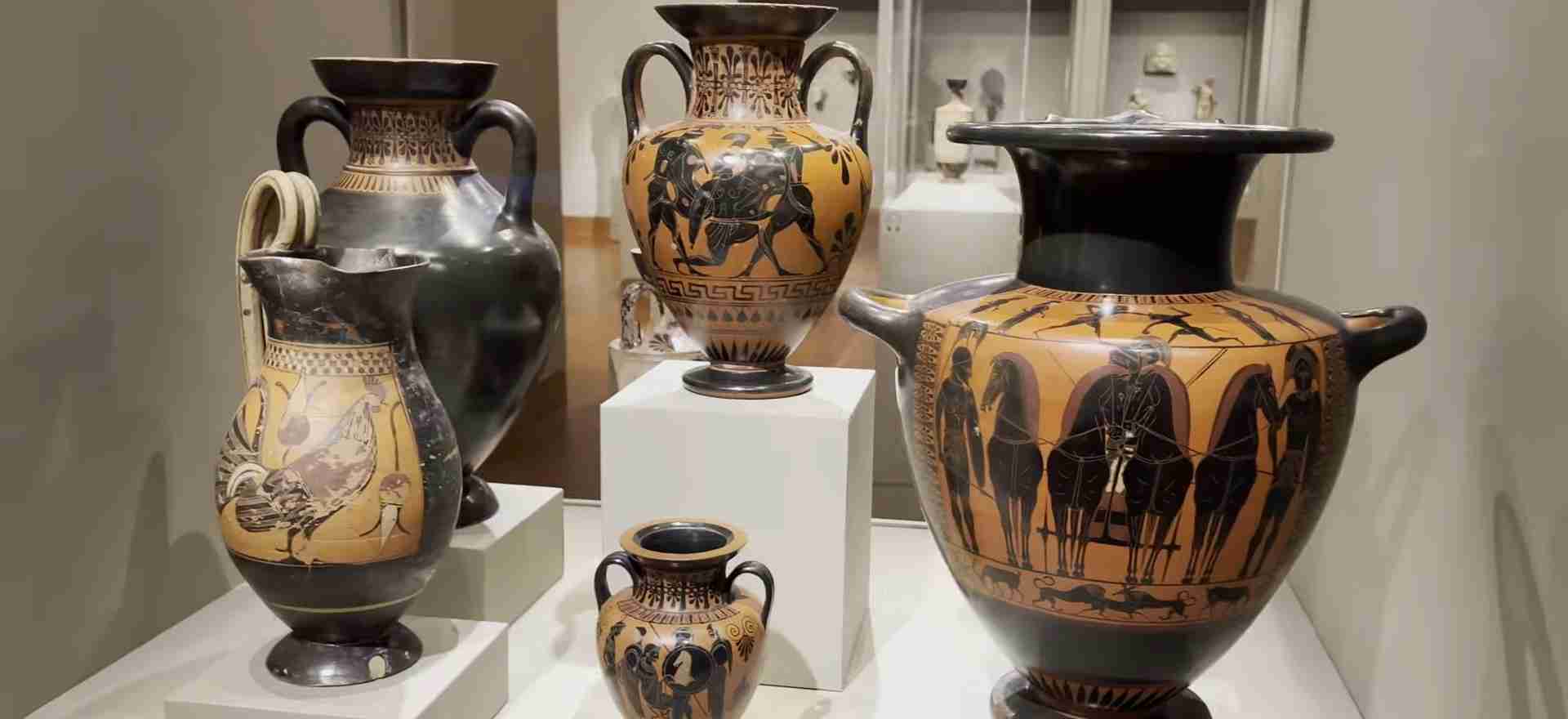
The Cleveland Museum of Art stands among America’s finest art institutions, offering completely free general admission to permanent collection galleries housing more than 61,000 artworks spanning 6,000 years of human creativity from ancient Egypt through contemporary America. The museum’s encyclopedic collection includes acknowledged masterpieces: Caravaggio’s Crucifixion of Saint Andrew, Monet’s Water Lilies, the bronze Shiva Nataraja from 11th-century India, and significant holdings in Chinese art, European medieval armor, and early American paintings. Unlike peer institutions charging $25-30 admission, CMA maintains its founding commitment to free access, funded through a $755 million endowment and public support from Cuyahoga County residents through Cuyahoga Arts & Culture grants.
The museum occupies a striking architectural complex in University Circle designed by Cleveland architects Benjamin Hubbell and W. Dominick Benes in 1916 neoclassical Beaux-Arts style, connected by Rafael Viñoly’s 2012 glass-roofed atrium spanning an entire city block. This 39,000-square-foot Ames Family Atrium serves as Cleveland’s largest free interior public space, functioning as meeting point, event venue, and architectural attraction in its own right. Visitors entering through this soaring light-filled space immediately grasp the institution’s scale while gaining orientation to the museum’s complex layout connecting the original 1916 building, 1971 North Wing, and 2000s East and West Wing additions. The atrium design deliberately creates sightlines encouraging exploration rather than intimidation, with clear signage directing visitors toward specific collection areas ranging from ancient Near Eastern galleries to contemporary American photography.
The permanent collection divides into clearly organized geographic and chronological sections across three main levels. European painting and sculpture from 1500-1900 concentrates in the original 1916 building’s second-floor galleries, where visitors encounter Italian Renaissance works, Dutch Golden Age paintings, French Impressionist masterpieces, and the dramatic Armor Court featuring medieval weaponry and full suits of armor surrounding an armored knight on horseback. Asian art fills the West Wing with galleries dedicated to Chinese, Japanese, Indian, and Southeast Asian works including the famous bronze Shiva Nataraja displayed in its own glass-walled room designed to showcase the sculpture’s 360-degree beauty. American art from colonial times through mid-20th century occupies galleries throughout the complex, while contemporary works post-1960 appear in rotating installations emphasizing recent acquisitions and emerging artists.
Operating hours accommodate various visitor schedules: closed Mondays, open Tuesday and Thursday 10 AM to 5 PM, Wednesday and Friday 10 AM to 9 PM with extended evening hours, and Saturday-Sunday 10 AM to 5 PM. The Wednesday and Friday evening hours from 5-9 PM provide ideal opportunities for working professionals and visitors seeking quieter gallery experiences after daytime tour groups depart. Museum parking is available in the attached garage for $8 flat rate on weekdays and $10 on weekends, though free street parking exists along East Boulevard and surrounding residential streets within a 5-10 minute walk. The museum sits directly on the RTA Red Line at University Circle station, making public transit the most economical access option for downtown Cleveland visitors and hotel guests along the Red Line corridor.
While general admission remains free, special exhibitions require advance timed tickets with pricing varying by exhibition. The upcoming 2026 exhibition schedule includes Spectacular Freedom: Andrew Wyeth and the Modern American Watercolor from September 2026 through January 2027, showcasing more than 100 works from the artist’s estate alongside his tempera paintings to offer fresh perspective on Wyeth’s early decades and engagement with watercolor as distinctively American medium. Martin Puryear: Nexus runs October 2026 through January 2027, highlighting the sculptor’s unique visual vocabulary shaped by global histories and enduring interest in African, Asian, and Indigenous artistic traditions. Manet & Morisot appears March 29 through July 5, 2026, examining the professional relationship and mutual influence between Édouard Manet and Berthe Morisot through paintings, drawings, and prints demonstrating their artistic dialogue within French Impressionist circles.
The museum provides multiple dining options enhancing full-day visits. Provenance Café operates Tuesday and Thursday 10 AM to 4 PM, Wednesday and Friday 10 AM to 8 PM, and Saturday-Sunday 10 AM to 4 PM, serving made-to-order sandwiches, homemade soups, seasonal salads, and oven-baked pizza alongside grab-and-go options. Provenance Restaurant offers more formal dining Tuesday through Saturday with dining room service 11 AM to 2 PM and bar service extending to 4 PM on Tuesday and Thursday or 7 PM on Wednesday and Friday. Both venues source from local suppliers and change menus seasonally, with café prices ranging $10-18 per entrée and restaurant lunch prices $15-28 per main course. The museum also permits visitors to exit and re-enter the same day, allowing breaks for lunch in nearby Little Italy restaurants just blocks away via short walk through Wade Lagoon and Mayfield Road.
The July 2026 reopening of the completely reimagined ArtLens Gallery represents a significant enhancement to the museum’s visitor experience, particularly for families and technology-enthusiastic visitors. The original ArtLens Gallery, which closed for transformation, pioneered interactive digital engagement with art through touchscreen exploration, facial recognition matching visitors to portrait subjects, and large-scale interactive displays encouraging physical movement and creative response to artworks. The reimagined version promises entirely new interactive experiences leveraging advancements in digital technology, artificial intelligence, and visitor engagement research conducted during the three-year closure. While specific details remain under announcement embargo until closer to opening, museum leadership indicated the transformed gallery will maintain the original’s emphasis on making art accessible and engaging while incorporating feedback from hundreds of thousands of previous visitors to create more intuitive, responsive, and inclusive interactive experiences.
Rock & Roll Hall of Fame: Music History on Lake Erie 2026
The Rock & Roll Hall of Fame occupies I.M. Pei’s iconic geometric glass pyramid jutting over Lake Erie’s North Coast Harbor, housing the world’s most comprehensive collection of rock music artifacts, memorabilia, and inductee tributes across seven levels of exhibition space. Since opening in September 1995 after Cleveland beat competing cities including New York and Memphis for hosting rights, the museum has welcomed more than 15 million visitors to explore everything from handwritten Beatles lyrics to Taylor Swift’s piano, Michael Jackson’s Thriller jacket to instruments played by Chuck Berry, Prince, Jimi Hendrix, and countless other legends who shaped popular music’s evolution from 1950s origins through contemporary genres.
Admission prices for 2026 standard at $39.50 for adults ages 13 and older, $29.50 for children ages 6-12, and free for children 5 and under. Discounted admission of $34.50 is available for college students with valid ID, active and retired military members with identification, first responders with credentials, and Northeast Ohio residents presenting proof of local address. Student membership costs $45 annually, providing unlimited admission for enrolled college students at less than the price of two general admission visits. Tickets should be purchased in advance online through the museum’s official ticketing system or via authorized resellers, as popular time slots especially weekends and holiday periods frequently sell out. Walk-up tickets are available subject to capacity, though purchasing at the door requires waiting in the ticket office line and risks finding next-available entry slot hours later during busy periods.
The museum organizes chronologically and thematically across its seven exhibition levels, though ongoing renovations in 2026 limit access to some floors as the institution completes infrastructure improvements and gallery renovations scheduled through late 2026. The ground level (Level 0) contains the most comprehensive historical exhibits tracing rock and roll’s emergence from blues, country, gospel, and R&B roots through 1950s pioneers including Elvis Presley, Chuck Berry, Little Richard, and Buddy Holly. Dedicated exhibits explore regional music scenes that shaped rock’s development: Memphis and Sun Records, Detroit’s Motown, British Invasion bands, San Francisco psychedelic rock, Seattle grunge, and contemporary hip-hop’s evolution from Bronx origins to global cultural force. Each era presents through artifacts, video footage, interactive listening stations, and explanatory text establishing historical context while showcasing specific artists’ contributions.
Upper levels focus on inductee tributes and rotating special exhibitions. The Hall of Fame itself occupies an entire level, featuring plaques honoring each inducted performer, group, and industry professional in a darkened multimedia environment with video screens displaying induction ceremony footage and performances. Visitors spending time here can watch Johnny Cash’s induction speech, U2’s acceptance performance, or speeches from industry legends honoring that year’s class. Rotating exhibitions change annually or semi-annually, recent examples including celebrations of specific years like “1984: The Birth of Pop Metal” showcasing Metallica, Prince, and Billy Idol artifacts, or genre-focused exhibits examining Rolling Stone magazine’s 50-year history, Women Who Rock highlighting female artists’ groundbreaking contributions, or Right Here, Right Now exploring Cleveland’s own musical legacy beyond the Hall of Fame’s presence.
Operating hours vary seasonally: July and August daily 10 AM to 5 PM except Thursday-Saturday when closing extends to 8 PM, while September through June maintains daily 10 AM to 5 PM hours with extended Thursday evening closing at 9 PM. Allow minimum 2.5 to 3 hours for reasonably thorough exploration, though dedicated music fans easily spend 4-5 hours engaging with interactive displays, watching documentary films scattered throughout exhibits, and reading detailed exhibit text explaining musical movements and artist biographies. The museum’s location directly adjacent to Cleveland Browns Stadium on Lake Erie waterfront creates parking challenges during football games when roads close and parking rates spike to $55. Visitors should check Browns’ home game schedule and avoid those Sundays entirely or plan alternative public transportation via RTA Waterfront Line or downtown parking with stadium shuttle service.
The museum offers several add-on experiences enhancing basic admission. Concert films screen regularly in the Foster Theater, showcasing legendary performances from festival footage, award shows, and historic concerts captured on film. These 30-60 minute films rotate monthly and are included with general admission. The museum’s interactive experiences allow visitors to mix tracks in a recording studio setup, practice instruments in soundproof booths, and create musical mashups at digital mixing stations. The museum store operates as comprehensive music retail outlet selling vinyl records, artist merchandise, Hall of Fame branded items, and music books, accessible without museum admission for visitors just wanting to shop. Food service consists of Rock Hall Café on the main level offering standard museum fare including pizza, sandwiches, salads, and snacks at $12-18 per meal, though many visitors walk 5-10 minutes to nearby Flats East Bank restaurants for superior dining options along the Cuyahoga River.
Cleveland Museum of Natural History: Transformed Experience 2026
The Cleveland Museum of Natural History completed the most sweeping transformation in its 107-year history in December 2024, unveiling more than 375,000 square feet of new and expanded exhibition spaces, upgraded research facilities, and 2 acres of outdoor exploration areas that immediately earned recognition as one of USA TODAY’s top 5 Best New Museums in the 2026 10Best Readers’ Choice Awards. The $150 million Transforming the World of Discovery campaign modernized every aspect of the museum while preserving beloved exhibits including Lucy the early human ancestor cast, the museum’s extensive dinosaur collection, and the Smead Discovery Center’s hands-on activities for young visitors. The transformation positions CMNH as Northeast Ohio’s premier natural science destination with exhibition quality, interactive technology, and visitor amenities rivaling the Field Museum, American Museum of Natural History, and Smithsonian National Museum of Natural History.
Admission pricing for 2026 structures around advance purchase incentives: adult tickets ages 19-60 cost $25 when purchased online in advance or $28 at the door, while youth ages 2-18, seniors ages 61 and older, undergraduate students with valid ID, and military veterans all receive $18 advance tickets or $21 at the door. Children under age 2 enter free. The $3 advance purchase discount applies across all paid categories, making online booking through the museum’s official website or by phone at 216-231-4600 the financially sensible choice beyond simply ensuring entry during popular visiting times. Educators receive 50% discount on general admission throughout May 2026 in recognition of Teacher Appreciation Month when presenting valid proof of educator status at purchase or check-in. Kent State University students access special $5 admission from April 22 through October 11, 2026 during the Fashion & Feather exhibition period when purchasing in person at the Welcome Desk with valid student identification.
The museum operates Tuesday through Sunday 10 AM to 5 PM with Monday closures, following standard practices among major museums for weekly maintenance and staff development. Last entry to general museum galleries occurs at 4:45 PM, while special exhibitions may enforce earlier final entry 60 minutes before museum closing to ensure adequate viewing time before galleries close. Visitors should budget minimum 2.5 to 3 hours for meaningful exploration of permanent galleries and special exhibitions, though families with young children gravitating toward hands-on Smead Discovery Center activities easily spend 4-5 hours without exhausting available experiences. The museum added significant outdoor components in its 2024 transformation, including the Ralph Perkins II Wildlife Center & Woods Garden presented by KeyBank and the Thelma and Kent H. Smith Environmental Courtyard, which remain accessible during standard museum hours weather permitting.
The transformed museum organizes exhibitions across multiple themed areas replacing the previous chronological-geological progression with more intuitive topic-based exploration. Origins galleries examine Earth’s formation, prehistoric life, and Ohio’s geological and paleontological record through fossil displays including dinosaur skeletons, Ice Age mammals, and the famous Dunkleosteus prehistoric armored fish. The Wildlife Center and Woods Garden showcase living animals native to Ohio and the Great Lakes region through naturalistic habitats and outdoor observation points allowing seasonal wildlife viewing. Human evolution and archaeology galleries present Lucy the Australopithecus afarensis cast alongside artifacts from early human cultures, while the Reinberger Gallery hosts rotating special exhibitions and traveling shows that change every 3-6 months.
The current major special exhibition Fashion & Feather runs from April 22 through October 11, 2026 in collaboration with Kent State University’s renowned fashion program. This exhibition explores the intersection of fashion design and natural history through examination of how fashion houses, designers, and indigenous cultures have incorporated feathers, plumage, and avian-inspired design elements across centuries of clothing, accessories, and ceremonial garments. The exhibition combines fashion archives from Kent State’s collection with natural history specimens from CMNH holdings, creating interdisciplinary dialogue between ornithology, textile arts, cultural anthropology, and contemporary sustainable fashion practices as designers increasingly examine ethical sourcing and synthetic alternatives to feathers and exotic materials.
Additional experiences beyond general admission include Cleveland Clinic DOME Theater showing nature and science films on Northeast Ohio’s largest theater screen, and Shafran Planetarium presenting astronomy shows exploring stars, planets, and space exploration. Each costs $7 per person as individual add-on, or visitors can purchase All-Access Pass during checkout bundling general admission, planetarium, and DOME Theater for $4 savings over separate ticket purchase. Current DOME Theater rotation includes Great Barrier Reef narrated by Eric Bana exploring the world’s largest coral reef ecosystem, and Sea Otters: A Wild Family Adventure documenting conservation efforts protecting endangered sea otter populations along California and Alaska coasts. Films run approximately 45 minutes with showtimes throughout each operating day, final screening typically 90 minutes before museum closing.
The museum participates in multiple reciprocal admission programs valuable for members of science museums and natural history institutions nationwide. ASTC (Association of Science-Technology Centers) Passport Program, NARM (North American Reciprocal Museum Association), and ROAM (Reciprocal Organization of Associated Museums) members receive admission benefits according to each program’s specific guidelines when presenting valid membership cards from participating institutions. The museum also provides free weekend admission every Saturday and Sunday for residents of Cleveland, East Cleveland, Brooklyn, Euclid, Garfield Heights, Maple Heights, and Warrensville Heights when presenting valid proof of residency such as driver’s license or utility bill with current address. Museums for All participants presenting SNAP, EBT, or WIC cards receive $1 admission for up to four family members, making natural science exploration accessible regardless of economic circumstances.
Great Lakes Science Center: Hands-On STEM Learning 2026
Great Lakes Science Center makes science, technology, engineering, and math concepts tangible through more than 400 hands-on exhibits, live science demonstrations, the Cleveland Clinic DOME Theater, and the NASA Glenn Visitor Center, one of only 11 NASA visitor centers nationwide. The museum serves more than 300,000 visitors annually with programming specifically designed to ignite curiosity across age groups from preschoolers exploring polymer science in the Polymer Funhouse to adults attending evening lecture series and DOME Movies After Dark screenings. The museum celebrates its 30th anniversary in 2026 after opening in July 1996 as Cleveland’s premier interactive science destination, maintaining consistent relevance through regular exhibit updates, temporary exhibition rotation, and partnerships with NASA Glenn Research Center and regional STEM education initiatives.
Admission costs $20 for adults ages 13 and older and $15 for children ages 2-12, with children under 2 entering free. These prices include general admission to all permanent exhibits, the NASA Glenn Visitor Center, daily science demonstrations, and select temporary exhibitions, though some special ticketed exhibitions and all DOME Theater screenings require additional payment. Combination tickets bundling general admission with DOME Theater movies save $5 compared to purchasing separately, while multi-attraction packages offer coordinated experiences. The Science Rocks ticket combines Great Lakes Science Center and Rock & Roll Hall of Fame admission for use on the same day or separate visits, providing savings over individual institution tickets and convenience of single-purchase planning for visitors exploring both downtown Cleveland waterfront attractions.
Bank of America cardholders receive one free general admission on the first full weekend of every month by presenting Bank of America debit or credit card at the box office, applicable to the cardholder only and excluding DOME Theater, special exhibitions, and historic Steamship William G. Mather which requires separate admission. Free admission days presented by the Mandel Supporting Foundation occur eight times annually on select Sundays, drawing large crowds but offering budget-conscious families zero-cost access to full museum experience. Cleveland Public Library cardholders can reserve Culture Passes through the library’s online system providing free general admission, though passes must be booked weeks in advance during popular times as demand exceeds availability. ASTC Passport Program members from other science centers nationwide receive reciprocal admission benefits according to program guidelines when presenting valid membership cards.
Operating hours accommodate both weekday and weekend visitors: Tuesday through Sunday 10 AM to 5 PM with Monday closures, extended Thursday hours to 8 PM providing after-work access for downtown employees and families seeking less-crowded evening visits. The museum’s location at 601 Erieside Avenue in downtown Cleveland’s North Coast Harbor positions it directly adjacent to the Rock & Roll Hall of Fame and FirstEnergy Stadium, creating both opportunities and challenges. The proximity enables easy two-attraction days combining science and music or science and football gameday atmosphere, but Cleveland Browns home games severely restrict parking and traffic flow as the surrounding area transitions to gameday operations with road closures and $55 parking rates. Visitors should check Browns schedule and avoid home game days entirely or arrive via public transit using RTA’s Waterfront Line which runs from Tower City downtown hub directly to North Coast Harbor with stations serving both Science Center and Rock Hall.
Permanent exhibition areas span three levels covering diverse STEM topics. The main level houses the NASA Glenn Visitor Center showcasing space exploration through authentic artifacts, spacecraft components, astronaut equipment, interactive exhibits demonstrating physics principles enabling spaceflight, and regularly updated content reflecting current NASA missions and discoveries. The Center includes hands-on activities like testing spacesuit glove dexterity, experiencing G-forces through motion simulators, and exploring how astronauts live aboard the International Space Station through full-scale habitat modules. Science Phenomena fills multiple galleries with interactive experiences demonstrating fundamental science concepts: visitors generate electricity by pedaling bikes, create plasma balls touching high-voltage displays, build structures testing engineering principles, and manipulate air pressure, sound waves, and light properties through self-directed experimentation.
The Polymer Funhouse caters specifically to young children ages 2-7 with age-appropriate hands-on activities exploring polymer science through play. Children construct with oversized foam blocks, manipulate stretchy materials demonstrating polymer properties, and engage sensory experiences designed for developing minds while parents appreciate the enclosed supervised space allowing toddlers safe exploration. Cleveland Creates Gallery opened February 2024 as permanent exhibition celebrating Northeast Ohio’s manufacturing and innovation legacy, highlighting technological advances in aeronautics, robotics, steel production, and chemistry developed locally with interactive exhibits inspiring next-generation STEM careers by connecting historic innovation to contemporary applications and future possibilities.
The Cleveland Clinic DOME Theater screens nature documentaries and science films on a 79-foot-tall dome screen accommodating 300 viewers in a fully immersive experience far exceeding standard movie theaters. The theater upgraded from original IMAX technology to three-projector laser-illuminated system in 2016, creating the first installation of this advanced projection technology delivering unprecedented image clarity and brightness. Current 2026 film rotation includes Great Barrier Reef exploring the world’s largest coral reef ecosystem through Eric Bana narration, and Sea Otters: A Wild Family Adventure documenting sea otter conservation. Films run approximately 45 minutes with multiple daily showtimes. DOME Movies After Dark launches monthly Thursday evening series starting 6 PM featuring popular Hollywood films rather than educational documentaries: March 20 screening Wicked, April 17 showing Interstellar, and May 29 presenting Titanic. These adult-oriented evening events sell separately from daytime educational films and attract different audiences seeking entertainment-focused dome screen experiences.
Special exhibitions change annually or semi-annually, current 2026 roster including TapeScape: International Tape Station opening spring 2026, and TITANIC: The Artifact Exhibition running through fall 2026 requiring separate admission beyond general entry. TapeScape transforms gallery space into interactive installation where visitors create large-scale tape art, manipulate tape structures, and explore artistic and engineering applications of this everyday material through immersive environment designed by tape art collective. TITANIC presents authentic artifacts recovered from the shipwreck site alongside recreated spaces, personal stories from passengers and crew, and historical context examining the disaster’s technological, social, and cultural significance. Special exhibitions typically add $8-12 to general admission when purchased separately, though combination tickets bundling general admission and special exhibition provide $5-8 savings.
The historic Steamship William G. Mather, a 618-foot Great Lakes freighter built in 1925 and known as “The Ship That Built Cleveland,” docks behind the Science Center and opens for seasonal tours May through October. The restored flagship showcases cargo holds, brass and oak pilot house, guest quarters, and four-story engine room documenting Great Lakes shipping history when these massive vessels transported iron ore, coal, and grain fueling industrial growth. Separate admission applies beyond Science Center tickets, typically $8 for adults and $6 for children, though occasional free admission days commemorate maritime history milestones and Great Lakes awareness programming.
Museum of Contemporary Art Cleveland: Free Cutting-Edge Art 2026
The Museum of Contemporary Art Cleveland, known as moCa, occupies a distinctive steel-clad structure designed by Farshid Moussavi in University Circle, serving as the region’s only contemporary art venue dedicated exclusively to art created since 1960. The museum charges absolutely no admission fees, operating Thursday through Sunday 11 AM to 5 PM with free access to all exhibitions, gallery spaces, and public programs. This admission-free model removes financial barriers to experiencing challenging, thought-provoking contemporary art often intimidating to audiences accustomed to traditional museum experiences, while the building’s compact size and focused programming create less overwhelming entry point for contemporary art exploration than larger institutions presenting dozens of simultaneous exhibitions.
The museum’s exhibition programming emphasizes emerging and mid-career artists alongside established contemporary figures, with particular attention to artists whose work addresses social justice, identity politics, environmental concerns, and technological impact on human experience. Exhibitions change every 3-4 months, ensuring regular rotation that rewards repeated visits while preventing the stagnation common in museums maintaining static displays year after year. Spring 2026 programming includes Improper Frames bringing together artists and photographers examining Cleveland’s internal boundaries, partial views, and shifting frames through material and visual evidence derived from the city’s recently completed property inventory, and They Danced on This Land featuring work by emerging artists exploring Indigenous land relationships, displacement narratives, and contemporary Native American cultural identity.
The building itself functions as architectural statement worthy of attention independent from exhibited artworks. Moussavi’s 2012 design employs faceted black steel exterior creating geometric patterns catching and reflecting light differently throughout the day and seasons, while interior galleries feature adaptable walls, varied ceiling heights, and natural light sources allowing curatorial flexibility for diverse installation approaches. The building sits on former industrial land in University Circle, deliberately engaging Cleveland’s manufacturing heritage while signaling the neighborhood’s evolution toward cultural and educational focus. Visitors entering through the main lobby immediately encounter Gund Commons, a flexible ground-floor space functioning as gathering area, performance venue, and social zone outside the more contemplative gallery environments on upper floors.
Engagement Guides stationed throughout the museum answer questions, facilitate art discussions, and support visitor experiences without the formality or intimidation sometimes associated with traditional museum docents. These guides emphasize open dialogue rather than art historical lecturing, encouraging visitors to share reactions, ask questions without judgment, and develop personal relationships with artworks rather than seeking “correct” interpretations. The museum also offers drop-in discussions allowing deeper exploration of current exhibitions through facilitated conversations, and self-guided experiences including architecture tours highlighting the building’s design features and art elements integrated into the structure itself.
The museum maintains strong accessibility commitments across physical, sensory, and informational dimensions. Manual and transport wheelchairs are available free on first-come first-serve basis from the Welcome Center, while motorized wheelchairs are permitted throughout the facility. All galleries feature complete air exchange within 10-minute periods with MERV 14 filtration arresting most particulates, important for visitors with respiratory sensitivities or compromised immune systems. Large-print checklists and exhibition texts are available by request, audio transcripts of exhibition essays and wall text post online at mocacleveland.org/AD, and verbal-description docent-guided tours for select exhibitions are available by appointment free with museum admission. Seating appears throughout galleries and building including soft furniture on ground and upper floors plus benches in all gallery spaces, recognizing extended standing creates barriers for many visitors.
The museum participates in University Circle’s integrated cultural ecosystem through programming collaborations, shared resources, and coordinated marketing. Free admission aligns with Cleveland Museum of Art’s permanent collection access model, creating powerful value proposition for visitors who can experience two free world-class art institutions within half-mile walk. The CircleLink shuttle connects moCa with all other University Circle destinations including museums, botanical garden, and restaurants at no charge, running continuously during daylight hours with clearly marked stops throughout the district. This interconnected infrastructure enables visitors to spontaneously add moCa to itineraries planned around other University Circle attractions without additional cost or complicated logistics.
Cleveland History Center: Regional Heritage & Innovation 2026
The Western Reserve Historical Society operates the Cleveland History Center at 10825 East Boulevard in University Circle, housing Northeast Ohio’s largest American history research center and the region’s most comprehensive local history museum campus. Founded in 1867 as the oldest cultural institution in Northeast Ohio, the organization preserves and presents Cleveland and Western Reserve history through vast collections spanning family history, community development, entrepreneurship, and technological innovation across nearly 200 years from early settlement through contemporary times. The Cleveland History Center campus encompasses multiple historic structures including the Crawford Auto-Aviation Museum with 170 antique automobiles and 12 aircraft, the Chisholm Halle Costume Wing containing one of America’s most comprehensive costume and textile collections, two historic mansions, and the restored Euclid Beach Park Grand Carousel celebrating Cleveland’s amusement park heritage.
Admission tickets are available for purchase online at cletix.com or at the door subject to capacity, with advance online purchase recommended especially for weekend visits. Specific 2026 pricing is available through the ticketing website, while discounted $3 admission serves Museums for All participants presenting SNAP, EBT, or WIC cards. The Cleveland History Center also participates as Blue Star Museum providing free admission to active duty military personnel and their families from Memorial Day through Labor Day. Each admission purchase includes unlimited rides on the Euclid Beach Park Grand Carousel, access to all museum galleries and the Crawford Auto-Aviation Museum, and docent-guided mansion tours during scheduled times. The CirclePass multi-museum ticket includes Cleveland History Center as one of three University Circle institutions, providing 25% savings over separate admission purchase for visitors planning multiple museum visits.
Operating hours run Thursday noon to 8 PM and Friday through Sunday 10 AM to 4 PM with Monday through Wednesday closures, final tickets sold at 3 PM to ensure adequate exploration time before 4 PM closing on weekend days. This Thursday evening extension to 8 PM serves working professionals unable to visit during standard weekday hours and families seeking less-crowded weeknight experiences. The Grand Carousel operates for rides Thursday 11 AM to 7 PM and Friday through Sunday 11 AM to 4 PM, weather permitting for the outdoor installation. Parking is available in the dedicated lot behind the museum off Magnolia Drive at $8 per car flat rate, with WRHS members receiving discounted $5 parking during museum hours when showing membership cards at the admission desk.
The main exhibition Cleveland Starts Here, sponsored by the Jack, Joseph and Morton Mandel Foundation, chronicles Cleveland’s development from 1796 founding through contemporary times across expansive galleries documenting the city’s role in industrial revolution, immigration waves shaping ethnic neighborhoods, sports championships and cultural achievements, social justice movements, and economic transformations from manufacturing powerhouse through rust belt decline to 21st-century renaissance. Artifacts range from Moses Cleaveland’s original survey maps to LeBron James’ championship shoes, Garrett Morgan’s traffic signal invention to examples of Cleveland’s leadership in medical innovation, civil rights advocacy, and urban planning. Interactive elements encourage visitor engagement beyond passive observation: digital mapping tools show neighborhood evolution, oral history stations present Cleveland residents’ stories across generations, and hands-on displays demonstrate industrial processes that built the city’s economic foundation.
The Crawford Auto-Aviation Museum occupies dedicated galleries showcasing more than 170 antique automobiles spanning automotive history from late-1800s horseless carriages through mid-century American classics and contemporary supercars. The collection emphasizes Cleveland’s significant automotive manufacturing heritage including locally produced White Motor Company trucks, Baker Electric vehicles popular in early 1900s, and Peerless automobiles representing Cleveland’s position as early automotive innovation center rivaling Detroit. Aircraft exhibits present 12 historic planes documenting aviation development and Cleveland’s contributions to aerospace engineering, while motorcycle, bicycle, boat, and carriage collections round out transportation history beyond automobiles. Special rotating exhibitions appear regularly: 2025-early 2026 featured Mustangs Through the Decades celebrating Ford Mustang’s 60th anniversary, while Big & Bizarre: Hidden Treasures of the Crawford Museum closing April 2026 showcased unusual vehicles and transportation oddities rarely displayed from the museum’s storage collections.
The Chisholm Halle Costume Wing contains more than 50,000 items representing one of the nation’s most comprehensive costume and textile collections outside major metropolitan museums. Exhibitions rotate regularly showcasing specific eras, designers, or themes: recent years presented Mad for Plaid examining tartans and plaid patterns across cultures and centuries, while upcoming programming explores Cleveland fashion industry contributions, wedding dress evolution, and sustainable fashion practices. The collection spans 18th-century aristocratic garments through contemporary designer pieces, with particular strength in American fashion from 1890-1960 documenting how clothing reflected and influenced social change, women’s liberation, economic shifts, and cultural identity formation. Many visitors discover this collection as hidden gem within the broader history center, overlooked by those focusing solely on Cleveland history or automotive exhibits but offering fashion enthusiasts and textile scholars exceptional resources unavailable elsewhere regionally.
The Hay-McKinney Mansion and attached structure provide atmospheric settings for displaying period furnishings, decorative arts, and lifestyle artifacts demonstrating how Cleveland’s wealthy elite lived during the city’s industrial golden age. Docent-guided mansion tours run at scheduled times throughout operating days, included with general admission, offering 30-40 minute explorations of historic interiors with gas lighting, period furniture, and architectural details demonstrating late-19th and early-20th century upper-class domestic life. The mansion galleries also host rotating exhibitions examining aspects of Cleveland social history, women’s rights movements, and cultural developments that transformed the city across different eras.
The museum develops robust educational programming serving Northeast Ohio schools through curriculum-rooted field experiences aligned with Ohio’s Learning Standards. Homeschool Field Trip Days appear monthly throughout the school year, recent examples including America 250 programming for ages 9-12 exploring surveying, cartography, and city planning, and Arts, Culture, and Literature programs for various age groups. Summer camps run weekly throughout June, July, and August covering topics from Historic Animals to Entrepreneur Camp, Artist Camp to Playtimes Past, providing week-long immersive experiences for elementary and middle school students. Adult programming includes lecture series, film screenings, jazz brunches, and Murder Mystery Series events running Thursday evenings featuring immersive theatrical experiences set in different Cleveland history eras where attendees solve fictional murders while learning actual Cleveland history.
Additional Cleveland Museums & Galleries 2026
Beyond the five major institutions detailed above, Cleveland’s cultural landscape includes specialized museums, university galleries, and neighborhood art spaces enriching the city’s cultural offerings. The Transformer Station operates as satellite location of the Cleveland Museum of Art in Ohio City’s Hingetown neighborhood, presenting emerging artists, time-based media, live music, and dynamic social experiences in a converted electrical substation. Admission is free, with programming emphasizing contemporary artists not yet established enough for main CMA exhibitions alongside experimental works requiring flexible unconventional spaces. The location west of the Cuyahoga River across from downtown provides cultural anchor for rapidly developing Ohio City arts district.
Cleveland Institute of Art’s Reinberger Gallery at 11610 Euclid Avenue supports professional artists through rotating exhibitions showcasing regional and national emerging talent. The gallery opens to the public free of charge during academic year when CIA students occupy the building, closing during summer months and academic breaks. Exhibition quality rivals commercial galleries but without sales pressure or entry fees, making it valuable destination for visitors interested in contemporary art beyond museum settings. CIA also hosts annual student exhibitions and BFA/MFA thesis shows each spring demonstrating next-generation artistic talent and current trends in art education.
The Sculpture Center relocated from its original Cleveland location but continues supporting sculptors through exhibition opportunities, educational programs, and community engagement. While no longer maintaining permanent physical gallery space, the organization produces exhibitions at partner venues including moCa Cleveland and outdoor installations throughout University Circle and downtown Cleveland. This nomadic approach brings sculpture into public spaces where casual passersby encounter it rather than requiring museum visits, democratizing access while focusing resources on artists rather than facility overhead.
Artists Archives of the Western Reserve at 1834 East 123rd Street preserves legacies of visual artists from Northeast Ohio through archival collections, oral histories, and research resources available to scholars, students, and public. The organization hosts exhibitions, artist talks, and public programs exploring regional art history and contemporary Cleveland artists’ practices. While operating with limited public hours compared to major museums, Artists Archives fills essential niche documenting Cleveland’s visual arts community across generations and ensuring preservation of materials that would otherwise be lost when artists pass or studios close.
Cleveland Botanical Garden at 11030 East Boulevard in University Circle offers 10 acres of outdoor gardens and Glasshouse Conservatory housing Costa Rican rainforest and Madagascar spiny desert environments. While technically distinct from museums, the Botanical Garden participates in CirclePass multi-attraction ticket and University Circle’s integrated cultural campus, making it natural addition to museum-focused itineraries. Admission costs $15 for adults and $8 for children ages 3-12 when purchased online, with Cleveland Public Library Culture Pass providing free admission for cardholders. The facility operates year-round including winter when heated Glasshouse provides tropical escape from Ohio weather while outdoor gardens showcase winter interest plantings and seasonal decorations.
Money-Saving Strategies for Cleveland Museums 2026
Strategic planning dramatically reduces Cleveland museum expenses while maintaining comprehensive cultural experiences. The foundation of budget-conscious museum visiting starts with prioritizing free institutions: Cleveland Museum of Art and Museum of Contemporary Art Cleveland provide world-class collections and exhibitions at zero cost, together offering full day’s worth of art engagement spanning 6,000 years of human creativity from ancient civilizations through cutting-edge contemporary works. Visitors allocating entire days to each free institution before considering paid museums can experience exceptional cultural programming while spending nothing on admission fees, with funds redirected toward meals, transportation, or optional paid exhibitions at CMA when special shows warrant ticketed entry.
The Cleveland Public Library Culture Pass program delivers extraordinary value for Cuyahoga County residents holding library cards. The program provides free general admission passes to multiple cultural institutions including Great Lakes Science Center, Cleveland Museum of Natural History, Cleveland Botanical Garden, and Cleveland History Center. Passes must be reserved online through the library’s Culture Pass portal at cpl.org, with reservations opening 60 days in advance for each date. Popular dates especially weekends and school vacation periods book quickly, requiring advance planning and flexible scheduling. Each pass admits the cardholder plus up to three additional family members, making it particularly valuable for families where single-pass reservation covers entire group. The Culture Pass represents one of Northeast Ohio’s best-kept cultural secrets, underutilized by many residents unaware the program exists or unsure how reservation systems work.
Multi-museum passes provide savings when visiting multiple paid institutions. The CirclePass bundles admission to Cleveland History Center, Cleveland Botanical Garden, and Cleveland Museum of Natural History at 25% discount compared to purchasing separately, valid for 30 days from first redemption allowing flexible scheduling across multiple days rather than requiring all visits on single date. The Science Rocks combination ticket merges Great Lakes Science Center and Rock & Roll Hall of Fame admission for savings over separate purchase, usable same day or split across two visits. For visitors planning three or more paid museum visits, calculating total saved through passes versus individual admission determines whether pass purchase makes financial sense based on specific institutions intended.
Bank of America cardholders receive free Great Lakes Science Center admission on first full weekend of every month, applicable to cardholder only but enabling one family member to visit at no cost while others purchase discounted combination tickets if desired. NASA employees with badges receive free Science Center admission during normal business hours for themselves and immediate family, though this benefit excludes DOME Theater, special ticketed exhibitions, and Steamship William G. Mather. Military families access free Cleveland History Center admission Memorial Day through Labor Day via Blue Star Museums program, plus year-round discounted admission at Cleveland Museum of Natural History and other institutions offering military discounts when presenting valid military identification.
Advance online ticket purchase saves $3 per ticket at Cleveland Museum of Natural History compared to door prices, making online booking financially prudent beyond simply ensuring entry during busy times. This $3-per-person savings multiplies quickly for families: two adults and two children save $12 purchasing four advance tickets online, essentially covering parking cost or lunch contribution. Great Lakes Science Center and Rock & Roll Hall of Fame don’t offer door-price premiums but do sell out during popular periods, making advance purchase insurance against finding no same-day availability. Combination tickets bundling general admission with DOME Theater, planetarium, or special exhibitions at both Natural History Museum and Science Center provide $4-8 savings over separate component purchases, worthwhile when planning to experience add-on attractions regardless of bundling.
Museums for All program participants presenting SNAP, EBT, or WIC cards receive drastically reduced admission at Cleveland Museum of Natural History ($1), Cleveland History Center ($3), and Great Lakes Science Center ($3), making even paid museums accessible to low-income families. Many visitors qualifying for these programs remain unaware institutions offer reduced admission, assuming museum experiences exist beyond their means. Museums actively promote these programs but many families simply don’t think to inquire, missing opportunities for affordable cultural enrichment. The programs require presenting benefit cards at admission desk rather than advance online booking, meaning visitors must purchase on arrival, but the dramatic savings far exceed any convenience loss from online purchase.
Free programming supplements admission savings: Cleveland Museum of Art presents free gallery talks, lectures, musical performances, and family programs throughout the year, appearing on the museum’s online calendar. Museum of Contemporary Art Cleveland’s free admission includes free access to artist talks, performances, and educational programs that would carry separate fees at many museums. Great Lakes Science Center’s daily science demonstrations included with general admission provide 15-20 minute educational performances several times daily at no added cost. These free programs transform museum visits from purely self-guided gallery walking to structured learning experiences with expert guidance, adding significant value without increasing spending.
Seasonal strategies yield additional savings: Cleveland Museum of Natural History offers free weekend admission for residents of seven specific cities, essentially providing full free access to qualifying residents rivaling even Cleveland Museum of Art’s universal free model. Great Lakes Science Center and Western Reserve Historical Society present occasional free admission days celebrating anniversaries, holidays, or community events, announced through museums’ social media channels and email newsletters weeks in advance. While these free days draw larger crowds potentially impacting experience quality through longer lines and busier galleries, budget-conscious visitors willing to tolerate crowds access institutions completely free that normally require paid admission. Following museums’ social media accounts and subscribing to email lists ensures awareness of upcoming free opportunities rather than discovering them after dates pass.
University Circle Museum District: Logistics & Planning 2026
University Circle concentrates five world-class museums within a half-mile radius, creating one of America’s densest cultural districts outside Manhattan, Boston, or Washington D.C. The neighborhood situates approximately 4 miles east of downtown Cleveland, easily accessible via RTA Red Line heavy rail with University Circle station serving as central transit hub. Free CircleLink shuttle buses circulate continuously throughout the district during operating hours, connecting museums, Cleveland Clinic, Case Western Reserve University, restaurants, and parking areas with clearly marked stops appearing every 2-3 blocks. This integrated transportation infrastructure enables car-free museum visiting for downtown hotel guests and visitors arriving via Cleveland Hopkins International Airport’s direct Red Line connection, eliminating parking costs and navigation hassles while supporting sustainable tourism practices.
Visitors driving to University Circle choose between museum-specific parking and municipal lots serving the broader district. Cleveland Museum of Art operates dedicated parking garage accessed from East Boulevard with $8 weekday and $10 weekend flat rates, convenient for CMA-focused visits but no more cost-effective than public lots for multi-museum days. Cleveland Museum of Natural History shares this garage with separate entrance, both museums validating parking for visitors. Municipal parking lots throughout University Circle charge $5-8 daily rates with payment via parking meters accepting credit cards or ParkMobile app, providing more flexibility for visitors moving between multiple destinations. Street parking exists along residential streets radiating from the cultural core: East Boulevard, Ford Drive, and Euclid Avenue offer metered and unmetered spaces within 5-10 minute walk of museums, free on Sundays but metered Monday-Saturday with 2-hour limits on most blocks requiring moves between museums unless willing to walk 10-15 minutes from unrestricted residential streets farther from the core.
Strategic parking placement maximizes efficiency and minimizes costs for full-day University Circle exploration. Visitors planning Cleveland Museum of Art plus one other institution should park at the CMA garage once and walk to second destination rather than moving cars between museums, as the half-mile maximum distance between any two University Circle museums takes 10-12 minutes walking versus 10+ minutes driving, finding new parking, and walking from lot to entrance. The CircleLink shuttle eliminates walking for those uncomfortable with half-mile distances or managing mobility challenges, running frequent loops connecting all destinations every 10-15 minutes during cultural district operating hours. Parking once and using combination of walking and CircleLink for a full day of museum visits costs $8-10 total compared to $16-20 parking separately at multiple institutions or risk of parking tickets from exceeding metered time limits while inside museums.
Optimal one-day University Circle itineraries balance free and paid museums while accounting for seasonal weather and personal interests. A representative full-day plan might start with Cleveland Museum of Art opening at 10 AM, spending 2-3 hours exploring permanent galleries and any special exhibitions, breaking for lunch either at museum’s Provenance Café or nearby Little Italy restaurants reached via 5-minute walk through Wade Lagoon. Afternoon museum selection depends on interests: families with children gravitate toward Cleveland Museum of Natural History’s hands-on Smead Discovery Center and dinosaur galleries, art enthusiasts add Museum of Contemporary Art Cleveland for contemporary works contrasting with CMA’s historical focus, history buffs explore Cleveland History Center’s regional heritage collections and Crawford Auto-Aviation Museum. This two-museum structure with meal break produces satisfying cultural experience without the exhaustion of attempting three or four museums in single day, allowing adequate time at each institution rather than rushing through highlights.
Visitors extending beyond single day or returning for future visits should leverage Wednesday and Friday evening hours at Cleveland Museum of Art for 5-9 PM gallery access, considerably quieter than midday weekend crowds. These evening hours enable working professionals to visit after normal business hours while providing strategic option for multi-day visitors who can visit other institutions during standard hours and add CMA evening session without dedicating full daytime block. Thursday evening extension at Great Lakes Science Center to 8 PM serves similar purpose for downtown visitors or those combining science museum with post-work dinner in nearby Ohio City or Tremont neighborhoods. Museum of Contemporary Art Cleveland’s Thursday opening provides four-day weekly window rather than traditional weekend-only access, accommodating varied schedules and spreading visitation across more days reducing weekend crowding.
Dining options throughout University Circle range from museum cafés to ethnic restaurants reflecting Cleveland’s immigrant heritage. Little Italy sits immediately adjacent to University Circle’s eastern edge along Mayfield Road, offering authentic Italian restaurants including Mama Santa’s, Guarino’s, Presti’s Bakery, and numerous others serving traditional Italian-American cuisine in family-owned establishments operating decades. Murray Hill between University Circle and Little Italy concentrates Middle Eastern restaurants including Aladdin’s Eatery and Maha’s Falafel alongside newer cafes and casual restaurants. Uptown district along Euclid Avenue features Asian restaurants, sandwich shops, and Anatolia Café. University Circle itself contains Provenance Café and Restaurant at Cleveland Museum of Art, Cleveland Museum of Natural History’s Origins Café, and Rock Hall Café at Rock & Roll Hall of Fame, all offering standard museum dining at $12-22 per entrée. Walking 10-15 minutes from the museum core expands options considerably while providing fresh air and exercise breaking up hours of indoor gallery walking.
Seasonal Planning for Cleveland Museums 2026
Cleveland museums operate year-round but visitor experience quality varies significantly across seasons based on crowd levels, weather impacts, special programming, and operating hour variations. Understanding these seasonal patterns enables strategic visit timing that balances favorable conditions against practical travel scheduling constraints. Summer months June through August bring peak tourism as families on summer vacation and regional visitors taking advantage of warm weather flood museums, particularly Cleveland Museum of Natural History with its family-friendly programming and Great Lakes Science Center’s interactive STEM exhibits. School groups mostly absent during summer vacations, but family groups with children replace them in terms of overall visitor density and gallery noise levels. Free outdoor areas at Natural History Museum including Wildlife Center gardens remain accessible during summer months though Ohio heat and humidity can make extended outdoor time uncomfortable.
Fall September through early November represents Cleveland museums’ busiest season rivaling summer peak, driven by school field trip programs filling museums Tuesday through Friday and continuing weekend family traffic. Cleveland Museum of Art typically debuts major fall exhibitions in late September coordinating with cultural season opening, while Cleveland Orchestra at nearby Severance Hall begins its season drawing classical music audiences who combine concert attendance with museum visits. September and October specifically see maximum school group activity as institutions fulfill advance-booked field trip reservations made the previous spring, meaning midday midweek visits encounter the most crowded conditions across the year. Visitors seeking quieter experiences should avoid September-October entirely or visit exclusively during evening hours, weekends after 2 PM when school groups depart, or Mondays when most museums close but some remain open.
Winter December through February offers optimal visiting conditions for travelers unbothered by cold weather and potential snow. Museum crowds diminish significantly post-holiday season, creating genuinely pleasant gallery experiences with ample personal space, shorter wait times for coat check and admissions, and ability to spend extended time contemplating artworks without competing for viewing positions or feeling pushed along by crowds behind. Cleveland Museum of Art hangs holiday decorations throughout December including large wreath, Christmas tree, menorah, and kinara in the Ames Family Atrium, creating festive atmosphere without overwhelming galleries themselves. Special holiday programming includes musical performances, family activities, and traditions tours exploring holiday celebration across cultures and historical periods. The combination of festive decorations, special programming, and reduced crowds makes December particularly appealing despite the cold requiring bundled outdoor transitions between museums or reliance on CircleLink shuttle.
Spring March through May bridges winter’s quiet emptiness and summer’s crowded chaos, offering moderate crowd levels and improving weather enabling enjoyable outdoor transitions between museums. University Circle’s Wade Lagoon and surrounding gardens begin blooming in late April and May, creating scenic walking routes between museums rather than purely functional transportation. Cleveland Museum of Natural History’s outdoor Wildlife Center and Woods Garden become fully accessible as vegetation returns and resident animals emerge from winter dormancy, adding value to spring visits compared to winter when outdoor components remain open but less visually appealing. Spring break weeks in March bring temporary family crowd surges rivaling summer levels, typically two weeks in mid-March when most Ohio school districts align breaks, but crowd levels return to normal April through May until Memorial Day weekend initiates summer season.
Special event timing influences optimal visiting dates beyond general seasonal patterns. The Rock & Roll Hall of Fame Induction Ceremony typically occurs in late October or early November in Cleveland or occasionally other cities, drawing massive crowds, raising hotel prices, and creating citywide traffic congestion that impacts museum visits even for visitors not attending the ceremony itself. Cleveland Marathon runs in mid-May, closing downtown streets and University Circle access roads for several hours Sunday morning, complicating car access though RTA Red Line service continues uninterrupted. Cleveland Orchestra concerts at Severance Hall directly across from Cleveland Museum of Art occur Friday and Saturday evenings plus Sunday afternoons September through May, creating parking competition and pedestrian traffic surges around concert start and end times but also opportunities to combine museum afternoon visits with evening concert attendance for culturally intensive single-day experiences.
Museum Membership Value Analysis 2026
Museum memberships merit serious consideration for Cleveland-area residents, frequent visitors, and travelers planning extended stays or multiple return trips. Cleveland Museum of Art membership provides free admission to special ticketed exhibitions, invitations to members-only exhibition previews, discounts on museum programs and classes, and reciprocal benefits at more than 1,100 North American museums through NARM and reciprocal programs. Basic individual membership costs approximately $65-75 annually while family membership covering two adults and children/grandchildren under 18 costs $100-120, paying for itself if special exhibition attendance would otherwise require purchasing 2-3 individual exhibition tickets throughout the year. The value equation improves dramatically for households visiting exhibitions regularly and utilizing member discounts on classes, lectures, and museum store purchases.
Cleveland Museum of Natural History membership similarly provides unlimited general admission, free guest passes, members-only hours, discounts on programs and planetarium shows, and ASTC reciprocal benefits at science centers nationwide. Individual membership costs approximately $70-85 annually while family membership runs $110-135, breaking even versus paying general admission for 3-4 visits annually before factoring additional benefits. Families with young children who visit monthly for Smead Discovery Center activities clearly benefit from membership, while single adults living outside the immediate area must honestly assess likelihood of 3+ annual visits to determine whether membership investment makes sense versus paying admission per visit.
Western Reserve Historical Society membership provides free Cleveland History Center admission, discounts on special events including murder mystery series and seasonal programming, early access to new exhibitions, and behind-scenes tours not available to general public. Membership costs approximately $60-75 for individuals and $95-115 for families, worthwhile for Cleveland history enthusiasts planning regular visits or families intrigued by the Crawford Auto-Aviation Museum’s rotating special exhibitions. The murder mystery series alone costs $50 per event for nonmembers versus $34 for members, meaning attending two murder mystery events annually covers family membership cost before accounting for unlimited general admission value.
Great Lakes Science Center membership costs $45 annually for students enrolled in accredited college programs, providing unlimited admission at less than cost of three general admission visits. Standard individual and family memberships run $65-85 and $115-145 respectively, breaking even at 4-5 visits for individuals or 6-7 visits for families before considering additional benefits including reciprocal admission at 300+ science centers through ASTC passport program, discounts on camps and classes, and invitations to members-only events. Families with elementary-age children interested in science education clearly benefit from membership enabling regular weekend visits without per-visit cost calculation, while occasional visitors save money purchasing individual admission each visit rather than committing to annual membership unlikely to be fully utilized.
Rock & Roll Hall of Fame student membership at $45 annually provides unlimited admission for college students at less than cost of two general admission visits, clearly beneficial for Case Western Reserve University students, Cleveland Institute of Music students, and college students throughout Northeast Ohio who can visit regularly without commuting barriers. Standard memberships run higher but include benefits like presale access to Induction Ceremony tickets, behind-scenes tours, and reciprocal benefits, appealing primarily to serious music fans rather than general audiences. Donor Circle memberships provide VIP experiences, exclusive events, and personal recognition alongside admission benefits, serving donors treating membership as philanthropic contribution rather than purely transactional admission cost calculation.
Family-Friendly Museum Strategies 2026
Families with children require different planning approaches than adult groups or couples, balancing educational value against attention span limitations, managing energy levels across age ranges, and preventing museum fatigue meltdowns that ruin experiences for everyone. The most important family museum rule: shorter visits focusing on highlights outperform marathon full-day attempts that exhaust children and parents alike. Planning 1.5 to 2 hour museum visits for elementary-age children and 2 to 3 hours maximum for middle schoolers respects realistic attention spans while ensuring everyone leaves having enjoyed the experience rather than dreading future museum trips. Multiple shorter visits across days or return trips prove more educationally effective than single exhausting day attempting to see everything regardless of declining engagement and increasing behavioral issues.
Great Lakes Science Center represents the most obviously family-friendly Cleveland museum, designed specifically for hands-on engagement rather than passive observation. The Polymer Funhouse caters to children ages 2-7 with age-appropriate sensory activities, while Science Phenomena galleries encourage exploration across age ranges through interactive exhibits requiring physical manipulation rather than just reading labels. Parents should plan Science Center visits around DOME Theater showtimes, arriving 45-60 minutes before desired show for general gallery exploration then transitioning to theater, or experiencing galleries post-movie when children’s excitement from immersive film experience carries over into exhibit engagement. The museum provides stroller parking, lactation room, and family restrooms acknowledging practical needs of visitors with young children that other institutions sometimes overlook.
Cleveland Museum of Natural History likewise prioritizes family experiences through Smead Discovery Center offering hands-on activities for ages 3-10 including animal encounters, fossil casting, and interactive science demonstrations. The museum’s dinosaur galleries predictably captivate young visitors but crowds concentrate there during peak times, so strategic families visit dinosaurs first during opening hour before crowds arrive or late afternoon when many families have already departed. The outdoor Wildlife Center and Woods Garden provide fresh air breaks preventing overstimulation from continuous indoor sensory input, particularly valuable when children show signs of museum fatigue but parents want to extend visits. The planetarium and 3D movies offer structured 45-minute seated experiences ideal for providing rest breaks between active gallery walking while maintaining educational engagement.
Cleveland Museum of Art presents greater challenges for young children given primarily contemplative adult-focused galleries, but the ArtLens Gallery reopening July 2026 introduces transformative family-friendly interactive digital experiences designed specifically to engage children with art through technology and play rather than traditional quiet observation. Prior to ArtLens reopening, families should target specific collection areas matching children’s interests: armor court appeals to kids fascinated by knights and medieval warfare, ancient Egyptian galleries showcase mummies and hieroglyphics, and contemporary galleries often include colorful large-scale works more visually engaging than subtle old master paintings. Free family programs occurring most weekends provide structured activities including gallery games, art-making workshops, and storytelling sessions transforming passive museum visits into active learning experiences. These programs appear on the museum’s online calendar and require no registration, families simply appearing at designated times and locations.
Museum of Contemporary Art Cleveland’s compact size and contemporary focus create surprisingly positive family experiences despite the institution not specifically targeting children. Contemporary art’s often bold colors, unusual materials, and interactive elements engage children more readily than traditional museum displays, while the smaller gallery footprint prevents overwhelming exhaustion from attempting to navigate massive institutions. The museum’s engagement guides encourage children to share reactions, ask questions, and discuss what they observe without judgment, creating permission for the honest “I don’t understand this” responses that formal museum settings sometimes discourage. Families can complete meaningful moCa visit in 45-60 minutes, perfect for adding to itineraries after visiting other University Circle institutions without overwhelming children with additional hours of gallery walking.
Cleveland History Center appeals to specific family interests rather than universal child engagement. The carousel provides concrete activity exciting to most young children, while the Crawford Auto-Aviation Museum captivates car-enthusiastic kids who can spend hours examining antique automobiles. The costume wing interests some children particularly those involved in theater or fashion while boring others completely, so parents should gauge interests before planning extended visits. The “Cleveland Starts Here” exhibition includes interactive digital components and hands-on elements designed to engage younger visitors, but much content assumes Cleveland familiarity that visiting families from outside the region lack, reducing relevance compared to local families exploring their own city’s heritage. The mansion tours enchant some children fascinated by how wealthy families lived historically while dragging for others finding old furniture and decorative arts uninteresting.
Practical family planning tips enhance all museum visits regardless of institution. Arriving at opening hour provides freshest energy levels before late-morning or afternoon fatigue sets in, plus galleries remain less crowded enabling better viewing and more freedom for children to move without constant “don’t touch” reminders necessitated by packed galleries. Packing snacks prevents hunger meltdowns even when museums have cafés, as café lines during peak lunch hours waste 20-30 minutes waiting rather than exploring. Most museums permit water bottles throughout galleries and provide water fountains, keeping everyone hydrated prevents cranky behavior often mistaken for museum disinterest but actually indicating physical discomfort. Planning specific goals rather than attempting comprehensive visits focuses limited attention spans: “we’re going to see five favorite artworks you choose” proves more successful than “let’s see all the galleries.”
Accessibility & Visitor Services 2026
Cleveland museums demonstrate strong commitment to accessibility across physical, sensory, cognitive, and economic dimensions, though implementation quality and comprehensiveness vary by institution. All major museums provide wheelchair-accessible entrances with ramps or ground-level entries, elevators connecting multiple floors, and wheelchair-accessible restrooms on each level. Cleveland Museum of Art, Cleveland Museum of Natural History, and Great Lakes Science Center maintain fleets of manual wheelchairs and transport chairs available free on first-come first-serve basis from visitor services desks, while motorized wheelchairs and scooters are permitted throughout facilities. Museum of Contemporary Art Cleveland provides both manual and transport wheelchairs at the Welcome Center, though limited quantities mean availability cannot be guaranteed during peak visiting times.
Visual accessibility accommodations include large-print exhibition texts and object labels available by request at most institutions, though only Cleveland Museum of Natural History and Great Lakes Science Center proactively offer large-print materials rather than requiring visitors to specifically request them. Audio described tours provide verbal descriptions of visual artworks, exhibition layouts, and architectural features for blind and low-vision visitors, available by appointment at Cleveland Museum of Art and Cleveland History Center or through downloadable audio files at Cleveland Museum of Natural History. Tactile elements allowing hands-on exploration of artworks and artifacts appear in select galleries at each museum, though this remains area for significant expansion as most museums continue prioritizing visual over tactile engagement despite decades of accessibility advocacy demonstrating tactile experiences benefit all visitors not just those with vision impairments.
Hearing accessibility varies considerably across institutions. Cleveland Museum of Natural History provides closed captioning on documentary films in its planetarium and exhibition theaters, while Museum of Contemporary Art Cleveland captions films and video artworks when technically feasible given varied source materials some predating captioning standards. Assistive listening devices remain unavailable at most Cleveland museums, significant gap for visitors with hearing loss who would benefit from audio enhancement for guided tours, gallery talks, and lecture programs. Cleveland History Center’s mansion tours offer visual materials with text and images accompanying verbal descriptions, enabling deaf and hard-of-hearing visitors to follow tour content through reading even when unable to hear guides, model other institutions should adopt more broadly.
Sensory accessibility acknowledges that traditional museum environments overwhelm some visitors through bright lighting, echo-filled galleries, crowded spaces, and excessive stimulation. Museum of Contemporary Art Cleveland notes that while no dedicated sensory-friendly space exists within the museum, the ground-floor Gund Commons and third-floor classrooms typically remain quieter and less crowded than galleries, providing retreat options when sensory input becomes overwhelming. Gallery lighting may be intentionally low to protect light-sensitive artworks, creating different accessibility considerations for visitors requiring bright lighting to navigate safely. Cleveland Museum of Natural History’s gallery design incorporates seating throughout exhibition spaces plus soft furniture areas on ground and upper floors, recognizing extended standing creates barriers for many visitors regardless of disability status.
Cognitive accessibility and visitor orientation assistance appears through free museum maps at entrance desks, color-coded wayfinding throughout larger institutions, and engagement guides or visitor services staff stationed in galleries to answer questions and provide directions. Cleveland Museum of Art’s smartphone app ArtLens provides digital navigation overlaying physical galleries, scannable artwork information, and multimedia content enhancing understanding without requiring text-heavy label reading. Cleveland Museum of Natural History posts audio transcripts of exhibition essays and wall texts online, enabling visitors to read content in advance or review after visits supplementing in-gallery learning. These approaches benefit visitors with cognitive disabilities, language barriers, or learning differences who process information better through varied modalities than single-format presentation.
Economic accessibility through admission discounts and free programs ensures cultural experiences remain accessible regardless of financial circumstances. Museums for All provides $1-3 admission for SNAP, EBT, and WIC cardholders at Cleveland Museum of Natural History, Great Lakes Science Center, and Cleveland History Center, while Cleveland Museum of Art and Museum of Contemporary Art Cleveland eliminate cost barriers entirely through free general admission. Free Saturday and Sunday admission for residents of seven specific Cleveland-area cities at Natural History Museum essentially provides local residents full free access rivaling universal free models. These programs require publicizing beyond institutional websites and newsletters to reach economically marginalized communities often unaware such programs exist, since families assuming museums remain financially out of reach may never investigate whether reduced-price options exist.
Frequently Asked Questions About Cleveland Museums 2026
Can I visit all Cleveland museums in one day?
Attempting all major Cleveland museums in a single day creates exhausting experience preventing meaningful engagement with any institution. The five University Circle museums alone would require 10-12 hours if allocating just 2 hours each, impossible given overlapping operating hours, transition times between buildings, and meal breaks. Realistic single-day plans focus on 2-3 carefully selected museums: pairing Cleveland Museum of Art’s free admission with one paid institution provides full cultural day without overwhelming visitors. Adding Rock & Roll Hall of Fame located downtown 20-30 minutes from University Circle requires separate travel making same-day combination with University Circle museums logistically challenging unless using public transit or accepting significant driving back and forth. Quality museum experiences require time for contemplation, discussion, and allowing curiosity to direct exploration rather than rushing through highlights checking boxes.
Which Cleveland museum is best for a first-time visitor?
Cleveland Museum of Art represents the single best introduction to Cleveland’s cultural offerings, combining world-class collection quality, free admission eliminating cost barriers, encyclopedic range ensuring something interests every visitor regardless of artistic preferences, and iconic architecture creating memorable experience beyond the artworks themselves. The museum’s permanent collection provides comprehensive art history education from ancient civilizations through contemporary works, while special exhibitions rotate regularly ensuring returning visitors encounter new content. First-time visitors should allocate 2-3 hours minimum, beginning in the Ames Family Atrium to orient using maps and signage, then selecting 2-3 collection areas matching personal interests rather than attempting comprehensive coverage requiring multiple visits.
Do Cleveland museums require advance tickets or reservations in 2026?
Cleveland Museum of Art requires no advance tickets for general permanent collection admission, though special exhibitions may require timed entry tickets reserved online to manage capacity. Museum of Contemporary Art Cleveland similarly operates first-come first-serve with no advance reservations for free general admission. Paid museums including Cleveland Museum of Natural History, Great Lakes Science Center, and Rock & Roll Hall of Fame strongly recommend but don’t absolutely require advance online purchase, though popular times especially weekends and holiday periods frequently sell out requiring advance booking to ensure entry. Cleveland History Center recommends advance tickets through cletix.com particularly for weekend visits. During non-peak times Tuesday-Thursday excluding holidays, walk-up same-day tickets generally remain available at paid institutions, but advance purchase provides certainty plus $3 savings per ticket at Natural History Museum.
What is the best day of the week to visit Cleveland museums?
Tuesday and Wednesday represent optimal visiting days across Cleveland museums, offering lowest crowd levels since most tourists visit weekends and many local visitors prefer Friday-Sunday timeframes. School field trips concentrate Tuesday-Friday but groups typically depart by early afternoon, making late-day Tuesday or Wednesday visits particularly quiet. Wednesday provides additional advantage of extended evening hours at Cleveland Museum of Art from 5-9 PM enabling two-part days visiting other museums during standard hours then transitioning to CMA evening session. Mondays see most museums closed though Cleveland Museum of Natural History and Great Lakes Science Center remain open providing uncrowded alternatives for Monday travelers. Weekends especially Saturday afternoons bring peak crowds across all institutions, manageable but noticeably busier than weekday visits.
Are Cleveland museums open on holidays in 2026?
Cleveland museums maintain varied holiday schedules requiring verification before planning holiday visits. Most museums close Thanksgiving Day and Christmas Day, while Memorial Day, Independence Day, and Labor Day see most institutions remaining open with possible reduced hours. Cleveland Museum of Art traditionally opens New Year’s Day and Easter Sunday while many museums close those days, making CMA reliable holiday option. Cleveland History Center specifically closes Easter Sunday, Memorial Day, Independence Day, Labor Day, Thanksgiving Day, Christmas Eve, Christmas Day, and New Year’s Day according to published schedule. Visitors planning holiday visits should check individual museum websites 2-3 days before intended visits as emergency closures, special programming, or temporary schedule changes sometimes occur with short notice especially during December holiday season.
Can I bring food and drinks into Cleveland museums?
Most Cleveland museums prohibit food and beverages in gallery spaces to protect artworks and artifacts from spills and pest attraction, though water bottles in sealed containers are generally permitted throughout buildings. All major institutions provide coat check services where bags containing snacks can be stored, with museums offering cafés and designated eating areas where visitors can consume brought food. Cleveland Museum of Art permits visitors to exit and re-enter same day, allowing walks to nearby restaurants or picnic lunch in Wade Lagoon without forfeiting admission. Great Lakes Science Center provides outdoor harbor-view areas where brown-bag lunches can be consumed when weather permits. Museums with young children should pack snacks kept in bags and consumed in designated areas rather than attempting to feed children while walking galleries, preventing conflicts with security staff enforcing no-food policies and reducing risk of accidental spills damaging irreplaceable cultural heritage.
How much time should I allocate for each Cleveland museum?
Cleveland Museum of Art requires 2-3 hours minimum for first-time visitors exploring highlights across multiple collection areas, though art enthusiasts easily spend 4-6 hours engaging deeply with specific galleries and special exhibitions. Rock & Roll Hall of Fame needs 2.5-3 hours for reasonably thorough visit including video content and interactive elements, with music fans extending to 4-5 hours for comprehensive exploration. Cleveland Museum of Natural History demands 2.5-3 hours covering permanent galleries, special exhibitions, and planetarium show, expanding to 4 hours when including DOME Theater film and extended time in Wildlife Center and Woods Garden. Great Lakes Science Center fills 2-3 hours for families with children engaging hands-on exhibits, extending to 3.5-4 hours when adding DOME Theater movies. Museum of Contemporary Art Cleveland’s compact size enables complete visit in 1-1.5 hours. Cleveland History Center needs 2-2.5 hours exploring main exhibitions, Crawford Auto-Aviation Museum, and carousel experience.
Do Cleveland museums offer guided tours?
Cleveland Museum of Art provides free daily highlights tours at 11 AM and 1 PM with topics and assigned guides published monthly in the tours schedule, exploring specific collection areas, artistic movements, or thematic topics across galleries. The museum also offers docent-led exhibition tours for major special exhibitions, architecture tours highlighting the building’s design evolution, and specialized tours by appointment for groups. Cleveland Museum of Natural History includes docent-guided tours with general admission on select days and times, while Cleveland History Center provides mansion tours at scheduled times throughout operating days included with admission. Most museums accommodate private guided tours for groups booking in advance with fees varying by group size and tour length, while self-guided exploration using museum maps, smartphone apps, and gallery labels remains the norm for individual visitors arriving without pre-arranged group tours.
What nearby restaurants work well with University Circle museum visits?
Little Italy restaurants within 5-minute walk from University Circle museums provide authentic Italian dining in family-owned establishments operating decades: Mama Santa’s serves traditional red-sauce Italian-American cuisine, Presti’s Bakery offers fresh-baked goods and casual lunch items, Guarino’s specializes in Southern Italian dishes, and numerous other restaurants line Mayfield Road creating dense restaurant district. Provenance Café inside Cleveland Museum of Art operates Tuesday-Sunday with made-to-order lunch options eliminating need to leave museum campus, while Provenance Restaurant provides more formal sit-down dining Tuesday-Saturday. Uptown district along Euclid Avenue features Asian restaurants including Thai, Chinese, and Korean options plus Anatolia Café serving Middle Eastern cuisine and various sandwich shops and casual eateries. Tommy’s restaurant on Coventry Road 10-minute drive from University Circle delivers Cleveland institution status serving creative American comfort food in relaxed atmosphere since 1972.
Are photography and videography allowed in Cleveland museums?
Cleveland Museum of Art permits non-flash photography of permanent collection artworks for personal non-commercial use, though special exhibitions may prohibit photography based on loan agreements with lending institutions. Museum of Contemporary Art Cleveland similarly allows photography of most artworks unless specific pieces display no-photography symbols due to artist requests or loan restrictions. Cleveland Museum of Natural History, Great Lakes Science Center, and Cleveland History Center generally permit photography throughout public galleries excluding special exhibitions with photography restrictions. All museums prohibit flash photography as repeated flash exposure damages light-sensitive materials, tripods and monopods that obstruct gallery traffic, and commercial photography including portrait sessions using museums as backdrops without advance written permission and paid permits. Visitors should watch for posted signs indicating photography restrictions in specific galleries, and when uncertain should ask security guards or visitor services staff before photographing rather than risking confiscation or ejection for policy violations.