
Cinque Terre Travel Guide 2026: Complete UNESCO Coastal Guide
Cinque Terre’s five pastel-painted fishing villages clinging to Ligurian Sea cliffs create Italy’s most photogenic UNESCO World Heritage coastline, accessible through 12-kilometer coastal hiking trails, frequent regional trains connecting all villages in under 30 minutes total journey time, and seasonal ferry boats operating March through November. The 2026 season brings significant Via dell’Amore access changes with inclusion in standard Cinque Terre Card eliminating previous €10 supplemental fees, while variable-demand pricing structures €19.50-€32.50 daily train passes and trail conditions including Manarola-Corniglia coastal closure until 2028 require strategic planning for optimal village exploration balancing hiking, train transport, and accommodation costs ranging €80-250 nightly depending on village location and season timing.
Key Takeaways: Cinque Terre Planning 2026
- Cinque Terre Train Card costs vary by demand: €19.50 (low Band A), €27 (medium Band B), or €32.50 (high Band C) for one-day unlimited trains plus trail access during March 14 – November 2, 2026 season
- Via dell’Amore coastal path between Riomaggiore and Manarola becomes included in standard Cinque Terre Card starting March 2026, eliminating the previous €10 supplemental fee required in 2024-2025
- Manarola-Corniglia coastal section remains closed until expected 2028-2029 reopening requiring high inland detour via Volastra adding 90+ minutes or train transfer between these villages
- Off-season November 3, 2025 through March 13, 2026 provides free trail access without Cinque Terre Card requirements, reduced accommodation rates 25-40% below summer peaks, and minimal crowds though some restaurants close
- Accommodation in five villages costs €150-250 nightly during summer while nearby La Spezia or Levanto base alternatives reduce costs to €80-120 with 10-20 minute train access
- Ferry boats operating March 21 – November 1, 2026 provide scenic coastal perspectives for €41 daily unlimited pass serving four villages (Corniglia lacks sea access requiring train or hiking)
People Also Ask About Cinque Terre 2026
What Is the Cinque Terre Card and How Much Does It Cost in 2026?
The Cinque Terre Card provides access to paid coastal hiking trails plus additional benefits available in two versions for the March 14 – November 2, 2026 season. The Trekking Card costs €7.50 (1-day), €14.50 (2-day), or €21 (3-day) covering Sentiero Azzurro coastal trail sections between Monterosso-Vernazza and Vernazza-Corniglia, shuttle buses within villages, free public restrooms at train stations, and La Spezia museum discounts. The Train Card includes identical hiking benefits plus unlimited second-class regional train travel between Levanto and La Spezia with variable pricing by demand band: Band A low-demand dates €19.50 (1-day), €34 (2-day), €46.50 (3-day); Band B medium-demand €27 (1-day), €48.50 (2-day), €66.50 (3-day); Band C high-demand €32.50 (1-day), €59 (2-day), €78.50 (3-day). Children ages 4-11 receive reduced rates while under-4 travel free, and families (2 adults + 2 children 4-11) access discounted packages. Starting March 2026, Via dell’Amore access between Riomaggiore and Manarola becomes included in standard card price eliminating the €10 supplemental fee required during 2024-2025 reopening period.
Which Cinque Terre Hiking Trails Are Open in 2026?
The Sentiero Azzurro coastal trail operates with mixed accessibility during 2026 season. Via dell’Amore between Riomaggiore and Manarola remains open following August 2024 reopening with mandatory one-way direction Riomaggiore→Manarola and timed-entry bookings limiting 200 people per 30-minute slot. The Manarola-Corniglia coastal section continues multi-year closure with projected 2028-2029 reopening requiring hikers to use high inland alternative via Volastra adding approximately 600 meters elevation gain and 90+ minutes compared to closed coastal route or substitute 3-minute train connection. Corniglia-Vernazza coastal section operates normally with moderate difficulty and 2-hour duration. Vernazza-Monterosso coastal section functions fully with 1.5-2 hour duration and steepest coastal trail grades. All high-altitude trails above villages including Alta Via delle Cinque Terre ridge route remain open year-round without Cinque Terre Card requirements providing free hiking alternatives to paid coastal sections.
What Is the Best Base Location for Visiting Cinque Terre in 2026?
Staying within Cinque Terre villages provides immediate trail access and evening atmosphere after day-trippers depart but commands €150-250 nightly rates during summer with limited accommodation inventory requiring 2-3 month advance bookings for peak July-August dates. Monterosso offers most hotel options and only sand beach though highest tourist density, Vernazza provides postcard harbor views with steep village access, Manarola balances central location with Via dell’Amore trail access, Riomaggiore positions southernmost with excellent Via dell’Amore starting point, and Corniglia delivers quietest experience requiring 380-step climb or shuttle bus from train station. Alternative bases in La Spezia (10 minutes south by train) or Levanto (10 minutes north) reduce accommodation costs to €80-120 nightly with greater restaurant variety and easier parking while requiring 10-20 minute train commutes adding €8-10 daily if not purchasing Cinque Terre Train Card. Budget travelers staying 3+ days benefit from La Spezia or Levanto bases saving €200-400 total accommodation costs offsetting Train Card expenses, while 1-2 night visitors prioritizing convenience prefer in-village stays despite premium pricing.
When Is the Best Time to Visit Cinque Terre in 2026?
Shoulder seasons April-May and September-October deliver optimal Cinque Terre conditions during 2026 combining 18-25°C comfortable temperatures, reduced crowds versus July-August peaks, moderate accommodation pricing 20-30% below summer rates, and reliable weather with 6-8 monthly rain days. Spring April-May brings wildflower blooms on hillside trails and vineyard terraces awakening from winter dormancy while autumn September-October offers harvest season atmosphere with grape picking visible in terraced vineyards and water temperatures remaining swimmable through September. Summer June-August creates peak crowds requiring train reservations during midday hours, trail congestion on Vernazza-Monterosso section, and accommodation scarcity with 90-day advance booking recommended, though extended daylight until 9:00 PM enables evening hiking and beach time. Off-season November-March provides free trail access without Cinque Terre Card requirements, accommodation rates 30-40% below summer, and empty trails, though many restaurants and hotels close November-February with reduced ferry schedules and some services suspended. Winter November-February temperatures average 8-12°C with increased rainfall though clear days between storms create dramatic coastal photography conditions absent summer haze.
Extended multi-day tours – 5+ days
Featured Liguria Multi-Day Tour Packages
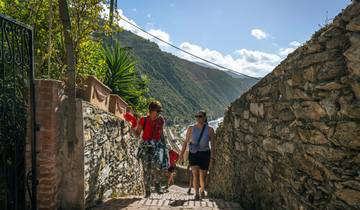
8 days
Cinque Terre: Hike, Bike & Kayak
- ✓ Comprehensive Liguria tour
- ✓ Expert local guides included
- ✓ All accommodation arranged
- ✓ Transportation provided
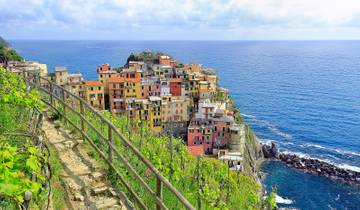
7 days
Cinque Terre : Hiking Self Guided Tour – 7 days from Sestri Levante
- ✓ Comprehensive Liguria tour
- ✓ Expert local guides included
- ✓ All accommodation arranged
- ✓ Transportation provided
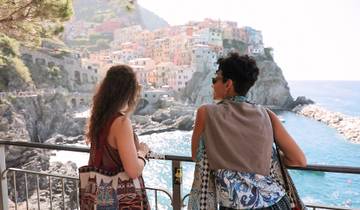
3 days
3-Days Florence & Cinque Terre Adventure: Discover the Best of Tuscany and the Italian Riviera
- ✓ Booking needs min. 2 travelers
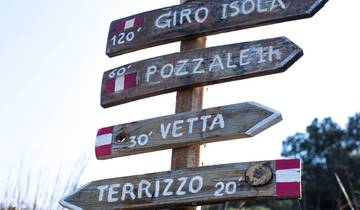
7 days
Walking in the Cinque Terre and Portofino
- ✓ Comprehensive Liguria tour
- ✓ Expert local guides included
- ✓ All accommodation arranged
- ✓ Transportation provided
Multi-day tour packages powered by TourRadar. Prices and availability subject to change.
Introduction: Understanding Cinque Terre UNESCO World Heritage Coastal Landscape in 2026
Cinque Terre National Park encompasses five compact fishing villages preserving thousand-year-old terrace agriculture and traditional Ligurian architecture along 18 kilometers of Riviera coastline between Levanto and La Spezia. UNESCO World Heritage designation granted 1997 recognizes the cultural landscape integrating human settlements with dramatic topography through extensive dry-stone terrace systems supporting grape cultivation, the distinctive clustered village morphology adapting to limited buildable coastal zones, and maritime traditions shaping regional identity since medieval origins. The protected area balances conservation requirements with tourism infrastructure managing 2.5+ million annual visitors concentrated within villages totaling fewer than 4,000 permanent residents.
The 2026 season introduces significant access changes affecting trip planning. Via dell’Amore inclusion in standard Cinque Terre Card starting March 2026 eliminates supplemental fees streamlining coastal trail logistics compared to 2024-2025 when €10 additional charges applied beyond base card costs. Variable-demand pricing structures implemented 2024 continue expanding 2026 with daily rate fluctuations responding to visitor volumes creating financial incentives for off-peak travel. These pricing mechanisms range Train Card costs from €19.50 budget-friendly low-demand weekdays during March-April and October to €32.50 premium high-demand summer weekends and holidays, representing 67% price variation within single product category requiring calendar consultation during booking.
Trail conditions significantly impact hiking logistics throughout 2026. The Manarola-Corniglia coastal closure extending through projected 2028-2029 reopening creates the most substantial routing challenge requiring hikers to choose between strenuous high inland detours adding 600-meter elevation gain or 3-minute €5 train transfers. This closure affects comprehensive coastal traverse attempts forcing multi-day itineraries to incorporate hybrid hiking-train strategies rather than continuous coastal walking. Alternative high-altitude trails including Alta Via delle Cinque Terre ridge route and sanctuary paths maintain full accessibility without coastal closure impacts, offering free hiking options for budget-conscious visitors avoiding Cinque Terre Card expenses.
Transportation infrastructure determines daily movement patterns. Regional trains operating 5:00 AM-11:00 PM connect all five villages with 10-40 minute frequencies depending on season and time of day, covering Riomaggiore-Monterosso full route in under 30 minutes total journey time. Ferry boats supplement trains March-November providing scenic coastal perspectives though slower transit times 60-90 minutes full route versus 30-minute train equivalent and weather-dependent cancellations during rough seas affecting reliability. The compact 1-2 kilometer village dimensions enable complete exploration on foot within 30-60 minutes per village creating half-day visitation patterns when combining multiple villages via train hopping.
Accommodation scarcity within villages reflects geographic constraints limiting development. Approximately 500 total rooms distribute across all five villages with Monterosso commanding 40% inventory while Corniglia and Vernazza maintain fewer than 50 rooms each. This limited supply creates premium pricing €150-250 nightly during May-September peaks and booking windows extending 60-90 days advance for summer high season. Alternative accommodation in La Spezia (population 95,000) or Levanto (population 5,500) expands inventory substantially with 2,000+ total rooms enabling shorter booking windows and 30-40% cost savings, establishing these gateway cities as practical bases for budget-focused or last-minute travelers.
Seasonal rhythms dramatically alter visitor experiences. Peak summer July-August brings maximum services including daily ferry schedules, extended restaurant hours, and full accommodation availability but creates crowding pressures overwhelming village infrastructure with trail bottlenecks, train platform congestion, and restaurant wait times exceeding 60 minutes for popular establishments. Shoulder seasons April-June and September-October balance service availability with manageable crowds, while off-season November-March trades reduced services and some closures for peaceful village atmospheres, free trail access, and budget accommodation rates benefiting flexible travelers prioritizing tranquility over comprehensive amenities.
Budget planning requires understanding tiered cost structures. Daily expenses excluding accommodation range €50-70 budget tier using picnic lunches from village alimentari groceries and limiting restaurant meals to single daily dinner, €80-110 mid-range incorporating sit-down lunches and ferry day passes, and €130-180 comfort level including guided tours and waterfront restaurant dining for all meals. These per-person daily costs combined with €80-250 nightly accommodation variations create total trip expenses ranging €400-1,200 for typical 3-night/4-day visits depending on accommodation choices, dining preferences, and transportation selections between trains, ferries, and guided tour packages.
Cinque Terre Card Options and Pricing 2026: Choosing the Right Pass
Two distinct Cinque Terre Card versions serve different visitor profiles during the March 14 – November 2, 2026 paid season. The Trekking Card provides hiking trail access, village shuttle buses, train station public restrooms, and La Spezia civic museum discounts without train travel for €7.50 (1-day), €14.50 (2-day), or €21 (3-day) benefiting visitors staying within villages using trails as primary transport or day-hikers arriving by car parking in La Spezia or Levanto. The Train Card bundles identical trekking benefits with unlimited second-class regional trains between Levanto and La Spezia at variable rates: Band A dates €19.50/€34/€46.50, Band B dates €27/€48.50/€66.50, Band C dates €32.50/€59/€78.50 for 1/2/3-day durations respectively.
Variable-demand pricing assigns dates to three bands based on projected visitor volumes. Band A low-demand encompasses most weekday periods during March, April, May, and October shoulder seasons delivering best value €19.50 daily rate. Band B medium-demand covers June, September, some May dates, and scattered weekdays throughout summer representing moderate €27 pricing. Band C high-demand includes July-August weekends, Italian national holidays (April 25, May 1, June 2, August 15), Easter week, and peak summer Fridays-Sundays commanding premium €32.50 rate. Specific date assignments appear on official Cinque Terre National Park calendar requiring consultation during booking rather than automatic seasonal assumptions, as mid-week summer dates sometimes qualify for Band B rather than expected Band C classification.
Train Card cost-benefit analysis depends on daily train usage. Single-journey regional tickets between any Cinque Terre villages cost €5 regardless of distance making two journeys daily (€10 total) breakeven versus €19.50 Band A Train Card, while three journeys (€15) begin generating savings. However, real value emerges from psychological freedom enabling spontaneous village-hopping without per-ride cost consciousness. A visitor making six train trips during single day exploring all five villages spending 60-90 minutes each before moving to next village expends €30 individual tickets versus maximum €32.50 Band C Train Card, but more importantly eliminates ticket machine queuing and payment friction enabling fluid movement patterns responsive to weather, energy levels, and spontaneous interests discovered during exploration.
Children ages 4-11 receive reduced Cinque Terre Card rates: Trekking Card €4.50/€7.20/€9.50 for 1/2/3 days, Train Card €12.50-€21 (Band A), €17.50-€42 (Band B), €21-€51 (Band C) depending on duration. Children under 4 access trails and trains free without card purchase. Family packages (2 adults + 2 children ages 4-11) provide bundled pricing €49-€84 (Band A), €69.50-€115 (Band B), €84-€138 (Band C) for 1/2/3 days representing 15-20% savings versus individual adult and child cards purchased separately. Groups 25+ people access negotiated rates through advance booking contacting National Park offices minimum 2 weeks prior to visit dates.
Card activation and validity follows specific protocols. Cards validate upon first use at trail entrance checkpoints or train station validation machines, then remain active until midnight of expiration day rather than 24-hour periods from activation time. This midnight cutoff enables strategic morning activation maximizing usable hours on final validity day. Multi-day cards operate consecutive days without skip-day options; 2-day cards cover consecutive calendar days regardless of whether both days involve actual travel. Cards purchased online via official National Park website arrive as PDF digital cards eliminating physical ticket office queues, though in-person purchase remains available at Levanto, all five village train stations, and La Spezia Centrale locations during staffed hours typically 7:00 AM-7:00 PM March-October, reduced off-season.
Via dell’Amore access integration represents major 2026 change. During 2024-2025 reopening period, Via dell’Amore required €10 supplemental fee plus timed-entry booking beyond base Cinque Terre Card cost creating two-tier payment system and advance reservation complexity. Starting March 2026, standard Cinque Terre Card includes Via dell’Amore access eliminating supplemental charges and simplifying logistics for coastal trail hikers. Timed-entry booking system continues managing 200-person per 30-minute slot capacity through viadellamore.info reservation portal though now bundled with base card rather than separate transaction. This inclusion particularly benefits multi-day card holders enabling Via dell’Amore visits across multiple days without repeated supplemental fees, representing €20-30 savings for 2-3 day cards compared to previous pricing structure.
Off-season November 3, 2025 through March 13, 2026 suspends Cinque Terre Card requirements entirely. All trails including paid Sentiero Azzurro coastal sections operate free access without ticket checking as National Park reduces enforcement staffing during low visitor volumes. Train travel requires standard regional tickets without unlimited Train Card option; single journeys cost €5 regardless of distance. This off-season period benefits budget hikers accessing trails free and visitors making minimal train journeys (1-2 daily) where individual tickets cost less than Train Card rates. However, reduced restaurant hours, some hotel closures, suspended ferry service, and unpredictable trail closures from winter weather create tradeoffs versus high-season convenience.
Purchase timing affects availability and convenience. Online advance purchase via card.parconazionale5terre.it enables direct station access bypassing ticket office queues that extend 20-40 minutes during summer mornings at Monterosso and Riomaggiore high-traffic stations. However, weather uncertainty and trail closure risks favor same-day purchase allowing decisions based on actual conditions rather than advance commitment. Split strategy involves purchasing evening before after checking weather forecasts and trail status updates on National Park website providing 12-18 hour advance window balancing preparation against real-time information. Ticket offices open 7:00-8:00 AM enabling early purchase before 9:00 AM trail checkpoint staffing begins for hikers starting immediately upon arrival.
Five UNESCO Villages Guide 2026: Riomaggiore, Manarola, Corniglia, Vernazza, Monterosso
Riomaggiore anchors Cinque Terre’s southern terminus with 1,700 residents occupying steep valley between coastal cliffs. Via Colombo main street descends from train station through village center lined with restaurants, gelaterias, and souvenir shops reaching small harbor marina surrounded by traditional case-torri tower houses painted ochre, pink, and terracotta characteristic of Ligurian coastal architecture. Swimming areas include rocky platforms south of marina accessible via seaside promenade and small pebble beach north of harbor reached through pedestrian tunnel. Via dell’Amore trailhead positioning makes Riomaggiore natural starting point for coastal hiking proceeding northward toward Manarola.
The village’s compact 400-meter main street enables complete exploration within 30 minutes though hillside neighborhoods climbing valley sides reward steeper 15-20 minute climbs with elevated panoramic perspectives. San Giovanni Battista church completed 1340 demonstrates Ligurian Gothic style with rose window and striped facade, while Castello di Riomaggiore fortress ruins occupying hilltop above village date to 13th-century defensive architecture protecting against Saracen raids. Restaurant concentration along Via Colombo creates competitive pricing €12-18 primi pasta dishes, €18-28 secondi seafood mains, and €6-9 cover charges per person, with reservations recommended for 7:30-9:00 PM dinner prime time during May-September.
Manarola positions 5 minutes north of Riomaggiore by train occupying similar steep valley topography with 350 permanent residents. The village divides between upper residential area surrounding San Lorenzo church 1338 and lower harbor zone with boat ramp, swimming access, and waterfront restaurants. Via dell’Amore arrival point creates natural exploration flow continuing upward through village along Via Discovolo main pedestrian route. Manarola delivers Cinque Terre’s most photographed perspective from cliff-edge viewpoint 10-minute walk south of village center overlooking stacked pastel houses against harbor backdrop, particularly dramatic during evening golden hour lighting 6:30-8:00 PM summer months.
Sciacchetrà dessert wine production distinguishes Manarola’s agricultural economy with hillside terraces cultivating Bosco, Vermentino, and Albarola white grape varieties partially dried post-harvest creating concentrated sweetness. Tasting opportunities appear at Enoteca 5 Terre near harbor offering €8-15 tastings including local DOC wines, while Nessun Dorma terrace restaurant above harbor serves aperitivo with village views 5:00-10:00 PM combining €10-15 cocktails with complimentary appetizer platters. Swimming locations include harbor boat ramp area and rocks south of village accessed via seaside pathway, though limited sand creates less developed beach culture versus Monterosso extensive shoreline.
Corniglia occupies unique hilltop position 100 meters above sea level on marine terrace accessible via 380-step Lardarina staircase from train station or shuttle bus reducing village accessibility creating quietest Cinque Terre atmosphere with 150 residents. The elevated position eliminates direct sea access preventing ferry service and reducing day-tripper volumes favoring visitors willing to accept stair climb or 10-minute shuttle wait times. Via Fieschi main street spans village length lined with small shops, cafés, and residential entries opening to interior courtyards characteristic of medieval planning adapting to defensive requirements.
Terrace viewpoints surrounding village provide 360-degree coastal perspectives encompassing both Manarola-Riomaggiore southern villages and Vernazza-Monterosso northern destinations plus open Mediterranean vistas west toward Corsica visible clear days. Agricultural terraces immediately surrounding Corniglia maintain active cultivation with grape vines, olive trees, and lemon groves creating productive landscape contrasting abandoned terraces visible elsewhere along coast. Church of San Pietro dates to 14th century incorporating earlier Romanesque elements with marble rose window imported from Carrara quarries 60 kilometers north. Restaurant pricing matches other villages despite reduced tourist pressure: €12-18 pasta, €18-26 fish mains, €5-8 cover charges, with reduced advance reservation requirements versus Vernazza and Monterosso high-demand establishments.
Vernazza positions 4 minutes north of Corniglia by train with 900 residents occupying most picturesque harbor setting among five villages. Natural harbor protected by breakwater and overlooked by Castello Doria fortress ruins creates postcard composition of clustered houses, fishing boats, and Ligurian Sea background photographed from harbor edge or elevated positions along Via Roma main street ascending from waterfront. Piazza Marconi harbor square functions as village center hosting market stalls, restaurant outdoor seating, and public gathering space where evening passeggiata social promenade occurs 6:00-8:00 PM particularly vibrant May-September.
Santa Margherita di Antiochia church facing harbor demonstrates Ligurian Baroque architecture with octagonal bell tower and defensive characteristics reflecting dual religious-protective functions during medieval period when Saracen raids threatened coastal settlements. Interior houses 14th-16th century religious artwork including painted altarpieces and processional statues carried during summer religious festivals. Castello Doria accessible via steep 5-minute climb from harbor provides elevated fortress ruins and panoramic viewpoint across village and coastline justifying modest €3 voluntary donation requested at entrance. The castle’s 11th-century origins through subsequent 16th-century expansions demonstrate evolving defensive architecture responding to changing military technology and threat patterns.
Swimming opportunities at Vernazza include small pebble beach adjacent to harbor and rocky platforms north of breakwater, both becoming crowded during July-August peaks when early morning arrival before 10:00 AM secures optimal positions. Restaurant density creates competitive environment with 15+ establishments along harbor and Via Roma maintaining €13-20 pasta, €20-30 seafood mains, and €6-10 cover charges. Popular spots including Belforte, Gambero Rosso, and Blue Marlin require 1-2 day advance dinner reservations summer months, while lunchtime walk-ins remain feasible midday 12:00-2:00 PM before evening rush.
Monterosso occupies Cinque Terre’s northern terminus with 1,500 residents and largest village footprint divided between old town medieval core and newer Fegina beach resort district separated by Aurora Tower medieval fortification. Monterosso uniquely provides extensive sand beach spanning 300+ meters creating classic seaside resort atmosphere contrasting other villages’ limited swimming access. Beach zones divide between free public sections at both ends and central stabilimento beach clubs charging €20-30 daily for lounge chairs and umbrella setups with included changing rooms and restrooms. The sand beach attracts families with young children and swimming-focused visitors prioritizing beach time over hiking, creating different visitor demographic versus hiking-oriented Vernazza and Riomaggiore patterns.
Old town preserves medieval street plan centered on Via Roma connecting train station to waterfront through arcaded passages, small piazzas, and historic buildings including Church of San Giovanni Battista completed 1282 demonstrating transition Gothic-Baroque styles. Convento dei Cappuccini occupies hillside above old town housing Van Dyck “Crucifixion” painting and cloister gardens open daily 9:00 AM-6:00 PM free admission. Giant statue “Il Gigante” carved into cliff overlooking Fegina beach represents 14th-meter concrete sculpture dating to early 20th century partially destroyed World War II bombardment, now restored as protected monument and photographic landmark.
Accommodation concentration at Monterosso provides greatest lodging selection with 40+ hotels ranging €100-300 nightly plus numerous apartments and B&Bs creating easier last-minute booking versus other villages requiring extended advance reservations. Restaurant variety spans budget pizzerias €8-12 margherita/marinara basics to upscale seafood establishments €35-50 per person tasting menus. Miky and Ristorante Belvedere represent higher-end dining requiring reservations while Torre Aurora and Via Venti pizzerias serve walk-in customers reliably. The expanded service infrastructure attracts visitors prioritizing convenience and beach access over village intimacy and hiking proximity characterizing smaller villages.
Hiking Trails and Coastal Paths 2026: Sentiero Azzurro and Alternative Routes
Sentiero Azzurro (Blue Trail) comprises the famous coastal path connecting all five villages across approximately 12 kilometers with four distinct sections varying dramatically in difficulty, scenery, and accessibility during 2026. Trail access requires Cinque Terre Card during March 14 – November 2 paid season with entrance checkpoints at major trailheads verifying valid cards before allowing passage. The complete coastal traverse including functional sections requires 4.5-6 hours moving time plus village exploration breaks creating full-day commitment when hiking continuously Monterosso to Riomaggiore or reverse direction.
Via dell’Amore between Riomaggiore and Manarola spans 900 meters along coastline cliff carved 1920s to connect previously isolated villages requiring 600-step Via Beccara alternative climbing inland. The flat paved path enables 15-20 minute one-way transit at casual pace with minimal elevation change, accessible to most fitness levels including families with children and mobility-limited visitors. Reopened August 2024 after 12-year landslide closure, the path operates one-way direction only Riomaggiore→Manarola enforced 9:00 AM-2:00 PM peak hours with potential bidirectional access off-peak pending real-time crowd assessment by park staff.
Timed-entry capacity management limits 200 people per 30-minute departure slot requiring advance booking through viadellamore.info reservation portal integrated with Cinque Terre Card purchase starting March 2026. Booking opens 60 days before visit date with popular summer weekend slots filling within 48-72 hours of availability. Walk-up access without reservation remains theoretically possible during low-demand periods though park officials recommend booking to guarantee entry, particularly May-September high season. The path features interpretive panels explaining geological formations, historical construction methods, and ecological restoration efforts completed during 12-year renovation period addressing rockfall hazards and structural stabilization.
Manarola-Corniglia coastal section continues indefinite closure with projected 2028-2029 reopening pending comprehensive geological stabilization and path reconstruction following multiple landslides damaging original route. This closure creates most significant hiking logistics challenge forcing route alternatives: high inland detour via Volastra adding approximately 600 meters elevation gain across 3.5 kilometers requiring 90-120 minutes versus 30-40 minutes closed coastal route, or 3-minute €5 train transfer Manarola-Corniglia accepting transportation substitution for continuous hiking experience. The Volastra detour follows waymarked Trail 586 climbing through terraced vineyards to hilltop sanctuary village before descending to Corniglia, providing expansive coastal views compensating for increased difficulty though challenging for hikers expecting coastal-level effort throughout Sentiero Azzurro.
Corniglia-Vernazza section operates normally spanning 3.2 kilometers coastal path requiring approximately 2 hours with moderate difficulty. Trail characteristics include 350 meters elevation gain climbing out of Corniglia followed by rolling coastal traverse before final descent into Vernazza harbor. Path surface alternates between dirt trail segments, stone steps, and occasional paved portions with some exposure along cliff edges requiring basic stability and comfort with heights though secured barriers protect most vulnerable sections. Scenic highlights include Guvano beach viewpoint (beach access currently closed), terraced vineyard passages, and elevated Vernazza approach providing classic photographic perspective of village clustered around harbor.
Vernazza-Monterosso section completes Sentiero Azzurro covering 3.5 kilometers coastal route requiring 1.5-2 hours representing steepest continuous coastal trail segment with 300+ meters elevation gain concentrated in initial climb from Vernazza. The ascent involves extensive stone staircases before reaching ridge-level traverse delivering panoramic coastal views both directions before final descent into Monterosso. This section attracts most day-hikers due to accessibility from Monterosso accommodation base and dramatic Vernazza approach photography, creating midday crowding July-August when single-file trail width forces slow-paced group progression. Early morning 7:00-9:00 AM or late afternoon 4:00-6:00 PM timing avoids peak congestion and provides favorable lighting conditions for photography.
Alternative high-altitude trails operate year-round without Cinque Terre Card requirements providing free hiking options. Alta Via delle Cinque Terre follows ridge route approximately 500 meters elevation above coastal villages spanning 40+ kilometers Levanto to Portovenere connecting all five villages through sanctuary churches and hilltop viewpoints. Complete traverse requires 9-12 hours moving time typically divided into multi-day itineraries or sampled through partial sections descending to villages. Trail difficulty increases compared to coastal Sentiero Azzurro with 800-1,000 meters cumulative elevation gain though rewards include solitude absent from crowded coastal paths, comprehensive coastal panoramas from elevated perspectives, and spring wildflower displays on upper slopes.
Sanctuary trails connect each village to respective hilltop religious sanctuaries dating medieval period when valley settlements sought elevated spiritual sites and defensive positions. These trails range 40-90 minutes one-way climbing 300-500 meters elevation through terraced agricultural zones before entering chestnut forests on upper slopes. Sanctuary destinations include Nostra Signora di Montenero above Riomaggiore (40 minutes, 340 meters gain), Nostra Signora della Salute above Manarola (45 minutes, 350 meters gain), Sanctuary of San Bernardino above Corniglia (60 minutes, 400 meters gain), Madonna di Reggio above Vernazza (90 minutes, 550 meters gain), and Madonna di Soviore above Monterosso (90 minutes, 500 meters gain). These trails operate free access without restrictions creating budget-friendly hiking alternative to paid coastal sections.
Trail conditions and footwear requirements merit attention. Sentiero Azzurro sections involve extensive stone staircases, uneven dirt paths, and occasional rocky scrambles requiring closed-toe hiking shoes or trail runners with ankle support and aggressive tread patterns. Park officials prohibit flip-flops, sandals, and smooth-soled shoes enforcing footwear checks at trail entrances with potential fines €50-100 for violations creating safety hazards. Summer temperatures reaching 30-35°C on exposed coastal sections necessitate early morning starts 7:00-9:00 AM before peak heat or late afternoon departures 4:00-6:00 PM accepting evening village arrivals. Water requirements average 1-1.5 liters per person for 2-hour trail segments with village fountain refills available though not positioned directly on trails requiring village detours.
Trail closures occur unpredictably throughout year following heavy rainfall causing landslides or rockfall hazards requiring emergency assessment and temporary restrictions. Check trail status morning of hiking day through National Park website parconazionale5terre.it, official social media channels, or village tourist information offices before committing to specific route plans. Manarola-Corniglia closure represents known long-term restriction but additional short-term closures affecting other sections occur periodically requiring route flexibility. Fall-winter November-March brings highest closure frequency as autumn rains destabilize slopes, while spring-summer March-September maintains more reliable accessibility pending extreme weather events.
Transportation Guide 2026: Trains, Ferries, and Village Access
Regional trains provide primary transportation connecting all five Cinque Terre villages with frequent 10-40 minute intervals depending on season and time of day. Standard regional (Regionale) trains stop all five villages during 5:00 AM-11:00 PM operating window covering Riomaggiore-Monterosso full route in approximately 25 minutes total journey time. Summer March-November supplement includes Cinque Terre Express trains offering slightly faster service during peak midday hours 9:00 AM-8:00 PM though both services follow identical pricing and routes. All trains connect beyond villages to La Spezia Centrale (10 minutes south of Riomaggiore) and Levanto (10 minutes north of Monterosso) providing onward connections to Pisa, Florence, Genoa, and broader Italian rail network.
Single-journey regional tickets cost €5 regardless of distance traveled between Levanto and La Spezia endpoints eliminating incremental pricing for shorter village-to-village trips. This flat-rate structure makes adjacent village trips (Riomaggiore-Manarola 2 minutes €5) equivalent to full-route journeys (Riomaggiore-Monterosso 25 minutes €5) creating economic incentive for Cinque Terre Train Card when making 3+ daily trips. Tickets purchased from station automated machines accepting cash and cards require validation in yellow stamp boxes positioned platform entrances before boarding, with €50+ fines for unstamped tickets regardless of purchase proof. Validation stamps date-time creating 90-minute validity window for single journey though most Cinque Terre trips complete within 30 minutes.
Cinque Terre Train Card provides unlimited travel eliminating per-journey ticket purchases and validation requirements. Cardholders board any train without restrictions making spontaneous village-hopping patterns responsive to weather, energy levels, and discovered interests. However, seating availability becomes challenged during peak summer midday hours 11:00 AM-4:00 PM when standing-room-only conditions persist across multiple consecutive trains before capacity eases late afternoon. Second-class regional trains lack reservation systems creating first-come boarding protocols favoring early platform arrival 5-10 minutes before scheduled departure securing window seats versus aisle standing positions.
Train station facilities vary by village. Monterosso and Riomaggiore operate full-service stations with staffed ticket offices 7:00 AM-7:00 PM, multiple automated machines, and tourist information desks providing maps and accommodation assistance. Manarola, Corniglia, and Vernazza maintain unstaffed stations with 1-2 automated ticket machines potentially experiencing malfunction or cash acceptance issues requiring backup villages for purchase. All stations provide free public WiFi network “Cinque Terre Free WiFi” with password posted at entrances enabling real-time schedule checking and journey planning. Platform access involves minimal barriers with step-free boarding to trains though Corniglia station positions 100 meters below village requiring 380-step climb or shuttle bus transfer.
Ferry boats complement trains March 21 – November 1, 2026 providing scenic coastal transport serving Monterosso, Vernazza, Manarola, and Riomaggiore (Corniglia excluded lacking sea-level harbor). Standard route operates La Spezia → Portovenere → Riomaggiore → Manarola → Vernazza → Monterosso → Levanto with 8-12 daily departures each direction depending on month and weather conditions. Journey time full route requires approximately 90 minutes versus 30-minute train equivalent, creating time-scenery tradeoff where ferry passengers prioritize coastal perspectives and outdoor deck experience over rapid transit efficiency.
Ferry pricing operates separate from Cinque Terre Card requiring distinct ticket purchase. Daily unlimited pass costs €41 covering unlimited hops between any served ports including La Spezia, Portovenere, and Levanto beyond five villages. Single-journey tickets range €7-15 depending on distance with intermediate stops (example: Riomaggiore-Vernazza €10) or non-stop direct service (example: Riomaggiore-Monterosso €15) costing differently for identical endpoints based on boarding privileges. Children under 6 ride free while ages 6-11 receive 50% discounts. Ferry schedules and real-time operational status appear on Navigazione Golfo dei Poeti website navigazionegolfodeipoeti.it updating daily based on weather and sea conditions potentially canceling service during rough seas averaging 3-5 cancellation days monthly.
Ferry advantages beyond scenery include Portovenere access to UNESCO village unreachable by Cinque Terre trains, reduced crowding versus packed summer trains, and outdoor deck seating enabling fresh air versus enclosed railcars. Disadvantages include longer journey times, weather dependency creating unreliable schedules, limited early morning and evening departures concentrating service 9:00 AM-6:00 PM window, and village-to-village inefficiency when ferries bypass intermediate stops creating 45-60 minute journeys for adjacent village pairs taking 2 minutes by train. Strategic ferry use involves single daily circuit viewing all villages from sea perspective combined with train returns or ferry one-direction (example: morning La Spezia ferry to Monterosso, afternoon train returns village-hopping southward).
Vehicle access restrictions within Cinque Terre villages prohibit private car entry for non-residents creating car-free pedestrian environments. Visitors arriving by car must park designated lots outside villages: La Spezia (€20-25 daily), Levanto (€15-20 daily), or Manarola upper parking (€25 daily, limited 60 spaces). These parking costs plus €5-10 per person daily train fares from parking locations to villages make car rental economically disadvantageous versus train arrival directly from Florence, Pisa, or Genoa airports. However, car access enables exploring inland Liguria including wine regions, hilltop villages, and sanctuary sites inaccessible by public transport justifying vehicle rental for itineraries extending beyond Cinque Terre coastal focus.
Taxi services operate limited routes between villages and parking areas charging fixed rates €20-30 Manarola parking to village center or €50-80 La Spezia to any Cinque Terre village. These services target luggage-heavy arrivals or mobility-limited visitors avoiding train station stairs and platform gaps. Advance booking recommended through hotel concierge or direct contact as on-demand hailing doesn’t function given vehicle restrictions and limited taxi inventory. Baggage storage lockers available at La Spezia Centrale station (€5-8 daily depending on size) enable day visitors from other Italian cities exploring Cinque Terre without luggage encumbrance before evening train departures.
Where to Stay in Cinque Terre 2026: Village Accommodations and Alternative Bases
Accommodation within five villages ranges €150-250 nightly during May-September high season with 60-90 day advance booking required for July-August peaks and popular weekends. Total village inventory approximates 500 rooms distributed unevenly: Monterosso commands 40% share with 200+ rooms across hotels and apartments, Riomaggiore and Manarola offer 100-120 rooms each, while Vernazza and Corniglia maintain 40-60 rooms reflecting smaller permanent populations and limited buildable space. This scarcity creates premium pricing and extended booking windows compared to typical Italian coastal destinations of equivalent amenities.
Monterosso provides greatest hotel concentration with 15+ established properties ranging budget €100-140 nightly off-season/midweek to luxury €250-400 summer weekends. Hotel Porto Roca occupies clifftop position above Fegina beach delivering sea views and pool facilities commanding €280-380 July-August rates. Hotel Villa Steno and Hotel Pasquale represent mid-range €180-240 summer pricing with central old town locations and breakfast included. Budget options like Albergo Marina and Albergo al Carugio offer €120-160 basic rooms without sea views but maintain cleanliness and village center accessibility. The abundance enables 2-3 week advance booking versus 2-3 month requirements at smaller villages.
Vernazza hotels cluster around harbor creating postcard views with corresponding premium pricing. Rooms overlooking Piazza Marconi command €220-300 nightly summer versus €120-180 interior courtyard alternatives lacking harbor perspectives. Limited inventory creates fierce competition with 75-90 day advance booking essential for July-August availability. Gianni Franzi and Il Pirata represent harbor-view options requiring earliest possible reservations, while Camere Giuliano offers budget €100-140 rooms in quieter residential area 3-minute walk from harbor trading location for affordability. The compact village enables maximum 5-minute walks from any lodging to harbor center eliminating location disadvantages of peripheral rooms.
Manarola accommodation divides between harbor-area properties commanding premium rates and hillside residences delivering village views from elevated positions. La Torretta and Ca’ d’Andrean represent upscale €200-280 summer options with terraces and sea perspectives, while Il Saraceno and Mare Mare operate mid-range €140-180 pricing with breakfast and central location. Apartment rentals through Airbnb and VRBO expand inventory beyond traditional hotels particularly benefiting families or groups where multi-bedroom configurations (€250-400 nightly) become economical versus multiple hotel rooms (€300-500+ combined). The village’s Via dell’Amore terminus positioning benefits hikers starting northern progression saving Monterosso overnight costs.
Riomaggiore accommodations spread across steep valley hillsides creating some properties requiring 5-10 minute uphill walks from train station with luggage. Scorci di Mare and La Dolce Vita occupy elevated positions delivering panoramic views justifying stairs access for photography enthusiasts, while Mar Mar Rooms and Edi’s Rooms near harbor minimize climbing. Pricing parallels Manarola €140-240 range depending on views, amenities, and season. The village’s Via dell’Amore starting point benefits early-morning hikers departing before 8:00 AM accessing path before crowds, though afternoon arrivals face steeper village entry from train station versus Manarola’s gentler topography.
Corniglia delivers quietest village experience trading accessibility for tranquility. Limited accommodation inventory 30-40 total rooms creates booking challenges despite lower demand from tourists avoiding 380-step station access. Cristiana Ricci and Corniglia Hostel represent budget €80-120 options attracting backpackers and budget-conscious travelers, while Villa Cecio occupies mid-range €140-180 with terrace restaurant. The hilltop position eliminates direct sea access and ferry connections creating primary appeal for visitors prioritizing village authenticity over beach swimming or maximum hiking access. Lower tourism pressure delivers more authentic residential atmosphere and Italian-only dining where English menus remain uncommon.
La Spezia alternative basing positions 10 minutes south of Riomaggiore providing 2,000+ rooms across hotels ranging €60-150 nightly representing 30-50% savings versus in-village accommodation. The city’s 95,000 population supports diverse dining options, supermarkets enabling picnic preparation, and services like laundromats and pharmacies unavailable in small villages. Trains operate 5:00 AM-11:00 PM with 10-40 minute frequencies enabling commuting patterns though eliminating evening village atmosphere after day-trippers depart. Budget travelers staying 3+ nights save €150-300 total accommodation costs offsetting €20-30 daily Cinque Terre Train Card expenses still achieving net savings.
La Spezia hotel recommendations include NH La Spezia (€90-130 nightly, train station adjacent), Hotel Firenze e Continentale (€80-120, breakfast included), and CDH Hotel La Spezia (€70-110, modern amenities). Apartment rentals €60-100 nightly provide kitchen facilities enabling breakfast and lunch preparation reducing daily meal expenses €15-25 per person. The city’s Castello San Giorgio, Naval Museum, and CAMeC modern art museum (all included with Cinque Terre Card) provide rainy-day alternatives when coastal hiking becomes impossible. Supermarkets Carrefour and Conad operate extended hours enabling evening picnic supply shopping for next-day trail provisions.
Levanto positions 10 minutes north of Monterosso offering 300+ rooms at €80-140 nightly average rates. The town’s sandy beach, bike rental shops, and larger geographic footprint versus compact Cinque Terre villages create resort town atmosphere distinct from fishing village character. Albergo Primavera and Hotel Stella Maris represent mid-range €100-140 options near beach, while Oasi Hotel and Agriturismo Villanova occupy hillside positions €90-120 with parking included benefiting car-based visitors. Levanto functions well for visitors prioritizing beach time over hiking or families with young children where sandy beach access and less-steep topography versus cliff-perched villages improves stroller maneuverability.
Accommodation booking strategy should prioritize cancellation flexibility given weather dependency of coastal activities. Many properties offer free cancellation until 7-14 days before arrival enabling booking security while maintaining weather-based trip adjustment options. Summer weekends and Italian holidays (Liberation Day April 25, Labor Day May 1, Republic Day June 2, Ferragosto August 15) require 90+ day advance booking as domestic tourism combines with international visitors creating maximum occupancy. Shoulder season April-May and September-October offers best value-weather balance with 30-45 day advance booking securing preferred properties without extreme lead times while temperatures remain conducive to hiking and swimming.
Dining and Food Costs 2026: Restaurant Prices and Budget Eating Strategies
Restaurant meals in Cinque Terre villages range €40-70 per person for full two-course dinner including wine at mid-range establishments serving traditional Ligurian cuisine. This total comprises €5-10 coperto cover charges per person, €12-18 primi pasta courses including local trofie al pesto or spaghetti alle vongole seafood preparations, €18-28 secondi mains featuring grilled fish or seafood stew, and €15-20 local wine half-liter carafes or €25-40 DOC Cinque Terre white wine bottles. Higher-end restaurants like Belforte in Vernazza or Miky in Monterosso command €60-90 per person tasting menus while budget pizzerias reduce costs to €25-35 per person including margherita or marinara pizza €8-12, €3-5 beer or soft drink, and €5-8 cover charges.
Lunch options enable cost reduction through focacceria and takeaway alternatives. Focaccia plain costs €3-5 for generous portions at village bakeries, focaccia col formaggio (cheese-filled) ranges €5-8, and focaccia topped with tomatoes, olives, or vegetables commands €6-9. Panini sandwiches filled with local meats, cheeses, or grilled vegetables cost €6-9 at alimentari groceries and focacceria shops creating portable lunch options consumed on hiking trails, village piazzas, or waterfront perches. This strategy reduces lunch expenses from €25-35 sit-down restaurant meals to €8-12 per person while enabling flexible timing unbound by restaurant service hours.
Gelato represents unavoidable indulgence ranging €3-5 small cones (two flavors), €5-7 medium (three flavors), and €7-10 large portions with premium ingredients. Village gelaterias cluster around train stations and main walking routes creating competitive environment maintaining quality standards while charging tourist-area premiums 30-50% above inland Italian cities. Popular flavors include local pesto gelato unique to Cinque Terre (acquired taste combining basil-pine nut ice cream with savory notes), traditional lemon and basil sorbet, and classic stracciatella chocolate chip. Afternoon gelato consumption becomes ritualistic during village exploration breaks typically occurring 3:00-5:00 PM between hiking sessions and evening dinner preparations.
Wine represents Cinque Terre’s signature agricultural product with DOC designation protecting Bosco, Vermentino, and Albarola white grape varieties cultivated on terraced hillsides. Sciacchetrà passito dessert wine created from partially dried grapes commands €8-15 per glass at restaurants or €35-60 per 375ml bottle at enotecas reflecting labor-intensive production and limited annual output. Standard Cinque Terre DOC white wine costs €5-8 per glass restaurants, €20-35 per bottle retail shops, creating affordable tasting opportunities sampling local production. Wine tasting experiences at village cantinas range €15-25 per person including 4-5 wines with light appetizers, while formal winery tours of inland production facilities cost €30-50 including vineyard walks and extended tasting menus.
Alimentari grocery stores in each village stock picnic supplies enabling budget meal preparation. Fresh bread costs €1-2 loaves, local pesto jars €4-6 sufficient for multiple servings, cheese wedges €4-8 per 200 grams, sliced prosciutto or salami €3-5 per 100 grams, cherry tomatoes €2-3 per container, and fresh fruit €2-4 per kilogram. These components create substantial lunches €8-12 per person consumed on trails, village benches, or harbor walls enjoying views without restaurant time commitment or expense. Village markets operate mornings only typically 8:00 AM-1:00 PM requiring morning shopping for same-day consumption as refrigeration facilities remain limited in small village accommodations.
Breakfast at accommodations varies by property type. Hotels typically include continental breakfast buffets featuring focaccia, pastries, yogurt, fresh fruit, cheese, salami, and coffee valued €8-12 per person if purchased separately. B&Bs and apartments may provide simple breakfast or require self-catering using village bakeries purchasing fresh focaccia €3-5 and cappuccino €2-3 at cafés total €5-8 per person. This breakfast cost differential influences accommodation value calculations where hotels including breakfast justify €20-30 higher nightly rates versus apartments requiring purchased breakfast matching total daily cost.
Aperitivo tradition observed 6:00-8:00 PM provides budget-friendly early evening dining alternative. Spritz cocktails, local wine, or beer €8-12 include complimentary appetizer buffets featuring olives, focaccia, cheese cubes, salami slices, and marinated vegetables creating light dinner substitute for budget-conscious travelers. Nessun Dorma terrace in Manarola and Blue Marlin in Vernazza represent popular aperitivo destinations where harbor views and sunset timing 7:30-8:30 PM summer months create prime positioning justifying €10-15 cocktail premiums. Standing-room-only conditions during peak summer weekends require early 5:30-6:00 PM arrival securing terrace positions before capacity limits restrict access.
Water costs merit attention as bottled water charges €2-4 per bottle restaurants while free tap water remains culturally uncommon Italian practice. Requesting “acqua del rubinetto” tap water sometimes succeeds at budget establishments though upscale restaurants resist providing complimentary water expecting bottled purchases. Carrying reusable water bottle and refilling at village fountains positioned central squares eliminates this expense while reducing plastic waste, though restaurants universally discourage outside beverage consumption during meals maintaining bottled water sales as profit centers.
Daily meal budgets excluding accommodation range €50-70 budget tier using picnic lunches from alimentari groceries, focacceria quick lunches, and single restaurant dinner; €80-110 mid-range incorporating sit-down lunches, gelato indulgences, and aperitivo sessions; €130-180 comfort level including waterfront restaurant dining for both lunch and dinner plus wine pairings and desserts. These estimates assume two-person sharing patterns where €40 dinner costs €20 per person, while solo travelers face identical absolute costs creating higher per-person daily totals unless adapting to smaller portion sizes or appetizer-based meals.
Budget Planning and Daily Costs 2026: Sample Spending Breakdowns
Budget-tier daily costs target €50-70 per person excluding accommodation through strategic choices maximizing picnic meals and free activities. Breakfast bakery focaccia and cappuccino costs €5-8, mid-morning gelato indulgence €4-5, picnic lunch from alimentari groceries with bread, cheese, salami, tomatoes, and fruit totals €10-12, afternoon second gelato €4-5, and evening restaurant dinner focusing on primi pasta course with house wine costs €20-28 including cover charge. This €43-58 baseline food expense adds Cinque Terre Trekking Card €7.50 or Train Card €19.50-32.50 depending on demand band creating €50-91 total daily excluding accommodation. Budget tier benefits from in-village accommodation enabling early morning trail starts before crowds and evening atmosphere participation offsetting premium lodging costs through dining savings and free activity emphasis.
Mid-range daily costs approximate €80-110 per person incorporating greater dining flexibility and guided experiences. Breakfast hotel buffet or café sit-down costs €8-12, mid-morning coffee and pastry break €5-7, sit-down lunch at harborfront restaurant with appetizer and primi ranges €25-35, afternoon gelato €5-7, aperitivo session with cocktail and appetizer buffet €12-18, and evening two-course dinner with wine totals €35-50. Food expense €90-129 combines with Cinque Terre Train Card €19.50-32.50 creating €110-162 daily total before accommodation. This tier enables spontaneous restaurant choices without advance reservations at budget establishments while maintaining modest dining standards avoiding luxury pricing tiers.
Comfort-tier daily costs reach €130-180 per person emphasizing dining experiences and guided tours. Breakfast hotel buffet €10-15, mid-morning coffee and pastry harborside €8-10, two-course lunch with wine waterfront restaurant €40-60, afternoon gelato premium flavors €6-8, aperitivo cocktails with views €15-20, and evening tasting menu at upscale restaurant €60-80. Food expense €139-193 adds Cinque Terre Train Card €19.50-32.50 and optional private boat tour €80-120 or wine tasting €25-40 creating €184-326 daily total before accommodation. This tier prioritizes culinary experiences and premium services over budget optimization accepting tourist-area pricing for convenience and quality.
Three-night sample budget breakdown for two people sharing costs demonstrates total trip expenses. Budget tier: accommodation La Spezia apartment €90 x 3 nights = €270, daily costs €70 x 2 people x 4 days (arrival/departure half-days) = €560, Cinque Terre Train Card 2-day €34 x 2 people = €68, ferry day pass €41 x 2 people = €82. Total €980 for two people (€490 per person). Mid-range tier: accommodation Manarola apartment €180 x 3 nights = €540, daily costs €95 x 2 people x 4 days = €760, cards and activities €150. Total €1,450 (€725 per person). Comfort tier: accommodation Vernazza hotel €240 x 3 nights = €720, daily costs €155 x 2 people x 4 days = €1,240, cards and tours €250. Total €2,210 (€1,105 per person).
Transportation costs to/from Cinque Terre impact total trip budgets. Florence to La Spezia regional train requires 2.5-3 hours costing €15-25 per person depending on booking timing and train type, while Pisa Airport to La Spezia takes 90 minutes via Pisa Centrale transfer costing €12-18. Car rental from Pisa or Florence airports ranges €40-80 daily plus €20-25 parking fees La Spezia or Levanto creating transportation costs €180-300 for 3-day rental potentially justified for broader Tuscany-Liguria itineraries extending beyond Cinque Terre focus but economically disadvantageous for Cinque Terre-only visits. Budget travelers prioritize train arrival directly from airports or Florence/Pisa bases eliminating rental car expenses entirely.
Seasonal cost variations substantially impact total expenses. Summer July-August commands premium accommodation rates €150-250 nightly in villages, Band C Cinque Terre Train Cards €32.50 daily, and longer restaurant wait times creating time costs even without direct financial impacts. Shoulder season April-May and September-October reduces accommodation 20-30% to €110-180 nightly, provides Band A-B Train Cards €19.50-27, and shortens restaurant waits enabling more efficient time utilization. Off-season November-March delivers maximum savings with accommodation €80-120 nightly (40-50% below summer), free trail access eliminating Cinque Terre Card costs entirely, and reduced dining competition enabling walk-in restaurant access, though service closures and weather unreliability create tradeoffs versus high-season convenience.
Money-saving strategies beyond basic tier selection include purchasing wine and snacks at La Spezia or Levanto supermarkets before entering villages where limited competition inflates prices 20-30%, using apartment accommodations with kitchen facilities enabling breakfast and lunch preparation, timing village dining for lunch when menus del giorno fixed-price offerings (€15-25 per person) provide better value than evening à la carte, and concentrating paid activities like boat tours or wine tastings on single days while alternating with free hiking days managing cumulative expenses across multi-day visits.
Group travel dynamics affect per-person costs through shared expenses. Apartment rentals €200-350 nightly accommodate 4-6 people creating €35-90 per person versus €150-200 individual hotel rooms, taxi transfers €50-80 divide 4-6 ways versus €15-25 per person, and restaurant appetizers €10-18 shared among multiple diners reduce individual costs compared to solo ordering patterns. However, group travel requires consensus on daily pace, hiking difficulty, and dining timing potentially constraining individual flexibility that solo or couple travel preserves enabling spontaneous adjustments responding to weather, energy levels, and emerging interests discovered during exploration.
Best Time to Visit Cinque Terre 2026: Weather, Crowds, and Seasonal Patterns
April through May shoulder season delivers optimal Cinque Terre conditions during 2026 balancing favorable weather, moderate crowds, and accessible pricing. Temperatures average 15-22°C creating comfortable hiking conditions without summer heat extremes, rainfall averages 6-8 days monthly allowing reliable outdoor planning, and wildflower blooms transform hillside terraces with yellow broom, purple wisteria, and pink oleander creating photogenic landscapes. Accommodation availability remains strong with 30-45 day advance booking securing preferred properties versus 90-day requirements during summer peaks, while prices remain 20-30% below July-August rates. Cinque Terre Card demand bands predominantly Band A-B classification delivers €19.50-27 Train Card pricing versus summer Band C €32.50 premiums.
Spring disadvantages include variable weather patterns creating occasional multi-day rain periods disrupting hiking plans, cooler sea temperatures 15-18°C limiting swimming appeal versus 23-26°C summer warmth, and some trail closures from winter storm damage pending spring maintenance completion. Ferry service operates limited early-season schedules with 4-6 daily departures versus 10-12 summer frequency, and some restaurants maintain reduced hours or weekday closures transitioning from winter hibernation to full summer operations. However, the dramatically reduced tourist volumes create village exploration without crowding, trail hiking enabling steady pace without bottleneck delays, and restaurant walk-in availability replacing summer reservation requirements.
June establishes summer season characteristics with warming temperatures averaging 20-28°C, increasing tourist arrivals creating advance booking pressure, and full service operations as remaining winter-closed establishments reopen for season. Water temperatures reach 20-22°C enabling comfortable swimming for most visitors, ferry schedules expand to near-maximum frequency, and extended daylight until 9:00 PM sunset enables full-day itineraries combining morning hiking, afternoon beach time, and evening village dining without time constraints. Accommodation requires 60-day advance booking as June represents shoulder-peak transition when prices increase 15-25% above April-May levels but remain 10-20% below July-August extremes.
July through August peak summer creates maximum crowds, premium pricing, and intense heat requiring strategic adaptations. Temperatures regularly exceed 30°C making midday hiking 12:00-4:00 PM uncomfortable with heat exposure and dehydration risks necessitating early morning 6:00-9:00 AM or late afternoon 4:00-7:00 PM trail timing. Train platforms experience standing-room-only conditions 10:00 AM-5:00 PM as day-trippers from cruise ships and tour buses overwhelm regional capacity, while popular trails like Vernazza-Monterosso create single-file processions during 11:00 AM-3:00 PM peaks slowing normal 90-minute duration to 2-2.5 hours.
Summer advantages include guaranteed warm weather and minimal rain risk with 2-4 monthly precipitation days, optimal swimming conditions with 23-26°C water temperatures, maximum service availability with all restaurants, shops, and hotels operating full hours and capacity, and vibrant evening atmosphere as villages fill with international visitors creating cosmopolitan energy distinct from quiet shoulder seasons. However, accommodation scarcity requires 90+ day advance booking with July-August weekends and Ferragosto holiday week August 10-20 representing absolute peak when some properties implement minimum 3-5 night stays and premium pricing reaches annual maximums €250-400 nightly even budget establishments.
September through October autumn shoulder season replicates spring’s optimal balance with additional harvest season cultural interest. Temperatures moderate to 18-25°C creating ideal hiking comfort, crowds diminish substantially post-Labor Day first week September as families return to school schedules, and accommodation availability improves with 30-45 day booking windows and prices declining 20-30% below August peaks. Water temperatures remain warm through September 22-24°C maintaining swimming appeal before cooling mid-October, while grape harvest visible in terraced vineyards September-October creates agricultural activity and local festivals celebrating wine production providing cultural experiences beyond typical tourist activities.
Autumn weather carries increased rainfall risk versus summer with 7-9 monthly precipitation days particularly October as Atlantic weather systems intensify, though clear days between storms deliver exceptional photography conditions with dramatic cloud formations and sharp coastal light. Ferry schedules maintain near-summer frequency through September before reducing October toward season-end closure, while restaurant hours begin contracting late October as some establishments close weekdays or enter winter hibernation. The reduced tourist pressure creates authentic atmosphere where Italian remains primary language in village streets and local residents reclaim public spaces from summer tourist dominance.
November through February winter off-season trades service reductions for dramatic cost savings and solitude. Free trail access without Cinque Terre Card requirements saves €20-65 per person for multi-day visits, accommodation rates drop 40-50% to €80-120 nightly versus €150-250 summer equivalents, and empty trails enable contemplative hiking without crowds or delays. Temperatures average 8-15°C requiring layered clothing but remaining above freezing enabling year-round outdoor activity, while 10-12 monthly rain days create frequent wet weather requiring flexible itineraries and backup indoor activities.
Winter challenges include restaurant closures with approximately 40% establishments shuttering entirely November-February and remaining venues operating reduced 12:00-3:00 PM and 7:00-10:00 PM hours often closed Mondays-Wednesdays, hotel closures particularly smaller family-run properties concentrating inventory in limited always-open establishments, suspended ferry service eliminating water transport options, and potential trail closures from storm damage requiring status verification before hiking attempts. However, dedicated winter visitors appreciate authentic village life without tourist veneer, dramatic storm-driven coastal photography, and budget-friendly travel enabling extended stays impossible during premium summer pricing.
Italian holiday periods create localized peak demands overlaying general seasonal patterns. Liberation Day April 25, Labor Day May 1, and Republic Day June 2 long weekends bring domestic tourism spikes requiring advance booking and premium pricing despite shoulder-season classification. Ferragosto August 15 represents annual peak when entire Italian population vacations simultaneously creating maximum Cinque Terre crowding and accommodation scarcity. Easter week timing varies annually (March 30-April 6, 2026) creating spring peak requiring 60+ day advance booking. These holiday periods recommend avoidance for international visitors seeking optimal value-experience balance, though cultural immersion benefits emerge from observing Italian domestic tourism patterns and traditions.
Day Trips and Nearby Destinations 2026: Expanding Beyond Five Villages
Portovenere positions 30 minutes south of Riomaggiore by ferry providing UNESCO World Heritage village complementing Cinque Terre exploration. The medieval village features striped-marble Church of San Pietro perched on rocky promontory overlooking Ligurian Sea, Doria Castle ruins commanding hilltop defensive position, and colorful harbor lined with tall narrow houses characteristic of Ligurian coastal architecture. Ferry service operating March-November costs €15 one-way Riomaggiore-Portovenere or includes unlimited day pass €41 covering Cinque Terre villages and Portovenere. Half-day visits combine morning ferry departure from Riomaggiore 9:00-10:00 AM, 2-3 hours Portovenere exploration including church, castle, and lunch, then afternoon ferry return 3:00-4:00 PM enabling evening back in Cinque Terre villages.
Three islands boat tour from Portovenere explores Palmaria, Tino, and Tinetto rocky outcrops featuring sea caves, swimming coves, and military fortifications. Standard 90-minute circuits cost €15 per person departing Portovenere harbor 11:00 AM-5:00 PM multiple daily departures March-October. Swimming stops at Palmaria beaches enable 20-30 minute breaks for snorkeling and coastal rock scrambling. Combined Cinque Terre villages and Portovenere with islands excursion creates full-day itinerary using €41 unlimited ferry pass maximizing water transport value while diversifying coastal exploration beyond repetitive village-to-village patterns.
Levanto functions as northern Cinque Terre gateway with sandy beach, bike rental infrastructure, and hiking trails connecting to Monterosso. The 10-kilometer coastal trail Levanto-Monterosso via Punta Mesco requires 3-4 hours traversing Mediterranean maquis vegetation, rocky coastline, and elevated viewpoints delivering comprehensive Ligurian coastal panoramas. This free trail (no Cinque Terre Card required) provides uncrowded alternative to packed Sentiero Azzurro sections while connecting to paid Vernazza-Monterosso segment enabling hybrid free-paid hiking strategies. Levanto’s wider sandy beach attracts families with young children and beach-focused visitors where Cinque Terre villages’ limited swimming access disappoints expectations of traditional beach resort amenities.
La Spezia offers cultural alternatives during inclement weather when coastal hiking becomes impossible. Naval Museum displays maritime history and naval warfare evolution through ship models, weapons, and navigation instruments, CAMeC contemporary art museum houses rotating exhibitions of modern Italian art, and Castello San Giorgio hilltop fortress provides city and gulf views. All three museums include free admission for Cinque Terre Card holders creating rainy-day contingency value beyond trail access. Market days Fridays at Piazza Cavour create authentic Italian food shopping atmosphere with local produce, cheese, seafood, and regional specialties unavailable tourist-focused village alimentari groceries.
Inland Ligurian hill towns accessible by car or bus include Sarzana (20 minutes La Spezia) featuring medieval center and fortress, Brugnato (35 minutes) with abbey and artisan workshops, and Varese Ligure (60 minutes) demonstrating circular medieval town planning unique to region. These destinations require car rental or organized tours as public bus service operates limited schedules incompatible with day-trip timing, making them practical only for visitors maintaining rental vehicles throughout Cinque Terre stay or booking specialized inland tours €60-90 per person including transportation and guide services.
Wine tour experiences visiting inland production facilities in Tramonti valley or around La Spezia enable deeper engagement with Cinque Terre viticulture beyond village cantina tastings. Half-day guided tours €70-95 per person include winery visits, vineyard walks, production facility tours, and extended tastings comparing DOC Cinque Terre white, Sciacchetrà dessert wine, and regional varieties. These experiences reveal agricultural context behind village terraces visible from coastal trails, demonstrate winemaking techniques specific to extreme slope viticulture, and provide shopping opportunities purchasing wines directly from producers at lower pricing than village retail outlets.
Practical Travel Information 2026: Arrival, Connectivity, and Essential Services
Arriving Cinque Terre from major Italian airports requires train connections through Pisa or Florence. Pisa International Airport positions 80 kilometers south with direct regional trains to La Spezia Centrale operating hourly 6:00 AM-10:00 PM requiring 90-110 minutes and costing €12-18 depending on train type. Florence Airport positions 130 kilometers northeast with train service via Florence Santa Maria Novella station requiring 2.5-3 hours total journey time including transfer and costing €20-30. Genoa Airport serves as northern alternative 100 kilometers distance with trains via Genoa Principe or Brignole stations to La Spezia or Levanto requiring 90-120 minutes and €15-25 fares.
La Spezia Centrale station functions as primary gateway with regional trains departing 5:30 AM-11:00 PM toward Cinque Terre villages every 10-40 minutes depending on hour and season. The station provides left-luggage storage €5-8 daily enabling day visits from other Italian cities without accommodation booking, tourist information office staffed 9:00 AM-6:00 PM providing maps and assistance, and bus connections to nearby towns and parking facilities. Automated ticket machines accept credit cards and cash selling Cinque Terre Cards and regional tickets, though queues extend 10-20 minutes during summer morning peaks 9:00-11:00 AM as day-trippers purchase passes.
Mobile phone connectivity operates reliably across villages and trails with 4G/5G coverage from major Italian carriers TIM, Vodafone, and Wind enabling navigation apps, real-time schedule checking, and communication throughout region. Free WiFi networks “Cinque Terre Free WiFi” function at train stations requiring no password though bandwidth limitations prevent video streaming or large downloads. Accommodation properties typically provide private WiFi networks with faster speeds suitable for evening trip planning, photo uploads, and communication. Mobile data plans through Italian SIM cards or international roaming packages prove essential for on-trail navigation and real-time information access during hiking when WiFi unavailable.
ATM machines appear in each village though limited distribution creates cash availability challenges. Monterosso and Riomaggiore maintain multiple ATMs at train stations and village centers, while Manarola, Corniglia, and Vernazza operate single machines occasionally experiencing malfunction or cash depletion during busy weekends. Carrying €100-200 cash per person covers restaurant meals, gelato purchases, and emergency expenses should card readers fail or ATMs become unavailable. Credit card acceptance remains standard at hotels, most restaurants, and shops though small family-run establishments or alimentari groceries sometimes prefer cash particularly for small transactions under €10-20.
Pharmacies operate in Monterosso, Riomaggiore, and Manarola with typical hours 9:00 AM-1:00 PM and 4:00-7:30 PM, closed Sunday afternoons and Mondays. Corniglia and Vernazza lack pharmacy services requiring train travel to adjacent villages for medications. Basic first-aid supplies including blister treatments, pain relievers, antihistamines, and sun protection prove essential given hiking focus and limited emergency services in smallest villages. Serious medical situations require ambulance transport to La Spezia hospital emergency department as villages lack comprehensive medical facilities beyond basic first-aid stations.
Public restrooms in villages operate pay-per-use €1 at train stations and main piazzas except for Cinque Terre Card holders accessing facilities free. Restaurant restrooms require beverage or meal purchase though cafés typically allow restroom access for espresso customers spending €1.50-2.50. Limited public facilities create planning considerations during full-day hiking when multi-hour trail segments lack intermediate restroom access between villages. Hiking etiquette strongly discourages trail-side relief due to environmental protection regulations and heavy trail traffic visibility concerns.
Luggage transport services enable multi-village stays without carrying bags during hiking. Companies like Cinque Terre Porters collect luggage at morning checkout and deliver to next accommodation by late afternoon charging €15-25 per bag depending on village-to-village distance. This service allows continuous hiking progression Monterosso→Vernazza→Corniglia→Manarola→Riomaggiore across 3-4 nights changing villages daily without backpack burden, though requires advance booking coordinating pickup-delivery times with accommodation check-in/out schedules.
Travel insurance covering trip cancellation, medical emergencies, and evacuation merits consideration given outdoor activity focus and weather dependency. Sudden storms creating trail closures, twisted ankles requiring evacuation from remote trail positions, or accommodation cancellations due to property emergencies represent realistic scenarios where insurance coverage prevents major financial losses. Policies cost €40-80 per person for week-long trips covering trip value €1,000-2,000 providing peace of mind enabling booking confidence despite weather and health uncertainties.
Frequently Asked Questions About Cinque Terre Travel 2026
Is the Cinque Terre Train Card Worth Buying in 2026?
The Cinque Terre Train Card delivers value for visitors making 3+ train journeys daily or combining train transport with coastal trail hiking during single-day or multi-day visits. Single regional train tickets cost €5 regardless of distance creating €15 daily expense for three trips, while Train Card ranges €19.50-€32.50 depending on demand band making breakeven occur around 3-4 journeys. However, real value emerges from operational flexibility enabling spontaneous village-hopping without per-ride payment friction and ticket machine queuing. Visitors hiking coastal trails requiring train returns from northern villages to southern accommodation bases, exploring all five villages spending 60-90 minutes each location before moving onward, or experiencing weather-driven schedule changes adapting plans throughout day benefit substantially from unlimited access. Conversely, visitors staying single village making minimal train trips (1-2 daily maximum) or hiking-only itineraries using trains purely for station-to-trailhead access save money purchasing individual tickets versus card commitment.
Can I Hike the Complete Cinque Terre Coastal Trail in One Day During 2026?
Complete coastal trail traverse remains impossible during 2026 due to Manarola-Corniglia section closure expected continuing until 2028-2029 reopening. Hikers attempting comprehensive coast coverage must substitute either strenuous Volastra high inland detour adding 600 meters elevation gain and 90+ minutes to journey or 3-minute train transfer Manarola-Corniglia accepting mechanical transport interrupting continuous hiking experience. The functional coastal sections Via dell’Amore (Riomaggiore-Manarola 20 minutes), Corniglia-Vernazza (2 hours), and Vernazza-Monterosso (2 hours) combine approximately 4.5-5 hours moving time plus Volastra detour (90 minutes) or train transfer (10 minutes including station access) and village exploration breaks creating 7-9 hour total commitment. This ambitious single-day timeline requires early 7:00-8:00 AM start, physical fitness handling 600+ meters cumulative elevation gain across 12+ kilometers distance, and favorable weather without delays from crowding, heat, or trail conditions. Most visitors distribute coastal hiking across 2-3 days enabling thorough village exploration, meal breaks, swimming opportunities, and sustainable pace avoiding exhaustion.
Where Should I Stay for the Best Cinque Terre Experience in 2026?
Optimal accommodation location depends on priorities balancing budget, convenience, and atmosphere. Staying within villages (€150-250 nightly summer) provides immediate trail access, evening village atmosphere after day-trippers depart, and elimination of morning commute enabling early hiking starts and maximum on-site time. Manarola offers best compromise positioning centrally between villages with Via dell’Amore starting point for northward hiking progression, moderate village size avoiding Monterosso tourist masses while exceeding Corniglia’s limited services, and superior coastal views from cliff-edge panoramas. However, La Spezia or Levanto bases (€80-120 nightly) reduce accommodation costs 40-50% enabling budget reallocation toward dining, activities, or extended trip duration while requiring 10-20 minute train commutes and early departures matching day-tripper schedules rather than enjoying quiet early mornings in villages. Multi-night visitors benefit from village-hopping stays changing locations every 2-3 nights maximizing geographic variety and enabling different trail directions from each base, though luggage transfer logistics and repeated check-in processes create operational complexity versus single-base simplicity.
What Major Changes Affect Cinque Terre Visiting in 2026 Versus Previous Years?
Via dell’Amore inclusion in standard Cinque Terre Card starting March 2026 represents most significant access change eliminating the €10 supplemental fee required during 2024-2025 reopening period and simplifying booking logistics by bundling coastal path access with base card rather than separate transactions. This inclusion particularly benefits multi-day card holders accessing Via dell’Amore across multiple days without repeated supplemental charges, representing €20-30 cumulative savings for 2-3 day cards compared to previous pricing structure. Variable-demand pricing continues from 2024-2025 implementation with Band A-B-C classifications creating €19.50-€32.50 daily rate spread for Train Cards, though specific date assignments fluctuate annually requiring calendar consultation rather than automatic seasonal assumptions. Manarola-Corniglia coastal closure persists throughout 2026 with no projected reopening until 2028-2029, creating identical routing challenges as recent years forcing high inland detours or train substitutions. Ferry schedules and pricing remain largely consistent with previous years operating March-November at €41 daily unlimited rates, while accommodation inventory and costs track broader Italian coastal tourism inflation averaging 3-5% annual increases creating €5-15 nightly rate growth versus 2024-2025 pricing.
How Crowded Will Cinque Terre Be During Summer 2026?
Summer July-August 2026 crowds will replicate or slightly exceed 2024-2025 peak-season density based on continuing post-pandemic tourism recovery and UNESCO designation drawing expanding international awareness. Monterosso and Vernazza experience most severe crowding as primary photography destinations and largest accommodation inventories attracting concentrated visitor volumes, while Corniglia maintains relative tranquility through limited accessibility deterring casual day-trippers avoiding 380-step station climb. Coastal trail bottlenecks occur Vernazza-Monterosso section 10:00 AM-3:00 PM when single-file pathway widths force slow-paced queuing behind less-experienced hikers navigating steep stone staircases, extending normal 90-minute duration to 2+ hours during absolute peaks. Train platforms experience standing-room-only conditions midday 11:00 AM-5:00 PM requiring 10-15 minute waits for trains with available boarding space, while restaurant reservations become essential for 7:00-9:00 PM dinner prime time with walk-in attempts frequently rejected. However, early morning before 9:00 AM and late afternoon after 5:00 PM create dramatically reduced density enabling peaceful village exploration and trail hiking without congestion, while evening after 7:00 PM when day-trippers depart restores intimate village atmosphere for overnight guests justifying premium accommodation costs through exclusive access to quiet hours.
What Free or Budget Activities Exist in Cinque Terre During 2026?
Off-season November 3, 2025 through March 13, 2026 provides completely free trail access without Cinque Terre Card requirements enabling zero-cost hiking all open sections including normally-paid Sentiero Azzurro coastal paths. High-altitude trails including Alta Via delle Cinque Terre ridge route and sanctuary paths connecting villages to hilltop churches operate year-round free access regardless of season creating budget-friendly alternatives to paid coastal sections. Swimming at village beaches and rocky coastal platforms costs nothing though limited sand areas at Monterosso create most comfortable beach experiences while other villages require rock scrambling and ladder access. Village exploration walking medieval street plans, photographing colorful architecture, and observing harbor life provides hours of free entertainment particularly early morning and evening when soft light enhances photography and reduced crowds enable peaceful observation. Picnic lunches assembled from alimentari grocery purchases (€8-12 per person) consumed on harbor walls, village piazzas, or trail viewpoints replace €25-35 restaurant midday meals creating daily savings enabling budget reallocation toward evening dining experiences. Church visits including San Giovanni Battista Monterosso, Santa Margherita Antiochia Vernazza, and San Lorenzo Manarola maintain free admission during daylight hours showcasing Ligurian religious architecture and artwork. Free WiFi at train stations enables trip planning, schedule verification, and communication without mobile data expenses, while village fountains provide potable water refills eliminating bottled water purchases.
How Does Manarola-Corniglia Trail Closure Impact 2026 Hiking Plans?
Manarola-Corniglia coastal section closure expected continuing through 2026 until projected 2028-2029 reopening creates most significant hiking logistics challenge forcing strategic adaptations rather than continuous coastal traverse. Hikers committed to complete village-to-village coastal progression must choose between strenuous Volastra high route adding 600 meters elevation gain across 3.5 kilometers requiring 90-120 minutes of steep climbing through terraced vineyards versus closed 30-40 minute coastal path, or accepting 3-minute €5 train transfer Manarola-Corniglia incorporating mechanical transport into otherwise human-powered journey. The Volastra detour substantially increases difficulty transforming easy-moderate coastal trail into challenging mountain route unsuitable for casual hikers or families with young children expecting gentle seaside walking throughout Sentiero Azzurro. Multi-day hiking itineraries accommodate closure through strategic village stays positioning Manarola one night, train transfer to Corniglia next morning continuing coastal hiking Corniglia-Vernazza-Monterosso over subsequent days, then returning to Manarola via train for Via dell’Amore final segment creating logical progression despite coastal gap. Single-day comprehensive traverse attempts become significantly more challenging requiring either exceptional fitness handling Volastra elevation or philosophical acceptance that 5-minute train substitution doesn’t substantially diminish overall hiking experience when remaining 8+ kilometers complete on foot.
What Accommodation Booking Timeline Should I Follow for 2026 Cinque Terre Visit?
Summer July-August accommodation requires 90+ day advance booking securing preferred village locations and property types before limited 500-total-room inventory fills through combined international and Italian domestic demand. Peak pressure concentrates around Italian holidays Ferragosto August 10-20, summer weekends, and early-August European vacation exodus when some properties implement minimum 3-5 night stays reducing flexibility for short visits. Shoulder seasons April-May and September-October enable 30-60 day booking windows providing adequate lead time while maintaining property selection, though popular Vernazza and Manarola locations with harbor views book earliest requiring 60-day minimum even shoulder months. Off-season November-March reduces timeline to 14-30 days as many properties close entirely concentrating inventory in always-open establishments where availability remains strong. La Spezia or Levanto alternative bases maintain more flexible booking windows with 14-30 days sufficient even summer months given 2,000+ combined room inventory versus 500 village rooms, creating practical solutions for last-minute travel or indecisive scheduling. Cancellation policies vary by property though many offer free cancellation 7-14 days before arrival enabling booking security while preserving weather-based trip adjustment flexibility, making early booking strategically sound even uncertain travelers hedging against schedule changes or unfavorable forecasts.
How Much Time Should I Allocate for Cinque Terre in My Italy Itinerary 2026?
Minimum 2 nights / 3 days enables basic coastal trail sampling, all five village visits, and single ferry experience creating adequate introduction without comprehensive exploration. This timeline allows Day 1 arrival afternoon village exploration, Day 2 full coastal hiking or village-hopping via trains covering all five destinations, Day 3 morning final village visit or ferry excursion before afternoon departure. Optimal 3 nights / 4 days provides balanced pacing incorporating full coastal trail traverse distributed across two hiking days (example: Day 1 arrival and Riomaggiore, Day 2 Via dell’Amore to Manarola-Volastra-Corniglia, Day 3 Corniglia-Vernazza-Monterosso, Day 4 ferry return viewing villages from sea before departure), swimming time at beaches, thorough village exploration including sanctuary climbs, and restaurant dining without rushing. Extended 4-5 nights accommodates day trips to Portovenere, Levanto coastal hiking, inland wine tours, and weather contingency days when rain forces indoor cultural activities or rest days recovering from intensive hiking. Single-night stays prove insufficient providing barely adequate time for basic village walk-through before departure, while 6+ nights risks repetition as five compact villages complete exploration within hours each and trail network while extensive still operates finite routes eventually requiring repetition or extremely extended high-altitude ridge traverses appealing to dedicated hiking enthusiasts over general tourists.
What Photography Equipment and Timing Works Best for Cinque Terre in 2026?
Wide-angle lenses 16-35mm focal length (full-frame equivalent) capture comprehensive village views from elevated trail positions and harbor perspectives including foreground architectural details with background coastal sweep. Standard zoom lenses 24-70mm provide versatility for street photography, harbor details, and hiking documentation without specialized equipment burden. Smartphone cameras suffice for social media documentation and personal archives though dedicated cameras with larger sensors deliver superior low-light performance for evening blue-hour photography and shadow detail preservation in high-contrast coastal scenes. Lightweight tripods enable long-exposure water smoothing and evening village photography though carrying burden during hiking creates tradeoff versus handheld shooting accepting higher ISO noise. Drone photography remains prohibited within Cinque Terre National Park creating strict enforcement and potential equipment confiscation for violations attempting aerial perspectives. Morning golden hour 6:30-8:30 AM provides warm directional light on east-facing villages and empty streets before day-tripper arrivals creating optimal conditions for architecture and village life photography. Evening golden hour 6:30-8:30 PM summer months illuminates west-facing coastal views though increased human presence requires patience waiting clear frames or accepting people as compositional elements. Overcast days deliver even lighting eliminating harsh shadows and blown highlights creating flattering conditions for colorful architecture photography though dramatic sky interest disappears compared to dynamic cloud formations during variable weather. Vernazza harbor photographs from elevated trail approach require afternoon-evening timing when sun positions behind photographer illuminating village facades, while morning creates backlit silhouettes against eastern sun.