
Cinque Terre Day Trips 2026: Best Excursions & Planning
Five pastel-colored villages clinging to Ligurian coastal cliffs create Italy’s most photographed UNESCO World Heritage Site, accessible as day trips from Florence, Pisa, Milan, La Spezia, and Genoa through strategic train connections, seasonal ferry routes, and hiking trails requiring advance planning around 2026 pricing tiers, trail closures, and crowd-control measures. Peak season pricing fluctuates between three bands—€19.50 to €78.50 for multi-day train passes—while the recently reopened Via dell’Amore requires €10 supplementary timed-entry tickets beyond standard Cinque Terre Cards, creating cost variables that demand careful planning for budget-conscious travelers.
Key Takeaways: Cinque Terre Day Trip Planning 2026
- Tiered Pricing System 2026: Cinque Terre implements dynamic pricing across three demand bands (A-green, B-yellow, C-red) affecting train cards (€19.50-78.50), trekking cards (€7.50-14.50), and ferry tickets, with Band C rates doubling Band A costs during July-August weekends and holidays requiring strategic date selection for budget optimization.
- Via dell’Amore Restrictions: Italy’s most famous coastal path reopened August 2024 after 12-year closure but requires €10 supplementary timed-entry tickets (400 hikers/hour capacity limit) beyond basic Cinque Terre Card, with one-way-only direction Riomaggiore→Manarola and mandatory advance booking through viadellamore.info during peak periods.
- Trail Closure Reality: Manarola-Corniglia coastal section remains closed through May 2028 minimum due to landslide damage, forcing train/ferry alternatives or challenging inland trails (Trail 531 Beccara route) that add 90 minutes versus direct coastal path, fundamentally changing classic Riomaggiore-to-Monterosso hiking itineraries.
- Operating Season Boundaries: Cinque Terre Express trains and ferry services operate March 14/21 through November 1, 2026 exclusively; off-season visitors (November-March) access reduced-frequency regional trains with free trail access but minimal ferry connections and limited tourist infrastructure in villages.
- Base City Trade-offs: La Spezia (10 minutes by train, €4 single, abundant budget accommodation) versus staying inside Cinque Terre villages (premium lodging prices, authentic atmosphere, evening/early morning village access without day-tripper crowds) creates cost-convenience-experience balance requiring individual priorities assessment.
- Transportation Mode Strategy: Train offers speed and frequency (every 15-20 minutes, 5-10 minutes between villages), ferry provides scenic coastal perspectives (slower, weather-dependent, €41 unlimited day pass), hiking delivers immersive experience but demands fitness and trail-closure awareness—optimal day trips combine multiple modes strategically.
People Also Ask About Cinque Terre Day Trips 2026
Can You Visit Cinque Terre as Day Trip from Florence in 2026?
Florence to Cinque Terre (La Spezia Centrale station) requires 2 hours 10 minutes minimum via direct trains departing hourly, with earliest departure around 7:30 AM arriving 9:40 AM and latest practical return train around 7:00 PM from La Spezia, creating approximately 9-hour window at Cinque Terre that allows visiting 2-3 villages comfortably or attempting partial hiking between villages. The journey becomes feasible but rushed—Florence departures before 8:00 AM maximize Cinque Terre time while returns after 6:00 PM ensure seeing villages during late afternoon golden hour light. Regional train tickets cost approximately €15-25 depending on booking timing and train type, with Intercity trains reducing journey to 2 hours versus slower regional services at 2.5-3 hours. The day trip viability depends on priorities: surface-level village photography and atmosphere sampling succeeds easily, while serious hiking or comprehensive exploration of all five villages demands overnight stay.
How Much Does Visiting Cinque Terre Cost Per Day in 2026?
A budget-conscious Cinque Terre day trip from La Spezia costs €27-47 per person covering Cinque Terre Train Card Band A €19.50 plus meals €8-15 (focacceria lunch, afternoon gelato), while mid-range visitors spend €55-85 including Band B Train Card €27, sit-down restaurant lunch €20-30, ferry ride supplement €15-30, and Via dell’Amore entry €10. Premium day-trippers allocating €100-150+ combine Band C Train Card €32.50, guided boat tours €60-80, waterfront restaurant dining €40-60, and wine tasting experiences €25-40. These calculations exclude transportation to/from Cinque Terre—Florence round-trip adds €30-50, Milan €40-70, Pisa €10-20—plus accommodation if staying overnight within villages (€80-200+ per night depending on season/quality). Hidden costs accumulate through baggage storage at La Spezia station (€6-8 per bag), public restroom fees without Cinque Terre Card (€1 per use), water/snacks purchased at village premium prices rather than supermarket rates, and replacement Cinque Terre Cards if lost (no refunds). Strategic cost reduction involves visiting Band A low-demand dates, packing lunch from La Spezia supermarkets, using free trails outside Blue Path sections, and avoiding alcohol at restaurant meals where wine markups reach 300%.
Which Cinque Terre Villages Should You Prioritize in 2026 Day Trip?
First-time day-trippers limited to 6-8 hours should prioritize Vernazza (considered most photogenic with harbor plaza and medieval tower), Manarola (iconic colorful houses cascading to tiny harbor, best sunset viewpoint), and Monterosso (largest village with actual beach, more restaurant options, easier terrain). This combination provides village diversity—Vernazza’s intimate charm, Manarola’s dramatic setting, Monterosso’s beach relaxation—while connecting via open hiking trails (Monterosso-Vernazza) or quick 5-7 minute train rides. Riomaggiore offers Via dell’Amore starting point but requires €10 supplementary ticket and capacity-limited timed entry that may not suit spontaneous day trip flexibility. Corniglia perches 100 meters above sea level accessible via 377-step Lardarina staircase or shuttle bus, creating access barrier that time-pressed day-trippers often skip despite authentic local atmosphere and fewer crowds. Extended day trips (8-10 hours) allow adding fourth village, while attempts at all five villages plus hiking create rushed photography-stop itineraries missing authentic village immersion. Village selection should also consider meal timing—Vernazza and Monterosso offer best lunch restaurant density, while Manarola’s smaller size means limited seating during 12:30-2:00 PM peak.
What’s the Best Transportation Method Between Cinque Terre Villages in 2026?
Trains provide optimal village-to-village transportation for day-trippers prioritizing efficiency, with Cinque Terre Express services departing every 15 minutes during peak season connecting all five villages in 5-10 minute intervals and unlimited-ride Train Card (€19.50-32.50 depending on demand band) eliminating per-journey ticket hassles. Ferry services offer superior scenic experience showing clifftop villages from Mediterranean perspective but operate weather-dependently (rough seas cancel service unpredictably), serve only four villages (Corniglia lacks sea-level access), run less frequently (30-60 minute intervals versus 15-minute trains), and cost €41 for unlimited day pass versus €19.50-32.50 train equivalent. Hiking delivers most immersive Cinque Terre experience revealing terraced vineyards, coastal panoramas, and village-connecting footpaths that created pre-modern transportation network, but demands moderate-to-high fitness for steep elevation changes (200-300 meters between villages), requires 2-4 hours walking time between villages (versus 5-10 minutes by train), and navigates trail closures (Manarola-Corniglia closed through 2028, Via dell’Amore requiring supplementary ticket). Optimal day trip strategy combines transportation modes—train for efficient village-hopping, ferry for one coastal perspective segment, hiking for single trail section matching fitness level and time availability—rather than committing exclusively to single method throughout day.
Extended multi-day tours – 5+ days
Featured Liguria Multi-Day Tour Packages
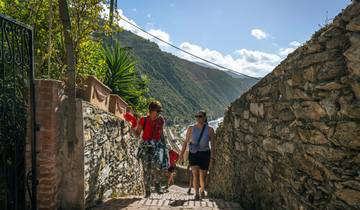
8 days
Cinque Terre: Hike, Bike & Kayak
- ✓ Comprehensive Liguria tour
- ✓ Expert local guides included
- ✓ All accommodation arranged
- ✓ Transportation provided
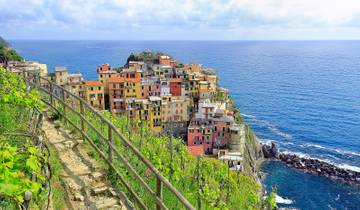
7 days
Cinque Terre : Hiking Self Guided Tour – 7 days from Sestri Levante
- ✓ Comprehensive Liguria tour
- ✓ Expert local guides included
- ✓ All accommodation arranged
- ✓ Transportation provided
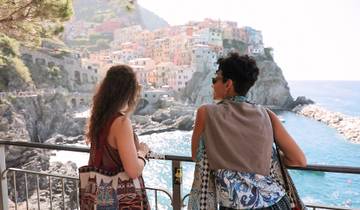
3 days
3-Days Florence & Cinque Terre Adventure: Discover the Best of Tuscany and the Italian Riviera
- ✓ Booking needs min. 2 travelers
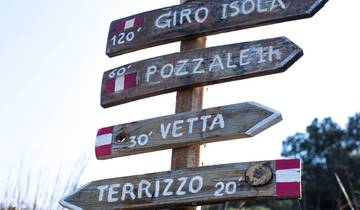
7 days
Walking in the Cinque Terre and Portofino
- ✓ Comprehensive Liguria tour
- ✓ Expert local guides included
- ✓ All accommodation arranged
- ✓ Transportation provided
Multi-day tour packages powered by TourRadar. Prices and availability subject to change.
Introduction: Cinque Terre Day Trip Landscape 2026
Cinque Terre occupies paradoxical position in Italian tourism hierarchy—simultaneously one of Europe’s most visited coastal destinations and logistically challenging day trip requiring navigation of complex pricing tiers, seasonal operating schedules, trail access restrictions, and crowd-management systems implemented to protect fragile UNESCO World Heritage Site from overwhelming visitor pressure. The five villages (Monterosso al Mare, Vernazza, Corniglia, Manarola, Riomaggiore) stretch across 12 kilometers of Ligurian coastline between La Spezia and Levanto, connected by regional trains threading through coastal tunnels, summer ferry services hugging dramatic cliffs, and historic hiking trails traversing terraced vineyards that define the region’s cultural landscape. This compact geography suggests simple day trip execution—arrive La Spezia, board train, explore villages, depart—but 2026 reality involves strategic planning around dynamic pricing systems, mandatory advance reservations for specific attractions, unpredictable trail closures from landslide damage, and crowd-control measures limiting access to iconic paths.
The region’s transformation from isolated fishing villages accessible only by footpath and boat into international tourist destination occurred remarkably recently. Rail connection arrived 1874, but paved road access to some villages waited until 1960s. UNESCO World Heritage designation in 1997 plus global social media proliferation during 2010s drove visitor numbers from sustainable levels to crisis proportions—summer days seeing 30,000+ visitors overwhelming villages built for 4,000 residents. National park authorities responded with progressive restrictions: paid trail access (2011), dynamic pricing by demand (2024), Via dell’Amore capacity limits and timed entry (2024), one-way hiking direction enforcement on peak dates. These measures create planning complexity absent from most Italian day trip destinations but also preserve experiences that unlimited access would destroy—village streets becoming impassable, trails eroding from foot traffic, local businesses abandoning traditional activities for tourist services.
Day trip feasibility from major Italian cities depends fundamentally on train connections determining available Cinque Terre time window. La Spezia serves as primary gateway, positioned 10 minutes from Riomaggiore with trains departing every 15-30 minutes and return flexibility until late evening. Florence sits 2-2.5 hours distant via direct trains, creating viable but rushed day trip with 7:30-8:00 AM departures essential for meaningful village time. Pisa’s 60-75 minute journey allows comfortable day trips with multiple departure options. Milan requires 3-3.5 hours each direction, pushing total transit to 6-7 hours and leaving insufficient Cinque Terre exploration time for most travelers—Milan-origin visitors benefit from overnight stays. Genoa positions 90 minutes north, workable for day trips but less common given city’s other coastal alternatives. These journey times determine realistic itinerary scope: La Spezia-based visitors attempt 3-4 villages plus hiking, Florence day-trippers target 2-3 villages with limited walking, Milan origins should reconsider day trip viability entirely.
The 2026 planning landscape introduces additional complexity through post-pandemic operational changes, Via dell’Amore reopening with restrictive access policies, ongoing Manarola-Corniglia trail closure, and refined dynamic pricing systems spreading demand across season rather than concentrating on traditional peak dates. National park authorities explicitly encourage shoulder season visits (April, May, October) through lower Band A pricing while discouraging July-August weekends via Band C premium rates—€78.50 for 3-day Train Card during peak versus €46.50 during low season. This pricing architecture rewards flexible travelers researching demand calendars and adjusting travel dates, while penalizing those visiting fixed dates during high-demand periods. Understanding these systems before arrival rather than discovering them at La Spezia train station ticket counter transforms Cinque Terre from confusing bureaucratic obstacle course into manageable day trip requiring preparation comparable to securing Florence Uffizi reservations or Venice vaporetto navigation.
Transportation Options and Costs 2026
Reaching Cinque Terre from major Italian cities in 2026 requires understanding regional train network connecting villages to broader Trenitalia system through La Spezia Centrale and Levanto stations. La Spezia serves as primary access point, positioned on main Genoa-Rome coastal rail corridor with frequent Intercity and regional connections. Florence to La Spezia Centrale direct trains depart hourly 7:00 AM through 8:00 PM, requiring 2 hours 10 minutes minimum via fastest Intercity services or 2.5 hours on regional trains, with standard tickets costing €15-25 depending on booking timing and train category. Pisa to La Spezia requires 60-75 minutes via regional trains departing every 1-2 hours, costing €8-12 for standard tickets. Milan to La Spezia demands 3-3.5 hours with mandatory connection (typically Genoa or Viareggio), totaling €25-45 for regional trains or €40-70 for faster Intercity/Frecciabianca services. These journey times consume significant portions of day trip windows, making early morning departures essential for maximizing Cinque Terre village time.
Cinque Terre Express trains operate March 14 through November 1, 2026, providing dedicated high-frequency service between Levanto and La Spezia Centrale with stops at all five villages plus intermediate stations. During operating season, Cinque Terre Express trains depart every 15 minutes during peak daytime hours (9:00 AM-6:00 PM), reducing to every 20-30 minutes during early morning/evening shoulders. Journey time between adjacent villages averages 5-7 minutes, with complete Riomaggiore to Monterosso traverse requiring 20-25 minutes when catching express trains skipping intermediate stations. Outside Cinque Terre Express season (November 3, 2025-March 13, 2026), regional trains continue operating year-round with reduced frequency every 30-60 minutes, maintaining basic village connectivity during off-season when ferry services cease and fewer tourist facilities operate.
The Cinque Terre Train Card represents most cost-effective transportation option for day-trippers planning multiple village visits in 2026, providing unlimited train travel between Levanto and La Spezia Centrale plus trail access, shuttle bus usage, and public restroom access. The card implements three-tier dynamic pricing (Band A-green/low demand, Band B-yellow/medium demand, Band C-red/high demand) with rates varying by date: Adult 1-day €19.50 (Band A), €27 (Band B), €32.50 (Band C); Adult 2-day €34 (Band A), €48.50 (Band B), €59 (Band C); Adult 3-day €46.50 (Band A), €66.50 (Band B), €78.50 (Band C). Children ages 4-11 receive approximately 40% discount across all categories, while family tickets (2 adults + 2 children) offer 20-25% savings versus individual adult tickets. The pricing calendar designates Band A primarily March weekdays, April-May weekdays, September-October weekdays; Band B covers April-June weekdays, September weekdays, all Saturdays May-June/September; Band C applies to all July-August weekends, Italian holidays (Easter, May 1, June 2), and peak summer demand dates. Strategic travelers consulting online demand calendars before booking trips save €13-30+ per person by shifting travel dates from Band C to Band A periods.
Single-journey Cinque Terre Express tickets offer alternative for travelers visiting only 1-2 villages or combining train with extensive hiking, eliminating unlimited-ride card expense. Single tickets cost €5 (Band A days), €8 (Band B days), or €10 (Band C days) per journey regardless of distance traveled within Levanto-La Spezia corridor, with children ages 4-11 receiving 50% discount. This pricing structure means visiting 2 villages requires €10-20 in single tickets depending on demand band, while 3+ village visits justify purchasing €19.50-32.50 unlimited Train Card. Single tickets require validation at platform machines before boarding (€50 fine for unvalidated tickets), while Train Cards activate automatically upon first use and remain valid until midnight of final day. Travelers arriving from outside Cinque Terre region must purchase separate tickets covering origin to La Spezia/Levanto, then add Cinque Terre Express supplement (€3-5 depending on demand band) or purchase full Train Card upon arrival.
Alternative Trekking Card costs less than Train Card but excludes train travel, providing only trail access, bus services, and amenities: Adult 1-day €7.50 (Band A), €10 (Band B), €12.50 (Band C); Adult 2-day €14.50 (Band A), €19 (Band B), €24.50 (Band C). This option suits visitors staying within Cinque Terre villages planning extensive hiking without train usage, or day-trippers basing from La Spezia who purchase single train tickets to reach hiking trailheads then walk extensively between villages. The Trekking Card does not grant Via dell’Amore access—that path requires purchasing standard Train/Trekking Card PLUS €10 supplementary Via dell’Amore ticket booked separately through viadellamore.info with timed entry slot. During November 3, 2025-March 13, 2026 off-season, all trails become free access and Trekking Cards become unavailable, though Train Cards continue selling at discounted winter rates for transportation-only purposes.
Cinque Terre Ferry Services 2026
Ferry services operated by Navigazione Golfo dei Poeti connect four Cinque Terre villages (Monterosso, Vernazza, Manarola, Riomaggiore) with La Spezia, Portovenere, and Levanto from March 21 through November 1, 2026, offering Mediterranean coastal perspectives impossible from inland train tunnels. Corniglia lacks ferry service due to clifftop position 100 meters above sea level with no sea-level port infrastructure. Ferry schedules vary significantly across season: March-April operates limited weekend-only departures testing demand, May-June builds to 6-8 daily departures each direction, July-August peak season runs 10-15 daily departures from major ports, September maintains high frequency, October reduces to shoulder schedules, and November operates minimal service before winter shutdown. Weather conditions override published schedules—rough seas force cancellations any time, with September-October storm systems particularly disrupting service unpredictably.
Ferry pricing operates separately from Cinque Terre Train/Trekking Cards, requiring distinct ticket purchase through Navigazione Golfo dei Poeti website or dockside ticket booths. The unlimited day pass costs €41 for adults and €15 for children ages 6-11 (under-6 free), providing hop-on/hop-off access to entire Levanto-Cinque Terre-Portovenere-La Spezia route with unlimited journeys until final departure around 6:00 PM. Half-day tickets (valid after 2:00 PM) cost €28 for adults, offering afternoon coastal cruising at reduced rates. Single-journey tickets range €7-30 depending on distance and whether ticket permits intermediate stops: Riomaggiore-Monterosso direct (no stops) costs €15, while same journey with stop-off privileges allowing disembarkation at Manarola and Vernazza costs €30. The Portovenere Three Islands excursion (circumnavigating Palmaria, Tino, Tinetto islands) adds €15 standalone or €5 when combined with unlimited day pass purchase. Tickets are sold for current day only—no advance booking except group reservations 20+ people—creating risk of sold-out departures during peak periods.
Ferry versus train decision involves multiple trade-offs beyond simple cost comparison. Ferries provide unobstructed village views from sea level showing colorful house facades, clifftop positioning, and harbor settings that trains miss entirely while boring through coastal tunnels. Journey times extend significantly—Riomaggiore to Monterosso requires 45-60 minutes by ferry versus 15-20 minutes by train—but this transforms from inefficiency into scenic experience for travelers prioritizing atmosphere over speed. Ferry capacity limits mean summer peak departures fill completely, requiring 30-60 minute waits for next boat versus trains departing every 15 minutes with standing room always available. Weather dependency creates unreliability—rough seas cancel ferry service with zero compensation, forcing reliance on train backup plan. Corniglia omission means ferry-only travelers miss one complete village versus trains serving all five. The strategic approach combines both modes: purchase Train Card for primary transportation, add single ferry segments for coastal perspective on clearest weather days, maintain schedule flexibility allowing substitution when seas rough.
Ferry operations emphasize morning departures concentrating on Levanto/La Spezia to Cinque Terre routes (8:00-11:00 AM) and afternoon/evening returns reversing flow (3:00-6:30 PM). Mid-day departures exist but operate less frequently, creating potential timing gaps if attempting ferry-based village hopping matching train’s 15-minute frequency. First morning ferries from La Spezia typically depart 9:00-9:30 AM, meaning overnight La Spezia accommodations cannot achieve ultra-early Cinque Terre arrival that trains permit (7:30 AM train from La Spezia reaches Riomaggiore 7:40 AM). Final ferry departures from Monterosso toward La Spezia occur 5:30-6:00 PM, earlier than final trains around 10:00-11:00 PM, restricting evening village time for ferry-dependent visitors. These operational patterns make ferry services supplementary rather than primary transportation for most day-trippers, though dedicated ferry enthusiasts structuring entire day around boat schedules create viable scenic-focused itineraries accepting reduced village exploration time in exchange for maximum water-based perspectives.
Via dell’Amore Access and Restrictions 2026
The Via dell’Amore (Path of Love) reopened August 9, 2024 after 12-year closure following 2012 landslide and subsequent €22 million reconstruction project, but access operates under restrictive capacity management system unprecedented for Italian hiking trails. This 900-meter paved path connecting Riomaggiore and Manarola achieved global fame through dramatic clifftop positioning, accessibility requiring no hiking fitness, and romantic associations that drew marriage proposals, anniversary celebrations, and honeymoon photographs. The closure duration (2012-2024) created pent-up demand that post-reopening visitor pressure threatens to overwhelm narrow path capacity, prompting park authorities to implement timed-entry ticketing, mandatory reservations, 400-hiker-per-hour flow limits, and €10 supplementary fees beyond standard Cinque Terre Cards.
Via dell’Amore entry requires two separate components: base Cinque Terre Card (Train or Trekking version, €7.50-32.50 depending on type and demand band) PLUS supplementary €10 Via dell’Amore ticket purchased through dedicated viadellamore.info reservation system. The €10 supplement remains fixed regardless of demand band affecting train/trekking card pricing, and cannot be purchased at village ticket booths—advance online reservation through official portal remains mandatory during peak periods when capacity limits enforce. The reservation system assigns specific time slots (400 hikers per hour maximum) requiring entry within designated window; late arrivals forfeit entry without refunds. Combined costs mean Via dell’Amore access totals minimum €17.50 (€7.50 Band A Trekking Card + €10 Via dell’Amore) to maximum €42.50 (€32.50 Band C Train Card + €10 Via dell’Amore) depending on card type and demand band, transforming what was previously free trail into premium upcharge attraction.
The path operates one-way only from Riomaggiore toward Manarola during peak periods, with bidirectional access permitted only during low-demand dates when capacity limits remain inactive. This directional restriction integrates with broader Cinque Terre hiking flow—travelers hiking complete Riomaggiore-to-Monterosso coastal route must start in Riomaggiore to access Via dell’Amore in permitted direction, then continue Manarola-Corniglia-Vernazza-Monterosso (though Manarola-Corniglia remains closed, forcing train/inland trail alternative). Attempting reverse direction Monterosso-to-Riomaggiore route places Via dell’Amore at trip end in wrong direction for access, requiring backtracking to Riomaggiore start point. The path’s 900-meter length requires 20-30 minutes walking at leisurely pace with photograph stops, though crowd congestion during peak hours extends this to 40+ minutes during summer weekends when path approaches capacity limits.
Capacity management enforces strict footwear requirements and behavioral restrictions previously unenforced on Italian trails. Flip-flops, sandals, high heels, and smooth-soled fashion shoes are explicitly prohibited with €50-100 fines for violations, though enforcement rigor varies by season and staff availability. Closed-toe shoes with treaded soles meeting hiking standards are mandatory even for this paved, relatively flat path—the regulations aim preventing twisted ankles from crowds pushing past slower walkers on narrow sections. Drones, professional photography equipment requiring tripods, large backpacks, and wheeled luggage are banned. Smoking, eating while walking (stationary picnicking permitted at designated viewpoints), and amplified music face prohibition. These restrictions attempt maintaining contemplative atmosphere versus party-trail degeneration that overcrowding risks, though enforcement challenges persist when 400 hikers per hour flow through 900-meter corridor.
Strategic Via dell’Amore planning for 2026 day-trippers involves advance reservation securing specific time slot matching broader itinerary, understanding combined €17.50-42.50 total cost before arriving, accepting one-way direction determining hiking route orientation, and maintaining realistic expectations that restored path, while scenic, represents 20-30 minutes of multi-hour Cinque Terre day trip rather than singular highlight justifying entire visit. Travelers finding reservation system sold out, unwilling to pay €10 supplement, or preferring avoiding crowd congestion have viable alternatives: hike Trail 531 (Beccara) inland route Riomaggiore-Manarola offering superior panoramas with steeper terrain and 90-minute duration, catch 5-minute train between villages for €5-10, or walk Via dell’Amore first 300 meters from Manarola side (currently free access) reaching viewpoint overlooking Riomaggiore before returning same direction. The path’s fame generates expectations that physical reality—attractive but short, crowded, heavily managed—sometimes fails meeting, making realistic expectation-setting essential component of satisfaction.
Hiking Trails and Closures 2026
Cinque Terre National Park maintains 120+ kilometers of historic footpath network connecting villages, sanctuaries, and inland hamlets across terraced agricultural landscape defining UNESCO World Heritage cultural significance. The Sentiero Azzurro (Blue Trail #2) achieved fame as primary coastal route connecting all five villages through Monterosso-Vernazza (2 hours, 400-meter elevation gain), Vernazza-Corniglia (90 minutes, 200-meter gain), Corniglia-Manarola (CLOSED indefinitely, landslide damage), and Manarola-Riomaggiore Via dell’Amore (30 minutes, minimal elevation). This classic coastal traverse logged million+ annual hikers during peak pre-closure years, but trail damage from storms, landslides, and foot-traffic erosion means Blue Trail operates at partial capacity throughout 2026 with specific sections requiring alternate routing or train substitution.
The Manarola-Corniglia coastal section remains closed through May 2028 minimum following 2011 landslide and subsequent storm damage preventing reconstruction completion. This closure fundamentally disrupts classic Riomaggiore-to-Monterosso coastal hiking itinerary, forcing mid-route train transfer (Manarola to Corniglia, 5 minutes, €5-10 depending on demand band) or challenging inland alternative via Trail 6 Manarola-Volastra-Corniglia requiring 2.5-3 hours versus 90-minute direct coastal route. The closure’s extended timeline reflects ongoing geological instability along this coastal section where sea erosion undermines cliff foundations faster than stabilization efforts progress—park authorities acknowledge completion date uncertainty with “2028 minimum” language indicating possible further delays. Hikers planning Blue Trail traverses must accept train segment breaking hiking continuity, or research Trail 6 inland alternative understanding significant fitness demands (500-meter elevation gain through vineyard terraces and forest paths) exceeding closed coastal section’s moderate difficulty.
Monterosso-Vernazza section operates with seasonal one-way directional restrictions during highest-demand periods, enforced 9:00 AM-2:00 PM on peak dates permitting hiking only Monterosso→Vernazza direction. Park authorities implement this crowd-control measure preventing trail congestion from bidirectional foot traffic on narrow sections, though enforcement generates complaints from hikers arriving Vernazza planning return via same trail. The specific dates triggering one-way restrictions vary annually based on park capacity monitoring—2025 covered Easter weekend, May 1-4, May 31-June 2, June 8, October 31-November 2, plus July-August weekends. Bidirectional access resumes after 2:00 PM and operates freely during lower-demand dates. Hikers should verify current-year restriction calendar before planning routes, as violating directional requirements risks €50-100 fines from park rangers plus trail ejection requiring train return.
Vernazza-Corniglia trail operates fully open throughout 2026 with bidirectional access all dates, though starting from Corniglia proves significantly easier given 400-step climb from sea level Vernazza versus gradual descent reaching Vernazza from Corniglia’s clifftop position. This section sees lightest Blue Trail traffic due to Corniglia’s 377-step Lardarina staircase access barrier discouraging casual visitors, creating relatively uncrowded hiking experience during periods when Monterosso-Vernazza and Via dell’Amore sections pack with crowds. The trail requires 90 minutes Vernazza→Corniglia direction (mostly uphill) versus 60-75 minutes descending Corniglia→Vernazza, with moderate difficulty rating suitable for average fitness levels. Vineyard terraces, sea views, and authentic trail-maintenance features (dry-stone walls, water channels, sanctuary waypoints) provide Cinque Terre hiking essence without Via dell’Amore’s commercialization or crowds.
Alternative inland trails numbered 1-12 plus lettered variants offer extensive hiking network beyond Blue Trail coastal sections, though these routes demand significantly higher fitness levels, navigation skills, and time commitments versus tourist-friendly coastal paths. Trail 531 (Beccara) Riomaggiore-Manarola serves as primary Via dell’Amore alternative, ascending 300 meters through terraced vineyards to ridge viewpoint before descending into Manarola over 90-minute duration versus Via dell’Amore’s 20-30 minutes. This trail requires no entry fee or reservation, operates bidirectionally, and provides spectacular panoramas that Via dell’Amore’s sea-level positioning cannot match, though steep grades, uneven surfaces, and limited shade demand proper hiking footwear and fitness. Trail 2 high route Manarola-Corniglia (when coastal section closes) adds 500-meter elevation gain and 2.5-3 hour duration versus 90-minute closed coastal alternative. These inland alternatives transform quick village-to-village connections into committed half-day hikes unsuitable for casual walkers expecting paved accessibility.
Day Trip Itinerary Strategies 2026
The express day trip (6-7 hours Cinque Terre time) suits Florence or Pisa origins requiring 2-3 hour round-trip train journeys, focusing on 2-3 villages maximum with selective hiking or pure village-hopping via trains. Optimal execution departs origin city 7:00-7:30 AM reaching La Spezia 9:00-10:00 AM, immediately boards Cinque Terre Express to Monterosso (furthest village, 25 minutes), explores morning Monterosso including beach time if weather permits, hikes Monterosso-Vernazza trail (2 hours) or catches train (7 minutes), lunches Vernazza waterfront 12:30-2:00 PM, trains to Manarola (12 minutes) for late afternoon exploration and sunset photography from harbor viewpoint, returns to La Spezia via train 6:00-7:00 PM for origin city connection. This itinerary experiences three villages with representative geographic spread, includes optional moderate hiking, allows proper meal rather than rushed snacking, and maintains schedule buffer preventing missed return trains. Alternative patterns substitute Riomaggiore for Monterosso if prioritizing Via dell’Amore access (requires advance €10 supplement reservation), or eliminate hiking entirely visiting 4 villages via train-only if mobility limitations or weather prevents trail access.
The standard day trip (8-10 hours Cinque Terre time) accommodates La Spezia overnight visitors or particularly early Florence/Pisa departures, enabling 3-4 village visits plus moderate hiking between 2-3 villages. Representative itinerary starts Riomaggiore 8:00 AM exploring village plus attempting Via dell’Amore to Manarola if reservation secured (20-30 minutes walk) or taking train (5 minutes) if Via dell’Amore unavailable, explores Manarola through mid-morning, trains to Corniglia (7 minutes) navigating Lardarina staircase to village proper for late morning exploration, hikes Corniglia-Vernazza descent trail (60-75 minutes) reaching Vernazza for 1:00-2:30 PM lunch, either remains Vernazza afternoon (swimming, castle visit, plaza relaxing) or trains to Monterosso (7 minutes) for beach time and final village before 6:00-7:00 PM La Spezia return. This fuller day contacts four of five villages, includes substantial trail hiking (90+ minutes), allows proper restaurant lunch, and provides flexibility adjusting village time based on personal preferences discovered during day.
The ambitious day trip (10-12 hours Cinque Terre time) requires La Spezia basing and commits to maximum village coverage plus extensive hiking, suitable for fit hikers prioritizing comprehensive Cinque Terre experience over relaxed village immersion. This demanding itinerary departs La Spezia 7:00-7:30 AM reaching Riomaggiore for sunrise/early light photography, hikes Via dell’Amore to Manarola (if accessible) or takes train, continues to Corniglia via train due to closed Manarola-Corniglia trail, hikes Corniglia-Vernazza descent (60-75 minutes), hikes Vernazza-Monterosso climb (2 hours, most strenuous Blue Trail section), explores Monterosso including late lunch 2:30-4:00 PM, returns via train to any skipped villages for brief evening visits, departs Cinque Terre 7:00-8:00 PM for La Spezia. This marathon approach covers all five villages, logs 3-4 hours hiking, but sacrifices contemplative village atmosphere for checklist completion and photography quantity over quality engagement. Physical demands (6+ hours on feet, 600+ meters elevation gain/loss, midday hiking heat) eliminate most over-50 travelers and families with young children from successfully executing this itinerary.
Weather-contingent and hybrid strategies recognize that trail closures, rough seas canceling ferries, rain making hiking unpleasant, or excessive heat creating unsafe conditions require flexible backup planning. Smart day-trippers research trail status day before travel via official park website, monitor marine weather forecasts for ferry reliability, pack both hiking gear and presentable restaurant attire allowing activity pivoting, and maintain realistic willingness abandoning hiking plans when conditions warrant. The hybrid approach combines one hiking segment (typically Monterosso-Vernazza or Vernazza-Corniglia during optimal morning weather) with afternoon train/ferry village hopping once heat intensifies or legs tire, then potentially adds evening short walk near accommodation if energy permits. This flexible structure acknowledges that July-August midday hiking in Mediterranean sun tests even fit hikers, trail congestion peaks 10:00 AM-2:00 PM reducing enjoyment, and village exploration during late afternoon golden hour often provides better photography and atmosphere than rushed morning visits.
Accommodation Decisions: La Spezia vs. Cinque Terre Villages 2026
La Spezia establishes itself as practical base city for Cinque Terre day trips through superior accommodation availability, significantly lower lodging costs, reliable train connections, and urban infrastructure supporting multi-day stays. The city offers 200+ hotels, B&Bs, and vacation rentals spanning budget (€45-70 per night), mid-range (€80-130), and upscale (€150-250+) categories, with summer advance booking (3+ months) securing best availability and rates. Budget accommodations cluster near train station within 5-10 minute walk (Albergo Venezia, Hotel Firenze e Continentale, backpacker hostels €20-35 dorm beds), providing functional lodging emphasizing location over luxury. Mid-range properties scattered across centro storico (Hotel Ghironi, Hotel Continental, CDH Hotel La Spezia) offer renovated rooms, breakfast service, and tourist-oriented amenities at prices 40-60% below equivalent Cinque Terre village accommodations. The city’s commercial infrastructure means supermarkets allowing self-catering breakfast/lunch preparation for park picnicking, baggage storage options at train station (€6-8 per bag per day), laundromats, pharmacies, and services unavailable in small villages.
Staying within Cinque Terre villages themselves provides authentic immersion, evening and early morning access without day-tripper crowds, and atmospheric accommodation in converted historic buildings overlooking harbors or terraced landscapes. Monterosso contains most extensive village lodging (50+ properties) given largest size and actual beach attracting resort-style visitors, with options from budget rooms (€80-120 high season) to boutique hotels (€200-350+). Vernazza and Manarola offer 15-25 properties each mixing family-run B&Bs, small hotels, and apartment rentals, commanding premium prices (€120-200 mid-range, €250-400+ upscale) justified by limited inventory and extraordinary settings. Riomaggiore maintains similar pricing with slight discount from Vernazza/Manarola given less photogenic (though still attractive) positioning. Corniglia sees least tourism pressure, translating to slightly lower rates (€100-180 mid-range) but minimal accommodation inventory and staircase access barrier. Village accommodation booking should occur 4-6 months advance for summer dates, 2-3 months for shoulder seasons, as properties sell out completely peak periods.
The cost differential between La Spezia and village accommodation reaches €40-100+ per night during summer high season, compounding across multi-night stays to substantial sums. A couple spending 3 nights (visiting Cinque Terre over 2 full days) comparing La Spezia mid-range hotel (€300 total) versus Vernazza equivalent (€600-750 total) saves €300-450—sufficient funds for all Cinque Terre transportation, meals, and activities across entire visit. Budget-conscious travelers extending savings further through La Spezia apartment rental (€70-90 per night with kitchen) versus village hotels lacking self-catering options. However, financial comparison omits intangible value of evening village atmosphere when day-trippers depart—empty streets allowing peaceful harbor sunset watching, authentic neighborhood dinner interactions at family trattorias, early morning photography before 9:00 AM arrival crowds, sleeping to sound of waves versus city traffic. These atmospheric benefits justify premium pricing for travelers prioritizing experiential quality over budget optimization.
Practical village stay considerations extend beyond pricing to logistical challenges absent from La Spezia basing. Most village accommodations occupy historic buildings in pedestrian-only zones requiring 5-15 minute walks from train stations through stair-climbing and uneven surfaces unsuitable for wheeled luggage—over-packing creates genuine hardship. Village properties rarely offer parking (exceptions exist in Monterosso), making car-based arrival impractical even when willing to pay €25-35 daily parking fees. Noise levels in village centers—harbor restaurants, late-night plaza socializing, early morning fishing activity—disturb light sleepers versus quieter La Spezia residential neighborhoods. Limited breakfast variety at small village properties (Italian continental standard) versus La Spezia hotel buffets or apartment self-catering flexibility. These factors mean village stays suit mobile, light-packing, adventure-oriented travelers comfortable adapting to small-town infrastructure limitations, while La Spezia accommodates families with children, elderly travelers, those requiring specific amenities, or visitors uncomfortable with rustic village realities.
Seasonal Timing and Crowd Management 2026
Cinque Terre’s operating calendar divides into high season (mid-March through October) when Cinque Terre Express trains run frequently and ferries operate, versus off-season (November through mid-March) with reduced train service, no ferries, limited village amenities, and free trail access. The March 14-November 1, 2026 primary season implements full pricing tiers, maximum train frequency, complete ferry schedules, and all tourist services, while November 3, 2025-March 13, 2026 off-season sees trails become free (no Cinque Terre Card required), regional trains replacing express service at 30-60 minute intervals, ferry service suspended entirely, and many village restaurants/shops closed for winter break. Day-trippers visiting off-season exchange tourist infrastructure convenience for authentic local atmosphere, dramatic coastal weather, crowd-free hiking, and significant cost savings through eliminated trail fees and reduced accommodation rates.
Within high season, the three-tier pricing system (Band A/green, B/yellow, C/red) explicitly manages demand through financial incentives encouraging shoulder period visits over peak summer weekends. Band A dates cluster March weekdays, April-May weekdays excluding Easter/holidays, September-October weekdays, offering lowest Train Card rates (€19.50 versus €32.50 Band C) and best village-to-visitor ratios. Band B covers transitional periods—April-June weekdays outside Band C dates, September weekdays, all May-June Saturdays except holidays—with moderate pricing (€27 Train Card) and manageable though noticeable crowds. Band C concentrates July-August weekends, all Italian national holidays (Easter weekend, April 25 Liberation Day, May 1 Labor Day, June 2 Republic Day), and highest-demand dates when villages reach carrying capacity limits. Strategic travelers consulting official demand calendar before booking trips save €13-30+ per person daily just through date selection, while experiencing Cinque Terre at perhaps half the visitor density versus Band C peak dates.
Daily crowd patterns within any given day create microseasons affecting hiking and village experience quality. Morning 8:00-10:00 AM represents optimal hiking window before trail congestion peaks and Mediterranean heat intensifies—committed hikers departing La Spezia 7:00-7:30 AM reach trailheads for 8:00 AM starts capturing best conditions. Mid-morning through mid-afternoon 10:00 AM-3:00 PM sees maximum visitor density as Florence/Pisa day-trippers arrive, guided tour groups concentrate village visits, and trail traffic peaks creating congestion on narrow sections. Late afternoon 3:00-6:00 PM thins crowds as day-trippers catch return trains while creating beautiful golden-hour light and comfortable temperatures. Evening 6:00-9:00 PM (accessible only to overnight village guests or very late La Spezia returns) provides emptiest villages, coolest hiking conditions, and sunset photography opportunities. Structuring itineraries around these daily rhythms—early hiking, midday village exploration with restaurant lunch, late afternoon photography, evening relaxation—optimizes experience quality versus fighting crowds during universal peak hours.
Monthly seasonal characteristics guide timing decisions beyond pricing bands alone. March-April brings spring wildflowers, comfortable hiking temperatures (15-20°C), and minimal crowds but also higher rainfall probability and some restaurants remaining closed from winter break. May-June offers ideal conditions—warm but not hot (20-25°C), full services operating, moderate crowds outside weekends, long daylight hours—making this period optimal for quality/cost balance. July-August guarantees best beach weather and water temperatures but suffers maximum crowds, heat-stressed hiking conditions, premium pricing, and reservation challenges for everything from Via dell’Amore entry to restaurant seating. September replicates May-June advantages with added harvest-season character and slightly cooler comfort but shorter days reducing usable light hours. October maintains pleasant weather but accelerating sunset times (6:00 PM by late October) compress day trip windows while some services begin closing for season. November risks rain and limited services but rewards with dramatic storm-watching, crowd-free villages, and autumn light quality.
Dining and Food Strategy 2026
Cinque Terre village dining operates under economic realities that tourist pressure created—limited restaurant capacity in small villages, high ingredient costs from minimal local production, captive audience willing paying premium prices for harbor views, creating environment where mediocre food at inflated rates persists alongside genuinely excellent establishments. Waterfront restaurants in Vernazza, Manarola, and Monterosso command premium pricing for positioning (€18-28 pasta dishes, €25-40 seafood mains, €8-12 house wine glass, €4-6 cover charge) that sometimes reflects location rent rather than culinary quality. Budget-conscious diners seeking better value-to-quality ratios identify establishments one street back from harbor where locals actually eat—less dramatic views but €14-18 pasta, €18-25 mains, superior cooking justifying still-elevated prices through ingredient quality and traditional preparations.
Smart dining strategy involves carrying portable lunch from La Spezia supermarkets (Carrefour Express near train station, Conad City on Via Fiume) assembling picnic supplies at one-third restaurant costs: focaccia bread €3-4, sliced prosciutto/salami €4-6, local cheese €5-7, tomatoes/vegetables €3-5, water/beverages €2-3, creating substantial two-person lunch €20-30 versus €50-80 restaurant equivalent. Cinque Terre’s designated picnic areas near trails provide appropriate consumption locations avoiding disrespectful eating on church steps or private property. Alternatively, focaccerias and bakeries in each village sell stuffed focaccia, pizza slices, and sandwiches €5-8 offering quick portable meals superior to full restaurant service when maximizing village exploration time matters more than seated dining experience. This approach reserves single restaurant meal for dinner or special lunch at carefully selected establishments rather than defaulting to mediocre tourist-trap locations from hunger and convenience.
Regional specialties worth seeking include pesto alla Genovese (Ligurian invention justifying reputation through quality basil, pine nuts, Parmesan, and Pecorino), trofie al pesto (hand-twisted pasta shape traditional pairing), acciughe (anchovies from Monterosso), muscoli ripieni (stuffed mussels), fritto misto (mixed fried seafood emphasizing local catch), and farinata (chickpea flatbread sold by weight at bakeries). Local wines—Cinque Terre DOC white (Bosco, Albarola, Vermentino grapes), Sciacchetrà dessert wine (rare, expensive €8-15 per glass, worth trying once)—deserve attention though restaurant markups reach 300-400% over retail prices. Wine enthusiasts should purchase bottles from village wine shops or La Spezia enotecas for terrace/picnic consumption at reasonable €12-25 versus €35-65 restaurant equivalent bottles. Craft beer from Birrificio Cinque Terre appears on many menus, offering local alternative to industrial lagers at similar €6-8 prices.
Gelato consumption reaches obligatory status during Cinque Terre visits, with quality varying dramatically between excellent artisanal producers and mediocre tourist operations. Gelateria 5 Terre in Manarola operates entirely gluten-free using local ingredients, edible cookie cones, and sustainable practices justifying €3-5 pricing. Monterosso’s Il Golosone and Vernazza’s Gelateria Il Porticolo maintain reputations for proper artisanal production versus factory products. Quality indicators include natural colors (bright blue or neon green signals artificial ingredients), covered display cases (proper temperature control), short ingredient lists, and willingness explaining flavor origins. Breakfast pastries from village bakeries (€1.50-3 each) plus morning cappuccino (€1.50-2.50 at bar counter, €3-4 table service) provide authentic Italian breakfast experience at fraction of hotel breakfast supplement charges (€8-15 per person).
Photography and Instagram Considerations 2026
Cinque Terre’s dramatic coastal positioning, colorful vernacular architecture, and UNESCO-recognized cultural landscape create Instagram-famous photography opportunities that simultaneously attract millions of visitors and threaten degrading the experiences being documented. The most photographed viewpoints—Vernazza harbor from trail approach, Manarola from Via dell’Amore cliff (currently inaccessible), Riomaggiore cascading houses from harbor, Monterosso beach umbrellas against pastel buildings—see photographer congestion during optimal light hours creating safety issues on narrow trails plus contributing to overtourism pressure local authorities combat through access restrictions and capacity limits. Responsible photography balances documentation desires against preserving locations and respecting other visitors, requiring timing strategies, lesser-known viewpoint selection, and awareness that social media sharing directly impacts future visitor volumes.
Optimal photography timing for classic viewpoints occurs early morning (7:00-9:00 AM) before day-tripper arrival when soft directional light illuminates village facades, or late afternoon (5:00-7:00 PM) during golden hour when departing visitors thin crowds and sunset backlight creates atmospheric effects. Midday harsh vertical sun (11:00 AM-3:00 PM) produces worst light quality despite maximum visitor density, making this period optimal for indoor museum visits, restaurant meals, or siesta rather than photography. Serious photographers should research specific locations’ sun orientation—Vernazza faces northeast meaning morning light hits harbor directly while afternoon creates shadow, Manarola orientation favors late afternoon through sunset, Riomaggiore’s cascading layout works well across most day hours. Weather significantly impacts results: light cloud cover diffuses harsh sun creating even lighting ideal for colorful architecture, while dramatic storm clouds provide mood absent from generic blue-sky shots but require weatherproof camera protection.
Lesser-known viewpoints delivering excellent results without photographer congestion include: Monterosso old town medieval tower vista over new town beach, Corniglia terrace behind church overlooking terraced vineyards cascading to sea, Riomaggiore’s elevated cemetery path showing village context within landscape, Manarola vineyard terraces along Trail 6 toward Volastra capturing agricultural heritage defining UNESCO recognition. These alternative perspectives require hiking beyond immediate village centers (15-45 minutes) but reward with original compositions versus replicated Instagram shots everyone else captures. Drone photography faces strict prohibitions across National Park territory with €200-1,000 fines enforced through seasonal ranger patrols—violators risk equipment confiscation plus prosecution. Tripod usage on crowded Blue Trail sections creates obstruction hazards potentially violating trail regulations, though enforcement varies by ranger discretion and crowd density.
The ethical photography question involves whether social media sharing contributes to overtourism destroying locations being documented. Geotagging posts with specific location tags (especially lesser-known viewpoints locals prefer remaining undiscovered) directly enables follower replication creating viral discovery patterns that transform hidden gems into overcrowded tourist sites within single season. Some photographers practice responsible sharing through general location tags (“Cinque Terre” versus “Secret Trail 531 Viewpoint”), posting during off-season rather than immediately creating viral FOMO pressure, or declining to post specific locations entirely despite personal documentation. This remains controversial—some argue information democratization benefits versus gatekeeping, others observe that Instagram’s algorithmic promotion of viral content accelerates degradation independent of individual posting ethics. The middle ground involves thoughtful consideration about what to share, when to share, how much location specificity to include, and whether stunning photograph’s value justifies contributing to place’s potential destruction through future visitor pressure.
Day Trip Extensions: Portovenere and Levanto 2026
Portovenere occupies promontory 12 kilometers south of Cinque Terre’s Riomaggiore, accessible via ferry (30 minutes from Riomaggiore, €15-20 depending on ticket type, included in €41 unlimited day pass) or bus from La Spezia (30 minutes, €2.50). This medieval fishing village rivals Cinque Terre’s visual drama through clifftop castle ruins, 12th-century Church of San Pietro perched on rocky outcrop, striped San Lorenzo cathedral, and colorful harbor lined with tall narrow houses creating photogenic composition. UNESCO includes Portovenere within Cinque Terre World Heritage designation recognizing shared cultural landscape and historical connections. The village sees significantly fewer visitors than Cinque Terre despite comparable beauty, making it valuable alternative for travelers finding Cinque Terre crowds overwhelming or seeking extended exploration beyond five primary villages. Half-day Portovenere visits combine easily with Cinque Terre day trips when using ferry unlimited pass—morning 2-3 Cinque Terre villages, afternoon Portovenere exploration, return La Spezia via ferry around 6:00 PM.
Three Islands boat tour departing Portovenere circumnavigates Palmaria, Tino, and Tinetto islands in protected marine park, offering coastal perspectives, sea cave passages, and swimming stops in secluded coves accessible only by boat. The 90-minute excursion costs €15 standalone or €5 supplement when combined with ferry unlimited day pass, operating April-October with frequency increasing mid-season to 6-8 daily departures. This represents Cinque Terre’s least-crowded boat experience given limited capacity versus mass-market ferry services, though rough seas cancel trips unpredictably and Italian commentary limits non-Italian speakers’ educational benefit. Swimming opportunities depend on water temperature (comfortable June-September, frigid March-May and October-November) and individual comfort with deep-water boat access versus beach entry. Combining Portovenere village exploration, Three Islands tour, and selective Cinque Terre village visits creates diverse day-trip alternative to pure Cinque Terre focus.
Levanto positions 15 kilometers north of Monterosso, serving dual functions as Cinque Terre gateway town and beach resort destination for Italian domestic tourism. The town offers actual sandy beach (versus Cinque Terre’s limited beach access primarily Monterosso), medieval old town with authentic local character untouched by mass tourism, numerous hotels and restaurants at below-Cinque Terre pricing, and starting point for Levanto-Monterosso coastal trail (2.5 hours, moderate difficulty, spectacular Cape Mesco views). Cinque Terre Train Cards include unlimited Levanto-La Spezia travel making day trip extension seamless—train frequency matches Cinque Terre Express schedule with 7-minute Levanto-Monterosso journey time. Travelers basing Levanto for accommodation cost savings (€60-120 mid-range versus €120-200 CinqueErte equivalent) access Cinque Terre villages easily while maintaining beach resort amenities and avoiding village parking/logistics challenges.
Strategic multi-destination planning combines Cinque Terre with La Spezia’s museums (Naval Technical Museum, Amedeo Lia Museum modern art collection, Castello San Giorgio city history), Portovenere’s UNESCO village and islands, Levanto’s beach and hiking, creating week-long Ligurian coastal exploration rather than pure Cinque Terre focus risking disappointment if weather, crowds, or trail closures diminish single-location experience. This diversified approach allows flexible daily planning responding to conditions—rainy days shift to La Spezia museums, rough seas preventing Cinque Terre ferries redirect to Levanto beach, trail closures pivot toward Portovenere castle exploration. The regional positioning means adding destinations requires minimal additional transportation versus spoke-and-hub patterns requiring origin city returns between destinations—Cinque Terre Pass coverage extends Levanto to La Spezia encompassing Portovenere bus connections, creating integrated transit network supporting spontaneous itinerary adjustments.
Practical Logistics and Common Mistakes 2026
Luggage storage represents first challenge for day-trippers arriving La Spezia with bags before hotel check-in or after checkout, as dragging suitcases through steep village streets and onto crowded trains proves impractical. La Spezia Centrale station offers left luggage service (deposito bagagli) charging €6 per bag up to 5 hours, €1 per additional hour, €12 maximum daily rate, operating 8:00 AM-8:00 PM with occasional lunch closure 1:00-2:30 PM. Alternative private storage at Stow Your Bags near station provides extended hours (7:00 AM-10:00 PM) at similar pricing plus online reservation option guaranteeing space during summer peaks when station facility reaches capacity. Attempting to carry luggage into Cinque Terre villages—whether full suitcases or large backpacks—creates genuine hardship on stairways, trains, and trails while marking travelers as inexperienced and drawing pickpocket attention. Smart strategy stores everything except small daypack at La Spezia, carrying only daily essentials (water, sunscreen, camera, light jacket, wallet) minimizing burden during village exploration.
Footwear violations trigger €50-100 fines from park rangers enforcing trail safety regulations prohibiting flip-flops, sandals, high heels, and fashion shoes lacking proper hiking tread. These restrictions apply to all Blue Trail sections, Via dell’Amore despite paved surface, and technically all numbered trails though enforcement concentrates on high-traffic areas. Proper closed-toe shoes with aggressive tread pattern meeting hiking standards satisfy requirements—trail running shoes, hiking boots, sturdy sneakers with defined lugs all acceptable, while smooth-soled fashion sneakers, boat shoes, or any open-toe footwear risk citations. Summer visitors underestimate requirement thinking paved Blue Trail sections allow casual footwear, discovering too late that rocky, steep, uneven trail sections genuinely require proper shoes preventing twisted ankles. The solution involves packing hiking-appropriate footwear even if also carrying nicer shoes for restaurant dining, accepting that Cinque Terre combines outdoor adventure with village tourism requiring gear versatility.
Sunscreen and sun protection become critical during May-September when Mediterranean sun intensity, trail exposure, and reflection from sea and pale stone buildings create burn risk within 30-45 minutes unprotected exposure. Wide-brim hats, sunglasses, and SPF 30+ sunscreen applied liberally every 2 hours prevent suffering that ruins following days’ planned activities. Dehydration threatens during summer hiking when 25-30°C temperatures plus elevation gain create fluid loss requiring 1-1.5 liters water per hour active hiking. Village water fountains allow refilling bottles between sections, but carrying sufficient capacity for longest between-fountain trail segments (Monterosso-Vernazza 2 hours) prevents dangerous situations. Heat exhaustion symptoms—dizziness, nausea, confusion, cessation of sweating—require immediate cooling, hydration, and possible medical attention; multiple hikers annually require emergency evacuation from trails when ignoring heat warnings and personal limits.
Restaurant reservations prevent disappointment during peak dining hours (12:30-2:30 PM lunch, 7:30-9:30 PM dinner) when popular waterfront establishments fill completely. Calling ahead or booking through hotel concierge secures seating, while walk-in attempts during peak meal times frequently fail requiring either hour+ waits or settling for remaining availability at less desirable establishments. Alternative timing—late lunch 2:30-4:00 PM, early dinner 6:30-7:30 PM—finds restaurants emptier accepting walk-ins, though this requires adjusting daily schedule from conventional meal patterns. Cash remains king at smaller trattorias and lunch spots despite increasing card acceptance in tourist zones—carrying €50-100 cash prevents payment awkwardness when card terminals malfunction or small establishments prefer avoiding transaction fees.
Train platform awareness prevents common mistakes during station navigation. Cinque Terre village stations feature only 1-2 platforms serving both directions (toward La Spezia vs. toward Levanto), requiring attention to electronic displays and announcements indicating which platform next train uses. Trains arrive frequently but stop briefly—60-90 seconds platform time before departing—demanding quick boarding when correct train appears. Train cars lack guaranteed space during peak hours; summer midday trains pack standing-room-only with passengers spilling into vestibules and doorways. Strategic timing around crowd patterns (early morning and late afternoon see lighter loading than midday 11:00 AM-3:00 PM) improves comfort, while willingness waiting 15 minutes for next less-crowded train beats forcing into overpacked car. Validating single-journey tickets at platform machines before boarding remains mandatory (automatic for Train Card holders), with €50 fines plus ticket cost levied against non-validated ticket holders regardless of claimed ignorance.
Frequently Asked Questions About Cinque Terre Day Trips 2026
Is One Day Enough for Cinque Terre?
One day provides sufficient time for meaningful Cinque Terre experience visiting 2-3 villages and completing single hiking trail section, though this represents introduction rather than comprehensive exploration of region’s depth. Day-trippers based La Spezia with full 8-10 hours at Cinque Terre can realistically visit three villages (example: Monterosso, Vernazza, Manarola), hike one trail segment (Monterosso-Vernazza or Vernazza-Corniglia), enjoy proper sit-down lunch, and capture representative photography documenting visit. Florence or Pisa origins with 6-7 hours Cinque Terre time should target 2-3 villages maximum accepting limited hiking or eliminating trails entirely for train-based village hopping. The single-day constraint forces prioritization—either thorough exploration of 2 villages experiencing local atmosphere versus surface-level photography stops at 4-5 villages maximizing checklist coverage. Most visitors finding one day insufficient return for extended stays, while those satisfied with photographic documentation and initial exposure consider it adequate introduction before moving to other Italian destinations.
Can You Hike Between All Five Villages in 2026?
Complete Riomaggiore-to-Monterosso coastal hiking via Blue Trail remains impossible in 2026 due to Manarola-Corniglia section closure (closed through May 2028 minimum), requiring mid-route train transfer or challenging inland alternative trail adding 90+ minutes versus direct coastal path. The accessible portions—Via dell’Amore Riomaggiore-Manarola (with €10 supplement and advance reservation), Vernazza-Corniglia bidirectional, Monterosso-Vernazza (one-way restrictions certain dates)—allow hiking three of four Blue Trail segments totaling approximately 3.5 hours walking time plus village exploration breaks. Attempting complete five-village connection requires combining coastal hiking where accessible with train segment bridging Manarola-Corniglia gap (5 minutes, €5-10), or substituting challenging Trail 531 Beccara (Riomaggiore-Manarola) and Trail 6/7 high route (Manarola-Corniglia) for closed coastal sections adding 3-4 hours total hiking versus direct Blue Trail when fully operational. Most hikers accept train segments as practical reality rather than pursuing complete hiking continuity requiring significantly higher fitness and time investment.
What Happens if Trails Close Due to Weather During My Visit?
Trail closures from heavy rain, landslides, or maintenance occur with minimal advance notice, requiring flexible day plans incorporating train/ferry alternatives rather than depending exclusively on hiking access. The official park website (parconazionale5terre.it) updates trail status in real-time, though checking station information offices upon arrival provides most current conditions as situations evolve throughout day. When trails close mid-visit, Train Cards prove their value through included unlimited transportation allowing immediate pivoting to alternative villages or ferry services (if seas permit) without additional ticket purchases. The worst-case scenario—complete trail closure across all sections during multi-day visit—shifts itinerary toward village cultural exploration (churches, museums, local life observation), boat tours emphasizing coastal perspectives, food-focused experiences (wine tastings, cooking classes, restaurant sampling), and extended visits to Portovenere/Levanto alternatives. Travel insurance covering “change of plans” provisions might reimburse Cinque Terre Cards during total trail closure situations, though policies vary and most exclude weather-related closures as known regional risks.
Should I Book Cinque Terre Card Online in Advance?
Online advance purchase through official park website (card.parconazionale5terre.it) guarantees specific travel date card availability and eliminates La Spezia station queuing time, but locks travelers into fixed dates without refund/exchange flexibility if plans change. The online system charges no booking fees beyond base card price and allows selecting preferred activation date during high season when walk-up sales might sell out (though actual sellouts remain rare except peak August weekends). Physical card purchase at La Spezia, Levanto, or Cinque Terre village station ticket offices maintains flexibility adjusting travel dates based on weather, allows last-minute itinerary changes, and enables conversation with staff about current trail conditions before committing. The strategic approach involves online purchase when travel dates are certain and visiting Band C high-demand periods where sellout risk exists, while maintaining walk-up flexibility during Band A low-demand dates or weather-uncertain periods when postponing hiking one day might significantly improve experience quality.
How Do I Access Cinque Terre from Cruise Ships?
Mediterranean cruise ships docking La Spezia (standard Western Mediterranean itinerary stop) position passengers 10-minute walk from La Spezia Centrale train station, making Cinque Terre accessible during typical 8:00 AM-5:00 PM port calls. The compressed timeline and fixed departure deadline create pressure requiring efficient planning—immediate post-disembarkation train to Monterosso (furthest village, 25 minutes), exploration through mid-morning, possible Monterosso-Vernazza hike or train to Vernazza for late morning visit, quick lunch, train to Manarola or Riomaggiore for early afternoon before catching 3:30-4:00 PM latest comfortable return train reaching ship by 5:00 PM departure. This rushed itinerary attempts 2-3 villages maximum with limited hiking, accepting surface-level experience versus meaningful immersion. Shore excursions sold shipboard charge €80-120 per person for guided Cinque Terre visits, providing transportation security (tour company guarantees ship return) but removing flexibility, forcing group pace, and wasting time on unnecessary bus segments versus independent train travel. Self-guided cruise ship visitors should communicate clearly with travel companions about absolute latest La Spezia departure time (4:00-4:30 PM suggested) building 30-minute buffer against missed trains, luggage issues, or other delays risking missing ship.
Is Cinque Terre Suitable for Families with Young Children?
Families with children ages 8-12+ generally manage Cinque Terre successfully when accepting modified itineraries emphasizing villages over hiking, choosing easier trail sections, and building rest breaks into schedules. Monterosso’s beach provides ideal child activity—swimming, sandcastle building, gelato breaks—while villages’ pedestrian streets allow kids freedom impossible in car-oriented destinations. The Monterosso-Vernazza trail proves too strenuous for most under-10s (2 hours, steep grades, summer heat), but shorter Vernazza-Corniglia section or Via dell’Amore’s gentle grade work for fit elementary-age children comfortable walking 60-90 minutes with breaks. Families with children under 8 or stroller-dependent toddlers face genuine challenges—stroller use proves nearly impossible on stairways and steep village streets, trails are completely stroller-inaccessible, carrying toddlers while hiking creates exhaustion and safety issues. These families should base itineraries on train-based village visits, beach time, playground seeking (limited options), and accepting abbreviated days matching children’s attention spans rather than forcing adult-paced marathon itineraries breeding meltdowns.
What Are Realistic Cinque Terre Photography Time Requirements?
Dedicated photography expeditions capturing quality images across multiple villages, lighting conditions, and perspectives require 2-3 full days minimum, while casual vacation photography documenting visit succeeds within single day given strategic planning. Serious photographers should target early morning (6:30-9:00 AM) and late afternoon/evening (4:30-7:30 PM) golden hours for optimal light, using midday for location scouting, equipment maintenance, and rest before evening session. Multi-day photography stays allow returning to specific locations during different light conditions, weather situations, and seasonal characteristics that single-day visitors cannot access. The primary mistake involves attempting comprehensive photography while simultaneously experiencing villages, hiking trails, and enjoying meals—these competing priorities create neither satisfying photography nor relaxing vacation. Smart photographers dedicate specific time blocks solely to photography (early morning shoot, late afternoon shoot) while treating midday as experience/exploration time without camera pressure, or alternatively commit entirely to photography focus accepting limited conventional tourism activities.
How Accessible Is Cinque Terre for Visitors with Mobility Limitations?
Cinque Terre presents significant accessibility challenges for wheelchair users and visitors with serious mobility limitations, as medieval village architecture predates accessibility standards and coastal terrain creates inherent barriers. Trains and stations offer basic wheelchair access (ramps, accessible cars), allowing village visits via rail, but steep streets, uneven cobblestones, and stairway ubiquity within villages limit wheelchair exploration to flat harbor-front areas only. Monterosso provides best accessibility through relatively flat new town section, beach access, and waterfront promenade, while other villages’ clifftop positioning creates immediate stairway obstacles from train stations. All hiking trails are completely inaccessible to wheelchairs, and Via dell’Amore despite paved surface includes grades and surface conditions preventing wheelchair use. Visitors requiring canes or walkers but capable of stairs can manage village visits accepting slower pace, frequent rest breaks, and avoiding hiking, while those requiring wheelchairs should honestly assess whether extremely limited accessible areas justify visit or whether alternative Italian coastal destinations offer better mobility accommodation.
What’s the Current Status of the Manarola-Corniglia Trail Section?
The coastal Manarola-Corniglia Blue Trail section remains closed indefinitely with projected reopening May 2028 at earliest, though park authorities acknowledge this represents optimistic target given ongoing geological instability, funding limitations, and engineering challenges. The 2011 landslide that initially closed this section revealed underlying soil stability issues that reconstruction cannot fully address without massive engineering works (cliff reinforcement, drainage systems, retaining walls) whose costs and timeline exceed simple trail repair. First 300 meters from Manarola side opened briefly for viewing platform access but lacks continuation toward Corniglia, functioning as dead-end viewpoint rather than through-trail. Park officials publicly state completion date uncertainty, advising hikers to plan itineraries assuming indefinite closure rather than counting on predicted reopening dates that may push further. The practical impact means all Riomaggiore-Monterosso hiking itineraries must incorporate train segment Manarola-Corniglia (5 minutes, €5-10) or substitute challenging inland Trail 6/7 alternative (2.5-3 hours, significant elevation gain) requiring much higher fitness than closed coastal section’s moderate difficulty rating.
Can I Visit Cinque Terre Without Speaking Italian?
English-speaking visitors manage Cinque Terre successfully as tourist infrastructure accommodates international visitors, though Italian language skills enhance experience and prove helpful during complications. Train stations post bilingual signage, Cinque Terre Cards include English instructions, major restaurants offer English menus, and hotel/tourism staff generally speak functional English. However, trail information, bus schedules, local restaurants, small shops, and resident interactions operate primarily in Italian, requiring patience, translation apps, or basic phrase knowledge during these encounters. The park website and official materials include English sections though less comprehensive than Italian versions, potentially missing recent updates or detailed information. Common scenarios requiring Italian include: asking locals for recommendations, resolving payment questions, understanding ferry cancellation announcements, clarifying train platform changes, ordering at non-tourist restaurants. Learning basic food vocabulary (menu items, preparation styles, dietary restrictions) plus essential phrases (greetings, directions, numbers, requests) transforms experience from frustrating barrier navigation to cultural engagement opportunity, while demonstrating respect for local culture encouraging friendlier interactions than entitled assumptions of English accommodation.