
Cinque Terre Best Tours & Walking Routes 2026: Complete Travel Guide
The Cinque Terre’s UNESCO World Heritage coastline offers dramatic hiking trails carved into cliffsides, boat tours revealing hidden coves, and five pastel villages where terraced vineyards meet turquoise Mediterranean waters. This comprehensive 2026 guide details the best walking routes from the famous Blue Trail to high-ridge alternatives, compares boat and kayak tour options, explains Cinque Terre Card pricing, and provides strategic planning for experiencing Italy’s most iconic coastal landscape through hiking, sailing, and authentic village exploration.
Key Takeaways for Cinque Terre Tours and Trails 2026
- The Cinque Terre Train Card (€19.50-32.50 for 1 day in 2026) provides unlimited regional train travel plus hiking trail access, paying for itself after 3-4 train journeys or one trail hike combined with train use
- All hiking trails remain completely free during winter season (November 3, 2025 through March 13, 2026) with no card required—budget travelers save significantly visiting off-season
- Via dell’Amore reopened August 2024 after 12-year closure requiring €10 supplement (or included in Card Plus)—book timed entry slots online as capacity limits to 200 visitors per 30-minute window
- Shared boat tours (€90-142 per person, 2.5-3 hours) offer better value than public ferries (€42 day pass) providing swimming stops, local guide commentary, and aperitivo with prosecco in small groups of 10-12 passengers
- High-ridge Alta Via delle Cinque Terre trail delivers spectacular vineyard views, zero crowds, and free access year-round—experienced hikers prefer this challenging alternative to the busy coastal Blue Trail
- Book boat tours and guided kayak excursions 7-14 days ahead for April-October dates when weather-dependent water activities operate at capacity during peak Mediterranean sailing season
People Also Ask About Cinque Terre Tours and Walking Routes 2026
What is the best way to tour Cinque Terre in 2026?
The optimal Cinque Terre touring strategy in 2026 combines hiking selective trail segments, unlimited train hopping between villages using Cinque Terre Train Card, and one boat tour for coastal perspectives. Start mornings hiking uncrowded sections (Monterosso-Vernazza 6am departure beats crowds), midday train between villages during heat, late afternoon boat tour with sunset timing, and evenings exploring village restaurants and harbors. This rhythm prevents trail bottlenecks, maximizes coastal appreciation from multiple vantage points, and allows authentic village immersion. Single-day visitors focus on train connections visiting all five villages (2-3 hours total) plus one trail segment or boat tour. Multi-day stays permit comprehensive trail hiking, kayaking hidden coves, cooking classes, and wine tastings at vineyard terraces above villages—3-4 days captures full Cinque Terre diversity beyond Instagram viewpoints.
Is the Cinque Terre Card worth it in 2026?
The Cinque Terre Train Card delivers exceptional value for most visitors in 2026, breaking even after just 3-4 regional train journeys or combining one paid trail hike with three train rides. Single regional train tickets between villages cost €2.70-10 depending on distance and demand (peak summer €5-8 typical), while card prices range €19.50-32.50 for one-day adult passes. The card includes unlimited La Spezia-Levanto train travel covering all five villages, access to paid Blue Trail sections (Monterosso-Vernazza, Vernazza-Corniglia), free shuttle buses, public restroom access, and discounts at La Spezia civic museums. Skip the card only if exclusively walking free high trails without train use, visiting single village for short stay, or traveling winter season (November-March) when all trails access freely. The Trekking Card (€7.50-21 for 1-3 days) suits hikers staying within park avoiding La Spezia/Levanto commutes, though most visitors find Train Card’s flexibility worth modest price increase.
Which Cinque Terre walking route is best in 2026?
The Monterosso to Vernazza coastal trail section emerges as the single best Cinque Terre walk in 2026, balancing spectacular scenery, moderate difficulty, and reasonable 2-hour duration without overwhelming crowds plaguing other segments. This 3.5-kilometer Blue Trail segment climbs through terraced vineyards, passes ancient stone walls, and delivers multiple ocean viewpoints before descending into Vernazza’s iconic harbor—arguably the most photogenic Cinque Terre village. Start 6-7am avoiding midday heat and afternoon crowds (10am-2pm peak congestion). Alternative excellence: Alta Via delle Cinque Terre high-ridge trail (12 kilometers, 5-6 hours Monterosso-Riomaggiore) provides experienced hikers spectacular vineyard panoramas, zero crowds, and free access year-round though demanding elevation gains/losses require proper fitness and navigation skills. Via dell’Amore (900 meters, 30 minutes Riomaggiore-Manarola) offers easiest coastal walking but crowds, timed entry requirements, and €10 fee diminish appeal—best for mobility-limited visitors seeking accessible cliff-edge experience.
How much do Cinque Terre boat tours cost in 2026?
Shared Cinque Terre boat tours in 2026 range €90-142 per person for 2.5-3 hour excursions departing Monterosso or Manarola with small groups (10-12 passengers maximum), including swimming stops, prosecco aperitivo, local guide commentary, and views of all five villages from water. Sunset tours command premium pricing (€120-142) for golden hour photography and romantic atmosphere. Budget alternatives include public ferry service (€15 one-way Riomaggiore-Monterosso, €42 full-day pass, €28 afternoon pass) operating March 15-October 31 with frequent departures stopping at four villages (Corniglia lacks harbor)—ferries accommodate 200+ passengers versus intimate small-boat atmosphere. Private boat charters cost €250+ per person (4-6 hour custom itineraries, flexible timing, personalized service) justifying expense for special occasions, groups sharing costs, or travelers seeking exclusive experiences. Guided kayak tours €50-95 per person (2-3 hours) provide active alternative paddling hidden coves, while kayak rentals cost €10-50 depending on duration (single kayak hourly-daily rates).
Extended multi-day tours – 5+ days
Featured Liguria Multi-Day Tour Packages
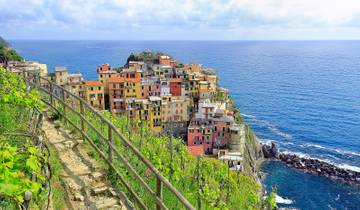
7 days
Cinque Terre : Hiking Self Guided Tour – 7 days from Sestri Levante
- ✓ Comprehensive Liguria tour
- ✓ Expert local guides included
- ✓ All accommodation arranged
- ✓ Transportation provided
8 days
Cinque Terre: Hike, Bike & Kayak
- ✓ Comprehensive Liguria tour
- ✓ Expert local guides included
- ✓ All accommodation arranged
- ✓ Transportation provided
3 days
3-Days Florence & Cinque Terre Adventure: Discover the Best of Tuscany and the Italian Riviera
- ✓ Booking needs min. 2 travelers
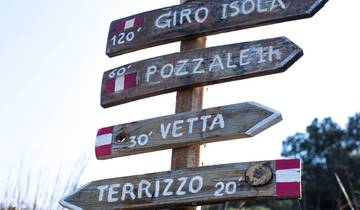
7 days
Walking in the Cinque Terre and Portofino
- ✓ Comprehensive Liguria tour
- ✓ Expert local guides included
- ✓ All accommodation arranged
- ✓ Transportation provided
Multi-day tour packages powered by TourRadar. Prices and availability subject to change.
Introduction: Planning Your Cinque Terre Adventure in 2026
The Cinque Terre’s 18 kilometers of Ligurian coastline between Punta Mesco and Punta di Montenero represent one of Europe’s most dramatic cultural landscapes, where millennium-old dry stone walls terrace impossibly steep cliffs supporting grapevines producing UNESCO-protected wines. Five fishing villages—Monterosso al Mare, Vernazza, Corniglia, Manarola, and Riomaggiore—cling to rocky outcrops in defiant technicolor, their pastel facades photographed by millions yet somehow retaining authentic character. UNESCO’s 1997 World Heritage inscription recognized this terrain as living testament to human resilience transforming hostile environment into productive agricultural landscape through generations of anonymous labor building 4,200 miles of muretti (dry stone walls) exceeding Great Wall of China’s length if straightened.
Strategic planning maximizes Cinque Terre experiences in 2026 when mass tourism concentrates 2.5 million annual visitors into compact villages and narrow trails designed for medieval mule traffic. The key paradox: preserving authenticity while accommodating overwhelming popularity that threatens the very qualities attracting visitors. Smart travelers leverage timing (shoulder seasons April-May and September-October), early morning departures (6-7am trail starts), and diversified activities (combining hiking, boats, trains) avoiding bottlenecks while experiencing terrain from multiple perspectives. The Cinque Terre rewards those moving beyond Instagram viewpoint checklist mentality—vineyard terraces at sunset, fishing boats departing dawn, old men playing cards in harbor-side cafés represent authentic moments requiring patience and local rhythm appreciation.
This guide prioritizes practical execution over romantic generalities in 2026. You’ll learn precisely which trail segments deliver best scenery-to-crowding ratios, when to book which boat tour types, how Cinque Terre Card variations affect budget calculations, and which villages suit different traveler profiles. The comprehensive trail descriptions include difficulty ratings, time requirements, and specific viewpoint locations. Boat tour comparisons evaluate shared versus private options, kayak alternatives, and public ferry economics. Village profiles identify optimal bases balancing atmosphere, accommodation options, and transportation connectivity. Whether you’re athletic hikers seeking Alta Via challenges, photography enthusiasts chasing golden hour light, or relaxed travelers preferring boat perspectives over trail exertion, strategic information enables informed decisions matching activities to interests, fitness levels, and available time.
Budget considerations span wide spectrum in 2026 Cinque Terre. Shoestring travelers hike free high trails, ride €2.70 regional trains, picnic on market purchases (€8-12 daily food budget), and stay La Spezia hostels (€25-35 nightly) experiencing spectacular coastal beauty for under €50 daily per person. Mid-range visitors invest in Cinque Terre Train Card (€19.50-32.50 daily), shared boat tours (€90-142), village restaurants (€25-40 dinners), and moderately-priced accommodation (€80-120 nightly doubles) totaling €100-150 daily per person with full experience access. Luxury seekers book private boat charters (€250+ per person), Michelin-quality seafood dinners (€80-120 per person), and boutique hotels with sea views (€200-350 nightly) creating €300-500+ daily budgets. The remarkable aspect: natural beauty costs identical for all—cliffside trails, village wandering, and sunset viewing require zero expenditure beyond modest transport and basic sustenance.
Seasonal timing dramatically affects Cinque Terre experiences in 2026. Peak summer (July-August) brings maximum crowds, highest prices, hottest weather (28-32°C), and complete accommodation saturation requiring 3-4 month advance booking—trails become congested single-file processions, villages overflow with tour groups, beaches pack shoulder-to-shoulder. Shoulder seasons (April-May, September-October) deliver optimal balance: pleasant 18-24°C temperatures, manageable crowds, blooming or harvesting landscapes, and accommodation availability with 4-6 week advance booking. Winter (November-March) offers dramatic solitude and free trail access but reduced accommodation/restaurant options, cooler 8-15°C temperatures, and potential rain closures—ideal for authentic local life appreciation and photography without tourist interference. This guide adapts recommendations across seasons while emphasizing spring-autumn timing for most travelers seeking balance between conditions and crowd management.
Understanding the Cinque Terre UNESCO World Heritage Site in 2026
The 1997 UNESCO World Heritage inscription designated “Portovenere, Cinque Terre, and the Islands (Palmaria, Tino and Tinetto)” as cultural landscape of outstanding universal value, recognizing continuous millennium-old human settlement transforming steep uneven terrain through terraced agriculture and distinctive architectural solutions. The inscription criteria emphasize cultural rather than natural significance—the landscape represents human achievement rather than geological wonder. Criterion II acknowledges important exchange of human values in architectural and landscape planning developments. Criterion IV recognizes exceptional building types and landscape illustrating significant moments in human history. Criterion V highlights remarkable cultural landscape created through sustained human effort in dramatic natural environment, representing harmonious interaction between people and nature producing exceptional scenic quality.
The dry stone walls (muretti) constitute the site’s most significant feature in 2026, representing anonymous labor’s cumulative achievement across generations. These mortarless structures built from locally quarried slate support terraced vineyards (fasce) covering 1,200 hectares of impossibly steep slopes reaching 45-degree inclines. The terracing system prevented erosion, created microclimates supporting grape cultivation, and enabled olive tree planting on land otherwise agriculturally worthless. Modern conservation challenges include terrace abandonment as younger generations pursue easier livelihoods, accelerating decay threatening UNESCO status. The National Park established 1999 maintains restoration programs and hiking trail networks, funded partly through Cinque Terre Card revenue—your trail pass purchase directly supports cultural landscape preservation beyond mere access fee.
The five villages developed distinct characters shaped by geography and historical circumstances in 2026. Monterosso al Mare, the largest and northernmost, spreads across relatively flat coastal plain offering sandy beaches, upscale hotels, and resort atmosphere contrasting with other villages’ vertical compression. Vernazza occupies the region’s only natural harbor deep enough for medieval shipping, becoming wealthiest village through maritime commerce—its castle tower and Doria fortifications reflect historical strategic importance. Corniglia perches 100 meters above sea level atop steep promontory, the sole village lacking direct beach access, maintaining quieter agricultural character with fewer tourists willing to climb 380-step staircase from rail station. Manarola clings to black rock jutting into sea, its boat ramp and jumbled houses creating the Cinque Terre’s most photographed composition—Via dell’Amore begins here. Riomaggiore, southernmost village and park headquarters, features steep caruggi (narrow lanes) and harbor protecting fishing boats—its position near La Spezia makes it most accessible for day-trippers.
The National Park designation in 1999 established protective framework governing development, tourism management, and landscape conservation across 3,860 hectares terrestrial area plus 4,300 hectares marine protected zone. Regulations restrict new construction, mandate traditional building materials for renovations, and control commercial activities preserving village character. The park manages trail networks, coordinates environmental education, and enforces visitor capacity limits on certain paths. Recent initiatives address overtourism through timed entry systems (Via dell’Amore pilot program), differential pricing encouraging off-peak visits (Cinque Terre Card A-B-C calendar), and promotion of high trails distributing visitor pressure beyond coastal paths. These measures represent ongoing experiment balancing UNESCO preservation obligations against economic dependence on tourism revenue—the Cinque Terre’s future depends on achieving sustainable equilibrium between conservation and commercial viability.
Cinque Terre Card System: Pricing and Value Analysis 2026
The Cinque Terre Card system in 2026 operates through two primary options addressing different visitor needs. The Trekking Card grants access to paid trail sections (Monterosso-Vernazza, Vernazza-Corniglia coastal routes), shuttle bus service within villages, public restroom use at train stations, guided nature walks on scheduled basis, Wi-Fi at park hotspots, and discounted admission to La Spezia civic museums. Adult pricing ranges €7.50 for one day, €14.50 for two consecutive days, and €21 for three days, with reduced rates for children 4-11 (€4.50/€7.20/€9.50), seniors over 70 (€6/€10 for 1-2 days), and families (€19.60/€31.50 for 2 adults plus 2 children). The Trekking Card suits hikers staying within park boundaries, camping or accommodated in villages, avoiding regional train use beyond park area.
The Cinque Terre Train Card includes all Trekking Card benefits plus unlimited second-class regional train travel between Levanto and La Spezia on the coastal line stopping at all five villages. This comprehensive option implements dynamic pricing based on demand: Low (A), Medium (B), and High (C) categories correspond to seasonal patterns and day-of-week variations. Adult one-day cards range €19.50-32.50 (most weekdays in March-May and October fall Low-Medium categories, while summer weekends and August reach High pricing). Multi-day options span €34-59 for two consecutive days and €46.50-78.50 for three days depending on demand category. Children 4-11 and seniors over 70 receive reduced rates across all categories. The official park website (card.parconazionale5terre.it) publishes detailed calendar showing exact pricing for each 2026 date—consult this resource when planning to optimize costs around High-demand periods.
Economic analysis reveals Train Card value for typical visitors in 2026. Single regional train tickets between Cinque Terre villages cost €2.70-10 depending on distance and demand category (peak summer sees €5-8 fares on popular routes). A visitor taking trains from La Spezia to Riomaggiore (€5), Riomaggiore to Manarola (€2.70), Manarola to Vernazza (€5), and Vernazza to Monterosso (€5) accumulates €17.70 in rail fares alone—already approaching Low-demand Train Card price before considering trail access (€7.50 value), bus service, and other inclusions. The card pays for itself definitively with 4+ train journeys or 3 trains plus one paid trail segment. Even High-demand €32.50 pricing delivers value versus purchasing separate rail tickets and trekking access for active itineraries involving multiple village visits and coastal hiking.
The Via dell’Amore supplemental fee represents separate consideration in 2026. This famous 900-meter coastal path between Riomaggiore and Manarola, closed 12 years following 2012 landslide, reopened August 2024 with new safety infrastructure and timed-entry capacity management. Standard Trekking or Train Cards do not include Via dell’Amore access—visitors must either purchase €10 supplement adding to existing card, or buy Card Plus versions integrating Via dell’Amore from initial purchase. The supplement grants 30-minute timed entry slot with maximum 200 visitors per window, requiring advance online reservation during peak season. Honest assessment: many experienced Cinque Terre travelers consider the €10 supplement poor value for 15-minute actual walking time on paved, crowded path lacking the coastal wildness characterizing other trail segments. First-time visitors seeking iconic photo opportunity may find symbolic value justifying expense, while repeat visitors typically skip Via dell’Amore favoring less-touristed alternatives.
Winter season (November 3, 2025 through March 13, 2026) eliminates trail fees entirely in 2026—all paths open freely without card requirement, though Train Card remains available at heavily discounted rates (€12-18 range) for visitors needing regional rail coverage. This off-season window offers budget travelers extraordinary value: free trail access, reduced accommodation rates (40-50% below summer), minimal crowds, and authentic village atmosphere unmediated by mass tourism. Trade-offs include cooler 8-15°C temperatures, potential rain requiring flexible schedules, reduced restaurant/hotel options as many close November-March, and shorter daylight hours limiting daily hiking time. Photographers particularly prize winter Cinque Terre for dramatic storm light, mist-shrouded villages, and deserted trail compositions impossible during tourist season—all accessible without card expense.
The Blue Trail (Sentiero Azzurro): Cinque Terre’s Classic Coastal Route 2026
The Sentiero Azzurro (Blue Trail, also designated Sentiero Verde Azzurro or SVA) represents the Cinque Terre’s signature coastal hiking route connecting all five villages across 12 kilometers with spectacular Mediterranean views, terraced vineyards, and clifftop passages. Originally the sole connection between isolated communities before road and rail access, this historic path now attracts hundreds of daily hikers during peak season creating congestion management challenges. The trail divides into four distinct segments with varying difficulty, crowd levels, and access requirements in 2026. Strategic segment selection and timing enables rewarding experiences despite popularity, while understanding current conditions prevents disappointment from unexpected closures or overwhelming crowds.
The Monterosso to Vernazza segment (3.5 kilometers, 2 hours, moderate difficulty) delivers the Blue Trail’s finest scenery-to-effort ratio in 2026. Starting Monterosso’s western edge near cemetery, the path climbs steadily through olive groves and vineyard terraces offering expanding coastal views. The first 45 minutes ascends 200 meters via stone steps and switchbacks—bring water and wear proper footwear as smooth stones become slippery. Midpoint plateau provides spectacular panorama encompassing Monterosso’s beaches and Punta Mesco headland. The descent into Vernazza, particularly the final 20 minutes, ranks among Cinque Terre’s most photographed segments: the trail drops vertically toward Vernazza’s harbor, creating famous vista of colorful village buildings, medieval Doria tower, and boats bobbing in small port. Timing proves critical—depart Monterosso 6-7am for solitude and ideal lighting (morning sun illuminates Vernazza from perfect angle), avoiding 10am-2pm peak when single-file bottlenecks form on narrow sections. This segment requires Cinque Terre Card access with checkpoints at both ends validating permits.
The Vernazza to Corniglia section (4 kilometers, 2 hours, moderate-difficult) presents the Blue Trail’s most challenging segment physically in 2026, combining steep elevation changes with rough rocky terrain demanding careful footing. Departing Vernazza’s upper reaches, the path climbs sharply through terraced vineyards where spring blooms (April-May) and autumn harvest colors (September-October) create seasonal beauty. The route crests at Prevo locality offering vineyard panoramas before descending steeply toward Corniglia. The final approach provides dramatic views of Corniglia perched atop its distinctive promontory 100 meters above sea level—the village’s isolated position creates memorable compositions lacking other villages’ seaside accessibility. This segment sees lighter traffic than Monterosso-Vernazza despite comparable scenery, as many day-visitors avoid the sustained climbing and rough footing. Proper hiking footwear proves essential—trail runners or light boots with ankle support prevent sprains on uneven surfaces. Cinque Terre Card required for access, with checkpoint monitoring at Vernazza end.
The Corniglia to Manarola segment remains closed indefinitely in 2026 following severe storm damage and ongoing instability issues. This 2.5-kilometer section suffered multiple landslides over past decades, most recently 2011 flooding that collapsed substantial trail portions. National Park authorities cite geological instability and excessive restoration costs delaying reopening timeline beyond 2026. Visitors must use alternative routes: trains provide five-minute connection between villages (frequent service), or experienced hikers tackle high trail variants (Sentiero 506+586 via Volastra adds 6 kilometers and 2 hours versus direct coastal route). The closure significantly impacts Blue Trail continuity—completing the full Monterosso-Riomaggiore coastal walk requires either accepting Corniglia-Manarola train segment interrupting hiking experience, or committing to substantially longer high trail alternative demanding superior fitness and navigation capability.
The Manarola to Riomaggiore segment, famous as Via dell’Amore (Lover’s Path), reopened August 2024 after 12-year closure but operates under special conditions in 2026. This 900-meter flat paved walkway blasted into cliff face represents the Blue Trail’s easiest section, accessible to wheelchairs and requiring minimal exertion—15-20 minute stroll at leisurely pace. However, the romantic legend (courting couples from neighboring villages used this path for secret meetings) attracted such crowds pre-closure that new management implements strict capacity controls: 200-visitor maximum per 30-minute time slot, timed entry reservations, and €10 supplement fee beyond standard Cinque Terre Card or Card Plus integrated purchase. The path offers dramatic clifftop Mediterranean views and historical significance, but crowds, fees, and regimented access diminish the spontaneous romance implied by its name. Budget-conscious and crowd-averse visitors often skip Via dell’Amore, using Manarola-Riomaggiore train (2 minutes, included in Train Card) and redirecting the €10 supplement toward boat tour or village restaurant meal delivering better value.
Alta Via delle Cinque Terre: The High Trail Alternative for 2026
The Alta Via delle Cinque Terre (AV5T, also designated Sentiero Rosso or Red Trail) traverses the ridge above villages at 400-800 meters elevation, providing experienced hikers spectacular alternative to crowded coastal Blue Trail. This 40-kilometer route from Portovenere to Levanto passes through all five Cinque Terre villages’ hinterlands with dramatic vineyard panoramas, Mediterranean scrub landscapes, and zero entry fees or permit requirements year-round. The complete traverse demands 12-15 hours hiking time plus village exploration, typically executed over 2-3 days with overnight village accommodation. Alternatively, selective segments accessed via village-to-ridge connector trails enable day hikes sampling Alta Via character without full commitment—the Monterosso-to-Riomaggiore central section (12 kilometers, 5-6 hours) captures the trail’s essence for time-limited visitors.
Physical demands significantly exceed Blue Trail requirements in 2026. The Alta Via maintains relatively consistent ridge elevation but accessing and exiting requires steep village connectors climbing 400-700 vertical meters via ancient mule paths and stone staircases. Total elevation gain completing Monterosso-Riomaggiore reaches 1,200+ meters cumulative despite ridge-walking minimizing constant up-down compared to coastal route. Trail surfaces vary from wide former military roads to narrow footpaths through dense macchia (Mediterranean scrub), rocky sections demanding careful footing, and occasional exposure on cliff edges unsuitable for vertigo sufferers. Navigation skills prove essential—trail markers exist but fog, overgrowth, and multiple trail intersections create confusion potential. Download offline trail maps (OpenStreetMap or official park maps from parconazionale5terre.it) and carry GPS device or smartphone with battery backup. Recommended fitness level: regular hikers comfortable with 12+ kilometer days including sustained climbs, experience reading trail maps, and comfort hiking solo sections where other hikers may be absent for hours.
The Monterosso approach via Sanctuary of Soviore (Santuario di Nostra Signora di Soviore) begins the Alta Via’s most accessible section in 2026. From Monterosso train station, follow signs uphill toward Soviore sanctuary climbing 500 meters over 3.5 kilometers via ancient pilgrimage route (90 minutes ascent). The sanctuary, Liguria’s oldest Marian shrine dating to 8th century, provides rest stop and views before continuing to ridge trail junction. The Alta Via here runs through mixed forest and terraced vineyards abandoned to regenerating nature—dramatic contrast to actively cultivated coastal terraces visible below. The trail continues southward offering expanding views of coastline, occasional vineyard terraces still maintained by dedicated farmers, and spring wildflowers (April-May peak bloom) including endemic Ligurian species. This northern section sees lightest traffic—encountering 5-10 other hikers during full day represents typical experience versus 500+ on coastal Blue Trail segments.
The central Alta Via section between Monterosso and Manarola (8 kilometers, 3-4 hours ridge walking plus village connector time) provides the high trail’s finest panoramas in 2026. Here the ridge narrows creating simultaneous views toward Ligurian Sea and inland Apennine foothills, with cultivated terraces cascading from trail elevation down to villages appearing as miniature colored blocks 500 meters below. The Foce Drignana (pass) above Corniglia offers spectacular 360-degree panorama encompassing entire Cinque Terre coastline. Spring and autumn deliver optimal visibility—summer heat haze obscures distant views, while winter storms provide dramatic cloudscapes and rare snow dusting ridge elevation. The trail passes through Case Pianca locality where ruined stone buildings demonstrate historical human presence at these elevations, sheep herders and charcoal burners occupying seasonal shelters now colonized by vegetation. Descending to Manarola via Volastra connector drops 450 meters over 2.5 kilometers of steep switchbacks emerging at Manarola’s upper edge—reverse direction for accessing Alta Via from Manarola involves equivalent sustained climb.
Logistical considerations for Alta Via hiking in 2026 include limited facilities (no water sources, restaurants, or emergency services on ridge sections), substantial village connector climb/descent times adding to quoted ridge distances, and weather exposure at elevation. Carry 2+ liters water per person minimum, energy food, sun protection (ridge lacks shade), and rain gear (conditions change rapidly). Village connector trails typically add 60-90 minutes each direction—calculate total hiking time including village access when planning daily itineraries. Early starts prove essential completing ambitious segments before afternoon heat and ensuring daylight margins (trail lacks artificial lighting). The Alta Via rewards prepared hikers with solitude, expansive landscapes, and authentic appreciation of terraced agricultural system’s monumental scale—perspectives impossible from crowded coastal paths or boat-based village viewing. First-time Cinque Terre visitors might attempt partial Alta Via segments (e.g., Monterosso-Vernazza ridge section 3 hours) combining with coastal trail variety, while repeat visitors and serious hikers often find high trails more satisfying than tourist-crowded Blue Trail sections.
Boat Tours: Experiencing Cinque Terre from the Mediterranean 2026
Small-group shared boat tours represent the premium Cinque Terre experience in 2026, providing perspectives impossible from land-based viewing. These 2.5-3 hour excursions aboard traditional Ligurian gozzo boats (10-12 passenger maximum) cruise the entire coastline from Monterosso to Riomaggiore, stopping at hidden coves for swimming and snorkeling, while experienced local skippers narrate village histories, UNESCO significance, and maritime traditions. Pricing ranges €90-142 per person depending on departure time and season, with morning tours (€90-110) offering value while sunset cruises (€120-142) command premium for golden hour photography and romantic atmosphere. Inclusions typically encompass prosecco or local wine aperitivo, focaccia and local snacks, swimming/snorkeling equipment, and bilingual Italian-English commentary from native guides passionate about coastal heritage.
Departure points vary by operator in 2026. Monterosso-based tours benefit from northernmost village’s superior boat infrastructure—larger marina accommodates traditional gozzo fleet, sheltered anchorage provides reliable departures even moderate sea conditions, and convenient location enables comprehensive coastline coverage heading south past all five villages before returning. Manarola departures offer central positioning but smaller harbor limits boat sizes and sea conditions occasionally force cancellations. La Spezia departure options exist but sacrifice Cinque Terre immersion spending transit time reaching actual park coastline. Book directly through established operators (Fish & Chill Cinque Terre, Venere Boat Tours, Aquamarina Cinque Terre represent respected companies) rather than aggregator platforms—direct booking often saves 10-15% commission fees while ensuring communication with actual operators regarding weather cancellations and rescheduling.
Timing considerations significantly affect boat tour experiences in 2026. Morning departures (typically 9-10am starts) provide optimal swimming conditions as Mediterranean warms through day, calmer seas before afternoon wind development, and availability booking just days ahead versus sunset tours requiring 1-2 week advance reservations. Midday heat (June-August 11am-3pm) creates uncomfortable sun exposure on open boats—morning or late afternoon slots prevent excessive UV exposure. Sunset tours (departure times shift seasonally: 4:30-6:30pm depending on sunset hour) deliver spectacular golden light illuminating pastel village facades, romantic atmosphere with prosecco toasts as sun descends, and premium pricing justified for photography enthusiasts and couples celebrating special occasions. Weather dependency affects all water tours—operators contact guests 24 hours ahead confirming departures or rescheduling if forecasts predict unsafe conditions. Mediterranean weather April-October generally favors boat operations though occasional scirocco winds from Africa or libeccio from southwest create rough seas forcing cancellations.
The boat tour perspective reveals Cinque Terre dimensions invisible from trails or villages in 2026. From water, the villages’ vertical compression becomes apparent—buildings stack impossibly up cliff faces creating architectural drama. The terraced agricultural system’s full scale manifests from maritime vantage: thousands of individual fasce (terrace plots) climbing from waterline to ridge elevation, dry stone walls supporting grape vines producing DOC wines. Hidden sea caves, grottos accessible only by boat, and secluded rocky coves where swimming stops occur demonstrate coastline complexity. Knowledgeable guides explain fishing traditions, illustrate tsunami damage restoration following 2011 storms, identify endemic plant species colonizing cliffs, and relate legends of pirates, merchant ships, and ancient Roman port activities. The comprehensive coastal passage typically sequences: Monterosso’s beaches and Neptune statue, Vernazza’s harbor castle, Corniglia’s clifftop profile, Manarola’s boat ramp and village cascade, Riomaggiore’s southern position and Via dell’Amore cliff base, plus perspectives on uninhabited coastline sections revealing natural state before human terracing.
Value comparison against alternatives contextualizes boat tour pricing in 2026. Public ferry service (Consorzio Marittimo Turistico 5 Terre) operates Monterosso-Portovenere route March 15-October 31 stopping at four villages (Corniglia lacks harbor) with one-way Riomaggiore-Monterosso tickets €15, full-day unlimited passes €42, afternoon passes €28. These large ferries accommodate 200+ passengers on fixed schedules (first departure ~9am, last ~6pm), providing budget transportation but lacking intimate atmosphere, swimming stops, guided commentary, or flexible timing characterizing small-boat tours. The €48-100 premium for shared small-boat tours versus ferry pass delivers substantially enhanced experience: personalized attention in 10-12 passenger groups, swimming cove access, aperitivo service, knowledgeable local guides, and relaxed pacing impossible on time-sensitive ferry schedules serving transportation function rather than experience focus. Budget travelers watching expenses might combine one premium boat tour with ferry service for additional coastal perspectives, while those prioritizing quality over economy find small-boat tour investment worthwhile for memorable Cinque Terre highlight.
Kayaking Adventures: Paddling Hidden Coves in 2026
Guided kayak tours provide active alternative to passive boat cruising in 2026, enabling access to otherwise unreachable coves while delivering upper body workout and intimate water-level coastal interaction. Tour operators including Cinque Terre dal Mare and Carnassa Tour offer 2-3 hour excursions (€50-95 per person) departing Monterosso or Riomaggiore, paddling past village waterfronts, exploring sea caves, and stopping for snorkeling in crystalline waters. These adventures suit moderately fit participants—no previous kayak experience required though reasonable upper body strength and swimming ability prove essential. Maximum group sizes 8-12 kayakers plus guide maintain safety oversight while preventing mass-tourism atmosphere plaguing some boat tours. Inclusions encompass kayak and paddle rental, life jacket and snorkel equipment, dry bag for personal items, and bilingual guide providing navigation and coastal ecosystem interpretation.
Kayak rental for independent exploration offers budget option in 2026 for experienced paddlers comfortable navigating without guide oversight. Cinque Terre Adventure and similar outfitters rent single kayaks €10 per hour, €50 full day, or double kayaks €20 hourly, €80 daily including life jacket, snorkel gear, and waterproof bag. This self-guided option suits confident swimmers and kayakers familiar with coastal conditions, sea state assessment, and emergency self-rescue. The Monterosso-Vernazza coastline provides excellent kayaking with several appealing cove destinations: Guvano Beach (naturist beach accessible only by sea or blocked tunnel), Canneto locality rocks for snorkeling, and small unnamed coves between villages offering private swimming spots away from crowded village beaches. Distance Monterosso-Vernazza spans approximately 3 kilometers requiring 45-60 minutes paddling time each direction for average kayakers, making half-day rental (4 hours) sufficient for round-trip with swimming stops.
Safety considerations govern kayaking activities in 2026. Mediterranean conditions vary dramatically—calm morning seas becoming rough by afternoon when winds develop (particularly strong libeccio southwesterlies pushing swells against exposed coastline). Guides assess conditions daily, postponing or canceling tours when swells exceed safe limits for kayaking. Solo kayakers must demonstrate competent swimming ability and sign liability waivers acknowledging risks. The rocky coastline offers minimal emergency landing points—steep cliffs and boulder fields predominate with few accessible beaches between villages. Mobile phone coverage remains reliable along coast enabling emergency calls, though actual rescue involves considerable response time given terrain inaccessibility. Guided tours provide safety backup through guide oversight, group cohesion, and professional judgment determining appropriate routes for prevailing conditions—solo kayakers accept full responsibility including realistic self-assessment of abilities matching conditions.
The kayak perspective differs significantly from boat tours in 2026. Water-level vantage reveals cliff details, marine ecosystems visible through clear water, and intimate scale impossible from larger vessels. Physical effort creates achievement satisfaction versus passive boat ride observation. The guided tours emphasize ecological interpretation—guides identify Mediterranean flora colonizing sea cliffs (prickly pear, agave, endemic rockrose species), explain fishing traditions observing boats working near shore, and discuss marine protected area conservation protecting underwater habitats. Snorkeling stops reveal rocky reef ecosystems hosting damselfish, wrasse, octopus, and occasional grouper populations rebounding since protection measures implemented. For active travelers preferring participation over observation, outdoor enthusiasts seeking Cinque Terre adventures beyond hiking, and budget-conscious visitors (guided kayak €50-95 versus boat tours €90-142), kayaking delivers memorable coastal interaction distinct from motorized alternatives. First-time kayakers might select guided option building skills and confidence, while experienced paddlers with coastal kayaking background maximize freedom through independent rental.
Best Village Bases for Your Cinque Terre Stay in 2026
Vernazza emerges as the optimal base village for most Cinque Terre visitors in 2026, balancing photogenic beauty, central location, and authentic atmosphere despite popularity. Its natural harbor, medieval Doria castle tower, and jumbled pastel buildings cascading toward small beach create the region’s most celebrated composition—the views hikers anticipate arriving via Monterosso trail segment. Central positioning enables equal access to northern villages (Monterosso, Corniglia) and southern pair (Manarola, Riomaggiore) via short train rides. The village maintains working fishing fleet alongside tourism, with morning boat departures and afternoon net repairs providing authentic glimpses beyond souvenir shops. Accommodation options span €80-150 nightly for apartments and small hotels, often requiring 2-3 month advance booking April-October. Restaurants including Belforte (clifftop dining) and Gambero Rosso (harbor piazza tables) deliver quality seafood €35-50 per person. Trade-offs include crowds during daytime hours, limited flat ground challenging mobility-impaired visitors, and premium pricing reflecting beauty tax.
Monterosso appeals to beach enthusiasts and travelers prioritizing resort amenities in 2026. As the largest village, it spreads across relatively flat coastal plain offering sandy beaches (rare in rocky Cinque Terre), upscale hotels with pools and spas, and mature tourism infrastructure including reliable Wi-Fi, English-speaking services, and varied dining from casual pizzerias to Michelin-quality seafood. The village divides into old town (medieval core with narrow lanes, churches, tower) and Fegina district (beachfront hotels, restaurants, Neptune statue landmark). Accommodation ranges €90-200 nightly for standard hotels to €250-400 for luxury beachfront properties. Beach club services (umbrella, lounger rental €15-30 daily) enable comfortable Mediterranean seaside relaxation impossible at other villages’ pebbly coves. Monterosso suits families with children (beaches, flat terrain, resort facilities), older travelers avoiding stairs (gentler topography than vertical villages), and luxury seekers (highest-end accommodation). Trade-offs include diminished authenticity from resort development and premium pricing across accommodation-dining spectrum.
Corniglia attracts solitude-seeking travelers and budget-conscious visitors in 2026. Perched 100 meters above sea level atop steep promontory, this smallest village (population ~250 permanent residents) lacks direct beach access discouraging day-trippers unwilling to climb 380-step Lardarina staircase from train station. The isolated position creates tranquil atmosphere—evening village life centers on locals gathering in tiny piazza rather than tourist throngs. Accommodation costs run 20-30% below comparable quality in Vernazza or Monterosso (€60-100 nightly apartments), while restaurants serve locals as well as visitors maintaining authentic menus and pricing (€25-35 dinner). The village’s vineyard setting and agricultural character provide working landscape appreciation. Corniglia suits budget travelers, authentic village life enthusiasts, and visitors with mobility/fitness handling stairs (alternative road access adds significant walking distance). Trade-offs include limited accommodation options (smallest village), stair-climbing requirement accessing everything, and relative isolation from beach activities and evening entertainment options.
Manarola serves photography enthusiasts and romance-seeking couples in 2026. The village’s iconic composition—pastel tower-houses stacked on black rock jutting into turquoise sea—creates the Cinque Terre’s most frequently photographed vista, particularly from elevated viewpoint reached via short walk from train station. Via dell’Amore connects to Riomaggiore providing easy access (though €10 fee applies). The village maintains intimate scale and vertical architecture characteristic of southern Cinque Terre trio. Accommodation limited but quality (€100-180 nightly), restaurants including Nessun Dorma (elevated terrace sunset views) justify premium for ambiance. The small harbor and boat ramp create picturesque foreground for photography, while evening village illumination attracts professional photographers. Manarola suits couples celebrating occasions, photography devotees, and travelers prioritizing iconic imagery. Trade-offs include crowds at prime viewpoints, stairs throughout vertical village, and limited evening dining variety versus larger villages.
Riomaggiore functions as practical base for budget travelers and those arriving from La Spezia in 2026. Its position nearest La Spezia (10-minute train, €5 ticket) enables day-trip access from less expensive La Spezia accommodation (hostel dorms €25-35, hotels €60-90 versus Cinque Terre village rates). The village serves as National Park headquarters providing visitor information, trail condition updates, and Cinque Terre Card purchase facilities. Via dell’Amore begins here connecting to Manarola. Accommodation within Riomaggiore runs €80-140 nightly, restaurants €30-45 dinners. The village’s southern position creates asymmetric access to other villages—four train stops to Monterosso versus one to Manarola. Riomaggiore suits budget-conscious travelers (La Spezia accommodation alternative), practical planners (park information hub), and visitors with La Spezia connections. Trade-offs include heaviest day-tripper crowds given proximity to La Spezia, less photogenic character than Vernazza/Manarola, and biased geographic position for touring all five villages.
Day-by-Day Sample Itineraries for Cinque Terre 2026
One-Day Itinerary (based in La Spezia or arriving morning train): Purchase Cinque Terre Train Card upon arrival La Spezia station (€19.50-32.50 depending on date demand category). Depart La Spezia 8am regional train to Monterosso (30 minutes). Hike Monterosso-Vernazza Blue Trail segment (2 hours, departing 8:30am avoiding crowds). Arrive Vernazza 10:30am for coffee break and harbor exploration (45 minutes). Train Vernazza-Manarola (15 minutes) arriving 11:45am. Lunch Manarola waterfront (12pm-1:30pm, budget €15-25 per person). Explore Manarola including elevated viewpoint photography (1:30-3pm). Optional Via dell’Amore walk to Riomaggiore if booked timed entry slot (30 minutes) or train to Riomaggiore (3 minutes). Riomaggiore exploration (3-5pm). Depart Riomaggiore 5:30pm train returning La Spezia. Total cost per person: €19.50-32.50 card, €15-25 lunch, €5-10 coffee/gelato = €40-68 excluding La Spezia accommodation.
Two-Day Itinerary (based in Vernazza): Day 1 begins 6:30am early hike Vernazza-Monterosso (reverse direction from standard routing, 2 hours uphill) arriving Monterosso 8:30am for beach time and breakfast. Return train Monterosso-Vernazza midday, lunch in Vernazza (€25-35 per person). Afternoon 3pm shared boat tour from Monterosso (pre-booked, €90-120 per person, 2.5 hours) providing coastal perspectives. Evening return Vernazza for dinner (€35-45 per person) and harbor sunset photography. Day 1 total: €150-200 per person. Day 2 starts 9am train Vernazza-Manarola (8 minutes), explore Manarola morning. 11am train to Riomaggiore (3 minutes), Via dell’Amore walk if desired (€10 supplement). Lunch Riomaggiore (€20-30). Afternoon train Riomaggiore-Corniglia (8 minutes), climb Lardarina staircase, explore quietest village. Late afternoon return Vernazza concluding tour of all five villages. Evening farewell dinner premium restaurant (€45-60 per person). Day 2 total: €75-100 per person. Two-day costs: €225-300 per person plus accommodation (€160-300 for two nights Vernazza).
Three-Day Adventure Itinerary (based in Monterosso): Day 1 focuses hiking. Early 6am departure Alta Via high trail from Monterosso via Soviore sanctuary connector, ridge walking to Corniglia area (5-6 hours), descend to Corniglia for lunch (€20-30), train return Monterosso afternoon. Rest and beach time. Casual dinner (€25-35). Day 1 cost: €45-65 per person. Day 2 emphasizes water activities. Morning 9am guided kayak tour Monterosso-Vernazza route (€50-95 per person, 3 hours) with swimming and snorkeling. Lunch Vernazza (€25-35). Afternoon train to Manarola and Riomaggiore for village exploration and photography. Return Monterosso evening, quality seafood dinner (€40-55). Day 2 cost: €115-185 per person. Day 3 delivers relaxation and remaining experiences. Morning beach time Monterosso. Midday train to villages not yet thoroughly explored. Afternoon 3pm boat tour sunset cruise (€120-142 pre-booked) with prosecco and swimming. Farewell dinner best Monterosso restaurant (€50-70). Day 3 cost: €170-212 per person. Three-day total: €330-462 per person plus accommodation (€270-600 three nights Monterosso depending on hotel level).
Seasonal Timing and Weather Considerations for 2026
Spring (April-May) represents optimal Cinque Terre timing for most visitors in 2026, combining pleasant 18-22°C temperatures ideal for hiking, blooming Mediterranean flora (rockrose, broom, wild herbs), manageable crowd levels below summer peaks, and reliable weather before intense heat arrives. April sees Easter holiday crowds (March 30-April 6, 2026) requiring advance booking, but mid-late April delivers excellent value. May brings warming seas suitable for swimming (18-20°C water temperatures), longer daylight hours (sunset 8:15pm late May), and vineyard terraces showing fresh green growth. Trail conditions generally excellent following winter maintenance, though occasional May rainstorms necessitate flexible schedules. Cinque Terre Train Card pricing mostly Low-Medium demand categories (€19.50-25 typical one-day adult rates), accommodation availability good with 4-6 week advance booking, and restaurant reservations manageable except May 1 Labor Day weekend. Spring downsides include variable weather (pack rain gear), cooler water temperatures early season, and reduced boat tour schedules through early April when operators resume seasonal service.
Summer (June-August) brings maximum crowds, highest prices, and hottest conditions in 2026—this peak season suits beach enthusiasts and travelers with rigid vacation schedules but challenges budget-conscious and solitude-seeking visitors. June transitions to full summer with 24-28°C air temperatures, 22-24°C sea temperatures ideal for swimming, and full tourism infrastructure operating (all restaurants, hotels, boat tours at capacity). July-August see extreme crowding: Blue Trail segments become single-file processions 10am-3pm, villages overflow with tour groups and cruise ship day-trippers, beaches pack densely, and accommodation books 3-4 months ahead. Heat reaches 28-32°C regularly with occasional 35°C+ spikes—hiking before 9am or after 5pm prevents dangerous midday exertion. Cinque Terre Card pricing peaks at High demand (€32.50 one-day adult Train Card), accommodation doubles shoulder-season rates, and restaurant wait times extend substantially. Summer advantages include guaranteed sunny weather (rain rare), warmest swimming conditions, longest daylight hours (sunset 8:45pm late June), and vibrant village atmosphere. Summer suits travelers prioritizing beach time, families with school-age children (July-August vacation windows), and visitors accepting crowds as inevitable trade-off for optimal weather.
Autumn (September-October) rivals spring as ideal visiting period in 2026, offering warm conditions, reduced crowds post-summer, and grape harvest cultural activities. September maintains summer-like 22-26°C temperatures with warm 22-24°C sea temperatures through mid-month, while October cools to 18-22°C air and 20°C water remaining swimmable. Crowds diminish substantially post-Labor Day (early September) as families return to school schedules. The grape harvest (vendemmia) typically occurs late September through October bringing heightened agricultural activity—observe vintners handpicking grapes on terraced vineyards, traditional harvest festivals in villages, and newly pressed wine available at local cantinas. October foliage adds golden hues to vineyard terraces contrasting with sea blue. Cinque Terre Card pricing drops to Low-Medium demand through most period, accommodation availability improves with 3-4 week advance booking sufficient, and restaurants welcome guests without extended waits. Autumn trade-offs include increasing rain probability October (pack layers and rain gear), some boat operators reducing schedules late October, and earlier sunset hours (6:45pm early October, 5:15pm late October) limiting afternoon hiking time. Autumn particularly suits wine enthusiasts (harvest season, new vintage tastings), photographers (warm light, harvest scenes, lighter tourist crowds), and budget-conscious travelers (lower prices while weather remains excellent).
Winter (November-March) offers dramatic solitude and free trail access in 2026 though cold, rain, and reduced services deter most visitors. November through mid-March sees 8-15°C temperatures, frequent rain (November wettest month averaging 12 rain days), occasional dramatic storms creating spectacular coastal wave action and photography opportunities, and 9am-5pm short daylight limiting hiking hours. Most hotels and many restaurants close November-March as residents focus on off-season vineyard maintenance, building renovations, and family time. However, winter advantages include: completely free trail access (no Cinque Terre Card requirement), deserted trails enabling solitary hiking impossible peak season, authentic village life observation without tourist overlay, dramatically reduced accommodation costs (€50-80 nightly versus €120-180 summer for equivalent properties), and discounted Train Card if needed (€12-18 versus summer €25-35). Winter suits hardy hikers comfortable with mud and rain, photographers seeking dramatic storm light and mist-shrouded villages, and authentic culture seekers prioritizing local life over comfort. Pack serious rain gear, expect restaurant closures requiring flexibility, and monitor weather forecasts adjusting plans for actual storm systems that occasionally bring dangerous conditions.
Practical Tips and Common Mistakes to Avoid in 2026
Purchase Cinque Terre Train Card upon arrival before accessing trails or boarding trains in 2026—inspectors enforce regulations strictly with €50+ fines for unticketed travelers on paid trail sections or regional trains. Cards available at La Spezia, Levanto, and all five Cinque Terre village train stations from ticket windows or automated machines (machines accept credit cards, provide English interface). Online purchase possible through official park website (card.parconazionale5terre.it) though physical card collection still required at park offices, negating time savings. Validate card at green validation machines in stations, write name on card as printed, and carry ID for inspector verification. Children under 4 travel free but require adult companion holding valid card. The timed entry reservation system for Via dell’Amore operates separately—advance booking essential summer weekends when 30-minute time slots fill weeks ahead.
Start trail hikes early morning (6-7am departures) avoiding 10am-2pm crowds, heat, and midday sun exposure in 2026. Dawn departures provide solitude on trails designed for medieval foot traffic, not modern mass tourism—Blue Trail segments accommodate comfortable passing when meeting 5-10 hikers versus single-file bottlenecks when 200+ compress narrow sections. Morning light illuminates villages beautifully for photography, cooler temperatures enable comfortable exertion, and completing major hike segments by noon allows afternoon flexibility for boat tours, beach time, or village exploration. Pack headlamp for pre-dawn starts though summer 6am provides adequate natural light. Bring minimum 1.5 liters water per person for Blue Trail segments, 2+ liters for Alta Via elevation hiking where water sources absent. Trail bars or energy food prevent bonking on sustained climbs. The Cinque Terre lacks emergency services infrastructure—helicopter rescue costs thousands of euros and requires serious injury justification. Prevent mishaps through proper footwear (trail runners minimum, light hiking boots recommended), reasonable pace avoiding exhaustion, and honest assessment of fitness matching route difficulty.
Reserve boat tours and accommodations well ahead during April-October 2026 peak season. Small-group boat tours (10-12 passenger maximum) fill quickly—book 7-14 days ahead for weekday departures, 2-3 weeks for weekend slots, 3-4 weeks for sunset cruises commanding premium demand. Accommodation in villages requires 2-3 month advance booking for July-August, 6-8 weeks for May-June and September-October shoulder seasons. Last-minute arrivals face either no availability or premium rates (remaining inventory priced 50-100% above advance booking rates). La Spezia provides backup accommodation option when village lodging fills—hostels €25-35 dormitory, budget hotels €60-90 doubles—with 10-minute train access to Riomaggiore though sacrificing village immersion for budget savings. Consider private apartment rentals supplementing hotel inventory; platforms like Booking.com and Airbnb list properties though verify exact locations (some advertised “Cinque Terre” apartments occupy inland towns requiring car access unsuitable for visitors planning train-based mobility).
Avoid attempting complete Blue Trail traverse in single day unless exceptional fitness and early season timing in 2026. The 12-kilometer coastal route sounds modest but accumulates 800+ meters elevation gain/loss, requires 6-7 hours actual hiking time plus village exploration and rest breaks, and faces current Corniglia-Manarola closure necessitating train segment or lengthy high-trail detour. Most visitors find 2-3 trail segments over multiple days more enjoyable than forced march attempting entire route. The pressure to “complete” the coastal trail creates rushed experiences missing village atmospheres, meal opportunities, and spontaneous discoveries. Instead, select 1-2 favorite Blue Trail segments for quality hiking (Monterosso-Vernazza consensus best), use trains efficiently connecting villages for exploration, and add boat tour for comprehensive coastal perspective—this varied approach delivers richer Cinque Terre appreciation than fixating on continuous trail completion. Serious hikers seeking sustained challenge should target Alta Via ridge route offering genuine full-day hiking without tourist bottlenecks.
Respect village residents and UNESCO cultural landscape preservation in 2026. The Cinque Terre villages accommodate year-round residents (approximately 4,000 permanent population) whose daily lives occur amid 2.5 million annual visitors. Practice basic courtesy: residential streets aren’t Instagram studios (respect privacy, don’t enter private property for photos), maintain normal voice levels particularly mornings and evenings, dispose of trash properly using provided bins, and patronize local restaurants and shops supporting economic sustainability beyond souvenir consumption. The terraced vineyards represent millennium of labor and active agricultural landscape—stay on designated trails avoiding terrace encroachment damaging delicate dry stone walls and grape cultivation. The National Park operates on modest budget funded partially through Cinque Terre Card revenue—purchasing cards rather than evading access fees directly funds trail maintenance, landscape preservation, and emergency services protecting both visitors and cultural heritage. Responsible tourism enables UNESCO site sustainability for future generations while maintaining living community character distinguishing Cinque Terre from abandoned-village museum destinations.
Frequently Asked Questions About Cinque Terre Tours and Trails 2026
Can you hike the Cinque Terre trails for free in 2026?
Partial free access exists in 2026 though key coastal sections require payment. The Blue Trail segments Monterosso-Vernazza and Vernazza-Corniglia demand Cinque Terre Card (Trekking €7.50 or Train €19.50-32.50 for one day) with checkpoint enforcement. However, the extensive Alta Via delle Cinque Terre high ridge trail (40 kilometers total) remains completely free year-round, as do numerous connector trails linking villages to ridge elevation and internal village paths. Additionally, all trails become free during winter season (November 3, 2025 through March 13, 2026) when park suspends access fees. Budget hikers maximize free access by focusing on Alta Via segments, high trails above villages, and winter-season visits, using trains (separate tickets €2.70-10) for village connections when avoiding paid coastal sections. The card investment makes sense for visitors combining trails with unlimited train use and other included services.
Which Cinque Terre village should I stay in for 2026?
Village selection depends on priorities in 2026. Vernazza suits most first-time visitors seeking iconic beauty, central location, and authentic atmosphere balanced with reasonable tourism infrastructure—expect €80-150 nightly accommodation, €35-50 dinner costs, and advance booking necessity. Monterosso serves beach enthusiasts and luxury travelers preferring resort amenities, flat terrain, and upscale services—€90-200 hotels, sandy beaches, but diminished village authenticity. Corniglia appeals to budget-conscious and solitude-seeking visitors accepting 380-step station staircase and limited facilities for €60-100 nightly savings and tranquil atmosphere. Manarola satisfies photography devotees and couples celebrating occasions seeking most photogenic setting—€100-180 accommodation with premium for Instagram-famous views. Riomaggiore functions as practical choice for La Spezia day-trippers and budget travelers using less expensive La Spezia accommodation (€25-90) with 10-minute train access. Most visitors favor Vernazza or Monterosso balancing beauty, convenience, and amenities.
How many days do you need in Cinque Terre in 2026?
Two to three days provides optimal Cinque Terre experience for most visitors in 2026. Two days enables one comprehensive hiking day (Blue Trail segments or Alta Via sampling), one boat tour, all five village visits via train, and quality restaurant meals appreciating local seafood and pesto traditions. Three days adds flexibility for second activity day (kayaking, additional hiking, cooking class, wine tasting), weather buffer allowing rescheduling if storms cancel water activities, and relaxed pacing preventing rushed itineraries. Single-day visits prove feasible for travelers with limited time—train card enables all village visits with one trail segment or boat tour—though insufficient for genuine immersion. Four to five days suits serious hikers attempting complete Alta Via traverse, outdoor enthusiasts combining hiking-kayaking-boat tours, or relaxed travelers prioritizing village atmosphere over activity packing. Base decision on interests: active hikers need 3-4 days for trail diversity, beach enthusiasts might extend to 4-5 days, while tight schedules manage 1-2 days hitting highlights albeit sacrificing depth for breadth.
Is Cinque Terre too touristy in 2026?
Yes, the Cinque Terre experiences severe overtourism during peak season (July-August, Easter, summer weekends) with 2.5 million annual visitors overwhelming villages designed for medieval populations. Blue Trail coastal sections become single-file processions, village harbors pack densely, restaurant wait times extend hours, and authentic local life retreats behind tourist overlay. However, strategic timing and activity selection mitigate crowds substantially: shoulder seasons (April-May, September-October) reduce visitor numbers 40-50% while maintaining excellent weather; early morning trail departures (6-7am) provide solitude before tour group arrivals; Alta Via high trails see 95% fewer hikers than coastal paths; winter season (November-March) delivers authentic village atmosphere with minimal tourists. Small-group boat tours and private accommodations create intimate experiences buffering mass-tourism effects. Realistic expectations help—this UNESCO site’s fame guarantees crowds during prime periods, but thoughtful planning accesses the cultural landscape’s authentic qualities beneath tourist surface. First-time visitors should experience it despite crowds (the villages and coastline justify their reputation), while repeat visitors target off-season windows or high trails avoiding peak congestion.
Can you do Cinque Terre as a day trip from Florence or Pisa in 2026?
Yes, though long transit times limit actual Cinque Terre exploration time making overnight stays preferable in 2026. Florence to La Spezia requires 2-2.5 hours via high-speed train (€15-35 tickets, frequent departures), then 10 minutes La Spezia to Riomaggiore regional train (€5). Total 5-6 hours round-trip transit allows 4-5 hours actual Cinque Terre time if departing Florence 7am and returning 6-7pm—sufficient for train hopping visiting 3-4 villages but inadequate for trail hiking or boat tours. Pisa to La Spezia takes 60-90 minutes regional train (€8-12, less frequent service), enabling 6-7 hours Cinque Terre exploration from Pisa day-trip—marginally viable for single trail segment or boat tour plus village visits. However, overnight stays eliminate rushed itineraries, permit sunset and early morning magic hours, and enable comprehensive trail-boat-village exploration. Budget travelers might day-trip from La Spezia (hostel €25-35) with 10-minute train access to Riomaggiore. Most visitors favor 2-3 night Cinque Terre stays justifying regional transit investment with thorough rather than superficial experience.
What should I wear hiking Cinque Terre trails in 2026?
Proper hiking footwear proves essential for safe comfortable Cinque Terre trail experiences in 2026—trail runners minimum, light hiking boots with ankle support recommended for Blue Trail’s rocky uneven surfaces and Alta Via’s rough terrain. Avoid sneakers, sandals, flip-flops, or dress shoes attempting trails—smooth soles on wet stone create slip hazards, lack of support causes ankle injuries on uneven footing, and inadequate tread provides poor traction on steep sections. Clothing should include: moisture-wicking shirt (cotton becomes uncomfortable when sweat-soaked during climbs), hiking pants or shorts with pocket security for phone/wallet, sun hat and sunglasses (trails lack shade exposure), and light rain jacket April-October for unexpected showers. Bring small daypack carrying 1.5-2 liters water per person (no water sources on trails), energy food, sunscreen SPF 30+, and basic first aid (bandages, pain reliever). Summer (June-August) demands early starts avoiding midday heat—lightweight breathable fabrics, electrolyte supplements, and generous sun protection prevent heat exhaustion on exposed coastal segments. Layers work year-round given microclimate variations between sea-level villages and ridge-elevation trails experiencing temperature differentials 5-8°C.
Are Cinque Terre boat tours worth the money in 2026?
Yes, small-group boat tours (€90-142 per person) deliver exceptional value for comprehensive coastal perspective impossible from land-based viewing in 2026. The €48-100 premium over public ferry (€42 day pass) purchases: intimate 10-12 passenger groups versus 200+ ferry crowds, swimming stops at hidden coves accessible only by boat, knowledgeable local guides explaining UNESCO significance and village histories, prosecco/wine aperitivo with local focaccia, and flexible pacing for photography. The boat-based village viewing reveals architectural drama of buildings stacked vertically on cliffs, terraced vineyard system’s monumental scale climbing from waterline to ridge elevation, and coastline sections uninhabited revealing natural state pre-human terracing. First-time visitors particularly benefit—the comprehensive coastal passage provides orientation and appreciation impossible piecing together village-to-village train trips. Value-conscious travelers might substitute one premium boat tour for multiple ferry rides, but most rate small-boat tours among Cinque Terre highlights justifying expense. Skip boat tours only if extremely budget-limited, prone to seasickness, or visiting winter season when many operators suspend service—otherwise budget one quality small-group tour for memorable investment.
Is Via dell’Amore worth visiting in 2026?
Via dell’Amore’s €10 supplement fee and timed-entry restrictions create mixed value in 2026 following August 2024 reopening after 12-year closure. Positive aspects: the 900-meter flat paved path offers easiest Cinque Terre coastal walking accessible to mobility-limited visitors unable to attempt steeper trails, dramatic clifftop position provides spectacular Mediterranean views, and historical significance as traditional courting path between Riomaggiore and Manarola holds romantic symbolism. However, negative factors diminish appeal: the €10 fee (beyond standard Cinque Terre Card) buys just 15-20 minutes walking time, timed entry (200 visitors per 30-minute slot) requires advance booking and regimented scheduling, crowds pack the narrow path diminishing intimate atmosphere implied by “Lover’s Path” name, and paved surface feels developed versus wild character other coastal trails maintain. Honest recommendation: first-time visitors seeking iconic Cinque Terre experience might find symbolic value justifying €10 investment once, while repeat visitors and budget-conscious travelers typically skip Via dell’Amore redirecting supplement toward boat tour, village restaurant meal, or free high trail alternatives delivering better experience-per-euro. The 2-minute Manarola-Riomaggiore train (included in Train Card) provides practical connection when Via dell’Amore fee seems unjustified.
Can you swim in Cinque Terre in 2026?
Yes, Cinque Terre offers excellent Mediterranean swimming May-October 2026 though beach access varies by village. Monterosso provides the largest sandy beach (rare in rocky Cinque Terre) with beach clubs renting umbrellas and loungers €15-30 daily, shallow entry suitable for families, and resort atmosphere. Vernazza features small pebbly beach at harbor base—free access, authentic village setting, but limited space filling quickly peak season. Riomaggiore and Manarola lack traditional beaches but offer rocky platforms and small pebble areas where locals swim—bring water shoes for comfortable rocky entry. Corniglia sits 100 meters above sea requiring steep descent to reach any swimming areas. The best swimming often occurs at hidden coves accessible by boat or kayak tours—guides identify secluded spots with crystalline water, rocky reefs for snorkeling, and minimal crowds impossible from village beaches. Water temperatures span 18-20°C May and October (bracing but swimmable), 22-24°C June and September (comfortable), and 24-26°C July-August (warm). Mediterranean conditions generally calm mornings becoming rougher afternoons when winds develop—boat tour swimming stops typically occur morning-midday taking advantage of calmer seas. Pack swimming gear even if hiking focused—post-trail beach recovery proves rewarding after coastal exertion.
What is the best month to visit Cinque Terre in 2026?
May and September emerge as optimal Cinque Terre months in 2026, balancing excellent weather, manageable crowds, and full tourism infrastructure at moderate pricing. May delivers 20-24°C temperatures perfect for hiking without excessive heat, blooming Mediterranean flora coloring trails and terraces, warming seas (20-22°C) approaching comfortable swimming range, long daylight hours (sunset 8:15pm late May), and Cinque Terre Card Low-Medium demand pricing (€19.50-25 typical one-day Train Card). The month avoids summer peak crowding while accessing full boat tour schedules, open restaurants, and available accommodation with 4-6 week advance booking. September maintains summer-like conditions (22-26°C air, 22-24°C sea through mid-month) with substantially reduced crowds post-Labor Day, grape harvest activities enlivening villages, golden light ideal for photography, and pricing dropping toward shoulder season rates. October works nearly as well (18-22°C, harvest concluding, autumn foliage) though increasing rain probability and earlier sunset hours (6:45pm early October, 5:15pm late) limit afternoon hiking. Avoid July-August if possible—maximum crowds, highest prices (€32.50 card high demand days), and intense heat create challenging rather than optimal conditions despite guaranteed sunshine and warm swimming.