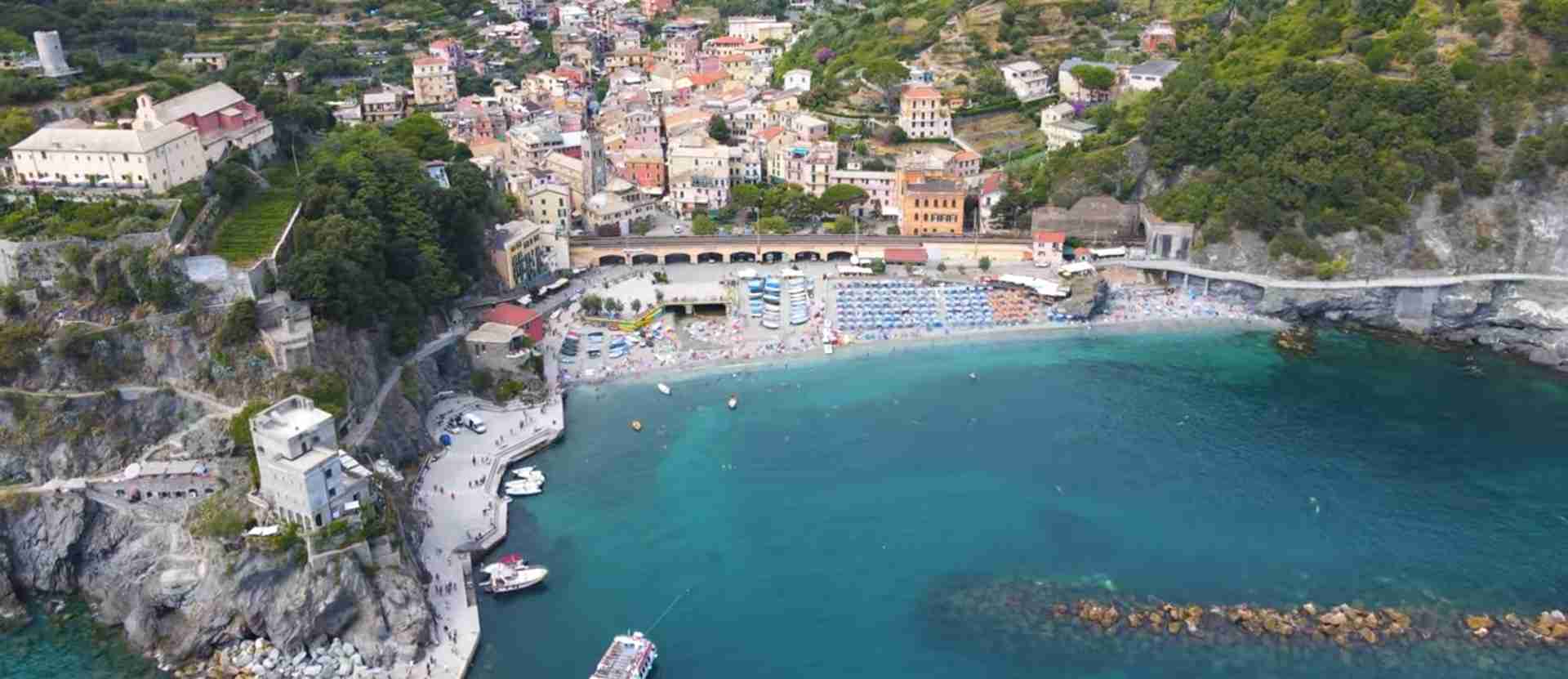
Cinque Terre Best Time to Visit 2026: Seasonal Planning Guide
Cinque Terre’s dramatic Ligurian coastline demands careful timing to balance favorable weather, manageable crowds, and reasonable costs. The five UNESCO-protected villages experience distinct seasonal patterns that dramatically affect visitor experiences, with spring and fall shoulder seasons offering the most rewarding combination of mild Mediterranean weather, accessible hiking trails, and pricing that rewards strategic planning.
Key Takeaways: Cinque Terre Timing Essentials 2026
- Optimal windows: Late April through June and mid-September through October deliver warm weather (18-25°C / 64-77°F), minimal rainfall, and 30-50% lower crowds than peak summer
- Peak season challenges: July-August brings intense crowds from cruise ships and European holidays, accommodation prices 40-60% higher than shoulder season, and temperatures reaching 28°C (83°F)
- Pricing strategy: Cinque Terre Card and train tickets use tiered pricing (A/B/C calendar) with peak dates costing up to €32.50 versus €19.50 in low season for identical services
- Trail access: Blue Trail sections require paid Cinque Terre Card from March 14-November 2, 2026, while all trails become completely free from November 3, 2025 through March 13, 2026
- Accommodation timing: Book 2-3 months advance for April-June or September-October stays; November-February offers 30-50% discounts but many restaurants and services close
- Swimming season: Water temperatures suitable for comfortable swimming from June through September, with May and early October possible for hardy swimmers
People Also Ask About Cinque Terre Timing 2026
What is the absolute best month to visit Cinque Terre in 2026?
May and September represent the two ideal months for visiting Cinque Terre in 2026. May offers blooming wildflowers on terraced hillsides, temperatures averaging 20-22°C (68-72°F), and accommodation prices 25-35% below peak summer rates. September provides warm sea temperatures from summer (still 22-24°C / 72-75°F), harvest season atmosphere in the vineyards, and dramatically reduced crowds as European school holidays end in early September. Both months deliver the optimal balance of weather quality, crowd levels, and value that defines the Cinque Terre experience at its finest.
Should I avoid Cinque Terre during July and August 2026?
July and August deliver the most challenging visitor experience due to overwhelming crowds, especially cruise ship arrivals bringing 3,000-5,000 passengers daily during peak weeks. Train platforms become dangerously crowded, popular photo spots require 20-30 minute waits, and restaurant reservations become essential even for casual dining. However, these months offer guaranteed swimming weather, longest daylight hours (sunset after 8:30 PM), and the full vibrancy of summer festivals. Visit July-August 2026 only if your schedule allows no flexibility and you accept crowds as part of the experience, focusing activities on early mornings (before 9 AM) and evenings (after 6 PM) when day-trippers depart.
Is Cinque Terre worth visiting in winter 2026?
Winter (November-February) transforms Cinque Terre into a dramatically different destination that rewards visitors seeking authentic local atmosphere over tourist infrastructure. Accommodation costs drop 30-50%, all hiking trails become completely free (no Cinque Terre Card required), and you experience the villages as working fishing communities rather than tourist attractions. Temperatures remain mild (10-15°C / 50-59°F) making hiking comfortable, though rainfall increases significantly with November and January averaging 140mm (5.5 inches) monthly. Major drawbacks include reduced ferry service (suspended entirely November-March), many restaurants and shops closed, and swimming completely off-season. Winter suits independent travelers comfortable with limited services and valuing solitude over convenience.
How much cheaper is shoulder season compared to peak summer 2026?
Shoulder season (April-May and September-October) delivers 25-40% cost savings across all major expense categories in 2026. Accommodation in the five villages averages €120-180 per night during shoulder season versus €180-280 in July-August for comparable mid-range properties. The Cinque Terre Train Card costs €19.50-25.50 on most shoulder season dates versus €29.50-32.50 during peak summer weekends and holidays. Single train tickets follow the same tiered structure, costing €5-8 in shoulder season compared to €10 on peak dates. Restaurant prices remain stable year-round, but shoulder season eliminates the need for advance reservations and the pressure to dine at expensive establishments due to limited availability. Total daily costs average €95-140 per person in shoulder season versus €140-200 in peak summer.
Extended multi-day tours – 5+ days
Featured Liguria Multi-Day Tour Packages
8 days
Cinque Terre: Hike, Bike & Kayak
- ✓ Comprehensive Liguria tour
- ✓ Expert local guides included
- ✓ All accommodation arranged
- ✓ Transportation provided
7 days
Cinque Terre : Hiking Self Guided Tour – 7 days from Sestri Levante
- ✓ Comprehensive Liguria tour
- ✓ Expert local guides included
- ✓ All accommodation arranged
- ✓ Transportation provided
3 days
3-Days Florence & Cinque Terre Adventure: Discover the Best of Tuscany and the Italian Riviera
- ✓ Booking needs min. 2 travelers
7 days
Walking in the Cinque Terre and Portofino
- ✓ Comprehensive Liguria tour
- ✓ Expert local guides included
- ✓ All accommodation arranged
- ✓ Transportation provided
Multi-day tour packages powered by TourRadar. Prices and availability subject to change.
Introduction: Strategic Timing for Italy’s Coastal Jewel
Cinque Terre’s five pastel villages cling to vertical cliffs above the Ligurian Sea, connected by coastal hiking trails that rank among Europe’s most spectacular. This UNESCO World Heritage Site receives approximately 2.5 million visitors annually, creating dramatic seasonal variations in experience quality that make timing the single most important planning decision for 2026 visits.
The Italian Riviera’s Mediterranean climate delivers mild winters, warm springs, hot summers, and gentle autumns, but the region’s narrow streets and limited infrastructure amplify the impact of tourist volume far beyond typical coastal destinations. A visit during peak August brings fundamentally different experiences than identical activities undertaken in May or October — same trails, same villages, radically different crowd density and costs.
The Cinque Terre National Park implements sophisticated crowd management through variable pricing for transportation and trail access, creating financial incentives for strategic timing alongside the obvious experiential benefits. Understanding the 2026 seasonal calendar, weather patterns, and pricing tiers enables informed decisions that maximize the extraordinary beauty of these ancient fishing villages while minimizing the frustrations of overtourism.
This guide analyzes every aspect of seasonal variation to help you identify the optimal timing for your specific priorities, whether prioritizing weather certainty, budget optimization, crowd avoidance, or cultural authenticity.
Understanding Cinque Terre Weather Patterns 2026
Cinque Terre’s mild Mediterranean climate features distinct seasonal characteristics that directly impact hiking conditions, swimming comfort, and overall visitor satisfaction throughout 2026.
Spring Weather Conditions (March-May 2026)
Spring delivers progressively warming temperatures ideal for outdoor activities. March averages 12-16°C (54-61°F) with increased rainfall as winter transitions to spring, making it suitable for hiking but too cold for beach activities. April warms to 15-19°C (59-66°F) with wildflowers blooming across the terraced vineyards, though rainfall remains significant at approximately 80mm (3.1 inches) monthly. May represents the first truly comfortable month, averaging 18-23°C (64-73°F) with sunshine dominating and rainfall decreasing to 60mm (2.4 inches). Water temperatures in May reach 17-19°C (63-66°F), technically swimmable but cold for most visitors.
Spring weather patterns favor hiking over beach activities. The moderate temperatures prevent the intense heat that makes summer hiking exhausting, while longer daylight hours (sunset by 8 PM in late May) allow full-day excursions. Morning fog occasionally blankets the coast in March and early April but typically burns off by mid-morning, revealing the dramatic coastal scenery.
Summer Weather Conditions (June-August 2026)
Summer brings guaranteed sunshine and heat. June averages 22-26°C (72-79°F) with water temperatures climbing to 20-22°C (68-72°F), marking the beginning of comfortable swimming season. July and August reach peak temperatures of 25-28°C (77-83°F), with occasional days exceeding 30°C (86°F) during heat waves. Rainfall becomes minimal, averaging just 20-30mm (0.8-1.2 inches) monthly, with entire weeks passing without precipitation.
Sea breezes from the southwest moderate the heat along the coast, making seaside locations more comfortable than inland Tuscan cities at similar latitudes. However, the vertical villages trap heat in their narrow caruggi (alleyways), creating intense midday conditions that make afternoon exploration uncomfortable. Water temperatures peak at 24-26°C (75-79°F) in August, delivering ideal swimming conditions.
Summer weather certainty comes at the cost of intense UV exposure requiring sun protection, heat that makes hiking the coastal trails challenging during midday hours (11 AM – 4 PM), and humidity that increases perceived temperatures above actual readings.
Fall Weather Conditions (September-November 2026)
Fall reverses spring’s progression with gradually cooling temperatures. September maintains summer warmth at 22-26°C (72-79°F) with sea temperatures still at comfortable 22-24°C (72-75°F), making it effectively an extension of summer with fewer crowds. October cools to 18-22°C (64-72°F), remaining pleasant for hiking and village exploration, though swimming becomes questionable for most visitors as water temperatures drop to 19-20°C (66-68°F). November marks the transition to winter with temperatures falling to 13-17°C (55-63°F) and rainfall increasing to 140mm (5.5 inches).
Early fall (September-mid-October) delivers some of the year’s most stable weather with the soft golden light that photographers prize. The grape harvest occurs throughout September, adding cultural authenticity to the experience. Late October and November bring increased weather variability with storms arriving from the Mediterranean, requiring flexible planning and rain gear.
Winter Weather Conditions (December-February 2026)
Winter brings the coolest temperatures but remains remarkably mild compared to northern European destinations. December through February average 10-14°C (50-57°F), occasionally dropping to 8°C (46°F) during cold snaps but rarely approaching freezing. Rainfall peaks in December and January at 100-140mm (3.9-5.5 inches) monthly, with storms that can close hiking trails for safety reasons.
Despite the rain, winter delivers many clear, sunny days perfect for hiking in cool temperatures without the exhaustion of summer heat. The dramatic winter scenery — storm-tossed seas, mist-shrouded cliffs, and villages emptied of tourists — appeals to photographers and contemplative travelers. Swimming remains completely off-season with water temperatures at 13-15°C (55-59°F).
Crowd Levels Throughout 2026
Tourist volume in Cinque Terre varies more dramatically than weather, creating the single largest differentiator in visitor experience quality across 2026.
Understanding Crowd Patterns and Peak Periods 2026
Cinque Terre receives approximately 2.5 million visitors annually, but this volume concentrates heavily into May through September with particularly intense peaks during July-August and specific holiday weekends. Cruise ships arriving at La Spezia disgorge 3,000-5,000 passengers daily during summer, creating wave-like surges of day-trippers that overwhelm the narrow village streets and hiking trails between 10 AM and 5 PM.
The crowds follow predictable weekly patterns within peak season: weekends bring Italian domestic tourists from Milan, Genoa, and Florence, while weekdays see more international visitors. Italian national holidays (April 25 Liberation Day, May 1 Labor Day, June 2 Republic Day) trigger three-day weekends with Italian family tourism peaking.
Low Crowd Periods (November-March 2026)
Winter months from November through March see the lowest visitor numbers, with some days in January and February experiencing near-empty villages where you encounter more residents than tourists. The ferry service suspends completely from November through March, and many restaurants, shops, and accommodation options close for the season. This creates a dramatically different experience — authentic local atmosphere but limited tourist infrastructure.
Late November through early December and mid-January through February represent the absolute quietest periods. The Christmas and New Year holidays bring a brief surge of Italian tourists seeking the festive decorations and presepe (nativity scenes) for which the region is famous, but nothing approaching summer crowds.
Moderate Crowd Periods (April, May, October 2026)
Shoulder season months deliver manageable crowd levels where you experience Cinque Terre as a popular destination without the crushing density of peak summer. April sees increasing visitors as the season begins, with Easter weekend (April 20, 2026) bringing the first significant crowds. May maintains moderate levels except for the Labor Day weekend (May 1-3) and late May as schools begin releasing students for summer.
October reverses this pattern with higher crowds early in the month (European schools remain in session until mid-October) tapering toward month’s end. Mid-week visits in April, May, and October find villages busy but functional, with restaurant reservations unnecessary and photo opportunities available without extended waits.
High Crowd Periods (June-September 2026)
Summer delivers intense and sustained crowds from June through early September. June begins moderately busy but increases toward month’s end as schools release for summer holidays. July and August represent peak tourist chaos, with the worst conditions occurring on weekends and Italian public holidays. Cruise ship schedules concentrate arrivals Tuesday through Saturday, making Monday the least crowded summer day.
September starts at July-August intensity but experiences dramatic relief after the first week as European schools reopen. Mid-September through month’s end maintains summer weather with notably reduced crowds, creating one of the year’s optimal windows.
Specific dates to avoid in 2026 due to maximum crowds: weekends in July (July 4-5, 11-12, 18-19, 25-26), weekends in August (August 1-2, 8-9, 15-16 especially, 22-23, 29-30), Italian national holidays (April 25, May 1, June 2), and Easter weekend (April 18-20).
Optimal Months for Visiting Cinque Terre 2026
Specific months deliver superior experiences based on the intersection of weather quality, crowd management, and cost considerations throughout 2026.
May 2026: The Spring Sweet Spot
May represents the first optimal window combining warm weather, blooming landscapes, and moderate crowds. Temperatures averaging 18-23°C (64-73°F) create perfect hiking conditions without summer heat, while wildflowers carpet the terraced vineyards in colors that peak mid-month. Rainfall decreases significantly from April, delivering mostly sunny days with occasional brief showers that rarely disrupt plans.
Crowds remain manageable except for Labor Day weekend (May 1-3), with mid-week visits finding villages pleasantly busy without overwhelming density. All restaurants and shops operate at full capacity, ferry service runs complete schedules, and accommodation availability remains good even with relatively short booking windows. The water temperature at 17-19°C (63-66°F) suits hardy swimmers but most visitors focus on hiking and village exploration rather than beach activities.
May pricing follows low-to-medium tier on the Cinque Terre Card calendar, with most dates at €19.50-25.50 for the Train Card versus €29.50-32.50 in peak summer. Accommodation averages €120-180 per night for mid-range options, representing 25-35% savings compared to July-August while delivering superior weather and experience quality.
June 2026: Summer Preview with Manageable Crowds
Early June (first two weeks) delivers near-ideal conditions as summer weather begins without peak season crowds. Temperatures reach comfortable 22-26°C (72-79°F), water temperatures climb to swimmable 20-22°C (68-72°F), and rainfall drops to minimal levels. The grape vines show lush green growth, and longer daylight hours (sunset after 9 PM) extend sightseeing and dining opportunities.
Crowds increase through the month as European schools begin releasing students for summer holidays, with late June approaching July-August density. Ferry service operates full summer schedules, all hiking trails remain open (weather permitting), and the full range of tours and activities become available. Early June represents the last opportunity for spontaneous accommodation bookings before summer’s advance-reservation requirements.
June pricing transitions from medium to peak tier on most weekends, with the Cinque Terre Train Card ranging €25.50-32.50 depending on specific dates. Accommodation costs approach summer peaks at €160-240 per night for mid-range properties. June delivers maximum value in the first half of the month before mid-month transitions to peak season pricing and crowds.
September 2026: The Fall Peak
September represents many experienced travelers’ preferred month, combining summer weather with dramatically reduced crowds after the first week. Early September maintains July-August conditions — temperatures at 22-26°C (72-79°F), warm seas at 22-24°C (72-75°F), and guaranteed sunshine — but European school sessions beginning September 7-10 immediately reduce crowds by 40-50%.
The grape harvest occurs throughout September, adding authentic agricultural activity to the terraced vineyards and creating opportunities to observe traditional winemaking. The soft golden light of autumn enhances photography, and the established summer rhythms of restaurants, shops, and services continue without the stress of peak-season pressure.
Mid-September through month’s end delivers the best overall combination of weather certainty, crowd management, and cultural authenticity. Ferry service continues full schedules through the month, all facilities remain open, and the lingering warmth supports both hiking and swimming activities.
September pricing follows the medium tier on most dates except early September weekends that maintain peak pricing. The Cinque Terre Train Card averages €25.50 with accommodation at €140-200 per night, representing moderate costs for premium conditions. Book 6-8 weeks in advance for mid-September dates as experienced travelers increasingly recognize this optimal window.
October 2026: Extended Fall Excellence
October extends the favorable shoulder season conditions with cooling temperatures that remain pleasant for hiking and exploration. Early October maintains September warmth at 18-22°C (64-72°F), while late October cools to 15-18°C (59-64°F) requiring light jackets for evening activities. Water temperatures drop to 19-20°C (66-68°F), marking the end of comfortable swimming for most visitors.
Crowds decrease progressively through the month as European half-term holidays conclude mid-month and winter approaches. Late October finds villages quiet with authentic local atmosphere returning as residents reclaim their communities from summer tourism. The autumn colors in the surrounding hills peak mid-to-late October, creating spectacular hiking backdrops.
Weather reliability decreases compared to summer, with increased rainfall and occasional storms arriving from the Mediterranean. Flexible planning becomes essential to accommodate weather-dependent activities, though many October days deliver perfect clear conditions. Ferry service continues through October 31, suspending for winter on November 1.
October pricing drops to low-medium tier with the Cinque Terre Train Card at €19.50-25.50 and accommodation averaging €100-160 per night, delivering excellent value for quality conditions. The month rewards flexible travelers who can adjust activities based on daily weather while enjoying lower costs and reduced crowds.
Month-by-Month Guide to Cinque Terre 2026
Each month delivers distinct characteristics requiring specific planning considerations for successful 2026 visits.
January 2026: Deep Winter Solitude
January brings the year’s coldest temperatures at 10-13°C (50-55°F) with the highest rainfall averaging 110mm (4.3 inches). Ferry service remains suspended, many restaurants and shops close for winter breaks, and accommodations options reduce significantly. Swimming remains completely off-season with water at 13-14°C (55-57°F).
Despite challenges, January rewards hardy travelers with empty trails, dramatically reduced accommodation costs (€60-100 per night), and authentic local atmosphere. All hiking trails become completely free (no Cinque Terre Card required) from November 3 through March 13. Clear winter days offer spectacular photography opportunities with storm-tossed seas and mist-shrouded cliffs.
January suits independent travelers comfortable navigating reduced services and valuing solitude over convenience. Bring comprehensive rain gear, layer for variable temperatures, and confirm restaurant hours before arrival as many establishments close Mondays and Tuesdays in winter.
February 2026: Late Winter Transition
February maintains January’s quiet character with slightly improving weather as winter wanes. Temperatures hold at 10-14°C (50-57°F) with rainfall decreasing to 90mm (3.5 inches). Days lengthen noticeably with sunset after 6 PM by month’s end, and occasional warm sunny days preview spring’s arrival.
Tourist services remain minimal with ferry suspension continuing and many restaurants operating limited schedules. Accommodation costs remain at winter lows (€60-100 per night), and hiking trails stay completely free. February appeals to the same traveler profile as January — those prioritizing authentic experience and cost savings over tourist infrastructure.
Late February sees increased activity as businesses prepare for the March 14 season start, though visitor numbers remain negligible. The month delivers Cinque Terre’s lowest costs and smallest crowds while weather begins improving toward spring conditions.
March 2026: Spring Awakening
March marks the transition to tourist season with the official opening on March 14 when the Cinque Terre Card system resumes and ferry service begins operating. Early March (March 1-13) continues winter conditions with free hiking trails, though weather improves to 12-16°C (54-61°F) and rainfall decreases to 70mm (2.8 inches).
Post-March 14, villages awaken with restaurants reopening, ferry schedules expanding, and accommodation options increasing. Wildflowers begin blooming on the terraced hillsides, and Easter preparations add festive atmosphere. Temperatures remain too cool for swimming with water at 14-15°C (57-59°F), but hiking conditions become excellent.
March delivers good value with low-tier pricing on the Cinque Terre Card (€19.50 for Train Card) and accommodation averaging €100-140 per night. The month suits travelers seeking spring’s renewal without crowds, though weather variability requires flexible planning. Book ahead for Easter weekend (April 18-20) if late March travel coincides with early Easter timing in future years.
April 2026: Full Spring Emergence
April transforms Cinque Terre with warming temperatures (15-19°C / 59-66°F), blooming wildflowers carpeting the vineyards, and increasing visitor numbers as European spring breaks begin. Rainfall remains significant at 80mm (3.1 inches), requiring rain gear for occasional showers, but sunny days increasingly dominate.
Easter weekend (April 18-20, 2026) brings the first major crowd surge with Italian families celebrating the holiday. Book accommodation 8-12 weeks in advance for Easter dates as availability becomes constrained. Mid-week visits before and after Easter find villages pleasantly busy without overwhelming crowds.
April offers excellent hiking conditions with moderate temperatures, blooming landscapes, and trails relatively uncrowded compared to summer. Swimming remains impractical with water temperatures at 15-17°C (59-63°F). Ferry service operates increasing schedules through the month as demand builds.
Pricing follows low tier on most dates except Easter weekend which jumps to peak tier. The Cinque Terre Train Card costs €19.50 on weekdays with accommodation averaging €120-160 per night. April delivers strong value for spring conditions, particularly mid-week visits avoiding Easter.
May 2026: Peak Spring Conditions
May represents the first truly optimal month with temperatures reaching 18-23°C (64-73°F), minimal rainfall (60mm / 2.4 inches), and landscapes at peak spring beauty. Wildflowers create spectacular displays across the terraced vineyards, and longer days (sunset after 8:30 PM) extend sightseeing opportunities.
Labor Day weekend (May 1-3) brings significant Italian domestic tourism requiring advance bookings, but mid-week and later May maintain moderate crowd levels. All tourist services operate at full capacity, hiking trails open completely (weather permitting), and outdoor dining becomes pleasant for evening meals.
Water temperatures climb to 17-19°C (63-66°F), technically swimmable but cold for most visitors who focus on hiking and village exploration. Ferry service operates full spring schedules with reliable connections between villages and regional destinations.
May pricing varies by specific dates with Labor Day weekend at peak tier (€32.50 Train Card) but most dates at low-medium tier (€19.50-25.50). Accommodation averages €120-180 per night, delivering excellent value for optimal spring conditions. Book 6-8 weeks in advance for best selection while avoiding the 3-4 month advance requirements of July-August.
June 2026: Summer Transition
June bridges spring and summer with temperatures reaching 22-26°C (72-79°F) and water warming to swimmable 20-22°C (68-72°F). Early June delivers near-perfect conditions before peak crowds arrive, while late June approaches July-August density as European schools release students.
Republic Day (June 2) triggers a three-day weekend with Italian tourism peaking, requiring advance accommodation bookings. Mid-June represents the last opportunity for relatively spontaneous planning before summer’s advance-reservation requirements dominate.
June offers the full range of summer activities — beach days, coastal swimming, sunset boat tours, and extended hiking hours with sunset after 9 PM. All services operate at maximum capacity, and the summer festival calendar begins with various village celebrations.
Pricing transitions from medium to peak tier through the month, with the Cinque Terre Train Card ranging €25.50-32.50 depending on specific dates. Accommodation costs €160-240 per night as summer pricing takes effect. June delivers best value in the first two weeks before peak season pricing and crowds dominate late June.
July 2026: Peak Summer Intensity
July brings intense crowds, guaranteed sunshine, and peak pricing across all categories. Temperatures reach 25-28°C (77-83°F) with water at ideal swimming temperatures of 24-25°C (75-77°F). Rainfall drops to minimal 20mm (0.8 inches) with entire weeks of cloudless weather.
Cruise ships arrive daily Tuesday through Saturday, disgorging 3,000-5,000 passengers who overwhelm popular photo spots and hiking trails between 10 AM and 5 PM. Train platforms become dangerously crowded, restaurant reservations become essential, and spontaneous accommodation bookings prove impossible.
July rewards early-bird and evening strategies — hike and photograph before 9 AM and after 6 PM when day-trippers depart. Stay overnight in the villages to access quiet morning and evening hours when residents reclaim their communities. The longest daylight hours (sunset after 9 PM) support these timing strategies.
All dates follow peak tier pricing with the Cinque Terre Train Card at €29.50-32.50 and accommodation at €200-300+ per night for mid-range properties. Total daily costs reach €140-200 per person. Book 3-4 months in advance for July dates, accepting that crowds form an unavoidable part of the July experience.
August 2026: Ultimate Peak Season
August represents the year’s most intense tourist period, particularly mid-month around Ferragosto (August 15), Italy’s major summer holiday when domestic tourism peaks. Temperatures hold at 25-28°C (77-83°F) with occasional heat waves exceeding 30°C (86°F). Water temperatures peak at 25-26°C (77-79°F) delivering ideal swimming conditions.
Crowds reach maximum density with cruise ships, European families on summer holidays, and Italian domestic tourists converging. The villages become so crowded that local officials occasionally implement crowd control measures limiting train station access during peak hours. Popular restaurants require reservations days in advance, and spontaneous plans become impossible.
Despite crowds, August delivers guaranteed beach weather, vibrant festival atmosphere, and the full intensity of Italian summer culture. The trade-off between weather certainty and overwhelming crowds defines the August experience — visit only if schedule flexibility prohibits shoulder season timing.
Pricing remains at peak tier throughout August with the Cinque Terre Train Card at €32.50 on most dates and accommodation at €220-300+ per night. Total daily costs reach €150-220 per person. Book 4-6 months in advance for August, particularly for Ferragosto week (August 13-17) when Italian hotel demand peaks.
September 2026: Fall Excellence
September combines summer weather with dramatically reduced crowds after the first week, creating one of the year’s optimal windows. Early September maintains August conditions with temperatures at 22-26°C (72-79°F) and warm seas at 22-24°C (72-75°F), but European school sessions beginning September 7-10 immediately reduce crowds 40-50%.
The grape harvest occurs throughout September, adding authentic agricultural activity and winemaking demonstrations. Mid-month through late September delivers perfect conditions — summer weather, fall crowds, golden light for photography, and established service rhythms without peak-season stress.
September pricing follows medium tier on most dates except early September weekends maintaining peak rates. The Cinque Terre Train Card averages €25.50 with accommodation at €140-200 per night. Book 6-8 weeks in advance for mid-September as experienced travelers increasingly recognize this optimal window.
October 2026: Extended Shoulder Season
October extends favorable fall conditions with cooling temperatures (15-22°C / 59-72°F) that remain pleasant for hiking and exploration. Early October maintains September warmth while late October requires light jackets for evening activities. Water temperatures drop to 19-20°C (66-68°F), ending comfortable swimming for most visitors.
Crowds decrease progressively through the month with late October finding villages quiet and authentic. Autumn colors in the surrounding hills peak mid-to-late month creating spectacular hiking backdrops. Ferry service continues through October 31, suspending for winter on November 1.
Weather reliability decreases with increased rainfall and occasional Mediterranean storms requiring flexible planning. Many October days deliver perfect clear conditions, but the variability demands adaptable itineraries.
October pricing drops to low-medium tier with the Cinque Terre Train Card at €19.50-25.50 and accommodation averaging €100-160 per night. The month rewards flexible travelers who adjust activities based on daily weather while enjoying lower costs and reduced crowds.
November 2026: Winter Transition
November marks the official season end on November 2 when ferry service suspends and the Cinque Terre Card system transitions to winter (all trails become completely free from November 3). Temperatures cool to 13-17°C (55-63°F) with rainfall increasing to 140mm (5.5 inches), the year’s highest precipitation.
Tourist numbers drop dramatically with many restaurants and shops closing for winter breaks. Accommodation options reduce significantly, though costs decrease 30-50% to €70-120 per night. Hiking conditions remain good on clear days, though trail closures occur during heavy rainfall for safety reasons.
November suits independent travelers seeking solitude and authentic local atmosphere while accepting reduced services and weather variability. The dramatic winter scenery — storm-tossed seas and mist-shrouded cliffs — appeals to photographers. Swimming remains completely off-season.
December 2026: Winter Ambiance
December brings festive holiday decorations and the famous presepe (nativity scenes) that create unique winter atmosphere, particularly during Christmas and New Year weeks when Italian domestic tourism briefly surges. Temperatures hold at 10-14°C (50-57°F) with rainfall at 100mm (3.9 inches).
Most of December outside holiday weeks remains very quiet with minimal tourist numbers, reduced services, and winter pricing (€60-100 per night for accommodation). All hiking trails stay free through winter. Ferry service remains suspended.
December appeals to travelers seeking festive Italian holiday atmosphere (book early for Christmas/New Year weeks) or deep winter solitude and cost savings (mid-December offers exceptional value). Weather variability requires flexible planning and comprehensive rain gear.
Accommodation Costs by Season 2026
Accommodation represents the largest expense category for Cinque Terre visits, with seasonal pricing variations creating 40-60% cost differences for identical properties across 2026.
Peak Season Accommodation Pricing (July-August 2026)
Peak summer accommodation in the five villages ranges €200-300 per night for mid-range hotels and guesthouses in 2026, with properties offering sea views commanding €250-350 per night. Budget options remain limited to dormitory beds at €35-50 per person in hostels, primarily available in Monterosso and Riomaggiore. Luxury accommodations reach €400-700+ per night with properties like Hotel Porto Roca in Monterosso commanding premium rates for exceptional clifftop locations.
Peak season pricing applies uniformly throughout July and August regardless of weekday versus weekend timing, as sustained demand from European summer holidays eliminates the price fluctuations seen in shoulder seasons. Properties require advance bookings 3-4 months ahead, with popular locations selling out 4-6 months in advance for August dates.
Alternative accommodation strategies for peak season include staying in La Spezia (€90-160 per night for mid-range hotels) or Levanto (€120-200 per night) and using the train to access Cinque Terre villages, though this adds daily transportation costs and eliminates the early morning and evening hours when villages show their best character.
Shoulder Season Accommodation Pricing (April-June, September-October 2026)
Shoulder season rates decrease 25-40% from peak pricing, with mid-range accommodations in the villages averaging €120-180 per night during April-May and September-October. Sea-view properties cost €150-220 per night, while budget dormitories drop to €25-40 per person. Luxury options range €250-450 per night.
Shoulder season pricing shows greater variability based on specific dates, with Easter weekend (April 18-20), Labor Day weekend (May 1-3), Republic Day weekend (June 1-3), and early September weekends commanding higher rates approaching peak season levels. Mid-week dates and late April, mid-May, and late September-October offer the best value within shoulder seasons.
Booking windows shorten significantly compared to peak season, with 6-8 weeks advance reservations securing good selection for most shoulder season dates. Last-minute bookings (1-2 weeks out) remain possible except for holiday weekends.
Low Season Accommodation Pricing (November-March 2026)
Winter accommodation costs drop 40-60% from peak season, with mid-range properties averaging €60-100 per night and budget options at €15-30 per person for dormitory beds. Sea-view properties range €80-130 per night. However, many accommodations close completely during winter months (November-March) significantly reducing available options.
The properties that remain open cater primarily to hikers and independent travelers seeking authentic off-season experiences. Quality varies as some properties use winter for maintenance and updates, while others offer reduced services during low-demand periods.
Winter bookings require direct contact with properties as online booking platforms show limited availability reflecting the seasonal closures. However, last-minute bookings prove easier than any other season given the minimal tourist numbers.
Accommodation Value Comparison Across 2026
A mid-range double room averaging €240 per night in peak August costs €160 in early June, €140 in mid-September, €120 in late October, and €80 in January for identical properties. The €160 price difference between August and January represents 67% savings, while September’s €100 difference from August delivers 42% savings for comparable weather and superior experience quality.
The optimal value windows occur in late April (before May 1 holiday), mid-May (after May 3), early June (before schools release), mid-late September (after September 10), and late October (after mid-month). These periods deliver shoulder season pricing with near-optimal weather and moderate crowds.
Hiking Conditions by Season 2026
Cinque Terre’s famous coastal and mountain hiking trails experience dramatic seasonal variations affecting accessibility, comfort, and the quality of the hiking experience throughout 2026.
Blue Trail (Sentiero Azzurro) Access and Conditions 2026
The Blue Trail connecting all five villages along the coast represents Cinque Terre’s most famous hiking route, though only the sections between Monterosso-Vernazza (2 hours) and Vernazza-Corniglia (1.5 hours) currently remain open. The Corniglia-Manarola section remains closed following 2011 landslides, and the Via dell’Amore between Manarola-Riomaggiore reopened in August 2024 with new access restrictions.
From March 14 through November 2, 2026, the Blue Trail sections require the Cinque Terre Card for access, with ticket checkers stationed at trail entrances. The Cinque Terre Trekking Card costs €7.50 for adults providing day access, while the Train Card (€19.50-32.50 depending on date tier) includes both trail access and unlimited train travel.
From November 3, 2025 through March 13, 2026, all hiking trails become completely free with no Cinque Terre Card required, creating exceptional value for winter hikers comfortable with cooler temperatures and potential rainfall.
Spring Hiking Conditions (March-May 2026)
Spring delivers ideal hiking temperatures (15-23°C / 59-73°F) without summer heat, with wildflowers blooming across the terraced vineyards creating spectacular scenery particularly in April-May. Trails can become muddy following March-April rainfall, requiring sturdy footwear with good traction. Morning fog occasionally obscures coastal views in March-early April but typically clears by mid-morning.
Spring offers the best conditions for the high-altitude trails above the villages (Alta Via delle Cinque Terre at 600m elevation) where summer heat makes hiking exhausting. The moderate temperatures allow all-day hikes without the water consumption and heat exhaustion risks of summer.
Crowd levels on the Blue Trail remain manageable through mid-May, allowing hikers to maintain their preferred pace without congestion. The Monterosso-Vernazza section, featuring the famous Vernazza viewpoint photograph, sees increasing traffic but nothing approaching summer density.
Summer Hiking Conditions (June-August 2026)
Summer brings challenging conditions for coastal hiking with intense heat (25-28°C / 77-83°F), direct sun exposure on shadeless cliff-face trails, and overwhelming crowds on the Blue Trail sections. The Monterosso-Vernazza route becomes congested 10 AM – 5 PM with bottlenecks at narrow sections and 20-30 minute waits for the iconic Vernazza viewpoint photograph.
Successful summer hiking requires early departure (start 7-8 AM) or evening timing (after 5 PM) to avoid peak heat and crowds. Carry 2-3 liters of water per person, wear high-SPF sunscreen, and plan rest stops in shaded areas or villages for midday heat avoidance. The extended daylight hours (sunset after 9 PM in June-July) support evening hiking strategies.
Alternative trails above the villages — the Alta Via delle Cinque Terre and the Sanctuary trails — offer better summer experiences with higher elevation providing cooler temperatures, tree cover creating shade, and dramatically fewer hikers creating solitude impossible on coastal routes.
Fall Hiking Conditions (September-October 2026)
Fall provides the year’s second optimal hiking window with comfortable temperatures (18-26°C / 64-79°F in September, cooling to 15-22°C / 59-72°F in October) and reduced crowds particularly after mid-September. The grape harvest adds cultural interest to vineyard trails, and the golden autumn light creates exceptional photography conditions.
September maintains summer warmth without heat exhaustion risks, while October requires light layers for morning coolness that gives way to pleasant afternoon temperatures. Late October sees increased rainfall requiring flexible planning, though many days deliver perfect clear conditions ideal for hiking.
The Blue Trail sees moderate traffic in September (busy but functional) decreasing significantly through October as visitor numbers drop. Late October hiking finds trails nearly empty, returning to the solitary experience that originally characterized Cinque Terre before mass tourism.
Winter Hiking Conditions (November-February 2026)
Winter transforms Cinque Terre hiking with cool temperatures (10-15°C / 50-59°F), increased rainfall, and complete freedom from crowds and access fees. All trails become free from November 3 through March 13, eliminating the €7.50-32.50 Cinque Terre Card costs.
Trail conditions require careful assessment as heavy rainfall can trigger temporary closures for safety reasons, particularly on the coastal Blue Trail sections where landslide risks increase. The National Park posts closure notifications on its website and at trailheads. Sturdy waterproof hiking boots become essential given muddy conditions.
Winter delivers dramatic scenery — storm-tossed seas, mist-shrouded cliffs, and villages emptied of tourists — that appeals to contemplative hikers and photographers. Clear winter days offer spectacular visibility with snow-capped Maritime Alps visible to the northwest. The solitude creates meditation-like experiences impossible during tourist season.
Free Hiking Trails Throughout 2026
Over 100 kilometers of hiking trails crisscross Cinque Terre National Park beyond the famous Blue Trail, and most remain completely free year-round with no Cinque Terre Card required. These alternative trails offer superior experiences during peak season when Blue Trail crowds become overwhelming.
The Alta Via delle Cinque Terre (high trail at 600m elevation) connects all five villages through ancient mule paths above the terraced vineyards, providing spectacular coastal views without the crowds. The Sanctuary trails climb from each village to hilltop churches offering both spiritual destinations and panoramic viewpoints. The Levanto-Monterosso coastal route (3 hours) via Punta Mesco delivers one of Liguria’s finest hikes with minimal tourist traffic.
These free trails remain accessible throughout the year regardless of Cinque Terre Card requirements or seasonal closures affecting the Blue Trail. They suit hikers seeking solitude, authentic rural landscapes, and physically challenging routes beyond the Blue Trail’s moderate difficulty.
Beach and Swimming Season 2026
Cinque Terre’s swimming opportunities concentrate in Monterosso’s sandy beaches and the smaller rocky coves of the other villages, with seasonal water temperature variations determining comfortable swimming periods throughout 2026.
Swimming Season Timeline 2026
Comfortable swimming season extends from June through September when water temperatures reach 20-26°C (68-79°F). June marks the season beginning with water at 20-22°C (68-72°F), refreshing but swimmable for most visitors. July and August deliver ideal conditions with water temperatures peaking at 24-26°C (75-79°F), while September maintains summer warmth at 22-24°C (72-75°F) with decreasing crowds.
May and October represent shoulder periods for swimming. May’s water temperatures at 17-19°C (63-66°F) suit hardy swimmers but most visitors find it too cold for extended swimming. October’s 19-20°C (66-68°F) similarly appeals to cold-tolerant individuals but doesn’t support the casual beach culture of summer months.
November through April remains completely off-season for swimming with water temperatures at 13-17°C (55-63°F) suitable only for wetsuit-equipped activities or the occasional brave local demonstrating cold-water tolerance.
Beach Facilities and Access by Season 2026
Monterosso’s main beach, the largest in Cinque Terre, operates paid beach clubs (stabilimenti balneari) with umbrella and chair rentals from mid-May through September. Beach club pricing ranges €15-30 per day for two chairs and umbrella, with premium front-row positions commanding higher rates. Free beach sections exist but fill quickly, requiring early morning arrival (before 9 AM) to secure space particularly on summer weekends.
Beach clubs provide changing facilities, showers, bars, and restaurants, operating full services June through August with reduced hours and services in May, early June, and September. October sees most beach clubs closing though the free beach sections remain accessible for hardy swimmers.
The smaller villages — Vernazza, Monterosso old town, Manarola, and Riomaggiore — offer rocky swimming areas and small pebble beaches without organized beach clubs. These provide free access year-round but lack facilities, requiring visitors to bring towels and supplies. The rocky entries demand water shoes for comfortable access.
Swimming Safety and Conditions 2026
The Ligurian Sea generally provides calm swimming conditions, though Mediterranean storms can create dangerous currents and rough water particularly in shoulder and winter seasons. Beaches display colored flags indicating conditions: green for safe swimming, yellow for caution, red for swimming prohibited due to dangerous conditions.
No lifeguards patrol the rocky coves of Vernazza, Corniglia, Manarola, or Riomaggiore, requiring swimmers to assess their own abilities and conditions. Monterosso’s main beach maintains lifeguard presence during peak season (July-August) providing the safest family swimming environment.
Jellyfish occasionally appear during warm summer months, though significant blooms remain uncommon. Water quality stays consistently high with regular monitoring, and the rocky seafloor provides excellent visibility for snorkeling particularly in the calm conditions of morning hours before afternoon winds develop.
Transportation Considerations 2026
Transportation logistics significantly impact Cinque Terre visit planning, with seasonal variations in service frequency, costs, and crowd management affecting the overall experience throughout 2026.
Train Service and Schedules 2026
The Cinque Terre Express regional trains connect all five villages with La Spezia to the south and Levanto to the north, operating year-round with seasonal schedule variations. Peak season (June-September) delivers trains every 15-20 minutes during daylight hours, while shoulder seasons (April-May, October) run every 30-45 minutes. Winter service (November-March) reduces to hourly frequency with some evening gaps.
Journey times between adjacent villages range 3-5 minutes, with the full La Spezia to Levanto route requiring 30 minutes including all stops. Trains run from approximately 6 AM to midnight during peak season, with reduced hours in winter (first train 7 AM, last train 10 PM).
Train platforms become dangerously overcrowded during peak summer hours (11 AM – 5 PM) when cruise ship day-trippers concentrate travel, requiring 20-30 minute waits for trains with available capacity. Early morning (before 9 AM) and evening (after 6 PM) travel avoids these crowd surges.
Ferry Service Seasonal Schedules 2026
Ferry service operates from March 14 through November 2, 2026, connecting the five villages with regional destinations including Porto Venere, Lerici, and La Spezia. Service suspends completely from November 3 through March 13 during winter months.
Peak season ferry schedules (June-September) offer multiple daily departures allowing flexible planning, with boats running approximately every 60-90 minutes during midday hours. Shoulder season (April-May, October) reduces to 3-5 departures daily. Ferry service proves particularly valuable during peak summer when train overcrowding makes boat travel more pleasant despite higher costs.
Day tickets providing unlimited ferry travel cost €42.50 in 2026, compared to €32.50 for the most expensive train card tier, making ferries a premium option chosen for scenic value and comfort rather than cost efficiency. Single ferry segments cost €8-15 depending on distance.
Cinque Terre Card Costs 2026
The Cinque Terre Card system uses variable tiered pricing (A/B/C calendar) based on expected demand, creating significant cost differences for identical services across different 2026 dates.
Cinque Terre Trekking Card (trail access only) costs €7.50 for adults on all dates from March 14 through November 2. This card provides access to the paid Blue Trail sections (Monterosso-Vernazza, Vernazza-Corniglia) plus shuttle buses, WiFi, and museum discounts.
Cinque Terre Train Card (trails plus unlimited trains) follows the tiered pricing structure:
1-Day Train Card adult pricing: – Low demand dates (Tier A): €19.50 – Medium demand dates (Tier B): €25.50 – High demand dates (Tier C): €32.50
2-Day Train Card adult pricing: – Low demand dates (Tier A): €34.00 – Medium demand dates (Tier B): €47.00 – High demand dates (Tier C): €59.00
Children ages 4-11 receive 50% discounts, seniors over 70 receive reduced rates, and family tickets (2 adults + 2 children) offer modest savings. The Via dell’Amore add-on costs €10 additional beyond the base card price.
The tiered calendar designates most March, early April, and November dates as Tier A. April-May and October weekdays mostly fall in Tier A-B. June weekends and all July-August dates occupy Tier B-C, with peak summer weekends and Italian holidays reaching Tier C maximum pricing.
Single Train Ticket Pricing 2026
Single-journey train tickets between any Cinque Terre villages follow the same tiered pricing structure, creating strategic decisions about card purchase versus individual tickets.
Single ticket adult pricing: – Low demand dates (Tier A): €5.00 – Medium demand dates (Tier B): €8.00 – High demand dates (Tier C): €10.00
The Train Card becomes cost-effective when taking 4+ train journeys on Tier A dates, 4+ journeys on Tier B dates, or 4+ journeys on Tier C dates. Day visitors basing in La Spezia or Levanto easily exceed these thresholds, making the Train Card the economical choice. However, visitors staying within the five villages who plan extensive hiking and minimal train use might save money with the Trekking Card plus 1-2 single train tickets.
Cinque Terre Card Costs 2026
The Cinque Terre Card represents the primary access pass for hiking trails and unlimited train travel, with sophisticated tiered pricing creating financial incentives for strategic date selection throughout 2026.
Card Types and Inclusions 2026
Two primary card types serve different visitor needs. The Cinque Terre Trekking Card costs €7.50 for adults providing day access to paid hiking trails (Blue Trail sections from Monterosso to Vernazza and Vernazza to Corniglia), shuttle bus service within villages, free WiFi at National Park hotspots, free public restroom access in stations, and discounted entry to La Spezia civic museums. This card suits visitors planning extensive hiking with minimal train use.
The Cinque Terre Train Card includes all Trekking Card benefits plus unlimited second-class regional train travel on the Levanto-La Spezia route with stops at all five villages. This card uses variable tiered pricing (€19.50-32.50 for 1-day adult passes) based on the A/B/C demand calendar, making date selection a significant cost factor.
Both cards remain valid until midnight on the purchase date, with multi-day options (2-day and 3-day) extending validity for consecutive days from purchase or chosen start date for online orders.
Via dell’Amore Access 2026
The famous Via dell’Amore (Path of Love) between Riomaggiore and Manarola reopened in August 2024 after 12 years of closure following 2011 landslides. The 900-meter coastal path now requires both a Cinque Terre Card and a €10 Via dell’Amore supplement, effectively costing €17.50 minimum (€7.50 Trekking Card + €10 supplement) for access.
Via dell’Amore operates on a timed-entry reservation system limiting 200 visitors per 30-minute time slot, with walks proceeding one-way from Riomaggiore to Manarola only. Reservations open online at the National Park website with recommended advance booking during peak season when time slots fill quickly.
Many experienced travelers consider the €10 supplement poor value for a 20-minute walk, recommending the free higher trails offering superior views and authentic hiking experiences without crowds or additional fees.
Winter Free Trail Period 2026
From November 3, 2025 through March 13, 2026, all hiking trails become completely free with no Cinque Terre Card required for trail access. This winter period eliminates the €7.50-32.50 trail access costs, though reduced tourist services and increased rainfall create different challenges.
The Cinque Terre Train Card remains available during winter at significantly reduced rates (€14.80-18.50 for 1-day passes) reflecting the absence of trail fees in the card bundle. Visitors planning winter hiking can avoid all card purchases by using single train tickets (€2.70-4.00 per journey in winter) for minimal train use.
Strategic Card Purchase Timing 2026
The tiered pricing calendar creates opportunities for cost savings through strategic date selection. A 1-day Train Card costing €32.50 on a Saturday in July costs €19.50 on a Tuesday in April for identical services, representing 40% savings. Multi-day visits spanning both Tier A and Tier C dates benefit from purchasing separate daily cards rather than multi-day passes that price at the highest tier date included.
Shoulder season weekdays (April-May and September-October Tuesdays-Thursdays) deliver the best card value with Tier A pricing (€19.50) combined with optimal weather and moderate crowds. Peak summer weekends represent worst value with maximum Tier C pricing (€32.50) coinciding with overwhelming crowds and heat.
Purchase cards online through the National Park website (card.parconazionale5terre.it) to avoid station queues that reach 30-45 minute waits during peak summer hours. Online purchases allow date selection in advance and eliminate the stress of queueing upon arrival.
Seasonal Events and Festivals 2026
Cinque Terre’s cultural calendar features traditional festivals and celebrations that add authentic local color to visits, with timing varying by season and village throughout 2026.
Spring Festivals 2026
Easter celebrations (April 18-20, 2026) bring religious processions through all five villages with Good Friday torch-lit ceremonies particularly atmospheric in Monterosso and Vernazza. Villages prepare elaborate flower displays and traditional decorations, creating exceptional photography opportunities.
Liberation Day (April 25) marks Italy’s World War II liberation with parades and commemorative ceremonies, while Labor Day (May 1) brings festive atmosphere and local celebrations. Both Italian national holidays trigger three-day weekends with domestic tourism peaking.
The Sagra dei Limoni (Lemon Festival) in Monterosso occurs in mid-May, celebrating the region’s traditional lemon cultivation with food stalls offering limoncello, lemon pastries, and regional specialties. This represents one of the few authentic food festivals where local traditions take precedence over tourist programming.
Summer Festivals 2026
Corpus Christi celebrations in Monterosso (late May-June depending on liturgical calendar) create stunning street decorations with elaborate flower petal mosaics carpeting village streets for religious processions.
The Feast of San Giovanni Battista (June 24) in Monterosso features spectacular fireworks over the bay, attracting visitors from throughout the region for evening celebrations. The Sagra dell’Acciuga Fritta (Fried Anchovy Festival) occurs around the same time, celebrating traditional fishing culture with anchovy-based dishes.
San Pietro and Paolo feast day (June 29) in Corniglia includes the traditional Torta dei Fieschi, a massive cake shared among villagers and visitors in authentic community celebration reflecting pre-tourism traditions.
August 15 (Ferragosto) represents Italy’s major summer holiday with all villages hosting festivals, beach parties, and fireworks creating vibrant atmosphere amid the year’s most intense crowds.
Fall Festivals 2026
September grape harvest transforms the terraced vineyards into working agricultural landscapes, with some wineries offering harvest participation experiences for visitors. The harvest timing varies by weather but typically occurs mid-to-late September.
The Feast of Our Lady of Soviore (September 8) near Monterosso brings pilgrims to the mountain sanctuary above the village, combining religious devotion with traditional processions.
October wine festivals celebrate the new vintage with tastings and agricultural celebrations in the surrounding villages beyond the five main Cinque Terre towns, offering authentic experiences for visitors willing to explore beyond the primary tourist circuit.
Winter Festivals 2026
Christmas and New Year celebrations bring the famous presepe (nativity scenes) with Manarola’s hillside nativity recognized as the world’s largest, illuminated nightly from early December through January. Villages create elaborate decorations and traditional displays attracting Italian domestic tourists for the holiday period.
December 8 (Feast of the Immaculate Conception) marks the beginning of the Christmas season with special celebrations and markets, while New Year’s Eve brings fireworks and celebrations in all villages, particularly vibrant in Monterosso with its larger village center.
Special Interest Timing Considerations 2026
Specific visitor priorities beyond general tourism create additional timing considerations for optimal 2026 experiences.
Photography Timing 2026
Photographers benefit from specific seasonal and daily timing strategies. April-May delivers blooming wildflowers carpeting terraced vineyards, while September-October provides golden autumn light and grape harvest atmosphere. Winter storms create dramatic seascapes with crashing waves and mist-shrouded cliffs impossible to capture during calm summer conditions.
Daily timing proves equally critical. Sunrise (6-7 AM depending on season) provides soft light and empty villages for classic architectural shots without tourist crowds. The famous Manarola harbor photograph benefits from morning light, while Vernazza’s viewpoint from the Blue Trail shines in afternoon light. Sunset photography varies by season with summer sunsets after 9 PM creating extended golden hour opportunities.
Winter months (November-February) offer the best cloud formations and dramatic skies, though weather unpredictability requires flexible schedules. The summer’s guaranteed sunshine creates predictable conditions but also harsh midday shadows requiring morning and evening shooting windows.
Family Travel Timing 2026
Families with children face specific considerations. June and September deliver the best balance of swimming weather, moderate crowds, and reasonable costs for family budgets. July-August provides guaranteed beach weather but overwhelming crowds that stress family logistics, while shoulder season swimming suitability depends on children’s cold tolerance with May and October water temperatures borderline.
School holiday timing constrains many families to July-August despite the challenges. Families forced into peak season benefit from renting apartments with kitchens to control food costs (restaurants become expensive for families of 4+) and staying in Monterosso where the large beach provides space unlike the tiny coves of other villages.
Hiking with children requires careful trail selection. The Blue Trail sections prove challenging for children under 8 due to length and elevation changes, though teenagers handle it easily. The free high trails offer family-friendly options with shorter loops and less demanding terrain.
Romantic Travel Timing 2026
Couples seeking romantic experiences benefit from May and September timing that delivers warm weather, sunset dining opportunities, and reasonable crowd levels allowing intimate exploration. February and early March offer deep off-season solitude for couples comfortable with winter services and weather variability, creating authentic experiences impossible during tourist season.
Avoid peak summer (July-August) for romantic getaways as the overwhelming crowds, restaurant reservation requirements, and general tourist chaos undermine the intimate atmosphere. The Via dell’Amore (Path of Love), despite its romantic name, proves disappointing during peak hours with crowd density and timed-entry restrictions eliminating spontaneity.
Sunset boat tours and seaside dining create romantic moments best experienced in shoulder seasons when advance reservations prove unnecessary and costs remain moderate. The extended daylight of June (sunset after 9 PM) supports evening activities while avoiding peak July-August crowds.
Practical Planning Strategies 2026
Successful Cinque Terre visits require strategic planning addressing booking timing, daily activity scheduling, and crowd management techniques throughout 2026.
Accommodation Booking Timeline 2026
Peak season accommodation (July-August) requires booking 3-4 months in advance for mid-range options, 4-6 months for popular properties or large groups. Ferragosto week (August 13-17) demands even earlier booking as Italian domestic tourism peaks.
Shoulder season dates (April-June, September-October) allow 6-8 week advance bookings for good selection, though holiday weekends (Easter, Labor Day, Republic Day) tighten to 10-12 weeks. Late April, mid-May, and late September represent the easiest shoulder season bookings with 4-6 week windows sufficient.
Winter accommodation (November-March) often allows last-minute booking given minimal tourist numbers, though the limited properties remaining open may sell out for Christmas and New Year weeks requiring 2-3 month advance reservations for holiday periods.
Daily Activity Timing Strategies 2026
Peak season survival requires early-bird and evening strategies. Begin hiking by 7-8 AM to complete trails before midday heat and cruise ship crowds. The Blue Trail from Monterosso to Vernazza shows best conditions before 9 AM, while afternoon (after 5 PM) provides second-best timing as day-trippers depart.
Village exploration benefits from evening hours (6-9 PM) when day-trippers leave and residents reclaim their communities. Restaurants fill 7:30-9 PM requiring reservations during peak season, but earlier (6-7 PM) or later (9-10 PM) dining avoids crowds and often eliminates reservation needs.
Train travel timing makes dramatic differences during peak summer. Avoid 11 AM – 5 PM when cruise ship visitors concentrate travel creating dangerous platform overcrowding. Early morning (before 9 AM) and evening (after 6 PM) trains run with available capacity and manageable crowds.
Multi-Day Visit Strategies 2026
Multi-day visits benefit from strategic base selection. Staying in two different villages creates variety and access to different perspectives. Monterosso suits families wanting beach access and restaurant variety, while Vernazza and Manarola offer the most photogenic settings. Corniglia delivers authentic local atmosphere on its clifftop perch accessed via 382 steps from the station.
Alternative strategies include basing in La Spezia (lower costs, better hotel selection) or Levanto (beach town atmosphere, easier parking) and day-tripping into Cinque Terre villages. This sacrifices the early morning and evening magic when villages show their best character but saves 30-50% on accommodation while reducing tourist guilt about displacing residents.
3-4 day visits allow complete exploration without rush. Day 1: Monterosso and Vernazza with Blue Trail hike connecting them. Day 2: Manarola and Riomaggiore exploration with high trails or boat tour. Day 3: Corniglia and free time in favorite village. Day 4: Regional exploration to Porto Venere or Levanto. This pacing avoids the exhausting one-day sprint that characterizes most cruise ship visits.
Weather Contingency Planning 2026
Shoulder season weather variability requires flexible itineraries accommodating sudden changes. Build contingency plans for rain days including museum visits in La Spezia, covered market exploration, or wine tasting in nearby Bonassola. The Cinque Terre train system enables easy pivoting to alternative activities when weather closes trails or cancels boat tours.
Summer weather certainty (June-September) allows rigid advance planning with minimal weather contingencies needed. Winter and spring visits require monitoring forecasts closely and maintaining backup plans as Mediterranean storms can arrive suddenly requiring activity adjustments.
Budget Planning by Season 2026
Daily costs vary dramatically across seasons, requiring budget planning that accounts for accommodation pricing tiers, transportation costs, and seasonal service availability throughout 2026.
Peak Season Daily Budget 2026 (July-August)
Peak summer visits require higher budgets across all categories. Accommodation in the villages averages €200-300 per night for mid-range doubles. The Cinque Terre Train Card costs €29.50-32.50 on most dates. Meals average €15-25 for lunch (panini, pizza, or trattoria), €35-50 for dinner at mid-range restaurants, with breakfast at €8-12 if not included with accommodation.
Total daily costs reach €140-200 per person when accounting for accommodation, meals, transportation, and activities. Budget travelers using hostel dormitories (€35-50 per person), grocery store picnics, and strategic timing reduce costs to €90-120 per person daily. Luxury travelers at premium properties with fine dining and boat tours easily exceed €250-350 per person daily.
Shoulder Season Daily Budget 2026 (April-June, September-October)
Shoulder season delivers 25-35% cost reductions from peak summer. Accommodation averages €120-180 per night for mid-range properties, while the Cinque Terre Train Card costs €19.50-25.50 on most dates. Restaurant prices remain stable year-round at €15-25 lunch and €35-50 dinner, but reservation pressure disappears allowing more budget-friendly options.
Total daily costs average €95-140 per person for mid-range travel. Budget travelers reduce to €60-90 per person using hostel beds and grocery provisions. Luxury experiences cost €180-250 per person with high-end accommodation and fine dining.
Low Season Daily Budget 2026 (November-March)
Winter delivers maximum cost savings with accommodation at €60-100 per night for mid-range properties. All hiking trails become free (no Cinque Terre Card required November 3 – March 13), eliminating €7.50-32.50 trail access costs. Single train tickets cost €2.70-4.00 in winter’s reduced pricing tier.
Restaurant availability decreases significantly with many establishments closed, but operating restaurants maintain standard pricing. Total daily costs drop to €50-80 per person for mid-range travel, with budget travelers achieving €35-55 per person using hostels and grocery provisions.
The reduced costs compensate for limited services and weather variability, appealing to independent travelers valuing authenticity and savings over convenience and guaranteed sunshine.
Frequently Asked Questions About Timing Cinque Terre 2026
Can you visit Cinque Terre year-round or does it close in winter?
Cinque Terre remains accessible year-round with trains operating daily throughout 2026, though the experience changes dramatically between seasons. The official tourist season runs March 14 through November 2 when ferry service operates, the Cinque Terre Card system functions, and full services (restaurants, shops, accommodations) remain available. Winter (November 3 through March 13) transforms the destination with ferry service suspended, many restaurants and hotels closed, and significantly reduced tourist infrastructure. However, the villages never completely close — residents live here year-round and essential services continue. All hiking trails become completely free during winter when the Cinque Terre Card requirement suspends. Winter visitors experience authentic local atmosphere with dramatic weather and near-empty trails, but accept reduced services, accommodation options, and weather variability as trade-offs for solitude and cost savings.
What is the least crowded time to visit Cinque Terre in 2026?
January and February represent the absolute least crowded months with some days seeing more residents than tourists in the villages. Late November and early December (excluding Christmas/New Year weeks) also deliver minimal crowds after the November 2 season close. Within the tourist season (March 14 – November 2), late October provides the quietest experience as visitor numbers decline toward winter while services remain fully operational. Mid-week visits (Tuesday-Thursday) in April or late May show moderate crowds without the overwhelming density of peak summer. The shoulder season sweet spot for minimal crowds with good weather occurs late September through early October when European schools reopen but Mediterranean warmth continues. Monday proves the least crowded day during peak summer as cruise ships concentrate arrivals Tuesday-Saturday. Avoid weekends throughout the year, Italian national holidays (April 25, May 1, June 2), and the entire month of August if crowds represent your primary concern.
Is it worth visiting Cinque Terre during the rainy season?
The “rainy season” in Cinque Terre occurs November through April with peak rainfall in November, December, and January averaging 100-140mm (3.9-5.5 inches) monthly. Despite increased precipitation, this period offers significant value for specific traveler types. Photographers benefit from dramatic storm conditions, mist-shrouded cliffs, and cloud formations impossible during summer’s guaranteed sunshine. Hikers enjoy completely free trail access (no Cinque Terre Card required November 3 – March 13) and empty trails creating solitary experiences. Budget travelers find accommodation costs 40-60% below peak season. However, the rainy season demands acceptance of weather-driven activity cancellations, trail closures during heavy storms, reduced restaurant and shop options, and ferry service suspension. Successful rainy season visits require flexible itineraries allowing spontaneous weather-dependent planning, comprehensive rain gear, and enjoyment of indoor activities (La Spezia museums, wine tasting, slow village exploration). If your schedule allows no flexibility for weather disruption, avoid November-January. If you can adapt activities to daily conditions, the rainy season delivers authentic experiences and exceptional value.
How far in advance should I book accommodation for 2026?
Booking timeline recommendations vary dramatically by season and specific dates. Peak summer (July-August) requires 3-4 months advance booking for mid-range accommodation, with popular sea-view properties and Ferragosto week (August 13-17) demanding 4-6 months. Shoulder season (April-June, September-October) allows 6-8 week advance bookings for good selection on most dates, though holiday weekends (Easter April 18-20, Labor Day May 1-3, Republic Day June 1-3) tighten to 10-12 weeks. The easiest shoulder season periods — late April (after Easter), mid-May (after Labor Day), and late September (after first week) — permit 4-6 week bookings. Winter (November-March) often accepts last-minute reservations given minimal tourist numbers, except Christmas and New Year weeks requiring 2-3 month advance booking. As a strategic principle, book earlier than these minimums for absolute certainty and maximum property selection, particularly for specific villages (Vernazza and Manarola book faster than Monterosso or Riomaggiore). Online booking platforms show accurate availability, allowing you to monitor your preferred dates and properties while making decisions based on actual inventory rather than general guidelines.
What happens if it rains during my Cinque Terre visit?
Rain impacts different activities variably, requiring strategic pivoting rather than complete cancellation. Light rain supports village exploration with covered caruggi (alleyways) providing shelter between photo opportunities, though photography quality decreases. Moderate rain closes the coastal Blue Trail sections for safety as wet conditions create slippery footing on cliff-edge paths, but high-altitude trails with tree cover often remain accessible. Heavy rain or storms close all trails and cancel ferry service, requiring complete activity pivots to indoor options. Alternative rain-day activities include: La Spezia museum visits (Amedeo Lia Museum, Naval Museum) using the train for easy access from any village; wine tasting at Bonassola or Levanto wineries; covered market exploration and food shopping; restaurant meals extending to multi-hour experiences; or simply embracing the dramatic storm atmosphere from seaside cafes watching Mediterranean waves crash against ancient harbor walls. The Cinque Terre Card includes discounted entry to La Spezia civic museums specifically to provide rain-day value. Hotels and guesthouses understand weather challenges and often provide guest lounges, books, and local guidance for rainy day options. If your entire visit experiences persistent rain (more common November-January), contact accommodation hosts early in your stay for local insight on best rainy-day experiences rather than attempting salvaged versions of sun-dependent activities.
Can you swim in Cinque Terre in May or October?
Swimming in May and October proves possible but depends entirely on individual cold tolerance and weather conditions. May water temperatures average 17-19°C (63-66°F), technically swimmable but cold for most visitors who find it refreshing for brief immersion rather than extended swimming sessions. Hardy swimmers and those accustomed to northern waters enjoy May swimming, while most visitors prefer hiking and village exploration. October water temperatures at 19-20°C (66-68°F) deliver slightly warmer conditions than May as summer warmth lingers, but the cooling trajectory discourages extended swimming for casual beachgoers. Beach facilities operate reduced schedules in both months — beach clubs open limited hours in late May (usually beginning Memorial Day weekend for Italian market) and close early October. Neither month supports the casual beach culture of June-September when lounging and swimming dominate activities. That said, many locals swim May through October regardless of temperatures, demonstrating that individual tolerance varies widely. Bring wetsuit if swimming represents a priority for May or October visits, or plan water activities as brief refreshing dips rather than primary beach sessions. Focus these shoulder months on hiking, village exploration, and photography while treating swimming as a bonus possibility rather than guaranteed activity.
Are hiking trails open year-round in Cinque Terre?
Most Cinque Terre hiking trails remain physically open year-round, but access requirements and conditions vary significantly by season. The Blue Trail sections (Monterosso-Vernazza and Vernazza-Corniglia) require the Cinque Terre Card from March 14 through November 2 with ticket checkers stationed at entrances enforcing the €7.50 minimum entry fee. These same sections become completely free from November 3 through March 13 when the card system suspends for winter. However, heavy rainfall can trigger temporary safety closures of coastal trails during winter storms when landslide risks increase — the National Park posts closure notices on its website and at trailheads. The high-altitude trails above the villages (Alta Via delle Cinque Terre, Sanctuary trails, regional routes) remain free year-round with no Cinque Terre Card required regardless of season. These trails close temporarily during orange or red weather alerts when dangerous conditions exist. The Via dell’Amore between Riomaggiore and Manarola operates March-November on timed reservation system (200 visitors per 30-minute slot) requiring the Cinque Terre Card plus €10 supplement. Winter trail conditions require sturdy waterproof hiking boots as muddy surfaces and wet rocks create challenging footing. Summer trails face no weather closures but suffer intense heat (25-28°C / 77-83°F) requiring early morning or evening timing. Spring and fall deliver optimal trail conditions with moderate temperatures, minimal closures, and the best overall hiking experiences.
What is the Via dell’Amore and is it worth the extra cost?
Via dell’Amore (Path of Love) represents the famous 900-meter coastal walkway between Riomaggiore and Manarola, reopened in August 2024 after 12 years of closure following 2011 landslides that killed four Australian tourists. The path now requires both a Cinque Terre Card (€7.50 minimum for Trekking Card) and a €10 Via dell’Amore supplement, totaling €17.50 minimum for the 20-minute walk. Additionally, the path operates on timed-entry reservations limiting 200 visitors per 30-minute slot, with walks proceeding one-way from Riomaggiore to Manarola only. The path features a paved, wide walkway with safety barriers and interpretive displays about the reconstruction project. However, many experienced Cinque Terre visitors consider the €10 supplement poor value compared to the free high-altitude trails offering superior views, authentic hiking experiences, and no crowds. The romantic reputation derives from its pre-closure era when couples could stroll freely without fees or time restrictions — the current managed system eliminates spontaneity. Worth visiting if: you have specific sentimental attachment, want to experience the engineering achievement of the reconstruction, or have already explored the free trails extensively. Skip if: you’re on a budget, prefer solitary hiking, or value authentic trail experiences over iconic tourist attractions. The free trail from Manarola to Corniglia via Volastra (sentiero 506+586) delivers superior coastal views, vineyard terraces, and authentic character without fees or crowds.
How does weather in Cinque Terre compare to other Italian destinations?
Cinque Terre’s coastal Ligurian position creates milder conditions than inland Italian destinations while avoiding the extremes of southern Mediterranean climates. Summer temperatures (June-September) average 22-28°C (72-82°F), cooler than inland Tuscany (Florence, Siena) where 30-35°C (86-95°F) proves common, yet warmer than the Dolomites’ mountain climate. Sea breezes moderate coastal heat making Cinque Terre more comfortable than landlocked cities at similar latitudes. Winter remains remarkably mild (10-15°C / 50-59°F) compared to northern Italy’s Venice or Milan where freezing temperatures and fog dominate, but cooler than Sicily or Puglia’s southern warmth. Rainfall patterns show higher precipitation than southern Italy (Naples, Sicily) but less than northern regions (Lake Como, Venice). The shoulder seasons (April-May, September-October) deliver near-identical conditions to Tuscany’s hilltowns with comfortable temperatures and minimal precipitation. Swimming season in Cinque Terre (June-September) mirrors the Amalfi Coast and Sicilian beaches for water temperatures, though the rocky coastline provides different beach character than sandy southern shores. Overall, Cinque Terre offers moderate year-round conditions without the extremes of continental climates or deep southern heat, making it accessible for hiking and village exploration across more months than inland Italian destinations while maintaining comfortable summer conditions for beach activities.
Should I stay in the five villages or base elsewhere?
This decision creates fundamental experience and budget trade-offs requiring careful consideration of priorities. Staying within the five villages delivers the authentic Cinque Terre experience with early morning and evening hours when day-trippers depart and locals reclaim their communities. You access sunrise photography opportunities, witness village morning routines as fishermen depart and bakeries open, and enjoy restaurants and streets in peaceful evening hours impossible for day visitors. However, village accommodation costs €120-300 per night for mid-range properties depending on season, significantly higher than alternative bases. Additionally, the narrow village streets, stair access (Corniglia requires 382 steps from station, many village accommodations involve steep staircases), and limited parking create logistical challenges. Alternative bases include La Spezia (10 minutes by train, €90-160 per night mid-range, better hotel selection, easier parking, restaurant variety) or Levanto (similar distance north, €120-200 per night, beach town atmosphere, family-friendly). These alternatives save 30-50% on accommodation while maintaining easy train access to Cinque Terre villages. The trade-off involves losing early morning and evening village magic — you experience Cinque Terre during crowded midday hours alongside all other day-trippers. Optimal strategy for multi-day visits: stay 2-3 nights within the villages to experience the early/evening character, then move to La Spezia or Levanto for remaining nights balancing authenticity with budget and convenience. Single night visits suffer from limited village time making alternative bases more practical for brief stays.