
Amalfi Coast Best Tours & Walking Routes 2026: Complete Travel Guide
The Amalfi Coast combines dramatic coastal hiking trails with exceptional boat tour experiences, offering travelers in 2026 both legendary walking routes like the Path of the Gods and comprehensive maritime excursions exploring UNESCO-protected coastline. This guide provides verified pricing, detailed route information, and strategic planning advice for maximizing both land and sea exploration along Italy’s most spectacular coastal landscape.
Key Takeaways
- Path of the Gods remains the premier Amalfi Coast hike in 2026, spanning 7-9 kilometers with 640 meters of descent and requiring 2-3 hours for the main Bomerano-to-Nocelle section
- Small-group boat tours range €50-145 per person for full-day experiences, while private boat tours start at €500-1,400 depending on duration and itinerary
- Optimal hiking seasons are April-June and September-October 2026, avoiding summer heat and winter rain while maintaining clear visibility and manageable crowds
- Transportation to Path of the Gods trailhead costs €2.20 via SITA bus from Amalfi or €100-200 for private driver from Sorrento, with advance planning essential for peak season
- Combining walking routes with boat tours creates comprehensive coastal experiences, with morning hikes followed by afternoon maritime exploration representing ideal full-day itineraries
- Advance booking proves critical for 2026, with popular guided tours and small-group boat experiences selling out 2-4 weeks ahead during July-August peak season
People Also Ask About Amalfi Coast Tours and Walking Routes 2026
How much do Amalfi Coast boat tours cost in 2026?
Amalfi Coast boat tours in 2026 range from €18-25 per person for short 2-hour Capri circuits to €135-145 per person for full-day small-group experiences (maximum 12-15 passengers). Private boat tours cost €500-1,400 per boat for full-day charters depending on boat size and itinerary, making them cost-effective for groups of 4-6 travelers. Sunset tours range €280-850 for 1.5-3 hour private experiences. Group tours departing from mainland ports like Sorrento or Positano to Capri average €90 per person, while Amalfi Coast coastal tours (Positano to Amalfi) cost €50-90 per person for half-day experiences. Blue Grotto entry requires separate payment of approximately €18 per person beyond tour costs.
Is the Path of the Gods difficult to hike in 2026?
The Path of the Gods rates as moderate difficulty in 2026, manageable for most hikers with reasonable fitness levels. The main 7-9 kilometer trail from Bomerano to Nocelle descends 640 meters over 2-3 hours, featuring uneven rocky terrain and exposed sections with steep drops requiring confidence with heights. The trail itself is well-maintained and clearly marked with red-and-white trail markers. The most challenging aspect involves the optional 1,700+ stone steps descending from Nocelle to Positano, which adds 30-45 minutes and significant knee strain. Hikers should wear proper footwear (hiking boots or sturdy tennis shoes, never sandals), carry 1.5 liters of water, and start early to avoid midday heat. The trail is not suitable for those with severe vertigo due to cliff-edge exposure along several sections.
What’s the best time to visit Amalfi Coast for hiking and tours in 2026?
The optimal seasons for Amalfi Coast hiking and tours in 2026 are April-June and September-October, offering mild temperatures (15-25°C), clear visibility, lighter crowds, and reliable weather conditions. Spring (April-May) provides wildflowers along hiking trails and comfortable boat tour conditions without summer heat. Early summer (June) offers extended daylight and warm but not extreme temperatures. September-October delivers exceptional visibility for coastal views, warm sea temperatures for swimming stops on boat tours, and significantly reduced crowds compared to peak summer. July-August brings sweltering temperatures (often exceeding 30°C), overcrowded trails and boats, and peak pricing. November-March experiences frequent rain making trail rocks slippery, rough seas canceling boat tours, and limited ferry schedules, though occasional winter clear days offer extraordinary solitude.
Can you do Path of the Gods and a boat tour in one day in 2026?
Combining Path of the Gods with a boat tour in one day proves entirely feasible in 2026 with strategic planning. The optimal sequence starts with early morning Path of the Gods departure (6:00-7:00 AM from Bomerano), completing the hike and Nocelle-to-Positano descent by 11:00 AM-noon. This allows joining afternoon boat tours departing Positano at 1:00-2:00 PM for 3-4 hour coastal or Capri excursions, returning by 6:00 PM. Alternatively, book a sunset boat tour (5:30-8:00 PM departure) after completing the hike. Private drivers can facilitate logistics, collecting hikers in Positano and transferring to boat departure points. This combination requires good fitness, as you’ll hike 7-9 kilometers plus 1,700 steps, then spend additional hours on water. Book boat tours in advance and confirm flexible departure times. Budget €80-150 per person for combination (€100-120 driver, plus boat tour costs covered in the Boat Tour Options section).
Extended multi-day tours – 5+ days
Featured Amalfi Multi-Day Tour Packages

3 days
Discover Sorrento, Amalfi Coast & Pompeii in 3 Days
- ✓ Comprehensive Amalfi tour
- ✓ Expert local guides included
- ✓ All accommodation arranged
- ✓ Transportation provided

6 days
6 Days from Naples: Pompeii, Mount Vesuvius, Amalfi Coast, Sorrento, Positano & Capri Island
- ✓ Comprehensive Amalfi tour
- ✓ Expert local guides included
- ✓ All accommodation arranged
- ✓ Transportation provided
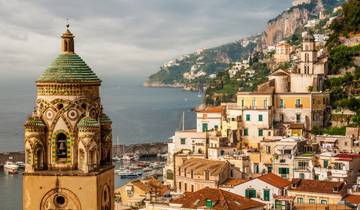
7 days
Sorrento Escape, Private Tour
- ✓ Comprehensive Amalfi tour
- ✓ Expert local guides included
- ✓ All accommodation arranged
- ✓ Transportation provided
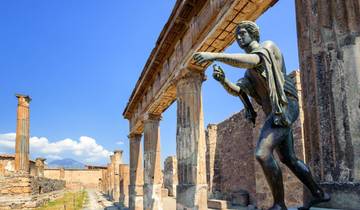
4 days
Discovering Amalfi Coast
- ✓ Comprehensive Amalfi tour
- ✓ Expert local guides included
- ✓ All accommodation arranged
- ✓ Transportation provided
Multi-day tour packages powered by TourRadar. Prices and availability subject to change.
Introduction: Amalfi Coast Active Exploration in 2026
The Amalfi Coast presents travelers with two distinct yet complementary perspectives in 2026: dramatic mountain trails offering panoramic coastal vistas and maritime excursions revealing hidden grottos, secluded coves, and coastline sections invisible from land. This dual-access geography creates exceptional opportunities for active travelers seeking comprehensive coastal exploration through both hiking and boating experiences.
The region’s trail network centers on the legendary Path of the Gods (Sentiero degli Dei), a 7-9 kilometer clifftop route connecting the hillside village of Bomerano to Nocelle above Positano. This ancient pathway traverses terraced vineyards, olive groves, and rugged Mediterranean scrubland at elevations reaching 630 meters above the Tyrrhenian Sea. The trail’s Greek mythological origins — legend claims gods carved this path descending from heaven to save Ulysses from sirens — reflects the extraordinary natural beauty hikers encounter along exposed cliffside sections offering unobstructed views across the Gulf of Salerno toward Capri.
Boat tours complement hiking experiences by accessing coastline features unreachable on foot: the luminous Emerald Grotto at Conca dei Marini, the dramatic Furore Fjord, swimming coves beneath vertical cliffs, and complete island circumnavigations of Capri including the iconic Faraglioni rock formations. Small-group tours (12-15 passengers) and private charters range from half-day coastal explorations to full-day Capri excursions with shore time, snorkeling stops, and expert commentary from local captains intimately familiar with hidden beaches and optimal swimming locations.
Planning 2026 visits requires understanding seasonal dynamics. April-June and September-October represent optimal windows for both activities, offering moderate temperatures, clear visibility, and manageable crowds. July-August brings extreme heat on exposed trails and overcrowded boats, though extended daylight hours enable early morning starts and sunset tours. Transportation logistics prove critical: reaching Path of the Gods trailhead requires advance planning via SITA bus or private driver, while boat tours depart from multiple coastal towns with varying schedules.
Current 2026 pricing reflects post-pandemic normalization with modest increases from 2024-2025 levels. Small-group boat tours range €50-145 per person for full-day experiences, guided hiking tours cost €79 per person, and private boat charters span €500-1,400 depending on duration and vessel size. Public transportation remains economical at €2.20 for critical bus connections, though private drivers command €100-200 for difficult-to-reach locations like Bomerano.
This guide provides comprehensive 2026 information across all tour types and walking routes, verified through current operator data and recent traveler experiences. Strategic planning, advance booking, and understanding seasonal variations enable travelers to maximize both coastal hiking and maritime exploration while managing budgets and avoiding common logistical challenges that diminish visitor experiences.
Understanding Amalfi Coast Geography and Access in 2026
The Amalfi Coast’s UNESCO World Heritage landscape extends approximately 50 kilometers along the southern Sorrentine Peninsula between Positano in the west and Vietri sul Mare in the east. This dramatic coastline features vertical limestone cliffs rising 300-600 meters directly from the Mediterranean, creating the distinctive topography that makes both hiking and boat tours exceptional experiences. The Lattari Mountains form the coast’s spine, with peaks reaching 1,400 meters and creating the elevation gradients that hiking trails exploit for panoramic viewing.
Primary coastal towns serve as bases for tours and trail access in 2026. Positano (population 4,000) clings to near-vertical slopes at the coast’s western end, serving as the primary departure point for boat tours and the finishing location for Path of the Gods hikes descending from Nocelle. Amalfi (population 5,000) occupies a small cove at the coast’s center, offering central access to both eastern and western coastal sections and serving as the main bus hub connecting to mountain villages. Praiano and Conca dei Marini represent smaller villages between Positano and Amalfi, while Ravello perches 365 meters above sea level, accessible via switchback roads from Amalfi.
The mountain villages of Agerola (which includes the hamlet of Bomerano) sit 600-650 meters above sea level on the Lattari Mountains’ inland side. These communities provide access to Path of the Gods and other high-altitude trails while offering substantially lower accommodation costs than coastal towns. Nocelle, technically part of Positano municipality, sits at 450 meters elevation between mountain and coast, serving as the Path of the Gods endpoint before the steep stairway descent to sea level.
Transportation infrastructure in 2026 relies primarily on the SS163 Amalfitana coastal road, a narrow two-lane highway carved into cliffs with countless hairpin turns and minimal shoulders. SITA bus service connects all coastal towns and select mountain villages, operating frequently April-October but with reduced winter schedules. No railway serves the Amalfi Coast; the nearest train stations are Salerno (east) and Sorrento (west), both requiring onward bus connections. Ferry services operate April-October between major coastal towns and to Capri, providing sea-level alternatives to road transport and enabling one-way hiking logistics.
Maritime access varies by season in 2026. Commercial ferry routes connect Positano, Amalfi, and Salerno to Capri April-October with 10-15 daily departures during peak summer, reducing to 2-4 daily in shoulder seasons. Winter (November-March) ferry service requires departing from Sorrento as Amalfi Coast routes suspend operations. Boat tour operators function April-October with weather-dependent schedules, as rough seas particularly affect smaller vessels. Marina facilities accommodate private boat tours in Positano, Amalfi, Praiano, and Maiori, with mooring availability requiring advance coordination during July-August.
Trail access infrastructure centers on Bomerano’s Piazza Paolo Capasso, the main square serving as the primary Path of the Gods starting point. The actual trailhead lies 10-15 minutes’ walk from the piazza along Via Sentiero Degli Dei. Alternative trail access points exist at Nocelle (for reverse direction hiking), Praiano (via steep staircases from sea level), and various points along the alto (high) route variation. Trail markers use red-and-white paint blazes with “02” numbering, maintained by local hiking associations with periodic condition assessments.
Understanding this geography enables strategic planning in 2026. Hikers staying in coastal towns face 40-90 minute bus journeys to reach mountain trailheads, while those booking accommodation in Agerola/Bomerano access trails within minutes but require separate trips to coast for boat tours. Travelers basing in Sorrento or Salerno face longer connections but benefit from broader accommodation options and transport links. Weather patterns vary with elevation: coastal areas may be clear while mountain trails experience fog, particularly in spring and fall shoulder seasons.
Path of the Gods Walking Route: Complete Guide 2026
The Path of the Gods (Sentiero degli Dei) represents the Amalfi Coast’s signature hiking experience in 2026, traversing 7-9 kilometers of clifftop terrain between Bomerano (650 meters elevation) and Nocelle (450 meters elevation). The trail’s Italian name translates directly as “Path of the Gods,” referencing Greek mythology wherein deities descended this route to rescue Ulysses from the sirens of Li Galli islets. Modern hikers encounter the same dramatic perspectives that inspired this legendary association: unobstructed Mediterranean vistas, vertical cliff exposure, and the sensation of walking suspended between mountain and sea.
Trail statistics define the standard route in 2026. Distance measures 7.8 kilometers following the basso (lower) path, the most popular variation, or extends to 9 kilometers including approach walks and the alto (high) route alternative. Elevation change involves minimal climbing (140 meters gain) but substantial descent (640 meters loss) when traveling the recommended Bomerano-to-Nocelle direction. This downhill orientation places the sun behind hikers during morning starts, enhancing visibility for photography while reducing glare. Hiking time ranges 2-3 hours for the main trail at steady pace, though most hikers require 3-4 hours accounting for photo stops, rest breaks, and navigation of rocky sections requiring careful footwork.
The trail begins at Bomerano’s Via Sentiero Degli Dei, reached via 10-15 minute walk from Piazza Paolo Capasso where buses deposit hikers. Initial sections traverse cultivated terraces with grape vines, lemon groves, and vegetable plots maintained by local farmers. The path alternates between wide dirt tracks and narrow rocky single-track, with trail width varying from 3-4 meters in agricultural areas to under 1 meter along cliff edges. Red-and-white paint blazes marked “02” appear every 50-100 meters, supplemented by stone cairns and wooden directional signs at key junctions.
Approximately 2 kilometers from Bomerano, hikers reach Colle Serra, the main trail junction where alto and basso routes diverge. The basso route (recommended for most hikers) continues contouring the cliffside with continuous sea views, passing the Grotta del Biscotto shelter and several panoramic viewpoints. The alto route climbs toward Santa Maria del Castello ruins at 515 meters, offering extended views but requiring additional elevation gain and more challenging terrain. The routes reunite before Nocelle, though many hikers skip the alto variation in favor of the basso path’s superior coastal perspectives.
Landmark features along the basso route include views of Positano’s tiered buildings appearing approximately 3 kilometers into the hike, with the town’s colorful dome tiles and terraced architecture visible 400 meters below. Capri and its distinctive Faraglioni rock formations dominate the western horizon on clear days, while the Sorrento Peninsula extends northward. The shepherd’s hut near kilometer 5 historically offered refreshments, though it closes seasonally (check current status before hiking). The trail’s final section approaches Nocelle through narrowing paths with steeper exposure, requiring focused attention on foot placement.
Nocelle represents the official trail terminus, a tiny village with approximately 100 permanent residents. The hamlet features several cafés, restrooms, and the departure point for local buses descending to Positano (1-2 hourly service, €2.20). Many hikers continue the descent to Positano via 1,700+ stone steps (locals count 1,792 precisely), a 30-45 minute descent that begins at Nocelle’s church square. This stairway follows ancient routes linking mountain villages to coastal settlements, descending through residential areas before emerging at Arienzo Beach on Amalfi Drive, 1 kilometer from central Positano.
Trail difficulty in 2026 rates as moderate, accessible to hikers with reasonable fitness and no severe vertigo. The primary challenges involve uneven rocky surfaces requiring ankle stability, exposed cliff sections where the path narrows to 60-80 centimeters with vertical drops, and the cumulative knee impact from 640 meters of descent. Hiking poles assist with stability and reduce joint stress, particularly for the Nocelle-to-Positano stairs. The trail is well-maintained with minimal technical sections requiring hand use, though rain creates slippery conditions on smooth limestone sections, making post-rain hiking inadvisable.
Seasonal conditions significantly affect the hiking experience in 2026. April-June provides wildflowers (poppies, rosemary, broom) along the trail, moderate temperatures (15-22°C), and excellent visibility with occasional spring haze. July-August brings extreme heat (often 28-35°C) with minimal shade along exposed clifftop sections, necessitating dawn starts (6:00-7:00 AM) to complete hiking before midday heat. September-October offers optimal conditions with warm but comfortable temperatures (18-26°C), crystal-clear visibility for Capri views, and grape harvest activity in terraced vineyards. November-March sees frequent rain making rocks slippery, occasional fog reducing visibility to under 50 meters, though rare clear winter days offer extraordinary solitude with single-digit hiker counts.
Essential equipment for 2026 hiking includes proper footwear (closed-toe hiking boots or trail runners with ankle support, never sandals or casual shoes), 1.5-2 liters of water per person (no reliable water sources exist along the trail), sun protection (high-SPF sunscreen, hat, sunglasses for exposed sections), and weatherproof outer layer (conditions change rapidly at 600-meter elevation). Optional but recommended items include hiking poles for descent stability, trail snacks for energy, small first-aid kit for blisters or scrapes, and portable phone charger as cell signal disappears for extended sections. Emergency shelter and navigation tools prove unnecessary given clear trail marking and proximity to populated areas.
Safety considerations require attention in 2026. The trail’s exposure means falls could be fatal; hikers uncomfortable with heights should honestly assess their comfort level before starting. Cell phone coverage proves spotty, particularly in the trail’s middle sections, limiting emergency communication. Hiking alone is manageable but not ideal; groups of 2-4 prove optimal for mutual support and photography assistance. Lightning presents danger during thunderstorms given exposed ridgeline positioning; abandon the hike if storms approach. Heat exhaustion affects multiple hikers annually during July-August; starting before 7:00 AM proves essential during summer months.
The trail accommodates various hiking styles in 2026. Photography enthusiasts should budget 4-5 hours for the main trail, allowing time for optimal lighting at key viewpoints. Fitness-focused hikers complete the route in 90 minutes, treating it as trail running. Families with children ages 8+ manage the hike with frequent breaks and 4-6 hour timelines, though the Nocelle-to-Positano stairs may prove challenging for young legs. Elderly hikers with good fitness regularly complete the route, often choosing to arrange pickup in Nocelle rather than continuing to Positano stairs.
Getting to Path of the Gods: Transportation and Logistics 2026
Reaching the Path of the Gods trailhead at Bomerano requires navigating the Amalfi Coast’s challenging transportation infrastructure, with planning complexity varying significantly based on starting location and budget. Three primary access methods serve hikers in 2026: SITA public buses, private driver services, and guided hiking tours including transportation. Each option presents distinct advantages regarding cost, convenience, and flexibility.
SITA bus service represents the most economical Path of the Gods access in 2026, with single tickets costing €2.20 from Amalfi to Bomerano. Buses depart Amalfi’s Piazza Flavio Gioia for Agerola/Bomerano on route 5080, operating approximately every 1-2 hours during summer season (June-September) with reduced frequency in spring and fall. Journey time averages 35-45 minutes depending on stops, following serpentine mountain roads with dozens of hairpin switchbacks. Tickets must be purchased before boarding at the Tabacchi shop in Piazza Flavio Gioia; drivers do not sell tickets, and boarding without valid tickets risks €50+ fines.
Hikers staying in Positano or Sorrento first require bus or ferry connections to Amalfi before catching the Bomerano bus. The Positano-to-Amalfi SITA bus costs €2.20 and operates every 20-40 minutes during peak season, though journey time varies 35-60 minutes due to frequent stops and coastal traffic. Ferry service (April-October only) provides a faster alternative at €10 per person, completing the journey in 15-20 minutes with departures every 1-2 hours from Positano’s Spiaggia Grande. Travelers from Sorrento face 90-minute bus journeys to Amalfi (€3.50) with multiple transfers possible, or can combine bus to Positano with onward connections.
Bus challenges require consideration for 2026 planning. Peak season buses (July-August) operate at capacity with standing room only common during morning hours when hikers and beach-goers travel simultaneously. Arriving 20-30 minutes before scheduled departure proves essential to secure seats, with queue positions determining boarding priority. Buses occasionally skip stops when completely full, forcing waits for subsequent departures. Posted schedules represent approximate guidelines rather than firm commitments; 10-20 minute delays occur regularly. Return logistics from Positano after completing the hike involve similarly crowded conditions during late afternoon hours.
Private driver services eliminate bus uncertainties while commanding premium prices in 2026. Drivers charge €100-200 for Sorrento-to-Bomerano transfers depending on vehicle size and season, with larger vans accommodating 6-8 passengers reducing per-person costs for groups. Door-to-door service from coastal hotels directly to the trailhead saves 30-60 minutes compared to bus connections, enabling later morning starts while avoiding crowds. Drivers navigate narrow mountain roads with local expertise, provide cultural commentary during the journey, and offer recommendations for post-hike activities in Positano.
Private driver logistics require advance booking, particularly for July-August when demand peaks. Reputable companies include local taxi cooperatives and hotel-recommended services with established safety records and proper insurance. Communication proves critical: confirm exact pickup time and location, agree on fixed pricing before departure, establish whether the quote is per person or per vehicle, and clarify return arrangement options. Many drivers offer to collect hikers in Positano after the hike (additional €80-120), creating seamless round-trip logistics without bus coordination.
Guided hiking tours with transportation represent the highest-cost but most comprehensive option in 2026. Tours priced at €79 per person include round-trip transportation from Naples or designated meeting points, certified AIGAE hiking guide, liability insurance, and personal injury coverage. Group sizes limit to 8-12 participants, ensuring personalized attention and flexible pacing. Guides provide geological, historical, and cultural interpretation throughout the hike, identify Mediterranean flora and fauna, and handle all logistics including optimal photo stop timing and emergency coordination if needed.
Guided tour advantages extend beyond transportation in 2026. Guides conduct advance trail inspections to verify conditions, adjust routes if sections close for maintenance, and provide hiking poles and basic equipment for those lacking proper gear. Local guide expertise includes knowing seasonal variations (optimal wildflower viewing, grape harvest observation), hidden viewpoints not apparent to independent hikers, and connections to family-run restaurants in Nocelle or Positano for authentic post-hike dining. Tours typically depart 8:00-9:00 AM with return by 4:00-5:00 PM, managing complete day logistics.
Parking presents additional considerations for those driving to Bomerano in 2026. Piazza Paolo Capasso offers limited public parking with spaces filling by 8:00 AM during peak season. Private lots near the trailhead charge €10-15 daily. Driving the SS163 and mountain access roads requires confidence navigating narrow lanes with hairpin turns, oncoming buses, and minimal shoulders. Vehicle break-ins occasionally occur at trailhead parking areas; avoid leaving valuables visible and use secure parking where available.
Return logistics from Positano after completing the hike require planning in 2026. SITA buses from Positano to Amalfi and onward to Bomerano (for car retrieval) operate hourly during peak season but fill rapidly during afternoon hours (3:00-6:00 PM). Ferry service from Positano to Amalfi (€10, April-October) offers an alternative with less crowding. Taxis from Positano to Bomerano cost €80-120 depending on negotiation. Some hikers arrange drivers to collect them in Positano for direct return to Sorrento or original departure points (€100-150), eliminating bus coordination.
Strategic timing optimizes transportation experiences in 2026. Departing coastal accommodations by 7:00 AM enables catching early buses before peak crowding, reaching the trailhead by 8:30-9:00 AM for optimal hiking temperatures and lighting. Finishing the hike and Positano descent by 1:00-2:00 PM allows afternoon flexibility for lunch, boat tours, or beach time before return transportation. Weekend travel (particularly Saturdays and Sundays) brings higher bus crowding and parking scarcity compared to weekdays, though trail crowding also peaks on weekends.
Other Amalfi Coast Walking Routes 2026
Beyond the Path of the Gods, the Amalfi Coast offers diverse walking routes in 2026 serving hikers seeking alternative perspectives, easier terrain, or extended trail networks. These routes vary from gentle village-to-village paths to challenging mountain ascents, accommodating different fitness levels and time constraints while revealing coastal landscapes invisible from the primary tourist circuit.
Valle delle Ferriere represents the coast’s second most popular hiking route in 2026, a 6-kilometer trail ascending from Amalfi to a lush valley containing rare fern species, waterfalls, and ruins of medieval paper mills. The trail climbs 400 meters elevation through dense vegetation creating natural shade — a stark contrast to the Path of the Gods’ exposed terrain. Summer temperatures remain 5-8°C cooler than coastal areas, making this an ideal hot-weather alternative. The route’s end reaches the Valle’s nature reserve (entrance €3), where multiple waterfalls cascade over limestone formations. Total hiking time spans 3-4 hours round-trip with moderate difficulty. The trail starts from Amalfi’s Piazza Duomo, following marked paths through lemon groves before entering protected forest zones.
Ravello to Amalfi descent via ancient stairways offers a 3-kilometer downhill walk requiring 50-70 minutes. This route follows medieval paths connecting Ravello’s 350-meter elevation to Amalfi’s sea level through olive groves, vineyards, and residential areas with extraordinary coastal perspectives. The trail consists primarily of stone steps — approximately 1,200 total — descending through Atrani village, one of Italy’s smallest municipalities. Difficulty rates as moderate due to knee impact from continuous descent, though the route’s short distance and frequent rest-stop opportunities suit a wide range of abilities. This walk pairs excellently with Ravello villa visits (Villa Rufolo, Villa Cimbrone), creating half-day cultural hiking combinations.
Atrani to Ravello ascent via the same stairway network presents greater challenge in 2026, climbing 350 meters over 3 kilometers. This route suits fitness-focused hikers seeking cardiovascular training rather than leisurely walking, with 60-90 minute ascent times typical. The climb’s advantage lies in accessing Ravello without navigating the SS163’s hairpin switchbacks, though the effort level means most visitors prefer bus ascent (€2.20 from Amalfi) with downhill return walking.
Sentiero dei Limoni (Lemon Path) connects Maiori to Minori, two eastern coastal towns, via a 2-kilometer coastal trail through terraced lemon groves. This easy 45-60 minute walk offers sea views, agricultural insights, and minimal elevation change (80 meters), making it suitable for families with young children and elderly hikers uncomfortable with the Path of the Gods’ exposure. The trail passes working lemon terraces where farmers cultivate sfusato amalfitano lemons, the variety used in regional limoncello production. Several sections feature shade from citrus trees, providing summer heat relief.
Monte Faito hikes offer high-altitude walking above Sorrento with Amalfi Coast views from northern perspectives in 2026. Cable car access from Castellammare di Stabia reaches the 1,100-meter summit area where multiple trail networks explore forested peaks and meadows. The Sentiero degli Dei extension connects to Path of the Gods via challenging 15-kilometer routes requiring 6-8 hours and advanced fitness. These high-mountain variations attract experienced hikers seeking multi-day treks but prove excessive for typical coastal visitors.
Positano to Praiano coastal walking follows portions of the SS163 between these towns, a 6-kilometer route mixing roadside pavements with cliff-edge paths. While less scenic than mountain trails, this walk reveals multiple beach coves accessible via steep staircases, connects to boat tour departure points, and showcases coastal architecture from pedestrian perspectives. The route requires 2-3 hours with 200 meters cumulative elevation change. Safety considerations include narrow road shoulders with vehicle traffic; early morning walking (before 9:00 AM) minimizes traffic exposure.
Nocelle village networks include short trails radiating from the Path of the Gods terminus in 2026. The Santa Maria del Castello ruins sit 1 kilometer above Nocelle via 30-minute ascent, offering 360-degree views encompassing both Positano and Praiano coastlines. Locals walk these paths daily for agricultural activities, creating informal trail networks less marked than main routes but offering authentic rural experiences. Village bars provide trail information and hand-drawn maps showing local variations.
Coastal stairways connecting beach levels to towns represent intense short walking experiences in 2026. The Positano beach-to-town climb involves 400+ steps, Amalfi’s Piazza Duomo stairs climb 62 steps from beach level, and various fishing villages maintain steep access routes. These functional paths serve local residents rather than designated hiking routes, yet their architectural and cultural interest attracts walking enthusiasts. Each stairway features distinct construction styles — some medieval stone, others 19th-century marble — reflecting historical development periods.
Multi-day hiking expeditions connect Amalfi Coast trails into extended routes in 2026. The Lattari Mountains traverse (3-4 days) links peaks above the coast through wilderness camping or rifugio overnight stops, requiring technical skills and mountain experience. Guided multi-day tours operate June-September with full support including luggage transport, accommodation booking, and daily route guidance. These extended treks attract serious hiking enthusiasts rather than typical coastal visitors, though they showcase the region’s topographical diversity beyond standard tourist routes.
Trail conditions vary by maintenance level in 2026. Primary routes like Path of the Gods and Valle delle Ferriere receive regular upkeep with clear marking, seasonal inspections, and emergency closure procedures. Secondary paths through agricultural areas depend on farmer maintenance, resulting in variable surface quality and periodic vegetation overgrowth. Winter storms occasionally wash out trail sections; spring hikers should verify route status through local tourism offices or recent hiker reports before attempting lesser-known trails.
Boat Tour Options and Types 2026
Amalfi Coast boat tours in 2026 divide into four primary categories based on vessel type, group size, and itinerary scope: large group tours (50-80 passengers), small-group tours (12-15 passengers), private charters (2-12 passengers), and specialized experiences including sunset cruises and snorkeling excursions. Each category serves distinct traveler preferences regarding budget, intimacy, flexibility, and activity focus, with pricing and availability varying substantially across the April-October operational season.
Large group boat tours represent the most economical maritime option in 2026, with per-person costs ranging €18-25 for 2-hour Capri circuits departing from Marina Grande. These tours utilize traditional gozzo boats or larger motor vessels accommodating 50-80 passengers during July-August peak season, with reduced capacity (30-50 passengers) during shoulder months. The standard Capri circuit covers approximately 17 kilometers, circumnavigating the island clockwise with running commentary identifying natural landmarks: Faraglioni rock formations, Grotta Bianca, Villa Malaparte, and Arco Naturale. Departure frequency reaches every 30-60 minutes during summer from Marina Grande, with tickets purchasable dockside or through advance booking for minor discounts.
Large group tour limitations require acknowledgment in 2026. High passenger counts restrict movement aboard, limit personalized attention from crew, and reduce photographic opportunities as passengers compete for optimal viewing positions. Swimming stops prove impractical with large groups, though some operators include brief pauses near Faraglioni for exterior viewing. Blue Grotto access requires separate entry tickets (€18 per person, paid on-site) with potential queue times exceeding 90-120 minutes during peak season, making grotto inclusion questionable value within 2-hour circuit timelines. These tours suit budget-conscious travelers accepting crowded conditions for basic island overview.
Small-group boat tours (maximum 12-15 passengers) represent optimal value-to-experience ratios in 2026 based on traveler feedback and operator offerings. Prices range €50-90 per person for half-day Amalfi Coast tours (4 hours) and €135-145 per person for full-day Capri excursions (7-8 hours) including island shore time. Tours depart from Positano, Amalfi, Praiano, and Sorrento, utilizing traditional gozzo vessels or modern rigid inflatables with cabin facilities, bathrooms, sun decks, and bathing platforms.
Small-group tour advantages distinguish them from both large group and private options in 2026. Capped passenger counts maintain intimate atmospheres while distributing costs below private charter levels. Flexible pacing allows swimming stops at prime locations (Li Galli islands, secluded Amalfi Coast coves, Capri’s Marina Piccola), snorkeling equipment provision, and extended grotto viewing. English-speaking captains provide geological, historical, and cultural commentary exceeding large tour capabilities. Social dynamics facilitate connections among travelers, creating convivial atmospheres particularly valued by solo travelers and couples seeking group energy.
Small-group Amalfi Coast itineraries in 2026 typically cover Positano-to-Amalfi sections (half-day tours) or extended routes reaching Cetara and Vietri sul Mare (full-day). Key stops include Praiano bay for swimming, Furore Fjord for photography, Emerald Grotto at Conca dei Marini (€7 entry separate from tour cost), and Amalfi town with 1-2 hours shore time for cathedral visits and lunch. Tours provide prosecco or limoncello aperitifs, soft drinks, and sometimes light snacks, though full meals typically require shore stops or personal provisions.
Small-group Capri excursions in 2026 depart mainland ports (Sorrento, Positano) at 9:00-10:00 AM with 5:00-6:00 PM returns. Island circumnavigation precedes 3-4 hours free time on Capri for independent exploration, shopping, or dining. Tours pass through Faraglioni arches (when sea conditions permit), visit accessible grottos (Blue Grotto entry separate, often optional due to queue times), and stop for swimming in turquoise coves invisible from shore. Return journeys may include Sorrento Coast segments with Punta Campanella marine reserve views.
Private boat tours provide maximum flexibility and customization in 2026, with pricing ranging €500-1,400 for full-day charters depending on vessel size (typically accommodating 4-12 passengers), fuel costs, and seasonal demand. Half-day charters (4 hours) cost €400-850, while sunset cruises (1.5-3 hours) range €280-600. Private charters become cost-competitive with small-group tours for parties of 4-6, offering personalized itineraries, flexible timing, and exclusive vessel access.
Private charter advantages extend beyond privacy in 2026. Captains customize routes based on passenger interests, weather conditions, and sea state, adjusting departure times and durations according to client preferences. Extended swimming sessions at preferred locations, picnic stops on secluded beaches, and special event celebrations (proposals, anniversaries, birthdays) benefit from private vessel control. Photography enthusiasts optimize lighting conditions by timing specific locations, while families with young children appreciate flexibility for nap schedules, feeding requirements, and bathroom access.
Private charter logistics require advance booking in 2026, particularly for July-August when demand exceeds supply. Reputable operators include established companies with documented safety records, proper licensing, comprehensive insurance, and experienced captains familiar with coast navigation. Booking confirmation should specify exact vessel details (size, amenities, safety equipment), fuel inclusion or surcharges, crew qualifications, and cancellation policies (weather-related cancellations typically offer full refunds or rescheduling).
Sunset boat tours represent specialized experiences in 2026, operating 1.5-3 hours during late afternoon and evening hours (typically 5:00-8:00 PM departures depending on season). Pricing ranges €50-90 per person for small-group sunset tours, €280-850 for private sunset charters. Tours focus on golden hour photography opportunities, aperitivo service aboard (prosecco, limoncello, cheese plates), and reduced daytime heat. Sunset timing varies seasonally: June-July departures around 6:30 PM capture 8:00-8:30 PM sunsets, while April-May and September departures adjust to 5:30-6:00 PM for earlier sunset timing.
Sunset tour routes typically cover Positano-to-Praiano sections, capturing Positano’s terraced architecture illuminated by late sunlight, Faraglioni silhouettes, and Li Galli islands against sunset horizons. Return navigation after dark provides unique perspectives of coastal towns with illuminated buildings reflecting on calm evening waters. These tours attract photographers, couples seeking romantic experiences, and travelers avoiding midday heat while maximizing coastal time.
Specialized tour options include snorkeling-focused excursions in 2026, combining coastal navigation with extended swimming and snorkeling at marine-rich locations. Operators provide equipment (masks, fins, snorkels, flotation devices for beginners), safety supervision, and marine life interpretation. Gastronomic boat tours combine coastal cruising with onboard traditional meal preparation, wine tastings, and culinary demonstrations, priced at €145-180 per person for 5-6 hour experiences. Photography-specific tours time departures for optimal lighting conditions with slower cruising speeds enabling tripod use and composition adjustments.
Boat tour booking strategies for 2026 require seasonal awareness. July-August demand necessitates 2-4 weeks advance booking for small-group tours and private charters, with sunset tours selling out fastest. Shoulder season (April-June, September-October) allows 3-7 day advance booking with reasonable availability. Last-minute bookings prove feasible during low season (April, late October) or when weather forecasts deter less committed travelers. Online booking platforms sometimes discount 10-15% compared to dockside purchases, though weather-related cancellation policies deserve careful review.
Weather and sea conditions determine tour viability in 2026. Operators cancel tours when winds exceed 15-20 knots or wave heights surpass 1.5 meters, prioritizing passenger safety over commercial considerations. Rough seas particularly affect smaller vessels and open inflatables; traditional gozzo boats handle moderate conditions better due to deeper hulls and enclosed cabins. Morning tours generally encounter calmer seas than afternoon departures when thermal winds strengthen. Seasonal wind patterns mean spring (April-May) brings unstable conditions with frequent cancellations, while late summer (August-September) provides most reliable weather.
Guided Walking Tours vs Independent Hiking 2026
Choosing between guided walking tours and independent hiking on the Amalfi Coast in 2026 involves evaluating trade-offs across cost, flexibility, educational content, safety, and logistical complexity. Each approach offers distinct advantages depending on traveler experience, group composition, and desired engagement depth with the landscape’s geological, historical, and cultural dimensions.
Guided walking tours in 2026 cost €79 per person for standard full-day experiences including Path of the Gods, round-trip transportation from Naples or designated meeting points, certified AIGAE (Italian Association of Interpretive Nature Guides) leader, liability and personal injury insurance, and basic equipment provision (hiking poles available upon request). Group sizes limit to 8-12 participants, maintaining intimate ratios enabling personalized attention and flexible pacing. Tours depart 8:00-9:00 AM with 4:00-5:00 PM returns, managing complete day logistics from transportation through post-hike restaurant recommendations.
Guided tour advantages extend significantly beyond basic logistics in 2026. Certified guides provide continuous interpretation throughout the hike, identifying Mediterranean flora species (rosemary, myrtle, strawberry trees, carob), explaining geological formations including limestone karst features and ancient marine fossil deposits, and narrating historical contexts from Greek colonization through medieval farming practices to modern tourism development. This educational layer transforms hiking from purely physical activity to cultural immersion, with travelers reporting substantially enhanced understanding of landscape interconnections.
Safety benefits distinguish guided tours in 2026. Guides conduct advance trail inspections 24-48 hours before tours, verifying route conditions, identifying potential hazards (loose rocks, exposed sections after storms, seasonal wasp nests), and preparing alternate routes if standard paths close for maintenance. First aid certification and emergency communication equipment (satellite phones, GPS devices) enable rapid response to injuries, altitude sickness, or cardiac events affecting occasional participants. Group dynamics provide mutual support for those struggling with elevation, pace, or exposure anxiety, with guides trained in psychological reassurance techniques for vertigo-prone hikers.
Photography optimization represents another guided tour benefit in 2026. Guides time arrivals at key viewpoints for optimal lighting conditions, position groups for foreground-background composition opportunities, and share historical photo locations enabling recreation of classic Amalfi Coast images. They identify seasonal highlights — April wildflower blooms, September grape harvest activities, October golden hour timing — maximizing visual interest beyond generic coastal panoramas. Guides manage group photo coordination, allowing all participants to appear in images rather than someone always serving as photographer.
Social dynamics attract many travelers to guided tours in 2026. Solo travelers particularly value group contexts providing conversation, shared experiences, and potential ongoing travel connections. Couples appreciate external expertise relieving relationship tensions around navigation, pacing, and decision-making that often stress partner dynamics during independent hiking. Families benefit from guide engagement with children, educational framing maintaining youth interest, and external authority figures promoting positive behavior better than parental direction alone.
Guided tour limitations require acknowledgment in 2026. Fixed schedules eliminate flexibility for faster or slower pacing preferences, early morning photography ambitions, or extended photo stops at personally compelling locations. Group dynamics create occasional friction when participant fitness levels vary substantially, with faster hikers waiting while slower members catch up. Educational commentary, while valuable for many, may exceed desired information density for those preferring contemplative silence or personal conversation. The €79 cost represents significant premium over €4.40 bus transportation for independent hikers, though insurance, guide expertise, and hassle elimination justify costs for many travelers.
Independent hiking advantages center on autonomy and flexibility in 2026. Hikers control departure timing, pace, rest frequency, photo stop duration, and route variations (alto vs basso paths, Nocelle descent decisions, side trail exploration). Total costs range €4.40-7.50 for bus-based transportation, €2-3 for water and snacks, and zero guide fees, creating substantial budget advantages for price-sensitive travelers. Solitude opportunities increase, particularly when hiking very early (before 7:00 AM) or during shoulder season weekdays when independent hikers encounter minimal trail traffic.
Independent hiking challenges require realistic assessment in 2026. Navigation, while straightforward on well-marked Path of the Gods, demands attention and smartphone mapping apps (Maps.me, AllTrails) for verification at junctions. Transportation coordination proves complex, particularly for bus schedules requiring Tabacchi ticket purchases, timed connections between coastal towns and mountain villages, and return planning from Positano. Emergency support relies entirely on self-sufficiency; cell signal disappears along trail sections, rendering smartphone-based assistance requests impossible during critical moments.
Independent hikers miss substantial interpretive content in 2026. Without guided expertise, most hikers cannot identify plant species beyond generic “flowers” and “trees,” recognize geological formations’ origins, or understand terraced agriculture’s historical evolution. Photographic opportunities pass unrecognized without local knowledge about optimal timing and positioning. Cultural connections remain superficial rather than deeply engaging landscape meanings.
Hybrid approaches combine independent and guided elements in 2026. Some travelers book guided tours for first Amalfi Coast hikes, learning route navigation, flora identification, and geological context, then return independently on subsequent days applying gained knowledge. Others hire private guides (€200-300 for small groups) creating customized experiences with guided expertise but independent group control over timing and pace. Audio guide apps (€5-10) provide self-paced interpretation without human guide costs, though content quality varies substantially across platforms.
Decision factors for guided vs independent hiking in 2026 include fitness level (struggling hikers benefit from guide support), botanical/geological interest (high interest justifies guide expertise), budget constraints (independent hiking costs 90% less), group composition (families and solo travelers favor guided tours), language abilities (guides facilitate Italian interactions), and previous hiking experience (novices benefit from guided structure). Most first-time Amalfi Coast hikers choose guided options, while experienced mountain hikers prefer independence.
Best Times and Seasons for Hiking and Tours 2026
Seasonal planning fundamentally determines Amalfi Coast hiking and boat tour experiences in 2026, with dramatic variations across temperature, precipitation, visibility, crowd density, and service availability creating distinct advantage periods for different traveler priorities. Understanding seasonal dynamics enables strategic timing maximizing comfort, photographic conditions, and value while minimizing heat stress, overcrowding, and weather-related cancellations.
April represents the opening of optimal hiking season in 2026, with daytime temperatures ranging 15-20°C creating comfortable exertion conditions without summer heat stress. Spring wildflowers (poppies, orchids, Spanish broom) reach peak bloom along Path of the Gods, painting trails with vibrant colors absent during other seasons. Visibility proves excellent on clear days, with crystal air enabling Capri views and detailed coastal town observation from mountain elevations. Rain occurs approximately 8-10 days monthly, requiring weather monitoring and flexible scheduling but offering substantial crowd-free benefits when conditions permit hiking.
April boat tour operations commence in 2026, though service frequency and route availability remain limited compared to summer peak. Ferry connections to Capri from Positano and Amalfi begin mid-April with 3-5 daily departures, expanding to 8-12 daily by month’s end. Small-group boat tours operate on reduced schedules (2-4 weekly departures) with weather-dependent confirmations. Seas remain cooler (15-17°C), deterring swimming for most travelers, though hardy souls manage brief dips particularly during sunny afternoons. Sunset tours operate limited schedules with 6:00-6:30 PM departures capturing 7:30 PM sunset timing.
May delivers peak springtime conditions for hiking in 2026, with temperatures climbing to 18-24°C ranges and rainfall decreasing to 5-7 days monthly. Trail vegetation reaches maximum greenness before summer drought stress, terraced gardens display active cultivation, and Mediterranean scrubland blooms with rosemary, thyme, and cistus flowers attracting butterflies and bees. Daylight extends to 7:30-8:00 PM by late May, enabling evening activities after morning hikes. Crowds remain moderate with international tourism building but well below June-August levels.
May boat tour services expand substantially in 2026, with most operators reaching full schedule offerings by mid-month. Ferry frequencies to Capri increase to 10-15 daily departures, small-group tours operate daily schedules, and private charters become readily bookable with 5-7 day advance notice rather than April’s 2-3 week requirements. Sea temperatures rise to 18-20°C, making swimming comfortable for most visitors during afternoon sun periods. Sunset departures shift to 6:30-7:00 PM accommodating 8:00-8:30 PM sunset times.
June initiates summer tourism season in 2026, with temperatures reaching 22-28°C and creating the first heat-stress considerations for midday hiking. Morning starts (before 8:00 AM) prove essential for comfortable hiking, with 10:00 AM-3:00 PM periods often exceeding advisable exertion conditions particularly on exposed Path of the Gods sections. Crowds increase substantially with school holidays beginning across Europe, though pre-July levels remain manageable compared to peak summer. Visibility occasionally suffers from summer haze reducing distant Capri clarity, though nearby coastal views remain spectacular.
June boat tour operations reach full summer schedules in 2026, with ferry services maximizing frequency, small-group tours departing multiple times daily from major ports, and private charters requiring 2-3 week advance booking during weekends. Sea temperatures climb to 21-23°C, creating optimal swimming conditions without August’s occasional jellyfish presence. Sunset timing (8:30-9:00 PM) enables extended daylight for post-hike activities before evening boat departures at 7:00-7:30 PM.
July and August represent peak summer season in 2026, delivering maximum heat, crowds, and prices alongside guaranteed sunshine and longest daylight hours. Temperatures regularly exceed 30°C with occasional 35°C+ heat waves, making Path of the Gods hiking extremely challenging from 9:00 AM-5:00 PM. Dawn departures (5:30-6:30 AM) prove essential for safe hiking, completing routes before 10:00 AM heat intensifies. Trails experience maximum crowding with hundreds of daily hikers during peak hours, reducing solitude and creating congestion at narrow exposed sections requiring single-file passage.
July-August boat tour demand saturates available capacity in 2026, requiring 3-4 week advance booking for small-group tours and private charters, with sunset cruises selling out 4-6 weeks ahead. Ferry services to Capri operate maximum frequencies (20-25 daily departures from major ports) yet still experience capacity crowds with standing-room conditions common. Sea temperatures peak at 25-27°C creating bathwater swimming, though occasional jellyfish blooms deter some swimmers. Pricing reaches annual maximums with boat tours, guides, and private charters commanding 20-30% premiums over shoulder season rates.
September delivers optimal overall conditions for both hiking and boat tours in 2026 based on temperature moderation, crowd reduction, and weather stability. Temperatures decline to 23-28°C ranges maintaining warm comfortable conditions without July-August extremes. Post-summer atmospheric clarity returns, creating exceptional visibility for photography and distant island viewing. Crowds decrease substantially with European school recommencement, reducing trail congestion and boat tour crowding while maintaining full service availability.
September boat tour operations continue full summer schedules through mid-month in 2026, then begin transitional reductions as operators assess bookings and weather patterns. Ferry frequencies to Capri remain high (15-20 daily) through September with October reductions scheduled. Sea temperatures hold 23-25°C through mid-September before gradual cooling, maintaining excellent swimming conditions. Sunset timing advances to 7:00-7:30 PM by month’s end, requiring earlier departure schedules for sunset tours but enabling post-hike evening activities before departure.
October continues favorable conditions into early month in 2026, with temperatures ranging 18-23°C and predominantly sunny weather persisting through mid-October. Late October introduces increasing rainfall probability (6-8 rain days monthly) and earlier sunsets (6:00-6:30 PM), requiring morning activity prioritization. Grape harvest occurs across terraced vineyards, creating authentic agricultural scenes and occasional tasting opportunities at family operations. Crowds reach annual minimums outside peak leaf-peeping weekends, offering extraordinary trail solitude.
October boat tour services transition toward winter suspension in 2026. Ferry services to Capri from Positano and Amalfi terminate late October, requiring Sorrento departures through winter months. Small-group boat tours reduce to weekend-only schedules by mid-October with full suspension by month’s end depending on operator and booking levels. Sea temperatures decline to 20-22°C early month, dropping to 18-20°C late October as swimming comfort decreases. Private charters remain available weather-permitting through October with flexible booking possible 3-5 days advance.
November through March constitutes off-season in 2026, characterized by substantial rainfall (10-14 days monthly), cooler temperatures (10-16°C daytime), rough seas canceling boat tours, and reduced service availability. Path of the Gods becomes slippery and potentially dangerous after rain, with limestone surfaces retaining moisture. Exceptional clear days offer extraordinary experiences with single-digit hiker counts and pristine visibility, though weather unpredictability makes planning unreliable. Most boat tour operators suspend services entirely November-March, with private charters available only during rare calm periods upon specific request.
Tour Prices and Booking Strategies 2026
Understanding 2026 Amalfi Coast tour pricing structures and implementing strategic booking approaches enables travelers to optimize value while securing preferred experiences during high-demand periods. Prices vary substantially across season, advance booking timing, group size, and tour type, with informed decisions potentially saving 20-40% compared to last-minute or peak-season purchases.
Guided hiking tour pricing holds relatively stable in 2026 at €79 per person for standard full-day Path of the Gods experiences including round-trip transportation, certified guide, and insurance coverage. This rate applies consistently across April-October operating season with no peak-period surcharges, representing fixed-cost services with predetermined group sizes (maximum 8-12 participants). Private guide services for custom groups range €200-300 for half-day experiences, €350-500 for full days, with costs distributed across group size making private guides economical for parties of 4-6.
Small-group boat tour pricing varies seasonally in 2026. Half-day Amalfi Coast tours (4 hours) range €50-70 per person during April-May and October shoulder seasons, increasing to €70-90 per person for June-September peak season. Full-day Capri excursions (7-8 hours) cost €135-145 per person with minimal seasonal variation, as longer durations and island shore time maintain value perceptions across seasons. Sunset tours command €60-90 per person premiums reflecting specialized timing and limited capacity, with private sunset charters ranging €280-600 for 1.5-3 hours depending on vessel and group size.
Private boat charter pricing demonstrates substantial seasonal elasticity in 2026. Half-day charters (4 hours) range €400-600 during April-May and September-October, increasing to €600-850 for July-August peak weeks. Full-day charters (7-8 hours) span €800-1,200 shoulder season, climbing to €1,200-1,800 peak summer. Larger vessels accommodating 8-12 passengers command premium rates (€1,400-2,500 full-day peak season), though per-person costs decrease substantially for maximum-capacity groups making them competitive with small-group tour pricing for large parties.
Advance booking discounts apply selectively in 2026. Online booking platforms (GetYourGuide, Viator) occasionally offer 10-15% discounts compared to direct operator pricing, particularly for April-June early season inventory management. However, these platforms impose stricter cancellation policies (often 48-72 hours for partial refunds vs 24 hours direct booking) and add transaction fees offsetting discounts. Direct operator booking enables relationship building for weather-related rescheduling flexibility valued during uncertain spring conditions. Group bookings (6+ persons) sometimes negotiate 10-20% discounts directly with operators, though availability depends on existing booking levels.
Last-minute booking opportunities emerge during 2026 shoulder seasons (April-May, late September-October) when operators accept walk-up customers or next-day bookings filling residual capacity. These situations deliver potential savings but require schedule flexibility accepting available departure times rather than optimal preferences. July-August last-minute booking proves nearly impossible for quality operators, with desperate travelers sometimes paying premium rates for substandard services from unlicensed operators lacking proper insurance and safety equipment.
Weather-related cancellation policies significantly impact 2026 booking strategies. Reputable operators offer full refunds or complimentary rescheduling when weather conditions (high winds, rough seas, heavy rain) prevent safe operations. Policies should explicitly state weather cancellation terms in booking confirmations; absence of clear statements suggests operators may resist refunds claiming marginal conditions were navigable. Morning tours face lower cancellation risk than afternoon departures, as Mediterranean weather typically deteriorates through the day during unstable periods.
Free cancellation windows enable risk-free advance booking in 2026. Many operators permit free cancellation 24-72 hours before departure, allowing travelers to secure preferred dates during planning phases while retaining flexibility for weather monitoring or itinerary adjustments. This proves particularly valuable during April-May when weather unpredictability makes firm commitments risky. Reviewing cancellation terms before booking prevents unpleasant surprises when plans change.
Combined experience packages create value opportunities in 2026. Some operators bundle Path of the Gods hiking with afternoon boat tours (€140-180 per person) including transportation coordination between activities. Multi-day packages combining hiking tours, boat excursions, and accommodation generate 15-25% savings compared to individual component booking, though they restrict flexibility and require committing to predetermined schedules. These packages suit travelers prioritizing convenience and comprehensive experiences over spontaneity.
Group composition affects optimal booking strategies in 2026. Solo travelers and couples find small-group tours deliver best value, distributing guide and vessel costs across multiple participants while maintaining intimate atmospheres. Families or friend groups of 4-6 find private charters often cost-competitive with small-group per-person rates while providing exclusivity benefits. Large groups (8-12) should negotiate directly with operators for custom private experiences, as splitting across multiple small-group tours proves more expensive and fragments group dynamics.
Payment methods influence 2026 booking security. Credit card payments through established platforms (operator websites, recognized booking agencies) provide dispute resolution mechanisms if services fail to materialize or differ substantially from descriptions. Cash-only operators requesting full advance payment via bank transfer raise red flags suggesting unofficial operations lacking proper business registration and insurance. Legitimate operators accept credit cards, provide invoices, and maintain transparent pricing without hidden fuel surcharges or equipment rental fees.
Seasonal strategic booking timelines optimize 2026 experiences. April-June shoulder season bookings succeed 1-2 weeks advance, with some operators accepting 3-5 day advance reservations for weekday departures. July-August peak season demands 3-4 week advance booking for small-group tours and private charters, with sunset tours requiring 4-6 week lead times. September-October return to 1-2 week advance windows as post-summer demand decreases. Weekend departures (Saturday-Sunday) require longer lead times across all seasons compared to weekday availability.
Price comparison strategies should evaluate total experience value in 2026, not solely headline costs. A €50 boat tour with poor-quality vessel, overcrowding (25+ passengers despite “small-group” claims), and minimal captain engagement delivers inferior value compared to €90 premium tour with excellent vessel, true 12-person capacity, and expert guide. Reading recent reviews (within 6 months) on TripAdvisor, Google, and specialized platforms reveals operator quality beyond promotional descriptions. Verify vessel types (traditional gozzo vs modern inflatable), actual vs advertised capacity, included amenities (bathrooms, shade canopies, refreshments), and captain qualifications before booking based purely on price.
Combining Hiking and Boat Tours: Optimal Itineraries 2026
Integrating Amalfi Coast hiking and boat tours within single-day or multi-day itineraries maximizes coastal exploration while leveraging complementary perspectives and timing advantages. Strategic combinations enable travelers to experience both mountain vistas and maritime grottos without excessive physical demands, provided careful attention to logistics, pacing, and realistic fitness assessment guides planning decisions.
The optimal single-day combination in 2026 pairs early morning Path of the Gods hiking with afternoon boat touring, leveraging cooler morning temperatures for physical exertion and post-hike hours for maritime relaxation. The recommended sequence begins with 6:00-6:30 AM departure from coastal accommodation, reaching Bomerano trailhead by 8:00-8:30 AM via private driver (€100-120 from Sorrento, €80-100 from Positano). Complete the Path of the Gods main trail and Nocelle-to-Positano descent by 11:00 AM-12:00 PM, allowing 1-2 hours for lunch and shower at Positano accommodation or beachside restaurant. Join afternoon boat tour departing Positano 2:00-3:00 PM for 3-4 hour coastal or Capri excursion, returning 5:30-7:00 PM. This timeline provides 7-9 kilometers hiking in optimal temperature conditions followed by seated maritime exploration when fatigue sets in.
Alternative single-day sequencing reverses order with morning boat tour (8:00-9:00 AM departure, 12:00-1:00 PM return) followed by afternoon Path of the Gods hiking starting 2:00-3:00 PM. This approach avoids early wake-up calls and provides maritime cooling before hiking, but encounters disadvantages in 2026: afternoon temperatures exceed comfortable hiking ranges during June-August, afternoon light creates harsh photography conditions compared to morning’s soft illumination, and completing hikes during 5:00-7:00 PM hours means descending Nocelle stairs during diminishing daylight potentially creating safety issues. This reversed sequence suits only April-May or September-October when afternoon temperatures remain moderate.
Sunset boat tour combinations create romantic single-day experiences in 2026. Complete Path of the Gods during morning hours (6:00 AM start, 11:00 AM finish), rest and recover during afternoon (beach time, hotel relaxation, town exploration), then join sunset boat tour departing 5:30-7:00 PM depending on season. This pacing prevents physical overload while delivering both active adventure and leisurely maritime experience. The combination costs €180-250 per person (€100-120 driver, €79 guided hike or €5 independent transportation, €80-90 sunset tour), representing premium pricing justified by comprehensive experience diversity.
Multi-day itineraries enable more relaxed hiking-boating combinations in 2026 without single-day physical overload. A three-day framework might allocate Day 1 to Path of the Gods hiking with afternoon rest, Day 2 to full-day Capri boat excursion, and Day 3 to Valle delle Ferriere hiking or Ravello-to-Amalfi descent combined with afternoon coastal town exploration. This pacing suits average fitness levels and permits recovery between major physical efforts, while still delivering comprehensive coastal experiences across landscapes, maritime environments, and cultural sites.
Four-day itineraries incorporate additional walking routes and specialized boat experiences in 2026: Day 1 Path of the Gods, Day 2 Amalfi Coast boat tour with swimming emphasis, Day 3 Valle delle Ferriere nature walk, Day 4 Capri boat excursion. This schedule balances strenuous mountain hiking with moderate valley walks and seated maritime exploration, creating sustainable pacing for week-long coastal stays. Flexibility for weather-dependent rescheduling proves essential, as boat tour cancellations require shifting maritime days while hiking typically proceeds except during heavy rain.
Fitness considerations determine feasible combination approaches in 2026. High-fitness travelers manage Path of the Gods plus full-day Capri boat tour (total 10-12 hours active time) without excessive fatigue, particularly when hiking independently at faster paces completing trails in 2 hours vs 3-4 hours guided groups require. Average fitness levels should separate intensive hiking and full-day boat tours into different days, using half-day coastal boat tours as same-day combinations with hiking. Lower fitness travelers benefit from guided hiking tours providing pacing support and rest frequency, combined with leisurely sunset cruises rather than active full-day maritime excursions.
Family itineraries require modified approaches in 2026 accounting for children’s endurance and interest sustainability. Path of the Gods proves challenging for children under 8 due to trail length, exposure, and stair descent; families with young children should substitute shorter walks (Ravello-Amalfi descent, Sentiero dei Limoni) paired with boat tours children enjoy for swimming and grotto exploration. Teenagers typically manage full Path of the Gods plus boat tour combinations, though afternoon energy crashes require planning buffer time for rest and meals between activities.
Logistical coordination determines combination success in 2026. Private drivers enable seamless transitions collecting hikers in Positano post-hike and transferring to boat tour departure points, though €80-120 costs add to daily budgets. Public transportation proves economical but requires careful schedule coordination: completing Path of the Gods by 11:00 AM allows catching 11:30 AM-12:00 PM buses from Positano to Amalfi for 2:00 PM boat tour departures, though unexpected delays (late bus arrivals, extended hikes) risk missing boat departures with nonrefundable tickets. Building 2-3 hour buffers between hike completion and boat departures prevents stress and missed connections.
Accommodation location influences combination feasibility in 2026. Positano base locations optimize logistics as they serve as Path of the Gods endpoints and primary boat tour departure points, minimizing transportation between activities. Amalfi bases provide central coastal access but require bus travel to Positano for some boat tours. Ravello or mountain village accommodation creates daily commute requirements to coastal boat departures, though morning descent hikes from these locations pair naturally with afternoon maritime excursions departing Amalfi or Maiori.
Meal planning affects combination day success in 2026. Early hiking starts (6:00-7:00 AM) often precede hotel breakfast service, requiring previous-evening snack purchases or packed breakfast arrangements with accommodation. Post-hike hunger peaks around noon; planning substantial lunches at Positano waterfront restaurants before afternoon boat tours prevents energy crashes. Boat tours varying in meal inclusion: some provide light snacks and drinks, others include nothing, requiring advance packing for 4-8 hour excursions. Review specific tour inclusions before booking to plan accordingly.
Safety Considerations and Requirements 2026
Amalfi Coast hiking and boat tours involve inherent risks requiring informed awareness, appropriate preparation, and realistic self-assessment of physical capabilities and comfort levels. Understanding safety protocols, recognizing personal limitations, and selecting experiences matching fitness and experience levels prevents the medical emergencies, accidents, and distress situations that mar otherwise exceptional coastal visits in 2026.
Path of the Gods hiking hazards center on exposure to vertical drops along cliff-edge trail sections. Multiple locations feature narrow paths (60-80 centimeters wide) with unprotected edges dropping 200-400 meters to rocky slopes or sea below. Falls from these sections prove universally fatal; hikers uncomfortable with exposure should honestly assess their vertigo tolerance before attempting the route. Test reactions by approaching cliff edges at initial trail sections with wider paths and protective rocks; significant anxiety or dizziness indicates the Path of the Gods may exceed comfort thresholds. Alternative routes like Valle delle Ferriere or Sentiero dei Limoni offer comparable coastal beauty without cliff-edge exposure.
Heat-related illness affects dozens of hikers annually during July-August when Path of the Gods temperatures exceed 32-35°C along shadeless sections. Heat exhaustion symptoms include excessive sweating, weakness, nausea, headache, and dizziness; progression to heat stroke involves cessation of sweating, confusion, and potential unconsciousness requiring immediate emergency response. Prevention requires dawn hiking starts (before 7:00 AM during summer), carrying 2+ liters of water per person, consuming salty snacks replacing electrolytes lost through sweating, wearing wide-brimmed hats and light-colored clothing, and recognizing personal heat tolerance limitations. Anyone experiencing heat illness symptoms should immediately seek shade, consume water, and descend to lower elevations if possible.
Trail surface hazards include loose rocks creating ankle-twist risks, smooth limestone becoming extremely slippery when wet, and uneven steps requiring constant attention to foot placement. Ankle injuries represent the most common hiking accidents in 2026, often resulting from momentary attention lapses when reaching for cameras or looking at views rather than path ahead. Proper footwear (hiking boots with ankle support or trail runners with aggressive tread) substantially reduces injury risk compared to casual sneakers or, worse, sandals some unprepared visitors attempt wearing. Hiking poles provide additional stability particularly during descents, reducing joint stress and providing balance assistance on uneven sections.
Cardiovascular events occasionally affect older hikers or those with undiagnosed heart conditions attempting Path of the Gods in 2026. The combination of elevation, physical exertion, heat stress, and dehydration can trigger cardiac episodes in predisposed individuals. Anyone with known heart conditions should consult physicians before attempting strenuous mountain hiking; even healthy older adults should consider guided tours where guides trained in CPR and emergency response can provide immediate assistance if needed. Cell phone coverage exists along portions of the trail enabling emergency calls, though extended sections lack signal requiring self-sufficiency or group support.
Lightning presents danger during thunderstorms in 2026 given Path of the Gods’ exposed ridgeline positioning. Mediterranean summer storms develop rapidly, with clear morning skies deteriorating within 30-60 minutes as thermal convection builds afternoon thunderheads. Monitor weather forecasts before morning departures; approaching dark clouds, distant thunder, or sudden wind increases warrant immediate trail abandonment descending to lower elevations. Lightning strikes are rare but have occurred along Amalfi Coast high trails; risk management requires conservative decision-making prioritizing safety over summit objectives.
Boat tour safety concerns center on seasickness, sun exposure, and occasional vessel mechanical issues. Seasickness affects susceptible individuals particularly during rough seas or aboard smaller vessels with greater motion. Preventive measures include dramamine or ginger supplements taken 30-60 minutes before departure, positioning aboard in central areas with horizon views rather than enclosed cabins, and avoiding alcohol before and during tours. Severe seasickness occasionally requires early return to port; communicating distress to crew enables accommodation including harbor stops for shore transfer if necessary.
Sun exposure on boats exceeds land-based exposure due to water reflection amplifying UV radiation. Apply waterproof SPF 50+ sunscreen before boarding, reapplying every 2 hours, with particular attention to often-missed areas: ears, back of neck, tops of feet, and hands. Wear wide-brimmed hats, UV-protective sunglasses, and light long-sleeve shirts during extended sun exposure. Sunburn severe enough to require medical attention affects multiple tourists weekly during July-August; prevention vastly exceeds attempting to treat severe burns ruining remaining vacation days.
Vessel safety standards vary among operators in 2026. Licensed operators maintain proper safety equipment including life jackets for all passengers, emergency communication systems, first aid kits, and fire extinguishers. Verify operators display safety equipment before departure; absence of visible life jackets or safety gear suggests unlicensed operations risking passenger safety. Captain licensing requirements mandate navigation training and medical certifications; legitimate operations readily provide captain credentials upon request, while unlicensed operators deflect such inquiries.
Swimming during boat tours creates drowning risks for weak swimmers or those overestimating abilities in open water. Mediterranean currents and swells differ substantially from pool swimming; even strong pool swimmers may struggle with wave action, current drift, and deep water depth. Life jackets and flotation devices should be worn by uncertain swimmers; legitimate operators provide these without judgment or fees. Never swim alone separated from boat; maintain group proximity enabling mutual assistance if needed. Jellyfish occasionally bloom during August-September; crew knowledge identifies safe vs risky swimming locations.
Insurance coverage deserves verification for 2026 activities. Standard travel insurance policies may exclude “hazardous activities” potentially including boat tours and mountain hiking; review policy documents confirming coverage or purchase specialized adventure travel insurance. Guided hiking tours include basic liability and injury insurance within €79 cost, covering emergency medical transport and initial treatment. Private boat charters should demonstrate comprehensive liability insurance protecting passengers from vessel accidents; documented insurance certificates provide verification beyond verbal assurances.
Emergency contact information requires preparation in 2026. European emergency services respond to 112 calls throughout Italy, coordinating ambulance, police, or rescue services. Limited cell coverage along Path of the Gods means emergency calls may fail; hiking companions should separate attempting calls from different locations to increase success odds. Boat tour emergencies leverage marine VHF radio channel 16 for Coast Guard contact; verify radios are functional and captains know proper emergency protocols. Accommodation details (address, phone) should be saved in phones enabling emergency services to contact hotels for medical history or coordination if needed.
Children’s safety requires enhanced vigilance in 2026. Path of the Gods exposure makes the trail unsuitable for children under 8 who may lack exposure experience or judgment avoiding cliff edges. Children 8-12 require constant supervision with adults positioned between children and cliff edges during narrow sections. Boat tours prove generally child-safe though seasickness affects children frequently; consider shorter coastal tours testing susceptibility before booking full-day Capri excursions. Child-sized life jackets should be requested at boarding; improper-fitting adult jackets fail to provide adequate flotation.
What to Bring: Essential Packing Lists 2026
Strategic packing for Amalfi Coast hiking and boat tours in 2026 balances carrying sufficient provisions for safety and comfort against weight minimization during strenuous uphill sections. Different activities require distinct equipment sets, though overlap exists enabling shared items across hiking and maritime experiences for travelers combining both within single visits.
Path of the Gods essential hiking equipment begins with proper footwear: closed-toe hiking boots with ankle support or trail runners with aggressive tread. Boots provide superior ankle stability on uneven terrain and loose rocks, while trail runners offer lighter weight appealing to experienced hikers confident in ankle strength. Sneakers or casual walking shoes lack adequate support and tread for rocky sections. Sandals, even hiking sandals, prove inadequate given exposed toe injury risks from rocks. Break in new footwear before travel, walking 8-10 kilometers to identify hot spots requiring bandaging; blisters developing during the hike ruin experiences and potentially prevent completion.
Water requirements for Path of the Gods in 2026 mandate carrying 1.5-2 liters per person during moderate temperature months (April-June, September-October), increasing to 2-3 liters during July-August heat. No reliable water sources exist along the trail; the shepherd’s hut occasionally offers drinks but operates unpredictably. Hydration packs (CamelBak-style) distribute weight comfortably and enable sipping while walking, though bottle carriers work equally well. Electrolyte powder packets (Nuun, Gatorade) mixed into water replace salts lost through sweating, particularly crucial during hot weather when plain water alone proves insufficient for hydration maintenance.
Sun protection equipment includes waterproof SPF 50+ sunscreen applied 30 minutes before hiking begins, wide-brimmed hats providing face and neck coverage, and UV-protective sunglasses reducing glare from limestone rocks and sea reflections. Lightweight long-sleeve shirts offer superior sun protection compared to repeatedly applying sunscreen to exposed arms. Neck gaiters or bandanas soaked in water provide cooling when draped around necks during hot sections, though dry quickly requiring resoaking from water bottles.
Navigation aids for independent hikers in 2026 should include smartphone mapping applications (Maps.me, AllTrails) downloaded with offline trail maps before departure, as cell coverage disappears along multiple trail sections preventing real-time map loading. Portable battery packs (10,000+ mAh capacity) recharge phones for photography and navigation throughout long days combining hiking with boat tours. Physical maps provide backup navigation if phones die or malfunction, available at Bomerano shops near trailheads for €3-5.
Hiking poles assist stability and reduce joint stress during descents, particularly the 1,700-step Nocelle-to-Positano stairway producing significant knee impact. Collapsible poles pack efficiently for travel, extending when needed and compressing for boat tours or urban exploration. Some guided tours provide poles upon request; verify availability before purchase if booking guided experiences.
First aid supplies should include blister treatment (moleskin, bandages), pain relievers (ibuprofen for inflammation, acetaminophen for headaches), antihistamines for potential insect stings, and personal prescription medications in original containers. Small first aid kits (50-100 grams) containing these essentials fit easily in daypacks without significant weight burden. Guided tours carry comprehensive medical kits, but independent hikers bear full self-sufficiency responsibility.
Snack provisions maintain energy during 3-4 hour hikes in 2026. Optimal hiking snacks combine protein, fat, and carbohydrates: trail mix, energy bars, cheese and crackers, dried fruit, salted nuts. Italian grocery stores (Conad, Carrefour) stock suitable options at lower costs than hotel or trailhead shops. Bring more than anticipated needing; extra food provides safety margin if hikes extend beyond planned durations or energy needs exceed expectations.
Clothing layers accommodate temperature variations in 2026. Start cool at 600-meter Bomerano elevations during morning hours, warm significantly during midday exposed sections, then potentially cool again if afternoon clouds develop. Lightweight windbreaker or rain jacket packs small yet provides wind protection and emergency warmth; April-May and September-October hikers should carry these routinely given weather unpredictability. Moisture-wicking synthetic or merino wool base layers perform better than cotton which retains sweat creating discomfort and chafing.
Boat tour essential equipment differs from hiking needs while sharing some overlapping items in 2026. Waterproof SPF 50+ sunscreen proves even more critical than hiking given water reflection amplifying UV exposure; apply before boarding and reapply every 2 hours during extended tours. Wide-brimmed hats require securing straps preventing wind loss during boat movement; hats lacking straps frequently blow overboard. Sunglasses need retaining straps (Croakies-style) for same reason.
Swimwear and water gear for boat tours include swimsuits, quick-dry towels (microfiber varieties pack smaller than cotton), waterproof bags protecting phones and valuables during swimming stops, and reef-safe sunscreen (required in some marine protected areas). Snorkel masks and fins are typically provided by tour operators; verify inclusion before packing personal equipment. Water shoes protect feet on rocky beach entries during swimming stops, though many operators feature ladder access from boats directly into deep water.
Seasickness prevention supplies benefit susceptible individuals in 2026. Dramamine or meclizine tablets taken 30-60 minutes before departure, ginger chews or candies providing natural nausea relief, and acupressure wristbands (Sea-Bands) offering non-pharmaceutical options. Carry plastic bags as emergency backup if seasickness develops despite prevention; requesting early port return proves possible but disappointing for paid tour experiences.
Camera equipment considerations balance photography quality against weight during hiking portions in 2026. Smartphones provide adequate quality for most travelers while minimizing weight and bulk. Dedicated cameras with telephoto lenses capture superior distant Capri views and wildlife shots but add significant pack weight. Waterproof cases or dry bags protect electronics during boat tour swimming stops and potential rain exposure. Extra memory cards and battery packs ensure capturing full-day experiences without storage or power limitations.
Small daypacks (20-30 liter capacity) carry hiking and boat tour equipment in 2026 while distributing weight comfortably. Padded shoulder straps and hip belts transfer weight from shoulders to hips during long carries. Hydration pack compatibility enables water bladder use for convenient drinking while walking. Waterproof pack covers protect contents during unexpected rain; many packs include integrated rain covers that deploy quickly when weather deteriorates.
Cash and payment considerations require attention for 2026 activities. Smaller Amalfi Coast villages including Bomerano and Nocelle sometimes lack ATMs; carry sufficient cash for bus tickets (€2.20), snacks, refreshments, and emergencies. Credit cards work at established tour operators, though some family-run businesses and cafés along trails accept cash only. Waterproof pouches protect cash and cards during boat tours with swimming opportunities.
Photography Tips for Tours and Trails 2026
Capturing Amalfi Coast hiking and boat tour experiences through photography requires understanding optimal timing, positioning, equipment settings, and local restrictions maximizing image quality while respecting site regulations. Strategic photography planning enhances both real-time enjoyment and long-term memory preservation, with 2026’s smartphone camera advances enabling stunning results without professional equipment investments.
Path of the Gods photography opportunities concentrate along the basso route’s cliff-edge sections offering unobstructed Mediterranean vistas. The trail’s west-to-east orientation (Bomerano to Nocelle) places the sun behind hikers during morning hours, creating ideal lighting for coastal views without harsh shadows or blown-out highlights from direct sun. Optimal morning photography timing spans 7:00-10:00 AM in 2026 when soft light illuminates Positano and Praiano below while maintaining detail in shadow areas. Afternoon light (2:00-5:00 PM) creates dramatic side-lighting emphasizing coastal cliff textures but introduces challenging exposure management balancing bright highlights and deep shadows.
Key photographic locations along Path of the Gods include the first Positano viewpoint approximately 3 kilometers from Bomerano where the town’s tiered architecture and colorful dome tiles appear 400 meters below. Arrive by 8:30-9:00 AM for optimal soft light before midday harshness develops. The Capri vista points between kilometers 4-5 frame the island’s Faraglioni rock formations against open sea, best photographed during clear weather with visibility exceeding 20 kilometers. Morning backlight creates island silhouettes; midday light provides maximum detail though less atmospheric quality. The final approach to Nocelle offers comprehensive coastal panoramas encompassing Positano, Praiano, and the Sorrento Peninsula — photograph from the hillside above the village rather than within it for elevated perspectives.
Camera settings for trail photography in 2026 should prioritize depth of field maintaining sharpness from foreground trail elements through distant coastal towns and sea. Smartphone cameras automatically manage these parameters, though manual control apps (ProCamera, Halide) enable exposure compensation preventing sky overexposure when photographing high-contrast coastal scenes. Dedicated cameras benefit from f/8-f/11 apertures providing extensive depth of field, ISO 100-400 maintaining image quality in bright conditions, and shutter speeds 1/250 second or faster preventing motion blur from walking momentum or wind movement.
Composition techniques maximize Path of the Gods photography in 2026. Include foreground elements — trail sections, Mediterranean vegetation, stone markers — providing depth and scale to distant coastal views. Position horizon lines in upper third or lower third of frame rather than center, following rule-of-thirds principles creating dynamic rather than static compositions. Vertical orientation captures cliff heights and elevation drops effectively, while horizontal formats encompass coastal sweep and island breadth. Photograph trail sections showing hikers for scale reference; human figures provide context for cliff heights and distances invisible in landscape-only shots.
Golden hour photography during Path of the Gods requires specific timing in 2026. Summer golden hour (approximately 1 hour before sunset) occurs 7:30-8:30 PM, too late for most hikes starting at reasonable morning hours. April-May and September-October golden hour advances to 6:30-7:30 PM, potentially accessible for very late afternoon hike starts though this requires completing the trail during diminishing light creating safety concerns. Sunrise golden hour (30-60 minutes after sunrise) aligns naturally with dawn hiking starts (6:00-7:00 AM), providing extraordinary soft light and often atmospheric mist layers in valleys below trail elevations.
Boat tour photography opportunities in 2026 vary by tour type and timing. Amalfi Coast boat tours offer grotto interiors, cliff-face details, swimming coves, and coastal town perspectives from maritime viewpoints. The Emerald Grotto’s luminous green water requires careful exposure management; smartphone HDR modes or dedicated camera exposure bracketing captures both bright grotto light and darker rock formations. Photograph grotto interiors using ambient light rather than flash, which creates harsh reflections on water surfaces; longer exposure times (1/30-1/60 second) capture sufficient light while maintaining color saturation.
Capri boat tour photography highlights the Faraglioni rock formations best captured from southwest positions during morning light or northeast positions during afternoon. Boats circle the island clockwise typically, positioning sun optimally for Faraglioni shots during 10:00 AM-12:00 PM hours. The Blue Grotto’s interior photography presents extreme challenges due to dark conditions and rowboat movement; high ISO settings (ISO 3200-6400) enable handheld shots, though image quality suffers from noise. Many photographers find Blue Grotto experiences exceed photographic results; prioritize enjoying the moment rather than struggling with difficult shooting conditions.
Sunset boat tour photography in 2026 delivers golden hour coastal views with warm light painting cliff faces and villages. Position aboard boats facing west toward sunset or northwest capturing coastal towns illuminated by side light. Sunset timing varies seasonally: June-July sunsets occur 8:00-8:30 PM, April-May and September 7:00-7:30 PM, requiring departure schedule coordination for optimal timing. Photographing directly into setting sun creates dramatic silhouettes, though turning 90-180 degrees often reveals better-lit coastal scenes during golden hour’s soft directional light.
Waterproof camera protection proves essential for boat tours in 2026. Waterproof phone cases enable swimming with phones for underwater shots and selfies; ensure cases are properly sealed before water exposure testing seal integrity in shallow water before open sea swimming. Action cameras (GoPro, DJI Osmo Action) excel for boat tour environments given waterproof construction, wide-angle lenses capturing boat interior and surrounding seascapes simultaneously, and mounting systems enabling hands-free recording during swimming or boating. Dry bags protect dedicated cameras during swimming stops and spray exposure during high-speed boat travel.
Drone photography regulations in 2026 prohibit UAV operation within Amalfi Coast UNESCO World Heritage zones without specific permits rarely granted to tourists. Italian aviation authority ENAC maintains strict rules regarding coastal flight given safety risks to boats, swimmers, and populated areas. Attempting unauthorized drone flight risks €1,000+ fines and equipment confiscation; verify regulations before packing drones. Professional photographers may obtain permits through multi-week application processes with fees and insurance requirements, though these exceed recreational photography justification.
Social media considerations affect photography approaches in 2026. Instagram and other platforms emphasize vibrant colors, dramatic perspectives, and human elements over purely landscape shots. Include people in frames — hiking companions, boat passengers — creating relatable content beyond generic coastal scenery. Wide-angle smartphone lenses capture expansive coastal views effectively, while telephoto options (smartphone zoom features, dedicated camera lenses) isolate distant details like Capri from Path of the Gods or architectural elements on coastal cliffs.
Ethical photography practices require respecting local residents, fellow travelers, and environmental sensitivity in 2026. Avoid blocking narrow trail sections for extended photography sessions; step aside allowing others to pass then resume shooting. Don’t climb over protective barriers or approach cliff edges beyond marked trails for dramatic shots; social media images don’t justify personal safety risks or environmental damage. Request permission before photographing local residents or workers; Amalfi Coast farmers and fishermen often appreciate respectful requests but dislike unauthorized photography treating them as exotic subjects. Respect boat tour operators’ requests regarding photography during swimming stops or grotto visits; some locations restrict photography protecting experiences over documentation.
Sample Day Costs and Budget Planning 2026
Understanding realistic daily costs for combining Amalfi Coast hiking and boat tours in 2026 enables accurate budget planning preventing underestimation that constrains experiences or overestimation wasting potential travel funds. Costs vary substantially across accommodation choices, transportation methods, tour selections, and dining preferences, with strategic decisions optimizing value without sacrificing quality experiences.
Budget hiking and boat tour day in 2026 utilizing public transportation and independent hiking totals €75-110 per person excluding accommodation. SITA bus from coastal accommodation to Bomerano costs €2.20, independent Path of the Gods hiking costs nothing beyond water and snacks (€3-5 from grocery stores), return bus from Positano to starting point costs €4.40-6.60 depending on distance, half-day small-group boat tour costs €50-70, and basic lunch costs €15-25. This budget approach requires accepting bus crowding, managing own navigation and logistics, and joining larger group tours rather than private experiences. Total daily cost: €74.60-108.80 per person (excluding accommodation).
Mid-range hiking and boat tour day in 2026 combining guided hiking with quality boat tour totals €180-250 per person excluding accommodation. Guided Path of the Gods tour including round-trip transportation costs €79, quality small-group boat tour (full-day Capri or premium coastal) costs €90-145, and mid-range restaurant lunch costs €25-35. This mid-range approach eliminates transportation hassles, provides expert guide interpretation, and delivers superior boat tour experiences with smaller groups and better vessels. Total daily cost: €194-259 per person (excluding accommodation).
Premium hiking and boat tour day in 2026 utilizing private services totals €280-400+ per person for couples, decreasing per-person with larger groups. Private driver to Bomerano costs €100-120 (€50-60 per person for couples), guided hiking tour costs €79 per person, private boat charter half-day costs €600-850 (€300-425 per person for couples), and upscale lunch costs €40-60 per person. Premium approach maximizes flexibility, privacy, and personalized experiences while commanding substantial cost premiums. Total daily cost for couples: €469-604 per person (excluding accommodation), though costs decrease to €270-335 per person for groups of 4-6 sharing private services.
Transportation costs constitute significant budget variables in 2026. Public SITA buses cost €2.20-3.50 per journey regardless of distance, enabling complete coastal access for under €10 daily. Private drivers charge €80-200 depending on distance and wait times, distributed across passengers (2-8 typical capacity) but requiring minimum expenditures regardless of group size. Taxis meter similar rates to private drivers without advance booking convenience. Ferry services cost €10-15 per journey providing faster coastal connections than buses but operating limited April-October seasons.
Guided tour costs in 2026 include comprehensive services justifying apparent premiums over independent approaches. The €79 Path of the Gods guided tour includes round-trip transportation (€8-12 value), certified guide expertise, insurance coverage, and group support systems versus €4.40 independent bus costs requiring managing schedules, navigation, and self-sufficiency. Value assessment depends on prioritizing convenience and interpretation versus budget minimization.
Boat tour cost variations in 2026 reflect substantial experience differences. €18-25 large group tours accommodate 50-80 passengers limiting personalized attention and flexibility, while €50-90 small-group tours cap participants at 12-15 providing intimate experiences and swimming opportunities. €500-1,400 private charters deliver complete customization but require group cost distribution making them economical only for 4+ person parties. Select tour types matching group size and experience priorities rather than purely on cost.
Meal costs along hiking trails and boat tours vary in 2026. Budget approaches involve grocery store provisions: bread, cheese, fruit, water totaling €5-8 per person for full-day sustenance. Mid-range approaches incorporate café stops: espresso €1.50-2, pastries €2-3, sandwiches €6-8, gelato €3-5. Premium dining at Positano waterfront restaurants costs €25-45 per person for pasta and wine, €40-60 for seafood courses. Boat tours sometimes include light refreshments (prosecco, snacks) while others provide nothing; verify inclusions before packing supplementary provisions.
Equipment rental costs in 2026 apply primarily to photography and safety gear. Waterproof camera cases rent €15-25 daily from coastal photo shops, action cameras (GoPro) rent €25-40 daily, and hiking poles purchase €15-30 at Bomerano shops (rental unavailable). Most boat tour operators provide snorkeling equipment free, though some charge €5-10 for premium masks. Balance rental costs against purchase prices considering multi-day usage plans.
Hidden costs in 2026 include Blue Grotto entry (€18 per person separate from boat tour costs), Emerald Grotto entry (€7), public restroom fees (€0.50-1), and tipping expectations. Boat tour and hiking guide tips typically range €5-10 per person for good service, €10-20 for exceptional experiences. Budget planning should include 10-15% contingency for unexpected expenses: weather-related itinerary changes, replacement equipment purchases (broken sunglasses, lost water bottles), or spontaneous experience upgrades.
Multi-day budget planning for 2026 Amalfi Coast hiking and boat tour combinations should allocate €75-110 daily for budget travelers, €180-250 for mid-range experiences, and €280-400+ for premium approaches, all excluding accommodation. Three-day intensive itineraries combining Path of the Gods, full-day Capri boat tour, and Valle delle Ferriere hiking total €225-330 budget level, €540-750 mid-range, or €840-1,200 premium depending on tour selections and transportation methods. These costs exclude accommodation, evening dining, and non-activity expenses (shopping, additional attractions, nightlife).
Frequently Asked Questions About Amalfi Coast Tours and Walking Routes 2026
Can I hike Path of the Gods without a guide in 2026?
Yes, the Path of the Gods is entirely hikeable independently in 2026 without requiring guide services. The trail features clear red-and-white paint markings every 50-100 meters, wooden directional signs at junctions, and well-worn paths followed by hundreds of daily hikers providing implicit route confirmation. Smartphone mapping apps (Maps.me, AllTrails) with downloaded offline maps enable navigation verification when cell coverage exists. The primary challenges involve managing transportation to/from trailheads via SITA buses or private drivers rather than trail-finding difficulties. Independent hiking saves €70-75 per person compared to guided tour costs (€4.40 bus transportation vs €79 guided tour), though you forfeit expert interpretation about geology, flora, history, and cultural context that guides provide. Independent hikers should carry adequate water (1.5-2 liters), proper footwear, sun protection, and trail snacks, while being prepared for self-sufficiency regarding navigation, emergency response, and logistics management.
What happens if weather cancels my boat tour in 2026?
Reputable Amalfi Coast boat tour operators cancel tours when weather conditions (high winds exceeding 15-20 knots, wave heights above 1.5 meters, heavy rain, or poor visibility) compromise passenger safety or experience quality. Cancellation policies from legitimate operators provide either full refunds or complimentary rescheduling to alternative dates during your stay without penalties. Weather cancellations typically occur morning of departure after captains assess current conditions and forecasts, with notification via email, text message, or phone call 2-4 hours before scheduled departure. Spring months (April-May) experience highest cancellation rates due to unstable weather patterns, while July-August provide most reliable conditions with rare cancellations. If tours cancel, operators usually offer next-available alternative dates; if your travel dates don’t permit rescheduling, full refunds process within 7-14 days via original payment method. Always verify weather cancellation policies in booking confirmations before paying; absence of explicit weather provisions suggests operators may resist refunds for marginal conditions. Morning boat tours face lower cancellation risk than afternoon departures, as Mediterranean weather typically deteriorates through the day during unstable periods.
Is Path of the Gods suitable for children in 2026?
Path of the Gods suitability for children depends significantly on age, hiking experience, and comfort with exposure in 2026. Children under 8 generally should not attempt the trail due to exposure risks along cliff-edge sections where narrow paths (60-80 cm) feature unprotected vertical drops of 200-400 meters — falls from these sections prove universally fatal and young children may lack judgment avoiding edges or responding to parental warnings during tiring moments. Children ages 8-12 with previous hiking experience can complete the trail with constant adult supervision, particularly during exposed sections where adults should position between children and cliff edges. The 7-9 kilometer distance and 2-3 hour duration remain manageable for fit children in this age range, though the additional 1,700-step descent from Nocelle to Positano challenges young legs and creates knee discomfort. Teenagers typically manage the full hike without difficulty if reasonably fit. Alternative family-friendly Amalfi Coast walks include Sentiero dei Limoni (Maiori-Minori, 2 km, minimal exposure), Ravello-to-Amalfi descent (manageable with rest breaks), and Valle delle Ferriere (shaded, less exposed). Boat tours prove generally child-safe with life jackets provided, though seasickness affects children frequently; test susceptibility on shorter coastal tours before booking full-day Capri excursions requiring extended sea time.
How difficult is the Nocelle to Positano stairway descent in 2026?
The Nocelle-to-Positano stairway descent involves approximately 1,700-1,792 stone steps (precise count varies by route) dropping 450 meters elevation over 30-45 minutes, creating substantial knee impact exceeding the main Path of the Gods trail’s difficulty for many hikers. The stairs themselves are well-maintained with consistent riser heights and widths, though surfaces become slippery when wet requiring caution after rain. The primary challenge involves cumulative joint stress as continuous downward steps compress knee cartilage and stress quadriceps muscles; many hikers report shaky legs and discomfort by step 1,000, with the final 700-800 steps requiring conscious effort maintaining balance on fatigued legs. Hiking poles significantly reduce knee impact by transferring weight to upper body, recommended for anyone with previous knee problems or concerns about joint stress. The descent is optional — hikers can stop at Nocelle village taking local buses to Positano (€2.20, 1-2 hourly service) avoiding stairs entirely. For those completing the descent, descending sideways rather than straight reduces knee stress by alternating leg impacts. The stairs pass through residential areas providing periodic flat sections enabling brief recovery breaks. Despite knee challenges, most fit hikers complete the descent successfully; those with existing knee injuries or severe arthritis should strongly consider bus alternatives. The ascent direction (Positano to Nocelle) involves even greater difficulty requiring 40-60 minutes continuous climbing — this reversed direction is attempted only by fitness-focused hikers seeking cardiovascular training rather than scenic hiking.
Can I swim during Amalfi Coast boat tours in 2026?
Swimming opportunities feature prominently on small-group and private Amalfi Coast boat tours in 2026, with tours specifically marketed as “cruise and snorkel” experiences including 2-4 designated swimming stops at scenic coves, beaches accessible only by boat, and marine-rich areas near Li Galli islands or Capri’s Marina Piccola. Operators provide snorkeling equipment (masks, fins, snorkels) and flotation devices for beginners or weak swimmers, with swimming duration ranging 20-40 minutes per stop. Sea temperatures determine swimming comfort: June-September waters range 21-27°C creating pleasant conditions for most swimmers, April-May cooler temperatures (15-20°C) suit only hardy swimmers, and October declining temperatures (18-22°C early month, 15-18°C late month) limit swimming appeal for temperature-sensitive individuals. Life jackets and flotation devices should be worn by uncertain swimmers; deep water depth (often 10-30 meters at swimming locations) and open water currents differ substantially from pool swimming requiring realistic ability assessment. Large group boat tours (50-80 passengers) rarely include swimming stops due to logistical complexity managing numerous passengers entering and exiting water, though some make brief pauses for exterior viewing without swimming. Always verify swimming inclusion when booking; tours described as “coastal cruises” or “island circuits” without “snorkel” or “swim” mentions likely offer viewing-only experiences. Bring swimsuit, quick-dry towel, waterproof phone case, and reef-safe sunscreen if planning to swim. Boat ladders facilitate water entry and exit, though physical ability climbing ladders while wet requires consideration for elderly or mobility-limited travelers.
Are boat tours to Capri worth the cost in 2026?
Capri boat tours deliver substantial value in 2026 for travelers prioritizing maritime perspectives, grotto exploration, and island shore time, though value assessment depends on budget tolerance and alternative coastal experience preferences. Full-day Capri boat tours (€135-145 per person small-group, €90 large group) provide island circumnavigation revealing dramatic cliff formations, marine grottos including Blue Grotto (entry €18 additional, often optional), swimming in turquoise coves, and 3-4 hours free time exploring Capri town, Anacapri, or Gardens of Augustus — experiences impossible from mainland perspectives. The maritime journey itself offers perspectives of Amalfi Coast and Capri’s southern cliffs invisible from land, with expert captain commentary providing geological and historical context. Alternatively, independent ferry travel to Capri (€20-35 round-trip from Positano/Amalfi depending on season) enables self-guided island exploration at lower cost but misses circumnavigation, grotto visits, and swimming stops characteristic of boat tours. Value optimization for budget-conscious travelers involves comparing €135-145 boat tour total experience against €20-35 ferry plus €20-30 Blue Grotto independent visit plus missed circumnavigation and swimming opportunities — the integrated boat tour often delivers superior overall value despite higher headline cost. Premium travelers find private charters (€1,300-1,800 for couples) excessive unless valuing complete itinerary control and privacy beyond typical tourist priorities. Capri boat tours justify costs for first-time Amalfi Coast visitors seeking comprehensive maritime experiences, while repeat visitors sometimes prefer alternative activities (extended coastal hiking, smaller town exploration, cooking classes) over returning to heavily touristed Capri.
How crowded is Path of the Gods during summer 2026?
Path of the Gods experiences significant crowding during July-August 2026 peak summer season, with hundreds of hikers traversing the trail daily during peak hours (9:00 AM-2:00 PM). Narrow trail sections create congestion as slower hikers pause for photos or rest along single-file passages requiring faster hikers to wait for passing opportunities. The most congested areas include key viewpoints (first Positano vista, Capri overlooks) where groups cluster for photography, and exposed cliff sections where cautious hikers slow overall trail pace. Weekend crowds (Saturday-Sunday) exceed weekday levels as local Italians join international tourists, with Italian holiday weekends (Ferragosto mid-August) bringing extreme crowding reducing hiking to stop-and-go progression at times. Crowd mitigation strategies for summer 2026 include: starting hikes very early (before 7:00 AM) completing trails before 10:00 AM when crowds arrive, choosing weekday departures avoiding weekend peaks, or hiking during shoulder seasons (April-June, September-October) when trail traffic drops 60-70% compared to peak summer while weather remains generally favorable. Early morning starts additionally avoid summer heat stress, provide optimal photography lighting, and offer peaceful trail experiences with occasional solitude at dawn. Completely avoiding other hikers proves impossible during any summer period, but strategic timing reduces crowding from overwhelming to manageable levels. Those requiring solitude should consider alternative less-popular trails (Valle delle Ferriere, Ravello-Amalfi descent) or schedule Amalfi Coast visits during spring/fall shoulder seasons.
What’s the best tour combination for first-time Amalfi Coast visitors in 2026?
First-time Amalfi Coast visitors in 2026 benefit most from combining guided Path of the Gods hiking with full-day Capri boat tour across 2-3 days, providing comprehensive land and maritime perspectives while eliminating logistical complexities through expert guide coordination. The optimal sequence dedicates Day 1 to arrival and coastal town exploration (Positano, Amalfi, Ravello) acclimating to region and testing fitness with casual walking, Day 2 to guided Path of the Gods tour (€79 per person) including transportation, interpretation, and group support reducing independent navigation stress, and Day 3 to full-day small-group Capri boat tour (€135-145 per person) combining island circumnavigation, swimming stops, and shore exploration. This 3-day framework totals €214-224 per person for both guided experiences plus provides buffer day for weather flexibility, town exploration, and coastal relaxation. Alternative 2-day intensive approach pairs early morning guided Path of the Gods (finishing by 1:00 PM) with afternoon sunset boat tour (€80-90 per person, 5:30-8:00 PM departure), creating comprehensive single-day experience totaling €159-169 per person though requiring good fitness and accepting packed schedule without recovery time. Budget-conscious first-timers substitute independent Path of the Gods hiking (€4.40 transportation) with small-group Amalfi Coast boat tour (€50-70 per person half-day), creating €54.40-74.40 combination delivering both experiences at entry-level pricing while accepting greater logistical self-management. Avoid attempting both Path of the Gods and full-day Capri boat tour (16+ hours active time) within single day unless possessing exceptional fitness; the combination proves exhausting reducing enjoyment of both activities. First-time visitors should prioritize guided options over independent approaches, as expert interpretation, logistical support, and safety backup justify modest cost premiums for travelers unfamiliar with Amalfi Coast geography, transportation systems, and trail conditions.
Can I do Path of the Gods in the opposite direction (Nocelle to Bomerano) in 2026?
Hiking Path of the Gods in reverse direction from Nocelle to Bomerano remains physically possible in 2026, though this orientation presents significant disadvantages discouraging most hikers from attempting reversed routing. The reversed direction requires 640 meters elevation gain over 7-9 kilometers creating sustained uphill effort versus the standard direction’s gentle downhill profile. More critically, reversed hiking positions the sun directly in hikers’ faces during morning hours (optimal start times) creating harsh glare, overexposed photography conditions, and visual discomfort squinting into bright Mediterranean sunlight reflecting off limestone trails and sea. Coastal views that appear spectacular when hiking westward (Bomerano to Nocelle) with sun behind cameras become washed-out and difficult to photograph when facing east into morning light. Additionally, reversed routing means arriving at Bomerano trailhead (650-meter elevation) after strenuous uphill hiking when fatigue peaks, then requiring transportation coordination back to coastal accommodations when most tired rather than finishing at sea-level Positano where restaurants, beaches, and rest opportunities abound. The sole advantage of reversed routing involves avoiding the 1,700-step Nocelle-to-Positano descent for travelers with knee problems, though these hikers could equally hike standard direction terminating at Nocelle and taking buses to Positano (€2.20). Approximately 5-10% of Path of the Gods hikers attempt reversed direction annually, primarily those staying in mountain villages near Bomerano who access trails without transportation or fitness-focused hikers seeking cardiovascular training rather than scenic hiking. First-time hikers should strongly prefer standard Bomerano-to-Nocelle direction maximizing photographic opportunities, minimizing physical difficulty, and providing optimal coastal perspectives.
Are private boat tours worth the extra cost in 2026?
Private Amalfi Coast boat tours justify premium costs (€500-1,400 vs €50-145 per person small-group tours) in 2026 for specific traveler profiles and circumstances while representing poor value for others based on group composition, flexibility priorities, and budget constraints. Private charters become cost-competitive for groups of 4-6 when per-person costs (€500-1,400 ÷ 4-6 people = €83-350 per person) approach or match small-group tour rates while delivering complete itinerary control, flexible timing, and exclusive vessel access. Couples or solo travelers face full charter costs (€500-1,400 for two people = €250-700 per person) representing 2-5× premiums over small-group alternatives — justified only when valuing privacy, customization, and romantic exclusivity over budget efficiency. Private charter advantages extend beyond cost-per-person calculations: departure time flexibility (early morning, late afternoon, specific timing coordinating with hiking), itinerary customization (extended swimming at preferred coves, specific grotto visits, pace adjustment based on group energy), photography optimization (positioning for optimal lighting, slower cruising for tripod use), and special celebrations (proposals, anniversaries, birthdays) benefit from private vessel control impossible with fixed-schedule group tours. Conversely, small-group tours provide social dynamics valued by solo travelers and couples seeking convivial atmospheres, distribute guide expertise across multiple participants enabling richer Q&A interactions, and eliminate planning burden as operators manage optimal routes based on weather, sea conditions, and seasonal highlights. Value assessment requires honest evaluation of priorities: if complete control and privacy justify 2-3× cost premiums, book private charters; if budget efficiency and social connection matter more, small-group tours deliver superior value. Avoid private charters for purely cost reasons when traveling in pairs — the premium rarely justifies marginal benefits over quality small-group alternatives with 12-15 passenger caps maintaining intimate experiences.