
Christ the Redeemer vs Other Wonders: The Complete UNESCO World Heritage Sites & New Seven Wonders Comparison Guide
Standing atop Corcovado Mountain, Christ the Redeemer holds its own among the world’s most prestigious monuments, ranking as both a New Seven Wonder of the World and Brazil’s most visited UNESCO-related attraction. But how does this 20th-century religious icon compare to ancient marvels like the Great Wall of China, Machu Picchu, or the Colosseum?
🏛️ Key Takeaways
- Accessibility ranking: Christ the Redeemer offers exceptional accessibility compared to remote wonders like Machu Picchu
- Cost comparison: Mid-range expense among New Seven Wonders, significantly cheaper than Petra or Taj Mahal visits
- Crowd management: Better crowd control than Colosseum or Great Wall, with multiple viewing levels
- Photography opportunities: Unmatched panoramic cityscape views unique among all World Heritage Sites
- Cultural significance: Modern religious monument contrasts with ancient historical wonders
- Visit duration: Shorter time requirement (2-3 hours) compared to full-day sites like Chichen Itza
For travelers planning multi-wonder bucket list journeys, understanding the unique characteristics, costs, accessibility, and visitor experiences of each site proves crucial for optimizing travel budgets and expectations. Christ the Redeemer offers distinct advantages and challenges compared to its prestigious counterparts, from unparalleled urban accessibility to exclusive panoramic viewing experiences that no other wonder can match.
This comprehensive comparison guide analyzes Christ the Redeemer against other New Seven Wonders, major UNESCO World Heritage Sites, and iconic global landmarks across key factors that matter most to travelers: accessibility, costs, crowds, photography opportunities, cultural significance, and overall visitor experience quality.
Christ the Redeemer vs The New Seven Wonders of the World
The New Seven Wonders, selected by over 100 million votes in 2007, represent humanity’s most celebrated architectural and cultural achievements. Christ the Redeemer stands as the youngest member of this exclusive group, completed in 1931 compared to ancient wonders dating back over 2,000 years.
Christ the Redeemer vs Machu Picchu: Accessibility and Adventure
Accessibility Advantage: Christ the Redeemer
While both sites offer spectacular mountain settings, Christ the Redeemer provides significantly easier access for travelers of all ages and fitness levels. The Corcovado Railway and van services deliver visitors directly to viewing platforms via comfortable, climate-controlled transportation.
Machu Picchu requires extensive advance planning (permits book out 6+ months ahead), multi-day treks or expensive train journeys, and significant physical stamina for site exploration. Christ the Redeemer can be visited spontaneously with same-day tickets, making it ideal for flexible travel itineraries.
Cost Comparison:
- Christ the Redeemer: $15-25 USD entrance + transportation
- Machu Picchu: $200-500+ USD including permits, transportation, and accommodations
Photography Experience:
Both sites offer extraordinary photography opportunities, but Christ the Redeemer provides the unique advantage of combining monument and modern cityscape views. Machu Picchu offers ancient ruins against mountain wilderness, while Christ the Redeemer showcases the integration of religious symbolism with urban development.
Christ the Redeemer vs Great Wall of China: Scale and Experience
Viewing Experience Comparison:
The Great Wall offers an immersive historical experience where visitors walk along the ancient fortification, feeling the weight of 2,000+ years of history. Christ the Redeemer provides a contemplative, elevated viewing experience focused on panoramic vistas and spiritual reflection.
Great Wall visits typically require 6-8 hours including transportation from Beijing, involving significant walking and climbing. Christ the Redeemer visits complete in 2-3 hours with minimal physical exertion, appealing to travelers with limited time or mobility constraints.
Crowd Management:
Both sites struggle with overcrowding, but Christ the Redeemer’s vertical viewing platform design disperses visitors more effectively than the Great Wall’s linear pathway system. Multiple elevation levels at Christ the Redeemer provide alternative viewing positions when primary areas become congested.
Extended multi-day tours – 5+ days
Featured Rio De Janeiro Multi-Day Tour Packages

6 days
Endless Summer Rio and Paraty
- ✓ Comprehensive Rio De Janeiro tour
- ✓ Expert local guides included
- ✓ All accommodation arranged
- ✓ Transportation provided

4 days
Brazil Carnival Full Experience 4D/3N (Rio de Janeiro)
- ✓ Comprehensive Rio De Janeiro tour
- ✓ Expert local guides included
- ✓ All accommodation arranged
- ✓ Transportation provided
5 days
Rio +Angra and Ilha Grande day tour (5 Days)
- ✓ Comprehensive Rio De Janeiro tour
- ✓ Expert local guides included
- ✓ All accommodation arranged
- ✓ Transportation provided

7 days
Brazil: Rio de Janeiro and Ilha Grande – 7 days
- ✓ Comprehensive Rio De Janeiro tour
- ✓ Expert local guides included
- ✓ All accommodation arranged
- ✓ Transportation provided
Multi-day tour packages powered by TourRadar. Prices and availability subject to change.
Christ the Redeemer vs Taj Mahal: Architectural Beauty and Cultural Significance
Architectural Styles and Periods:
The Taj Mahal represents 17th-century Mughal architectural perfection, showcasing intricate marble inlay work and symmetrical design principles. Christ the Redeemer embodies 20th-century Art Deco styling with clean lines and monumental scale, representing modern engineering achievements.
Cultural and Religious Significance:
Both monuments carry profound spiritual meaning but serve different purposes. The Taj Mahal functions as a mausoleum representing eternal love and Mughal artistic achievement. Christ the Redeemer serves as an active religious symbol and protective guardian over Rio de Janeiro, representing faith, hope, and Brazilian national identity.
Visitor Restrictions and Access:
Taj Mahal implements strict visitor quotas (40,000 daily maximum) and time-slot restrictions requiring advance booking. Christ the Redeemer operates with more flexible scheduling, though transportation options have capacity limits during peak periods.
Christ the Redeemer vs Colosseum: Urban Integration and Historical Context
City Integration:
Both monuments anchor major metropolitan areas, but Christ the Redeemer’s mountaintop position provides commanding views over Rio de Janeiro, while the Colosseum sits embedded within Rome’s urban fabric. Christ the Redeemer offers the unique experience of viewing an entire city from a World Heritage-level monument.
Historical Depth:
The Colosseum represents nearly 2,000 years of continuous historical significance, showcasing Roman engineering prowess and serving as a tangible connection to ancient civilization. Christ the Redeemer, completed in 1931, represents modern Brazil’s emergence as a global cultural force and the country’s strong Catholic heritage.
Photography and Iconic Status:
Both sites rank among the world’s most photographed monuments, but Christ the Redeemer provides superior opportunities for panoramic photography that captures both monument and cityscape in single compositions.
Christ the Redeemer vs Chichen Itza: Accessibility and Site Complexity
Site Layout and Exploration Time:
Chichen Itza requires 4-6 hours for comprehensive exploration across multiple pyramid structures, ball courts, and archaeological areas. Christ the Redeemer focuses visitor attention on a single monument with surrounding viewing areas, requiring 2-3 hours maximum.
Climate Considerations:
Mexico’s Yucatan Peninsula presents challenging tropical conditions with intense heat and humidity during most months. Christ the Redeemer’s mountain elevation provides cooler temperatures and refreshing breezes, making visits more comfortable year-round.
Transportation Infrastructure:
Chichen Itza requires rental cars or organized tours from Cancun or Merida, with limited public transportation options. Christ the Redeemer benefits from integrated urban transportation including trains, vans, and taxi services directly from Rio’s city center.
Christ the Redeemer vs Petra: Adventure Level and Costs
Physical Requirements:
Petra demands significant walking across desert terrain, climbing stairs carved into rock faces, and enduring challenging weather conditions. Christ the Redeemer accommodates visitors with limited mobility through elevator access and paved pathways.
Cost Structure Comparison:
Petra’s entrance fees ($70+ USD for single-day access) plus Jordan’s high tourism costs create expensive visits. Christ the Redeemer’s modest entrance fees and Brazil’s favorable exchange rates for international visitors provide exceptional value.
Cultural Immersion:
Petra offers profound archaeological and historical immersion through ancient Nabataean civilization. Christ the Redeemer provides cultural immersion through contemporary Brazilian Catholicism, urban Brazilian culture, and the vibrant energy of Rio de Janeiro.
UNESCO World Heritage Sites Comparison
While Christ the Redeemer itself doesn’t hold UNESCO World Heritage status, its location within Tijuca National Park—a UNESCO Biosphere Reserve—places it among the world’s most prestigious protected cultural and natural areas. This unique position allows comparison with other UNESCO sites that combine cultural monuments with natural settings.
Christ the Redeemer vs Sanctuary of Bom Jesus do Monte (Portugal)
Religious Monument Similarities:
Both sites represent Catholic religious devotion through monumental architecture and pilgrimage traditions. Bom Jesus do Monte features baroque architecture and ornate stairways, while Christ the Redeemer emphasizes Art Deco modernism and monumental scale.
Visitor Experience Differences:
Bom Jesus do Monte requires climbing 577 steps for the complete pilgrimage experience, emphasizing spiritual journey through physical effort. Christ the Redeemer prioritizes universal accessibility while maintaining spiritual significance.
Tourism Infrastructure:
Christ the Redeemer benefits from Rio’s world-class tourism infrastructure, international connectivity, and English-language services. Bom Jesus do Monte offers more intimate, less commercialized experiences within Portugal’s emerging tourism market.
Christ the Redeemer vs Mont-Saint-Michel (France)
Architectural Integration with Landscape:
Mont-Saint-Michel showcases medieval architecture rising from tidal waters, creating dramatic natural-architectural integration. Christ the Redeemer achieves similar integration through modernist religious symbolism crowned atop tropical mountain peaks.
Access Challenges:
Mont-Saint-Michel requires careful timing due to tidal conditions and involves significant walking across causeway approaches. Christ the Redeemer provides consistent access regardless of natural conditions, with multiple transportation options available throughout operating hours.
Christ the Redeemer vs Acropolis of Athens (Greece)
Historical Significance:
The Acropolis represents the foundation of Western civilization, democracy, and classical architecture spanning 2,500+ years. Christ the Redeemer represents modern Brazil’s cultural emergence and the global spread of Christianity in the 20th century.
Urban Viewing Experience:
Both sites provide commanding views over major metropolitan areas, but Christ the Redeemer’s 2,329-foot elevation offers more expansive panoramic views than the Acropolis’s 490-foot height. Christ the Redeemer provides 360-degree views encompassing beaches, mountains, and urban areas, while the Acropolis focuses primarily on Athens’s urban sprawl.
Photography Opportunities:
The Acropolis requires careful positioning to avoid modern urban intrusions in classical photography. Christ the Redeemer embraces its modern urban context, offering compositions that celebrate the integration of religious symbolism with contemporary city life.
Practical Travel Comparison: Costs, Time, and Logistics
Understanding the practical aspects of visiting Christ the Redeemer compared to other world-class monuments helps travelers make informed decisions about multi-destination itineraries and budget allocation. Christ the Redeemer offers unique advantages in several key practical categories.
Comprehensive Cost Analysis
Entrance and Transportation Costs:
- Christ the Redeemer: $15-25 USD (train/van + entrance)
- Machu Picchu: $200-500+ USD (permits, train, guides, accommodation)
- Taj Mahal: $15-20 USD (entrance only) + $50+ USD (transportation/guide)
- Petra: $70+ USD (single day) + $100+ USD (transportation/accommodation)
- Great Wall: $10-15 USD (entrance) + $30-50 USD (transportation from Beijing)
- Colosseum: $20-25 USD (entrance) + minimal local transport costs
- Chichen Itza: $25-30 USD (entrance) + $50-100 USD (tours/transportation)
Additional Cost Factors:
Christ the Redeemer’s location within Rio de Janeiro provides access to affordable local accommodations, restaurants, and transportation. Many competing sites require premium-priced tourist accommodation or expensive guided tour packages.
Time Investment Comparison
Minimum Visit Duration:
- Christ the Redeemer: 3-4 hours (half-day experience)
- Machu Picchu: 2-4 days (including travel and acclimatization)
- Taj Mahal: 4-6 hours (including transportation from Delhi)
- Petra: 1-3 days (depending on exploration depth)
- Great Wall: 6-8 hours (full day from Beijing)
- Colosseum: 2-3 hours (site visit only)
- Chichen Itza: 6-8 hours (including transportation)
Flexibility for Short Trips:
Christ the Redeemer accommodates travelers with limited time in Rio de Janeiro, fitting easily into half-day itineraries. This flexibility contrasts sharply with sites like Machu Picchu or Petra that require dedicated multi-day commitments.
Advance Planning Requirements
Booking Timeline Comparison:
- Christ the Redeemer: Same-day to 1 week advance booking
- Machu Picchu: 6+ months advance booking required
- Taj Mahal: 24 hours to 1 week advance booking recommended
- Petra: 1-2 weeks advance booking recommended
- Great Wall: Same-day to 1 week advance booking
- Colosseum: 1-4 weeks advance booking recommended
- Chichen Itza: Same-day to 1 week advance booking
Permit and Documentation Requirements:
Most world wonders require only standard entrance tickets, but Machu Picchu’s complex permit system and limited daily access create significant planning challenges. Christ the Redeemer operates with straightforward ticketing that accommodates spontaneous travel decisions.
Photographic Experience and Instagram Worthiness
In the age of social media travel, the photographic potential of world monuments significantly influences destination choices. Christ the Redeemer offers unique photographic advantages that distinguish it from other world-class sites.
Unique Photo Opportunities
360-Degree Panoramic Potential:
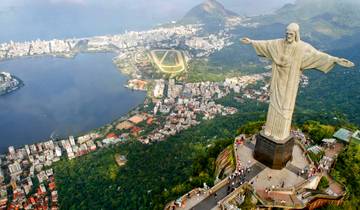
Unlike monuments that provide limited viewing angles, Christ the Redeemer’s platform design enables photographers to capture the statue from multiple perspectives while incorporating Rio’s diverse landscape elements: beaches, mountains, urban skyline, and tropical forest.
Sunrise and Sunset Photography:
Christ the Redeemer’s eastern-facing position provides excellent sunrise photography opportunities, while western sunset views create dramatic silhouette compositions. Few other world wonders offer such consistent golden hour potential due to geographical constraints or operating hour limitations.
Aerial Photography Context:
The statue’s mountain-top position and Rio’s aviation tourism industry provide exceptional aerial photography opportunities through helicopter tours. This perspective option remains unavailable or heavily restricted at most other world heritage sites.
Social Media Engagement Comparison
Instagram Hashtag Analysis:
- #ChristTheRedeemer: 1.2+ million posts
- #MachuPicchu: 3.8+ million posts
- #TajMahal: 2.1+ million posts
- #GreatWallChina: 580k+ posts
- #Colosseum: 1.8+ million posts
- #ChichenItza: 430k+ posts
- #Petra: 890k+ posts
Photographic Accessibility:
Christ the Redeemer’s design allows visitors of all photography skill levels to capture compelling images. The monument’s scale and prominent positioning ensure successful photographs even with basic smartphone cameras, contrasting with sites like Petra or Chichen Itza that require advanced composition skills for impressive results.
Weather and Lighting Considerations
Year-Round Photography Potential:
Rio de Janeiro’s tropical climate provides consistent lighting conditions throughout the year, though cloud cover can affect mountain visibility. Christ the Redeemer offers more predictable photography conditions than desert sites (Petra), monsoon-affected locations (Taj Mahal), or extreme climate destinations.
Golden Hour Accessibility:
Evening transportation services allow sunset photography at Christ the Redeemer, while many competing sites close before optimal evening lighting conditions. This extended access provides photographers with professional-quality lighting opportunities typically unavailable at other major monuments.
Cultural Significance and Spiritual Experience
Beyond their roles as tourist attractions, world heritage sites serve as repositories of human cultural achievement and spiritual significance. Christ the Redeemer represents a unique position among world monuments as an active religious symbol in a modern urban context.
Religious and Spiritual Significance
Active Religious Function:
Unlike most world heritage sites that primarily serve historical or cultural functions, Christ the Redeemer operates as an active religious sanctuary with regular masses and blessing ceremonies. The small chapel within the statue’s base provides intimate spiritual experiences unavailable at ancient monuments.
Pilgrimage Destination:
Christ the Redeemer attracts religious pilgrims alongside cultural tourists, creating a unique visitor atmosphere that combines tourism with genuine devotional practice. This spiritual energy distinguishes the site from purely historical monuments.
Modern Cultural Relevance
Living Cultural Symbol:
As a 20th-century creation, Christ the Redeemer represents contemporary Brazilian culture, national identity, and religious expression rather than ancient civilizations. This modern relevance provides visitors with connections to living culture rather than historical recreation.
Global Recognition and Symbolism:
Christ the Redeemer functions as Brazil’s primary international symbol, appearing in films, advertisements, and media representations worldwide. This global recognition level matches or exceeds that of ancient wonders, demonstrating the monument’s cultural impact despite its recent creation.
Educational and Historical Value
Engineering Achievement:
The statue showcases 1930s engineering capabilities, Art Deco artistic movements, and international collaboration (French design, Brazilian construction). Visitors learn about modern construction techniques and 20th-century artistic traditions rather than ancient historical periods.
Brazilian History Integration:
Christ the Redeemer’s construction coincided with Brazil’s emergence as a modern nation, providing context for understanding contemporary South American development, urbanization, and cultural evolution.
Accessibility and Universal Design
Modern travelers increasingly prioritize accessibility when choosing destinations, particularly for family trips or travelers with mobility considerations. Christ the Redeemer demonstrates superior accessibility compared to most world heritage sites.
Physical Accessibility Features
Universal Access Design:
Elevator access to viewing platforms accommodates wheelchairs, mobility devices, and visitors unable to climb stairs. This accessibility far exceeds that of ancient sites like Machu Picchu, Petra, or Chichen Itza that require significant walking and climbing.
Transportation Accessibility:
The Corcovado Railway and van services provide climate-controlled, comfortable transportation suitable for elderly visitors, families with young children, and travelers with mobility limitations. Ground-level boarding and spacious interiors contrast sharply with challenging access routes at competing sites.
Age and Fitness Requirements
Family-Friendly Design:
Christ the Redeemer accommodates visitors from ages 2 to 92+ without physical fitness requirements. Families can visit together regardless of varying fitness levels or mobility limitations, unlike sites that require hiking, climbing, or extensive walking.
Safety Considerations:
Paved pathways, safety barriers, and controlled access areas provide secure environments for all visitors. Ancient sites often present uneven terrain, steep drops, and limited safety infrastructure that challenge visitors with mobility concerns.
Seasonal Considerations and Optimal Visit Timing
Understanding seasonal variations helps travelers optimize their world wonder experiences based on weather, crowds, and cost considerations. Christ the Redeemer offers more consistent year-round visiting conditions than most competing destinations.
Climate Stability Comparison
Year-Round Accessibility:
Rio de Janeiro’s tropical climate ensures Christ the Redeemer remains accessible throughout the year, with temperature variations of only 15-20°F between seasons. This stability contrasts with destinations like the Great Wall (extreme winter conditions) or Chichen Itza (intense summer heat).
Weather Predictability:
While Rio experiences summer rainy seasons, mountain weather clears quickly, allowing flexible visit timing. Desert locations (Petra) and monsoon-affected sites (Taj Mahal) present more challenging weather windows for optimal photography and comfort.
Crowd Patterns and Peak Seasons
Tourist Season Distribution:
Christ the Redeemer experiences peak crowds during Brazilian summer (December-February) and international holidays, but maintains manageable visitor levels year-round. Multiple viewing levels and platform areas distribute crowds more effectively than linear sites like the Great Wall.
Off-Season Advantages:
Brazilian winter (June-August) provides optimal visiting conditions with smaller crowds, clearer weather, and comfortable temperatures, while maintaining full operational schedules and transportation services.
Multi-Wonder Itinerary Integration
For travelers pursuing multiple world wonders, understanding how Christ the Redeemer integrates with broader itineraries helps optimize routing, costs, and time management. Christ the Redeemer’s South American location provides unique positioning advantages.
South American Wonder Combinations
Christ the Redeemer + Machu Picchu Pairing:
This combination allows travelers to experience both New Seven Wonders within South America, maximizing regional travel efficiency. Brazil-Peru routing provides cost advantages compared to intercontinental wonder-hopping, while offering contrasting experiences (modern vs. ancient, accessible vs. challenging).
Regional Cultural Immersion:
Combining Christ the Redeemer with other South American UNESCO sites (Iguazu Falls, Historic Center of Salvador, Brazilian Atlantic Islands) creates comprehensive regional cultural experiences that demonstrate diverse Brazilian heritage.
Global Wonder Circuit Integration
Atlantic Circuit Routing:
Christ the Redeemer integrates well with European wonders (Colosseum, UNESCO sites in Spain/Portugal) and North African destinations (theoretical routing to Petra via European connections), providing efficient trans-Atlantic routing options.
Time Zone and Jet Lag Considerations:
Brazil’s time zone alignment with eastern North America reduces jet lag impacts for US travelers, while European visitors benefit from minimal time zone adjustments (3-5 hours) compared to Asian destinations requiring 8-12 hour adjustments.
Making Your Wonder-Selection Decision
Choosing between world wonders depends entirely on individual travel priorities, physical capabilities, budget constraints, and personal interests. Christ the Redeemer excels in accessibility, affordability, and urban integration while offering unique spiritual and photographic experiences.
For travelers seeking easily accessible world-class monuments with minimal physical demands, Christ the Redeemer provides unmatched convenience without sacrificing cultural significance or visual impact. The combination of New Seven Wonder status, affordable costs, and Rio de Janeiro’s vibrant urban culture creates exceptional travel value.
Adventure seekers and history enthusiasts might find greater satisfaction in challenging destinations like Machu Picchu or Petra, while accessibility-conscious travelers and families benefit from Christ the Redeemer’s universal design and straightforward logistics.
Ultimately, Christ the Redeemer offers a unique wonder experience that combines modern religious significance, urban panoramic views, and Brazilian cultural immersion unavailable at any other world heritage site. Whether visited as a standalone destination or integrated into broader South American adventures, this magnificent monument provides unforgettable experiences that rank among the world’s most prestigious travel achievements.
The decision between world wonders shouldn’t be exclusive—each offers irreplaceable experiences that contribute to a lifetime of meaningful travel. Christ the Redeemer’s accessibility and integration advantages make it an ideal starting point for world wonder exploration, providing confidence and inspiration for pursuing more challenging destinations in future adventures.
🏛️ Wonder Comparison FAQ
Q: Which New Seven Wonder is most accessible for travelers with mobility limitations?
A: Christ the Redeemer offers the best accessibility with elevator access and minimal walking requirements, followed by the Colosseum’s modern accessibility improvements.
Q: What’s the most cost-effective New Seven Wonder to visit?
A: Christ the Redeemer typically costs $15-25 USD total, making it one of the most affordable wonders, especially when considering Brazil’s favorable exchange rates.
Q: Which wonder requires the most advance planning?
A: Machu Picchu requires 6+ months advance booking for permits, while Christ the Redeemer allows same-day visits during most periods.
Q: Best wonder for photography enthusiasts?
A: Christ the Redeemer offers unique advantages with 360-degree views, multiple viewing levels, and consistent lighting conditions, though all wonders provide compelling photographic opportunities.
Q: Which wonder is best for families with young children?
A: Christ the Redeemer’s short visit duration (2-3 hours), easy access, and engaging cityscape views make it ideal for families, followed by the Colosseum’s educational value.
Q: Most challenging wonder to visit?
A: Petra requires the most physical exertion and desert travel logistics, while Machu Picchu demands the most advance planning and high-altitude considerations.
Q: Which wonder offers the best value for money?
A: Christ the Redeemer provides exceptional value with low costs, easy access, and comprehensive Rio de Janeiro urban experiences included in most visits.
Q: Best wonder for spiritual or religious experiences?
A: Christ the Redeemer functions as an active religious site with regular masses, while most other wonders serve primarily historical or cultural functions.
Q: Which wonder is best in bad weather?
A: The Colosseum’s partial indoor areas and structural protection offer better bad weather alternatives than outdoor mountain sites like Christ the Redeemer or Machu Picchu.
Q: Most Instagram-worthy wonder?
A: All wonders offer compelling social media content, but Christ the Redeemer’s panoramic city views and multiple angle options provide diverse photographic opportunities for social media sharing.