
Christ the Redeemer Cultural & Religious Significance: The Complete Heritage & Spiritual Tourism Guide
Christ the Redeemer transcends its role as a tourist attraction to serve as one of the world’s most significant religious and cultural monuments. This towering symbol represents not only Brazilian Catholicism but universal themes of love, protection, and hope that resonate across religious, cultural, and national boundaries.
⛪ Key Takeaways
- Religious symbolism: Represents universal love, protection, and redemption across multiple faith traditions
- Cultural heritage: Embodies Brazilian national identity, artistic achievement, and modern architectural triumph
- Spiritual pilgrimage: Functions as active religious sanctuary with masses, blessings, and devotional practices
- International significance: Demonstrates Catholic Church’s global reach and 20th-century religious expression
- Art Deco masterpiece: Showcases 1930s artistic movement and international artistic collaboration
- Living heritage: Continues evolving cultural and religious significance in contemporary Brazilian society
Unlike ancient religious monuments that primarily represent historical faith traditions, Christ the Redeemer embodies living religious practice, contemporary cultural expression, and ongoing spiritual significance that continues evolving within modern Brazilian society and global Catholic consciousness.
This comprehensive heritage guide explores the deep cultural and religious layers that make Christ the Redeemer meaningful beyond its spectacular views, examining its role in Brazilian identity, Catholic tradition, artistic achievement, and contemporary spiritual practice that attracts both religious pilgrims and cultural enthusiasts from around the world.
Religious Significance and Symbolism
Christ the Redeemer’s religious meaning extends far beyond its obvious Christian symbolism to encompass complex theological, devotional, and spiritual dimensions that make it significant to believers and non-believers alike. The monument’s religious symbolism operates on multiple levels that invite contemplation, worship, and spiritual reflection.
Biblical and Theological Foundations
The Redeemer Concept:
The title “Christ the Redeemer” directly references Christian theology’s central concept of Jesus Christ as humanity’s redeemer from sin and suffering. This theological foundation makes the statue a focal point for contemplating themes of salvation, forgiveness, and divine love.
Outstretched Arms Symbolism:
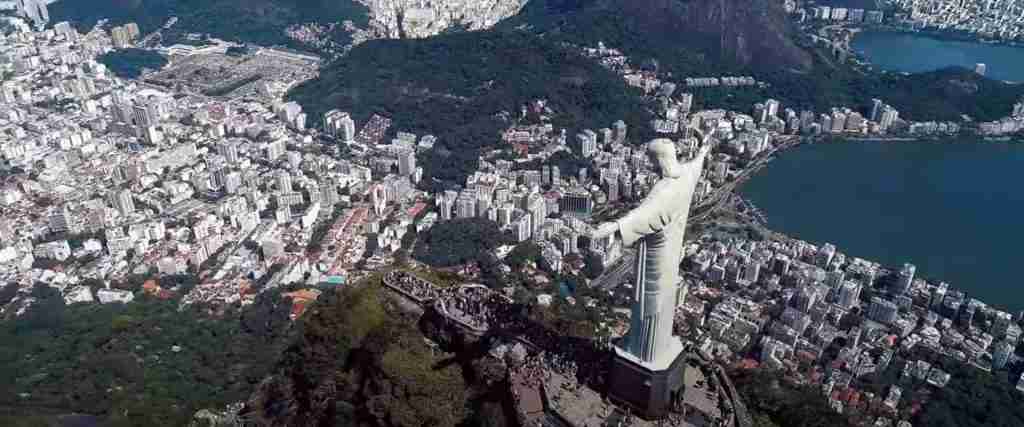
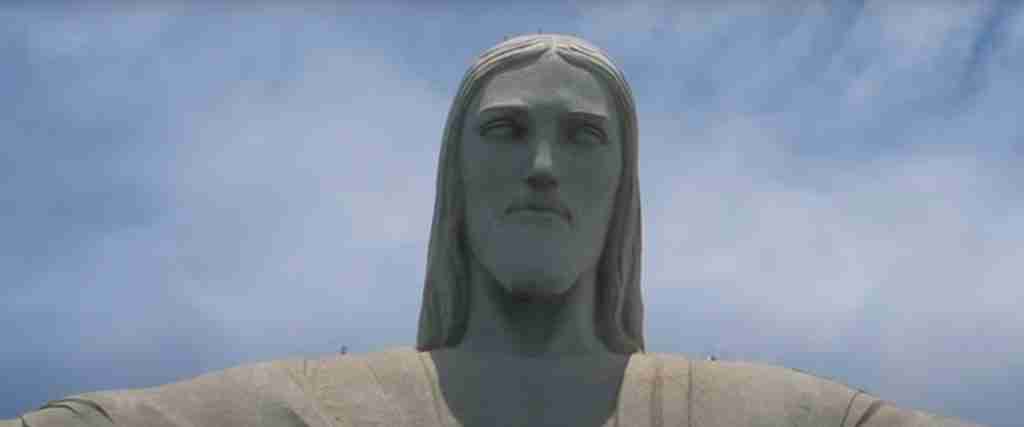
The statue’s iconic pose with arms extended wide carries multiple biblical and theological meanings: welcoming embrace, protection of the faithful, blessing of the city below, and crucifixion reference that emphasizes Christ’s sacrificial love.
Mountain Setting Biblical Parallels:
The mountaintop location echoes biblical traditions of divine revelation occurring on mountains—Moses receiving the Ten Commandments, Christ’s Transfiguration, and the Sermon on the Mount—creating connections between Christ the Redeemer and sacred mountain traditions.
Guardian and Protector Role:
Local religious tradition positions Christ the Redeemer as Rio’s spiritual guardian, with many residents believing the statue provides divine protection over the city and its inhabitants, creating ongoing devotional relationships.
Catholic Church Context and Official Status
Official Church Recognition:
The Catholic Church officially recognizes Christ the Redeemer as a religious site, with the small chapel at the statue’s base serving as a legitimate venue for Catholic masses, blessings, and religious ceremonies.
Pilgrimage Destination:
Christ the Redeemer functions as an official Catholic pilgrimage site, with organized religious tours, group pilgrimages, and devotional visits that integrate tourism with genuine religious practice.
Religious Calendar Integration:
Special religious services occur during major Catholic holidays—Easter, Christmas, Feast of Christ the King—that emphasize the statue’s role in contemporary Catholic worship and celebration.
Papal Connections:
Papal visits to Rio frequently include Christ the Redeemer, with Pope John Paul II’s 1980 visit and subsequent papal recognitions establishing the monument’s significance within global Catholic consciousness.
Ecumenical and Interfaith Significance
Universal Christian Symbol:
While specifically Catholic in origin, Christ the Redeemer attracts Protestant, Orthodox, and other Christian denominations who recognize the monument’s broader Christian significance and universal themes.
Interfaith Respect and Recognition:
Non-Christian visitors often express appreciation for the monument’s spiritual atmosphere and universal themes of love, protection, and hope that transcend specific religious boundaries.
Peace and Unity Symbolism:
The statue’s welcoming posture and peaceful presence create symbols of religious tolerance and peaceful coexistence that resonate with diverse faith traditions and secular visitors.
Extended multi-day tours – 5+ days
Featured Rio De Janeiro Multi-Day Tour Packages
3 days
Rio De Janeiro 3-Day Discovery Tour
- ✓ Comprehensive Rio De Janeiro experience
- ✓ Expert local guides included
- ✓ All accommodation included
- ✓ Transportation provided
5 days
Rio De Janeiro 5-Day Highlights Experience
- ✓ Comprehensive Rio De Janeiro experience
- ✓ Expert local guides included
- ✓ All accommodation included
- ✓ Transportation provided

7 days
Rio De Janeiro 7-Day Cultural Journey
- ✓ Comprehensive Rio De Janeiro experience
- ✓ Expert local guides included
- ✓ All accommodation included
- ✓ Transportation provided

10 days
Rio De Janeiro 10-Day Complete Adventure
- ✓ Comprehensive Rio De Janeiro experience
- ✓ Expert local guides included
- ✓ All accommodation included
- ✓ Transportation provided
Multi-day tour packages powered by TourRadar. Prices and availability subject to change.
Brazilian Cultural Identity and National Symbolism
Christ the Redeemer serves as Brazil’s most recognizable cultural symbol, representing national identity, artistic achievement, and cultural values that define Brazilian character both domestically and internationally. The monument embodies Brazilian cultural synthesis of European, African, and indigenous influences expressed through Catholic religious tradition.
National Identity and Pride
Primary National Symbol:
Christ the Redeemer functions as Brazil’s unofficial national symbol, appearing on currency, official documents, tourism materials, and international representations of Brazilian culture and identity.
Cultural Unity Representation:
The monument represents Brazilian cultural unity across regional, racial, and economic divisions, serving as a symbol that all Brazilians can claim ownership of regardless of background or social status.
International Recognition:
Global recognition of Christ the Redeemer as a New Seven Wonder reinforced Brazilian national pride and international cultural significance, demonstrating Brazil’s contribution to world heritage and artistic achievement.
Historical Milestone Marker:
The statue’s 1931 completion marked Brazil’s emergence as a modern nation capable of international-level artistic and engineering achievements, symbolizing national maturation and cultural sophistication.
Cultural Syncretism and Brazilian Catholicism
Uniquely Brazilian Religious Expression:
Christ the Redeemer represents distinctively Brazilian Catholicism that incorporates European religious tradition with New World cultural expressions, African influences, and indigenous spiritual elements.
Popular Religious Culture:
The monument integrates with Brazilian popular religious culture including festivals, processions, and devotional practices that blend Catholic orthodoxy with Brazilian cultural creativity and expression.
Cultural Festival Integration:
Christ the Redeemer appears in Carnival celebrations, religious festivals, and cultural events that demonstrate the integration of sacred and secular elements characteristic of Brazilian cultural identity.
Artistic and Architectural Cultural Significance
Art Deco Movement Representation:
The statue represents Brazil’s participation in the international Art Deco movement, demonstrating Brazilian engagement with global artistic trends while creating uniquely Brazilian interpretations.
International Artistic Collaboration:
The collaboration between French sculptor Paul Landowski and Brazilian engineers and artists represents cultural exchange and international cooperation in creating significant artistic works.
Modern Brazilian Architecture:
Christ the Redeemer preceded and influenced Brazil’s later architectural achievements, including Brasília’s modernist architecture and contemporary Brazilian design leadership.
Historical Context and Construction Heritage
Understanding Christ the Redeemer’s historical construction context reveals the cultural, political, and religious forces that motivated its creation while demonstrating the engineering and artistic achievements that made its construction possible. The monument’s history reflects broader themes in 20th-century Brazilian development, Catholic Church modernization, and international artistic collaboration.
Political and Social Context of Creation
Post-World War I Religious Revival:
The statue’s conception in the 1920s reflected post-WWI religious revival movements and desires to reassert religious values in rapidly modernizing societies, particularly in predominantly Catholic nations.
Brazilian National Confidence:
The project represented growing Brazilian national confidence and desire to create monuments that would establish Brazil’s cultural significance on the international stage.
Catholic Church Modernization:
Christ the Redeemer represented the Catholic Church’s adaptation to modern communication methods and mass media, creating religious symbols designed for photographic reproduction and global recognition.
Urban Development and Rio’s Growth:
The monument’s construction coincided with Rio’s development as a major international city, with Christ the Redeemer serving as a landmark that would help establish Rio’s global cultural profile.
Engineering and Construction Achievement
Technical Innovation:
The statue’s construction required innovative engineering solutions for building on a mountain peak, including the railway system for transporting materials and the reinforced concrete techniques necessary for structural stability.
International Expertise Integration:
The project integrated French artistic design with Brazilian engineering expertise and local construction knowledge, creating a model for international artistic collaboration.
Materials and Craftsmanship:
The soapstone exterior covering represents traditional Brazilian stonework traditions applied to modern architectural projects, demonstrating continuity between traditional crafts and contemporary construction.
Logistical Challenges:
Transporting materials up Corcovado Mountain required creative solutions and demonstrated Brazilian engineering capabilities in challenging geographical conditions.
Funding and Community Involvement
Popular Fundraising Campaign:
The statue was funded primarily through popular donations from Brazilian Catholics, making it a genuine community project that reflected widespread public support and religious devotion.
Church and State Cooperation:
The project required cooperation between religious authorities, government agencies, and private donors, demonstrating Brazilian society’s ability to unite around shared cultural goals.
International Support:
Support from international Catholic communities and French artistic circles demonstrated the global significance and appeal of the project from its inception.
Contemporary Religious Practice and Pilgrimage
Christ the Redeemer continues functioning as an active religious site where contemporary Catholic practice, pilgrimage traditions, and spiritual tourism intersect to create meaningful religious experiences for visitors from around the world. The monument serves both tourist attraction and genuine religious sanctuary roles simultaneously.
Religious Services and Ceremonies
Regular Mass Services:
The chapel at the statue’s base hosts regular Catholic masses, particularly during major religious holidays and special occasions, maintaining the site’s active religious function.
Wedding and Blessing Ceremonies:
Couples arrange religious wedding ceremonies and blessing services at Christ the Redeemer, with the spiritual significance adding depth to personal religious milestones.
Special Religious Observances:
Major Catholic holidays—Easter, Christmas, Feast of Christ the King—feature special religious services that emphasize the monument’s ongoing role in contemporary Catholic worship.
Pilgrimage Group Services:
Organized pilgrimage groups from around the world arrange special religious services that combine tourism with genuine spiritual practice and religious education.
Modern Pilgrimage Traditions
Individual Pilgrimage Practices:
Many visitors approach Christ the Redeemer as individual pilgrims, engaging in personal prayer, reflection, and spiritual practices that transform tourism into religious experience.
Group Pilgrimage Organizations:
Religious organizations arrange group pilgrimages that include Christ the Redeemer as part of broader Brazilian Catholic site visits, creating comprehensive religious tourism experiences.
International Catholic Tourism:
Christ the Redeemer attracts Catholic visitors from around the world who integrate the site into broader religious tourism that includes Vatican visits, Fatima, and other major Catholic pilgrimage destinations.
Devotional Practices and Spiritual Experiences
Prayer and Meditation:
Visitors frequently engage in personal prayer and meditation at the site, with the spiritual atmosphere and spectacular views creating conducive environments for religious contemplation.
Religious Artifact and Blessing Practices:
Many visitors bring religious artifacts—rosaries, medals, prayer cards—to be blessed at the site, continuing traditional Catholic blessing practices in contemporary settings.
Spiritual Photography and Documentation:
Religious visitors often document their pilgrimage experiences through photography that emphasizes spiritual rather than touristic elements of their visit.
Cultural Impact on Arts and Media
Christ the Redeemer’s cultural influence extends far beyond religious and tourism contexts to impact visual arts, literature, film, music, and global media representation of Brazil and religious themes. The monument’s iconic status has made it a powerful symbol used across multiple cultural mediums and artistic expressions.
Visual Arts and Artistic Inspiration
Contemporary Brazilian Art:
Brazilian artists frequently incorporate Christ the Redeemer imagery into paintings, sculptures, and mixed media works that explore themes of national identity, religious faith, and cultural heritage.
International Artistic Recognition:
International artists use Christ the Redeemer as a symbol of spirituality, hope, and cultural diversity in works that address global themes and religious universality.
Photography as Art Form:
Professional photographers have elevated Christ the Redeemer photography to fine art status, with exhibitions and collections that examine the monument’s artistic and cultural significance.
Street Art and Popular Culture:
Christ the Redeemer appears in Brazilian street art, graffiti, and popular cultural expressions that demonstrate its integration into contemporary urban culture and artistic expression.
Literature and Cultural Narratives
Brazilian Literature Integration:
Brazilian authors incorporate Christ the Redeemer into novels, poetry, and literary works that explore Brazilian identity, religious faith, and cultural transformation.
Travel Literature and Memoirs:
International travel writers and memoirists use Christ the Redeemer experiences to explore themes of spiritual journey, cultural encounter, and personal transformation.
Religious and Spiritual Literature:
Religious authors use Christ the Redeemer as a setting or symbol in works that examine contemporary faith, pilgrimage experiences, and religious tourism.
Film, Television, and Digital Media
International Film Recognition:
Christ the Redeemer appears in international films as a symbol of Brazil, spirituality, and dramatic visual impact, cementing its global cultural recognition.
Documentary and Educational Media:
Educational documentaries examine Christ the Redeemer’s construction, cultural significance, and contemporary role, spreading knowledge about Brazilian culture and religious heritage.
Social Media and Digital Culture:
The monument’s photogenic qualities and symbolic power make it one of the most shared religious and cultural images on social media platforms worldwide.
Comparative Religious and Cultural Analysis
Examining Christ the Redeemer within the broader context of world religious monuments and cultural symbols reveals its unique position as a modern religious icon that bridges traditional religious expression with contemporary cultural communication. This comparative analysis illuminates the monument’s distinctive contributions to global religious and cultural heritage.
Comparison with Other Religious Monuments
Christ the Redeemer vs Historical Religious Sites:
Unlike ancient religious monuments (Western Wall, Angkor Wat, Vatican) that represent historical religious traditions, Christ the Redeemer demonstrates how contemporary societies create new religious symbols that achieve similar cultural significance.
Modern Religious Monument Precedents:
Christ the Redeemer pioneered the concept of large-scale modern religious monuments designed for mass media reproduction and international recognition, influencing later projects worldwide.
Cross-Cultural Religious Symbolism:
The monument’s success demonstrates how religious symbols can transcend cultural boundaries while maintaining specific religious and national identity, appealing to diverse global audiences.
Global Cultural Icon Status
Recognition Level Comparison:
Christ the Redeemer achieves recognition levels comparable to secular cultural icons (Eiffel Tower, Statue of Liberty) while maintaining genuine religious significance, demonstrating the power of religious symbols in contemporary culture.
Tourism vs Religious Function Balance:
The monument successfully balances tourist attraction and religious sanctuary functions better than many religious sites that struggle with commercialization versus spiritual authenticity.
Cultural Export and Soft Power:
Christ the Redeemer functions as Brazilian cultural export that promotes positive international perceptions of Brazilian culture, religious tolerance, and artistic achievement.
Contemporary Religious Expression Trends
Modern Catholic Architecture:
Christ the Redeemer represents early 20th-century Catholic architectural innovation that influenced contemporary church design and religious monument construction worldwide.
Media-Age Religious Symbolism:
The monument demonstrates how religious institutions can create symbols specifically designed for photographic reproduction and mass media distribution, adapting religious communication to modern technologies.
Religious Tourism Integration:
Christ the Redeemer pioneered the integration of religious pilgrimage with secular tourism, creating models for sustainable religious tourism that benefits both spiritual seekers and local economies.
Educational and Cultural Learning Opportunities
Christ the Redeemer provides rich educational opportunities across multiple disciplines including religious studies, art history, Brazilian culture, engineering, and international relations. The monument serves as a multidisciplinary learning laboratory that illuminates complex themes in contemporary culture and religious expression.
Religious and Theological Education
Catholic Theology and Practice:
The monument provides opportunities to examine contemporary Catholic theology, devotional practices, and the role of religious symbols in modern faith expression.
Comparative Religion Studies:
Christ the Redeemer serves as a case study for examining how different religious traditions interpret and respond to Christian religious symbolism and contemporary religious monument creation.
Religious Art and Architecture:
The statue demonstrates the evolution of religious art from traditional church architecture to modern public religious monuments designed for mass cultural communication.
Cultural and Historical Studies
Brazilian Cultural Development:
The monument illustrates key themes in 20th-century Brazilian cultural development, including national identity formation, international artistic collaboration, and religious cultural expression.
Art Deco Movement Studies:
Christ the Redeemer provides an excellent example of Art Deco artistic principles applied to religious themes and monumental sculpture, demonstrating the movement’s international reach and cultural adaptation.
Tourism and Cultural Heritage:
The site demonstrates how cultural and religious heritage can be successfully preserved and promoted through sustainable tourism that respects both spiritual significance and economic development needs.
Engineering and Technical Education
Construction and Engineering Challenges:
The monument’s construction illustrates engineering solutions for building in challenging geographical conditions while meeting artistic and structural requirements.
Materials Science and Preservation:
Ongoing preservation efforts provide opportunities to study materials science, conservation techniques, and long-term maintenance of monumental architecture in tropical mountain environments.
Transportation and Infrastructure:
The railway system and access infrastructure demonstrate how transportation solutions can be designed to serve both practical and educational purposes while minimizing environmental impact.
The Living Heritage of Christ the Redeemer
Christ the Redeemer’s greatest cultural and religious significance lies in its continued evolution as a living symbol that adapts to contemporary needs while maintaining its fundamental spiritual and cultural meanings. Unlike static historical monuments, Christ the Redeemer continues developing new layers of significance as Brazilian society and global Catholic culture evolve.
The monument’s enduring power comes from its ability to serve multiple roles simultaneously: tourist attraction, religious sanctuary, national symbol, artistic achievement, and cultural icon. This multifaceted significance ensures that Christ the Redeemer remains relevant to diverse communities and continues attracting visitors seeking various types of meaningful experiences.
Understanding Christ the Redeemer’s cultural and religious significance enhances any visit by revealing the deeper meanings that make this monument more than spectacular scenery. Whether approaching as a religious pilgrim, cultural enthusiast, art lover, or curious traveler, recognizing the monument’s complex significance transforms sightseeing into meaningful cultural encounter.
Visit Christ the Redeemer with appreciation for its profound cultural and religious heritage—this understanding enriches the experience while contributing to the preservation and continued evolution of one of the world’s most significant monuments to human faith, artistic achievement, and cultural expression.
⛪ Cultural & Religious FAQ
Q: What is the religious significance of Christ the Redeemer for Catholics?
A: It serves as an active religious sanctuary with official Catholic recognition, hosting masses, pilgrimages, and representing Christ’s role as humanity’s redeemer and protector.
Q: Can non-Christians appreciate the cultural significance of Christ the Redeemer?
A: Absolutely. The monument represents universal themes of hope, protection, and artistic achievement that resonate across religious and cultural boundaries.
Q: Are religious services held at Christ the Redeemer?
A: Yes, regular Catholic masses occur in the chapel at the statue’s base, particularly during major religious holidays and special occasions.
Q: What does Christ the Redeemer represent in Brazilian culture?
A: It serves as Brazil’s primary national symbol, representing Brazilian identity, artistic achievement, religious heritage, and cultural unity across diverse populations.
Q: How does Christ the Redeemer compare to other religious monuments worldwide?
A: It’s unique as a modern religious monument that achieved global recognition while maintaining active religious function, pioneering contemporary religious symbolism.
Q: What artistic movement does Christ the Redeemer represent?
A: The statue exemplifies the Art Deco movement of the 1920s-1930s, demonstrating how this artistic style was adapted for religious and monumental purposes.
Q: Is Christ the Redeemer considered a pilgrimage site?
A: Yes, it’s officially recognized as a Catholic pilgrimage destination, attracting religious tourists and genuine pilgrims from around the world.
Q: What role did international collaboration play in creating Christ the Redeemer?
A: French sculptor Paul Landowski designed the statue while Brazilian engineers and artists handled construction, representing successful international artistic collaboration.
Q: How has Christ the Redeemer influenced contemporary religious architecture?
A: It pioneered large-scale modern religious monuments designed for mass media reproduction, influencing religious architecture and monument design worldwide.
Q: What educational opportunities does Christ the Redeemer provide?
A: It offers multidisciplinary learning in religious studies, art history, Brazilian culture, engineering, and tourism studies through its complex cultural significance.