Chile Wine Tours 2026: Maipo & Casablanca Valley Guide
Key Takeaways:
- Half-day wine tours from Santiago cost $80-150 per person in 2026, while full-day experiences range $120-250
- Maipo Valley specializes in world-class Cabernet Sauvignon and lies just 45 minutes from Santiago
- Casablanca Valley produces exceptional Chardonnay and Sauvignon Blanc, located 75 minutes from the capital
- March through May offers ideal 2026 wine touring conditions during harvest season
- Advance booking 2-4 weeks ahead secures preferred wineries and tour dates
- Self-drive options provide flexibility at lower costs but require a designated driver
Introduction to Chilean Wine Country in 2026
Chile’s wine regions rank among South America’s most celebrated viticultural destinations, offering 2026 visitors exceptional tasting experiences within easy reach of Santiago. The country’s unique geography—bordered by the Pacific Ocean, Andes Mountains, Atacama Desert, and Antarctic ice fields—creates diverse microclimates ideal for wine production. Two valleys stand out for accessibility and quality: Maipo Valley, the birthplace of Chilean winemaking, and Casablanca Valley, a cool-climate region revolutionizing white wine production.
For 2026 travelers, Chilean wine country presents remarkable value compared to European and American wine regions. World-class tasting experiences cost a fraction of Napa Valley or Bordeaux equivalents, while the quality rivals any global destination. The proximity to Santiago makes wine touring an essential component of any Chilean itinerary, whether as a day trip or multi-day exploration.
The 2026 season brings continued investment in tourism infrastructure across both valleys. Wineries have expanded their visitor programs, restaurants have elevated their offerings, and transportation options have multiplied. Understanding the distinct character of each valley, seasonal variations, and booking strategies ensures 2026 visitors maximize their wine country experience.
People Also Ask About Chile Wine Tours 2026
How much do wine tours from Santiago cost in 2026?
Wine tour prices from Santiago in 2026 range from $80 for basic half-day group tours to $400+ for private luxury experiences. Standard half-day group tours visiting 2-3 wineries cost $80-120 per person, including transportation, tastings, and an English-speaking guide. Full-day tours covering both valleys or adding gourmet lunch range $150-250 per person. Private tours for couples or small groups start at $200-350 for half-day experiences. Premium options with exclusive tastings, cellar tours, and multi-course wine-pairing lunches reach $300-500 per person (check tour operators for current 2026 rates as pricing varies by season and inclusions).
Which Chilean wine valley is better to visit in 2026?
The better valley depends on your wine preferences. Maipo Valley suits red wine enthusiasts, particularly those who appreciate Cabernet Sauvignon, Carménère, and Merlot. The valley’s warmer climate and rocky soils produce bold, structured wines with excellent aging potential. Casablanca Valley appeals to white wine lovers and those seeking lighter reds, excelling in Chardonnay, Sauvignon Blanc, and Pinot Noir. The cooler Pacific influence creates crisp, aromatic whites with distinctive minerality. For 2026 first-time visitors uncertain of their preference, combination tours visiting both valleys provide a comprehensive Chilean wine education in a single day.
When is the best time for wine tours in Chile in 2026?
The optimal window for 2026 Chilean wine tours spans March through May during harvest season (vendimia). This period offers mild temperatures between 15-25°C (59-77°F), active vineyard operations, harvest festivals, and the opportunity to taste fresh grape juice alongside finished wines. The shoulder seasons of October-November and June-July provide pleasant conditions with smaller crowds. Summer months (December-February) bring peak tourist season with higher prices and advance booking requirements. Winter (July-August) offers the best value with some wineries offering reduced-capacity tours, though vineyard scenery is less impressive with dormant vines.
Do I need to book Chile wine tours in advance for 2026?
Advance booking is essential for 2026 wine tours, particularly during harvest season (March-May) and peak summer months (December-February). Popular wineries like Concha y Toro, Viña Santa Rita, and Casas del Bosque limit daily visitors and fill weeks ahead. Book organized tours 1-2 weeks in advance during off-peak periods and 3-4 weeks ahead for peak season visits. For independent winery visits, contact properties directly 1-2 weeks before your intended date. Premium experiences like private tastings, winemaker-led tours, and special harvest events require 4-6 weeks advance booking. Last-minute availability exists during winter months but limits options significantly.
Extended multi-day tours – 5+ days
Featured Central Chile Multi-Day Tour Packages

4 days
Chile – Santiago, progressive city – 4 DAYS
- ✓ Comprehensive Central Chile tour
- ✓ Expert local guides included
- ✓ All accommodation arranged
- ✓ Transportation provided
5 days
Chile: Santiago de Chile and its surroundings – 5 DAYS
- ✓ Comprehensive Central Chile tour
- ✓ Expert local guides included
- ✓ All accommodation arranged
- ✓ Transportation provided
4 days
4 Days – Santiago Beyond the City: Aconcagua Farms & Alpaca Encounters
- ✓ Comprehensive Central Chile tour
- ✓ Expert local guides included
- ✓ All accommodation arranged
- ✓ Transportation provided

4 days
City & Sea: Santiago, Valparaíso & Viña
- ✓ Comprehensive Central Chile tour
- ✓ Expert local guides included
- ✓ All accommodation arranged
- ✓ Transportation provided
Multi-day tour packages powered by TourRadar. Prices and availability subject to change.
Understanding Chilean Wine Regions for 2026 Visits
Maipo Valley Overview for 2026 Wine Tourism
Maipo Valley claims the title of Chile’s oldest and most prestigious wine region, with vineyards dating to the 16th century Spanish colonial period. Located immediately south of Santiago, the valley stretches from the Andes foothills at 800 meters elevation down to the coastal range at 300 meters. This elevation variation creates three distinct sub-regions: Alto Maipo in the mountains, Central Maipo on the valley floor, and Pacific Maipo toward the coast.
The valley’s terroir proves ideal for Cabernet Sauvignon, producing wines that compete with the finest Bordeaux and Napa examples. Rocky, alluvial soils combined with significant day-night temperature variation concentrate flavors and develop complex tannins. Carménère, Chile’s signature grape rescued from presumed extinction, thrives here as well, producing spicy, herbaceous wines found nowhere else in the world.
For 2026 visitors, Maipo Valley offers the most convenient wine touring experience. The 45-minute drive from Santiago central hotels allows flexible scheduling, including morning-only or afternoon-only visits. Major wineries have invested heavily in visitor facilities, offering everything from basic tastings to elaborate food-pairing experiences. The concentration of prestigious names within a compact area enables visiting 3-4 wineries in a single day without excessive driving.
Casablanca Valley Overview for 2026 Wine Tourism
Casablanca Valley emerged as a wine region only in the 1980s but has rapidly earned recognition as South America’s premier cool-climate destination. Positioned between Santiago and Valparaíso along the coastal route, the valley channels Pacific fog and breezes that moderate temperatures and extend the growing season. Morning fog burns off by midday, allowing grapes to develop slowly while retaining natural acidity.
This maritime influence creates exceptional conditions for white varieties. Casablanca Sauvignon Blanc exhibits citrus and tropical notes with crisp minerality, while Chardonnay ranges from lean and unoaked to rich and buttery depending on producer style. The valley also excels with Pinot Noir, producing elegant, Burgundy-style reds that have garnered international acclaim. Syrah from warmer micro-sites adds spicy complexity to the regional portfolio.
The 2026 visitor experience in Casablanca Valley tends toward boutique encounters. While the valley contains fewer mega-wineries than Maipo, the properties that exist prioritize quality tourism experiences. Many wineries operate excellent restaurants serving seasonal Chilean cuisine paired with estate wines. The valley’s position en route to Valparaíso and the coast enables combination itineraries incorporating wine tasting with beach visits or city exploration.
Wine Tour Options and Costs for 2026
Group Tour Options and 2026 Pricing
Group wine tours represent the most economical way to experience Chilean wine country in 2026. Standard half-day tours depart Santiago between 8:30-9:00 AM or 2:00-2:30 PM, visiting 2-3 wineries over 4-5 hours. These tours include hotel pickup, air-conditioned transportation, an English/Spanish bilingual guide, and standard tastings of 3-4 wines per winery. Half-day group tours to Maipo Valley cost $80-100 per person, while Casablanca Valley tours run $90-120 due to greater distance. Combination tours visiting both valleys require a full day and cost $150-200 per person including lunch (verify current rates with tour operators as 2026 pricing may vary seasonally).
Premium group tours elevate the experience with smaller group sizes (maximum 8-10 participants versus 15-20 on standard tours), reserve wine tastings, and gourmet lunch inclusions. These enhanced experiences cost $140-180 for half-day options and $200-280 for full-day itineraries. The additional investment provides access to limited-production wines unavailable on basic tours, more personalized guide attention, and unhurried winery visits.
Budget-conscious 2026 travelers find value in comparison shopping among Santiago tour operators. Prices for similar itineraries vary by 20-30% depending on operator, season, and booking platform. Booking directly with operators often saves commission fees charged by third-party platforms. Group tours departing from Valparaíso or Viña del Mar to Casablanca Valley cost slightly less due to proximity, typically $70-90 for half-day experiences.
Private Tour Options and 2026 Pricing
Private wine tours provide flexibility, personalization, and exclusive experiences impossible on group excursions. Standard private tours for 2-4 guests cost $200-350 for half-day Maipo Valley experiences and $250-400 for Casablanca Valley. These prices include luxury vehicle transportation, personal English-speaking guide, and pre-arranged winery visits with flexibility to adjust the itinerary based on preferences.
Premium private experiences targeting serious wine enthusiasts or special occasions range $400-600 per couple. These exclusive tours include access to normally closed wineries, barrel tastings in production cellars, winemaker meetings, and multi-course wine-pairing lunches at estate restaurants. Some operators offer helicopter transfers to remote Andes-foothills wineries, combining spectacular scenery with exceptional wines for $800-1,200 per person.
The per-person economics of private tours improve significantly with larger groups. A $300 private tour split among 4-6 friends costs $50-75 per person—competitive with group tours while offering superior experience. Families, multi-generational groups, and friend cohorts find excellent value in shared private tours. Tour operators accommodate groups up to 10-12 in larger vehicles with prices scaling accordingly.
Self-Drive Wine Touring in 2026
Independent travelers comfortable driving in Chile find self-drive wine touring offers maximum flexibility at minimal cost. Rental cars in Santiago cost $35-60 per day for compact vehicles, rising to $60-90 for comfortable sedans suitable for wine touring. Adding one-way drop-off in Valparaíso enables combination itineraries without returning to Santiago, though additional fees of $30-50 apply.
Self-drive success requires advance winery reservations, as most properties limit drop-in visitors. Contact wineries 1-2 weeks ahead via email or online reservation systems to secure tasting appointments. Many wineries offer free or low-cost tastings ($10-25 per person) when booked directly, representing significant savings over tour operator prices that include substantial margins.
The primary self-drive limitation involves alcohol consumption. Chilean law strictly prohibits any detectable blood alcohol while driving, with serious penalties including license confiscation and potential jail time. Groups must designate a non-drinking driver or limit tastings to spitting only. Hiring a private driver for the day costs $100-150 and solves this challenge while maintaining flexibility.
Top Wineries to Visit in 2026
Must-Visit Maipo Valley Wineries for 2026
Concha y Toro ranks as Chile’s largest and most-visited winery, receiving over 150,000 annual visitors at its Pirque estate 40 minutes from Santiago. The 2026 visitor experience includes multiple tour options: the Traditional Tour ($25) covers historic cellars and includes four wine tastings, the Marques Tour ($45) adds reserve wines and cheese pairing, and the Origin Tour ($70) provides premium library tastings with charcuterie. The estate’s famous Casillero del Diablo cellar, with its legend of the devil guarding the wines, creates memorable photo opportunities. Book 1-2 weeks ahead for weekday visits, 2-3 weeks for weekends.
Viña Santa Rita combines wine tourism with Chilean history at its Buin estate, where 120 patriots hid during the independence war. The Colonial Heritage Tour ($30) explores the historic casa patronal and chapel alongside standard tastings. The Triple Premium Tour ($55) elevates the experience with reserve and icon wines in the underground cellar. The estate’s Doña Paula restaurant offers exceptional lunch options paired with estate wines. Santa Rita’s proximity to Santiago (35 minutes) makes it ideal for half-day morning or afternoon visits.
Viña Undurraga traces its history to 1885 and maintains extensive gardens designed by French landscape architect Georges Dubois. The Classic Tour ($22) provides excellent value with estate exploration and four-wine tasting. The Founders Reserve Tour ($40) accesses premium wines and includes vineyard walks. The winery’s reputation for Carménère makes it essential for visitors seeking Chile’s signature variety. Undurraga’s location in Talagante enables easy combination with other Maipo wineries.
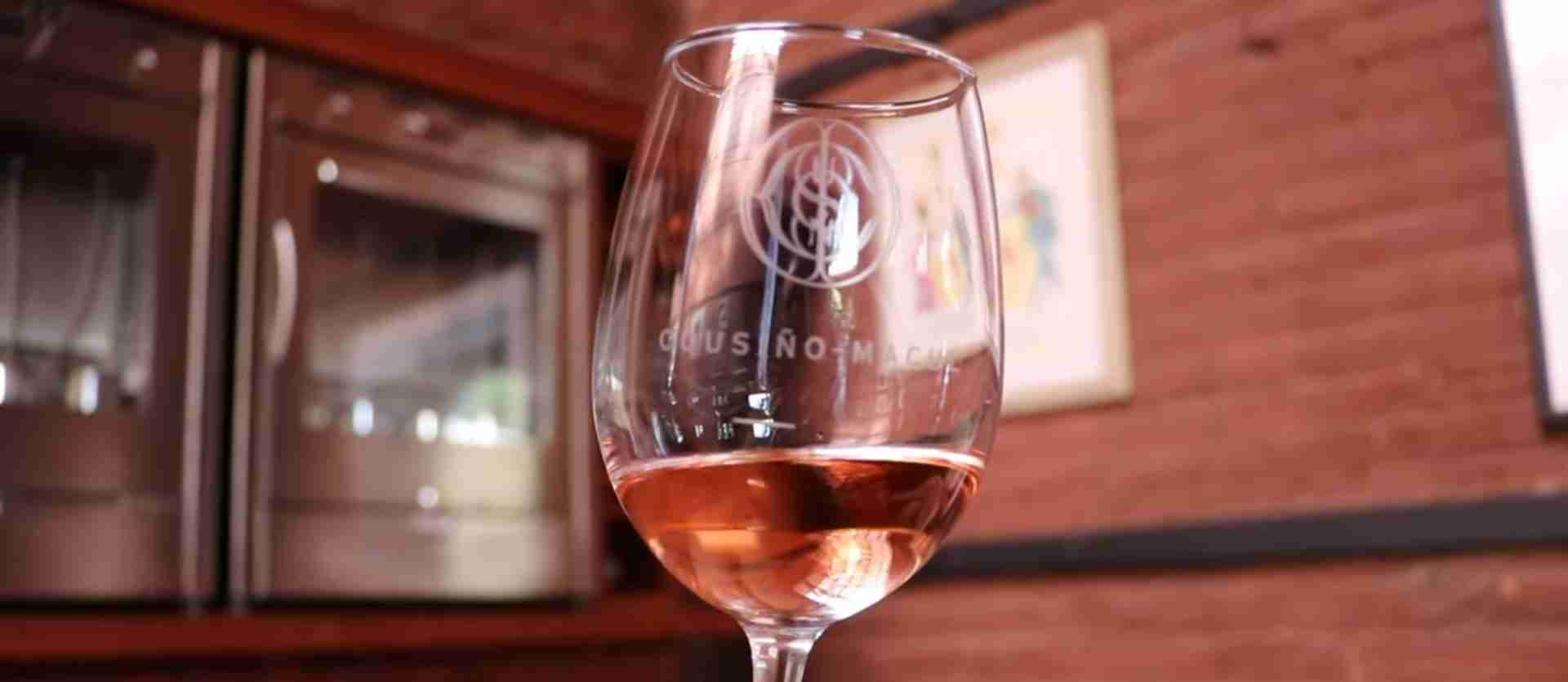
Cousiño Macul claims the distinction as Chile’s oldest family-owned winery, operated by the same family since 1856. Located within Santiago’s urban sprawl, the winery offers fascinating contrast between historic vineyards and surrounding development. Tours ($25-45) emphasize tradition and the family’s role in establishing Chilean wine culture. The winery’s Antiguas Reservas Cabernet Sauvignon represents excellent value among premium Chilean reds.
Viña Almaviva produces Chile’s most prestigious wine through a joint venture between Concha y Toro and Baron Philippe de Rothschild. Visits require advance arrangement and minimum purchases but provide access to one of South America’s finest cellars. The tasting experience ($80-120) includes current and library vintages of the grand vin alongside the second wine, Epu. Serious wine collectors prioritize Almaviva visits despite premium pricing.
Must-Visit Casablanca Valley Wineries for 2026
Casas del Bosque consistently ranks among Chile’s finest boutique wineries, producing exceptional Sauvignon Blanc, Chardonnay, and Pinot Noir from estate vineyards. The Standard Tour ($20) includes cellar visit and four-wine tasting, while the Premium Experience ($45) adds reserve wines and vineyard tour. The winery’s Tanino restaurant serves outstanding seasonal cuisine with valley views—reserve lunch alongside your tasting for the complete experience. Casas del Bosque’s combination of quality, atmosphere, and dining makes it the valley’s must-visit property.
Viña Emiliana operates the world’s largest organic and biodynamic vineyard, appealing to environmentally conscious 2026 travelers. Tours ($25-40) explore sustainable farming practices alongside wine production, with tastings emphasizing the connection between healthy soils and expressive wines. The winery’s Coyam blend and Signos de Origen series demonstrate biodynamic potential at various price points. Emiliana’s commitment to sustainability extends to its excellent on-site restaurant.
Matetic Vineyards occupies a stunning position in the coastal mountains with views stretching to the Pacific. While technically in San Antonio Valley (adjacent to Casablanca), many tours include Matetic for its exceptional Syrah and dramatic setting. The Estate Tour ($35) provides comprehensive property exploration with premium tastings, while the Equilibrio Experience ($65) adds food pairing. The winery’s restaurant, Equilibrio, holds recognition among Chile’s finest wine country dining destinations.
Viña Indomita features striking contemporary architecture with panoramic valley views from its hilltop tasting room. The Basic Tour ($15) offers excellent value for casual visitors, while the Premium Tour ($35) accesses reserve wines and includes cheese accompaniments. Indomita’s accessible price points and dramatic setting make it popular with first-time wine tourists. The winery’s Zardoz label produces noteworthy Pinot Noir.
Kingston Family Vineyards brings California winemaking expertise to Chilean terroir through a family operation focused on small-lot production. Visits require advance appointment but reward effort with intimate tastings guided by knowledgeable staff. The Alazan Pinot Noir and Cariblanco Sauvignon Blanc demonstrate cool-climate excellence. Kingston represents the boutique end of Casablanca tourism, ideal for experienced wine enthusiasts.
Transportation Options for 2026 Wine Tours
Getting to Maipo Valley in 2026
Maipo Valley wineries spread across a 30-kilometer stretch south of Santiago, with most properties concentrated between Pirque and Buin. Public transportation reaches the valley via Metro Line 4 to Puente Alto station, followed by local buses to specific towns. However, the dispersed winery locations and limited rural bus frequency make public transport impractical for effective wine touring.
Taxi and ride-share services provide flexible transportation at moderate cost. One-way Uber or Cabify rides from Santiago to Maipo Valley wineries cost $20-35 depending on specific destination. Arranging return transportation proves more challenging, as ride-share availability decreases in rural areas. Pre-booking round-trip taxi service through hotels costs $80-120 for half-day wine touring.
Rental cars offer optimal flexibility for independent Maipo exploration. The 45-minute drive from Santiago follows clear routes via Ruta 5 Sur (Pan-American Highway) or the Costanera Norte expressway. Toll roads cost $4-8 each way depending on route selection. Major wineries maintain adequate parking facilities with no additional fees. GPS navigation apps accurately locate all major properties.
Getting to Casablanca Valley in 2026
Casablanca Valley sits along Ruta 68, the main highway connecting Santiago to Valparaíso and Viña del Mar. The 75-minute drive from Santiago traverses coastal mountains with scenic views throughout. Toll costs total $8-12 each way via the modern autopista. The valley’s linear geography along the highway simplifies navigation compared to Maipo’s dispersed layout.
Regular buses connect Santiago’s Pajaritos terminal to Casablanca town every 30-60 minutes, with fares around $5-8 each way. However, wineries distribute along a 20-kilometer stretch with limited local transportation between properties. Travelers using buses can visit one winery within walking distance of Casablanca town (Viña Indomita is closest) but struggle to reach multiple properties.
The Valparaíso/Viña del Mar connection opens additional possibilities. Travelers staying on the coast can visit Casablanca Valley en route to or from Santiago. Several tour operators offer coastal pickup options, eliminating the need to return to the capital. Self-drivers can incorporate wine tasting into a Santiago-coast journey, enjoying the valley’s restaurants for lunch before continuing to beach destinations.
Combination Routes for 2026 Visitors
Ambitious travelers can visit both valleys in a single day, though this ambitious itinerary requires careful planning. The recommended route begins with Casablanca Valley in the morning (departure 8:00 AM from Santiago), visiting 2 wineries before lunch at an estate restaurant. The afternoon continues to Maipo Valley (1.5-hour drive) for 2 additional winery visits, returning to Santiago by 7:00-8:00 PM.
This combination works best as a private tour or self-drive excursion. Group tours combining both valleys exist but rush through tastings to maintain schedules. The physical distance of approximately 200 kilometers round-trip requires 4+ hours of driving, leaving limited time for leisurely winery experiences. Most 2026 visitors benefit from dedicating separate days to each valley.
Best Time for 2026 Wine Tours
Seasonal Guide for 2026 Wine Touring
Harvest Season (March-May 2026) represents the optimal period for wine tourism. Vineyards buzz with activity as grapes arrive for processing, fermentation tanks bubble with new wine, and workers sort clusters on vibrating tables. Temperatures range 15-25°C (59-77°F), perfect for outdoor vineyard walks. The Vendimia festivals throughout March and April offer grape-stomping activities, traditional foods, and celebration atmospheres. Winery visits during harvest provide unique educational opportunities unavailable during dormant periods.
Spring (September-November 2026) brings vineyard awakening as vines leaf out and flower. Temperatures climb from cool (12-18°C) to warm (18-25°C) through the season. Spring visits offer beautiful green landscapes, comfortable tasting conditions, and moderate crowds. November marks the start of Chile’s tourism high season, with prices beginning their summer climb.
Summer (December-February 2026-2027) delivers peak tourism season with highest visitor numbers, warmest temperatures (25-35°C), and premium pricing. Advance booking becomes essential, particularly during Chilean vacation periods (mid-December through February). Summer visitors experience mature vineyards heavy with developing grapes, though midday heat makes early morning or late afternoon tours more comfortable.
Winter (June-August 2026) provides value season for wine touring. Dormant vineyards lack visual appeal, but tasting rooms operate normally with smaller crowds. Temperatures range 8-15°C, comfortable for cellar visits but requiring layers for outdoor activities. Several wineries reduce tour offerings or operate limited schedules. Budget travelers accepting aesthetic limitations find excellent deals on private tours during winter months.
2026 Festival and Event Calendar
The Fiesta de la Vendimia (Harvest Festival) anchors the Chilean wine calendar during March and April 2026. Individual valleys and wineries host celebrations featuring grape-stomping competitions, traditional cuisine, folkloric music, and abundant wine tasting. Curicó’s festival (Central Valley) ranks among the largest, though Maipo and Casablanca wineries organize smaller but equally festive events.
Día del Vino (Wine Day) occurs in early October, with participating wineries offering special tastings, discounts, and behind-the-scenes access. The spring timing coincides with pleasant weather and awakening vineyards. Many wineries release new vintages around this period, providing first-taste opportunities.
Individual winery events populate the 2026 calendar with grape blessing ceremonies, vertical tasting experiences, and winemaker dinners. Following winery social media accounts and joining mailing lists provides advance notice of these exclusive opportunities. Popular events sell out quickly—subscribe early for 2026 notifications.
Budget Planning for 2026 Wine Tours
Budget Wine Touring Options 2026
Economical 2026 wine touring from Santiago costs $50-80 per person with strategic planning. Budget approach: Join a basic group tour ($80-100) that includes transportation and standard tastings at 2-3 wineries. Alternatively, take public transport to Puente Alto and taxi to nearby Maipo wineries ($15-20 one-way), paying direct tasting fees ($15-25 per winery) for a self-guided experience costing $60-80 total.
Budget tasting strategies maximize value. Several wineries offer free basic tastings with winery purchase, recouping the cost through wine sales. Purchasing even a single bottle often provides complimentary upgraded tastings. Sharing tasting flights among couples or groups stretches budgets further—most wineries allow sharing when purchasing multiple experiences.
Lunch represents a significant variable in wine tour budgets. Estate restaurant meals run $30-60 per person, while picnic options cost $10-15. Some wineries permit outside food in designated areas; others restrict consumption to their restaurants. Packing sandwiches, fruit, and cheese from Santiago supermarkets enables affordable mid-tour sustenance.
Budget half-day wine tour total: Group tour $80-100, no lunch included, return to Santiago for economical dining. Total day cost: $80-100 per person (excluding accommodation and lunch).
Mid-Range Wine Touring Options 2026
Mid-range experiences balancing quality and value run $150-250 per person in 2026. The sweet spot combines a premium group tour ($140-180) with enhanced tastings and included lunch, or a standard private tour ($200-300) split among 4 travelers ($50-75 per person) plus direct lunch purchase ($30-40).
This budget level accesses reserve wine tastings unavailable on basic tours. Winery reserve rooms showcase library vintages, single-vineyard selections, and winemaker favorites impossible to taste commercially without visiting. The educational value of comparing standard and reserve wines justifies additional investment for interested visitors.
Mid-range lunch at estate restaurants provides memorable experiences. Casas del Bosque’s Tanino, Santa Rita’s Doña Paula, and Matetic’s Equilibrio serve excellent cuisine at $35-50 per person for multi-course meals. Wine pairing options add $20-30. These meals transform wine tours from tasting exercises into complete culinary experiences.
Mid-range full-day wine tour total: Premium group tour $170, including lunch and upgraded tastings, visiting both valleys. Total day cost: $170-200 per person (excluding accommodation).
Premium Wine Touring Options 2026
Luxury wine experiences for 2026 range $300-600+ per person, targeting serious collectors and special celebrations. Private tours with dedicated sommelier guides access wineries closed to general tourism, arrange winemaker meetings, and include barrel sampling unavailable on standard visits. Multi-course wine-pairing lunches at top estate restaurants elevate the culinary component.
Helicopter tours combine spectacular Andes scenery with exclusive winery access. Departing Santiago, flights traverse mountain vineyards before landing at remote properties for private tastings. Full-day helicopter experiences visiting 2-3 wineries with gourmet lunch cost $800-1,200 per person—extraordinary but memorable for special occasions.
Wine collectors prioritize visits to ultra-premium properties like Almaviva, Seña, and Viñedo Chadwick. These invitation-only or limited-access wineries require advance arrangement through tour operators with established relationships. Tastings of $200+ bottles accompanied by export allocation offers justify premium tour pricing for serious buyers.
Premium full-day wine tour total: Private luxury tour $400, winemaker lunch $100, premium tastings included, visiting exclusive properties. Total day cost: $450-550 per person (excluding accommodation).
Sample 2026 Wine Tour Itineraries
Maipo Valley Half-Day Itinerary 2026
Morning Option (8:30 AM – 1:30 PM):
8:30 AM: Depart Santiago hotel via private transfer or tour vehicle. 9:15 AM: Arrive Viña Undurraga for Classic Tour with estate exploration and four-wine tasting ($22). 10:45 AM: Continue to Viña Santa Rita for Colonial Heritage Tour exploring historic mansion, chapel, and underground cellar with tastings ($30). 12:30 PM: Return to Santiago with optional lunch stop en route.
Morning half-day costs: Transportation $40 (shared) or $100 (private), Undurraga $22, Santa Rita $30. Total: $92-152 per person (excluding lunch and accommodation).
Afternoon Option (2:00 PM – 7:00 PM):
2:00 PM: Depart Santiago after leisurely lunch. 2:45 PM: Arrive Concha y Toro for Marques Tour including Casillero del Diablo cellar and reserve wine tasting with cheese pairing ($45). 4:30 PM: Continue to Cousiño Macul for Classic Tour through Chile’s oldest family winery ($25). 6:30 PM: Return to Santiago.
Afternoon half-day costs: Transportation $40-100, Concha y Toro $45, Cousiño Macul $25. Total: $110-170 per person (excluding lunch and accommodation).
Casablanca Valley Full-Day Itinerary 2026
Complete Day Experience (9:00 AM – 6:00 PM):
9:00 AM: Depart Santiago via Ruta 68 toward the coast. 10:15 AM: Arrive Viña Emiliana for organic vineyard tour and biodynamic wine tasting exploring sustainable practices ($35). 11:45 AM: Continue to Casas del Bosque for Premium Experience and vineyard walk ($45). 1:00 PM: Lunch at Tanino restaurant with estate wine pairing ($50-70 including wine). 3:00 PM: Visit Viña Indomita for hilltop tasting room experience with valley panoramas ($25). 4:30 PM: Optional stop at Kingston Family Vineyards by prior appointment ($40) or depart toward Santiago. 6:00 PM: Arrive Santiago.
Full-day Casablanca costs: Transportation $60 (shared) or $150 (private), Emiliana $35, Casas del Bosque $45, Tanino lunch $60, Indomita $25. Total day cost: $225-315 per person (excluding accommodation).
Both Valleys Combination Itinerary 2026
Ambitious Full-Day Experience (8:00 AM – 8:00 PM):
8:00 AM: Early departure from Santiago toward Casablanca Valley. 9:15 AM: First stop at Viña Indomita for quick valley-view tasting ($15). 10:30 AM: Continue to Casas del Bosque for Premium Experience ($45). 12:00 PM: Early lunch at Tanino restaurant ($50). 1:30 PM: Depart toward Maipo Valley via Ruta 78 and Ruta 5. 3:00 PM: Arrive Concha y Toro for Traditional Tour ($25). 4:30 PM: Final stop at Viña Santa Rita for Colonial Heritage Tour ($30). 6:30 PM: Begin return to Santiago. 8:00 PM: Arrive Santiago.
Combination day costs: Transportation $80 (shared) or $200 (private), Indomita $15, Casas del Bosque $45, Tanino lunch $50, Concha y Toro $25, Santa Rita $30. Total day cost: $245-365 per person (excluding accommodation).
Booking Strategies for 2026 Wine Tours
Tour Operator Selection for 2026
Reputable Santiago tour operators providing quality wine experiences in 2026 include Uncorked Wine Tours (premium boutique focus), Santiago Wine Club (value-oriented group tours), and Torres del Paine by Chile (combination wine-nature experiences). Larger operators like Gray Line and Turistik offer competitive group pricing with regular departures.
When selecting operators, verify tour inclusions carefully. Essential components include hotel pickup/drop-off, air-conditioned transportation, bilingual guide, and tastings at each winery. Hidden costs may include entrance fees, optional lunch surcharges, or premium tasting upgrades. Request detailed itineraries specifying exact wineries, tasting quantities, and included meals.
Online booking platforms (Viator, GetYourGuide, Civitatis) aggregate operator offerings with user reviews facilitating comparison. However, direct booking with operators often saves 10-15% commission fees while enabling customization requests. Contact operators directly to negotiate private tour pricing or modify standard itineraries.
Direct Winery Reservation Strategies 2026
Booking directly with wineries provides maximum flexibility and often reduces costs versus tour operator markups. Most Chilean wineries maintain English-language websites with online reservation systems. Email contact typically receives response within 24-48 hours during business days. Spanish language ability helps but remains unnecessary—staff at major wineries speak functional English.
Reservation timing recommendations for 2026: Book 3-4 weeks ahead for peak season (December-February) and harvest period (March-April). Two weeks advance suffices for shoulder seasons. Popular wineries like Concha y Toro fill weekend slots rapidly—weekday visits offer more availability. Confirm reservations 48 hours prior to avoid no-show penalties.
Cancellation policies vary by winery. Most allow free cancellation 24-48 hours before scheduled visits. Peak season may require 72-hour notice or impose partial charges. Group tour operators typically maintain stricter policies—verify terms before booking, particularly for premium experiences with significant deposits.
Practical Tips for 2026 Wine Tours
What to Wear and Bring in 2026
Chilean wine country dress codes lean casual-comfortable. Smart casual attire suits most wineries—avoid overly formal clothing but skip athletic wear and flip-flops. Women find flats or low wedges practical for uneven cellar floors and vineyard walks; high heels prove difficult on gravel paths. Men should opt for closed-toe shoes appropriate for walking.
Weather preparation varies seasonally. Summer visitors need sun protection, hats, and light layers for air-conditioned tasting rooms. Spring and fall require medium layers for morning cool and afternoon warmth. Winter touring demands warm jackets, particularly for unheated historic cellars maintaining 12-15°C temperatures year-round.
Essential items for wine tours include: identification (passport copy acceptable), credit card for purchases, camera with low-light capability for cellar photography, refillable water bottle, and notebook for tasting notes. Wine enthusiasts benefit from bringing their own aroma wheel or tasting guide. Phone with translation app assists with Spanish-language encounters.
Wine Purchasing and Shipping in 2026
Purchasing wine at Chilean wineries offers excellent value, with prices often 20-40% below retail. Most wineries accept credit cards, though some smaller properties prefer cash. Export-oriented wineries maintain international shipping programs, though costs often exceed wine value except for premium purchases.
Customs regulations permit travelers to import reasonable quantities duty-free in most countries—typically 1-2 liters or 2-3 bottles. Larger quantities face import duties varying by destination country. Chilean airport shops offer competitive pricing for last-minute purchases, with wines packaged for transport in checked luggage.
Practical transport approaches include: purchasing in quantities fitting carry-on restrictions, using wine shipping services available at premium wineries, or bubble-wrapping bottles inside checked luggage surrounded by clothing. Purpose-designed wine luggage (available for purchase in Santiago) protects multiple bottles for serious collectors.
Dining and Food Pairing Recommendations 2026
Estate restaurants at Chilean wineries rank among South America’s finest dining destinations. Advance reservations prove essential, particularly for weekend lunch service during peak season. Most restaurants offer wine-pairing menus showcasing estate vintages alongside seasonal Chilean cuisine—expect $50-100 per person with wine pairings.
Independent dining options near wine regions provide budget alternatives. Casablanca town contains several casual restaurants serving Chilean comfort food at $15-25 per person. Maipo Valley’s Pirque and Buin towns offer traditional parrilla (grill) restaurants perfect for carnivore wine tourers. These local establishments lack estate restaurant refinement but deliver authentic Chilean experiences.
Food pairing education enhances wine appreciation. Chilean Cabernet Sauvignon complements grilled beef and lamb, the country’s culinary strengths. Carménère pairs beautifully with spiced dishes and roasted vegetables. Cool-climate whites from Casablanca match seafood excellently—request ceviche or grilled fish recommendations at coastal-influenced restaurants.
FAQ: Chile Wine Tours 2026
How many wineries can you visit in one day?
A comfortable single-valley day includes 3-4 wineries with time for leisurely tastings and lunch. Rushing enables 5-6 visits but diminishes the experience through tasting fatigue and hurried departures. Quality over quantity produces more memorable wine touring—select fewer wineries for deeper engagement rather than maximizing stops.
Are wine tours suitable for non-drinkers?
Wineries welcome non-drinking visitors, with tours providing educational value beyond tasting. Most properties offer grape juice, sparkling water, or soft drinks for non-drinking companions. Children visit regularly with families; some wineries maintain play areas or kid-friendly activities. Photography enthusiasts find stunning subjects regardless of tasting participation.
What languages do Chilean winery guides speak?
Major wineries offer English-language tours daily, with guides trained specifically for international visitors. Smaller properties may require advance request for English tours or provide guides with varying proficiency. Spanish speakers enjoy fuller experiences at boutique wineries without dedicated English programs. French, German, and Portuguese tours exist at the largest properties with advance arrangement.
Can you visit wineries without a tour booking?
Walk-in visits succeed occasionally but risk disappointment. Smaller wineries may accommodate spontaneous visitors during off-peak periods. Large wineries like Concha y Toro strictly enforce reservations and turn away unbooked arrivals. Plan ahead—confirming reservations 1-2 weeks prior ensures access to desired properties.
What is the legal drinking age in Chile?
Chile’s legal drinking age is 18 years. Wineries request identification for youthful-appearing visitors before serving tastings. International visitors under 18 may observe tours and visit wineries but cannot participate in wine tasting. Some wineries offer juice tastings for younger family members.
Is tipping expected on wine tours?
Tipping customs in Chilean wine tourism follow general tourism standards. Group tour guides appreciate $5-10 per person for quality service. Private tour guides typically receive 10-15% of tour cost or $20-40 for full-day experiences. Tasting room staff at wineries do not expect tips, though exceptional service merits recognition. Restaurant tips follow standard 10% Chilean custom.
Are wine tours accessible for mobility-impaired visitors?
Accessibility varies significantly among Chilean wineries. Modern facilities like Viña Indomita and Casas del Bosque accommodate wheelchairs in tasting rooms and some production areas. Historic wineries with cellar tours present challenges—stairs, uneven surfaces, and narrow passages limit access. Contact specific wineries in advance to assess accommodations and request modified tours focusing on accessible areas.
Can you buy wine directly from wineries for international shipping?
Major export-oriented wineries including Concha y Toro, Santa Rita, and Errazuriz maintain international shipping programs. Shipping costs often reach $100-200 for case quantities, making economic sense primarily for premium purchases. Some wineries partner with international wine retailers who import Chilean selections—identify wines during visits and purchase through home-country merchants for simpler logistics.
What happens if weather cancels a wine tour?
Chilean wine country rarely experiences weather severe enough to cancel tours. Light rain does not affect operations; indoor tastings and cellar tours proceed normally. Outdoor vineyard walks may be modified during inclement weather. Tour operators maintain flexible rescheduling policies for weather cancellations. Self-drive visitors should exercise caution on mountain roads during rare heavy rain events.
How do wine tour prices compare to other wine regions?
Chilean wine tourism offers exceptional value versus comparable destinations. Standard tastings cost $15-25 versus $30-75 in Napa Valley or $25-50 in Bordeaux. Full-day tours from $150-250 compare to $300-500 in premium global regions. Wine quality at Chilean top estates competes with international benchmarks while pricing remains significantly lower—serious wine enthusiasts find remarkable value in Chilean wine country.