Santiago in One Day 2026: Best Itinerary
This comprehensive 2026 guide provides a tested itinerary balancing must-see landmarks with authentic neighborhood atmosphere. The route progresses logically through Santiago’s diverse districts, accounting for opening hours, crowd patterns, and physical demands. Budget breakdowns, transportation options, and insider tips ensure 2026 visitors maximize their limited time while avoiding common pitfalls that waste precious hours.
Key Takeaways:
- One perfect day in Santiago covers the historic center, San Cristóbal Hill, Lastarria neighborhood, and local markets
- Total daily budget ranges $50-80 for budget travelers, $100-150 for mid-range experiences, and $200+ for premium activities
- The metro system connects all major attractions efficiently for $1.10 per ride in 2026
- Start early at La Moneda Palace, climb San Cristóbal before midday heat, and end with sunset views
- March through May and September through November offer ideal 2026 weather conditions
- Combining walking with strategic metro rides maximizes sightseeing while minimizing fatigue
Introduction to Exploring Santiago in One Day 2026
Santiago de Chile commands attention as one of South America’s most dynamic capitals, offering visitors a compelling blend of colonial heritage, modern architecture, cultural institutions, and natural beauty. Set against the dramatic backdrop of the snow-capped Andes, the city of seven million residents provides enough attractions to occupy weeks of exploration. Yet travelers with limited time can capture Santiago’s essence through strategic planning and efficient routing.
For 2026 visitors arriving on connecting flights, transiting through Chile en route to Patagonia, or building a comprehensive South American itinerary, one well-planned day reveals Santiago’s highlights. The city’s excellent metro system, walkable historic center, and concentrated attraction zones enable impressive coverage within sunrise-to-sunset hours. Understanding optimal timing, efficient transportation choices, and strategic meal stops transforms a rushed visit into a satisfying urban experience.
People Also Ask About Santiago in One Day 2026
Is one day enough to see Santiago in 2026?
One full day provides sufficient time to experience Santiago’s essential highlights, though not comprehensive exploration. The itinerary below covers the historic center, major viewpoints, cultural districts, and local markets—capturing the city’s character across different neighborhoods. Visitors gain understanding of Santiago’s past and present, enjoy quality meals, and collect memorable photographs. Two days allow deeper immersion with museum visits and additional neighborhoods, but one day delivers satisfying coverage for time-limited travelers.
How much does a day in Santiago cost in 2026?
Daily costs in Santiago vary significantly by travel style. Budget travelers spending carefully manage $50-80 covering transportation, attractions, and meals. Mid-range visitors enjoying quality restaurants and activities spend $100-150 comfortably. Premium experiences with private guides, fine dining, and exclusive access reach $200-350 per person (check current rates as 2026 prices may vary seasonally). Santiago offers excellent value compared to other South American capitals, with strong purchasing power for visitors holding dollars or euros.
What is the best month to visit Santiago in 2026?
The optimal periods for 2026 Santiago visits span March through May (autumn) and September through November (spring). These shoulder seasons deliver pleasant temperatures between 15-25°C (59-77°F), clear Andean views, and moderate tourist crowds. Summer (December-February) brings hot temperatures exceeding 30°C and significant smog reducing mountain visibility. Winter (June-August) offers cool conditions suitable for walking but occasional rain and shorter daylight hours limit sightseeing time.
Is Santiago safe for tourists in 2026?
Santiago ranks among South America’s safest major cities for tourists in 2026. The historic center, major attractions, and recommended neighborhoods maintain strong security presence with low violent crime rates. Standard urban precautions apply: avoid displaying expensive electronics, use hotel safes for valuables, and remain aware of surroundings in crowded areas. Pickpocketing occurs in metro stations and markets; front pockets and money belts reduce risk. Stick to well-lit main streets after dark and use registered taxis or ride-share apps for evening transportation.
Extended multi-day tours – 5+ days
Featured Central Chile Multi-Day Tour Packages
3 days
Central Chile 3-Day Discovery Tour
- ✓ Comprehensive Central Chile experience
- ✓ Expert local guides included
- ✓ All accommodation included
- ✓ Transportation provided

5 days
Central Chile 5-Day Highlights Experience
- ✓ Comprehensive Central Chile experience
- ✓ Expert local guides included
- ✓ All accommodation included
- ✓ Transportation provided
7 days
Central Chile 7-Day Cultural Journey
- ✓ Comprehensive Central Chile experience
- ✓ Expert local guides included
- ✓ All accommodation included
- ✓ Transportation provided
10 days
Central Chile 10-Day Complete Adventure
- ✓ Comprehensive Central Chile experience
- ✓ Expert local guides included
- ✓ All accommodation included
- ✓ Transportation provided
Multi-day tour packages powered by TourRadar. Prices and availability subject to change.
Optimal 2026 Itinerary Overview
Morning Route in Santiago 2026 (8:00 AM – 1:00 PM)
The morning covers Santiago’s historic core and major civic landmarks. Begin at Plaza de Armas, the city’s founding square, for orientation and photography of surrounding colonial architecture. Explore the Metropolitan Cathedral and Central Post Office building before walking to La Moneda Presidential Palace for the 10:00 AM changing of the guard ceremony. Continue through Paseo Bulnes pedestrian promenade to the modern civic district before taking the funicular up San Cristóbal Hill for panoramic views and lunch.
Afternoon Route in Santiago 2026 (1:00 PM – 7:00 PM)
Afternoon hours focus on cultural districts and local atmosphere. Descend San Cristóbal to Bellavista neighborhood for street art exploration and optional Pablo Neruda museum visit. Cross the Mapocho River to trendy Lastarria neighborhood for boutique shopping and café culture. Visit the Chilean National Museum of Fine Arts or Pre-Columbian Art Museum depending on interests. Late afternoon continues to La Vega Central market for sensory immersion in Chilean daily life before sunset dining selections.
Evening Options in Santiago 2026 (7:00 PM onwards)
Evening activities depend on energy levels and interests. Options include dinner in Lastarria’s restaurant row, traditional Chilean cuisine in Mercado Central’s seafood halls, rooftop drinks with Andean views in Providencia, or early retirement after a full day of walking. The itinerary below provides flexible endpoints enabling visitors to extend or conclude based on personal stamina and flight schedules.
Detailed Morning Itinerary 2026
8:00 AM – Plaza de Armas Start 2026
Begin your Santiago day at Plaza de Armas, the city’s original colonial square founded in 1541 by conquistador Pedro de Valdivia. Arrive early to experience the plaza awakening—elderly men gathering on benches, office workers rushing to appointments, and street performers setting up for the day. The square’s central fountain, towering palms, and chess-playing locals create quintessential Latin American atmosphere.
Surrounding the plaza stand Santiago’s most significant colonial buildings. The Metropolitan Cathedral dominates the western edge, its neoclassical facade rising since 1748 though the site hosted churches since the city’s founding. Entry is free; observe the ornate interior, baroque altar, and quiet devotees lighting candles at side chapels. Allow 15-20 minutes for cathedral exploration.
The Central Post Office building (Correo Central) occupies the plaza’s northern edge, its French neoclassical design dating to 1882. Enter the lobby to admire the interior architecture and functioning post office—mail a postcard home for authentic travel communication. The Royal Court building (Real Audiencia) on the northwest corner houses the National History Museum; note its location for potential return if time permits.
Morning photography at Plaza de Armas benefits from eastern light illuminating the cathedral facade. Position yourself near the fountain for compositions capturing colonial architecture against modern high-rises—visual representation of Santiago’s historical layers.
9:00 AM – Walking to La Moneda 2026
Depart Plaza de Armas southward along Paseo Ahumada, Santiago’s main pedestrian shopping street. The 10-block walk to La Moneda Palace takes 15-20 minutes at comfortable pace, passing through the commercial heart of downtown Santiago. Department stores, cafés, and street vendors create lively atmosphere. Window shopping opportunities abound, though save serious browsing for return visits with more time.
Paseo Ahumada intersects Paseo Huérfanos, another pedestrian corridor, at the commercial district’s center. The intersection buzzes with foot traffic, buskers, and informal vendors. Continue south to reach Avenida Libertador Bernardo O’Higgins (commonly called “La Alameda”), Santiago’s main east-west thoroughfare named for Chile’s founding father.
Cross La Alameda carefully—traffic moves quickly on this major artery. The immense facade of La Moneda Presidential Palace comes into view, stretching an entire city block. Approach the northern entrance on Plaza de la Constitución for optimal ceremony viewing position.
9:30 AM – La Moneda Palace 2026
La Moneda Palace ranks among South America’s most significant governmental buildings, serving as Chile’s presidential seat since 1846. Originally constructed as the colonial mint (hence “Moneda” meaning coin), the neoclassical structure designed by Italian architect Joaquín Toesca took decades to complete. The palace gained worldwide recognition during the 1973 military coup when bombs struck during President Allende’s final hours.
The changing of the guard ceremony occurs every other day at 10:00 AM on even dates, and every day during summer months. Confirm ceremony dates on the Chilean government website before planning your visit. The ceremony features the Carabineros de Chile in formal uniforms, mounted cavalry units, and military band. Arrive by 9:30 AM for prime viewing positions along the plaza railings.
Outside ceremony days, La Moneda remains impressive for architectural photography and historical reflection. Walk the full perimeter along Moneda, Morandé, and Teatinos streets to appreciate the building’s scale. The southern facade faces Plaza de la Ciudadanía, a modern civic space with underground cultural center hosting rotating exhibitions (entry free).
La Moneda Palace grounds admission is free; interior tours require advance booking through the Centro Cultural La Moneda. Tours operate select days with limited capacity—book online 2-3 days ahead if interior access interests you.
10:30 AM – Paseo Bulnes to Santa Lucía 2026
From La Moneda’s southern plaza, walk south along Paseo Bulnes, a tree-lined pedestrian promenade connecting governmental and cultural institutions. The boulevard leads 600 meters to Plaza de Los Héroes and the statue of Bernardo O’Higgins on horseback. Continue past the Supreme Court building to Avenida Libertador Bernardo O’Higgins.
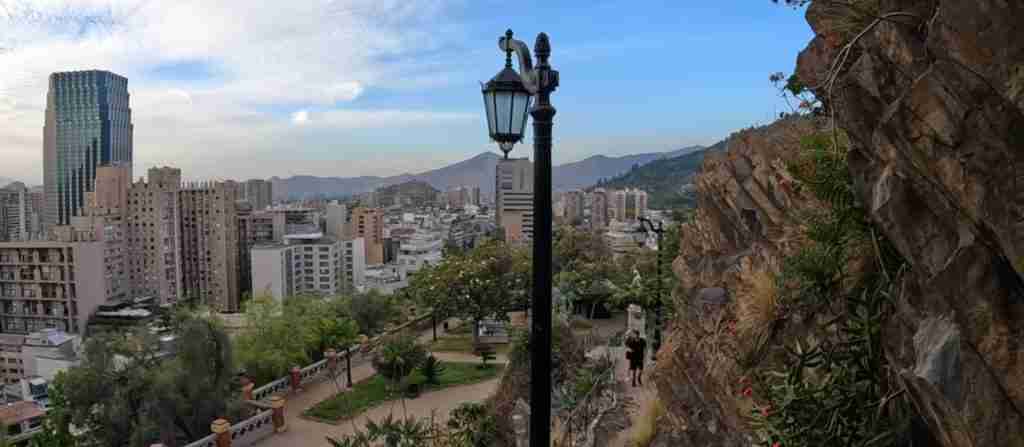
Turn left (east) along La Alameda for the 15-minute walk to Cerro Santa Lucía, a smaller hill park often overlooked by visitors rushing to San Cristóbal. The hill rises from the city center, marking the spot where Pedro de Valdivia surveyed the valley before founding Santiago. Santa Lucía offers excellent city views with far less effort than San Cristóbal—ideal for those with mobility concerns or time constraints.
Cerro Santa Lucía entry is free. Winding staircases and paths ascend through manicured gardens past fountains, sculptures, and colonial-era fortifications. The Neptune Fountain near the base provides popular photo opportunities. Allow 30-45 minutes for a complete circuit to the summit viewpoint and return.
From Santa Lucía, the Lastarria neighborhood begins immediately eastward—note its location for your afternoon return. Continue to Baquedano metro station (Line 1/Line 5 junction) for transport to San Cristóbal Hill.
11:30 AM – San Cristóbal Hill 2026
Metro Line 1 from Baquedano to Pedro de Valdivia station costs $1.10 and takes 4 minutes. Exit and walk north on Pedro de Valdivia avenue 10 minutes to reach the funicular station in Bellavista neighborhood. Alternatively, take Line 5 to Baquedano and Line 1 towards San Pablo, exiting at Los Leones for slightly longer walk.
San Cristóbal Hill (Cerro San Cristóbal) rises 880 meters above sea level, providing the definitive Santiago viewpoint. The 300-meter elevation gain above city level reveals the full metropolitan panorama backed by Andean peaks. Clear days present snowcapped mountains stretching north and south; even hazy conditions offer impressive urban vistas.
Funicular access costs $3.50 one-way or $5.50 round-trip in 2026 (verify current rates at santiagocerrosancristobal.cl as pricing may vary). The historic cable railway operates since 1925, ascending through native forest to the summit station near the Virgin Mary statue. Round-trip tickets allow different return times—ride up, explore the summit, then descend when ready.
Alternative ascent options include the Teleférico cable car from Pedro de Valdivia station ($7 round-trip) offering aerial views, or walking/hiking trails taking 45-60 minutes. The funicular provides the best balance of effort and experience for single-day visitors.
Summit exploration includes the 22-meter Virgin Mary statue visible throughout the city, Japanese Garden, swimming pools (summer only), and multiple viewpoint terraces. The Tupahue sector contains additional attractions reached by connecting cable car. For single-day visitors, the main summit area provides sufficient content without Tupahue extension.
Lunch Options in Santiago 2026
Summit Lunch Option 2026
San Cristóbal summit offers several dining choices. The Camino Real restaurant serves Chilean cuisine with terrace seating overlooking the city—expect $15-25 per person for main courses. Quality matches the views without reaching gourmet heights. The adjacent café provides sandwiches, coffee, and snacks at $5-10 for lighter options.
Pack a picnic for budget savings and flexible timing. Purchase empanadas ($3-5 each), fresh fruit, and drinks from Providencia bakeries before ascending. Designated picnic areas with benches and trash receptacles accommodate packed lunches throughout the park. The shaded Japanese Garden area provides pleasant picnic atmosphere.
Bellavista Neighborhood Lunch 2026
Descending San Cristóbal via funicular delivers you to Bellavista, Santiago’s bohemian quarter. The neighborhood offers diverse lunch options from casual to upscale. Patio Bellavista complex contains numerous restaurants with outdoor seating in a converted courtyard setting—browse menus and choose based on preferences and crowds.
Budget options include: Empanadas from street vendors ($2-4), completo hot dogs from corner stands ($3-5), and set lunch menus (almuerzo) at local restaurants ($8-12 for soup, main course, drink). Mid-range recommendations include Galindo for traditional Chilean cuisine ($15-25 per person) or Como Agua Para Chocolate for creative Latin fusion ($20-30).
Lunch timing recommendation: Arrive before 1:00 PM or after 2:30 PM to avoid peak Chilean lunch hour when restaurants fill with local workers. The 1:00-2:30 PM window sees longest waits and limited seating.
Mercado Central Seafood Lunch 2026
Seafood enthusiasts should consider Mercado Central for lunch, though this requires itinerary modification. Located near Cal y Canto metro station (Line 2/Line 3), the ornate 19th-century market hall houses some of Chile’s finest casual seafood restaurants. The iron structure designed by Gustave Eiffel company creates dramatic architectural backdrop for dining.
Central market restaurants serve fresh ceviche, sea bass (congrio), razor clams (machas), and Chilean specialties unavailable elsewhere. Expect $15-30 per person for substantial seafood meals. The market operates daily 6:00 AM – 4:00 PM for restaurants, making it better suited for late lunch. Dinner requires traveling to alternative seafood locations.
If selecting Mercado Central for lunch, adjust the afternoon itinerary to begin at Bellavista and La Chascona instead, reversing the planned sequence.
Detailed Afternoon Itinerary 2026
1:30 PM – Bellavista Exploration 2026
Post-lunch hours in Bellavista reveal the neighborhood’s artistic character. Street art covers building walls throughout the district—wander Calle Pío Nono and Calle Constitución to discover colorful murals, political commentary, and artistic expression. The neighborhood serves as Santiago’s center for nightlife and alternative culture, quieter during daytime but showcasing artistic heritage.
La Chascona, Pablo Neruda’s Santiago residence, occupies a hillside position on Fernando Márquez de la Plata street. The poet Nobel laureate built this quirky house for his third wife Matilde Urrutia, naming it “The Messy-Haired Woman” for her unruly locks. The ship-inspired architecture, nautical artifacts, and personal collections reveal Neruda’s eccentric brilliance.
La Chascona admission costs $8 for adults including audio guide in 2026 (check fundacionneruda.org for current rates). Tours take approximately 45 minutes, wandering through intimate rooms preserved as Neruda left them. The house provides essential context for understanding Chilean culture and the poet’s continuing national significance. Book online 1-2 days ahead during peak season; off-peak periods allow walk-in visits.
For visitors without strong Neruda interest, Bellavista exploration alone consumes 30-45 minutes enjoyably. Use saved time for extended museum visits or additional neighborhood wandering later in the afternoon.
2:30 PM – Crossing to Lastarria 2026
Cross the Mapocho River via Puente Pío Nono bridge into Providencia district, then continue south to Lastarria neighborhood. The 15-minute walk transitions from bohemian Bellavista through middle-class Providencia to trendy Lastarria—each neighborhood presenting distinct architectural character and social atmosphere.
Lastarria (also spelled Barrio Lastarria or Lastarria Quarter) centers on José Victorino Lastarria street, a pedestrianized stretch of cafés, boutiques, bookshops, and galleries. The neighborhood emerged from sleepy residential area to fashionable destination over recent decades, attracting artists, intellectuals, and tourists without losing neighborhood authenticity.
Afternoon exploration covers antique shops, vintage clothing stores, artisanal craft galleries, and independent bookshops. Street vendors sell handmade jewelry, leather goods, and crafts at weekend markets. Coffee culture thrives here—numerous cafés serve excellent espresso, pour-over, and Chilean specialty drinks at $3-6 per beverage.
3:30 PM – Museum Selection 2026
Lastarria vicinity contains two significant museums warranting attention based on visitor interests. Time permits one thorough visit or brief overview of both during a single-day itinerary.
Museo Nacional de Bellas Artes (National Museum of Fine Arts) occupies a Beaux-Arts palace in Parque Forestal. The collection spans Chilean art from colonial period through contemporary works, with European painting and sculpture complementing national holdings. The building itself merits visit for its architecture and central glass dome. Admission is free. Allow 60-90 minutes for comprehensive viewing or 30-45 minutes for highlights.
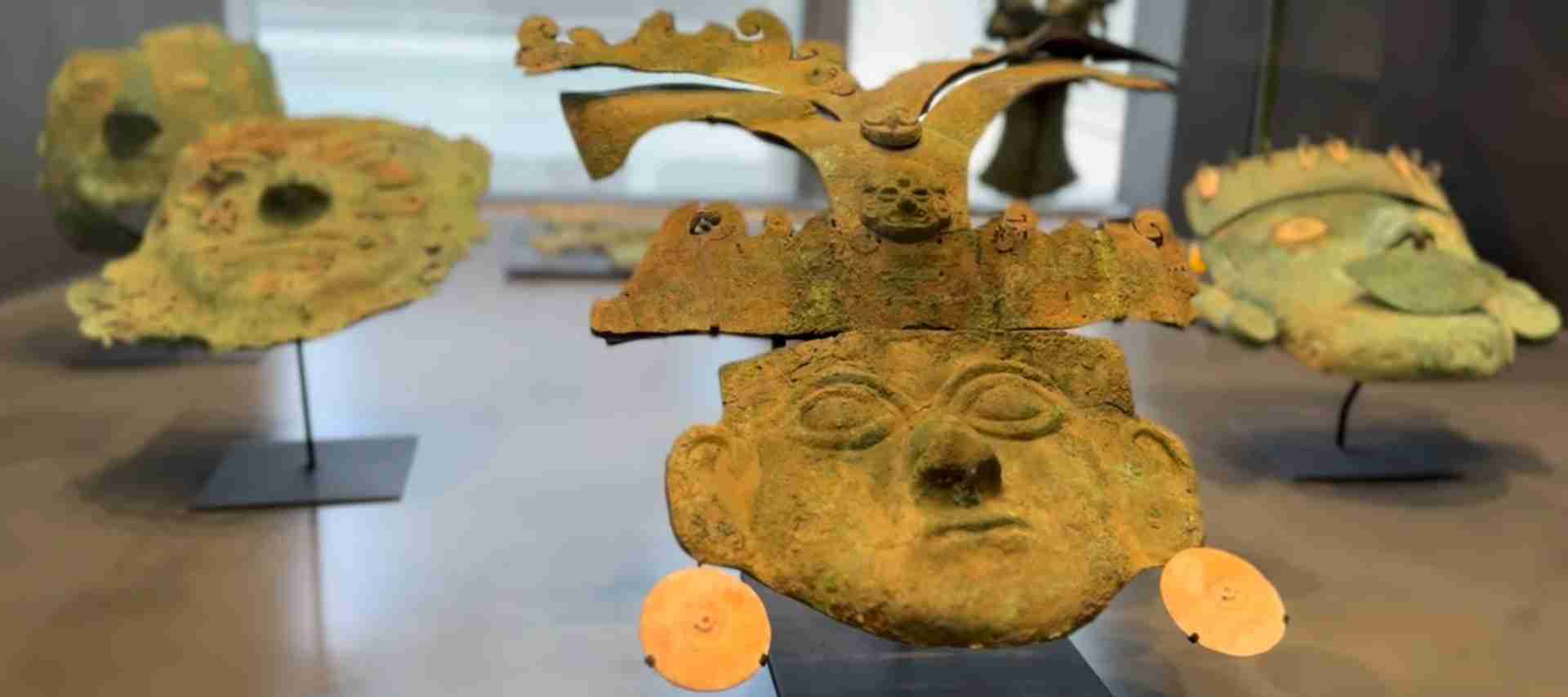
Museo Chileno de Arte Precolombino (Chilean Museum of Pre-Columbian Art) houses one of Latin America’s finest collections of indigenous artifacts. Located at Bandera 361 near Plaza de Armas, the museum showcases textiles, ceramics, gold work, and stone sculptures from throughout the Americas. Particular strengths include Andean weaving, Mesoamerican ceramics, and the museum’s signature Chemamüll—Mapuche funerary statues. Admission costs $8 for adults (verify at precolombino.cl for 2026 rates). Allow 90-120 minutes for full appreciation.
Art enthusiasts and history buffs should prioritize the Pre-Columbian Museum despite admission cost—the collection quality exceeds most regional museums. Casual visitors find the free Fine Arts Museum provides pleasant cultural exposure without financial commitment.
5:00 PM – La Vega Central Market 2026
Conclude afternoon sightseeing at La Vega Central, Santiago’s massive working-class market. Located across the Mapocho River from Mercado Central (not to be confused), La Vega serves ordinary Santiaguinos rather than tourists—the authenticity creates more compelling atmosphere than its tourist-oriented counterpart.
Metro access to La Vega: Take Line 1 to Cal y Canto or Line 2/3 to the same station. Cross the pedestrian bridge over the Mapocho to the market entrance. The market sprawls across multiple buildings housing produce vendors, butchers, cheese shops, spice merchants, and prepared food stalls.
Late afternoon proves ideal for La Vega visits. Morning rush hour creates chaotic crowding; afternoon hours show the market winding down with vendors arranging remaining inventory and calling out discounted prices. Photography opportunities abound among colorful produce displays and weathered market architecture.
Budget dinner options at La Vega cost $5-10 for generous portions of Chilean home cooking. Market stalls serve cazuela (hearty soup), pastel de choclo (corn pie), and various meat dishes. Seating at communal tables creates convivial atmosphere with local workers and families. Adventurous eaters find unusual offerings including liver, tongue, and organ preparations.
La Vega market hours run 6:00 AM to 6:00 PM daily. Arrive by 5:00 PM to allow adequate exploration before vendor closing. The adjacent Vega Chica section contains more prepared food options for those preferring sit-down dining.
Evening Options in Santiago 2026
Sunset Dining Recommendations 2026
Energy levels after a full walking day determine evening ambition. Several options suit different stamina levels and interests:
Lastarria Restaurant Row: Return to Lastarria for dinner among Santiago’s most concentrated dining options. Restaurants line the pedestrian street and surrounding blocks, ranging from casual café fare ($15-25) to contemporary Chilean cuisine ($30-50). Bocanariz wine bar offers exceptional Chilean wine selection by the glass—ideal for pre-dinner drinks or light tapas dinner.
Traditional Chilean Experience: Seek out classic Chilean cuisine at restaurants serving cazuela, pastel de choclo, curanto, and empanadas. Liguria in Providencia operates multiple locations with authentic atmosphere and traditional preparations ($20-35 per person). The original location on Avenida Providencia features brass-topped tables and decades of history.
Mercado Central Seafood: If skipped for lunch, dinner at Mercado Central provides memorable seafood experience. The market restaurants close early (4:00 PM typically), but nearby Donde Augusto remains open for dinner with similar quality at slightly higher prices. Expect $25-40 for seafood dinners.
Budget Dinner: If La Vega market served as late afternoon snack rather than dinner, return to hotel neighborhood for economical options. Most Santiago neighborhoods contain sandwich shops (sanguches), pizza places, and casual restaurants serving adequate dinners for $10-15.
Rooftop Drinks with Views 2026
Clear evenings reward visitors with rooftop bar experiences. Several hotels and restaurants offer terrace seating with Andean mountain views or city panoramas.
W Santiago’s rooftop bar (Isidora Goyenechea 3000 in Las Condes) provides stunning mountain views at premium prices—cocktails $15-20 but atmosphere justifies splurge for special occasions. Noi Vitacura hotel’s rooftop offers similar quality with slightly fewer crowds. Both require taxi/Uber transportation from central neighborhoods ($8-15 depending on origin).
Budget-friendly options include rooftop terraces at mid-range hotels in Providencia and Lastarria. Quality varies but prices run $8-12 per cocktail with acceptable views. Ask hotel concierges for current recommendations as venues open and close frequently.
Early Night and Rest 2026
Practical travelers acknowledge physical limits after full-day itineraries. Santiago’s highlights don’t require nightlife participation—retiring early for flights, onward travel, or next-day activities represents sensible choice. The itinerary above covers substantial ground requiring 15,000-20,000 steps; tired visitors earned their rest.
If staying multiple nights, Santiago’s nightlife concentrates in Bellavista, Lastarria, and Ñuñoa neighborhoods. Thursday through Saturday nights see peak activity after 11:00 PM through early morning hours. Single-day visitors typically lack energy and time for meaningful nightlife participation.
Transportation Guide for Santiago 2026
Metro System Guide 2026
Santiago’s metro system provides efficient, economical transportation throughout the city. Seven lines cover major tourist areas with clean, modern stations and frequent service. Single rides cost $1.10 during off-peak hours, rising to $1.50 during rush hours (7:00-9:00 AM and 6:00-8:00 PM weekdays) in 2026.
Purchase a “Bip!” contactless card at any metro station kiosk for $1.50 plus desired credit. The card enables seamless entry/exit and works on metro, buses, and some taxis. Reload at stations or network convenience stores. The card provides slight discounts versus cash payment and eliminates ticket purchase queues.
Key metro stations for this itinerary: Plaza de Armas (Line 5), Universidad de Chile (Line 1), Santa Lucía (Line 1), Baquedano (Line 1/Line 5), Pedro de Valdivia (Line 1), Cal y Canto (Line 2/Line 3). Metro operates 6:00 AM to 11:00 PM weekdays, with reduced Sunday/holiday service. Check exact schedules at metro.cl for 2026 updates.
Walking Distances in Santiago 2026
The itinerary combines metro rides with substantial walking segments. Estimated walking distances:
Plaza de Armas to La Moneda: 1.2 km (15-20 minutes). La Moneda to Santa Lucía: 1.5 km (20 minutes). Santa Lucía to Baquedano metro: 0.8 km (10 minutes). Bellavista to Lastarria: 1.2 km (15-20 minutes). Lastarria to Fine Arts Museum: 0.5 km (8 minutes). Various exploration walking: 2-3 km.
Total walking distance: approximately 10-12 kilometers (6-7 miles) plus museum and market wandering. Comfortable walking shoes prove essential—the Santiago pavement and San Cristóbal trails punish inappropriate footwear. Pack blister supplies for those prone to walking injuries.
Taxi and Ride-Share Options 2026
Uber and local competitor Cabify operate throughout Santiago, providing reliable transportation at reasonable prices. Typical rides within the central zone cost $4-8; longer distances to Las Condes or Vitacura reach $10-15. Payment through app eliminates cash handling and provides fare transparency.
Traditional taxis cruise major streets and wait at designated stands. Legitimate taxis display illuminated roof signs and meters—insist on meter use and verify it activates when departing. Taxi prices roughly match ride-share rates but require cash payment in Chilean pesos. Avoid negotiating fixed fares, which typically exceed metered costs.
For airport transportation (30-40 minutes to Arturo Merino Benítez International Airport), Uber/Cabify costs $25-35 depending on traffic. Official airport taxis cost $30-40 with fixed rates posted in arrival halls. Transfer services booked through hotels run $35-50 but guarantee availability and meet-and-greet service.
Budget Breakdown for Santiago 2026
Budget Traveler Day Costs 2026
Economical approach to the Santiago one-day itinerary:
Metro transportation (4 rides): $5. San Cristóbal funicular round-trip: $5.50. Breakfast (café/bakery): $5-8. Lunch (empanadas/market food): $8-10. Dinner (La Vega/casual): $8-12. Snacks/water: $5-8. Optional museum (Pre-Columbian): $8.
Total day cost: $45-58 per person (excluding accommodation). Budget approach skips La Chascona ($8), relies on free museums, and eats at markets/casual eateries. The experience remains rich through walking exploration and free attractions.
Mid-Range Traveler Day Costs 2026
Comfortable experience without luxury splurges:
Metro and occasional taxi: $15-20. San Cristóbal funicular: $5.50. Breakfast (hotel or café): $10-15. Lunch (Bellavista restaurant): $20-30. Dinner (Lastarria): $30-40. Coffee/drinks: $10-15. La Chascona admission: $8. Museum (Pre-Columbian): $8.
Total day cost: $107-142 per person (excluding accommodation). Mid-range approach includes all suggested attractions, quality restaurant meals, and minor taxi convenience without premium experiences.
Premium Traveler Day Costs 2026
Enhanced experience with quality prioritized:
Private transportation/Uber premium: $50-80. San Cristóbal cable car + funicular combo: $12. Breakfast (upscale café): $20-25. Lunch (fine dining): $50-70. Dinner (W Hotel rooftop + dinner): $80-120. All admissions: $20. Private guide (half-day): $150-200.
Total day cost: $380-530 per person (excluding accommodation). Premium approach maximizes convenience and experience quality for travelers prioritizing efficiency over economy. Private guides eliminate navigation stress and provide insider access.
Practical Tips for Santiago 2026
What to Wear in Santiago 2026
Santiago’s high-altitude continental climate creates variable conditions requiring layered clothing. Summer (December-February) temperatures reach 30-35°C requiring light, breathable fabrics, sun protection, and hydration supplies. Winter (June-August) sees 5-15°C temperatures necessitating warm layers, especially morning and evening. Spring and autumn (the recommended seasons) allow comfortable light layers—bring a jacket for morning chill and evening coolness.
Footwear choice significantly impacts itinerary enjoyment. Walking-friendly shoes with good support handle the 10+ kilometers comfortably. San Cristóbal trails include uneven surfaces and slopes unsuitable for sandals or dress shoes. Break in new shoes before travel to avoid blisters ruining the day.
Santiago maintains conservative dress standards despite modern attitudes. Avoid extremely casual attire (athletic shorts, flip-flops, tank tops) when visiting churches or upscale restaurants. Smart casual works everywhere—comfortable pants/skirt, closed shoes, and neat tops gain entry to all locations on the itinerary.
Money and Payments in Santiago 2026
Chilean pesos (CLP) serve as primary currency, with current exchange rates around 850-950 pesos per US dollar. Exchange money at airport cambio offices (reasonable rates despite tourist location) or banks/exchange houses downtown. Avoid hotel exchanges charging significant premiums.
Credit cards gain acceptance at restaurants, hotels, larger shops, and attractions. Visa and Mastercard work widely; American Express finds more limited acceptance. Small purchases, market transactions, and informal vendors require cash—carry 30,000-50,000 pesos ($35-60) for daily spending.
ATMs (Cajeros Automáticos) dispense Chilean pesos throughout the city. Banco de Chile, Santander, and BCI ATMs accept international cards. Notify your bank of Chile travel to prevent fraud blocks. Withdrawal fees vary by home bank—check policies before travel.
Safety and Health Tips for Santiago 2026
Santiago’s tap water is safe to drink throughout the city. Fill reusable bottles from hotel taps or public fountains. The high mineral content tastes different from home water supplies but poses no health risks.
Air quality varies seasonally. Winter months (June-August) see temperature inversions trapping pollution in the valley, creating visible smog and potential respiratory irritation. Sensitive travelers may notice throat irritation or eye discomfort. Summer generally maintains cleaner air, though vehicle emissions affect central areas year-round.
Altitude affects some visitors despite Santiago’s modest 520-meter elevation. The rapid ascent to San Cristóbal’s 880-meter summit may cause mild shortness of breath in unacclimated travelers. Climb slowly, rest at viewpoints, and hydrate continuously. Those with cardiac or respiratory conditions should assess capability before attempting the funicular and summit exploration.
Petty crime precautions include: maintaining awareness in crowded areas, using cross-body bags facing inward, avoiding phone use while walking busy streets, and keeping valuable documents in hotel safes. Report theft to police (Carabineros) for insurance documentation; stations exist throughout central Santiago. Emergency number 133 reaches police assistance.
Alternative Itinerary Modifications 2026
Art and Culture Focus Itinerary 2026
Visitors prioritizing museums and cultural institutions can modify the standard itinerary:
Morning: Begin at Plaza de Armas, visit National History Museum (free), explore cathedral and civic center. Skip La Moneda ceremony for early arrival at Pre-Columbian Art Museum (opens 10:00 AM). Allow 2+ hours for thorough collection appreciation.
Midday: Lunch in Lastarria, followed by National Museum of Fine Arts. The combined museum emphasis provides deep cultural immersion unavailable in the standard itinerary’s time constraints.
Afternoon: La Chascona (Pablo Neruda house) with extended visit. Continue to Bellavista galleries and street art. Skip San Cristóbal or reduce to brief funicular ride without extensive summit exploration.
This modification reduces viewpoint time and market visits in favor of indoor cultural content—suitable for art enthusiasts, rainy days, or extreme heat avoiding afternoon sun exposure.
Local Life Focus Itinerary 2026
Travelers seeking authentic local experiences over tourist landmarks can modify substantially:
Morning: Early arrival at La Vega Central market (6:30-7:00 AM) when vendors setup and local shoppers arrive. Breakfast empanadas and coffee at market stalls. Explore Mercado Central architecture and observe fishing supply transactions.
Midday: Walk through Patronato neighborhood (Recoleta metro area) experiencing Korean, Chinese, and Middle Eastern immigrant communities. Lunch at ethnic restaurants unavailable in tourist zones. Continue to Cementerio General for remarkable above-ground mausoleums and political history.
Afternoon: Explore working-class Barrio Brasil with its faded mansions and emerging café culture. Evening in Ñuñoa neighborhood (metro line 4) among Chilean families and students rather than tourist-oriented Bellavista.
This modification abandons viewpoints and major landmarks for neighborhood authenticity—best suited for return visitors or travelers with extensive South American experience seeking beyond-guidebook experiences.
Short Layover Itinerary 2026
Travelers with 4-6 hour layovers can still experience Santiago highlights:
Airport to city center: 35-45 minutes via Uber/taxi ($30-35) or 45-60 minutes via airport bus ($3) connecting to metro. Allow 2 hours round-trip for transportation.
Four-hour window: Choose between Plaza de Armas/La Moneda circuit (2 hours walking) OR San Cristóbal funicular experience (1.5 hours including transit). Add quick lunch in Lastarria (45 minutes) for either option.
Six-hour window: Combine both options with efficient taxi transfers between sites. Plaza de Armas (1 hour) → taxi to funicular ($8) → San Cristóbal (1 hour) → walk to Lastarria (30 minutes) → lunch and exploration (1.5 hours) → taxi to airport.
Layover caution: Santiago traffic delays increase significantly during rush hours (7:00-9:00 AM, 6:00-8:00 PM). Conservative timing ensures airport arrival 2+ hours before international departures. Luggage storage costs $10-15 per bag at airport or central bus terminals.
FAQ: Santiago in One Day 2026
What time should I start sightseeing in Santiago?
Begin at 8:00 AM to maximize daylight hours and complete morning sites before midday heat. The Plaza de Armas awakes by 8:00 AM with cafés opening and street activity beginning. Earlier starts provide limited benefit as most attractions open 9:00-10:00 AM. Later starts compress the itinerary, potentially eliminating afternoon activities.
Is the San Cristóbal funicular worth it?
The funicular provides essential Santiago viewpoint access worth the $5.50 cost. The panoramic vista of city grid backed by Andean peaks creates defining Santiago memories. Physical effort alternatives (hiking 45-60 minutes) save money but consume time and energy needed for afternoon exploration. Only skip San Cristóbal if physical limitations prevent funicular access or extremely limited time mandates prioritization.
Should I hire a guide for one day in Santiago?
Private guides enhance single-day visits through efficient routing, historical context, and insider recommendations. Half-day guides cost $100-150; full-day runs $180-250 including vehicle. Travelers with strong budget constraints, independent travel preference, or previous South American experience navigate confidently without guides. First-time visitors, history enthusiasts, or those valuing curated experiences benefit significantly from professional guidance.
What food should I try in Santiago?
Essential Chilean dishes include: empanadas (savory pastries with meat, cheese, or seafood filling), cazuela (hearty meat and vegetable soup), pastel de choclo (corn-based casserole with meat), completo (Chilean hot dog with avocado and mayonnaise), and chorrillana (fries topped with meat and eggs). Seafood specialties include ceviche, congrio (Chilean sea bass), and machas (razor clams). Finish meals with mote con huesillos (wheat berry and peach drink) or manjar (dulce de leche) desserts.
Are credit cards widely accepted?
Major credit cards (Visa, Mastercard) work at restaurants, hotels, large shops, and formal attractions. Markets, small vendors, metro tickets, and informal establishments require cash. Carry 30,000-50,000 Chilean pesos ($35-60) for cash transactions. Notify your bank of Chile travel before departure to prevent fraud blocks on card usage.
How safe is walking in Santiago?
Daytime walking through tourist areas and recommended neighborhoods maintains excellent safety. Standard precautions apply: maintain awareness, secure valuables, avoid displaying expensive electronics. Evening hours in central neighborhoods remain safe along main streets with active commercial activity. Avoid poorly-lit side streets, empty parks after dark, and obviously intoxicated individuals. The police (Carabineros) maintain visible presence throughout tourist zones.
What’s the best view of the Andes in Santiago?
San Cristóbal Hill summit provides the definitive Andean panorama, with snowcapped peaks stretching across the eastern horizon on clear days. Morning hours before afternoon haze offer optimal visibility. Alternative viewpoints include Cerro Santa Lucía (central location, lower elevation), Sky Costanera observation deck (tallest building in South America, $22 admission), and various rooftop bars in Las Condes district.
Can I walk from the airport to the city?
Walking from Arturo Merino Benítez International Airport to central Santiago is impossible—the 17-kilometer distance through industrial and highway zones takes 4+ hours with no pedestrian infrastructure. Transportation options include airport buses ($3-5, connecting to metro), Uber/taxi ($25-35), hotel shuttles ($35-50), and rental cars. Minimum transit time runs 35-60 minutes depending on traffic conditions.
Is one day enough for Chilean food and wine?
One day provides sampling opportunity rather than comprehensive exploration. The itinerary includes market visits and restaurant meals showcasing Chilean cuisine basics. Wine enthusiasts should dedicate a separate day to Maipo or Casablanca Valley wine tours—attempting meaningful wine tasting alongside the city sightseeing itinerary proves too rushed for either experience. Travelers prioritizing wine can modify this itinerary to a half-day Santiago orientation before afternoon/evening wine touring.
What if it rains during my one day in Santiago?
Rainy days (most common June-August) require itinerary modification emphasizing indoor attractions. Prioritize Pre-Columbian Museum (2+ hours), Fine Arts Museum (1-1.5 hours), and La Chascona (1 hour) for protected cultural immersion. Mercado Central lunch provides atmospheric indoor dining. Skip San Cristóbal (fog obscures views) and reduce walking time between sites using metro and taxi. Santiago rarely experiences continuous rain—afternoon clearing often enables brief outdoor exploration.