
Chichen Itza Travel Tips 2026: Essential Planning & Practical Advice
Key Takeaways
- Arrive at opening time (8 AM) to experience the site with minimal crowds and optimal lighting conditions before heat intensifies
- Book entrance tickets online in advance through official channels to save time and avoid long queues at ticket counters in 2026
- Plan 3-4 hours minimum for comprehensive site exploration including El Castillo, Great Ball Court, Temple of Warriors, and Sacred Cenote
- Visit October-April for the best weather conditions with lower humidity and minimal rainfall during peak archaeological season 2026
- Budget $100-150 per person for a complete day trip from Cancun including entrance, transportation, meals, and guide services in 2026
- Bring sun protection essentials including wide-brimmed hat, high-SPF sunscreen, sunglasses, and 2-3 liters of water per person
Planning Your Chichen Itza Visit in 2026
Chichen Itza stands as one of Mexico’s most magnificent archaeological treasures and the most visited Maya site in the world. This UNESCO World Heritage Site welcomes over 2.6 million visitors annually, making strategic planning essential for an optimal 2026 experience. The ancient city showcases remarkable astronomical precision, architectural innovation, and cultural significance spanning over 1,000 years of Maya civilization.
Successful visits to Chichen Itza in 2026 require careful attention to timing, logistics, and preparation strategies. The Yucatan Peninsula’s tropical climate creates distinct visiting conditions throughout the year, with temperature and humidity levels significantly impacting comfort and photography opportunities. Understanding these patterns allows you to maximize your archaeological exploration while minimizing common challenges faced by unprepared visitors.
This comprehensive guide provides essential travel tips developed through extensive site analysis and visitor feedback patterns. You’ll discover proven strategies for beating crowds, optimizing your budget, navigating transportation options, and ensuring a memorable experience at one of the New Seven Wonders of the World. Whether planning a day trip from Cancun or an extended Yucatan exploration, these practical insights will enhance every aspect of your 2026 Chichen Itza adventure.
The archaeological zone spans 740 acres with dozens of restored structures, ceremonial platforms, and sacred spaces. Strategic planning ensures you experience the site’s highlights while maintaining energy levels throughout your visit. From entrance strategies to photography tips, accommodation recommendations to dining options, this guide covers every practical aspect of visiting Chichen Itza in 2026.
People Also Ask About Chichen Itza Travel 2026
What are the best times to visit Chichen Itza in 2026?
The optimal visiting window for Chichen Itza in 2026 runs from October through April, coinciding with the dry season when rainfall averages less than 50mm monthly and temperatures range 22-28°C (72-82°F). Within this period, November-February offers the most comfortable conditions with lower humidity levels and pleasant morning temperatures ideal for archaeological exploration.
Daily timing proves equally critical to site enjoyment. Arrive at the 8 AM opening to experience the monuments with minimal crowds and optimal morning light. The period from 8-10 AM provides the best photography conditions with soft directional lighting and fewer tourists in frame. Tour groups arrive between 10 AM and 2 PM, creating peak congestion that can significantly impact your experience and photograph quality.
Special event dates in 2026 include the spring equinox (March 20-21) and autumn equinox (September 22-23), when the serpent shadow phenomenon appears on El Castillo’s staircase. These dates attract enormous crowds with advance ticket requirements, but offer unique cultural experiences if you plan accordingly. Regular visiting days provide more relaxed exploration opportunities with better access to all structures and monuments throughout the archaeological zone.
How much should I budget for a Chichen Itza day trip in 2026?
A comprehensive Chichen Itza day trip from Cancun or Playa del Carmen costs $100-150 per person in 2026, covering entrance fees, transportation, meals, and essential services. Independent travelers visiting from nearby Valladolid can reduce costs to $60-80 per person by eliminating long-distance transportation expenses and utilizing local bus services.
The entrance fee structure for 2026 includes two separate charges: the federal archaeological site fee of 533 pesos ($27-31 USD) and the Yucatan state fee of 90 pesos ($5 USD), totaling approximately $32-36 per adult. Check the official INAH website for current rates as pricing may vary. Children under 13 enter free on Sundays when accompanied by adults, while students with valid international credentials receive discounted rates throughout the week.
Additional costs include round-trip transportation from Cancun $25-40 (shared shuttle) or $180-220 (private transfer), lunch $12-20, bottled water and snacks $8-12, guide services $25-35 per person, and optional cenote swimming $5-8. Organized tours ranging $65-95 include transportation, entrance fees, and guide services but often involve time constraints and mandatory souvenir shopping stops that reduce actual site exploration time.
Do I need a guide for Chichen Itza in 2026?
Professional guides significantly enhance the Chichen Itza experience by explaining astronomical alignments, architectural symbolism, historical context, and Maya cosmology not apparent through self-guided exploration. Official guides licensed by INAH (Instituto Nacional de Antropología e Historia) demonstrate extensive knowledge and provide insights unavailable through signage or audio tours.
Guide services cost $25-35 per person for small group tours (8-12 people) or $80-120 for private tours accommodating up to 6 visitors. Tours last 1.5-2 hours covering major structures including El Castillo, Temple of Warriors, Great Ball Court, Sacred Cenote, and Group of a Thousand Columns. Guides explain the serpent shadow phenomenon, demonstrate acoustic properties of the ball court, and share historical narratives about Maya civilization, Spanish conquest, and modern archaeological discoveries.
Independent exploration remains viable for visitors preferring self-paced discovery and extended photography opportunities. Quality guidebooks, mobile apps, and online resources provide substantial historical context and architectural explanations. The site features informational plaques in Spanish and English at major structures, though content remains limited compared to guided tour depth. Many visitors combine a guided introduction tour with subsequent independent exploration to maximize both knowledge acquisition and personal discovery time.
What should I bring to Chichen Itza in 2026?
Essential items for Chichen Itza visits include sun protection gear, hydration supplies, comfortable walking equipment, and practical accessories optimized for tropical archaeological exploration. The Yucatan climate features intense solar radiation, high humidity, and limited shade throughout the archaeological zone, requiring comprehensive preparation for 3-4 hour visits.
Sun protection essentials include a wide-brimmed hat providing neck and face coverage, reef-safe sunscreen with minimum SPF 50 (reef-safe formulations protect nearby cenote ecosystems), polarized sunglasses with UV400 protection, and lightweight long-sleeve shirts in moisture-wicking fabrics. Reapply sunscreen every 90 minutes as tropical sun intensity causes rapid protection degradation even with high-SPF formulations.
Hydration and comfort items include 2-3 liters of water per person (available for purchase on-site at $2-3 per liter but significantly cheaper purchased beforehand), electrolyte supplements or sports drinks, healthy snacks (nuts, fruit, energy bars), comfortable broken-in walking shoes with ankle support, a small backpack for hands-free carrying, cash in small denominations for vendors and tips, insect repellent for mosquito protection, and a portable phone charger for extended photography sessions. Rain gear proves essential May-September when afternoon thunderstorms develop with little warning.
Extended multi-day tours – 5+ days
Featured Chichen Itza Multi-Day Tour Packages

3 days
Chichen Itza 3-Day Discovery Tour
- ✓ Comprehensive Chichen Itza experience
- ✓ Expert local guides included
- ✓ All accommodation included
- ✓ Transportation provided

5 days
Chichen Itza 5-Day Highlights Experience
- ✓ Comprehensive Chichen Itza experience
- ✓ Expert local guides included
- ✓ All accommodation included
- ✓ Transportation provided
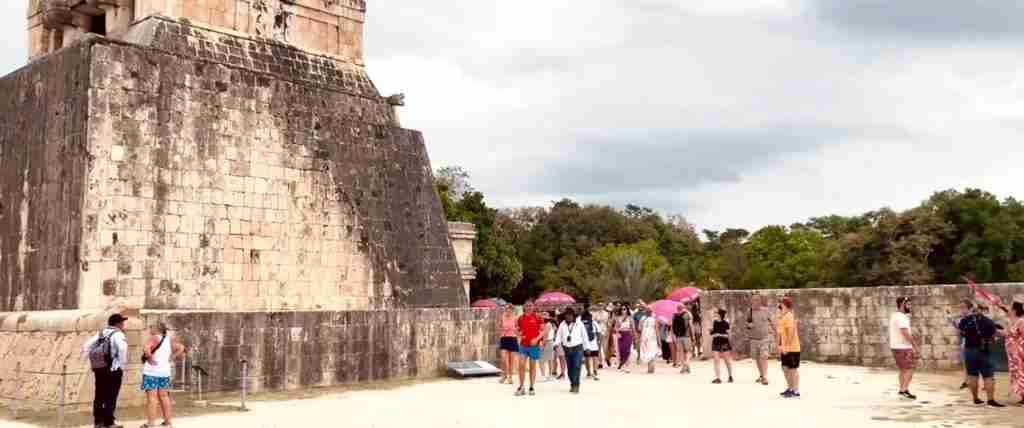
7 days
Chichen Itza 7-Day Cultural Journey
- ✓ Comprehensive Chichen Itza experience
- ✓ Expert local guides included
- ✓ All accommodation included
- ✓ Transportation provided
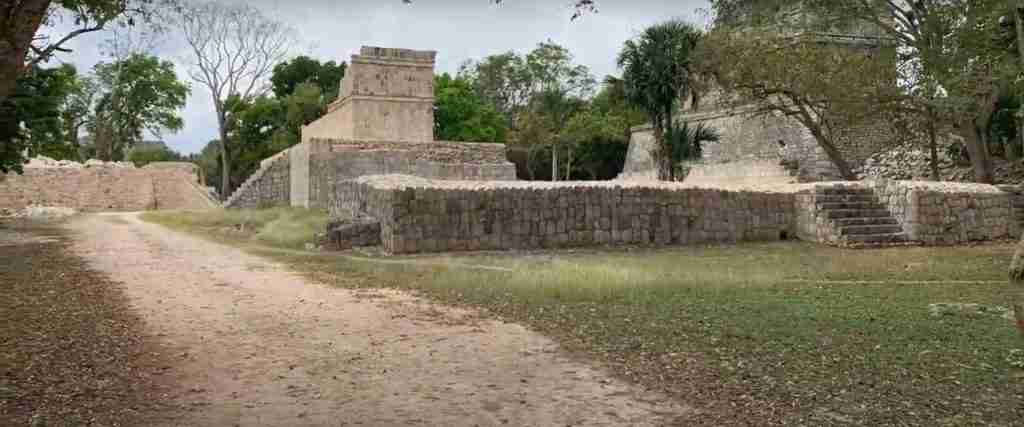
10 days
Chichen Itza 10-Day Complete Adventure
- ✓ Comprehensive Chichen Itza experience
- ✓ Expert local guides included
- ✓ All accommodation included
- ✓ Transportation provided
Multi-day tour packages powered by TourRadar. Prices and availability subject to change.
Essential Planning Information for 2026
Current Costs and Pricing Breakdown
Chichen Itza entrance fees in 2026 operate through a dual-charge system implemented by federal and state authorities. The federal INAH fee costs 533 pesos ($27-31 USD depending on exchange rates) while the Yucatan state fee adds 90 pesos ($5 USD), creating a total entrance cost of 623 pesos or approximately $32-36 per adult. Check the official INAH website (www.inah.gob.mx) for current rates as pricing may vary throughout the year.
Free admission days include Sundays for Mexican nationals and legal residents, plus national holidays including February 5 (Constitution Day), March 21 (Benito Juarez Birthday), September 16 (Independence Day), and November 20 (Revolution Day). International visitors pay standard rates on these dates but should anticipate significantly larger crowds and reduced parking availability during free admission periods.
Parking fees at the main visitor complex cost 80-100 pesos ($4-5) for standard vehicles and 150-200 pesos ($8-10) for larger vans and buses. Bicycle parking remains free but offers limited security monitoring. On-site services include locker rentals at 50 pesos ($2.50) for small lockers and 80 pesos ($4) for family-size lockers, restroom access included with entrance (free), and wheelchair rentals at 100 pesos ($5) deposit refunded upon return.
Guide services range $25-35 per person for group tours in English, Spanish, French, German, or Italian, with private tours costing $80-120 for groups up to 6 people. Audio guide rentals cost 125 pesos ($6-7) available in 8 languages but offer limited depth compared to live guide expertise. Photography permits for professional equipment (tripods, flash units, drone operations) require advance INAH authorization with fees ranging $50-150 depending on commercial usage intentions.
Transportation Options and Schedules
Reaching Chichen Itza from major tourism hubs requires understanding the Yucatan Peninsula’s transportation infrastructure and service patterns. The archaeological site sits 120 miles (195km) west of Cancun, 95 miles (155km) west of Playa del Carmen, and 75 miles (120km) east of Merida, creating multiple access routes with varying cost-benefit profiles for 2026 travelers.
From Cancun Airport (CUN), ADO bus services depart the terminal at 8:45 AM and 9:45 AM daily, arriving Chichen Itza between 12:30-1:30 PM after stopping in Playa del Carmen and Valladolid. Return buses depart Chichen Itza at 4:30 PM and 5:30 PM, reaching Cancun between 8:00-9:00 PM. Tickets cost 524 pesos ($26-28) one-way or 1,000 pesos ($50-53) round-trip, available through the ADO website (www.ado.com.mx) or terminal ticket counters.
Rental cars provide maximum flexibility for Chichen Itza day trips with 2.5-3 hour drive times from Cancun via Highway 180 (free route) or the 180D toll road (cuota). The toll road costs approximately 450 pesos ($23-25) in highway tolls but saves 30-40 minutes compared to the free route through multiple small towns. Rental rates range $35-55 daily for compact cars and $60-85 for SUVs accommodating families, plus insurance coverage at $15-25 daily for comprehensive protection.
Organized tours from Cancun and Playa del Carmen cost $65-95 per person including round-trip transportation, entrance fees, and guide services. Tours depart hotels between 7:00-8:00 AM and return 6:00-7:00 PM, with 2-2.5 hours allocated for site exploration. Premium tours ($95-145) add cenote swimming, buffet lunch, and Valladolid city tours but reduce actual Chichen Itza time to 1.5-2 hours due to multiple stops.
From Valladolid, colectivo vans depart the ADO terminal every 30-45 minutes from 6:00 AM through 5:00 PM, reaching Chichen Itza in 45 minutes for 35-40 pesos ($2-2.50) per person. This option works best for budget travelers staying in Valladolid’s affordable accommodations ($30-60 per night) and visiting Chichen Itza independently. Return colectivos run until 6:00 PM daily, with final departures coordinating with site closing times.
Timing Strategies for 2026 Visits
Seasonal Considerations for Optimal Experience
The Yucatan Peninsula experiences two distinct seasons affecting Chichen Itza visitation comfort and conditions. The dry season (November-April) offers ideal archaeological exploration weather with average temperatures 22-28°C (72-82°F), low humidity below 70%, and minimal rainfall averaging 30-50mm monthly. This period attracts peak tourist volumes with higher accommodation prices and advance booking requirements for quality lodging options near the site.
Within the dry season, December-January represents the coolest months with morning temperatures sometimes dropping to 18-20°C (64-68°F), requiring light jackets for early arrivals. These months coincide with North American winter holidays, creating maximum tourist congestion and premium pricing across transportation and accommodation sectors. February-April temperatures gradually increase to 28-32°C (82-90°F) by late April, but crowd levels decrease after Easter week, offering excellent value-comfort ratios for spring travelers.
The wet season (May-October) features afternoon thunderstorms, humidity levels exceeding 80%, and temperatures consistently above 30°C (86°F). July-August represent the hottest months with heat indices reaching 38-42°C (100-108°F) during midday hours. However, morning visits (8:00-11:00 AM) remain comfortable before afternoon heat peaks, and dramatically reduced tourist numbers create opportunities for relatively private experiences at major structures.
Rainy season advantages include 30-50% lower accommodation rates, minimal queues at entrance gates, better photography opportunities without crowds, and lush green landscapes enhancing the site’s natural beauty. Afternoon thunderstorms arrive predictably between 2:00-5:00 PM, allowing morning site exploration followed by afternoon cenote swimming or Valladolid cultural activities. Proper rain gear and flexible scheduling turn potential weather challenges into cost-saving opportunities for adaptable travelers.
Daily Visit Timing for Maximum Enjoyment
Chichen Itza opens at 8:00 AM and closes at 5:00 PM daily (last entry 4:00 PM) throughout 2026. Arriving at opening time provides transformative advantages including virtually empty monuments for 60-90 minutes, optimal lighting conditions for photography, cooler temperatures for comfortable exploration, and parking availability near the main entrance. The dedicated early arrivals average 50-100 visitors compared to 3,000+ present by 11:00 AM during peak season.
The 8:00-10:00 AM window offers the best conditions for photographing El Castillo with soft directional sunlight creating dramatic shadows across the stepped pyramid. Morning light angles from the east illuminate the main staircase while leaving the western face in partial shade, creating dimensional depth impossible during harsh midday conditions. Early timing also allows extensive exploration of secondary structures including the Caracol observatory, Las Monjas complex, and Temple of the Jaguars before tour groups monopolize these spaces.
Tour bus arrivals peak between 10:00 AM and 2:00 PM when organized excursions from Cancun, Playa del Carmen, and cruise ships converge simultaneously. The Great Plaza becomes congested with thousands of visitors, making photography challenging and movement between structures slow. Heat intensifies significantly after 11:00 AM with minimal natural shade throughout the archaeological zone. Visitors arriving after 10:00 AM should prioritize covered structures (Temple of Warriors colonnade, Group of a Thousand Columns) during peak heat hours.
Late afternoon visits (after 3:00 PM) offer renewed photography opportunities as western light creates different perspectives on major structures. Tourist numbers decline dramatically after 2:30 PM as tour buses depart for return journeys. The 3:00-5:00 PM period provides peaceful exploration conditions though afternoon heat remains intense during dry season months. Evening light-and-sound shows operate seasonally (check official schedules) offering unique atmospheric experiences of the illuminated monuments with historical narration in Spanish and English.
Money-Saving Strategies for 2026
Budget Optimization Techniques
Independent travel to Chichen Itza from Valladolid rather than Cancun creates immediate savings of $40-60 per person daily through reduced transportation costs and more affordable accommodation options. Valladolid offers quality hostels at $15-25 per night (dormitory) or $40-60 for private rooms in colonial-style hotels, compared to $150-250 for equivalent Cancun beachfront properties. Colectivo vans from Valladolid cost $2-2.50 each way versus $25-40 for Cancun shuttles or $65-95 for organized tours.
Purchasing water and snacks from Valladolid supermarkets (Bodega Aurrera, Chedraui) before visiting Chichen Itza saves $8-12 per person compared to on-site vendor prices. A 1.5-liter water bottle costs 10-12 pesos ($0.50-0.60) in town versus 35-40 pesos ($2) at archaeological zone vendors. Packing a small cooler with fruits, sandwiches, and beverages eliminates the need for expensive on-site dining at the visitor complex restaurant where meals cost $15-25 per person.
Free Sunday admission for Mexican residents extends to anyone with temporary or permanent residency status in Mexico. Long-term travelers with FM2/FM3 documents save the $32-36 entrance fee, though Sunday visits involve significantly larger crowds. Alternatively, visiting on regular weekdays during low season (May-June, September-October) provides better value through reduced accommodation costs offsetting the entrance fee with superior site experiences.
Combining Chichen Itza with nearby free or low-cost attractions maximizes daily value. Valladolid cenotes (Cenote Zaci $3, Cenote Suytun $5) provide refreshing swimming opportunities, while the colonial city center offers free architectural exploration, affordable local restaurants ($5-8 for complete meals), and evening cultural events in the main plaza. Extending your visit to 2-3 days allows leisurely pacing without expensive rushed tours, creating deeper cultural immersion at lower total costs.
Advance Booking Benefits and Discounts
Online ticket purchases through the official INAH website (www.inah.gob.mx) or authorized resellers eliminate time wasted in entrance queues during peak season. While online booking doesn’t offer price discounts for standard admission, it saves 30-60 minutes of queue time worth significant value when arriving after 9:00 AM. Online tickets require printing or mobile display, with designated express lanes bypassing ticket counter congestion.
Accommodation booking 2-3 months in advance for dry season visits (December-April) secures better rates and property selection before premium hotels sell out. Early bookers access rates 20-30% below last-minute prices during peak periods. Conversely, wet season visits (May-October) benefit from last-minute bookings when hotels discount remaining inventory 30-50% through booking platforms competing for reduced tourist demand.
Transportation advance booking proves essential for ADO bus services during holidays and peak weekends when seats sell out 1-2 weeks ahead. Online booking through ado.com.mx costs the same as terminal purchases but guarantees preferred departure times and avoids sold-out disappointments. Rental car early booking secures lower daily rates ($35-45 vs $60-75 for last-minute rentals) and better vehicle selection, particularly important for larger groups requiring SUV or van capacity.
Student discounts require advance preparation of international student identity cards (ISIC) recognized by Mexican authorities. Discounts range 30-50% off standard entrance fees but require presentation of valid credentials at ticket counters. Teacher credentials from recognized educational institutions also qualify for reduced rates under INAH educational access programs. Seniors over 60 with appropriate identification receive discounted rates at many attractions though international senior cards receive inconsistent recognition.
Practical Logistics for 2026 Travelers
On-Site Facilities and Services
The Chichen Itza visitor complex renovated in 2022-2023 provides modern facilities including clean restrooms with running water, climate-controlled museum spaces, restaurants, gift shops, and information centers. Restrooms located at the entrance plaza and near the Sacred Cenote offer adequate facilities though queues develop during peak hours (10:00 AM – 2:00 PM). Bring personal toilet paper and hand sanitizer as supplies sometimes run low during busy periods.
The site museum (Museo de Sitio de Chichen Itza) included with entrance admission displays archaeological artifacts, historical context panels, and scale models explaining site development and astronomical significance. The museum provides air-conditioned refuge during midday heat with quality exhibits worth 30-45 minutes exploration time. Museum visits work best before site entry or during afternoon heat peaks when outdoor exploration becomes uncomfortable.
Food services at the visitor complex include a full-service restaurant offering buffet lunches $18-25 per person and a la carte options $12-20 per dish, plus snack stands selling beverages $2-4, ice cream $3-5, and light refreshments. Quality varies from acceptable to mediocre with limited vegetarian options. Better dining exists in Piste village (2km away) where authentic Yucatecan restaurants serve superior meals at $8-15 per person including cochinita pibil, sopa de lima, and poc chuc specialties.
Souvenir vendors operate throughout the complex selling textiles, carved wooden items, silver jewelry, ceramics, and reproduction artifacts. Prices start negotiable with typical markups of 200-300% above reasonable values. Quality items exist among mass-produced goods but require discernment. Better artisan markets operate in Valladolid and Merida with superior quality and more authentic traditional craftsmanship at comparable or lower prices.
Safety and Health Considerations
Chichen Itza maintains excellent safety standards with professional security personnel, clear pathway markings, and emergency medical facilities on-site. Heat-related illness represents the primary health concern with adequate hydration preventing most issues. Consume 200-300ml water every 20-30 minutes during site exploration, increase intake on hot days, and recognize heat exhaustion symptoms including dizziness, nausea, excessive sweating, and disorientation requiring immediate shade and hydration.
The archaeological zone features uneven limestone pathways, ancient steps, and raised platforms requiring careful footing. Broken-in walking shoes with good tread prevent slips on smooth limestone surfaces, particularly important on structure stairs and raised platforms. Handrails exist at major structures but many secondary areas lack safety infrastructure. Watch footing constantly and avoid rushing between monuments regardless of tour group pressures.
Mosquitoes and other insects inhabit the site year-round with populations peaking during wet season months (May-October). Apply insect repellent containing 20-30% DEET before arrival and reapply every 2-3 hours, particularly around Sacred Cenote areas and forested sections. Lightweight long pants and long-sleeve shirts provide additional protection while offering sun coverage. Mosquito-borne illnesses including dengue and chikungunya occur in the Yucatan Peninsula requiring basic precautionary measures.
Sunburn prevention requires diligent attention given intense tropical sun exposure throughout the archaeological zone. Apply broad-spectrum SPF 50+ sunscreen 30 minutes before site entry, reapply every 90 minutes or after sweating, and use reef-safe formulations protecting nearby cenote ecosystems. Wide-brimmed hats providing neck coverage, polarized sunglasses, and lightweight UPF-rated clothing create comprehensive sun protection systems essential for 3-4 hour exposures.
Emergency medical services operate from the visitor complex with basic first aid, heat illness treatment, and stabilization capabilities. Serious medical emergencies require transport to Valladolid hospital (45 minutes) or Merida medical facilities (90 minutes) depending on severity. Travel insurance covering medical evacuation provides essential protection for international visitors, particularly those with pre-existing conditions or taking prescription medications requiring temperature-controlled storage.
Photography Tips for 2026 Visits
Equipment and Technical Recommendations
Optimal Chichen Itza photography requires understanding the site’s lighting conditions, architectural scale, and visitor management regulations. Wide-angle lenses (16-35mm full-frame equivalent) capture complete structure elevations from limited vantage points, while standard zooms (24-70mm) provide versatility for detail shots and cultural documentation. Telephoto lenses (70-200mm) compress perspective for dramatic compositions isolating architectural elements against sky backgrounds.
Tripods require special INAH permits for professional photography and remain prohibited for standard tourist use. Monopods offer stability for longer exposures while meeting portable handheld equipment definitions. Image stabilization technology in modern cameras and lenses enables sharp handheld photography at shutter speeds 1/60-1/125 second adequate for architectural work. Increase ISO to 400-800 in shaded areas maintaining reasonable shutter speeds without excessive noise.
Polarizing filters prove essential for Chichen Itza photography, darkening blue tropical skies, reducing limestone surface glare, and increasing color saturation in monument details. Rotate polarizers to maximum effect perpendicular to sun position, typically most dramatic during morning (8:00-10:00 AM) and late afternoon (3:00-5:00 PM) shooting sessions. Neutral density filters enable longer exposures creating motion blur in clouds and people, though tourist crowds make this technique challenging during peak hours.
Smartphone photography produces excellent results with modern computational photography capabilities. HDR modes balance bright sky exposures with shadowed structure details, panorama modes capture wide architectural scenes exceeding human vision, and portrait modes isolate details with artificial depth-of-field effects. External mobile lenses (wide-angle, telephoto, macro) expand creative possibilities at minimal weight penalty for travelers prioritizing light packing over dedicated camera systems.
Composition and Timing Strategies
El Castillo pyramid photographs best from the Great Plaza’s western edge during morning light (8:00-10:00 AM) when eastern sun illuminates the main staircase creating dimensional shadows across stepped tiers. Low angles emphasize the structure’s imposing height, while backing up to include foreground elements (ancient platforms, ceremonial stones) creates depth and context. Avoid centering the pyramid in frames; position it using rule-of-thirds principles for more dynamic compositions.
The Temple of Warriors colonnade offers dramatic perspective photography opportunities with rows of carved columns creating strong leading lines toward the temple structure. Shoot from ground level emphasizing column height and repetitive patterns, or from elevated Great Plaza positions showing the entire complex relationship. Morning side-lighting (8:30-10:00 AM) creates texture across carved warrior figures while afternoon light flattens these details reducing visual impact.
The Great Ball Court’s massive parallel walls create unique architectural photography challenges and opportunities. Position yourself at court center for symmetrical compositions with walls converging toward sky, emphasizing the structure’s scale and precision. Detail shots of stone rings and carved panels require careful lighting management avoiding harsh shadows obscuring bas-relief figures. The acoustics of clapping sounds echoing across the court create interesting cultural documentation opportunities.
Crowd management in photographs requires strategic timing and compositional techniques. Early morning arrivals (8:00-9:00 AM) provide virtually people-free images impossible later in the day. When crowds develop, use longer exposures (1-2 seconds) with tripod or stabilized position creating motion blur in moving tourists while keeping monuments sharp. Alternatively, include people intentionally for scale reference and cultural context showing the living relationship between ancient architecture and modern visitors.
Accommodation Strategies Near Chichen Itza 2026
Location Options and Trade-offs
Accommodation decisions for Chichen Itza visits balance proximity convenience against price, quality, and amenities considerations. Three primary location strategies serve different traveler priorities: staying in Piste village (2km from entrance), basing in Valladolid (45km away), or making day trips from Cancun/Playa del Carmen (195km and 155km respectively). Each option creates distinct cost-benefit profiles affecting budget, travel time, and overall experience quality.
Piste village offers maximum convenience with 5-10 minute drives to Chichen Itza entrance enabling multiple visits, sunrise arrivals, and evening light shows without long commutes. Accommodation ranges from basic budget hotels ($40-60 per night) to mid-range properties with pools and restaurants ($80-120), and luxury hacienda-style resorts ($200-350). Limited dining diversity and tourist-focused pricing characterize Piste’s restaurant scene, though authentic options exist beyond the main highway corridor.
Valladolid provides superior value, cultural immersion, and service quality compared to Piste while adding only 45 minutes travel time each direction. Colonial architecture, vibrant local culture, excellent restaurants ($5-15 per meal), beautiful cenotes, and authentic market experiences create a complete Yucatan cultural destination beyond archaeological site access. Accommodation spans quality hostels ($15-25 dormitory, $45-65 private rooms), charming mid-range hotels ($60-90), and boutique colonial properties ($120-180) offering better quality-to-price ratios than equivalent Cancun options.
Cancun and Playa del Carmen day trips work for visitors prioritizing Caribbean beach time over archaeological exploration depth. The 2.5-3 hour each direction commute consumes 5-6 hours daily reducing actual site time to 2-3 hours when factoring breakfast, travel, and afternoon return schedules. This option suits cruise ship passengers, beach resort guests adding cultural excursions, and travelers with limited archaeological interests requiring only highlight visits to major structures.
Booking Recommendations and Strategies
Dry season bookings (December-April) require 2-3 month advance reservations for quality properties in Piste and Valladolid, particularly during Christmas holidays, Easter week, and spring equinox periods when availability becomes severely constrained. Premium haciendas and boutique hotels sell out 4-6 months ahead for equinox dates (March 20-21, September 22-23) when serpent shadow phenomenon draws maximum tourist interest.
Wet season travel (May-October) enables last-minute booking flexibility with excellent rates available 1-2 weeks before arrival. Hotels compete for reduced tourist demand creating opportunities for upgrades, complimentary services, and negotiated rates below published prices. Rainy season conditions don’t prevent comfortable travel given predictable afternoon thunderstorm patterns allowing morning site visits and afternoon cultural activities or cenote swimming.
Budget-conscious travelers benefit from Valladolid hostels offering excellent social atmospheres, shared kitchens reducing meal costs, and organized group activities including cenote tours and cooking classes. Quality hostels provide private room options ($45-65) with en-suite bathrooms matching budget hotel amenities at lower prices. Booking platforms (Hostelworld, Booking.com) show real guest reviews identifying properties with strong cleanliness standards, helpful staff, and good locations relative to ADO terminal and centro historico.
Luxury travelers should investigate hacienda properties offering restored colonial architecture, extensive grounds with gardens and pools, gourmet restaurants, cultural programming, and elevated service standards. Properties like Hacienda Chichen Resort ($200-350 per night) sit adjacent to archaeological zone entrances providing exclusive access, guided tours with property historians, and atmospheric settings unavailable in standard hotels. Booking directly through hacienda websites sometimes yields better rates and upgrade opportunities than third-party platforms.
Sample Chichen Itza Day Itinerary 2026
Independent Visitor from Valladolid
6:30 AM – Early Departure: Wake in Valladolid accommodation, light breakfast at hotel or local market. Coffee and pan dulce costs $3-5 per person at traditional panaderías near the main plaza providing authentic local breakfast experience.
7:15 AM – Colectivo Departure: Board colectivo van from ADO terminal to Chichen Itza ($2.50 per person). Vans depart when full (typically 7:30-7:45 AM) arriving at archaeological zone entrance by 8:15-8:30 AM, perfectly timed for opening.
8:00 AM – Site Entry: Purchase entrance tickets at counter or use pre-purchased online tickets entering through express lane. Total entrance cost $32-36 per person. Proceed directly to El Castillo before tour groups arrive.
8:15-9:30 AM – Core Monuments: Explore El Castillo pyramid, Great Plaza, Temple of Warriors, Group of a Thousand Columns during optimal morning light with minimal crowds. Focus on photography and peaceful observation without rushing.
9:30-10:30 AM – Secondary Structures: Visit Sacred Cenote, Platform of Venus, Platform of Eagles and Jaguars, Skull Platform while crowds concentrate at main pyramid. These structures offer fascinating details often overlooked by rushed tour groups.
10:30-11:30 AM – Southern Complexes: Explore El Caracol observatory, Las Monjas complex, Church building, Akab Dzib before midday heat intensifies. These quieter areas provide shade and detailed carved elements rewarding close examination.
11:30 AM-12:00 PM – Museum Visit: Retreat to air-conditioned site museum during peak heat and crowds. Review artifacts, scale models, and historical panels deepening understanding of morning observations.
12:00-1:00 PM – Late Morning Photography: Final photo opportunities at Great Ball Court (dramatic overhead light), Temple of Warriors details, and any favorite structures before departure.
1:00 PM – Return Journey: Board colectivo from parking area to Valladolid ($2.50 per person). Arrive Valladolid approximately 1:45-2:00 PM.
2:00-3:00 PM – Lunch in Valladolid: Traditional Yucatecan lunch at local restaurant. Cochinita pibil, sopa de lima, or poc chuc with agua fresca costs $8-12 per person at authentic establishments around the main plaza.
3:30-5:30 PM – Cenote Swimming: Visit Cenote Suytun ($5 entrance) or Cenote Zaci ($3 entrance) for refreshing afternoon swimming and unique photography opportunities in dramatic underground settings.
Evening – Valladolid Cultural Activities: Explore colonial architecture, handicraft markets, evening cultural events in main plaza (free). Dinner at local restaurant $10-15 per person.
Daily Cost Summary: Colectivo round-trip $5, Chichen Itza entrance $32-36, breakfast $3-5, lunch $8-12, cenote entrance $3-5, dinner $10-15, snacks and water $5-8. Total day cost: $66-86 per person (excluding accommodation in Valladolid $45-90 per night mid-range).
Local Insights and Cultural Etiquette 2026
Respectful Site Behavior
Chichen Itza represents sacred space for Maya communities maintaining spiritual connections to ancestral heritage sites. Climbing pyramids and structures became prohibited in 2006 after tourist accidents and preservation concerns, though some visitors still attempt unauthorized access. Respect all barriers, ropes, and signage restrictions protecting both visitor safety and architectural preservation.
Photography of modern Maya vendors and performers requires permission and often involves small tips ($1-2) as compensation. Candid photography without consent violates personal privacy and cultural respect principles. Many vendors wear traditional clothing and participate in cultural demonstrations as part of livelihood strategies; treating them as photographic subjects without acknowledgment or compensation perpetuates exploitative tourism patterns.
The site maintains quiet zones near sacred spaces including the Sacred Cenote where human sacrifice ceremonies occurred in ancient times. Loud conversations, music, and disruptive behavior near these areas shows disrespect to cultural significance and disturbs other visitors seeking contemplative experiences. Maintain conversational tones, silence mobile devices, and minimize group noise particularly during early morning hours when site atmosphere feels most sacred.
Touching carved stones, sitting on ancient structures, and removing even small fragments causes cumulative preservation damage across thousands of daily visitors. Oils from human hands deteriorate limestone surfaces, weight pressure stresses ancient mortar, and souvenir collection depletes archaeological context for future research. Observe “leave no trace” principles experiencing the site through eyes and cameras without physical contact beyond designated walking surfaces.
Engaging with Local Communities
Piste village residents derive primary income from Chichen Itza tourism creating economic dependencies on visitor spending. Supporting local businesses, restaurants, and artisan vendors directly benefits community members rather than distant corporate entities. Small family restaurants, traditional market vendors, and independent guides provide economic alternatives to large tour companies extracting profits from local cultural heritage.
Learning basic Spanish phrases enhances cultural exchange and demonstrates respect for local language and customs. “Buenos días” (good morning), “gracias” (thank you), “cuánto cuesta” (how much does it cost), and “habla inglés” (do you speak English) facilitate positive interactions. Most tourist-facing professionals speak functional English, but Spanish attempts generate warmth and often better service and pricing.
Yucatecan cultural identity maintains distinct characteristics from broader Mexican culture, with Maya heritage, language preservation, and regional traditions creating unique cultural landscapes. Appreciating these distinctions shows cultural awareness beyond stereotypical “Mexican” generalizations. Attending local festivals, trying regional cuisine beyond tourist menus, and visiting cultural sites in Valladolid and Merida demonstrates genuine interest in Yucatecan culture beyond archaeological tourism.
Tipping practices in the Yucatan follow Mexican service industry standards: 10-15% for restaurant servers, 50-100 pesos ($3-5) for tour guides, 20-50 pesos ($1-2.50) for helpful service staff, and small change for restroom attendants. Tips represent significant income supplements for service workers earning minimum wages; generous tipping within reasonable ranges supports local economic wellbeing while acknowledging quality service.
2026 Updates and Current Information
Site Improvements and Changes
Ongoing archaeological research continues revealing new insights into Chichen Itza’s complex history and astronomical functions. Recent discoveries include previously unknown underground chambers, detailed astronomical alignments in building orientations, and evidence of trading relationships spanning Mesoamerica. These findings inform updated interpretive signage and museum exhibits enhancing visitor understanding of Maya civilization sophistication.
The visitor services center renovations completed in 2023 provide improved facilities including expanded museum spaces, upgraded restrooms, better restaurant options, and enhanced accessibility infrastructure. These improvements support growing annual visitor numbers while maintaining sustainable tourism principles protecting archaeological preservation. Future phases include expanded parking, improved pathway networks, and digital interpretation technologies.
Conservation projects focus on structural stabilization, surface cleaning, and vegetation management preventing root damage to ancient architecture. Visitors occasionally notice scaffolding and restricted areas around structures undergoing preservation work. These temporary inconveniences support long-term site protection ensuring future generations experience Chichen Itza’s magnificence. INAH maintains project updates on official websites detailing current conservation priorities and timeline estimates.
Technology and Digital Resources
Official mobile applications provide multilingual audio tours, interactive maps, augmented reality reconstructions, and historical context panels accessible during site visits. Download apps before arrival as cellular coverage within the archaeological zone remains spotty despite improvements in surrounding areas. Offline functionality allows complete app access without data connections throughout your exploration.
Virtual reality experiences available at the visitor center museum recreate ancient Chichen Itza during its ceremonial peak showing structures in original painted colors, populated plazas, and astronomical events. These 15-20 minute VR sessions cost 100-150 pesos ($5-8) providing valuable historical context impossible to visualize from ruined state alone. VR experiences work particularly well for children and visitors with limited archaeological background knowledge.
Social media channels operated by INAH and tourism authorities share current updates, temporary closures, special events, and preservation news relevant to 2026 visitors. Following official accounts (Instagram: @inah_mx, @yucatantravel) provides real-time information about weather impacts, crowd levels, and seasonal events including equinox celebrations, cultural festivals, and special access programs.
Frequently Asked Questions About Chichen Itza Travel 2026
Can you climb the pyramid at Chichen Itza in 2026?
Climbing El Castillo pyramid and all other structures at Chichen Itza remains prohibited since 2006 when authorities banned tourist access due to safety concerns and preservation needs. A tourist death from a fall combined with cumulative damage from millions of annual climbers led to permanent closure of all pyramid and temple stairs throughout the archaeological zone.
How long does a Chichen Itza visit take?
A comprehensive self-guided visit exploring all major structures, museum exhibits, and photography opportunities requires 3-4 hours minimum. Guided tours typically last 1.5-2 hours covering highlight structures but limiting independent exploration time. Photography enthusiasts and archaeological enthusiasts often spend 5-6 hours examining architectural details, carved elements, and astronomical alignments throughout the extensive site.
Is Chichen Itza worth visiting in 2026?
Chichen Itza absolutely merits inclusion in any Yucatan Peninsula itinerary despite tourist crowds and commercial development. The site represents Maya civilization’s architectural and astronomical achievements at their peak, with El Castillo pyramid demonstrating mathematical precision and calendrical knowledge rivaling any ancient culture. Early arrival timing and strategic planning minimize common complaints while maximizing the transformative experience of standing before one of humanity’s great architectural accomplishments.
What is the best month to visit Chichen Itza in 2026?
November through February offers optimal visiting conditions combining comfortable temperatures (22-26°C/72-79°F), minimal rainfall, and lower humidity while avoiding peak Christmas-New Year crowds. March and April bring hotter conditions (28-32°C/82-90°F) but excellent dry weather and decreased tourist numbers after Easter week. May through October features afternoon thunderstorms and high humidity but dramatically reduced crowds and 30-50% lower accommodation costs for budget-conscious travelers accepting weather trade-offs.
Are there restaurants inside Chichen Itza?
The visitor complex includes a buffet restaurant serving lunch ($18-25 per person) and snack stands offering beverages, ice cream, and light refreshments. Food quality ranges from acceptable to mediocre with limited options and tourist pricing. Better dining exists in Piste village (2km away) offering authentic Yucatecan cuisine at $8-15 per person, or pack your own food purchasing water and snacks from supermarkets at 30-50% below on-site vendor prices.
Can I bring a backpack to Chichen Itza in 2026?
Small to medium backpacks receive admission without restrictions, though security staff inspect contents at entrance gates checking for prohibited items including drones, professional tripods, large coolers, and weapons. Large backpacks and suitcases require locker storage at the visitor complex (50-80 pesos/$2.50-4). Bring a comfortable day pack with water, snacks, sun protection, camera equipment, and personal items for hands-free site exploration.
Is Chichen Itza accessible for wheelchairs in 2026?
The main archaeological zone features paved pathways providing wheelchair access to major structures including El Castillo plaza, Great Ball Court, and Temple of Warriors. Wheelchair rentals cost 100 pesos ($5) deposit-refunded at the visitor complex. However, many secondary structures, raised platforms, and detailed viewing areas remain inaccessible due to ancient architecture and preservation restrictions. Accessibility has improved significantly but limitations exist in fully experiencing all site areas.
What should I avoid at Chichen Itza?
Avoid midday visits (11 AM-2 PM) when heat peaks and crowds maximize, overpriced vendor goods near entrances (better shopping in Valladolid), organized tours with limited site time and mandatory shopping stops, climbing restricted structures despite seeing others violate rules, touching carved stones or ancient surfaces, and purchasing “authentic” artifacts from vendors (genuine artifacts belong in museums, sales items are modern reproductions). Additionally, avoid dehydration by drinking water consistently throughout your visit regardless of thirst perception.
Can I visit Chichen Itza and cenotes in one day in 2026?
Combining Chichen Itza with nearby cenote swimming creates an excellent full-day itinerary balancing archaeological exploration with natural swimming experiences. Visit Chichen Itza early (8 AM-12 PM) during cooler morning hours, then enjoy afternoon cenote swimming at Ik Kil (3km from Chichen Itza, $12 entrance), or return to Valladolid for Cenote Suytun ($5) or Cenote Zaci ($3). This combination provides cultural depth and physical refreshment while avoiding midday heat at the archaeological zone.
Do I need Mexican pesos at Chichen Itza in 2026?
While major services accept US dollars and credit cards, paying in Mexican pesos provides better exchange rates and broader vendor acceptance. Entrance fees, colectivo transportation, local restaurants, and small vendor purchases require pesos. ATMs in Piste and Valladolid dispense pesos at better exchange rates than currency exchange services or paying dollars directly. Bring sufficient cash for entrance fees, transportation, meals, and incidental purchases as credit card acceptance remains inconsistent beyond major establishments.
Making the Most of Your Chichen Itza 2026 Visit
Strategic planning transforms Chichen Itza visits from rushed tourist obligations into profound cultural experiences connecting modern travelers with ancient Maya civilization’s extraordinary achievements. The combination of optimal timing, appropriate preparation, reasonable expectations, and cultural sensitivity creates memorable encounters with one of humanity’s great architectural and astronomical accomplishments.
Early arrival timing stands as the single most impactful decision affecting overall experience quality. The difference between 8:00 AM and 11:00 AM arrivals determines whether you experience the site’s sacred atmosphere or navigate tourist congestion. Investment in early wake-up calls and advance logistics pays exponential dividends in photographic opportunities, peaceful contemplation, and comfortable exploration before heat and crowds intensify.
Budget optimization through strategic accommodation location, transportation choices, and meal planning enables quality experiences at reasonable costs. Valladolid-based independent travel costs $60-80 per person daily compared to $100-150 for Cancun-based organized tours while providing superior cultural immersion and flexibility. These savings multiply across multi-day itineraries allowing budget reallocation toward enhanced experiences including private guides, extended stays, and additional Yucatan destinations.
Respectful engagement with archaeological heritage and local communities enriches personal experiences while supporting preservation efforts and economic development. Viewing Chichen Itza as living cultural heritage rather than photo backdrop creates deeper appreciation for Maya civilization’s continuing legacy and contemporary communities’ relationships with ancestral sites. This perspective shift transforms tourism from extractive consumption into meaningful cultural exchange.
Your 2026 Chichen Itza visit represents one component of broader Yucatan exploration including colonial cities, natural cenotes, Caribbean beaches, and authentic cultural experiences unavailable in resort enclaves. Approaching the region with curiosity, flexibility, and cultural openness creates transformative travel experiences extending far beyond archaeological site check-lists into genuine connection with place, people, and history.