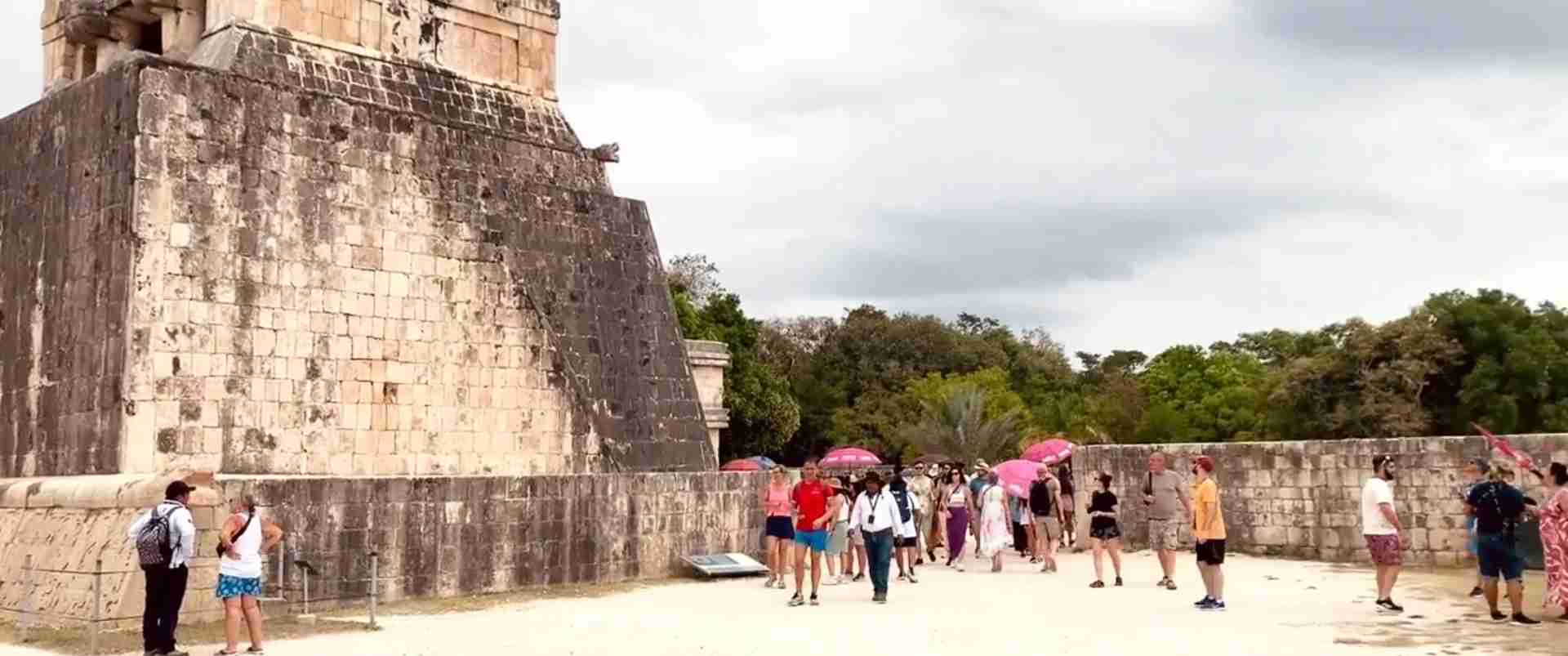
Chichen Itza Best Tours 2026: UNESCO Heritage & Cultural Experiences
Key Takeaways
- Standard guided tours cost $45-65 per person in 2026, including transportation from major Yucatan cities, professional archaeological guides, and site entry fees with strategic booking advantages
- Early morning departure tours (6-7 AM) provide the best experience with cooler temperatures, dramatic sunrise lighting, and significantly smaller crowds before tour buses arrive at 10 AM
- Premium archaeological experiences range $95-180 per person offering extended site access, certified historians, small group sizes (8-12 people), and exclusive access periods for photography
- Multi-site combination tours ($85-140) maximize cultural immersion by including cenote swimming, colonial Valladolid exploration, and traditional Mayan village visits in comprehensive full-day experiences
- Book 4-6 weeks ahead during peak season (December-April) to secure early morning slots and preferred tour operators, with advance online booking saving 15-20% versus day-of-purchase rates
- Private customized tours ($280-450 for groups up to 6) offer flexibility in timing, itinerary customization, extended photography sessions, and personalized archaeological interpretation from dedicated guides
Planning Your Chichen Itza Tour Experience in 2026
Chichen Itza stands as one of Mexico’s most magnificent archaeological treasures and the Yucatan Peninsula’s premier UNESCO World Heritage site, drawing over 2.5 million visitors annually to witness the extraordinary precision of Mayan astronomical architecture and the monumental scale of El Castillo pyramid. The 2026 touring landscape offers unprecedented diversity in guided experiences, ranging from budget-conscious group excursions departing major resort areas to exclusive private archaeological consultations with certified Mayan scholars who provide deep contextual understanding of this ancient ceremonial center’s astronomical alignments, religious significance, and political power structures.
The evolution of tour operations at Chichen Itza reflects growing emphasis on sustainable tourism practices, cultural authenticity, and educational depth beyond simple site visits. Modern tour operators now integrate certified archaeological guides trained through Mexico’s National Institute of Anthropology and History (INAH), implement crowd management strategies that prioritize visitor experience quality over volume, and create immersive cultural connections through partnerships with contemporary Mayan communities who share living traditions connected to their ancient heritage. The 2026 season introduces enhanced interpretive programs, expanded early access opportunities for photography enthusiasts, and innovative combination itineraries that contextualize Chichen Itza within the broader Mayan civilization narrative through visits to complementary sites like Ek Balam, colonial Valladolid, and sacred cenotes.
Selecting the optimal tour format depends on balancing several critical factors: departure location and transportation logistics, group size preferences and desired social dynamics, archaeological expertise level of guides, time allocation for photography and personal exploration, budget parameters and value expectations, combination site interests beyond Chichen Itza, seasonal timing and crowd management priorities, and specific cultural immersion goals. This comprehensive guide examines all major tour categories available in 2026, provides transparent pricing analysis with booking strategies, evaluates operator quality indicators and certification standards, and delivers actionable recommendations for matching tour selection to individual travel priorities and learning objectives.
People Also Ask About Chichen Itza Tours 2026
What is the best Chichen Itza tour in 2026?
The best Chichen Itza tour in 2026 depends on your priorities, but early morning archaeological tours with certified INAH-trained guides consistently receive highest ratings for educational value and experience quality. Tours departing 6-7 AM from Cancun, Playa del Carmen, or Merida arrive at site opening (8 AM), providing 90-120 minutes of exploration before mass tour groups arrive at 10 AM. Premium operators like Mayaland Tours and Amigo Tours offer small groups (12-15 people maximum), certified archaeologists as guides, extended 4-hour site time, and included breakfast at archaeological hotels. These tours cost $95-120 per person and deliver superior crowd avoidance, optimal photography lighting, comprehensive historical interpretation, and comfortable pacing that allows thorough exploration of all major structures including El Castillo pyramid, Temple of Warriors, Great Ball Court, Sacred Cenote, and Observatory. Budget-conscious travelers find excellent value in standard group tours ($45-65) from established operators offering professional guides, comfortable transportation, and 2-3 hour site visits, though with larger groups (30-40 people) and less flexibility in timing and pacing.
How much do Chichen Itza tours cost in 2026?
Chichen Itza tour prices in 2026 range from $45 for basic group excursions to $450 for premium private experiences, with most travelers selecting mid-range options at $65-95 per person. Standard full-day group tours from Cancun or Playa del Carmen cost $45-65 and include round-trip air-conditioned transportation (3 hours each way), professional bilingual guide, site entry fee ($33 value), and 2-3 hours at the archaeological zone. Enhanced archaeological tours with certified historians, smaller groups, and early arrival cost $95-120 per person. Multi-site combination tours visiting Chichen Itza plus cenote swimming and Valladolid colonial town range $85-140 depending on inclusions and group size. Premium private tours for 2-6 people cost $280-450 total (not per person) and offer complete itinerary customization, flexible timing, dedicated archaeological guide, and extended photography sessions. Sunset tours with light show access cost $75-95. Check official tour operator websites for current 2026 rates as seasonal pricing variations apply, with peak season (December-April) commanding 15-20% premiums over summer rates. Advance online booking typically saves 10-20% versus purchasing tours through hotel concierges or day-of at tour desks.
Are Chichen Itza tours worth it in 2026?
Chichen Itza tours prove absolutely worth the investment in 2026 for the vast majority of visitors, as professional guided experiences provide essential historical context, logistical convenience, crowd navigation expertise, and safety assurance that independent visits cannot match. The archaeological complexity of Chichen Itza—with its intricate astronomical alignments, layered construction periods spanning 600-1200 CE, religious symbolism in sculptures and architecture, and connections to broader Mayan political networks—requires expert interpretation to fully appreciate. Certified guides transform stone structures into vivid narratives about Mayan cosmology, mathematical achievements, political intrigue, and daily life across social classes. Tours eliminate transportation stress on challenging Mexican highways, handle all entry logistics and fee payments, provide strategic timing to avoid peak crowds (independent visitors arriving mid-morning face 90-minute entry lines and overwhelming crowds), and include valuable additions like cenote swimming, traditional lunch experiences, and colonial town visits. The cost differential between independent visits ($33 entry + $80-100 transportation) versus comprehensive guided tours ($65-95) represents exceptional value for the enhanced experience quality, educational depth, time efficiency, and cultural connections delivered. Solo travelers and those with limited Spanish language skills find tours particularly valuable for safety, social connections, and navigational support.
Which tour companies are best for Chichen Itza in 2026?
The best Chichen Itza tour operators in 2026 combine certified archaeological guides, small group commitments, sustainable tourism practices, and transparent pricing with excellent safety records. Mayaland Tours earns top ratings for archaeological expertise, employing INAH-certified archaeologists as guides, maintaining strict 12-person group maximums, and offering exclusive early access through their on-site hotel partnerships. Amigo Tours receives consistent praise for professional organization, knowledgeable guides, comfortable modern vehicles, and excellent value in the $85-110 range for comprehensive full-day experiences. Best Day Travel specializes in small group cultural immersion tours (8-12 people) that include Mayan village visits and traditional craft demonstrations alongside archaeological interpretation. Cancun Adventures provides reliable budget-friendly options ($45-65) with good guides and solid logistics, ideal for cost-conscious travelers. For private customized experiences, Yucatan Concierge and Private Riviera Maya deliver exceptional personalized service, flexible itineraries, and expert guides at premium prices ($350-450 for groups up to 6). Verify tour operator credentials by checking for SECTUR registration (Mexico’s tourism board), reading recent TripAdvisor and Google reviews from 2025-2026, confirming INAH guide certification, and reviewing cancellation policies and insurance coverage before booking.
Extended multi-day tours – 5+ days
Featured Chichen Itza Multi-Day Tour Packages
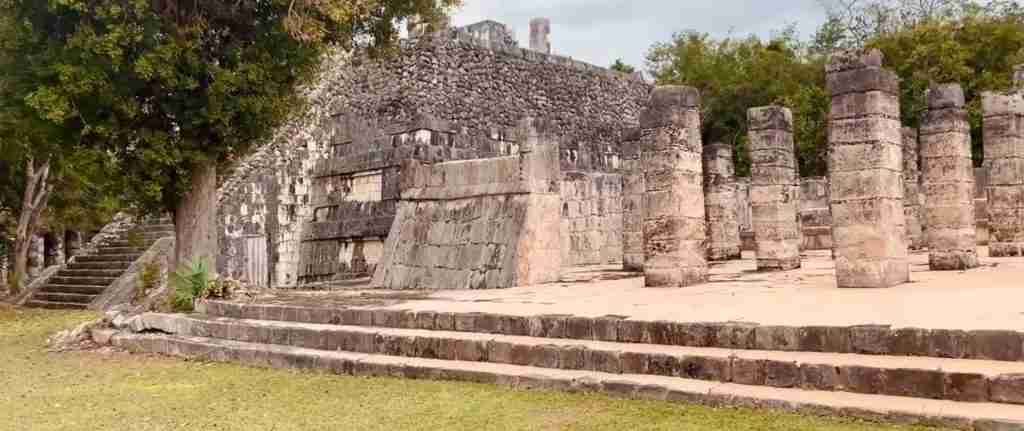
3 days
Chichen Itza 3-Day Discovery Tour
- ✓ Comprehensive Chichen Itza experience
- ✓ Expert local guides included
- ✓ All accommodation included
- ✓ Transportation provided
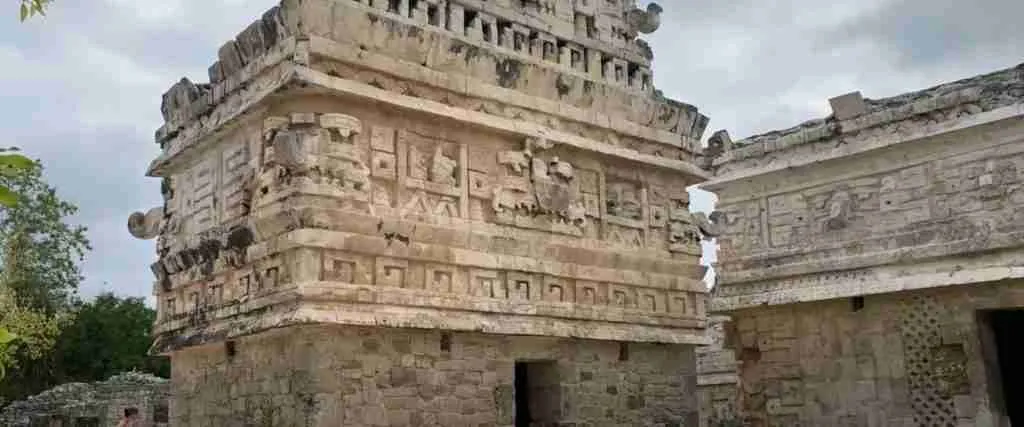
5 days
Chichen Itza 5-Day Highlights Experience
- ✓ Comprehensive Chichen Itza experience
- ✓ Expert local guides included
- ✓ All accommodation included
- ✓ Transportation provided
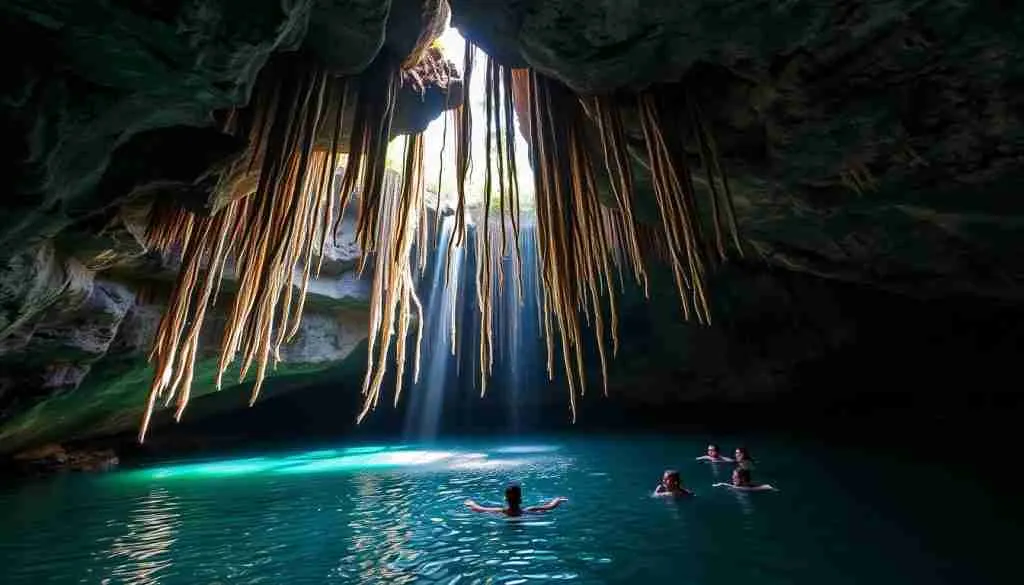
7 days
Chichen Itza 7-Day Cultural Journey
- ✓ Comprehensive Chichen Itza experience
- ✓ Expert local guides included
- ✓ All accommodation included
- ✓ Transportation provided
10 days
Chichen Itza 10-Day Complete Adventure
- ✓ Comprehensive Chichen Itza experience
- ✓ Expert local guides included
- ✓ All accommodation included
- ✓ Transportation provided
Multi-day tour packages powered by TourRadar. Prices and availability subject to change.
Essential Planning Information for 2026 Tours
Understanding Tour Categories and Pricing 2026
The Chichen Itza tour market in 2026 segments into five distinct categories, each serving different traveler priorities and budget parameters. Standard group tours represent the most economical option at $45-65 per person, departing major tourist zones (Cancun Hotel Zone, Playa del Carmen, Tulum) between 7-9 AM with groups of 30-40 participants. These tours include round-trip air-conditioned coach transportation (approximately 3 hours each way from Riviera Maya, 2 hours from Merida), professional bilingual guide with archaeological training, site entry fee, and 2-3 hours of guided exploration covering all major structures. Check tour operator websites for current 2026 rates as pricing varies seasonally. Operators like Cancun Adventures, Gray Line, and Best Day Travel dominate this segment with reliable service and experienced guides, though limited flexibility in timing and large group dynamics reduce individual interaction opportunities.
Enhanced archaeological tours elevate the experience significantly for $95-120 per person through strategic timing, expert guides, and reduced group sizes. These premium offerings depart earlier (6-7 AM), arrive at site opening (8 AM) before mass crowds, employ INAH-certified archaeologists rather than general guides, limit groups to 12-15 people enabling detailed questions and discussion, and allocate 4+ hours at the site for thorough exploration including lesser-visited structures like the Ossuary, Las Monjas complex, and the Caracol observatory. Mayaland Tours and Amigo Tours lead this category with superior guide quality, comfortable transportation in newer vehicles, included breakfast at archaeological zone hotels, and professional photography assistance at key structures. The 60-70% price premium delivers exponentially better educational value, photography opportunities without crowd interference, comfortable pacing, and memorably intimate experiences versus standard mass tours.
Combination multi-site tours maximize cultural immersion and regional context by pairing Chichen Itza with complementary Yucatan experiences in comprehensive full-day itineraries priced $85-140 per person. Popular combinations include Chichen Itza plus sacred cenote swimming (Cenote Ik Kil or Cenote Yokdzonot) offering refreshing natural pools in stunning limestone sinkholes, colonial Valladolid exploration featuring pastel-colored architecture and traditional Yucatecan culture, Ek Balam archaeological site showcasing exceptional stucco sculptures and climbable pyramid structures, traditional Mayan village visits with craft demonstrations and cultural exchanges, and regional cuisine experiences with authentic Yucatecan lunch at family-run restaurants. These combination tours appeal to travelers seeking diverse experiences beyond pure archaeological focus, though time allocated to each site necessarily reduces versus dedicated Chichen Itza tours. Best Day Travel, Cancun Adventures, and Xcaret Tours offer well-designed combination itineraries with logical geographic routing and balanced time allocations.
Private customized tours deliver ultimate flexibility and personalization for $280-450 total cost (for groups of 2-6 people, not per person), making them surprisingly economical for families or small friend groups when calculating per-person costs. Private tours offer complete control over departure timing (early morning for crowd avoidance or mid-afternoon for different lighting), customizable itinerary including off-site stops at personal interests, dedicated certified archaeological guide providing undivided attention and adapting explanations to group interests, flexible pacing allowing extended photography sessions or leisurely exploration, comfortable private vehicle transportation (SUV or van) with direct hotel pickup, and options to combine additional sites or experiences based on group preferences. For a family of four, $400 private tour equals $100 per person—comparable to premium group tours but with vastly superior flexibility and personalized service. Yucatan Concierge, Private Riviera Maya, and Mayaland Private Tours provide excellent private tour services with certified guides and modern vehicles.
Specialized niche tours address specific interests including photography-focused tours ($120-150) offering sunrise access, professional photography instruction, and optimal positioning at key structures; cultural immersion experiences ($95-130) emphasizing contemporary Mayan culture, traditional ceremonies, and linguistic connections; astronomy and archaeoastronomy tours ($110-145) conducted by specialized guides explaining Mayan mathematical achievements and astronomical alignments; and sunset tours with light show access ($75-95) featuring the spectacular evening sound and light presentation at El Castillo pyramid. These specialized offerings suit travelers with particular interests willing to invest premium prices for expert-guided deep dives into specific aspects of Chichen Itza’s significance and broader Mayan civilization achievements.
Transportation Logistics and Departure Points 2026
Tour departure points span the entire Yucatan Peninsula with pricing and travel time varying significantly by origin city. Cancun Hotel Zone tours depart 6:30-8 AM for the 3-hour journey west to Chichen Itza, with pickup windows spanning 45-60 minutes as coaches collect passengers from multiple hotels along the zone. Playa del Carmen departures occur 7-8:30 AM for similar 3-hour transit times, while Tulum tours leave 7:30-9 AM facing slightly shorter 2.5-hour drives. Merida-based tours enjoy the shortest travel times at 1.5-2 hours, departing 7:30-9 AM and offering distinct advantages for travelers based in Yucatan’s colonial capital who prefer avoiding extended bus travel. Valladolid, positioned just 40 minutes from Chichen Itza, provides optimal proximity for independent travelers who can join half-day morning tours or afternoon excursions with minimal transportation time.
Modern tour operators utilize comfortable air-conditioned coaches or vans with reclining seats, onboard restrooms (on larger coaches), WiFi connectivity, and professional drivers experienced navigating Mexican highways. Transportation quality varies considerably by operator and tour price point, with budget tours ($45-55) sometimes using older vehicles with less comfortable seating, while premium tours ($95+) guarantee newer model coaches with enhanced comfort features. Private tours provide SUVs or passenger vans depending on group size, offering more intimate transportation experiences and flexibility for roadside stops at viewpoints or local markets. All reputable operators maintain comprehensive insurance coverage, conduct regular vehicle maintenance, and comply with Mexican transportation safety regulations. Verify transportation quality by checking recent tour reviews specifically mentioning vehicle conditions and driver professionalism.
Round-trip transportation typically consumes 5-6 hours of tour duration (3 hours each way from Riviera Maya), meaning 10-12 hour tour days allocate only 4-6 hours at Chichen Itza and associated sites. Travelers sensitive to motion sickness should consider Merida or Valladolid-based tours with shorter travel times, select seats at bus front where motion effects reduce, and take preventive medication before departure. Highway 180D connecting the Riviera Maya to Chichen Itza features modern toll road construction with smooth pavement and gentle curves, though summer heat and early morning departures can induce drowsiness during lengthy journeys. Most tours include strategically timed rest stops (typically at designated tourist service centers) offering clean restrooms, snack purchases, and brief stretch breaks approximately midway through each direction’s journey.
Seasonal Timing and Booking Strategies 2026
Peak season tours (December through April) demand advance booking 4-6 weeks ahead to secure preferred departure times, small group options, and reputable operators, as this period coincides with North American and European winter vacation travel when Yucatan tourism reaches maximum capacity. Early morning tours (6-7 AM departures) prove especially popular and frequently sell out 3-4 weeks in advance during peak months. Shoulder season (May, November) offers excellent availability with 2-3 week advance booking windows sufficient, while summer months (June-October) provide most flexibility with tours often bookable 1-2 weeks ahead or even day-of during low-demand periods, though travelers face higher temperatures and increased rain probability.
Strategic booking timing delivers significant cost savings, as advance online reservations through tour operator websites typically discount 10-20% versus purchasing through hotel concierges, tour desks, or day-of bookings. Hotel concierge bookings add 20-30% markup as commissions, making direct operator booking the most economical approach. Compare prices across multiple operators using TripAdvisor, Viator, GetYourGuide, and direct operator websites, but always verify final booking occurs with legitimate operators rather than third-party resellers who may add fees or complicate cancellation processes. Many operators offer early booking discounts (15% off when booking 60+ days ahead) and last-minute deals (20-30% off for next-day bookings when tours have available capacity), though last-minute availability cannot be guaranteed during peak season.
Cancellation policies vary significantly by operator and deserve careful review before booking. Standard policies allow full refunds for cancellations 48-72 hours before tour departure, with no refunds for cancellations within 24 hours or no-shows. Premium operators offer more flexible 24-hour cancellation windows acknowledging travel uncertainties. Weather cancellations triggered by the tour operator result in full refunds or rescheduling options, though Chichen Itza rarely experiences weather severe enough to close the site (hurricanes being the primary exception). Travel insurance covering tour cancellations provides valuable protection for travelers booking tours as key vacation components, particularly during hurricane season (June-November) when weather disruptions pose higher risks.
Comprehensive Tour Type Analysis 2026
Standard Group Archaeological Tours
Standard group tours form the foundation of Chichen Itza’s tourism infrastructure, moving over 1.5 million visitors annually through well-organized full-day excursions that prioritize efficiency, affordability, and professional archaeological interpretation. These tours depart major tourist centers between 7-9 AM, collect passengers from designated hotel pickup zones over 45-60 minute windows, and transport groups of 30-40 participants via comfortable air-conditioned coaches to the archaeological site for 2-3 hour guided visits. Professional bilingual guides (Spanish and English, with some operators offering additional languages) provide 90-120 minute walking tours covering all major structures: El Castillo pyramid with its spring equinox serpent shadow phenomenon, the massive Great Ball Court where ritual ball games determined cosmic balance, the Temple of Warriors with its columns depicting Toltec warriors, the Sacred Cenote where offerings and sacrifices occurred, and the Caracol observatory demonstrating Mayan astronomical sophistication.
Group dynamics in standard tours create both advantages and limitations that travelers should consider when selecting tour formats. The social atmosphere appeals to solo travelers seeking companionship and shared experiences, families appreciating organized structure and professional oversight, and budget-conscious visitors maximizing value per dollar. However, large groups necessitate slower pacing to accommodate varying fitness levels and interests, limit individual interaction with guides who must address entire group’s questions, and create challenges for photography enthusiasts competing with 39 other people for optimal positions at popular structures. Guides use wireless microphone systems and participant headsets enabling clear communication even in crowded conditions, though ambient noise from multiple tour groups (50+ groups operate simultaneously during peak hours) can diminish the contemplative atmosphere some travelers seek at sacred archaeological sites.
Tour inclusions typically cover round-trip transportation from hotel zones, certified bilingual guide services, site entry fee ($33 value), basic travel insurance, and occasionally bottled water or snacks during transit. Meals are not included in base tour prices, with most operators stopping at designated tourist restaurants en route where buffet lunches cost $15-25 per person (optional but implicitly expected as part of tour structure). Some tours include cenote swimming stops (typically Cenote Ik Kil, located 3 km from Chichen Itza) adding recreational variety to cultural education, though swimming stops reduce time allocated to archaeological exploration. Budget $60-80 total per person for standard group tours when factoring base tour price, lunch, and incidental purchases at rest stops or souvenir vendors.
Leading standard tour operators maintain strong reputations through consistent service quality, safety records, and guide expertise. Cancun Adventures operates large-scale tours with reliable logistics and professional guides at competitive $45-55 price points. Gray Line Mexico brings international tour company standards to Chichen Itza operations with well-maintained fleet vehicles and multilingual guide options. Best Day Travel balances affordability with good guide quality and comfortable transportation. When evaluating standard tour options, prioritize operators with recent positive reviews (2025-2026), SECTUR registration demonstrating government oversight compliance, clear cancellation policies, and transparent pricing without hidden fees for “mandatory” lunch stops or entrance fees that should be included.
Premium Early Morning Archaeological Experiences
Premium early morning tours transform the Chichen Itza experience through strategic timing, expert archaeological guides, and intentionally limited group sizes that enable deeper engagement with this UNESCO World Heritage site’s layered history and cultural significance. These elevated tours depart hotels 6-7 AM (earlier than standard tours), arrive at site opening (8 AM), and provide 90-120 minutes of exploration before mass tour groups flood the archaeological zone at 10 AM creating overwhelming crowds that diminish experience quality. The dramatic difference in crowd density proves immediately apparent—early arrivers encounter perhaps 200-300 people across the expansive site versus 3,000+ visitors competing for space and photographic angles by 11 AM.
Small group commitments distinguishing premium tours cap participation at 12-15 people maximum (versus 30-40 in standard tours), fundamentally changing group dynamics and educational depth. Certified INAH archaeologists leading these tours possess advanced degrees in Mesoamerican archaeology, conduct ongoing research at Mayan sites, and deliver sophisticated interpretations connecting architectural details to broader cultural contexts including cosmology, political structures, trade networks, and astronomical knowledge systems. The intimate group size enables extended question-and-answer sessions, detailed discussions of specialized topics based on participant interests, and flexibility to allocate extra time at structures generating particular group fascination. Photography enthusiasts particularly benefit from small groups and early arrival, securing unobstructed shots of El Castillo pyramid bathed in soft morning light without crowds of people disrupting compositions.
Enhanced tour structure allocates 4+ hours at Chichen Itza (versus 2-3 hours in standard tours), permitting thorough exploration of lesser-visited structures often skipped in compressed itineraries. These include the Ossuary (High Priest’s Grave) pyramid featuring intact ancient stairway and interior shaft descending to burial chamber, the elaborate Las Monjas (Nunnery) complex showcasing Puuc architectural style with intricate stone mosaics, the Caracol observatory’s sophisticated astronomical alignments tracking Venus cycles and solar positions, the Platform of Venus and Platform of Eagles and Jaguars revealing Toltec influence, and the Steam Bath structure demonstrating Mayan purification rituals. Extended time allocation also permits contemplative moments for personal reflection and photography experimentation beyond rushed tourist schedules.
Premium tour packages frequently include breakfast at archaeological zone hotels (Mayaland Resort or Hacienda Chichen) offering buffet spreads in colonial hacienda settings, adding cultural ambiance and convenient timing before site exploration. Some operators provide professional photography services or instruction, helping participants capture optimal images while guides share technical tips on composition, lighting, and storytelling through photography. The $95-120 price point represents 60-100% premium over standard tours, but delivers exponentially greater value through superior educational content, optimal crowd avoidance, extended exploration time, and memorable intimate experiences that travelers consistently rate as highlights of Yucatan trips in post-tour reviews.
Multi-Site Cultural Immersion Combinations
Combination tours maximize regional exploration and cultural diversity by integrating Chichen Itza with complementary Yucatan experiences in comprehensive full-day itineraries that showcase the peninsula’s archaeological treasures, natural wonders, and living Mayan culture. The most popular combination pairs Chichen Itza with sacred cenote swimming and colonial Valladolid exploration, creating balanced itineraries addressing archaeological education, natural beauty, physical activity, and cultural immersion. Tours following this format allocate 2-2.5 hours at Chichen Itza (slightly compressed versus dedicated tours but sufficient for major structures), 1 hour swimming at Cenote Ik Kil or Cenote Yokdzonot (stunning natural pools in limestone sinkholes formed over millions of years), and 45-60 minutes exploring Valladolid’s pastel-colored colonial architecture, central plaza, and traditional markets.
Sacred cenote swimming adds refreshing physical activity and natural wonder to cultural education, with Cenote Ik Kil providing the most dramatic setting—a massive open cenote with 85-foot drop to crystal-clear water, hanging vines creating jungle atmosphere, and carved stone stairways descending to swimming platforms. The cenote experience offers cultural significance beyond recreation, as Mayans considered cenotes sacred portals to the underworld (Xibalba) and sites of ceremonial offerings. Cenote Yokdzonot presents a more intimate alternative with smaller crowds and traditional Mayan community management. Swimming time allows cooling relief from Yucatan heat (temperatures reach 85-95°F March-October) while adding memorable contrast to archaeological exploration. Bring swimwear, towel, and waterproof phone case for underwater photography.
Valladolid integration provides colonial architectural context and contemporary Yucatecan culture through this charming city founded in 1543, located 40 minutes from Chichen Itza. Tour groups receive guided walks through the historic center featuring the Catedral de San Gervasio with its pastel pink facade, the Francisco Canton Rosado Park central plaza where local families gather, and traditional markets selling handcrafted textiles, hammocks, and regional products. The brief Valladolid visit introduces travelers to living Yucatecan culture beyond ancient ruins, showcasing the peninsula’s Spanish colonial heritage and contemporary Mayan communities maintaining traditional practices. Some tours include visits to local tortillerias or craft workshops where artisans demonstrate traditional techniques passed through generations.
Alternative combination formats address different interest profiles. Chichen Itza plus Ek Balam archaeological site appeals to history enthusiasts seeking architectural diversity, as Ek Balam showcases exceptional stucco sculptures and allows pyramid climbing (prohibited at Chichen Itza since 2006) for panoramic jungle views. Chichen Itza plus Coba ruins and cenote swimming suits active travelers who enjoy bicycling through jungle paths connecting Coba’s structure groups and climbing the massive Nohoch Mul pyramid (138 feet tall). Chichen Itza plus traditional Mayan village visits emphasizes cultural exchange through interactions with contemporary Mayan communities, traditional cuisine experiences, and craft demonstrations revealing connections between ancient techniques and modern practices. Pricing for combination tours ranges $85-140 depending on inclusions, group size, and operator quality, representing excellent value for travelers seeking diverse experiences beyond single-site focus.
Private Customized Experiences
Private tours deliver ultimate flexibility, personalized pacing, and dedicated archaeological expertise for families, friend groups, or travelers seeking experiences tailored to specific interests and priorities beyond standardized itineraries. The private tour format provides complete control over departure timing (critical for crowd avoidance or photographic lighting preferences), customizable itinerary including additional sites or experiences based on group interests, dedicated certified guide providing undivided attention and adapting explanations to group’s knowledge level and curiosity, flexible pacing permitting extended photography sessions or leisurely contemplative time at structures resonating with participants, and comfortable private transportation with direct hotel pickup eliminating multi-stop collection delays.
Cost structure for private tours initially appears premium at $280-450 total, but per-person economics become surprisingly competitive when dividing among group members. A family of four paying $400 for private service invests $100 per person—equivalent to premium group tour pricing while gaining vastly superior flexibility and personalized service. Couples paying $300 total invest $150 each—reasonable premium for complete customization and intimate experience. Solo travelers find private tours least economical unless prioritizing absolute flexibility or requiring highly specialized archaeological interpretation, though some operators offer single-person private tours at reduced rates ($180-220) for travelers willing to accept smaller vehicles and condensed timing.
Private tour customization enables unique experiences impossible in group formats. Photography enthusiasts request sunrise arrival for optimal lighting and empty site conditions, allocating extra time at El Castillo pyramid, Great Ball Court, and Temple of Warriors for composition experimentation without crowd pressure. History scholars engage certified archaeologists in extended discussions about specific research interests—Toltec influence on later Mayan architecture, astronomical alignment verification methods, epigraphy interpreting hieroglyphic inscriptions, or trade network archaeology. Families with young children adjust pacing to accommodate shorter attention spans, incorporate educational games and activities, and take frequent breaks without constraining other participants. Travelers combining Chichen Itza with specialized interests (bird watching, botanical documentation, architectural photography) create hybrid itineraries addressing multiple passions within single tours.
Premium private tour operators provide exceptional guide quality and service standards justifying elevated pricing. Yucatan Concierge employs exclusively INAH-certified archaeologists with advanced degrees and active research credentials, maintains modern vehicle fleet with leather seating and climate control, and creates fully customized itineraries incorporating client preferences from initial consultation. Private Riviera Maya specializes in family-oriented private tours with guides trained in educational engagement techniques for children, offering activity books, scavenger hunts, and age-appropriate explanations making archaeology accessible to young learners. Mayaland Private Tours leverages the company’s on-site hotel partnerships for exclusive access opportunities including early entry before official opening and private breakfast experiences in archaeological zone settings. When booking private tours, clarify inclusions (entry fees, meals, additional site visits), vehicle type and capacity, guide credentials and specializations, and cancellation policies before confirming reservations.
Strategic Booking and Operator Selection for 2026
Evaluating Tour Operator Quality and Credentials
Tour operator quality varies dramatically across Chichen Itza’s extensive tourism industry, making informed selection critical for ensuring safe, educational, and valuable experiences. Begin evaluation by verifying SECTUR registration (Secretaría de Turismo—Mexico’s federal tourism authority), which requires operators to maintain insurance coverage, employ certified guides, meet vehicle safety standards, and comply with consumer protection regulations. Legitimate operators display SECTUR registration numbers on websites and marketing materials, with verification available through Mexico’s tourism board website. Unregistered operators offering suspiciously low prices ($30-35) often cut corners on safety, employ unlicensed guides, use poorly maintained vehicles, and provide no recourse for service problems or cancellations.
Guide certification represents the most critical quality indicator for archaeological site tours, as interpretation depth and accuracy depend entirely on guide knowledge and communication skills. Mexico’s INAH (Instituto Nacional de Antropología e Historia) administers rigorous certification programs for archaeological guides, requiring coursework in Mesoamerican history, archaeological methodology, site-specific training, and practical examination demonstrating interpretive competency. INAH-certified guides wear official credentials and provide vastly superior educational experiences versus unlicensed guides who may perpetuate inaccuracies or rely on superficial narratives. Premium tours ($95+) guarantee INAH-certified guides, often archaeologists with advanced degrees, while budget tours sometimes employ general tourism guides with basic archaeological knowledge. Ask operators directly about guide certification and qualifications before booking.
Recent customer reviews from 2025-2026 provide invaluable insights into actual tour experiences, service quality, and operator reliability. TripAdvisor, Google Reviews, and Viator feature extensive tour reviews with detailed feedback on guide knowledge, vehicle conditions, timing accuracy, group size adherence, and overall value assessment. Read 15-20 recent reviews (not just top-rated ones) to identify patterns in praise or complaints. Red flags include frequent mentions of vehicle breakdowns, late arrivals causing rushed experiences, guides providing minimal interpretation, unexpected fees, or operators failing to honor bookings. Positive patterns indicating quality operators include consistent praise for guide expertise, comfortable well-maintained vehicles, accurate timing, small group size adherence, and responsive customer service addressing any issues. Reviews mentioning guides by name and specific archaeological insights signal authentic educational experiences.
Cancellation policies, insurance coverage, and customer service responsiveness indicate operator professionalism and financial stability. Reputable operators maintain clear cancellation terms (typically 48-72 hours for full refund), carry comprehensive liability insurance covering passenger injuries and vehicle accidents, and respond to booking inquiries within 24 hours demonstrating organized operations. Request written confirmation of bookings including exact pickup times and locations, tour inclusions, cancellation terms, and emergency contact information. Operators failing to provide written confirmations or offering only vague verbal assurances raise concerns about organizational capability and commitment to customer service. Verify that final payment occurs through secure methods (credit card processors with fraud protection) rather than cash-only requirements that provide no transaction protection.
Optimal Booking Timing and Price Strategies
Strategic booking timing delivers significant cost savings while securing preferred tour formats and departure times during competitive peak season periods. The advance booking sweet spot for most travelers falls 4-6 weeks before arrival, balancing early booking discounts (many operators offer 10-15% off for reservations 60+ days ahead) against flexibility to adjust plans if circumstances change. Peak season travelers (December-April) benefit from booking 6-8 weeks ahead to secure early morning tours and small group options that sell out quickly as North American and European winter vacation travel fills capacity. Summer and shoulder season travelers enjoy more flexibility, with quality tours typically available booking 2-3 weeks ahead, though waiting until arrival location to book risks tour sellouts during unexpected high-demand weeks.
Price comparison across platforms reveals substantial variation for identical tours based on booking channel. Direct booking through operator websites typically provides lowest prices as companies avoid commission payments to third-party platforms and hotel concierge services. Hotel concierge bookings carry 20-30% markups covering commission structures, making this convenience costly for budget-conscious travelers. Third-party booking platforms (Viator, GetYourGuide, Expedia) offer comparison shopping convenience and sometimes exclusive promotional pricing, though verify that bookings connect directly with legitimate operators rather than resellers adding intermediary fees. Compare prices across operator websites, Viator, GetYourGuide, and TripAdvisor before committing, but always verify final booking confirmation arrives from the actual tour operator ensuring service accountability.
Last-minute booking opportunities emerge during low-demand periods when operators discount unsold capacity to maximize revenue and fill vehicles. Tours departing the next day sometimes offer 20-30% discounts during summer months or shoulder season when advance booking levels lag. However, last-minute availability proves highly unreliable during peak season (December-April) when most quality tours sell out days or weeks ahead. Travelers with flexible schedules and low risk tolerance for tour unavailability can gamble on last-minute deals, but those viewing Chichen Itza as essential vacation components should book advance reservations ensuring tour access. Monitor operator websites and booking platforms for flash sales or promotional periods (often aligned with Mexican holidays or low-demand weeks) offering limited-time discounts on specific departure dates.
Package booking combinations sometimes deliver better value than separate tour purchases, particularly for travelers visiting multiple Yucatan archaeological sites. Some operators offer package pricing for booking Chichen Itza plus Tulum, Coba, or Ek Balam tours together, discounting combined pricing 10-15% versus separate purchases. Travelers planning extended Yucatan stays should inquire about multi-tour packages when contacting operators. However, verify that package pricing actually saves money versus booking highest-value tours from different specialized operators—sometimes the “package deal” locks travelers into mediocre options for secondary sites while charging premium for the Chichen Itza component. Calculate per-tour value within packages ensuring each component meets quality standards and timing preferences rather than accepting packages purely for modest total cost savings.
Payment Methods and Consumer Protection
Payment method selection impacts consumer protection, fraud prevention, and dispute resolution options if service problems arise. Credit card payments through secure processors (PayPal, Stripe, major credit card networks) provide strongest consumer protection including chargeback rights if operators fail to deliver services, fraud protection if booking sites prove illegitimate, and transaction documentation for dispute resolution. Reputable tour operators accept major credit cards (Visa, Mastercard, American Express) and provide secure encrypted payment processing on booking websites. Cash payment requirements or wire transfer requests raise red flags about operator legitimacy, as these methods provide no consumer recourse if companies fail to honor bookings or deliver promised services.
Deposit versus full payment timing affects financial risk and cancellation flexibility. Many operators require 30-50% deposits at booking time with final payment due 7-14 days before tour departure, allowing travelers to cancel before full payment if circumstances change while securing operator capacity commitment. Full advance payment requirements (common with some budget operators seeking cash flow) increase financial risk if travelers need to cancel, though credit card chargeback rights provide some protection. Read deposit and payment terms carefully before booking, prioritizing operators offering reasonable deposit structures (25-50%) rather than requiring immediate full payment for tours departing months away.
Travel insurance covering tour cancellations provides valuable protection for travelers booking tours as key vacation components or traveling during hurricane season when weather disruptions pose higher risks. Comprehensive travel insurance policies (available through companies like Allianz, Travel Guard, or World Nomads) cover tour costs if travelers must cancel due to illness, family emergencies, flight cancellations, or covered weather events. Trip cancellation coverage typically costs 5-8% of total insured trip value, adding $25-40 to $500-600 Yucatan vacation costs. For travelers booking multiple expensive tours ($300+ total) or visiting during hurricane season (June-November), insurance provides peace of mind and financial protection offsetting the premium cost. Review insurance terms carefully regarding covered cancellation reasons and claim documentation requirements.
Sample 2026 Tour Experiences and Itineraries
Budget-Conscious Standard Group Tour from Cancun
The standard group tour format delivers excellent value for budget-conscious travelers prioritizing archaeological access and professional interpretation over luxury amenities or small group intimacy. A typical experience begins with 7:30 AM hotel pickup in the Cancun Hotel Zone, where comfortable air-conditioned coaches collect passengers from designated meeting points over a 45-minute window as the bus makes 8-10 stops along the tourist corridor. By 8:30 AM departure, 38 participants have boarded—couples from the United States and Canada, European backpackers, families with teenagers, and several solo travelers. The bilingual guide (Spanish/English) introduces herself as a certified INAH guide with 12 years of Chichen Itza tour experience, using the 3-hour journey to provide historical context about the Mayan civilization, preview key structures visitors will encounter, and share practical tips about site navigation and photography opportunities.
The highway journey west from Cancun passes through small Mayan villages, henequen plantations showing traditional fiber cultivation, and gradually changing landscape from coastal scrub to interior jungle vegetation. A mid-journey rest stop at a designated tourist service center allows bathroom breaks, snack purchases, and brief leg-stretching before continuing to Chichen Itza. Arrival occurs approximately 11:30 AM, when the archaeological site already hosts 2,000+ visitors creating substantial crowds at popular structures. The guide distributes wireless headsets enabling clear communication despite ambient noise, then leads the group through site entry (included in tour price) and begins interpretation at El Castillo pyramid.
The 2-hour guided tour follows efficient routing hitting all major highlights: El Castillo with explanations of its astronomical alignments and spring equinox serpent shadow phenomenon, the massive Great Ball Court where guides demonstrate acoustic properties and explain ritual ball game significance, the Platform of Venus and Eagles & Jaguars showing Toltec influence, the Temple of Warriors with its columned hall depicting military themes, and brief views of the Sacred Cenote and Caracol observatory from pathways. The guide balances historical facts with engaging storytelling, fields numerous questions from curious participants, and allows brief independent time for photography at key structures. Large group size and peak-hour crowds limit photographic opportunities for unobstructed shots, though participants capture memorable images documenting their visit.
Following site exploration, the tour stops at a designated tourist restaurant where buffet lunch costs $18-22 per person (optional but implicitly expected as part of tour structure). The buffet features standard Mexican and international options—chicken, beef, rice, beans, salads, tortillas, and basic desserts—providing adequate fuel without culinary distinction. After lunch, the return journey to Cancun takes 3 hours, with tired participants dozing or reviewing photos while the guide shares final Mayan cultural insights and answers remaining questions. Hotel drop-offs occur 6-7 PM, completing a comprehensive 11-hour tour day that delivered professional archaeological interpretation, comfortable transportation, and access to one of Mexico’s most significant cultural treasures. Total tour cost including base price and lunch: $65-75 per person. Daily expense: transportation included, lunch $18-22, snacks $8-12. Total day cost: $91-109 per person.
Premium Early Morning Archaeological Experience from Playa del Carmen
The premium early morning tour elevates the Chichen Itza experience through strategic timing, expert guides, and intimate group dynamics that enable deeper engagement with this UNESCO World Heritage site. Pre-dawn departure at 6:15 AM from Playa del Carmen hotels meets participants in small groups of 12 people—two couples from California, a family of four from Germany, a solo photographer from Australia, and two friends from Mexico City seeking cultural exploration. The modern Mercedes van features comfortable leather seating, premium air conditioning, and large windows offering excellent views during the journey. Dr. Roberto Sanchez, the INAH-certified archaeologist guide holding a PhD in Mesoamerican Studies from UNAM, introduces himself and begins sophisticated historical framing during the 2.5-hour journey, discussing recent archaeological discoveries at Chichen Itza, ongoing debates about Toltec influence versus indigenous development, and astronomical alignment verification research.
Arrival at 8:00 AM site opening provides dramatic contrast to standard tour crowds—fewer than 300 visitors occupy the expansive archaeological zone, creating contemplative atmosphere and unobstructed views of major structures. Dr. Sanchez leads the group to El Castillo pyramid first, explaining how its 91 steps on each of four sides (plus top platform) create 365 total steps matching solar calendar days, how corner orientations align precisely with cardinal directions, and how specific stairway angles create the spring equinox serpent shadow effect when afternoon sun illuminates the northwest balustrade. The small group enables detailed questions and discussion—participants inquire about construction techniques, debate theories about astronomical knowledge transmission, and explore mathematical precision in measurements. The guide spends 45 minutes at El Castillo alone, permitting photography experimentation in soft morning light without crowd interference.
The extended 4-hour site exploration continues through structures often rushed in standard tours: the Ossuary pyramid revealing shaft descending to burial chamber, the elaborate Las Monjas complex with its Puuc architectural style and intricate stone mosaics, detailed examination of the Caracol observatory’s window alignments tracking Venus cycles, the Platform of Venus connecting architectural symbolism to Mayan cosmology, and the Steam Bath structure demonstrating purification ritual practices. Dr. Sanchez shares insights from his own research, connects architectural elements to broader Mayan cultural patterns, and adapts explanations to group interests—spending extra time on astronomical mathematics with the engineer couple, discussing archaeological excavation methodology with the curious teenager, and providing detailed photography composition advice to the Australian photographer. The intimate group size and flexible pacing create memorable educational depth impossible in mass tours.
Mid-morning break at Hacienda Chichen hotel features authentic Yucatecan breakfast buffet on a colonial hacienda veranda overlooking tropical gardens—fresh fruit, regional specialties like huevos motuleños and papadzules, strong Mexican coffee, and freshly squeezed juices. The breakfast provides cultural ambiance, comfortable seating, and social time for group members to share impressions and connect personally. After breakfast, final site exploration includes the Great Ball Court with its remarkable acoustics demonstrated by the guide clapping once and producing 9 distinct echoes, the Temple of Warriors’ columns depicting Toltec warriors, and views of the Sacred Cenote where archaeological excavations recovered gold, jade, and human remains documenting sacrifice practices.
Return journey to Playa del Carmen arrives 3:30 PM, completing a comprehensive 9.5-hour tour that delivered exceptional educational value, optimal crowd avoidance, superior photography opportunities, and intimate personal connections between guide and participants. Tour members exchange contact information and universally declare the experience a vacation highlight. Total cost: $110 per person including transportation, certified archaeologist guide, site entry, breakfast, and 4+ hours of sophisticated archaeological interpretation. Daily expense: breakfast included, lunch optional, snacks $8-12. Total day cost: $118-130 per person.
Family-Oriented Private Customized Tour
The private family tour format adapts the Chichen Itza experience to young children’s needs while maintaining educational value and creating memorable shared family experiences. The Martinez family from Houston—parents Ricardo and Sofia with children ages 7, 10, and 13—selected private tour service to accommodate their youngest child’s shorter attention span, allow flexible pacing without constraining other tourists, and provide personalized interpretation engaging all three age levels. Departure at 8:00 AM from their Tulum hotel provides comfortable timing for family breakfast beforehand and arrives mid-morning when temperatures remain moderate and site crowds build but not yet overwhelming.
Guide Maria Rodriguez, specializing in family educational tours, greets the family with customized activity books she created for different age levels—the 7-year-old receives a Mayan pyramid coloring book with simple facts, the 10-year-old gets an archaeological scavenger hunt challenging her to find specific architectural elements, and the 13-year-old receives a more sophisticated guide encouraging critical thinking about Mayan mathematical achievements and cultural practices. The comfortable SUV provides ample space for the family and their gear, with the short 2-hour drive from Tulum passing quickly as Maria engages children with trivia games about Mayan culture, teaches basic Mayan number system concepts, and previews structures they will explore.
Site exploration follows child-appropriate pacing with frequent breaks for snacks, bathroom visits, and rest in shaded areas. Maria adapts explanations to each child’s comprehension level—explaining to the 7-year-old that Mayans built the pyramid “like a giant stone puzzle using millions of rocks,” challenging the 10-year-old to calculate how many steps climbers would ascend if El Castillo allowed access (364), and discussing with the 13-year-old how Mayan astronomical knowledge compared to contemporary European civilizations. The scavenger hunt keeps children engaged, searching for specific serpent head sculptures, counting ball court rings, and identifying different architectural styles. Parents appreciate the guide’s skill at maintaining children’s interest while providing them adult-level information about site significance, construction techniques, and cultural context.
The flexible itinerary accommodates the family’s interests and energy levels. When the youngest child tires after 90 minutes, the group takes an extended break at the on-site café for cold drinks and ice cream, reviewing scavenger hunt findings and discussing favorite structures. Re-energized, exploration continues through the Temple of Warriors, Great Ball Court, and Caracol observatory, with Maria teaching children to listen for the multiple echoes when clapping at the ball court and explaining how Mayan astronomers used the observatory’s window alignments. The private format permits photography breaks where parents capture family photos at significant locations without rushing to keep pace with tour groups or competing with crowds for positions.
After 3 hours of site exploration, the family departs for the nearby cenote Ik Kil where swimming provides refreshing physical activity contrast to archaeological education. Children particularly enjoy the dramatic cenote setting—85-foot drop to crystal-clear water, hanging vines creating jungle atmosphere, and schools of small fish visible in the transparent pool. Parents relax on viewing platforms while children splash and explore, creating joyful family memories balancing cultural education with adventure experiences. Return to Tulum hotel arrives 4:30 PM after a fulfilling 8.5-hour family adventure that accommodated diverse ages, provided educational depth, and created shared experiences the family will discuss for years. Total private tour cost: $420 for family of five, plus lunch $80, cenote entry $35 (7 people × $5), snacks $15. Total day cost: $550 for entire family ($110 per person). The per-person rate comparable to premium group tours but delivered vastly superior personalization, flexibility, and family-appropriate pacing.
Money-Saving Strategies and Budget Optimization 2026
Direct Booking and Early Reservation Discounts
Direct booking through tour operator websites represents the single most effective cost-reduction strategy, typically saving 15-25% versus hotel concierge bookings or day-of purchases. Tour operators prefer direct bookings avoiding commission payments to intermediaries, passing savings to consumers through lower prices. Compare the economics: a standard Chichen Itza tour costs $55 booking directly with the operator versus $70-75 through hotel concierge (who collects 20-30% commission), representing $15-20 savings per person or $60-80 for a family of four. Scale this across multiple tour bookings during Yucatan vacations and direct booking savings reach $100-200 for couples or $200-400 for families—substantial amounts that fund additional experiences or reduce overall vacation costs.
Early booking discounts reward advance planning with 10-15% price reductions for reservations made 60+ days before tour departure. Operators value advance bookings enabling better capacity planning and guaranteed revenue, incentivizing early commitment through promotional pricing. A tour normally priced $95 drops to $81 with 15% early booking discount, saving $14 per person or $56 for a family of four. Combine early booking discounts with direct operator booking and savings compound—a family saving $20 per person through direct booking plus $14 per person through early reservation reduces per-person cost from $95 to $61, a remarkable 36% total discount. Monitor operator websites and email newsletters for flash early booking sales offering additional limited-time discounts on specific departure dates.
Group booking discounts apply when assembling parties of 8+ people (extended families, friend groups, travel clubs), with operators reducing per-person pricing 10-20% to secure large group revenue. Contact operators directly to negotiate group rates rather than booking individual seats at standard pricing. For groups of 12+, private tour economics become competitive with group tour pricing while delivering superior flexibility and personalized service. Calculate per-person costs for private tours when organizing groups: $450 private tour ÷ 12 people = $37.50 per person, substantially undercutting standard group tour pricing ($55-65) while providing dedicated guide, customized itinerary, and flexible pacing. Groups of 8-12 should always request private tour quotes as alternatives to group bookings.
Seasonal Timing and Shoulder Period Advantages
Seasonal pricing variations create opportunities for budget optimization through strategic travel timing. Peak season (December-April) commands premium pricing with tours costing 15-20% more than summer rates due to high demand from North American and European winter vacation travel. Standard tours priced $65 during peak season drop to $50-55 during summer months (June-October), saving $10-15 per person. Shoulder season (May, November) offers sweet spot pricing between peak and low season rates while providing excellent weather and moderate crowds—tours cost $55-60, splitting the difference between peak and summer pricing while avoiding extreme heat and rain likelihood.
Summer travel (June-October) delivers maximum cost savings across tour pricing, accommodation rates, and overall vacation expenses, though travelers accept higher temperatures (highs reaching 90-95°F) and increased rain probability (though brief afternoon showers rarely disrupt tour schedules significantly). Budget-conscious travelers comfortable with heat and occasional rain can save 25-35% on total Yucatan vacation costs traveling summer versus peak season. The trade-off calculation depends on individual heat tolerance, schedule flexibility, and budget priorities—families with school-age children lack summer travel flexibility, while retired couples or remote workers can optimize timing for cost savings.
Last-minute booking during low-demand periods sometimes yields exceptional deals when operators discount unsold capacity to maximize revenue. Monitor operator websites, Viator, and GetYourGuide for last-minute deals (20-30% off) on next-day or within-week departures during summer months or shoulder season. However, last-minute availability proves unreliable during peak season when quality tours sell out weeks ahead. Travelers with flexible schedules and low risk tolerance for missing Chichen Itza visits can gamble on last-minute deals, but those viewing the site as essential vacation components should book advance reservations ensuring tour access regardless of discount availability. Last-minute booking works best for travelers already in the region extending stays spontaneously rather than depending on specific tour access as planned vacation centerpieces.
Value-Focused Tour Selection and Inclusion Analysis
Comprehensive value analysis examines total costs including base tour price, additional fees, meals, and add-on expenses to identify genuine deals versus deceptive low-price offerings. Some budget operators advertise remarkably low base prices ($35-40) but exclude site entry fees ($33), charge mandatory lunch fees ($20), and add transportation surcharges ($15), bringing total costs to $68-73—higher than competitors advertising $55-60 all-inclusive pricing. Read tour descriptions carefully confirming what’s included versus excluded, calculate true total costs for accurate comparisons, and prioritize transparent all-inclusive pricing over low base prices with hidden fees and mandatory add-ons.
Combination tour value depends on individual site interest levels and time allocation preferences. Chichen Itza + cenote + Valladolid tours cost $85-110, while dedicated Chichen Itza tours cost $55-65. The $30-45 premium adds 2-3 hours of additional experiences (cenote swimming, colonial town exploration), representing good value for travelers seeking diverse activities. However, travelers prioritizing maximum Chichen Itza time find better value in dedicated tours allocating 3-4 hours solely to archaeological exploration versus combination tours compressing Chichen Itza to 2-2.5 hours to accommodate additional sites. Match tour format to personal interests rather than selecting combinations purely for perceived value—dedicated depth beats scattered breadth for focused cultural education.
DIY independent visits reduce tour costs but introduce logistical challenges and diminish educational value without professional archaeological interpretation. Renting a car and driving independently to Chichen Itza costs approximately: rental car $40-50/day, gasoline $15-20, highway tolls $25, site entry $33, food $30-40 = $143-168 total for a couple. Standard group tours cost $110-130 for a couple ($55-65 × 2), making guided tours surprisingly economical when factoring total costs plus added value of professional guides, no driving stress, and included transportation. Independent visits make economic sense only for travelers with free rental cars already budgeted for broader Yucatan exploration, who possess strong Spanish language skills for negotiating site access and reading informational placards, and who prioritize complete schedule flexibility over guided interpretation. Most travelers find guided tours delivering superior value through expert education, logistical convenience, and time efficiency.
Final Planning Checklist and Essential Preparation for 2026
Pre-Booking Research and Operator Selection
Complete these research steps before booking any Chichen Itza tour: verify operator SECTUR registration demonstrating government oversight compliance and legitimate business status, confirm guide INAH certification ensuring professional archaeological training and interpretive competency, read 15-20 recent customer reviews from 2025-2026 on TripAdvisor, Google, and Viator identifying patterns in service quality, vehicle conditions, and guide expertise, compare pricing across operator websites, Viator, GetYourGuide, and third-party platforms calculating true total costs including all fees and add-ons, review cancellation policies noting refund deadlines and weather cancellation terms, and verify secure payment processing through encrypted credit card systems providing consumer protection and transaction documentation.
Determine optimal tour format based on personal priorities: budget-conscious travelers prioritize standard group tours ($45-65) offering professional guides and reliable logistics, photography enthusiasts select early morning premium tours ($95-120) providing optimal lighting and crowd avoidance, families with children consider private tours ($280-450) enabling flexible pacing and age-appropriate interpretation, cultural immersion seekers choose combination tours ($85-140) adding cenote swimming and colonial town exploration, and solo travelers evaluate standard group tours for social connections versus private tours for personalized experiences. Match tour format to individual priorities rather than selecting based solely on price or convenience.
What to Pack and Practical Preparation
Essential items for Chichen Itza tours include: comfortable walking shoes with good traction for uneven ancient pathways and stairs (broken-in athletic shoes or hiking sandals, not new footwear risking blisters), sun protection including high-SPF sunscreen (30+), wide-brimmed hat, and sunglasses (Yucatan sun intense year-round), hydration with refillable water bottle (bring 1-2 liters per person as dehydration risk high in heat and humidity), lightweight breathable clothing in light colors reflecting heat (long sleeves and pants actually cooler than shorts and tank tops while protecting from sun), insect repellent containing DEET for mosquito protection in jungle areas, small daypack for carrying water, snacks, and purchased souvenirs, camera with extra battery and memory card for extensive photography opportunities, and cash in small bills for vendor purchases and tips.
For combination tours including cenote swimming: swimwear, quick-dry towel (regular beach towels dry slowly in humid conditions), waterproof phone case or dry bag for electronics protection, change of clothes for post-swimming comfort, and biodegradable sunscreen (chemical sunscreens harm cenote ecosystems). Many tours provide life jackets at cenotes, but non-swimmers should verify availability when booking. Underwater cameras or GoPros capture memorable cenote swimming experiences in crystal-clear conditions with excellent visibility.
Health preparation includes: taking motion sickness medication 30 minutes before departure if sensitive to bus travel (3-hour journeys on winding roads can trigger symptoms), applying sunscreen before tour departure and reapplying every 2 hours during site exploration, staying well-hydrated beginning the evening before tour day (dehydration cumulative effect worsens in Yucatan heat), eating substantial breakfast before early morning departures (low blood sugar plus heat increases fatigue and lightheadedness), and carrying personal medications and health items as Chichen Itza has minimal medical facilities. Travelers with mobility limitations should inform tour operators when booking to ensure appropriate vehicle accommodations and pacing adjustments.
Cultural Etiquette and Site Respect
Respect Chichen Itza as sacred space for contemporary Mayan communities maintaining spiritual connections to their ancestors’ achievements. Appropriate behavior includes: following guide instructions and designated pathways (roped-off areas protect fragile structures and archaeological research zones), refraining from touching carved stones or climbing structures (oils from human hands damage ancient limestone and climbing prohibited since 2006 for conservation), speaking quietly respecting site’s spiritual significance (loud voices and music disruption inappropriate at religious monuments), and avoiding disrespectful photography like mock climbing poses or inappropriate clothing choices at sacred structures.
Vendor interactions at Chichen Itza require cultural sensitivity and respectful commerce. Artisan vendors sell traditional crafts, textiles, and souvenirs along site pathways, with aggressive sales tactics sometimes overwhelming tourists. Polite but firm “no gracias” suffices for unwanted solicitations—avoid rude dismissals or angry reactions to persistent vendors whose economic survival depends on tourist purchases. If purchasing items, fair bargaining acceptable (expect to negotiate 20-30% below initial asking prices), but recognize artisans deserve fair compensation for their craftsmanship. Authentic handmade items (embroidered textiles, carved wooden masks, hammocks) support traditional Mayan communities, while mass-produced souvenirs benefit commercial importers—ask vendors about item origins when purchasing.
Photography etiquette includes: asking permission before photographing individuals (especially Mayan vendors and performers), avoiding intrusive photos of traditional ceremonies if occurring during visits, and respecting other tourists’ photography attempts (don’t walk into someone’s obvious composition setup). Drone use strictly prohibited at Chichen Itza due to archaeological preservation regulations and visitor safety concerns—Mexican federal law prohibits drones at all archaeological sites without special permits. Professional photographers requiring tripods or extended photography sessions should book early morning tours providing optimal conditions and fewer crowd conflicts.
Frequently Asked Questions About Chichen Itza Tours 2026
Can you visit Chichen Itza without a tour in 2026?
Yes, independent visits to Chichen Itza are permitted in 2026, with the site open daily 8 AM – 5 PM (last entry 4 PM) for self-guided exploration. However, most travelers find guided tours delivering superior value and experience quality versus independent visits. Independent access requires: arranging private transportation (rental car or private driver), paying separate entry fee ($33 per person at gate), navigating site without professional archaeological interpretation (informational placards provide basic facts but lack depth of certified guides), dealing with aggressive vendor solicitations without tour group buffer, and planning optimal timing to avoid peak crowds (most independent visitors arrive mid-morning facing maximum crowding). Independent visits make most sense for travelers already renting cars for broader Yucatan exploration, those with strong archaeological background requiring minimal interpretation, Spanish speakers comfortable negotiating site logistics, and visitors seeking complete schedule flexibility to spend 4+ hours at personal pace. The economic calculation tilts toward guided tours when factoring total costs—independent visit for a couple costs approximately $150-180 (transportation, entry, meals) while standard guided tours cost $110-130 including professional interpretation. Most first-time visitors find guided tours providing better value, convenience, and educational depth.
How long do Chichen Itza tours take in 2026?
Full-day Chichen Itza tours from Cancun, Playa del Carmen, or Tulum typically require 10-12 hours total including round-trip transportation, site exploration, and meal stops. Tours from Cancun and Playa del Carmen involve 3 hours each direction (6 hours total transit time), leaving 4-6 hours for site visits, lunch, and optional cenote or colonial town stops. Merida-based tours require shorter travel times (1.5-2 hours each way, 3-4 hours total transit) allowing more time at Chichen Itza within 8-10 hour tour days. Valladolid tours offer shortest durations (half-day 4-6 hour tours possible) due to proximity (40 minutes from site). At the archaeological zone itself, standard tours allocate 2-3 hours for guided exploration covering major structures, while premium tours provide 4+ hours permitting thorough examination of lesser-visited areas. Plan full-day commitment when booking Chichen Itza tours from distant departure points, scheduling no conflicting activities the same day and building recovery time for following day given physical demands of extended walking in heat and early departure times (6-8 AM) creating long days.
What is the best time of year for Chichen Itza tours in 2026?
The best time for Chichen Itza tours in 2026 depends on balancing weather conditions, crowd levels, and budget considerations across different priorities. December through April peak season offers most reliable weather with minimal rain, comfortable temperatures (highs 75-85°F), and dry conditions ideal for extended site exploration, though this period brings maximum crowds (3,000+ daily visitors during holidays) and premium pricing (15-20% higher tour costs). March 20-21 spring equinox creates special phenomenon when afternoon sun creates serpent shadow effect descending El Castillo pyramid’s northwest staircase, making this period extremely popular with 5,000+ visitors overwhelming site capacity—fascinating cultural experience but challenging crowd conditions. November through February provides optimal temperature balance with cooler weather (highs 75-80°F) making midday exploration more comfortable, though December-January holidays bring peak crowds. May and November shoulder months offer excellent compromise with moderate weather, fewer crowds than peak season, reasonable pricing, and good availability for preferred tour times. Summer months (June-October) deliver lowest prices and smallest crowds but involve higher temperatures (highs 90-95°F), increased rain probability (brief afternoon showers), and higher humidity levels, suitable for budget-conscious travelers tolerant of heat. Most travelers find December-February or November-May optimal for balancing all factors.
Are Chichen Itza tours safe for families with children in 2026?
Chichen Itza tours prove very safe for families with children in 2026 when selecting appropriate tour formats and preparing properly for conditions. The archaeological site features wide pathways suitable for strollers (though carrying young children in baby carriers proves more practical given uneven surfaces), clean modern restroom facilities at visitor center, shaded areas for breaks from sun and heat, and no particularly hazardous terrain requiring special equipment or extreme fitness. Reputable tour operators maintain comprehensive insurance, employ experienced drivers, use well-maintained air-conditioned vehicles with safety equipment, and adapt pacing to accommodate families with children. Key family safety considerations include: sun protection (children sunburn quickly in Yucatan sun—apply high-SPF sunscreen repeatedly), hydration (bring 1 liter water per child, more for teenagers), heat management (take frequent shade breaks, avoid midday tours during summer), and age-appropriate expectations (children under 6 may struggle with extended walking and attention demands). Private family tours ($280-450) offer superior options for families with young children (under 8) through flexible pacing, customized interpretation engaging different ages, and freedom to adjust itinerary based on children’s energy levels and interests. Standard group tours work well for families with older children (10+) who can maintain group pace and appreciate archaeological content. Select early morning tours (cooler temperatures) or shoulder season timing (November, May) to minimize heat stress on children.
Do I need advance reservations for Chichen Itza tours in 2026?
Advance reservations prove essential for Chichen Itza tours during peak season (December-April) and highly recommended for all periods to secure preferred tour formats, departure times, and reputable operators. Peak season tours, especially early morning departures and small group options, sell out 3-6 weeks ahead during high-demand periods (Christmas holidays, spring break, Easter week) when North American and European vacation travel fills capacity. Standard tours maintain better availability, but quality operators with certified guides and good reviews fill faster than budget alternatives. Booking 4-6 weeks ahead during peak season ensures access to preferred tour format and avoids last-minute compromises accepting inferior operators or inconvenient departure times. Shoulder season (May, November) requires 2-3 week advance booking for best selection, while summer months (June-October) often accommodate bookings 1-2 weeks ahead or even day-of during low-demand periods. However, waiting until arrival to book creates unnecessary stress and limits options—booking advance reservations provides peace of mind, locks in better prices (early booking discounts), and enables optimal vacation planning coordinating Chichen Itza tours with other activities. Solo travelers and those with schedule flexibility can gamble on last-minute bookings, but families and travelers viewing Chichen Itza as essential vacation components should book 4-8 weeks ahead ensuring tour access.
Can I climb the pyramids at Chichen Itza in 2026?
No, climbing El Castillo pyramid and other major structures at Chichen Itza has been prohibited since 2006 following a tourist’s fatal fall and increasing concerns about damage to ancient limestone from millions of visitors’ foot traffic and hand oils. Mexican archaeology authorities (INAH) now strictly enforce no-climbing regulations at Chichen Itza to preserve the site for future generations while protecting visitor safety. Travelers seeking pyramid-climbing experiences in the Yucatan region can visit Ek Balam archaeological site (2 hours from Chichen Itza) where the main acropolis remains climbable, offering spectacular panoramic jungle views from the summit plaza. Coba ruins (2.5 hours from Chichen Itza) feature the massive Nohoch Mul pyramid (138 feet tall)—the Yucatan’s tallest climbable structure providing dramatic elevated perspectives across surrounding jungle canopy. Some combination tours include Chichen Itza viewing plus Coba or Ek Balam climbing, satisfying both educational depth and adventure experience desires within comprehensive itineraries. While climbing prohibition at Chichen Itza disappoints some travelers hoping for summit access, the preservation policy ensures this UNESCO World Heritage masterpiece survives for future appreciation rather than crumbling under unsustainable visitor impact.
What should I wear for a Chichen Itza tour in 2026?
Optimal Chichen Itza tour clothing balances sun protection, heat management, comfort for extended walking, and cultural respect for sacred sites. Recommended outfit includes: lightweight long-sleeve shirt in light colors (counterintuitively cooler than tank tops by protecting skin from direct sun while allowing air circulation), comfortable long pants or below-knee shorts in breathable fabric like cotton or quick-dry synthetic (provides sun protection and mosquito defense while maintaining comfort), broken-in walking shoes with good arch support and traction (athletic shoes, hiking shoes, or supportive sandals—avoid new footwear risking blisters or flip-flops offering inadequate support), wide-brimmed hat providing face and neck sun protection, and sunglasses with UV protection. Avoid dark colors (absorb heat), heavy fabrics (trap moisture and heat), restrictive clothing limiting movement, and inadequate footwear causing discomfort during 2-4 hours of walking on uneven ancient pathways. For combination tours including cenote swimming, pack swimwear and quick-dry towel in daypack, changing at cenote facilities. Some travelers wear swimsuits under clothing for convenient changing. Modest clothing proves culturally appropriate at sacred sites—avoid revealing tops, very short shorts, or clothing with offensive graphics. Layering allows adaptation to changing conditions (early morning coolness, midday heat, air-conditioned bus), with light jacket or sweater recommended for peak season December-February mornings when temperatures start around 65-70°F before warming.
Are meals included in Chichen Itza tours in 2026?
Meal inclusions vary significantly by tour operator and package type, requiring careful review of tour descriptions before booking. Standard budget group tours ($45-65) typically exclude meals entirely or include only basic bottled water, with tours stopping at designated tourist restaurants where buffet lunches cost $15-25 per person (optional but implicitly expected as part of tour structure). These restaurant stops involve implicit commission arrangements between tour operators and restaurants, explaining why tours consistently utilize the same venues. Mid-range and premium tours ($85-120) frequently include meals as package components—combination tours often feature authentic Yucatecan lunch at traditional restaurants, while early morning archaeological tours may include breakfast at archaeological zone hotels adding cultural ambiance. Private tours rarely include meals in base pricing but offer flexibility to stop at travelers’ preferred restaurants (guide provides recommendations) or pack picnic lunches saving costs. Verify meal inclusions when comparing tour prices—a $55 tour excluding meals plus $20 lunch equals $75 total cost, potentially exceeding a $70 tour including authentic regional lunch. Budget-conscious travelers can pack snacks and skip restaurant stops (though buses wait during meal times regardless), bringing fruit, protein bars, sandwiches, and drinks to minimize food costs. Most tours permit bringing food aboard buses, allowing economical self-catering for families or travelers with dietary restrictions.
How physically demanding are Chichen Itza tours in 2026?
Chichen Itza tours involve moderate physical demands suitable for most fitness levels with reasonable preparation but challenging for travelers with significant mobility limitations or health conditions. Typical tour requirements include: walking 2-3 miles total across archaeological zone on uneven ancient pathways, limestone bedrock, and occasional stairs (structure platforms involve 10-30 step climbs), standing for extended periods during guide explanations (60-90 minutes cumulative), heat exposure in tropical climate (temperatures 75-95°F depending on season), and tolerance for 3-hour bus rides each direction from distant departure points. The site terrain features some uneven surfaces and exposed tree roots requiring careful footing, though major pathways accommodate wheelchairs and strollers with assistance. Climbing pyramids no longer permitted (prohibited since 2006), eliminating the previous challenge of steep pyramid stairs that created most physical demands.
Travelers with mobility limitations should inform tour operators when booking to ensure appropriate vehicle accommodations (wheelchair-accessible vans available from some operators), confirm guide awareness for pacing adjustments, and consider private tours allowing complete control over rest frequency and exploration scope. The archaeological zone offers shaded areas, benches for resting, and modern restroom facilities at visitor center. Pacing strategies for less-fit travelers include: booking early morning tours (cooler temperatures reduce heat stress), selecting shoulder season timing (November, May temperatures more moderate than summer or midday peak season), taking frequent water and shade breaks (guides accommodate reasonable rest requests), and focusing on major structures (El Castillo, Great Ball Court, Temple of Warriors) rather than attempting comprehensive site coverage. Premium tours with smaller groups and longer time allocations prove more comfortable for seniors or travelers with fitness limitations through flexible pacing without pressure to maintain large group schedules. Most healthy adults and children over 6 find Chichen Itza tours manageable with proper preparation (sun protection, hydration, appropriate footwear, realistic expectations).
Can I take photos at Chichen Itza during tours in 2026?
Photography is permitted and encouraged at Chichen Itza in 2026, with the site offering exceptional photo opportunities of iconic Mayan architecture against tropical jungle backgrounds. Travelers can freely photograph all structures, landscapes, and archaeological features for personal use without restrictions or additional fees (professional photography equipment like tripods or lighting requires special permits from INAH). Optimal photography timing occurs during early morning tours (8-10 AM) when soft directional light enhances architectural details, shadows add dramatic dimension, and minimal crowds allow unobstructed compositions. Midday harsh overhead light creates challenging exposure conditions with blown highlights and deep shadows, though cloudy days provide excellent even lighting for architectural photography regardless of time. Late afternoon (3-5 PM) delivers warm golden hour light ideal for atmospheric shots, though standard tours typically depart by early afternoon missing this optimal lighting window.
Photography equipment recommendations include: camera with manual exposure control for handling high-contrast lighting situations (smartphone cameras work but dedicated cameras provide superior quality), wide-angle lens for capturing entire structures in frame (24-35mm equivalent focal length ideal), polarizing filter reducing sky brightness and enhancing cloud definition, extra batteries (heat drains battery life quickly), multiple memory cards (expect to shoot 200-400 photos during comprehensive tours), and lightweight camera bag or strap for convenient carrying during walking. Drone use strictly prohibited at all Mexican archaeological sites including Chichen Itza due to preservation regulations and safety concerns—violations risk equipment confiscation and legal penalties. Tripods permitted but unwieldy during group tours with time constraints, proving most practical for private tours or independent visits allocating extended photography sessions.
Composition strategies at Chichen Itz include: arriving early for El Castillo pyramid photos without crowd interference, utilizing palm trees and jungle vegetation as foreground elements adding depth, photographing ball court rings against blue sky for dramatic geometry, capturing Temple of Warriors’ columns creating repeating patterns, and exploring unique angles beyond standard tourist viewpoints. Respect other visitors’ photography attempts by not walking into obvious composition setups, avoid photographing individuals without permission (especially Mayan artisans and performers), and never touch or climb structures for photo poses (prohibited and disrespectful). Tours generally allow adequate photography time at major structures, though large group schedules limit extended experimentation—photography enthusiasts should book early morning premium tours or private experiences allocating 4+ hours for comprehensive image-making.