
Chichen Itza Tours 2026: Private, Group & All-Inclusive Comparison
This comprehensive comparison examines pricing structures, included services, typical itineraries, transportation quality, guide expertise levels, and booking strategies for 2026. We analyze the advantages and limitations of each tour type, provide detailed cost breakdowns, and offer practical decision-making frameworks to help you select the ideal Chichen Itza tour experience matching your priorities, budget, and travel style.
Key Takeaways:
- Group tours cost $45-75 per person, private tours $200-400 for small groups, all-inclusive packages $120-180 per person in 2026
- Early morning departures (6-7 AM) avoid crowds and heat, with group tours typically 12-14 hours, private tours customizable 8-12 hours
- All-inclusive packages combine Chichen Itza with cenote swimming and Valladolid colonial town visits for comprehensive cultural experiences
- Private tours offer personalized itineraries, flexible timing, and exclusive access to certified guides with specialized knowledge
- Booking 2-3 months ahead secures better rates and guarantees availability during peak season (December-April and July-August)
- Transportation quality varies significantly: group tours use large coaches, private tours provide air-conditioned vans with professional drivers
Introduction: Choosing the Right Chichen Itza Tour Experience in 2026
Chichen Itza, one of the New Seven Wonders of the World and Mexico’s most visited archaeological site, attracts over 2.6 million visitors annually. The ancient Maya city, located in Yucatan state approximately 120 kilometers from Cancun and 40 kilometers from Valladolid, requires careful planning to maximize your experience while managing crowds, heat, and logistics. In 2026, the tour landscape offers three distinct options: budget-friendly group tours, customizable private experiences, and comprehensive all-inclusive packages.
The choice between tour types depends on multiple factors including budget constraints, desired flexibility, group size, physical capabilities, and interest in complementary experiences. Group tours maximize value through shared transportation costs and established itineraries, while private tours provide personalized attention and schedule control. All-inclusive packages combine archaeological exploration with cultural immersion activities like cenote swimming and colonial town visits, creating full-day cultural experiences that showcase Yucatan’s diverse heritage.
Understanding the structural differences between tour types helps travelers align expectations with reality. Group tours follow fixed schedules with limited customization, typically visiting the archaeological site during mid-morning hours when crowds peak but guide expertise and established logistics ensure smooth experiences. Private tours cost significantly more but deliver flexibility, personalized pacing, and opportunities to visit during optimal early morning or late afternoon time slots when temperatures moderate and tourist density decreases.
People Also Ask About Chichen Itza Tours 2026
How much do Chichen Itza tours cost in 2026?
Chichen Itza tours range from $45-75 per person for standard group tours, $200-400 total for private tours (2-4 people), and $120-180 per person for all-inclusive packages in 2026. Check tour operator websites for current official rates as pricing varies by season and included services. Group tour prices typically include round-trip transportation from Cancun or Playa del Carmen, certified guide services, and Chichen Itza entrance fees. Private tours cost more but provide flexible itineraries, personalized attention, and schedule control. All-inclusive packages command premium pricing through additional experiences like cenote swimming, buffet lunch, and Valladolid colonial town visits.
Budget travelers find excellent value in basic group tours starting at $45-55 per person, especially during shoulder season (May-June, September-November) when operators offer promotional rates. Mid-range group tours costing $60-75 per person add enhanced services like smaller group sizes (maximum 15-20 participants instead of 30-40), bilingual guides with specialized archaeological knowledge, and upgraded lunch venues. Premium all-inclusive packages justify their $150-180 pricing through comprehensive experiences that eliminate separate planning for cenote visits and cultural activities.
Private tour pricing operates on a per-vehicle basis rather than per-person, making them economically attractive for families or small groups of 3-6 travelers. A private tour costing $300-350 total divides to $50-88 per person for a family of four, comparable to mid-range group tours but with significantly enhanced flexibility and personalized service. Luxury private tours ranging $400-600 include premium vehicles, expert guides with advanced degrees in archaeology or anthropology, and exclusive experiences like sunrise access or after-hours photography sessions.
What’s included in all-inclusive Chichen Itza tours in 2026?
All-inclusive Chichen Itza tours in 2026 combine archaeological site visits with cenote swimming, buffet lunch, Valladolid colonial town exploration, and round-trip transportation in air-conditioned coaches. Most packages include Chichen Itza entrance fees, certified guide services for 1.5-2 hours, life vests and lockers for cenote swimming, and beverages throughout the day. Check specific tour operator websites for complete inclusion lists as offerings vary between providers.
Standard all-inclusive packages follow structured 12-14 hour itineraries departing Cancun or Playa del Carmen between 6:30-7:30 AM. Transportation occupies approximately 4-5 hours total (2-2.5 hours each direction), Chichen Itza guided tours last 1.5-2 hours with an additional 45-60 minutes free exploration time, cenote swimming allows 45-60 minutes, buffet lunch spans 60-90 minutes, and Valladolid visits provide 30-45 minutes for cathedral viewing and central plaza exploration. Return arrival to Cancun hotels occurs between 6:30-8 PM depending on traffic conditions.
Premium all-inclusive packages priced $160-180 per person enhance standard offerings through upgraded services including smaller group sizes (maximum 20 participants), extended Chichen Itza exploration time (2.5-3 hours total), visits to multiple cenotes (typically Ik Kil plus one lesser-known option), authentic regional cuisine at family-owned restaurants instead of tourist buffets, and tequila tasting experiences. Some operators add cultural demonstrations like tortilla-making workshops or traditional Maya ceremonies, creating immersive educational experiences beyond basic archaeological tourism.
Should I book a private or group tour to Chichen Itza in 2026?
Choose private tours if you value schedule flexibility, personalized pacing, or travel with young children, elderly family members, or people with mobility limitations. Private tours accommodate dietary restrictions, allow photography-focused itineraries, and enable visits during optimal early morning or late afternoon time slots. Group tours suit budget-conscious travelers, solo visitors, or those who enjoy social interaction with other tourists and prefer established itineraries with professional logistics management.
Private tours excel for families with children under 8 years old, as the flexibility to take breaks, adjust pacing based on energy levels, and customize commentary for young audiences creates significantly better experiences than rigid group schedules. Parents can request stops for bathroom breaks, snacks, or rest without delaying 30-40 other participants. Private guides adapt explanations to children’s comprehension levels, incorporating storytelling techniques and interactive elements that maintain engagement throughout the archaeological exploration.
Group tours maximize value for solo travelers and couples on tight budgets, as the per-person cost of $50-75 provides comprehensive experiences impossible to replicate independently without rental cars and navigation challenges. The social dynamics of group tours create opportunities to meet fellow travelers, share experiences, and benefit from questions other participants ask guides. Well-managed group tours with maximum 20-25 participants maintain reasonable pacing and ensure everyone hears commentary clearly through provided audio headsets.
Consider hybrid approaches for mid-size groups of 5-8 travelers: booking a private tour delivers personalized service at per-person costs approaching group tour rates while maintaining all flexibility advantages. A $350 private tour divided among six adults costs $58 per person, only $8-13 more than standard group tours but with dramatically enhanced customization, schedule control, and ability to optimize the experience for your specific interests whether photography, architectural analysis, or Maya cosmology.
What time should I take a Chichen Itza tour in 2026?
Early morning tours departing 6-7 AM arrive at Chichen Itza between 8-9 AM, providing the best combination of moderate temperatures, reduced crowds, and optimal photography lighting. The archaeological site opens at 8 AM, and visitors arriving before 9:30 AM experience crowd densities 60-70% lower than mid-morning arrivals. Afternoon temperatures regularly exceed 35°C (95°F) with humidity above 70%, making early arrival essential for comfortable exploration.
Private tours offer schedule flexibility to optimize your visit timing based on personal preferences and photography priorities. Sunrise enthusiasts book 5:30-6 AM departures to photograph El Castillo pyramid during golden hour (6:30-7:30 AM) when warm side-lighting creates dramatic shadows and crowds remain minimal. These early arrivals complete guided tours by 10-10:30 AM before peak heat and tourist density, then continue to cenotes or Valladolid during comfortable mid-day hours when archaeological site conditions deteriorate.
Group tours typically depart Cancun between 6:30-7:30 AM, arriving at Chichen Itza around 9-10 AM when crowds already accumulate but temperatures remain manageable. This timing reflects logistical requirements of collecting passengers from multiple hotels across Cancun’s hotel zone and Playa del Carmen. While not optimal for crowd avoidance, established group tour schedules ensure efficient experiences with minimal waiting time for guide commentary or site access.
Late afternoon visits (after 3 PM) offer another crowd-avoidance strategy, though fewer tour operators provide this timing due to logistical challenges of returning to Cancun after dark. Private tours can arrange 11 AM-12 PM departures for 2-3 PM archaeological site arrival, capturing the brief late afternoon window (4-5:30 PM) when temperatures moderate slightly and day-tour groups depart. Photography enthusiasts appreciate the warm directional light during this period, though the compressed time window (site closes at 5 PM) limits exploration depth.
Extended multi-day tours – 5+ days
Featured Chichen Itza Multi-Day Tour Packages
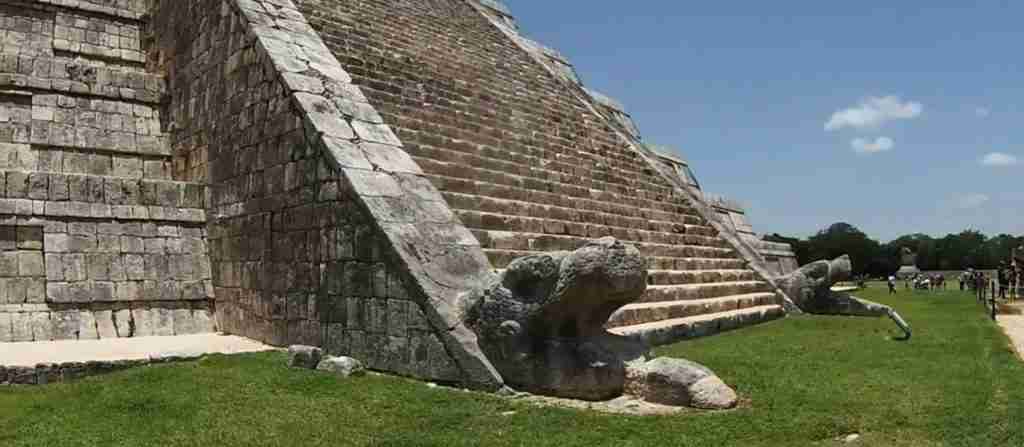
3 days
Chichen Itza 3-Day Discovery Tour
- ✓ Comprehensive Chichen Itza experience
- ✓ Expert local guides included
- ✓ All accommodation included
- ✓ Transportation provided
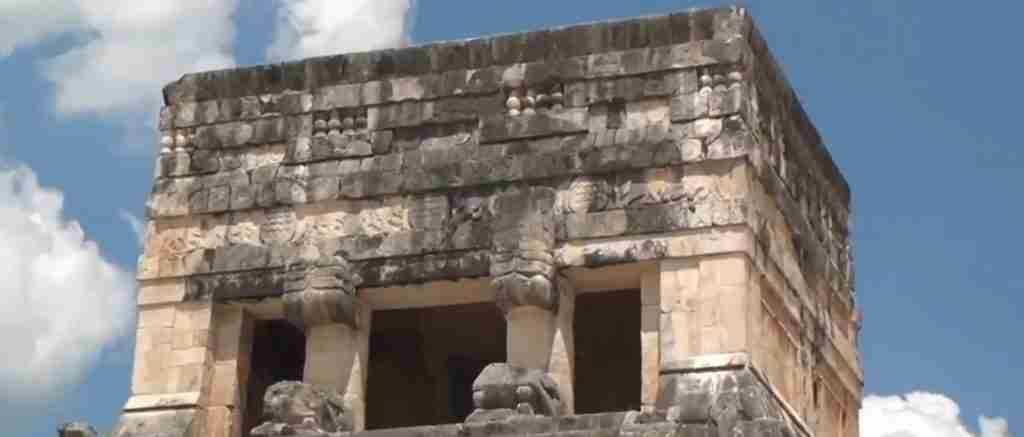
5 days
Chichen Itza 5-Day Highlights Experience
- ✓ Comprehensive Chichen Itza experience
- ✓ Expert local guides included
- ✓ All accommodation included
- ✓ Transportation provided

7 days
Chichen Itza 7-Day Cultural Journey
- ✓ Comprehensive Chichen Itza experience
- ✓ Expert local guides included
- ✓ All accommodation included
- ✓ Transportation provided
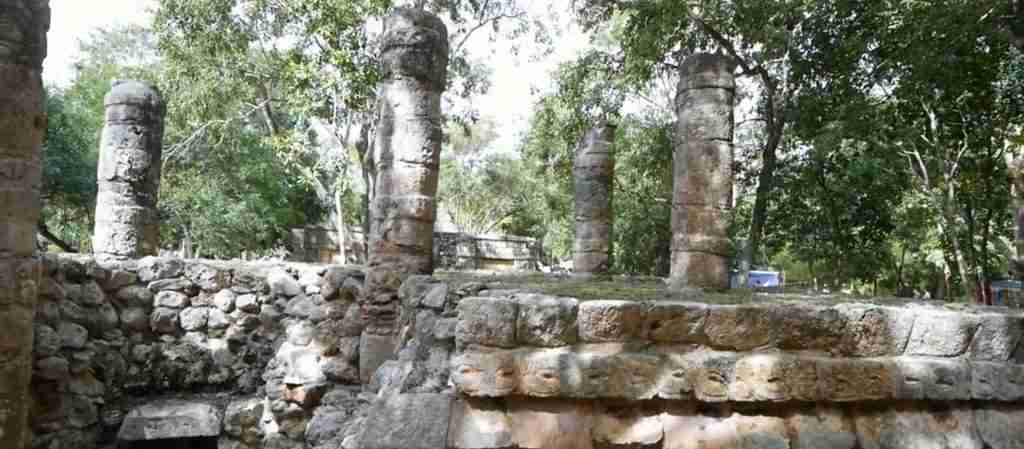
10 days
Chichen Itza 10-Day Complete Adventure
- ✓ Comprehensive Chichen Itza experience
- ✓ Expert local guides included
- ✓ All accommodation included
- ✓ Transportation provided
Multi-day tour packages powered by TourRadar. Prices and availability subject to change.
Essential Planning Information for 2026 Chichen Itza Tours
Current Costs and Pricing Breakdown
Group tours from Cancun cost $45-55 for basic packages, $60-75 for enhanced services, and $80-95 for small-group premium experiences in 2026. Check tour operator websites for current official rates as pricing varies by season and included services. Private tours range $200-250 for basic 8-hour experiences, $280-350 for standard 10-12 hour itineraries with cenote visits, and $400-600 for luxury customized experiences with expert guides and premium vehicles. All-inclusive packages that combine Chichen Itza with multiple cenotes, Valladolid, and cultural activities cost $120-150 for standard offerings and $160-180 for premium experiences.
Understanding what’s included in base pricing helps evaluate true tour value. Basic group tours include round-trip air-conditioned coach transportation from Cancun hotel zone or Playa del Carmen, certified bilingual guide services for 1.5-2 hours at Chichen Itza, entrance fees to the archaeological site, and sometimes bottled water. However, these packages exclude lunch ($10-18), beverages beyond initial water ($3-8), optional cenote swimming ($6-10), and gratuities for guides and drivers ($8-12 recommended total). Budget travelers should calculate $70-95 total per person for supposedly “$45” group tours once all expenses factor in.
Mid-range group tours priced $60-75 add significant value through smaller group sizes (15-20 participants versus 30-40), extended site time (3-3.5 hours total versus 2.5 hours), buffet lunch at established restaurants, and sometimes basic cenote swimming. These enhanced packages reduce per-person hidden costs to $15-25 additional, creating better overall value than budget options when total expenditure calculations account for meals and activities. Premium small-group tours costing $80-95 limit participation to 12-15 travelers, provide expert guides with archaeology degrees, and include comprehensive experiences comparable to all-inclusive packages.
Private tour pricing structures differ fundamentally from group rates, charging per vehicle rather than per person. Standard private tours accommodate 1-6 passengers in comfortable air-conditioned vans, making them economically attractive for families or small groups. A $300 private tour costs $50 per person for six travelers, $75 for four people, or $100 for three adults—comparable to or only slightly above mid-range group tours while delivering personalized service, flexible schedules, and customized itineraries. Luxury private tours using premium vehicles with reclining leather seats, WiFi, and refreshments cost $400-600 but provide expert guides, exclusive experiences, and concierge-level service.
Transportation Options and Quality Differences in 2026
Group tours use large air-conditioned coaches seating 35-50 passengers, with comfort levels varying significantly between budget and premium operators. Budget group tours often utilize older buses with standard seating, limited legroom (28-30 inches), and basic amenities like overhead storage and air conditioning. These vehicles make multiple hotel stops across Cancun’s 25-kilometer hotel zone, adding 45-75 minutes to departure and return times as they collect and deliver passengers at 8-15 different properties. The extended pickup process means early departures (6:30 AM from first hotels) but late arrivals for passengers at final stops (7:45-8 AM), creating unequal experience value.
Premium group tours invest in modern coaches with enhanced passenger comfort including reclining seats, increased legroom (32-34 inches), onboard bathrooms, WiFi connectivity, and USB charging ports. These operators limit hotel pickup points to 4-6 strategic locations, reducing collection time to 25-35 minutes and minimizing the inequality between first and last pickups. Some premium services provide light breakfast snacks (fruit, pastries, juice) during the 2.5-hour journey to Chichen Itza, enhancing the overall experience and helping passengers arrive energized rather than hungry and uncomfortable.
Private tours utilize air-conditioned vans or SUVs seating 6-8 passengers comfortably, with vehicle quality ranging from standard commercial vans to luxury SUVs with leather interiors. Standard private tours provide clean, well-maintained vehicles with adequate air conditioning, comfortable seating, and professional drivers who double as guides in some cases. The direct hotel-to-site transportation eliminates multiple stops, reducing travel time by 30-45 minutes compared to group tours and allowing flexible departure timing. Vehicles typically include complimentary bottled water, and many operators provide coolers with additional beverages for purchase.
Luxury private tours feature premium vehicles including Mercedes Sprinter vans with individual reclining leather seats, large windows for photography, professional sound systems for guide commentary, and sometimes WiFi connectivity. These top-tier services assign dedicated drivers separate from guides, ensuring safe driving while guides focus entirely on educational content and passenger interaction. Some luxury operators provide refrigerated beverage selections, snack assortments, and phone charging capabilities, creating genuinely comfortable experiences during the 5-hour round-trip transportation time.
Group Tour Analysis 2026: Value, Structure & Considerations
Standard Group Tour Itinerary Breakdown
Typical group tours follow highly structured 12-14 hour itineraries designed for logistical efficiency rather than optimal visitor experience. Departures from Cancun hotel zone begin 6:30-7:30 AM with the 45-75 minute hotel collection process, followed by the 2.5-hour drive to Chichen Itza including a mandatory rest stop at a crafts cooperative where tour operators receive commissions on passenger purchases. This 20-30 minute stop ostensibly allows bathroom breaks and refreshments, but primarily generates supplemental revenue through high-pressure sales environments where passengers feel obligated to purchase overpriced souvenirs, vanilla extracts, or tequila.
Arrival at Chichen Itza occurs between 9-10:30 AM depending on departure timing and traffic conditions. Guides distribute entrance tickets and organize groups near the visitor center before beginning the formal tour around 9:30-11 AM. The guided portion lasts 1.5-2 hours, covering El Castillo pyramid, the Great Ball Court, Temple of Warriors, Group of a Thousand Columns, and Sacred Cenote with historical and archaeological commentary. After the guided segment concludes, passengers receive 45-60 minutes free exploration time for photography, souvenir shopping at site vendors, or additional ruin viewing before the mandatory departure time.
Post-Chichen Itza activities vary by tour package. Basic tours head directly to lunch at large buffet restaurants designed for tour group capacity (300-500 seats), where meal quality ranges from adequate to disappointing with steam-table formats, lukewarm food, and limited authentic regional cuisine. The lunch stop consumes 60-90 minutes including waiting time for seating and buffet access. Enhanced and all-inclusive tours incorporate cenote swimming (45-60 minutes) at popular sites like Ik Kil or Hubiku before lunch, while premium packages add Valladolid colonial town visits (30-45 minutes) for cathedral viewing and central plaza exploration.
Return transportation to Cancun begins 2:30-3:30 PM, following reverse hotel drop-off sequences that often take 60-90 minutes as coaches navigate Cancun’s hotel zone traffic. Another rest stop usually occurs during the return journey, adding 20-30 minutes to travel time. Final passengers arrive at hotels between 6:30-8 PM, creating 12-14 hour total tour durations that exhaust many travelers despite spending only 3-4 hours actually experiencing Chichen Itza, cenotes, or cultural sites. The remaining 8-10 hours consist of transportation, rest stops, meals, and waiting periods.
Group Tour Advantages and Value Proposition
Group tours deliver unmatched value for budget-conscious travelers, solo visitors, and those who prefer professionally managed logistics over independent planning. The per-person cost of $45-75 provides comprehensive experiences including round-trip transportation covering 240+ kilometers, expert guide services, entrance fees ($33 for foreigners in 2026), and often meals—a package impossible to replicate independently without rental cars, navigation challenges, and separate bookings for each component. Budget travelers without vehicles save the $60-80 daily rental car cost, $30-40 fuel expense, and 3-4 hours driving time required for self-guided visits.
The social dynamics of group tours create opportunities to meet fellow travelers from diverse backgrounds, share experiences, and benefit from the collective knowledge generated through participant questions. Well-selected tour operators assign knowledgeable guides who enhance understanding through detailed archaeological, historical, and cultural commentary that independent visitors miss without extensive pre-trip research. Many travelers report that guide expertise transforms their Chichen Itza experience from “impressive ancient ruins” to profound appreciation for Maya civilization’s astronomical knowledge, architectural achievements, and cultural sophistication.
Professional logistics management eliminates stress and uncertainty associated with independent travel in unfamiliar regions. Tour operators handle all transportation coordination, site entrance procedures, meal reservations, and timing optimization, allowing passengers to relax and enjoy experiences without navigating Mexican highways, managing Spanish-language interactions, or coordinating complex multi-site itineraries. For travelers with limited time in Cancun or Playa del Carmen, group tours efficiently pack multiple experiences into single-day excursions that would require 2-3 days to accomplish independently.
Established tour operators provide safety infrastructure through licensed drivers, maintained vehicles, liability insurance coverage, and emergency support systems. The presence of 20-40 fellow passengers creates inherent security advantages in remote areas or during rest stops where solo travelers might feel vulnerable. Reputable companies carry first aid supplies, maintain communication systems, and employ guides trained in emergency response procedures, providing peace of mind for travelers concerned about health issues, vehicle breakdowns, or unexpected situations in rural Yucatan.
Group Tour Limitations and Common Frustrations
Fixed schedules create the most significant limitation of group tours, as all participants must conform to predetermined timing regardless of individual preferences, energy levels, or interests. Photographers frustrated by rushed time allowances at key viewpoints, history enthusiasts wanting deeper archaeological discussions, and families with young children needing flexible break timing all experience constraints imposed by group logistics. The mandatory departure times mean leaving Chichen Itza at 12:30-1 PM regardless of whether you’ve adequately explored the site or photographed desired compositions.
Large group sizes (30-40 participants in budget tours) create crowd management challenges and diminished personal attention from guides. Keeping groups together while navigating busy archaeological sites requires constant waiting for stragglers, repeated explanations as people fail to hear initial commentary, and limited opportunity for individual questions or customized information. The audio headset systems used by larger groups help participants hear guide commentary in crowded environments, but the impersonal quality reduces engagement compared to direct face-to-face educational interactions.
The commission-based stop at craft cooperatives frustrates many travelers who perceive these as forced shopping experiences rather than authentic cultural encounters. While operators frame these stops as supporting local artisans and providing necessary bathroom breaks, the aggressive sales tactics employed by some vendors create uncomfortable situations where passengers feel pressured to purchase items they don’t want. The 20-30 minutes consumed by these stops extends already long travel days and reduces time available at primary destinations.
Meal quality at large-capacity tourist restaurants rarely matches authentic regional cuisine experiences available at smaller establishments. The buffet format prioritizes volume and efficiency over culinary excellence, often serving internationally familiar foods (pasta, rice, chicken) alongside token Mexican offerings. Travelers with dietary restrictions find limited suitable options, as buffet staff rarely have detailed ingredient information and cross-contamination occurs frequently. The rushed meal timing (60-90 minutes for 40-50 people) creates long buffet lines and limited seating availability during peak service periods.
Private Tour Analysis 2026: Flexibility, Customization & Premium Experiences
Private Tour Structure and Customization Options
Private tours transform the Chichen Itza experience through complete schedule control, personalized pacing, and customized itineraries matching your specific interests and physical capabilities. Standard private tours lasting 10-12 hours allow flexible departure timing between 5:30 AM and 11 AM, with most travelers choosing 6-7 AM departures to capture optimal site conditions. Unlike group tours with rigid timelines, private guides adapt the day’s schedule based on real-time circumstances including your energy levels, weather conditions, crowd densities, and emerging interests as the experience unfolds.
Customization begins during the booking process when reputable operators conduct detailed consultations about your priorities, physical limitations, photography goals, educational interests, and desired additional experiences. Families with young children might request shorter archaeological site visits (1.5-2 hours guided) balanced with extended cenote swimming time and playground stops. Photography enthusiasts specify composition priorities like sunrise light at El Castillo, detailed Temple of Warriors shots, or unique perspectives requiring position changes and waiting for optimal conditions. History buffs request guides with advanced archaeology or anthropology degrees who provide academic-level discussions about Maya civilization.
Itinerary flexibility extends beyond Chichen Itza to incorporate complementary experiences matching your interests. Standard private tours include one cenote visit (typically Ik Kil or Suytun), but customization allows selecting lesser-known options like Oxman, Zaci, or Samula based on desired atmospheres—dramatic light beams versus swimming privacy versus spectacular stalactite formations. Cultural additions might include authentic cocina economica lunch at family restaurants in Valladolid, artisan workshop visits for weaving or pottery demonstrations, or extended colonial town exploration including the San Bernardino Convent and Calzada de los Frailes historic street.
The guide’s undivided attention creates opportunities for deep educational engagement impossible in group settings. Private guides adapt commentary complexity to audience knowledge levels, from basic Maya civilization introductions for first-time visitors to sophisticated discussions of astronomical alignments, architectural engineering solutions, or ongoing archaeological research findings for educated enthusiasts. Families benefit from guides who engage children through age-appropriate storytelling, interactive questioning, and scavenger hunt-style exploration techniques that maintain young attention spans throughout long site visits.
Private Tour Cost Justification and Value Analysis
Private tour costs of $200-600 initially appear expensive compared to $50-75 group tours, but value analysis reveals compelling justifications for specific traveler profiles. The key calculation involves per-person costs for small groups: a family of four paying $320 for a private tour spends $80 per person versus $60-70 for premium group tours—only $10-20 additional for dramatically enhanced experiences. Couples paying $280 ($140 each) experience significant premiums over group rates, but the personalization, flexibility, and quality improvements often justify the investment for special occasions, honeymoons, or travelers prioritizing exceptional experiences over budget constraints.
Time efficiency creates substantial value that raw pricing comparisons miss. Private tours departing 6 AM arrive at Chichen Itza by 8:30 AM, allowing 2.5-3 hours of productive site exploration before heat and crowds intensify, then continuing to cenotes and lunch during comfortable mid-day hours when archaeological site conditions deteriorate. This optimal timing captures the best moments at each location, whereas group tours frequently arrive during peak heat (10:30 AM-12:30 PM) and depart before late afternoon moderation. The 90-120 minutes of superior conditions at Chichen Itza translate to dramatically better photography, more comfortable exploration, and enhanced educational engagement.
Hidden costs in group tours narrow the actual price gap between tour types. Budget group tours at $50 per person exclude lunch ($12-18), additional beverages ($5-10), cenote entrance if not included ($6-10), and guide/driver gratuities ($10-15), bringing total costs to $83-103 per person. Premium group tours at $75 include most extras but still expect $8-12 gratuities, reaching $83-87 total. A private tour at $320 for four people ($80 each) includes all meals, beverages, cenote entrances, and gratuities in a single upfront price, simplifying budgeting and eliminating surprise expenses.
The personalization value becomes paramount for travelers with special needs, interests, or circumstances. Families with young children, elderly relatives with mobility limitations, or travelers with dietary restrictions find that private tour flexibility transforms potentially frustrating group tour experiences into comfortable, enjoyable adventures. Photographers capturing portfolio-quality images require time and positioning freedom impossible in scheduled group contexts. Honeymooners seeking romantic experiences rather than crowded bus tours value the privacy and intimate atmosphere of exclusive guide attention. For these specific traveler profiles, the premium pricing delivers tangible value through accommodating unique requirements.
Selecting Quality Private Tour Operators
Private tour quality varies dramatically between operators, making careful selection essential for value realization. Top-tier providers employ certified guides with university degrees in archaeology, anthropology, or history who deliver expert commentary matching academic standards. These guides maintain active relationships with ongoing archaeological research projects at Chichen Itza, incorporate recent discoveries into their presentations, and provide scholarly perspectives on debates within Maya studies. Mid-level operators use experienced guides with specialized training and years of site familiarity, offering solid educational content without academic credentials. Budget private tours sometimes assign driver-guides with basic knowledge who provide functional commentary but lack depth for sophisticated educational engagement.
Vehicle quality and maintenance standards directly impact comfort during the 5-hour round-trip transportation time. Premium operators invest in modern, well-maintained vehicles with comfortable seating, effective air conditioning, and amenities like WiFi and phone charging. They conduct regular maintenance, keep vehicles immaculately clean, and replace older units before comfort deteriorates. Budget operators may utilize older vans with adequate but basic comfort, less powerful air conditioning (important in 35°C+ temperatures), and minimal amenities. Vehicle inspection during booking consultations or requesting recent photographs helps assess what you’re purchasing.
Reputable private tour companies provide transparent pricing with detailed inclusion lists, avoiding the hidden fees that plague some budget operators. Quality providers specify exactly what’s included: entrance fees, meals (and at which restaurants), beverages throughout the day, cenote visits, guide and driver gratuities, and any additional experiences. They clearly state customization limits and surcharges for premium additions like sunrise access, multiple cenote visits, or extended Valladolid exploration. Transparency indicators include itemized quotations, responsive communication answering specific questions, and willingness to provide references from recent clients.
Online review analysis across multiple platforms (TripAdvisor, Google, specialized tour review sites) reveals patterns distinguishing excellent operators from problematic ones. Look for consistent praise regarding guide knowledge, punctuality, vehicle condition, and flexibility in handling unexpected situations. Warning signs include repeated complaints about bait-and-switch tactics (promising expert guides then assigning inexperienced staff), pressure to purchase from affiliated vendors, vehicle breakdowns, or guides rushing through sites. The review volume matters: operators with 200+ reviews averaging 4.5+ stars demonstrate sustained quality, while those with limited reviews (under 50) or recent rating declines warrant caution.
All-Inclusive Package Tours 2026: Comprehensive Cultural Experiences
All-Inclusive Tour Components and Structure
All-inclusive Chichen Itza packages priced $120-180 per person combine archaeological exploration with cultural immersion experiences that showcase Yucatan’s diverse heritage beyond ancient ruins. Standard packages include Chichen Itza guided tours (1.5-2 hours), swimming at major cenotes like Ik Kil or Hubiku (45-60 minutes), buffet lunch featuring regional cuisine (60-90 minutes), and Valladolid colonial town visits (30-45 minutes). Transportation in comfortable air-conditioned coaches, all entrance fees, certified bilingual guides, life vests and lockers for cenote swimming, and beverages throughout the day create comprehensive packages requiring no additional planning or unexpected expenses beyond optional gratuities.
The typical all-inclusive itinerary begins with 6:30-7:30 AM hotel pickups across Cancun and Playa del Carmen, followed by the first rest stop at a craft cooperative (20-30 minutes) around 8:30-9 AM. Chichen Itza arrival occurs 9:30-10:30 AM, with guided tours beginning immediately to maximize site time before peak afternoon heat. After completing the archaeological exploration around 12-12:30 PM, groups proceed to cenote swimming, providing refreshing breaks and photo opportunities in spectacular natural settings. The cenote visit typically precedes lunch, allowing passengers to dry off and change into fresh clothes before dining.
Buffet lunch at established regional restaurants occurs 1:30-3 PM, featuring expanded menus beyond basic tourist offerings. Premium all-inclusive packages partner with higher-quality establishments serving authentic Yucatecan specialties like cochinita pibil (slow-roasted pork), poc chuc (grilled marinated pork), sopa de lima (lime soup), and papadzules (egg-filled enchiladas with pumpkin seed sauce). These meals include agua fresca beverages and sometimes beer or soft drinks, creating genuine cultural dining experiences. The lunch venue often includes folkloric dance performances or live marimba music, enhancing the cultural immersion beyond purely archaeological education.
Valladolid visits occur during the return journey to Cancun, typically 3-3:30 PM when the colonial town’s central plaza activates with late afternoon life. The 30-45 minute stop allows cathedral viewing (San Servacio Church founded 1545), central plaza exploration with its distinctive arcades and Moorish-influenced architecture, and quick souvenir shopping at local markets. Some premium tours extend Valladolid time to 60 minutes, permitting visits to the San Bernardino Convent or Calzada de los Frailes historic street. Return transportation begins 4-4:30 PM with hotel arrivals 6:30-8 PM depending on traffic and drop-off sequences.
All-Inclusive Package Value Assessment
All-inclusive packages priced $120-150 per person provide excellent value for travelers prioritizing convenience, cultural breadth, and predictable total costs. The package components purchased separately would cost significantly more: Chichen Itza entrance $33, cenote swimming $6-10, lunch $15-20, Valladolid access free but transportation and organization challenging, plus round-trip Cancun transportation in private vehicles $60-80 per person. The combined independent cost reaches $114-143 before guide services, coordination effort, or time optimization—making $120-150 all-inclusive packages competitively priced while eliminating planning stress and execution complexity.
The convenience factor delivers substantial value beyond raw cost comparisons. All-inclusive tours eliminate the research, booking coordination, and logistical management required for independent multi-site visits. Travelers arrive at Cancun hotels, join scheduled departures, and experience comprehensive Yucatan cultural immersion without navigating highways, managing Spanish-language transactions, coordinating timing between distant sites, or dealing with unexpected challenges like vehicle problems or closed attractions. For time-constrained visitors spending 3-7 days in Cancun, the ability to accomplish in one day what might require 2-3 days independently justifies premium pricing.
Cultural breadth distinguishes all-inclusive packages from archaeology-only tours. The combination of ancient Maya civilization (Chichen Itza), natural wonders (cenote swimming), colonial history (Valladolid), and regional cuisine creates multi-dimensional understanding of Yucatan’s layered cultural heritage. This breadth appeals to travelers seeking comprehensive destinations overviews rather than deep dives into single topics. Families particularly appreciate the variety, as children who might lose interest during extended archaeological exploration remain engaged through swimming breaks and colonial town novelty.
The primary value limitation involves depth of experience at each component location. All-inclusive tours allocate limited time at each site—2-2.5 hours at Chichen Itza including 45 minutes free exploration, 45-60 minutes at cenotes with 15-20 minutes for changing clothes and securing belongings, 30-45 minutes in Valladolid barely scratching the colonial town’s potential. Travelers with deep interests in Maya archaeology, cenote exploration, or colonial architecture find the sampling approach frustrating compared to focused visits allowing thorough engagement. The packages optimize for breadth rather than depth, suiting general interest travelers over specialists.
Premium All-Inclusive Enhancements
Premium all-inclusive packages priced $160-180 per person enhance standard offerings through upgraded services creating notably superior experiences. The primary enhancement involves smaller group sizes—maximum 20-25 participants versus 35-40 in standard packages—delivering several advantages. Smaller groups navigate sites more efficiently with less waiting time for group cohesion, allow easier guide communication and better ability to hear commentary without audio headsets, and create more intimate, relaxed atmospheres versus the rushed, crowded feeling of large tour groups.
Extended time allocations at key sites transform shallow samplings into meaningful experiences. Premium packages provide 2.5-3 hours at Chichen Itza (versus 2-2.5 hours standard), allowing thorough exploration of major structures plus secondary buildings that rushed visitors miss: the High Priest’s Pyramid, steam bath complex, astronomical observatory (El Caracol interior access when available), and the extensive but rarely visited Group of a Thousand Columns southern sections. The additional 30-60 minutes enables photography enthusiasts to capture desired compositions without rushing and history buffs to fully absorb the archaeological site’s complexity.
Multiple cenote visits distinguish premium packages from standard single-cenote offerings. Instead of just Ik Kil or Hubiku (the two most popular tourist cenotes), premium tours add lesser-known options like Oxman with its dramatic rope swing and peaceful atmosphere, Suytun with its famous shaft of light and platform photo opportunities, or Zaci located in Valladolid’s town center offering convenient access and local character. The variety allows experiencing different cenote types—open-air, semi-open, cavern—demonstrating the geological diversity that makes this region unique.
Authentic regional cuisine at family-owned restaurants replaces large-capacity tourist buffets in premium packages. These smaller establishments serve freshly prepared Yucatecan specialties using traditional cooking methods and local ingredients, creating genuine cultural culinary experiences. Family owners often welcome tour groups personally, explain dish histories and preparation techniques, and incorporate generations-old recipes passed down through their families. The meal quality dramatically surpasses steam-table buffets, and the cultural authenticity enhances educational value as travelers experience food as living cultural practice rather than tourist commodity.
Transportation Logistics and Pickup Procedures 2026
Hotel Pickup Zones and Timing Variations
Cancun’s hotel zone stretches approximately 25 kilometers along a narrow barrier island, creating significant logistical challenges for tour operators managing passenger collections. The zone divides into rough geographical sectors: downtown/Zona Hotelera northern section (kilometers 0-8), mid-hotel zone (kilometers 8-16), and southern hotel zone extending toward the airport (kilometers 16-25). Tour operators assign pickup times based on hotel locations, with first pickups occurring at southern hotels (6:30-6:45 AM for 7 AM nominal departure time) and final collections at northern properties (7:30-7:45 AM), creating 60-75 minute spans between first and last passenger boarding.
Playa del Carmen adds another collection zone located 68 kilometers south of Cancun, requiring either separate departure times or extended collection windows. Some tour operators run dedicated Playa del Carmen departures at 7-7:30 AM (30-60 minutes after Cancun departures) to account for the 1-hour northbound travel to join Cancun groups, or they pick up Playa passengers first at 6 AM, transit to Cancun for 7-7:30 AM collections, then proceed to Chichen Itza. The logistics mean Playa del Carmen participants often experience 13-15 hour total tour durations compared to 12-13 hours for Cancun-based travelers, even though they’re geographically closer to Chichen Itza (115 kilometers versus 195 kilometers).
Understanding your position in pickup sequences helps manage expectations about actual departure timing. Southern Cancun hotel zone guests board first but then spend 60-75 minutes on the coach during northern zone collections, experiencing longer stationary periods in air-conditioned buses. Northern zone or downtown Cancun hotel guests enjoy shorter waiting times but face uncertainty about exact pickup timing as traffic conditions affect schedule adherence. Tour operators provide 15-30 minute pickup windows (e.g., “6:45-7:15 AM”) rather than exact times, requiring guests to wait in lobbies or designated pickup areas throughout the entire window.
Private tours eliminate pickup inequalities through direct hotel-to-destination transportation. Regardless of your hotel location in Cancun, Playa del Carmen, or even Tulum (140 kilometers from Chichen Itza), private tour vehicles collect you at the agreed time and proceed directly to the archaeological site. Southern Cancun hotels enjoy 2-hour direct transit to Chichen Itza, northern properties 2.5 hours, Playa del Carmen 1.5-1.75 hours, and Tulum 60-90 minutes. The elimination of intermediate stops reduces total travel time by 45-75 minutes compared to group tour collections, providing 90-minute advantages for first-time explorations or allowing later departure times while still achieving early site arrival.
Return Transportation and Drop-off Sequences
Return transportation follows reverse pickup sequences, meaning southern hotel zone guests who boarded first are dropped off last, while northern properties receive first returns. This structure creates significant inequality in total tour duration, with southern hotel guests experiencing 12.5-14 hour days versus 11.5-12.5 hours for northern properties. The final hour of tour time consists entirely of waiting on the coach while other passengers disembark, creating fatigue and frustration for travelers already exhausted from long days at archaeological sites in heat and humidity.
Traffic conditions dramatically affect return timing, as Cancun hotel zone access during 6-8 PM rush hours encounters heavy congestion. Tour operators quote arrival windows spanning 90-120 minutes (e.g., “between 6:30-8 PM”) acknowledging unpredictability. Travelers with dinner reservations, evening show tickets, or connecting travel should avoid booking commitments before 9 PM to account for potential delays. Premium tour operators using smaller groups (20-25 participants) reduce drop-off time to 30-45 minutes versus 60-90 minutes for large coaches serving 35-40 passengers at 8-15 different hotels.
Rest stops during return journeys add 20-30 minutes to travel times, though some passengers appreciate the opportunity to stretch legs and use bathrooms during the 2.5-hour transit. These stops typically occur at the same craft cooperatives used during outbound journeys, creating second opportunities for pressured shopping that many travelers find annoying after already declining purchases during morning stops. Budget-conscious travelers should resist the “last chance” marketing as identical items sell at better prices in Cancun’s markets or Playa del Carmen’s tourist zones without time pressure or obligation.
Private tour return transportation provides flexibility to optimize evening schedules. Families with young children exhausted from long days can request direct hotel returns without additional stops, saving 30-45 minutes. Energetic travelers might add sunset viewings at specific cenotes, dinner at recommended local restaurants in Valladolid or Tizimin, or shopping stops at artisan cooperatives offering genuine value without pressure tactics. The flexibility allows customizing return journeys based on energy levels, interests, and evening plans rather than conforming to rigid schedules designed for operational efficiency.
Booking Strategies and Timing Recommendations 2026
Advance Booking Windows and Availability Patterns
Peak season for Chichen Itza tours runs December through April and July through August, corresponding to North American winter holidays, spring breaks, and summer vacations. During these periods, popular group tours sell out 3-4 weeks in advance, while private tours require 4-6 weeks booking lead time to secure preferred dates and times. All-inclusive packages from reputable operators often fill 6-8 weeks ahead during peak weeks (Christmas-New Year, Easter week, mid-July through mid-August) as tour capacity limitations prevent accommodating all demand.
Shoulder seasons (May-June and September-November) offer significantly better availability with 1-2 week advance bookings typically sufficient for group tours and 2-3 weeks adequate for private experiences. The reduced demand during these periods creates opportunities for last-minute bookings, though waiting until arrival in Cancun risks tour sellouts during unexpected high-demand periods. Weather considerations during shoulder season include higher rain probabilities in May-June and September-October (though usually brief afternoon storms rather than all-day rain) and September hurricane season risk requiring flexible cancellation policies.
Booking 2-3 months ahead provides optimal balance between securing desired dates and avoiding excessive advance planning that might conflict with changed travel plans. This timing window ensures availability across all tour types and operators, allows comparing multiple options without time pressure, and provides opportunities to monitor pricing variations as some operators offer early-booking discounts (5-10% off for reservations 60+ days ahead) or periodic promotional rates. The advance window also permits thorough research reading reviews, confirming operator credentials, and asking detailed questions during consultation processes.
Last-minute bookings (within 72 hours of desired tour date) face significant limitations including restricted operator selection, no choice in departure times, potential premium pricing for remaining availability, and no group tour discounts. Private tours become especially challenging for last-minute requests as quality operators maintain full schedules during peak periods with minimal same-week availability. Budget travelers finding last-minute group tour availability might discover better deals than advance bookings if operators reduce prices to fill remaining seats, but this gamble risks having no tour options or settling for low-quality operators with poor reviews and substandard services.
Price Comparison and Negotiation Tactics
Group tour pricing shows remarkable consistency among reputable operators, with most charging $50-75 depending on included services and group size limits. Budget operators at $45-50 cut costs through older vehicles, larger group sizes (35-40 participants), less experienced guides, and minimal included services beyond basic transportation and site entrance. Premium operators justify $70-80 pricing through smaller groups (15-20 participants), enhanced vehicles, expert guides, comprehensive inclusions (meals, cenote swimming, beverages), and superior customer service. The $25-35 price spread reflects genuine quality differences rather than arbitrary pricing.
Private tour pricing varies more substantially ($200-600) based on vehicle quality, guide expertise, included extras, and operator reputation. Standard private tours cost $250-350 for comprehensive 10-12 hour experiences with decent vehicles and experienced guides. Budget private tours at $200-250 might use older vans, assign driver-guides rather than dedicated specialists, and exclude meals or beverages requiring separate purchases. Luxury private tours at $400-600 provide premium vehicles, expert guides with advanced degrees, concierge-level service, and comprehensive inclusions creating significantly superior experiences for travelers prioritizing quality over budget.
Direct booking through operator websites typically offers better rates than third-party platforms (GetYourGuide, Viator, TripAdvisor Experiences) that add 15-25% commission markups. However, third-party platforms provide consolidated reviews from multiple sources, simplified comparison shopping, and sometimes better cancellation policies protecting consumers if operators fail to deliver promised services. The tradeoff involves paying premium pricing for consumer protection and convenience versus securing best rates through direct bookings requiring more research to verify operator legitimacy and quality.
Negotiation opportunities exist primarily for private tours, especially when booking multiple days or coordinating group travel for 6+ people requiring multiple vehicles. Operators often provide 10-15% discounts for multi-day bookings (Chichen Itza day 1, Tulum day 2, Coba day 3) or waive certain fees for large groups. Direct communication with operators via email or phone creates better negotiation opportunities than online booking forms. Express flexibility regarding tour dates and departure times—operators might offer discounted rates for filling gaps in their schedules or last-minute cancellations creating unexpected availability.
Cancellation Policies and Weather Contingencies
Standard group tour cancellation policies require 24-48 hours advance notice for full refunds, with some operators extending to 72 hours during peak season when reselling spots proves easier. Cancellations within the notice period typically incur 50-100% penalties depending on timing and operator policies. Reputable companies provide clear cancellation terms in booking confirmations and allow policy modifications for documented emergencies (illness, flight cancellations, family situations) at their discretion. Budget operators often maintain stricter policies with no-refund rules for cancellations within 48 hours, creating financial risk for travelers with uncertain schedules.
Private tours generally offer more flexible cancellation terms—48-72 hours notice for full refunds, 24-48 hours for 50% refunds—reflecting lower rebooking challenges when selling exclusive experiences versus group tour seat filling. Luxury private tour operators sometimes waive cancellation fees entirely for weather-related cancellations or provide complimentary rescheduling without penalties. The premium pricing partly covers this enhanced flexibility as operators maintain margin buffers absorbing occasional cancellation costs while building client goodwill and positive reviews that generate future bookings.
Weather-related cancellations rarely occur as Chichen Itza tours operate in all conditions except extreme scenarios like hurricanes or tropical storms. Light rain doesn’t prevent archaeological site visits, and the covered portions of ruins provide shelter during brief showers. Heavy rain might reduce photography quality and create muddy walking conditions, but tour operators continue scheduled departures unless official site closures occur. Travelers concerned about rain during May-June and September-October should book operators with flexible weather policies allowing free rescheduling or full refunds if significant storms affect tour quality.
Travel insurance consideration becomes relevant for travelers booking expensive private tours or all-inclusive packages weeks or months in advance. Comprehensive travel insurance policies (not basic trip cancellation coverage) protect against tour cancellations for covered reasons including illness, family emergencies, or flight disruptions preventing tour participation. The insurance cost ($40-80 per person for $150-200 tour coverage) might seem substantial, but provides peace of mind for advance bookings where cancellation penalties could reach hundreds of dollars per family.
Sample 2026 Itineraries and Cost Breakdowns
Budget Group Tour Sample Itinerary
6:30 AM – Hotel pickup begins in southern Cancun hotel zone. Coach departs 7:45 AM after completing all passenger collections across Cancun’s 25-kilometer hotel zone, stopping at 8-12 different properties. First passengers wait 75 minutes on the coach during collections.
8:45 AM – Rest stop at craft cooperative for bathroom breaks and shopping opportunity. High-pressure sales environment for vanilla extracts, tequila, and handicrafts. 25 minutes allocated.
9:10 AM – Resume travel toward Chichen Itza. Guide provides basic historical overview during the remaining 1.5-hour journey, covering Maya civilization fundamentals, Chichen Itza significance, and practical visit logistics.
10:40 AM – Arrive Chichen Itza visitor center. Group organizes, receives entrance tickets, and proceeds to archaeological site. The 10:40 AM arrival means moderate crowds already present and temperatures reaching 31-32°C (88-90°F).
10:50 AM – Guided tour begins covering El Castillo pyramid, Great Ball Court, Temple of Warriors, Group of a Thousand Columns, and Sacred Cenote. Guide provides competent historical and architectural commentary for 1.5 hours. Audio headsets allow hearing commentary despite crowd noise.
12:20 PM – Guided tour concludes. Free exploration time until 1:15 PM allows photography, souvenir shopping at site vendors, or visiting additional structures independently. Temperatures peak at 34-35°C (93-95°F) with minimal shade in open plaza areas.
1:15 PM – Mandatory departure from Chichen Itza. Board coach for 25-minute transit to buffet lunch restaurant. The departure timing means missing the brief late afternoon temperature moderation period.
1:40 PM – Arrive buffet restaurant designed for large tour group capacity. Lunch features steam-table international and basic Mexican offerings. Quality adequate but not exceptional, with limited authentic Yucatecan regional cuisine. Meal service until 3 PM including waiting time for seating.
3:00 PM – Depart restaurant for return journey to Cancun. Another rest stop at craft cooperative around 4:15 PM adds 25 minutes for final shopping opportunities.
6:30-8:00 PM – Hotel drop-offs across Cancun hotel zone following reverse pickup sequence. Northern zone hotels receive passengers 6:30-7 PM, southern properties 7:30-8 PM. Total tour duration: 12-13.5 hours.
Budget group tour costs $50 per person for transportation, guide, and entrance fees. Additional expenses: buffet lunch $15, beverages $5-8, guide/driver gratuities $10, optional souvenir purchases $15-30. Total day cost: $95-118 per person.
Premium All-Inclusive Sample Itinerary
6:45 AM – Hotel pickup in small luxury coach (24 passenger capacity, only 18-20 seats filled). Modern vehicle with comfortable reclining seats, WiFi, and complimentary bottled water. Collections complete by 7:30 AM with only 4-5 hotel stops.
8:30 AM – Brief rest stop at quality artisan cooperative featuring genuine crafts without aggressive sales tactics. Bathrooms clean, refreshments available for purchase. 20 minutes allocated.
9:00 AM – Continue to Chichen Itza with guide providing detailed Maya civilization overview including recent archaeological discoveries, astronomical knowledge, and cultural practices. Interactive presentation with question opportunities.
10:30 AM – Arrive Chichen Itza. Smaller group size allows efficient site entry and organization. The 10:30 AM arrival captures moderating mid-morning conditions before peak afternoon heat.
10:40 AM – Guided tour begins with expert guide holding archaeology degree. Covers all major structures plus secondary buildings that rushed tours omit: High Priest’s Pyramid, steam baths, El Caracol observatory details. In-depth architectural analysis and cultural context. 2 hours guided commentary.
12:40 PM – Guided segment concludes. Extended free exploration time until 1:30 PM allows thorough photography, detailed examination of structures, or quiet contemplation without rushed feeling. Guide remains available for additional questions.
1:30 PM – Depart Chichen Itza for Cenote Ik Kil (7 minutes from site). Swimming opportunity in spectacular open-air cenote with hanging vines, waterfall, and crystal-clear water. Life vests and secure lockers provided. 50 minutes swimming and photography time.
2:30 PM – Transit to family-owned restaurant in Valladolid (25 minutes) for authentic regional cuisine lunch. Freshly prepared Yucatecan specialties including cochinita pibil, sopa de lima, and papadzules. Family owners explain traditional cooking methods and ingredient sourcing. Agua fresca beverages and beer included. Lunch until 4 PM.
4:00 PM – Valladolid colonial town exploration. Visit San Servacio Cathedral, central plaza with distinctive arcades, and local market. Guide provides historical context about colonial period and Caste War of Yucatan. 45 minutes allocated for photography and souvenir shopping.
4:45 PM – Depart Valladolid for return to Cancun. No additional rest stops required given earlier bathroom access in Valladolid. Light snacks and beverages provided on coach during return journey.
6:45-7:30 PM – Hotel drop-offs across Cancun hotel zone. Smaller group means shorter drop-off sequence (45 minutes versus 90 minutes for large tours). Total tour duration: 12-12.75 hours.
Premium all-inclusive tour costs $165 per person including all transportation, entrance fees, cenote swimming, authentic lunch with beverages, snacks, and expert guide services. Additional expenses: optional guide/driver gratuities $12-15, personal souvenir purchases $20-40. Total day cost: $197-220 per person.
Private Tour Sample Customized Itinerary
6:00 AM – Direct hotel pickup in comfortable air-conditioned van. No additional passenger collections means immediate departure toward Chichen Itza. Vehicle equipped with cooler containing complimentary bottled water and soft drinks.
8:15 AM – Arrive Chichen Itza, among the first visitors entering when site opens at 8 AM. Cool morning temperatures (24-26°C/75-79°F) and minimal crowds create optimal conditions for photography and contemplative exploration. Private guide with anthropology degree begins customized tour.
8:30 AM – Personalized archaeological exploration emphasizing family’s interest in Maya astronomy and architectural engineering. Guide adapts commentary depth to parents’ educational level while engaging 10-year-old and 8-year-old children through interactive storytelling about ancient Maya daily life. Covers all major structures plus detailed examination of astronomical alignments and building techniques.
10:45 AM – Guided tour concludes after 2 hours and 15 minutes of thorough site coverage. Family requests additional 45 minutes free exploration for specific photography compositions and children’s independent discovery time. Guide remains available for questions.
11:30 AM – Depart Chichen Itza before peak heat and crowds. Transit to Cenote Suytun (35 minutes), specifically selected for family’s interest in dramatic light beam photography rather than swimming at overcrowded Ik Kil. The cenote’s platform and shaft of light create stunning photo opportunities.
12:15 PM – Arrive Cenote Suytun. Swimming, photography, and platform viewing until 1:15 PM. Children enjoy the novelty while parents capture portfolio-quality images during optimal mid-day light conditions for the shaft effect.
1:15 PM – Transit to recommended family restaurant in Valladolid (20 minutes). Guide arranged advance table reservation to avoid waiting time. Lunch features regional cuisine with child-friendly options, served at relaxed pace allowing family to rest and recharge. Meal until 2:45 PM.
2:45 PM – Valladolid colonial town exploration customized for children’s interests. Visit San Bernardino Convent, walk Calzada de los Frailes historic street, stop at local ice cream shop, and explore central plaza. Guide provides age-appropriate historical context and encourages children’s questions. 75 minutes allocated given family’s expressed interest in colonial architecture.
4:00 PM – Depart Valladolid for direct return to Cancun hotel. Children watch downloaded movies on tablets during 2.5-hour journey while parents relax. No intermediate stops required as family bathroom needs met in Valladolid.
6:30 PM – Arrive hotel, significantly earlier than group tour returns due to direct transportation and early start. Total tour duration: 12.5 hours with superior site conditions and personalized pacing throughout.
Private tour costs $340 total for family of four ($85 per person) including transportation, expert guide, all entrance fees, and beverages. Additional expenses: lunch $65 total ($16 per person), cenote entrance $32 total ($8 per person), ice cream $16 total ($4 per person), guide/driver gratuities $25 total ($6 per person). Total day cost: $478 for family ($119 per person), or $34 per person more than premium all-inclusive group tour but with dramatically superior experience tailored to family’s specific interests and needs.
Planning Your 2026 Chichen Itza Tour Selection
Decision Framework Based on Travel Profile
Solo travelers on tight budgets maximize value through group tours priced $50-75 per person delivering comprehensive experiences impossible to replicate independently without rental cars and extensive planning. The social dynamics create opportunities to meet fellow travelers, share costs for meals or transportation between sites, and benefit from established logistics eliminating navigation stress in unfamiliar regions. Solo travelers interested in deeper archaeological understanding should select premium small-group tours ($70-85) with expert guides and extended site time rather than budget options prioritizing cost minimization over educational quality.
Couples celebrating special occasions—honeymoons, anniversaries, milestone birthdays—find that private tour premiums ($140-200 per person) justify themselves through personalized experiences creating memorable moments impossible in group settings. The privacy, romantic atmosphere, flexibility to linger at meaningful locations, and ability to customize itineraries around photography goals or specific interests transform Chichen Itza visits from “impressive tourist activity” to “cherished life experience.” Couples should prioritize luxury private tours ($400-600 total) with expert guides, premium vehicles, and comprehensive services if budget permits, as the quality differential significantly impacts experiential value.
Families with young children (under 10 years old) benefit dramatically from private tour flexibility accommodating children’s shorter attention spans, bathroom break needs, energy level fluctuations, and dietary preferences. The ability to customize pacing, take breaks when children tire, and adapt commentary to maintain engagement justifies the premium pricing through stress reduction and experience quality. Families of 4-6 members find private tours economically reasonable at $50-85 per person after dividing total costs, approaching premium group tour rates while delivering vastly superior family-friendly experiences. Parents should communicate children’s ages, interests, and special needs during booking consultations to ensure guides prepare age-appropriate content and activities.
Senior travelers or those with mobility limitations require careful consideration of physical demands and accessibility. Chichen Itza involves extensive walking on uneven surfaces, climbing (if accessing certain structures when permitted), and exposure to heat and sun for 3-4 hours. Group tours maintain pace accommodating average fitness levels but won’t slow for individual needs beyond basic rest breaks. Private tours allow customizing pacing, frequency of rest stops, time allocations at each structure, and routes minimizing difficult terrain. Travelers with significant mobility challenges should discuss specific limitations with private tour operators who can assess feasibility and suggest accessibility-optimized itineraries.
Seasonal Timing Optimization Strategies
Peak season (December-April) offers optimal weather conditions with minimal rain probability, comfortable temperatures (24-28°C/75-82°F daily highs), and low humidity compared to summer months. However, crowd densities peak during this period with 8,000-12,000 daily visitors at Chichen Itza during December-January and March-April spring break weeks. Booking private tours departing 5:30-6 AM allows capturing the 8-9 AM optimal window before crowds intensify, while group tour participants must accept mid-morning arrival times (9:30-10:30 AM) with heavier tourist presence. Peak season requires 6-8 weeks advance bookings for preferred dates, and accommodation costs in Cancun increase 30-50% compared to shoulder seasons.
Shoulder season (May-June, September-November) balances moderate weather against rain probabilities and potential tropical storms. May-June brings increasing temperatures (30-33°C/86-91°F daily highs) and afternoon rain likelihood 40-60% of days, though storms typically last 30-90 minutes rather than all-day precipitation. September-October carries hurricane season risk requiring flexible cancellation policies and travel insurance, but also delivers lowest crowd densities (3,000-5,000 daily visitors) and significantly reduced Cancun accommodation costs (40-60% below peak season). Travelers tolerant of heat and rain find shoulder season’s advantages—dramatic crowd reductions, lower costs, easy last-minute bookings—outweigh weather uncertainties.
Summer season (July-August) combines problematic weather conditions with high tourist volumes, creating challenging visit circumstances. Temperatures regularly exceed 35°C (95°F) with 75-85% humidity creating heat index values approaching 40-43°C (104-109°F). Rain probability reaches 60-70% with frequent afternoon thunderstorms. North American summer vacation timing brings 10,000-13,000 daily visitors creating peak crowd densities second only to Christmas-New Year weeks. Travelers constrained to summer travel should absolutely book private tours with earliest possible departures (5:30-6 AM) to capture the 8-9:30 AM window before heat becomes oppressive, and accept afternoon rain as likely requiring flexible attitudes about weather impacts on photography and site conditions.
Winter holiday weeks (Christmas-New Year, Easter week) represent absolute peak tourism periods with maximum crowds, highest prices, and most constrained availability. Private tours require 8-12 weeks advance bookings, group tours fill 6-8 weeks ahead, and all accommodation costs in Cancun peak at annual highs. Travelers visiting during these periods should book everything months in advance, expect crowds at every site, and prepare for premium pricing across all services. The trade-off involves guaranteed excellent weather and festive atmospheres in Cancun’s hotel zone with extensive holiday programming, but these advantages rarely compensate for the significantly degraded Chichen Itza experience due to extreme overcrowding.
Final Booking Recommendations and Quality Indicators
Prioritize operator reputation over minor price differences when selecting Chichen Itza tours. The $10-20 savings booking unknown budget operators versus established companies with hundreds of positive reviews rarely justifies the risk of substandard experiences. Research operators across multiple review platforms (TripAdvisor, Google Reviews, specialized tour review sites) looking for patterns in feedback regarding guide knowledge, vehicle condition, adherence to advertised schedules, and problem resolution when unexpected issues occur. Operators averaging 4.5+ stars across 200+ reviews demonstrate sustained quality; those below 4.2 stars or with limited review volume warrant caution regardless of attractive pricing.
Quality indicators for group tours include maximum group size limits (premium operators cap at 20-25 participants versus 35-40 for budget services), vehicle descriptions (modern air-conditioned coaches with amenities versus basic buses), guide credentials (certified with specialized training versus generic tour leader), and transparency about included versus excluded services. Operators clearly listing what’s included (entrance fees, meals, beverages, cenote swimming) versus those using vague “all-inclusive” language without specifics demonstrate greater professionalism and consumer respect. Transparent pricing with no hidden fees or surprise expenses indicates ethical business practices.
Private tour quality assessment requires evaluating guide credentials (university degrees in relevant fields, years of experience, language capabilities), vehicle specifications (make/model, age, amenities, maintenance standards), customization flexibility (willingness to adapt itineraries, pre-tour consultation depth, responsiveness to special requests), and inclusion transparency (itemized quotation showing exactly what’s covered). Request recent vehicle photographs and guide profiles during booking consultations—quality operators gladly provide these details, while problematic ones evade specific questions or make promises they can’t fulfill. Direct communication during the booking process reveals operator professionalism through response timing, information accuracy, and willingness to address concerns.
All-inclusive package evaluation should examine specific cenotes visited (major tourist sites like Ik Kil versus lesser-known options offering better experiences), restaurant partnerships (family-owned establishments serving authentic cuisine versus large-capacity tourist facilities), Valladolid time allocations (45+ minutes allowing meaningful exploration versus rushed 20-30 minute stops), and total experience duration versus actual site time ratios. Premium packages justify higher pricing through tangible enhanced services; budget all-inclusive options sometimes over-promise and under-deliver, creating disappointing experiences despite seemingly attractive pricing. Reading detailed recent reviews helps assess whether operators meet advertised quality standards or engage in bait-and-switch practices substituting inferior alternatives to reduce costs.
Frequently Asked Questions About Chichen Itza Tours 2026
Can I visit Chichen Itza independently without a tour? Yes, independent visits are possible with rental cars or public transportation from Cancun, Playa del Carmen, Valladolid, or Merida. However, tours provide significant advantages including certified guide expertise explaining historical and cultural context that independent visitors miss without extensive research, optimized timing avoiding worst crowds and heat, and simplified logistics eliminating navigation challenges on Mexican highways. First-class ADO buses operate from Cancun to Chichen Itza ($18-22 round-trip, 4 hours each way), but the transportation alone consumes most daylight hours leaving limited site time and no flexibility for cenote visits or Valladolid exploration.
How long do I need at Chichen Itza? Minimum 2.5-3 hours allows covering major structures with basic guide commentary and limited free exploration. Thorough visits examining both main structures and secondary buildings require 3.5-4.5 hours. Photography enthusiasts or those with deep historical interests might spend 5-6 hours capturing desired images or studying architectural details. Group tours typically allocate 2.5-3 hours total (1.5-2 hours guided, 45-60 minutes free), while private tours customize timing from 2-4+ hours based on interests. The archaeological site’s size and complexity reward extended visits, but heat considerations during summer months limit comfortable exploration time.
What should I bring on a Chichen Itza tour? Essential items include sunscreen (30+ SPF, reef-safe formulation), wide-brimmed hat or cap, sunglasses, comfortable walking shoes with good traction for uneven surfaces, lightweight breathable clothing covering shoulders and knees (both for sun protection and showing respect at ancient sacred sites), refillable water bottle (1-2 liters capacity for all-day hydration), and cash for souvenirs, tips, and any excluded expenses. Photography enthusiasts should bring camera equipment, extra batteries, memory cards, and lens cleaning supplies. Swimmers need bathing suits, towels, and waterproof bags for electronics during cenote visits. Small backpacks work best for carrying supplies throughout long tour days.
Are Chichen Itza tours suitable for children? Tours accommodate children of all ages, though experience quality varies by age group and tour type. Children under 5 may struggle with heat, extensive walking, and long tour durations (12-14 hours including transportation). Ages 6-12 typically enjoy the adventure, archaeological mystery, and swimming opportunities, though group tours’ rigid schedules sometimes conflict with children’s needs for breaks and flexible pacing. Teenagers generally handle full-day tours well and appreciate the educational content. Private tours work significantly better for families with young children, allowing customized pacing, age-appropriate guide commentary, and flexibility to take breaks when children tire.
Can I climb El Castillo pyramid at Chichen Itza? No, climbing El Castillo (Kukulkan Pyramid) has been prohibited since 2006 following safety concerns and preservation efforts. Visitors can approach the structure’s base for photography and detailed examination, but cannot access the steps or summit. The restriction protects both visitors (the steep stairs and lack of handrails created fall risks) and the ancient structure (millions of annual visitors were causing erosion damage to the 1,000-year-old stonework). Some smaller structures at other Maya sites in the Yucatan Peninsula still allow climbing, but Chichen Itza’s most iconic monuments remain off-limits to physical contact beyond the plaza level.
What’s the difference between sunrise and regular tours? Sunrise tours depart extremely early (4:30-5:30 AM) to arrive at Chichen Itza when the site opens at 8 AM or slightly before with special access permits. These specialized tours capture the pyramid during golden hour (6:30-7:30 AM in winter, 6-7 AM in summer) when warm side-lighting creates dramatic shadows and crowd densities remain minimal. Only private tours offer sunrise timing due to the impractical logistics of collecting group tour passengers across Cancun’s hotel zone at 4:30-5 AM. Sunrise tours cost 10-20% more than standard private tours ($320-400 versus $280-350) due to the premium early timing and sometimes special access fees, but deliver dramatically superior photography conditions and intimate archaeological experiences before daily tour group arrivals overwhelm the site.
Do I need travel insurance for Chichen Itza tours? Travel insurance isn’t required but provides valuable protection for travelers booking expensive private tours or all-inclusive packages weeks or months in advance. Comprehensive policies (not basic trip cancellation coverage) protect against tour cancellations for covered reasons including illness, family emergencies, flight disruptions, or weather events. Insurance costs $40-80 per person for $150-200 tour value coverage. The protection becomes especially relevant during hurricane season (June-November) when tropical storms might force tour cancellations or prevent travel to Cancun. Budget group tours booked last-minute with flexible cancellation policies likely don’t justify insurance costs, while expensive multi-day private tour packages benefit from the financial protection.
What photography restrictions exist at Chichen Itza? Chichen Itza permits photography for personal use with standard cameras and smartphones without restrictions. Professional photography requiring tripods, extensive lighting equipment, or commercial purposes needs special permits arranged through INAH (National Institute of Anthropology and History) weeks in advance with associated fees. Drone photography is strictly prohibited throughout the archaeological site for safety and preservation reasons. Flash photography is discouraged near delicate murals or artwork but isn’t technically prohibited. Video recording is permitted for personal use. Tour groups maintain flexible photography time during guided segments, pausing for participant photos at key structures, plus dedicated free exploration periods allowing more extensive photography sessions.
How do I choose between Ik Kil and other cenotes? Ik Kil is the most popular cenote for tour inclusion due to its spectacular open-air setting with hanging vines, waterfall, and deep turquoise water, plus convenient location just 3 kilometers from Chichen Itza. However, Ik Kil’s popularity creates crowds of 200-400 swimmers during peak hours (11 AM-2 PM), diminishing the natural experience. Alternative cenotes offer different advantages: Suytun features a dramatic platform and shaft of light perfect for photography but limited swimming depth; Oxman provides peaceful atmosphere with rope swing and fewer crowds; Hubiku offers beautiful setting with restaurant and facilities; Zaci in Valladolid’s town center combines swimming with convenient access. Private tours allow selecting cenotes based on priorities—photography (Suytun), swimming (Ik Kil or Oxman), peaceful atmosphere (Oxman or Samula), or convenience (Hubiku or Zaci).
Are group tours suitable for solo travelers? Group tours work extremely well for solo travelers, providing cost-effective comprehensive experiences while creating natural opportunities to meet fellow adventurers. The shared tour environment facilitates conversations during transportation, meals, and cenote visits, often leading to friendships extending beyond single-day tours. Solo travelers join established groups rather than feeling isolated navigating independently, and the group dynamic provides social interaction many solo travelers appreciate during extended trips. Premium small-group tours (15-20 participants maximum) create more intimate atmospheres where solo travelers integrate easily compared to large budget tours with 35-40 people forming existing friendship clusters. Solo travelers interested in deeper connections should consider booking specialty tours focused on specific interests like photography or archaeology, attracting like-minded participants.