
Oaxaca Travel Guide 2026: Ultimate Planning Resource
Key Takeaways
- Oaxaca offers exceptional value with Monte Albán entrance at 95 pesos ($5.50 USD), artisan markets from 50 pesos, and complete street food meals for 40-80 pesos in 2026
- October-November 2026 provides optimal visiting conditions with Day of the Dead celebrations (October 31-November 2), perfect weather, and moderate crowds before high season
- ADO bus network connects Oaxaca efficiently with Mexico City (6 hours, 450-650 pesos), Puerto Escondido (6.5 hours, 380-520 pesos), and regional archaeological sites
- Downtown colonial hotels range 800-1,500 pesos ($45-85) per night in 2026, with advance booking securing best locations near Santo Domingo and the Zócalo
- Three-day Oaxaca itineraries combining city exploration, Monte Albán tours, and artisan village visits cost 2,200-3,400 pesos ($125-195) per person excluding accommodation
- Booking Monte Albán tours 2-4 weeks ahead guarantees English-speaking guides and preferred morning departure times during peak November 2026 periods
Introduction to Planning Your 2026 Oaxaca Experience
Oaxaca stands as Mexico’s cultural heartland, where pre-Hispanic civilizations, colonial architecture, indigenous traditions, and contemporary gastronomy converge in extraordinary depth. The city serves as gateway to Monte Albán—one of Mesoamerica’s most significant archaeological sites—while offering immersive experiences in textile production, mezcal distillation, chocolate craftsmanship, and Zapotec heritage. Planning your 2026 Oaxaca journey requires understanding seasonal patterns, transportation networks, accommodation strategies, and booking timelines to maximize cultural immersion while managing costs effectively.
This comprehensive guide provides detailed 2026 planning information covering optimal timing, realistic budgets, transportation options, neighborhood selection, tour operators, and day-by-day itineraries. Whether exploring Monte Albán’s ancient plazas, studying traditional weaving in Teotitlán del Valle, or navigating Oaxaca’s renowned food scene, strategic planning transforms cultural tourism into meaningful encounters with living traditions. The following sections deliver actionable intelligence for crafting your ideal 2026 Oaxaca experience.
People Also Ask About Oaxaca 2026
How much does it cost to visit Oaxaca in 2026?
A moderate three-day Oaxaca visit costs 7,500-11,000 pesos ($425-625 USD) per person in 2026, including mid-range accommodation at 1,000-1,400 pesos per night, daily meals at 400-600 pesos, Monte Albán tours at 450-650 pesos, artisan market purchases at 300-800 pesos, and local transportation at 100-200 pesos daily. Budget travelers manage on 4,500-6,500 pesos ($255-370) through hostel stays at 300-500 pesos, street food dining at 200-350 pesos daily, and independent archaeological site visits. Luxury experiences reach 15,000-22,000 pesos ($850-1,250) with boutique hotels at 2,500-4,000 pesos, fine dining at 800-1,400 pesos per meal, and private guided tours at 1,800-2,800 pesos. Check current exchange rates and official pricing as costs vary seasonally.
When is the best time to visit Oaxaca in 2026?
October-November 2026 delivers optimal Oaxaca experiences combining perfect weather (22-28°C days, minimal rainfall), spectacular Day of the Dead celebrations (October 31-November 2), vibrant markets, and moderate crowds before peak December-January tourism. This period showcases Oaxaca’s cultural calendar at maximum intensity with cemetery vigils, altar competitions, traditional foods, and community ceremonies throughout the city and surrounding villages. March-May 2026 offers excellent alternatives with warm temperatures (25-32°C), lower accommodation rates, and access to spring festivals including Semana Santa processions. July-September brings afternoon rains but fewer tourists, reduced hotel prices, and lush mountain landscapes perfect for photography.
Do you need advance bookings for Oaxaca attractions in 2026?
Monte Albán requires no advance booking for independent visits—arrive at the site entrance and purchase tickets directly for 95 pesos. However, guided tours book 2-4 weeks ahead during October-November 2026 peak season to secure English-speaking guides and preferred morning departure times. Downtown colonial hotels need 4-8 weeks advance reservation for Day of the Dead periods and December holidays, while standard months accept 1-2 week booking windows. Mezcal distillery tours accommodate walk-ins but reservation guarantees specific tasting experiences and prevents disappointment at popular producers. Cooking classes and textile workshops require 3-7 days notice for ingredient preparation and artisan coordination.
What’s the safest way to get around Oaxaca in 2026?
Oaxaca Centro operates as highly walkable territory with most colonial attractions, restaurants, and markets within 15-20 minute walks from the Zócalo. Authorized taxis display official identification and charge 50-80 pesos for downtown trips, 120-160 pesos to Monte Albán. Uber functions reliably throughout the city with transparent pricing and GPS tracking for added security. Local colectivo vans serve outlying villages (Teotitlán, Santa María Atzompa, San Bartolo Coyotepec) for 15-25 pesos but require Spanish navigation skills. ADO bus terminals provide secure long-distance connections with premium services offering WiFi, bathrooms, and reclining seats for regional exploration.
Extended multi-day tours – 5+ days
Featured Oaxaca Multi-Day Tour Packages
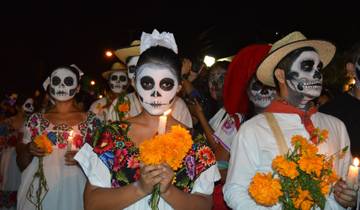
7 days
Oaxaca to Puerto Escondido: Day of the Dead
- ✓ Comprehensive Oaxaca tour
- ✓ Expert local guides included
- ✓ All accommodation arranged
- ✓ Transportation provided
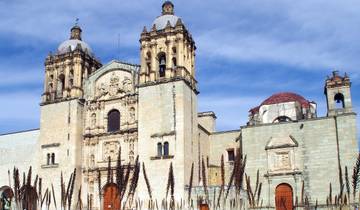
7 days
Journeys: Mexico's Day of the Dead in Oaxaca National Geographic
- ✓ Comprehensive Oaxaca tour
- ✓ Expert local guides included
- ✓ All accommodation arranged
- ✓ Transportation provided

7 days
Best of Mexico City & Oaxaca: Food, History, Culture & Artisans (7 days)
- ✓ Comprehensive Oaxaca tour
- ✓ Expert local guides included
- ✓ All accommodation arranged
- ✓ Transportation provided
7 days
Geluxe: Central Mexico: Oaxaca to Mexico City (from Oaxaca to Mexico City)
- ✓ Comprehensive Oaxaca tour
- ✓ Expert local guides included
- ✓ All accommodation arranged
- ✓ Transportation provided
Multi-day tour packages powered by TourRadar. Prices and availability subject to change.
Essential Planning Information 2026
Current Costs and Pricing Breakdown
Monte Albán archaeological site charges 95 pesos ($5.50 USD) entrance in 2026, with parking at 50 pesos for private vehicles. Check INAH official website for current rates as pricing may vary. Santo Domingo cultural complex costs 85 pesos for the former monastery and botanical garden access, while the Oaxaca Textile Museum operates on voluntary donations (suggested 50-100 pesos). Museum of Oaxacan Cultures charges 75 pesos entry, Rufino Tamayo Museum costs 60 pesos, and Casa de Benito Juárez requires 60 pesos admission.
Guided Monte Albán tours range 450-850 pesos depending on group size, duration, and inclusions—half-day tours at 450-550 pesos cover archaeological site access only, while full-day experiences at 650-850 pesos add artisan village visits and traditional meals. Private guides charge 1,200-1,800 pesos for personalized archaeological interpretation and flexible scheduling.
Restaurant meals span broad price ranges: street food tacos cost 15-25 pesos each, traditional tlayudas run 60-120 pesos, market comedores serve complete meals for 80-150 pesos, mid-range restaurants charge 180-350 pesos per person, and upscale dining experiences reach 450-850 pesos for multi-course tasting menus. Mezcal tastings at distilleries cost 150-400 pesos for 4-6 samples with production tours.
Artisan purchases vary dramatically by quality and technique: basic woven placemats start at 50-100 pesos, traditional wool rugs range 800-3,500 pesos depending on size and natural dye complexity, black pottery bowls cost 150-600 pesos, carved alebrijes run 200-2,000 pesos based on intricacy, and chocolate bars from traditional molinos range 80-200 pesos per kilogram.
Transportation Options and Costs
ADO bus service connects Oaxaca to major Mexican destinations with air-conditioned comfort and reliable schedules. Mexico City routes operate hourly throughout the day, taking 6 hours and costing 450-650 pesos for standard service, 750-950 pesos for premium classes with extra legroom and snacks. Puerto Escondido coastal connections run 3-4 times daily, requiring 6.5 hours and charging 380-520 pesos. Puebla routes (4 hours, 320-450 pesos) and San Cristóbal de las Casas connections (10 hours, 650-850 pesos) serve longer itineraries.
Oaxaca International Airport (OAX) receives direct flights from Mexico City (1 hour, 1,200-2,800 pesos depending on booking timing), Guadalajara (1.5 hours, 1,800-3,500 pesos), Monterrey (2 hours, 2,200-4,200 pesos), and seasonal international service from Houston and Dallas. Airport taxis charge fixed 150-180 pesos to downtown hotels, while Uber costs 120-160 pesos for the same 20-minute journey.
Local transportation within Oaxaca Centro emphasizes walking—the historic district spans just 1.5 kilometers from Santo Domingo to the Zócalo. Taxis charge 50-80 pesos for downtown trips, with Monte Albán excursions costing 120-160 pesos one-way or 280-350 pesos for round-trip with waiting time. Colectivo vans to artisan villages (Teotitlán del Valle, San Bartolo Coyotepec, Santa María Atzompa) depart from second-class bus terminal at 15-25 pesos per person, operating 7 AM-6 PM daily.
Best Time to Visit Oaxaca 2026
Seasonal Analysis for 2026
October-November 2026 represents Oaxaca’s cultural and climatic peak. Day of the Dead festivities (October 31-November 2) transform the city into living museum of indigenous death traditions, with families creating elaborate altars, markets selling specialized foods (pan de muerto, mole amarillo, chocolate caliente), and cemeteries hosting overnight vigils illuminated by thousands of candles. Temperatures remain comfortable at 22-28°C during days and 12-16°C at nights, with minimal rainfall probability. This period demands highest accommodation rates and requires 6-8 weeks advance hotel booking, but delivers unmatched cultural immersion.
December-January 2026 brings peak tourist season with North American and European visitors escaping winter. Weather continues excellent (24-29°C, nearly zero rain), December 23 Night of the Radishes showcases elaborate vegetable sculptures, and Guelaguetza dance performances occur at increased frequency. Hotel prices reach annual maximums and Monte Albán tours operate at full capacity, requiring advance reservations. This period suits travelers prioritizing guaranteed sunshine over cultural authenticity or budget considerations.
March-May 2026 offers compelling shoulder season advantages. Temperatures increase to 25-32°C creating warm but manageable exploration conditions. Semana Santa (Holy Week) in late March/early April stages dramatic religious processions featuring Passion plays, floral carpets, and traditional ceremonies. Accommodation rates drop 20-30% compared to winter peaks while maintaining full restaurant and tour operator availability. Archaeological sites experience lighter crowds ideal for photography and contemplation.
July-September 2026 constitutes rainy season with afternoon thunderstorms (typically 3-5 PM) delivering 60-80mm monthly precipitation. Morning hours remain clear for Monte Albán visits and market exploration. This period sees lowest tourist numbers, minimum hotel rates (30-40% below peak season), and verdant mountain landscapes. Guelaguetza festival (last two Mondays of July) presents spectacular indigenous dance performances from Oaxaca’s seven regions, attracting primarily Mexican domestic tourism.
Weather Patterns and Crowd Predictions
Oaxaca’s 1,550-meter elevation creates mild year-round temperatures unusual for its 17°N latitude. January-May dry season delivers consistent sunshine with April-May reaching 30-33°C maximums before afternoon heat. June marks rainy season onset with light afternoon showers, building to July-September peak moisture when storms deliver 70-90mm monthly but clear mornings. October transitions to dry season with perfect 22-28°C temperatures and brilliant light ideal for photography.
Crowd patterns follow North American and European holiday calendars closely. December 15-January 10 sees maximum international tourism with full hotels and busy restaurants. Easter week (March/April dates vary annually) brings Mexican domestic tourism surge with families traveling during school holidays. July Guelaguetza weeks attract regional Mexican visitors but fewer international tourists. August-September represents absolute low season with empty museums and negotiable hotel rates. October Day of the Dead period creates secondary peak specifically for cultural tourism.
Accommodation Strategies 2026
Budget Accommodation Options
Hostel dormitories range 250-400 pesos ($14-23 USD) per night in 2026 with shared bathrooms, communal kitchens, and social common areas. Hostel Paulina near Santo Domingo offers clean six-bed dorms at 280 pesos with rooftop terrace, free breakfast, and walking tour organization. Hostel Pochon provides eight-bed rooms at 300 pesos with 24-hour reception, luggage storage, and mezcal tasting events. Casa Angel Youth Hostel charges 350 pesos for four-bed dorms featuring air conditioning, individual reading lights, and secure lockers.
Private budget rooms cost 450-750 pesos nightly at family-run guesthouses and basic hotels. Posada del Centro offers simple doubles with private bathroom at 500 pesos including WiFi and rooftop access. Hotel Las Mariposas provides colonial-style rooms at 650 pesos with breakfast, central courtyard, and Zócalo proximity. Casa de las Bugambilias features traditional architecture at 700 pesos with artisan decor, shared terrace, and kitchen access.
Budget travelers staying 5-7 nights negotiate weekly rates reducing costs 15-20%. Booking directly through hotel websites or phone calls often secures better pricing than third-party platforms charging commission fees. September-October shoulder season offers additional discounts while maintaining comfortable weather and full service availability.
Mid-Range and Luxury Options
Colonial boutique hotels dominate Oaxaca’s mid-range market at 1,000-2,000 pesos ($55-115) per night. Hotel Casa del Sotano operates in restored 18th-century building charging 1,200 pesos for rooms featuring vaulted brick ceilings, modern bathrooms, and breakfast in garden courtyard. Parador San Miguel provides 1,400-pesos accommodations with rooftop restaurant, colonial artwork, and Santo Domingo views. Casa Oaxaca charges 1,600 pesos for designer rooms combining traditional textiles with contemporary amenities.
Luxury properties range 2,200-4,500 pesos nightly with exceptional service and authentic design. Quinta Real Oaxaca occupies former Santa Catalina convent charging 2,800 pesos for rooms within original stone walls featuring modern luxury appointments. Casa Sierra Azul provides 3,200-peso suites with private terraces, concierge service, and tasting-menu breakfast. Boutique Hotel Azul offers 3,600-peso rooms with plunge pools, in-room mezcal bars, and personal shopping guides.
Premium options reach 4,000-6,500 pesos for ultimate experiences. Hotel Escondido provides minimalist luxury at 4,500 pesos with infinity pools, spa services, and private Monte Albán tours. Casa Maguey combines contemporary design with traditional elements at 5,200 pesos including cooking classes and artisan workshop access.
Location priority focuses on walkability to Santo Domingo church, Zócalo central plaza, and Benito Juárez market. Neighborhoods within 500-800 meters of these anchors provide optimal access while maintaining quiet evening atmospheres away from bar districts. Properties with interior courtyards offer sanctuary from street noise while preserving colonial architectural authenticity.
Transportation Guide 2026
Getting to Oaxaca in 2026
Oaxaca International Airport (OAX) serves as primary gateway for international visitors. Aeromexico operates 8-10 daily flights from Mexico City (1 hour flight time) with fares ranging 1,200-2,800 pesos depending on booking timeline and seat class. Volaris and VivaAerobus provide budget alternatives at 900-1,800 pesos for the same route. Guadalajara connections run 3-4 times daily via Aeromexico and Volaris (1.5 hours, 1,800-3,500 pesos). Monterrey routes operate twice daily through Aeromexico (2 hours, 2,200-4,200 pesos).
United Airlines and American Airlines maintain seasonal direct service from Houston and Dallas during November-April high season, with 2.5-hour flights costing $280-520 USD round-trip when booked 6-8 weeks in advance. These international connections eliminate Mexico City transit, saving 4-6 hours total travel time for North American visitors.
ADO first-class buses provide comfortable overland alternatives. Mexico City departures operate hourly 7 AM-midnight from TAPO terminal, requiring 6 hours and costing 450-650 pesos for standard service. Premium ExecutivePlus class charges 750-950 pesos for wider seats, more legroom, snacks, and WiFi. Puebla connections (4 hours, 320-450 pesos) serve travelers combining colonial city itineraries. Puerto Escondido coastal routes run 3-4 times daily (6.5 hours, 380-520 pesos) for beach-archaeological site combinations.
Driving from Mexico City requires 5.5-7 hours via Highway 135D toll road, costing 450-600 pesos in tolls plus 800-1,200 pesos gasoline for standard vehicles. Mountain roads feature dramatic scenery but demand defensive driving skills and mechanical reliability. Car rentals make sense for extensive valley exploration visiting multiple artisan villages and archaeological sites beyond public transport routes.
Local Transportation Options
Walking dominates Oaxaca Centro navigation with flat terrain, grid layout, and concentrated attractions. Santo Domingo to Zócalo distance spans 800 meters (10-minute walk), Zócalo to Benito Juárez market requires 400 meters (5 minutes), and most hotels sit within 1-kilometer radius of major sites. Comfortable shoes and sun protection enable 6-8 hours daily exploration without transportation costs.
Authorized taxis display official identification, meters, and standardized rates. Downtown trips cost 50-80 pesos depending on distance, with Monte Albán excursions charging 120-160 pesos one-way or negotiable 280-350 pesos for round-trip including 2-hour waiting time. Airport transfers run 150-180 pesos to Centro hotels. Taxis cluster at Zócalo, Santo Domingo, and major markets, with phone dispatch available through hotel receptions.
Uber operates throughout Oaxaca providing GPS tracking, transparent pricing, and cashless payment convenience. Downtown trips average 45-70 pesos, airport transfers cost 120-160 pesos, and Monte Albán round-trips run 250-320 pesos. App reliability and driver availability match or exceed traditional taxi service during daylight hours, with reduced overnight coverage.
Colectivo shared vans serve outlying villages from second-class bus terminal on Periférico. Teotitlán del Valle weaving village costs 20 pesos (45-minute journey), San Bartolo Coyotepec pottery town charges 18 pesos (30 minutes), Santa María Atzompa pottery village runs 15 pesos (25 minutes). Vans depart when full (typically 15-20 minutes wait), operate 7 AM-6 PM, and require Spanish language skills for navigation. Return schedules follow demand patterns with last services departing villages 5-6 PM.
Money-Saving Strategies 2026
Advance Booking Benefits
Hotel reservations 6-8 weeks before arrival secure optimal room selection and pricing, with many properties offering 10-15% discounts for direct bookings through their websites rather than commission-charging platforms. Day of the Dead period (October 31-November 2, 2026) requires 8-12 weeks advance planning for downtown colonial hotels, while standard months accept 2-3 week booking windows without rate penalties.
Flight bookings follow similar patterns with Mexico City-Oaxaca routes showing 30-40% price variations based on purchase timing. Tickets reserved 6-10 weeks ahead average 1,400-2,000 pesos, while last-minute bookings (7-14 days before travel) spike to 2,200-3,500 pesos. Flexible date searches reveal Tuesday-Wednesday-Thursday departures cost 15-20% less than Friday-Sunday-Monday travel.
Monte Albán guided tours booked 2-4 weeks ahead guarantee English-speaking guides, preferred morning departure times (8-9 AM for optimal light and temperatures), and group size limits ensuring personal attention. Last-minute bookings accept Spanish-language guides, afternoon departures, or larger groups compromising experience quality.
Seasonal Optimization Tips
September-October shoulder season delivers 25-35% accommodation savings compared to December-January peak rates while maintaining excellent weather and full service availability. March-May spring period offers 15-25% discounts with warm temperatures ideal for archaeological site exploration. These transitional months provide cultural authenticity exceeding high season’s tourist-oriented atmosphere.
Meal timing strategies reduce costs substantially—comida corrida lunch menus at market comedores cost 80-120 pesos for three courses (soup, main, dessert, drink) between 1-4 PM daily. These traditional set meals match restaurant dinner quality at 40-50% lower prices. Street food breakfast options (tamales 25-35 pesos, champurrado 20-30 pesos, empanadas 15-25 pesos) eliminate expensive hotel breakfast charges.
Market shopping for artisan goods during morning hours (7-10 AM) accesses best selection before tourist groups arrive. Vendors prove more willing to negotiate prices early in sales day, with 10-15% discounts common for multiple purchases or cash payment. Benito Juárez and 20 de Noviembre markets offer superior value compared to tourist-oriented galleries charging 30-50% premiums for identical items.
Public transport substitution saves 200-400 pesos daily compared to taxi reliance. Walking Centro routes, using colectivos for village visits, and choosing ADO buses over domestic flights reduces transportation costs 50-70% while providing authentic cultural encounters impossible from private vehicle isolation.
Sample 2026 Itineraries
Three-Day Classic Oaxaca Experience
Day 1 – Colonial Center & Cultural Foundations: Begin at Santo Domingo church (free entry, voluntary donation) exploring baroque gold-leaf interior and attached cultural center (85 pesos entry) featuring exceptional archaeological collections. Walk to Oaxaca Textile Museum (voluntary donation, suggest 50-100 pesos) understanding natural dye traditions and indigenous weaving techniques. Lunch at Mercado 20 de Noviembre (80-120 pesos comida corrida) sampling regional moles and tlayudas. Afternoon visit to Benito Juárez market purchasing chocolate, mezcal, and textiles while observing daily commercial rhythms. Dinner at mid-range restaurant (200-300 pesos) trying seven moles with artisan tortillas.
Santo Domingo cultural center 85 pesos, textile museum 75 pesos, lunch 100 pesos, market purchases 300 pesos, dinner 250 pesos, local transport 60 pesos. Total day cost: 870 pesos per person (excluding accommodation).
Day 2 – Monte Albán & Archaeological Heritage: Join half-day guided tour (450-550 pesos including transport and entry) departing 8:30-9 AM for optimal temperatures and light at Monte Albán. Explore main plaza, ball court, astronomical observatory, and palace complexes with expert interpretation of Zapotec civilization. Return to Oaxaca 1-2 PM. Lunch at downtown restaurant (120-180 pesos). Afternoon walking tour through colonial streets visiting Casa de Benito Juárez (60 pesos), Rufino Tamayo Museum (60 pesos), and artisan galleries. Evening mezcal tasting at local palenque (200-300 pesos for 5-6 samples with production explanation).
Monte Albán tour 500 pesos, lunch 150 pesos, museums 120 pesos, mezcal tasting 250 pesos, transport 50 pesos. Total day cost: 1,070 pesos per person (excluding accommodation).
Day 3 – Artisan Villages & Traditional Crafts: Hire private taxi (600-800 pesos full day) or join group tour (400-550 pesos) visiting three craft villages. Start at Teotitlán del Valle weaving cooperative observing natural dye preparation and traditional loom techniques, purchasing rugs directly from artisans (500-2,000 pesos depending on size and complexity). Continue to San Bartolo Coyotepec for black pottery demonstrations and shopping (150-600 pesos for pieces). Final stop at Santa María Atzompa pottery studios or San Martín Tilcajete alebrije carving workshops (200-800 pesos purchases). Return to Oaxaca for farewell dinner at upscale restaurant (400-600 pesos) featuring contemporary Oaxacan cuisine.
Village transportation 500 pesos, artisan purchases 800 pesos, meals 150 pesos, dinner 500 pesos. Total day cost: 1,950 pesos per person (excluding accommodation).
Three-Day Total: 3,890 pesos per person excluding accommodation. Add mid-range hotel (1,200 pesos × 3 nights = 3,600 pesos for two people = 1,800 pesos per person) for complete trip cost of 5,690 pesos ($320 USD) per person.
Five-Day Comprehensive Cultural Immersion
Day 1 – Arrival & Central Orientation: Arrive afternoon via flight or morning bus. Check into downtown hotel. Orientation walk covering Zócalo central plaza, Palacio de Gobierno (free entry, view murals), cathedral exterior, and surrounding porticos. Dinner at traditional restaurant (180-280 pesos) sampling initial mole varieties and regional mezcal (80-120 pesos for tasting flight).
Transport from airport 150 pesos, dinner 230 pesos, mezcal 100 pesos. Total day cost: 480 pesos per person (excluding accommodation).
Day 2 – Santo Domingo & Museums: Morning at Santo Domingo church and cultural center (85 pesos) with 2-3 hours exploring archaeological galleries. Mid-morning chocolate tasting and preparation workshop at traditional molino (250-350 pesos including hands-on grinding and recipe instruction). Lunch at market (100-140 pesos). Afternoon visits to Textile Museum (50-100 pesos donation), Rufino Tamayo Museum (60 pesos), and Oaxacan Cultures Museum (75 pesos). Evening cooking class (450-650 pesos) learning mole preparation and traditional techniques.
Santo Domingo 85 pesos, chocolate workshop 300 pesos, lunch 120 pesos, museums 185 pesos, cooking class 550 pesos, transport 80 pesos. Total day cost: 1,320 pesos per person (excluding accommodation).
Day 3 – Monte Albán & Zapotec Heritage: Full-day archaeological tour (650-850 pesos) including Monte Albán comprehensive exploration, lunch at traditional village restaurant, and afternoon visit to artisan weaving village. Tour provides in-depth Zapotec civilization history, architectural analysis, and cultural context extending beyond basic site visits. Return to Oaxaca evening. Casual dinner (150-220 pesos) near hotel.
Full-day tour 750 pesos, dinner 185 pesos, snacks 60 pesos. Total day cost: 995 pesos per person (excluding accommodation).
Day 4 – Artisan Villages Circuit: Private driver full-day tour (800-1,000 pesos shared between 2-4 people) visiting Teotitlán del Valle (weaving), San Bartolo Coyotepec (black pottery), Santa María Atzompa (pottery), and Arrazola (alebrijes). Includes lunch at village restaurant (120-180 pesos). Extensive time with artisans observing production processes, asking questions, and purchasing directly. Evening free for independent exploration and casual dining (180-250 pesos).
Share of transportation 250 pesos, lunch 150 pesos, artisan purchases 1,200 pesos, dinner 215 pesos. Total day cost: 1,815 pesos per person (excluding accommodation).
Day 5 – Markets, Mezcal & Departure: Morning at Tlacolula Sunday market (if visiting Sunday—otherwise Ocotlán Friday or Etla Wednesday) experiencing authentic regional commercial hub. Return to Oaxaca for mezcal distillery tour (300-450 pesos) learning production process from agave harvest through distillation with comprehensive tastings. Final lunch at renowned restaurant (250-400 pesos). Afternoon departure or additional market shopping.
Market transport 100 pesos, snacks 80 pesos, mezcal tour 375 pesos, lunch 325 pesos. Total day cost: 880 pesos per person (excluding accommodation).
Five-Day Total: 5,490 pesos per person excluding accommodation. Add mid-range hotel (1,200 pesos × 5 nights = 6,000 pesos for two people = 3,000 pesos per person) for complete trip cost of 8,490 pesos ($480 USD) per person.
Booking and Reservations 2026
Official Booking Channels
Monte Albán archaeological site accepts walk-up admissions daily 9 AM-4:30 PM (95 pesos entrance) without advance booking requirements. However, guided tours require reservation through established operators ensuring quality interpretation and reliable service. Turismo Oaxaca, Zapotrek, and Tierraventura maintain professional English-speaking guide staffs, standardized pricing, and comprehensive liability insurance. Contact these operators directly through their websites 2-4 weeks before travel to confirm availability and secure preferred departure times.
Hotel bookings proceed through property websites for direct-booking discounts, or reliable platforms including Booking.com, Hotels.com, and Expedia providing cancellation flexibility and verified reviews. Boutique colonial properties often maintain limited room inventory (8-15 rooms) requiring earlier booking windows, especially during Day of the Dead and December holiday periods. Phone contact with smaller guesthouses sometimes reveals availability not listed on booking platforms while enabling personalized questions about parking, accessibility, or specific room features.
Cooking class reservations contact instructors directly through their websites or social media profiles—Casa Crespo, Seasons of My Heart, and Los Danzantes operate professional programs with English instruction and market shopping components. Most require 3-7 days notice for ingredient sourcing and group size management, accepting payment upon arrival rather than advance deposits.
ADO bus tickets purchase online through oficial ADO website enabling specific seat selection and printed confirmations. Major routes maintain frequent service allowing flexible planning, but overnight buses and premium Executive class benefit from advance booking securing window seats and preferred departure times. Terminals accept credit cards and cash for same-day purchases when schedules prove flexible.
Tour Operator Recommendations
Established tour operators provide reliable Monte Albán experiences with professional guides, comfortable transportation, and predictable service quality. Half-day tours (450-550 pesos) include archaeological site entrance, expert interpretation, and return to Oaxaca hotels. Full-day versions (650-850 pesos) add artisan village visits, traditional lunch, and extended cultural immersion.
Turismo Oaxaca maintains largest guide staff enabling English, French, German, and Japanese language services. Their standard half-day tours depart 9 AM and 2 PM daily from central meeting points, limiting groups to 12-15 participants for manageable ratios. Full-day cultural circuits combine Monte Albán with Teotitlán weaving village and mezcal tasting.
Zapotrek specializes in archaeological and cultural tours with academic-quality interpretation from university-trained guides. Their Monte Albán excursions emphasize architectural analysis, astronomical alignments, and Zapotec civilization context. Small group policy (maximum 8 people) ensures personal attention and question answering opportunities.
Tierraventura provides adventure-cultural combinations adding mountain biking, hiking, or rappelling to archaeological site visits. Their active itineraries suit travelers seeking physical activity alongside cultural education, with half-day tours incorporating 2-3 hours cycling through valley landscapes before Monte Albán exploration.
Private guide services cost 1,200-1,800 pesos for personalized Monte Albán tours offering flexible scheduling, customized interpretation, and photographer-friendly pacing. Contact hotel concierges or tourism office for licensed private guide recommendations ensuring professional credentials and liability insurance.
Oaxaca Cultural Context 2026
Understanding Oaxacan Identity
Oaxaca functions as Mexico’s most indigenous state with 16 recognized ethnic groups maintaining distinct languages, traditions, and cultural practices. Zapotec civilization (Monte Albán builders) and Mixtec culture (expert metalsmiths and manuscript painters) constitute largest populations, but Mazatec, Chinantec, Mixe, Chatino, and other groups preserve ancient heritage through daily practice rather than museum exhibition. This living indigenous culture distinguishes Oaxaca from destinations offering archaeological ruins without contemporary cultural continuity.
Traditional economic practices persist alongside modern commerce—village markets operate as social institutions where indigenous languages dominate conversations, traditional clothing identifies community membership, and barter systems supplement cash transactions. Textile production maintains pre-Hispanic techniques using backstrap looms, natural dyes from cochineal insects and indigo plants, and designs encoding cosmological symbolism. Black pottery continues 500-year-old methods polishing unfired clay to metallic sheens without modern machinery.
Catholic and indigenous belief systems merge into unique hybrid spirituality most visible during Day of the Dead celebrations. Communities create elaborate altars combining Christian crosses with pre-Hispanic offerings of marigold flowers, copal incense, and foods believed to nourish visiting spirits. Cemetery vigils last entire nights with families maintaining candle-lit gravesites, sharing memories, and consuming traditional foods in communion with deceased relatives.
Practical Cultural Considerations
Photography etiquette requires sensitivity, especially in indigenous communities and during religious ceremonies. Always ask permission before photographing people, particularly elders and children. Market vendors accept photography of products but appreciate courteous requests for portrait inclusion. Religious ceremonies and private altars during Day of the Dead deserve respectful distance—observe without intrusion and never photograph without explicit permission.
Spanish language proves essential for meaningful village interactions and market navigation. While tourism industry personnel speak English, artisans, market vendors, and community members communicate primarily in Spanish or indigenous languages. Basic courtesies (buenos días, gracias, por favor, cuánto cuesta) enable respectful transactions and demonstrate cultural appreciation. Translation apps facilitate specific questions about production techniques or cultural meanings.
Market purchasing should recognize fair pricing for artisan labor—natural dye textiles require months of production involving mordant preparation, dye extraction, and handloom weaving. Pricing reflects technical skill, material quality, and time investment rather than arbitrary tourist pricing. Respectful negotiation accepts 10-15% discounts for multiple purchases or cash payment but avoids aggressive bargaining that devalues artisan expertise.
Traditional mezcal carries cultural significance beyond alcoholic beverage status—production follows ancestral methods, family recipes remain closely guarded secrets, and sharing mezcal constitutes social bonding ritual. Tasting etiquette includes “kissing” the first sip (touching lips without swallowing) to appreciate aroma, then slow savoring rather than rapid consumption. Complimenting production quality demonstrates respect for artisan distillers maintaining traditional practices.
2026 Updates & Current Information
Infrastructure Developments
Oaxaca airport expansion completed in late 2025 added international arrivals capacity, additional gates, and improved baggage handling systems reducing wait times. New terminal amenities include expanded dining options featuring regional cuisine, artisan craft shops selling directly from producer cooperatives, and comfortable seating areas with charging stations. These improvements enhance arrival experiences while maintaining airport’s manageable scale and efficient operations.
Centro Histórico pedestrianization project continues expanding car-free zones around major monuments. Streets surrounding Santo Domingo church now restrict vehicle access 8 AM-10 PM daily, creating pleasant walking environment and outdoor dining expansion. Zócalo peripheral streets maintain similar restrictions during evening hours, reducing traffic noise and improving pedestrian safety.
ADO bus terminal modernization upgraded ticketing systems with digital kiosks, added premium passenger lounges, and improved accessibility features. New Executive class buses feature USB charging ports, wider seats with greater recline, and enhanced WiFi connectivity on major routes including Mexico City and Puerto Escondido connections.
Cultural Programming 2026
Guelaguetza festival maintains traditional last-two-Mondays-of-July schedule (July 20 and 27, 2026) presenting indigenous dance performances from Oaxaca’s seven regions. Free performances occur at Guelaguetza auditorium with paid seating (200-800 pesos) guaranteeing optimal views. Additional events throughout July include artisan demonstrations, traditional music concerts, and food markets celebrating regional cuisines.
Day of the Dead celebrations (October 31-November 2, 2026) expand annually with more families participating in traditional cemetery vigils and altar competitions. Municipal government sponsors altar exhibitions at cultural centers, organizes comparsas (costumed parades) through colonial streets, and coordinates market expansions selling specialized foods and decorative items. November 1 focuses on children’s spirits, November 2 honors adults, with overnight vigils creating extraordinary atmospheric experiences.
Monthly cultural programming includes Convites (traditional parades) on irregular schedules celebrating neighborhood patron saints, first-Friday art walks through gallery districts, and Sunday concerts at Zócalo bandstand. Check municipal tourism website for current event calendars providing specific dates and locations.
Frequently Asked Questions About Oaxaca 2026
Is Oaxaca safe for tourists in 2026?
Oaxaca Centro operates with low crime rates and minimal tourist-targeted incidents. Standard urban precautions apply—avoid displaying expensive jewelry or electronics, use ATMs during daylight inside banks or shopping centers, and maintain awareness in crowded markets where pickpocketing occasionally occurs. Authorized taxis and Uber provide safe transportation options late evening when walking may feel uncomfortable. Violent crime remains extremely rare in tourist zones, with police maintaining visible presence around major monuments and markets.
Do I need to speak Spanish to visit Oaxaca?
English functions adequately within tourism industry—hotels, tour operators, and restaurants catering to international visitors maintain English-speaking staff. However, Spanish greatly enhances experiences in markets, artisan villages, and local restaurants where indigenous languages and Spanish predominate. Basic Spanish phrases enable respectful interactions and demonstrate cultural appreciation. Translation apps facilitate specific questions about artisan techniques, food ingredients, or transportation schedules.
What should I pack for Oaxaca in 2026?
Comfortable walking shoes prove essential for cobblestone streets and archaeological site exploration. Layers accommodate temperature variations—mornings start cool (12-16°C October-March), afternoons warm significantly (24-30°C), and evenings cool again. Sun protection including hat, sunglasses, and SPF 30+ sunscreen prevents altitude-enhanced UV exposure at 1,550 meters elevation. Reusable water bottle reduces plastic waste while maintaining hydration during 6-8 hour exploration days. Light rain jacket covers July-September afternoon showers.
Can I drink tap water in Oaxaca?
Avoid tap water consumption throughout Oaxaca. Hotels provide purified water in rooms, restaurants serve bottled or purified water, and markets sell bottled options at 15-25 pesos per liter. Ice in established restaurants uses purified water, but street vendors may prepare drinks with tap water—request “sin hielo” (without ice) when uncertain about source. Bottled water purchases support convenience while preventing digestive issues that compromise vacation quality.
How much time should I spend in Oaxaca?
Three days minimum covers essential experiences including Monte Albán, colonial center, major museums, and market exploration. Five days allows artisan village visits, cooking classes, mezcal distilleries, and deeper cultural immersion without rushed scheduling. Seven days enables regional archaeological sites (Mitla, Yagul), coastal combinations (Puerto Escondido day trips), and thorough artisan community engagement. Most visitors allocate 4-5 days balancing comprehensive coverage with practical vacation length.
What’s the altitude in Oaxaca and will it affect me?
Oaxaca sits at 1,550 meters (5,085 feet) elevation—high enough to notice breathing changes during physical exertion but low enough to avoid serious altitude sickness in healthy adults. First-day activities should proceed at relaxed pace allowing acclimatization. Increased water consumption, moderate alcohol intake, and adequate sleep prevent mild headaches or fatigue that occasionally affect visitors from sea-level origins. Symptoms typically resolve within 24-48 hours as bodies adjust to reduced oxygen levels.
Can I use credit cards in Oaxaca?
Credit cards work at hotels, established restaurants, and tourism-oriented shops. However, cash dominates transactions at markets, street food vendors, colectivo vans, and small artisan studios. Carry 1,000-2,000 pesos daily cash for market purchases, meals, and transportation. ATMs throughout Centro Histórico accept international cards, with bank-operated machines offering better security and exchange rates than independent ATMs charging high fees. Notify credit card companies before travel to prevent fraud-prevention blocks on foreign transactions.
What vaccinations do I need for Oaxaca?
No mandatory vaccinations apply for Oaxaca visits. Standard travel medicine recommendations include hepatitis A (transmitted through contaminated food/water) and typhoid (for travelers eating street food extensively). Routine vaccinations (tetanus, measles-mumps-rubella) should remain current. Malaria and yellow fever do not occur in Oaxaca’s altitude. Consult travel medicine specialists 4-6 weeks before departure for personalized health recommendations based on individual medical histories and planned activities.
When do markets operate in Oaxaca?
Benito Juárez and 20 de Noviembre markets function daily 7 AM-7 PM with peak activity 8 AM-2 PM. Regional markets follow weekly schedules: Tlacolula Sundays, Ocotlán Fridays, Zaachila Thursdays, Etla Wednesdays. These village markets operate 8 AM-3 PM featuring agricultural products, traditional foods, artisan crafts, and livestock trading. Arriving 8-10 AM accesses best selection before tourist groups and local shoppers deplete fresh produce and premium artisan work.
Can I visit Monte Albán independently without a tour?
Independent visits work perfectly for travelers comfortable navigating Spanish-language signage and basic archaeological interpretation. Colectivo vans depart from Hotel Rivera del Ángel on Mina Street (20 pesos one-way) operating 8:30 AM-3:30 PM. Site entrance costs 95 pesos with audio guides available for rental (additional 50 pesos). However, professional guided tours provide cultural context, architectural analysis, and Zapotec civilization history that transforms ruins from photographic subjects into meaningful historical encounters.