
Chichen Itza Solo & Budget Travel 2026: Backpacker Guide
Key Takeaways
- Solo travelers can visit Chichen Itza for $45-65 USD total daily cost including entrance, transport, and meals in 2026
- ADO bus from Cancun costs 240-300 MXN one way, with departures starting 8:45 AM and hourly service throughout the day
- Budget hostels in Valladolid offer beds for 250-400 MXN per night, providing excellent base for independent exploration
- Early morning arrival (8:00-8:30 AM) ensures cooler temperatures, smaller crowds, and optimal photography light for solo travelers
- Combining Chichen Itza with nearby cenotes and Valladolid creates multi-day budget itineraries under $100 USD total
- Solo travelers save 30-40% compared to organized tours by using public transportation and bringing own food and water
Planning Your Solo Chichen Itza Adventure in 2026
Exploring Chichen Itza independently as a solo traveler offers complete freedom, significant cost savings, and authentic cultural immersion opportunities. The UNESCO World Heritage site welcomes individual visitors with excellent infrastructure, safe public transportation connections, and budget-friendly accommodation options in nearby Valladolid. Independent exploration allows you to move at your own pace, spend extra time photographing favorite structures, and connect with other travelers from around the world.
Solo backpackers discover that Chichen Itza provides one of Mexico’s most accessible ancient site experiences for independent travelers. The combination of reliable ADO bus service, affordable hostel accommodations, and straightforward site navigation makes solo exploration both practical and economical. Many backpackers incorporate Chichen Itza into broader Yucatan itineraries, using Valladolid as a base for multi-day explorations of cenotes, colonial architecture, and Maya communities.
Budget-conscious solo travelers appreciate that independent visits to Chichen Itza cost 40-50% less than organized tours from resort areas. By using public buses, staying in hostels, and bringing your own refreshments, you maximize your travel budget while maintaining complete control over your schedule and experience. The money saved on transportation and accommodation extends your overall travel time in Mexico or funds additional experiences throughout the Yucatan Peninsula.
The growing backpacker infrastructure around Chichen Itza means solo travelers find abundant resources for independent exploration. Hostels in Valladolid offer tour information, transportation advice, and opportunities to join informal groups with other independent travelers. The shared knowledge in hostel common rooms and online backpacker communities provides current, practical information that enhances solo travel experiences while building international friendships.
People Also Ask About Chichen Itza Solo Travel 2026
Is Chichen Itza safe for solo travelers in 2026?
Chichen Itza ranks among Mexico’s safest tourist destinations for solo travelers, with professional security presence, well-maintained facilities, and thousands of daily visitors creating a secure environment. The archaeological site employs dedicated security personnel, surveillance systems, and clear emergency protocols. Solo travelers encounter no safety concerns within the archaeological zone, where the constant presence of guides, vendors, and other visitors ensures you’re never truly alone.
The journey to Chichen Itza via ADO bus provides safe, reliable transportation with professional drivers, GPS tracking, and strict safety standards. First-class ADO buses feature comfortable seating, air conditioning, and onboard restrooms, departing from secure bus terminals in Cancun, Playa del Carmen, and Merida. Solo travelers report consistently positive experiences with ADO service, noting the professionalism of drivers and the security of bus terminals.
Valladolid, the primary budget accommodation base for solo Chichen Itza visitors, maintains a reputation as a safe, welcoming colonial city. The compact historic center allows easy walking between hostels, restaurants, and attractions. Solo travelers walk freely throughout the day and evening in central areas, with most hostels located within the well-lit, frequently patrolled historic zone. Local residents show friendliness toward international visitors, and the established tourism infrastructure ensures reliable support services.
Standard travel precautions apply for solo visitors: secure valuables in hostel lockers, avoid displaying expensive electronics unnecessarily, and stay aware of surroundings in crowded areas. The archaeological site prohibits large bags, requiring visitors to use free luggage storage at the entrance. Solo travelers safely explore Chichen Itza by following basic security practices common to any international tourist destination.
How much does a solo Chichen Itza trip cost in 2026?
Solo travelers budget $45-65 USD for a complete Chichen Itza day trip from Valladolid in 2026, covering entrance fees, round-trip transportation, meals, and incidental expenses. The site entrance costs 614 MXN (approximately $35 USD) for general admission in 2026, with this ticket including access to all structures, museums, and grounds. Check the official INAH website for current rates as pricing may vary. Colectivo service from Valladolid costs 35-50 MXN each way, providing the most economical transportation option for independent travelers.
Budget accommodation in Valladolid hostels ranges 250-400 MXN per night ($14-22 USD) for dormitory beds, with many hostels offering shared kitchens that reduce meal costs significantly. Solo travelers spending two nights in Valladolid and visiting Chichen Itza on a day trip budget approximately $80-100 USD total, including accommodation, site entrance, local transportation, and meals. This represents exceptional value for experiencing one of the New Seven Wonders of the World.
Daily food costs for budget-conscious solo travelers range $15-25 USD when combining hostel breakfasts, market lunches, and casual dinners at local taquerías and comedores. The Valladolid municipal market offers authentic Mexican meals for 50-80 MXN, while convenience stores stock water, snacks, and breakfast items at local prices. Solo travelers bringing reusable water bottles refill at hostel filtered water stations, eliminating ongoing beverage expenses.
Extended Yucatan itineraries incorporating Chichen Itza, Valladolid, and nearby cenotes typically cost solo backpackers $35-50 USD daily when using hostels, public transportation, and budget dining options. This daily rate includes all activities, accommodation, and meals, making the Yucatan Peninsula one of Mexico’s most affordable regions for independent travel. Many solo travelers extend their stays to explore additional archaeological sites, colonial cities, and natural attractions throughout the region.
What’s the best transportation option for solo travelers to Chichen Itza in 2026?
ADO bus service provides the optimal balance of cost, safety, and convenience for solo travelers visiting Chichen Itza from Cancun or Playa del Carmen in 2026. First-class ADO buses depart Cancun bus terminal starting 8:45 AM, with additional departures at 9:35 AM and throughout the day. The journey takes 3-3.5 hours, and buses feature air conditioning, comfortable reclining seats, and onboard restrooms. One-way tickets cost 240-300 MXN depending on departure time and booking method.
Solo travelers staying in Valladolid access Chichen Itza via affordable colectivo vans that depart from the ADO terminal and cost 35-50 MXN one way. Colectivos run continuously from 7:00 AM through early afternoon, departing when full with 10-12 passengers. The 45-minute journey provides opportunities to meet other budget travelers while reaching Chichen Itza at significantly lower cost than private transportation. Return colectivos operate from the Chichen Itza parking area until late afternoon.
Budget-conscious solo travelers choose Valladolid as their base, reducing transportation costs to under $5 USD round-trip while enjoying a charming colonial city with excellent hostel infrastructure. This strategy proves more economical than staying in Cancun and taking long-distance buses, while providing authentic Mexican cultural experiences beyond the tourist corridor. Valladolid’s central location enables easy access to multiple archaeological sites, cenotes, and colonial attractions.
Independent travelers considering rental cars evaluate costs carefully, as solo drivers pay full vehicle rental rates without cost-sharing opportunities. While rental cars provide complete scheduling flexibility, solo travelers find that public transportation’s reliability, safety features, and social opportunities outweigh the independence of private vehicles. Many solo backpackers initially plan to rent cars but discover that ADO buses and colectivos better suit budget priorities and solo travel experiences.
Can solo travelers join groups at Chichen Itza in 2026?
Solo travelers easily join informal groups at Chichen Itza by connecting with other independent visitors at hostel common rooms, bus terminals, or the archaeological site entrance. Many hostels in Valladolid facilitate group formation by posting bulletin boards, organizing shared taxis, or connecting guests with similar travel plans. Solo travelers frequently team up for colectivo rides, site exploration, and post-visit cenote swimming, creating spontaneous travel friendships that enhance the experience.
Independent travelers who prefer guided experiences hire official guides at the Chichen Itza entrance for 900-1,200 MXN per group, with costs split among participants. Solo visitors approach other tourists to form guide-sharing groups of 8-10 people, reducing individual costs to 90-150 MXN per person. This collaborative approach provides professional interpretation while maintaining budget-friendly pricing. Guides offer Spanish, English, French, German, and Italian language options.
Hostel tour desks in Valladolid organize affordable group excursions that combine Chichen Itza with cenote visits, creating all-inclusive experiences for 600-900 MXN per person. These hostel-organized trips attract solo travelers seeking social experiences and simplified logistics. Transportation, entrance fees, and sometimes lunch are included, with small groups of 6-12 backpackers creating casual, friendly atmospheres distinct from large commercial tours.
Solo travelers who value complete independence explore Chichen Itza at their own pace without joining groups, using site maps, informational plaques, and smartphone apps for self-guided interpretation. The freedom to photograph extensively, revisit favorite structures, and move according to personal interests appeals to many independent travelers. The constant presence of other visitors throughout the site ensures you’re never isolated while maintaining full autonomy over your experience.
Extended multi-day tours – 5+ days
Featured Chichen Itza Multi-Day Tour Packages
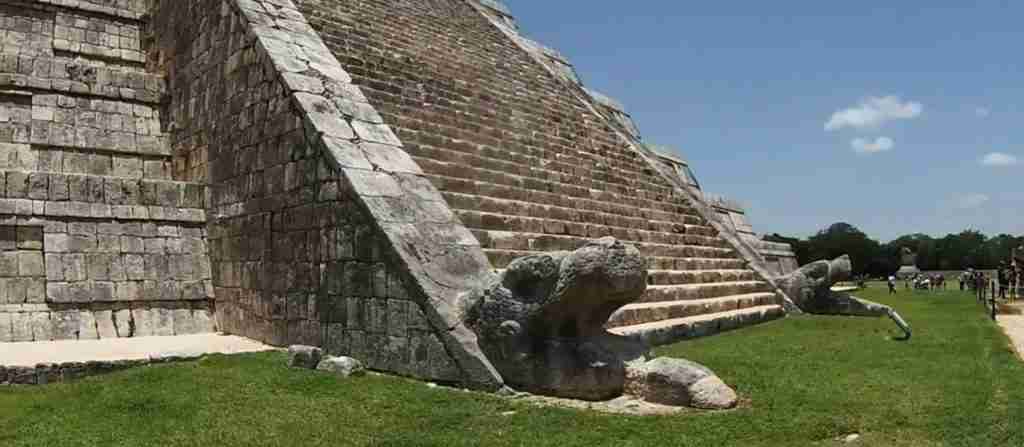
3 days
Chichen Itza 3-Day Discovery Tour
- ✓ Comprehensive Chichen Itza experience
- ✓ Expert local guides included
- ✓ All accommodation included
- ✓ Transportation provided
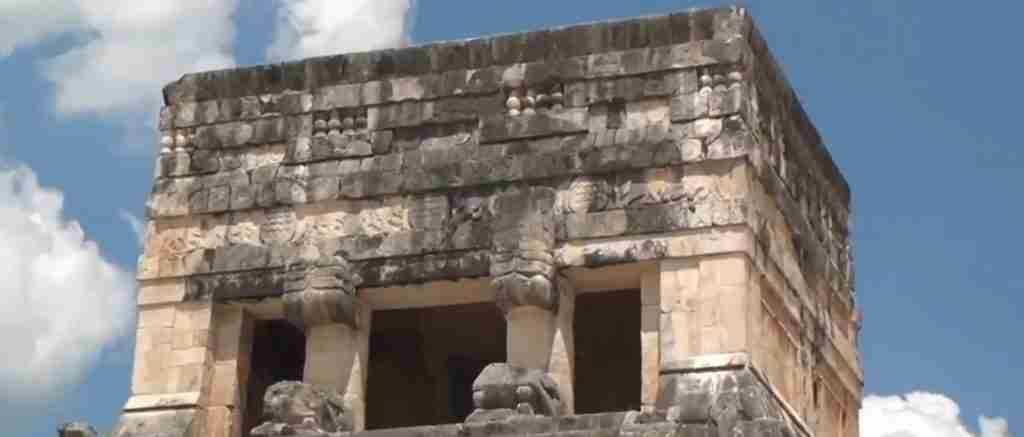
5 days
Chichen Itza 5-Day Highlights Experience
- ✓ Comprehensive Chichen Itza experience
- ✓ Expert local guides included
- ✓ All accommodation included
- ✓ Transportation provided

7 days
Chichen Itza 7-Day Cultural Journey
- ✓ Comprehensive Chichen Itza experience
- ✓ Expert local guides included
- ✓ All accommodation included
- ✓ Transportation provided
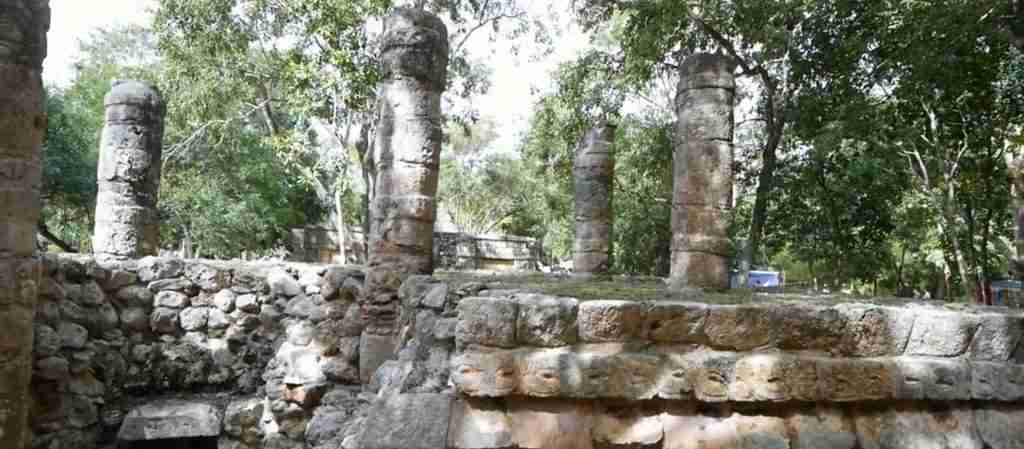
10 days
Chichen Itza 10-Day Complete Adventure
- ✓ Comprehensive Chichen Itza experience
- ✓ Expert local guides included
- ✓ All accommodation included
- ✓ Transportation provided
Multi-day tour packages powered by TourRadar. Prices and availability subject to change.
Essential Planning Information 2026
Understanding Chichen Itza Costs for Solo Backpackers in 2026
The primary expense for solo Chichen Itza visitors is the entrance fee of 614 MXN (approximately $35 USD) in 2026, which includes access to the archaeological zone, two museums, and all structures. Check the official INAH website for current rates as pricing may vary. This entrance ticket provides full-day access, allowing solo travelers to explore at leisurely pace without time restrictions. The ticket purchase occurs at the main entrance, with credit cards and cash both accepted.
Transportation costs vary significantly based on departure city and chosen method. Solo travelers using ADO buses from Cancun pay 240-300 MXN one way, while those based in Valladolid spend only 35-50 MXN each way via colectivo service. The substantial savings from using Valladolid as a base compensate for the additional night’s accommodation, while providing richer cultural experiences in an authentic Mexican colonial city. Round-trip transportation represents the second-largest expense after site entrance.
Food and beverage costs for budget-conscious solo travelers range 300-500 MXN daily when combining hostel breakfasts, packed lunches, and dinner at local restaurants. The Chichen Itza site sells bottled water for 25-35 MXN and snacks for 30-60 MXN, but independent travelers save substantially by bringing supplies from Valladolid convenience stores. A hearty breakfast at Valladolid hostel common rooms costs 50-80 MXN, while evening meals at local taquerías range 80-150 MXN.
Optional expenses include professional guide services (900-1,200 MXN split among group members), audio guides (100 MXN), photography permits for professional equipment (45 MXN), and cenote entrance fees (80-150 MXN each). Solo travelers on strict budgets minimize these costs through self-guided exploration and careful expense management, while those with flexible budgets enhance experiences through guided tours and additional activities. Total daily costs for solo Chichen Itza visits range $45-65 USD depending on transportation choices and optional services.
When Solo Travelers Should Visit Chichen Itza in 2026
Solo backpackers achieve optimal experiences by arriving at Chichen Itza’s 8:00 AM opening time in 2026, securing 1-2 hours of relatively uncrowded exploration before tour buses arrive around 10:00 AM. Early morning visits provide cooler temperatures, superior photography light, and opportunities to photograph major structures without crowds. Solo travelers staying in Valladolid catch 7:00 AM colectivos to reach the site at opening, while those coming from Cancun on ADO buses arrive between 11:30 AM and 12:30 PM depending on departure time.
The November through February dry season offers the most comfortable weather for solo travelers, with temperatures ranging 20-28°C (68-82°F) and minimal rainfall. These cooler months coincide with peak tourist season, bringing larger crowds but also more frequent colectivo service and expanded hostel availability. Solo travelers balance weather advantages against increased visitor numbers, with many backpackers accepting moderate crowds for superior climate conditions and reliable transportation schedules.
May through October brings intense heat and humidity plus afternoon rain showers, creating challenging conditions for extended outdoor exploration. Solo travelers visiting during these months start extremely early, complete their site tours by midday, and spend afternoons at nearby cenotes. Budget-conscious backpackers appreciate lower accommodation rates during shoulder season, with Valladolid hostels reducing prices by 20-30% compared to winter peaks. The regular afternoon rain pattern means morning site visits remain practical despite overall weather challenges.
Solo travelers with flexible schedules target mid-week visits (Tuesday through Thursday) in 2026 to avoid weekend Mexican family tourism and Monday arrivals from weekend resort guests. Wednesday visits to Chichen Itza offer the smallest crowds and most authentic experiences. Independent travelers extend stays in Valladolid to align Chichen Itza visits with optimal days, using other days for cenote exploration, colonial city walking tours, and regional archaeological sites like Ek Balam.
Solo Traveler Safety and Security Considerations 2026
Chichen Itza maintains excellent security standards with professional guards, surveillance systems, and clear emergency protocols protecting solo visitors. The site employs uniformed security personnel stationed throughout the archaeological zone, entrance areas, and parking facilities. Solo travelers report feeling completely safe within the site boundaries, where the constant presence of guides, vendors, and other tourists creates secure environments throughout operating hours.
Personal belongings require standard precautions, with valuable items secured in hostel lockers and only essential items carried to the archaeological site. Chichen Itza prohibits large backpacks, requiring visitors to use free bag storage at the entrance. Solo travelers bring only small daypacks containing water, sun protection, cameras, and personal items. The bag storage facility operates securely with numbered tickets, though travelers report occasional long queues during peak hours.
Female solo travelers experience welcoming environments at Chichen Itza and throughout the Yucatan Peninsula, with respectful local culture and established tourism infrastructure. Hostels in Valladolid offer female-only dormitories, secure lockers, and staff assistance with transportation arrangements. Solo female backpackers walk freely in Valladolid’s historic center during daylight and evening hours, though standard urban precautions apply after dark in peripheral areas.
Health safety for solo travelers focuses on heat management, sun protection, and hydration in Mexico’s tropical climate. The combination of high temperatures, intense sun, and extended outdoor exploration creates heat exhaustion risks for unprepared visitors. Solo travelers bring minimum 2-3 liters of water, apply high-SPF sunscreen every 2 hours, and wear wide-brimmed hats. The availability of shaded rest areas throughout Chichen Itza enables necessary breaks during peak heat hours between 11:00 AM and 2:00 PM.
Budget Breakdown for 2026 Solo Travelers
Accommodation Costs for Solo Budget Travelers 2026
Budget hostels in Valladolid charge 250-400 MXN ($14-22 USD) per night for dormitory beds in 2026, providing excellent value for solo travelers exploring Chichen Itza and the surrounding region. Popular backpacker hostels include Hostel La Candelaria (280-350 MXN), Hostel Zaci (300-380 MXN), and Casa Tia Micha (250-320 MXN), all located within walking distance of the historic center and ADO bus terminal. These establishments offer free WiFi, shared kitchens, filtered water stations, common areas, and local tour information.
Female-only dormitories add 30-50 MXN to nightly rates, while private rooms for solo travelers seeking additional comfort range 600-900 MXN per night. Most hostels include basic breakfast (coffee, toast, fruit) in their rates, reducing daily food expenses. Solo travelers spending 2-3 nights in Valladolid optimize their Chichen Itza experience while exploring additional regional attractions, with total accommodation costs of $40-65 USD for a complete Yucatan stop.
Hostel amenities particularly valuable for solo budget travelers include shared kitchens that enable meal preparation, reducing food costs by 40-50% compared to restaurant dining. Full kitchen facilities with refrigerators, stoves, and cookware allow solo travelers to prepare breakfast, pack lunches for Chichen Itza visits, and cook simple dinners. The Valladolid municipal market supplies fresh produce, tortillas, and basic groceries at local prices, with solo travelers spending 150-250 MXN on 2-3 days of cooking ingredients.
Extended stays in Valladolid qualify for weekly rates at some hostels, with discounts of 15-20% for 7+ night bookings. Solo travelers incorporating Chichen Itza into longer Yucatan explorations leverage these discounts while using Valladolid as a base for day trips to Ek Balam, Coba, Rio Lagartos, and numerous cenotes. The combination of affordable accommodation, excellent regional access, and authentic Mexican atmosphere makes Valladolid the premier budget base for independent Yucatan exploration.
Transportation Budget for Solo Independent Travel 2026
Colectivo transportation from Valladolid to Chichen Itza costs 35-50 MXN one way in 2026, making round-trip transportation just $4-5 USD total. Colectivos depart when full throughout the morning from the ADO terminal, with 7:00-7:30 AM departures ensuring arrival at Chichen Itza’s 8:00 AM opening. Return colectivos operate continuously from the Chichen Itza parking area until late afternoon, providing flexible scheduling for solo travelers who want to spend 2-4 hours exploring the site.
ADO bus service from Cancun to Chichen Itza direct costs 240-300 MXN one way, or solo travelers take ADO to Valladolid (180-220 MXN) and then colectivo to the site for combined savings. The Cancun-Valladolid-Chichen Itza routing adds travel time but reduces transportation costs by approximately 30% while enabling budget accommodation in Valladolid. Most solo backpackers choose the Valladolid base strategy for both cost efficiency and enhanced cultural experiences.
Local transportation within Valladolid costs minimal amounts, with the historic center compact enough for walking between hostels, restaurants, markets, and attractions. Bicycle rentals from hostels or rental shops cost 100-150 MXN per day, providing expanded range for cenote visits and colonial neighborhood exploration. Solo travelers often walk throughout central Valladolid, using bicycles only for reaching more distant cenotes like Cenote Zaci (walking distance) or Cenote Suytun (3 km from center).
Budget-conscious solo travelers spend $8-12 USD total on local transportation during a 2-3 day Valladolid stay including Chichen Itza visit. This covers round-trip colectivo to Chichen Itza plus occasional bicycle rental or taxi to distant attractions. The compact nature of Valladolid and concentration of budget resources in walkable areas minimizes transportation expenses while maximizing solo travel experiences. Many backpackers report spending less on local transport in Valladolid than in other Mexican destinations.
Food and Dining Costs for Solo Budget Travelers 2026
Solo travelers keeping strict budgets spend 300-400 MXN ($17-22 USD) daily on food when combining hostel cooking, market meals, and occasional restaurant dining. Breakfast prepared in hostel kitchens costs 40-60 MXN using market-purchased bread, fruit, eggs, and coffee. Packed lunches for Chichen Itza visits assembled from convenience store supplies cost 50-80 MXN, while dinner at local taquerías or the Valladolid market ranges 80-150 MXN for substantial meals.
The Valladolid municipal market serves authentic Yucatecan meals for 50-80 MXN, with specialties like cochinita pibil, panuchos, and salbutes providing filling lunches. Solo travelers eat market meals to experience local cuisine while maintaining budget discipline, with generous portions ensuring satisfaction. Evening food stalls around the central plaza offer tacos, tortas, and marquesitas (local dessert crepes) for 10-25 MXN each, enabling budget-friendly dinners with atmospheric colonial plaza settings.
Groceries for self-catering from Valladolid supermarkets and convenience stores cost approximately 150-250 MXN for 2-3 days of basic ingredients. Solo travelers stock up on bottled water (12-18 MXN per liter), fresh fruit from the market (30-60 MXN daily), bread and tortillas (15-25 MXN), sandwich ingredients (80-120 MXN), and snacks (40-70 MXN). The combination of hostel breakfast, packed Chichen Itza lunch, and market dinner optimizes budget allocation while ensuring adequate nutrition and hydration.
Restaurant meals for solo travelers seeking occasional dining variety range 150-250 MXN for dinner at mid-range Valladolid establishments. Colonial-era buildings converted to restaurants around the central plaza serve Yucatecan specialties with atmospheric settings, providing memorable dining experiences without extreme expense. Solo travelers balance budget discipline with cultural experiences, often preparing most meals independently while enjoying 1-2 restaurant dinners during multi-day stays to support local businesses and savor regional cuisine.
Transportation Options for Solo Travelers 2026
ADO Bus Service for Independent Travelers 2026
ADO operates direct first-class bus service from Cancun to Chichen Itza with departures at 8:45 AM and 9:35 AM in 2026, providing reliable transportation for solo travelers without personal vehicles. The 3-3.5 hour journey includes air conditioning, reclining seats, onboard restrooms, and professional drivers. One-way fares cost 240-300 MXN depending on booking timing and departure schedule. Return buses from Chichen Itza to Cancun depart at 4:30 PM and 5:30 PM, allowing 4-5 hours for site exploration.
Solo travelers book ADO tickets online at ado.com.mx up to 30 days in advance, securing guaranteed seats and avoiding sold-out departures during peak season. Online booking adds small service fees but provides confirmation emails and electronic tickets accessible via smartphone. Alternative booking occurs at ADO terminals, with walk-up purchases available for most departures outside major holidays and weekends. Solo travelers appreciate the flexibility of changing return times if they want to spend more or less time at the archaeological site.
The ADO Cancun terminal location at the city’s downtown bus station requires taxis or colectivos from the Hotel Zone, adding 150-200 MXN to total transportation costs. Solo travelers staying in downtown Cancun hostels walk to the terminal, while those in resort areas budget additional time and expense for terminal access. Early morning 8:45 AM departures necessitate 6:00-6:30 AM departure from Hotel Zone accommodations, making this option less practical for solo travelers wanting maximum sleep before full-day archaeological exploration.
ADO buses from Playa del Carmen to Chichen Itza operate less frequently, with most solo travelers taking ADO to Valladolid (140-180 MXN, 2 hours) and then colectivo to Chichen Itza. This routing provides greater schedule flexibility and enables budget accommodation in Valladolid rather than expensive Playa del Carmen hotels. Solo backpackers heading to Chichen Itza from Tulum follow similar patterns, using ADO to Valladolid as the base strategy before final approach via colectivo.
Colectivo Service from Valladolid 2026
Colectivo vans provide the most economical transportation for solo travelers visiting Chichen Itza from Valladolid, charging 35-50 MXN one way in 2026. These shared vans depart continuously from the ADO terminal parking area in Valladolid, operating from approximately 7:00 AM through early afternoon. Colectivos leave when full with 10-12 passengers, creating 20-40 minute wait times depending on demand. The 45-minute journey to Chichen Itza offers opportunities to meet other budget travelers and practice Spanish.
Solo travelers seeking guaranteed early arrival at Chichen Itza’s 8:00 AM opening catch 7:00-7:15 AM colectivos, which fill quickly with independent travelers and local workers. Later morning departures (8:00-10:00 AM) serve visitors less concerned with avoiding crowds. The informal nature of colectivo service means no advance reservations, with payment in cash directly to drivers. Solo travelers bring exact change when possible, as drivers appreciate not making change for large bills.
Return colectivos from Chichen Itza to Valladolid operate from the main parking area throughout the day until approximately 5:00-6:00 PM. Solo travelers exit the archaeological site and walk to the parking area where colectivo drivers call out destinations. The return journey follows the same pricing and departure-when-full pattern. Solo visitors planning afternoon cenote visits in Valladolid target 2:00-3:00 PM returns, allowing 5-6 hours for complete Chichen Itza exploration.
Colectivo service provides budget advantages over organized tours while maintaining safety standards and social opportunities. Solo travelers meet other independent visitors, share travel tips, and sometimes form informal groups for guide hiring or cenote exploration. The combination of extremely low cost, frequent departures, and integration into local transportation patterns makes colectivos the preferred choice for budget-conscious solo backpackers exploring the Yucatan Peninsula.
Rental Car Considerations for Solo Travelers 2026
Solo travelers renting cars pay full vehicle rates without cost-sharing, making rental cars less economical than for couples or groups. Compact car rentals in Cancun or Merida cost $25-45 USD daily including basic insurance, with full coverage adding $15-25 daily. The 2.5-hour drive from Cancun to Chichen Itza via Highway 180D requires toll road fees of approximately 400 MXN round-trip. Parking at Chichen Itza costs 80-100 MXN, bringing total solo car rental costs to $50-75 USD minimum for a day trip.
Independent travelers who rent cars gain complete schedule flexibility and ability to combine Chichen Itza with other attractions in single days. Solo drivers visit Chichen Itza at preferred times, stop at cenotes along the route, explore Valladolid at leisure, and create customized itineraries impossible with public transportation. The freedom to spend precisely as much or little time at each location appeals to travelers who value autonomy over budget considerations. Many solo travelers rent cars for 3-5 day Yucatan explorations rather than single-day Chichen Itza visits.
Driving in the Yucatan Peninsula requires awareness of speed limits, military checkpoints, and local driving customs. Highway 180D, the toll road to Chichen Itza, maintains excellent conditions with clear signage and regular rest areas. Solo travelers encounter minimal driving challenges, though checkpoint stops (routine military inspections for security) occur 1-2 times during the Cancun-Chichen Itza route. Checkpoints involve brief document checks and courteous interactions with authorities ensuring regional security.
Solo travelers on extended Yucatan trips calculate whether rental car costs justify benefits for their specific itineraries. Those visiting only Chichen Itza find public transportation more economical. Solo backpackers exploring multiple archaeological sites, remote cenotes, and colonial cities across 5-7 days discover rental cars enable experiences impossible with public transport, justifying higher daily costs through expanded access and travel freedom. The decision depends on individual priorities regarding budget constraints versus schedule flexibility.
Accommodation Strategies 2026
Best Budget Hostels in Valladolid for Solo Travelers 2026
Hostel La Candelaria occupies a restored colonial building three blocks from Valladolid’s central plaza, offering dormitory beds for 280-350 MXN per night in 2026. The hostel features 6-bed and 8-bed mixed dormitories plus female-only options, all with air conditioning, individual reading lights, and secure lockers. Common areas include a full kitchen, rooftop terrace, hammock lounge, and courtyard pool. La Candelaria’s social atmosphere attracts international backpackers, creating opportunities for solo travelers to connect with others visiting Chichen Itza and regional attractions.
Hostel Zaci provides budget accommodation just two blocks from the ADO terminal and colectivo departure point, positioning solo travelers for easy early-morning Chichen Itza access. Dormitory rates range 300-380 MXN per night, with amenities including air-conditioned rooms, shared kitchen, filtered water station, common lounge, and tour booking assistance. The hostel’s proximity to transportation hubs proves valuable for solo travelers managing luggage and coordinating multiple destinations during broader Yucatan itineraries.
Casa Tia Micha offers the most budget-friendly option at 250-320 MXN per night, attracting solo travelers on strict budgets. The family-run hostel provides basic but clean dormitories, shared bathrooms, kitchen access, and helpful local advice. The slightly more basic facilities appeal to experienced backpackers prioritizing cost savings over amenities. Casa Tia Micha’s location near the municipal market enables easy access to affordable meals and grocery shopping for self-catering solo travelers.
All three hostels offer free WiFi, luggage storage, and assistance with transportation arrangements and tour bookings. Solo travelers book directly through hostel websites or platforms like Hostelworld and Booking.com, with direct bookings sometimes offering 5-10% discounts. Reading recent reviews helps solo travelers select hostels matching their preferences regarding cleanliness, social atmosphere, and staff helpfulness. Most Valladolid hostels maintain high standards, recognizing the importance of positive backpacker word-of-mouth for business success.
Alternative Accommodation Options for Solo Budget Travelers 2026
Guesthouses and posadas in Valladolid offer private rooms for solo travelers seeking more privacy than dormitories, with rates ranging 400-600 MXN per night for basic single rooms. These family-run establishments provide authentic local experiences, home-cooked breakfast options, and personalized travel advice. Solo travelers staying in guesthouses trade hostel social opportunities for quieter environments and more direct interaction with Mexican families. The slightly higher cost remains significantly below hotel rates while offering private bathrooms and comfortable accommodations.
Airbnb rentals in Valladolid range from private rooms in family homes (350-500 MXN) to entire small apartments (600-900 MXN), providing options for solo travelers wanting kitchen access without hostel dormitory arrangements. Solo backpackers renting private rooms through Airbnb often receive local recommendations, home-cooked meals, and cultural insights from hosts. Entire apartment rentals suit solo travelers planning 4-7 day Valladolid stays who want independence and space for working, cooking, and relaxing between daily excursions.
Budget hotels in Valladolid charge 500-800 MXN for basic single rooms with private bathrooms, air conditioning, and WiFi. These establishments provide more privacy and comfort than hostels without reaching mid-range hotel prices. Solo travelers balancing budget constraints with desires for private space find budget hotels offer good value, particularly when comparing single occupancy costs against hostel private rooms. Most budget hotels include breakfast and provide tour booking services comparable to hostels.
Extended stay arrangements in Valladolid enable solo travelers to negotiate weekly or monthly rates, reducing daily accommodation costs by 20-30%. Hostels, guesthouses, and Airbnb hosts offer discounts for longer bookings, making Valladolid an attractive base for slow travelers exploring the Yucatan Peninsula at relaxed pace. Solo digital nomads and extended backpackers leverage these discounts while immersing themselves in Valladolid’s culture, learning Spanish, and thoroughly exploring regional attractions including multiple visits to Chichen Itza at different times.
Camping and Ultra-Budget Options 2026
Camping opportunities near Chichen Itza remain extremely limited, with no official campgrounds adjacent to the archaeological site. Some budget travelers report informal camping arrangements at cenotes or small towns between Valladolid and Chichen Itza, though these options lack facilities and security guarantees. Solo travelers seeking ultra-budget accommodation focus instead on the most economical Valladolid hostels rather than pursuing camping alternatives that offer minimal cost savings with substantial inconvenience.
Hammock accommodation exists at some budget establishments in Valladolid and surrounding areas, charging 150-200 MXN per night for covered hammock space with bathroom access. Solo travelers using hammocks reduce accommodation costs by approximately 40% compared to dormitory beds, though comfort and privacy decrease significantly. The hot, humid Yucatan climate makes hammocks practical year-round, though air-conditioned dormitories provide more comfortable sleep quality for travelers planning intensive daily activities.
Couchsurfing opportunities in Valladolid connect solo travelers with local hosts offering free accommodation in exchange for cultural exchange. Solo backpackers using Couchsurfing eliminate accommodation expenses while gaining authentic local perspectives and insider knowledge about Chichen Itza, cenotes, and regional attractions. The platform requires social interaction and flexibility regarding sleeping arrangements, appealing to open-minded solo travelers prioritizing cultural immersion and human connection over comfort and privacy.
Work exchange programs through platforms like Workaway and HelpX enable solo travelers to exchange 4-5 hours of daily work for free accommodation and sometimes meals at hostels, guesthouses, or local businesses in Valladolid. Solo travelers planning extended Yucatan stays (2-4 weeks) participate in work exchanges, significantly reducing overall costs while building connections with local communities. Common work exchange tasks include hostel reception, social media management, English teaching, or maintenance work, providing structured daily routines alongside independent travel experiences.
Sample Solo Budget Itinerary 2026
Three-Day Valladolid and Chichen Itza Solo Budget Plan
Day 1 focuses on arrival in Valladolid, hostel check-in, and colonial city orientation. Solo travelers arriving via ADO bus from Cancun (180-220 MXN, 2.5 hours) or Playa del Carmen (140-180 MXN, 2 hours) check into budget hostels by early afternoon. The remainder of day one covers Valladolid exploration including Cenote Zaci (80 MXN entrance), colonial architecture photography, municipal market meals (60-100 MXN), and central plaza evening relaxation. The hostel common room provides opportunities to meet other travelers and coordinate next-day Chichen Itza visits.
Hostel accommodation 300 MXN, ADO bus to Valladolid 180-220 MXN, Cenote Zaci 80 MXN, meals 200-300 MXN. Total day cost: 760-900 MXN ($42-50 USD) per person (excluding accommodation from departure city).
Day 2 constitutes the main Chichen Itza visit with early morning departure. Solo travelers wake at 6:30 AM for quick hostel breakfast (included or 50-80 MXN if self-prepared), then catch 7:00-7:15 AM colectivo to Chichen Itza (40 MXN). Arriving at 8:00 AM site opening provides 2 hours of uncrowded exploration before tour groups arrive. The visit includes all major structures, both museums, and comprehensive photography of El Castillo, Temple of Warriors, Great Ball Court, and Sacred Cenote. Packed lunch from Valladolid saves money and time. Return to Valladolid via 2:00-3:00 PM colectivo enables afternoon visit to Cenote Suytun (100 MXN) followed by evening market dinner (80-120 MXN).
Hostel accommodation 300 MXN, colectivo round-trip 80 MXN, Chichen Itza entrance 614 MXN, packed lunch 60-80 MXN, Cenote Suytun 100 MXN, dinner 80-120 MXN. Total day cost: 934-1,014 MXN ($52-56 USD) per person (excluding accommodation).
Day 3 explores Valladolid’s cultural attractions and prepares for onward travel. Morning activities include visiting Convento de San Bernardino de Siena (free), shopping for local crafts at the municipal market, and final cenote swimming at Cenote X’Keken or Cenote Samula (130 MXN combo ticket). Afternoon departure via ADO bus to next destination or return to Cancun/Playa del Carmen. Final market lunch (70-100 MXN) before checkout provides authentic conclusion to the Valladolid experience.
Hostel accommodation 300 MXN, cenote combo ticket 130 MXN, meals 150-200 MXN, ADO bus to next destination 180-300 MXN. Total day cost: 460-630 MXN ($26-35 USD) per person (excluding accommodation and onward transportation).
One-Day Budget Chichen Itza Excursion from Cancun
Solo travelers based in Cancun hostels and wanting single-day Chichen Itza visits manage tight but feasible schedules using ADO bus service. Wake-up at 6:00 AM enables quick hostel breakfast and taxi/colectivo to downtown ADO terminal (150-200 MXN from Hotel Zone) for 8:45 AM departure. The 3-3.5 hour bus journey reaches Chichen Itza around 12:00-12:30 PM, providing 4-4.5 hours for site exploration before 4:30 PM return bus. While this schedule misses cooler morning hours and smaller crowds, determined solo travelers complete comprehensive visits within afternoon timeframes.
ADO round-trip from Cancun 480-600 MXN, Chichen Itza entrance 614 MXN, site food and drinks 100-150 MXN, taxi to ADO terminal 300-400 MXN round-trip. Total day cost: 1,494-1,764 MXN ($83-98 USD) per person (excluding accommodation).
The one-day Cancun-based approach costs significantly more than Valladolid-based strategies while providing less flexibility and cultural immersion. Solo budget travelers compare the convenience of avoiding accommodation changes against substantial cost differences and rushed schedules. Most experienced backpackers choose Valladolid-based multi-day approaches for superior value and experiences, viewing the additional travel day as enhancement rather than inconvenience. The one-day option suits solo travelers with very limited time or those already committed to Cancun accommodation for other reasons.
Extended Yucatan Circuit Including Chichen Itza
Solo travelers integrating Chichen Itza into week-long Yucatan explorations achieve exceptional value through strategic routing and extended Valladolid stays. A typical seven-day circuit includes: Cancun arrival and immediate ADO to Valladolid (Day 1), Chichen Itza visit (Day 2), Ek Balam and cenotes (Day 3), Rio Lagartos flamingo tour (Day 4), rest and Valladolid exploration (Day 5), travel to Tulum (Day 6), Tulum ruins and cenotes (Day 7), return to Cancun. This itinerary uses Valladolid as a base for Days 1-5, minimizing accommodation costs while maximizing regional exploration.
Weekly budget breakdown for solo travelers: accommodation (2,100-2,800 MXN for 7 nights in hostels), archaeological sites (1,400-1,800 MXN for multiple entries), transportation (1,200-1,600 MXN for buses and colectivos), food (2,100-2,800 MXN for budget meals and self-catering), activities including cenotes and tours (800-1,200 MXN). Total week cost: 7,600-10,200 MXN ($420-565 USD) for comprehensive Yucatan exploration including Chichen Itza as centerpiece experience.
Extended itineraries enable solo travelers to appreciate Chichen Itza within broader Maya cultural context, visiting multiple archaeological sites that illuminate different periods and architectural styles. The comparative perspective enhances understanding and appreciation of each site’s unique characteristics. Budget-conscious backpackers spreading costs across multiple days and destinations achieve sustainable travel pace while thoroughly experiencing the Yucatan Peninsula’s archaeological, natural, and cultural treasures.
Safety Tips for Solo Travelers 2026
Personal Security Best Practices
Solo travelers maintain awareness in crowded areas at Chichen Itza, particularly around the entrance, souvenir markets, and major structures where pickpocketing targets distracted tourists. Keep phones, wallets, and cameras secured in front pockets or bags worn in front of body. The archaeological site’s open layout and constant visitor presence create generally safe environments, though basic urban precautions apply. Solo travelers avoid displaying expensive jewelry or electronics unnecessarily, reducing attraction for opportunistic theft.
Hostel security measures in Valladolid include provided lockers for valuables, with solo travelers bringing their own padlocks or using hostel-rental locks. Store passports, extra cash, credit cards, and electronics in lockers when leaving for daily excursions. Many hostels provide 24-hour reception or secure access systems, controlling entry to sleeping areas. Solo travelers choose hostels with positive security reviews and well-lit common areas enabling safe late-evening socializing.
Transportation security with ADO buses and colectivos maintains high standards through professional operations and regulated services. Solo travelers store bags in overhead compartments or under seats where they remain visible, avoiding luggage storage compartments for items containing valuables. Colectivo drivers and passengers typically watch out for each other’s belongings, creating informal security through shared travel community. Solo travelers report minimal security concerns with established transportation services throughout the Yucatan Peninsula.
Emergency contact information includes tourist police numbers (911 for emergencies, 078 for tourist assistance), hostel contact details, and embassy information. Solo travelers photograph or screenshot important contacts and store them offline for access without internet connection. Sharing general itinerary information with hostel staff or other travelers creates informal safety networks, ensuring someone notices if you don’t return from planned excursions. Most solo travelers find that simple awareness and standard precautions ensure trouble-free Yucatan experiences.
Health and Environmental Safety for Solo Travelers
Heat management represents the primary health concern for solo Chichen Itza visitors, with temperatures reaching 35-40°C (95-104°F) during summer months and minimal shade in the archaeological zone. Solo travelers bring minimum 2-3 liters of water, wear lightweight, breathable clothing, and apply SPF 50+ sunscreen every 2 hours. Wide-brimmed hats and sunglasses protect against intense tropical sun. Taking breaks in shaded areas every 45-60 minutes prevents heat exhaustion and maintains energy for complete site exploration.
Water safety requires avoiding tap water throughout Mexico, with solo travelers using bottled water for drinking, teeth brushing, and food preparation. Hostels provide filtered water stations for refilling reusable bottles, eliminating ongoing bottled water expenses while maintaining hydration safety. Restaurant food safety generally meets high standards in tourist areas, though solo travelers exercise normal caution with street food, ensuring proper cooking temperatures and fresh preparation. Gradual introduction to local cuisine helps digestive systems adjust to new bacteria and spice levels.
Insect protection becomes important for solo travelers visiting Chichen Itza during rainy season (May-October) when mosquitoes increase. DEET-based repellent applied to exposed skin every 4-6 hours prevents bites and reduces minimal dengue fever risk in the region. The archaeological site’s open areas experience less mosquito activity than forested cenotes, though protection remains advisable. Solo travelers pack small first-aid kits with basic medications for common issues like headaches, digestive upset, and minor cuts or scrapes.
Health insurance coverage for international travel provides essential protection for solo visitors. Medical tourism in Mexico offers high-quality care at reasonable costs, with Valladolid clinics and pharmacies providing accessible treatment for minor issues. Solo travelers with pre-existing conditions bring adequate medication supplies plus prescriptions, as specific medications may be unavailable or sold under different names in Mexico. Most solo backpackers complete Yucatan trips without health incidents through proper preparation, hydration, and awareness of environmental conditions.
Money-Saving Strategies 2026
Maximizing Budget Efficiency for Solo Travel
Using Valladolid as a base instead of Cancun or Playa del Carmen saves solo travelers $20-30 USD daily on accommodation while reducing transportation costs to Chichen Itza by 70%. The strategic location enables budget-friendly access to multiple attractions using local colectivos rather than expensive tours or rental cars. Solo travelers extending Valladolid stays to 3-5 nights divide their accommodation costs across multiple days of archaeological sites, cenotes, and cultural experiences, significantly reducing per-attraction expenses.
Self-catering through hostel kitchens reduces food costs by 40-50% compared to restaurant dining, with market-purchased ingredients for breakfast and lunch costing 150-200 MXN for 2-3 days. Solo travelers prepare simple meals (eggs and toast, sandwiches, pasta, rice and beans) using shared hostel facilities and equipment. The strategy enables budget reallocation toward experiences, entrance fees, and occasional restaurant meals for cultural exposure to Yucatecan cuisine. Many hostels facilitate communal cooking opportunities where solo travelers share ingredients and meals with other backpackers.
Packing reusable water bottles, snacks, and lunches for Chichen Itza visits eliminates expensive on-site food purchases, saving 150-200 MXN per visit. The archaeological zone charges premium prices for water (25-35 MXN vs 12-18 MXN in Valladolid) and snacks (50-100 MXN vs 20-40 MXN at markets). Solo travelers bringing full-day supplies maintain energy and hydration without budget strain. Convenience stores near Valladolid hostels stock reasonably priced water, fruit, granola bars, and sandwich ingredients for packed lunches.
Free activities in Valladolid include walking tours of colonial architecture, visiting Convento de San Bernardino de Siena, enjoying the central plaza atmosphere, and browsing the municipal market. Solo travelers balance paid attractions (Chichen Itza, cenotes) with free cultural experiences, creating rich itineraries within budget constraints. Evening plaza strolls provide free entertainment through local life observation, street performers, and social interactions with other travelers and residents.
Strategic Booking and Planning for Cost Reduction
Booking ADO buses online in advance sometimes offers promotional fares 10-15% below walk-up prices, particularly for midweek travel or off-season dates. Solo travelers monitoring the ADO website or app identify occasional specials, though advance booking provides primary value through guaranteed seats rather than dramatic cost savings. Flexible travel dates enable choosing less expensive departure times when multiple daily options exist.
Hostel direct bookings through establishment websites or phone contact occasionally offer discounts of 5-10% compared to booking platform rates. Solo travelers emailing hostels for multi-night stays sometimes negotiate weekly rates or small discounts, particularly during low season. Building positive relationships with hostel staff can result in upgrade opportunities, extended checkout times, or insider tips about free or low-cost local activities. Many budget-conscious solo travelers develop friendly rapport with hostel owners, enhancing overall experiences while sometimes gaining small perks.
Visiting Chichen Itza on weekdays rather than weekends reduces crowd-related stress without affecting costs, creating more pleasant experiences within the same budget. Tuesday through Thursday visits encounter smallest crowds, enabling better photography opportunities and more peaceful contemplation of the site’s historical and cultural significance. Solo travelers aligning Chichen Itza visits with optimal days enhance value received for their entrance fee investment through superior experience quality.
Combining multiple cenote visits into single days maximizes value from bicycle rentals or colectivo fares. Solo travelers visit 2-3 cenotes in one day rather than making separate trips on different days, reducing transportation costs and rental expenses. Some cenotes offer combination tickets providing access to multiple sites at reduced rates compared to individual entries. Strategic planning enables solo budget travelers to experience comprehensive Yucatan attractions while minimizing redundant transportation and access costs.
Long-term Budget Travel Optimization
Extended stays in Valladolid enable solo travelers to negotiate monthly accommodation rates with hostels or apartment rentals, reducing daily costs by 30-40%. Digital nomads and slow travelers working remotely while exploring the Yucatan Peninsula leverage these arrangements for sustainable budget management. Monthly accommodation rates range 5,000-8,000 MXN ($280-445 USD) for hostel beds or basic private rooms, enabling extended regional exploration at minimal daily expense.
Work exchange programs through Workaway or HelpX eliminate accommodation costs for solo travelers willing to contribute 4-5 hours daily labor to hostels, guesthouses, or local businesses. Typical exchanges include reception work, social media management, English teaching, or maintenance tasks. Solo travelers participating in 2-4 week work exchanges reduce overall trip budgets dramatically while building local connections and gaining insider knowledge about regional attractions, including optimal Chichen Itza visit strategies from experienced hostel staff.
Group buying for guided services, transportation, or tours enables solo travelers to access normally expensive services at reduced per-person rates. Hostels facilitate group formation for hire-a-guide services at Chichen Itza, private cenote tours, or shared taxis to remote attractions. Solo travelers initiating or joining these informal groups achieve experiences beyond typical budget backpacker range while maintaining cost discipline. The social aspects of group formation often enhance solo travel experiences through new friendships and shared adventures.
Progressive travel through Central America or broader Mexico enables solo travelers to spread fixed costs (flights, insurance, vaccinations) across extended periods, reducing daily budgets through economy of scale. Solo backpackers incorporating Chichen Itza into 2-6 month regional travels maintain sustainable $30-40 USD daily budgets including all expenses. The extended timeframe enables deep regional exploration, language learning, and cultural immersion impossible during short trips while achieving exceptional value from major expenses spread across multiple months.
Frequently Asked Questions
Do solo travelers need guides at Chichen Itza in 2026?
Solo travelers explore Chichen Itza successfully without guides by using site maps, informational plaques, and smartphone apps providing archaeological and historical context. The well-maintained pathways, clear signage, and logical site layout enable self-guided exploration. Solo visitors who prefer independent learning save 900-1,200 MXN guide costs while moving at personal pace and focusing on structures of greatest individual interest.
Hiring guides enhances educational value through expert interpretation, historical details, and architectural insights beyond self-guided capabilities. Solo travelers join guide-sharing groups at the entrance to split costs of 900-1,200 MXN among 8-10 participants, reducing individual expense to 90-150 MXN. Official guides offer tours in Spanish, English, French, German, and Italian, with 1.5-2 hour tours covering major structures and cultural significance.
What should solo travelers pack for Chichen Itza visits in 2026?
Essential items for solo Chichen Itza visits include 2-3 liters of water, high-SPF sunscreen, wide-brimmed hat, sunglasses, lightweight breathable clothing, comfortable walking shoes, camera with extra batteries, and cash for entrance fees and snacks. Small backpacks or daypacks carry supplies through the archaeological zone, with bag storage available at entrance for larger items. Solo travelers bring packed lunches to avoid expensive on-site food purchases.
Additional recommended items include insect repellent (particularly during May-October rainy season), basic first-aid supplies, portable phone charger, Spanish phrasebook or translation app, and photocopies of passport and important documents. Solo travelers layer clothing for air-conditioned bus travel and hot archaeological site conditions. Rain gear proves valuable during afternoon shower seasons, though morning visits typically avoid precipitation.
Can solo travelers visit Chichen Itza year-round in 2026?
Chichen Itza operates year-round with daily 8:00 AM – 5:00 PM hours, enabling solo travel during any season. The November through February dry season offers most comfortable temperatures (20-28°C) and minimal rainfall, creating ideal conditions for extended outdoor exploration. Peak season brings larger crowds and higher accommodation rates, requiring advance hostel bookings and early morning site arrivals to avoid congestion.
May through October rainy season features hot, humid conditions with afternoon thunderstorms but significantly smaller crowds and reduced hostel rates. Solo travelers visiting during these months start extremely early (arriving at 8:00 AM opening), complete site tours by midday, and spend afternoons at cenotes or in air-conditioned environments. The combination of lower costs and fewer tourists appeals to budget-conscious solo travelers who adapt to challenging weather conditions.
How do solo travelers meet others while visiting Chichen Itza in 2026?
Valladolid hostels provide natural meeting points for solo travelers exploring Chichen Itza, with common areas, shared kitchens, and social activities facilitating connections. Many solo visitors coordinate Chichen Itza visits with other hostel guests, sharing colectivos, splitting guide costs, or joining for cenote excursions. Hostel bulletin boards and social events create opportunities for group formation among independent travelers with similar interests and schedules.
The colectivo journey from Valladolid to Chichen Itza itself provides social opportunities, with solo travelers conversing during the 45-minute ride and sometimes continuing as informal groups through the archaeological site. Many solo backpackers report forming lasting travel friendships during transportation or site exploration, extending initial meetings into broader Yucatan adventures together. The shared experience of budget travel and archaeological interest creates natural bonding opportunities.
What mobile apps help solo Chichen Itza travelers in 2026?
Google Maps provides essential navigation for Valladolid orientation, walking routes, and colectivo terminal locations. Solo travelers download offline maps before visiting to ensure access without internet connection. The ADO bus company app enables ticket booking, schedule checking, and digital ticket access. WhatsApp proves valuable for hostel communication and connecting with other travelers encountered during trips.
Currency conversion apps help solo travelers calculate peso-to-home currency rates for budgeting and purchase decisions. Spanish language apps including Google Translate provide real-time translation assistance for menu reading, transportation questions, and basic communication with non-English speakers. Photography apps enhance image editing and sharing capabilities, helping solo travelers document their Chichen Itza experiences professionally.
Do solo travelers need Mexican pesos or can they use US dollars in 2026?
Mexican pesos represent the required currency for most Chichen Itza-related transactions including colectivos, market meals, hostel payments, and small purchases. While the archaeological site entrance accepts US dollars, unfavorable exchange rates make peso payment preferable. Solo travelers withdraw pesos from ATMs in Valladolid, Cancun, or other cities before visiting Chichen Itza, as on-site ATMs may charge premium fees or offer limited availability.
Budget travelers minimize currency exchange fees by using ATM withdrawals from banks rather than exchange offices, avoiding airport currency exchanges with worst rates. Credit cards work at some hostels and restaurants though cash remains preferred for most budget transactions. Solo travelers carry adequate peso cash for 1-2 days of expenses while keeping majority of funds secure in hostel lockers, withdrawing additional amounts as needed during multi-day stays.
How physically demanding is Chichen Itza for solo travelers in 2026?
Chichen Itza requires moderate fitness levels for comfortable exploration, with 2-4 hours of walking on mostly flat pathways in hot conditions. The archaeological zone covers approximately 6.5 square kilometers, though main structures concentrate in more compact central areas. Solo travelers with average fitness complete comprehensive visits without difficulty, taking breaks in shaded areas and maintaining proper hydration throughout the experience.
The heat and sun exposure create the primary physical challenges rather than terrain difficulty. Solo travelers pace themselves according to individual fitness levels, with no time pressures or group schedules requiring specific speeds. Older solo travelers or those with mobility limitations successfully visit Chichen Itza by arriving early during cooler morning hours, taking frequent rest breaks, and focusing on major structures rather than attempting complete site coverage.
What photography equipment do solo travelers bring to Chichen Itza in 2026?
Smartphone cameras produce excellent Chichen Itza photography for most solo travelers, with modern phone cameras offering sufficient quality for social media and personal memories. The convenience of phones eliminates carrying heavy equipment through hot conditions over several hours. Solo travelers bring portable phone chargers to ensure battery life for full-day photography sessions capturing sunrise through afternoon light conditions.
Dedicated camera enthusiasts bring DSLR or mirrorless systems with wide-angle lenses (16-35mm) for architectural photography and general zoom lenses (24-105mm) for structural details and distant shots. Tripods enhance low-light photography during early morning visits and enable self-portraits. Solo travelers balance photographic ambitions against the physical burden of carrying equipment in heat, with many choosing minimal kits focused on essential capabilities rather than comprehensive lens collections.
Can solo travelers safely store luggage while visiting Chichen Itza in 2026?
Chichen Itza provides free bag storage at the entrance for items prohibited in the archaeological zone including large backpacks, oversized camera bags, and travel luggage. Solo travelers passing through Chichen Itza between destinations store bags securely while visiting the site, receiving numbered tickets for retrieval. The facility operates throughout site hours with professional staff managing secure storage areas.
Hostels in Valladolid offer luggage storage for checked-out guests visiting Chichen Itza on departure days, enabling solo travelers to explore without carrying full backpacks. Most establishments provide complimentary storage for same-day retrieval, recognizing this service supports positive guest experiences and generates goodwill. Solo travelers confirm storage availability during check-in when planning departure-day Chichen Itza visits.
What’s the WiFi situation for solo travelers at Chichen Itza in 2026?
The archaeological site offers limited WiFi in visitor center areas, though coverage and reliability vary. Solo travelers should not depend on site internet for essential communication or navigation. Valladolid hostels provide reliable free WiFi enabling solo travelers to download maps, research information, share photos, and maintain communications before and after Chichen Itza visits. Mexican SIM cards with data plans cost 200-400 MXN for 2-4 weeks, providing reliable internet throughout the Yucatan Peninsula for navigation, translation apps, and social media sharing.