Chichen Itza One-Day Itinerary 2026: Hour-by-Hour Planning Guide
Key Takeaways
- Arriving at 8:00 AM opening provides 2-3 hours of uncrowded exploration before tour groups arrive around 10:30-11:00 AM
- Complete one-day visits covering all major structures, museums, and photography requires 4-6 hours depending on interest level and crowd conditions
- Early morning strategy (8:00-11:30 AM) captures optimal light for El Castillo photography and cooler temperatures for comfortable walking
- One-day costs from Valladolid total $45-55 USD including entrance, transport, meals, and beverages in 2026
- Strategic structure visiting sequence starting with El Castillo, then moving clockwise through Temple of Warriors, Ball Court, and Sacred Cenote maximizes efficiency
- Afternoon departures (2:00-4:00 PM) allow adequate time for comprehensive site coverage plus museum visits and souvenir shopping
Planning Your One-Day Chichen Itza Visit in 2026
A single day at Chichen Itza provides sufficient time to explore all major structures, both on-site museums, and capture comprehensive photography of this UNESCO World Heritage site’s most significant architectural achievements. Strategic timing and efficient routing enable visitors to experience the complete archaeological zone without rushing, understanding the historical and cultural significance of Maya civilization’s northern lowland capital. One-day itineraries work perfectly for travelers based in nearby Valladolid or those making day trips from Cancun, Playa del Carmen, or Merida.
Successful one-day visits balance efficient time management with adequate opportunity for contemplation, photography, and educational absorption. The key lies in early arrival, strategic structure sequencing, and awareness of crowd patterns throughout the day. Visitors arriving at 8:00 AM opening time enjoy vastly different experiences compared to those reaching the site at noon, when heat intensifies and tour groups create congestion at major monuments. The morning-focused approach proves superior for comfort, photography quality, and overall site appreciation.
One-day Chichen Itza experiences require realistic expectations about what’s achievable within limited timeframes. While comprehensive coverage of major structures remains completely feasible, attempting to read every informational plaque, photograph from every angle, or join multiple guided tours creates time pressure and rushed experiences. Visitors establish priorities based on personal interests whether architectural photography, historical understanding, cultural significance, or general appreciation of Maya achievements, then structure their days accordingly.
Physical stamina and heat management play crucial roles in one-day visit success. The combination of 4-6 hours of walking in tropical heat, minimal shade across large portions of the archaeological zone, and intense sun exposure challenges even fit visitors. Strategic break planning, proper hydration, sun protection, and realistic pacing ensure comfortable experiences that maintain energy throughout the day. Understanding your physical limitations and adjusting pace accordingly prevents exhaustion that diminishes enjoyment of later site areas.
People Also Ask About Chichen Itza Day Trips 2026
What’s the optimal arrival time for Chichen Itza in 2026?
The 8:00 AM opening time represents the single most important factor in successful one-day Chichen Itza visits in 2026, providing 2-3 hours of relatively uncrowded exploration before large tour groups arrive around 10:30-11:00 AM. Early arrivals benefit from cooler temperatures (22-26°C vs. 30-35°C+ by midday), superior photography light with soft morning sun, and opportunities to experience major structures without crowd congestion. The difference between 8:00 AM and 10:00 AM arrivals dramatically impacts overall visit quality and satisfaction.
Visitors staying in Valladolid catch 7:00-7:15 AM colectivos to reach Chichen Itza by 8:00 AM opening, positioning themselves among the first 50-100 visitors entering the site. This early group enjoys essentially private access to El Castillo for 30-45 minutes, enabling unobstructed photography and peaceful contemplation impossible later in the day. The psychological impact of experiencing Chichen Itza’s most iconic structure without crowds creates profound connections to the site’s historical and cultural significance.
Travelers arriving from Cancun or Playa del Carmen via ADO bus reach Chichen Itza between 11:30 AM and 12:30 PM, finding the site already crowded and temperatures approaching daily peaks. While these visitors still achieve comprehensive one-day experiences, they face more challenging conditions for photography, longer queues at museums, and greater heat stress during extended walking. The trade-off between overnight accommodation costs and optimal visit conditions requires careful consideration when planning one-day versus multi-day Yucatan itineraries.
Afternoon arrivals (after 2:00 PM) encounter diminishing crowds as tour groups depart, though intense heat and harsh direct sunlight create challenging photography conditions. Some visitors intentionally target late afternoon timing for dramatic sunset light on structures, accepting crowd trade-offs for unique photographic opportunities. The 5:00 PM site closure limits late-arriving visitors to 2-3 hours of exploration, insufficient for comprehensive coverage but adequate for focused visits to priority structures.
How long does it take to see Chichen Itza completely in 2026?
Comprehensive Chichen Itza visits covering all major structures, both museums, and adequate photography time require 4-6 hours depending on individual pace, interest depth, and crowd conditions in 2026. Efficient visitors focusing on main highlights complete satisfying tours in 3.5-4 hours, while those wanting detailed photography, extended museum time, or guided interpretation invest 5-6 hours. The archaeological zone’s compact core area containing primary structures enables relatively quick coverage, though proper appreciation demands more leisurely exploration.
Essential structures requiring visit time include El Castillo (30-45 minutes for circumnavigation and photography), Temple of Warriors (25-35 minutes), Great Ball Court (20-30 minutes), Sacred Cenote (15-20 minutes), Platform of Venus and Eagles (10-15 minutes each), and El Caracol observatory (20-25 minutes). These major monuments total approximately 2.5-3 hours of direct viewing and photography time, with additional walking between structures, rest breaks, and general site navigation adding 1-1.5 hours to overall visit duration.
Both on-site museums (Museum of the Mayan People and Casa Colorada Museum) merit 30-45 minutes each, providing essential archaeological context and artifact displays that enhance understanding of Chichen Itza’s historical significance. Visitors skipping museums miss important educational components that deepen appreciation of the structures themselves. Museum air conditioning also provides welcome relief from outdoor heat, making them valuable for both learning and physical comfort during intensive site exploration.
Guided tour participation adds 1.5-2 hours to visit durations, with most official guides offering comprehensive tours covering major structures and providing historical, astronomical, and cultural interpretations. Self-guided visitors moving at personal pace often complete site coverage more quickly than guided groups, though they miss expert insights that illuminate architectural details and cultural significance. The choice between guided and self-guided approaches impacts total time requirements and overall experience quality in different ways.
What’s the best route through Chichen Itza for one-day visits in 2026?
The optimal one-day routing begins immediately at El Castillo upon 8:00 AM entry, securing unobstructed photography of the iconic pyramid before crowds arrive. After 30-45 minutes photographing El Castillo from all angles and appreciating its architectural sophistication, visitors proceed clockwise through the site: Temple of Warriors and Group of a Thousand Columns (east), Great Ball Court (north), Platform of Venus and Eagles (northwest), Sacred Cenote (north path), returning through El Caracol observatory and Las Monjas complex (south), then concluding at museums near the entrance.
This clockwise routing follows natural visitor flow patterns while positioning you ahead of tour group concentrations that typically move counterclockwise. The sequence also aligns with optimal photography light progression throughout morning and early afternoon, capturing structures under favorable solar angles. By completing major northern structures (Ball Court, Sacred Cenote) before 11:00 AM, you avoid peak congestion while maintaining comfortable temperatures for extended outdoor walking.
Alternative routing strategies reverse the sequence for visitors arriving later (10:00 AM+), starting with less-crowded southern structures (Las Monjas, El Caracol) before approaching main monuments after tour groups begin departing around 1:00-2:00 PM. This counter-programming approach works for travelers unable to achieve early arrival, though photography light and heat management become more challenging. The flexibility to adapt routing based on actual arrival time and crowd observations enables optimization of whatever timeframe you achieve.
Photography-focused visitors modify routing based on solar position, potentially starting with east-facing structures when morning light enhances their details, then progressing to north and west-facing monuments as sun position changes. This approach prioritizes lighting quality over crowd avoidance, accepting that optimal photographic conditions may coincide with higher visitor numbers. Dedicated photographers often spend 5-6 hours at Chichen Itza, returning to key structures at different times for varied lighting perspectives.
Can you visit Chichen Itza and cenotes in one day in 2026?
Combining Chichen Itza with cenote visits creates excellent one-day experiences, particularly for travelers based in Valladolid who access both attractions efficiently. The standard combination involves 8:00 AM – 1:00 PM Chichen Itza exploration (5 hours) followed by 2:00-5:00 PM cenote swimming (3 hours), creating full-day itineraries balancing archaeological education with refreshing natural swimming. This approach maximizes single-day value while providing welcome heat relief after intensive morning site walking.
Cenote Ik Kil, located just 3 km from Chichen Itza, offers the most convenient combination option with quick access via taxi (150-200 MXN round-trip) or organized transport. Visitors complete Chichen Itza exploration by early afternoon, transfer to Ik Kil for swimming and lunch, then return to Valladolid via colectivo or continue to other destinations. The proximity enables seamless integration without extensive travel time cutting into either experience. Ik Kil entrance costs 150-200 MXN including lockers and life jackets.
Valladolid-based visitors combine Chichen Itza morning visits with afternoon swimming at Cenote Suytun (100 MXN), Cenote X’Keken/Samula (130 MXN combo), or Cenote Zaci (80 MXN) after returning to town. This routing provides more cenote variety and lower costs compared to Ik Kil, though requiring return to Valladolid before cenote access. The Valladolid cenotes offer less crowded experiences and authentic local atmospheres distinct from tourist-oriented Ik Kil, appealing to travelers seeking genuine regional character alongside archaeological tourism.
Combined Chichen Itza-cenote days require realistic time management expectations, accepting that adding cenotes reduces available archaeological site time. Visitors wanting comprehensive 5-6 hour Chichen Itza exploration plus cenote swimming need full 10-12 hour days starting at 7:00 AM and concluding around 6:00-7:00 PM. The extended itinerary works well for energetic travelers in comfortable seasons (November-February) but challenges visitors during hot months (April-September) when accumulated heat exposure and physical exertion create fatigue.
Extended multi-day tours – 5+ days
Featured Chichen Itza Multi-Day Tour Packages
3 days
Chichen Itza 3-Day Discovery Tour
- ✓ Comprehensive Chichen Itza experience
- ✓ Expert local guides included
- ✓ All accommodation included
- ✓ Transportation provided
5 days
Chichen Itza 5-Day Highlights Experience
- ✓ Comprehensive Chichen Itza experience
- ✓ Expert local guides included
- ✓ All accommodation included
- ✓ Transportation provided
7 days
Chichen Itza 7-Day Cultural Journey
- ✓ Comprehensive Chichen Itza experience
- ✓ Expert local guides included
- ✓ All accommodation included
- ✓ Transportation provided
10 days
Chichen Itza 10-Day Complete Adventure
- ✓ Comprehensive Chichen Itza experience
- ✓ Expert local guides included
- ✓ All accommodation included
- ✓ Transportation provided
Multi-day tour packages powered by TourRadar. Prices and availability subject to change.
Essential Timing Information 2026
Site Opening Hours and Crowd Patterns 2026
Chichen Itza operates daily from 8:00 AM to 5:00 PM in 2026, with last entry at 4:00 PM allowing one hour for final visitors before closure. The site maintains these hours year-round including weekends and holidays, providing consistent scheduling for trip planning. Arriving at 8:00 AM opening proves critical for optimal experiences, as the first 2-3 hours offer the quietest, coolest, and most photographically favorable conditions before tour bus arrivals transform the atmosphere.
Crowd patterns follow predictable daily rhythms that strategic visitors leverage for superior experiences. The 8:00-10:00 AM period hosts primarily independent travelers, dedicated photographers, and small groups staying locally who prioritize early access. Around 10:30-11:00 AM, large tour buses from Cancun and Riviera Maya begin arriving in waves, bringing 300-500 person groups that concentrate at major structures. Peak crowding occurs between 11:00 AM and 2:00 PM when multiple tour groups overlap with independent visitors arriving via mid-morning ADO buses.
Afternoon thinning begins around 2:00-3:00 PM as tour groups depart for return journeys to coastal resorts. By 3:30-4:00 PM, visitor numbers drop to morning levels, though harsh afternoon light and accumulated heat make this period less appealing despite reduced crowds. Photography-focused visitors sometimes return to priority structures during late afternoon for different lighting perspectives, accepting challenging conditions for unique photographic opportunities unavailable during morning hours.
Weekly crowd variations show Tuesday through Thursday as quietest days in 2026, with Mexican family tourism increasing Friday through Sunday. Monday crowds include weekend resort guests making day trips before departing, creating moderate congestion. Serious photographers and visitors prioritizing peaceful experiences target Tuesday or Wednesday visits, benefiting from 20-30% smaller crowds compared to weekend peaks. School holiday periods (July-August, December-January, Easter week) bring maximum crowds regardless of weekday, requiring extra patience and flexibility.
Transportation Timing Considerations for 2026 Day Trips
Colectivo service from Valladolid to Chichen Itza begins around 7:00 AM in 2026, with vans departing when full throughout the morning until early afternoon. Visitors targeting 8:00 AM site opening catch 7:00-7:15 AM colectivos for the 45-minute journey, arriving at or slightly before opening time. The early morning colectivos fill quickly with independent travelers and local workers, creating reliable departures. Later morning colectivos (8:00 AM+) run frequently but deliver visitors to Chichen Itza after crowds have already accumulated.
Return colectivos from Chichen Itza to Valladolid operate continuously from the parking area throughout afternoon hours, with frequent departures between 1:00-5:00 PM as visitors complete their explorations. Travelers planning 4-5 hour morning-focused visits (8:00 AM arrival, 12:00-1:00 PM departure) find abundant colectivo options for returns. The informal departure-when-full system means 10-30 minute waits during peak periods, with faster service as multiple vans compete for passengers during busy afternoon hours.
ADO bus schedules from Cancun feature morning departures at 8:45 AM and 9:35 AM, reaching Chichen Itza around 12:00-12:30 PM and 1:00-1:30 PM respectively. These arrival times miss optimal morning conditions but provide adequate 3-4 hours for comprehensive site coverage before return buses at 4:30 PM and 5:30 PM. The fixed ADO schedule limits flexibility compared to colectivo service, requiring visitors to align their exploration pace with predetermined departure times regardless of personal preferences or site conditions.
Private tour departures from Cancun and Playa del Carmen vary by operator but generally aim for 10:00-11:00 AM Chichen Itza arrivals, balancing practical early-morning pick-up times with reasonable arrival schedules. Most organized tours allocate 2-3 hours at Chichen Itza, sufficient for guided structure tours but limiting individual exploration, extended photography, or museum visits. The constrained timeline creates rushed experiences compared to independent visits using public transportation and self-directed scheduling.
Seasonal and Weather Timing Factors 2026
November through February dry season provides the most comfortable one-day visit conditions with temperatures ranging 20-28°C (68-82°F), minimal rainfall, and reduced humidity levels. Morning temperatures during these months range 18-22°C, creating pleasant walking conditions, while afternoons reach 26-28°C remaining comfortable for extended outdoor activity. Clear skies and consistent weather patterns make dry season ideal for photography and reliable trip planning without rain concerns.
March through May hot season brings intense heat with temperatures climbing to 35-40°C (95-104°F) by midday, creating challenging conditions for multi-hour outdoor walking. One-day visitors during these months prioritize early morning coverage of open-air structures, use museum visits for mid-day air-conditioned breaks, and consider abbreviated site times to avoid heat exhaustion. Adequate hydration becomes critical, with visitors consuming 3-4 liters of water during 4-5 hour explorations in peak heat conditions.
June through October rainy season features high humidity, afternoon thunderstorms, and temperatures of 28-33°C (82-91°F). The predictable afternoon rain pattern (typically 2:00-5:00 PM) makes morning-focused visits practical, with most exploration completed before precipitation begins. Visitors carrying light rain gear or accepting wet returns to transportation points manage occasional weather interruptions. The rainy season’s smaller crowds and lower accommodation rates appeal to flexible travelers who adapt to weather conditions.
Optimal one-day visit timing in 2026 combines dry season comfort (November-February) with mid-week scheduling (Tuesday-Thursday) for minimum crowds and maximum enjoyment. Visitors with flexible travel dates target these periods, accepting higher accommodation costs and advance booking requirements for superior site experiences. Budget-conscious travelers visiting during shoulder or rainy seasons achieve successful one-day trips through early morning focus and weather awareness, trading some comfort for cost savings.
Hour-by-Hour Itinerary for 2026
Early Morning Strategy: 8:00 AM – 11:00 AM
8:00 AM – Arrival and Entry: Reach Chichen Itza at 8:00 AM opening via 7:00-7:15 AM Valladolid colectivo or private transportation. The entrance area processes visitors quickly during early morning hours with minimal queuing. Purchase tickets at the main gate (614 MXN in 2026, check official INAH website for current rates as pricing may vary), store prohibited large bags if necessary, and enter the archaeological zone by 8:10-8:15 AM. The short walk from entrance to El Castillo takes 5-7 minutes, bringing you to the iconic pyramid around 8:20 AM.
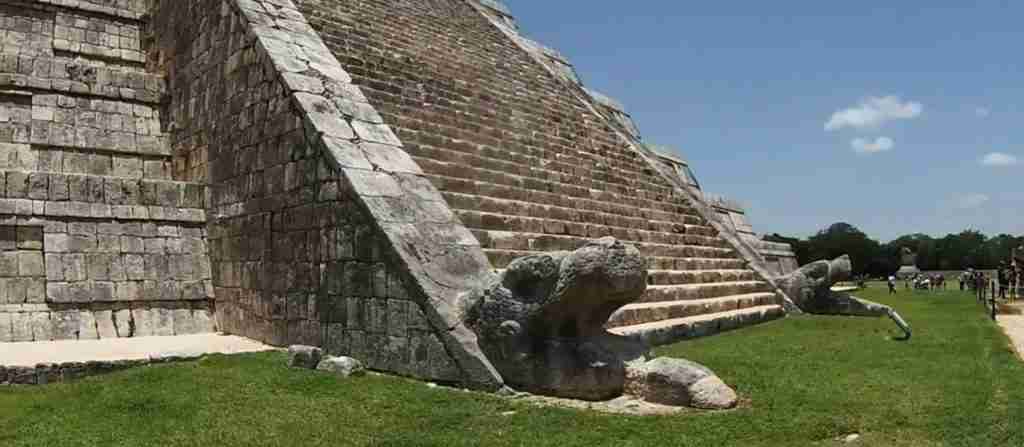
8:20-9:00 AM – El Castillo Priority Photography: Spend your first 40 minutes at El Castillo (Pyramid of Kukulkan), capturing the UNESCO site’s most recognizable structure without crowds. Morning light from the east creates excellent contrast and detail in the stepped pyramid’s elaborate architecture. Photograph from all four sides, noting the serpent head sculptures at the base of northern stairway and overall pyramid proportions. This uninterrupted time enables both wide-angle architectural shots and detail photography impossible later when tour groups surround the structure. Take a few moments to simply sit and contemplate the pyramid’s astronomical significance and engineering sophistication.
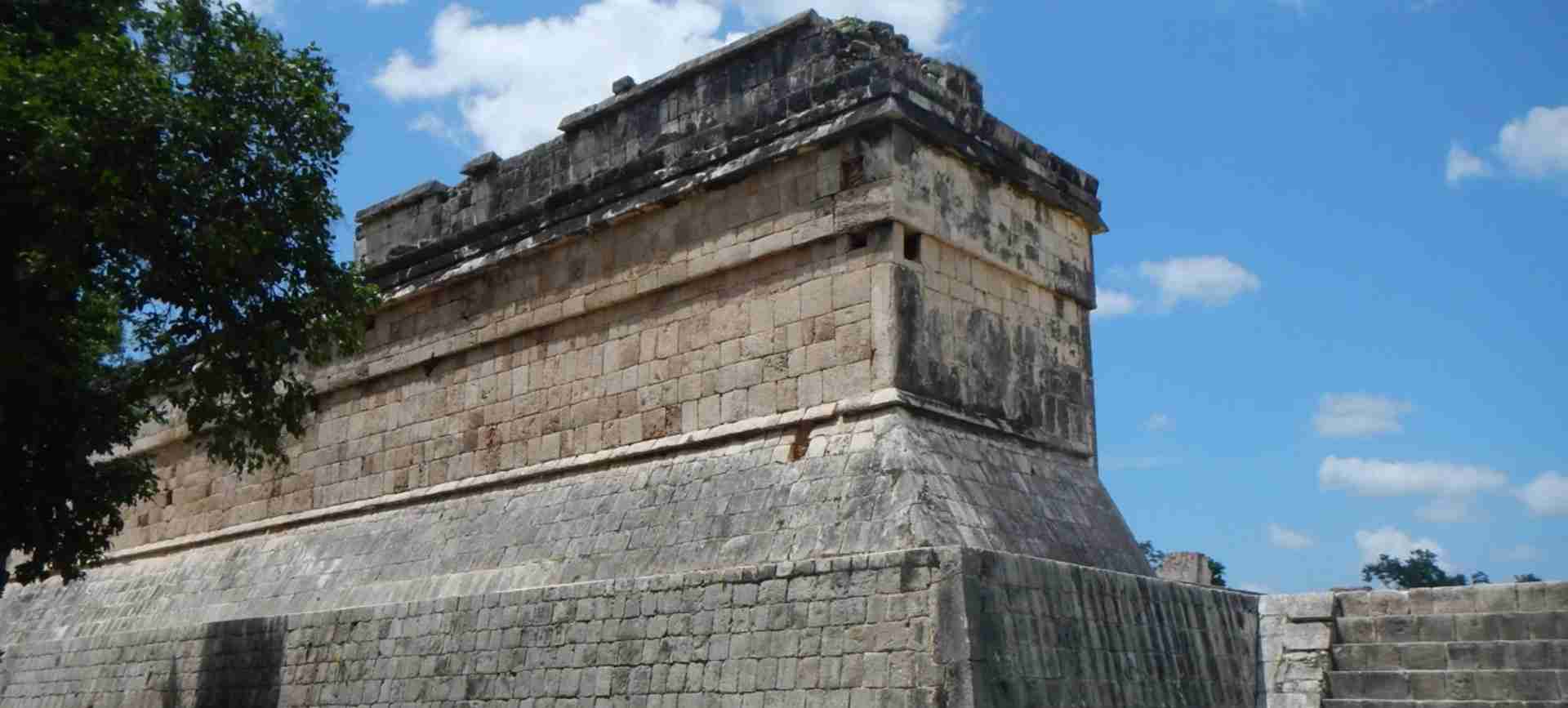
9:00-9:35 AM – Temple of Warriors Complex: Move east to the Temple of Warriors and adjacent Group of a Thousand Columns. The morning sun illuminates these east-facing structures beautifully, highlighting the carved warrior columns and chacmool sculpture details. Walk through the columned hall imagining the covered marketplace that once occupied this space. Photograph the temple facade and distinctive columns from multiple angles. This substantial complex rewards 30-35 minutes of careful exploration, though you can abbreviate if crowds begin forming.
9:35-10:00 AM – Great Ball Court: Proceed north to the Great Ball Court, Mesoamerica’s largest and most impressive ball court at 166 meters long. Stand at the center and speak normally to demonstrate the court’s remarkable acoustics, with your voice carrying clearly to the far end 60+ meters away. Study the carved stone rings high on the side walls and relief carvings depicting the ritual ball game. The relatively uncrowded morning period allows you to experience the court’s acoustic properties and appreciate its massive scale without distraction. Photography here benefits from soft morning light that doesn’t create harsh shadows in the court’s elongated space.
10:00-10:20 AM – Platform of Venus and Eagles: Visit these smaller platforms northwest of El Castillo before mid-morning crowds intensify. The Platform of Venus displays the Maya understanding of astronomical cycles, while the Platform of Eagles and Jaguars features elaborate relief carvings of these powerful animals consuming human hearts. These structures receive less attention from tour groups, often allowing peaceful viewing even as the site becomes crowded. Spend 10 minutes at each platform examining the detailed carvings and considering their ceremonial significance.
10:20-10:45 AM – Sacred Cenote: Walk the 300-meter sacbe (raised causeway) north to the Sacred Cenote, a natural sinkhole that served as an important ritual site. Peer into the 60-meter wide cenote from the viewing platform, imagining the gold, jade, and ceramic offerings that archaeologists recovered from its depths. The forest path to the cenote provides welcome shade after open plaza exposure. This site typically hosts fewer visitors than the main structures, offering contemplative atmosphere even during busy periods. The round trip requires approximately 25 minutes including cenote viewing time.
10:45-11:00 AM – Break and Hydration: Return to the main plaza for a 15-minute rest in one of the shaded areas near El Castillo. Rehydrate with water from your packed supplies, apply additional sunscreen, and assess your energy levels before continuing. Tour groups have now arrived in force, transforming the site atmosphere from peaceful to bustling. Adjust your remaining schedule based on crowd conditions and personal stamina, potentially abbreviating less interesting areas to preserve energy for priority structures still unvisited.
Late Morning: 11:00 AM – 1:00 PM
11:00-11:30 AM – El Caracol Observatory: Navigate through or around crowds to reach El Caracol in the southern section of the archaeological zone. This circular observatory enabled Maya astronomers to track Venus, Mars, and other celestial bodies with remarkable precision. The unique architecture stands out among Chichen Itza’s predominantly rectangular structures. Examine the viewing windows oriented to specific astronomical events and appreciate the building’s sophisticated astronomical knowledge integration. The southern structures generally experience lighter crowding than northern monuments even during peak hours.
11:30 AM-12:00 PM – Las Monjas Complex: Explore Las Monjas (“The Nuns”), a large palace complex with elaborate Puuc-style architectural details. Study the intricate stone mosaics decorating the facades and the building’s expansion across different construction phases. The adjacent Church (La Iglesia) showcases some of Chichen Itza’s finest stone carving with masks of the rain god Chaac covering its facade. This complex rewards detailed examination and photography, with elaborate architectural details easily missed during rushed visits.
12:00-12:30 PM – Xtoloc Cenote and Old Chichen: For visitors with energy and interest, the short walk to Xtoloc Cenote and structures of Old Chichen (Viejo Chichen) provides escape from main plaza crowds. These older structures predate Chichen Itza’s Classic Maya zenith and demonstrate earlier architectural styles. The area receives minimal visitor traffic, offering peaceful exploration. However, the additional walking in increasing heat makes this optional for most one-day visitors who may prefer reserving energy for museums and final photography.
12:30-1:00 PM – Return to El Castillo for Final Photography: Circle back to El Castillo for a final photography session, now experiencing the pyramid surrounded by maximum crowds. The contrast with your peaceful morning visit demonstrates the value of early arrival. Despite congestion, midday overhead sun creates different lighting that eliminates shadows and provides technical photography challenges. Capture images showing the pyramid’s role as popular tourist destination alongside your earlier architectural focus. This concludes the outdoor exploration phase of your one-day visit.
Early Afternoon: 1:00 PM – 3:00 PM
1:00-1:45 PM – Museum of the Mayan People: Escape the outdoor heat and crowds with museum visit to the Museum of the Mayan People near the site entrance. The air-conditioned galleries provide physical relief while displaying archaeological artifacts, scale models, and interpretive exhibits explaining Chichen Itza’s historical context. Study the collections methodically, reading descriptions of ceramic vessels, jade ornaments, and stone sculptures recovered from the site and region. The museum deepens understanding of structures you’ve just explored, connecting architecture to the civilization that created it. The 45-minute museum visit serves both educational and practical comfort purposes.
1:45-2:30 PM – Casa Colorada Museum and Lunch Break: Visit the smaller Casa Colorada Museum focusing on specific architectural and cultural elements of Chichen Itza. The compact exhibition complements the larger museum’s broader scope. After museum exploration, take an extended lunch break in the site’s shaded restaurant areas or picnic spots if you brought food. The combination of museum air conditioning and shaded lunch rest rejuvenates energy depleted by 5+ hours of morning exploration. This break period coincides with tour bus departures, meaning crowds diminish while you rest.
2:30-3:00 PM – Final Souvenir Shopping and Departure Preparation: Browse the extensive souvenir markets near the entrance for Maya handicrafts, textiles, carved replicas, and local artisan work. Prices prove negotiable, particularly late in the day when vendors prioritize making sales before closing. Budget 200-500 MXN for quality souvenirs including carved serpents, textile bags, or jade jewelry replicas. Complete any final photography of areas you want to revisit. Retrieve stored bags, use restroom facilities, and prepare for departure back to Valladolid or onward destinations.
Budget Planning for Your 2026 Day Trip
Complete Cost Breakdown from Valladolid Base
One-day Chichen Itza visits from Valladolid provide the most economical option for independent travelers in 2026, combining low transportation costs with comprehensive site access. Round-trip colectivo transportation costs 70-100 MXN ($4-5.50 USD), site entrance 614 MXN ($35 USD, check official website for current rates as pricing may vary), packed lunch from Valladolid market or hostel 60-100 MXN, water and snacks 40-60 MXN, and optional souvenir purchases 200-500 MXN. Total essential costs (excluding souvenirs) range 784-874 MXN ($43-48 USD), creating highly affordable one-day experiences.
Colectivo round-trip 80 MXN, Chichen Itza entrance 614 MXN, packed lunch 80 MXN, water and snacks 50 MXN. Total day cost: 824 MXN ($45 USD) per person (excluding accommodation).
The Valladolid-based approach requires overnight accommodation (250-400 MXN hostel dorm, 600-900 MXN private room), but eliminates expensive long-distance bus fares and enables flexible scheduling aligned with 8:00 AM opening time. Travelers spending 2 nights in Valladolid before and after Chichen Itza visits divide accommodation costs across multiple days of regional exploration, significantly improving per-day value. The combination of low local transportation, budget dining options, and strategic multi-day planning makes Valladolid the premier base for cost-conscious Chichen Itza visitors.
Optional cost additions include professional guide services when split among groups (100-150 MXN per person), audio guide rental (100 MXN), entrance to nearby Cenote Ik Kil (150-200 MXN), and upgraded meals at site restaurants (150-250 MXN). Budget-conscious visitors minimize optional expenses through self-guided exploration and packed provisions, while those with flexible budgets enhance experiences through guides and additional site amenities. Total one-day costs from Valladolid range $45-75 USD depending on service choices and dining preferences.
Complete Cost Breakdown from Cancun/Playa del Carmen
Direct ADO bus service from Cancun to Chichen Itza creates convenient but more expensive one-day visits in 2026. Round-trip ADO bus costs 480-600 MXN ($27-33 USD), site entrance 614 MXN ($35 USD), on-site lunch and beverages 200-350 MXN due to premium site pricing, and souvenirs 200-500 MXN. The total essential daily cost ranges 1,294-1,564 MXN ($72-87 USD) excluding accommodation, approximately double the Valladolid-based approach while providing less site time due to transit schedules.
ADO round-trip from Cancun 540 MXN, Chichen Itza entrance 614 MXN, on-site lunch 250 MXN, water and snacks 100 MXN. Total day cost: 1,504 MXN ($83 USD) per person (excluding accommodation).
The Cancun departure strategy requires early wake-up (6:30-7:00 AM) for 8:45 AM bus, delivers late arrival at site (12:00-12:30 PM), limits exploration to 3.5-4 hours, and returns visitors to Cancun around 8:00-9:00 PM after long travel days. The compressed site time and fixed departure schedule create rushed experiences compared to flexible Valladolid-based visits. Travelers evaluate whether saving one night’s accommodation justifies increased transportation costs, reduced site time, and less favorable visit conditions.
Alternative routing via ADO to Valladolid (360-440 MXN round-trip) plus colectivo to Chichen Itza (70-100 MXN round-trip) reduces transportation costs by 20-30% while enabling early morning site access impossible with direct Cancun buses. This hybrid approach requires additional travel complexity but appeals to budget-conscious travelers wanting optimal visit timing without Valladolid overnight accommodation. Total costs for this routing range $60-75 USD, positioned between direct Cancun buses and full Valladolid base strategies.
Organized Tour Cost Comparison for 2026
All-inclusive Chichen Itza tours from Cancun and Playa del Carmen range 1,200-2,400 MXN ($65-135 USD) in 2026, including round-trip transportation, entrance fees, guided tours, and sometimes lunch. Budget tours at the lower price range offer basic bus transport and guide services, while premium tours feature smaller groups, buffet meals, cenote swimming, and extended site time. The convenience of door-to-door service, eliminated planning needs, and included guidance appeals to travelers prioritizing simplicity over cost optimization or schedule flexibility.
Tours typically allocate 2-3 hours at Chichen Itza, sufficient for guided structure visits but limiting individual exploration, extended photography, or museum time. The constrained schedule and large group dynamics (30-50 people) create different experiences compared to independent visits. Tour timing (usually 10:30 AM-1:30 PM at site) coincides with peak crowds and heat, though professional guides provide expertise and cultural context that enhance educational value for visitors unfamiliar with Maya history.
Cost analysis shows organized tours averaging $90-100 USD provide marginal savings compared to independent Cancun-based ADO approaches ($83 USD from calculation above) while adding guide value but reducing flexibility. Tours prove clearly more expensive than Valladolid-based independent visits ($45 USD) but eliminate all planning, navigation, and language concerns. First-time visitors and those uncomfortable with independent travel in Mexico often find tour premiums worthwhile for peace of mind and professional interpretation, while experienced travelers prioritize the autonomy and cost savings of self-directed exploration.
Best Time to Start Your 2026 Visit
Why 8:00 AM Opening Time Matters
The two-hour window between 8:00 AM opening and 10:00-10:30 AM tour bus arrivals represents Chichen Itza’s golden period in 2026, when visitor numbers remain manageable and site conditions prove optimal. Temperature differences of 6-8°C between 8:00 AM (20-22°C) and noon (28-30°C) create dramatically more comfortable walking conditions. The soft morning light produces superior photography with reduced harsh shadows and pleasant warm tones. Most critically, experiencing El Castillo and major structures with minimal crowds enables personal connections to Maya architectural achievements impossible amid midday congestion.
Early arrivals complete photography of El Castillo, Temple of Warriors, and Great Ball Court before tour groups create human barriers around these monuments. The difference between photographing El Castillo alone versus waiting for crowd breaks to capture unobstructed shots saves 30-45 minutes and reduces frustration. Solo travelers, couples, and small groups appreciate peaceful contemplation of these UNESCO heritage structures during quiet morning hours, creating memories qualitatively different from midday tourist experience.
Acoustic demonstrations at the Great Ball Court work dramatically better with small crowds when your voice carries clearly without ambient noise interference. Climbing platforms and circling monuments proceeds smoothly without queuing or navigating around large tour groups. The psychological benefit of “discovering” Chichen Itza through early exploration creates sense of adventure and personal connection that later arrivals miss. Visitors consistently rate early morning experiences as their trip highlights, reinforcing the value of 8:00 AM arrival despite wake-up time inconvenience.
Achieving 8:00 AM entry requires significant commitment for Valladolid-based visitors (6:30 AM wake-up, 7:00 AM colectivo) and remains essentially impossible for Cancun-based travelers using public transport. This reality means many visitors abandon early arrival goals, accepting compromised experiences. The dedicated travelers who do prioritize early entry consistently report that the effort proves worthwhile, transforming their Chichen Itza visits from good to extraordinary through superior conditions across every measure: temperature, light, crowds, and overall atmosphere.
Alternative Timing Strategies for Different Priorities
Photography-focused visitors sometimes employ split-day strategies, visiting 8:00-11:00 AM for general coverage and crowd-free major structures, then returning 4:00-5:00 PM for different light angles and sunset shots. This approach maximizes photographic opportunities across varied lighting conditions while using midday hours for Valladolid lunch, cenote swimming, or rest. The double-entry strategy requires flexible schedules and substantial energy, appealing primarily to dedicated photography enthusiasts willing to invest full days for superior image results.
Budget-conscious travelers arriving around 10:00-11:00 AM via later colectivos accept larger crowds in exchange for later wake-up times and more flexible morning scheduling. This approach works adequately for visitors primarily interested in experiencing major structures without photography obsessions or crowd sensitivity. The temperature and lighting compromises prove manageable for realistic travelers who understand that perfection requires sacrifices they’re unwilling to make. Many successful one-day visits begin at 10:00-11:00 AM, demonstrating that while 8:00 AM entry optimizes experiences, it’s not absolutely required for satisfaction.
Late afternoon visitors (3:00-5:00 PM entries) encounter diminishing crowds as tour groups depart, though harsh direct sunlight creates challenging photography with extreme contrast and minimal shadow detail. This timing suits visitors making rushed end-of-day visits when earlier arrival proves impossible due to morning commitments elsewhere. The abbreviated 2-hour window limits coverage to priority structures only (El Castillo, Temple of Warriors, Ball Court), eliminating museum visits, comprehensive photography, or leisurely exploration. Late entries work as compromise solutions rather than optimal strategies.
Seasonal Timing Considerations for One-Day Visits
Winter months (December-February) provide the easiest conditions for 8:00 AM arrivals with comfortable morning temperatures (18-22°C) that require only light clothing layers quickly removed as the day warms. Clear skies and predictable weather enable confident planning without rain contingencies. The combination of pleasant temperatures, excellent light, and dry conditions makes winter the premier season for one-day Chichen Itza visits, offsetting higher accommodation costs and larger crowds through superior comfort and reliability.
Summer months (June-August) challenge one-day visitors with intense heat (32-35°C by 11:00 AM), high humidity, and afternoon rain probabilities. The 8:00 AM start becomes essential rather than optional, with mid-morning arrivals creating genuine heat exhaustion risks during multi-hour outdoor walking. Visitors adapt by completing outdoor exploration by 1:00 PM, spending midday in air-conditioned museums, and accepting potential afternoon rain during colectivo returns. The smaller crowds and lower accommodation rates appeal to heat-tolerant travelers who prioritize budget over comfort.
Shoulder seasons (March-May, September-November) balance crowd levels, prices, and weather, creating good value periods for one-day visits. Spring (March-May) brings increasing heat but minimal rain, while fall (September-November) features declining temperatures and drying conditions. Both periods offer manageable visit conditions with moderate crowds, positioning them as optimal timing for flexible travelers who can avoid both peak season congestion and rainy season challenges. Prices and accommodation availability prove more favorable than winter while maintaining acceptable weather for extended outdoor activity.
Sample 2026 Itineraries
Comprehensive Museum-Included Itinerary
This full-day schedule maximizes educational value through complete site coverage plus both museum visits, totaling 6-7 hours from 8:00 AM arrival to 2:00-3:00 PM departure. The extended timeframe enables thorough exploration without rushing, accommodating photography interests, museum study, and contemplative appreciation of Maya architectural achievements. This approach suits first-time visitors wanting comprehensive understanding and dedicated photography enthusiasts requiring varied lighting conditions.
7:00 AM: Depart Valladolid via colectivo, arriving Chichen Itza 8:00 AM. 8:00-8:20 AM: Entry and walk to El Castillo. 8:20-9:00 AM: El Castillo comprehensive photography. 9:00-9:30 AM: Temple of Warriors complex. 9:30-10:00 AM: Great Ball Court with acoustic demonstrations. 10:00-10:40 AM: Platform of Venus, Eagles, and Sacred Cenote walk. 10:40-11:00 AM: Rest break with hydration and snacks.
11:00-11:30 AM: El Caracol observatory exploration. 11:30 AM-12:00 PM: Las Monjas complex and La Iglesia. 12:00-12:30 PM: Return to El Castillo for midday photography comparisons. 12:30-1:15 PM: Museum of the Mayan People visit with artifact study. 1:15-2:00 PM: Lunch break and Casa Colorada Museum. 2:00-2:30 PM: Souvenir shopping and final photography. 2:30 PM: Depart via colectivo to Valladolid.
Colectivo round-trip 80 MXN, Chichen Itza entrance 614 MXN, packed lunch from Valladolid 80 MXN, water and snacks 60 MXN, souvenirs 300 MXN. Total day cost: 1,134 MXN ($63 USD) per person (excluding accommodation).
Express Morning-Only Itinerary
Efficient visitors complete satisfying Chichen Itza coverage in 4 hours through focused routing that prioritizes major structures over comprehensive exploration. This condensed schedule suits travelers with afternoon commitments (cenote visits, onward travel) or those finding 6+ hours of archaeological exploration excessive. The morning-only approach captures essential Chichen Itza experiences while preserving energy and schedule flexibility for other activities.
7:00 AM: Depart Valladolid via colectivo, arriving 8:00 AM. 8:00-8:15 AM: Entry and walk to El Castillo. 8:15-8:45 AM: El Castillo priority photography from all sides. 8:45-9:10 AM: Temple of Warriors quick tour. 9:10-9:35 AM: Great Ball Court with acoustic demo. 9:35-9:50 AM: Platform of Venus and Eagles. 9:50-10:20 AM: Sacred Cenote round trip. 10:20-10:40 AM: El Caracolo overview. 10:40-11:00 AM: Las Monjas facade photography. 11:00-11:30 AM: Museum of Mayan People highlights tour. 11:30-12:00 PM: Final El Castillo photos and departure preparation. 12:00 PM: Return colectivo to Valladolid.
This abbreviated schedule skips Casa Colorada Museum, Old Chichen structures, and extended museum study, focusing on must-see monuments and one museum for essential context. The approach works well for repeat visitors, travelers who’ve studied Maya culture previously, or those prioritizing experience breadth across multiple Yucatan sites over depth at Chichen Itza alone.
Colectivo round-trip 80 MXN, Chichen Itza entrance 614 MXN, packed breakfast 60 MXN, water and snacks 50 MXN. Total day cost: 804 MXN ($44 USD) per person (excluding accommodation).
Combined Chichen Itza and Cenote Day
The integrated archaeological-natural itinerary balances cultural learning with refreshing swimming, creating varied full-day experiences popular with active travelers in comfortable seasons. Morning Chichen Itza exploration (8:00 AM – 1:00 PM) followed by afternoon cenote swimming (2:00-5:00 PM) optimizes daily scheduling while providing heat relief after intensive walking. This combination proves especially appealing during hot months when cenotes offer welcome cooling.
7:00 AM: Depart Valladolid via colectivo. 8:00-10:30 AM: Priority structure visits (El Castillo, Warriors, Ball Court, Sacred Cenote). 10:30-11:00 AM: Rest break with snacks. 11:00 AM-12:00 PM: Secondary structures (El Caracol, Las Monjas). 12:00-12:45 PM: Museum of Mayan People visit. 12:45-1:00 PM: Departure preparation.
1:00 PM: Colectivo to Valladolid (45 min). 2:00-2:30 PM: Lunch in Valladolid (market or hostel). 2:30-3:00 PM: Bicycle rental and ride to Cenote Suytun or X’Keken. 3:00-5:00 PM: Cenote swimming, photography, and relaxation. 5:00-5:30 PM: Return to Valladolid hostel. 6:00 PM: Evening plaza dinner and rest.
Colectivo round-trip 80 MXN, Chichen Itza entrance 614 MXN, packed lunch 80 MXN, Valladolid lunch 100 MXN, cenote entrance 100 MXN, bicycle rental 100 MXN, dinner 120 MXN. Total day cost: 1,194 MXN ($66 USD) per person (excluding accommodation).
Frequently Asked Questions
Is one day enough for Chichen Itza in 2026?
One day provides completely adequate time for comprehensive Chichen Itza visits including all major structures, both museums, and thorough photography in 2026. The compact site layout enables efficient coverage, with 4-6 hours proving sufficient for most visitors’ interests and stamina. Early morning arrivals maximizing optimal conditions achieve satisfying complete experiences within single days without rushing or missing important elements.
What should I bring for a one-day Chichen Itza visit in 2026?
Essential items include 2-3 liters of water, high-SPF sunscreen, wide-brimmed hat, sunglasses, comfortable walking shoes, camera, cash for entrance and incidentals, and packed lunch to avoid expensive on-site food. Small backpacks carry supplies through the site, with larger bags stored at entrance if necessary. Light, breathable clothing, portable phone chargers, and basic first-aid supplies complete recommended packing lists.
Can I climb the pyramid at Chichen Itza in 2026?
Climbing El Castillo (the main pyramid) remains prohibited in 2026 for conservation and visitor safety, with restrictions in place since 2006. Visitors view and photograph the pyramid from ground level, circling its base and studying architectural details from multiple angles. The prohibition protects both the ancient structure from climbing wear and visitors from potential falls on steep, narrow steps.
Are guided tours worth it for one-day visits in 2026?
Guided tours enhance educational value through expert interpretation of architectural features, astronomical alignments, historical context, and cultural significance that self-guided visitors miss. Official guides cost 900-1,200 MXN split among groups, reducing individual expense to 90-150 MXN when sharing with 8-10 people. First-time visitors and those interested in deep historical understanding benefit substantially from professional guides, while repeat visitors or those comfortable with self-directed learning succeed with independent exploration using site information and apps.
What time do tour buses arrive at Chichen Itza in 2026?
Large tour buses from Cancun and Riviera Maya typically arrive between 10:30-11:30 AM, bringing waves of 300-500 person groups that concentrate at major structures. Peak crowding occurs 11:00 AM – 2:00 PM when multiple tour groups overlap. Independent travelers arriving at 8:00 AM opening enjoy 2-3 hours of relatively uncrowded exploration before tour bus arrivals transform site atmosphere and congestion levels.
Can I visit Chichen Itza and Ek Balam in one day in 2026?
Combining Chichen Itza with Ek Balam creates ambitious but feasible one-day itineraries for energetic visitors with efficient transportation. The morning Chichen Itza visit (8:00 AM – 12:00 PM) followed by afternoon Ek Balam exploration (2:00-4:00 PM) requires careful timing and either rental car or organized tour transportation. Most visitors find that dedicating full days to each site enables more relaxed, thorough exploration compared to rushed dual-site attempts.
What’s the best photography gear for one-day Chichen Itza visits in 2026?
Wide-angle lenses (16-35mm) capture architectural scope and dramatic perspectives of pyramids and structures. General zoom lenses (24-105mm) provide versatility for both architectural shots and detail photography. Smartphone cameras produce excellent results for casual photography and social media sharing. Tripods enhance stability for detail shots and low-light museum photography, though heat and walking distances make minimal gear approaches appealing. Portable phone chargers ensure battery life for full-day photography sessions.
How much walking is involved in one-day Chichen Itza visits in 2026?
Comprehensive site visits involve 4-6 kilometers (2.5-3.7 miles) of walking over 4-6 hours, primarily on flat, paved pathways between structures. The distance proves manageable for visitors with average fitness, though heat exposure and duration create more challenge than terrain difficulty. Rest breaks in shaded areas every 45-60 minutes maintain comfort and energy. Visitors with mobility limitations successfully experience major structures through abbreviated routes focusing on central plaza monuments accessible via short walks from the entrance.
Should I book Chichen Itza tickets in advance for 2026?
Advance tickets prove unnecessary for individual visitors in 2026, with walk-up ticket purchase at the entrance proceeding quickly except during peak holiday periods. Early morning arrivals (8:00 AM) encounter minimal queuing regardless of advance booking. Large groups and visitors during Christmas, New Year’s, or Easter weeks consider advance booking through official channels to guarantee entry, though most travelers purchase tickets upon arrival without issues or significant delays.
What’s the best one-day Chichen Itza itinerary from Tulum in 2026?
Tulum-based visitors take ADO buses to Valladolid (140-180 MXN, 1.5-2 hours), then colectivos to Chichen Itza (40 MXN, 45 minutes), creating economical but multi-step transportation requiring 6:00-6:30 AM Tulum departures for 8:00 AM Chichen Itza arrival. Alternative direct tours from Tulum (1,400-2,000 MXN) simplify logistics but increase costs and limit flexibility. Most experienced travelers prefer the Valladolid overnight approach for early site access and cost efficiency.