
Chichen Itza for Families 2026: Activities, Tips & Kid-Friendly Tours
This comprehensive guide addresses every aspect of planning successful Chichen Itza family visits in 2026, from selecting optimal tour types and timing strategies through child-friendly activity ideas and practical tips managing common challenges. We examine specific age-appropriate approaches for different developmental stages (preschoolers 4-5, elementary ages 6-9, pre-teens 10-12), provide detailed sample itineraries balancing education with fun, and offer honest assessments of what works versus what creates family frustration at Mexico’s most famous archaeological site.
Key Takeaways:
- Family-friendly private tours cost $300-400 total for 4-6 people, offering flexible pacing and customized commentary for children ages 4-12
- Early morning visits (8-9:30 AM arrival) provide comfortable temperatures and reduced crowds essential for young children’s enjoyment
- Interactive archaeological exploration techniques including scavenger hunts, Maya calendar activities, and ancient games maintain engagement for 2-3 hours
- Cenote swimming breaks between archaeological sites offer cooling relief and exciting adventures that children remember most from Yucatan trips
- Child-friendly restaurants serving familiar foods alongside regional cuisine prevent mealtime struggles common in all-day cultural tours
- Booking family tours 4-6 weeks ahead ensures guide selection with demonstrated children’s education expertise and activity customization
Introduction: Making Chichen Itza Magical for Young Travelers in 2026
Chichen Itza captivates children’s imaginations through its combination of ancient mystery, impressive architectural scale, and cultural adventure—but transforming potential interest into actual engagement requires strategic planning addressing children’s unique needs. The archaeological site’s exposure to tropical heat, extensive walking distances, and complex historical context present challenges for families with children under 12. However, with appropriate tour selection, timing optimization, and activity planning, families create memorable educational adventures that children discuss enthusiastically for years afterward.
The key to successful family visits lies in understanding the fundamental differences between adult-optimized and child-friendly approaches. Standard archaeological tours emphasizing chronological history, architectural analysis, and cultural context often lose children’s attention within 20-30 minutes as abstract concepts fail to compete with physical discomfort from heat and walking fatigue. Child-friendly tours instead employ interactive techniques including storytelling, hands-on activities, mystery-solving games, and sensory experiences that maintain engagement while subtly delivering educational content children actually absorb and remember.
Practical considerations significantly impact family experience quality beyond educational methodology. Tour timing affects comfort levels dramatically—9 AM versus 11 AM arrivals create temperature differences of 4-6°C (7-11°F) and crowd density variations of 60-70%, both critically important for children’s tolerance and enjoyment. Transportation quality determines whether children arrive energized or exhausted before archaeological exploration even begins. Meal planning prevents the meltdowns that hungry children experience when faced with unfamiliar regional cuisines at inconvenient times.
People Also Ask About Visiting Chichen Itza with Kids 2026
What is the best age to take children to Chichen Itza in 2026?
Children ages 6-12 gain the most from Chichen Itza visits as they possess sufficient physical stamina for 2-3 hours of walking and exploring while maintaining genuine interest in ancient civilizations and archaeological mysteries. This age range allows children to engage meaningfully with age-appropriate historical content, participate in interactive activities, and form lasting memories from the cultural adventure. Children 8-10 years old represent the optimal sweet spot combining physical capability, educational receptiveness, and sustained engagement with archaeological exploration.
Preschoolers ages 4-5 can visit Chichen Itza successfully with private tours offering maximum flexibility for breaks, simplified content, and abbreviated visit durations (1.5-2 hours maximum). Very young children focus more on physical adventure aspects—climbing safe structures when permitted, exploring different spaces, cenote swimming—than historical education. Parents should calibrate expectations realistically: preschoolers likely won’t remember specific Maya civilization facts, but the overall experience of exploring ancient pyramids creates powerful sensory memories and plants early seeds of cultural curiosity.
Pre-teens ages 10-12 appreciate more sophisticated content about Maya astronomy, architectural engineering, and cultural practices, while still enjoying interactive activities and games that pure lecture-style tours omit. This age group often develops genuine historical interests that extend beyond the visit itself, researching Maya civilization further after returning home and making connections with school curriculum. Private tours allow customizing content depth to match pre-teen educational levels without boring younger siblings or overwhelming less interested children.
Toddlers under 4 rarely gain enough from Chichen Itza visits to justify the logistical challenges, though some adventurous families successfully navigate the experience with extremely patient attitudes and heavily modified expectations. The combination of heat exposure, walking requirements, nap schedule disruptions, and limited child-oriented facilities creates substantial difficulties. Families with toddlers should seriously consider whether Chichen Itza belongs on their Cancun itinerary or whether nearby beaches and cenotes better match their young children’s developmental stage and enjoyment capacity.
How long should we spend at Chichen Itza with children in 2026?
Plan 2-2.5 hours total at Chichen Itza with children under 8, including 1-1.5 hours of guided interactive exploration and 30-60 minutes free time for play, photography, and souvenir shopping. Children ages 8-12 can handle 2.5-3.5 hours comfortably with engaging guides and activity variety—1.5-2 hours guided tour, 45-90 minutes free exploration, and strategic rest breaks with snacks and shade. Attempting to exceed these durations creates diminishing returns as fatigue, heat exposure, and sensory overload reduce children’s receptiveness and increase behavioral challenges.
The full-day tour experience for families typically spans 10-12 hours including round-trip transportation from Cancun or Playa del Carmen (4-5 hours total travel time), archaeological site visit (2-3 hours), cenote swimming (45-60 minutes), lunch (60-90 minutes), and optional Valladolid colonial town stop (30-45 minutes). This comprehensive itinerary balances educational content with fun activities, preventing the monotony that pure archaeological focus creates for children. The variety maintains engagement across the long day as children anticipate swimming opportunities and special treats while processing archaeological information at their own pace.
Breaking the experience into segments helps children manage the day’s length. Morning transportation becomes adventure time with games, stories, and anticipation building. Archaeological exploration transforms into treasure hunting and mystery solving. Cenote swimming provides physical release and excitement. Lunch offers rest and refueling. Colonial town visits introduce new sensory experiences. This segmentation approach prevents the overwhelming feeling of endless touring that exhausts children and creates negative associations with cultural exploration.
Weather conditions influence optimal duration significantly. Summer visits during June-August heat should limit archaeological site time to 2-2.5 hours maximum as temperatures exceeding 35°C (95°F) with high humidity create genuine health risks for extended outdoor exposure. Winter visits (December-February) with comfortable 26-28°C (79-82°F) temperatures allow extending site time to 3-3.5 hours if children remain engaged. Always prioritize children’s actual comfort and interest levels over predetermined schedules—flexibility to leave earlier than planned prevents the meltdowns that ruin family vacation memories.
What are the best kid-friendly tours to Chichen Itza in 2026?
Private family tours costing $300-400 for groups of 4-6 people provide the best experiences for families with children under 12. These customized tours allow selecting guides with demonstrated children’s education expertise, flexible pacing accommodating bathroom breaks and energy fluctuations, age-appropriate content delivery, and itinerary customization including child-friendly restaurants and exciting cenote swimming. Check tour operator websites for current official rates as pricing varies by season and included services. The per-person cost ($50-80) approaches premium group tour rates while delivering dramatically superior family-oriented experiences.
Specialty small-group family tours designed explicitly for traveling families cost $75-95 per person and limit participation to 12-15 families with children, creating peer interactions and social experiences. These tours employ guides trained in educational techniques for children, incorporate interactive activities like Maya calendar workshops or ancient games demonstrations, and maintain schedules recognizing children’s needs for breaks and varied pacing. The group dynamics allow children to make friends with peers, often transforming potentially boring historical content into exciting shared adventures as children encourage each other’s participation.
Standard group tours work for families with mature pre-teens (10-12 years) capable of handling adult-paced itineraries, but rarely succeed with younger children who struggle with rigid schedules, limited flexibility for breaks, and adult-oriented content delivery. Budget group tours priced $50-65 per person save money but often create family frustration as guides focus on adult participants and children’s needs for simplified explanations, activity breaks, or bathroom stops disrupt the predetermined schedule affecting other passengers.
Tour quality indicators for family-friendly experiences include guide credentials specifically mentioning children’s education or family tour expertise, advance consultation offering activity customization, flexibility policies allowing schedule modifications based on children’s real-time needs, and positive reviews from other families with similar-age children. Operators specializing in family travel understand the difference between adult archaeological tours with children present versus genuinely child-optimized experiences designed for young learners.
Is Chichen Itza safe for children in 2026?
Chichen Itza is safe for children with appropriate supervision and precautions. The archaeological site features wide-open plazas with excellent visibility where parents easily track children’s locations. No dangerous cliffs, unstable structures, or threatening wildlife create unusual risks beyond those at any outdoor tourist attraction. The primary safety considerations involve heat exposure prevention, hydration management, uneven walking surfaces requiring attention to prevent trips and falls, and sun protection against intense tropical UV radiation.
Heat-related safety requires active management in summer months (June-August) when temperatures exceed 35°C (95°F) and humidity reaches 75-85%. Children dehydrate faster than adults and often fail to recognize their own heat stress symptoms until problems develop. Parents should enforce regular water breaks every 20-30 minutes regardless of children’s requests, seek shade opportunities during rest stops, watch for warning signs like excessive sweating cessation or unusual lethargy, and plan early morning visits (8-10:30 AM) avoiding peak afternoon heat. Younger children (under 6) particularly need monitoring as their smaller body mass makes them more vulnerable to heat-related issues.
Walking surface safety matters given the uneven stone pathways and plaza areas throughout Chichen Itza. Children should wear closed-toe shoes with good traction rather than sandals or flip-flops that increase trip risks on irregular surfaces. Parents of young children (4-6 years) often bring strollers for tired moments, though the uneven terrain makes stroller navigation challenging in some areas. The site’s general openness and lack of dangerous drop-offs means falls typically result in minor scrapes rather than serious injuries, but supervising active children prevents preventable accidents.
Vendor and crowd safety requires minimal concern at Chichen Itza compared to some tourist destinations. The site vendors respect personal space and don’t employ aggressive tactics that might frighten children. Pickpocketing rarely occurs at archaeological sites compared to urban tourism areas, though families should maintain awareness of belongings as basic precaution. The primary crowd safety issue involves peak periods when 10,000+ daily visitors create dense conditions in popular photo areas where young children might become separated from parents in the masses. Early morning visits or private tours timed for lower-density periods eliminate this concern.
Extended multi-day tours – 5+ days
Featured Chichen Itza Multi-Day Tour Packages
3 days
Chichen Itza 3-Day Discovery Tour
- ✓ Comprehensive Chichen Itza experience
- ✓ Expert local guides included
- ✓ All accommodation included
- ✓ Transportation provided
5 days
Chichen Itza 5-Day Highlights Experience
- ✓ Comprehensive Chichen Itza experience
- ✓ Expert local guides included
- ✓ All accommodation included
- ✓ Transportation provided

7 days
Chichen Itza 7-Day Cultural Journey
- ✓ Comprehensive Chichen Itza experience
- ✓ Expert local guides included
- ✓ All accommodation included
- ✓ Transportation provided
10 days
Chichen Itza 10-Day Complete Adventure
- ✓ Comprehensive Chichen Itza experience
- ✓ Expert local guides included
- ✓ All accommodation included
- ✓ Transportation provided
Multi-day tour packages powered by TourRadar. Prices and availability subject to change.
Essential Family Planning for 2026 Chichen Itza Visits
Optimal Timing and Seasonal Considerations
Winter months (December-February) provide ideal conditions for family Chichen Itza visits with comfortable daytime temperatures 24-28°C (75-82°F), minimal rain probability under 15%, and moderate humidity 60-70%. These climate advantages allow children to explore archaeological sites comfortably for 2.5-3 hours without excessive heat stress. However, winter corresponds to peak tourism season, creating crowd densities of 10,000-12,000 daily visitors during December-January and spring break weeks (March-April). Private tours departing 5:30-6 AM capture optimal early morning conditions before both tourist crowds and afternoon heat intensify.
Shoulder seasons (May-June, September-November) balance moderate weather against higher rain probabilities and changing temperature patterns. May-June brings increasing heat 30-33°C (86-91°F) requiring strict morning-only archaeological site visits (8-11 AM) before conditions become uncomfortable for children. Afternoon rain likelihood reaches 40-60% but storms typically last 30-90 minutes as brief thundershowers rather than all-day precipitation. The dramatic crowd reduction to 3,000-5,000 daily visitors creates significantly better archaeological experiences as children explore without the overwhelming tourist masses that peak season produces.
Summer months (July-August) present the most challenging family visit conditions with temperatures exceeding 35°C (95°F), humidity 75-85%, rain probability 60-70%, and still-high tourist volumes from North American summer vacation timing. Families constrained to summer travel should absolutely prioritize sunrise or very early morning tours (5:30-6 AM departures) allowing 8-10 AM archaeological site visits before heat reaches dangerous levels for children. Plan cenote swimming as the midday activity (11 AM-1 PM) providing cooling relief during peak heat hours, then complete the day with Valladolid colonial town exploration or return to Cancun for hotel pool time.
Daily timing within visits matters as much as seasonal selection. Chichen Itza opens 8 AM daily, and families arriving 8-9 AM experience crowd densities 60-70% lower than 10 AM-12 PM peak hours. Early timing also captures comfortable temperatures—26-28°C (79-82°F) at 8 AM versus 33-35°C (91-95°F) at 11 AM during summer months. Children fresh from hotel breakfasts and excited about adventure maintain better energy and engagement during morning hours compared to late-morning or afternoon visits when heat and fatigue compound. Private tours enable this optimal timing; group tours typically arrive 9:30-10:30 AM after hotel collection logistics.
Age-Appropriate Activity Planning
Preschoolers ages 4-5 require highly simplified content focusing on sensory experiences and physical exploration rather than historical facts. Effective activities include pyramid counting games (“How many steps can you see on El Castillo?”), texture discovery (“Find three different types of stones”), animal identification in carved reliefs, imaginative play scenarios (“Pretend you’re a Maya child living here 1,000 years ago”), and echo experiments in the Great Ball Court. Guides trained in early childhood education understand that 20-30 minute attention spans mean alternating between brief informational segments and active play opportunities. The archaeological site becomes an adventure playground with educational content delivered subtly through guided discovery.
Elementary ages 6-9 engage deeply with interactive storytelling about Maya civilization daily life, astronomy demonstrations showing how ancient Maya tracked stars, ancient games explanations including ball court rules and significance, architectural scavenger hunts finding specific design elements or symbolic carvings, and measurement activities comparing pyramid dimensions to familiar structures (“El Castillo is as tall as 8 giraffes stacked up!”). This age group appreciates mystery and discovery, so framing archaeological exploration as treasure hunting or detective work maintaining engagement throughout 1.5-2 hour guided segments. Simple Maya vocabulary (numbers, greetings, calendar terms) allows children to practice new language skills while learning cultural content.
Pre-teens ages 10-12 appreciate more sophisticated content about astronomical alignments, architectural engineering solutions, cultural practices and rituals, economic systems and trade networks, and connections to modern Maya descendant communities. This age group often develops genuine scholarly interest when information delivery respects their emerging critical thinking capabilities while maintaining interactive elements. Activities might include advanced scavenger hunts requiring research and problem-solving, photography assignments capturing specific architectural details, comparative analysis between Maya and other ancient civilizations, or discussions about archaeological methods and ongoing discoveries. Pre-teens also enjoy guide roles assisting parents with younger siblings, creating leadership opportunities that maintain engagement.
Mixed-age family groups require careful activity calibration addressing multiple developmental levels simultaneously. Effective guides offer differentiated content—providing simple explanations and physical activities for younger children while adding complexity and depth for older siblings and parents. Scavenger hunt activities might include easy items for preschoolers (find jaguar carving), medium challenges for elementary ages (locate the feathered serpent on three different structures), and advanced tasks for pre-teens (identify astronomical alignment evidence). This approach ensures all family members engage appropriately without anyone feeling bored or overwhelmed by content mismatched to their level.
Transportation and Logistics Management
Private family tours using comfortable air-conditioned vans provide dramatically superior experiences compared to group tour buses, especially for families with children under 8. The direct hotel-to-site transportation eliminates the 45-75 minute multi-hotel collection process that exhausts children before archaeological exploration begins. Private vehicles allow flexible bathroom breaks during the 2.5-hour Cancun-Chichen Itza journey, accommodate children’s entertainment needs (tablets, books, games), and enable schedule modifications if children struggle with travel duration or motion sickness. The smaller vehicle environment creates intimate family space rather than crowded bus atmosphere affecting children’s comfort and parents’ stress levels.
Entertainment planning for transportation time prevents the boredom and restlessness that long bus rides create. Successful strategies include pre-loaded tablets with educational Maya civilization videos or games, age-appropriate books about ancient cultures, license plate games using Mexican vehicle plates, geography lessons about Yucatan Peninsula, sing-alongs with regional Mexican music, and travel journals where children document observations and experiences. Some families create anticipation through mystery activities revealing clues about what they’ll discover at Chichen Itza, building excitement during travel time rather than treating it as dead space between destinations.
Rest stop management affects family comfort significantly during full-day tours. Group tours typically make 2-3 scheduled stops (outbound craft cooperative, archaeological site facilities, return craft cooperative or restaurant) at predetermined times regardless of children’s actual bathroom needs. Private tours allow bathroom breaks on family schedules, stopping at clean facilities when children actually need them rather than forcing waits during uncomfortable periods. Parents with potty-training children particularly appreciate this flexibility, as the stress of rigid group tour schedules with limited bathroom access creates potential accidents and family embarrassment.
Meal planning prevents the frustration that hungry children create during long tour days. Private tours enable selecting child-friendly restaurants serving familiar foods (pasta, chicken, french fries) alongside regional cuisine that adventurous children might try without pressure. The flexibility to have earlier or later lunch based on children’s hunger patterns (11:30 AM versus 2 PM) maintains better moods and energy. Some families pack substantial snacks (granola bars, fruit, crackers, cookies) for strategic energy boosts between scheduled meals, preventing the hunger-triggered meltdowns that derail otherwise excellent tour experiences. Operators usually permit reasonable snack consumption during appropriate moments without disrupting guide commentary or site etiquette.
Interactive Educational Activities for Children 2026
Maya Civilization Storytelling Techniques
Transform dry historical facts into engaging narratives through storytelling approaches emphasizing human interest, mystery, and adventure elements. Instead of stating “Chichen Itza was built between 600-900 AD,” frame it as “Imagine being a child 1,000 years ago when your entire city worked together to build the giant pyramid you see. Some people cut stones from quarries, others carried them here, and the best artists carved amazing pictures of jaguars and serpents.” This approach helps children connect emotionally with ancient people as real individuals rather than abstract historical figures.
Character-focused stories bring Maya civilization to life through specific individuals children can imagine and relate to. “Let me tell you about a boy named K’inich who lived here long ago. Every morning he woke up in a house with stone walls and a palm roof, ate breakfast of corn tortillas with beans, then headed to the ball court to practice the sacred game…” This narrative technique creates mental models children use to process archaeological site features, transforming confusing stone structures into understandable places where children like them once lived, played, and learned.
Mystery elements maintain engagement through questions and detective work. “Can anyone figure out why the Maya built their pyramid with exactly 91 steps on each of the four sides? Here’s a clue: think about the number of days in a year…” This approach encourages active thinking rather than passive listening, and the satisfying “aha moment” when children discover the answer (91 steps × 4 sides + 1 platform = 365 days) creates memorable learning experiences. Guides can seed multiple mysteries throughout tours, giving children investigative missions that maintain focus during complex site exploration.
Sensory description techniques help children experience rather than just observe archaeological sites. “Close your eyes and imagine what you’d hear during ceremonies 1,000 years ago—drums echoing across the plaza, conch shell trumpets blowing, thousands of people chanting together. Can you smell the copal incense burning? Feel the stone under your bare feet getting hot in the sun?” This multisensory approach creates vivid mental experiences that children remember long after they’ve forgotten specific historical dates or architectural terms.
Hands-On Activity Ideas
Maya calendar workshops transform abstract astronomical concepts into tangible learning experiences. Guides bring printed simplified calendar wheels showing the 365-day solar calendar (Haab) and 260-day sacred calendar (Tzolk’in), teaching children how ancient Maya tracked time using the interlocking systems. Children calculate their own birth dates in the Maya calendar system, creating personal connections to ancient timekeeping methods. This 15-20 minute activity works well during rest breaks in shaded areas, providing educational content while allowing children to sit, drink water, and process information at their own pace.
Architectural measurement activities help children grasp the pyramid’s massive scale through comparisons to familiar references. “If we stack you and your friends on top of each other, how many children would equal the pyramid’s height? Let’s measure!” Using provided measuring tapes or pacing exercises, children estimate pyramid dimensions, compare to school buildings or home heights, and develop spatial reasoning understanding enormous ancient construction achievements. The physical activity component maintains engagement while delivering geometry and engineering concepts appropriate for ages 6-12.
Hieroglyph decoding games introduce Maya writing systems through simplified symbols children can recognize and “translate.” Guides provide symbol cards showing common glyphs (jaguar, maize, water, sun) and challenge children to find matching carvings on archaeological structures, creating treasure hunt excitement while teaching about ancient communication methods. Pre-teens might tackle more complex challenges like identifying calendar glyphs or royal name symbols, adding intellectual depth to the playful activity framework.
Echo experiments in the Great Ball Court demonstrate ancient acoustic engineering in memorable ways. Children clap hands at specific locations to hear the unique echo resembling a quetzal bird call, learning how Maya architects designed structures with intentional sound properties for ceremonies and rituals. This 5-minute activity combines science education (sound waves, acoustics) with cultural learning (sacred bird symbolism) in an entertaining format that children remember vividly. Parents often photograph children experimenting with echoes, creating family memories beyond typical tourist snapshots.
Scavenger Hunt Integration
Structured scavenger hunts maintain children’s engagement during archaeological site exploration by transforming passive observation into active discovery missions. Effective hunts provide age-appropriate checklists with visual references and progressive difficulty levels. Younger children (4-6 years) hunt for easily identifiable elements: jaguar carvings, feathered serpent symbols, specific column counts, or color variations in stonework. Elementary ages (6-9) receive more complex challenges requiring observation and deduction: finding structures with particular astronomical alignments, identifying specific Maya glyphs, or counting architectural features across multiple buildings.
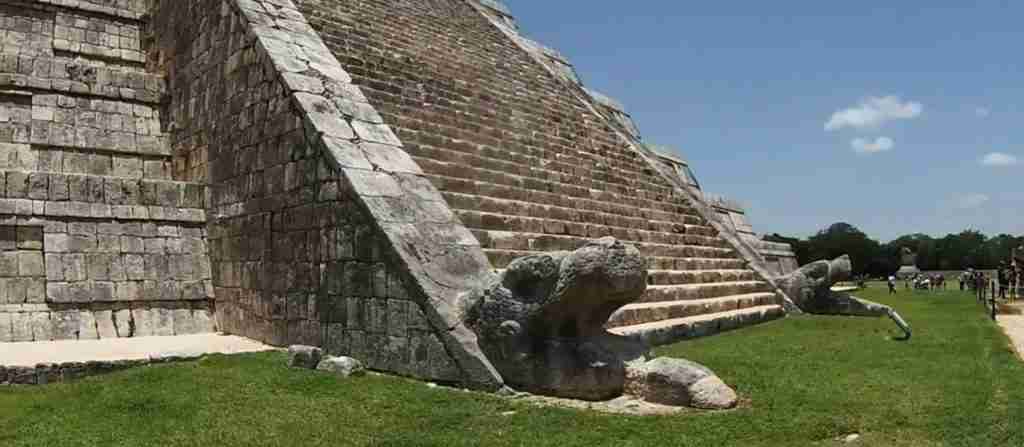
Photography scavenger hunts combine technology familiarity with cultural education. Children receive lists of specific images to capture: El Castillo from three different angles, the serpent head at pyramid base, carved skull decorations, specific columns in the Temple of Warriors, their family posed with particular structures. This activity accomplishes multiple goals—maintaining engagement, creating personal photo documentation, encouraging detailed observation of architectural features, and producing special memories as children become family documentarians rather than dragged-along participants.
Competitive scavenger formats work well for families with multiple children, creating friendly competition that maintains enthusiasm during potentially tiring archaeological exploration. Siblings or family teams receive identical hunt lists with point values for different discoveries—basic items (locate El Castillo) worth 1 point, medium challenges (find three different animal carvings) worth 3 points, advanced discoveries (identify the astronomical alignment feature) worth 5 points. The first team reaching target point totals wins predetermined rewards (special treat at lunch, choosing next cenote, selecting souvenir budget allocation). Competition maintains motivation even during heat or fatigue that might otherwise trigger complaints.
Educational integration ensures scavenger hunts deliver learning outcomes beyond mere entertainment. Each hunt item includes brief explanations connecting discoveries to Maya civilization content: “When you find the jaguar carving, learn that jaguars were sacred animals representing power and the underworld in Maya belief.” This approach subtly delivers educational content while children focus on the exciting discovery game, creating learning experiences that feel like play rather than lessons. Parents report children surprising them weeks later by recalling specific Maya cultural facts discovered during scavenger hunt activities.
Family Tour Options and Recommendations 2026
Private Family Tour Structure and Benefits
Private family tours costing $300-400 total for groups of 4-6 people provide the optimal Chichen Itza experience for families with children under 12. Check tour operator websites for current official rates as pricing varies by season and included services. These customized experiences allow selecting guides with demonstrated children’s education expertise, flexible departure timing optimized for early morning site arrival, and itinerary modifications accommodating children’s real-time needs for bathroom breaks, rest periods, or activity changes when engagement wanes. The per-person cost ($50-80 for families of 4-6) approaches or only slightly exceeds premium group tour rates while delivering dramatically superior family-oriented services.
Guide selection flexibility represents one of private tours’ most valuable advantages for families. Quality operators provide guide profiles highlighting educational backgrounds, specializations (children’s education, family tours, interactive learning), language capabilities, and client testimonials. Parents review multiple guide options before confirming bookings, selecting specialists who match their children’s ages and learning styles. The pre-tour consultation process allows communicating children’s specific interests (animals, astronomy, engineering) enabling guides to customize content emphasis. This personalization creates notably better educational outcomes as guides deliver content calibrated to family’s unique characteristics rather than generic one-size-fits-all presentations.
Schedule flexibility eliminates the stress that rigid group tour timings create for families. Morning bathroom emergencies, unexpected tiredness requiring rest breaks, or children’s desire to spend extra time at particularly engaging locations all accommodate easily in private tour frameworks. Guides adjust pacing based on observable energy levels rather than predetermined schedules, extending engaging activities and abbreviating segments where children lose interest. This responsiveness prevents the frustration of dragging exhausted or bored children through remaining tour components simply to maintain group schedules, transforming potentially negative experiences into comfortable family adventures.
Activity customization allows incorporating specific educational goals or entertainment preferences into tour design. Families emphasizing photography receive guidance on optimal composition locations and timing for family portraits against architectural backdrops. Those prioritizing educational outcomes arrange extended time for hands-on activities like calendar workshops or hieroglyph games. Adventure-focused families might add extra cenote swimming time or include multiple cenote visits. Parents communicate priorities during booking consultations, and quality operators build customized itineraries reflecting family’s unique balance between education, entertainment, and cultural immersion.
Small-Group Family Tour Characteristics
Specialty small-group family tours designed explicitly for traveling families cost $75-95 per person and limit participation to 12-15 families with children, creating peer interactions many children enjoy. These tours employ guides specifically trained in children’s education techniques, incorporate scheduled interactive activities like Maya calendar workshops or ancient games demonstrations, and maintain itineraries recognizing children’s needs for activity variety and flexible pacing. The group size remains manageable enough that guides address individual questions while small enough that logistics stay efficient without excessive waiting time.
Social benefits distinguish small-group family tours from private experiences, as children often make friends with peers creating shared adventure memories. The group dynamics transform archaeological exploration from potentially boring adult activity into exciting social experience as children encourage each other’s participation, share discoveries, and compete in scavenger hunt activities. Parents benefit from networking opportunities with other traveling families, exchanging tips about Cancun attractions, comparing children’s responses to cultural experiences, and sometimes forming ongoing connections extending beyond single tours.
Structured activity programming ensures consistent quality across different guide personalities and styles. Specialty family tour companies develop standardized interactive curriculum including specific storytelling scripts, hands-on activity materials (calendar wheels, hieroglyph cards, measurement tools), age-appropriate games, and timing frameworks balancing education with entertainment. This systematization creates reliable experiences where families know what to expect and can review other participants’ feedback about specific activity quality rather than gambling on individual guide competence with children.
The primary limitation involves reduced flexibility compared to private tours—bathroom breaks and rest stops occur on predetermined schedules, pacing accommodates average group needs rather than specific family requirements, and itinerary modifications become impossible once tours begin. Families with particularly young children (4-5 years) or those with special needs children might find the structured small-group format too constraining despite its advantages. The middle-ground positioning works best for families with average children ages 6-10 who benefit from peer interaction but can handle modest schedule rigidity without behavioral problems.
Avoiding Standard Group Tours with Young Children
Standard group tours designed for adult tourists create multiple challenges for families with children under 10, despite tempting budget pricing $50-65 per person. The fundamental mismatch involves tours optimized for adult interests, pacing, and comfort tolerances applied to children with different physical capabilities, attention spans, and educational needs. Parents often discover too late that saving $100-150 on tour costs creates family stress and negative experiences worth far more than the financial savings.
The rigid scheduling proves particularly problematic for young children whose bathroom needs, hunger patterns, and energy fluctuations don’t align with predetermined group tour timelines. When a 6-year-old urgently needs a bathroom during the guided segment, parents face the choice between leaving the group to find facilities (potentially getting lost or missing important content) or forcing the child to wait uncomfortably until the next scheduled stop 30-45 minutes later. Either option creates stress and frustration that private tour flexibility eliminates entirely.
Content delivery targeting adult educational levels leaves children bored and disengaged within 15-20 minutes of guided archaeological explanation. Guides discussing chronological construction phases, architectural terminology, or abstract cultural concepts lose children’s attention quickly, creating the behavior problems (running around, complaining, demanding to leave) that embarrass parents and irritate other group participants. The absence of child-specific activities or interactive elements means children endure tours rather than enjoy them, forming negative associations with cultural exploration that persist long after the Cancun vacation ends.
Transportation challenges compound on-site difficulties as large tour buses with 35-40 passengers create crowded, noisy environments where children struggle to remain comfortable during 4-5 hours total travel time. The multiple hotel pickup stops taking 60-75 minutes mean children wait in buses, becoming restless before tours even begin. Parents with young children report group tour transportation as one of the most frustrating aspects—fighting for limited space, managing active children in confined areas, and dealing with motion sickness in poorly ventilated buses create miserable experiences no amount of financial savings justify.
Practical Family Tips and Strategies 2026
Packing Essentials for Children
Sun protection represents the highest priority for children’s comfort and safety at Chichen Itza’s exposed archaeological site. Pack reef-safe sunscreen (SPF 30-50) and apply thoroughly before departure, then reapply every 90-120 minutes during outdoor exploration. Children’s skin burns faster than adult skin, and the tropical sun at 21°N latitude creates intense UV exposure even during winter months. Wide-brimmed hats or caps with neck flaps provide essential shade for heads and necks, reducing heat absorption that contributes to fatigue and discomfort. Lightweight long-sleeve sun shirts (UPF 50+) protect arms while maintaining breathability, creating better all-day comfort than repeated sunscreen applications.
Hydration supplies require careful planning given children’s higher fluid needs and tendency to under-report thirst symptoms. Bring one reusable water bottle (500-750ml capacity) per child plus one backup bottle, and enforce regular drinking every 20-30 minutes regardless of requests. Electrolyte powder packets added to water help replace minerals lost through sweating in tropical heat, preventing the headaches and fatigue that pure water consumption sometimes creates during extended outdoor activity. Some parents pack sugar-free drink mixes making water consumption more appealing to picky children who resist plain water.
Snack selection affects energy management throughout long tour days. Protein-rich options (granola bars, trail mix, peanut butter crackers) provide sustained energy compared to simple carbohydrates causing blood sugar spikes and crashes. Individual portion packages prevent melting or crushing in backpacks, and familiar brands ensure children actually eat snacks rather than refusing unfamiliar options when hungry. Strategic snack timing—mid-morning during archaeological site exploration, pre-lunch during transportation, mid-afternoon during Valladolid visit—maintains stable energy and prevents hunger-triggered behavioral problems.
Entertainment supplies transform downtime periods into enjoyable experiences rather than boredom-driven complaints. Tablets loaded with educational videos about Maya civilization, archaeology-themed games, or favorite movies create productive entertainment during the 2.5-hour each-way transportation. Coloring books with ancient civilization themes, travel journals for documenting discoveries, or small toys engage children without electronic screens. Some families create special “tour day bags” that children pack with selected entertainment options, creating investment in the experience and providing comfort items during challenging moments.
Managing Heat and Physical Comfort
Heat management strategies prevent the discomfort and potential health issues that tropical climate exposure creates for children. Schedule archaeological site visits during optimal early morning hours (8-10:30 AM) when temperatures remain comfortable 26-30°C (79-86°F) rather than peak afternoon heat exceeding 35°C (95°F). Plan strategic rest breaks every 30-40 minutes in shaded areas—under plaza trees, in covered temple structures, at the visitor center—allowing children to cool down and hydrate without feeling rushed through non-stop touring.
Clothing selection dramatically impacts comfort levels during full-day archaeological exploration. Lightweight, light-colored, breathable fabrics (cotton or technical moisture-wicking materials) allow air circulation and sweat evaporation, maintaining cooler body temperatures than synthetic materials that trap heat. Avoid jeans or dark colors absorbing solar radiation. Some parents bring complete clothing changes for post-cenote swimming, as wet bathing suits under clothing create discomfort during afternoon activities. Closed-toe athletic shoes with good ventilation provide necessary protection on uneven surfaces while minimizing foot sweating in enclosed footwear.
Cooling accessories provide immediate relief during heat exposure periods. Portable battery-operated fans create personal air circulation during rest breaks or while waiting in non-shaded areas. Cooling towels soaked in water and wrung out provide evaporative cooling when draped around necks or wiped on faces and arms. Some families freeze water bottles overnight, using them as portable cold packs during morning hours that gradually melt into drinking water as the day progresses. These simple tools make significant differences in children’s comfort and willingness to continue touring during warm conditions.
Recognize warning signs of heat-related stress requiring immediate intervention: excessive sweating cessation (indicates dangerous dehydration), unusual lethargy or sluggishness, complaints of dizziness or headaches, or flushed hot skin. Immediately move children to shaded areas, provide cool water in small frequent sips rather than large quantities, apply cool cloths to wrists and neck, and rest until symptoms resolve completely. Don’t push children beyond their heat tolerance limits—cutting tours short prevents the potentially dangerous heat exhaustion that develops when adults ignore children’s discomfort signals attempting to complete predetermined itineraries.
Food and Meal Planning Strategies
Breakfast timing and composition affect children’s energy and comfort throughout long tour days. Serve substantial protein-rich breakfasts (eggs, yogurt, whole grain toast) 60-90 minutes before departure rather than rushed simple carbohydrates (sugary cereals, pastries) that create energy crashes during critical morning archaeological exploration. The early tour departures (6-7 AM) sometimes conflict with hotel breakfast service timing, requiring advance meal planning through room service orders or portable breakfast options purchased previous evening.
Restaurant selection for lunch makes or breaks family tour experiences. Private tours allow choosing child-friendly establishments serving familiar foods (chicken strips, pasta, french fries, hamburgers) alongside regional Yucatecan cuisine that adventurous children might sample without pressure. Avoid tourist buffets with steam-table formats creating food safety concerns and limited appeal for picky eaters. Family-owned restaurants often accommodate special requests, prepare simple dishes not on standard menus, and provide welcoming atmospheres where children’s noise and activity don’t disturb other diners.
Dietary restriction management requires advance communication with tour operators. Children with food allergies (nuts, dairy, gluten), religious dietary requirements, or strong food aversions need customized meal planning ensuring safe, acceptable options at lunch venues. Quality family tour operators maintain relationships with restaurants capable of accommodating restrictions, prepare guides with appropriate vocabulary communicating needs in Spanish, and sometimes pack supplementary foods ensuring children have adequate nutrition even if restaurant options prove limited.
Snack strategy prevents the energy crashes and behavioral problems that hunger creates during gaps between scheduled meals. Pack substantial mid-morning snacks consumed during archaeological site rest breaks (10-10:30 AM), then offer light afternoon options during Valladolid visits or return transportation. Avoid excessive sugar creating hyperactivity followed by crashes—choose protein-balanced options maintaining stable blood sugar. Some parents establish “special treat” rewards for good behavior or accomplishing scavenger hunt goals, using favorite snacks as positive reinforcement maintaining cooperation and enthusiasm throughout long days.
Sample 2026 Family Itineraries with Children
Preschooler-Optimized Private Tour (Ages 4-6)
6:30 AM – Direct hotel pickup in private air-conditioned van. Children settle with comfort items (stuffed animals, blankets) for the journey. Parents and guide review day’s plan and children’s specific needs during initial 15 minutes.
9:00 AM – Arrive Chichen Itza visitor center. Use clean modern facilities for bathroom breaks before beginning site exploration. The early arrival ensures comfortable 27-28°C (81-82°F) temperatures and minimal crowd presence creating calm atmosphere for young children.
9:15 AM – Begin simplified archaeological exploration emphasizing physical adventure and sensory experiences rather than complex history. Guide uses basic storytelling: “A long time ago, children just like you lived and played here. Let’s explore their city!” Activity includes pyramid counting games, texture discovery (rough stones, smooth carvings), and animal identification in reliefs. Young children touch appropriate stone surfaces, creating tactile memories.
10:00 AM – Structured rest break in shaded plaza area. Children consume snacks (granola bars, fruit), drink water, and play simple games while parents photograph pyramids. The 15-minute break prevents over-tiredness from continuous exploration.
10:15 AM – Continue site exploration focusing on Great Ball Court with echo experiments young children find magical, and Temple of Warriors with its many columns perfect for counting games and hide-and-seek style exploration. Guide maintains constant engagement through questions, physical activities, and praise for discoveries.
10:45 AM – Conclude archaeological site visit before young children’s attention spans exhaust completely. Total guided time: 1.5 hours appropriate for preschooler capabilities. Free time allows souvenir browsing and final photo opportunities.
11:00 AM – Depart for nearby Cenote Ik Kil (7 minutes drive). The swimming opportunity provides exciting reward for good behavior during archaeological exploration, creating positive reinforcement for cultural learning.
11:15 AM – Cenote swimming time. Secure life vests provided ensure water safety for non-swimmers. Parents supervise closely while children enjoy the adventure of swimming in unique natural setting. The 45-minute swimming session allows adequate water play without over-exposure creating cold or exhaustion.
12:00 PM – Change into dry clothes and proceed to child-friendly restaurant in Valladolid (25 minutes). During transport, children rest or engage with tablet entertainment while processing the morning’s experiences.
12:30 PM – Lunch at family restaurant featuring kid menu (chicken strips, pasta, quesadillas) alongside regional options adventurous children might sample. Meal service through 1:45 PM allows relaxed pacing without rush, critical for young children needing downtime.
1:45 PM – Brief Valladolid central plaza visit (20 minutes) for ice cream and simple cathedral viewing. The abbreviated stop recognizes young children’s limited interest in colonial architecture, prioritizing ice cream treat that creates positive day-ending memory.
2:05 PM – Begin return journey to Cancun hotel. Children watch movies, nap, or play quietly during the 2.5-hour transit. Arrive hotel 4:30-5 PM, allowing evening pool time or early dinner.
Family tour costs $300 total ($75 per person for family of four) including transportation, guide specialized in early childhood education, entrance fees, and beverages. Additional expenses: cenote swimming $32 ($8 per person), lunch $60 ($15 per person), ice cream $16 ($4 per person), guide gratuity $20 ($5 per person). Total day cost: $428 total or $107 per person (excluding Cancun hotel accommodation).
Elementary-Age Optimized Tour (Ages 7-9)
6:00 AM – Private van pickup at Cancun hotel. Children participate in travel games during journey: Mexican license plate spotting, geography lessons about Yucatan Peninsula, Maya civilization trivia building anticipation for archaeological visit.
8:30 AM – Arrive Chichen Itza among first visitors. Cool morning temperatures 26-27°C (79-81°F) and nearly empty site create optimal exploration conditions. Guide provides historical overview during short walk from parking to main plaza.
8:45 AM – Begin interactive archaeological tour combining storytelling with hands-on activities. Scavenger hunt checklist keeps children actively searching for specific architectural features, animal carvings, and astronomical alignments while guide explains significance of discoveries. Children use provided “explorer notebooks” to document findings, creating personal records of the experience.
9:45 AM – Maya calendar workshop during rest break in shaded Temple of Warriors area. Guide brings printed calendar wheels teaching children how ancient Maya tracked time. Kids calculate their birth dates in Maya calendar system, creating personal connections to ancient timekeeping. Activity lasts 20 minutes allowing mental break from physical exploration while delivering engaging educational content.
10:05 AM – Continue site exploration covering structures missed in initial segment: High Priest’s Pyramid, steam bath complex, El Caracol observatory with astronomy explanations. Guide adapts content depth to children’s questions and interest level, providing more detail when engagement stays high.
11:00 AM – Echo experiments in Great Ball Court demonstrate ancient acoustic engineering. Children take turns clapping and listening for the unique bird-like echo, learning about sound waves and architectural design. The memorable activity creates stories children tell friends and family for months afterward.
11:15 AM – Free exploration time allows children to revisit favorite structures, complete final scavenger hunt items, shop for souvenirs at site vendors. Total guided archaeological time: 2.5 hours appropriate for elementary-age attention spans and physical stamina.
11:30 AM – Transit to Cenote Suytun (35 minutes) selected for its dramatic platform and light shaft creating stunning photography opportunities children appreciate. Guide explains cenote geology and formation during drive.
12:10 PM – Cenote swimming and photography. Children enjoy platform for jumping into deep clear water while parents capture memorable family photos with the famous light shaft. Swimming continues 50 minutes allowing adequate fun without excessive cold exposure.
1:00 PM – Lunch at authentic Yucatecan restaurant in Valladolid featuring regional specialties with some familiar options for less adventurous eaters. Family-style service allows sharing multiple dishes, encouraging children to sample new foods without pressure. Meal through 2:30 PM.
2:30 PM – Valladolid colonial town exploration including San Bernardino Convent, Calzada de los Frailes historic street, central plaza, and local ice cream shop. Guide provides age-appropriate historical context about colonial period and Caste War. Children participate in architecture observation game identifying specific colonial design elements. 60 minutes allocated.
3:30 PM – Return journey to Cancun. Children watch educational videos about Maya civilization reinforcing morning’s lessons, or rest after active day. Arrive hotel 6 PM.
Private family tour costs $340 ($85 per person for family of four) including expert guide with archaeology background, transportation, entrance fees, activity materials, beverages. Additional expenses: cenote entrance $32 ($8 per person), lunch $70 ($17.50 per person), ice cream $16 ($4 per person), souvenirs $40 ($10 per person), guide gratuity $25 ($6 per person). Total day cost: $523 or $131 per person (excluding accommodation).
Pre-Teen Adventure Tour (Ages 10-12)
5:30 AM – Early departure from Cancun hotel for sunrise photography opportunity. Pre-teens enjoy the special adventure of extremely early start, creating memorable experience. Transit includes astronomy lessons about Maya sky knowledge preparing for on-site observations.
8:00 AM – Arrive Chichen Itza at opening time among absolute first visitors. Site nearly empty, temperatures perfect 25-26°C (77-79°F), and morning light creates dramatic photography conditions. Pre-teens take semi-independent role documenting visit through their own photographs.
8:15 AM – Advanced archaeological exploration with guide holding anthropology degree providing sophisticated content about astronomical alignments, architectural engineering solutions, cultural practices, and ongoing archaeological research. Pre-teens engage with intellectual depth, asking challenging questions and making connections to school learning. Content respects their emerging critical thinking capabilities while maintaining interactive elements.
9:15 AM – Advanced scavenger hunt requiring research and problem-solving rather than simple identification. Challenges include locating specific astronomical alignment evidence, identifying particular hieroglyphs and attempting translation using provided references, and comparative analysis between different architectural periods. Photography assignments require capturing specific technical details (stone cutting techniques, drainage systems, acoustic features).
10:00 AM – Extended exploration of secondary structures that rushed tours omit: detailed examination of Group of a Thousand Columns with explanation of market and administrative functions, High Priest’s Pyramid interior access when available, and comprehensive astronomical observatory (El Caracol) analysis including demonstration of window alignments to celestial events.
11:00 AM – In-depth Great Ball Court study including rules explanation, ritual significance discussion, and acoustic demonstration of the unique echo phenomenon. Pre-teens understand the complex cultural context beyond simple game mechanics.
11:30 AM – Free exploration allowing pre-teens semi-independent site navigation to complete photography assignments and scavenger hunt items. Parents supervise from distance while children exercise appropriate independence. Total site time: 3.5 hours appropriate for pre-teen engagement levels.
12:00 PM – Transit to multiple cenotes: Cenote Oxman for swimming and rope swing adventure (45 minutes), then Suytun for photography and platform experiences (30 minutes). The variety maintains interest and provides different cenote type comparisons (open-air versus cavern).
2:00 PM – Lunch at exceptional regional restaurant featuring authentic Yucatecan cuisine. Pre-teens comfortable trying new foods appreciate the cultural authenticity. Meal includes guide’s explanations of traditional cooking methods and ingredient sourcing, extending cultural education beyond archaeological content. Service through 3:30 PM.
3:30 PM – Extended Valladolid exploration (75 minutes) including San Bernardino Convent with historical significance explanation, Calzada de los Frailes historic street walk, central plaza market shopping, and cathedral architecture study. Guide discusses colonial period, Caste War of Yucatan, and modern Maya cultural continuity.
4:45 PM – Return to Cancun with brief artisan cooperative stop (20 minutes) where pre-teens select meaningful souvenirs using their own money, exercising decision-making and cultural appreciation. Arrive hotel 7:15 PM.
Premium private tour costs $400 ($100 per person for family of four) including expert guide with advanced degree, luxury van, entrance fees, activity materials, comprehensive beverages and snacks. Additional expenses: two cenotes $64 ($16 per person), premium lunch $90 ($22.50 per person), souvenirs $60 ($15 per person), guide/driver gratuity $30 ($7.50 per person). Total day cost: $644 or $161 per person (excluding accommodation).
Common Family Challenges and Solutions 2026
Managing Behavioral Issues During Tours
Boredom-triggered behavior problems arise when children disengage from content or activities, typically 45-60 minutes into archaeological exploration if guides fail to maintain interactive elements. Prevention strategies include activity variety (alternating between guide commentary, scavenger hunts, hands-on workshops, free exploration), regular breaks allowing physical release from controlled touring, and positive reinforcement praising good behavior and discoveries rather than criticizing negative actions. Private tours address boredom immediately through activity changes, while group tour participants must manage within rigid structures.
Sibling conflicts intensify during long tour days as fatigue and heat stress reduce children’s patience with each other. Proactive management includes assigning different scavenger hunt roles (one child photographs, another records findings in notebook), creating individual space during transportation and rest periods, and recognizing early conflict warning signs requiring intervention before situations escalate. Some parents implement reward systems for positive sibling cooperation, creating incentive for good behavior throughout challenging full-day tours.
Physical exhaustion manifests through increased complaints, requests to leave, and reduced engagement with activities. Prevention requires realistic expectations about children’s stamina limitations, regular rest breaks before exhaustion develops, adequate hydration and nutrition maintaining energy levels, and flexibility to abbreviate tours when children genuinely struggle. Warning signs include unusual quietness in normally energetic children, stumbling or clumsiness suggesting fatigue, and emotional responses disproportionate to minor frustrations. Address exhaustion immediately through extended rest, shade, water, and snacks rather than pushing children beyond their capabilities attempting to complete predetermined itineraries.
Sensory overload from heat, crowds, noise, and continuous stimulation creates shutdown responses or behavioral meltdowns in some children, particularly those with sensory processing sensitivities. Management strategies include seeking quiet spaces during rest breaks, limiting overstimulating environments like crowded plaza areas during peak hours, providing comfort items (favorite stuffed animal, familiar snacks), and recognizing individual children’s sensory threshold indicators requiring protective responses. Some families discover that seemingly unreasonable behavior actually signals genuine sensory overwhelm requiring compassionate accommodation rather than discipline.
Weather-Related Contingencies
Rain during May-October creates temporary inconvenience rather than tour cancellation necessity. Brief tropical downpours lasting 20-45 minutes typically occur during afternoon hours (2-5 PM), allowing morning archaeological exploration to proceed normally. Bring lightweight rain ponchos or compact umbrellas, and plan flexible activities during rain periods—extended restaurant meals, covered colonial building visits, or vehicle rest time. Many children enjoy the adventure of experiencing tropical rain, and the temperature cooling it provides can actually improve comfort during hot humid days.
Excessive heat during June-August requires aggressive prevention and management strategies beyond general warm-weather precautions. Limit direct sun exposure to 90-120 minute intervals before seeking extended shade breaks (20-30 minutes in covered areas). Increase hydration frequency to every 15-20 minutes rather than standard 30-minute intervals. Consider cutting archaeological site visits shorter than originally planned if heat stress indicators appear. The money saved through abbreviated tours costs far less than the potential health issues, ruined vacation memories, and family stress that ignoring heat danger creates.
Unexpected weather changes require attitude flexibility and backup planning. Tours scheduled during typically dry winter months occasionally encounter unusual rain requiring itinerary modifications. Tours planned for comfortable shoulder season sometimes experience unseasonable heat waves affecting children’s comfort. Maintain flexible mindsets expecting some adaptation needs rather than assuming perfect conditions, and communicate with tour operators about Plan B options if weather significantly impacts enjoyment or safety. Quality operators adjust itineraries to weather realities rather than rigidly following predetermined schedules despite problematic conditions.
Health and Medical Considerations
Motion sickness affects some children during the 2.5-hour each-way transportation on winding Yucatan highways. Prevention strategies include seating children in forward-facing positions with window views of horizon, avoiding reading or screen time during travel, consuming light non-greasy meals before departure, and using over-the-counter motion sickness medications when appropriate (consult pediatricians about age-appropriate options and dosing). Parents should inform tour operators about motion sickness tendencies during booking, as drivers can sometimes adjust routes or provide more frequent stops helping affected children.
Food safety concerns require basic precautions given children’s potentially greater vulnerability to gastrointestinal issues than adults. Choose restaurants with evident health standards, avoid street food vendors during tours (save adventurous eating for stationary days near medical care), ensure adequate hand washing or sanitizer use before meals, and stick with bottled or purified water rather than tap water even in restaurant settings. Pack familiar safe snacks as backup options if children refuse unfamiliar restaurant foods, preventing the dangerous situation of undernourished children becoming more susceptible to illness.
Minor injuries from trips or falls on uneven archaeological site surfaces occur occasionally despite supervision. Pack basic first aid supplies (adhesive bandages, antibiotic ointment, pain reliever appropriate for children’s ages) allowing immediate treatment of minor scrapes without needing to leave tours searching for supplies. More serious injuries requiring medical evaluation are rare at Chichen Itza but necessitate ending tours early—ensure travel insurance includes medical coverage and know locations of nearest quality medical facilities (Valladolid has basic clinics, Cancun has excellent hospitals).
Frequently Asked Questions About Family Visits 2026
Should I bring a stroller to Chichen Itza? Strollers work for very young children (under 4) but face limitations on uneven stone pathways and crowded areas during peak tourism periods. Lightweight umbrella strollers navigate better than full-size models. However, most families with children 4+ find strollers more burden than benefit given the walking surface challenges. Baby carriers (backpack-style) provide better alternatives for tired young children, keeping hands free for navigation and offering elevated views children enjoy. Consider children’s typical stamina when deciding—if they normally walk 1-2 hours comfortably, they’ll likely manage Chichen Itza exploration without strollers.
Can children climb structures at Chichen Itza? No, climbing El Castillo pyramid and most major structures has been prohibited since 2006 for safety and preservation reasons. Children can approach structure bases for photography and detailed examination but cannot access steps or summits. Some smaller peripheral structures allow limited climbing in designated areas when site authorities permit, but the iconic main monuments remain off-limits to physical contact. The restriction prevents the disappointment families sometimes experience expecting children to climb the famous pyramid, so calibrate expectations accordingly before visits.
What if my child gets scared or overwhelmed at Chichen Itza? Some sensitive children feel intimidated by the archaeological site’s massive scale, unfamiliar environment, or crowds during peak periods. Address fears through advance preparation using age-appropriate books or videos showing what they’ll experience, maintaining calm reassuring demeanor during visits, and respecting genuine discomfort requiring abbreviated tours. Private tours allow immediate adjustments when children struggle, while group tour participants must either manage within rigid structures or leave tours early without refunds. Most children’s initial apprehension transforms into excitement once they begin exploring and engaging with interactive activities.
How do I handle children who don’t want to learn history? Reframe archaeological exploration as adventure and mystery rather than historical lesson. Focus on exciting elements children naturally enjoy: solving scavenger hunt puzzles, discovering hidden details, imagining ancient children’s daily lives, experimenting with echoes, photographing cool structures. The educational content embeds itself naturally within entertaining activities without feeling like school. Avoid forcing unwanted information—accept that some children won’t develop deep historical interest but can still have positive experiences through physical adventure, cultural immersion, and family bonding aspects of Chichen Itza visits.
Is cenote swimming safe for non-swimming children? Major cenotes like Ik Kil, Hubiku, and Suytun provide complimentary life vests ensuring safety for non-swimmers and weak swimmers. Parents must supervise closely as life vests prevent drowning but don’t eliminate all water safety concerns. The cenotes range 10-40 meters deep with no shallow wading areas, so children genuinely uncomfortable in deep water might prefer observing rather than swimming. Some cenotes have platforms or steps allowing gradual water entry rather than jumping, accommodating cautious children. Always assess individual children’s swimming capabilities and comfort levels when deciding whether cenote swimming should be included in family tours.
What should children wear to Chichen Itza? Comfortable lightweight clothing covering shoulders and knees provides sun protection while showing respect at the ancient sacred site. Light colors reflect rather than absorb solar radiation, maintaining cooler body temperatures. Closed-toe athletic shoes with good traction prevent injuries on uneven stone surfaces—sandals or flip-flops create trip hazards. Bring wide-brimmed hats and sunglasses for additional sun protection. Pack bathing suits and towels for cenote swimming, plus complete clothing changes as wet bathing suits under clothes create discomfort during afternoon activities. Some families bring extra shoes as well, since cenote swimming sometimes leaves footwear damp.
How do I photograph children at Chichen Itza effectively? Early morning visits provide optimal photography lighting with warm directional sun creating dramatic shadows and reducing harsh contrast that midday overhead sun produces. Position children with sun behind or to the side rather than facing directly into sun causing squinting. Use pyramids and structures as dramatic backgrounds rather than just posing children in front of them—incorporate scale showing massive ancient architecture dwarfing small modern visitors. Capture action shots (children exploring, climbing safe areas, participating in activities) creating dynamic memories beyond static posed portraits. The scavenger hunt and activity participation naturally creates authentic candid photography opportunities showing genuine engagement rather than forced tourist smiles.
Can teenagers enjoy Chichen Itza or is it too childish? Teenagers absolutely enjoy Chichen Itza when tours respect their emerging adult capabilities rather than treating them as children. Provide sophisticated content about astronomical knowledge, architectural engineering, and cultural complexity. Allow semi-independent exploration with appropriate supervision levels. Involve them in photography documentation, research assignments, or guide assistance with younger siblings creating meaningful roles. Many teenagers develop genuine intellectual interest in Maya civilization when guides deliver content matching their comprehension levels. The combination of physical adventure (cenote swimming, site exploration), cultural education, and special trip experience appeals across age ranges when approached appropriately.
What if children get separated from parents at crowded Chichen Itza? Establish meeting points before beginning site exploration—typically the main plaza near El Castillo pyramid provides easily identifiable central location. Ensure children old enough to understand (6+) know meeting point protocols if separated. Young children should wear identification (wristbands with parent phone numbers, hotel information) allowing good Samaritans or security personnel to reunite families quickly. Early morning private tour visits dramatically reduce crowd-related separation risks compared to mid-morning group tour arrival during peak tourist density. Maintain visual contact with children in crowded areas, and consider bright distinctive clothing making children easily identifiable in masses.
Should I tell children Chichen Itza involves sacrifice history? Age-appropriate honesty about Maya sacrifice practices requires balancing historical accuracy with children’s emotional maturity. Young children (under 8) don’t need detailed sacrifice information—focus on daily life, architecture, and astronomy instead. Older children (8-12) can handle basic explanations that ancient Maya practiced sacrifice as part of religious beliefs, without graphic details that create nightmares or fear. Pre-teens (10-12) often ask direct questions requiring honest but measured responses about archaeological evidence and cultural context. Let children’s questions guide information depth rather than volunteering disturbing content they haven’t requested. The fascinating aspects of Maya civilization (astronomical knowledge, architectural achievements, cultural sophistication) provide abundant positive educational content without emphasizing sacrifice practices.