Best Cenotes Near Chichen Itza 2026: Ik Kil, Suytun & Hidden Gems
Key Takeaways:
- Ik Kil cenote, located just 3 km from Chichen Itza, offers the most convenient swimming experience with entry costs of $10-15 USD in 2026 and facilities including showers, lockers, and a restaurant
- Cenote Suytun provides spectacular underground photography opportunities 45 km from the ruins, featuring the iconic light beam effect between 10 AM and 1 PM with $10-12 entry fees
- Transportation options range from affordable colectivos at $2-5 per route to private taxis at $15-35, with rental cars offering maximum flexibility for visiting multiple cenotes in one day
- Half-day cenote excursions cost $40-54 per person while full-day adventures combining ruins and swimming total $82-113 per person, excluding accommodation
- Early morning visits between 8-10 AM provide the best experience with fewer crowds, optimal lighting conditions, and cooler water temperatures before tourist buses arrive from Cancún and Playa del Carmen
- Hidden cenotes like Yokdzonot ($5-8 entry) and X’Canche ($8-10 entry) offer authentic local experiences with zip-lines, bike rentals, and traditional Maya food service
Planning Your Chichen Itza Cenotes Experience in 2026
The sacred cenotes surrounding Chichen Itza represent some of Mexico’s most extraordinary natural swimming destinations. These limestone sinkholes, revered by ancient Maya as portals to the underworld and essential water sources in the Yucatán’s porous landscape, now offer modern travelers refreshing respite from tropical heat combined with profound cultural significance. Planning your 2026 cenote visits requires understanding entry costs, transportation logistics, optimal timing, and the distinctive characteristics of each swimming hole.
Chichen Itza’s location in central Yucatán places you within striking distance of over a dozen accessible cenotes. The closest, Ik Kil, sits just 3 kilometers from the archaeological site entrance, while spectacular underground chambers like Suytun lie 45 kilometers away near Valladolid. Between these extremes, you’ll find everything from community-managed swimming holes charging $3 admission to elaborate eco-parks with restaurants, changing facilities, and adventure activities.
The 2026 cenote landscape offers enhanced facilities at major sites, improved road access to previously remote locations, and expanded tour options departing from Chichen Itza, Valladolid, and coastal resorts. Water quality monitoring programs ensure safe swimming conditions, while sustainable tourism initiatives support local Maya communities managing smaller cenotes. Understanding which cenotes match your interests, budget, and available time transforms a simple swim into an unforgettable natural and cultural experience.
Most travelers combine Chichen Itza ruins exploration with cenote visits, creating full-day adventures that balance archaeological wonder with aquatic refreshment. The strategic approach involves visiting the ruins early when temperatures remain comfortable, then spending afternoons swimming in cool cenote waters. This pattern maximizes your experience while avoiding peak crowds at both locations.
People Also Ask About Chichen Itza Cenotes 2026
How much does it cost to visit cenotes near Chichen Itza in 2026?
Cenote entry fees near Chichen Itza range from $3 USD for basic community-managed sites to $15 USD for premier destinations with extensive facilities in 2026. Ik Kil, the most popular cenote 3 km from the ruins, charges $10-15 for adults with children under 12 typically paying $5-8 (check official websites for current rates as pricing may vary). Cenote Suytun near Valladolid costs $10-12 including photography access to its famous underground chamber with natural light beam effects.
Hidden cenotes managed by local Maya communities offer exceptional value. Yokdzonot charges $5-8 for swimming access plus optional activities like zip-lining ($10-15) and bike rentals ($3-5 for two hours). X’Canche near Ek Balam costs $8-10 and includes nature trail access, while Cenote Chihouo’s $3-5 entry provides authentic village swimming experiences without commercial development.
Organized cenote tours from Chichen Itza cost $40-80 per person depending on the number of cenotes visited, transportation included, and additional activities. Half-day tours typically visit one or two cenotes with round-trip transport and guide service, while full-day adventures combine three to four cenotes with lunch, equipment rental, and cultural presentations. Private tours range $150-300 for groups of four to six people with customizable itineraries.
Additional costs include locker rentals at $3-5, life jacket rental at $3-5 where required, and equipment like snorkel masks at $5-8. Many cenotes now accept credit cards, though smaller community sites operate cash-only. Bring Mexican pesos for the best exchange rates, as USD acceptance typically involves unfavorable conversion at tourist-heavy locations.
Which is the best cenote near Chichen Itza in 2026?
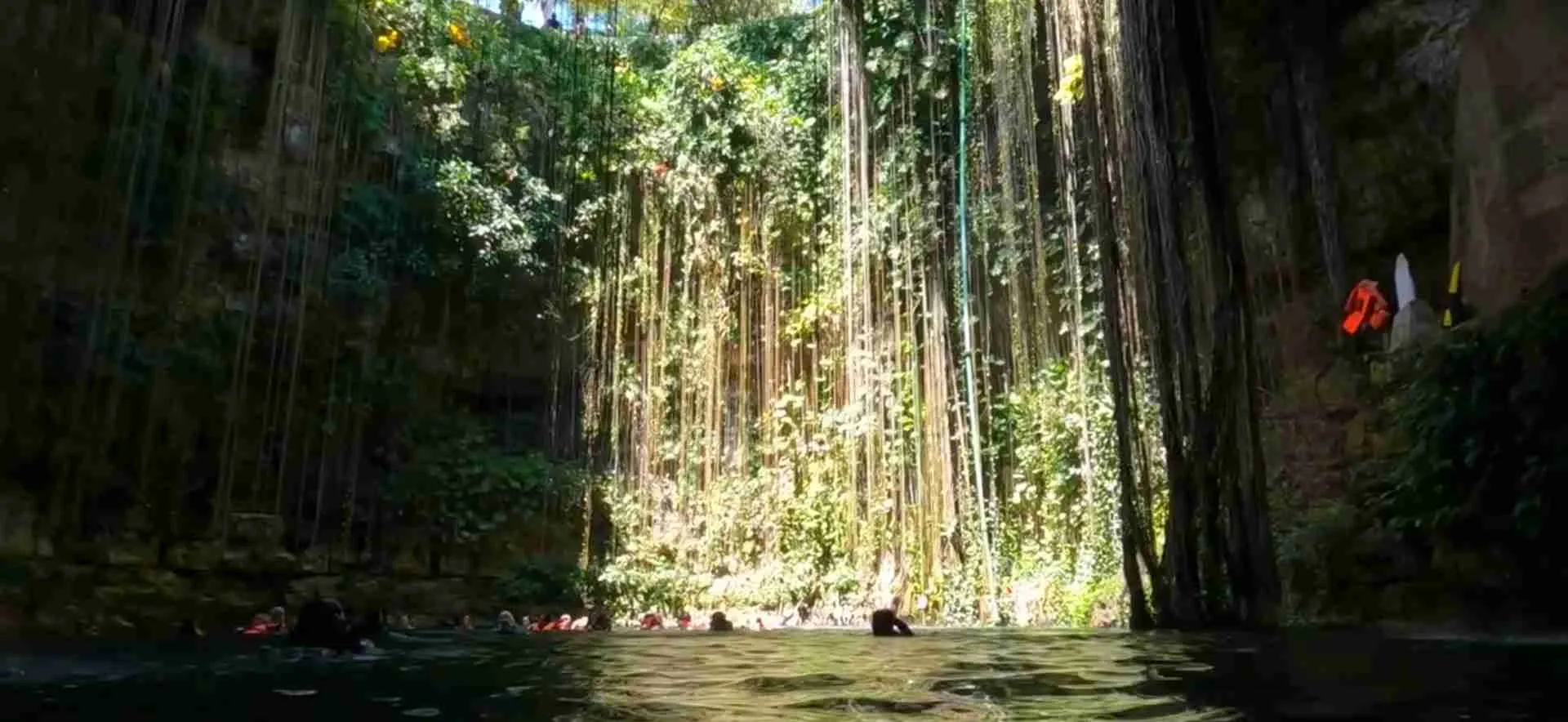
Ik Kil ranks as the best cenote for first-time visitors in 2026 due to its proximity to Chichen Itza (just 3 km), excellent facilities, and spectacular circular formation with hanging vines descending to turquoise waters 26 meters below ground level. The cenote features stone staircases for easy access, changing rooms, showers, lockers, a restaurant, and lifeguards on duty during all operating hours. Its open-air design allows natural light to illuminate the water while maintaining a cool microclimate even during peak afternoon heat.
For photography enthusiasts and those seeking unique visual experiences, Cenote Suytun provides unmatched underground chamber aesthetics. Located 45 km from Chichen Itza near Valladolid, Suytun’s enclosed cavern features a narrow opening in the ceiling that creates dramatic light beams between 10 AM and 1 PM. The cenote’s stone platform in the center of the pool serves as the perfect photography location, though crowding during peak hours requires patience for clear shots.
Travelers prioritizing authentic local experiences prefer Yokdzonot, a community-managed cenote 20 km from Chichen Itza. This semi-open cenote combines swimming access with Maya village culture, traditional food service, zip-line adventures across the cenote opening, and bike rentals for exploring surrounding jungle trails. The cooperative management ensures tourism revenue directly supports the local community while maintaining the cenote’s natural character without excessive development.
Budget-conscious explorers discover exceptional value at smaller cenotes like Chihouo and Saamal, where $3-5 entry fees provide access to pristine swimming holes with minimal facilities but maximum authenticity. These cenotes see few international tourists, creating peaceful swimming conditions and opportunities to interact with Maya families who maintain the sites.
Can you swim in Ik Kil cenote in 2026?
Swimming in Ik Kil cenote remains the primary activity in 2026, with the site operating as a designated swimming and recreation area rather than a protected archaeological zone. The cenote reaches depths of 40 meters in the center, though most swimming activity occurs in shallow areas 2-5 meters deep near the access platform. Life jackets are available for rental at $3-5 and strongly recommended for non-confident swimmers given the depth and lack of pool edges in the circular formation.
Ik Kil maintains high water quality through natural filtration in the limestone bedrock and regular monitoring by environmental health authorities. The cenote’s open-air design ensures excellent water circulation and oxygen levels, creating comfortable swimming conditions year-round. Water temperature stays constant at 24-25°C (75-77°F) regardless of season, providing refreshing relief from Yucatán heat while avoiding the shock of cold water found in some underground cenotes.
Swimming regulations require biodegradable sunscreen to protect the delicate ecosystem, with regular sunscreen prohibited due to chemical impact on water quality and the cenote’s resident fish population. Showers before entering remove oils and lotions that could contaminate the water. Ik Kil provides shower facilities, changing rooms, and lockers for securing belongings while swimming.
The cenote operates with capacity limits during peak season to prevent overcrowding and maintain water quality. Arriving early between 8-10 AM guarantees entry and provides the best swimming experience before tour groups arrive from coastal resorts. Weekday visits in spring and fall offer ideal conditions with moderate crowds and comfortable air temperatures.
How far are cenotes from Chichen Itza in 2026?
Ik Kil cenote sits just 3 kilometers from Chichen Itza’s main entrance, reachable in five minutes by car or 10-15 minutes by taxi from the ruins. This proximity makes Ik Kil the natural choice for travelers with limited time or those visiting Chichen Itza as a day trip from Cancún, Playa del Carmen, or Mérida. Many organized tours include Ik Kil as a standard lunch stop after morning ruins exploration.
Cenote Suytun lies 45 kilometers from Chichen Itza along the highway toward Valladolid, requiring 35-40 minutes by car. The route follows well-maintained Highway 180, making the journey straightforward for rental car drivers or taxi passengers. Valladolid’s central location places Suytun 45 minutes from Chichen Itza and 40 minutes from the colonial town center, allowing combined cultural and natural experiences.
Yokdzonot cenote sits 20 kilometers from Chichen Itza along secondary roads through Maya villages, accessible in 25-30 minutes by car. The route provides glimpses of rural Yucatán life, with traditional thatched-roof houses, small milpas (cornfields), and occasional livestock on roadways requiring cautious driving. Signage to Yokdzonot appears in Spanish and Maya, with the cenote clearly marked from the main highway.
Hidden cenotes like X’Canche near Ek Balam lie 35 kilometers from Chichen Itza but require stops at Ek Balam ruins first, extending total travel time to 45-60 minutes. Cenote Chihouo sits 15 kilometers away on back roads through Xocén village, reachable in 20 minutes with careful navigation around village speed bumps and narrow streets. These distances make multi-cenote days feasible when using rental cars or private tours that handle routing logistics.
Extended multi-day tours – 5+ days
Featured Chichen Itza Multi-Day Tour Packages
7 days
Riviera Maya Adventure 7D/6N
- ✓ Comprehensive Chichen Itza tour
- ✓ Expert local guides included
- ✓ All accommodation arranged
- ✓ Transportation provided
5 days
Riviera Maya Discovery – 5 Days
- ✓ Comprehensive Chichen Itza tour
- ✓ Expert local guides included
- ✓ All accommodation arranged
- ✓ Transportation provided

1 days
Chichen Itza Tour: Explore Mayan Ruins, Valladolid and a Cenote
- ✓ Comprehensive Chichen Itza tour
- ✓ Expert local guides included
- ✓ All accommodation arranged
- ✓ Transportation provided
4 days
4-Day Dream Vacation in Cancun
- ✓ Comprehensive Chichen Itza tour
- ✓ Expert local guides included
- ✓ All accommodation arranged
- ✓ Transportation provided
Multi-day tour packages powered by TourRadar. Prices and availability subject to change.
Essential Planning Information 2026
Cenote Entry Costs 2026
Cenote pricing near Chichen Itza reflects facility quality, accessibility, and management structure. Ik Kil charges $10-15 USD for adults in 2026, with children ages 4-12 paying $5-8 and children under 4 entering free. This entry fee includes access to changing rooms, showers, bathroom facilities, and the swimming area with its dramatic vines and waterfalls. Life jacket rental costs an additional $3-5, while locker use runs $3-5 depending on size. The cenote accepts both cash and credit cards, with Mexican pesos preferred for avoiding unfavorable exchange rates on USD transactions.
Cenote Suytun’s entrance fee sits at $10-12 USD including photography privileges in the main chamber. The site operates on a timed entry system during peak hours (10 AM to 2 PM) when light beam effects attract crowds, with visits limited to 20-minute sessions to allow photo opportunities for all guests. Early morning and late afternoon entries avoid time restrictions while providing different lighting conditions for photography. Suytun includes basic changing areas and bathrooms but lacks the extensive facilities found at Ik Kil.
Community-managed cenotes offer budget-friendly alternatives. Yokdzonot charges $5-8 for swimming access with optional add-ons: zip-line rides across the cenote cost $10-15, bicycle rentals run $3-5 for two hours, and traditional Maya lunch plates range $8-12 at the on-site restaurant. X’Canche near Ek Balam costs $8-10 including trail access through the jungle, while Cenote Chihouo’s $3-5 entry provides authentic village experiences without modern amenities.
Organized tours bundle cenote entries with transportation and guide services. Half-day tours visiting one to two cenotes cost $40-60 per person from Chichen Itza area hotels, including round-trip transport and entry fees. Full-day adventures covering three to four cenotes plus lunch run $65-95 per person. Private tours for groups of four to six people range $150-300 total depending on destinations selected and included meals. These packages eliminate navigation stress while ensuring reliable transportation and local expertise.
Transportation Options 2026
Rental cars provide maximum flexibility for cenote exploration, allowing custom itineraries, early morning departures to avoid crowds, and multi-site visits at your own pace. Compact cars rent for $30-45 per day through major agencies in Cancún, Playa del Carmen, Mérida, and Valladolid, with comprehensive insurance adding $15-25 daily. The drive from Chichen Itza to nearby cenotes follows well-maintained highways and clearly marked roads, though secondary routes to hidden cenotes may involve unpaved sections requiring careful speed management.
Taxis from Chichen Itza to Ik Kil cost $15-25 for the 3-kilometer trip, with drivers often willing to wait one to two hours for $10-15 additional charge. Longer taxi journeys to Suytun near Valladolid run $35-50 one-way, making round-trip costs substantial unless sharing among multiple passengers. Taxi stands operate at Chichen Itza’s main entrance and parking areas, with rates negotiable but generally fixed by local taxi cooperatives.
Colectivos (shared minivans) offer budget transportation between major points. The Chichen Itza-Valladolid colectivo route costs $2-5 per person and passes near several cenotes, though reaching specific sites requires walking or short taxi connections from highway drop-off points. Colectivos depart when full rather than on fixed schedules, with waits ranging from 15 minutes during busy periods to over an hour during slower times. This option works best for travelers with flexible schedules and comfort with Spanish-language navigation.
Organized tours eliminate transportation logistics entirely. Pickup from Chichen Itza area hotels costs $5-10 per person additional, or tours depart from central meeting points at the ruins entrance. The included transportation handles all routing, parking fees, and timing coordination while guides provide cenote background, swimming safety briefings, and local cultural context. Tour vehicles range from air-conditioned vans for small groups to larger buses for resort-based excursions.
Best Time to Visit 2026
Early morning visits between 8-10 AM provide optimal cenote experiences in 2026. Arriving at opening time guarantees parking availability, minimal crowds, and the best natural lighting before intense midday sun. Water temperatures feel most refreshing in morning hours after overnight cooling, while air temperatures remain comfortable for the walk from parking areas to cenote entrances. Morning timing particularly benefits Ik Kil visits, as tour buses from coastal resorts typically arrive between 11 AM and 2 PM creating afternoon congestion.
Spring months from March through May offer excellent conditions with hot, dry weather making cenote swimming especially appealing. Daytime temperatures reach 32-35°C (90-95°F) with low rainfall, creating perfect contrast between warm air and cool cenote waters. Spring timing coincides with lower tourist volumes compared to winter high season, providing good availability at popular cenotes without advance booking pressure. The March-April period sees some spring break crowds but significantly fewer than Caribbean coast destinations.
Fall months from September through November present rainy season considerations but excellent value. Brief afternoon thunderstorms clear quickly while reducing crowds and creating dramatic lighting conditions for photography. Rain rarely affects cenote swimming since you’re already wet, and the increased water flow from seasonal rainfall enhances cenote aesthetics with stronger waterfalls and fuller pools. Budget travelers find better hotel rates and less competition for transportation during fall months.
Winter high season from December through February brings peak crowds but ideal weather conditions. Comfortable temperatures of 24-28°C (75-82°F) and minimal rainfall create perfect cenote exploration weather, though popular sites like Ik Kil and Suytun see heavy visitor traffic. Booking organized tours in advance becomes essential, and arriving at cenotes before 9 AM makes the difference between peaceful swimming and navigating crowds. Winter timing works best for travelers prioritizing weather reliability over budget considerations.
Ik Kil Cenote Guide 2026
Ik Kil cenote stands as the most developed and accessible swimming destination near Chichen Itza, combining natural beauty with comprehensive facilities that cater to all comfort levels. This open-air cenote measures approximately 60 meters in diameter at ground level, with sheer limestone walls descending 26 meters to the water surface. Hanging vines cascade from the circular opening above, creating the iconic imagery associated with Yucatán cenotes while small waterfalls add movement and sound to the serene swimming environment.
The cenote’s formation results from millions of years of limestone dissolution, creating a near-perfect circular cavity that ancient Maya considered sacred. Archaeological evidence suggests ceremonial use, with offerings discovered at significant depths during underwater exploration. Today’s recreational swimming occurs in the upper water layers, with depths ranging from 2-5 meters near the access platform to over 40 meters in the center. The consistent water temperature of 24-25°C (75-77°F) provides refreshing relief without the cold shock found in some underground cenotes.
Access to Ik Kil follows stone staircases carved into the cenote walls, descending approximately 26 meters from ground level to the water platform. The stairway includes regular rest platforms and handrails for safety, though the descent requires moderate physical fitness. Visitors with mobility limitations should assess their comfort with stairs before purchasing entry tickets, as there are no alternative access methods. The climb back up after swimming proves more strenuous than the descent, particularly in afternoon heat.
Facilities at Ik Kil exceed those of smaller cenotes significantly. Modern changing rooms with private cubicles provide space for swimsuit changes, while clean showers allow pre-swim rinsing required by environmental regulations. Secure lockers accommodate bags, phones, and valuables during swimming, with key deposits preventing loss. The on-site restaurant serves traditional Yucatecan food including panuchos, salbutes, and poc chuc alongside international options for conservative eaters. Bathrooms meet international cleanliness standards with regular maintenance throughout operating hours.
Swimming at Ik Kil accommodates all skill levels. The entry platform provides easy water access via stairs, eliminating the need for jumping or diving that some cenotes require. Non-swimmers can enjoy shallow areas near the platform while wearing provided life jackets, and lifeguards maintain watch during all operating hours. The cenote’s open-air design creates less claustrophobic conditions than enclosed underground chambers, benefiting those with anxiety about confined spaces.
Photography at Ik Kil captures the dramatic vertical walls, hanging vegetation, and turquoise water that define Yucatán cenote imagery. Morning light between 9-11 AM penetrates the circular opening to illuminate the entire swimming area, creating ideal conditions for wide-angle shots from the water surface or stairway viewpoints. Afternoon light creates stronger shadows and contrast, producing different artistic effects. Waterproof camera housings or phone cases allow swimming-level photography, though drones are prohibited to maintain the peaceful atmosphere.
The cenote operates daily from 8 AM to 5 PM year-round, with entry cut-off at 4:30 PM to allow time for swimming before closing. Peak crowding occurs between 11 AM and 2 PM when organized tours from coastal resorts arrive, making early or late visits preferable for peaceful experiences. Weekday visits see lighter traffic than weekends when regional Mexican tourists supplement international visitors. The site rarely reaches capacity except during major Mexican holidays like Semana Santa (Easter week) when advance booking becomes advisable.
Cenote Suytun Experience 2026
Cenote Suytun delivers the most dramatic photography opportunities among Chichen Itza area cenotes through its enclosed underground chamber with a narrow ceiling opening that creates spectacular light beam effects. Located 45 kilometers from the ruins near Valladolid, Suytun requires dedicated travel time but rewards visitors with unique visual experiences impossible at open-air cenotes. The cenote’s development for tourism maintains the natural cave structure while adding safe access platforms and minimal lighting that enhances rather than overwhelms the space.
The cenote sits completely underground within a limestone cavern accessed via descending staircases that transition from bright tropical sunlight to cool, dim cave interiors. This dramatic entrance builds anticipation before reaching the main chamber, where the circular pool reflects subtle ambient light creating ethereal blue-green tones. A stone platform extends into the water from the chamber wall, providing the iconic photography position where visitors stand surrounded by water with the ceiling opening above creating the famous light beam when conditions align.
Light beam timing proves critical for optimal Suytun photography. Between 10 AM and 1 PM, direct sunlight angles through the circular ceiling opening to create a defined shaft of light that illuminates the platform and creates dramatic contrast against dark cave walls. This effect depends on clear weather conditions, with cloudy days producing diffused rather than concentrated light. Morning timing between 10-11 AM typically provides the strongest light beams before increased water vapor from afternoon heat creates haze within the chamber.
Photography operations at Suytun follow a queue system during peak hours when light beams attract crowds. Visitors wait on chamber perimeter platforms for their turn on the central platform, with photography sessions limited to 3-5 minutes to allow everyone opportunities for shots. Professional photographers with tripods and lighting equipment pay premium fees ($20-30 additional) and receive extended platform time during dedicated early morning or late afternoon sessions. Casual visitors using phones or basic cameras enjoy standard entry fees without time restrictions outside peak 10 AM-1 PM hours.
Swimming at Suytun takes secondary priority to photography but offers enjoyable cool water immersion. The cenote reaches depths of 10-15 meters with most swimming activity occurring around the central platform in 2-4 meter depths. Water clarity allows visibility of submerged rock formations and occasional fish adapted to the dim environment. The enclosed chamber creates cooler water temperatures (22-23°C or 72-73°F) compared to open-air cenotes, providing refreshing but not cold swimming conditions.
Cave lighting at Suytun combines subtle LED strips along walkways with natural ambient light filtering through the ceiling opening. This minimal lighting approach preserves the natural cave atmosphere while ensuring safe navigation on wet surfaces. The darkness requires eyes to adjust when entering from bright exterior areas, with full adjustment taking several minutes. Visitors should move slowly during initial entry to avoid tripping on uneven cave floors.
Facilities at Suytun include basic changing areas, bathrooms, and a small shop selling drinks and snacks. The infrastructure remains minimal compared to Ik Kil’s extensive development, reflecting the cenote’s primary function as a photography destination rather than recreational swimming venue. Lockers secure valuables during swimming, and outdoor shower facilities allow post-swim rinsing before returning to vehicles. The cenote’s rural location means limited nearby dining options, with Valladolid town 10 kilometers away providing the closest restaurant concentration.
Cenote Yokdzonot: Local Favorite 2026
Yokdzonot cenote represents authentic community-managed tourism where visitor fees directly support the local Maya cooperative that maintains the site and provides services. Located 20 kilometers from Chichen Itza along secondary roads through traditional villages, Yokdzonot combines natural swimming beauty with cultural experiences that larger commercial cenotes cannot match. The semi-open cenote features a partially collapsed roof that creates dramatic light effects while maintaining a sheltered swimming environment protected from direct sun and rain.
The cenote’s formation spans approximately 50 meters in diameter with water depths ranging from 2 meters near access points to over 20 meters in the center. Limestone walls rise 15-20 meters to the partial roof opening, creating impressive vertical space while stalactites and rock formations add geological interest. Clear turquoise water maintains year-round temperature of 24°C (75°F) through natural underground flow, providing comfortable swimming conditions regardless of surface weather. The partial roof opening allows natural light penetration while creating shaded swimming areas during intense midday sun.
Swimming access at Yokdzonot follows wooden staircases descending to water level, with rope handrails assisting on steeper sections. The descent proves easier than Ik Kil’s stone stairs but still requires moderate fitness for the return climb. Swimming platforms provide easy water entry without jumping, accommodating nervous swimmers or families with young children. Life jackets are available for rental at $3-5 for visitors uncomfortable with the depths, and cooperative members provide basic supervision during operating hours.
Adventure activities distinguish Yokdzonot from purely swimming-focused cenotes. The cooperative operates zip-line cables across the cenote opening, allowing riders to soar over the water before splashing down in the deep center section. Zip-line access costs $10-15 for 3-5 rides, with weight and age restrictions posted. Bicycle rentals at $3-5 for two hours allow exploration of jungle trails surrounding the cenote, passing through undeveloped forest where bird watching and wildlife observation opportunities abound. The bikes feature basic single-speed designs suitable for flat terrain with occasional roots and rocks requiring cautious riding.
Cultural experiences at Yokdzonot provide insight into contemporary Maya village life. The cooperative restaurant serves traditional regional dishes prepared by village women using family recipes passed through generations. Specialties include salbutes (fried tortillas with turkey and pickled onions), papadzules (egg-filled tortillas in pumpkin seed sauce), and poc chuc (citrus-marinated pork). Meals cost $8-12 per plate and often feature produce from village gardens. The setting allows conversation with cooperative members about cenote ecology, traditional water management, and challenges of sustainable tourism development.
Photography at Yokdzonot captures the dramatic contrast between dark cave sections and brightly lit water surfaces where roof openings allow sunlight penetration. The partially collapsed roof creates multiple lighting zones, from deeply shadowed cave areas to sun-dappled swimming spots. Morning light between 9-11 AM provides the most dramatic effects when low-angle sun penetrates openings to create distinct light beams similar to Suytun’s effects though less concentrated. The natural rock formations and vegetation around roof openings add textural interest to compositions.
The cenote operates daily from 8 AM to 5 PM with the cooperative members managing all operations from ticket sales to facility maintenance. The informal atmosphere allows flexible scheduling and often enables conversations with managers about cenote history and village life. Crowds remain light compared to famous destinations, with most visitors discovering Yokdzonot through local recommendations rather than major tour company routes. Weekdays see minimal traffic, while weekends may bring regional Mexican tourists from nearby cities though rarely reaching capacity.
Hidden Cenotes Near Chichen Itza 2026
Beyond the well-known destinations, numerous hidden cenotes offer exceptional swimming experiences with minimal crowds and authentic local management. These lesser-known sites require more adventurous navigation along rural roads but reward explorers with pristine conditions, budget-friendly entry fees, and opportunities to support small Maya communities directly. Hidden cenotes provide glimpses of traditional water management and sacred site stewardship that predates modern tourism development.
Cenote X’Canche near Ek Balam archaeological site combines cenote swimming with less-visited ruins exploration. The cenote lies 1.5 kilometers from Ek Balam’s entrance along a jungle trail traversable by foot or bicycle (rentals available at $3-5). Entry costs $8-10 including trail access through forest where howler monkeys, tropical birds, and occasional deer create wildlife viewing opportunities. The open-air cenote features rope swings, wooden platforms, and natural rock formations for jumping, creating playful swimming conditions popular with families and young travelers. Facilities remain basic with outdoor bathrooms and simple changing areas, but the natural setting and low crowds compensate for limited infrastructure.
Cenote Saamal, located 8 kilometers from Valladolid, offers local swimming experiences with $5-8 entry fees. This semi-open cenote features a large swimming area with depths from 1-8 meters, accommodating swimmers of all abilities. The partially collapsed roof creates sheltered swimming zones while allowing natural light to illuminate the water. Local families manage the site with proceeds supporting village development projects. A small palapa (thatched-roof structure) provides shade and sells basic refreshments, while outdoor showers and bathrooms maintain cleanliness standards. Saamal sees primarily regional Mexican visitors with few international tourists, creating opportunities for cultural exchange and Spanish practice.
Cenote Chihouo in Xocén village represents authentic community tourism where entry fees ($3-5) directly fund village cooperative projects. The small, open cenote measures approximately 30 meters across with crystal-clear water revealing submerged rock formations and resident fish populations. Access follows rustic wooden stairs with rope handrails, descending to natural rock platforms at water level. The village cooperative provides basic supervision but minimal infrastructure beyond simple changing areas and outdoor bathrooms. The peaceful setting and genuine village atmosphere create meaningful experiences for travelers interested in responsible tourism supporting indigenous communities.
Cenote Xcajum near Dzitnup offers underground swimming in cathedral-like chambers with dramatic stalactite and stalagmite formations. Entry costs $8-10 with access following narrow descending passages that open into expansive swimming caverns. Natural lighting enters through small roof openings creating dappled light effects on the water surface, while underwater lighting installed by managers illuminates rock formations for safe swimming. The enclosed chamber maintains cool temperatures (22-23°C or 72-73°F) year-round, providing refreshing relief from Yucatán heat. The cenote requires comfort with dark, enclosed spaces and includes some low-ceiling passages during entry where taller visitors must bend or crouch.
Reaching hidden cenotes requires navigation skills and often Spanish language ability for asking directions in small villages. GPS coordinates prove helpful but not always precise, with final routing depending on local knowledge and improvised signage. Road conditions vary from well-maintained asphalt to rough limestone gravel requiring reduced speeds. Rental cars with decent ground clearance handle most routes, though the largest potholes may challenge low-clearance vehicles. The adventure of discovery and sense of finding authentic experiences compensates for navigation challenges.
Sample 2026 Cenote Itineraries
Half-Day Cenote Tour from Chichen Itza
The classic half-day cenote excursion combines morning Chichen Itza exploration with afternoon swimming at Ik Kil, creating balanced cultural and natural experiences. Begin at Chichen Itza’s opening time (8 AM) to tour the site before heat and crowds intensify. The 2-hour archaeological visit covers major structures including El Castillo pyramid, the Great Ball Court, the Temple of Warriors, and Sacred Cenote overlook. Depart Chichen Itza around 10:30 AM for the 5-minute drive to Ik Kil.
Arrive at Ik Kil cenote between 10:30-11 AM to secure parking and purchase entry tickets before peak afternoon crowds. The entry process includes locker rental for securing valuables, showering to remove sunscreen and oils, and descending the stone staircase to water level. Plan 90-120 minutes for swimming, relaxation, and photography in the dramatic cenote setting. The water’s consistent 24-25°C (75-77°F) temperature provides refreshing relief after morning sun exposure at the archaeological site.
Lunch at Ik Kil’s restaurant offers traditional Yucatecan cuisine including cochinita pibil (slow-roasted pork), sopa de lima (lime soup), and fresh fruit plates. Meal service runs 12 PM-3 PM with menu prices ranging $8-15 for entrees and $3-5 for drinks. The restaurant’s open-air setting overlooks jungle vegetation with glimpses of the cenote opening below. After lunch, ascend from the cenote, change back into street clothes, and return to your starting point by early afternoon.
Total costs for this half-day itinerary include Ik Kil entry $10-15, lunch $8-12, optional locker rental $3-5, life jacket rental $3-5 if needed, and transportation $15-25 for taxi or rental car fuel. Cenote swimming provides natural air conditioning during the hottest part of the day while washing away archaeological site dust and sweat. Total day cost: $40-54 per person (excluding accommodation).
Full-Day Cenotes & Ruins Experience
A comprehensive full-day adventure combines Chichen Itza ruins with multiple cenote visits, creating varied swimming experiences from open-air to underground environments. Depart your accommodation by 7:30 AM to reach Chichen Itza at opening time. Complete archaeological site touring by 10:30 AM, covering major structures and site museum before heat intensifies. The early start allows enjoying Chichen Itza with minimal crowds while securing afternoon time for cenote exploration.
First cenote stop visits Ik Kil (3 km from Chichen Itza) between 10:30 AM-12 PM for swimming and relaxation in the iconic open-air setting. The 90-minute visit allows sufficient time for swimming, photography, and enjoying the hanging vines and waterfalls that define Ik Kil’s character. Entry cost $10-15 provides access to all facilities including showers, changing rooms, and lockers. Depart Ik Kil by noon for the 30-minute drive to Valladolid and lunch break.
Lunch in Valladolid’s central plaza area (12:30-1:30 PM) offers authentic Yucatecan dining in colonial surroundings. Restaurant options include La Casona de Valladolid, Yerba Buena del Sisal, and numerous local fondas serving traditional dishes at budget prices. Meals range $12-18 for full service with drinks, or $8-12 at simpler establishments. The central plaza provides opportunities for colonial architecture photography and cultural observation during the traditional Mexican lunch hour.
Second cenote visit explores Cenote Suytun (10 km from Valladolid) between 2-3:30 PM. Arrive after peak photography crowds disperse but while afternoon light still enters the ceiling opening. Entry fee $10-12 allows swimming in the underground chamber and photography opportunities on the iconic central platform. The 90-minute visit provides time for both activities plus relaxation in the cool cave environment. The enclosed cenote’s 22-23°C (72-73°F) water temperature creates refreshing contrast with afternoon heat above ground.
Optional third cenote adds Yokdzonot (40 minutes from Suytun) for late afternoon swimming between 4-5:30 PM when the cooperative welcomes visitors until closing. Entry $5-8 provides access to the semi-open cenote with optional zip-line activities for additional adventure. The late afternoon timing ensures minimal crowds while maintaining sufficient daylight for safe swimming and staircase navigation. Depart Yokdzonot by 5:30 PM for return to Chichen Itza area or continuation to Mérida, Cancún, or coastal destinations.
Total costs for the full-day itinerary include Chichen Itza entry $30, Ik Kil cenote $10-15, Suytun cenote $10-12, optional Yokdzonot $5-8, lunch $12-18, dinner $15-25, snacks and drinks $8-12, and transportation $25-35 for rental car fuel or taxi coordination. The varied cenote experiences showcase different formation types and atmospheres while maintaining flexibility for additional stops at hidden cenotes or cultural sites. Total day cost: $105-125 per person without optional third cenote, or $115-143 with Yokdzonot addition (excluding accommodation).
Budget Planning for 2026 Cenote Visits
Budget-conscious travelers discover excellent value visiting cenotes near Chichen Itza through strategic timing, transportation choices, and cenote selection. Entry fees at hidden community-managed cenotes like Yokdzonot ($5-8) and Chihouo ($3-5) cost 30-50% less than premier destinations while often providing more authentic experiences. Focusing visits on one or two cenotes rather than attempting comprehensive coverage reduces transportation costs and entry fees while allowing more relaxed swimming time.
Transportation represents the largest variable cost in cenote budgeting. Rental cars at $30-45 daily plus fuel ($10-15 for typical cenote routes) provide maximum flexibility and best per-person value for groups of three or four splitting costs. Solo travelers or couples find better value using colectivos ($2-5 per route) combined with walking to nearby cenotes, though this approach requires flexible scheduling and comfort with Spanish-language navigation. Taxis work for short distances like Chichen Itza to Ik Kil ($15-25) but become expensive for longer routes to Suytun ($35-50 one-way).
Food and beverage costs vary dramatically between on-site restaurants at developed cenotes and bringing your own supplies. Ik Kil’s restaurant charges $8-15 for meals and $3-5 for drinks, while packing sandwiches, fruit, and water from grocery stores reduces meal costs to $3-5 per person. Most cenotes allow outside food and beverages, making picnic lunches practical money-saving strategies. Valladolid’s local markets and grocery stores provide fresh options for creating inexpensive but satisfying meals.
Equipment rentals add incremental costs that budget travelers can minimize through advance preparation. Bringing your own towel eliminates rental fees ($3-5), while packing biodegradable sunscreen from home costs less than purchasing on-site. Waterproof phone cases or camera housings purchased in advance allow swimming photography without expensive equipment rentals. Life jackets, when needed, justify their $3-5 rental cost for safety, but confident swimmers avoid this expense.
Timing visits during shoulder season (April-May or September-November) reduces accommodation costs significantly while maintaining good weather for cenote swimming. Budget hotels in Valladolid cost $25-40 per night compared to $50-80 during winter high season, and similar savings apply to Chichen Itza area lodging. The rainy season’s brief afternoon storms rarely disrupt morning cenote visits while creating better deals across all tourism services. Midweek visits to cenotes avoid weekend crowds and occasionally enable negotiating lower taxi rates or finding informal ride shares with other travelers.
Transportation Strategies 2026
Maximizing cenote exploration efficiency requires matching transportation choices to your itinerary ambitions, budget constraints, and comfort with independent navigation. Rental cars dominate for travelers planning multiple cenote visits across several days, with compact vehicles from major agencies (Hertz, Avis, Budget) costing $30-45 daily including unlimited mileage. Comprehensive insurance adds $15-25 daily but provides essential protection given road conditions and occasional unpredictable driving patterns in rural areas. The investment pays dividends through scheduling flexibility, ability to visit hidden cenotes along unmarked roads, and convenience of securing belongings in locked vehicles.
Navigating to cenotes combines GPS technology with traditional map reading and local inquiry. Google Maps provides reliable routing to major destinations like Ik Kil, Suytun, and Yokdzonot, with GPS coordinates particularly helpful for hidden cenotes lacking precise street addresses. Download offline maps before departing as cellular coverage becomes spotty along rural routes. Physical maps from tourist offices supplement digital navigation, while asking directions at village stores or gas stations provides current information about road conditions and cenote accessibility that digital maps may not reflect.
Parking at cenotes ranges from free informal roadside spaces at small community sites to secured lots with $2-3 fees at developed destinations like Ik Kil. Leave nothing visible in parked vehicles regardless of location, with valuables secured in trunk compartments or carried into cenote facilities for locker storage. Most cenotes employ informal parking attendants who watch vehicles in exchange for small tips ($1-2), providing additional security peace of mind during swimming sessions lasting 1-2 hours.
Taxi coordination from Chichen Itza works best for single cenote additions to ruins visits rather than full-day multi-cenote tours. The taxi cooperative at Chichen Itza entrance negotiates rates to nearby destinations, with written price confirmation preventing misunderstandings upon return. Request waiting service for visits under two hours, with $10-15 waiting fees typical for Ik Kil stops. Longer excursions to Valladolid area cenotes work better arranged as one-way drops with return transportation via different taxi or colectivo from Valladolid, avoiding expensive waiting charges for extended visits.
Colectivos between major towns provide ultra-budget transportation for patient travelers comfortable with Spanish basics. The Valladolid-Chichen Itza route costs $2-5 per person with departures when vehicles fill (typically every 20-40 minutes during daytime hours). Colectivo stops along highways place passengers within walking distance or short taxi rides from some cenotes, though schedules and exact drop-off points require discussion with drivers. The adventure of colectivo travel suits backpackers and cultural immersion seekers while frustrating travelers on tight schedules or those uncomfortable with transportation ambiguity.
Organized tour transportation eliminates all navigation and timing concerns while clustering multiple cenotes into efficient single-day itineraries. Tours departing from Chichen Itza area hotels typically visit 2-3 cenotes plus include ruins entrance, lunch, and guide services for $65-95 per person. The convenience and social aspects of group travel appeal to solo travelers and families wanting structured experiences. Private tour upgrades ($150-300 for 4-6 people) allow custom itineraries visiting preferred cenotes on your schedule while maintaining professional driver-guide support.
Booking and Reservations 2026
Most cenotes near Chichen Itza accept walk-up visitors without advance reservations, operating on first-come, first-served basis with capacity limits rarely reached except during major Mexican holidays. Ik Kil and Suytun handle the highest traffic but maintain sufficient capacity that morning arrivals before 11 AM guarantee entry even during busy winter months. This flexibility allows spontaneous itinerary adjustments based on weather, energy levels, and recommendations gathered from other travelers during your trip.
Organized cenote tours require advance booking through tour operator websites or hotel concierge services, particularly during winter high season (December-February) when coastal resort visitors book full-day excursions to Chichen Itza and cenotes. Reserve tours 3-7 days ahead during peak season, or 1-2 days during shoulder periods. Major operators include Cancún Adventures, Amigo Tours, and regional companies based in Valladolid. Direct operator bookings typically cost less than hotel concierge arrangements while providing identical services.
Rental car reservations guarantee vehicle availability and secure best rates when booked 2-4 weeks before travel dates. Major agencies at Cancún airport, Mérida, and Valladolid maintain large fleets but experience shortages during peak periods if bookings are delayed. Confirm insurance coverage details at reservation time rather than discovering expensive mandatory policies at pickup. Most agencies require credit cards for deposits and rentals, with debit cards often rejected despite pre-authorization attempts.
Accommodation booking near cenotes and Chichen Itza follows general tourism patterns with winter high season requiring 2-4 weeks advance planning for preferred properties while shoulder and low seasons allow flexibility. Valladolid offers the best value and location for multi-day cenote exploration, with colonial charm and central position between Caribbean coast and Chichen Itza. Hotels range from $25 budget hostels to $80-120 mid-range colonial properties with pools and restaurants. Booking.com, Hotels.com, and direct hotel websites provide comparable rates with cancellation policies varying by property.
Special activity reservations like professional photography sessions at Cenote Suytun require direct contact with cenote management 1-2 weeks ahead to arrange early morning or late afternoon exclusive access. Standard entry permits basic photography but extended platform time with tripods and lighting equipment needs advance coordination. Email or WhatsApp contact information appears on cenote websites and social media pages, with responses typically within 24-48 hours. Photography session premiums run $20-30 above standard entry fees with timing negotiated to avoid regular visitor crowds.
Frequently Asked Questions
Are cenotes safe for swimming in 2026?
Cenotes near Chichen Itza maintain safe swimming conditions through natural water filtration, regular quality monitoring, and established safety protocols at managed sites. The limestone bedrock creates natural purification as water percolates through rock layers, while most cenotes feature regular water quality testing by municipal health authorities. Major cenotes like Ik Kil employ lifeguards during operating hours and provide life jacket rentals for non-confident swimmers. Depth markers indicate water depth at various points, and designated swimming areas separate from deep zones enhance safety for families with children.
The primary safety considerations involve understanding your swimming abilities relative to cenote characteristics. Open-air cenotes like Ik Kil feature depths exceeding 40 meters in centers with no pool edges to grab, making life jackets essential for weak swimmers. Underground cenotes present orientation challenges in low-light conditions, requiring swimmers to stay aware of exit locations and avoid exploring submerged passages beyond sight of entry points. Following posted safety rules, using provided equipment, and respecting your limitations ensures safe, enjoyable cenote experiences.
What should I bring to cenotes?
Essential items for cenote visits include biodegradable sunscreen (required at most sites to protect water quality), swimsuit, towel, waterproof bag for electronics, change of clothes, and cash for entry fees and incidental purchases. Biodegradable sunscreen prevents chemical contamination that harms cenote ecosystems, with enforcement varying from suggestions to mandatory showers removing regular sunscreen before swimming. Water shoes or sandals with grip protect feet on wet stairs and rocky areas, though many cenotes prohibit street shoes in water areas to maintain cleanliness.
Photography equipment recommendations include waterproof camera housings or phone cases for in-water shots, though keeping electronics dry on pool decks works fine for basic documentation. Cenotes with dramatic lighting like Suytun benefit from cameras with good low-light performance or smartphone night modes. Bring sufficient drinking water and snacks for remote cenotes lacking food service, while developed sites like Ik Kil offer restaurants making outside food optional. Small bills in Mexican pesos facilitate entry fee payments, locker rentals, and tipping attendants at smaller cenotes.
Can I visit multiple cenotes in one day?
Visiting 2-4 cenotes in a single day proves feasible with rental car transportation or organized tours, though realistic timing allows quality experiences rather than rushed checkboxes. A practical full-day itinerary includes morning arrival at Ik Kil (9-11 AM), lunch break in Valladolid (12-1 PM), afternoon visit to Suytun (2-4 PM), and possible late addition of Yokdzonot (4:30-6 PM) before closing. This schedule provides 90-120 minutes at each cenote for swimming, photography, and relaxation without exhausting rushing between locations.
The limiting factors include driving time between cenotes (15-45 minutes depending on distances), changing in and out of swimsuits multiple times, and physical fatigue from swimming and stair climbing in tropical heat. Three cenotes represents an achievable target balancing variety with quality time at each location. Attempting five or more cenotes transforms the experience into a cenote checking exercise rather than meaningful swimming and cultural engagement. Tours typically limit itineraries to 2-3 cenotes plus ruins visit, recognizing these practical constraints.
Do cenotes have changing facilities?
Major cenotes like Ik Kil and Suytun provide modern changing rooms with private cubicles, clean bathrooms, and shower facilities meeting international cleanliness standards. These developed sites charge higher entry fees ($10-15) that support facility maintenance and regular cleaning throughout operating hours. Showers allow pre-swim rinsing required by environmental regulations and post-swim freshwater rinse removing cenote minerals and organic material from skin and hair.
Community-managed cenotes offer basic changing areas ranging from simple curtained spaces to outdoor palapas providing privacy screening. Facilities at smaller sites like Yokdzonot and Chihouo include basic bathrooms and outdoor showers but lack the extensive infrastructure of commercial operations. Visitors should adjust expectations accordingly, with the trade-off being lower entry fees ($3-8) and more authentic local experiences. Bringing a large towel or sarong provides additional privacy for changing at minimalist locations.
What is the water temperature in cenotes?
Cenote water temperatures remain remarkably constant year-round at 24-26°C (75-79°F) for open-air formations and 22-24°C (72-75°F) for underground chambers. This consistency results from the water source being underground aquifer flow rather than surface water affected by seasonal air temperature changes. The 24-25°C range feels refreshing without being cold, particularly when entering from 30-35°C (86-95°F) tropical air temperatures typical during dry season months from November through May.
Underground cenotes like Suytun maintain slightly cooler temperatures than open-air sites due to reduced sun exposure and cave environment insulation. The 2-3°C difference rarely affects swimming comfort but benefits visitors sensitive to cold water. Children and elderly swimmers find cenote temperatures comfortable for extended swimming sessions, while the consistent warmth allows enjoyable experiences even during winter months when ocean water along Caribbean coast can feel chilly to some swimmers.
Are there age restrictions for cenotes?
Most cenotes welcome swimmers of all ages with appropriate supervision, though specific access requirements vary by site characteristics and management policies. Family-friendly destinations like Ik Kil accommodate young children with shallow areas, life jacket rentals, and lifeguard supervision. Entry stairs require children to handle descent and ascent safely, with parents assessing whether their children can manage 26-meter descents on stone stairs with handrails.
Underground cenotes with low ceilings, narrow passages, or limited lighting may impose minimum age restrictions (typically 6-8 years) for safety and visitor comfort. Cenotes with adventure activities like zip-lines at Yokdzonot establish age and weight requirements for equipment safety, usually minimum age 8-10 and weight limits of 20-120 kilograms depending on cable specifications. Parents should evaluate cenote characteristics against their children’s swimming abilities, comfort with depths and dark spaces, and physical capacity for stair climbing before purchasing entry tickets.
Can I use regular sunscreen at cenotes?
Regular chemical sunscreen is prohibited at most cenotes to protect the delicate aquatic ecosystems from contamination that damages water quality and harms resident species. Cenote management requires biodegradable sunscreen formulated without oxybenzone, octinoxate, and other chemicals that accumulate in enclosed water systems. Enforcement ranges from honor system requests to mandatory pre-swim showers removing regular sunscreen and lotion applications. Violations at strict enforcement sites result in entry denial until shower removal of prohibited substances.
Biodegradable sunscreen is available for purchase at major cenotes like Ik Kil ($8-15 for travel-size bottles) or from pharmacies and supermercados in towns like Valladolid, Playa del Carmen, and Mérida. Brands meeting cenote requirements include Stream2Sea, Raw Elements, and Badger, though reading labels for “reef-safe” and “biodegradable” certification prevents confusion. Applying biodegradable sunscreen 15-20 minutes before entering water allows proper absorption, reducing white residue that appears when immediate water contact occurs after fresh application.
What wildlife might I see at cenotes?
Cenote ecosystems support diverse wildlife adapted to unique environments where freshwater, darkness, and limestone formations create specialized habitats. Common sightings include small fish species living in cenote waters, with schools of catfish (bagres) visible in clear water near entry points. Swallows nest in cave ceilings at semi-open cenotes, swooping through openings to catch insects. Bats inhabit dark cave sections of underground cenotes, remaining inactive during daytime visits but occasionally visible roosting on ceiling formations.
The area surrounding cenotes attracts tropical birds including motmots, trogons, orioles, and occasional toucans feeding in vegetation near water sources. Reptiles like iguanas sun themselves on rocks around cenote openings, while small turtles (hicoteas) inhabit some open-air cenotes. Underwater exploration in clear cenotes may reveal blind cavefish adapted to lightless conditions, translucent shrimp, and occasionally small eels. The wildlife presence enhances cenote experiences without creating danger, as no venomous or aggressive species inhabit swimming areas at managed sites.
How do cenotes differ from regular swimming pools?
Cenotes provide natural swimming experiences in limestone formations created over millions of years, contrasting sharply with artificial pools in design, water characteristics, and environmental setting. The water lacks chlorine and chemical treatments, instead maintaining purity through natural limestone filtration that creates crystal-clear visibility often exceeding 30 meters. Depths vary dramatically from shallow ledges to 40+ meter deep zones, requiring awareness of your location and swimming abilities rather than uniform depths found in pools.
Temperature consistency at 24-26°C (75-79°F) differs from heated pools or ocean water affected by seasonal changes. The natural environment includes rock formations, hanging vegetation, fish, and occasional bats creating wilderness swimming conditions impossible in controlled pool settings. Access involves descending natural or carved staircases rather than pool ladders, and exit locations may be limited to specific points rather than pool edges accessible from all positions. The combination of natural beauty, cultural significance, and adventure atmosphere creates experiences far exceeding typical swimming pool recreation.
Are cenotes accessible for people with mobility limitations?
Cenote accessibility varies dramatically depending on formation type and facility development, with most requiring stair navigation that challenges visitors with significant mobility limitations. Ik Kil’s stone staircase descends 26 meters with rest platforms and handrails, but the approximately 80-100 steps prove difficult for wheelchair users or those unable to manage extended stair climbing. No elevator alternatives exist at natural formations, limiting access to visitors capable of independent stair navigation.
Some open-air cenotes with minimal elevation changes between ground level and water surface offer better accessibility. Cenote Xlacah at Dzibilchaltún archaeological site near Mérida features gradual slope access rather than steep stairs, accommodating visitors with mobility aids though still requiring some physical capability. Community cenotes sometimes allow vehicle approach closer to water access points, reducing walking distances. Travelers with mobility concerns should research specific cenote configurations and contact management before visiting to assess feasibility rather than discovering access barriers after purchase of entry tickets.