Chichen Itza Accessibility 2026: Wheelchair & Mobility Guide
- Chichen Itza main plaza areas feature paved accessible pathways with wheelchair access to El Castillo viewing areas, though climbing pyramids is prohibited for all visitors
- Specialized accessible tours from Cancun and Playa del Carmen range $89-145 per person in 2026, including adapted transportation and mobility assistance throughout the site
- Free wheelchair loans available at main entrance visitor center with advance notification recommended during high season (December-April)
- Accessible restroom facilities located at four strategic points across the archaeological zone with companion assistance space
- Early morning visits (8:00-10:00 AM) provide cooler temperatures and less crowded pathways, essential for comfortable mobility-assisted navigation
- Designated accessible parking spaces available within 100 meters of main entrance with reduced mobility certification required
Understanding Chichen Itza Accessibility in 2026
Chichen Itza stands as one of Mexico’s most visited archaeological sites, welcoming over 2.6 million visitors annually to its UNESCO World Heritage grounds. For travelers with mobility challenges, wheelchair users, and visitors requiring accessibility accommodations, planning a successful 2026 visit requires understanding both the site’s physical accessibility features and the specialized services available throughout the Yucatan Peninsula.
The archaeological zone spans 740 hectares, though the main tourist circuit covers approximately 2 square kilometers of paved and semi-paved pathways. The Instituto Nacional de Antropología e Historia (INAH) has implemented accessibility improvements since 2018, transforming key viewing areas into wheelchair-accessible zones while preserving the archaeological integrity of these ancient Maya structures built between 750-1200 CE.
The terrain at Chichen Itza presents both opportunities and challenges for visitors with reduced mobility. The central plaza area surrounding El Castillo (the main pyramid) features smooth concrete pathways installed specifically for accessibility purposes. These routes connect the primary monuments including the Temple of Warriors, Great Ball Court, and Sacred Cenote viewing platform. However, visitors should understand that approximately 40% of the archaeological zone remains unpaved, with natural limestone surfaces that can prove challenging for manual wheelchair navigation without assistance.
Modern accessibility planning for 2026 visits centers on three critical factors: specialized transportation from major tourist centers, on-site mobility assistance services, and strategic timing to avoid extreme heat and overcrowding. Tour operators throughout the Riviera Maya have developed comprehensive accessible tour packages that address transportation, site navigation, and companion support, making independent travel less necessary for many visitors with mobility requirements.
People Also Ask About Chichen Itza Accessibility 2026
Is Chichen Itza wheelchair accessible in 2026?
Chichen Itza offers substantial wheelchair accessibility across main viewing areas in 2026, with paved pathways connecting El Castillo, the Great Ball Court, Temple of Warriors, and the Group of a Thousand Columns. The INAH maintains approximately 1.8 kilometers of wheelchair-accessible routes throughout the central archaeological zone, allowing mobility-challenged visitors to experience the site’s most significant structures.
The main plaza surrounding El Castillo features smooth concrete pathways with gentle slopes (maximum 5% grade) that meet international accessibility standards. Wheelchair users can approach within 15 meters of the pyramid’s base, accessing designated viewing platforms that provide unobstructed photographs and comprehensive views of the structure’s architectural details. The pathways include periodic rest areas with shaded benches every 100-150 meters, essential for visitors who tire easily or require breaks during the tour.
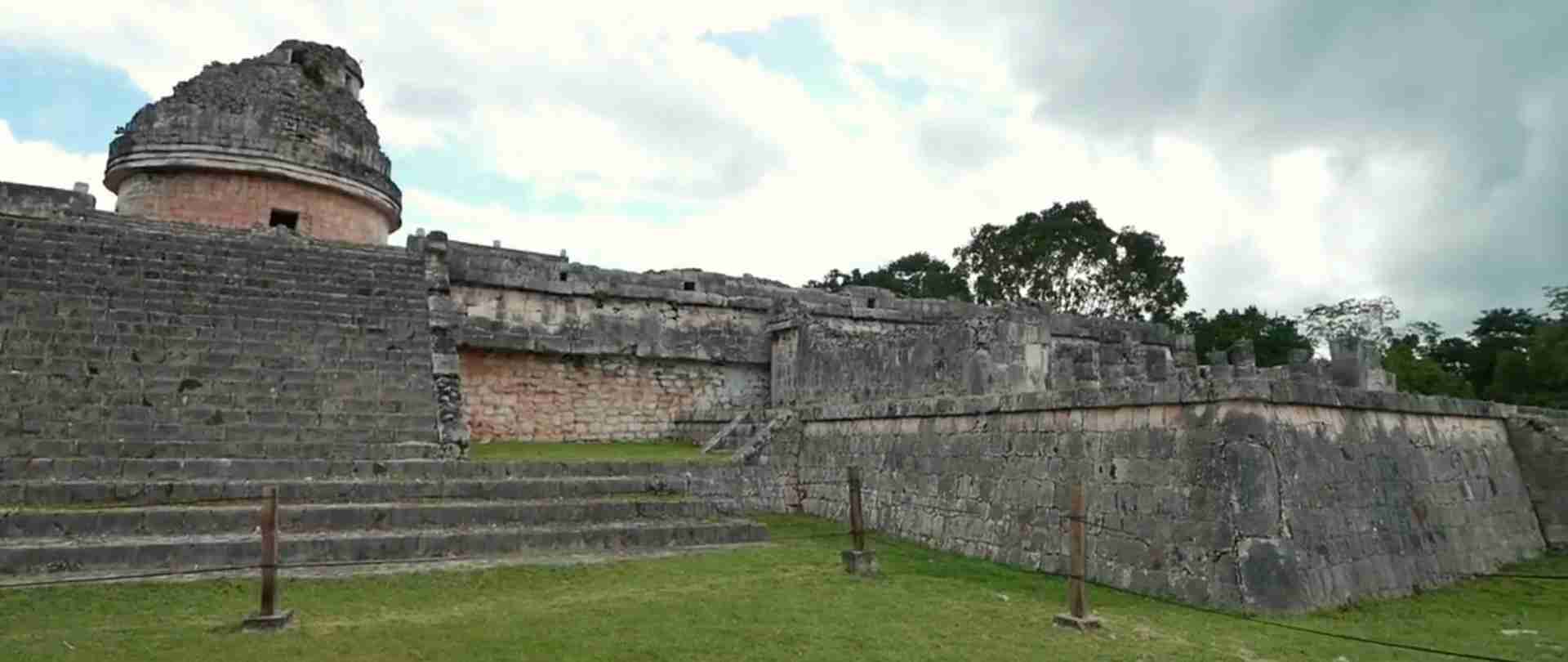
However, accessibility limitations exist in secondary areas of the archaeological zone. The Observatory (El Caracol), Nunnery Complex, and several outlying temple groups require navigation over uneven limestone surfaces and elevation changes that prove challenging for wheelchair users without assistance. The site’s natural topography includes areas where original Maya sacbe (white roads) remain exposed, featuring irregular surfaces that modern accessibility modifications cannot address without compromising archaeological preservation.
The Sacred Cenote viewing platform received accessibility upgrades in 2022, installing a wooden ramp system that allows wheelchair access to the cenote overlook. This pathway includes handrails and non-slip surfaces, though the 200-meter approach from the main plaza traverses partially shaded forest trail that can become muddy during rainy season (May-October). Companion assistance proves valuable for this section, even with the improved pathway conditions.
What accessibility services are available at Chichen Itza in 2026?
Chichen Itza provides comprehensive accessibility services in 2026 through the main visitor center located at the archaeological zone entrance. The facility operates daily 8:00 AM – 5:00 PM and offers complimentary wheelchair loans on a first-come, first-served basis. The center maintains 12 standard manual wheelchairs designed for archaeological site navigation, featuring larger wheels suitable for paved and semi-paved surfaces. Advance reservation proves impossible, though calling the visitor center at +52-985-851-0137 one day before your visit allows staff to set aside equipment if available.
Accessible restroom facilities appear at four strategic locations across the tourist circuit: main entrance visitor center, Great Ball Court area, Temple of Warriors zone, and Sacred Cenote pathway. Each facility includes wheelchair-accessible stalls with grab bars, companion assistance space, and emergency call buttons. The restrooms maintain modern standards with automatic faucets, lowered sinks, and adequate turning radius for wheelchair maneuvering.
Certified accessibility guides work throughout the archaeological zone, offering specialized navigation assistance for visitors with mobility challenges. These guides receive training in archaeological site accessibility, Maya history, and mobility assistance techniques. Services cost $45-60 for 2-hour guided tours in 2026, bookable through the official Chichen Itza website or on-site at the visitor center. The guides provide route planning optimized for accessibility, identifying the smoothest pathways and recommending appropriate rest intervals based on visitor stamina and weather conditions.
The site also offers golf cart transportation for visitors unable to navigate the distances between major monuments. This service operates on designated routes connecting the entrance to El Castillo, continuing to the Sacred Cenote and returning via the Temple of Warriors area. Transportation costs $15 per person for unlimited rides during your visit in 2026, with golf carts accommodating one wheelchair user plus three additional passengers. The carts run every 15-20 minutes during peak hours (9:00 AM – 2:00 PM) and every 30 minutes during shoulder periods.
How much do accessible Chichen Itza tours cost in 2026?
Specialized accessible tours to Chichen Itza from Cancun range $89-145 per person in 2026, depending on group size, departure location, and included amenities. Check tour operator websites for current rates as pricing varies by season and availability. Standard accessible tour packages include adapted transportation with wheelchair lifts, on-site mobility assistance, entrance fees, and bilingual guides trained in accessibility support.
Budget accessible tours starting at $89 per person operate with larger groups (12-15 participants) and provide basic wheelchair-accessible transportation plus site entrance. These tours depart Cancun at 7:00-7:30 AM, arriving at Chichen Itza around 10:00 AM for 2-hour guided visits before returning to the Riviera Maya by 4:00 PM. The packages include bottled water and entrance to one cenote, though lunch requires separate purchase at on-site restaurants.
Premium accessible tours priced $125-145 per person feature smaller groups (6-8 participants maximum), luxury adapted vans with individual climate control, and extended site visits (3-4 hours). These tours include buffet lunch at upscale restaurants near the archaeological zone, stops at colonial Valladolid, and swimming at accessible cenotes with changing facilities and assistance available. Departure times offer more flexibility, with early morning (6:00 AM) and late morning (8:00 AM) options from Cancun and Playa del Carmen.
Private accessible tours represent the premium option at $450-650 for groups of 2-4 people in 2026, providing completely customized itineraries, dedicated accessibility support staff, and flexible timing. These tours accommodate specific mobility requirements including electric wheelchair transport, medical equipment storage, and companion caregiver arrangements. The private format allows extended rest periods, personalized photography sessions, and additional stops based on visitor interests and energy levels.
What transportation options work for wheelchair users traveling to Chichen Itza in 2026?
Wheelchair-accessible transportation to Chichen Itza in 2026 includes specialized tour operators, private accessible vehicle rentals, and adapted public transportation services throughout the Yucatan Peninsula. The archaeological site sits 200 kilometers west of Cancun, 180 kilometers from Playa del Carmen, and 120 kilometers east of Merida, requiring 2-3 hours travel time depending on departure point and route conditions.
Accessible tour operators represent the most convenient option, providing door-to-door service from Riviera Maya hotels with wheelchair-lift equipped vans. Companies like Accessible Cancun Tours, Wheel the World Mexico, and Yucatan Accessible Adventures operate modern Mercedes-Benz Sprinter vans retrofitted with electric wheelchair lifts, tie-down systems, and companion seating. These vehicles accommodate manual wheelchairs, electric wheelchairs up to 350 pounds, and mobility scooters, with advance notification required for larger equipment.
Private accessible vehicle rentals through companies like Wheelchair Getaways Mexico and Accessible Vans Cancun cost $180-240 per day in 2026 for wheelchair-accessible minivans with hand controls available for drivers with mobility challenges. The rental packages include unlimited mileage, insurance coverage, and 24-hour roadside assistance. Drivers must possess valid licenses and meet age requirements (25+ years), with international licenses accepted from most countries.
The ADO bus system connecting Cancun, Playa del Carmen, and Chichen Itza does not offer wheelchair-accessible vehicles on this route in 2026. While ADO operates accessible buses on some Yucatan Peninsula routes, the Chichen Itza service uses standard coaches without lifts or designated wheelchair spaces. Independent travelers requiring public transportation should investigate private accessible shuttle services or tour operator options rather than relying on intercity bus connections.
Extended multi-day tours – 5+ days
Featured Chichen Itza Multi-Day Tour Packages
3 days
Chichen Itza 3-Day Discovery Tour
- ✓ Comprehensive Chichen Itza experience
- ✓ Expert local guides included
- ✓ All accommodation included
- ✓ Transportation provided
5 days
Chichen Itza 5-Day Highlights Experience
- ✓ Comprehensive Chichen Itza experience
- ✓ Expert local guides included
- ✓ All accommodation included
- ✓ Transportation provided
7 days
Chichen Itza 7-Day Cultural Journey
- ✓ Comprehensive Chichen Itza experience
- ✓ Expert local guides included
- ✓ All accommodation included
- ✓ Transportation provided
10 days
Chichen Itza 10-Day Complete Adventure
- ✓ Comprehensive Chichen Itza experience
- ✓ Expert local guides included
- ✓ All accommodation included
- ✓ Transportation provided
Multi-day tour packages powered by TourRadar. Prices and availability subject to change.
Essential Planning Information for Accessible Visits 2026
Entrance Accessibility and Ticketing 2026
The Chichen Itza main entrance at Pisté village provides comprehensive accessibility features for visitors with mobility challenges in 2026. The entrance plaza includes designated accessible parking within 100 meters of the ticket booths, requiring vehicles to display international disability parking permits or Mexican disability credentials. Parking attendants direct accessible vehicles to reserved spaces near the visitor center, avoiding the main lot located 400 meters from the archaeological zone entrance.
Standard entrance fees cost 614 pesos (approximately $35) in 2026 for international visitors, combining the INAH federal fee (242 pesos) and Yucatan state fee (372 pesos). Visitors with certified disabilities receive 50% discount on the INAH federal portion, reducing total costs to 493 pesos (approximately $28). The discount requires presentation of official disability documentation at the ticket counter, with accepted credentials including Mexican INAPAM cards, international disability identification, or medical certification in Spanish or English.
The ticket booth area features wheelchair-accessible windows with lowered counters and adequate space for wheelchair maneuvering. During peak season (December-April), dedicated accessible queuing lanes allow mobility-challenged visitors to bypass standard lines, reducing wait times from potential 30-45 minutes to 5-10 minutes. Staff members assist with ticket purchase, site map distribution, and accessibility service inquiries, with English and Spanish language support available.
Beyond the ticket area, the pathway to the archaeological zone entrance spans 200 meters of paved, covered walkway protecting visitors from direct sun exposure. This corridor includes gentle slopes, rest benches every 50 meters, and accessible water fountains. The pathway width (2.5 meters) accommodates wheelchair users comfortably, with adequate space for passing other visitors in both directions.
Weather and Timing Considerations for 2026 Mobility Access
Strategic timing proves essential for comfortable accessible visits to Chichen Itza in 2026, with temperature, crowd levels, and pathway conditions varying significantly throughout the day and across seasons. The Yucatan Peninsula’s tropical climate presents challenges for visitors with mobility limitations, particularly regarding heat management and energy conservation during site navigation.
Early morning arrivals (8:00-10:00 AM) provide optimal conditions for wheelchair users and visitors with reduced mobility. Temperatures during this period range 22-26°C (72-79°F) from November through March, and 24-28°C (75-82°F) during April-October. The cooler morning temperatures reduce heat stress, essential for visitors who tire more easily or take medications affected by heat exposure. Morning visits also encounter fewer crowds, with pathways 60-70% less congested compared to midday peaks, facilitating easier wheelchair navigation and more comfortable rest area access.
The dry season (November-April) offers superior pathway conditions for mobility-assisted visits in 2026. The paved accessible routes remain consistently dry and firm, while semi-paved areas provide better traction and stability for wheelchairs. Rain during this period appears infrequently, with precipitation occurring on fewer than 6-8 days monthly. Visitors can confidently plan accessible tours without significant weather-related accessibility concerns during these months.
Rainy season (May-October) requires additional accessibility planning due to afternoon thunderstorms affecting pathway conditions. Rain transforms some semi-paved areas into slippery surfaces challenging for wheelchair navigation, while humidity levels (75-85%) increase fatigue for both wheelchair users and companions providing pushing assistance. Afternoon storms (typically 2:00-5:00 PM) can create temporary accessibility obstacles, making morning-only visits advisable during these months. Tours departing at 8:00 AM and concluding by 1:00 PM avoid most weather-related accessibility issues.
Temperature extremes during March-May (34-38°C / 93-100°F midday) demand careful energy management for accessible visits. Visitors should plan 15-20 minute rest intervals in shaded areas, maintain hydration with 3-4 liters water consumption during 3-hour visits, and consider abbreviated itineraries focusing on main monuments accessible via the coolest, most direct pathways. The site’s limited shade coverage along accessible routes makes UV protection essential, with wide-brim hats and sunscreen application every 90 minutes recommended for extended sun exposure.
On-Site Navigation Routes for Wheelchair Users 2026
Chichen Itza’s accessible pathway network in 2026 connects the site’s most significant monuments through carefully maintained routes designed for wheelchair navigation. Understanding the specific pathway conditions, distances, and accessibility features allows visitors to plan realistic itineraries matching their mobility capabilities and stamina levels.
The Primary Accessible Circuit spans 1.8 kilometers and covers Chichen Itza’s essential monuments in 90-120 minutes at a comfortable wheelchair pace including rest stops. This route begins at the main entrance, proceeding 300 meters along paved pathway to El Castillo central plaza. The pathway features smooth concrete surface with maximum 3% grade, bordered by low stone barriers preventing accidental deviation onto uneven archaeological areas.
From El Castillo, the circuit continues 250 meters northeast to the Temple of Warriors complex, maintaining paved surface quality throughout. This section includes three shaded rest areas with benches, accessible water fountains, and sight lines to multiple architectural features. The pathway allows wheelchair users to approach the Temple of Warriors platform, though climbing the structure remains prohibited for preservation purposes (a restriction applying to all visitors regardless of mobility status).
The Great Ball Court accessible route extends 400 meters from El Castillo traveling northwest along the site’s most impressive sports arena. This pathway features the archaeological zone’s widest accessible route (3 meters), accommodating wheelchair users while allowing other visitors to pass comfortably. The ball court’s north and south temples provide designated wheelchair viewing areas with informational plaques at accessible heights (90-120cm) describing the court’s dimensions, acoustic properties, and ceremonial significance.
The Sacred Cenote pathway represents the circuit’s most challenging accessible section, covering 600 meters from the Great Ball Court to the cenote viewing platform. While paved throughout, this route includes several 4-5% grade sections and traverses partially forested areas with limited sun protection. The pathway narrows to 2 meters in sections, requiring careful navigation during crowded periods. Wheelchair users should budget 25-30 minutes for this segment including rest stops, with companion assistance recommended for manual wheelchair users.
Secondary accessible routes provide wheelchair access to the Platform of Venus, Sacred Platform (Tzompantli), and the Steam Bath structure. These pathways connect to the primary circuit but feature semi-paved surfaces (compacted limestone) that prove more challenging for wheelchair navigation. Electric wheelchairs handle these surfaces readily, while manual wheelchair users may require pushing assistance from companions.
Accommodation Options for Visitors with Mobility Needs 2026
Accessible Hotels Near Chichen Itza 2026
Accommodation options for visitors with mobility requirements near Chichen Itza in 2026 range from basic accessible rooms in Pisté village to fully adapted luxury properties in nearby Valladolid. Strategic accommodation selection impacts overall trip accessibility, with proximity to the archaeological site, room adaptations, and accessible common areas serving as primary considerations.
Pisté village, located immediately adjacent to Chichen Itza’s main entrance, offers convenient proximity but limited accessible accommodation options. Hotel Chichen Itza provides basic wheelchair-accessible rooms at $85-110 per night in 2026, featuring roll-in showers, grab bars, and lowered light switches. The property sits 800 meters from the archaeological zone entrance, connected via sidewalks suitable for wheelchair navigation. The hotel’s restaurant, pool area, and common spaces meet basic accessibility standards, though the property lacks adapted recreational facilities or specialized mobility services beyond room accommodations.
The Mayaland Hotel & Bungalows, positioned directly at the archaeological zone boundary, represents the premium accessible option in immediate proximity to Chichen Itza. Accessible room rates range $180-240 per night in 2026, featuring spacious bathrooms with roll-in showers, adjustable shower heads, and comprehensive grab bar installations. The property maintains wheelchair-accessible pathways throughout gardens and common areas, with accessible pools featuring water-level entry ramps. The hotel’s location allows guests to access Chichen Itza through a private entrance, avoiding the main visitor center crowds and reducing approach distances by approximately 400 meters.
Valladolid, located 40 kilometers east of Chichen Itza, provides superior accessible accommodation variety with colonial charm and modern accessibility features. The city serves as an excellent base for multi-day Chichen Itza visits combined with exploration of nearby cenotes and archaeological sites. Casa Tia Micha offers boutique accessible accommodations at $95-130 per night, with three wheelchair-accessible rooms featuring colonial architecture adapted for modern accessibility. The property includes accessible courtyards, ground-floor dining, and staff trained in mobility assistance.
Cenote Suytun Hotel in Valladolid provides unique accessible accommodations at $110-145 per night in 2026, combining wheelchair-accessible rooms with proximity to one of the Yucatan’s most spectacular cenotes. The hotel features accessible pathways to the cenote entrance, though the cenote itself requires descending stairs and does not offer wheelchair access to the water level. The property’s accessible rooms include roll-in showers, wide doorways (90cm+), and lowered amenity shelves, with ground-floor placement eliminating elevator dependency.
Merida, the Yucatan capital located 120 kilometers west of Chichen Itza, offers the peninsula’s most comprehensive accessible accommodation options for visitors planning extended archaeological region exploration. Hotel properties like Fiesta Americana Merida ($140-190 per night) and Hyatt Regency Merida ($155-210 per night) provide international-standard accessible rooms with roll-in showers, lowered peepholes, accessible closets, and emergency alert systems. These properties serve as strategic bases for day trips to Chichen Itza, Uxmal, and other Maya sites across the Yucatan Peninsula.
Accessible Dining Options Near the Archaeological Zone 2026
Dining accessibility near Chichen Itza in 2026 varies significantly between on-site restaurants and nearby Pisté village establishments. Visitors with mobility challenges benefit from understanding restaurant accessibility features, menu variety, and proximity to the archaeological zone to plan appropriate meal breaks during site visits.
The Las Mestizas Restaurant inside the archaeological zone provides the most convenient accessible dining option, located 100 meters from the main entrance visitor center. The facility features wheelchair-accessible entrance ramps, wide aisles between tables, and accessible restrooms meeting international standards. Buffet lunch costs $18-22 per person in 2026, offering traditional Yucatecan cuisine including cochinita pibil, lime soup, and fresh fruit selections. The buffet layout accommodates wheelchair users with lowered serving stations and adequate circulation space, though assistance accessing certain dishes may prove helpful during crowded periods.
Restaurant El Carrusel in Pisté village, 500 meters from the archaeological zone entrance, offers accessible à la carte dining with traditional Maya and Mexican specialties. The restaurant includes ramped entrance access, ground-floor seating with movable chairs accommodating wheelchairs, and accessible restroom facilities. Meal costs range $12-18 per person for lunch including entree, drink, and side dishes. The property’s shaded courtyard provides relief from midday heat, with ceiling fans maintaining comfortable temperatures during warm weather months.
The Pueblo Maya Restaurant, located within the Mayaland Hotel complex, provides upscale accessible dining 200 meters from Chichen Itza’s eastern entrance. The facility features comprehensive wheelchair accessibility including ramped approaches, accessible buffet stations, and adapted restroom facilities with companion assistance space. Lunch buffet costs $28-32 per person in 2026, featuring extensive selections of regional specialties, international cuisine, and dietary accommodation options. The restaurant’s position within hotel grounds provides natural shade and garden views, creating comfortable dining atmosphere for extended meal breaks.
Pisté village restaurants along Highway 180 offer varied accessibility, with properties built in recent decades generally providing better wheelchair access than older colonial buildings. Visitors should inquire about specific accessibility features when making reservations, as entrance steps, narrow doorways, and inaccessible restrooms remain common in traditional properties. The village’s main street includes several restaurants with ramped access and ground-floor seating, though accessible restroom availability proves inconsistent.
Specialized Accessible Tour Operators for 2026
Comprehensive Accessible Tour Packages 2026
Specialized tour operators throughout the Riviera Maya and Yucatan Peninsula offer comprehensive accessible packages to Chichen Itza in 2026, addressing transportation, site navigation, and companion support for visitors with diverse mobility requirements. These operators maintain adapted vehicles, employ accessibility-trained guides, and coordinate with archaeological zone staff to ensure seamless site access.
Accessible Cancun Tours operates the Yucatan region’s largest fleet of wheelchair-accessible vehicles, offering daily Chichen Itza departures from Cancun and Playa del Carmen. Their standard accessible package costs $125 per person in 2026, including hotel pickup in adapted Mercedes Sprinter vans with wheelchair lifts, archaeological zone entrance fees, certified accessibility guide service, buffet lunch, and cenote swimming stop with accessible facilities. Departures occur at 7:00 AM from Cancun hotel zones, arriving at Chichen Itza around 10:00 AM for 2.5-hour guided visits before continuing to Cenote Ik Kil.
The company accommodates manual wheelchairs, electric wheelchairs up to 400-pound weight capacity, and mobility scooters with advance reservation notice (minimum 48 hours). Each adapted van carries wheelchair tie-down systems, climate control with individual passenger vents, and accessible restroom facilities at regular rest stops. Tour group sizes range 6-8 participants, allowing personalized attention from guides trained in archaeological site accessibility and Maya history interpretation.
Wheel the World Mexico specializes in accessible travel experiences for visitors with significant mobility challenges, offering customized Chichen Itza packages starting at $450 for private groups of 2-4 people in 2026. Their service includes pre-trip accessibility consultation, personalized itinerary development based on specific mobility requirements, dedicated accessibility companion throughout the tour, and specialized equipment provision including all-terrain wheelchairs for unpaved archaeological areas.
The all-terrain wheelchair option proves valuable for visitors interested in exploring Chichen Itza’s secondary monuments beyond the main accessible pathways. These specialized chairs feature large balloon tires, enhanced suspension, and pushing assistance frames, allowing access to areas like the Observatory and Nunnery Complex that prove challenging for standard wheelchairs. The equipment rental integrates into tour packages at $75 additional cost, with trained operators providing pushing assistance throughout the archaeological zone.
Yucatan Accessible Adventures focuses on multi-day accessible archaeological tours combining Chichen Itza with Uxmal, Ek Balam, and coastal Maya sites. Their three-day Yucatan Accessible Discovery package costs $580-680 per person in 2026, including accessible hotel accommodations in Merida, all transportation in adapted vehicles, archaeological site entrances, meals, and comprehensive accessibility support. The multi-day format allows extended exploration without the rushed pace of single-day tours, with flexible daily schedules accommodating visitor energy levels and rest requirements.
Independent travelers can coordinate with these operators for transportation-only services, with one-way accessible transport from Cancun to Chichen Itza costing $180-220 for vehicles accommodating 2-4 passengers plus wheelchairs in 2026. This option suits visitors preferring self-guided archaeological exploration while requiring adapted transportation, with drivers remaining available for return journey coordination based on agreed schedules.
Group Accessible Tours and Solo Traveler Options 2026
Group accessible tours to Chichen Itza in 2026 provide cost-effective options for wheelchair users and visitors with mobility challenges, with shared tour formats reducing per-person costs while maintaining comprehensive accessibility support. These tours operate on fixed schedules with predetermined itineraries, suiting travelers comfortable with structured group dynamics and standardized pacing.
Amigo Tours Cancun operates daily accessible group departures to Chichen Itza at $89 per person in 2026, the Riviera Maya’s most budget-friendly fully accessible tour option. Groups range 10-12 participants maximum, mixing wheelchair users with ambulatory travelers in Mercedes Sprinter vans featuring two wheelchair positions and standard seating for eight additional passengers. The tour departs Cancun at 7:30 AM, visits Chichen Itza from 10:30 AM-12:30 PM, includes lunch stop at Pisté village restaurant, and returns to Cancun by 4:30 PM.
The budget format includes archaeological zone entrance fees, bilingual guide service, bottled water, and one accessibility assistant for every two wheelchair users. Lunch requires separate payment ($12-15 per person) at partner restaurants offering accessible facilities. The streamlined itinerary focuses on main monuments accessible via paved pathways, with limited time for secondary area exploration or extended photography sessions.
Solo travelers with mobility requirements face unique challenges when visiting Chichen Itza, as many accessible tours price based on double occupancy or group participation. However, several operators offer solo-friendly accessible services in 2026. Accessible Cancun Tours maintains a solo traveler waitlist, matching individual wheelchair users with similar departure date requests to form small groups and reduce per-person costs to $135-145 (compared to $450+ for private tours).
The solo accessible traveler option includes shared adapted transportation, individual accessibility assistance during site navigation, and coordinated scheduling with other solo participants traveling similar dates. Advance booking proves essential (4-6 weeks recommended), as matching solo travelers requires sufficient lead time. The service proves particularly valuable during shoulder seasons when group tour participation levels decrease.
Private accessible guides available for hire at Chichen Itza entrance cost $45-60 for 2-hour services in 2026, providing personalized archaeological interpretation and mobility assistance for independent travelers arriving via accessible rental vehicles or private transport. These guides offer flexibility unavailable in group tours, allowing visitors to proceed at comfortable paces, take extended rest breaks, and focus on areas of specific interest. The guides provide wheelchair pushing assistance on request, though particularly demanding sections like the Sacred Cenote pathway may require additional companion support.
Medical and Safety Considerations for Accessible Visits 2026
Healthcare Accessibility Near Chichen Itza 2026
Medical facility access represents an essential planning consideration for visitors with mobility challenges and health conditions requiring potential emergency care during Chichen Itza visits in 2026. Understanding healthcare infrastructure near the archaeological zone allows informed risk assessment and appropriate precautionary planning.
The archaeological zone maintains a basic first-aid station at the main entrance visitor center, staffed by paramedics during operating hours (8:00 AM – 5:00 PM daily). The facility handles minor injuries, heat-related illness, and basic medical emergencies, with accessible entrance and treatment areas accommodating wheelchair users. The paramedics communicate in Spanish and basic English, with radio contact to emergency services in Valladolid and Merida for situations requiring advanced medical intervention.
Pisté village includes one small clinic (Centro de Salud Pisté) providing basic outpatient care, though the facility lacks comprehensive accessibility features and advanced medical equipment. The clinic sits 1.2 kilometers from the archaeological zone, accessible via paved roads suitable for vehicle transport. For serious medical situations, ambulance transport to Valladolid (40 kilometers, 35-minute drive) or Merida (120 kilometers, 90-minute drive) provides access to hospitals with emergency departments, imaging capabilities, and specialist physicians.
Hospital Regional de Valladolid offers the nearest emergency department with wheelchair-accessible facilities, located 40 kilometers east of Chichen Itza. The hospital maintains 24-hour emergency services, basic imaging (X-ray, ultrasound), and general surgery capabilities. Most physicians speak Spanish primarily, though some English communication proves possible. Visitors with complex medical conditions or mobility-related health concerns should carry Spanish-language medical information cards detailing conditions, medications, and emergency contact information.
International-standard medical care with comprehensive accessibility features requires travel to Merida, where Hospital Star Medica and Hospital Faro del Mayab provide advanced emergency services, specialist consultations, and English-speaking medical staff. These facilities accept international health insurance and provide direct billing for many policies. Visitors can arrange medical evacuation insurance through providers like Travel Guard or Allianz Global Assistance, with policies specifically covering wheelchair users and travelers with pre-existing conditions ranging $40-80 per week of coverage in 2026.
Accessibility Emergency Protocols 2026
Emergency planning for accessible visits to Chichen Itza in 2026 involves understanding the archaeological zone’s emergency response capabilities, communication systems, and evacuation procedures for visitors with mobility limitations. The site’s remote location and limited cellular coverage in some areas require proactive emergency preparation.
The INAH maintains emergency communication posts at six locations throughout the archaeological zone, marked with red emergency phone symbols on site maps. These stations provide direct communication to the entrance first-aid facility and can summon golf cart emergency transport for visitors unable to walk or wheel themselves to medical assistance. Wheelchair users should note station locations when beginning site tours, ensuring awareness of nearest emergency access points throughout their visits.
Emergency evacuation procedures for wheelchair users involve golf cart transport to the main entrance, where ambulance access provides connection to off-site medical facilities. The archaeological zone maintains clear vehicle pathways to all major monument areas, allowing emergency response vehicles to approach within 50-100 meters of most accessible viewing areas. Response times from emergency call to golf cart arrival average 8-12 minutes during standard operating hours, with potential delays during peak visitation periods when carts assist multiple visitors simultaneously.
Cellular phone coverage at Chichen Itza proves inconsistent in 2026, with reliable signals near the entrance and main plaza but degraded service in outlying areas like the Sacred Cenote and Observatory. Visitors should not rely solely on mobile phones for emergency communication, instead utilizing the site’s emergency call stations or requesting assistance from nearby visitors or staff members. Tour groups traveling with accessible tour operators benefit from guide radio communication to company dispatchers, providing backup emergency contact channels.
Weather emergency procedures include accessible shelter areas near the main monuments, with covered spaces capable of protecting wheelchair users during sudden rainstorms. The structures feature wheelchair-accessible entrances and adequate interior space for multiple wheelchair users plus companions. Staff members guide visitors to appropriate shelters when severe weather approaches, with particular attention to mobility-challenged guests requiring additional assistance reaching protected areas.
Practical Logistics Planning for 2026 Accessible Visits
Packing Essentials for Wheelchair Users and Mobility-Challenged Visitors 2026
Strategic packing for Chichen Itza accessible visits in 2026 ensures visitors carry essential items supporting comfortable mobility-assisted archaeological exploration while avoiding unnecessary weight that complicates wheelchair navigation or companion pushing assistance. Climate conditions, site amenities, and mobility-specific requirements inform appropriate packing decisions.
Wheelchair maintenance supplies prove essential for multi-hour archaeological site visits, particularly for manual wheelchair users navigating paved but potentially rough surfaces. Bring spare wheelchair footrests, as bumpy pathways occasionally dislodge standard fittings. Pack basic tire repair kit for pneumatic wheelchair tires, including spare tubes, tire levers, and portable pump, as the archaeological zone’s maintenance staff cannot provide wheelchair-specific repair services. Electric wheelchair users should carry battery chargers compatible with Mexican outlets (120V, Type A/B plugs) and verify battery charge sufficiency for 4-6 hours continuous use including hotel-to-site round-trip distances.
Sun protection items require priority given Chichen Itza’s limited natural shade along accessible pathways and intense Yucatan sun exposure. Pack wide-brim hats or wheelchair-mounted umbrellas providing continuous shade during site navigation. Bring SPF 50+ sunscreen in 100ml+ containers, applying liberally every 90 minutes during extended outdoor exposure. Wheelchair users should consider neck gaiters or lightweight scarves protecting neck and shoulder areas particularly vulnerable to sun exposure from seated positions.
Hydration management proves critical for accessible visits, with 3-4 liters water consumption recommended during 3-hour archaeological zone tours. Pack insulated water bottles maintaining cool temperatures in tropical heat, with carrying systems allowing easy access without requiring companion retrieval. Wheelchair side pouches or backpack hydration systems work effectively, though visitors should verify weight distribution doesn’t destabilize wheelchair balance on sloped pathways.
Mobility assistance equipment including wheelchair cushions for extended sitting, compression garments for circulation support during hot weather, and portable fans for personal cooling enhance comfort during archaeological exploration. Battery-operated neck fans prove particularly effective for wheelchair users unable to create airflow through walking movement. Bring medications in original containers with Spanish-language labels if possible, maintaining supplies in climate-controlled bags protecting pharmaceutical stability in 35°C+ temperatures.
Documentation requirements include disability identification credentials for entrance fee discounts, medical information cards in Spanish describing conditions and medications, and travel insurance confirmation with medical evacuation coverage details. Carry prescription copies for all medications, as Mexican authorities may request verification if medications appear at customs inspection. Visitors requiring injectable medications or refrigerated pharmaceuticals should research hotel refrigeration access before departure.
Photography Accessibility Tips for 2026 Visits
Photography at Chichen Itza from wheelchair-accessible positions in 2026 requires understanding sight line limitations, best accessible vantage points, and equipment adaptations allowing compelling archaeological photography despite mobility constraints. Strategic planning produces memorable imagery while accommodating physical accessibility requirements.
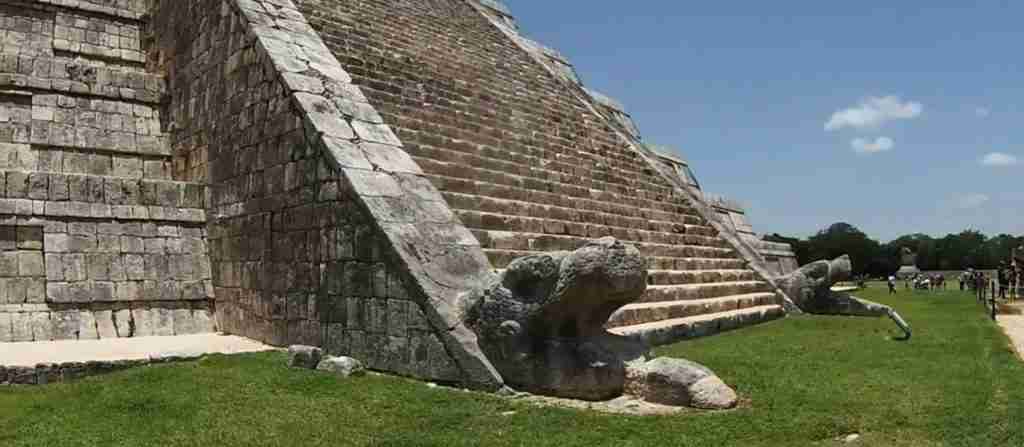
Wheelchair-level photography presents unique compositional challenges, with lower shooting positions (approximately 120cm seated height vs. 160-180cm standing height) affecting perspective on tall structures like El Castillo’s 30-meter pyramid. Photographers should emphasize foreground elements including carved serpent heads, platform details, and ceremonial stones to create depth compensating for reduced vertical perspective. The lower shooting angle proves advantageous for architectural detail photography, bringing viewers closer to eye level with ground-level carvings and decorated platforms.
Accessible vantage points at El Castillo include the western platform designated wheelchair viewing area, providing unobstructed sight lines to the pyramid’s main facade. Morning visits (8:00-10:00 AM) offer ideal lighting conditions with sun rising behind photographers, illuminating the pyramid’s western face while avoiding harsh overhead shadows. The viewing platform allows tripod setup with wheelchair positioning 2-3 meters back, creating comfortable shooting position without obstructing other visitors’ sight lines.
The Great Ball Court’s accessible pathway provides exceptional photography opportunities, with 3-meter width allowing wheelchair positioning for architectural symmetry shots framing the court’s parallel playing walls. Midday lighting (11:00 AM-1:00 PM) creates dramatic shadows highlighting the walls’ detailed reliefs, though harsh light requires careful exposure compensation. Wheelchair users can navigate the entire court length, varying compositions from wide establishing shots to detail photographs of the carved panels showing ceremonial ball game scenes.
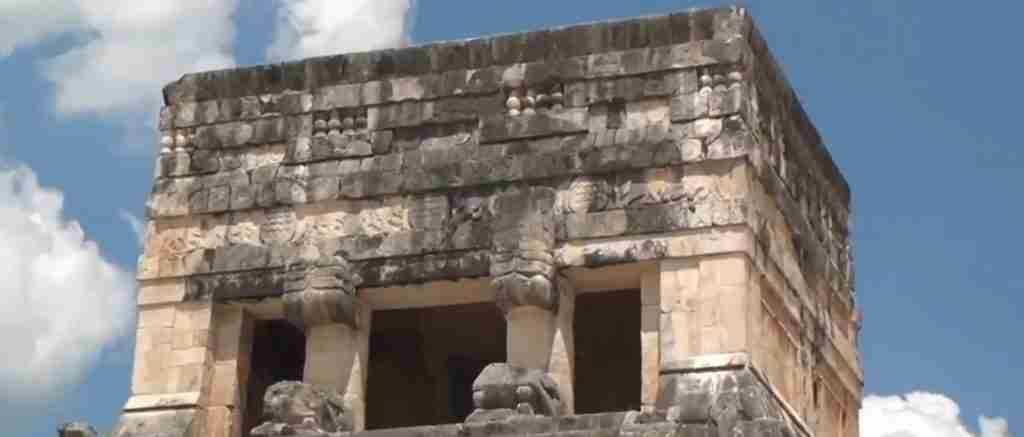
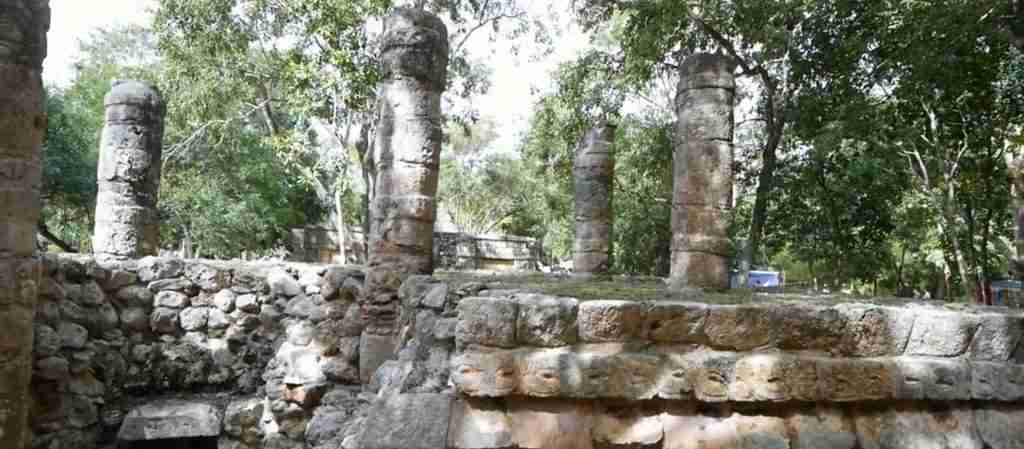
Temple of Warriors photography from accessible positions benefits from afternoon lighting (2:00-4:00 PM), when sun angles illuminate the structure’s colonnade creating depth through shadow patterns. The accessible pathway approaches within 20 meters of the temple’s base, though climbing prohibition prevents elevated photography from the platform top. Wheelchair photographers should focus on column details, warrior figure carvings, and the relationship between the temple and adjacent Group of a Thousand Columns structures.
Equipment adaptations for wheelchair photography include monopods providing camera stability without tripod weight and bulk complicating wheelchair navigation. Attach camera wrist straps preventing accidental drops during equipment positioning. Consider wheelchair-mounted camera platforms creating stable shooting positions without requiring handheld operation, particularly valuable for visitors with limited upper body strength or tremor conditions affecting camera steadiness.
Sample Accessible Itineraries 2026
Half-Day Accessible Tour from Cancun 2026
This streamlined accessible itinerary accommodates visitors with limited time or energy, focusing on Chichen Itza’s essential monuments via the primary accessible pathway circuit. The half-day format suits travelers combining archaeological visits with beach resort time or those preferring shorter outdoor excursions due to heat sensitivity or stamina limitations.
6:30 AM: Accessible tour van pickup from Cancun Hotel Zone. Wheelchair lift boarding, equipment securing, and climate control adjustment for comfortable 2.5-hour journey. Continental breakfast served onboard including pastries, fruit, and coffee.
9:00 AM: Arrival at Chichen Itza main entrance. Guide handles ticket purchase while passengers use accessible restroom facilities and prepare for site entry. Complimentary wheelchair loan arrangement if needed for visitors bringing non-archaeological wheelchairs requiring upgrade to site-appropriate models.
9:30 AM: Begin accessible pathway tour at El Castillo central plaza. Comprehensive architectural explanation covering pyramid’s astronomical alignment, serpent shadow phenomenon during equinoxes, and Kukulkan deity significance. Photography session from designated accessible viewing platform with guide providing compositional suggestions and historical context. Duration: 25 minutes.
10:00 AM: Proceed to Temple of Warriors and Group of a Thousand Columns via northeastern accessible pathway. Exploration of warrior figure carvings, Chac Mool statue significance, and ceremonial platform functions. Rest break in shaded area with bottled water distribution. Duration: 30 minutes including rest period.
10:35 AM: Navigate to Great Ball Court via accessible route. Detailed explanation of Mesoamerican ball game rules, court acoustic properties, and carved reliefs showing ceremonial aspects. Photography opportunity from both north and south accessible positions along court’s 168-meter length. Duration: 25 minutes.
11:05 AM: Return to main entrance via direct accessible pathway, stopping briefly at Platform of Venus for architectural explanation and photography. Total site visit time: 90 minutes covering primary monuments.
11:30 AM: Departure from Chichen Itza. Accessible restroom break and souvenir shop visit at entrance plaza if desired.
12:00 PM: Lunch stop at accessible restaurant in Pisté village. Buffet featuring traditional Yucatecan cuisine including cochinita pibil, lime soup, and fresh fruit. Duration: 45 minutes.
1:00 PM: Begin return journey to Cancun, arriving Hotel Zone approximately 3:30-4:00 PM.
Accessible tour package $125 per person, buffet lunch $22, total day cost $147 per person (excluding accommodation). Tour includes entrance fees, adapted transportation, accessibility guide, bottled water, and all described activities.
Full-Day Accessible Chichen Itza and Cenote Experience 2026
This comprehensive accessible itinerary combines Chichen Itza archaeological exploration with cenote swimming and colonial Valladolid visit, creating diverse Yucatan cultural experience. The extended format allows relaxed pacing with adequate rest intervals, suiting visitors comfortable with longer tours when proper accessibility support and climate control provide comfort.
6:00 AM: Early departure from Cancun Hotel Zone in premium accessible van. Climate-controlled journey with reclining seats, individual reading lights, and onboard accessible restroom reducing stop frequency. Light breakfast including granola bars, fruit, and beverages served during travel.
8:30 AM: Arrival at Chichen Itza during optimal morning temperature window. Ticket purchase with disability discount application, wheelchair equipment check, and site orientation from accessibility guide. Accessible restroom break and sun protection application before beginning tour.
9:00 AM: Comprehensive accessible tour of primary monuments circuit. Extended time allocation allows detailed architectural interpretation, multiple photography sessions, and frequent rest breaks in shaded areas. Route includes El Castillo, Temple of Warriors, Great Ball Court, Platform of Venus, and Sacred Cenote viewing platform via accessible pathways. Duration: 3 hours with rest intervals.
12:00 PM: Departure from archaeological zone. Return to visitor center for accessible restroom facilities and climate-controlled rest area cooling period before continuing tour.
12:30 PM: Buffet lunch at upscale accessible restaurant near Chichen Itza. Extended menu featuring regional specialties, international options, and dietary accommodations. Shaded courtyard seating with ceiling fans providing comfortable dining atmosphere. Duration: 60 minutes.
1:30 PM: Travel to Cenote Ik Kil (4 kilometers, 10-minute drive). This spectacular cenote offers adapted swimming access including wheelchair-accessible changing rooms, assistance ramps to water level, and certified lifeguards trained in accessibility support. Swimming optional based on visitor comfort and ability. Duration: 90 minutes including changing time.
3:00 PM: Visit colonial Valladolid city center (40 kilometers, 35-minute drive). Accessible walking tour of main plaza, San Gervasio Cathedral exterior, and local craft market. Wheelchair-friendly routes through historic district with rest stops at accessible cafes for traditional Yucatecan refreshments. Duration: 60 minutes.
4:00 PM: Begin return journey to Cancun, arriving Hotel Zone approximately 6:30-7:00 PM.
Premium accessible tour $145 per person, cenote entrance $8, Valladolid refreshments $6-10, total day cost $159-163 per person (excluding accommodation). Package includes all transportation, entrance fees, buffet lunch, accessibility assistance, bottled water throughout tour, and bilingual guide service.
Multi-Day Accessible Yucatan Archaeological Discovery 2026
This three-day accessible itinerary explores multiple UNESCO World Heritage archaeological sites across the Yucatan Peninsula, providing comprehensive Maya civilization experience with full accessibility support. The extended format allows comfortable pacing, quality hotel accommodations, and diverse cultural encounters beyond single-site visits.
Day 1: Merida to Chichen Itza
8:00 AM: Pickup from accessible hotel in Merida. Journey to Chichen Itza (120 kilometers, 90 minutes) in comfortable accessible van with climate control and individual passenger amenities.
9:30 AM: Arrival at Chichen Itza. Comprehensive 3.5-hour accessible tour covering primary monuments circuit plus additional areas accessible with all-terrain wheelchair support. Extended photography sessions and detailed archaeological interpretation at each major structure. Includes rest periods in shaded areas with refreshment service.
1:00 PM: Lunch at Mayaland Hotel accessible restaurant. Upscale buffet with extensive selections and shaded garden seating.
2:30 PM: Visit Cave of Balankanche (6 kilometers from Chichen Itza). This ceremonial cave offers partial accessibility with paved pathways to main chamber, though deeper sections require stair navigation. Accessible visitors experience entrance area and initial cave formations with guide interpretation of Maya ceremonial significance.
4:00 PM: Check-in at accessible hotel in Valladolid. Evening at leisure exploring colonial city center via wheelchair-accessible routes, with dinner at accessible restaurant featuring traditional Yucatecan cuisine.
Day 1 costs: Tour service $180, Chichen Itza entrance $28 (with disability discount), lunch $32, Balankanche cave $5, dinner $25-35, total $270-280 per person (excluding accommodation $110-145).
Day 2: Ek Balam and Cenote Exploration
8:30 AM: Departure from Valladolid hotel. Short drive to Ek Balam archaeological zone (30 kilometers, 25 minutes).
9:00 AM: Accessible tour of Ek Balam ruins. This less-visited site features partially accessible pathways to main plaza area, though the spectacular Acropolis climbing remains inaccessible to wheelchair users. Emphasis on accessible viewing areas and detailed stucco frieze descriptions. Duration: 2 hours.
11:00 AM: Visit nearby Cenote X’Canche with accessible facilities including wheelchair-accessible changing areas and assistance to water level. Swimming and relaxation time with full accessibility support. Duration: 2 hours.
1:00 PM: Return to Valladolid for lunch at accessible restaurant. Afternoon free time for rest, hotel pool access, or optional wheelchair-accessible city tour of Valladolid’s convents and historic mansions. Dinner at accessible restaurant with live traditional music.
Day 2 costs: Transportation $120, Ek Balam entrance $16 (with discount), cenote $8, lunch $20-28, dinner $30-40, total $194-212 per person (excluding accommodation).
Day 3: Uxmal and Chocolate Museum
7:30 AM: Early departure from Valladolid to Uxmal (160 kilometers, 2 hours). Breakfast stop at accessible roadside restaurant in Ticul.
10:00 AM: Arrival at Uxmal UNESCO World Heritage site. Accessible tour of Puuc-style architecture including Pyramid of the Magician viewing areas (climbing prohibited), Governor’s Palace accessible platforms, and Nunnery Quadrangle pathways. The site features good accessibility in main plaza areas with comprehensive paved pathways. Duration: 3 hours including rest breaks.
1:00 PM: Lunch at accessible restaurant in Santa Elena village near Uxmal.
2:30 PM: Visit Choco-Story chocolate museum in Uxmal (fully wheelchair accessible). Interactive exhibits on Maya chocolate traditions, cacao plantation tour on accessible pathways, and chocolate making demonstration. Duration: 90 minutes.
4:00 PM: Return journey to Merida (80 kilometers, 60 minutes), arriving late afternoon with evening free for accessible dining in Merida’s historic center.
Day 3 costs: Transportation $160, Uxmal entrance $20 (with discount), breakfast $12-15, lunch $22-30, museum $15, total $229-240 per person (excluding Merida accommodation).
Three-day package total: $693-732 per person plus accommodation costs of $330-435 for three nights. Comprehensive accessible tour package through specialized operators typically costs $850-950 per person including all activities, meals, transportation, and mid-range hotel accommodations.
Frequently Asked Questions: Chichen Itza Accessibility 2026
Can you climb the pyramids at Chichen Itza in a wheelchair in 2026?
Pyramid climbing at Chichen Itza remains prohibited for all visitors regardless of mobility status in 2026, a conservation measure implemented by INAH in 2006 to protect the archaeological structures from erosion and damage. This restriction applies to El Castillo, Temple of Warriors, and all other pyramidal structures throughout the site. Wheelchair users experience Chichen Itza through accessible viewing platforms and pathways allowing approach to pyramid bases and comprehensive sight lines to architectural features, but no visitors access the structures’ upper platforms or interior chambers.
Are service animals allowed at Chichen Itza in 2026?
Service animals accompanying visitors with disabilities receive full access to Chichen Itza archaeological zone in 2026, subject to standard leash and control requirements. The site welcomes certified service dogs, though owners must provide waste cleanup for animals and ensure pets remain under constant supervision. The tropical climate and extended outdoor exposure create challenges for service animals, with visitors advised to bring collapsible water bowls, provide frequent hydration breaks in shaded areas, and monitor animals for heat stress indicators. No kenneling facilities exist at the archaeological zone, requiring service animals to accompany owners throughout visits or remain secured in climate-controlled vehicles if left behind.
What accessible transportation options exist from Tulum to Chichen Itza in 2026?
Accessible transportation from Tulum to Chichen Itza in 2026 includes specialized tour operators offering adapted van services with wheelchair lifts and certified accessibility assistance. The journey covers 150 kilometers requiring approximately 2 hours travel time each direction. Accessible tour packages from Tulum cost $135-165 per person, providing round-trip adapted transportation, archaeological zone entrance, accessibility guide, and lunch. Private accessible vehicles for 2-4 passengers cost $250-300 for the round trip, allowing flexible scheduling and customized itineraries. Public transportation options (ADO buses) do not offer wheelchair-accessible vehicles on the Tulum-Chichen Itza route, making tour operators or private accessible transport essential for wheelchair users.
How accessible are the restrooms at Chichen Itza in 2026?
Chichen Itza maintains four accessible restroom facilities meeting international accessibility standards throughout the archaeological zone in 2026. Each facility includes wheelchair-accessible stalls with grab bars positioned at appropriate heights (75-85cm), companion assistance space allowing caregiver support, lowered sinks with knee clearance, and emergency call buttons. The restroom locations appear at the main entrance visitor center, Great Ball Court area, Temple of Warriors zone, and near the Sacred Cenote pathway. Facilities feature automatic faucets, adequate turning radius (150cm diameter minimum) for wheelchair maneuvering, and non-slip flooring surfaces. Attendants maintain cleanliness throughout operating hours, with accessible stalls cleaned more frequently during peak visitation periods to ensure consistent availability.
Can I rent an electric wheelchair or mobility scooter at Chichen Itza in 2026?
Chichen Itza visitor center provides complimentary manual wheelchair loans but does not offer electric wheelchair or mobility scooter rentals in 2026. Visitors requiring powered mobility devices must arrange equipment through tour operators or rental companies in Cancun, Playa del Carmen, or Merida before arrival. Companies like Accessible Cancun Tours include electric wheelchair provision in tour packages, while Wheelchair Getaways Mexico and Scootaround rent electric wheelchairs and scooters for daily or weekly periods at $45-75 per day in 2026. The archaeological zone’s paved accessible pathways accommodate electric wheelchairs and mobility scooters effectively, with charging not required during typical 2-4 hour visits due to minimal power consumption on relatively flat terrain.
What sun protection and shade availability exists along accessible pathways in 2026?
Accessible pathways at Chichen Itza provide limited natural shade coverage in 2026, with approximately 25-30% of the primary circuit traversing shaded or partially shaded areas. The central plaza surrounding El Castillo features minimal shade, requiring visitors to rely on personal sun protection including wide-brim hats, wheelchair-mounted umbrellas, and high-SPF sunscreen. Designated rest areas every 100-150 meters along accessible routes include shade structures (palapas) protecting wheelchair users from direct sun exposure during rest intervals. The Sacred Cenote pathway offers the best natural shade through forested sections, while the Great Ball Court provides late afternoon shadow protection from the court’s tall western wall. Visitors should plan extended outdoor exposure with appropriate sun protection and frequent rest breaks in available shaded areas, particularly during March-May when midday temperatures reach 35-38°C with intense direct sun exposure.
How do accessible tours handle the light and sound show at Chichen Itza in 2026?
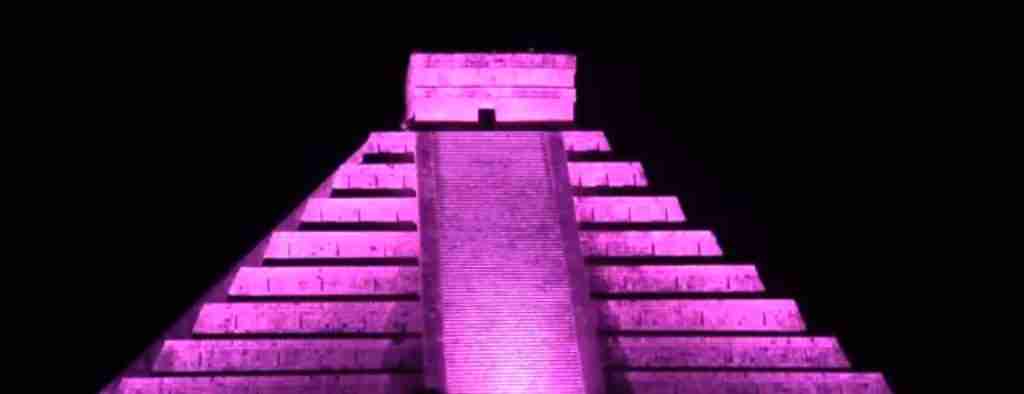
The Chichen Itza light and sound show “Noches de Kukulkan” operates evening performances at 8:00 PM (7:00 PM November-March) showcasing El Castillo and surrounding structures through illuminated projections and narrated Maya history in 2026. The show venue provides wheelchair-accessible seating areas with companion spaces, located in sections offering optimal viewing angles to the pyramid and projection surfaces. Accessible tour operators can arrange evening show attendance as extended day trip add-ons at $35-45 additional cost including show tickets, though the late return time (11:00 PM arrival Cancun) proves tiring for some visitors. Independent travelers can purchase show tickets separately for 499 pesos ($28) in 2026, with accessible seating available through advance reservation by calling +52-985-851-0137. The show’s seated format suits wheelchair users well, eliminating standing or walking requirements during the 30-minute performance.
What communication assistance exists for deaf or hard-of-hearing visitors in 2026?
Chichen Itza accessibility services in 2026 include limited dedicated support for deaf and hard-of-hearing visitors, though accommodations can be arranged through advance coordination with site administration or specialized tour operators. The archaeological zone does not maintain permanent sign language interpretation staff, but visitors can request this service with 2-3 weeks advance notice through the official Chichen Itza contact system. Third-party accessible tour operators like Accessible Cancun Tours can coordinate certified sign language interpreters for private tours at $120-150 additional cost for full-day services. Standard audio guide systems available at the entrance do not include hearing loop or captioning technology, limiting their utility for visitors with hearing challenges. Printed guide materials in Spanish and English provide written archaeological information, while smartphone-based guide apps offer text-based content accessible to deaf visitors. The light and sound show includes Spanish narration without English subtitles or sign language interpretation in standard performances.
How do weather conditions affect wheelchair accessibility at Chichen Itza during rainy season 2026?
Rainy season (May-October) creates specific accessibility challenges at Chichen Itza in 2026, with afternoon thunderstorms affecting pathway conditions and outdoor comfort for wheelchair users. The primary accessible circuit maintains paved surfaces that drain effectively, remaining navigable during light rain, though heavy downpours create temporary puddles in low-lying sections requiring careful navigation to avoid wheelchair water exposure. Semi-paved areas become slippery when wet, increasing difficulty for manual wheelchair pushing and reducing traction for pneumatic wheelchair tires. Accessible tour operators typically schedule morning departures (7:00-8:00 AM) during rainy season, completing archaeological zone visits by 1:00 PM before afternoon storm development. Visitors planning independent accessible visits during May-October should monitor weather forecasts, carry rain protection for electronic wheelchairs, and prepare contingency plans for abbreviated site exploration if severe weather emerges. The archaeological zone does not close during rain, but mobility safety concerns may make shortened visits advisable during intense precipitation events.
What accessible dining options exist for visitors with dietary restrictions in 2026?
Accessible restaurants near Chichen Itza accommodate various dietary restrictions in 2026, though advance notification improves menu accommodation quality and reduces service delays. The Las Mestizas Restaurant within the archaeological zone provides vegetarian, vegan, and gluten-free options upon request, with buffet stations featuring ingredient labels in Spanish and English. Staff members assist wheelchair users identifying appropriate dishes meeting dietary requirements, though cross-contamination concerns make celiac-safe dining challenging in buffet environments. The Pueblo Maya Restaurant at Mayaland Hotel offers more sophisticated dietary accommodation including vegan entrees, gluten-free pasta alternatives, and allergen-free cooking protocols with advance reservation notice. Visitors with severe food allergies or strict dietary requirements should communicate needs when booking accessible tours, allowing operators to select restaurant partners capable of appropriate menu modifications. Bringing supplementary food items (energy bars, allergen-free snacks) provides backup nutrition if on-site restaurants cannot fully accommodate specific dietary needs.