Chichen Itza on a Budget 2026: Costs, Free Days & Money Tips
- Chichen Itza entrance costs 614 pesos ($35) in 2026, with Mexican residents and nationals paying reduced 242 pesos, and free entrance every Sunday for Mexican residents and visitors under 13 worldwide
- Budget day trips from Cancun cost $45-65 via ADO bus independent travel versus $89-125 for organized tours, saving $25-60 while requiring additional planning and Spanish communication skills
- Early morning arrivals (8:00-9:00 AM) provide optimal experience with 40% lower entrance line wait times and cooler temperatures reducing water consumption costs and heat exhaustion risk
- Pisté village accommodations start at $35-45 per night for basic double rooms, cutting $80-135 compared to on-site premium hotels while maintaining 800-meter walking distance to archaeological zone
- Independent travel combining second-class buses, street food meals, and free water refills achieves $95-120 total daily costs from Cancun versus $145-190 for comparable organized tour experiences
- Advance online booking captures 15-20% savings on tours and accommodations compared to walk-up purchases, with additional 5-10% discounts for Monday-Thursday low-season travel
Understanding Chichen Itza Costs in 2026
Chichen Itza represents the Yucatan Peninsula’s most visited UNESCO World Heritage archaeological site, attracting 2.6 million annual visitors to structures built between 750-1200 CE during the Classic and Postclassic Maya periods. Budget travelers planning 2026 visits face entrance fees, transportation costs, accommodation expenses, and food purchases that collectively determine total trip investment. Strategic planning reduces these costs substantially while maintaining quality archaeological experiences at one of the New Seven Wonders of the World.
The base entrance fee structure in 2026 combines federal INAH charges (242 pesos) and Yucatan state admission (372 pesos) totaling 614 pesos (approximately $35) for international visitors. This dual-fee system reflects joint management between Mexico’s National Institute of Anthropology and History and Yucatan state tourism authorities. Mexican residents present official identification proving residency to access reduced 242-peso federal-only pricing, while foreign nationals pay the combined total regardless of documentation.
Budget planning for Chichen Itza visits requires understanding the complete cost spectrum from ultra-budget independent travel ($95-120 daily from Cancun) to organized mid-range tours ($145-190 daily). The archaeological zone entrance fee represents just 25-35% of total trip costs, with transportation, meals, and accommodation comprising the remaining budget allocation. Travelers cutting corners solely on entrance timing or guide services while maintaining expensive hotels and tour packages realize minimal overall savings compared to comprehensive budget strategies addressing all expense categories.
Peak season timing (December-April) increases accommodation and tour costs by 30-50% compared to shoulder periods (May-June, September-November), though entrance fees remain constant year-round except during free admission Sundays. Budget travelers gain maximum value visiting during May-June or September-November when hotel rates drop to $35-55 per night in Pisté versus $65-95 during winter high season, and tour operator competition drives discounting on slower weekdays.
Currency considerations affect budget planning, with pesos accepted universally at the archaeological zone and surrounding area while US dollars trade at variable exchange rates (typically 17-18 pesos per dollar at official exchange offices, 16-17 at hotels). Budget travelers maximize purchasing power using pesos for all transactions, exchanging currency at Cancun or Merida banks offering superior rates compared to airport exchange counters, hotel cashiers, or archaeological zone vendors.
People Also Ask About Chichen Itza Budget Travel 2026
How much does it cost to visit Chichen Itza in 2026?
Complete Chichen Itza visits cost $95-250 per person for day trips from Cancun in 2026, depending on transportation method, meal choices, and guide service selection. Basic entrance fees total $35 (614 pesos) for international visitors, though total trip costs accumulate from transportation, food, beverages, parking, and optional guide services. Check the official Chichen Itza website for current rates as pricing may vary seasonally.
Budget independent travel via second-class ADO buses costs $45-65 per person including round-trip transportation ($20-25), entrance fee ($35), and basic meals ($10-15 for lunch and snacks). This approach requires Spanish language skills for bus ticket purchase, comfort with 3-hour each-way bus journeys, and self-guided archaeological exploration using site maps and smartphone apps rather than certified guides.
Mid-range organized tours from Cancun cost $89-125 per person including air-conditioned bus transportation, bilingual guide service, entrance fees, and sometimes buffet lunch. These tours depart hotel zones at 7:00-8:00 AM, provide 2-3 hours at the archaeological zone, and return to Cancun by 4:00-5:00 PM. The organized format eliminates language barriers and transportation logistics while adding $45-90 compared to independent travel.
Premium experiences including private guides, luxury transportation, and gourmet meals range $150-250 per person for day trips. Budget travelers gain minimal archaeological experience enhancement from premium services, as the ruins themselves remain identical regardless of tour price point. The value proposition favors budget approaches for travelers prioritizing archaeological access over comfort amenities.
Are there free days to visit Chichen Itza in 2026?
Chichen Itza offers free entrance every Sunday for Mexican residents presenting official residency documentation, and worldwide visitors under age 13 with identification proving birth date. International adult visitors pay standard 614-peso entrance fees on Sundays, with no designated free admission days for foreign tourists in 2026.
The Sunday free entrance for Mexican residents applies only to the 242-peso federal INAH portion, though the 372-peso Yucatan state fee still requires payment. Some Mexican residents misunderstand this policy believing Sundays provide completely free entry, discovering the state fee requirement at ticket counters. Budget-conscious Mexican travelers save 242 pesos on Sunday visits, reducing entrance costs from 614 pesos to 372 pesos.
Children under 13 of any nationality receive free entrance on all days including Sundays, requiring presentation of passports or birth certificates proving age eligibility. Parents traveling with multiple children under 13 realize substantial savings, with family groups of two adults and two children paying $70 for adults while children enter free, compared to $140 if children required full-price tickets.
Several Mexican national holidays feature free entrance for all visitors including Dia de la Bandera (February 24) and Dia de la Constitucion (February 5), though these dates change annually and require verification through official INAH announcements. Budget travelers should not rely on holiday free entrance without confirming current policies, as INAH modifies free admission programs based on archaeological site preservation priorities and budget considerations.
What is the cheapest way to get to Chichen Itza from Cancun in 2026?
Second-class ADO bus service represents the cheapest transportation from Cancun to Chichen Itza in 2026, costing 384 pesos ($22) round-trip compared to $89-125 for organized tour transportation. The buses depart Cancun ADO terminal at 8:45 AM daily, arriving Chichen Itza at 12:00 PM after stops in Puerto Morelos, Playa del Carmen, and Valladolid. Return buses depart Chichen Itza at 4:30 PM, arriving Cancun approximately 7:45 PM.
The second-class format features basic seating without climate control, bathroom facilities, or beverage service, though the buses maintain reliable mechanical condition and reasonable comfort for budget-conscious travelers. Spanish language capability helps during ticket purchase and schedule verification, as terminal staff in Cancun speak limited English compared to first-class ADO service representatives.
First-class ADO buses cost 488 pesos ($28) round-trip, providing air conditioning, reclining seats, and onboard restrooms for an additional $6 investment. These buses depart earlier (7:30 AM), arrive faster (10:30 AM), and offer return flexibility with departures every 2 hours from 3:00 PM through 6:00 PM. Budget travelers prioritizing comfort over minimal cost savings find first-class service worthwhile for the enhanced experience and schedule flexibility.
Colectivo shared vans from Cancun to Valladolid (120 pesos / $7) combined with second colectivo from Valladolid to Chichen Itza (60 pesos / $3.50) achieves absolute minimum transportation costs at $21 round-trip. However, this approach requires navigating multiple terminals, uncertain departure times, and potential waits of 30-90 minutes for vans to fill with passengers. The complexity and time investment make ADO buses preferable for most budget travelers despite slight cost premium.
How much do budget tours to Chichen Itza cost in 2026?
Budget Chichen Itza tours from Cancun start at $45-65 per person in 2026 for basic transportation-only packages, increasing to $89-125 for comprehensive tours including entrance fees, guides, and lunch. Check tour operator websites and booking platforms for current promotional rates as pricing varies significantly by season, booking timing, and group size.
Ultra-budget tours at $45-55 per person provide round-trip bus transportation from Cancun hotel zones but exclude entrance fees, guide service, and meals. These packages essentially replicate independent bus travel while adding convenient hotel pickup and drop-off, saving the $8-12 taxi costs to reach ADO terminal. Travelers must purchase entrance tickets separately, navigate the site independently, and arrange their own meals, limiting value compared to comprehensive tour packages.
Standard budget tours priced $89-98 per person include transportation, entrance fees, bilingual guide service, and 2-3 hours at the archaeological zone. Tour operators like Amigo Tours, Cancun Adventures, and Best Day Travel offer these packages targeting cost-conscious travelers willing to join larger groups (25-40 participants) and accept streamlined itineraries. The tours depart 7:30-8:00 AM, visit Chichen Itza from 11:00 AM-1:30 PM, and return to Cancun by 5:00 PM.
Enhanced budget tours at $115-125 per person add buffet lunch, cenote swimming stops, and Valladolid colonial town visits to standard archaeological zone access. These packages provide superior value for budget travelers seeking diverse experiences beyond Chichen Itza alone, though the additional stops reduce archaeological site time to 2-2.5 hours compared to 3-4 hours in premium tours or independent visits.
What money-saving strategies work for Chichen Itza visits in 2026?
Effective money-saving strategies for Chichen Itza visits in 2026 combine entrance timing optimization, transportation cost reduction, accommodation budget selection, and meal expense minimization. Comprehensive budget approaches targeting all expense categories achieve 40-60% cost savings compared to conventional tourist spending patterns.
Early morning arrivals (8:00-9:00 AM opening time) reduce indirect costs including bottled water consumption, sunscreen reapplication frequency, and heat exhaustion risk requiring medical attention or early departure. Morning visitors complete archaeological exploration during cooler 24-28°C temperatures versus midday 32-36°C peaks, cutting water needs from 4-5 liters to 2-3 liters and reducing costs $3-5 daily on beverage purchases.
Pisté village accommodation selection over Mayaland Hotel or Villas Arqueologicas saves $80-135 per night while maintaining proximity to archaeological zone entrance (800 meters walking distance). Budget hotels like Hotel Dolores Alba and Piramide Inn charge $35-55 per night for clean double rooms with air conditioning, private bathrooms, and secure parking, compared to $180-240 at premium on-site properties offering minimal additional convenience for the 10-minute walk distance.
Food cost management through market meals and street food rather than archaeological zone restaurants reduces daily meal expenses from $35-50 to $12-18. Pisté village markets sell prepared food including tamales ($1-1.50), tacos ($0.80-1.20 each), and fresh fruit ($2-3 per serving). Bringing refillable water bottles and using Pisté public water fountains eliminates $8-12 daily bottled water costs, though travelers should use filtration systems or purification tablets ensuring safe drinking water.
Advance online booking through platforms like GetYourGuide, Viator, and direct tour operator websites captures 15-20% discounts compared to walk-up bookings at Cancun tour desks. Monday-Thursday departures offer additional 5-10% savings during low-demand periods, with operators preferring guaranteed midweek bookings over uncertain weekend walk-up sales. Combined advance booking and midweek timing reduces tour costs from $125 walk-up Sunday pricing to $95-100 for Wednesday advance purchases.
Extended multi-day tours – 5+ days
Featured Chichen Itza Multi-Day Tour Packages
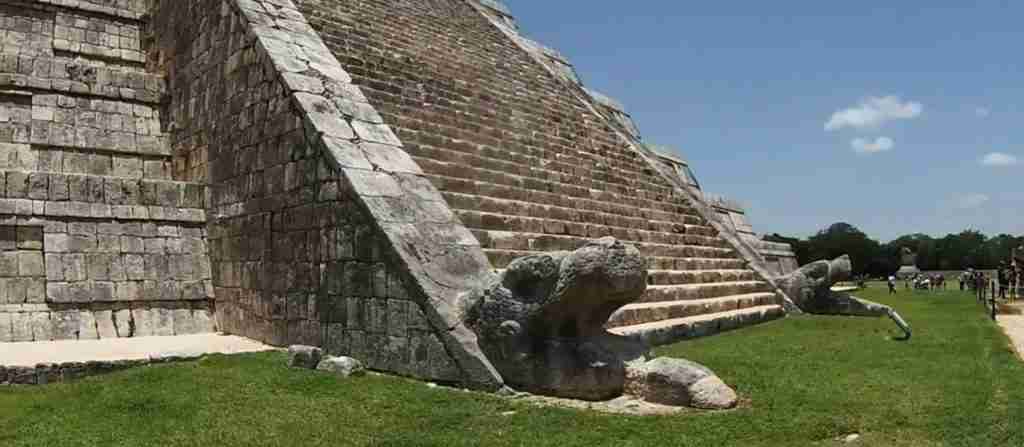
3 days
Chichen Itza 3-Day Discovery Tour
- ✓ Comprehensive Chichen Itza experience
- ✓ Expert local guides included
- ✓ All accommodation included
- ✓ Transportation provided
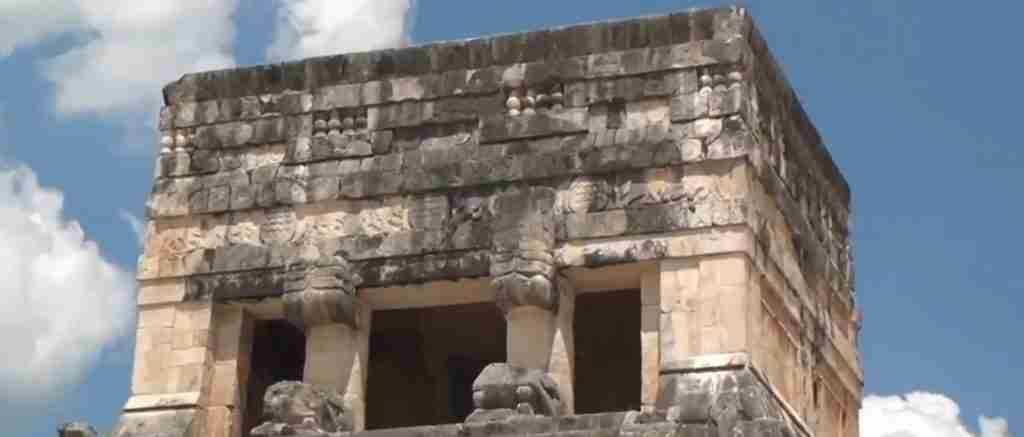
5 days
Chichen Itza 5-Day Highlights Experience
- ✓ Comprehensive Chichen Itza experience
- ✓ Expert local guides included
- ✓ All accommodation included
- ✓ Transportation provided
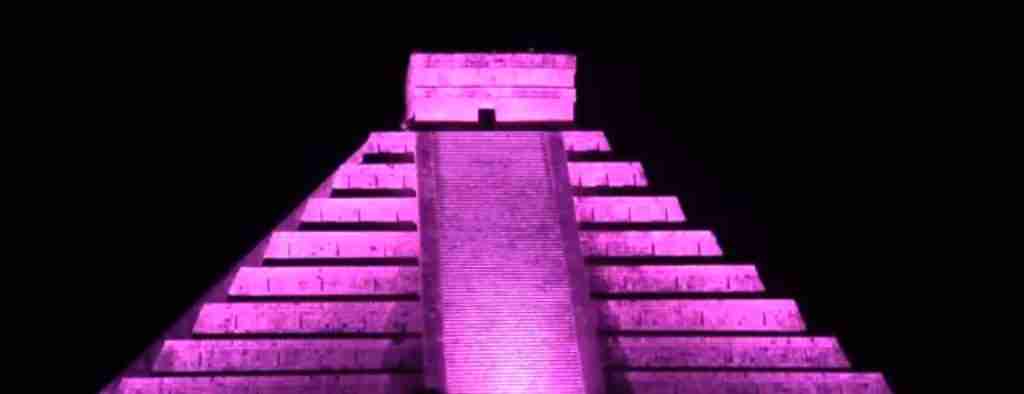
7 days
Chichen Itza 7-Day Cultural Journey
- ✓ Comprehensive Chichen Itza experience
- ✓ Expert local guides included
- ✓ All accommodation included
- ✓ Transportation provided
10 days
Chichen Itza 10-Day Complete Adventure
- ✓ Comprehensive Chichen Itza experience
- ✓ Expert local guides included
- ✓ All accommodation included
- ✓ Transportation provided
Multi-day tour packages powered by TourRadar. Prices and availability subject to change.
Complete Cost Breakdown for 2026 Budget Visits
Entrance Fees and On-Site Costs 2026
Archaeological zone entrance fees in 2026 total 614 pesos ($35) for international visitors, divided between the 242-peso INAH federal charge and 372-peso Yucatan state fee. Ticket purchase occurs at entrance booths accepting cash pesos, credit cards (Visa, Mastercard, American Express), and US dollars at posted exchange rates (typically 16-17 pesos per dollar, inferior to bank rates). Budget travelers should exchange currency at Cancun banks before departure, maximizing pesos received per dollar and avoiding unfavorable on-site exchange rates.
Parking costs 80 pesos ($4.50) for standard vehicles, with designated lots located 400 meters from archaeological zone entrance. The walk from parking to entrance features paved pathways, souvenir vendor corridors, and basic shade coverage from afternoon sun. Budget travelers arriving via bus avoid parking fees entirely, directing these savings toward entrance tickets or meals.
Certified guide services cost 900-1,200 pesos ($50-68) for 2-hour private tours accommodating groups of 1-8 participants. Guides congregate near entrance booths offering services in Spanish, English, French, German, and Italian, with language capability affecting pricing. Budget travelers joining small groups formed at entrance reduce per-person guide costs to $10-15 when splitting fees among 5-8 participants. Self-guided visits using free site maps and smartphone archaeology apps (Smartify, Google Arts & Culture) eliminate guide costs while providing basic monument information and historical context.
Audio guide rentals cost 100 pesos ($5.50) for 90-minute Spanish or English narration covering primary monuments including El Castillo, Great Ball Court, Temple of Warriors, and Sacred Cenote. The devices require 200-peso deposits ($11) refunded upon return, demanding careful equipment protection against loss or damage. Budget groups sharing single audio guide among 2-3 members reduces per-person costs to $2-3, though simultaneous listening proves impractical for groups exploring at different paces.
Restroom facilities at entrance plaza and throughout archaeological zone cost 5 pesos ($0.30) per use, with attendants collecting fees at entrance doors. Budget travelers should plan 2-3 restroom visits during typical 3-hour archaeological exploration, allocating 15 pesos ($0.90) for facilities access. Free water fountains appear near restroom facilities, providing purified water for bottle refills at no cost.
Photography within the archaeological zone remains free for personal use, though tripod permits cost 45 pesos ($2.50) for professional photography requiring equipment setup. Commercial filming demands special permits costing 3,000-8,000 pesos ($170-450) depending on production scale. Budget travelers using smartphones and standard cameras incur no additional photography costs beyond entrance fees.
Transportation Costs to Chichen Itza 2026
ADO bus service from Cancun to Chichen Itza costs 384 pesos ($22) round-trip for second-class buses, representing the budget traveler’s optimal transportation choice balancing cost and convenience. Tickets purchase occurs at Cancun ADO terminal (downtown location near Pemex station on Avenida Uxmal) or online through ADO’s website with 3% booking fee. The terminal sits 4 kilometers from Cancun Hotel Zone, requiring $8-10 taxi ride or R1/R2 public bus ($0.80) adding minimal costs to overall transportation.
First-class ADO buses cost 488 pesos ($28) round-trip, adding $6 for air conditioning, assigned seating, and onboard restrooms. The comfort upgrade proves worthwhile for many budget travelers given 3-hour each-way journey duration and challenging afternoon heat during return trips. Departure flexibility with multiple return options (3:00 PM, 4:30 PM, 6:00 PM) allows extended archaeological zone time without rigid tour schedules.
Colectivo shared vans represent absolute minimum transportation costs at approximately 370 pesos ($21) round-trip, though the approach requires two separate van segments (Cancun-Valladolid, Valladolid-Chichen Itza) with uncertain departure times. Vans depart when filling to capacity (typically 8-12 passengers), creating potential 30-90 minute waits at terminals. Total journey time extends to 4-5 hours each way versus 3 hours via direct ADO buses, making colectivos suitable only for travelers maximizing cost savings over time efficiency.
Rental cars cost $35-55 per day for compact vehicles in 2026, with gasoline adding $25-30 for 400-kilometer round-trip Cancun-Chichen Itza-Cancun routing. Total transportation costs reach $60-85 daily, economical only for groups of 3-4 passengers splitting expenses. The rental approach provides route flexibility for visiting nearby attractions (cenotes, Ek Balam, Valladolid) justifying higher costs for multi-stop itineraries beyond Chichen Itza alone.
Organized tour transportation bundled with entrance fees and guide service costs $89-125 per person, premium pricing compared to independent bus travel but including additional services worth $50-68 (guide, lunch, cenote stops). Budget travelers comfortable with group tours and structured itineraries often find organized options competitive with independent travel when factoring total costs including meals and guide services.
Accommodation Options for Budget Travelers 2026
Pisté village accommodation provides budget-conscious travelers proximity to Chichen Itza at $35-75 per night for clean, basic hotels with essential amenities. The village sits immediately adjacent to the archaeological zone entrance, eliminating transportation costs and allowing early morning arrivals during cooler temperatures and reduced crowds.
Hotel Dolores Alba Chichen, positioned 3 kilometers east of the ruins, charges $35-45 per night for double rooms with air conditioning, private bathrooms, swimming pool access, and complimentary breakfast. The property operates free shuttle service to archaeological zone entrance at 8:30 AM and 11:00 AM, returning at designated afternoon times. Budget travelers gain significant value from included breakfast (saving $8-12 per person) and pool access for post-ruins relaxation.
Piramide Inn in Pisté village center costs $45-55 per night for comparable double room accommodations, adding restaurant, bar, and central location walking distance to village markets and food stalls. The 800-meter walk to archaeological zone entrance takes 10-12 minutes on paved sidewalks, suitable for most travelers and eliminating shuttle timing dependencies. Room rates include breakfast and WiFi, with discounts available for 2+ night stays during shoulder seasons.
Budget hostel accommodations in Pisté start at $12-18 per person for dormitory beds with shared bathrooms, ceiling fans (no air conditioning), and basic breakfast included. Hostels like Hostel Itza and Chichen Itza Hostel target backpackers and ultra-budget travelers prioritizing cost minimization over private space and comfort amenities. The dorm format facilitates meeting fellow budget travelers for guide cost-sharing and transportation coordination.
Valladolid hotels 40 kilometers east provide expanded budget accommodation selection at $35-65 per night, though the distance requires transportation costs ($15-20 colectivo, $8-12 ADO bus) adding to overall expenses. Budget travelers staying in Valladolid access colonial city amenities, diverse restaurant options, and cenote swimming opportunities while using Chichen Itza as day trip from comfortable base accommodations.
Camping near Chichen Itza proves impractical, as the archaeological zone prohibits overnight stays and Pisté village lacks formal campgrounds with security and facilities. Budget travelers seeking camping experiences should investigate Yucatan ecoparks and haciendas offering designated camping areas, though locations require 60-120 kilometer additional travel from Chichen Itza.
Food and Beverage Budget Planning 2026
Strategic meal planning for Chichen Itza budget visits in 2026 balances nutritional needs, convenience, and cost minimization. Archaeological zone restaurants charge premium prices ($18-30 per person for buffet lunch) compared to Pisté village markets and food stalls ($3-8 per meal), creating substantial savings opportunities for flexible budget travelers.
Breakfast in Pisté village costs $3-6 per person at local fondas (basic restaurants) serving traditional Mexican morning meals including eggs, beans, tortillas, and coffee. Budget hotels including breakfast in room rates save $3-6 per person daily, improving overall accommodation value. Travelers should verify breakfast inclusion and quality when booking, as some budget properties offer minimal continental breakfast (coffee, bread) worth $1-2 versus substantial cooked meals worth $5-6.
Archaeological zone restaurant buffet lunch costs $18-22 per person at Las Mestizas and similar facilities, providing extensive selections of traditional Yucatecan cuisine including cochinita pibil, lime soup, and fresh fruit. The air-conditioned dining environment offers heat relief and rest period, though budget travelers paying premium prices should maximize buffet value through generous portions and extended meal times.
Pisté village market lunch provides superior budget alternative at $5-9 per person for substantial meals including main dishes, sides, beverages, and fruit. Markets near the main plaza offer prepared food stalls serving regional specialties, with vendors accommodating custom orders and portion preferences. The market environment lacks air conditioning but provides authentic local dining experiences at one-third archaeological zone restaurant costs.
Street food and mobile vendors throughout Pisté sell tacos ($0.80-1.20), tamales ($1-1.50), tortas (sandwiches $2-3), and fresh fruit cups ($2-3). Budget travelers assembling meals from multiple vendors achieve $3-5 per person costs while experiencing diverse Yucatecan flavors. Vendors operate primarily during morning and early afternoon hours, with reduced selection after 3:00 PM when archaeological zone visitors depart.
Beverage costs accumulate rapidly in tropical heat, with bottled water prices ranging $1-1.50 (small bottles) to $2-3 (large bottles) at archaeological zone vendors. Budget travelers bringing refillable bottles and using free purified water fountains at entrance plaza and restroom facilities eliminate bottled water expenses. Electrolyte powder packets ($0.50-1 each) mixed with purified water provide hydration enhancement during extended sun exposure at minimal cost compared to commercial sports drinks ($2-3 per bottle).
Dinner in Pisté village costs $6-12 per person at family restaurants serving regional cuisine, Mexican standards, and international tourist favorites. Budget travelers should avoid tourist-focused restaurants along Highway 180 charging premium prices ($15-25 per person), instead seeking establishments in residential streets where local families dine. Menu prices posted outside restaurants allow pre-selection of budget-appropriate options before entering.
Sample Budget Itineraries for 2026 Visits
Ultra-Budget Independent Day Trip from Cancun 2026
This ultra-budget itinerary achieves Chichen Itza visits from Cancun at $95-110 per person including all expenses, prioritizing cost minimization while maintaining quality archaeological experience. The approach requires Spanish language capability, comfort with public transportation, and flexibility regarding amenities and convenience.
5:30 AM: Wake and prepare in Cancun hostel dormitory ($18 per night). Light continental breakfast from hostel kitchen using groceries purchased previous day at Walmart ($3-4 for bread, fruit, yogurt).
6:30 AM: Depart hostel via R1 public bus to downtown Cancun ($0.80, 25-minute ride). Walk to ADO bus terminal from R1 stop (10 minutes, free).
7:20 AM: Purchase second-class ADO bus ticket to Chichen Itza at terminal window (192 pesos / $11 one-way). Ticket agents speak limited English; have destination written on paper for clarity.
7:45 AM: Board second-class ADO bus to Chichen Itza. Basic seating without air conditioning, bathroom facilities, or beverage service. Bus stops in Puerto Morelos, Playa del Carmen, Tulum, and Valladolid before final destination.
11:00 AM: Arrival at Chichen Itza bus station, located 2 kilometers from archaeological zone entrance. Walk to entrance on sidewalk (25 minutes) or take colectivo van ($1.50 per person, 5-minute ride). Walking saves money and provides village scenery orientation.
11:30 AM: Purchase archaeological zone entrance ticket at booth (614 pesos / $35). Use credit card to preserve cash pesos for meals and incidentals. Collect free site map and proceed to entrance.
11:45 AM: Begin self-guided tour using free site map and smartphone archaeology apps (Smartify, downloaded with WiFi at hostel). Visit El Castillo, Great Ball Court, Temple of Warriors, and Sacred Cenote over 3.5 hours.
12:30 PM: Lunch break at Pisté village market (walk 15 minutes from archaeological zone). Order complete meal at food stall including main dish, rice, beans, tortillas, and agua fresca beverage ($6-8 per person). Market provides authentic atmosphere and local price points.
1:15 PM: Continue archaeological exploration focusing on Group of a Thousand Columns, Platform of Venus, and Tzompantli. Refill water bottle at free purified fountain near restrooms (5 pesos / $0.30 restroom fee).
3:00 PM: Complete archaeological zone visit. Walk to bus station (25 minutes) or take colectivo van ($1.50). Depart Chichen Itza on second-class ADO bus at 3:30 PM (pre-purchased return ticket).
6:45 PM: Arrival at Cancun ADO terminal. Take R1 public bus back to hostel area ($0.80). Dinner at hostel or nearby budget restaurant in Cancun downtown ($5-8 per person).
Ultra-budget itinerary total: ADO bus $22, entrance $35, market lunch $6-8, restroom $0.30, colectivo $3, dinner $5-8, incidentals $5-10. Total day cost: $76-86 per person plus hostel accommodation $18. Complete trip cost: $94-104 per person.
Standard Budget Organized Tour 2026
This organized tour itinerary balances budget constraints with convenience and comprehensive experience, costing $115-135 per person including transportation, entrance, guide service, and meals. The approach eliminates language barriers and logistics planning while adding moderate premium over independent travel.
7:00 AM: Tour bus pickup from Cancun Hotel Zone accommodations. Climate-controlled vehicle with bathroom facilities, reclining seats, and beverage service included. Group size 25-35 participants with bilingual guide providing route commentary.
10:00 AM: Arrival at Chichen Itza archaeological zone. Guide handles ticket purchase using group rates while passengers use restroom facilities and purchase bottled water from entrance vendors ($1.50 per bottle).
10:30 AM: Guided archaeological tour covering El Castillo, Great Ball Court, Temple of Warriors, Sacred Cenote, and Group of a Thousand Columns. Guide provides historical context, architectural details, and Maya civilization information. Duration: 2 hours including photography stops and question sessions.
12:30 PM: Buffet lunch at archaeological zone restaurant included in tour package. Air-conditioned dining with extensive Yucatecan cuisine selections, beverages (non-alcoholic), and dessert. Dietary restrictions accommodated with advance notice.
1:30 PM: Free time for independent archaeological zone exploration, souvenir shopping at entrance plaza vendors, or additional photography. Many tour participants rest in shaded areas or return to air-conditioned bus.
2:00 PM: Depart Chichen Itza for cenote swimming stop. Travel to Cenote Ik Kil (4 kilometers, 10-minute drive). Cenote entrance included in tour package, with 45 minutes swimming time, changing facilities access, and life jacket rental.
3:00 PM: Depart cenote for return journey to Cancun. Brief stop in Valladolid for colonial plaza photography and souvenir shopping (optional, 20 minutes).
6:00 PM: Arrival back at Cancun Hotel Zone accommodations. Evening free for dinner at hotel or nearby restaurants.
Budget organized tour total: Tour package $115-125, bottled water $3-5, souvenir budget $10-20 (optional), tips for guide and driver $10-15 (customary). Total day cost: $138-165 per person (excluding accommodation $45-75 for Cancun budget hotel).
Two-Day Budget Exploration with Pisté Accommodation 2026
This extended itinerary allows relaxed Chichen Itza exploration combined with nearby attractions, costing $185-225 per person for two days including overnight accommodation in Pisté village. The multi-day approach eliminates rushed single-day time pressures while distributing costs across extended experience.
Day 1:
7:30 AM: Depart Cancun on first-class ADO bus (244 pesos / $14 one-way). Air-conditioned travel with bathroom facilities and assigned seating. Three-hour journey with minimal stops.
10:30 AM: Arrival at Chichen Itza bus station. Walk to Hotel Dolores Alba (3 kilometers, 35 minutes) or take colectivo van ($2). Check into budget hotel room ($35-45 per night including breakfast and pool access).
11:30 AM: Lunch at hotel restaurant or Pisté village market ($6-10). Rest during peak midday heat, use hotel pool, or explore village markets and craft shops.
2:00 PM: Archaeological zone visit during late afternoon hours (cooler temperatures, reduced crowds). Purchase entrance ticket (614 pesos / $35) and begin self-guided exploration with free map or join guide group forming at entrance ($10-12 per person when splitting costs among 6-8 participants).
2:30 PM – 5:00 PM: Comprehensive archaeological zone exploration covering all major monuments and secondary areas. Extended photography during optimal late-afternoon lighting. Refill water bottle at free fountains, use restrooms ($0.30 per visit).
5:00 PM: Return to hotel for pool relaxation and rest before dinner. Many budget hotels provide towels and pool access until 7:00 PM.
7:00 PM: Dinner at Pisté village restaurant ($8-12 per person). Traditional Yucatecan cuisine in family-run establishments with local atmosphere and budget pricing.
Day 1 costs: ADO bus $14, hotel (half of 2-night rate) $18-23, lunch $6-10, entrance $35, guide share $10-12, restrooms $1, dinner $8-12. Total: $92-107 per person (excluding accommodation).
Day 2:
7:00 AM: Hotel breakfast included in room rate (save $5-6). Early start for day trip to Ek Balam archaeological zone and Cenote X’Canche.
8:00 AM: Depart for Ek Balam via colectivo van from Pisté to Valladolid (60 pesos / $3.50), then second colectivo Valladolid to Ek Balam (60 pesos / $3.50). Total travel time approximately 90 minutes.
9:30 AM: Ek Balam entrance fee 236 pesos ($13.50) for this less-visited but spectacular archaeological site. Visitors can climb the main Acropolis pyramid, prohibited at Chichen Itza. Self-guided exploration 90-120 minutes.
11:30 AM: Walk to nearby Cenote X’Canche (1.5 kilometers, 20 minutes on paved path). Cenote entrance 140 pesos ($8) including changing facilities, swimming access, and hammock relaxation areas. Swimming and lunch at cenote restaurant ($8-12 per person).
2:00 PM: Return to Ek Balam entrance via walking or bicycle rental (included in cenote entrance). Catch colectivo back to Valladolid, then Pisté.
4:00 PM: Return to hotel for final pool time, packing, and checkout. Brief walk through Pisté village for last-minute souvenir shopping at local prices.
5:30 PM: Dinner at village restaurant ($8-12 per person). Walk to bus station for evening ADO departure.
6:30 PM: Board first-class ADO bus to Cancun (244 pesos / $14). Arrival Cancun approximately 9:30 PM.
Day 2 costs: Breakfast included, colectivos $14, Ek Balam entrance $13.50, cenote $8, lunch $8-12, dinner $8-12, ADO return $14. Total: $65-74 per person.
Two-day itinerary total: Day 1 $92-107, Day 2 $65-74, hotel accommodation $35-45. Complete two-day cost: $192-226 per person.
Advanced Money-Saving Strategies for 2026
Seasonal Timing Optimization 2026
Strategic seasonal selection for Chichen Itza visits in 2026 creates 30-50% cost savings on accommodation and tour packages compared to peak winter periods, while archaeological zone entrance fees remain constant year-round. Understanding Yucatan Peninsula tourism seasonality allows budget travelers to time visits during value windows offering reduced costs without sacrificing experience quality.
Peak season (December-April) features highest prices across all tourism sectors, with Pisté hotel rates reaching $65-95 per night compared to $35-55 during shoulder periods. Tour operators charge premium rates during Christmas holidays, New Year’s week, and Easter period, adding $20-35 per person to standard packages. Budget travelers visiting during peak season sacrifice significant savings compared to strategic shoulder season timing.
Shoulder seasons (May-June, September-November) provide optimal budget value with 40-50% hotel discounts, tour operator promotions, and reduced overall visitor volumes creating more comfortable archaeological zone experiences. May-June temperatures remain hot (32-35°C midday) but manageable during morning hours, while September-November brings increased rain probability requiring flexible planning around afternoon thunderstorms. Budget travelers comfortable with weather variability realize substantial savings during these periods.
Low season (July-August) coincides with North American and European summer vacations, creating moderate tourism demand that sustains higher prices than shoulder periods despite challenging weather (high heat, humidity, frequent rain). Budget advantages prove minimal compared to May-June or September-November timing, making low season less attractive for cost-conscious planning.
Specific date optimization within seasons creates additional savings opportunities. Midweek visits (Monday-Thursday) generate 10-15% lower tour package costs compared to weekend departures, as operators incentivize weekday bookings during slower periods. Budget travelers with flexible schedules should target Wednesday departures achieving maximum weekday discounts while avoiding Monday operator transitions and Thursday pre-weekend demand increases.
Holiday avoidance proves essential for budget optimization. Mexican national holidays including Semana Santa (Easter week), Dia de Muertos (early November), and Christmas-New Year period create 50-80% price increases across accommodations and tours. Budget travelers planning around these periods achieve substantial savings while encountering reduced crowds at archaeological zones when Mexican domestic tourism decreases.
Group Travel and Cost-Sharing 2026
Group travel strategies for Chichen Itza visits in 2026 distribute fixed costs across multiple participants, reducing per-person expenses for transportation, guide services, and accommodation. Budget travelers forming groups of 4-6 participants realize 25-40% cost savings compared to solo travel while maintaining quality experiences.
Private guide costs of 900-1,200 pesos ($50-68) for 2-hour services divide efficiently among groups, reducing per-person expenses from full amount to $10-14 when sharing among five participants. Budget travelers forming guide groups at archaeological zone entrance negotiate with waiting guides, creating impromptu cost-sharing arrangements. Solo travelers should approach other visitors during ticket purchase or entrance queue, proposing guide sharing to reduce individual costs.
Rental vehicle expenses divide favorably across groups, with compact car costs of $35-55 daily plus $25-30 gasoline splitting to $15-20 per person among four participants. The group approach proves economical compared to $22-28 per person ADO bus costs while adding route flexibility for cenote visits, Valladolid exploration, and Ek Balam excursions. Groups should designate one member as primary driver familiar with Mexico driving regulations and comfortable navigating rural Yucatan highways.
Accommodation sharing through double-occupancy rooms or vacation rental properties creates substantial per-person savings. Budget hotels charging $45-55 per night for double rooms reduce costs to $23-28 per person compared to $35-45 for solo travelers requiring private rooms. Airbnb properties and vacation rentals in Pisté sleep 4-6 guests at $80-120 per night ($20-30 per person), offering kitchen facilities enabling additional meal cost savings through grocery shopping and self-catering.
Tour package group discounts appear for bookings of 6+ participants, with operators offering 10-15% reductions from standard per-person rates. Budget travel groups should contact operators directly rather than booking through third-party platforms, negotiating group rates and customized itineraries meeting specific timing and activity preferences. Groups demonstrate booking commitment through partial deposits (20-30% of total cost), securing operator agreement to discounted pricing.
Alternative Archaeological Sites for Budget Stretching 2026
Budget-conscious travelers can extend Yucatan archaeological experiences by combining Chichen Itza with less-visited Maya sites offering comparable historical significance at reduced entrance costs. Strategic multi-site itineraries provide diverse architectural exposure while distributing entrance fees across expanded experiences, improving overall budget value.
Ek Balam archaeological zone charges 236 pesos ($13.50) entrance compared to Chichen Itza’s 614 pesos, providing 61% cost savings while offering unique architectural features including detailed stucco friezes and climb-able pyramids. The site receives far fewer visitors (200-400 daily versus 8,000+ at Chichen Itza), creating peaceful exploration atmosphere and superior photography opportunities without crowd management. Budget travelers allocating one day to Chichen Itza and one day to Ek Balam achieve diverse Maya civilization understanding at combined entrance costs of $48.50 versus $70 for two Chichen Itza visits.
Coba archaeological site located 100 kilometers east of Chichen Itza charges 390 pesos ($22) entrance, featuring the Yucatan’s tallest pyramid (Nohoch Mul at 42 meters) with climbing access. The site’s jungle setting and bicycle rental system ($3-4 for navigating the extensive grounds) create adventure atmosphere contrasting Chichen Itza’s manicured presentation. Budget travelers combining Coba with Chichen Itza gain pyramid climbing experiences and diverse architectural contexts at combined entrance costs lower than two Chichen Itza admissions.
Tulum archaeological zone with Caribbean seaside setting costs 470 pesos ($27) entrance, providing coastal Maya architecture and beach access following ruins exploration. The proximity to Cancun and Playa del Carmen (1-2 hour travel time) makes Tulum easily accessible for budget travelers using public ADO buses, with combined Chichen Itza-Tulum itineraries achieving comprehensive Maya civilization understanding across diverse geographical contexts.
Uxmal UNESCO World Heritage site 120 kilometers west of Chichen Itza charges 461 pesos ($26) entrance, showcasing Puuc architectural style distinct from Chichen Itza’s Maya-Toltec influences. The site’s Pyramid of the Magician and Governor’s Palace represent pinnacle achievements of Classic Maya architecture, with significantly fewer tourists compared to Chichen Itza. Budget travelers basing operations in Merida access Uxmal via ADO buses or colectivos, combining visits with Kabah, Sayil, and Labna archaeological zones along the Puuc Route for comprehensive architectural study at cumulative entrance costs below multiple Chichen Itza admissions.
Budget Accommodation Deep Dive 2026
Pisté Village Budget Hotels Compared 2026
Pisté village’s budget hotel landscape in 2026 offers diverse options balancing cost, amenities, and proximity to Chichen Itza. Understanding specific property features, included services, and booking strategies allows informed accommodation selection maximizing budget value.
Hotel Dolores Alba Chichen represents the budget category benchmark at $35-45 per night for double rooms. The property includes substantial breakfast (worth $8-10 per person), swimming pool access, free shuttle service to archaeological zone, and secure parking. Rooms feature air conditioning (essential in tropical climate), private bathrooms with hot water, ceiling fans, and basic but functional furnishings. The hotel’s location 3 kilometers east of ruins provides quiet atmosphere removed from main highway traffic and vendor concentration near archaeological zone entrance.
Booking directly through hotel phone (+52-985-858-1555) or email avoids third-party platform fees, typically saving $5-8 per night compared to Booking.com or Expedia rates. The hotel offers multi-night discounts (10% for 3+ nights), valuable for travelers planning extended Yucatan exploration based from Pisté. Advance booking 2-4 weeks recommended during high season (December-April), while shoulder season allows walk-in bookings with room availability typical.
Piramide Inn in central Pisté charges $45-55 per night with comparable amenities but superior central village location. The property sits within walking distance of markets, restaurants, and pharmacy, eliminating dependency on hotel restaurants or shuttle timing. Rooms feature air conditioning, private bathrooms, WiFi, and satellite television. The included breakfast provides lighter continental options (coffee, bread, fruit) compared to Dolores Alba’s substantial cooked meals, worth $4-5 per person.
The central location’s 800-meter walk to archaeological zone entrance appeals to budget travelers preferring independence and morning exercise over shuttle dependency. The walk requires 10-12 minutes on sidewalks, manageable for most visitors and providing village atmosphere orientation. Early morning walkers (7:30-8:00 AM) enjoy cooler temperatures and peaceful village streets before tourist activity peaks.
Villas Arqueologicas Chichen Itza occupies the mid-range category at $85-110 per night, featuring colonial architecture, restaurant, bar, swimming pool, and archaeological zone proximity (300 meters). Budget travelers find limited value in the premium pricing compared to Pisté village hotels, as the convenience advantage proves minimal for the 500-800 meter additional distance to ruins entrance. The property targets travelers prioritizing ambiance and amenities over budget optimization.
Hostel accommodations including Hostel Itza and Chichen Itza Hostel charge $12-18 per person for dormitory beds with shared bathrooms, ceiling fans, and basic breakfast. The dorm format suits solo budget travelers and backpackers comfortable with communal sleeping arrangements and shared facilities. Private room options at hostels cost $35-45 per night, comparable to budget hotel pricing but typically offering inferior amenities (no air conditioning, shared bathrooms, limited privacy).
Hostel advantages include social atmosphere facilitating travel companion connections for guide cost-sharing and transportation coordination. Many budget travelers form groups at hostels for next-day archaeological zone visits, splitting guide fees and organizing shared colectivo transportation. The hostels provide common areas, kitchen facilities for self-catering, and travel information from experienced staff and fellow guests.
Valladolid as Budget Base Alternative 2026
Valladolid city located 40 kilometers east of Chichen Itza provides expanded budget accommodation options, colonial charm, and central positioning for multi-site Yucatan archaeological exploration. Budget travelers basing in Valladolid access superior restaurant variety, cenote swimming opportunities, and authentic Mexican city atmosphere while maintaining proximity to Chichen Itza for day trips.
Budget hotel options in Valladolid start at $35-45 per night for clean double rooms with air conditioning and private bathrooms. Properties like Hotel Zaci, Hotel San Clemente, and Hotel Maria de la Luz offer colonial architecture, central plaza locations, and included breakfast. The colonial setting provides evening entertainment including plaza concerts, street food vendors, and cultural events absent in tourism-focused Pisté village.
Transportation from Valladolid to Chichen Itza costs 60-80 pesos ($3.50-4.50) via colectivo vans departing regularly from Valladolid’s second-class bus station. Vans fill to capacity before departing, creating potential 20-45 minute waits during slower periods. ADO buses from Valladolid to Chichen Itza cost 120 pesos ($7) with fixed schedules and air-conditioned comfort, departing at 8:30 AM and 10:00 AM daily.
The Valladolid base strategy suits budget travelers planning multi-day Yucatan exploration including Ek Balam (30 kilometers north), Cenote X’Canche, Cenote Zaci (within city), and Rio Lagartos flamingo reserve (100 kilometers north). The central positioning reduces accumulated transportation costs compared to Cancun-based itineraries requiring 180-200 kilometer journeys for each archaeological site visit.
Meal costs in Valladolid run 20-30% lower than Pisté village due to local market dynamics and reduced tourism price inflation. Budget travelers access authentic Yucatecan cuisine at market fondas charging $3-6 per meal, with street food vendors offering tacos, tamales, and regional specialties at $0.80-1.50 per item. The city’s supermarkets (Bodega Aurrera, Chedraui) provide grocery shopping for travelers preparing own meals at hostel or vacation rental properties.
Valladolid’s cenotes including Zaci, Dzitnup (X’keken), and Samula offer budget recreation with entrance fees of 80-120 pesos ($4.50-7) including swimming access, changing facilities, and sometimes rental equipment. Budget travelers incorporating cenote swimming into daily itineraries reduce entertainment and activity costs compared to organized tour cenote stops charging premium prices.
Practical Budget Tips for 2026
Currency and Payment Strategy 2026
Strategic currency management for Chichen Itza budget visits in 2026 maximizes purchasing power through favorable exchange rates, payment method selection, and cash versus card usage optimization. Understanding Mexican peso dynamics and regional payment preferences allows informed financial planning reducing unnecessary currency exchange losses and transaction fees.
Exchange rates in 2026 fluctuate around 17-18 pesos per US dollar at official exchange offices, with rates varying significantly by exchange location and timing. Cancun airport currency exchange counters offer poorest rates (typically 15-16 pesos per dollar), extracting 10-15% premium from travelers exchanging currency immediately upon arrival. Budget travelers should exchange only minimum amounts at airport ($20-40 for taxi and immediate needs), conducting primary exchange at city banks offering superior rates.
Banks in Cancun downtown, Playa del Carmen, and Merida provide exchange rates approaching official market rates (17-18 pesos per dollar), charging minimal commissions (0-3% of transaction value). Major banks including BBVA, Santander, and Banamex accept foreign currency exchange with passport presentation, processing transactions in 15-30 minutes. Budget travelers should exchange currency early in trip during initial city visits, avoiding last-minute airport exchange at unfavorable rates before departure.
ATM cash withdrawals at Mexican banks cost $4-7 per transaction in foreign transaction fees from US banks, plus peso withdrawal amounts calculating against mid-market exchange rates (typically 17.5-18 pesos per dollar). Budget travelers minimizing withdrawal frequency through larger single withdrawals (5,000-8,000 pesos / $280-450) reduce per-peso fee percentages. Maximum withdrawal limits vary by Mexican bank (typically 5,000-10,000 pesos per transaction), requiring advance research on ATM networks providing highest limits.
Credit card acceptance at Chichen Itza archaeological zone includes entrance ticket booths, on-site restaurants, and larger souvenir shops, though many small vendors and market food stalls operate cash-only. Cards processing international transactions charge foreign transaction fees (0-3% depending on card issuer), making cards economical for large purchases (entrance tickets, hotel bills) while cash proves preferable for small transactions (meals, souvenirs, transportation).
Budget travelers should carry mixed payment methods including pesos cash for small purchases, US dollars as backup currency (accepted at many tourism establishments at unfavorable exchange rates), and credit cards for emergency situations and larger expenses. The strategy balances exchange rate optimization, transaction fee minimization, and payment flexibility across diverse vendor types.
Communication and Data Management 2026
Effective communication planning for Chichen Itza budget visits in 2026 addresses mobile phone service, internet access, and language capabilities affecting coordination, navigation, and information access during archaeological exploration. Strategic communication preparation enhances trip quality while controlling costs associated with international roaming, data usage, and translation services.
International mobile phone roaming charges for US carriers visiting Mexico range $5-10 per day for unlimited talk, text, and data access. Budget travelers planning multi-day Yucatan trips face accumulated roaming fees of $25-70 for 5-7 day visits, making Mexican SIM card purchase economically attractive alternative. Telcel and AT&T Mexico prepaid SIM cards cost 100-150 pesos ($6-9) with 2-3GB data, unlimited domestic calls and texts, suitable for trip duration requirements.
SIM card activation requires unlocked phones and passport presentation at carrier stores in Cancun, Playa del Carmen, Merida, or Valladolid. Budget travelers purchasing SIM cards at arrival city save roaming charges throughout trip, accessing Google Maps navigation, WhatsApp communication with tour operators and hotels, and real-time archaeological site information through smartphone apps.
WiFi availability at budget hotels, hostels, and restaurants throughout Pisté village and Valladolid provides free internet access for travelers without mobile data plans. Budget travelers can download offline maps, archaeological site guides, and translation apps while connected to hotel WiFi before departure, reducing dependency on continuous data connectivity during site visits. Google Maps offline download for Yucatan Peninsula requires approximately 500MB storage, providing comprehensive navigation without active internet connection.
Translation apps including Google Translate, Microsoft Translator, and iTranslate offer offline operation after downloading Spanish language packs (100-200MB each). Budget travelers without Spanish skills benefit from offline translation capability during market shopping, menu reading, and basic communication with service providers. The apps provide camera-based text translation (menus, signs) and voice-to-voice conversation support, though accuracy limitations require patience and context understanding.
Archaeological site information apps including Smartify and Google Arts & Culture provide free historical context, monument descriptions, and audio guide functionality. Budget travelers using these apps save $5-6 per person on official audio guide rentals while accessing comparable information depth. The apps require app download and content caching during WiFi connectivity, functioning offline during archaeological zone exploration where cellular coverage proves inconsistent.
Frequently Asked Questions: Chichen Itza Budget Travel 2026
Can you visit Chichen Itza for free in 2026?
Chichen Itza offers free entrance every Sunday for Mexican residents presenting official residency documentation, and for all children under age 13 worldwide with identification proving eligibility. International adult visitors pay standard 614-peso ($35) entrance fees on Sundays with no free admission exceptions. Several Mexican national holidays feature free entrance for all visitors, though these dates change annually and require verification through official INAH announcements before travel planning. Mexican residents on Sundays still pay the 372-peso Yucatan state fee despite federal INAH fee waiver, making entrance partially free rather than completely free.
Is it cheaper to visit Chichen Itza independently or with a tour in 2026?
Independent Chichen Itza visits via ADO buses cost $95-110 per person for complete day trips from Cancun including round-trip transportation ($22-28), entrance ($35), meals ($12-18), and incidentals. Organized budget tours cost $115-135 per person including transportation, entrance, guide service, and often buffet lunch. Independent travel saves $5-25 per person while requiring Spanish language skills, comfort with public transportation, and self-guided archaeological exploration. Organized tours provide convenience, bilingual guides, and hassle-free logistics worth the minimal cost premium for many budget travelers. The cost difference proves marginal, making the decision dependent on language capability and independence preference rather than significant budget considerations.
What is the best budget accommodation near Chichen Itza in 2026?
Hotel Dolores Alba Chichen provides optimal budget value at $35-45 per night including substantial breakfast, swimming pool access, free archaeological zone shuttle service, and air-conditioned double rooms with private bathrooms. The included breakfast saves $8-10 per person daily, while shuttle service eliminates transportation costs to ruins entrance. Piramide Inn in central Pisté offers similar pricing ($45-55 per night) with superior village location for travelers preferring walkable access to markets and restaurants. Hostel dormitory beds cost less ($12-18 per person) but provide minimal privacy and comfort compared to budget hotel private rooms. Valladolid hotels provide expanded options at comparable prices ($35-65 per night) with colonial atmosphere and central positioning for multi-site Yucatan exploration.
How much money should I budget for food at Chichen Itza in 2026?
Budget food costs for Chichen Itza visits range $12-25 per person daily depending on meal location choices and dining style. Archaeological zone restaurant buffet lunch costs $18-22 per person, while Pisté village market meals cost $3-8 per meal. Budget travelers eating all meals at village markets and street food vendors spend $12-18 daily including breakfast ($3-6), lunch ($5-9), and dinner ($6-12). Bringing snacks, water bottles, and energy bars from grocery stores reduces on-site food purchases, lowering daily costs to $8-12 for single archaeological zone meal plus supplemental provisions. Archaeological zone bottled water costs $1.50-3 per bottle (4-5 bottles needed for 3-4 hour visits in tropical heat), adding $6-15 to beverage costs unless travelers bring refillable bottles and use free purified water fountains.
Are credit cards or cash better for budget travel at Chichen Itza in 2026?
Mixed payment strategy using pesos cash for small purchases and credit cards for large expenses optimizes budget travel finances at Chichen Itza in 2026. Credit cards work at archaeological zone entrance ticket booths, on-site restaurants, and premium hotels, charging foreign transaction fees of 0-3% depending on card issuer. Pesos cash proves essential for market meals ($3-8), street food purchases ($0.80-3), colectivo transportation ($1.50-4), small vendor souvenirs, and budget hotel payments. Budget travelers should carry 2,000-3,000 pesos ($110-170) in cash for 2-day Chichen Itza trips, using credit cards primarily for entrance tickets, organized tour payments, and emergency situations. Exchange pesos at Cancun or Merida banks providing superior rates (17-18 pesos per dollar) compared to archaeological zone vendors or hotel cashiers (15-16 pesos per dollar).
What hidden costs should budget travelers expect at Chichen Itza in 2026?
Hidden costs at Chichen Itza in 2026 include restroom fees (5 pesos / $0.30 per use, totaling $1-2 for multiple visits), parking (80 pesos / $4.50 for vehicles), bottled water consumption ($6-15 for 4-5 bottles during 3-4 hour visits), guide tips (50-100 pesos / $3-6 per person for group tours), and souvenir vendor persistence potentially leading to unplanned purchases. Budget travelers should allocate $15-25 per person for incidental expenses beyond entrance fees and planned meals. Colectivo transportation between bus stations and archaeological zones costs additional $3-6 round-trip if avoiding 2-kilometer walks. Archaeological zone audio guides require 200-peso ($11) deposits refunded upon return, temporarily reducing available cash if paying entrance, meals, and incidentals entirely in cash. Tour packages including “all entrance fees” sometimes exclude optional cenote swimming ($8-12) or Valladolid attraction tickets, creating surprise costs for travelers expecting comprehensive inclusion.
How do budget hostels near Chichen Itza compare to budget hotels in 2026?
Budget hostels near Chichen Itza charge $12-18 per person for dormitory beds with shared bathrooms, ceiling fans, and basic breakfast, saving $17-27 compared to $35-45 budget hotel private rooms. Hostels provide social atmosphere facilitating guide cost-sharing and travel companion connections, valuable for solo budget travelers seeking group formation for archaeological zone visits. The dorm format sacrifices privacy, air conditioning, and personal bathroom access, making hostels suitable primarily for backpackers and ultra-budget travelers comfortable with communal living arrangements. Hostel private rooms cost $35-45 per night, comparable to budget hotel pricing but typically offering inferior amenities including shared bathrooms, no air conditioning, and less soundproofing. Budget travelers prioritizing cost minimization over comfort choose hostel dorms, while those valuing privacy and amenities find budget hotels provide superior value despite $17-27 higher costs.
Can you negotiate prices with vendors at Chichen Itza in 2026?
Souvenir vendors at Chichen Itza entrance plaza and throughout nearby Pisté village expect negotiation in 2026, with initial asking prices typically 50-100% above minimum acceptable amounts. Budget travelers politely negotiating can achieve 30-50% discounts on handicrafts, textiles, and ceramic items, though aggressive haggling proves counterproductive and culturally inappropriate. Effective negotiation begins with browsing multiple vendors to establish price ranges, followed by friendly conversation showing genuine interest before discussing prices. Vendors respond positively to Spanish language attempts and respectful engagement, offering better discounts to courteous customers versus demanding negotiators. Archaeological zone entrance fees, restaurant meals, transportation fares, and hotel rates prove non-negotiable in 2026, with posted prices representing fixed amounts. Market food stalls in Pisté sometimes reduce portions or add extras in response to friendly regular customers, though direct price negotiation on prepared meals rarely succeeds.
What is the cheapest month to visit Chichen Itza in 2026?
September represents the cheapest month for Chichen Itza visits in 2026, with hotel rates dropping 40-50% from peak season levels, tour operators offering promotional discounts, and reduced overall visitor volumes. Pisté budget hotels charge $35-45 per night in September compared to $65-95 during December-March peak season, while organized tours drop from $125 to $95-105 per person with advance booking. September falls within rainy season with afternoon thunderstorm probability around 60%, requiring flexible planning and weather contingency strategies. Morning archaeological zone visits (8:00 AM-1:00 PM) typically conclude before afternoon rain development, making early departures from Cancun (6:00-7:00 AM) essential for September trips. May, October, and early November provide comparable value to September with slightly reduced rain probability (40-50%), suiting budget travelers preferring marginal weather improvement over absolute minimum costs.
How much should I tip guides and drivers at Chichen Itza in 2026?
Customary tipping for Chichen Itza organized tours in 2026 includes 50-100 pesos ($3-6) per person for guides and 30-50 pesos ($2-3) per person for drivers on full-day excursions. Private guides hired independently receive 100-150 pesos ($6-9) tips for exceptional 2-hour services, while basic competent service warrants 50-80 pesos ($3-5). Budget travelers on ultra-budget independent trips skip guide services entirely, eliminating tipping expectations. Organized tour groups typically collect tips from all participants, pooling amounts for presentation to guides and drivers before tour conclusion. Budget travelers should budget 80-150 pesos ($5-9) per person for combined guide and driver tips on organized tours, with amounts adjusting based on service quality and tour duration. Restaurant service at archaeological zone and Pisté village establishments does not expect tips, as service charges include in meal prices, though rounding bills up 10-20 pesos proves appreciated for exceptional service.