
Chichen Itza 3-Day Itinerary 2026: First-Time Visitor Guide
Key Takeaways
- Three-day exploration combining Chichen Itza with Valladolid colonial architecture and nearby Maya sites creates comprehensive Yucatan cultural experience for €280-420 per person (excluding accommodation)
- Chichen Itza entry costs 614 Mexican pesos (approximately €28-30) in 2026, with early arrival (8:00 AM opening) providing 90+ minutes before major crowd arrivals
- Valladolid offers authentic colonial town experience 42 kilometers from Chichen Itza with mid-range hotels at €40-65 per night, superior value compared to tourist-focused Pisté
- Cenote swimming experiences range €5-15 per entry depending on facilities and accessibility, with Cenote Ik Kil (3 km from Chichen Itza) providing convenient post-ruins refreshment
- Ek Balam archaeological site (26 km from Valladolid) preserves exceptional stucco sculptures and allows pyramid climbing, offering intimate Maya archaeology experience with minimal crowds
- Self-drive rental car (€30-45 per day) provides maximum flexibility for three-day regional exploration, while organized tours from Cancún/Playa del Carmen cost €65-95 per person for single-day Chichen Itza visits
Planning Your First Chichen Itza Visit in 2026
A three-day itinerary centered on Chichen Itza provides first-time visitors with comprehensive exposure to Yucatan Peninsula cultural treasures while avoiding the rushed single-day tour experience that dominates mass tourism patterns. This extended exploration enables thorough archaeological site coverage, authentic colonial town immersion, cenote swimming in sacred Maya water sources, and discovery of lesser-known Maya ruins that reveal the Yucatan’s extraordinary archaeological density. The three-day framework balances structured site visits with flexible timing that accommodates individual interests and energy levels.
The strategic base location for this itinerary is Valladolid, a colonial town 42 kilometers east of Chichen Itza that offers authentic Mexican cultural experience, excellent dining options, affordable accommodation, and central positioning for accessing multiple archaeological sites and natural attractions. Valladolid’s compact historic center enables walking exploration of 16th-century Spanish colonial architecture, indigenous markets, and neighborhood cenotes, creating a complete travel experience beyond archaeological tourism. The town receives fewer international tourists than coastal resorts, maintaining authentic character while providing quality tourist infrastructure including hotels, restaurants, and tour services.
This three-day itinerary assumes arrival in Valladolid during late afternoon/evening of Day 0 (arrival day), followed by three full days of exploration, with departure on the morning of Day 4. The timing provides three complete days for activities while accommodating travel logistics from Cancún International Airport (160 km from Valladolid) or other Yucatan entry points. Alternative itinerary variations accommodate different arrival/departure schedules, with flexible day-ordering that adapts to weather conditions, personal energy levels, and specific interests.
Budget planning for this three-day itinerary ranges €280-420 per person for activities, meals, and local transportation (excluding accommodation and long-distance travel to/from Yucatan). Mid-range travelers selecting quality dining options, guided tours, and rental car transportation reach the higher budget range, while budget-conscious visitors utilizing public buses, self-guided exploration, and economical meal choices maintain lower costs. Accommodation adds €120-195 for three nights in Valladolid mid-range hotels, creating total three-day costs of €400-615 per person for a comprehensive first-time Yucatan cultural experience.
People Also Ask About Chichen Itza 3-Day Itineraries 2026
Is three days enough time to explore Chichen Itza and surrounding areas in 2026?
Three days provides ideal duration for first-time visitors to experience Chichen Itza comprehensively while discovering the Yucatan’s cultural and natural diversity beyond a single archaeological site. Day 1 dedicates 4-5 hours to thorough Chichen Itza exploration including both famous monuments and peripheral structures, followed by afternoon cenote swimming and Valladolid town orientation. Day 2 explores Valladolid’s colonial architecture, neighborhood cenotes, and indigenous markets, creating cultural immersion unavailable at archaeological sites. Day 3 visits Ek Balam ruins and additional cenotes, revealing the Yucatan’s archaeological richness beyond Chichen Itza. This three-day structure prevents the exhaustion and superficial coverage inherent in rushed single-day tours while remaining achievable within typical vacation schedules. Extended stays of 4-5 days enable additional destinations like Cobá archaeological site, Rio Lagartos flamingo colony, or Isla Holbox beaches, though three days captures the essential Yucatan cultural experience.
What is the total cost for a 3-day Chichen Itza trip in 2026?
Budget planning for three days in the Chichen Itza region ranges €400-615 per person including all activities, meals, local transportation, and accommodation. Entry fees total €50-65 (Chichen Itza €28-30, Ek Balam €10-12, cenotes €15-25 combined). Meals cost €75-135 for nine meals depending on restaurant selection and alcohol consumption. Local transportation ranges €90-135 (rental car €30-45 daily for three days, or organized tours €65-95 per person for single-day Chichen Itza visit plus local buses €15-25 for other days). Accommodation costs €120-195 for three nights in Valladolid mid-range hotels (€40-65 per night). Additional expenses include bottled water, snacks, souvenirs, and tips totaling €30-50. Budget travelers maintaining lower-cost choices throughout achieve €400-450 total, while mid-range comfort preferences reach €550-615. These costs exclude long-distance transportation to/from Cancún or other arrival points in Yucatan Peninsula. Check current exchange rates as Mexican peso fluctuations affect costs for international visitors.
Should you stay in Valladolid or Pisté for visiting Chichen Itza in 2026?
Valladolid provides superior accommodation value, dining quality, and cultural experience compared to Pisté, despite being 42 kilometers from Chichen Itza versus Pisté’s 2-kilometer proximity. Valladolid offers dozens of hotel options ranging €40-65 per night for quality mid-range properties with colonial architecture, swimming pools, and authentic Mexican character. The town’s restaurant scene includes traditional Yucatecan cuisine at €8-18 per meal in atmospheric settings. Valladolid’s colonial center, neighborhood cenotes, and local markets create engaging evening and afternoon activities beyond archaeological tourism. Pisté functions primarily as a tourist service village with limited dining options, higher prices for comparable quality, and minimal cultural appeal beyond Chichen Itza proximity. The 42-kilometer drive from Valladolid to Chichen Itza takes 35-45 minutes on excellent highway 180, easily manageable for 8:00 AM site opening arrival. Early morning departures (7:00-7:15 AM) from Valladolid enable beating tour bus arrivals while maintaining superior accommodation and dining throughout your stay.
What is the best day-by-day order for a 3-day Chichen Itza itinerary in 2026?
The optimal sequence dedicates Day 1 to Chichen Itza archaeological site exploration (4-5 hours early morning arrival), followed by afternoon cenote swimming at Cenote Ik Kil or Cenote X’keken, concluding with Valladolid check-in and evening town orientation. This arrangement tackles the most physically demanding activity (extensive archaeological walking) with fresh energy while utilizing prime morning hours at Chichen Itza before crowd arrivals. Day 2 focuses on Valladolid colonial architecture, neighborhood cenotes (Cenote Zaci in town center), market exploration, and cultural immersion, providing recovery time from Day 1’s intensive walking. Day 3 visits Ek Balam archaeological site (smaller scale, less demanding than Chichen Itza) and nearby cenotes, maintaining archaeological engagement while avoiding exhaustion. This progression balances intensive activities with relaxed cultural exploration, prevents archaeological site overload, and accommodates natural energy decline across multi-day travel. Alternative sequences work equally well based on weather forecasts (save Ek Balam for clearer weather if Day 1 brings rain) or personal preferences, as the itinerary remains flexible for day-reordering.
Extended multi-day tours – 5+ days
Featured Chichen Itza Multi-Day Tour Packages
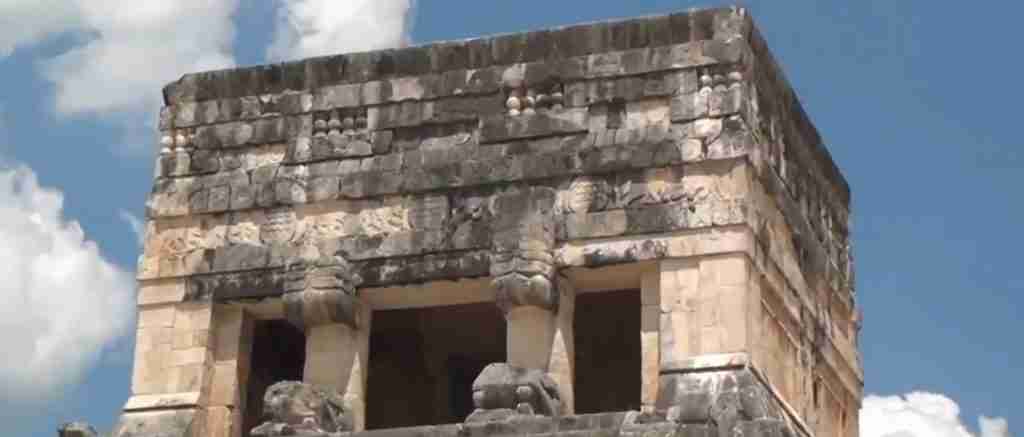
3 days
Chichen Itza 3-Day Discovery Tour
- ✓ Comprehensive Chichen Itza experience
- ✓ Expert local guides included
- ✓ All accommodation included
- ✓ Transportation provided

5 days
Chichen Itza 5-Day Highlights Experience
- ✓ Comprehensive Chichen Itza experience
- ✓ Expert local guides included
- ✓ All accommodation included
- ✓ Transportation provided
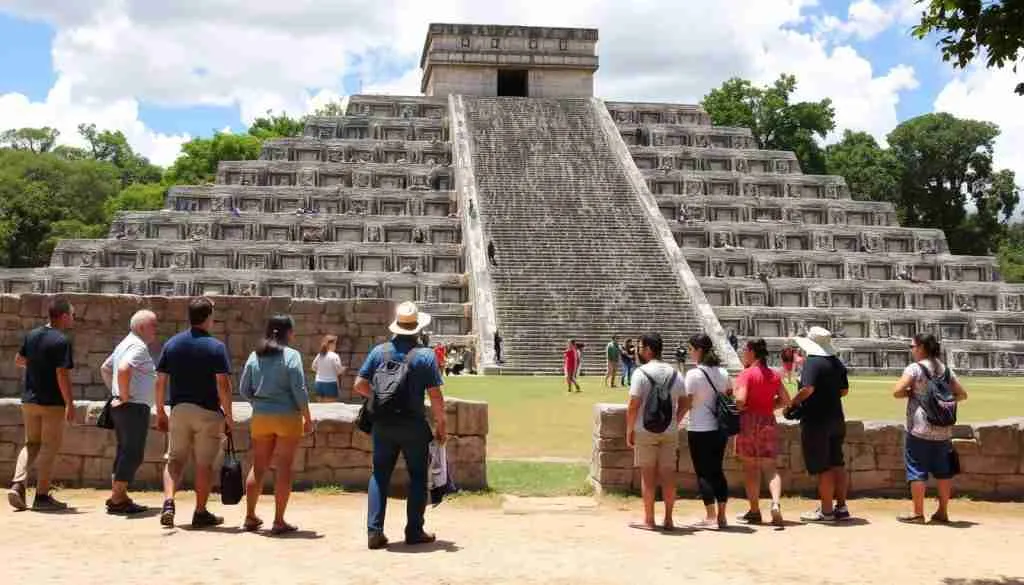
7 days
Chichen Itza 7-Day Cultural Journey
- ✓ Comprehensive Chichen Itza experience
- ✓ Expert local guides included
- ✓ All accommodation included
- ✓ Transportation provided

10 days
Chichen Itza 10-Day Complete Adventure
- ✓ Comprehensive Chichen Itza experience
- ✓ Expert local guides included
- ✓ All accommodation included
- ✓ Transportation provided
Multi-day tour packages powered by TourRadar. Prices and availability subject to change.
Day 1: Chichen Itza Archaeological Site & Cenote Swimming 2026
Early Morning Arrival Strategy for 2026 Visits
Chichen Itza opens daily at 8:00 AM throughout 2026, with the first 90 minutes (8:00-9:30 AM) providing optimal conditions for experiencing the archaeological site before major tour bus arrivals. Tour operators from Cancún and Playa del Carmen reach Chichen Itza between 9:30-10:30 AM, creating dramatic crowd density increases that transform the site atmosphere from peaceful archaeological exploration to crowded tourist spectacle. Arriving at 8:00 AM opening time requires departing Valladolid accommodation by 7:00-7:15 AM, allowing 35-45 minutes driving time plus 10 minutes parking and entrance processing.
The entrance ticket costs 614 Mexican pesos (approximately €28-30 depending on exchange rates) in 2026, payable by credit card or cash at ticket windows. This single admission fee includes both the federal archaeological zone entrance (controlled by INAH – National Institute of Anthropology and History) and the state government’s site maintenance fee. Audio guides rent for an additional 110 pesos (€5) and provide valuable historical context and architectural explanations, though quality printed guidebooks purchased at entrance bookstores (150-220 pesos / €7-10) serve as superior references with detailed maps and photographs. Check the official INAH website for current rates as pricing may vary.
The strategic exploration route for first-time visitors begins immediately upon entry by proceeding directly to El Castillo (the Pyramid of Kukulcán) to photograph the monument in early morning light without crowds. This iconic structure serves as Chichen Itza’s centerpiece and receives the densest visitor concentration throughout the day, making early arrival crucial for quality photographs and peaceful contemplation. The pyramid’s architectural precision demonstrates Maya astronomical knowledge through features including 91 steps on each of four staircases (totaling 364 steps plus the upper platform = 365, matching the solar year) and equinox shadow effects that create a serpent descending the north staircase during sunset on March 20-21 and September 20-21.
After El Castillo photography and observation (30-40 minutes), proceed to the Great Ball Court—Mesoamerica’s largest ball court at 168 by 70 meters—before tour groups arrive. The court’s remarkable acoustic properties enable normal-volume conversations to carry clearly across the 70-meter width, demonstrating Maya engineering sophistication. The carved stone panels depicting ball game players and ritual sacrifice scenes provide the most complete visual documentation of the Maya ball game’s religious significance and fatal consequences for losing participants. The early morning timing allows acoustic demonstrations without competing noise and photography opportunities capturing the court’s dramatic scale without crowds obscuring architectural features.
Comprehensive Site Exploration Route 2026
Following the Great Ball Court visit, continue to the Temple of Warriors and Group of a Thousand Columns complex on the site’s eastern side. This extensive colonnade system demonstrates urban infrastructure supporting Chichen Itza’s administrative and commercial functions during its peak occupation period (900-1200 CE). The hundreds of stone columns create photographic opportunities emphasizing geometric patterns and architectural scale, particularly effective during the 9:00-10:00 AM timeframe when morning light creates long shadows across the column rows.
The Sacred Cenote lies 300 meters north of the main plaza along a restored ancient causeway (sacbe). This natural limestone sinkhole measuring 60 meters in diameter served as a primary ceremonial site where the Maya conducted offerings to the rain god Chaac, particularly during drought periods. Early 20th-century dredging recovered thousands of ceremonial objects including gold disks, jade jewelry, ceramic vessels, and human skeletal remains, confirming historical accounts of human sacrifice at this location. The cenote’s dark water and 20-meter depth create an appropriately solemn atmosphere reflecting its sacred historical significance. Allow 20-30 minutes for Sacred Cenote visit and return walk.
The southern archaeological zone contains several lesser-known structures including the High Priest’s Temple (Osario), Platform of Venus, and Temple of Carved Panels that receive minimal visitor traffic despite their architectural and artistic significance. These peripheral monuments provide peaceful exploration opportunities contrasting with the crowded central plaza, while revealing Chichen Itza’s architectural diversity across different construction periods and cultural influences. The southern zone exploration adds 60-90 minutes to the visit but enriches understanding of the site’s evolution and complexity. Budget 4.5-5 hours total for comprehensive archaeological site coverage including early arrival advantages and peripheral structure exploration.
Afternoon Cenote Swimming Experience 2026
Cenote Ik Kil, located 3 kilometers from Chichen Itza’s entrance, provides convenient post-ruins swimming in a spectacular open-air cenote measuring 60 meters in diameter and descending 40 meters to water level. Vines cascade from the circular opening above, creating a natural curtain around the swimming area while tropical birds nest in the limestone walls. The cenote maintains year-round water temperature around 24-26°C (75-79°F), offering refreshing relief after morning archaeological walking in Yucatan heat. Entry costs 150 pesos (€6-7) with facilities including changing rooms, restrooms, life jackets (required for non-swimmers), and a restaurant serving lunch.
Alternative cenote options near Chichen Itza include Cenote X’keken and Cenote Samula (located 20 kilometers from Chichen Itza toward Valladolid), twin underground cavern cenotes with dramatic stalactite formations and atmospheric lighting created by sunlight filtering through small openings in the cave ceiling. Combined entry costs 200 pesos (€8-9) for both cenotes. These caves require descending stone staircases into underground chambers where crystal-clear water reflects the limestone formations, creating ethereal underwater landscapes. The cenotes remain cool year-round (approximately 23-25°C), providing natural air conditioning along with swimming opportunities.
Cenote safety considerations include prohibitions on sunscreen or insect repellent before swimming (chemicals damage the cenote ecosystem), mandatory life jacket use for non-swimmers, and avoiding jumping or diving where not explicitly permitted. The cenotes connect to underground aquifer systems extending throughout the Yucatan Peninsula, making them ecologically sensitive environments requiring careful protection. Most cenotes provide life jackets without additional rental charges and maintain changing facilities with lockers for valuables (20-30 peso rental fees). Plan 2-3 hours for cenote visits including transportation, changing time, swimming, and post-swim refreshment.
Valladolid Evening Arrival and Orientation 2026
Arrival in Valladolid during late afternoon (4:00-5:00 PM) enables hotel check-in, brief rest, and evening exploration of the colonial town center before dinner. Valladolid’s historic core surrounds the Parque Principal (main plaza) where the San Gervasio Cathedral anchors the eastern side with its distinctive pink limestone facade dating to 1706. The plaza features shaded benches, colonial architecture, and evening activity as locals gather for conversation and families enjoy the evening coolness after afternoon heat.
The Calzada de los Frailes—a seven-block pedestrian corridor connecting the main plaza to the San Bernardino de Siena Convent—showcases restored colonial buildings housing boutique hotels, restaurants, art galleries, and craft shops. Evening walks along the Calzada provide atmospheric introduction to Valladolid’s colonial heritage, with pastel-painted facades, wrought-iron window grilles, and cobblestone surfaces creating photographic opportunities in the warm evening light. The San Bernardino Convent (entry 50 pesos / €2) opens until 8:00 PM, enabling evening visits to the 16th-century church and cloister.
Valladolid dining options range from budget-friendly market fondas (simple restaurants) serving traditional Yucatecan cuisine at €5-8 per meal to upscale restaurants on the Calzada de los Frailes offering refined regional specialties at €18-28 per person. Signature Yucatecan dishes include cochinita pibil (slow-roasted pork in achiote marinade), papadzules (rolled tortillas with pumpkin seed sauce), and panuchos (fried tortilla topped with beans, turkey, and pickled onions). Local restaurants source ingredients from regional markets, creating authentic flavors rarely encountered in coastal resort areas catering to international tourism preferences.
Day 1 Cost Summary 2026
Chichen Itza entry €28-30, audio guide or guidebook €5-10, cenote swimming €6-9, lunch at cenote or en route €10-15, Valladolid dinner €12-25, San Bernardino Convent entry €2, bottled water and snacks €5-8, fuel (if rental car) €8-12. Total Day 1 cost: €76-111 per person (excluding accommodation €40-65 per night).
Day 2: Valladolid Colonial Town & Urban Cenotes 2026
Morning Colonial Architecture Walking Tour 2026
Day 2 focuses on Valladolid’s colonial heritage and cultural immersion, providing recovery time from Day 1’s intensive archaeological walking while maintaining cultural engagement. Begin morning exploration at the Parque Principal around 8:00-9:00 AM when the plaza awakens with local activity including market vendors, breakfast fondas, and morning Mass attendance at San Gervasio Cathedral. The cathedral’s baroque facade and interior featuring gold-leaf altar decorations and religious paintings represent colonial religious architecture adapted to Yucatan’s tropical climate and indigenous Maya labor.
The Casa de los Venados (House of the Deer), located two blocks from the main plaza, houses Mexico’s largest private collection of contemporary Mexican folk art with over 3,000 pieces displayed throughout a beautifully restored colonial mansion. Guided tours (offered at 10:00 AM daily, 100 pesos / €4-5 per person) provide insights into Mexican artistic traditions including alebrijes (fantastical painted wood sculptures), Talavera ceramics, Huichol yarn paintings, and regional textile traditions. The one-hour tour includes access to interior courtyards, colonial-era architecture, and the owners’ collection assembled over decades of Mexico exploration.
The Mercado Municipal (Municipal Market) occupies two blocks northwest of the main plaza, offering authentic exposure to Yucatan daily life and regional food culture. Market stalls display tropical fruits including mamey, sapodilla, and dragonfruit, alongside vegetables, fresh herbs, and local products like honey, spices, and handmade tortillas. The prepared food section serves breakfast and lunch at communal tables where locals gather for traditional dishes at €3-6 per meal. Market exploration provides opportunities for purchasing regional products including locally-produced honey (50-80 pesos per jar), vanilla extract from nearby plantations (120-180 pesos per bottle), and handwoven textiles from indigenous communities.
Cenote Zaci Urban Swimming Experience 2026
Cenote Zaci, located four blocks from Valladolid’s main plaza, offers convenient swimming in a partially open cavern cenote within walking distance of accommodations. This urban cenote descends 45 meters below street level, accessed via steep stone staircases leading to a large swimming area where sunlight streams through the partially collapsed cave ceiling. Small catfish inhabit the cenote waters (harmless and accustomed to swimmers), creating unusual swimming companions in the crystal-clear water. Entry costs 30 pesos (€1-2) making it Yucatan’s most affordable cenote swimming experience.
The cenote maintains facilities including changing rooms, restrooms, life jacket rental (20 pesos), and a restaurant serving lunch and cold drinks. The swimming area extends approximately 80 meters across, providing ample space despite the cenote’s popularity with local families, particularly on weekends. The water depth reaches 100+ meters in the deepest sections, though swimming areas remain closer to entry platforms where depths range 3-8 meters. The cenote’s urban location eliminates transportation requirements while providing authentic cenote swimming experience equivalent to rural locations requiring driving.
Afternoon Cultural Immersion Activities 2026
The Museo de San Roque, housed in a 17th-century chapel on the main plaza’s western side, displays exhibits documenting Valladolid’s colonial history and the Caste War of Yucatan (1847-1901)—a massive indigenous Maya rebellion against Spanish-descendant landowners that nearly succeeded in expelling all non-Maya from the Yucatan Peninsula. The museum’s free entry and bilingual exhibition panels (Spanish and English) provide essential historical context for understanding contemporary Yucatan’s cultural dynamics and indigenous-Spanish relationships. Allow 45-60 minutes for comprehensive museum exploration.
The Calzada de los Frailes afternoon exploration enables detailed appreciation of colonial architecture, shopping in artisan galleries, and coffee or ice cream breaks in atmospheric cafes. The restored buildings showcase various colonial periods from 16th-century stone construction to 19th-century neoclassical additions, with interpretive plaques explaining architectural features and historical significance. Several galleries sell high-quality Mexican folk art, silver jewelry, hammocks (traditional Yucatan sleeping apparatus), and contemporary crafts at prices competitive with or below coastal tourist zones.
Evening options include attending concerts or cultural performances in the Parque Principal (schedule varies but frequent events occur Thursday-Sunday evenings), exploring additional streets radiating from the center to discover neighborhood churches and residential architecture, or relaxing in hotel accommodations after two days of activity. Valladolid’s evening atmosphere remains peaceful compared to Cancún or Playa del Carmen, with limited nightlife focusing on dining and plaza socializing rather than clubs or bars. This quieter character appeals to travelers seeking cultural immersion over party-focused tourism experiences.
Day 2 Cost Summary 2026
Casa de los Venados tour €4-5, Cenote Zaci entry €1-2, breakfast in market or restaurant €5-10, lunch in Cenote Zaci restaurant or town center €8-15, afternoon coffee/snack €3-6, dinner €12-25, market purchases (optional) €10-30, bottled water €2-4. Total Day 2 cost: €45-97 per person (excluding accommodation).
Day 3: Ek Balam Archaeological Site & Northern Cenotes 2026
Ek Balam Morning Archaeological Exploration 2026
Ek Balam archaeological site, located 26 kilometers north of Valladolid, provides exceptional Late Classic Maya architecture including the Yucatan’s finest preserved stucco sculptural facades and the rare opportunity to climb pyramid structures for panoramic jungle views. The site receives minimal visitor traffic compared to Chichen Itza, averaging fewer than 500 daily visitors versus Chichen Itza’s 8,000-10,000, creating intimate archaeological experiences impossible at major sites. Entry costs 233 pesos (€10-12) covering federal archaeological zone and state fees.
The site’s centerpiece, the Acropolis pyramid, rises 32 meters above the plaza floor with remarkably preserved stucco facades depicting winged figures, deities, and elaborate geometric patterns. The central facade features an enormous monster-mouth doorway representing the Maya underworld entrance (a common theme in Maya architecture) with sculpted figures flanking the portal. The stucco preservation quality results from the facade’s protection beneath accumulated rubble for centuries until archaeological excavation in the 1990s revealed the sculptures. The intricate details include individual feathers on winged figures, facial expressions, and hieroglyphic texts identifying specific rulers and dedication dates.
Climbing to the Acropolis summit remains permitted at Ek Balam (unlike Chichen Itza where climbing is prohibited), enabling access to the upper temple rooms and panoramic views across the Yucatan jungle canopy. The steep pyramid stairs require careful ascent and descent, with rope railings providing safety assistance. The summit view reveals the site’s compact urban core surrounded by endless forest, conveying the Maya cities’ integration within tropical environments. Allow 2.5-3 hours for comprehensive Ek Balam exploration including photography, pyramid climbing, and peripheral structure visits.
X’Canche Cenote Swimming Adjacent to Ek Balam 2026
Cenote X’Canche, located 1.5 kilometers from Ek Balam’s entrance along a flat pathway through jungle or via bicycle rental (20 pesos / €1), offers open-air cenote swimming in a more natural setting than developed tourist cenotes. The cenote measures approximately 40 meters in diameter with limestone edges descending to water level via wooden staircases. Swimming platforms float in the center allowing deep water access while shallow edges accommodate non-swimmers. Entry costs 80 pesos (€3-4) with additional charges for bicycle rental and optional zip-line activities over the cenote.
The cenote’s community-managed operation by nearby Maya villages creates authentic encounters with contemporary Maya culture while supporting local economic development. Small palapas (thatched-roof structures) provide changing facilities and hammock rest areas included in entry fees. The restaurant serves simple Yucatecan lunch including lime soup, tacos, and fresh juices at €6-10 per meal. The combination of Ek Balam archaeological exploration and X’Canche cenote swimming creates a complete day trip experience balancing cultural education with natural recreation, all within 30 minutes driving from Valladolid.
Alternative Cenote Routes 2026
Alternative Day 3 itineraries can substitute or add other cenotes in the Valladolid region including Cenote Suytun (8 kilometers from Valladolid), famous for its underground platform creating iconic photographs with sunbeam light streaming through a circular opening above. Entry costs 100 pesos (€4-5) with photography opportunities requiring patience during busy periods when multiple visitors queue for platform access. The cenote’s Instagram-famous status attracts significant crowds during midday hours, making early morning arrival (8:00-9:00 AM) essential for quality photographs.
The Hacienda San Lorenzo Oxman cenote, located 5 kilometers from Valladolid, combines colonial hacienda architecture with open-air cenote swimming accessible via rope descent or stone staircases. The cenote’s hanging rope swing provides adventurous entry options while more cautious swimmers use conventional stairway access. Entry costs 100 pesos (€4-5) including hacienda grounds exploration and restaurant access serving traditional Yucatecan cuisine. The property’s restored colonial buildings create atmospheric settings for post-swim lunch or drinks in courtyard spaces dating to the 19th-century henequen (sisal fiber) plantation era.
Day 3 Cost Summary 2026
Ek Balam entry €10-12, Cenote X’Canche entry €3-4, bicycle rental €1, lunch at cenote or en route €8-14, fuel (if rental car) €8-12, alternative cenote entries (optional) €4-5 each, bottled water and snacks €4-6, Valladolid dinner €12-25. Total Day 3 cost: €50-78 per person (excluding accommodation).
Essential Planning Information 2026
Transportation Options for 2026 Regional Exploration
Rental car transportation provides maximum flexibility for three-day regional exploration, enabling early departures for Chichen Itza 8:00 AM arrival, independent cenote visiting, and convenient Ek Balam access. Economy car rentals from Cancún Airport or Valladolid cost €30-45 per day including basic insurance, totaling €90-135 for three days. The Cancún-Valladolid route follows toll highway 180D (214 pesos / €9-10 toll) covering 160 kilometers in approximately 2 hours, or free highway 180 adding 30-45 minutes travel time. Fuel costs approximately €25-35 for three days of local driving plus Cancún-Valladolid transfers.
Highway 180 between Valladolid and Chichen Itza maintains excellent pavement conditions with clear signage, making navigation straightforward even for drivers unfamiliar with Mexico. Parking at Chichen Itza costs 80 pesos (€3-4) in official lots adjacent to the entrance. Gas stations (Pemex, BP, Shell) appear regularly along major highways with prices averaging 21-23 pesos per liter (€4.20-4.60 per gallon equivalent). Mexican auto insurance remains mandatory for all vehicles, typically included in rental car comprehensive packages or purchased separately at border crossings for U.S.-registered vehicles.
Public transportation alternatives include ADO bus service from Cancún or Playa del Carmen to Valladolid (€12-18 per person one-way), with onward local buses to Chichen Itza (€2-3 per person). This option reduces costs significantly but eliminates early arrival advantages and requires coordinating bus schedules that may not align with optimal site visiting times. Organized day tours from Cancún to Chichen Itza cost €65-95 per person including transportation, guide services, and site entry, but force participation in group schedules that typically allocate only 2-3 hours at Chichen Itza and skip peripheral structures entirely.
Accommodation Recommendations for 2026 Stays
Valladolid accommodation options range from budget hostels (€15-25 per person in dormitories) to boutique colonial hotels (€80-150 per night for double rooms). Mid-range travelers find excellent value in the €40-65 per night category where properties offer air conditioning, swimming pools, colonial architecture, and central locations within walking distance of the main plaza. Recommended properties include Hotel El Mesón del Marqués (historic hotel on the main plaza), Casa Tia Micha (boutique property on Calzada de los Frailes), and Hotel Zentik Project (contemporary design in colonial building). Booking through standard hotel platforms (Booking.com, Hotels.com, Expedia) enables advance reservations with flexible cancellation policies.
The Pisté village near Chichen Itza offers proximity convenience but limited quality-to-price value compared to Valladolid. Hotels in Pisté charge premium rates (€60-100 per night for mid-range quality) due to location advantages, though the village lacks Valladolid’s colonial charm, dining variety, and cultural attractions. Visitors prioritizing luxury accommodations find options like Mayaland Resort (adjacent to Chichen Itza entrance) or Hacienda Chichen Resort offering colonial elegance at €150-300 per night, with the primary benefit being ability to enter Chichen Itza before official 8:00 AM opening through special early access programs.
Weather Patterns and Seasonal Considerations 2026
The Yucatan Peninsula maintains hot temperatures year-round averaging 28-35°C (82-95°F), with seasonal variation primarily affecting rainfall rather than temperature. The November-April dry season provides optimal visiting conditions with minimal rain, though this corresponds to peak tourism season bringing higher accommodation rates and increased crowds at archaeological sites. The May-October rainy season brings afternoon thunderstorms (typically 3:00-6:00 PM) but creates lush green landscapes, fewer visitors, and lower hotel rates representing 20-40% savings versus high season.
Early morning archaeological site visits mitigate heat impacts regardless of season, with temperatures during 8:00-11:00 AM remaining tolerable (25-30°C / 77-86°F) even during summer months. Afternoon heat (12:00-4:00 PM) can reach oppressive levels particularly April-July, making this period ideal for cenote swimming or air-conditioned museum visits in Valladolid rather than archaeological exploration. The rainy season timing actually benefits visitors by encouraging afternoon cenote visits and indoor activities during typical storm hours while maintaining dry mornings for archaeological sites.
Hurricane season officially runs June-November with peak activity August-October. Serious hurricanes affecting the Yucatan remain relatively rare (major storms occur every 5-8 years on average), though tropical storms bringing heavy rain appear more frequently. Monitor weather forecasts during hurricane season and maintain flexible travel insurance that covers weather-related itinerary changes. The shoulder season months of May and November provide optimal conditions balancing weather predictability, lower crowds, and moderate hotel rates.
Money-Saving Strategies for 2026 Visits
Advance Booking Benefits and Discount Opportunities 2026
Advance hotel booking through comparison platforms enables significant savings through early-bird rates and competitive price shopping. Booking 6-8 weeks ahead typically produces 15-25% savings versus last-minute reservations, particularly important during high season (December-April) when popular hotels sell out. Direct hotel booking occasionally offers better rates than third-party platforms, making comparison shopping across multiple channels worthwhile. Loyalty program members at hotel chains operating in Valladolid accumulate points while potentially accessing member-only rates.
Rental car booking benefits similarly from advance reservations, with prices rising significantly for last-minute bookings particularly during peak season. Comparison shopping across multiple rental agencies (Hertz, Avis, Europcar, local Mexican companies) reveals substantial price variations for identical vehicle categories. Declining supplemental insurance offerings when you already have coverage through credit cards or personal auto insurance reduces daily costs by €15-25 per day. Fuel prepayment options rarely provide savings, making it preferable to return the vehicle with a full tank after final gas station fill-up.
Free entry days at Chichen Itza occur Sundays for Mexican nationals and residents, though international tourists pay standard admission. No advance booking requirements exist for general Chichen Itza entry (unlike Machu Picchu or Alhambra where advance reservations are mandatory), providing flexibility for walk-up ticket purchase. However, advance research regarding current entry fees prevents arrival-day surprises, particularly as prices adjust periodically for inflation.
Budget Dining Strategies Without Sacrificing Quality 2026
Valladolid market fondas (simple restaurants) serve authentic Yucatecan cuisine at €5-8 per meal including generous portions, fresh ingredients, and local flavors matching upscale restaurant quality at fraction of prices. Breakfast in market fondas typically costs €3-5 for traditional offerings like huevos motuleños (fried eggs on tortillas with beans, plantains, peas, and salsa), fresh juice, and coffee. Lunch menú del día (daily set menus) provide soup, main course, drink, and dessert for €6-9, creating substantial meals that often eliminate dinner hunger.
Street food vendors around Valladolid’s main plaza and throughout residential neighborhoods offer safe, delicious, and extremely economical options including tacos (€0.80-1.50 each), panuchos (€1-1.50), and marquesitas (crispy rolled crepes with cheese and sweet fillings, €2-3). Evening street food vendors congregate around the plaza’s northern side serving traditional snacks to locals and visitors. Observing which vendors attract consistent local patronage ensures food safety while accessing authentic regional specialties.
Supermarkets (Super Aki, Walmart, Chedraui) in Valladolid enable purchasing bottled water, snacks, fresh fruits, and breakfast items at local prices versus hotel markups. A week’s water supply (24-pack of 500ml bottles) costs €4-6, versus €1.50-2 per bottle from archaeological site vendors. Preparing picnic lunches using market-purchased ingredients creates budget meals while enabling flexible eating schedules during all-day archaeological explorations.
Sample 2026 Budget Comparisons
Budget Travel Approach – €400-450 Total
Accommodation in Valladolid budget hotels or hostels (€25-35 per night, €75-105 total three nights), public bus transportation from Cancún (€15 each way, €30 total), local ADO buses to Chichen Itza and Ek Balam (€5-7 total), market fonda meals (€5-8 breakfast, €6-9 lunch, €7-12 dinner totaling €18-29 daily, €54-87 three days), entry fees Chichen Itza €28-30 and Ek Balam €10-12, cenote entries €10-15 total, bottled water and snacks €15-20. Grand total: €227-306 excluding long-distance Cancún transport. This budget approach requires accepting basic accommodation, exclusively local dining, public transportation schedules, and forgoing rental car flexibility.
Mid-Range Comfort Approach – €550-615 Total
Accommodation in Valladolid mid-range colonial hotels (€50-65 per night, €150-195 total three nights), rental car (€40 per day, €120 three days including insurance), fuel €30, restaurant dining mix (€10-15 breakfast, €12-18 lunch, €18-28 dinner totaling €40-61 daily, €120-183 three days), entry fees Chichen Itz €28-30 and Ek Balam €10-12, cenote entries €15-25 total, Casa de los Venados tour €5, audio guide Chichen Itza €5, bottled water and snacks €25-35, parking and tolls €15-20. Grand total: €518-655 excluding long-distance Cancún transport. This mid-range approach provides comfortable accommodation, dining variety, transportation flexibility, and enhanced cultural experiences.
Luxury Extension Options for Enhanced 2026 Experience
Upgrading accommodation to boutique colonial hotels or hacienda properties (€100-180 per night) adds €150-300 over mid-range options while providing swimming pools, exceptional architecture, and superior locations. Private guide services for Chichen Itza (€80-120 for 4-hour private tour) enhance archaeological understanding through expert interpretation unavailable in self-guided exploration. Fine dining at upscale Valladolid restaurants (€35-55 per person) showcases innovative Yucatecan cuisine applying contemporary techniques to traditional ingredients. These luxury additions create €650-850 total trip costs delivering elevated comfort and cultural depth while maintaining the three-day regional exploration framework.
Frequently Asked Questions About Chichen Itza 3-Day Itineraries 2026
Is it better to visit Chichen Itza independently or on an organized tour in 2026?
Independent visits provide superior Chichen Itza experiences for travelers comfortable with self-drive navigation and interested in comprehensive site exploration beyond basic monument photography. Independent visitors control arrival timing (crucial for 8:00 AM opening access), exploration pace, and itinerary flexibility that enables discovering peripheral structures and adjusting plans based on weather or personal interests. Organized day tours from Cancún allocate only 2-3 hours at Chichen Itza, arrive during peak crowding (10:00 AM-12:00 PM), and follow rushed schedules that prevent thorough exploration. The primary advantage of organized tours involves eliminating driving requirements for visitors uncomfortable with Mexican highway navigation or lacking international driving licenses. Private guide services (€80-120) combine independent timing advantages with expert interpretation, creating optimal experiences for visitors seeking both flexibility and in-depth historical context. The three-day itinerary framework naturally favors independent travel by enabling multi-day regional exploration impossible within single-day tour structures.
What should you pack for a 3-day Chichen Itza trip in 2026?
Essential items include comfortable walking shoes with good tread for archaeological sites’ uneven stone surfaces and slippery limestone, wide-brimmed hat and sunglasses for sun protection during hours of outdoor exploration, reef-safe sunscreen (regular sunscreen prohibited at cenotes due to environmental damage), refillable water bottle to minimize single-use plastic waste, lightweight rain jacket during May-October rainy season, modest clothing respecting Mexican cultural norms and archaeological site requirements (shoulders and knees covered), swimsuit and quick-dry towel for multiple cenote visits, small daypack for carrying water and purchases, personal first-aid items including bandages and blister treatment, insect repellent for evening hours and jungle areas, photocopies of passport and documentation with originals secured in hotel safe, adequate Mexican pesos cash for small vendors and entry fees (many locations don’t accept cards), camera equipment with extra batteries and memory cards, and any personal medications in original packaging with prescriptions. Valladolid offers shopping for forgotten items though specific brands may be unavailable, making advance preparation preferable for specialty requirements.
Are three-day itineraries suitable for families with young children visiting Chichen Itza in 2026?
Three-day itineraries work well for families with children ages 8+ who can manage extensive walking and maintain interest in archaeological and cultural experiences. The itinerary’s varied activities—archaeological sites, cenote swimming, colonial town exploration—prevent boredom through activity diversity while the three-day duration avoids exhaustion from overscheduling. Modifications for younger children (ages 4-7) include reducing Chichen Itza exploration to 2-3 hours focusing on major monuments, prioritizing cenote swimming which appeals universally to children, and selecting Valladolid accommodation with pools for afternoon downtime. Families with children under 4 should consider simplified two-day itineraries eliminating Ek Balam or focusing exclusively on Chichen Itza and Valladolid without attempting multiple archaeological sites. Stroller usage at archaeological sites proves challenging due to uneven surfaces and stairs, making baby carriers essential for non-walking infants. Valladolid restaurants welcome families with children’s menus and relaxed atmosphere unlike formal dining requiring quiet behavior. The overall region is extremely family-friendly with Mexican cultural emphasis on children creating welcoming environments throughout accommodations, restaurants, and attractions.
What wildlife might you encounter during three-day Yucatan exploration in 2026?
Chichen Itza and Ek Balam archaeological sites support diverse wildlife including white-nosed coatis (tejón) that habituate to human presence and frequently approach visitors seeking food (feeding wildlife is prohibited and harmful), black-handed spider monkeys occasionally visible in forest canopies particularly during early morning hours, green iguanas basking on stone structures and tree branches, numerous tropical bird species including Montezuma oropendolas with their distinctive woven nests, great kiskadees, tropical mockingbirds, and seasonal migrant species during November-April, butterflies including dramatic blue morphos and giant swallowtails in forest areas, harmless Yucatan whiptail lizards abundant throughout archaeological zones, and occasional glimpses of white-tailed deer in peripheral forested areas. Cenotes host small endemic fish species including blind cave fish in underground chambers and various tropical species in open cenotes. The Yucatan lacks dangerous large mammals (jaguars exist but remain extraordinarily rare and avoid human contact), though visitors should observe snake caution by watching foot placement particularly in overgrown areas and never handling any wildlife. The wildlife encounters enhance rather than threaten the archaeological exploration experience, creating connections between contemporary ecosystems and the natural environment the Maya inhabited.
How accessible are Chichen Itza and related sites for visitors with mobility limitations in 2026?
Chichen Itza’s main plaza area maintains paved pathways enabling wheelchair access to viewpoints for El Castillo, the Great Ball Court, and the Temple of Warriors, though uneven surfaces and historic preservation restrictions prevent comprehensive accessibility. The peripheral structures require walking on uneven gravel paths and navigating steps, limiting access for visitors using wheelchairs or with significant mobility impairments. Cenotes present substantial accessibility challenges with steep staircases, slippery surfaces, and lack of elevators or ramps at most locations (Cenote Zaci has particularly steep access). Valladolid’s colonial center features cobblestone streets and narrow sidewalks creating obstacles for wheelchairs, though the main plaza and some primary streets maintain smoother surfaces. Ek Balam’s pyramid climbing and unrestored peripheral areas make this site particularly challenging for limited mobility visitors. Travelers with accessibility needs should consider organized tours with private transportation enabling flexibility for timed rest breaks, focus exclusively on Chichen Itza’s main plaza zone where accessibility is best developed, and research specific accommodation properties regarding room accessibility and elevator availability. Mexico’s accessibility infrastructure lags behind U.S. or European standards, requiring realistic expectations regarding barrier-free access at historical sites.
What cultural etiquette should visitors observe at Maya archaeological sites in 2026?
Respectful behavior at Maya archaeological sites includes refraining from climbing or touching monuments unless explicitly permitted (only Ek Balam allows pyramid climbing among sites in this itinerary), never removing any objects including stones, pottery fragments, or plant materials as all materials within archaeological zones are protected heritage, avoiding loud conversations or disruptive behavior particularly near areas where spiritual ceremonies occasionally occur, respecting photography restrictions at specific locations and never using flash photography on ancient murals or relief sculpture where light damage occurs, dressing modestly with shoulders and knees covered honoring both Mexican cultural norms and site requirements, disposing of all trash properly using designated receptacles rather than littering archaeological zones, staying on marked pathways rather than walking across unrestored structural remains where foot traffic causes damage, not feeding wildlife despite animals’ apparent comfort around humans, and showing cultural sensitivity regarding the sites’ spiritual significance to contemporary Maya communities who maintain connections to ancestral heritage. Many archaeological sites remain sacred places for Maya ceremonial practices, not merely historical tourism attractions, requiring visitors to conduct themselves with reverence appropriate to religious spaces. Observing these etiquette guidelines demonstrates respect for Mexican cultural heritage while supporting conservation efforts protecting sites for future generations.
Can you visit Chichen Itza and Ek Balam in one day instead of following the 3-day itinerary in 2026?
Physically feasible but not recommended due to the rushed experience diminishing both sites’ appreciation. Chichen Itza deserves minimum 4-5 hours for comprehensive exploration including peripheral structures, while Ek Balam requires 2.5-3 hours for proper coverage including pyramid climbing and detailed observation. Adding travel time between sites (approximately 1 hour from Chichen Itza to Ek Balam), cenote swimming (1.5-2 hours), and meal breaks creates 10-12 hour days producing exhaustion that undermines archaeological appreciation. The three-day itinerary’s primary benefit involves distributing physical demands across multiple days while incorporating recovery time and varied activities preventing archaeological overload. Visitors with severely limited time preferring single-day double-site coverage should start at Chichen Itza at 8:00 AM opening, complete focused 3-hour visit concentrating on major monuments only, drive to Ek Balam for 2-hour afternoon visit, and accept abbreviated experiences missing peripheral structures and detailed exploration. This compressed approach sacrifices the contemplative archaeological engagement and thorough site coverage that make these UNESCO World Heritage locations meaningful rather than mere photography backdrops.
What are the best photography tips for capturing Chichen Itza in 2026?
Early arrival at 8:00 AM opening enables photography of El Castillo and major monuments without crowds obscuring architectural features, with warm morning light creating appealing golden tones and directional shadows emphasizing relief sculpture depth. Wide-angle lenses (16-24mm) capture complete structures within constrained viewing distances while telephoto lenses (70-200mm) isolate architectural details and compress perspective creating dramatic compositions. Photographing from peripheral structures provides unique vantage points showing famous monuments from fresh angles impossible from crowded main plaza, creating original images rather than repeating standard tourist photographs. Overcast conditions during rainy season eliminate harsh shadows and reduce contrast, actually producing superior conditions for architectural detail photography compared to bright sun creating deep shadows that obscure carved features. Include human figures in compositions to convey monumental scale that static architectural photographs cannot communicate effectively. Black and white conversions often enhance architectural photography by eliminating color distractions and emphasizing geometric forms, textures, and tonal relationships. Panoramic techniques using multi-image stitching capture the extensive horizontal dimensions of structures like the Great Ball Court exceeding single-frame coverage. Return visits during different light conditions transform familiar structures, with late afternoon golden hour creating dramatically different atmospheres compared to morning light. Respect photography restrictions at specific locations protecting fragile murals and avoiding flash photography on ancient painted surfaces where light causes cumulative damage over time.
How does Chichen Itza compare to other Maya archaeological sites in Mexico and Guatemala?
Chichen Itza represents Mesoamerica’s most visited archaeological site due to its restored monument quality, iconic architecture, accessibility from Cancún resort areas, and UNESCO World Heritage designation. The Toltec-Maya architectural fusion creates distinctive features not replicated at other sites, particularly the Pyramid of Kukulcán’s astronomical precision and the Great Ball Court’s monumental scale. However, Chichen Itza’s popularity produces crowds diminishing the archaeological experience compared to less-visited sites. Ek Balam preserves superior stucco sculptures in more intimate settings with fraction of visitors. Cobá offers jungle atmosphere and pyramid climbing currently prohibited at Chichen Itza. Calakmul and Tikal in Guatemala provide authentic encounters with Maya cities still emerging from jungle environments. Palenque showcases exceptional Maya relief sculpture and architecture in mountainous cloud forest settings. Uxmal demonstrates pure Puuc architectural style without Toltec influence visible at Chichen Itza. Each major Maya site offers unique architectural features, preservation conditions, visitor experiences, and historical periods making comprehensive Maya archaeology understanding require visiting multiple sites rather than considering Chichen Itza representative of all Maya civilization. The three-day itinerary incorporating both Chichen Itza and Ek Balam provides comparative exposure demonstrating Maya architectural diversity within manageable travel logistics.