
Chicago Travel Tips 2026: Essential Planning Guide
Chicago rewards preparation with unforgettable experiences, from navigating the CTA transit system efficiently to timing museum visits during free-admission days and understanding neighborhood dynamics that shape your daily budget. This guide equips you with insider strategies developed from current pricing, transit updates, and local patterns that transform first-time confusion into confident exploration across America’s third-largest city.
Key Takeaways
- Public Transit Mastery 2026: CTA bus and train fares remain unchanged at $2.25 for buses and $2.50 for trains after state funding secured no fare increases. Multi-day passes ($5 for 1-day, $20 for 7-day, $75 for 30-day) deliver substantial savings versus single rides, with the 7-day pass breaking even at just 9 trips.
- Strategic Accommodation Planning: Hotel rates vary dramatically by neighborhood and season, with budget options starting at $64 nightly, mid-range properties averaging $156-178, and luxury hotels commanding $245-481. Downtown proximity costs approximately 18% more than citywide averages but eliminates transportation expenses and maximizes time efficiency.
- Free Museum Access Strategy: Illinois residents access major institutions free on designated days throughout 2026, including Art Institute’s Third Thursdays and Summer Thursdays, Field Museum’s select Wednesdays, and Museum of Science and Industry’s Illinois resident days, potentially saving $120-180 per person on admission costs.
- CityPASS Value Calculation: The $144 adult CityPASS covers five major attractions valued at $287 individually, representing 50% savings for visitors planning museum-heavy itineraries. The pass includes Shedd Aquarium, Skydeck Chicago, plus three choices from Field Museum, Art Institute, Museum of Science and Industry, 360 Chicago, Adler Planetarium, or architecture river tour.
- Neighborhood Intelligence 2026: Downtown and River North command premium pricing but offer unmatched walkability to attractions. Budget-conscious travelers find excellent value in neighborhoods like Chinatown, Pilsen, and areas near University of Chicago, where authentic dining costs 30-40% less than Michigan Avenue establishments while maintaining quality.
- Weather Preparedness: Chicago’s microclimate demands layering strategies year-round. Winter temperatures plunge to 15-30°F requiring serious insulation, while summer humidity reaches oppressive levels demanding light, breathable fabrics. The “hawk” (lakefront wind) affects comfort regardless of season, particularly along Michigan Avenue and Millennium Park corridors.
People Also Ask About Chicago Travel 2026
How much money do I need per day in Chicago in 2026?
Daily costs in Chicago range from $110-160 per person for budget travelers sharing accommodation to $280-420 for luxury experiences. Mid-range travelers typically spend $180-260 daily including hotel accommodation divided by two for couples sharing, meals, transit, and attractions. Budget breakdown: shared hotel $75-95 per person, meals $50-75, CTA transit $5-10, and attractions $30-50. These figures assume two people sharing hotel rooms, with accommodation costs pre-divided before summing per-person expenses.
Is Chicago safe for tourists in 2026?
Downtown Chicago, the Loop, Magnificent Mile, River North, Millennium Park, and major tourist corridors maintain strong safety profiles with heavy foot traffic and visible security. Exercise standard urban caution: remain alert on CTA trains after 10 PM, avoid isolated areas after dark, keep valuables concealed, and stay aware of surroundings in crowded tourist spots. Crime concentrates in residential neighborhoods far from tourist zones. The CTA implemented enhanced security measures in 2025-2026 including sheriff’s deputies on trains and revised safety protocols.
What’s the best way to get around Chicago in 2026?
The CTA train system covers downtown, major attractions, and key neighborhoods with eight color-coded lines operating 24 hours. The Red and Blue Lines provide the most tourist-relevant service connecting downtown to O’Hare Airport, North Side neighborhoods, and South Side attractions. Supplement trains with CTA buses for east-west crosstown travel. The 7-day CTA pass at $20 breaks even after 9 rides and eliminates per-trip decision-making. Rideshare services cost $12-25 for typical tourist routes but add up quickly compared to transit.
When is the cheapest time to visit Chicago in 2026?
January through March offers the lowest hotel rates, averaging 30-35% below peak summer pricing, with winter deals bringing rooms to $90-140 nightly in mid-range properties. December through February sees the absolute cheapest accommodation but demands serious cold tolerance with temperatures of 15-32°F and biting lakefront winds. September and October provide ideal compromise: pleasant 55-70°F weather, lower crowds than summer, and moderate pricing 15-20% below June-August peaks.
Extended multi-day tours – 5+ days
Featured Midwest Usa Multi-Day Tour Packages
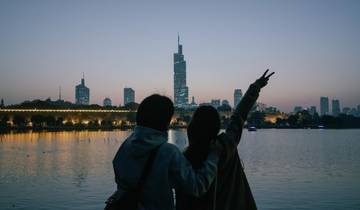
7 days
Chicago – The Home of Skyscrapers
- ✓ Booking needs min. 2 travelers
8 days
Chicago and Niagara ROT (including Niagara Falls)
- ✓ Comprehensive Midwest Usa tour
- ✓ Expert local guides included
- ✓ All accommodation arranged
- ✓ Transportation provided

8 days
From Chicago's Skyline to Niagara's Mist – 8 days
- ✓ Comprehensive Midwest Usa tour
- ✓ Expert local guides included
- ✓ All accommodation arranged
- ✓ Transportation provided

4 days
City Break in Chicago Among Skyscrapers
- ✓ Booking needs min. 2 travelers
Multi-day tour packages powered by TourRadar. Prices and availability subject to change.
Introduction: Mastering Chicago Travel in 2026
Chicago presents a distinct urban travel challenge compared to compact European cities or sprawling Western metropolises. The city’s 234 square miles stretch along 28 miles of Lake Michigan shoreline, with 77 officially designated neighborhoods each maintaining unique character, pricing structures, and logistical considerations. Success in Chicago travel stems from understanding these geographic realities and planning accordingly.
The 2026 travel landscape reflects significant recent developments. State funding secured in late 2025 prevented projected CTA fare increases, maintaining bus fares at $2.25 and train fares at $2.50 throughout 2026. This stability allows reliable budget planning for transportation, historically a moving target in Chicago. Hotel markets show continued post-pandemic stabilization, with inventory largely recovered and competition driving periodic promotional rates across all price tiers.
Chicago’s architecture, museums, dining scene, and lakefront position attract 58 million annual visitors, yet the city never feels oppressively crowded outside peak summer weekends. The key to enjoyable Chicago travel lies not in avoiding crowds but in strategic timing, efficient routing, and cost optimization through passes and free-admission windows. First-time visitors frequently overestimate distances and underestimate transit efficiency, leading to unnecessary rideshare expenses and rushed schedules.
This guide addresses practical realities: how CTA zones affect your transit costs, which neighborhoods offer authentic experiences at fraction-of-downtown prices, when free museum days align with your itinerary, how weather patterns impact daily planning, and what insider strategies separate efficient travelers from frustrated tourists burning money on avoidable expenses.
Chicago rewards preparation. The distinction between a $180 daily budget and a $280 daily budget often comes down to advance research on free museum days, understanding CTA pass economics, choosing strategically-located accommodation, and knowing which high-priced tourist traps to skip in favor of superior alternatives at lower cost. These aren’t minor optimizations—they represent the difference between comfortable affordability and budget stress across a week-long visit.
Chicago Public Transportation 2026: Complete Transit Strategy
The Chicago Transit Authority operates the third-busiest rapid transit system in the United States, with eight color-coded train lines covering 224 miles of track and 145 stations, supplemented by 127 bus routes serving every corner of the city. CTA fares remain stable in 2026 at $2.25 for buses and $2.50 for trains following state funding that prevented projected increases. This pricing structure enables reliable budget planning throughout your visit.
Understanding CTA Fare Structure and Payment Methods 2026
CTA accepts payment through Ventra cards, Ventra single-ride tickets, contactless credit/debit cards, and mobile payment systems including Apple Pay and Google Pay. Ventra cards require no purchase fee when loaded with minimum $5 value and allow unlimited reloading throughout your stay. Each ride automatically deducts from your card balance at turnstiles and bus card readers.
Single-ride paper tickets cost $3.50 at station vending machines, representing a $1.25 premium over Ventra card fares. This premium exists specifically to encourage Ventra adoption and discourage single-use paper waste. Visitors staying multiple days should immediately purchase Ventra cards or use contactless payment cards to avoid the paper ticket surcharge.
The O’Hare Blue Line station imposes a special $5 fare for trips originating from the airport, significantly above standard rates. This airport premium applies only to journeys starting at O’Hare—return trips to the airport from downtown cost standard $2.50. Budget $5 for initial airport-to-downtown transit but plan $2.50 for all subsequent train rides.
Children under 7 ride free when accompanied by fare-paying adults, with up to three children permitted per paying passenger. Students with valid school IDs, seniors 65 and older, and people with disabilities qualify for reduced fares of $1.10 for buses and $1.25 for trains. Military personnel, veterans, and active-duty service members receive various discounts depending on status and documentation.
CTA Pass Economics: When Multi-Day Passes Make Financial Sense
CTA offers three unlimited-ride pass options in 2026: 1-day pass $5, 7-day pass $20, and 30-day pass $75. Break-even analysis determines optimal pass selection. The 1-day pass becomes cost-effective after 2 train rides or 3 bus rides on single day. The 7-day pass reaches break-even at 9 total rides—just over 1 ride daily across the week. The 30-day pass requires 31 rides to match single-fare value, essentially 1 ride daily throughout the month.
Typical tourist patterns indicate 3-5 CTA rides daily when actively sightseeing: morning transit to first attraction, midday neighborhood change, afternoon museum or park visit, evening dinner/entertainment destination, and late return to hotel. This usage pattern means the 7-day pass pays for itself by day 2 or 3 for most visitors, with remaining days representing pure savings.
The 1-day pass works best for single intensive sightseeing days or day trips into the city from suburban lodging. Purchase 1-day passes only when planning 3+ rides that specific day. The 7-day pass provides superior value for typical vacation itineraries of 3-7 days, eliminating per-trip calculation and decision fatigue. Load the 7-day pass immediately upon arrival to maximize utility across your entire stay.
The 30-day pass targets long-term visitors, business travelers on extended assignments, or locals—not typical tourists. At 31 rides for break-even, only visitors staying 20+ days with daily transit needs should consider this option. For shorter visits, multiple 7-day passes or combination of 7-day plus 1-day passes delivers better value.
Essential CTA Train Lines for Tourist Destinations 2026
The Red Line runs north-south through the heart of Chicago’s tourist corridor, connecting O’Hare indirectly via connections to downtown Loop, Michigan Avenue, River North, Millennium Park area, Museum Campus, Chinatown, and South Side neighborhoods. Red Line trains operate 24 hours daily, the only line providing all-night service. Key stops include Chicago/State for downtown shopping, Lake for Millennium Park and Art Institute, Roosevelt for Museum Campus access, and Sox-35th for Guaranteed Rate Field.
The Blue Line provides direct 24-hour service from O’Hare International Airport to downtown Loop in 40-45 minutes for $5 airport fare. This line continues westward serving neighborhoods of limited tourist interest. The Blue Line represents the most economical airport connection, avoiding $40-55 rideshare fees and $35-45 taxi charges for solo travelers.
The Brown Line loops through Lincoln Park, Lakeview, Wrigleyville, and downtown Loop, accessing residential neighborhoods with excellent dining and nightlife. This line serves Wrigley Field (Addison stop) for Cubs games and connects tourists to authentic Chicago neighborhoods away from downtown premium pricing.
The Orange Line runs from Midway Airport to downtown Loop, providing $2.50 airport connection significantly cheaper than rideshares. This line primarily serves residential areas but offers valuable Midway access for budget-conscious travelers.
The Green and Pink Lines serve West Side neighborhoods and connect to downtown but see limited tourist ridership. The Purple Line supplements Red Line service during rush hours. The Yellow Line serves northern suburbs of minimal tourist relevance.
Strategic CTA Bus Routes for Crosstown Tourist Travel
CTA trains excel at north-south downtown corridor travel but leave east-west crosstown gaps. Strategic bus routes fill these gaps efficiently. The #66 Chicago Avenue bus runs east-west across the entire North Side, connecting Lake Michigan beaches to Western Avenue through River North, Ukrainian Village, and Wicker Park. This route enables easy transitions between lakefront attractions and west neighborhood dining/nightlife.
The #6 Jackson Park Express provides rapid service from downtown Loop to Museum of Science and Industry and Jackson Park, operating express segments that skip local stops. This bus cuts travel time to MSI significantly versus local alternatives, making it the preferred route for this major South Side attraction.
The #146 Inner Drive/Michigan Express runs along Lake Shore Drive and Michigan Avenue, connecting Navy Pier, Museum Campus, Grant Park, Millennium Park, and downtown in single continuous route. This express bus operates limited stops during peak hours, delivering faster service than local alternatives on this heavily-traveled tourist corridor.
The #2 Hyde Park Express connects downtown Loop to University of Chicago and Hyde Park neighborhood, home to numerous cultural attractions and dining options at significantly lower prices than downtown. This bus enables cost-conscious tourists to access authentic neighborhood experiences while maintaining reasonable transit times.
The #151 Sheridan bus runs north along the lakefront from downtown through Streeterville, Gold Coast, Lincoln Park, Lakeview, and into Evanston, providing continuous lakefront access perfect for beach-hopping, neighborhood exploration, and accessing residential dining/shopping districts.
CTA Safety Considerations and Timing Strategies 2026
CTA train and bus safety varies significantly by time, line, and location. Downtown stations and trains during daytime hours (6 AM – 9 PM) maintain high safety levels with heavy ridership volumes providing natural security through numbers. Late-night trains (10 PM – 5 AM) see reduced ridership and occasional safety concerns, particularly on Red and Blue Lines serving neighborhoods experiencing higher crime rates.
The CTA implemented enhanced security measures in 2025-2026 including sheriff’s deputies on trains, revised safety protocols, and improved station monitoring following Federal Transit Administration requirements. These measures target specific problem lines and times identified through incident data. Tourists should remain alert but not fearful—millions ride CTA safely daily.
Practical safety strategies: ride in conductor-occupied cars (typically middle of train) during late hours, keep valuables concealed and phones secured, maintain situational awareness rather than deep phone absorption, move between cars if uncomfortable with fellow passengers, and consider rideshare for late-night travel if staying in areas requiring train travel through higher-crime neighborhoods.
Rush hours (7-9 AM, 4-7 PM weekdays) bring crowded trains that can feel uncomfortable for tourists unfamiliar with pressed-body urban transit. However, these crowded conditions also provide maximum safety through sheer numbers. Plan museum visits and attractions during mid-day windows, using rush-hour periods for hotel-based activities or dining near your accommodation.
Alternative Transportation Options Beyond CTA
Rideshare services (Uber, Lyft) operate extensively throughout Chicago with typical fares of $12-18 for short downtown trips, $15-25 for longer cross-neighborhood journeys, and $40-55 for O’Hare Airport connections. Surge pricing during peak demand periods (Friday/Saturday nights, special events, bad weather) can double or triple base rates. Budget rideshares as occasional convenience rather than primary transportation to avoid costs spiraling to $60-100 daily.
Divvy bikeshare stations blanket downtown, lakefront, and many neighborhoods, offering $3.50 for 30-minute classic bike rides or $5 for 45-minute e-bike rides. Single rides work for point-to-point trips, while day passes at $17 (classic) or $20 (e-bike) unlock unlimited 3-hour rides within 24 hours. Chicago’s flat terrain and lakefront trail system make cycling genuinely practical for recreationally-fit tourists from April through October.
Taxis remain available but cost approximately equal to rideshares without the convenience of app-based tracking and payment. Chicago requires taxi drivers to accept credit cards, eliminating previous cash-only frustrations. Taxis work best when hailed at hotels or major venues rather than street flagging in most neighborhoods.
Water taxis operate along Chicago River and lakefront connecting Michigan Avenue, Millennium Park, Museum Campus, and other riverfront destinations during warm months (May-September). These services charge $8-12 per ride and offer scenic alternatives to CTA but don’t replace transit for comprehensive coverage or cost-effectiveness.
Metra commuter rail serves suburbs and outer neighborhoods with limited tourist relevance. Day-trippers using Metra for excursions to locations like Ravinia Festival or suburban destinations find this service valuable, but typical Chicago tourists rarely need Metra access.
Accommodation Strategies Chicago 2026: Neighborhood and Budget Selection
Chicago hotel rates span from budget properties at $64-90 nightly to luxury establishments commanding $300-500, with the distinction between economical and expensive stays often coming down to neighborhood selection and booking timing rather than pure quality differences. Understanding neighborhood pricing dynamics and strategic booking windows delivers superior value across all budget tiers.
Downtown and Loop Accommodation: Premium Pricing for Maximum Convenience
Downtown Chicago and Loop hotels occupy the geographic center of tourist activity, placing Millennium Park, Art Institute, Grant Park, Theater District, and Michigan Avenue shopping within 5-15 minute walks. This location eliminates most transportation costs and maximizes sightseeing time efficiency. However, downtown proximity commands approximately 18% premium over citywide average rates according to current data.
Budget downtown options start at $90-140 nightly for properties like Congress Plaza Hotel and Freehand Chicago, offering basic but clean accommodations in prime locations. These properties sacrifice modern amenities and room size for location advantages. Mid-range downtown hotels ($160-220 nightly) include Hilton Chicago, Hampton Inns, and Courtyard by Marriott properties delivering reliable chain standards, comfortable beds, and professional service in central locations.
Upscale downtown properties ($220-320) like Kimpton hotels, boutique establishments, and premium chain locations add design elements, rooftop bars, notable restaurants, and enhanced service levels. Luxury downtown hotels ($350-600+) include Waldorf Astoria Chicago, Peninsula Chicago, and Trump Tower, offering exceptional service, spa facilities, Michelin-level dining, and Lake Michigan or skyline views from premium-floor rooms.
Downtown hotel selection requires assessment of walking tolerance. Properties on south Loop edges near Museum Campus or west Loop boundaries near Union Station sit 20-25 minutes from Michigan Avenue core but maintain downtown addresses and pricing. Truly central properties within 10 minutes of Millennium Park and Art Institute command top-tier rates but deliver maximum time efficiency for attraction-heavy itineraries.
River North Neighborhood: Dining and Nightlife Proximity
River North sits immediately north of downtown Loop across Chicago River, positioning guests near the city’s highest concentration of restaurants, galleries, and nightlife venues while maintaining 10-15 minute walks to major downtown attractions. River North hotels span $140-280 nightly for mid-range properties and $280-450 for upscale establishments, representing modest 8-12% savings versus equivalent downtown Loop locations.
River North’s dense restaurant scene means dinner and evening entertainment require minimal travel from hotel. This neighborhood attracts visitors prioritizing dining experiences and nightlife over daytime sightseeing convenience. Properties like Embassy Suites by Hilton Chicago Downtown River North offer suites and included breakfast at competitive rates, delivering extra value for families or extended stays.
The neighborhood’s nightlife energy creates vibrant atmosphere but also generates late-night noise on weekends, particularly along Hubbard Street, Grand Avenue, and areas near popular clubs. Request rooms on upper floors or facing interior courtyards if noise sensitivity concerns you. River North balances central access, dining convenience, and moderate cost savings for visitors comfortable with 10-15 minute walks to museums and Millennium Park.
Magnificent Mile and Streeterville: Shopping Corridor Premium
Michigan Avenue’s Magnificent Mile from Chicago River north to Oak Street represents Chicago’s premier shopping corridor, lined with department stores, luxury retailers, and flagship locations. Hotels along Magnificent Mile and adjacent Streeterville neighborhood command premium rates: $180-260 mid-range, $260-380 upscale, $450-700+ luxury. This represents the highest average accommodation costs in Chicago outside luxury-tier downtown Loop properties.
Magnificent Mile hotels justify premium pricing through direct shopping access, proximity to Navy Pier and lakefront attractions, and concentration of high-end dining options. However, budget-conscious travelers find limited value proposition here—paying $220 for mid-range Magnificent Mile hotel versus $160 for equivalent property in South Loop or River North buys shopping convenience but little else of substance.
Streeterville sits east of Michigan Avenue bordering Lake Michigan, offering quieter alternative to Magnificent Mile proper with easier Navy Pier access and lakefront proximity. Hotels here cost 10-15% below Magnificent Mile equivalents while maintaining similar attraction access. Properties like DoubleTree by Hilton Chicago Magnificent Mile and Warwick Allerton deliver solid value in this zone.
South Loop and Museum Campus Area: Value-Oriented Central Location
South Loop neighborhoods immediately south of downtown Loop provide central access to Museum Campus (Field Museum, Shedd Aquarium, Adler Planetarium), Grant Park, and Soldier Field while costing 15-25% below downtown Loop rates for equivalent quality. Mid-range South Loop hotels run $130-180 nightly, upscale options $200-280, delivering significant savings while maintaining 15-20 minute walks or short bus rides to Michigan Avenue and Millennium Park.
This area works exceptionally well for museum-focused visitors who plan substantial time at Field Museum, Shedd Aquarium, or Museum of Science and Industry farther south. The #146 Inner Drive bus and Red Line train provide easy downtown access when needed. South Loop combines cost savings with legitimate central positioning, representing one of Chicago’s best value zones for accommodation.
Evening dining and entertainment options thin out in South Loop compared to River North or West Loop, requiring short transit rides or walks back downtown for dinner. However, nearby Chinatown (10 minutes south via Red Line) and Printer’s Row neighborhood offer authentic, affordable dining alternatives to premium-priced downtown restaurants.
Lincoln Park, Lakeview, and Wrigleyville: Neighborhood Authenticity
North Side neighborhoods of Lincoln Park, Lakeview, and Wrigleyville offer authentic Chicago residential experiences with excellent local dining, bars, and parks at rates 20-30% below downtown equivalents. Mid-range hotels and boutique properties in these areas cost $110-160 nightly, while upscale options run $180-240. Properties like Hotel Lincoln near Lincoln Park provide neighborhood immersion while maintaining Brown Line train access to downtown attractions.
These neighborhoods require 20-30 minute Brown Line rides to reach downtown museums and Millennium Park, adding transit time to daily schedules but rewarding visitors with genuine local character absent from tourist-focused downtown zones. Lincoln Park’s lakefront location, free zoo, and restaurant-lined streets create excellent morning and evening activities near accommodation, with downtown attractions accessible via efficient transit for focused daytime sightseeing.
Wrigleyville concentrations near Wrigley Field offer baseball-focused stays and excellent bar/restaurant density but feel isolated from typical tourist itineraries unless Cubs games or nightlife anchor your visit. Budget Wrigleyville hotels (Motel 6, budget chains) offer $80-120 rates but require careful consideration of 30+ minute transit times to downtown attractions.
West Loop and Near West Side: Culinary Destination Lodging
West Loop emerged as Chicago’s premier culinary destination over the past decade, with Michelin-starred restaurants, James Beard award-winning chefs, and innovative dining concepts concentrated along Randolph Street and Fulton Market. Hotels in this area cost $140-200 mid-range, $220-320 upscale, positioning guests within walking distance of nationally-recognized restaurants while maintaining 15-20 minute walks or short train rides to downtown Loop.
Properties like Level Chicago Fulton Market and AC Hotel Chicago West Loop offer modern design and neighborhood dining access but sit 20+ minutes walking from Michigan Avenue and Millennium Park. This location makes sense for food-focused visitors prioritizing dinner experiences and willing to transit to daytime attractions, less so for families or museum-intensive itineraries requiring multiple daily downtown trips.
Budget Alternative Neighborhoods: Chinatown, Pilsen, Hyde Park
Chicago’s budget-conscious travelers find exceptional value in culturally-rich neighborhoods of Chinatown, Pilsen, and Hyde Park, where hotel rates drop 30-40% below downtown while offering authentic dining at fraction of Michigan Avenue prices. Limited hotel inventory in these neighborhoods means advance booking essential, but the trade-off delivers genuine local experiences plus significant cost savings.
Chinatown provides excellent Asian cuisine, Red Line train access to downtown (15 minutes), and occasional budget hotel options at $80-110 nightly. Pilsen offers Mexican culture and art galleries with emerging hotel development. Hyde Park near University of Chicago combines intellectual atmosphere, Museum of Science and Industry proximity, and dining costs 35-50% below downtown tourist zones.
These neighborhoods require acceptance of 25-35 minute transit times to Michigan Avenue and willingness to explore beyond typical tourist bubbles. The reward comes through both cost savings and cultural experiences unavailable in homogenized downtown hotel districts. Budget an extra 45-60 minutes daily for transit compared to downtown lodging but recognize the $30-60 nightly savings offset these minor inconveniences substantially.
Strategic Hotel Booking Timing for 2026
Chicago hotel rates peak during summer months (June-August) and major event weekends including Lollapalooza (early August), Chicago Marathon (October), major conventions at McCormick Place, and Cubs playoff games. Summer mid-range rates reach $200-280 versus $140-180 during shoulder seasons (April-May, September-October). Winter months (December-February) offer deepest discounts with mid-range properties at $100-140, though temperatures of 15-30°F demand serious cold tolerance.
Booking 60-90 days in advance typically captures best combination of inventory and rates according to travel data analysis. Last-minute bookings (under 2 weeks) sometimes yield deals when hotels need to fill inventory but more often face premium pricing or limited selection. Wednesday arrivals statistically cost 8-12% less than Friday/Saturday arrivals across all property types.
January represents the absolute cheapest month for Chicago hotels, with rates 30-35% below summer peaks. However, brutal cold and shorter daylight hours limit appeal unless your visit centers indoor activities (museums, restaurants, theater). September and early October offer optimal compromise: pleasant 55-70°F weather, manageable crowds, and rates 15-20% below summer pricing.
Attraction Cost Management Chicago 2026: Maximizing Cultural Access
Chicago’s world-class museums, observatories, and cultural institutions charge admission fees ranging from $15 to $45 per person, creating potential daily attraction costs of $100-200 for families or couples visiting multiple sites. However, strategic planning through free-admission days, multi-attraction passes, and selective prioritization reduces these costs dramatically while maintaining comprehensive cultural access.
Understanding Individual Attraction Pricing 2026
Major Chicago attractions establish baseline pricing that provides context for pass value calculations and budget planning. The Field Museum charges approximately $27-35 for general admission depending on special exhibits included. Shedd Aquarium runs $40-50 for packages including special exhibits and experiences. Art Institute of Chicago costs around $30-35 for adults. Museum of Science and Industry charges $22-28 for basic admission, with add-on experiences increasing total costs. Adler Planetarium runs $28-32 including sky shows.
Observatory experiences command premium pricing: Skydeck Chicago at Willis Tower costs $44-50 for standard admission, with expedited entry and Ledge access pushing prices toward $60-70. 360 Chicago at John Hancock Center charges similar $30-40 baseline with drink packages and TILT experience add-ons increasing totals. Navy Pier attractions operate individually with Centennial Wheel at $18-22, Children’s Museum at $19, and various other experiences adding up quickly for families.
Architectural boat tours along Chicago River represent one of the city’s most worthwhile experiences, with 75-90 minute architecture cruises costing $45-55 per person from operators like Chicago Architecture Foundation and Shoreline Sightseeing. These tours deliver exceptional value through expert narration and unique building perspectives impossible to achieve from street level.
Chicago CityPASS Economics: When the Pass Delivers Value
The Chicago CityPASS 2026 costs $144 for adults and $114 for children ages 3-11, covering admission to five major attractions: Shedd Aquarium and Skydeck Chicago (both included), plus your choice of three from Field Museum, Art Institute of Chicago, Museum of Science and Industry, 360 Chicago Observation Deck, Adler Planetarium, or Shoreline Sightseeing Architecture River Tour. Individual ticket costs for these attractions total approximately $287 for adults, representing claimed 50% savings.
CityPASS value calculation requires honest assessment of your actual attraction plans. The pass becomes worthwhile if you genuinely intend to visit all five included attractions during your trip. Visitors planning museum-heavy itineraries with 4-5+ major attractions absolutely benefit from CityPASS through both cost savings and convenience of single-purchase mobile ticketing. However, travelers planning only 2-3 major attractions plus free activities save money buying individual tickets rather than forcing additional attractions to “justify” CityPASS purchase.
The pass activates upon first use and remains valid for 9 consecutive days, providing flexibility for spreading attractions across multi-day visits. CityPASS cannot make sky show reservations at Adler Planetarium in advance—you select shows upon arrival based on availability, which can be limiting during peak summer weekends. Some attractions require or strongly recommend advance reservations even with CityPASS, so plan ahead rather than assuming walk-up access.
Break-even analysis: CityPASS makes financial sense when visiting 4-5 included attractions. Three-attraction visits achieve modest savings but not dramatic discounts. Two-attraction visits cost more with CityPASS than individual tickets. Calculate honestly based on your genuine interests and energy levels—many visitors overestimate attraction capacity during trip planning and end up dragging through fifth museum to “use” their pass rather than genuinely enjoying experiences.
Free Museum Days and Resident Benefits 2026
Illinois residents access major Chicago museums free on designated days throughout 2026, creating opportunities for dramatic cost savings that easily offset single night’s accommodation expense. These free days require advance planning to align with your visit dates, but successful timing saves $30-50 per person on admission costs that otherwise strain budgets.
The Art Institute of Chicago offers free admission for Illinois residents on Third Thursdays from 5-8 PM beginning April 16, 2026, and Free Summer Thursdays from 5-8 PM June 11 through September 17, 2026. The museum also provides always-free admission to Chicago teens under 18, children under 14, Link and WIC cardholders, active-duty military, current Illinois teachers, and homeschool parents.
Field Museum provides free basic admission for Illinois residents on select dates throughout 2026, typically including multiple dates in January, February, and scattered through spring and fall. The museum’s free Wednesdays for Illinois residents represent most accessible free-admission opportunity, though confirmation of specific 2026 dates requires checking official schedules.
Museum of Science and Industry offers free admission for Illinois residents on select dates. The museum also participates in Explore More Illinois program where Illinois library cardholders can reserve free or discounted admission through participating RAILS and IHLS public libraries. Museums for All program provides free general admission to individuals and families presenting EBT or WIC cards regardless of residency.
Chicago History Museum provides free admission on select holidays and dates throughout the year, with confirmed free days in January and February 2026. Admission remains always-free for active-duty military and veterans, active-duty Chicago police and firefighters, Illinois teachers, Illinois residents under 18, and children under 12 regardless of residency.
Adler Planetarium and Shedd Aquarium offer periodic free resident days but less frequently than museums above. Confirm current schedules through official websites rather than relying on previous years’ patterns, as institutions adjust free-day frequencies based on attendance patterns and budget considerations.
Chicago Public Art and Free Attractions 2026
Millennium Park anchors Chicago’s free attraction offerings with Cloud Gate sculpture (The Bean), Crown Fountain, Lurie Garden, and Jay Pritzker Pavilion hosting free concerts throughout summer. The park delivers genuine world-class experiences without admission charges, rivaling paid attractions for visitor engagement and photography opportunities. Budget 2-3 hours minimum for comprehensive Millennium Park exploration.
Grant Park stretches along lakefront south of Millennium Park, encompassing Buckingham Fountain (operates May-October with nightly light shows), extensive gardens, and Museum Campus positioning. This 319-acre park provides lakefront access, running and cycling paths, and seasonal festivals—all free and worthy of substantial time allocation.
Lincoln Park Zoo operates year-round with free admission, making it one of the oldest free zoos in the United States. The 35-acre zoo houses 200+ species and maintains professional standards comparable to paid zoological institutions. Located in Lincoln Park neighborhood with easy Brown Line access, the zoo combines cultural experience with cost savings, particularly valuable for families with children.
The 606 elevated trail converts former railway lines into 2.7-mile walking and cycling path through four West and Northwest Side neighborhoods. This rails-to-trails project opened in 2015 and provides unique perspective on residential Chicago while connecting parks, murals, and neighborhood commercial districts—entirely free and increasingly popular with locals and informed tourists.
Chicago Cultural Center at Randolph Street and Michigan Avenue offers free art exhibitions, concerts, and architectural tours in stunning Beaux-Arts building featuring world’s largest Tiffany glass dome. The center operates as informal visitor information hub while delivering genuine cultural programming without admission fees. Budget 45-90 minutes for architectural appreciation and current exhibitions.
Lakefront Trail spans 18.5 miles along Lake Michigan shoreline from Ardmore Avenue in North Side to 71st Street on South Side, connecting beaches, parks, harbors, and neighborhoods through continuous paved path. This trail enables free recreation, photography, and Chicago exploration while avoiding transit costs. Bike rentals or Divvy bikeshare access the entire trail efficiently.
Selective Attraction Prioritization Strategy
Chicago’s attraction density creates impossible choice overload—attempting comprehensive museum coverage results in exhaustion, superficial experiences, and budget strain. Strategic prioritization based on genuine interests delivers superior experiences while controlling costs effectively. The goal isn’t seeing everything but deeply engaging with personally meaningful selections.
Architecture enthusiasts should prioritize architecture boat tour ($45-55) as single highest-value Chicago experience, supplemented by free Chicago Architecture Center exhibitions and self-guided walking tours using CAC maps. Skip observatory decks unless specifically wanting height perspective—the boat tour delivers superior architectural insight at competitive pricing.
Art-focused visitors should dedicate 3-4 hours minimum to Art Institute of Chicago rather than rushing through in 90 minutes to “use” CityPASS time for additional attractions. The collection warrants focused attention, with second-visit potential if your stay allows. Consider free admission days for budget optimization or return visits.
Natural history enthusiasts should budget full day combining Field Museum and Museum of Science and Industry rather than superficial visits to both plus two additional museums. These institutions offer depth that rewards focused exploration rather than checklist tourism. Link both through #6 bus for efficient transit between locations.
Families with children should prioritize Museum of Science and Industry’s interactive exhibits, Lincoln Park Zoo (free), Navy Pier attractions (select 2-3 specific activities rather than attempting everything), and Millennium Park. Skip Art Institute and Field Museum natural history collections unless children show specific interest—these institutions work better for adults and teenagers than young children.
Dining Budget Strategies Chicago 2026: Quality Without Premium Pricing
Chicago’s acclaimed food scene spans from budget-friendly ethnic neighborhoods to Michelin-starred fine dining, with strategic navigation enabling exceptional meals at fraction of tourist-corridor costs. Understanding neighborhood pricing dynamics, timing strategies for deals, and quality indicators separates satisfying dining experiences from budget-draining mediocrity.
Neighborhood Dining Economics: Location Drives Pricing
Michigan Avenue, Magnificent Mile, and River North restaurant prices reflect tourist-premium positioning, with dinner entrees averaging $28-42, appetizers $14-18, cocktails $15-18, and total dinner for two easily reaching $120-160 before tip. These same establishments often operate identical suburban locations charging 20-30% less for identical menus, demonstrating the pure location premium built into downtown pricing.
West Loop culinary corridor commands premium pricing justified by nationally-recognized chefs and innovative concepts rather than pure location rent. Expect $32-48 dinner entrees at Michelin-level establishments, $140-200 for two with wine. However, West Loop quality typically justifies premium versus Michigan Avenue tourist traps charging similar prices for mediocre execution.
Chinatown, Pilsen, Little Italy, Greektown, and ethnic-neighborhood corridors deliver authentic dining at 35-50% below downtown pricing. Chinatown dinner for two costs $35-55 for excellent quality, Pilsen Mexican restaurants charge $10-16 for generous entrees, and authentic Polish, Ukrainian, and Eastern European establishments throughout Northwest Side neighborhoods provide hearty meals at $12-20 per person including drinks.
Hyde Park and University of Chicago area restaurants target student and academic markets, creating above-average quality at moderate pricing. Dinner entrees run $16-26, enabling $45-70 couples’ dinners with appetizers and drinks—30-40% below downtown equivalents for comparable quality. The #2 Hyde Park Express bus connects downtown to this neighborhood efficiently.
Strategic Meal Timing and Daily Budget Allocation
Chicago breakfast costs vary dramatically based on lodging and dining choices. Hotel breakfast included in room rate delivers obvious value, averaging $15-25 per person when purchased separately. Budget breakfast options include Dunkin’, McDonald’s, and local diners at $8-12 per person for solid morning meals. Upscale hotel breakfast buffets and Michigan Avenue cafes charge $18-28 for eggs and coffee, representing poor value versus alternatives.
Lunch presents optimal opportunity for restaurant exploration while controlling costs. Many upscale restaurants offer lunch pricing 30-40% below dinner menus while maintaining quality and chef involvement. West Loop lunch menus run $16-24 versus $32-48 dinner entrees for identical establishments. Business-lunch crowd dynamics mean better service attention and fresher preparation between 11:30 AM-1:30 PM.
Counter-service and fast-casual restaurants deliver Chicago’s best dining value, with Portillo’s (Chicago-style hot dogs and Italian beef), Giordano’s and Lou Malnati’s (deep dish pizza), Al’s Beef, and local taco shops providing authentic experiences at $10-16 per person. These establishments represent genuine Chicago food culture rather than forced tourist experiences, often exceeding sit-down tourist restaurants for both quality and value.
Dinner budget allocation should target $25-45 per person for quality neighborhood dining, $45-75 for upscale neighborhood or good downtown options, and $75-120+ for special-occasion fine dining. Attempting $15-20 dinners in downtown Chicago leads to chain restaurants and tourist traps—better to invest in lunch and breakfast savings to enable quality dinner experiences.
Pizza Strategy: Deep Dish Myths and Reality
Deep dish pizza represents Chicago’s most famous food export but creates tourist confusion through mediocre tourist-trap versions charging premium prices for substandard products. Authentic Chicago deep dish requires 35-45 minutes preparation from order to table—any restaurant claiming faster service serves pre-made pizza lacking the style’s defining characteristics.
Lou Malnati’s and Giordano’s maintain tourist-accessible Loop locations serving legitimate deep dish at $16-28 for small/medium pizzas feeding two people. These chains deliver consistent quality and represent safe mainstream choices for first-time deep dish experience. Pequod’s (Lincoln Park and Morton Grove) commands cult following for caramelized crust edge, requiring 45-60 minute waits but delivering superior product worth the investment for serious pizza enthusiasts.
Tavern-style thin crust represents authentic Chicago everyday pizza more accurately than tourist-focused deep dish, with cut-in-squares style and crispy crust defining local preference. Vito & Nick’s, Pat’s Pizza, and Pizano’s serve excellent tavern-style at $14-22 for medium pizzas, often surpassing deep dish for actual meal satisfaction despite lower tourist recognition.
Budget one full deep dish experience for cultural completion but skip multiple deep dish meals in favor of Italian beef sandwiches, Chicago hot dogs, and tavern-style pizza that actually represent daily Chicago food culture. The tourist obsession with deep dish creates market for mediocre options—educated diners explore broader Chicago culinary landscape.
Grocery and Self-Service Options for Extended Stays
Extended-stay visitors or families benefit from grocery access for breakfast supplies, snacks, and occasional meals reducing dining costs 40-60% versus restaurant-only approaches. Whole Foods Market operates Loop and River North locations providing quality prepared foods at $8-14 per meal, fresh grab-and-go options, and grocery staples. Mariano’s grocery chain offers broader selection and lower prices with downtown locations at Streeterville and South Loop.
Trader Joe’s River North location provides budget-friendly prepared meals, snacks, and breakfast supplies at 20-30% below typical grocery pricing. Jewel-Osco and other conventional supermarkets serve neighborhood markets throughout the city but require transit access from typical tourist lodging. Plan grocery runs for accommodation check-in days, loading hotel mini-fridges with breakfast and snack supplies immediately.
Chicago’s abundant corner stores and bodegas provide limited grocery selections at premium convenience pricing. Use these for immediate needs only—milk, juice, and snack prices often run 30-50% above supermarket rates. Downtown Walgreens and CVS locations stock basic food supplies but again charge premium prices versus dedicated grocery stores.
Weather Planning Chicago 2026: Seasonal Realities and Packing Strategies
Chicago’s continental climate creates dramatic seasonal extremes from January lows around 15-25°F to July peaks of 80-90°F, with Lake Michigan generating microclimates, unpredictable temperature swings, and legendary wind conditions requiring sophisticated packing strategies beyond simple seasonal generalizations.
Summer Travel June-August: Heat, Humidity, and Sudden Storms
Chicago summers average 75-85°F but humidity levels frequently create feels-like temperatures of 90-100°F during July and August heat waves. Lake Michigan proximity generates cooler breezes along the immediate shoreline, creating 5-10 degree temperature differentials between lakefront parks and inland neighborhoods. This microclimate effect means Millennium Park feels comfortable while West Loop sizzles.
Sudden thunderstorms characterize Chicago summers, with intense rain cells moving through rapidly, dumping heavy precipitation for 30-90 minutes before clearing to sunny conditions. Pack compact rain jacket or umbrella daily regardless of morning forecasts. Summer storms typically hit late afternoon or early evening, occasionally disrupting outdoor dining or lakefront activities but rarely lasting long enough to ruin entire days.
Summer packing essentials: lightweight breathable fabrics, moisture-wicking materials for active days, comfortable walking shoes with quick-dry capability, sunscreen (strong summer sun), sunglasses, hat for extended outdoor time, and light layers for over-air-conditioned museums and restaurants. Chicago museums aggressively air-condition during summer—bring light sweater or jacket for indoor comfort.
Summer travel timing strategy: plan outdoor lakefront and park activities for morning hours (7-11 AM) when temperatures remain moderate and before afternoon heat peaks. Schedule museum visits for 12-5 PM afternoon periods when heat reaches uncomfortable levels outside. Return to lakefront or outdoor dining for comfortable 6-10 PM evening hours as temperatures drop 10-15 degrees from daytime peaks.
Winter Travel December-February: Genuine Cold Requiring Serious Preparation
Chicago winters average 20-35°F but wind-chill factors frequently drop feels-like temperatures to 0-15°F during cold snaps. The infamous Chicago “hawk”—biting lakefront wind—cuts through inadequate clothing instantly. Winter travel demands legitimate cold-weather gear beyond what many visitors consider winter clothing in milder climates.
Essential winter gear: insulated coat rated for subzero temperatures (not fashion-oriented “winter coat”), thermal underlayers, insulated waterproof boots with traction (sidewalk ice persists), warm hat covering ears completely, scarf for face/neck protection, and insulated gloves (not fashion gloves). Layering systems work better than single heavy coat—base thermal layer, mid-weight fleece, and weather-resistant outer shell enable temperature regulation between frigid outdoors and overheated indoor spaces.
Winter museum strategy shifts from summer patterns. Cold temperatures make extended outdoor time uncomfortable despite winter’s stunning lakefront ice formations and empty streets. Schedule intensive 3-4 hour museum visits during coldest midday hours, minimizing outdoor exposure to brief transit connections and targeted outdoor photography at iconic locations. Accept that winter Chicago rewards indoor cultural experiences rather than extended outdoor exploration.
Winter walking times increase 20-30% versus summer due to icy sidewalks, bulky clothing reducing mobility, and need for frequent warming breaks in coffee shops, stores, or transit stations. Budget extra time for all outdoor movement and carry hand/toe warmers for extended outdoor photography or planned extended walks along lakefront or architectural routes.
Shoulder Season Travel April-May and September-October: Optimal Weather Balance
Spring months of April and May deliver pleasant 50-70°F temperatures with increasing daylight and blooming flowers, though unpredictable temperature swings between late-season cold snaps and premature heat waves require flexible packing. May represents Chicago’s rainiest month averaging 12 rainy days, necessitating rain gear despite generally pleasant conditions.
Fall months of September and October provide Chicago’s most reliably pleasant weather with 55-75°F temperatures, lower humidity than summer, stunning fall foliage in parks, and moderate crowd levels as families return to school schedules. Early September occasionally extends summer heat while late October hints at coming winter, but the 6-week mid-September through October period offers optimal conditions for outdoor exploration.
Shoulder season packing strategy: layering system with light base layer, medium-weight sweater or fleece, weather-resistant jacket, long pants (jeans acceptable), comfortable walking shoes, and compact rain protection. Morning and evening temperatures can swing 15-20 degrees from midday peaks during shoulder seasons, making layering essential for all-day comfort versus carrying inadequate clothing or dragging excessive gear.
The “Hawk” and Lakefront Wind Reality
Chicago’s nickname “Windy City” actually originated from political rhetoric rather than weather patterns, but lakefront winds genuinely affect comfort year-round. The “hawk”—cold wind whipping off Lake Michigan—creates feels-like temperatures 10-15 degrees below actual readings during winter and generates significant wind chill even during pleasant spring and fall days.
Lakefront locations including Museum Campus, Navy Pier, Millennium Park’s eastern edge, and the entire 18-mile Lakefront Trail experience stronger winds than inland locations just 4-5 blocks west. This wind differential affects both temperature perception and physical comfort, particularly for photography or extended outdoor time in exposed lakefront areas.
Wind protection strategies: plan lakefront activities for morning hours when wind speeds typically remain lower, position indoor museum visits during afternoon wind peaks, and utilize building windbreaks along Michigan Avenue and downtown corridors rather than fighting open lakefront exposure. Scarves, hats, and wind-resistant outer layers help but don’t eliminate hawk effects during peak wind conditions.
Safety and Practical Awareness Chicago 2026
Chicago safety conversations require nuanced understanding beyond sensational media coverage and politically-motivated rhetoric. The city’s 2.7 million residents navigate daily life safely, and tourist-oriented areas maintain strong safety profiles while certain neighborhoods experience crime challenges largely isolated from visitor zones.
Tourist Zone Safety Realities
Downtown Loop, Magnificent Mile, River North, Millennium Park, Museum Campus, and Navy Pier maintain heavy police presence, extensive security camera coverage, and constant foot traffic creating natural security through numbers. These areas experience typical urban property crimes (pickpocketing, phone snatch-and-grabs) but serious violent crime against tourists remains statistically rare.
Standard urban awareness applies: keep phones secured rather than waving expensive devices carelessly, maintain situational awareness particularly in crowded tourist areas where pickpockets work, avoid displaying expensive jewelry or electronics unnecessarily, and keep bags zipped and positioned front-facing in crowded conditions. These precautions represent baseline urban common sense rather than Chicago-specific dangers.
Evening and late-night safety requires slightly elevated awareness, particularly on CTA trains after 10 PM and in less-trafficked areas between major destinations. Stick to well-lit, populated streets, use rideshares for late-night returns to hotels rather than walking through empty blocks, and maintain alert awareness of surroundings rather than deep phone absorption blocking peripheral vision.
Neighborhood Context for Safety Assessment
Crime concentrates in specific South and West Side neighborhoods experiencing persistent poverty, gang activity, and systemic challenges. These neighborhoods rarely overlap with tourist itineraries—typical Chicago visitors never encounter these areas unless specifically seeking them out or making significant navigation errors. Understanding this geographic separation prevents unwarranted anxiety while maintaining appropriate caution.
South Side neighborhoods south of Museum Campus vary dramatically in safety profiles. Hyde Park maintains strong safety through University of Chicago security presence, Museum Campus benefits from institutional security and Park District police, but neighborhoods farther south require careful route planning. The Museum of Science and Industry sits in safe zone but walking south from museum enters concerning areas—use #6 bus or rideshares rather than walking exploration.
West Side neighborhoods beyond West Loop and near-west areas see limited tourist traffic. The #66 Chicago Avenue bus and Pink Line train traverse these neighborhoods en route to destinations like United Center, but typical tourist itineraries don’t venture into specific West Side areas where crime concentrates. Stick to main corridors and daytime travel when exploring beyond typical tourist zones.
North Side neighborhoods popular with tourists—Lincoln Park, Lakeview, Wrigleyville, Andersonville—maintain strong safety profiles comparable to downtown tourist zones. These residential areas experience typical urban property crime but serious safety concerns remain minimal. Feel comfortable exploring these neighborhoods on foot during daytime and early evening hours.
Scam Awareness and Tourist-Targeted Schemes
Chicago tourist areas attract standard urban scam operations requiring awareness for avoidance. Common schemes include: fake petition signers requesting “donations” after you sign, unofficial street performers becoming aggressive about tips after taking photos with you, parking lot attendants at Navy Pier claiming official status while inflating rates, and street hustlers offering counterfeit event tickets or merchandise.
Legitimate street parking operates through Chicago Parking Meters app and physical payment stations—never pay random individuals claiming parking attendant status. Verify event ticket sellers through official channels rather than street purchases offering “deals.” Politely decline petition signers and street performers requesting money before interaction rather than feeling obligated after engagement.
Restaurant and bar bill padding occurs occasionally in tourist-heavy areas, particularly for alcohol and automatic gratuity additions. Review bills carefully before payment, verify gratuity wasn’t already included before adding additional tip, and question unexpected charges immediately rather than assuming accuracy. Most establishments operate honestly, but tourist-dense areas attract occasional bad actors taking advantage of transient customers unlikely to return.
Money Matters Chicago 2026: Banking, Tipping, and Payment Norms
Payment Methods and Cash Needs
Chicago operates as cashless-friendly city with credit and debit cards accepted universally across hotels, restaurants, attractions, and most vendors. However, maintaining $50-100 cash provides backup for rare cash-only establishments, tips for service staff, and emergency backup if card systems fail or cards get compromised during travel.
Contactless payment systems (Apple Pay, Google Pay, Samsung Pay) work extensively throughout Chicago, including CTA turnstiles accepting tap-to-pay directly from phones or contactless cards. Many tourists successfully navigate entire Chicago visits using only digital payment methods plus minimal emergency cash reserves.
ATM availability spans downtown and neighborhoods through major banks (Chase, Bank of America, Citibank) and widespread ATM networks. Avoid high-fee convenience store and standalone ATMs charging $3-5 per transaction—use bank ATMs or obtain cash-back at grocery purchases to minimize fees. Your home bank likely charges foreign ATM fees, making large single withdrawals more economical than multiple small transactions.
Tipping Expectations and Service Charges
Chicago follows standard U.S. tipping practices: restaurants 18-20% for good service, bars $1-2 per drink or 15-20% on tab total, hotel housekeeping $3-5 per night left daily, hotel bellhops/porters $2-3 per bag, valets $3-5 when retrieving car, and rideshare drivers 15-20% or $3-5 minimum for short rides.
Many restaurants add automatic 18-20% gratuity for parties of 6+ people—always check bill carefully before adding additional tip on top of automatic gratuity. This practice occurs universally but still catches tourists who double-tip unintentionally. Confirm whether gratuity is included and adjust accordingly, tipping above automatic percentage only for exceptional service.
Counter-service and fast-casual restaurants (Portillo’s, Giordano’s) display tipping prompts on payment screens but don’t require tips for counter-pickup orders. Many customers leave $0-1 for counter service, saving 18-20% tips for full-service table dining. Don’t feel pressured by screen prompts—counter service warrants minimal or no tipping per Chicago norms.
Tax Considerations for Budget Planning
Chicago imposes 10.25% sales tax on most purchases, significantly above typical state rates. Restaurant meals incur additional 0.5% food and beverage tax bringing total to 10.75%. Hotels charge 17.4% combined tax rate including city hotel tax, state tax, and convention center surcharge—this substantial tax addition requires inclusion in budget planning to avoid sticker shock at checkout.
Displayed prices never include tax in Chicago, unlike many international destinations showing tax-inclusive pricing. Always calculate additional 10-11% on displayed prices for true total costs. Hotel rate quotes generally exclude tax, requiring 17.4% addition to calculate actual payment. A quoted $150 hotel rate becomes $176 after tax, substantially affecting budget versus displayed rates.
Practical Logistics Chicago 2026: Phone, Internet, and Essential Services
Mobile Connectivity and Wi-Fi Access
Major U.S. carriers (Verizon, AT&T, T-Mobile) provide extensive 5G coverage throughout downtown and most Chicago neighborhoods. International visitors should verify roaming plans or purchase prepaid SIM cards at O’Hare Airport or carrier stores throughout the city. T-Mobile operates most tourist-friendly international roaming plans, while AT&T and Verizon require specific international packages avoiding surprise charges.
Free Wi-Fi operates throughout downtown via Chicago Wi-Fi network covering Millennium Park, parts of Michigan Avenue, and select public spaces. Most hotels provide free Wi-Fi in rooms and common areas, though some luxury properties still charge daily fees—confirm Wi-Fi policies when booking. Cafes, Starbucks, and restaurants generally offer free Wi-Fi for customers.
CTA trains and buses lack comprehensive Wi-Fi coverage except at select major stations. Plan offline map access or download necessary information before entering transit system. Most transit rides last under 30 minutes, making connectivity gaps manageable inconveniences rather than serious problems.
Luggage Storage and Same-Day Solutions
Hotels typically accommodate early arrivals with luggage storage before check-in time (3-4 PM standard) and late checkouts with baggage hold after checkout (11 AM-12 PM standard). Communicate arrival and departure times in advance to confirm storage availability and avoid last-minute scrambling.
Union Station operates luggage storage service charging daily rates for bags stored during day trips or airport connection gaps. Several private luggage storage services including LuggageHero and Vertoe partner with shops and businesses throughout downtown, offering hourly and daily rates at locations near major attractions and transit hubs.
Medical and Emergency Services
Chicago maintains world-class medical facilities including Northwestern Memorial Hospital and University of Chicago Medical Center near downtown. Emergency services (police, fire, medical) respond to 911 calls with typical urban response times of 5-15 minutes depending on location and severity. Tourist areas see faster response given higher resource concentration.
Walgreens and CVS pharmacies operate extensively throughout Chicago, many with 24-hour locations in downtown and major neighborhoods. These pharmacies provide over-the-counter medications, basic medical supplies, and prescription filling for visitors needing medication access during travel. Many locations include MinuteClinic walk-in medical services for minor illnesses and injuries not requiring emergency room attention.
Seasonal Events and Festival Timing 2026
Summer Festival Season May-September
Chicago’s festival calendar concentrates heavily during May-September when weather permits outdoor events. Major festivals include Lollapalooza music festival (early August, Grant Park, 4-day event attracting 100,000+ daily attendees), Chicago Blues Festival (June, Millennium Park, free admission), Chicago Air and Water Show (August, lakefront, North Avenue Beach, free), Taste of Chicago (July, Grant Park, food festival with free admission and ticketed food purchases), and Pitchfork Music Festival (July, Union Park, 3-day indie music event).
These major festivals dramatically affect hotel availability and pricing within 2-3 mile radius, with rates surging 40-80% during event weekends. Lollapalooza weekend sees most dramatic impact with downtown hotels booking solid 6-8 weeks in advance and rates doubling. Plan Chicago visits around major festivals only if specifically attending events—otherwise these weekends create worst possible timing for typical sightseeing given crowds, noise, hotel premiums, and attraction accessibility challenges.
Holiday Period Travel Considerations
Thanksgiving weekend (late November) brings Chicago Magnificent Mile Lights Festival and holiday shopping season kickoff, creating moderate crowd increases and festive atmosphere without severe hotel premiums. Christmas and New Year’s period sees mixed patterns—Christmas week remains surprisingly quiet for tourism while New Year’s Eve weekend commands premium rates and full occupancy.
St. Patrick’s Day (March 17) includes Chicago River dyeing green and massive downtown pub crawls, creating intense crowding in River North and downtown. This single-day event doesn’t typically affect multi-day visit planning significantly unless your dates span exact March 17 weekend.
Daily Budget Planning Chicago 2026: Complete Cost Breakdown
Comprehensive daily budget planning requires accounting for accommodation, meals, transit, attractions, and miscellaneous expenses across different spending tiers. These calculations assume two people sharing hotel accommodation, with room rates divided by two before summing per-person costs, providing complete per-person daily figures including all major expense categories.
Budget Traveler Daily Costs 2026
Budget-conscious travelers achieve Chicago visits for $110-160 per person daily through strategic choices across all expense categories. Accommodation costs $70-90 per person assuming two sharing budget hotel or hostel at $140-180 per room nightly. Breakfast runs $8-12 at diners or coffee shops, lunch $10-16 at counter-service restaurants, dinner $20-30 at neighborhood ethnic restaurants, totaling $40-60 daily for meals. CTA 7-day pass prorates to $3 daily. Free attractions plus one budget paid activity ($10-15) complete typical budget day.
Sample budget day breakdown: shared hotel $85 per person (two sharing $170 room), breakfast $10, lunch $14, dinner $25, CTA pass $3, free attractions plus Millennium Park and lakefront, one budget museum during free admission day $0. Total approximately $140 per person daily including all major expenses. This budget tier demands flexibility on accommodation location, ethnic neighborhood dining instead of downtown restaurants, strategic free attraction timing, and transit-only travel avoiding rideshares.
Mid-Range Traveler Daily Costs 2026
Mid-range travelers spend $180-260 per person daily accessing comfortable accommodation, varied dining options, major attractions, and occasional conveniences without luxury pricing. Accommodation costs $90-130 per person assuming two sharing mid-range hotel at $180-260 per room nightly in good downtown or neighborhood locations. Breakfast runs $12-18, lunch $16-24 at sit-down restaurants, dinner $35-50 at quality neighborhood or downtown restaurants, totaling $65-95 daily for meals. CTA 7-day pass provides transit at $3 daily. One major paid attraction daily averages $30-40 with selective CityPASS use.
Sample mid-range day breakdown: shared hotel $110 per person (two sharing $220 room), breakfast $15, lunch $20, dinner $42, CTA pass $3, Field Museum admission $32. Total approximately $220 per person daily. This tier enables comfortable downtown hotels, restaurant variety including occasional upscale choices, major attractions without constant budget calculations, and flexibility for occasional rideshares when convenient. Mid-range represents optimal balance between cost control and experience quality for most Chicago visitors.
Upscale Traveler Daily Costs 2026
Upscale travelers invest $280-420 per person daily for premium accommodation, excellent dining, convenient transportation, and comprehensive attraction access. Accommodation costs $150-220 per person assuming two sharing upscale hotel at $300-440 per room nightly in prime downtown locations. Breakfast runs $18-28 at hotel or upscale cafes, lunch $25-40 at quality restaurants, dinner $60-90 at upscale or fine dining establishments, totaling $105-160 daily for meals. Transit mix of CTA and rideshares costs $15-25 daily. Major attractions with premium experiences average $40-55 daily.
Sample upscale day breakdown: shared hotel $185 per person (two sharing $370 room), breakfast $22, lunch $32, dinner $75, mixed transit and rideshares $20, Shedd Aquarium with premium experience $48. Total approximately $380 per person daily. This tier delivers premium downtown hotels, superior dining emphasizing acclaimed restaurants, attraction flexibility without cost concerns, and transportation convenience through liberal rideshare use.
Luxury Traveler Daily Costs 2026
Luxury travelers spend $450-700+ per person daily for exceptional accommodation, Michelin-level dining, private transportation, and exclusive experiences. Accommodation costs $240-380 per person assuming two sharing luxury hotel at $480-760 per room nightly in prime locations like Peninsula, Waldorf Astoria, or Trump Tower. Meals average $180-280 daily spanning upscale breakfast $25-40, refined lunch $45-70, and Michelin-starred or celebrity chef dinners $110-170. Private car service or frequent rideshares cost $40-60 daily. Premium attraction experiences and exclusive tours run $50-80 daily.
Sample luxury day breakdown: shared hotel $310 per person (two sharing $620 room), breakfast $32, lunch $58, dinner $140, car service $50, private architecture tour $65. Total approximately $655 per person daily. This tier emphasizes experience quality over cost considerations, accessing Chicago’s finest offerings across all categories.
Extended Stay Strategies 7-14 Days
Extended Chicago visits enable deeper neighborhood exploration and cost optimization through weekly rental rates, grocery shopping, and strategic pacing avoiding attraction fatigue. Week-long stays allow focus on 2-3 neighborhoods per day rather than rushing through maximum attraction counts, creating more authentic Chicago experiences.
Weekly hotel rates often deliver 10-20% savings versus daily rates when negotiated at booking or requested upon arrival. Extended-stay properties including Residence Inn, Homewood Suites, and apartment-style accommodations provide kitchenettes enabling breakfast preparation and occasional meals, reducing dining costs 25-35% across week-long stays.
Grocery shopping strategy for extended stays: initial grocery run loads hotel mini-fridge with breakfast essentials (yogurt, fruit, granola, milk, juice, coffee), snacks for daytime exploration, and simple meal components for occasional in-room dining. This initial $40-60 grocery investment saves $15-20 daily versus restaurant breakfasts plus $10-15 in daily snack purchases, totaling $175-245 savings across week-long stay.
Extended stays enable free admission day optimization, planning museum visits around Illinois resident free days if you have resident connections, or strategically timing Art Institute Third Thursdays and summer free evenings. Seven-day visits can potentially access 2-3 free admission days versus weekend trips hitting zero free windows.
Chicago with Children: Family-Specific Considerations 2026
Family Chicago visits require modified strategies addressing children’s stamina, interests, pacing, and cost multipliers from child admission fees and larger accommodation needs. Successful family trips balance child-appropriate attractions with adult interests, maintaining manageable daily schedules avoiding exhausted meltdowns.
Child-Friendly Attraction Prioritization
Museum of Science and Industry tops Chicago’s family-friendly rankings with interactive exhibits including U-505 submarine, coal mine, fairy castle, and hands-on science stations engaging children ages 4-14 effectively. Budget minimum 3-4 hours for meaningful visit. Lincoln Park Zoo provides free admission and manageable scale for young children, combining animal viewing with playground access and lunch options.
Navy Pier attractions including Children’s Museum ($19 admission for children and adults), Centennial Wheel ($18-22), and various carnival-style rides appeal to elementary-age children but cost accumulation requires budget awareness. Selective activity choice—1-2 specific activities rather than attempting everything—controls costs while delivering satisfying experiences.
Shedd Aquarium and Field Museum work well for children 6+ with adult guidance but younger children lack attention span for comprehensive visits. Focus on specific highlights rather than complete coverage: Shedd’s penguin and sea otter exhibits plus touch pools, Field Museum’s dinosaur halls and ancient Egypt sections. Budget 90-120 minutes maximum for young children, extending to 2-3 hours for tweens and teens.
Millennium Park’s Crown Fountain and Cloud Gate appeal across age ranges through interactive water play and reflection photography. This free attraction delivers genuine engagement without admission costs, making it ideal family activity between paid attractions. Budget 60-90 minutes for fountain play during summer months.
Family Dining and Cost Control
Family dining costs multiply rapidly with child meal additions. Counter-service restaurants including Portillo’s ($8-12 kids meals), Giordano’s (kids under 10 eat free certain days), and Chinatown family restaurants ($6-10 child portions) deliver quality meals at controlled costs. Avoid premium-priced downtown restaurants where children order $15-18 kids meals of chicken fingers they’d reject anyway.
Grocery snack supplies become essential for families, preventing constant $4-6 snack purchases throughout long sightseeing days. Stock hotel mini-fridge with juice boxes, fruit, granola bars, cheese sticks, and child-preferred snacks, saving $20-30 daily versus venue and street purchases.
Family-Appropriate Accommodation Selection
Family accommodation requires careful room configuration consideration. Standard hotel rooms with two queen or double beds accommodate families with young children comfortably. Families with older children or teenagers need suite configurations or adjoining rooms, substantially increasing lodging costs from $160-220 single room to $280-400 for adequate space.
Extended-stay properties deliver superior family value through suite configurations at competitive pricing, kitchenettes enabling breakfast and snack preparation, and separate sleeping areas providing privacy for parents and children. Properties like Homewood Suites, Residence Inn, and Embassy Suites provide two-room suites at $200-280 versus $350-450 for comparable separate rooms.
Frequently Asked Questions
How many days do I need to see Chicago properly in 2026?
Four to five days provides adequate time for major attractions without rushing, covering 2-3 museums, architectural boat tour, Millennium Park, lakefront exploration, and representative dining experiences across different neighborhoods. Three days works for focused first-time visits hitting highlights—Art Institute or Field Museum, Millennium Park, Willis Tower or 360 Chicago, architecture tour, and selective neighborhood exploration. Seven to ten days enables deeper neighborhood immersion, day trips to locations like Oak Park or Evanston, multiple museum visits during free admission periods, and comprehensive dining exploration beyond tourist corridors. Weekend visits (2-3 days) require selective prioritization focusing on 1-2 major attractions plus Millennium Park and dining rather than attempting comprehensive coverage.
What’s the best neighborhood to stay in Chicago for first-time visitors in 2026?
Downtown Loop and South Loop areas deliver optimal first-time visitor positioning through walking access to Michigan Avenue, Millennium Park, Art Institute, Museum Campus, and Theater District. These neighborhoods eliminate transit learning curve, maximize sightseeing time efficiency, and provide comfortable evening return from restaurants and attractions. River North offers similar central access with enhanced dining and nightlife proximity for visitors prioritizing evening experiences. Budget-conscious first-timers should consider South Loop specifically, accessing same attractions as downtown proper while saving 15-25% on accommodation. Advanced visitors comfortable with transit can explore Lincoln Park or Lakeview neighborhoods for authentic residential experiences, but first-timers benefit from downtown’s walk-everywhere convenience.
Is the CTA safe to use late at night in 2026?
CTA trains see reduced ridership and occasional safety concerns after 10 PM, particularly Red and Blue Lines serving neighborhoods experiencing higher crime rates. Downtown stations and trains maintain reasonable safety even late night through heavier passenger volumes and security presence, but suburban-bound trains and less-trafficked lines warrant heightened awareness. Practical late-night strategies include riding conductor-occupied cars (typically middle sections), maintaining situational awareness, moving between cars if uncomfortable, and considering rideshares for late returns to hotels from distant neighborhoods. Most tourists navigate CTA successfully through midnight when returning from dinner or entertainment, with serious incidents remaining statistically rare despite media emphasis on problems. The CTA implemented enhanced security measures in 2025-2026 including sheriff’s deputies on trains and revised safety protocols addressing identified concerns.
What’s included in the $144 Chicago CityPASS for 2026?
Chicago CityPASS includes guaranteed admission to Shedd Aquarium and Skydeck Chicago at Willis Tower, plus your choice of three attractions from: Field Museum general admission with standard exhibitions, Art Institute of Chicago, Museum of Science and Industry basic admission plus one standard experience, 360 Chicago Observation Deck, Adler Planetarium museum entry plus two sky shows, or Shoreline Sightseeing 75-minute architecture boat tour. The pass activates upon first use and remains valid for 9 consecutive days. Individual ticket costs for included attractions total approximately $287 for adults, with CityPASS priced at $144 representing claimed 50% savings. However, actual value depends on genuine intention to visit all five included attractions—the pass becomes worthwhile for museum-focused itineraries planning comprehensive attraction coverage but costs more than individual tickets for visitors planning only 2-3 major attractions.
When do Chicago museums offer free admission days in 2026?
Illinois residents access the Art Institute free on Third Thursdays 5-8 PM starting April 16, 2026, and Free Summer Thursdays 5-8 PM from June 11 through September 17, 2026. The Field Museum offers free admission for Illinois residents on select dates throughout the year. Museum of Science and Industry provides Illinois resident free days on designated dates. Chicago History Museum has free admission during select periods including January and February dates. Adler Planetarium and Shedd Aquarium offer periodic Illinois resident free days less frequently than institutions above. Additionally, the Museums for All program provides $3 admission for EBT and WIC cardholders regardless of residency at participating institutions. Free admission typically covers basic entry but may exclude special exhibitions or add-on experiences. Confirm specific 2026 dates through official museum websites as schedules adjust based on attendance patterns and budget considerations.
How much should I budget for food per day in Chicago in 2026?
Budget travelers manage $40-60 daily food costs through diner breakfasts ($8-12), counter-service lunches ($10-16), and ethnic neighborhood dinners ($20-30). Mid-range travelers spend $65-95 daily including coffee shop breakfasts ($12-18), casual sit-down lunches ($16-24), and quality neighborhood or downtown dinners ($35-50). Upscale diners invest $105-160 daily spanning upscale breakfast ($18-28), refined lunch ($25-40), and excellent dinner ($60-90). Luxury food budgets reach $180-280 daily for premium breakfast ($25-40), superior lunch ($45-70), and Michelin-level dinners ($110-170). These ranges exclude alcohol—add $30-60 daily for moderate drinking, $80-120+ for wine-focused upscale dining. Food costs vary dramatically by neighborhood, with Michigan Avenue and Magnificent Mile commanding 30-50% premiums over equivalent-quality ethnic neighborhood restaurants. Strategic grocery shopping for breakfast supplies and snacks reduces daily food costs $15-25 across all budget tiers.
Should I rent a car for visiting Chicago in 2026?
Chicago visits rarely benefit from rental cars given excellent public transit coverage, downtown parking costs of $30-50 daily, traffic congestion during rush hours, and concentrated attraction positioning enabling walk/transit access. Tourist itineraries focusing on downtown, lakefront, major museums, and popular neighborhoods function optimally using CTA trains and buses supplemented by occasional rideshares. Rental cars become worthwhile only for specific circumstances: day trips to suburbs or locations like Starved Rock State Park, extended stays with substantial suburban business or family obligations, or visits specifically focused on distant neighborhoods requiring multiple daily trips beyond efficient transit routes. Downtown hotel parking adds $40-70 daily to accommodation costs, while street parking requires app-based payment, frequent moves for time limits, and navigating confusing alternate-side regulations. Budget-conscious travelers avoid rental cars entirely, investing parking and rental costs into better hotel locations eliminating transit needs.
What’s the difference between Willis Tower Skydeck and 360 Chicago in 2026?
Willis Tower Skydeck sits on 103rd floor at 1,353 feet elevation, making it taller than 360 Chicago’s 94th floor at 1,000 feet. Skydeck features “The Ledge”—glass boxes extending 4.3 feet from building allowing stomach-dropping straight-down views and dramatic photographs. Standard Skydeck admission costs approximately $44-50, with expedited entry and enhanced experiences pushing costs toward $60-70. Willis Tower occupies west Loop positioning, providing sweeping Lake Michigan views plus city skyline. 360 Chicago at John Hancock Center offers 94th-floor observation deck with CloudBar serving cocktails and TILT experience tilting visitors outward at 30-degree angle secured by restraints—thrilling for adventure seekers but extra-cost add-on beyond base $30-40 admission. 360 Chicago’s Magnificent Mile location provides different perspective emphasizing lakefront and northern skyline. Both observatories deliver impressive experiences; choice depends on whether height priority, specific views, or integrated experiences matter most. Many visitors skip both in favor of architecture boat tour delivering superior architectural education at competitive pricing.
How do I get from O’Hare Airport to downtown Chicago in 2026?
The CTA Blue Line train provides direct 24-hour service from O’Hare to downtown Loop stations in 40-45 minutes for $5 airport fare, representing most economical option. Trains run every 6-10 minutes during daytime and every 10-20 minutes overnight, accessible from Terminal 1, 2, and 3 via clearly-marked underground walkways. Blue Line delivers passengers to multiple downtown stations including Clark/Lake for Loop hotels, Washington for State Street area, and connects to other train lines for broader city access. Rideshares (Uber, Lyft) cost $40-55 for downtown destinations plus potential surge pricing during peak demand, taking 30-60 minutes depending on traffic. Taxis charge similar $45-60 flat rates to downtown. Shared shuttle vans cost $25-35 per person to downtown hotels but involve multiple stops extending travel time. Private car services run $80-120 for sedan service with advance reservation. The Blue Line delivers best value for solo travelers and couples comfortable with public transit, while rideshares work better for groups of 3-4 where per-person costs approach Blue Line pricing or families with substantial luggage challenging on trains.
Is Chicago worth visiting during winter months in 2026?
Chicago winter visits (December-February) offer legitimate value through dramatically reduced hotel rates (30-35% below summer peaks), minimal tourist crowds at major attractions, and authentic Chicago winter culture, but demand tolerance for genuine cold with temperatures of 15-32°F and biting lakefront winds. Winter visits work exceptionally well for museum-focused itineraries maximizing indoor time at Art Institute, Field Museum, Museum of Science and Industry, and cultural programming while minimizing outdoor exposure to brief transit connections and targeted photo opportunities. Holiday season (Thanksgiving through New Year’s) provides festive atmosphere with Michigan Avenue holiday decorations and seasonal events justifying cold tolerance for visitors seeking holiday character. Deep winter (January-February) delivers cheapest hotel rates and emptiest museums but requires serious cold-weather gear and acceptance that extended outdoor exploration becomes uncomfortable rather than pleasant. Spring shoulder season (April-May) and fall (September-October) provide superior compromise—moderate pricing, pleasant weather, manageable crowds, and full outdoor activity access without summer’s peak prices or winter’s harsh conditions.