Chennai Travel Guide 2026: Gateway to Tamil Nadu
Chennai, the dynamic capital of Tamil Nadu, is one of South India’s most rewarding destinations — a city where Dravidian temple gopurams rise above colonial-era boulevards, the world’s longest urban beach stretches for 13 kilometres, and some of the finest classical music and dance traditions in India continue to thrive. Whether you arrive for the ancient temples of Mylapore, the UNESCO-listed monuments of nearby Mahabalipuram, or the celebrated cuisine that defines Tamil culture, Chennai in 2026 offers travellers a deeply authentic experience with excellent modern infrastructure to support every type of trip.
Key Takeaways
- Chennai is the fourth largest city in India and the capital of Tamil Nadu, situated on the Coromandel Coast of the Bay of Bengal, making it the natural gateway for South Indian travel in 2026.
- Marina Beach, at 13 kilometres, is the world’s second longest urban beach — free to visit and best experienced at sunrise or early morning before the heat builds.
- The Chennai Metro (Blue and Green Lines) connects the international airport directly to the city centre, with fares from ₹10 to ₹50, making airport arrivals fast and affordable.
- Budget travellers can find clean accommodation from ₹800–1,500 per night, while mid-range hotels average ₹2,500–5,000 and luxury five-star properties range from ₹8,000–15,000.
- The best time to visit Chennai in 2026 is November through February, when temperatures drop to a pleasant 20–28°C and the monsoon season has passed.
- Mahabalipuram, a UNESCO World Heritage Site with Pallava-era rock-cut temples, is 60 km south of Chennai and makes an outstanding day trip accessible by bus (₹200–245) or taxi (₹1,000–1,500).
People Also Ask About Chennai 2026
How much does a trip to Chennai cost per day in 2026?
A budget traveller in Chennai can manage on ₹1,500–2,500 per day covering guesthouse accommodation, local meals, and public transport. Mid-range travellers spending on three-star hotels, restaurant dining, and occasional taxis should budget ₹4,000–7,000 per day. Luxury travellers at five-star hotels with guided tours and upscale dining can expect to spend ₹15,000–30,000 per day. Most major attractions in Chennai — including Marina Beach, Kapaleeswarar Temple, and Fort St. George — charge no entry fee or minimal fees under ₹100 for foreigners, keeping sightseeing costs well below most major Indian cities.
What is the best time to visit Chennai in 2026?
November through February 2026 is the optimal period to visit Chennai. Temperatures during these months range from 20–28°C, making outdoor sightseeing at temples, beaches, and heritage sites comfortable. December and January also coincide with the Margazhi classical music season, when hundreds of concerts take place across the city — a cultural event unique to Chennai. Avoid visiting between April and June when temperatures regularly exceed 38–40°C, and be aware that the northeast monsoon brings heavy rainfall between October and December, though 2026 travellers planning for November onward will find conditions much improved.
Is Chennai safe for tourists in 2026?
Chennai is considered one of the safer major Indian cities for international tourists. The city has a well-established tourist infrastructure, a visible police presence in heritage and commercial areas, and a reputation for relative cordiality toward visitors. Solo female travellers regularly rate Chennai positively compared to other Indian metropolises. Standard urban precautions apply: use pre-booked or app-based taxis rather than roadside autos for longer journeys, keep valuables secure at beaches, and carry a copy of your passport when visiting attractions requiring identification. The Chennai Metro is safe and reliable for intra-city travel at all hours of operation (4:30 AM – 11:00 PM).
How do I get around Chennai in 2026?
The Chennai Metro is the fastest and most reliable way to travel between key areas, running from 4:30 AM to 11:00 PM with fares of ₹10–50 per journey. The Blue Line connects Chennai International Airport directly to the city centre at Alandur (interchange) and onward to Washermenpet, while the Green Line covers central commercial and residential areas. Auto-rickshaws are widely available for short trips (₹50–150 for most city-centre journeys) but always negotiate or insist on the meter. Ola and Uber operate reliably in Chennai with transparent pricing. The Metropolitan Transport Corporation (MTC) bus network covers the entire city with fares starting at ₹10–15 but can be crowded during peak hours.
Extended multi-day tours – 5+ days
Featured Chennai Madras Multi-Day Tour Packages
3 days
Chennai, Kanchipuram, Vellore, Pondicherry & Mahabalipuram (3 Days)
- ✓ Comprehensive Chennai Madras tour
- ✓ Expert local guides included
- ✓ All accommodation arranged
- ✓ Transportation provided
2 days
Chennai to Kanchipuram, Gingee Fort, Pondicherry & Mahabalipuram
- ✓ Comprehensive Chennai Madras tour
- ✓ Expert local guides included
- ✓ All accommodation arranged
- ✓ Transportation provided
3 days
3-Day Chennai, Mahabalipuram & Pondicherry Tour | Tamil Nadu Heritage & Beach Escape
- ✓ Comprehensive Chennai Madras tour
- ✓ Expert local guides included
- ✓ All accommodation arranged
- ✓ Transportation provided
6 days
Chennai Pondicherry Tour
- ✓ Comprehensive Chennai Madras tour
- ✓ Expert local guides included
- ✓ All accommodation arranged
- ✓ Transportation provided
Multi-day tour packages powered by TourRadar. Prices and availability subject to change.
Introduction: Chennai in 2026
Few Indian cities carry the cultural weight of Chennai with such unassuming confidence. Officially renamed from Madras in 1996, Chennai remains far less visited by international tourists than Delhi, Mumbai, or even Bangalore — yet this relative anonymity is one of its greatest assets for travellers willing to step beyond the well-worn tourist trail. Here, the traditions of Carnatic music, Bharatanatyam dance, and Dravidian temple architecture survive not as museum pieces but as living, breathing aspects of daily life.
The city occupies a strategic position on the southeastern coastline of India, its eastern boundary defined by the Bay of Bengal and its cultural heartland anchored by the ancient neighbourhood of Mylapore — older than the city itself and home to the magnificent Kapaleeswarar Temple. To the north, the remnants of British colonial rule survive in Fort St. George, now the seat of the Tamil Nadu state government. To the south, the East Coast Road (ECR) winds through fishing villages and holiday resorts toward Mahabalipuram, one of the most important archaeological sites in South Asia.
For 2026 travellers, Chennai offers a compelling combination: a genuinely Indian city experience without the overwhelming tourist infrastructure of more famous destinations, combined with increasingly modern amenities including an expanding metro network, a thriving restaurant scene, and excellent connectivity as a regional aviation hub. Understanding how to navigate the city’s seasons, neighbourhoods, and transport systems will determine whether your visit is a revelation or a struggle — and this guide provides everything you need to make 2026 the year you discover why Chennai deserves far more attention than it typically receives.
Essential Planning Information 2026
Chennai International Airport (IATA: MAA) serves as South India’s primary international hub, receiving direct flights from Singapore, Dubai, Kuala Lumpur, London, and other major cities. Domestic connections link Chennai to virtually every Indian city, with frequent services to Delhi, Mumbai, Bangalore, and Kolkata. The airport sits approximately 16 km southwest of the city centre in the Meenambakkam area, connected directly to the city by the Chennai Metro Blue Line. The airport metro station provides the fastest and most cost-effective transfer to central Chennai for ₹50 (the maximum metro fare), with the journey to Alandur interchange taking approximately 20–25 minutes.
For travellers arriving by train, Chennai Central (also known as MGR Chennai Central) is the main terminus, served by long-distance trains from across India. Egmore Station handles many of the shorter regional routes into Tamil Nadu. Both stations are served by the Metro, making onward connections straightforward.
Regarding currency and payments, India operates on the Indian Rupee (INR). ATMs are widely available throughout Chennai, and international credit and debit cards are accepted at hotels, upscale restaurants, and major shopping centres. However, street food vendors, auto-rickshaws, local buses, and smaller temples operate on cash only. Carrying ₹1,000–2,000 in cash at all times is advisable. The UPI payment system (used via apps like Google Pay and PhonePe) is now almost universally accepted at restaurants and shops, so international visitors with India-linked bank accounts will find digital payments convenient.
Chennai operates on Indian Standard Time (IST), which is UTC+5:30. There is no daylight saving time adjustment. Visa requirements for India remain standard: most nationalities can obtain an e-Tourist Visa online before arrival, valid for stays of up to 90 days. Always check current visa requirements with the Indian government’s official visa portal before travel in 2026, as policies evolve.
Communication is excellent across the city. Local SIM cards from Jio, Airtel, or Vi are available at the airport and most convenience stores, with prepaid tourist packages typically offering 1.5–2 GB data per day for ₹300–500 per month. Most hotels and many cafes offer free Wi-Fi.
Best Time to Visit Chennai 2026
Understanding Chennai’s climate is essential for planning a comfortable visit. The city experiences four distinct seasonal phases, each with implications for the traveller experience.
November through February 2026 represents the ideal visiting window. Temperatures during this period hover between 20–28°C, with December and January being the coolest months. The northeast monsoon that brings heavy rainfall in October and November typically subsides by late November, leaving clear skies and manageable humidity. This is also when the Margazhi Season — Chennai’s celebrated classical music and dance festival — runs from mid-December through mid-January, with hundreds of concerts taking place across sabhas (music halls) and outdoor venues throughout the city. Accommodation rates are moderately higher during the December–January peak, so booking two to three months in advance is recommended for better options at mid-range and above properties.
March through May brings progressively warmer conditions, with April and May seeing temperatures of 35–40°C and high humidity. Sightseeing during these months requires early starts (before 10 AM) and extended midday breaks. Budget travellers who are accustomed to heat and can adapt their schedule accordingly will find better accommodation availability and lower prices during this period. Carrying adequate water and using sun protection is non-negotiable.
The southwest monsoon arrives in June and continues through September, bringing relief from the heat but also occasional flooding in low-lying areas. The northeast monsoon (October–December) is actually more significant for Chennai than the southwest monsoon and delivers most of the city’s annual rainfall, which averages around 1,400 mm. October and November can see disruptive rainfall, but the season offers lush greenery and empty tourist sites — appealing for travellers who don’t mind navigating around weather.
Top Attractions in Chennai 2026
Chennai’s heritage attractions are concentrated in several distinct neighbourhoods, each with its own character and appeal. Planning visits around these areas reduces transit time and allows for deeper immersion in each part of the city.
Mylapore is Chennai’s oldest and most atmospheric neighbourhood, centred on the Kapaleeswarar Temple — a spectacular example of Dravidian architecture dedicated to Lord Shiva, its towering gopuram rising 37 metres above the surrounding streets. The temple is active 24 hours a day and free to enter for all visitors, though a dress code (covering shoulders and legs) applies. The surrounding streets host music and dance academies, traditional silk sari shops, and some of the finest filter coffee establishments in the city. Mylapore is best explored on foot in the early morning between 6 and 9 AM, when the neighbourhood comes alive with temple rituals, flower sellers, and the aroma of freshly prepared street food.
Marina Beach stretches 13 kilometres from Fort St. George in the north to Besant Nagar in the south, making it the second longest urban beach in the world. Entry is free at all times. The beach is not suitable for swimming due to strong currents and undertow, but it is an extraordinary social space — particularly at dawn and dusk when thousands of Chennai residents walk, run, and gather along the promenade. The beach is flanked by several important buildings including the University of Madras, the Senate House, and the Lighthouse. Vendors sell a remarkable variety of local snacks along the beach road, with corn on the cob (makka cholam), sundal (spiced chickpeas), and fresh coconut water being the most popular and safe options for visitors.
Fort St. George, built by the British East India Company in 1644, was the first major English settlement in India. The fort today houses the Tamil Nadu Legislative Assembly and contains the Fort Museum, which displays a significant collection of British colonial artefacts, weapons, coins, and portraits. The museum is open Tuesday through Sunday from 9 AM to 5 PM. Entry for foreign nationals costs ₹100 (check current ASI rates before visiting). Within the fort, the Church of St. Mary (1680) claims to be the oldest Anglican church in India — a remarkable piece of living colonial history.
Government Museum Chennai, located in Egmore on Pantheon Road, is one of the oldest and most significant museums in South Asia, established in 1851. Its collections span prehistoric artefacts, ancient coins, natural history specimens, and — most significantly — an outstanding gallery of South Indian bronze sculptures from the Pallava, Chola, and Vijayanagara periods. The Chola bronzes here rank among the finest in the world and represent some of the greatest achievements of Indian metallurgy. The museum is open Tuesday through Sunday from 9:30 AM to 5 PM. Entry for foreign nationals costs ₹250 (check current ASI rates before visiting). Plan at least two to three hours for a thorough visit.
DakshinaChitra, located 25 km south of Chennai on the East Coast Road, is a living museum of South Indian heritage showcasing traditional homes from Tamil Nadu, Kerala, Karnataka, and Andhra Pradesh that have been relocated and restored on a single site. Artisans demonstrate traditional crafts including weaving, pottery, and bronze casting. The museum is open Wednesday through Monday from 10 AM to 6 PM and is particularly enjoyable for families and those interested in vernacular architecture. Entry for adults is ₹300 (Indians) and ₹600 (foreigners). DakshinaChitra also conveniently lies on the route to Mahabalipuram, making it an ideal stop on a day trip south.
Thiruvanmiyur and Besant Nagar in the city’s southern reaches offer a more contemporary Chennai experience. Besant Nagar Beach (locally known as Elliot’s Beach) is smaller, quieter, and more accessible than Marina, with a popular promenade lined with restaurants and cafes. The area’s Ashtalakshmi Temple, dramatically positioned on a rocky promontory overlooking the sea, is dedicated to eight manifestations of the goddess Lakshmi and is architecturally distinctive among Chennai’s many temples.
Chennai Food Guide 2026
Tamil Nadu’s culinary tradition is one of the most distinctive in India, and Chennai provides the fullest possible introduction to it. The city’s food culture divides broadly into three categories: traditional Tamil vegetarian cuisine (served in ‘meals’ restaurants), Chettinad non-vegetarian cooking (one of India’s most complex regional cuisines), and the city’s extraordinary street food culture anchored around Marina Beach and local markets.
The classic Chennai breakfast is the idli-sambar-chutney combination, served at traditional restaurants from around 7 AM. A full South Indian breakfast — idlis, vadas, dosas, and accompaniments — costs ₹80–200 at local restaurants and ₹200–400 at more established establishments. Filter coffee (kaapi) served in the traditional metal tumbler-and-davara set is an essential part of the morning ritual and costs ₹20–40 at local canteens.
For a full ‘meals’ experience — the traditional lunchtime thali served on a banana leaf — restaurants like Saravana Bhavan (a Chennai institution with multiple branches citywide) charge ₹150–300 for an unlimited vegetarian spread. Dinner at a mid-range restaurant runs ₹400–800 per person for a full meal with drinks. Upscale restaurants in the Nungambakkam and T Nagar areas can charge ₹1,500–3,000 per person for Chettinad or multi-cuisine menus with alcohol.
The Chettinad cuisine experience deserves specific mention: originating from the Chettinad region of central Tamil Nadu, this cooking style uses a unique combination of spices including kalpasi (stone flower), marathi mokku (dried flower pods), and freshly ground masalas to produce intensely flavoured curries, biryanis, and meat preparations. Restaurants like Ponnusamy Hotel in Anna Nagar and several establishments in Mylapore offer excellent Chettinad menus. A full Chettinad dinner for two with rice, curries, and desserts typically runs ₹600–1,200 at dedicated restaurants.
Budget Breakdown 2026
Chennai ranks as one of the more affordable major Indian cities for travellers, with prices significantly lower than Mumbai or Delhi for equivalent quality accommodation and dining.
Accommodation 2026: Budget guesthouses and OYO-type properties in Egmore and T Nagar range from ₹800–1,500 per night for a clean, air-conditioned room. Mid-range three-star hotels in central neighbourhoods cost ₹2,500–5,000 per night. The city’s luxury market — properties like ITC Grand Chola, The Leela Palace, and Hyatt Regency — ranges from ₹8,000–20,000 per night for standard rooms, with suites considerably higher. Boutique and heritage properties fall in the ₹3,500–8,000 range.
Sample Budget Day 2026 (per person): South Indian breakfast ₹150, auto-rickshaw city travel ₹200, Fort Museum entry ₹100, Government Museum entry ₹250, banana leaf lunch ₹200, afternoon refreshments ₹80, dinner at mid-range restaurant ₹500. Total day cost: ₹1,480 per person (excluding accommodation).
Sample Mid-Range Day 2026 (per person): Hotel breakfast ₹400, metro transport ₹100, DakshinaChitra entry ₹600, taxi ₹600, lunch at specialty restaurant ₹600, guided temple tour ₹400, dinner at upscale restaurant ₹1,200. Total day cost: ₹3,900 per person (excluding accommodation ₹2,500–5,000).
Transportation Guide 2026
Getting around Chennai in 2026 is more straightforward than in previous years thanks to the expanded Metro network. Understanding which mode of transport suits each journey type saves considerable time and frustration.
Chennai Metro 2026: The Metro operates two lines — the Blue Line (Wimco Nagar to Chennai International Airport, 26 stations, 32.6 km) and the Green Line (Chennai Central to St. Thomas Mount, 17 stations, 22 km) — with the Alandur station serving as the interchange point. Fares range from ₹10 (minimum) to ₹50 (maximum, including airport journey), with 20% discounts available using the Singara Chennai Card (National Common Mobility Card). Operating hours are 4:30 AM to 11 PM daily, with trains every 7 minutes during peak hours and every 14 minutes off-peak. The Phase 2 expansion — adding 118.9 km across three new lines — is under construction with partial openings expected from 2026 onwards, so check current route maps before travel for the most up-to-date network status.
Auto-rickshaws 2026: The ubiquitous yellow-and-black auto-rickshaw remains essential for reaching destinations off the Metro network. Fares are metered but negotiation before the journey is common practice. Typical short city-centre journeys cost ₹50–100; longer cross-city trips ₹150–300. Ola Auto and Rapido offer app-based auto-rickshaw booking with fixed pricing, which eliminates negotiation and is recommended for visitors unfamiliar with local fare expectations.
App-based Taxis 2026: Ola and Uber operate extensively across Chennai with consistent availability. A standard sedan fare from the city centre to Marina Beach or Mylapore runs ₹150–250. Airport transfers from central Chennai cost ₹400–600 depending on traffic conditions and the specific pickup/drop location.
MTC Bus Network 2026: The Metropolitan Transport Corporation operates an extensive network covering the entire city. Fares start at ₹10–15 per journey, making buses the most affordable option. Route information is available at major bus stops and via the MTC website, but navigating the system is challenging without some knowledge of Tamil. Buses serve Marina Beach, Mylapore, T Nagar, and all major residential areas with frequent service during daylight hours.
To Mahabalipuram from Chennai 2026: Regular buses depart from Thiruvanmiyur Bus Depot and Chennai Mofussil Bus Terminus (Koyambedu) to Mahabalipuram. The journey takes 1.5–2.5 hours depending on traffic and route. Bus fares start at approximately ₹200–245 on state and private services (check current fares with operators). Taxis via ECR (East Coast Road) charge ₹1,000–1,500 one-way, with the scenic coastal route taking approximately 1.5 hours. The ECR drive itself — running parallel to the Bay of Bengal with views of fishing villages and coastal temples — is one of the most enjoyable short road trips in South India.
Accommodation Guide 2026
Chennai’s accommodation districts each offer different advantages depending on your priorities and itinerary. Choosing the right neighbourhood significantly affects both convenience and the quality of the surrounding experience.
Egmore and Anna Salai 2026: These central areas offer the best combination of affordability, transport connectivity, and proximity to the Government Museum and Chennai Central railway station. Budget and mid-range hotels are concentrated here, with rates from ₹800–4,000 per night. The neighbourhood’s mix of heritage buildings, restaurants, and transport links makes it the most practical base for first-time visitors.
Mylapore and Alwarpet 2026: Staying in Mylapore places visitors within walking distance of Kapaleeswarar Temple, the Santhome Cathedral, and some of the city’s best traditional restaurants. The area is more residential and atmospheric than central Chennai, ideal for travellers seeking cultural immersion over commercial convenience. Mid-range properties here run ₹2,500–5,000; boutique guesthouses can be found at ₹1,500–3,000.
Nungambakkam and T Nagar 2026: The city’s commercial and upscale shopping districts, home to major hotels, international restaurant chains, and Chennai’s premier shopping streets (Ranganathan Street in T Nagar is consistently ranked among the busiest shopping streets in Asia). Mid-range and business hotels in these areas cost ₹3,000–6,000 per night. Proximity to the Metro’s Green Line stations makes onward travel straightforward.
Guindy and OMR (IT Corridor) 2026: The southern technology corridor hosts several of Chennai’s luxury properties — including ITC Grand Chola — at rates of ₹8,000–20,000 per night. This area makes most sense for business travellers or those connecting directly to Mahabalipuram via the Old Mahabalipuram Road (OMR), which begins its run south from this district.
Sample 2026 Itinerary: Three Days in Chennai
Day 1: Heritage and Culture — Begin at 6:30 AM with a walk along Marina Beach at sunrise, then move to the nearby Parthasarathy Temple in Triplicane for morning prayers. Breakfast at a local Mylapore restaurant (₹150), then spend the morning at Kapaleeswarar Temple and the surrounding streets. After lunch (₹200), visit the Government Museum in Egmore for the Chola bronze collection (entry ₹250). Evening at the Margazhi Season concerts (December–January) or a Bharatanatyam performance at one of the city’s sabhas. Day cost: Museum ₹250, temple areas free, lunch ₹200, transport ₹200, dinner ₹500. Total: ₹1,150 per person (excluding accommodation).
Day 2: Fort, Beach, and Food Tour — Morning visit to Fort St. George and the Fort Museum (entry ₹100). Walk the length of the Anna Salai heritage corridor, then lunch at a banana leaf meals restaurant (₹200). Afternoon at Besant Nagar Beach and the Ashtalakshmi Temple. Evening street food exploration along Marina Beach or T Nagar market area (₹150–200). Day cost: Fort Museum ₹100, lunch ₹200, transport ₹200, street food ₹200, dinner ₹600. Total: ₹1,300 per person (excluding accommodation).
Day 3: Day Trip to Mahabalipuram — Early departure by taxi via ECR (₹1,000–1,500 one way, or bus ₹200–245). Full day at Mahabalipuram’s UNESCO monuments including Shore Temple, Five Rathas, and Arjuna’s Penance (entry ₹40 Indians / ₹600 foreigners). Stop at DakshinaChitra on the return journey (entry ₹300–600). Day cost (for foreigners): Mahabalipuram entry ₹600, DakshinaChitra ₹600, taxi round trip shared ₹800, lunch ₹300, snacks ₹100. Total: ₹2,400 per person (excluding accommodation). See the dedicated Mahabalipuram Day Trip Guide 2026 for full details.
Practical Tips for Chennai 2026
Temple dress code: Chennai’s active Hindu temples require visitors to remove footwear before entering and to dress conservatively — covering shoulders and legs. Some temples, including Kapaleeswarar, require that non-Hindus remain in the outer courtyards (the main sanctum is restricted). Respectful behaviour — speaking quietly, not touching sacred objects, and following the flow of worshippers — ensures a positive experience and is expected.
Heat management: Even in the cooler months (November–February), daytime temperatures in Chennai reach 28–32°C with significant humidity. Begin outdoor sightseeing as early as possible, carry at least one litre of water at all times, and plan indoor visits (museums, temples) for midday. Light cotton clothing in natural fabrics works best; synthetic materials become uncomfortable quickly in the heat.
Language: Tamil is the official language of Tamil Nadu, and Chennai is proudly Tamil in character. English is widely spoken in hotels, restaurants, tourist sites, and transport hubs. Learning a handful of Tamil phrases — vanakkam (hello/greetings), nandri (thank you), enna vilai? (how much?) — will be warmly received by locals and often results in more generous treatment at markets and restaurants.
Photography: Chennai’s temples, street markets, and beach scenes offer extraordinary photographic opportunities. Always ask permission before photographing individuals, and be aware that photography is prohibited inside some temple sanctums. The Government Museum permits photography in most galleries with a ₹200 camera fee. Marina Beach and Fort St. George are freely photographable.
Health: Chennai’s tap water is not safe to drink. Stick to sealed bottled water (₹15–20 per litre, widely available) or filtered water from reputable restaurants. Street food from busy, high-turnover vendors is generally safe, but maintain standard caution about fresh salads, ice, and seafood at establishments with low turnover. Travel insurance covering medical evacuation is strongly recommended for all visitors to India.
Frequently Asked Questions About Chennai 2026
How many days should I spend in Chennai in 2026?
Three to four days gives adequate time to explore Chennai’s major heritage sites, experience the food culture, and make a day trip to Mahabalipuram. Travellers with broader Tamil Nadu ambitions should use Chennai as a two-night base before continuing south to Pondicherry, Thanjavur, or Madurai by train — all well-connected from Chennai Central and Egmore stations.
What is the cheapest way to get from Chennai Airport to the city centre in 2026?
The Chennai Metro Blue Line airport station connects directly to the city for ₹50 — the maximum Metro fare — with the journey to Alandur interchange taking 20–25 minutes. From Alandur, the Green Line connects onward to Egmore and T Nagar areas. The total metro journey from the airport to Chennai Central station takes approximately 45–50 minutes and costs ₹50. This is dramatically cheaper than taxi options (₹400–600) and significantly faster than buses during peak hours.
What are the must-try foods in Chennai in 2026?
Idli with sambar and coconut chutney at a traditional breakfast restaurant; a full banana leaf meals at lunch with rice, sambar, rasam, kootu, and papad; filter coffee (kaapi) served in a steel tumbler; Chettinad chicken curry with appam; and the street food at Marina Beach — particularly sundal (spiced chickpeas), corn, and fresh coconut. For those with a sweet tooth, adhirasam (deep-fried rice and jaggery sweet), kozhukattai, and paal payasam are traditional Tamil sweets found at temple canteens and sweet shops in Mylapore.
Is the Chennai Metro sufficient for tourist travel in 2026?
The Metro covers the airport, Chennai Central railway station, and key commercial areas including Egmore, T Nagar, and Koyambedu. However, it does not reach Mylapore, Marina Beach (directly), Fort St. George, or Besant Nagar — all significant tourist destinations. The Metro works best as a backbone for longer city crossings, with auto-rickshaws or app-based taxis completing the final stretch to specific sites. A hybrid approach using Metro for airport transfers and major routes combined with autos for neighbourhood exploration is the most efficient strategy.
What is the Chennai Margazhi Season and should I plan my 2026 visit around it?
The Margazhi Season (also called the Margazhi Mahostavam or Chennai Music Season) is a six-week festival of classical Carnatic music and Bharatanatyam dance performances held annually from mid-December through mid-January. Hundreds of concerts take place daily across Chennai’s network of sabhas (music halls), with performers ranging from legendary veterans to emerging young artists. For lovers of classical Indian arts, this is one of the most extraordinary cultural events in the world and an exceptional reason to time a 2026 visit accordingly. Many concerts are free or very low-cost (₹50–300 for ticketed events), and the December–January weather is the most comfortable of the year. Book accommodation for this period at least two to three months in advance.
Can I visit Mahabalipuram as a day trip from Chennai in 2026?
Yes, Mahabalipuram makes an excellent day trip from Chennai, located 60 km south via the East Coast Road (ECR). The journey by taxi takes 1.5 hours via ECR; by bus from Thiruvanmiyur or Koyambedu approximately 2–2.5 hours. The site’s UNESCO-listed Group of Monuments requires a minimum of 3–4 hours to explore properly. Starting the day trip by 7–8 AM allows for a relaxed visit to all major monuments before midday heat intensifies, with time to include DakshinaChitra (on the ECR route at 25 km from Chennai) and a seafood lunch at one of Mahabalipuram’s beach restaurants before the return journey. A dedicated day trip guide is available for complete planning details.
What neighbourhoods are best for shopping in Chennai in 2026?
T Nagar is Chennai’s premier shopping district and one of the most intensely commercial areas in South India, with Ranganathan Street and Pondy Bazaar offering textiles, jewellery, saris, and ready-made garments at competitive prices. Mylapore is better for traditional crafts, bronze figurines, kolam patterns, and music instruments. The Express Avenue Mall and Phoenix Market City in Velachery represent the city’s upscale mall retail options with international brands. For handlooms and authentic South Indian textiles, the state-government-run Co-optex outlets in various locations offer excellent quality at fixed, reasonable prices.
Are there any cultural events I should book in advance for 2026?
The Margazhi Season (mid-December to mid-January) is the primary event requiring advance planning for accommodation. The Mahabalipuram Dance Festival typically takes place in January–February each year, with performances staged against the backdrop of the Shore Temple — an extraordinary setting for classical Indian dance. The Pongal harvest festival (mid-January) is a major Tamil cultural celebration worth witnessing, with kolam (floor art) competitions and traditional celebrations visible across Chennai’s residential neighbourhoods. Check the Tamil Nadu Tourism website for confirmed 2026 festival dates as the calendar approaches.
What is the difference between Chennai and Madras?
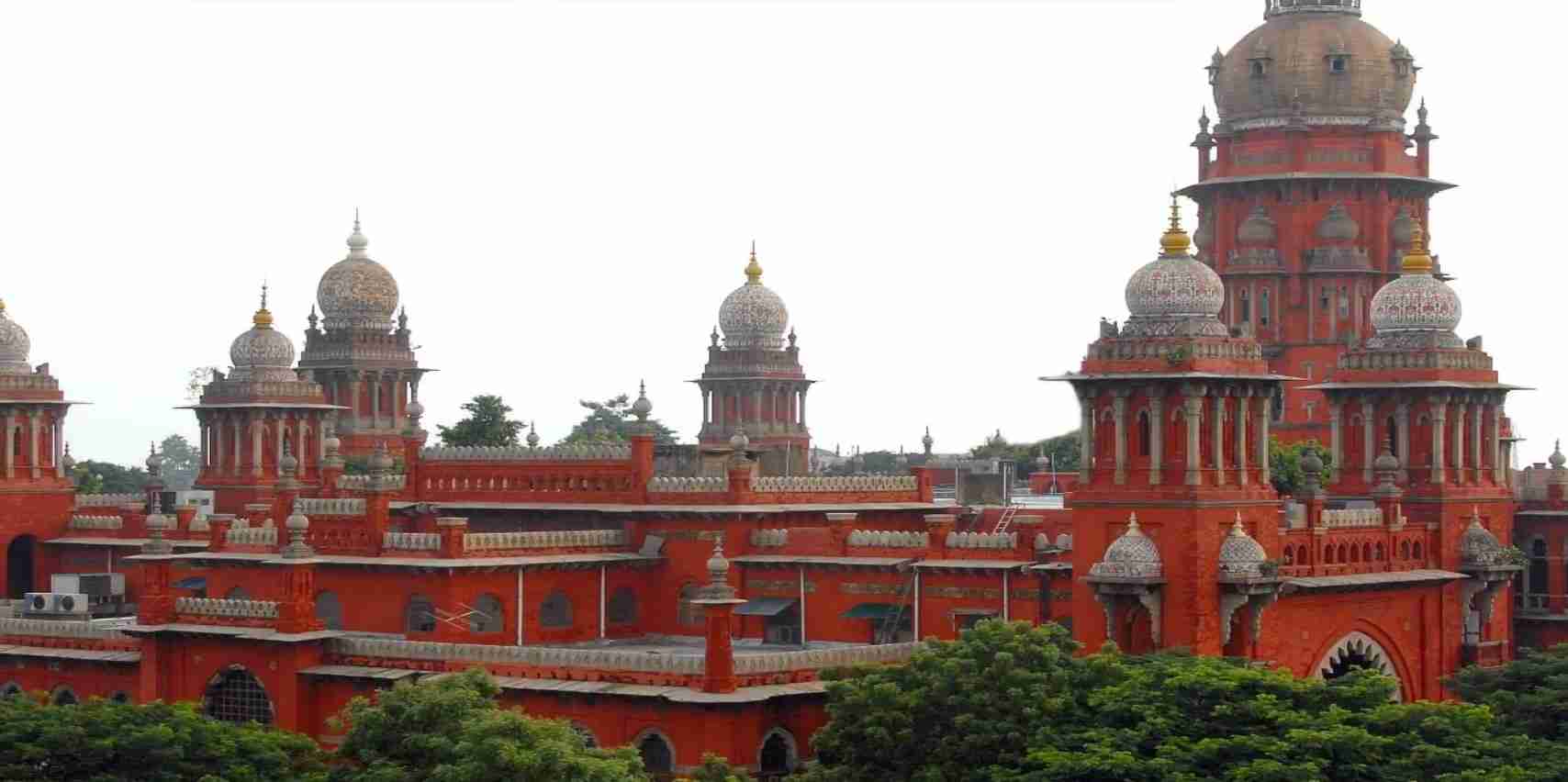
Madras was the official name of the city during British colonial rule and continued in use until 1996 when the Tamil Nadu government renamed it Chennai — the name by which the city was known locally for centuries before colonisation. Both names refer to the same city. The Chennai International Airport still carries the IATA code MAA (for Madras), and many older institutions and establishments retain “Madras” in their official names, including the University of Madras, Madras Christian College, and Madras High Court. The name Madras remains in common usage internationally and within India for historical and nostalgic references.
What day trips from Chennai are possible in 2026 beyond Mahabalipuram?
Several outstanding day trips are possible from Chennai in 2026. Kanchipuram (75 km west) is one of India’s seven sacred cities, home to more than 100 temples and famous for producing some of the finest silk in India — particularly the renowned Kanchipuram (Kanjivaram) silk sari. Pondicherry (160 km south via ECR) is the former French colonial enclave, now a Union Territory, offering Auroville, the Sri Aurobindo Ashram, French Quarter architecture, and excellent café culture — manageable in a long day but better as an overnight trip. Tiruvannamalai (190 km southwest) is a major Shaivite pilgrimage centre surrounding the sacred Arunachala hill, with the enormous Annamalai Temple among the most spectacular in Tamil Nadu. Vellore (140 km west) offers the remarkable Vellore Fort and the imposing Jalakandeswarar Temple within its walls.
How reliable is internet connectivity in Chennai in 2026?
Internet connectivity in Chennai is excellent by Indian and global standards. 4G coverage from Jio and Airtel is near-universal across the city, and 5G networks are expanding into major commercial and residential areas. Local SIM cards with generous data allowances are available at the airport arrival hall and at telecom stores throughout the city. Prepaid tourist packages offering 1.5–2 GB daily data cost approximately ₹300–500 per month. Wi-Fi is standard in hotels of all categories, mid-range and upmarket restaurants, major malls, and some public spaces including the Chennai Metro stations.