Hampi Travel Guide 2026: Vijayanagar Empire UNESCO Site
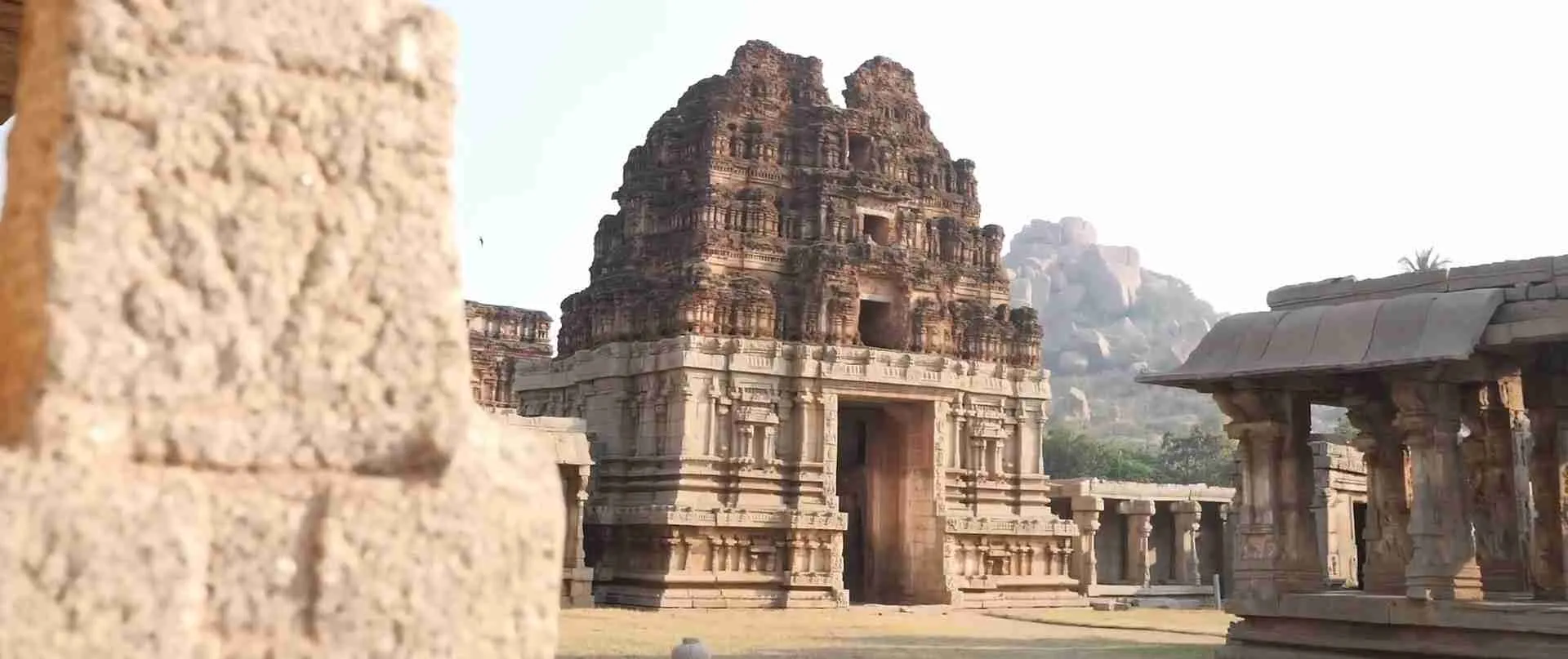
Hampi stands as one of India’s most spectacular UNESCO World Heritage Sites, preserving the magnificent ruins of the Vijayanagara Empire across 4,187 hectares of boulder-strewn landscape. Recognized by UNESCO in 1986, this ancient city offers travelers in 2026 an unparalleled journey through 14th-16th century Hindu architecture, combining otherworldly geological formations with over 1,600 surviving monuments that once comprised the world’s second-largest medieval city.
Key Takeaways
- Hampi became a UNESCO World Heritage Site in 1986 under criteria (i), (iii), and (iv), recognizing its exceptional artistic achievement and testimony to the Vijayanagara civilization
- Entry fees for 2026 are ₹40 for Indian citizens and ₹600 for foreign nationals, with children under 15 entering free; the Vittala Temple charges an additional ₹30 for Indians and ₹500 for foreigners
- The site sprawls across 26 square kilometers along the Tungabhadra River, requiring 2-3 full days to explore comprehensively
- Hospet, located 13 kilometers from Hampi, serves as the main transportation hub with rail connections to Bangalore (350 km), Goa, and Hyderabad
- October through February offers the best weather for visiting, with temperatures ranging 15-30°C and the annual Hampi Utsav festival in November
- Bicycle and scooter rentals (₹100-300 per day) provide the most practical way to navigate between monument clusters scattered across the archaeological zone
People Also Ask About Hampi Travel 2026
How much does visiting Hampi cost per day in 2026?
A budget traveler can visit Hampi for ₹1,500-2,000 per day in 2026, including accommodation (₹400-800 for guesthouse), meals (₹500-700 for three meals), monument entry fees (₹40-70 total), and local transport (₹100-300 for bike rental). Mid-range travelers should budget ₹3,000-4,500 daily for comfortable hotels (₹1,500-2,500), restaurant meals (₹1,000-1,500), and private guides (₹1,000 for full day). The main monument entry fee covers access to multiple sites throughout the day, making it excellent value for extensive exploration.
Which Hampi monuments require entry tickets in 2026?
Three main monument groups require tickets in 2026: the Vittala Temple complex (₹30 Indians/₹500 foreigners), the Elephant Stables and Zenana Enclosure (₹40 Indians/₹600 foreigners), and the Archaeological Museum at Kamalapura (₹40 per person). Most other temples and ruins throughout Hampi remain free to visit, including the active Virupaksha Temple, Hemakuta Hill temples, and riverside monuments. The Vittala Temple ticket includes access to the famous Stone Chariot and musical pillars, making it essential for first-time visitors.
How do I get from Bangalore to Hampi in 2026?
From Bangalore to Hampi in 2026, you have three main options: overnight buses (₹800-1,200, 8-9 hours) departing around 10 PM and arriving at Hospet by 7 AM; trains to Hospet Junction (₹200-1,000 depending on class, 7-8 hours) with the Hampi Express being most convenient; or private taxi (₹8,000-12,000, 6-7 hours drive). From Hospet, local buses run every 30 minutes to Hampi village (₹15-20, 30 minutes), or auto-rickshaws charge ₹300-400 for the 13-kilometer journey. The nearest airport is Jindal Vijayanagar Airport (50 km) with limited flights, making Bangalore’s Kempegowda International Airport (350 km) the primary air access point.
What’s the best 2-day Hampi itinerary for 2026?
Day 1 should cover the Sacred Center starting at Virupaksha Temple (open 6 AM), followed by Hemakuta Hill temples for sunrise, then Vittala Temple complex by 9 AM before crowds. After lunch, explore Krishna Temple complex, Achyutaraya Temple, and Sanapur Lake for sunset. Day 2 focuses on the Royal Center: Queen’s Bath, Lotus Mahal, Elephant Stables, and Mahanavami Platform in the morning, then Hazara Rama Temple and Underground Shiva Temple. Afternoon activities include crossing the Tungabhadra River to Anegundi village for sunset at Anjaneya Hill. This itinerary covers the UNESCO core monuments while allowing time to appreciate the site’s unique boulder-strewn landscape.
Extended multi-day tours – 5+ days
Featured Hampi Multi-Day Tour Packages

3 days
Hampi 3-Day Discovery Tour
- ✓ Comprehensive Hampi experience
- ✓ Expert local guides included
- ✓ All accommodation included
- ✓ Transportation provided
5 days
Hampi 5-Day Highlights Experience
- ✓ Comprehensive Hampi experience
- ✓ Expert local guides included
- ✓ All accommodation included
- ✓ Transportation provided
7 days
Hampi 7-Day Cultural Journey
- ✓ Comprehensive Hampi experience
- ✓ Expert local guides included
- ✓ All accommodation included
- ✓ Transportation provided
10 days
Hampi 10-Day Complete Adventure
- ✓ Comprehensive Hampi experience
- ✓ Expert local guides included
- ✓ All accommodation included
- ✓ Transportation provided
Multi-day tour packages powered by TourRadar. Prices and availability subject to change.
Introduction to Hampi’s UNESCO Heritage 2026
Hampi’s inscription as a UNESCO World Heritage Site in 1986 marked global recognition of one of Asia’s most extraordinary archaeological landscapes. The Group of Monuments at Hampi represents the last capital of the Vijayanagara Empire, which flourished between the 14th and 16th centuries as one of the world’s wealthiest Hindu kingdoms. At its peak around 1500 CE, Hampi ranked as the world’s second-largest city after Beijing, with contemporary travelers comparing its magnificence to Rome.
The site’s Outstanding Universal Value stems from three UNESCO criteria. Criterion (i) recognizes the unique artistic creation achieved through the integration of Hampi’s defended city with exemplary Dravidian temple architecture and spectacular natural setting. Criterion (iii) acknowledges Hampi as exceptional testimony to the vanished Vijayanagara civilization, which reached its zenith under Krishna Deva Raya (1509-1530). Criterion (iv) highlights Hampi as representing a significant stage in the historical development of Hindu temple architecture.
Today’s Hampi encompasses 4,187.24 hectares along the southern bank of the Tungabhadra River in Karnataka’s Vijayanagara district. The Archaeological Survey of India protects 56 nationally protected monuments, while the Hampi World Heritage Area Management Authority (HWHAMA) oversees the entire heritage zone. Despite conquest by the Deccan Muslim confederacy in 1565 and subsequent six-month pillage, over 1,600 monuments survive in varying states of preservation, offering visitors in 2026 an unparalleled window into medieval South Indian civilization.
Understanding Hampi’s History and UNESCO Recognition 2026
The Vijayanagara Empire established Hampi as its capital in 1336 under brothers Harihara and Bukkaraya, guided by their guru Saint Vidyaranya. The site’s strategic location—surrounded by natural granite boulder fortifications and positioned along important trade routes—made it ideal for both defense and commerce. The empire’s wealth derived from control of spice trade routes and fertile agricultural lands, attracting merchants from Persia, Portugal, Arabia, and China.
Between 1336 and 1565, successive Vijayanagara rulers transformed Hampi from a modest settlement into one of history’s great cities. King Krishnadevaraya’s reign (1509-1530) represented the empire’s golden age, when the city’s population exceeded 500,000 and its markets traded diamonds, silk, and horses. Contemporary accounts by travelers like Domingo Paes and Fernão Nunes describe Hampi’s grandeur: massive fortifications, sophisticated water management systems, bustling bazaar streets lined with columned pavilions, and hundreds of temples demonstrating architectural innovation.
The 1565 Battle of Talikota proved catastrophic. A coalition of Deccan sultanates defeated the Vijayanagara forces, followed by systematic destruction of Hampi over six months. Palaces, temples, and public buildings were stripped of wealth and deliberately damaged. The surviving ruins—partially destroyed yet remarkably preserved in their abandonment—provide unique archaeological evidence of a complete 16th-century city plan. This exceptional state of preservation contributed significantly to UNESCO’s 1986 inscription decision.
Planning Your 2026 Hampi Visit: Essential Information
Hampi operates year-round, but the October to February period offers optimal visiting conditions in 2026. Daytime temperatures range 22-30°C during these months, compared to scorching 35-42°C from March to May. The monsoon season (June-September) brings moderate rainfall and lush greenery but can make some monument areas muddy. The annual Hampi Utsav festival, held in November, features three days of classical music, dance performances, and cultural programs showcasing Karnataka’s heritage.
The Archaeological Survey of India manages Hampi’s monuments with standard opening hours of 6 AM to 6 PM daily. The Archaeological Museum at Kamalapura operates 10 AM to 5 PM but closes Fridays. Most temples remain accessible throughout daylight hours, with the active Virupaksha Temple opening for worship at 6 AM and closing around 9 PM. Sunrise and sunset viewing requires arriving 30 minutes before to secure good positions at popular spots like Hemakuta Hill or Matanga Hill.
Accommodation options in 2026 range from budget guesthouses in Hampi Bazaar (₹500-1,200 per night) to mid-range hotels in Hospet (₹1,500-3,000) and upscale heritage properties near Kamalapur (₹4,000-8,000). Hampi village itself maintains a rustic atmosphere with simple guesthouses and cafes catering to backpackers. Hospet offers more comfortable hotels with air conditioning and modern amenities, though this requires commuting 13 kilometers daily. Booking ahead becomes essential during November’s Hampi Utsav and the December-January peak season.
Hampi 2026 Entry Fees and Monument Access
The ticketing system in 2026 divides Hampi into free-access areas and three paid monument groups. Indian citizens pay ₹40 at ticketed sites, while foreign nationals pay ₹600 (check official ASI website for current rates as pricing may vary). Children under 15 years enter all monuments free regardless of nationality. E-tickets purchased through the ASI PayUMoney portal cost slightly less than cash payments at entry gates.
The Vittala Temple complex requires a separate ticket: ₹30 for Indians and ₹500 for foreigners. This ticket grants access to the temple’s architectural masterpiece, including the Stone Chariot, 56 musical pillars that produce different notes when tapped, and elaborately carved mandapas. Battery-operated vehicles (₹10 per person one-way) transport visitors the final 2 kilometers from the parking area to the temple, as private vehicles aren’t permitted to protect the monument from vibrations. The ₹30 Indian ticket also covers this UNESCO-recognized structure’s ornate Kalyana Mandapa and Utsava Mandapa.
The Elephant Stables and Zenana Enclosure ticket (₹40 Indians/₹600 foreigners) provides access to the Royal Center’s most impressive secular structures. This includes the 11-domed Elephant Stables, the Lotus Mahal with its Indo-Islamic architecture, the Queen’s Bath with its hydraulic engineering, and the Mahanavami Platform. The Archaeological Museum at Kamalapura charges ₹40 for adults regardless of nationality, with free entry for children under 15. The museum’s scaled models, sculpture galleries, and excavation displays help contextualize the ruins before exploring them in person.
Transportation and Getting Around Hampi 2026
Reaching Hampi from major Indian cities involves multiple transportation options in 2026. From Bangalore (350 km), overnight buses operated by KSRTC and private operators depart Majestic Bus Stand around 10-11 PM, arriving at Hospet by 7-8 AM. Tickets cost ₹800-1,200 depending on bus type (sleeper, semi-sleeper, Volvo AC). The Hampi Express train (16591/16592) connects Bangalore and Hospet Junction with departures at convenient times, covering the journey in 7-8 hours with sleeper class tickets at ₹200-250, 3AC at ₹700-900, and 2AC at ₹1,000-1,200.
From Goa (320 km), overnight buses provide the most practical connection, departing Panaji or Mapusa around 9-10 PM and reaching Hospet by 6-7 AM (₹600-900). The Paulo Travels and other private operators run this route daily. From Hyderabad (350 km), both trains and buses connect to Hospet, with the Rayalaseema Express being a popular overnight option (₹300-400 sleeper, ₹800-1,000 3AC). Jindal Vijayanagar Airport, 50 kilometers from Hampi, offers limited flights from Bangalore and Hyderabad, but most travelers find Bangalore’s Kempegowda International Airport (350 km, 6-7 hour drive) provides better flight options.
Within Hampi, the 26-square-kilometer archaeological zone requires efficient local transport. Bicycle rentals cost ₹100-200 per day from shops in Hampi Bazaar, offering healthy exercise while navigating the relatively flat terrain between monument clusters. Scooter rentals (₹300-500 daily) suit those preferring motorized transport, though some temple areas prohibit vehicles. Auto-rickshaws charge ₹300-500 for half-day circuits or ₹50-100 per point-to-point journey. Private taxis offer full-day services for ₹1,500-2,000, ideal for groups wanting guided flexibility.
Essential Hampi Monuments and Sites 2026
The Virupaksha Temple anchors Hampi’s Sacred Center as the site’s oldest continuously active worship center. Dedicated to Shiva as Virupaksha (Pampapati), the temple’s origins trace to the 7th century, though the present structure developed primarily during the 14th-16th centuries. The towering 160-foot gopuram (gateway tower) dominates the landscape, visible from kilometers away. Inside, the temple complex encompasses subsidiary shrines, a large tank, community kitchen facilities, and the 2,460-foot Hampi Bazaar stretching eastward. The temple charges no entry fee but camera usage inside costs ₹50 for still cameras and ₹500 for video cameras.
The Vittala Temple represents the pinnacle of Vijayanagara architectural achievement. Built during Krishnadevaraya’s reign, the temple showcases the empire’s wealth and artistic sophistication. The famous Stone Chariot in the temple courtyard—a shrine shaped as Garuda’s chariot—has become Hampi’s iconic image. The main temple’s 56 musical pillars produce distinct notes when tapped, though authorities now prohibit this practice to prevent damage. The Ranga Mandapa’s carved pillars depict scenes from Hindu epics, while perforated stone screens demonstrate remarkable stone-carving skill. The ₹30 ticket (Indians) provides access to this architectural masterpiece, best visited early morning (8-10 AM) to avoid heat and crowds.
The Royal Center monuments reveal the Vijayanagara Empire’s secular architecture and daily life. The Lotus Mahal combines Hindu and Islamic architectural elements with arched corridors, domed pavilions, and pyramidal towers. Originally serving as a palace for royal women, the structure’s layered arches create a lotus bud appearance. The adjacent Elephant Stables, an 11-chambered building with alternating dome designs (circular, octagonal, ribbed), housed the empire’s ceremonial elephants. The Queen’s Bath, a 15×15-meter bathing pavilion with water channels fed by aqueducts, demonstrates sophisticated hydraulic engineering. These monuments cluster within walking distance, covered by the Royal Center ticket.
Hemakuta Hill temples offer exceptional sunrise and sunset vantage points overlooking the Sacred Center. Dozens of small Shiva temples dot this rocky outcrop south of Virupaksha Temple, many dating to pre-Vijayanagara periods. The monolithic Nandi bulls and Ganesh statues scattered across the hillside create natural climbing routes. From the summit, visitors observe Hampi’s entire northern temple zone, the Tungabhadra River, and boulder formations stretching to the horizon. The hill requires no entry ticket and remains accessible throughout daylight hours.
Hampi Budget Breakdown 2026
Budget accommodation in Hampi Bazaar starts at ₹500-800 for basic guesthouses with shared bathrooms, rising to ₹800-1,200 for private rooms with attached baths. Popular budget options include Gopi Guesthouse, Manju Guesthouse, and Archana Guesthouse, all within walking distance of Virupaksha Temple. Mid-range hotels in Hospet cost ₹1,500-2,500 per night with air conditioning, hot water, and restaurant facilities. Heritage Hotel Malligi and Hotel Mayura Bhuvaneshwari provide comfortable bases 13 kilometers from the monuments. Upscale options near Kamalapur (₹4,000-8,000) include Evolve Back Kamalapura Palace and Kishkinda Heritage Resort, offering luxury amenities and proximity to the Royal Center.
Food costs in 2026 range significantly based on dining choices. Local restaurants in Hampi Bazaar serve South Indian vegetarian meals for ₹60-120 per thali, with dosas at ₹40-80 and rice plates at ₹80-150. Western and continental menu items popular with tourists cost ₹150-300 per dish. Three daily meals total ₹300-500 for budget eating or ₹600-1,000 for cafe dining. Hospet restaurants offer similar pricing with more diverse cuisine options including non-vegetarian dishes. Mid-range restaurants at heritage properties charge ₹300-600 per meal, with full board packages (breakfast, lunch, dinner) running ₹1,200-2,000 daily.
Monument entry fees total ₹110 for Indians visiting all ticketed sites: ₹30 for Vittala Temple, ₹40 for Royal Center monuments, and ₹40 for the Archaeological Museum. Foreign nationals pay ₹1,700 combined for these three locations. Most other monuments throughout Hampi remain free. Transport within Hampi costs ₹100-200 daily for bicycle rental, ₹300-500 for scooter rental, or ₹50-100 per auto-rickshaw journey between monument clusters. A private guide charges ₹1,000 for full-day services covering all major sites, or ₹50 per individual monument for shorter explanations.
Sample Daily Budgets Hampi 2026
Ultra-Budget Day (₹1,200-1,500): Guesthouse dorm bed ₹400, street food and local restaurants ₹400, bicycle rental ₹150, monument entry ₹40, museum entry ₹40, miscellaneous ₹170-470. Total: ₹1,200-1,500 per person.
Budget Traveler Day (₹1,800-2,500): Basic guesthouse private room ₹800, three meals at budget restaurants ₹600, scooter rental ₹400, monument entry ₹110, guide for major sites ₹300, miscellaneous ₹300. Total: ₹2,510 per person excluding accommodation, ₹1,800-2,500 including shared room costs.
Mid-Range Day (₹3,500-5,000): Hospet hotel ₹2,000, cafe meals ₹1,000, auto-rickshaw transport ₹500, full-day guide ₹1,000, monument entry ₹110, photography fees ₹100, miscellaneous ₹500. Total: ₹5,210 per person, ₹3,500-5,000 with accommodation shared between two travelers.
Comfort Level Day (₹6,000-8,000): Heritage property near monuments ₹5,000, restaurant dining ₹1,500, private vehicle with driver ₹1,500, professional guide ₹1,500, monument entry ₹110, museum and special exhibits ₹200, miscellaneous ₹1,000. Total: ₹10,810 per person, ₹6,000-8,000 per person when sharing accommodation.
Hampi 2026 Itinerary Suggestions
Day 1 – Sacred Center Circuit: Start at Virupaksha Temple (6 AM opening) for morning aarti ceremonies and relatively empty corridors. Climb Hemakuta Hill (7-8 AM) as temperatures rise, photographing sunrise views and exploring small temple clusters. Visit Sasivekalu Ganesha and Kadlekalu Ganesha monolithic sculptures (9 AM). Proceed to Krishna Temple and Krishna Bazaar for mid-morning exploration (9:30-11 AM). Take lunch break at Hampi Bazaar cafes (12-1:30 PM). Visit Vittala Temple complex (2-4:30 PM) when afternoon light enhances the Stone Chariot. End the day at Achyutaraya Temple and Courtesans’ Street (5-6 PM). Watch sunset from Matanga Hill (6:30-7 PM). Total daily costs: Monument entry ₹30 (Vittala), meals ₹500-800, transport ₹200-400, guide ₹500 for half-day. Daily total: ₹1,230-1,730 excluding accommodation.
Day 2 – Royal Center and River: Begin at the Archaeological Museum, Kamalapura (10 AM opening) to understand Vijayanagara history through exhibits, scaled models, and artifact displays (1-1.5 hours). Explore Royal Center monuments (11:30 AM-1:30 PM): Queen’s Bath, Lotus Mahal, Elephant Stables, Mahanavami Platform, Hazara Rama Temple. Lunch at Kamalapur (1:30-2:30 PM). Visit Underground Shiva Temple and Pattabhirama Temple complex (3-4 PM). Cross Tungabhadra River by coracle (₹20 per person) to Anegundi village (4:30 PM). Explore Pampa Sarovar, Durga Temple ruins, and climb Anjaneya Hill for sunset (5:30-7 PM). Return to Hampi Bazaar by coracle (7:30 PM). Total daily costs: Museum entry ₹40, Royal Center entry ₹40, meals ₹500-800, river crossing ₹40, transport ₹300-500, guide ₹500 optional. Daily total: ₹1,420-1,920 excluding accommodation.
Day 3 – Extended Monuments and Activities: Visit Daroji Bear Sanctuary (25 km from Hampi, 7-9 AM) for sloth bear sighting (entry ₹20 Indians, ₹200 foreigners, guide ₹200). Return for boulder climbing session on Hampi’s famous granite formations (10 AM-12 PM, guide ₹800-1,200). Lunch break (12-1:30 PM). Explore Tungabhadra Dam and gardens (2-4 PM, 15 km from Hampi). Visit Anegundi’s craft workshops and historical sites (4-6 PM). Sunset at Pampa Sarovar (6:30-7 PM). Total daily costs: Sanctuary entry ₹20-200, climbing guide ₹1,000, meals ₹500-800, transport to/from sanctuary ₹500-800, miscellaneous ₹300. Daily total: ₹2,320-3,100 excluding accommodation.
Practical Tips for Hampi 2026
Hampi’s climate extremes demand appropriate preparation. October through February brings pleasant 22-30°C temperatures ideal for monument exploration, but carry sunscreen (SPF 30+), wide-brimmed hats, and lightweight cotton clothing for daytime heat. March to May sees temperatures reaching 40-42°C, making early morning (6-10 AM) and late afternoon (4-7 PM) the only comfortable exploration windows. The monsoon season (June-September) brings 15-20 rainy days monthly and 600-800mm precipitation; waterproof footwear and rain jackets become essential, though the landscape transforms beautifully green.
Hampi’s boulder-strewn terrain requires sturdy, closed-toe walking shoes with good ankle support. Temple visits demand removing shoes at entrances, so easily removable footwear saves time. Carry a small backpack containing 2-3 liters water (refill stations exist at major monuments), energy snacks, basic first aid supplies, and charged power banks for phone cameras. ATMs in Hampi village and Hospet provide cash, though monument ticket counters increasingly accept UPI and card payments. Mobile networks (Airtel, Jio, Vodafone) maintain good coverage throughout the site.
Photography enthusiasts should arrive at popular monuments before 8 AM or after 4 PM for optimal lighting and fewer tourists. Sunrise photography from Hemakuta Hill (6:30-7:30 AM) captures the Virupaksha Temple and surrounding bazaar in golden light. Sunset views from Matanga Hill (6-7 PM) frame the entire Sacred Center against boulder silhouettes. The Vittala Temple’s Stone Chariot photographs best between 3-5 PM when afternoon sun illuminates the eastern facade. Respect photography restrictions at active worship areas within temples, and ask permission before photographing local people or religious ceremonies.
Cultural Etiquette and Safety 2026
Hampi combines an active pilgrimage site with archaeological tourism, requiring respectful behavior at temples. Remove shoes before entering any temple courtyard, not just the inner sanctum. Dress modestly with covered shoulders and knees—carry a shawl or sarong to wrap over shorts if needed. Avoid photographing religious ceremonies or touching sacred objects without permission. The Virupaksha Temple conducts daily worship (aarti) at 6 AM and 6 PM; visitors may observe but should maintain respectful silence and remain in designated areas.
Women traveling solo to Hampi generally experience minimal harassment, though following standard safety precautions proves sensible. Stay in guesthouses with good reviews in Hampi Bazaar rather than isolated properties. Avoid climbing boulder-strewn areas alone, especially near sunset when visibility decreases. The well-traveled routes between major monuments see constant tourist and pilgrim traffic during daylight hours. After dark, stick to Hampi Bazaar’s main street where restaurants and shops remain open until 10-11 PM. Consider joining small group tours for outlying monuments like the Underground Shiva Temple.
Hampi’s climate creates health risks if unprepared. Heat exhaustion affects visitors attempting midday exploration during March-May when temperatures exceed 40°C. Carry oral rehydration salts and drink 3-4 liters of water daily. Bottled water remains widely available (₹20-40 per liter), though carrying a reusable bottle for refills reduces plastic waste. The nearest hospital facilities operate in Hospet (13 km), with basic medical shops in Hampi Bazaar. Travel insurance covering medical evacuation provides peace of mind for international visitors.
Beyond Hampi: Nearby Attractions 2026
Anegundi village, accessed by crossing the Tungabhadra River via traditional coracles (₹20 per person, 10 minutes), predates Hampi and serves as the legendary Kishkinda of the Ramayana epic. The village maintains medieval character with narrow lanes, traditional homes, and craft workshops producing hand-woven textiles. Anjaneya Hill’s 570-step climb leads to Hanuman’s legendary birthplace temple, offering spectacular sunset views across the river to Hampi’s monuments. The Pampa Sarovar sacred pond and surrounding temples create a quieter pilgrimage experience than Hampi’s tourist crowds. Budget 3-4 hours for Anegundi exploration, allowing time for coracle rides, temple visits, and hilltop photography.
Tungabhadra Dam, located 15 kilometers from Hospet, impounds the Tungabhadra River behind a 2-kilometer-long masonry dam completed in 1953. The dam gardens offer landscaped walking paths, musical fountains (evening shows 7-8 PM), and panoramic reservoir views. The Tungabhadra Gardens and Daroji Bear Sanctuary (25 km from Hampi) provides habitat for 120+ sloth bears visible during early morning viewing sessions (7-9 AM). Park entry costs ₹20 for Indians and ₹200 for foreigners, with mandatory guide services (₹200). The sanctuary also shelters leopards, hyenas, and diverse birdlife across rocky scrubland habitat.
Badami, Aihole, and Pattadakal—collectively known as the Chalukyan architectural triangle—lie 140 kilometers from Hampi. These UNESCO-recognized sites (Pattadakal designated 1987) showcase 6th-8th century temple architecture predating Hampi by 600 years. Badami’s cave temples carved into red sandstone cliffs overlook Agastya Lake, while Aihole contains 125 temples representing experimental architectural forms. Pattadakal’s nine temples synthesize northern and southern architectural styles. A full day (8 AM-6 PM) allows visiting all three sites. Transportation options include private taxi (₹3,000-4,000 round trip) or KSRTC buses from Hospet (₹150-200 per person each way).
Frequently Asked Questions Hampi 2026
What are Hampi’s monument opening hours in 2026?
Most Hampi monuments operate 6 AM to 6 PM daily in 2026, including the Vittala Temple, Royal Center monuments, and open archaeological areas. The active Virupaksha Temple maintains extended hours from 6 AM to 9 PM for worship services. The Archaeological Museum at Kamalapura operates more restricted hours: 10 AM to 5 PM, closed Fridays. Sunrise viewing from Hemakuta Hill and sunset from Matanga Hill remain accessible throughout daylight hours without formal opening times. During the hot season (March-May), visiting early morning (6-10 AM) or late afternoon (4-7 PM) provides more comfortable temperatures for monument exploration.
Is 1 day enough for Hampi or do I need 2-3 days in 2026?
While possible to see Hampi’s major monuments in an intensive 1-day visit, 2-3 days allows proper exploration without exhaustion. A single day covers Virupaksha Temple, Vittala Temple, and Royal Center monuments but rushes photography, leaves no time for climbing viewpoints, and omits 80% of the site’s 1,600 structures. Two days enables covering Sacred Center monuments thoroughly on Day 1 and Royal Center plus Anegundi on Day 2. Three days adds relaxed pacing, boulder climbing activities, Daroji Bear Sanctuary, and deeper exploration of smaller temple clusters. Consider your travel style: monument-focused visitors need minimum 2 days, while those wanting immersive experience with activities should plan 3-4 days.
Can I visit Hampi during monsoon season (June-September) in 2026?
Hampi remains accessible during monsoon months (June-September) in 2026, though conditions differ significantly from dry season. Expect 15-20 rainy days monthly with 600-800mm total precipitation. The landscape transforms dramatically green, boulder formations gain moss coverage, and waterfalls appear along the Tungabhadra. Monument exploration requires rain gear and waterproof footwear. Advantages include 30-40% fewer tourists, lower accommodation prices (₹400-800 vs ₹800-1,500 in peak season), and dramatic photography opportunities with rain-washed monuments. Disadvantages include slippery boulder surfaces making hilltop climbing dangerous, occasional monument closures during heavy rain, and higher humidity (80-90%). Budget travelers often prefer monsoon for cost savings and authentic experience, while first-time visitors typically choose October-February for reliable weather.
Where should I base myself: Hampi village or Hospet in 2026?
Hampi village provides atmospheric, budget-friendly accommodation (₹500-1,200 nightly) literally within the archaeological zone, with Virupaksha Temple steps away and sunset viewpoints walking distance. The village offers backpacker cafes, bicycle rentals, and immersive ancient-city atmosphere. Disadvantages include basic facilities, limited air conditioning, and rustic amenities. Hospet (13 km away) features comfortable mid-range hotels (₹1,500-2,500) with modern bathrooms, air conditioning, and diverse restaurants, but requires daily 30-minute commutes adding ₹300-400 auto-rickshaw costs. Choose Hampi village for budget travelers wanting proximity to monuments and social atmosphere; select Hospet for comfort-focused visitors or those visiting during hot season (March-May) requiring air conditioning. Heritage properties near Kamalapur (₹4,000-8,000) provide luxury options close to Royal Center monuments.
What’s the best way to travel between Hampi monuments in 2026?
Bicycles rented in Hampi Bazaar (₹100-200 daily) provide the healthiest, most flexible monument-hopping option for the 26-square-kilometer archaeological zone. The terrain between major monument clusters stays relatively flat except hilltop viewpoints. Scooters (₹300-500 daily) suit those uncomfortable cycling in heat or covering maximum ground daily. Auto-rickshaws charge ₹50-100 per journey between sites or ₹300-500 for half-day circuits, ideal for groups splitting costs. Private taxis (₹1,500-2,000 full day) work for families with small children or those unable to cycle. Walking remains impractical given distances: Virupaksha to Vittala Temple measures 4 kilometers, Royal Center to Sacred Center spans 5 kilometers. Battery vehicles (₹10 per person) operate only on the Vittala Temple approach road. Most visitors combine bicycles for nearby monuments with auto-rickshaws for distant sites.
Are there restrictions on photography at Hampi monuments in 2026?
General photography remains permitted at most Hampi monuments without fees, though specific restrictions apply. The active Virupaksha Temple prohibits photography in worship areas but allows courtyard photos; camera usage costs ₹50 for still cameras, ₹500 for video. The Vittala Temple includes photography in the entry ticket without additional charges. Commercial photography or videography requiring tripods, lighting equipment, or models needs advance permission from the Archaeological Survey of India through the Hampi Heritage office. Drone photography requires special permits difficult for tourists to obtain. Respectfully avoid photographing active worship, priests conducting ceremonies, or local people without asking permission. Flash photography damages ancient frescoes and paintings; never use flash inside painted areas. Most visitors successfully photograph Hampi’s monuments with smartphones or standard cameras following these basic guidelines.
What shopping and handicraft opportunities exist in Hampi 2026?
Hampi Bazaar shops sell traditional handicrafts, textiles, and souvenirs along the 2,460-foot marketplace stretching from Virupaksha Temple. Popular purchases include block-printed cotton fabrics (₹200-500 per meter), hand-woven shawls (₹300-800), brass lamps and vessels (₹200-2,000), stone carvings (₹500-5,000), and miniature paintings (₹300-1,500). Anegundi village artisans produce authentic handloom textiles and banana fiber crafts demonstrating traditional techniques. Bargaining remains expected with initial asking prices typically 40-50% above final sale price. Quality varies significantly; examine workmanship carefully before purchasing. The Karnataka State Handicrafts Development Corporation outlet in Hospet offers fixed-price guaranteed-quality crafts with higher prices but assured authenticity. Avoid purchasing items claiming to be antiques or archaeological fragments, as removing artifacts from the World Heritage Site violates Indian law with serious legal consequences.
How physically demanding is exploring Hampi’s monuments in 2026?
Hampi’s archaeological zone presents varying physical challenges depending on which monuments you visit. The Sacred Center monuments (Virupaksha Temple, Krishna Temple, Achyutaraya Temple) involve mostly flat walking on stone pathways with stairs climbing temple platforms—manageable for average fitness levels. The Royal Center monuments sit on relatively level ground requiring minimal climbing. However, viewpoint hilltops demand strenuous efforts: Hemakuta Hill involves 20-30 minutes uphill boulder scrambling, Matanga Hill requires 45-60 minutes climbing rough stone steps (360+ steps), and Anjaneya Hill in Anegundi needs 570 step ascent. Summer heat (March-May) intensifies physical demands when temperatures exceed 40°C. Visitors with mobility limitations can see 70% of major monuments from ground level, though hilltop viewpoints remain inaccessible without climbing. Elderly travelers or those with health concerns should focus on flat-area monuments, use auto-rickshaws between sites, and avoid midday exploration during hot months.
What food and dining options are available in Hampi 2026?
Hampi Bazaar restaurants serve predominantly vegetarian Indian and international cuisine catering to backpackers and tourists. Budget restaurants offer South Indian thalis (₹60-120), dosas (₹40-80), and rice meals (₹80-150). Popular tourist cafes like Mango Tree, Gopi, and Laughing Buddha serve Western breakfasts (₹150-250), pasta dishes (₹200-300), and continental meals (₹250-400). Most establishments close by 10 PM. Alcohol remains officially prohibited in Hampi village due to temple town regulations, though Hospet restaurants serve beer (₹150-200) and spirits. Hospet offers more diverse dining with non-vegetarian options, Chinese restaurants, and air-conditioned establishments. Heritage properties near Kamalapur feature upscale restaurants (₹300-600 per meal) serving Karnataka regional specialties and North Indian cuisine. Food safety standards vary; stick to busy, well-reviewed restaurants and avoid raw salads or unpeeled fruits. Filtered or bottled water (₹20-40 per liter) remains essential for all drinking and teeth-brushing to avoid waterborne illness.
What should I pack specifically for a Hampi trip in 2026?
Essential Hampi packing includes sun protection (SPF 50+ sunscreen, wide-brimmed hat, UV sunglasses), lightweight cotton clothing covering shoulders and knees for temple entry, comfortable closed-toe walking shoes with ankle support for boulder terrain, and easily removable footwear for temple visits. Carry a small daypack with 2-3 liter water capacity, oral rehydration salts, basic first aid kit, mosquito repellent (especially monsoon season), and power bank for phones. Photography gear should include extra memory cards and batteries, as charging opportunities between monuments remain limited. October-February requires light jacket for early mornings and evenings (15-20°C). March-May demands cooling scarves and extra water bottles for 40°C+ heat. June-September necessitates rain jacket, waterproof footwear, and dry bags for electronics. Other useful items: headlamp for early morning hilltop climbs, small lock for guesthouse lockers, photocopies of passport/visa, and basic medications (anti-diarrheal, pain relievers). Don’t overpack—laundry services in Hampi Bazaar wash clothes for ₹30-50 per item with same-day or next-day return.