
Charleston Travel Tips 2026: Essential Planning & Practical Advice
Charleston combines cobblestone streets, antebellum architecture, and thriving culinary innovation into one of America’s most captivating coastal cities, where practical planning transforms a good visit into an extraordinary experience. This guide delivers tested strategies for navigating the Holy City efficiently in 2026, from parking hacks and seasonal timing to dining reservations and neighborhood navigation. Whether arriving for a weekend or an extended stay, these insights help visitors maximize their Charleston experience while avoiding common pitfalls that catch unprepared travelers.
Key Takeaways About Charleston Travel 2026
- Optimal Visiting Windows: March through May and September through November deliver the best balance of comfortable temperatures (60-80°F), manageable crowds, and full access to gardens, beaches, and festivals, with spring showcasing blooming azaleas and fall offering golden marsh landscapes and reduced humidity.
- Strategic Parking Solutions: Downtown parking costs $2 per hour at street meters (enforced 9 AM-6 PM Monday-Saturday, free Sundays), while the HOP shuttle system provides $5 all-day parking with complimentary 15-minute shuttle service to major downtown stops from 6 AM to 3 AM daily, eliminating the stress of finding downtown spaces.
- Walking-First Transportation: Historic downtown Charleston measures roughly one square mile and rewards pedestrian exploration, with most major attractions within 15-20 minutes walking distance of each other, though rideshare services ($8-15 typical rides) and the free DASH trolley provide convenient alternatives for longer distances or hot days.
- Reservation Requirements 2026: Popular restaurants require reservations 1-2 weeks ahead for dinner during peak seasons (March-May, September-November), while plantation tours, harbor cruises, and Fort Sumter ferry tickets benefit from advance booking to secure preferred time slots and avoid sellouts.
- Hurricane Season Awareness: June through November constitutes Charleston’s hurricane season with August-October representing peak months, requiring travelers to purchase travel insurance, monitor weather forecasts, and understand that tropical systems can disrupt plans even when not making direct landfall.
- Cultural Sensitivity and Etiquette: Charleston’s history includes difficult chapters of slavery and civil war that demand respectful engagement at plantation sites, historic homes, and Civil War landmarks, with many attractions now incorporating comprehensive historical interpretation that acknowledges both architectural beauty and human suffering.
People Also Ask About Charleston Travel 2026
What is the best month to visit Charleston in 2026?
April and October represent the optimal months for visiting Charleston in 2026. April delivers mild temperatures (60-73°F), blooming gardens across historic plantations, and the Charleston Jazz Festival, while October offers warm days without summer’s oppressive humidity, golden marshland scenery, and the MOJA Arts Festival celebrating African-American and Caribbean culture. Both months avoid the intense heat and afternoon thunderstorms of summer (June-August) and the occasional cool snaps of winter (December-February), making outdoor exploration comfortable throughout the day. March and May also provide excellent conditions, though March can experience variable weather and May marks the beginning of Spoleto Festival USA, which drives higher hotel rates and larger crowds. September offers another strong alternative with warm ocean temperatures perfect for beach days, though early September still carries some hurricane season risk. November provides good value with cooler temperatures ideal for walking tours and fewer tourists, though some beach-focused visitors might find ocean temperatures (around 65°F) too cool for swimming.
How many days do you need in Charleston in 2026?
Three to four days provides sufficient time to experience Charleston’s essential attractions while maintaining a comfortable pace that allows for spontaneous discoveries and unhurried meals. A well-planned three-day itinerary covers downtown historic sites (Rainbow Row, The Battery, City Market, waterfront parks), one plantation visit (Magnolia, Middleton, or Drayton Hall), Fort Sumter National Monument, and several notable restaurants representing Charleston’s culinary renaissance. Four days adds flexibility for a beach excursion (Folly Beach, Sullivan’s Island, or Isle of Palms), additional plantation exploration, museum visits (International African American Museum, South Carolina Aquarium), or day trips to nearby destinations like Beaufort or the ACE Basin. First-time visitors focusing exclusively on downtown historical and culinary experiences can accomplish their primary goals in two full days, though this compressed timeline requires efficient planning and eliminates flexibility for weather contingencies or unexpected discoveries. Extended stays of five to seven days reward visitors with deeper neighborhood exploration, multiple plantation comparisons, comprehensive museum visits, beach time, and the opportunity to experience Charleston’s rhythm without constant rushing between attractions.
What should I avoid in Charleston in 2026?
Avoid visiting Charleston during July and August unless heat tolerance is exceptional and beach access is the priority, as afternoon temperatures regularly reach 90-95°F with humidity levels that make outdoor exploration uncomfortable and potentially dangerous for heat-sensitive individuals. The peak summer months also bring frequent afternoon thunderstorms that disrupt outdoor activities, though these typically clear within 30-60 minutes. Similarly, avoid arriving without restaurant reservations during peak seasons (March-May, September-November), as popular dining establishments book solid weeks in advance and walk-in availability at acclaimed restaurants proves extremely limited. Skip the impulse to over-schedule plantation visits in a single day, as each property deserves 2-3 hours for comprehensive exploration of grounds, gardens, and historic structures, making two plantations the practical maximum for one day. Avoid driving and parking in downtown Charleston if possible, as the historic district’s narrow streets, limited parking, and challenging navigation create unnecessary stress when walking, rideshare, or the HOP shuttle provide simpler alternatives. Finally, avoid treating Charleston’s historic sites as merely photogenic backdrops without engaging with the complex history they represent, as plantations and Civil War landmarks now offer detailed historical interpretation that provides essential context about slavery, secession, and Reconstruction that enriches understanding beyond architectural appreciation.
Is Charleston expensive to visit in 2026?
Charleston ranks as a moderately expensive destination in 2026, with costs falling between budget-friendly Southern cities like Savannah and premium coastal destinations like Nantucket or Martha’s Vineyard. Mid-range travelers typically spend $200-290 per person daily (two sharing mid-range hotel), covering accommodation ($90-125 per person for two sharing a $180-250 hotel), meals ($75-95 for breakfast, lunch, and dinner), local transportation ($15-25), and attraction admissions ($25-40). Budget-conscious visitors can reduce daily costs to $95-130 per person by selecting hostels or budget hotels ($30-55 per person), emphasizing self-catering and inexpensive dining options ($35-50 daily), utilizing free attractions (waterfront parks, Rainbow Row, historic cemeteries, beaches), and walking rather than using rideshare services. Luxury travelers investing in premium experiences typically spend $380-550+ per person daily, reflecting upscale hotel rates ($175-300+ per person for two sharing $350-600+ rooms), fine dining at acclaimed restaurants ($150-200 per person including wine), private tours, and premium plantation experiences. The highest costs concentrate in accommodation and dining, with Charleston’s restaurant scene commanding prices comparable to major metropolitan markets, while many historical sites and outdoor attractions remain free or moderately priced. Seasonal variation significantly impacts costs, with spring (especially April-May) and fall (September-October) commanding peak hotel rates 30-50% above winter prices.
Extended multi-day tours – 5+ days
Featured Charleston Multi-Day Tour Packages
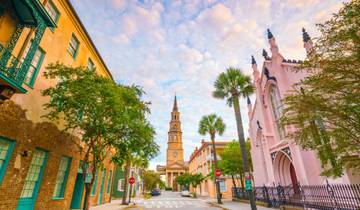
7 days
Southern Charms (from Charleston to Savannah)
- ✓ Comprehensive Charleston tour
- ✓ Expert local guides included
- ✓ All accommodation arranged
- ✓ Transportation provided
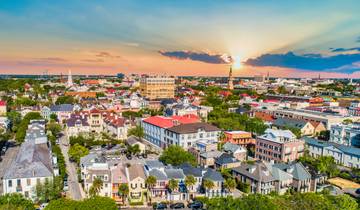
7 days
Southern Charm featuring Charleston, Savannah, and Jekyll Island (Charleston, SC to Jekyll Island, GA, 2027)
- ✓ Comprehensive Charleston tour
- ✓ Expert local guides included
- ✓ All accommodation arranged
- ✓ Transportation provided
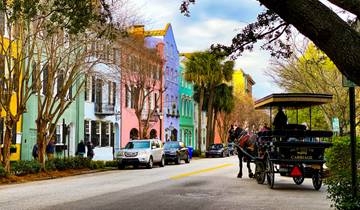
7 days
Southern Charm Holiday (Charleston, SC to Jekyll Island, GA, 2026)
- ✓ Comprehensive Charleston tour
- ✓ Expert local guides included
- ✓ All accommodation arranged
- ✓ Transportation provided
7 days
Southern Charm Holiday (Charleston, SC to Jekyll Island, GA, 2027)
- ✓ Comprehensive Charleston tour
- ✓ Expert local guides included
- ✓ All accommodation arranged
- ✓ Transportation provided
Multi-day tour packages powered by TourRadar. Prices and availability subject to change.
Introduction: Planning Your Charleston Experience in 2026
Charleston stands as one of America’s most preserved and evolving cities, where the antebellum past meets contemporary Southern culture in a coastal setting that rewards both meticulous planning and spontaneous exploration. Founded in 1670, this South Carolina port city survived Revolutionary War battles, earthquakes, hurricanes, and Civil War bombardment to emerge as a destination where history manifests not merely in museums but in daily life on cobblestone streets lined with pastel-hued houses, Spanish moss-draped oaks, and courtyards concealing centuries of stories.
The city’s appeal transcends its architectural beauty. Charleston has evolved into a culinary destination rivaling larger American cities, with James Beard Award-winning chefs transforming Lowcountry ingredients into innovative cuisine while traditional establishments continue serving she-crab soup, shrimp and grits, and Frogmore stew to appreciative crowds. The International African American Museum, opened in 2023, adds essential historical context to the waterfront where thousands of enslaved Africans first arrived in North America, complementing the city’s existing plantation sites, house museums, and Civil War landmarks with contemporary interpretation that acknowledges both accomplishment and tragedy.
Practical considerations shape successful Charleston visits in 2026. The city’s subtropical climate creates distinct seasonal experiences, from spring’s azalea blooms to summer’s beach-perfect temperatures and fall’s comfortable walking weather, with each season offering different advantages for various traveler priorities. Downtown Charleston’s compact historic district facilitates walking exploration, though strategic use of parking alternatives, the free DASH trolley, and rideshare services enhances efficiency when covering longer distances or managing heat. Restaurant reservations, plantation tour bookings, and ferry tickets require advance planning during peak seasons, while flexibility around weather contingencies proves essential given Charleston’s afternoon thunderstorm patterns and hurricane season realities.
This guide addresses the practical realities of experiencing Charleston in 2026, from optimal visiting windows and transportation strategies to restaurant navigation, accommodation selection, and cultural sensitivity at historic sites. The goal transcends mere sightseeing to embrace genuine engagement with a city where every street corner reveals layers of American history, where culinary innovation honors agricultural traditions, and where coastal beauty frames one of the nation’s most compelling urban experiences. Whether arriving for a first visit or returning to explore deeper, these tested strategies help visitors navigate Charleston’s opportunities and challenges to create memorable experiences in the Holy City.
Understanding Charleston’s Geography and Neighborhoods 2026
Charleston occupies a peninsula bounded by the Ashley River to the west and Cooper River to the east, with this geographic configuration shaping the city’s historic development and contemporary visitor experience. The peninsula’s southern tip contains the oldest and most architecturally significant areas, while newer development extends northward and bridges connect to beach communities and suburban areas across both rivers.
The Historic District south of Calhoun Street encompasses Charleston’s premier attractions, architectural treasures, and highest concentration of restaurants, hotels, and shops. This approximately one-square-mile area contains Rainbow Row (the photographed pastel houses on East Bay Street), The Battery (waterfront promenade with antebellum mansions), White Point Garden, Charleston City Market, numerous house museums, churches, and the majority of acclaimed restaurants. Walking proves the most effective transportation method within this district, as narrow streets, one-way systems, and limited parking discourage driving. King Street, running north-south through the historic core, functions as Charleston’s primary commercial corridor, with the Lower King section (south of Broad Street) featuring upscale boutiques, Middle King (Calhoun to Broad) hosting mainstream retail and restaurants, and Upper King (north of Calhoun) offering galleries, design shops, and increasingly trendy dining.
The French Quarter, bounded roughly by Market Street, East Bay Street, Broad Street, and Meeting Street, contains some of Charleston’s finest architecture, including the French Huguenot Church, Dock Street Theatre, and numerous art galleries. This neighborhood’s quiet side streets reward exploratory walks, revealing hidden gardens, historic markers, and architectural details that distinguish Charleston from other American cities. Queen Street and Church Street showcase particularly well-preserved streetscapes, while Philadelphia Alley and Longitude Lane offer atmospheric narrow passages characteristic of the city’s colonial layout.
South of Broad Street (often abbreviated “SOB” in local parlance) represents Charleston’s most prestigious residential neighborhood, where privately owned historic homes line streets like Meeting, King, Tradd, and Legare, many opening for the annual Festival of Houses and Gardens but otherwise remaining private residences. The Battery and White Point Garden anchor this neighborhood’s southern tip, providing public access to harbor views, Civil War monuments, and the iconic “High Battery” mansions that survived bombardment during the Civil War. Visitors exploring this area should respect that most houses remain private homes despite their historical significance and photogenic qualities.
Upper Peninsula neighborhoods north of Calhoun Street include the growing residential areas of Radcliffeborough, Cannonborough-Elliotborough, and Wagener Terrace, where renovated historic homes mix with new construction and the atmosphere shifts from tourist-focused to genuinely residential. These neighborhoods contain fewer major attractions but offer authentic glimpses of contemporary Charleston life, excellent casual restaurants, and generally easier parking than the historic core. The NoMo (North Morrison) area has emerged as a dining destination with several acclaimed restaurants choosing locations north of the traditional tourist zone.
Across the Ashley River, West Ashley contains some of Charleston’s most significant plantation sites, including Drayton Hall, Magnolia Plantation and Gardens, and Middleton Place, all located along Ashley River Road roughly 15-20 minutes from downtown. These properties require dedicated visits rather than casual stops, with each deserving 2-3 hours for comprehensive exploration. West Ashley also contains suburban shopping areas, residential neighborhoods, and increasingly diverse dining options, though most visitors focus their time on the peninsula and plantation corridor.
Mount Pleasant, across the Cooper River via the Arthur Ravenel Jr. Bridge, serves as Charleston’s primary beach gateway, with routes leading to Sullivan’s Island and Isle of Palms. The town itself contains Patriots Point Naval & Maritime Museum (home to aircraft carrier USS Yorktown), Boone Hall Plantation, the charming Old Village neighborhood, and Shem Creek’s restaurant row featuring waterfront seafood dining. Mount Pleasant has grown into Charleston’s largest suburb, offering hotel alternatives to downtown properties, though the 10-15 minute drive to the peninsula adds commuting time for visitors prioritizing historic district exploration.
Folly Beach, 15 minutes south of downtown, provides Charleston’s most laid-back beach community, known for its surf culture, colorful beach houses, casual restaurants, and the Morris Island Lighthouse visible from the island’s east end. Folly attracts a younger, more casual crowd than the manicured beaches of Isle of Palms or Kiawah Island, with rental options ranging from beach houses to small inns. The town’s bohemian character contrasts with Charleston’s historic formality, offering visitors seeking beach time a distinctly different atmosphere from the downtown peninsula.
Understanding these geographic divisions helps visitors allocate time effectively, select accommodations matching their priorities, and plan efficient daily itineraries that minimize backtracking across rivers or bridges. First-time visitors typically concentrate on the Historic District with a plantation excursion and beach day, while repeat visitors often explore Upper Peninsula neighborhoods, Mount Pleasant dining, or the outer islands’ natural areas that reveal different aspects of the Charleston region beyond the well-documented downtown core.
Seasonal Planning and Weather Considerations 2026
Charleston’s subtropical climate creates dramatically different experiences across the calendar year, with seasonal timing profoundly affecting comfort levels, costs, crowd densities, and available activities. Understanding these seasonal patterns enables strategic planning that aligns weather conditions with visitor priorities and tolerance levels.
Spring (March-May) represents Charleston’s peak season, combining ideal temperatures with blooming gardens and major festivals. March temperatures range 51-66°F, with azaleas and dogwoods beginning their bloom cycle across plantation grounds and private gardens. The Charleston Wine + Food Festival typically occurs in early March, attracting culinary enthusiasts nationwide. April warms to 59-73°F, delivering perfect conditions for walking tours, plantation visits, and the Charleston Jazz Festival. Garden enthusiasts particularly favor April, when Magnolia, Middleton, and private gardens reach peak bloom during the Festival of Houses and Gardens. May temperatures (67-79°F) feel ideal for combining city exploration with beach excursions, though late May brings Spoleto Festival USA, a 17-day performing arts celebration filling hotels and restaurants citywide. Spring’s popularity creates challenges: hotel rates reach annual peaks, restaurant reservations require weeks of advance planning, and major attractions experience maximum crowds. Travelers visiting during spring should book accommodations 2-3 months ahead and secure restaurant reservations immediately upon finalizing travel dates.
Summer (June-August) brings intense heat, high humidity, and frequent afternoon thunderstorms, creating conditions that challenge many visitors while appealing to beach enthusiasts and families with school-age children. Temperatures consistently reach 88-92°F with humidity levels making outdoor exploration uncomfortable during midday hours. Afternoon thunderstorms occur most days, typically developing around 2-4 PM and clearing within 30-60 minutes, a pattern that shapes activity scheduling toward morning plantation visits or museum exploration and late afternoon beach time. June through August also constitutes prime beach season, with ocean temperatures reaching 80-85°F and nearby islands (Sullivan’s, Folly, Isle of Palms) offering respite from downtown heat. Summer brings fewer downtown crowds as spring tourists depart and locals avoid the historic district during peak heat, creating opportunities for dining reservations and hotel availability. Travelers tolerating heat and prioritizing beach access find summer Charleston appealing, particularly when embracing a slower pace that includes afternoon breaks for air conditioning, swimming pools, or beach shade. Budget-conscious visitors benefit from hotel rates 20-30% below spring peaks, though July-August demand from family travelers moderates these savings.
Fall (September-November) provides another premium window for Charleston visits, combining warm temperatures with reduced humidity and stunning marsh landscapes as grasses turn golden. September averages 75-83°F, maintaining summer’s beach-friendly temperatures while beginning the transition toward more comfortable walking weather. The MOJA Arts Festival celebrating African-American and Caribbean culture typically occurs in late September or early October, adding cultural programming across the city. October delivers ideal conditions (65-75°F) for historic district exploration, plantation tours, and outdoor dining, with lower humidity making full-day outdoor activities comfortable. Fall foliage arrives later in Charleston than in northern regions, with color peaking in late November rather than October, creating extended opportunities for garden photography. November cools to 57-67°F, perfect for walking tours though potentially too cool for beach swimming as ocean temperatures drop to 65°F. Fall brings moderate hotel rates, easier restaurant reservations than spring, and manageable crowds that preserve accessibility without the ghost-town feeling of winter’s slowest weeks. Hurricane season (June-November) poses the primary fall consideration, with September and October representing peak months for tropical systems affecting the South Carolina coast. While major hurricanes prove infrequent, tropical storms and hurricane near-misses can disrupt travel plans even without direct landfall.
Winter (December-February) offers Charleston’s lowest rates and smallest crowds, appealing to visitors prioritizing value, seeking romantic getaways, or escaping harsher northern climates. December temperatures (48-61°F) feel mild compared to northern winters while cool enough to create cozy atmospheres for holiday decorations, seasonal events, and the Holiday Festival of Lights at James Island County Park. January (43-57°F) and February (45-61°F) bring Charleston’s coolest weather, occasionally dipping into the 30s overnight though rarely experiencing freezing temperatures or snow. Winter visitors enjoy immediate restaurant seating, uncrowded attractions, and hotel rates 30-50% below spring peaks, with Valentine’s Day weekend representing the sole exception as couples seeking romantic escapes briefly raise demand. Winter weather proves variable, with periods of rain, cool temperatures, and occasional warm spells (70°F days) creating uncertainty for advance planning. Plantation gardens appear dormant compared to spring’s blooms, though historic architecture and interiors shine regardless of season. Beach activities prove limited as ocean temperatures (55-60°F) discourage swimming, though beach walks remain pleasant on sunny winter days.
Hurricane season (June 1-November 30) requires specific planning considerations for summer and fall visitors. Charleston’s geographic position makes it vulnerable to Atlantic hurricanes, though direct major hurricane strikes occur infrequently (roughly once per decade). More common scenarios involve tropical storms, hurricane near-misses that bring heavy rain and wind, or hurricanes tracking inland across other parts of the Southeast while affecting Charleston with outer bands. Hurricane watches and warnings typically provide 24-72 hours notice, sufficient time for evacuation if necessary, though this creates travel disruption and potential losses if trip insurance wasn’t purchased. Travelers visiting during hurricane season should purchase comprehensive travel insurance covering weather-related cancellations, monitor Weather Channel and National Hurricane Center forecasts, and maintain flexibility around arrival/departure dates if tropical systems threaten the Southeast. Most Charleston hotels offer flexible cancellation policies during hurricane warnings, and restaurants/attractions close when mandatory evacuations are issued, making it impractical to visit during active hurricane threats regardless of advance planning.
Practical seasonal considerations extend beyond temperature and precipitation to daylight hours, festival schedules, and local crowd patterns. Summer’s longer days (sunrise around 6 AM, sunset after 8 PM) provide extended exploration time, while winter’s shorter days (sunrise after 7 AM, sunset around 5:30 PM) compress outdoor activity windows. Major festivals including Charleston Wine + Food (March), Festival of Houses and Gardens (April-May), Spoleto Festival USA (late May-early June), and MOJA Arts Festival (September-October) enhance cultural offerings while increasing crowds and accommodation costs. Conversely, visiting during gaps between major events (late June, late July, early August, late January, early February) provides access to Charleston’s attractions without festival-driven congestion or pricing premiums. Understanding these seasonal dynamics enables strategic timing decisions that align personal preferences around weather tolerance, budget flexibility, crowd tolerance, and specific festival interests with Charleston’s annual rhythms.
Transportation Strategies: Getting Around Charleston 2026
Charleston’s compact historic district rewards pedestrian exploration, though strategic use of parking alternatives, public transit, rideshare services, and occasional rental vehicles creates the most efficient transportation mix for comprehensive regional exploration.
Walking dominates transportation within the Historic District south of Calhoun Street, where most major attractions sit within 15-20 minutes of each other on foot. Rainbow Row to The Battery covers roughly 10 minutes walking, The Battery to City Market requires 15 minutes, and City Market to Upper King Street restaurants spans about 15 minutes at a leisurely pace. Charleston’s relatively flat topography facilitates walking compared to hillier Southern cities like Savannah’s bluff neighborhoods, though summer heat and humidity create challenges during midday hours (11 AM-4 PM June-August). Comfortable walking shoes prove essential, as many sidewalks feature uneven brick or cobblestone surfaces that punish fashion footwear. The compact downtown layout makes it practical to return to hotels for afternoon rest breaks before evening activities, a pattern particularly valuable during hot months when midday air conditioning restoration enhances overall experience quality.
The free DASH (Downtown Area Shuttle) trolley operates three color-coded routes through downtown Charleston from approximately 9 AM to 8 PM (hours vary by season), providing complimentary transportation between major attractions, hotels, and parking areas. The trolley proves particularly valuable for covering longer north-south distances along the peninsula (Upper King to The Battery) without walking, during hot days when heat exhaustion threatens, or when mobility challenges make extensive walking difficult. Wait times average 15-20 minutes depending on route and time of day, requiring some schedule flexibility compared to rideshare’s immediate availability. The DASH routes connect to the Visitor Center at 375 Meeting Street, where maps, brochures, and helpful staff assist with planning.
Parking in downtown Charleston requires strategic planning to avoid frustration and unnecessary expense. Street meter parking costs $2 per hour with enforcement Monday-Saturday 9 AM-6 PM, free on Sundays and city holidays. Most metered spaces limit parking to 2 hours maximum, insufficient for full-day downtown stays. City parking garages charge $1 per 20 minutes (roughly $3 per hour) with a $24 daily maximum, offering longer-term parking than street meters but accumulating significant costs for multi-day stays. Several garages offer evening discounts: Visitor Center Garage (63 Mary Street) charges a $7 flat rate after 3 PM and $5 after 5 PM, making it economical for dinner and evening activities. The 93 Queen Street garage offers identical evening discounts. Private parking lots and garages operated by hotels, businesses, and independent companies charge variable rates, typically $15-30 daily, often without in-and-out privileges.
The HOP (Hospitality on Peninsula) shuttle represents Charleston’s best parking value for all-day downtown visits. For $5 daily, visitors park at designated lots and ride a complimentary shuttle running every 15 minutes from 6 AM to 3 AM daily, with stops along Meeting Street, Broad Street, and East Bay Street covering major downtown zones. The HOP eliminates parking-space hunting stress, saves money compared to garage rates ($5 versus $24-30), and provides flexible access throughout the day and evening. The shuttle’s extended hours accommodate dinner reservations and nightlife without requiring meter feeding or garage retrieval deadlines. HOP particularly benefits day-trippers and visitors staying outside downtown who need full-day peninsula access without hotel parking.
Rideshare services (Uber, Lyft) operate throughout Charleston with typical downtown rides costing $8-15 depending on distance and time of day. Rideshare proves economical for occasional trips (hotel to restaurant reservations, downtown to Folly Beach, airport transfers) while avoiding the commitment and expense of rental vehicles. Charleston’s downtown traffic moves slowly due to narrow streets, one-way systems, and tourist congestion, making rideshare times variable and sometimes slower than walking short distances. Surge pricing during peak hours (Friday-Saturday evenings, Sunday brunch times) and special events (Spoleto Festival, Cooper River Bridge Run) can double or triple base fares, creating cost uncertainty for budget-conscious travelers. The rideshare pickup/dropoff experience in downtown Charleston can frustrate drivers and passengers alike, as narrow historic streets lack designated pickup zones and finding exact locations amid similar-looking blocks challenges both parties.
Rental cars serve specific purposes in Charleston tourism rather than general downtown navigation. Visitors planning plantation tours along Ashley River Road, day trips to Beaufort or Edisto Island, or extensive beach exploration benefit from rental vehicle freedom to visit multiple properties on self-directed schedules. Rental rates at Charleston International Airport typically range $45-85 daily depending on vehicle class and season, with off-airport rental locations often charging slightly higher rates. Parking at plantation sites, beach access points, and suburban destinations poses minimal challenges compared to downtown Charleston, making rental vehicles practical for region-wide exploration. However, visitors focusing exclusively on downtown Charleston, taking one guided plantation tour, and limiting beach visits to a single afternoon rarely justify rental costs and parking frustrations when walking, DASH trolley, rideshare, and organized tours cover needs more economically.
Bicycling appeals to some visitors as an alternative transportation method, with bike rental shops in downtown Charleston offering hourly, daily, and weekly rates ($8-12 hourly, $25-40 daily). Charleston’s flat topography and relatively quiet side streets accommodate cycling, though heavy downtown traffic on main corridors, tourist congestion, and limited bike lane infrastructure create challenges for less confident cyclists. Bicycle parking proves easier than car parking, with most restaurants and attractions tolerating bikes locked to street furniture, though overnight bike security at hotels requires inquiry. The area’s best cycling experiences occur on outlying islands, particularly Sullivan’s Island and Isle of Palms, where beach cruisers navigate low-traffic residential streets to beach access points, creating transportation alternatives for multi-day beach stays.
Transportation to Charleston’s barrier islands (Sullivan’s Island, Isle of Palms, Folly Beach) requires vehicles, as public transit doesn’t serve these communities. Rideshare costs to beach islands run $35-55 one-way from downtown depending on destination, making round-trip beach days expensive ($70-110) compared to rental car daily rates ($45-85) that also provide flexibility for multiple beach stops or grocery shopping. Beach parking varies by island: Folly Beach offers metered parking near beach access points ($2-3 hourly) and free residential street parking blocks from the beach, Sullivan’s Island provides free street parking throughout the island but limited spaces near popular beach access points, and Isle of Palms offers county park beach access with parking fees ($10-15 daily) and free residential parking away from beach access points. Summer weekends see beach parking fill by 10-11 AM, requiring early arrival or willingness to park blocks away from beach access.
Charleston International Airport (CHS) sits approximately 12 miles northwest of downtown, a 20-25 minute drive under normal traffic conditions. Airport transportation options include rideshare ($25-35 to downtown hotels), taxi ($30-40), rental cars (requiring 10-15 minute shuttle to off-airport rental locations), hotel shuttles (many downtown hotels offer complimentary airport transfer service—inquire when booking), and private car services ($50-75). The airport’s relatively small size and efficient layout make arrival/departure processes straightforward, with security wait times typically under 20 minutes except during peak travel periods (early Monday mornings, Friday afternoons, holiday weekends). Budget-conscious travelers prioritize hotel shuttle availability when selecting accommodations, as complimentary airport transfer saves $50-70 round-trip compared to rideshare or taxi.
Regional transportation to nearby destinations including Beaufort (70 miles south), Savannah (110 miles south), and Columbia (115 miles northwest) requires personal vehicles, as intercity public transit doesn’t serve these routes with frequency supporting day trips. Visitors combining Charleston with Savannah typically allocate 2-3 days per city given the 2-hour drive, while Beaufort and smaller Lowcountry towns work better as day trips or overnight excursions from Charleston. The scenic drive along Highway 17 south toward Savannah passes through historic towns, marshlands, and plantation sites, rewarding leisurely exploration compared to Interstate 95’s faster but less scenic route.
Successful Charleston transportation strategy combines walking for downtown exploration, strategic parking via HOP shuttle or evening-discounted garages, occasional rideshare for specific trips (airport transfer, restaurant reservations in distant neighborhoods, late-night returns), and rental vehicles only when regional exploration justifies the expense and parking challenges. This mixed approach maximizes flexibility while minimizing costs and frustrations, adapting to Charleston’s transportation realities rather than fighting them with strategies that work in other cities but fail here.
Accommodation Selection and Neighborhood Strategies 2026
Charleston offers accommodations ranging from historic inns to modern hotels and vacation rentals, with location, timing, and budget dictating optimal selection strategies for different traveler profiles.
Historic District hotels provide maximum convenience for visitors prioritizing walkable access to attractions, restaurants, and downtown atmosphere. Properties range from luxury boutiques (The Spectator Hotel, Hotel Bennett, The Dewberry Charleston) commanding $400-650+ nightly during peak season to mid-range options (Francis Marion Hotel, The Mills House, Market Pavilion Hotel) at $200-350, and limited budget choices (Best Western, Quality Inn) $120-180. Historic district lodging advantages include immediate attraction access, walking-distance dining, atmospheric settings in converted historic buildings, and ability to avoid parking and transportation logistics. Disadvantages encompass premium pricing (especially March-May and September-October), limited or expensive parking ($25-40 daily at most properties), smaller rooms in converted historic buildings, and potential noise from nearby bars and restaurants, particularly properties on Upper King Street or near City Market.
The French Quarter and South of Broad neighborhoods contain Charleston’s most charming small inns and bed-and-breakfasts, often occupying historic homes offering 4-10 rooms with period furnishings, private gardens, and personalized service. Properties like John Rutledge House Inn, The Governor’s House Inn, and Two Meeting Street Inn provide intimate experiences at $250-500+ nightly, appealing to romantic getaways and travelers valuing ambiance over modern amenities. These properties typically include breakfast, afternoon wine or tea, evening desserts, and considerable historic atmosphere, though the trade-offs include limited on-site amenities (rarely have pools, fitness centers, or extensive concierge services), strict cancellation policies, and less suitability for families with children compared to larger hotels. Parking at these inns typically requires off-site arrangements or valet services adding $25-35 daily to already premium rates.
Mount Pleasant hotels offer practical alternatives for budget-conscious visitors or those prioritizing beach access over downtown immersion. National chain properties (Hampton Inn, Holiday Inn Express, Home2 Suites) cost $130-220 nightly with complimentary breakfast, free parking, pools, and modern amenities, located 10-15 minutes from downtown via the Ravenel Bridge and 10-15 minutes from Sullivan’s Island and Isle of Palms beaches. Mount Pleasant accommodations suit families, beach-focused visitors, and travelers willing to drive or rideshare daily into downtown to achieve significant savings over comparable downtown properties. The primary disadvantage involves commuting time and logistics that prevent spontaneous downtown returns, late-night walking returns from restaurants, and the immediate atmospheric immersion that downtown hotels provide. Mount Pleasant’s Old Village neighborhood contains charming vacation rentals in a historic residential setting, offering middle ground between chain hotel efficiency and downtown historic character.
West Ashley, James Island, and North Charleston provide additional budget options, with national chains ($90-150 nightly) offering distance-driven savings and amenities suiting family travelers, though locations 10-20 minutes from downtown require vehicles for every trip and miss the walkable atmosphere defining Charleston’s appeal. These properties make sense for road-trippers passing through Charleston as one stop on longer Southern itineraries, families prioritizing pool time and familiar chain amenities, or extremely budget-focused travelers for whom $100+ daily accommodation savings justify commuting inconvenience.
Vacation rentals through Airbnb, VRBO, and local agencies range from historic downtown apartments ($150-300+ nightly) to beach houses ($200-600+ nightly depending on size and island), offering advantages including full kitchens enabling grocery shopping and self-catering, more space than comparable hotel prices, washer/dryer access valuable for extended stays or beach trips, and local neighborhood immersion. Downtown vacation rentals particularly appeal to small groups sharing costs and travelers planning week-plus stays when hotel costs accumulate rapidly. Disadvantages include variable quality control compared to branded hotels, cleaning fees ($100-200) and service fees (10-15% of booking) adding significantly to nightly rates, minimum stay requirements (often 3-5 nights during peak seasons), and lack of daily housekeeping, concierge services, or immediate problem resolution that hotels provide. Beach house rentals make excellent sense for groups, families with children, and visitors prioritizing beach time over intensive downtown sightseeing, particularly when weekly rentals (Saturday-Saturday) offer better per-night value than shorter stays.
Timing dramatically affects Charleston accommodation costs, with peak season (late March through May, September through October) seeing rates 40-60% above winter lows. The specific timing of major festivals creates further volatility: Spoleto Festival USA (late May-early June) drives downtown hotels to annual rate peaks with frequent 3-4 night minimum stays, while Cooper River Bridge Run weekend (early April) and Charleston Wine + Food Festival (March) create 2-3 night minimums and rate spikes. Budget-focused travelers gain substantial savings by visiting during shoulder seasons (early March, late November) or low season (January-February except Valentine’s weekend, late June through August except July 4th), when the same hotels charging $350 nightly in April accept $180-220 in January or August.
Booking strategy significantly impacts final accommodation costs. Properties typically release their best rates 3-6 months ahead for peak season dates, with prices rising as availability diminishes. Last-minute deals occasionally appear during low season or when weather forecasts discourage spontaneous bookings, but peak season procrastination typically results in paying premium rates or finding preferred properties sold out. Flexible date travelers can score savings by comparing rates across slightly different date ranges, as shifting arrival/departure by even 2-3 days sometimes avoids festival premiums or weekend surcharges. Many Charleston hotels offer “third night free” packages during slower periods, better breakfast-included rates than base rates posted on booking sites, or package deals combining accommodations with plantation tours or dining credits that provide value versus booking components separately.
Parking considerations merit attention when booking Charleston accommodations. Downtown properties charge $25-40 daily for parking (sometimes with in-out privileges, sometimes not), significantly increasing total costs for visitors arriving by car. Some properties include parking in room rates while others charge separately—this distinction can affect which property offers better total value. Mount Pleasant, West Ashley, and beach island accommodations typically include complimentary parking, adding to their cost advantage over downtown properties for drivers. Vacation rentals usually include parking (verify in listing), making them particularly attractive for groups with multiple vehicles.
For first-time Charleston visitors prioritizing comprehensive downtown experience, splurging on Historic District accommodations (especially French Quarter or South of Broad locations) maximizes convenience and atmosphere despite premium costs. Repeat visitors, beach-focused travelers, budget-conscious groups, and those visiting primarily for plantation tours or regional exploration often find Mount Pleasant, vacation rentals, or West Ashley properties offering better value alignments with their specific priorities. Understanding these trade-offs enables accommodation selection matching budget realities with experience priorities rather than defaulting to generic booking site recommendations that ignore Charleston’s specific geographic and experiential characteristics.
Dining, Restaurant Reservations, and Culinary Navigation 2026
Charleston’s transformation into a nationally recognized culinary destination requires strategic planning to access acclaimed restaurants while avoiding common pitfalls that frustrate unprepared visitors.
Reservation requirements define Charleston dining during peak seasons, with top restaurants booking solid 2-4 weeks ahead for prime Friday-Saturday dinner slots. Properties including Husk, FIG, The Ordinary, Halls Chophouse, Peninsula Grill, and Leon’s Oyster Shop accept reservations through their websites or OpenTable, typically releasing tables 30 days ahead. Visitors should book dinner reservations immediately upon confirming travel dates and accommodations, particularly for weekends during March-May and September-October. Restaurants without reservation systems (Lewis Barbecue, Butcher & Bee, some casual spots) operate first-come-first-served, requiring strategic timing (arrive 30-45 minutes before opening, accept off-peak hours like 5 PM or 9 PM) to avoid extended waits. Some acclaimed restaurants (FIG, Husk) maintain small bar sections accepting walk-ins, creating opportunities for flexible diners willing to eat at bars rather than tables.
Charleston’s culinary scene balances traditional Lowcountry cuisine with contemporary innovation. Classic dishes worth experiencing include she-crab soup (rich cream soup with crab roe), shrimp and grits (served countless ways from traditional to innovative), Lowcountry boil (shrimp, sausage, corn, potatoes boiled with Old Bay seasoning, also called Frogmore stew), fried green tomatoes, oyster roasts, and okra gumbo. Traditional restaurants serving these dishes include Hyman’s Seafood (tourist-friendly, large portions, fair prices), Hominy Grill (beloved local spot, closed evenings), 82 Queen (romantic courtyard setting), and Poogan’s Porch (Southern classics in historic Victorian house). Contemporary interpretations appear at Husk (Sean Brock’s Southern ingredient-focused cuisine), The Ordinary (sophisticated seafood hall), The Macintosh (seasonal New American), and Hall’s Chophouse (upscale steakhouse with Lowcountry touches).
Price ranges span budget-friendly ($8-15 per person) to expense-account territory ($80-150+ per person before wine). Budget options include Lewis Barbecue (exceptional Texas-style barbecue, $12-18 per person), Butcher & Bee (creative sandwiches and small plates, $15-25), Tattooed Moose (dive bar with outstanding duck fat fries and sandwiches, $10-15), and various taco trucks and casual spots in Upper King and NoMo neighborhoods. Mid-range restaurants ($25-45 per person) include Leon’s Oyster Shop (oysters, fried chicken, craft beer), Slightly North of Broad (SNOB, contemporary Lowcountry), Fleet Landing (waterfront seafood), and The Darling Oyster Bar. Upscale dining ($60-150+ per person) appears at Peninsula Grill (coconut cake destination, refined Southern), Halls Chophouse (premium steaks, impeccable service), The Ordinary (seafood tower extravagance), and Charleston Grill (fine dining, tasting menus).
Neighborhood dining patterns create opportunities beyond the obvious downtown tourist zones. Upper King Street hosts the highest concentration of trendy restaurants, craft cocktail bars, and see-and-be-seen establishments, drawing locals and visitors alike. The NoMo (North Morrison) area north of the tourist core contains excellent restaurants like The Obstinate Daughter (Sullivan’s Island location but worth the trip), Edmund’s Oast, and Chubby Fish, often with easier reservations and slightly lower prices than equivalent-quality downtown spots. The East Side and across the bridge in Mount Pleasant hold hidden gems including Melfi’s (Italian), The Shelter (Sullivan’s Island waterfront casual), and Page’s Okra Grill (James Island Lowcountry classics).
Charleston’s oyster culture deserves special attention, with local oysters varying significantly from Northern varieties in size, salinity, and eating experience. Single oysters (Capers Blades, Clammers, Bowens Island) have developed regional celebrity status among oyster enthusiasts, with establishments like The Ordinary, Leon’s, and The Darling showcasing local varieties alongside imports. Oyster roasts, particularly at Bowens Island Restaurant, provide casual, messy, authentically Lowcountry experiences where oysters steam over outdoor fires and diners shuck their own at picnic tables—a marked contrast from white-tablecloth oyster bar refinement downtown.
Brunch presents both opportunities and challenges in Charleston, with Sunday brunch being a beloved local tradition creating fierce competition for tables at popular spots. Restaurants including Hominy Grill (often 45-minute waits), Millers All Day, The Macintosh, and numerous King Street establishments serve weekend brunch, typically 10 AM-2 PM Saturday-Sunday. The meal often features bottomless mimosas, Bloody Marys, or cocktail packages ($15-25), making it a popular precursor to lazy Sunday afternoons. Arriving at 10 AM sharp or accepting late brunch (after 1 PM) reduces wait times at non-reservation establishments. Some upscale hotels (Charleston Place, Hotel Bennett) offer elaborate champagne brunches ($45-75 per person) providing immediate seating for premium prices.
Food tours offer introduction to Charleston’s culinary scene and history, with several companies operating walking tours that combine restaurant tastings with historical narration. Bulldog Tours, Charleston Culinary Tours, and Charleston Gourmet Tours operate 2.5-3 hour experiences ($65-85 per person) visiting 4-6 restaurants for small plate tastings while guides explain Charleston’s food history, Gullah influences, and contemporary culinary renaissance. These tours benefit first-time visitors wanting curated introduction to Lowcountry cuisine and downtown orientation combined, though serious food enthusiasts often prefer allocating those hours and dollars toward full meals at acclaimed restaurants rather than abbreviated tastings.
Dietary restrictions and preferences receive generally good accommodation in Charleston, though the traditional Lowcountry diet centers heavily on seafood, pork, and dairy-rich preparations. Vegetarian and vegan options have improved dramatically, with restaurants like Butcher & Bee, Jackrabbit Filly, and The Harbinger specifically catering to plant-based diets. Most upscale restaurants accommodate dietary restrictions with advance notice, though very restrictive requirements (multiple allergies, specific religious dietary laws) may limit restaurant selection. Gluten-free awareness has improved, with many restaurants marking gluten-free options or modifying dishes, though cross-contamination risks remain in busy kitchens using shared fryers and preparation surfaces.
Tipping culture in Charleston follows standard American practice of 18-20% for good service at sit-down restaurants, with some establishments adding automatic gratuity for parties of six or more. Bar service typically receives $1-2 per drink or 15-20% on tabs. Confusion sometimes arises at oyster roasts and very casual establishments where service style differs from traditional table service—when in doubt, 15-18% proves appropriate for any establishment where someone brings food to your table and checks on your experience.
Successful dining strategy in Charleston combines advance reservations at priority restaurants, flexibility to explore walk-in casual spots, willingness to dine at off-peak hours (5-5:30 PM or after 9 PM), and realistic budget allocation given that compelling dining experiences constitute a primary Charleston attraction rather than incidental sustenance. Treating restaurant access as requiring equivalent planning to hotel booking and plantation tour reservations prevents the disappointment of finding acclaimed restaurants booked solid upon arrival.
Essential Cultural Sensitivity and Historical Context 2026
Charleston’s history encompasses triumph and tragedy, requiring visitors to engage respectfully with sites where architectural beauty coexists with histories of slavery, war, and injustice that shaped American development while causing immeasurable human suffering.
The city’s plantation sites now present complex narratives that acknowledge both the horticultural and architectural achievements these properties represent and the enslaved labor that created them. Properties including Magnolia Plantation, Middleton Place, Drayton Hall, and Boone Hall have evolved their interpretation beyond romanticized “Lost Cause” narratives to include detailed presentations about enslaved people’s lives, labor systems, resistance, and the economic foundations of plantation wealth. The McLeod Plantation Historic Site dedicates its entire interpretation to slavery and Reconstruction, with preserved slave quarters, detailed historical documentation, and educational programming specifically addressing the institution’s realities. Visitors exploring these sites should approach them as educational experiences requiring engagement with difficult history rather than mere backdrops for wedding-venue photography.
The International African American Museum, opened in 2023 on Gadsden’s Wharf where thousands of enslaved Africans first arrived in North America, provides comprehensive context for understanding Charleston’s and America’s relationship with slavery. The museum’s galleries trace the African diaspora, Middle Passage, slavery’s economic foundations, resistance and survival, Reconstruction, Jim Crow, and contemporary African American culture. Allowing 2-3 hours for thorough museum exploration provides appropriate time for engaging with exhibitions designed to challenge comfortable narratives and confront historical realities that shaped current inequalities. The museum represents essential context for understanding Charleston beyond its aesthetic appeal, particularly for visitors from outside the United States unfamiliar with American racial history’s specifics.
Fort Sumter National Monument marks where the Civil War began with Confederate forces firing on Federal troops in April 1861. The National Park Service interprets the site emphasizing the constitutional crisis over slavery that led to war, the fort’s military significance, and its role in American collective memory. Visitors should understand that Fort Sumter represents a moment when philosophical differences over whether people could be property escalated to armed conflict killing 620,000 Americans and fundamentally reshaping the nation. Modern interpretation avoids glorifying either side while explaining the conflict’s causes, progression, and consequences. The ferry ride to the fort ($33 adults, advance booking recommended) includes historical narration and allows 60-90 minutes on the island, insufficient for comprehensive understanding but adequate for physical site appreciation and basic historical orientation.
Downtown Charleston contains numerous Confederate monuments, historical markers, and street names honoring individuals who fought to preserve slavery, creating ongoing local debates about historical memory versus contemporary values. Visitors will encounter these markers and monuments throughout the city; understanding them as contested artifacts of post-war “Lost Cause” mythology rather than neutral historical markers provides important context. The city has added contextual markers to some sites explaining fuller history, while debates continue about removing or recontextualizing others. Respectful visitors recognize that these monuments carry different meanings for Black Charlestonians than for white residents or tourists seeking picturesque backdrops.
The Gullah Geechee culture, preserved among African Americans descended from enslaved people in coastal South Carolina and Georgia, represents a vital aspect of Charleston’s cultural heritage. Gullah language, foodways, crafts, and traditions survived due to geographic isolation of Sea Islands and enslaved people’s determination to maintain African cultural elements. Visitors can engage with Gullah culture respectfully through the International African American Museum, Gullah Tours offering cultural interpretation led by community members, sweetgrass basket makers at Charleston City Market (though vendors increasingly face economic pressures and competition from mass-produced imitations), and restaurants serving Lowcountry cuisine descended partly from West African foodways. Purchasing authentic sweetgrass baskets directly from African American artisans at the City Market or roadside stands along Highway 17 supports cultural preservation, as this traditional craft faces extinction due to development reducing sweetgrass habitat and few young people learning the time-intensive skill.
Photography etiquette at historic sites requires consideration of context and purpose. Rainbow Row, The Battery, and downtown streetscapes welcome photography for personal memories and travel documentation. However, photographing plantation slave quarters, Civil War battlefields, or museum exhibits addressing slavery and violence requires thoughtfulness about whether images risk trivializing suffering or reducing complex history to aesthetic consumption. Many museums prohibit flash photography to protect artifacts, and some plantation sites restrict photography in certain areas—respecting these policies demonstrates awareness that not all spaces exist primarily for visitor entertainment.
Charleston’s contemporary demographic and economic realities reflect historical patterns of segregation and inequality that tourism often obscures. Visitors staying in the affluent Historic District and visiting meticulously preserved plantations can easily miss that Charleston remains a majority Black city (roughly 25% African American) where economic opportunity, education access, and wealth distribution continue reflecting centuries of systemic racism. Tourism, while providing economic benefits, also creates gentrification pressures displacing longtime residents and altering historically African American neighborhoods. Recognizing these dynamics doesn’t require guilt but does benefit from awareness that the Charleston visitors experience represents a curated version emphasizing beauty and achievement while the full city encompasses contemporary struggles alongside historical legacies.
Respectful engagement with Charleston’s difficult history involves several practices: visiting the International African American Museum with sufficient time for serious engagement rather than rushing through between other activities, reading plantation site interpretive materials about enslaved people’s lives rather than focusing solely on gardens and architecture, supporting African American-owned businesses and cultural enterprises, acknowledging that Charleston’s beauty and preservation resulted partly from wealth created through human bondage, and recognizing that historical injustices created contemporary inequalities visitors witness if they look beyond tourist zones. None of this requires abandoning enjoyment of Charleston’s considerable aesthetic and culinary pleasures, but it does suggest that informed engagement creates richer understanding than superficial consumption of photogenic scenes disconnected from their human contexts.
Money-Saving Strategies and Budget Optimization 2026
Charleston’s appeal transcends budget levels, with strategic planning enabling meaningful experiences across spending ranges from shoestring to luxury.
Accommodation savings begin with timing flexibility, as visiting during off-peak periods (January-February, late June-August) reduces hotel costs 30-50% below spring and fall peaks. A downtown hotel charging $300 nightly in April often accepts $150-180 in January, instantly saving $150 daily while accessing identical locations and amenities. Extending stays to achieve midweek rates (Sunday-Thursday) rather than weekend premiums saves 20-40% at many properties. Alternative lodging including hostels (NotSo Hostel offers dorm beds $35-45, private rooms $80-120), budget chains in Mount Pleasant or West Ashley ($90-150 versus $200-400 downtown), and vacation rentals splitting costs among groups provide substantial savings over conventional downtown hotels. The HI Charleston hostel closed, but NotSo Hostel maintains social atmosphere and central Upper King location appealing to budget travelers and solo adventurers seeking community.
Free attractions constitute a substantial portion of Charleston’s appeal, requiring only time and walking energy rather than admission fees. The Battery and White Point Garden provide harbor views, oak-shaded paths, and antebellum architecture without cost. Rainbow Row exists for viewing and photography from public sidewalks. Charleston Waterfront Park, featuring the Pineapple Fountain and harbor vistas, welcomes visitors free daily. Historic cemeteries including Magnolia Cemetery and Unitarian Church Graveyard offer atmospheric walks through centuries of Charleston history, Spanish moss-draped oaks, and elaborate monuments. Beach access at Folly Beach, Sullivan’s Island, and Isle of Palms is free with parking via residential streets (requiring walking 2-4 blocks to beach) rather than paid beach access parking. Arthur Ravenel Jr. Bridge features a pedestrian/bicycle lane providing sweeping harbor views during the 2.5-mile walk or ride across, free anytime. Free walking tours (self-guided using smartphone apps or downloaded maps) cover historic districts, though donation-based walking tours offered by some companies request tips ($15-20 per person typically appropriate) while providing guided narration.
Food cost reductions require strategic thinking given Charleston’s restaurant-centric culture. Grocery shopping at Harris Teeter or Publix and preparing breakfasts, lunches, or picnics when accommodations include kitchens saves $30-50 daily compared to restaurant meals for all three meals. Charleston City Market food vendors sell she-crab soup, BBQ, and other local foods at prices ($10-15) well below sit-down restaurants ($20-30 for similar portions). Lunch prices at upscale restaurants often run 30-40% below dinner prices for similar menus, making lunch the strategic time to experience acclaimed restaurants like Husk or FIG. Happy hour specials at many bars and restaurants (typically 4-6 PM or 10 PM-close) include discounted appetizers ($5-8) and drinks ($5-7), creating budget-friendly tasting opportunities. Casual spots including Butcher & Bee, Leon’s Oyster Shop, and Tattooed Moose provide filling meals $12-18 per person, while food trucks and takeout options throughout the city offer quality food without table service markup. Drinking tap water instead of purchasing bottled water, sweet tea, or soda saves $3-5 per person per meal, adding up to $20-30 daily for couples. Picnicking in Waterfront Park, White Point Garden, or at beaches creates budget-friendly meal settings with atmosphere rivaling expensive restaurants.
Transportation savings center on walking rather than driving or using rideshare whenever possible. The compact Historic District facilitates walking between most major attractions, while the free DASH trolley covers longer north-south distances. The $5 daily HOP shuttle parking eliminates downtown parking costs ($20-40 daily) and meter feeding stress. Avoiding rental cars unless essential for plantation visits or regional day trips saves $50-80 daily in rental fees, insurance, and parking. When cars prove necessary, grocery shopping during the rental period maximizes value from the fixed daily cost. Bicycle rentals ($25-40 daily) provide inexpensive transportation around downtown and beach islands, though Charleston’s heat and traffic require comfort with urban cycling.
Attraction cost management involves distinguishing must-see paid sites from optional or free alternatives. Fort Sumter ($33 adults for ferry and admission) represents essential Civil War history justifying the cost. The International African American Museum ($20 adults) provides crucial context about Charleston’s and America’s relationship with slavery. One plantation visit ($20-30 admission depending on property) suffices for most visitors to understand the genre without requiring $60-90 visiting three properties offering similar experiences. The South Carolina Aquarium ($30 adults) appeals primarily to families with children or aquarium enthusiasts, not all visitors. Many house museums ($12-18 admission) showcase beautiful architecture and period furnishings but serve specialized interests rather than general tourism requirements. Free attractions including The Battery, Waterfront Park, beaches, and historic cemeteries provide substantial Charleston experiences without admission costs, enabling selective spending on truly distinctive paid attractions.
Seasonal event attendance requires cost-benefit analysis, as major festivals including Spoleto Festival USA add programming while driving hotel rates up 40-60%. Budget travelers often gain more value avoiding festival periods despite missing performances, redirecting accommodation savings toward better restaurants or additional travel days. Conversely, free events including concerts in Marion Square, holiday events, and gallery walks provide festival atmosphere without ticket costs.
Charleston Visitor Center (375 Meeting Street) provides free maps, brochures, and advice from helpful staff, eliminating the need for purchased guidebooks or paid tour operator maps. Many hotels supply guest map books and attraction guides covering downtown orientation. Smartphone apps including Google Maps navigate Charleston effectively for free, while some commercial apps charge $5-10 for audio walking tours of debatable additional value over free content.
Package deals occasionally provide genuine savings, with some hotels offering “third night free” promotions, breakfast-included rates beating base rates plus restaurant breakfasts, or attraction bundles combining accommodations with plantation tours or harbor cruises. However, many “packages” simply bundle separately bookable items without actual discounts, requiring calculation of component costs versus package pricing to verify savings. Travel booking sites’ “deals” sometimes reflect dynamic pricing rather than genuine discounts, making direct hotel comparison shopping worthwhile.
Budget-conscious Charleston visits involve trade-offs between convenience and cost, experiences and economy. Staying in Mount Pleasant rather than downtown saves $100+ nightly while adding 20-30 minutes daily commuting. Visiting in August escapes crowds and saves money while enduring heat that drives many tourists away. Self-catering breakfast and lunch frees evening budget for one excellent restaurant meal rather than three mediocre ones. Walking everywhere saves transportation costs while requiring additional time and energy. These choices enable Charleston experiences at vastly different price points while accessing the same streets, beaches, and historical sites that attract all visitors regardless of budget level.
Practical Safety, Health, and Comfort Considerations 2026
Charleston presents minimal safety concerns compared to many American cities, though practical awareness and health considerations enhance visitor comfort and security.
Crime and personal safety in Charleston’s tourist areas remain generally low, with most visitor-frequented neighborhoods (Historic District, Waterfront, French Quarter) experiencing minimal violent crime. Petty theft including car break-ins and pickpocketing in crowded areas constitutes the primary concern, requiring standard urban precautions: don’t leave valuables visible in parked vehicles, secure bags in crowds, avoid isolated areas late at night, and maintain awareness in tourist-heavy zones where opportunistic theft concentrates. Downtown Charleston feels safe for evening walking between restaurants and hotels, particularly on well-lit main streets (King Street, Meeting Street, East Bay) and near Waterfront Park. Side streets south of Broad and in the French Quarter maintain residential quiet after dark. Upper Peninsula neighborhoods north of Calhoun Street include areas with higher crime rates, though tourists rarely venture into these residential zones. Beach islands (Folly Beach, Sullivan’s Island, Isle of Palms) experience minimal crime beyond occasional vehicle break-ins at beach parking areas—again, don’t leave valuables visible in cars.
Heat-related health concerns represent Charleston’s most common visitor health challenge during May-September. Afternoon temperatures regularly reach 88-95°F with humidity creating heat index values exceeding 100°F, particularly July-August. Heat exhaustion symptoms include excessive sweating, weakness, nausea, and dizziness; heat stroke (when sweating stops, confusion develops, and core temperature rises dangerously) requires immediate emergency medical attention. Preventing heat illness requires drinking water constantly (not just when thirsty), taking air-conditioned breaks every 1-2 hours during midday, wearing lightweight light-colored clothing and wide-brim hats, applying high-SPF sunscreen frequently, and scheduling intensive outdoor activities (plantation tours, walking tours) for morning or late afternoon rather than midday. Many visitors underestimate Southern summer heat’s intensity, assuming their tolerance for 85°F weather in drier climates transfers to Charleston’s humid environment—it doesn’t, requiring adaptation and respect for conditions that sicken unprepared tourists annually.
Mosquitoes thrive in Charleston’s warm humid environment, particularly near marshes, during evening hours, and after rain. Insect repellent containing DEET or picaridin proves essential for outdoor evening activities April-October, with natural repellents like citronella providing less effective protection. Mosquitoes can carry West Nile virus and Eastern Equine Encephalitis, though infection risks remain low with proper repellent use. Ticks inhabit wooded areas and long grass at plantations and nature sites, requiring pants tucked into socks or tall boots when hiking plus thorough body checks afterward to remove ticks before they attach and potentially transmit Lyme disease or other tick-borne illnesses.
Sun exposure in Charleston’s subtropical climate causes severe sunburn quickly, particularly among fair-skinned visitors unaccustomed to Southern sun intensity. High-SPF sunscreen (30+) applied 30 minutes before sun exposure and reapplied every 2 hours (more frequently when swimming or sweating heavily) provides necessary protection. Waterfront areas including beaches, harbor tours, and Waterfront Park offer minimal shade, requiring hats, sunglasses, and vigilant sunscreen reapplication to prevent burns that ruin subsequent vacation days.
Hurricane preparedness for June-November visitors involves purchasing comprehensive travel insurance covering weather-related cancellations, monitoring Weather Channel and National Hurricane Center forecasts as travel dates approach, and maintaining flexibility around arrival/departure if tropical systems threaten the Southeast. Charleston issues evacuation orders when hurricanes pose direct threats, typically 24-48 hours before expected landfall, providing sufficient time for visitors to depart. Hotels generally offer full refunds for cancellations during mandatory evacuations. All businesses close during hurricanes, making it impossible to visit during active threats regardless of personal risk tolerance. Most Charleston hurricanes bring heavy rain, flooding, and wind damage rather than catastrophic destruction, though occasional major hurricanes (Hugo 1989, Matthew 2016, Irma 2017) cause severe impacts requiring weeks-to-months recovery. Tropical storms and near-miss hurricanes occur more frequently than direct hits, still causing rain, wind, and disruption without necessarily requiring evacuation.
Flooding affects Charleston regularly, both from heavy rain and tidal flooding, as much of the downtown peninsula sits below sea level. King tide flooding (astronomical high tides) occurs several times yearly, temporarily inundating streets near the waterfront including parts of East Bay Street and Market Street, typically clearing within 2-3 hours as tides recede. Heavy afternoon thunderstorms can flood streets rapidly with 2-4 inches of standing water, again typically draining within hours but potentially stranding vehicles or pedestrians briefly. Visitors should avoid walking or driving through standing water of unknown depth, watch for flooded streets when thunderstorms develop, and understand that tidal flooding represents routine inconvenience rather than emergency disaster requiring evacuation.
Healthcare facilities in Charleston include Medical University of South Carolina (MUSC) providing comprehensive emergency and specialty care, Roper Hospital, and numerous urgent care clinics for non-emergency medical needs. Travel health insurance covering emergency medical care proves essential for international visitors, as American healthcare costs can devastate foreign tourists requiring hospitalization without insurance. Prescription medications should be carried in original containers with sufficient supply for entire trips plus extras for potential travel delays, as replacing prescriptions in unfamiliar cities creates complications. The area supports well-stocked pharmacies (CVS, Walgreens) throughout downtown and suburbs for over-the-counter medications and personal care items.
Water quality in Charleston remains safe for drinking from taps, though some visitors dislike the taste of treated water and prefer bottled water or bringing reusable bottles to fill. Restaurants serve tap water freely, though requesting “no ice” reduces dilution if taste proves objectionable. Beach water quality at area beaches generally tests safe for swimming, though advisories occasionally occur after heavy rain when runoff affects bacterial levels—check Charleston County Parks website or local news for any advisories before beach visits.
Accessibility for mobility-challenged visitors proves variable in Charleston, with the Historic District’s brick and cobblestone sidewalks, historic buildings predating ADA requirements, and hilly terrain near The Battery creating challenges for wheelchair users and those with limited mobility. Modern hotels, museums, and attractions generally provide good accessibility with ramps, elevators, and accessible restrooms, while historic inns and plantation sites often struggle to accommodate wheelchairs in century-old structures with stairs, narrow doorways, and uneven surfaces. Researching specific property accessibility before booking proves essential for visitors requiring ADA accommodations. The area’s flat overall topography and short distances facilitate mobility scooter use despite sidewalk surface challenges.
Successful Charleston visits require realistic assessment of heat tolerance, fitness levels for extensive walking, and health vulnerabilities that subtropical environments might exacerbate. Planning rest breaks, carrying water constantly, scheduling intensive activities during cooler morning and evening hours, and recognizing personal limits prevents health emergencies that ruin vacations and create serious medical situations in unfamiliar settings.
Frequently Asked Questions: Charleston Travel Planning 2026
Do I need a car in Charleston?
Most visitors exploring primarily downtown Charleston don’t need rental cars, as the Historic District’s compact one-square-mile area facilitates walking between major attractions including Rainbow Row, The Battery, City Market, and Waterfront Park, typically requiring 10-20 minutes between sites. The free DASH trolley, rideshare services ($8-15 typical rides), and the $5 daily HOP shuttle parking system provide practical alternatives to rental vehicles for downtown-focused itineraries. However, rental cars prove valuable for visitors planning multiple plantation visits along Ashley River Road (Drayton Hall, Magnolia, Middleton Place require 30-40 minute drives from downtown), day trips to Beaufort or smaller Lowcountry towns, extensive beach exploration across multiple islands, or combining Charleston with regional destinations like Savannah requiring personal transportation. Visitors staying in Mount Pleasant, West Ashley, or suburban locations also benefit from rental cars to commute daily into downtown rather than relying on expensive rideshare. The decision depends on planned activities: purely downtown exploration with one organized plantation tour typically doesn’t justify rental costs and parking frustrations, while region-wide exploration and multiple daily location changes favor vehicle flexibility despite parking challenges in the historic core.
How far in advance should I book Charleston restaurants?
Top Charleston restaurants require reservations 2-4 weeks ahead for prime Friday-Saturday dinner times during peak seasons (March-May, September-October), with some exceptionally popular spots like Husk and FIG booking solid 3-4 weeks out for weekend evenings. Visitors should book dinner reservations immediately upon confirming travel dates and hotel accommodations, particularly for weekends and during major festivals (Spoleto Festival USA in late May-early June creates extreme reservation competition). Weeknight dining (Sunday-Thursday) typically allows shorter booking windows of 1-2 weeks while still securing preferred times, and lunch reservations generally prove easier than dinner at the same restaurants. Off-season visits (January-February, late June-August) reduce reservation pressure, often allowing same-week or even same-day bookings at restaurants that require weeks of advance planning during spring and fall. Walk-in options exist at casual spots (Lewis Barbecue, Butcher & Bee) operating first-come-first-served, though popular casual restaurants still involve 30-60 minute waits during peak meal times. Some upscale restaurants maintain small bar sections accepting walk-ins, creating opportunities for flexible diners willing to eat at bars rather than waiting for table availability. The safest strategy involves treating restaurant reservations as requiring equivalent advance planning to hotel bookings rather than assuming walk-in availability for acclaimed dining establishments, as disappointed visitors discovering fully booked restaurants upon arrival represents one of Charleston’s most common travel planning failures.
What are the best day trips from Charleston?
Beaufort, located 70 miles south (90-minute drive), ranks as Charleston’s premier day trip destination, offering a smaller, quieter version of Charleston’s antebellum architecture, waterfront setting, and Southern charm without the crowds. Beaufort’s compact historic district features house museums, restaurants, and shaded streets suitable for 2-3 hour exploration, with nearby Hunting Island State Park providing beach access and a historic lighthouse. The ACE Basin (Ashepoo, Combahee, Edisto Rivers) represents one of America’s largest undeveloped estuaries, offering kayaking, birdwatching, and pristine Lowcountry landscapes roughly 45 minutes from Charleston via rural highways passing through small towns like Jacksonboro and Adams Run that time seemingly forgot. Edisto Island, 45 minutes south, combines uncrowded beaches, Botany Bay Plantation Heritage Preserve and Wildlife Management Area showcasing boneyard beach erosion exposing ancient tree roots, and extremely casual dining reflecting the island’s uncommercial character. Wadmalaw Island’s Charleston Tea Garden (30 minutes from downtown) represents America’s only tea plantation, offering tours explaining tea cultivation and processing followed by tastings, appealing to tea enthusiasts and agriculture-curious visitors. Cypress Gardens, 25 minutes north, provides swamp boat rides through flooded cypress forest and walking trails showcasing Lowcountry ecology. Summerville, 30 minutes northwest, features azalea-filled parks and small-town Southern character, though its appeal proves limited compared to other options. Georgetown, 60 miles north, offers colonial history, waterfront dining, and plantation sites including Brookgreen Gardens’ sculpture collection, requiring full-day commitment given distance. Savannah, Georgia, situated 110 miles south (2-hour drive), exceeds day trip parameters for most visitors, better suited to overnight or multi-day visits given the city’s extensive attractions and the long round-trip drive reducing on-site exploration time to just 3-4 hours in a grueling 8-hour day. The best day trips balance drive time (under 90 minutes each way), distinct experiences different from Charleston itself, and sufficient on-site activity to justify the journey without requiring rushed schedules that create more stress than enjoyment.
When does Charleston get too hot to enjoy?
Charleston’s heat becomes uncomfortable for most visitors from late June through early September, with July and August representing peak misery when afternoon temperatures regularly reach 90-95°F combined with 70-80% humidity creating heat index values exceeding 100°F that make outdoor activity genuinely unpleasant and potentially dangerous for heat-sensitive individuals. May and early June offer warm beach-perfect temperatures (80-88°F) before oppressive heat arrives, while late September and October return to comfortable conditions (75-85°F) as summer’s intensity fades. The critical factor distinguishing Charleston summer heat from other destinations involves humidity rather than temperature alone, as 90°F with 75% humidity feels dramatically worse than 100°F in dry Phoenix or Las Vegas, with the saturated air preventing sweat evaporation that normally cools bodies, leaving visitors constantly damp and overheated. Afternoon thunderstorms developing 2-4 PM most summer days provide brief cooling when they arrive but add to humidity levels before and after storms pass. Visitors tolerating heat well and prioritizing beach access can enjoy Charleston June-August by adapting schedules to morning plantation tours or museum visits (9 AM-noon), midday beach time or hotel pool breaks (noon-4 PM), and evening downtown exploration (after 5 PM when temperatures drop to 85°F), avoiding midday outdoor activity during peak heat hours. However, visitors from cooler climates, those with heat sensitivity or cardiovascular issues, families with young children or elderly members, and anyone expecting comfortable full-day outdoor sightseeing should avoid late June-August and instead visit during spring (March-May) or fall (September-November) when temperatures facilitate all-day comfortable outdoor exploration without health risks or constant discomfort that transforms sightseeing into survival endurance tests.
Are Charleston beaches worth visiting?
Charleston’s nearby beaches (Folly Beach, Sullivan’s Island, Isle of Palms) provide different experiences than Caribbean or Florida Gulf Coast destinations, appealing to visitors seeking Atlantic Ocean surf, less commercialized settings, and convenient proximity to downtown Charleston for combined city-beach trips rather than resort-style beach vacations. These beaches feature grayish-tan sand, moderate waves suitable for boogie boarding and surfing, warm summer water temperatures (80-85°F June-August, 75-78°F May and September), and relatively undeveloped shorelines compared to heavily commercialized beach destinations. Folly Beach offers the most laid-back atmosphere with surf shops, casual restaurants, bars, colorful beach houses, and a younger crowd, plus the photogenic Morris Island Lighthouse visible from the island’s east end. Sullivan’s Island provides quieter family-friendly beach access, less commercial development, Fort Moultrie National Monument for Civil War history, and easy access from Mount Pleasant. Isle of Palms features more upscale development including resorts, golf courses, and Wild Dunes resort, with county park beach access providing parking, restrooms, and lifeguards during summer. Beach width varies with tides and seasons, with some areas offering 50-100 feet of sand at low tide while high tide can narrow beaches significantly, and occasional erosion periods create steeper drop-offs rather than gradual slopes. Charleston beaches suit visitors seeking easy beach access within 15-30 minutes of downtown for afternoon beach breaks, surfing opportunities, or casual beach town atmosphere rather than serving as primary vacation focus for week-long beach resort stays. Visitors prioritizing extensive beach time, white sand, calm water, or resort amenities find better value at South Carolina’s southern beaches (Hilton Head, Kiawah Island) or Florida destinations, while those combining city exploration with occasional beach days appreciate Charleston beaches’ convenient proximity enabling morning downtown sightseeing followed by afternoon beach relaxation without requiring separate beach resort bookings or long drives between city and coast.
What should I pack for Charleston in 2026?
Seasonal packing for Charleston varies dramatically with visit timing, though year-round essentials include comfortable walking shoes with good support (not fashion sandals or dress shoes), as downtown exploration involves 3-5 miles daily walking on brick sidewalks, cobblestones, and uneven surfaces that punish inappropriate footwear. Summer visitors (May-September) require lightweight breathable clothing in natural fibers (cotton, linen) that facilitate air circulation and sweat evaporation, wide-brim hat for sun protection, high-SPF sunscreen (30+), sunglasses, insect repellent containing DEET or picaridin, reusable water bottle, and potentially portable fan or cooling towel for extreme heat days. Spring/fall visitors (March-May, September-November) benefit from layering capability as temperatures span 60-85°F daily, requiring light jacket or sweater for cool mornings and air-conditioned restaurants while enabling shorts and t-shirts for warm afternoons, plus rain jacket or compact umbrella for afternoon showers. Winter visitors (December-February) need layers including sweater or fleece for 40-60°F temperatures, light jacket for evenings, and rain protection, though heavy winter coats rarely necessary given Charleston’s mild winters. Visitors planning plantation tours should wear closed-toe shoes rather than sandals for walking uneven garden paths and potentially encountering insects, long pants for tick protection in wooded areas, and sun protection for exposed grounds with limited shade. Beach-bound visitors need swimwear, beach towel, rash guard or UV-protective swim shirt (strong Southern sun burns quickly), flip-flops or water shoes, and waterproof phone protection. Evening dining at upscale restaurants suggests business casual attire (collared shirts for men, dresses or nice slacks for women), though Charleston maintains relatively relaxed dress codes compared to Northern cities, with very few restaurants requiring jackets or explicitly banning shorts and t-shirts. Mosquito repellent proves essential April-October for any outdoor evening activities including waterfront walks, outdoor dining, or plantation visits, as Charleston’s marshes breed aggressive mosquitoes that can ruin outdoor experiences for unprepared visitors. Small daypack or crossbody bag enables carrying water, sunscreen, camera, and layers while keeping hands free for walking and photography. Bringing prescription medications in original containers with several days extra supply provides buffer against travel delays, while basic first aid kit, pain relievers, antihistamines, and anti-diarrheal medication proves useful given difficulty obtaining specific brands in unfamiliar cities.
Is Charleston family-friendly for kids?
Charleston offers substantial family appeal through attractions specifically designed for children, though the city’s primary draws—historic architecture, house museums, fine dining—cater more to adult interests than entertainment-focused family destinations like Orlando or Myrtle Beach. The South Carolina Aquarium ($30 adults, $23 children) provides 2-3 hours of engaging exhibits including Great Ocean Tank, touch pools, albino alligator, and sea turtle hospital appealing to elementary-age children. Patriots Point Naval & Maritime Museum featuring aircraft carrier USS Yorktown, destroyer Laffey, and submarine Clamagore offers boys particularly (though not exclusively) compelling exploration of massive military vessels with interactive exhibits and Medal of Honor Museum. Fort Sumter ferry rides combine boat trip excitement with historic site exploration, appealing to children interested in Civil War history or simply enjoying boat rides and harbor views. Charleston’s beaches (Folly, Sullivan’s, Isle of Palms) provide classic family beach experiences with sand play, ocean swimming, and casual beach town atmosphere. Splash zones at Charleston Waterfront Park provide free water play for young children, particularly refreshing during hot months. Carriage tours appeal to families as combination of historical narration and novel transportation, though small children may grow restless during 60-minute tours. Plantation sites including Magnolia’s petting zoo and extensive gardens, Boone Hall’s slave street and seasonal events, and Middleton Place’s stable yard demonstrations provide outdoor exploration opportunities beyond house museum tours that bore many children. Challenges for families include Charleston’s fine dining focus creating limited options for picky young eaters (though casual spots like Fleet Landing and Leon’s Oyster Shop accommodate children well), hot summer weather taxing young children during outdoor exploration, and the Historic District’s emphasis on house museums and historic architecture offering minimal engagement for elementary-age children. Families succeed in Charleston by mixing kid-friendly attractions (aquarium, Patriots Point, beaches) with adult interests (one plantation, harbor cruise, couple of good restaurants), choosing accommodations with pools providing afternoon breaks, visiting during comfortable weather seasons (April-May, September-October) avoiding oppressive summer heat, and maintaining realistic expectations that Charleston serves as good family destination but not optimal choice for visitors prioritizing maximum child entertainment over historical and culinary experiences adults prize.
What’s the best area to stay in Charleston?
The Historic District south of Calhoun Street provides optimal location for first-time Charleston visitors and those prioritizing walkable access to major attractions including Rainbow Row, The Battery, City Market, restaurants, and waterfront parks, enabling entire trips without vehicles or transportation logistics beyond occasional rideshare for longer distances. Within the Historic District, the French Quarter (east of Meeting Street, bounded roughly by Market and Broad) offers quieter accommodations near galleries, theaters, and atmospheric side streets while maintaining 5-10 minute walking distance to King Street restaurants and Waterfront Park. South of Broad locations provide prestigious addresses near The Battery and White Point Garden, though primarily residential character means fewer restaurants and shops within immediate walking distance. King Street locations (particularly Middle King and Upper King) place visitors amid Charleston’s densest restaurant and shopping concentration, creating maximum convenience for dining and nightlife while sometimes involving noise from nearby bars and street activity. Historic District accommodations command premium prices ($200-450+ nightly during peak seasons) and parking fees ($25-40 daily), but eliminate transportation logistics and maximize time efficiency by positioning visitors at Charleston’s experiential center. Mount Pleasant offers practical alternative for budget-conscious visitors, families seeking chain hotel amenities (pools, complimentary breakfasts, free parking), and beach-focused travelers, with properties costing $130-220 nightly located 10-15 minutes from downtown and 10-15 minutes from Sullivan’s Island and Isle of Palms beaches. Mount Pleasant requires vehicles or daily rideshare into downtown, adding commuting time and eliminating spontaneous return trips or late-evening walking returns from restaurants. West Ashley and James Island provide additional budget options ($90-150 nightly chains) with locations near plantation sites, though suburban settings 10-20 minutes from downtown lack atmospheric appeal and require vehicles for all activities. Beach locations (Folly Beach, Isle of Palms) suit visitors prioritizing beach time over intensive downtown exploration, offering vacation rentals and small hotels creating beach resort experiences with Charleston as day-trip destination rather than primary base. First-time visitors typically benefit most from Historic District accommodations despite premium costs, as walkability, immediate attraction access, and atmospheric immersion create quintessential Charleston experiences worth the investment. Repeat visitors, budget-conscious travelers, families prioritizing amenities over location, and beach-focused guests often find alternative locations offering better value alignment with their specific priorities while accepting trade-offs in convenience and immediate access to Charleston’s historic core.
How does tipping work in Charleston?
Charleston follows standard American tipping practices, with 18-20% gratuity expected for good service at sit-down restaurants, calculated on the pre-tax bill amount. Some restaurants automatically add 18-20% gratuity for parties of six or more—check bills carefully to avoid double-tipping when automatic gratuity already appears. Bar service typically receives $1-2 per drink or 15-20% on tabs, with craft cocktail bars (where bartenders spend 5-7 minutes on complex drinks) meriting 20% while simple beer service often receives $1-2 per drink. Carriage tour drivers expect $5-10 per person depending on tour quality and length, typically paid in cash at tour conclusion. Plantation tour guides appreciate tips ($3-5 per person) for particularly engaging presentations, though tipping isn’t universal at plantation sites compared to restaurants. Hotel housekeeping receives $3-5 per night left daily (not at checkout) to ensure tips reach actual staff cleaning specific rooms, placed in envelope marked “housekeeping” to distinguish from forgotten items. Valet parking attendants receive $2-5 when retrieving vehicles, not when dropping off. Harbor cruise staff expect minimal tipping if beverage service occurs ($1-2 per drink) but no obligation for basic ferry service. Rideshare apps (Uber, Lyft) include tipping options within app, with 15-20% appropriate for good service and higher percentages merited for drivers assisting with luggage, providing exceptional local knowledge, or managing difficult situations. Confusion sometimes arises at oyster roasts and very casual establishments where service style differs from traditional table service—when servers bring food and check on your experience, 15-18% proves appropriate regardless of informal setting. Foreign visitors unfamiliar with American tipping culture should understand that servers and service staff receive low base wages ($2-3 hourly) with tips constituting majority of income, making gratuity essential rather than optional regardless of different practices in home countries. Credit card receipts provide tip lines for adding gratuity, or cash tips can be left on tables—either method works. Some restaurants increasingly add suggested tip percentages (18%, 20%, 22%) to bottom of receipts to guide tipping, though these represent suggestions rather than requirements and can be modified up or down based on service quality. Poor service justifies reducing tips to 10-15%, though completely stiffing servers should be reserved for truly egregious service failures rather than minor inconveniences. Generous tipping (22-25%) for exceptional service, first-time Charleston visitors building goodwill, or high-end establishments builds positive relationships and ensures excellent service on repeat visits. Cash tips ensure staff receives full amounts immediately, while credit card tips get processed through restaurant systems with potential delays before reaching servers.
Can I see Charleston in a weekend?
A well-planned weekend (Friday evening arrival through Sunday afternoon departure) provides sufficient time to experience Charleston’s essential highlights while accepting inability to cover everything the city offers. An efficient three-day weekend itinerary might include: Friday evening arrival, hotel check-in, dinner at acclaimed restaurant (Husk, FIG, The Ordinary), and evening stroll along Waterfront Park and Rainbow Row. Saturday morning plantation visit (Magnolia, Middleton, or Drayton Hall requiring 2-3 hours including drive time), afternoon return to downtown for lunch, walking exploration of the Historic District including The Battery, White Point Garden, and French Quarter architecture, happy hour drinks, dinner reservation, and potentially ghost tour or evening bar exploration on Upper King Street. Sunday morning Fort Sumter ferry departure (advance booking essential, typically 10 AM or noon departures), early afternoon return for light lunch, City Market browsing, final neighborhood stroll, and afternoon departure. This compressed schedule covers major categories (plantation, downtown historic sites, harbor/Civil War history, culinary scene) while maintaining reasonable pace without constant rushing. However, weekend limitations force difficult choices excluding: International African American Museum (requiring 2-3 hours for proper engagement), beach time, additional plantations, house museums, Sullivan’s Island or Mount Pleasant exploration, Lowcountry day trips, comprehensive restaurant sampling, and the flexibility to linger at discoveries or adapt to weather and personal energy levels. Weekend visitors should prioritize ruthlessly based on specific interests rather than attempting comprehensive coverage, book all restaurant reservations and Fort Sumter tickets well ahead (2-4 weeks for spring/fall weekends), choose accommodations in the Historic District to maximize walking efficiency and minimize transportation time, and accept that successful weekend Charleston visits create desire to return for deeper exploration rather than complete comprehensive first visits. Locals and repeat visitors often suggest that Charleston truly reveals itself over 4-5 days when visitor pace slows from aggressive sightseeing to genuine immersion in the city’s rhythms, allowing time for spontaneous discoveries, unhurried meals, beach afternoons, and the kind of wandering that uncovers neighborhood character beyond guidebook highlights. Weekend visitors create meaningful introductions to Charleston that hopefully inspire return trips, while those able to allocate 4-7 days achieve more complete and less rushed experiences better matching Charleston’s character as place for savoring rather than conquering.