Best Time to Visit Charleston 2026: Seasonal Planning Guide
Charleston offers distinctive experiences across all four seasons, from spring’s legendary festival calendar and blooming gardens to fall’s comfortable temperatures and reduced crowds. Understanding seasonal patterns, major events, weather fluctuations, and tourism cycles helps you align your visit with your priorities—whether you seek vibrant cultural programming, optimal beach weather, budget-friendly rates, or simply fewer fellow travelers on cobblestone streets.
Key Takeaways for Planning Your Charleston Visit in 2026
- Spring Peak Season (March-May 2026): Charleston’s most popular season delivers perfect weather (60s-70s°F), spectacular azalea and dogwood blooms, and major cultural events including Charleston Wine + Food Festival (March 4-8), The Charleston Festival (March 18-April 11), and Spoleto Festival USA (May 22-June 7). Hotel rates reach annual highs, and advance reservations become essential for quality properties.
- Summer Beach Season (June-August 2026): Hot, humid conditions (upper 80s-low 90s°F) with frequent afternoon thunderstorms characterize Charleston summers. Beaches at Folly Beach, Isle of Palms, and Sullivan’s Island offer relief, while downtown experiences lighter tourist traffic than spring. Hurricane season begins June 1, though direct hits remain relatively rare. Mid-range hotel rates drop below spring peaks.
- Fall Second Peak (September-November 2026): Late October and November represent Charleston’s sweet spot for many travelers, combining comfortable temperatures (mid-50s to low-70s°F), the year’s driest weather, and significantly reduced crowds after Labor Day. September remains hot and coincides with peak hurricane activity; October and November offer the best weather-to-crowd ratio of the entire year.
- Winter Value Season (December-February 2026): Mild winters (40s-60s°F) with minimal crowds and lowest hotel rates make Charleston accessible for budget-conscious travelers. SEWE (Southeastern Wildlife Exposition) in February (13-15) and holiday festivities provide cultural programming. Rare cold snaps occasionally bring temperatures to freezing, but snow remains exceptional.
- Major Event Calendar Impact 2026: Spring festivals drive March-May accommodation scarcity. Book hotels 2-3 months ahead for Spoleto, Charleston Wine + Food, or Cooper River Bridge Run weekend. Fall lacks comparable mega-events, creating availability advantages and lower rates despite excellent weather.
- Hurricane Season Planning for 2026: Official season runs June 1-November 30, with peak risk mid-August through mid-October. Historical data shows Charleston rarely receives direct major hurricane hits, though tropical systems bring heavy rain and coastal flooding. Travel insurance gains value for summer and early fall bookings; late October through May carries minimal tropical weather risk.
People Also Ask About Visiting Charleston in 2026
What is the best month to visit Charleston in 2026?
April and October stand out as Charleston’s optimal visiting months in 2026. April offers spring weather at its finest—temperatures in the mid-60s to low-70s°F, azaleas and dogwoods in full bloom, and major cultural events including The Charleston Festival and the Credit One Charleston Open tennis tournament. While spring brings crowds and premium hotel rates, the combination of perfect weather, blooming gardens, and cultural programming justifies the popularity. October delivers comparable weather (mid-60s to mid-70s°F) with significantly fewer tourists after Labor Day, creating easier restaurant reservations and more intimate experiences at historic sites. Late October sits beyond peak hurricane season while offering the year’s driest weather patterns. Both months provide ideal conditions for walking tours, plantation visits, beach outings, and rooftop dining—Charleston’s signature experiences.
When should I avoid visiting Charleston in 2026?
July and August represent Charleston’s most challenging visiting months in 2026 for most travelers. Temperatures consistently reach the upper 80s to low 90s°F with oppressive humidity levels that make midday outdoor activities uncomfortable. Frequent afternoon thunderstorms disrupt sightseeing plans, though storms typically pass within an hour. The combination of heat, humidity, and daily rain creates conditions better suited to beach days than historic district exploration. September deserves caution as well—lingering summer heat combines with peak hurricane season risk (September historically shows highest tropical activity). That said, summer offers advantages for specific travelers: beach enthusiasts find warm ocean temperatures perfect for swimming, families appreciate school vacation timing, and budget seekers benefit from hotel rates 30-40% below spring peaks. If you visit July-September, plan indoor activities (museums, galleries, shopping) during peak heat hours and reserve outdoor experiences for early morning or evening.
How much does a trip to Charleston cost in 2026?
Charleston trip costs in 2026 vary dramatically by season and travel style. A week-long visit for two people sharing accommodation ranges from approximately $1,400-2,100 in budget mode (winter off-season, hostel beds, self-catering meals, free attractions) to $3,500-5,500 for mid-range comfort (spring shoulder season, boutique hotel, restaurant dining, paid tours and attractions) to $7,000-12,000+ for luxury experiences (spring peak season, historic inn or waterfront resort, fine dining, private tours). Spring season (March-May) commands premium rates across all categories—downtown hotels that cost $120-180 nightly in winter jump to $250-400+ during Spoleto Festival or Charleston Wine + Food weekends. Summer (June-August) offers 25-35% savings versus spring peaks despite being high tourism season elsewhere in the US. Fall shoulder season (late October-November) provides the best value-to-experience ratio: pleasant weather with hotel rates 20-30% below spring levels. Winter (December-February, excluding holiday weeks) delivers maximum savings, with quality downtown hotels sometimes available under $150 nightly compared to $300+ during spring festivals.
Is 3 days enough for Charleston in 2026?
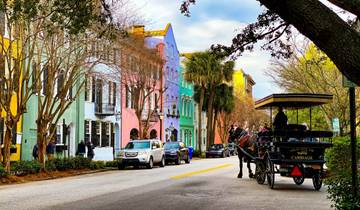
Three days provides sufficient time to experience Charleston’s essential highlights while leaving you wanting more. A well-planned long weekend allows coverage of downtown’s historic district (Rainbow Row, The Battery, waterfront parks), one major historic site (Fort Sumter, Magnolia Plantation, Boone Hall, or Middleton Place), the culinary scene (she-crab soup, shrimp and grits, Lowcountry boils at acclaimed restaurants), and evening experiences (rooftop bars, ghost tours, sunset harbor cruises). However, Charleston rewards longer stays—five to seven days enables deeper exploration including multiple plantations, day trips to barrier islands, beach time at Folly Beach or Isle of Palms, kayaking through marshlands, visits to multiple historic house museums, cooking classes, and unhurried enjoyment of the restaurant scene without feeling rushed. The city’s compact downtown makes efficient three-day itineraries achievable, but the region’s breadth—from Gullah heritage sites to coastal ecosystems to Civil War history—justifies extended stays. Consider your interests: history enthusiasts and food lovers easily fill five days; beach seekers might add another two to three days for coastal relaxation; festival attendees during Spoleto or Charleston Wine + Food benefit from staying the full event duration to sample diverse programming without exhaustion.
Extended multi-day tours – 5+ days
Featured Charleston Multi-Day Tour Packages
7 days
Southern Charms (from Charleston to Savannah)
- ✓ Comprehensive Charleston tour
- ✓ Expert local guides included
- ✓ All accommodation arranged
- ✓ Transportation provided
7 days
Southern Charm featuring Charleston, Savannah, and Jekyll Island (Charleston, SC to Jekyll Island, GA, 2027)
- ✓ Comprehensive Charleston tour
- ✓ Expert local guides included
- ✓ All accommodation arranged
- ✓ Transportation provided
7 days
Southern Charm Holiday (Charleston, SC to Jekyll Island, GA, 2026)
- ✓ Comprehensive Charleston tour
- ✓ Expert local guides included
- ✓ All accommodation arranged
- ✓ Transportation provided
7 days
Southern Charm Holiday (Charleston, SC to Jekyll Island, GA, 2027)
- ✓ Comprehensive Charleston tour
- ✓ Expert local guides included
- ✓ All accommodation arranged
- ✓ Transportation provided
Multi-day tour packages powered by TourRadar. Prices and availability subject to change.
Introduction: Understanding Charleston’s Seasonal Appeal for 2026 Travel Planning
Charleston’s subtropical climate creates four distinct travel seasons, each offering different combinations of weather conditions, cultural programming, crowd levels, and pricing structures. Unlike destinations where one or two months dominate as clearly superior, Charleston presents legitimate cases for visiting during spring’s cultural peak, summer’s beach weather, fall’s comfortable temperatures with reduced crowds, or winter’s value pricing and mild conditions. Your ideal Charleston timing depends on personal priorities—festival enthusiasts accept spring’s premium rates and crowds for access to Spoleto and Charleston Wine + Food, while budget-conscious travelers embrace winter’s lower hotel rates despite occasional cool days.
The 2026 calendar brings several considerations affecting seasonal planning. Major cultural events anchor specific dates—Charleston Wine + Food Festival occurs March 4-8, The Charleston Festival runs March 18-April 11, Cooper River Bridge Run draws 40,000+ participants on March 28, and Spoleto Festival USA transforms the city May 22-June 7 with 17 days of performing arts across 150+ events. These festivals create accommodation scarcity and rate premiums during prime spring weather, making advance booking essential for quality properties. Hurricane season officially runs June 1-November 30, with peak activity historically concentrated mid-August through September, though Charleston’s geographic position and historical patterns show relatively low direct major hurricane strike probability compared to Florida or Gulf Coast destinations.
Seasonal hotel pricing in Charleston follows clear patterns. Spring (March-May) commands highest rates, with downtown boutique hotels ranging $250-450 nightly during festival weekends and $180-320 during non-event spring weeks. Summer (June-August) sees moderate pricing despite being peak season elsewhere—rates typically run $160-280 for mid-range properties as domestic tourists head to cooler mountain destinations and European travelers find Charleston heat less appealing. Fall shoulder season (late September-November) offers excellent value at $140-240 nightly for quality downtown hotels, while winter (December-February, excluding holiday weeks) delivers lowest annual rates at $120-200 for properties that command double during Spoleto or Wine + Food weekends.
Weather patterns significantly impact daily planning. Spring months progress from pleasant March days (highs 60s-70°F) through warm April conditions (highs upper-60s to mid-70s°F) to increasingly hot May weather (highs upper-70s to mid-80s°F with rising humidity). Summer brings consistent heat and humidity—June through August see daily highs in the upper-80s to low-90s°F with overnight lows only dropping to the upper-70s, plus frequent afternoon thunderstorms that typically clear within an hour. Fall temperatures gradually cool from September’s lingering summer heat (highs in the low-80s°F) through October’s comfortable conditions (highs in the low-70s°F) to November’s mild days (highs in the mid-60s°F). Winter remains mild by national standards—December through February bring daytime highs in the mid-50s to low-60s°F with occasional cold snaps dropping morning temperatures to freezing, though snow remains exceptional.
Crowd patterns follow seasonal and event-driven cycles. Spring represents peak tourism season, with March through May bringing maximum visitor numbers concentrated around major festivals. Downtown sidewalks, popular restaurants, and historic sites experience highest traffic, making reservations essential and spontaneous dining challenging. Summer sees paradoxically lighter crowds downtown as heat drives visitors to beaches and many domestic tourists choose cooler destinations, though family travelers increase during school vacation months. Fall begins busy through Labor Day weekend, then experiences sharp crowd reductions post-Labor Day despite excellent weather continuing through November—this disconnect between conditions and visitor numbers creates fall’s appeal for crowd-averse travelers. Winter brings lightest tourist traffic except during holiday weeks (Christmas through New Year’s) and the SEWE wildlife exposition weekend in February.
Activity feasibility varies seasonally. Spring offers ideal conditions for Charleston’s signature experiences: walking tours through historic districts showcase blooming gardens and comfortable temperatures for 2-3 hour outdoor explorations, plantation visits feature azaleas and camellias at peak bloom creating photography opportunities, and harbor boat tours provide pleasant conditions on the water. Summer heat shifts optimal activity timing to early morning (before 10 AM) and evening hours (after 6 PM), with midday better spent at beaches, in air-conditioned museums and galleries, or enjoying indoor attractions. Fall recreates spring’s activity advantages with comfortable all-day outdoor conditions, though without spring’s floral displays. Winter occasionally requires layering for morning chill but provides comfortable afternoon conditions for walking and outdoor exploration without summer heat or spring crowds competing for space.
Understanding these seasonal dynamics allows strategic trip planning aligned with personal priorities and constraints. Budget-conscious travelers maximize value by avoiding spring festival weekends and considering late fall or winter visits. Festival and cultural programming enthusiasts accept spring’s premium costs and crowds as necessary trade-offs for access to Charleston Wine + Food, Spoleto, and The Charleston Festival. Beach seekers prioritize June through September when ocean temperatures reach comfortable swimming range (78-83°F). Travelers seeking optimal weather-to-crowd ratios target late October and November when comfortable temperatures persist while post-Labor Day crowd reductions create easier logistics. Families bound by school calendars work within summer constraints while using beach access and evening programming timing to manage heat. The following sections detail each season’s characteristics, monthly breakdowns, major events, and strategic considerations to inform your 2026 Charleston planning.
Spring in Charleston 2026 (March-May): Peak Festival Season and Perfect Weather
Spring represents Charleston’s most celebrated season, combining near-perfect weather conditions with the city’s densest concentration of major cultural events. March through May bring temperatures ranging from the 60s in early March to the 80s by late May, creating comfortable conditions for outdoor activities that define Charleston tourism—walking tours through historic districts, plantation garden visits, harbor cruises, and rooftop dining. This season also delivers the year’s most spectacular natural beauty as azaleas, dogwoods, camellias, and wisteria bloom across historic gardens, creating the iconic Charleston aesthetic of colorful flowers framing antebellum architecture.
The 2026 spring festival calendar begins with Charleston Wine + Food Festival, March 4-8, attracting food enthusiasts for five days of chef demonstrations, wine tastings, bourbon seminars, and culinary events across downtown venues. This internationally recognized festival celebrates Lowcountry cuisine through programming featuring local chefs, regional ingredients, and traditional cooking techniques while also showcasing visiting culinary talent. Accommodation becomes scarce downtown during Wine + Food week, with hotels often selling out months in advance and rates jumping 40-60% above normal March levels.
The Charleston Festival (formerly Festival of Houses and Gardens) runs March 18-April 11, 2026, presenting nearly a month of programming focused on Charleston’s architectural heritage. This 79th annual event organized by Historic Charleston Foundation features house and garden tours providing rare access to private historic properties, lectures on preservation and design, concerts in historic venues, and cultural programming celebrating Charleston’s unique character. The extended duration spreads visitor impact more than condensed weekend festivals, though accommodation rates remain elevated throughout late March and early April.
Cooper River Bridge Run occurs March 28, 2026, bringing over 40,000 participants to Charleston for this iconic 10K race crossing the Arthur Ravenel Jr. Bridge. The race route starts in Mount Pleasant, crosses the 2.5-mile cable-stayed bridge providing spectacular harbor views, and finishes in downtown Charleston. Beyond the race itself, the weekend features a health and fitness expo, packet pickup events, and post-race celebrations. Hotels along the race route and in downtown Charleston book solid for this weekend, with rates reaching spring peak levels.
Credit One Charleston Open runs March 28-April 5, 2026, at the Credit One Stadium on Daniel Island. This WTA Tour tennis tournament represents the largest women’s-only professional tennis event in North America, attracting top-ranked players for nine days of competition. The tournament combines elite athletic performance with Charleston’s hospitality culture, offering premium food and beverage experiences alongside courtside action. Tennis fans fill hotels on Daniel Island and in Mount Pleasant, though downtown properties experience less tournament-specific impact than festivals centered in the historic district.
Spoleto Festival USA, May 22-June 7, 2026, serves as Charleston’s cultural crescendo—17 days of world-class performing arts featuring over 150 performances across opera, theater, dance, classical music, and jazz. Founded in 1977 as the American counterpart to Italy’s Festival dei Due Mondi, Spoleto has evolved into one of America’s premier arts festivals, attracting international performers and audiences. The festival utilizes Charleston’s historic venues—churches, theaters, plantation grounds, and outdoor spaces—as stages, creating intimate artistic experiences impossible in conventional performing arts centers. Concurrent Piccolo Spoleto (May 22-June 7) adds hundreds of local and regional performances, visual arts exhibitions, and community events, making these 17 days Charleston’s most culturally dense period.
Spoleto drives accommodation challenges more than any other Charleston event. Hotels throughout the peninsula, Mount Pleasant, West Ashley, and even Sullivan’s Island and Folly Beach fill months ahead, often booking out entirely within weeks of opening reservations. Rates during Spoleto frequently double compared to non-festival May weeks, with quality downtown boutique hotels commanding $350-600 nightly. Festival passholders and repeat attendees book accommodations for 2027 before leaving in 2026, creating year-over-year compounding scarcity. If Spoleto attendance motivates your Charleston visit, book hotels 3-4 months minimum ahead, expect premium pricing, and consider alternative neighborhoods (James Island, West Ashley, North Charleston) if peninsula properties prove unavailable or unaffordable.
Spring weather progresses through the season. March begins mild with average highs around 66°F and lows near 48°F, creating pleasant daytime conditions though mornings and evenings require light jackets. Rainfall remains moderate at roughly 9 days monthly, though afternoon showers pass quickly. April warms considerably—average highs reach 73°F with lows around 57°F—providing ideal weather for all outdoor activities with blooming gardens at peak visual impact. May transitions toward summer heat with average highs climbing to 80°F and lows near 66°F, plus increasing humidity making midday exploration noticeably warmer than earlier spring months. Late May often feels more like early summer than spring, particularly during humid spells.
Spring beach conditions improve as the season progresses. March ocean temperatures hover around 60°F—too cold for most swimmers, though surfers and paddleboarders with wetsuits find acceptable conditions. April water temperatures climb to the mid-60s°F, remaining cool for extended swimming though brief dips become feasible for hardy beachgoers. May brings genuinely pleasant beach weather with ocean temperatures reaching the low-70s°F and air temperatures supporting beach activities throughout the day. Beaches remain relatively uncrowded compared to summer family vacation peaks, offering peaceful coastal experiences despite downtown’s spring tourism surge.
Crowd management becomes essential during spring 2026. Popular restaurants require reservations days or weeks ahead rather than accepting walk-ins. Historic sites like Fort Sumter, Magnolia Plantation, and Boone Hall see maximum daily visitors, making early morning or late afternoon visits advisable to avoid midday tour bus crowds. Rainbow Row, The Battery, and Waterfront Park attract constant foot traffic for photographs, creating challenges for unobstructed shots—early morning (before 9 AM) or weekday visits provide better photography conditions than weekend afternoons. Ghost tours, harbor cruises, and carriage rides fill quickly during spring weekends, justifying advance bookings rather than spontaneous decisions.
Spring 2026 suits travelers who prioritize cultural programming over budget considerations, appreciate blooming gardens and near-perfect weather, and don’t mind navigating crowds with advance planning. The season demands higher accommodation spending and earlier reservations than other times of year, but delivers Charleston at its most visually spectacular and culturally vibrant. If Spoleto, Charleston Wine + Food, or The Charleston Festival aligns with your interests, spring becomes the obvious choice despite premium costs. If similar weather without festival crowds appeals more, consider late October or early November as alternatives providing comparable temperatures with significantly reduced tourist traffic and hotel rates.
Summer in Charleston 2026 (June-August): Beach Season and Southern Heat
Summer transforms Charleston into a different destination than spring’s festival-driven cultural peak. June through August bring consistent heat and humidity—daily highs regularly reach the upper-80s to low-90s°F with overnight lows dropping only to the upper-70s, creating oppressive conditions for midday outdoor activities. Afternoon thunderstorms occur frequently, often developing between 2-4 PM and lasting 30-90 minutes before clearing to reveal steamy sunshine. Despite challenging weather for historic district exploration, summer offers distinct advantages: warm ocean temperatures perfect for swimming, lighter tourist crowds downtown as visitors shift to beaches, and hotel rates 25-40% below spring festival peaks.
Hurricane season officially begins June 1 and runs through November 30, with peak activity historically occurring August through mid-October. Charleston’s geographic position provides some protection compared to Florida’s peninsula or Gulf Coast locations—the city sits on a harbor rather than directly on open ocean, and coastal Georgia/South Carolina’s orientation makes direct major hurricane hits less frequent than in more exposed regions. Historical data shows Charleston experiences tropical storm impacts more commonly than direct major hurricane strikes, though Hurricane Hugo in 1989 demonstrated the region’s vulnerability with devastating category 4 winds causing $2.8 billion in damage. Modern building codes, improved forecasting, and established evacuation procedures mitigate but don’t eliminate hurricane risks for summer visitors.
Summer 2026 travel insurance gains value for trips booked during hurricane season. Policies covering trip cancellation or interruption due to named storms protect financial investment if evacuation orders or storm impacts disrupt plans. Monitor National Hurricane Center forecasts beginning 7-10 days before travel, particularly for August and September trips when tropical activity peaks. Charleston’s tourism infrastructure experiences minimal impact from most tropical systems—hotels remain open, restaurants continue operating, and attractions stay accessible unless direct major hurricane threats emerge. Brief tropical downpours from passing systems might disrupt a beach day but rarely justify canceling entire trips given Charleston’s many indoor attractions (museums, galleries, historic house tours, cooking classes, shopping).
Beach experiences define summer Charleston for many visitors. Folly Beach, Isle of Palms, and Sullivan’s Island offer different atmospheres 15-25 minutes from downtown. Folly Beach attracts a younger, more casual crowd with its laid-back surf town vibe, beachfront bars, and pier. Isle of Palms caters to families with wide, accessible beaches, vacation rental concentrations, and nearby Wild Dunes Resort amenities. Sullivan’s Island appeals to those seeking quieter, more residential beach character with historic Fort Moultrie nearby. Ocean temperatures June through August range 78-83°F—comfortably warm for extended swimming, body surfing, and water sports without wetsuit requirements.
Summer weather patterns require strategic daily planning. Early morning (6-10 AM) provides the most comfortable outdoor conditions before heat and humidity intensify—schedule walking tours, historic site visits, and plantation explorations during these hours. Midday through mid-afternoon (11 AM-4 PM) suits beach activities, indoor attractions (museums, galleries, shopping at covered markets), or siesta breaks at air-conditioned hotels. Late afternoon and evening (5-10 PM) become pleasant again as temperatures moderate slightly and sea breezes develop, creating ideal conditions for harbor cruises, rooftop dining, ghost tours, and waterfront walks. Many restaurants offer early evening “sunset specials” capturing optimal timing for outdoor seating before heat returns the following day.
Summer crowds differ from spring patterns. Downtown experiences noticeably lighter foot traffic than March-May despite being traditionally high tourist season elsewhere in America—oppressive heat drives many domestic tourists to mountain destinations, European visitors find Charleston summers uncomfortably hot compared to Mediterranean climates, and business travel slows. This creates paradoxical advantages: easier restaurant reservations without multi-day advance planning, shorter lines at major attractions like Fort Sumter, and more intimate experiences at historic house museums. However, families with school-age children concentrate during summer, creating specific busy periods—Fourth of July weekend sees increased visitors, as do weeks immediately after school dismissal and before fall semester starts.
Summer hotel rates provide Charleston’s best seasonal value relative to quality. Downtown boutique hotels commanding $300-400+ nightly during Spoleto often drop to $180-280 for comparable June-August dates, creating 30-40% savings. Chain properties in Mount Pleasant, West Ashley, and near the airport show even steeper discounts—quality brands offering $200+ spring rates sometimes fall to $120-160 during summer, particularly for weekday stays. This pricing dynamic makes summer appealing for budget-conscious travelers who tolerate heat and don’t require festival programming, essentially trading weather comfort for financial savings while still accessing Charleston’s historic sites, restaurants, and coastal amenities.
Summer events in Charleston 2026 include Spoleto Festival USA (May 22-June 7), which technically extends into early June though most programming intensity concentrates in late May. Charleston Harbor Fest occurs in mid-June at Waterfront Park, celebrating maritime heritage with tall ships, water activities, live music, and family programming. Folly Beach hosts various summer concert series and festivals at its beachfront venues. Independence Day (July 4) brings fireworks displays and patriotic celebrations across the region, with popular viewing locations at Waterfront Park, Patriots Point, and beach communities. Sweetgrass Festival in late July celebrates Gullah Geechee culture at Mount Pleasant’s Memorial Waterfront Park, featuring traditional sweetgrass basket weaving, crafts, performances, and education about this distinctive African American heritage.
Summer 2026 suits specific traveler profiles: beach enthusiasts who prioritize warm ocean swimming over air temperature comfort; families constrained by school calendars accepting heat as unavoidable trade-off; budget seekers maximizing accommodation savings while managing weather through timing and activity selection; and visitors whose primary interests center on restaurants, museums, galleries, and shopping—all indoor, air-conditioned experiences less affected by exterior heat. Summer proves challenging for travelers who struggle with heat and humidity, prefer outdoor historical exploration, or seek Charleston’s signature aesthetic of blooming gardens framing antebellum architecture (flowers finish by June, replaced by green but not spectacular plantings). If beach time matters less than comfortable sightseeing conditions, consider spring or fall instead despite higher hotel rates.
Fall in Charleston 2026 (September-November): The Locals’ Secret Season
Fall presents Charleston’s most undervalued season, offering a strategic window when comfortable weather returns, crowds diminish dramatically, and hotel rates drop below spring peaks—yet many potential visitors overlook these advantages, creating opportunities for informed travelers. September through November progress from late summer heat through ideal touring conditions, with distinct differences between early fall (September still hot with peak hurricane risk) and late fall (October-November combining excellent weather with minimal tourist traffic).
September 2026 represents a transitional month requiring nuanced evaluation. Average high temperatures remain in the low-80s°F with humidity levels still elevated, creating conditions more similar to summer than the comfortable fall weather arriving in October. September historically shows peak hurricane season activity—while Charleston’s direct major hurricane strike probability remains relatively low, September brings highest risk for tropical system impacts including heavy rainfall, coastal flooding, and potential evacuation scenarios. The month also sees substantial rainfall averaging 6-7 inches across multiple rainy days. However, September delivers advantages offsetting these concerns: Labor Day weekend marks sharp tourist crowd reductions as families return to school schedules, creating immediate improvements in restaurant availability, attraction wait times, and hotel rates compared to summer weeks. Beach conditions remain excellent through September with ocean temperatures still in the upper-70s°F and air temperatures supporting comfortable beach days.
October 2026 emerges as one of Charleston’s best overall visiting months when balancing weather quality, crowd levels, and hotel value. Average temperatures drop to the comfortable low-70s°F during the day with pleasant mid-50s°F overnight lows, creating ideal conditions for full-day outdoor exploration without summer heat or winter chill concerns. October and November rank as Charleston’s driest months, averaging only 6-7 rainy days monthly compared to 12-15 days during summer peaks—sunshine dominates with clear skies supporting photography, beach days, and outdoor dining. Hurricane season technically continues through November 30, but October sees sharply reduced tropical activity compared to August-September, with late October essentially beyond meaningful tropical weather risk. Tourist crowds remain light throughout October as September’s post-Labor Day reduction continues through month’s end, creating easy logistics for spontaneous restaurant choices, attraction visits, and activity bookings.
November 2026 extends October’s advantages while adding even lighter crowds. Temperatures cool to the pleasant mid-60s°F range—comfortable for walking tours, plantation visits, and harbor cruises while maintaining beach feasibility during warm spells. Thanksgiving week brings brief visitor increases as families gather and travelers take holiday trips, but pre-Thanksgiving and post-Thanksgiving weeks see Charleston at its quietest. Early November retains late October’s excellent weather, while late November begins transitioning toward winter with occasional cooler days though rarely unpleasant conditions. The month’s light crowds mean popular restaurants accept walk-ins more readily than spring requires days-ahead reservations, historic sites feel intimate rather than congested, and photography locations allow patient composition without crowds photobombing frames.
Fall 2026 hotel pricing creates compelling value propositions. September rates typically run $150-250 nightly for quality downtown properties—roughly 20-30% below spring festival peaks while offering superior weather to summer’s heat. October and November see similar or slightly lower rates ($140-240 nightly) despite delivering arguably Charleston’s best weather-to-crowd ratio. Boutique historic inns that command $350-450 during Spoleto often discount to $180-280 for fall dates, making luxury properties financially accessible to travelers priced out during spring. This pricing pattern reflects hospitality industry’s calendar-driven models rather than actual seasonal quality—fall objectively provides excellent visiting conditions at discounted rates simply because school schedules and traditional vacation timing concentrate demand during spring and summer.
Fall events in Charleston 2026 lack spring’s concentrated festival schedule, contributing to reduced crowds while still offering cultural programming. MOJA Arts Festival typically occurs late September/early October, celebrating African American and Caribbean arts and culture through 10 days of performances, exhibitions, storytelling, workshops, and family programming—much of it free and accessible. Charleston Fashion Week generally schedules in mid-March, so fall 2026 won’t coincide with this event. Fall also brings various smaller festivals, art walks, gallery openings, and seasonal markets, though nothing approaching Spoleto or Charleston Wine + Food’s scale and tourist draw. This lighter event calendar suits travelers seeking Charleston’s core offerings—historic architecture, Lowcountry cuisine, plantation gardens, beach access, and Southern cultural heritage—without festival-driven accommodation scarcity and rate premiums.
Fall beach conditions remain viable through early November. September ocean temperatures average around 80°F—warmer than May despite both months showing similar air temperatures—creating ideal swimming conditions. October waters cool to the mid-70s°F, still comfortable for most swimmers and water sports though noticeably cooler than summer peaks. November sees ocean temperatures drop to the upper-60s°F as the year closes out beach season, though sunny warm days still support beach visits even when water feels too cool for extended swimming. Beaches throughout fall show dramatically lighter crowds than summer family vacation peaks, offering peaceful coastal experiences with ample personal space on the sand.
Activity planning during fall 2026 benefits from all-day comfort. Unlike summer’s heat requiring early morning/evening outdoor activity compression or winter’s occasional morning chill, fall temperatures support continuous outdoor exploration from breakfast through dinner without temperature-driven scheduling constraints. Walking tours can begin mid-morning rather than requiring dawn starts to beat heat. Plantation visits remain comfortable midday rather than feeling oppressive by noon. Harbor cruises work equally well at 2 PM as at sunset rather than requiring evening timing to escape afternoon heat. Rooftop dining becomes pleasant throughout evening rather than remaining uncomfortably warm until 9 PM. This flexibility simplifies itinerary construction and reduces weather-contingency planning compared to summer or winter.
Fall 2026 optimally serves travelers who prioritize weather quality and crowd avoidance over cultural event density. If your Charleston interests center on historic architecture, gardens (though without spring blooms), Lowcountry restaurants, coastal experiences, and unhurried exploration rather than attending specific festivals, late October or early-mid November delivers superior experiences compared to spring’s crowds and premiums or summer’s heat. Budget-conscious travelers gain significant value through fall’s reduced hotel rates while enjoying objectively better weather than summer’s heat or winter’s occasional cool spells. The season particularly suits couples seeking romantic getaways, photographers wanting optimal light without photobombing tourists, and repeat visitors who’ve experienced Charleston during peak seasons and now seek more intimate engagement with the city.
Winter in Charleston 2026 (December-February): Mild Weather and Maximum Value
Winter represents Charleston’s most financially accessible season while maintaining surprisingly pleasant weather conditions by national standards. December through February bring mild days with afternoon highs typically reaching the mid-50s to low-60s°F and overnight lows dropping to the upper-30s to low-40s°F—cool enough to require jackets and layers, occasionally cold enough for morning frost, but rarely experiencing harsh winter weather familiar to northern and midwestern visitors. This mild climate combines with tourism industry’s lowest annual hotel rates and lightest crowd levels, creating optimal conditions for budget-conscious travelers who don’t mind occasional cool days and accept shorter daylight hours as trade-off for financial savings.
Winter 2026 weather patterns show more variability than other seasons. Most winter days deliver pleasant conditions—sunshine dominates with average highs in the upper-50s°F, creating comfortable touring weather when wearing appropriate layers. However, periodic cold fronts bring genuinely chilly conditions lasting 2-4 days, occasionally pushing morning temperatures to freezing or slightly below. These cold snaps require winter coats, hats, and gloves for morning outdoor activities, though afternoons typically moderate to the 40s-50s°F range. Snow remains exceptionally rare—Charleston averages virtually zero measurable snowfall, with significant accumulation occurring perhaps once per decade. When winter precipitation falls, it arrives as rain rather than snow, with December through February averaging 7-9 rainy days monthly.
Winter hotel rates in Charleston create compelling value opportunities. Quality downtown boutique properties commanding $300-450 during spring festivals often drop to $120-200 for winter weekdays, representing 50-60% discounts for identical rooms. Even during winter weekends, rates typically stay in the $140-220 range—less than spring weekdays and far below Spoleto or Wine + Food premiums. Chain hotels near the airport and in West Ashley or Mount Pleasant show even steeper winter discounts, with perfectly acceptable properties sometimes available under $100 nightly. Holiday weeks (Christmas through New Year’s) constitute the primary winter exception, showing rate increases and booking competition as travelers take holiday trips, though even holiday week rates remain below spring festival peaks.
The Southeastern Wildlife Exposition (SEWE) occurs February 13-15, 2026, representing winter’s only major event driving accommodation demand. This three-day celebration brings 500+ artists displaying wildlife-inspired fine art, live animal demonstrations, conservation programming, and educational exhibits across galleries and venues throughout downtown Charleston. SEWE attracts 40,000+ attendees including collectors, wildlife enthusiasts, and families, creating accommodation scarcity comparable to smaller spring festivals. Hotels for SEWE weekend often book months ahead with rates jumping to $250-350+ for quality downtown properties. If visiting Charleston in February 2026, either target SEWE dates specifically if the event interests you, or avoid February 13-16 if seeking winter’s typical low-rate, low-crowd advantages.
Winter holiday programming in Charleston 2026 includes Christmas décor throughout downtown’s historic district, holiday markets at Marion Square and other locations, special tours at historic houses decorated for the season, Festival of Lights displays, and New Year’s Eve celebrations. The Christmas season generally runs from late November through early January, with peak decorations and programming during December. While holiday weeks see increased visitors compared to January-February, winter holiday tourism remains substantially lighter than spring’s festival-driven peaks. Restaurants accept reservations on shorter notice, historic sites avoid overwhelming crowds, and spontaneous activity booking remains feasible unlike spring’s weeks-ahead planning requirements.
Winter beach conditions limit coastal appeal. Ocean temperatures December through February drop to the upper-50s to low-60s°F—too cold for swimming without wetsuits even during warm air temperature days. Beach walks remain pleasant on sunny, mild winter days, offering peaceful coastal experiences with virtually no crowds. Sunrise and sunset viewing from beaches gains advantage during winter’s crisp, clear conditions often providing superior atmospheric clarity compared to summer’s haze. Folly Beach, Isle of Palms, and Sullivan’s Island all maintain accessibility year-round with free parking more readily available than during summer beach season peaks.
Winter activity planning in Charleston 2026 emphasizes indoor and flexible outdoor options. Museums, galleries, historic house tours, shopping districts, restaurant experiences, cooking classes, and brewery/distillery tours all function independently of weather conditions, making winter visits perfectly viable for travelers prioritizing these activities. Walking tours, plantation visits, and harbor cruises remain available but require appropriate clothing layers and tolerance for occasional chilly conditions. Indoor/outdoor activity mixing works well—spend morning hours outdoors during warmest daily temperatures (typically 12 PM-3 PM), retreat indoors for afternoon coffee or museum visits if weather turns cold or rainy, then emerge for evening restaurant experiences as establishments warm interiors for dinner service.
Winter daylight hours show noticeable reduction compared to summer—December days feature sunrise around 7:15 AM and sunset near 5:15 PM, providing roughly 10 hours of daylight versus summer’s 14 hours. This compression affects itinerary pacing, particularly for travelers accustomed to long summer evenings extending outdoor activities until 9 PM. However, Charleston’s many illuminated architectural features and evening programming (ghost tours, rooftop bars, harbor views, live music venues) function well during extended darkness hours. Early sunset actually enhances certain experiences—holiday lights displays become visible earlier, atmospheric evening ambiance arrives sooner, and cozy restaurant dining gains appeal when darkness falls mid-evening rather than requiring late-night timing.
Winter 2026 particularly suits budget-conscious travelers maximizing financial efficiency, retirees or remote workers with scheduling flexibility avoiding seasonal crowd peaks, repeat Charleston visitors seeking different seasonal character than their previous trips, and anyone genuinely preferring mild cool weather over summer heat or comfortable with seasonal variability in exchange for rate savings. Winter proves less ideal for beach-focused visitors (though nearby coastal cities like Savannah or Hilton Head might work as additions), travelers requiring guaranteed warm weather, or those seeking Charleston at peak visual splendor (gardens look green but not spectacular without spring blooms). If financial constraints drive timing decisions and you accept occasional cool days as acceptable trade-off for 40-60% hotel savings versus spring, winter Charleston delivers excellent value.
Major Events and Festivals Throughout 2026: Planning Around Charleston’s Cultural Calendar
Charleston’s 2026 event calendar concentrates major festivals during spring months while distributing smaller events throughout the year. Understanding this calendar helps strategic planning—either targeting specific events if they align with interests, or deliberately avoiding event weekends when seeking lower rates and lighter crowds. The following represents verified major events for 2026 with dates confirmed through official sources.
February 2026 begins the year’s significant event schedule with the Southeastern Wildlife Exposition (SEWE), February 13-15. This three-day festival transforms downtown Charleston into a showcase for wildlife-inspired fine art, featuring 500+ exhibitors from across the United States and Europe presenting paintings, sculptures, photography, jewelry, and crafts. Beyond art sales, SEWE includes live animal demonstrations, conservation speakers, family programming, and outdoor experiences. The event attracts collectors, wildlife enthusiasts, photographers, and families, creating accommodation scarcity comparable to smaller spring festivals. Proceeds support conservation organizations, adding philanthropic dimension to the cultural programming. Book hotels at least 2-3 months ahead if targeting SEWE weekend, or avoid February 13-16 entirely if seeking winter’s typical low-rate advantages.
March 2026 launches spring festival season with Charleston Wine + Food Festival, March 4-8. This five-day culinary celebration ranks among America’s premier food festivals, showcasing Lowcountry cuisine alongside national culinary talent. Programming includes chef demonstrations, wine and spirits tastings, bourbon seminars, oyster roasts, farm tours, special dinners at acclaimed restaurants, and grand tasting events featuring 100+ chefs and beverage partners. The festival highlights regional ingredients (she-crab soup, shrimp, oysters, grits, okra, peaches) and traditional Lowcountry cooking techniques while also introducing contemporary culinary innovations. Tickets for individual events sell out weeks or months ahead for popular offerings, making early planning essential. Hotels downtown fill completely for Wine + Food week, with rates often 40-60% above typical March levels.
The Charleston Festival (formerly Festival of Houses and Gardens) runs March 18-April 11, 2026, presenting nearly four weeks of programming celebrating Charleston’s architectural heritage. Organized by Historic Charleston Foundation and now in its 79th year, the festival features house and garden tours providing rare access to private historic properties normally closed to public viewing, lectures on preservation and architectural history, concerts in historic churches and venues, and cultural events exploring Charleston’s unique character. The extended duration spreads impact more evenly than concentrated weekend festivals, though accommodation rates remain elevated throughout late March and early April. Day-trippers from nearby regions can attend specific events without requiring overnight stays, though multi-day visitors gain richer experiences sampling diverse programming across the festival’s three-week span.
Cooper River Bridge Run occurs March 28, 2026, drawing over 40,000 participants for Charleston’s iconic 10K race. The course starts in Mount Pleasant, crosses the 2.5-mile Arthur Ravenel Jr. Bridge (providing spectacular harbor and city views from the cable-stayed bridge’s 186-foot clearance), and finishes in downtown Charleston. Beyond serious competitive runners, the event attracts recreational joggers, walkers, and tourists who appreciate combining athletic challenge with scenic experience. Pre-race weekend includes packet pickup, health and fitness expo at Gaillard Center, and various social events. Post-race festivities feature live music, food vendors, and celebrations at Marion Square. Hotels along the race route in Mount Pleasant and downtown Charleston book solid months ahead, with Bridge Run weekend showing some of Charleston’s highest spring hotel rates outside Spoleto.
Credit One Charleston Open runs March 28-April 5, 2026, bringing WTA Tour professional women’s tennis to Credit One Stadium on Daniel Island. As the largest women’s-only tennis tournament in North America, the event attracts top-ranked international players for nine days of high-level competition. The tournament combines elite tennis with Charleston hospitality, offering premium food and beverage experiences, entertainment, and family programming alongside courtside action. Tennis enthusiasts fill hotels on Daniel Island and in Mount Pleasant, though downtown properties see less tournament-specific demand than festivals centered in the historic district. Tournament tickets range from general admission grounds passes to premium reserved seating, with early rounds more accessible and finals weekend commanding higher prices and earlier sellouts.
Spoleto Festival USA, May 22-June 7, 2026, represents Charleston’s most significant annual cultural event—17 days of world-class performing arts featuring over 150 performances spanning opera, theater, dance, classical music, jazz, and contemporary performance. Founded in 1977 by Pulitzer Prize-winning composer Gian Carlo Menotti, Spoleto has evolved into one of America’s most prestigious arts festivals, attracting celebrated international performers alongside emerging talent. The festival utilizes Charleston’s historic architecture as performance venues—concerts in centuries-old churches provide acoustic and aesthetic experiences impossible in modern halls, chamber music in historic house museums creates intimate artist-audience connections, and outdoor performances at Middleton Place or waterfront locations blend arts with Lowcountry landscape.
Spoleto programming spans high art and accessible performances. Opera productions might present rarely performed works alongside classics, chamber music series feature internationally recognized quartets and soloists, dance programs showcase both established companies and experimental choreographers, and theater offerings range from contemporary premieres to reimagined classics. Jazz performances, world music concerts, and late-night cabaret shows complement traditional classical offerings. Many performances sell out weeks or months ahead particularly for weekend evening time slots, making early ticket purchase advisable for priority events. However, Spoleto also offers last-minute ticket availability for less popular time slots, and concurrent free Piccolo Spoleto programming provides accessible alternatives if main festival events prove unavailable or unaffordable.
Piccolo Spoleto Festival, May 22-June 7, 2026, runs concurrently with Spoleto Festival USA but emphasizes local and regional artists, community participation, and accessible programming. Piccolo Spoleto presents hundreds of events including visual arts exhibitions, theater productions, dance performances, music concerts spanning classical to contemporary genres, film screenings, poetry readings, craft fairs, and children’s programming. Most Piccolo Spoleto events charge minimal admission or operate free, democratizing festival access beyond Spoleto’s premium pricing. The festival transforms Charleston into an arts hub where galleries stay open late, street performers activate public spaces, restaurants host themed dinners, and cultural programming permeates daily life beyond ticketed events.
Spoleto and Piccolo Spoleto combine to create Charleston’s most challenging accommodation period. Hotels throughout Charleston County typically book solid 3-6 months ahead of the festival, with quality downtown properties often fully reserved within weeks of opening inventory. Rates during Spoleto frequently double compared to non-festival May weeks—boutique historic inns commanding $180-250 in early May jump to $350-600+ during festival weeks. Vacation rentals experience similar scarcity and premium pricing. Festival veterans book 2027 accommodations before leaving Charleston in 2026, creating year-over-year compounding effects. If Spoleto motivates your Charleston visit, recognize accommodation represents your most significant planning challenge and financial commitment. Book hotels immediately upon deciding to attend (3-4 months minimum advance), expect to pay 80-100% more than typical shoulder season rates, and consider alternative neighborhoods (James Island, West Ashley, North Charleston) if peninsula properties prove unavailable or exceed budget thresholds.
Beyond these major anchors, Charleston 2026 features smaller recurring events including monthly art walks in downtown galleries (first Fridays), farmers markets at Marion Square (Saturdays April-December), Charleston Jazz Orchestra performances throughout the year, Charleston Symphony concerts at Gaillard Center, theater productions at various venues, and seasonal festivals celebrating Lowcountry heritage, maritime culture, and community traditions. Consult Charleston Area Convention and Visitors Bureau event calendars closer to travel dates for complete current programming, as smaller events finalize details months rather than year ahead.
Crowd Levels and Tourism Patterns Throughout 2026: Navigating Peak and Shoulder Seasons
Charleston tourism follows predictable seasonal patterns driven by weather preferences, school calendars, cultural events, and traditional vacation timing. Understanding crowd dynamics enables strategic planning to either embrace peak season energy or avoid congestion depending on personal preferences. Tourism density directly impacts restaurant availability, attraction wait times, hotel scarcity and pricing, and overall experience quality for travelers seeking either vibrant atmosphere or intimate exploration.
Peak season in Charleston concentrates during spring months, particularly March through May. This period combines optimal weather conditions (60s-70s°F, minimal rainfall, blooming gardens) with dense cultural programming (Charleston Wine + Food, The Charleston Festival, Spoleto Festival USA), creating maximum visitor numbers. Downtown sidewalks, popular restaurants, and major historic sites experience highest traffic levels, transforming Charleston into a bustling tourist destination rather than quietly discovered gem. Popular restaurant reservations require booking days or weeks ahead rather than accepting walk-ins or same-day requests. Historic attractions like Fort Sumter, Magnolia Plantation, and Middleton Place see maximum daily visitors, creating potential wait times for ferry departures, guided tours, and parking. Photography locations including Rainbow Row, The Battery, and Waterfront Park attract constant crowds making unobstructed shots challenging without early morning timing (before 9 AM) or patient waiting for gaps in foot traffic.
Spring weekend versus weekday patterns show meaningful differences even within peak season. Friday-Sunday during March-May brings highest congestion as regional weekend visitors supplement multi-day tourists, creating restaurant reservation scarcity and elevated hotel rates. Monday-Thursday experiences moderately lighter crowds—still busy compared to off-season but offering improved logistics for spontaneous dining decisions and attraction visits. If visiting during spring 2026 and seeking modest crowd mitigation while maintaining peak season weather and event access, consider Sunday evening through Thursday morning stays avoiding Friday-Saturday peaks. However, recognize that major festival weekends (Wine + Food, Spoleto) show continuous high traffic regardless of weekday-weekend distinctions as multi-day festival attendees sustain demand throughout their event duration.
Summer tourism patterns diverge from national trends where June-August represents peak travel season. Charleston summers see paradoxically lighter crowds than spring despite hot beach weather typically driving domestic tourism. Several factors explain this pattern: oppressive heat and humidity (90°F+ with high humidity) make outdoor historic district exploration uncomfortable for many visitors who choose cooler mountain or northern destinations; European tourists—significant Charleston demographic—find summers excessively hot compared to Mediterranean climates and prefer shoulder seasons; business travel slows during summer reducing weekday hotel demand; and Charleston’s event calendar shows far fewer major festivals than spring’s concentrated programming. These combined factors create summer availability advantages despite being traditionally high tourism season.
Summer family travel concentrates during specific windows within the broader June-August period. The week following school dismissal (typically mid-late June depending on region) sees brief increases as families take immediate advantage of vacation time. Fourth of July weekend brings elevated visitors for fireworks and patriotic celebrations. The final two weeks before fall semester starts (typically mid-late August) show another brief bump as families maximize remaining vacation time. Between these pulses, July and early-mid August show relatively moderate traffic compared to spring peaks. Beach destinations (Folly Beach, Isle of Palms, Sullivan’s Island) experience heavier summer crowds than historic downtown, as visitors shift focus to coastal cooling rather than historic architecture exploration during peak heat.
Fall represents Charleston’s most dynamic seasonal transition from crowd perspective. Labor Day weekend marks sharp visitor reductions as families return to school schedules, creating immediate improvements in restaurant availability, attraction wait times, and overall congestion levels. This reduction occurs despite weather remaining pleasant—September still shows warm temperatures suitable for beach and outdoor activities, creating disconnect between conditions quality and tourism intensity. Informed travelers exploit this gap by visiting early-mid September when comfortable weather persists while post-Labor Day crowd drops provide easier logistics.
Late September through November extends crowd advantages while weather improves further. October and early November combine arguably Charleston’s best overall weather conditions (comfortable 60s-70s°F, minimal rainfall, clear skies) with lightest tourist traffic of any pleasant-weather period. Popular restaurants shift from requiring multi-day advance reservations during spring to accepting same-day or walk-in diners. Historic sites feel intimate rather than congested with tour groups. Photography locations allow patient composition without crowds photobombing frames. Hotel availability improves dramatically compared to spring scarcity, with quality properties showing vacancy even for weekend dates booked weeks rather than months ahead. This excellent weather-to-crowd ratio makes fall particularly appealing for travelers prioritizing peaceful experiences over festival attendance.
Thanksgiving week constitutes fall’s only crowd exception, bringing brief visitor increases as families gather for holiday celebrations and travelers take traditional Thanksgiving trips. The Wednesday before Thanksgiving through the Sunday after shows elevated hotel occupancy and restaurant traffic comparable to moderate spring weeks though still below major festival peaks. Pre-Thanksgiving November weeks and post-Thanksgiving early December return to quiet off-season patterns.
Winter delivers Charleston’s lightest annual crowds outside holiday weeks. December through February tourism remains minimal by peak season standards—downtown sidewalks feel spacious, restaurants readily accommodate walk-in diners except during weekend evenings, historic sites offer intimate tour experiences with small group sizes, and spontaneous activity booking works without multi-day advance planning. This light traffic reflects several factors: cool weather (50s-60s°F) deters travelers seeking guaranteed warm conditions, shorter daylight hours reduce available touring time, beach activities lose appeal when ocean temperatures drop to upper-50s°F, and cultural event calendar shows minimal major programming outside SEWE in February.
Winter holiday weeks break typical off-season quiet. Christmas week through New Year’s Day brings increased visitors as families take holiday trips and couples seek romantic getaway destinations. Hotel occupancy rises to levels comparable to moderate spring weeks, popular restaurants require reservations for Christmas Eve and New Year’s Eve dining, and holiday-specific events (Festival of Lights, holiday markets, special tours) attract participation beyond typical winter baseline. However, even holiday week crowds remain substantially below spring festival peaks—Charleston during Christmas feels busy compared to January’s quiet but relaxed compared to Spoleto’s intensity.
SEWE weekend in February (13-15, 2026) creates Charleston’s only significant winter crowd surge. This three-day wildlife exposition attracts 40,000+ attendees, transforming normally quiet mid-February into conditions comparable to smaller spring festivals. Downtown galleries hosting exhibitions see concentrated traffic, hotels near event venues show full occupancy, and restaurants experience weekend-level demand during what would otherwise be slow weekday periods. The concentrated three-day duration limits overall impact—arrive Tuesday-Wednesday before SEWE or Monday-Tuesday after SEWE for typical winter quiet, versus Friday-Sunday SEWE dates showing peak traffic.
International versus domestic visitor patterns show seasonal variation worth noting. Spring festivals attract significant domestic tourists from across the United States, particularly Spoleto which draws opera and performing arts enthusiasts from major metropolitan areas. European visitors concentrate during shoulder seasons (April-May and October-November) when weather suits their preferences and summer European vacations haven’t yet begun or have concluded. Asian tour groups show steadier year-round presence though with spring concentration aligned with cherry blossom and cultural festival timing preferences. Understanding international patterns matters less for individual travelers than recognizing overall crowd densities, but tour group concentrations at major sites (Fort Sumter, Magnolia Plantation) sometimes correlate with international seasonal preferences beyond just domestic spring peaks.
Crowd management strategies for 2026 Charleston visits include timing flexibility (visiting during shoulder seasons rather than peak spring), weekday preference when peak season attendance unavoidable (Monday-Thursday versus Friday-Sunday), early morning scheduling for major attractions (before 10 AM arrivals beat tour bus rushes), advance restaurant reservations (weeks ahead for spring dinner reservations, days ahead for summer, often same-day for fall-winter), and alternative site consideration (visiting lesser-known plantations like Drayton Hall or Middleton Place rather than over-trafficked Magnolia, exploring residential neighborhoods rather than concentrating exclusively on downtown tourist core).
Hotel Pricing and Accommodation Strategies by Season 2026: Maximizing Value
Charleston hotel pricing fluctuates dramatically across seasons, creating opportunities for strategic booking that can reduce accommodation costs 40-60% compared to peak periods while maintaining quality and location standards. Understanding seasonal rate structures, event-driven premiums, neighborhood alternatives, and booking timing strategies enables budget-conscious travelers to access Charleston’s diverse lodging options—from historic inns to waterfront resorts to boutique properties—at optimal price points aligned with individual budgets.
Spring season (March-May 2026) commands Charleston’s highest annual hotel rates driven by optimal weather coinciding with concentrated festival programming. Quality downtown boutique hotels in the historic district typically range $250-450 per night during major festival weekends (Charleston Wine + Food, Spoleto) with some luxury properties exceeding $500-600 for premium rooms during peak demand. Non-festival spring weeks show moderately lower but still elevated rates of $180-320 nightly for comparable mid-range downtown properties. These spring rates reflect supply-demand imbalances—limited downtown inventory faces maximum annual demand from festival attendees, regional tourists seeking ideal weather, and destination visitors experiencing Charleston’s signature blooming gardens.
Spoleto Festival USA (May 22-June 7, 2026) represents Charleston’s most challenging and expensive accommodation period. Downtown hotels often sell out 3-6 months ahead of the festival, with rates doubling compared to early May pre-festival weeks. A boutique property charging $200 nightly in early May might command $400-500 during Spoleto, while luxury historic inns jump from $300 to $600+. This dramatic premium reflects Spoleto’s 17-day duration attracting tens of thousands of festival attendees who secure accommodations far in advance, plus the festival’s international reputation drawing travelers willing to pay premiums for access to world-class performing arts programming. Vacation rentals experience similar scarcity and rate increases, with downtown apartments or historic district homes commanding 80-100% premiums versus non-festival rates.
Summer rates (June-August 2026) paradoxically decline 25-40% below spring peaks despite being traditionally high tourism season nationally. Downtown mid-range properties drop to $160-280 nightly for June-August dates compared to $250-400+ during spring festivals—meaningful savings for identical rooms and locations. This counterintuitive pattern reflects Charleston’s summer heat deterring many domestic tourists who prefer cooler mountain destinations, European visitors finding Charleston summers uncomfortably hot, and reduced business travel during summer months. Summer represents Charleston’s best seasonal value for travelers who tolerate heat through strategic timing (early morning outdoor activities, midday beach or indoor pursuits) and prioritize accommodation savings over guaranteed comfortable all-day touring weather.
Fall shoulder season (late September-November 2026) delivers excellent value-to-quality ratios with rates typically running $140-240 nightly for downtown mid-range properties—roughly 30-40% below spring festival peaks while offering objectively superior weather compared to summer heat. October particularly stands out, combining comfortable temperatures, minimal rainfall, and light crowds with hotel rates only marginally above winter off-season levels. Boutique properties commanding $350-450 during Spoleto often price at $180-280 for October dates, making luxury accommodations financially accessible to travelers priced out during peak season. Early September shows slightly higher rates ($160-260) reflecting lingering summer vacation timing before Labor Day creates sharp reductions.
Winter off-season (December-February 2026, excluding holidays) presents maximum savings with downtown hotel rates dropping to $120-200 nightly for quality properties—literally half the spring festival rates for identical rooms. Some boutique hotels and historic inns offer midweek specials bringing rates below $150 for accommodations commanding $300+ during spring. Chain hotels near the airport and in outlying areas show even steeper winter discounts, with perfectly acceptable brands sometimes available under $100 nightly. These dramatic reductions reflect hospitality industry’s lowest annual demand period as cool weather deters sun-seeking tourists, shorter daylight hours reduce touring appeal, and minimal major event programming removes accommodation scarcity drivers.
SEWE weekend (February 13-15, 2026) breaks winter’s low-rate pattern with a concentrated three-day accommodation surge. Downtown hotels near galleries and exhibition venues book solid months ahead with rates jumping to $250-350+ for the weekend—comparable to smaller spring festivals and 80-100% above typical February levels. This brief premium period requires strategic planning: either book specifically for SEWE if the wildlife exposition interests you (reserving 2-3 months ahead), or deliberately avoid February 13-16 when seeking winter’s typical value advantages (visiting before SEWE arrives or after it concludes).
Holiday week pricing (Christmas through New Year’s) shows moderate increases above typical winter rates but remains below spring peaks. Downtown properties range $180-280 nightly during holiday weeks compared to $120-200 for January-February non-holiday periods—meaningful premium but nothing approaching Spoleto’s rate doubling. Holiday week booking benefits from advance planning (2-3 months ahead) as visitors taking Christmas getaways or New Year’s celebrations fill available inventory, though not with the months-ahead scarcity characterizing Spoleto.
Neighborhood location strategies significantly impact pricing across all seasons. Historic district/downtown peninsula properties command 40-60% premiums versus comparable quality hotels in Mount Pleasant, West Ashley, James Island, or North Charleston. A boutique downtown hotel charging $280 nightly might have a quality chain equivalent in Mount Pleasant at $180 for similar dates—$100 daily savings ($700 weekly) simply from accepting a 15-minute drive or rideshare to downtown attractions. This trade-off suits budget-conscious travelers who prioritize accommodation savings over walking-distance convenience, particularly when Charleston’s compact downtown makes Uber/Lyft transportation economical (typically $12-18 from outlying hotels to downtown).
Specific neighborhood considerations for 2026 include Mount Pleasant (family-friendly, beach access to Sullivan’s Island and Isle of Palms, numerous mid-range chain options, 15-minute drive to downtown), West Ashley (budget-friendly chains, 10-minute drive downtown, near plantations and gardens), James Island (local character, Folly Beach proximity, moderate rates), and North Charleston (airport convenience, lowest rates, 20-minute drive downtown). Downtown/historic district peninsula obviously provides ultimate convenience for walking to attractions, restaurants, and waterfront—justify the premium if budget allows and walkability matters significantly, but recognize the 40-60% cost increase buys location rather than meaningfully superior room quality.
Booking timing strategies optimize rate acquisition. For spring festival weekends (Wine + Food, Spoleto), book 3-6 months ahead as quality downtown properties sell out and rates increase as availability decreases—early booking secures inventory and locks rates before late increases. For summer and fall non-event dates, 4-8 weeks ahead typically suffices with potential last-minute deals appearing 1-2 weeks before arrival as hotels discount remaining inventory. Winter dates offer maximum booking flexibility—even 2-3 weeks ahead often shows good availability and rates, with last-minute weekend deals sometimes appearing for midweek bookings as hotels discount Sunday-Thursday inventory experiencing lowest demand.
Alternative accommodation options beyond traditional hotels include vacation rentals (entire homes or apartments downtown providing more space and kitchen facilities for self-catering, typically costing $200-400 nightly for 2-bedroom units in historic district with 3-night minimums common), bed and breakfasts (historic homes offering 3-8 guest rooms with included breakfast, rates typically $180-320 nightly, more intimate character than hotels), hostels (Not So Hostel and others offering dormitory beds $35-50 nightly plus private rooms $90-140, ideal for solo budget travelers), and chain hotels outside downtown ($80-160 nightly for quality brands in Mount Pleasant or West Ashley, sacrificing walkability for significant savings).
Price comparison across booking platforms (hotel direct websites, Expedia, Booking.com, Hotels.com) sometimes reveals rate variations of $20-40 nightly for identical rooms and dates. Check multiple sources before booking, though also consider hotel direct reservations often include benefits (free cancellation, loyalty points, upgrade priority) worth modest premiums versus third-party discount rates. Read cancellation policies carefully especially for festival dates—many downtown hotels during Spoleto or Wine + Food impose strict no-refund policies weeks or months before arrival, transferring weather or personal circumstance risks entirely to guests.
Hotel amenities worth considering when evaluating value include parking (downtown hotels charge $25-45 nightly for parking; if renting a car, this adds significantly to total costs versus using Uber/Lyft from outlying hotels with free parking), breakfast inclusion (some boutique properties and B&Bs include breakfast worth $15-25 per person reducing daily dining costs), pools and fitness centers (matter more during summer beach season visits when pool access provides heat relief), and rooftop bars or restaurants (several downtown hotels feature rooftop venues offering views and atmosphere adding experience value beyond room-only consideration).
Hurricane Season Considerations for 2026 Travel Planning: Risk Assessment and Preparation
Hurricane season officially runs June 1 through November 30 each year, with peak activity historically concentrated from mid-August through September. Charleston’s geographic position along South Carolina’s coast creates some tropical weather vulnerability, though the city experiences lower direct major hurricane strike frequency than more exposed locations like Florida’s Atlantic coast or Gulf Coast destinations. Understanding hurricane risks, monitoring procedures, insurance options, and contingency planning enables informed decision-making for summer and early fall Charleston visits rather than automatic avoidance of this six-month window.
Charleston’s hurricane history provides context for risk assessment. Hurricane Hugo in September 1989 remains the region’s most significant modern storm, striking Charleston Harbor around midnight as a category 4 hurricane with sustained winds near 140 mph. Hugo caused devastating damage throughout the region—three-quarters of Charleston’s historic district buildings sustained damage, coastal communities experienced severe destruction, and economic impacts exceeded $2.8 billion (1989 dollars). The storm demonstrated Charleston’s vulnerability to major direct hits despite their relative infrequency. Since Hugo, Charleston has experienced numerous tropical storm impacts bringing heavy rainfall and coastal flooding but no comparable direct major hurricane strikes, though hurricanes passing offshore or making landfall elsewhere along the coast have produced tropical storm conditions locally.
Statistical hurricane climatology shows Charleston’s peak risk period concentrates during specific weeks within the broader June-November season. June and July see relatively low tropical activity affecting the South Carolina coast—most June-July systems develop in the Gulf of Mexico or western Caribbean rather than Atlantic positions threatening Charleston. August shows increasing activity as Atlantic hurricane development accelerates, with August 15-31 marking transition to peak season. September represents peak month for Charleston area tropical impacts, with early-mid September showing highest historical probability for hurricane or tropical storm effects. Early-mid October maintains elevated risk though declining from September peaks. Late October through November shows sharply reduced activity as atmospheric conditions become increasingly unfavorable for tropical development affecting the region.
This climatological pattern suggests differential risk across summer-fall months. June-early August visits carry minimal tropical weather probability—while hurricane season technically begins June 1, meaningful Charleston-area impacts during June-July remain relatively rare. Mid-August through mid-October represents elevated risk period when tropical system monitoring becomes essential for travel planning. Late October-November returns to low probability as hurricane season winds down. If absolutely minimizing tropical weather risk drives scheduling decisions, target June-early August or late October-November rather than avoiding the entire June-November window indiscriminately.
Charleston’s geographic factors create both vulnerabilities and protections compared to other coastal locations. The city sits on a peninsula harbor rather than directly on open ocean, providing some wave action protection though not eliminating storm surge threats (Hugo’s 12-20 foot surge devastated coastal areas). Charleston’s low elevation—most of the historic peninsula sits under 20 feet above sea level—makes flooding from heavy rainfall and storm surge serious concerns even from weaker tropical systems. However, Charleston’s coastal orientation along a north-south coastline rather than protruding peninsula position (like Florida) creates lower direct strike probability for many storm tracks, with systems often passing offshore or making landfall farther south along Georgia/Florida coasts while Charleston experiences peripheral impacts.
Travel insurance gains significant value for trips booked during hurricane season, particularly August-October when risk peaks. Comprehensive policies covering trip cancellation or interruption due to named storms protect financial investment if evacuation orders, storm impacts, or approaching systems disrupt plans. Insurance typically costs 4-8% of total prepaid trip expenses—a $3,000 trip might incur $120-240 insurance premium, providing refund protection if hurricane developments force cancellation. Purchase insurance at booking rather than waiting, as policies often exclude storms already named when coverage begins. Compare policies carefully as coverage specifics vary—some reimburse only if destination is under mandatory evacuation orders, others cover if named storms approach within specific distances, and terms regarding trip interruption versus cancellation differ meaningfully.
Monitoring procedures for summer-fall 2026 trips begin 7-10 days before scheduled travel during August-October, expanding to 10-14 days for September trips when peak season warrants earlier attention. National Hurricane Center (www.nhc.noaa.gov) provides official forecasts and tracking for tropical systems, updating multiple times daily when storms threaten U.S. coasts. Weather.com, local Charleston news stations (WCSC, WCBD, Live 5), and National Weather Service Charleston office (weather.gov/chs) offer localized information and preparedness guidance. Most tropical systems provide 3-7 days advance notice before potential impacts, sufficient time for informed decisions about proceeding with travel, modifying dates, or canceling if circumstances warrant.
Evacuation orders represent most significant trip disruption potential. South Carolina implements tiered evacuation zones based on coastal proximity and surge vulnerability—Zone A (oceanfront and marsh-edge properties), Zone B (areas behind Zone A vulnerable to major hurricane surge), and Zone C (historically flooded areas). Charleston’s historic peninsula falls primarily in Zone A and B, meaning moderate-to-major hurricanes often trigger mandatory evacuation orders for downtown hotels. Once mandatory evacuation orders issue (typically 48-72 hours before anticipated landfall), hotels close and require guests to leave. Refund policies during evacuations vary—some hotels provide full refunds or rebooking options, others enforce no-refund policies absent travel insurance, creating significant financial exposure for uninsured travelers.
Lesser tropical impacts create experience degradation rather than complete trip cancellation. Tropical storms or weak hurricanes passing offshore often bring 1-3 days of heavy rainfall, gusty winds, and rough surf without requiring evacuations or hotel closures. These conditions disrupt beach activities and make outdoor sightseeing unpleasant but don’t prevent visiting museums, galleries, indoor historic sites, restaurants, or shopping. Some travelers view tropical weather as acceptable risk—if 2-3 rainy days occur during a week-long trip, remaining days still provide Charleston experiences at summer’s reduced hotel rates, versus guaranteed dry weather during spring’s premium pricing.
Tropical weather timing within visits affects disruption severity. A tropical system arriving during first 1-2 days of a week-long trip allows waiting out the weather then proceeding with adjusted plans. System arriving mid-trip reduces usable days but doesn’t destroy entire vacation. Weather arriving final 1-2 days minimally impacts a trip mostly completed. The unpredictable timing creates uncertainty that some travelers tolerate (particularly when securing significant summer rate savings) while others avoid entirely by visiting outside hurricane season despite higher costs.
Contingency planning for August-October 2026 trips includes flexible first/last days (booking refundable/changeable flights allowing date modifications if storms threaten), travel insurance covering cancellation and interruption (protecting financial investment), backup activity lists emphasizing indoor options (museums, galleries, cooking classes, shopping viable during rainy tropical weather), and mental preparation for possible disruption (viewing potential weather as acceptable risk trade-off for summer savings rather than trip-destroying disaster). Travelers who absolutely require guaranteed sunny weather should avoid August-October regardless of rate savings, while those who accept calculated risks for financial benefits can proceed with appropriate insurance, monitoring, and flexible expectations.
Hotel policies during tropical weather warrant advance research. Contact properties directly asking about evacuation procedures, refund policies if mandatory evacuation orders issue, and whether they’ve experienced closure during past events. Some hotels provide proactive rebooking assistance when storms threaten, others enforce strict no-refund terms absent guest-purchased insurance. Understanding these policies before booking rather than discovering them during storm approach reduces frustration and financial exposure. Properties charging lowest rates sometimes impose strictest cancellation terms, creating false economy if trip cancellation becomes necessary without insurance reimbursement.
Month-by-Month Detailed Planning Guide for Charleston 2026
The following month-specific guidance provides granular detail on weather patterns, events, crowd levels, and strategic considerations to inform precise travel date selection within seasons rather than broad seasonal generalizations. Each month presents unique combinations of conditions, advantages, and trade-offs worth understanding for optimization aligned with individual priorities and constraints.
January 2026: Winter Quiet and Maximum Savings
January represents Charleston’s quietest and most affordable month. Weather shows typical winter patterns—average daytime highs around 58°F, overnight lows near 38°F, with occasional cold fronts bringing freezing morning temperatures requiring winter coats. Rain falls roughly 8 days monthly, usually as showers rather than all-day events. January hotel rates hit annual lows at $120-200 nightly for quality downtown properties, with chain hotels in outlying areas sometimes under $100. Restaurants readily accommodate walk-in diners, historic sites feel intimate with minimal tour group congestion, and spontaneous activity booking works without advance planning. January suits budget-conscious travelers maximizing financial efficiency, couples seeking romantic getaways at accessible pricing, and anyone genuinely preferring mild cool weather over summer heat. The month lacks major events beyond typical cultural programming (theater productions, symphony concerts, gallery exhibitions), providing authentic local Charleston character rather than festival-driven tourism atmosphere.
February 2026: SEWE Weekend Disrupts Off-Season Calm
February weather remains similar to January—average highs near 62°F, lows around 42°F—with slightly increased probability of warmer days hinting at approaching spring. The Southeastern Wildlife Exposition (SEWE) February 13-15 creates Charleston’s only significant winter accommodation challenge. This three-day festival attracts 40,000+ attendees, filling downtown hotels months ahead and driving rates to $250-350+ for the weekend compared to typical February’s $120-200 levels. If targeting SEWE specifically, book hotels 2-3 months ahead and expect spring-level pricing despite winter timing. If seeking winter value advantages, visit February 1-12 or February 17-28 avoiding SEWE’s concentrated impact. Beyond SEWE weekend, February maintains January’s quiet character with minimal crowds, easy restaurant access, and intimate historic site experiences. The month suits wildlife art enthusiasts willing to pay SEWE premiums, or budget travelers strategically avoiding the single busy weekend while capturing winter savings during remaining weeks.
March 2026: Spring Festival Season Begins
March launches Charleston’s peak tourism period with weather warming to pleasant levels—average highs reach 66°F early month, climbing to low-70s°F by month’s end, with overnight lows in the upper-40s to mid-50s°F. Azaleas and dogwoods begin blooming mid-to-late March, creating signature Charleston aesthetic of colorful flowers framing historic architecture. Charleston Wine + Food Festival (March 4-8) kicks off major event season, drawing culinary enthusiasts and filling downtown hotels at premium rates. The Charleston Festival begins March 18, running through April 11 with house and garden tours, lectures, and cultural programming. Cooper River Bridge Run occurs March 28, bringing 40,000+ runners and spectators. Credit One Charleston Open tennis tournament runs March 28-April 5. This concentrated event calendar creates accommodation scarcity—book hotels 2-3 months ahead for Wine + Food or Bridge Run weekends, expect rates at $250-400+ for quality downtown properties. Restaurant reservations become essential rather than optional. March suits festival enthusiasts and food lovers willing to pay premiums for access to premier programming, garden enthusiasts wanting blooming displays, and travelers who prioritize optimal weather over budget considerations.
April 2026: Peak Spring Weather and Continued Festival Programming
April delivers Charleston’s finest overall weather—average highs in the low-to-mid 70s°F, minimal rainfall (roughly 8 days monthly), blooming gardens at peak visual impact, and comfortable conditions for all-day outdoor activities. The Charleston Festival continues through April 11, providing house tours and cultural events. Credit One Charleston Open concludes April 5. Beyond these carryover events, April offers relatively open calendar compared to March and May’s festival density, creating easier accommodation availability while maintaining spring’s excellent weather. Hotel rates remain elevated at $200-350 nightly for downtown properties though often slightly below March festival weekend peaks. April particularly suits first-time Charleston visitors seeking optimal conditions for classic experiences (walking tours, plantation visits, harbor cruises, beach introduction), garden photography enthusiasts capturing peak blooms, and travelers who accept spring pricing as worthwhile investment for guaranteed comfortable weather without requiring specific festival attendance.
May 2026: Transition Toward Summer Heat and Spoleto Intensity
May bridges spring and summer with warming temperatures—average highs climb to 80°F, humidity increases noticeably compared to March-April, and late May often feels more like early summer than spring. Spoleto Festival USA (May 22-June 7) dominates the month, transforming Charleston into arts festival epicenter for 17 days. Hotel availability during Spoleto becomes Charleston’s most challenging annual accommodation period—quality downtown properties book solid 3-6 months ahead with rates doubling to $350-600+ nightly. Concurrent Piccolo Spoleto adds hundreds of local performances and community events, many free or low-cost. Early May (before Spoleto) shows pleasant late spring conditions with moderate hotel rates ($200-280) and manageable crowds. Spoleto period brings maximum visitor density, premium pricing, and necessity for months-ahead planning. May suits performing arts enthusiasts for whom Spoleto justifies premium costs and advance commitment, late spring weather seekers visiting early May before festival arrives, and budget-conscious travelers who book Spoleto accommodations far ahead accepting high rates as necessary for world-class arts access.
June 2026: Summer Heat Arrives with Reduced Crowds
June marks summer’s beginning with Spoleto concluding June 7 then sharp transitions to typical summer patterns. Weather becomes consistently hot—average highs reach upper-80s°F with rising humidity creating muggy conditions. Afternoon thunderstorms increase in frequency, typically developing 2-4 PM and clearing within an hour. Ocean temperatures warm to upper-70s°F, creating comfortable swimming conditions. Hurricane season officially begins June 1, though June shows relatively low tropical activity probability for Charleston. Post-Spoleto hotel rates drop dramatically to $160-280 nightly for downtown mid-range properties—literally half Spoleto’s rates for identical rooms. Tourist crowds thin as heat drives visitors to cooler destinations and European travelers avoid uncomfortable summer weather. June suits beach enthusiasts accepting heat for warm ocean swimming, budget travelers capturing significant accommodation savings versus spring, families beginning summer school vacation, and visitors whose interests center on indoor attractions (museums, galleries, restaurants, shopping) functioning independently of exterior temperatures.
July 2026: Peak Summer Heat and Lightest Downtown Crowds
July represents Charleston’s hottest month—average highs reach low-90s°F with high humidity, overnight lows only dropping to upper-70s°F providing minimal nighttime cooling. Afternoon thunderstorms occur frequently, often daily during humid spells. Despite intense heat, July offers paradoxical advantages: downtown tourist crowds remain light as visitors shift focus to beaches or avoid Charleston entirely, hotel rates stay moderate at $160-270 for quality properties, and restaurant reservations work on short notice rather than requiring weeks-ahead planning. Independence Day (July 4) brings brief visitor increases for fireworks and celebrations, but surrounding weeks maintain quiet summer baseline. Ocean temperatures peak in low-80s°F, creating ideal swimming conditions offsetting air temperature discomfort. July suits committed beach lovers prioritizing ocean activities over historic sightseeing, budget-conscious travelers maximizing summer savings, families constrained by mid-summer vacation timing, and visitors who strategically plan early morning outdoor activities (before 10 AM) and evening harbor/rooftop experiences while spending midday hours at beaches or in air-conditioned spaces.
August 2026: Late Summer Heat with Rising Hurricane Awareness
August continues July’s heat patterns—consistent upper-80s to low-90s°F highs with oppressive humidity and frequent afternoon thunderstorms. Hurricane season risk increases meaningfully from mid-August forward as Atlantic tropical development accelerates. Historical climatology shows late August marking transition toward peak hurricane season, warranting increased monitoring for trips booked this month. Despite weather challenges, August maintains summer’s crowd and pricing advantages—light downtown traffic, moderate hotel rates ($160-270), and easy restaurant access without advance reservations. Families taking final summer vacation before school resumes create brief late-August visitor increases, though nothing approaching spring festival levels. August suits travelers accepting calculated hurricane season risk for summer rate savings, beach enthusiasts extending warm ocean swimming season, and visitors with flexible schedules allowing weather monitoring and potential date modifications if tropical systems threaten. Travel insurance gains particular value for August trips given elevated (though still statistically low) probability of tropical weather impacts.
September 2026: Hurricane Peak and Summer-Fall Transition
September presents Charleston’s most complex month balancing competing factors. Early-mid September weather remains summer-like—highs in low-80s°F with lingering humidity and frequent afternoon storms. Late September shows gradual cooling toward comfortable fall conditions. Hurricane season peaks during September with highest annual probability for tropical impacts affecting Charleston. This elevated risk (though actual strike probability remains relatively low) creates planning considerations requiring weather monitoring and insurance protection. Labor Day weekend marks tourism’s sharp pivot—families return to school schedules creating immediate crowd reductions despite weather remaining pleasant. Post-Labor Day September offers appealing combination of still-warm beach conditions (ocean temperatures near 80°F), dramatically lighter crowds than summer, and hotel rates dropping to $150-250 as autumn shoulder season begins. September suits beach lovers extending summer swimming into early fall, budget travelers exploiting post-Labor Day crowd drops for reduced rates, and risk-tolerant visitors who accept peak hurricane season probability (mitigated by insurance and monitoring) in exchange for excellent weather-to-crowd-to-price ratios.
October 2026: Ideal Weather Meets Light Crowds
October emerges as Charleston’s single best overall month when balancing weather quality, crowd levels, and hotel value. Temperatures drop to comfortable low-70s°F during days with pleasant mid-50s°F overnight lows, creating perfect conditions for all-day outdoor exploration. October and November rank as Charleston’s driest months with only 6-7 rainy days and abundant sunshine supporting photography, beach visits, and outdoor dining. Hurricane season technically continues through November 30, but October sees sharply reduced tropical activity with late October essentially beyond meaningful risk. Tourist crowds remain light throughout October as September’s post-Labor Day reductions continue—restaurants accept walk-ins readily, historic sites feel intimate, and spontaneous activity booking works without advance planning. Hotel rates run $140-240 nightly for downtown mid-range properties, roughly 40-50% below spring festival peaks while delivering arguably superior weather. October suits first-time visitors seeking optimal overall Charleston experience, photographers wanting excellent light and minimal crowd photobombing, couples seeking romantic getaways at accessible pricing, and anyone prioritizing best weather-to-crowd-to-value combination over festival attendance.
November 2026: Fall Shoulder Season Excellence
November extends October’s advantages while cooling gradually toward winter. Early-mid November maintains comfortable mid-60s°F daytime highs with crisp morning temperatures creating pleasant touring conditions. Late November transitions toward winter chill with temperatures dropping to upper-50s°F during days. Thanksgiving week brings brief visitor increases for holiday celebrations, with hotels showing moderate occupancy and restaurants requiring reservations for Thanksgiving dining. Pre-Thanksgiving and post-Thanksgiving weeks maintain quiet shoulder season character. Hurricane season officially ends November 30, eliminating tropical weather risk by month’s end. Hotel rates remain very attractive at $140-230 for quality downtown properties, maintaining October’s value proposition. Tourist crowds stay light except Thanksgiving week, creating easy logistics for restaurant dining and attraction visits. November suits budget-conscious travelers seeking excellent fall weather at shoulder season pricing, Thanksgiving holiday visitors taking advantage of festival-free period for family gatherings, and repeat Charleston visitors exploring the city during its quietest pleasant-weather month rather than competing with spring’s crowds.
December 2026: Holiday Atmosphere and Off-Season Savings
December brings winter weather—average highs in upper-50s°F, lows in low-40s°F, with occasional cold fronts dropping temperatures to freezing though snow remains extremely rare. Holiday decorations throughout downtown create festive atmosphere, with Christmas markets, special historic house tours, Festival of Lights displays, and New Year’s celebrations providing seasonal programming. Early December and early-mid December maintain winter’s lowest hotel rates ($120-200 nightly) and lightest crowds. Christmas week through New Year’s Day shows moderate visitor increases and pricing premiums ($180-280) as travelers take holiday trips, though rates remain below spring festival levels. December suits holiday celebrants experiencing Charleston’s Christmas charm, budget travelers visiting early month or early January for maximum savings, and anyone seeking mild winter escape from northern cold accepting occasional chilly days in exchange for 50-60% accommodation discounts versus spring pricing.
Best Times for Specific Activities and Interests in Charleston 2026
Beyond general seasonal patterns, optimal Charleston timing varies significantly based on primary trip motivations and specific interests. Activity-focused travelers gain value from understanding when particular experiences reach peak quality, accessibility, or value rather than relying solely on broad seasonal recommendations. The following guidance addresses common Charleston activities and interests, identifying ideal windows within the 2026 calendar for maximizing experience quality aligned with specific priorities.
Historic Architecture and Walking Tours
April and October provide optimal conditions for Charleston’s signature activity—exploring historic architecture through walking tours. Both months offer comfortable temperatures (60s-70s°F) supporting 2-3 hour outdoor walks without summer heat or winter chill concerns. April adds blooming gardens and peak visual impact, while October delivers drier weather and lighter crowds making photography easier. Avoid July-August when midday heat makes extended walking uncomfortable, instead requiring early morning (before 10 AM) tour timing if summer visits unavoidable. Spring shoulder season (late March, early May) and fall shoulder season (November) provide acceptable alternatives with slight weather trade-offs versus April-October peaks but improved value through lower hotel rates and reduced tourist congestion.
Gardens and Plantation Visits
Late March through mid-April represents peak blooming season when azaleas, dogwoods, camellias, and wisteria create spectacular floral displays framing historic plantation architecture. Magnolia Plantation, Middleton Place, and Boone Hall all feature extensive gardens designed for spring visual impact. This narrow window justifies premium spring hotel rates for garden photography enthusiasts and landscape lovers who prioritize blooms over budget. October-November provides attractive alternative for garden visits emphasizing architecture and landscape design rather than flowers—plantations maintain green gardens and historic buildings remain equally impressive, while fall’s comfortable weather, light crowds, and reduced rates create superior overall visiting experience for those not requiring blooming displays. Avoid summer garden visits when heat makes outdoor walking uncomfortable and gardens show green plantings without spectacular color.
Beach Activities and Ocean Swimming
June through September delivers warm ocean temperatures (78-83°F) ideal for swimming, body surfing, and water sports at Folly Beach, Isle of Palms, and Sullivan’s Island. July-August represents peak beach season when ocean temperatures reach annual highs and summer heat makes coastal cooling most appealing. May and early October extend beach season with slightly cooler but acceptable ocean temperatures (low-70s°F) for hardy swimmers. April and late October allow beach walks and coastal exploration though ocean temperatures (mid-to-upper 60s°F) prove too cool for most swimmers. Winter months (November-March) offer pleasant beach walks during mild days but ocean temperatures (upper-50s to low-60s°F) eliminate swimming appeal except for wetsuit users. Prioritize June-September if beach swimming motivates Charleston visit, accepting summer heat and hurricane season risk as necessary trade-offs for optimal ocean conditions.
Culinary Experiences and Restaurant Scene
Charleston’s acclaimed restaurant scene functions year-round, though Charleston Wine + Food Festival (March 4-8, 2026) represents the city’s premier culinary event for food enthusiasts. The five-day festival features chef demonstrations, wine tastings, special dinners, and grand tasting events showcasing Lowcountry cuisine and national talent. Beyond Wine + Food, restaurant experiences actually improve during off-peak periods (summer, fall, winter) when easier reservations, less crowded dining rooms, and more attentive service create superior meal experiences compared to spring’s packed restaurants requiring weeks-ahead booking. October-November particularly suits food-focused visitors seeking Charleston’s culinary excellence without festival premiums or reservation challenges. Winter months offer restaurant week promotions and special prix-fixe menus at reduced pricing, creating value opportunities for budget-conscious diners.
Performing Arts and Cultural Programming
Spoleto Festival USA (May 22-June 7, 2026) dominates Charleston’s performing arts calendar with 17 days of world-class opera, theater, dance, classical music, and jazz across 150+ performances. Performing arts enthusiasts accept Spoleto’s premium costs and accommodation challenges as worthwhile for access to internationally recognized programming impossible to experience during other months. Concurrent Piccolo Spoleto adds hundreds of local performances creating Charleston’s most culturally dense period. Beyond Spoleto, Charleston Symphony Orchestra performs September-May at Gaillard Center, Charleston Jazz Orchestra presents concerts throughout the year, and various theater companies stage productions in historic venues. MOJA Arts Festival (late September/early October) celebrates African American and Caribbean arts through 10 days of performances and exhibitions. Year-round cultural programming supports visits during any season, though Spoleto represents Charleston’s clear performing arts peak requiring months-ahead planning and willingness to pay festival premiums.
Photography and Iconic Shots
April delivers optimal photography conditions combining blooming gardens, perfect weather, and long daylight hours, though spring crowds create composition challenges at popular locations (Rainbow Row, The Battery, Waterfront Park). October offers superior alternative for photographers who prioritize unobstructed shots and excellent light over floral displays—comfortable weather, clear skies, light crowds, and easier early morning access create ideal photography conditions. Early morning timing (before 9 AM) proves essential year-round for avoiding foot traffic photobombing iconic locations, particularly during spring and summer. Winter months provide unique low-angle light and atmospheric conditions favoring certain architectural photography, plus minimal crowds allowing patient composition, though shorter days limit available shooting hours. Avoid midday summer photography when harsh overhead light and heat haze degrade image quality.
Family-Friendly Visits with Children
Summer months (June-August) accommodate families constrained by school vacation timing, offering warm beach weather and numerous kid-friendly activities (aquarium, children’s museum, beach days, fort explorations). However, spring break weeks (typically late March/early April) provide superior family experiences combining comfortable weather for outdoor activities, blooming gardens children enjoy, and timing before summer heat arrives. Fall break (typically October) works excellently for families with flexibility—perfect weather, light crowds reducing attraction wait times, and lower hotel rates stretching family budgets. Avoid bringing young children during major adult-focused festivals (Spoleto, Charleston Wine + Food) when programming lacks kid appeal and crowded conditions create family frustration. Charleston’s family attractions (Fort Sumter, Patriots Point aircraft carrier, South Carolina Aquarium, Folly Beach) function year-round, making shoulder seasons preferable to summer heat or spring crowds when family schedules allow flexibility.
Romantic Getaways and Couples’ Retreats
October-November and February-March (avoiding SEWE weekend) provide ideal romantic getaway timing combining intimate experiences, pleasant weather, and accessible pricing. Fall months deliver excellent weather with minimal crowds creating romantic atmosphere at restaurants, rooftop bars, harbor cruises, and beach walks. Winter provides cozy indoor experiences (historic inn fireplaces, intimate dining, spa treatments) at lowest annual rates, with occasional cool weather actually enhancing romantic cabin-like atmosphere. Avoid summer heat when oppressive temperatures detract from romantic outdoor experiences, and major festival weekends when crowds and premium pricing reduce intimate character. Valentine’s Day weekend in February shows moderate visitor increases and restaurant booking challenges, requiring advance planning for special Valentine’s dining though overall February maintains winter’s quiet character outside this single weekend and SEWE.
Budget-Conscious Value Seeking
January-February (excluding SEWE weekend February 13-15) delivers maximum accommodation savings with downtown hotel rates at annual lows ($120-200 nightly). Late November and early December extend shoulder season value before Christmas week premiums arrive. Summer months (June-August) provide best value among pleasant-weather periods, offering 30-40% savings versus spring while maintaining beach appeal and warm conditions for early-morning or evening outdoor activities. October represents sweet spot balancing excellent weather with shoulder season pricing roughly 40% below spring peaks. Avoid all major festival weekends (Charleston Wine + Food March 4-8, Cooper River Bridge Run March 28, Spoleto May 22-June 7) when hotel rates double and accommodation scarcity forces compromises on location or quality. Budget travelers should also avoid holiday weeks (Christmas-New Year’s) when rates increase 40-60% above typical winter levels.
Frequently Asked Questions About Visiting Charleston in 2026
Do I need a car to visit Charleston in 2026?
Charleston’s compact downtown eliminates car necessity for visitors staying on the historic peninsula and focusing activities within the central district. Walking covers most downtown attractions—Rainbow Row, The Battery, Waterfront Park, City Market, King Street shopping, and numerous restaurants all sit within 1-2 miles of each other. Free downtown trolley DASH serves major tourist corridors, while rideshare services (Uber, Lyft) cost $8-15 for cross-downtown trips and $15-25 to reach Mount Pleasant, West Ashley, or James Island destinations. However, cars become valuable for plantation visits (Magnolia, Middleton Place, Boone Hall all located 15-30 minutes outside downtown), beach access (Folly Beach, Isle of Palms, Sullivan’s Island require transportation), and flexibility exploring beyond downtown core. Parking challenges and costs downtown ($25-45 nightly at hotels, metered street parking with 2-hour limits) partially offset car convenience. Optimal strategy combines car-free downtown stay using walking and rideshares, plus single-day car rental for plantation day trip or beach exploration rather than paying hotel parking throughout entire visit.
What should I pack for Charleston weather in 2026?
Packing requirements vary dramatically by season. Spring (March-May): layers including light jacket for cool mornings/evenings, comfortable walking shoes, sunscreen, sunglasses, umbrella for occasional showers, dressy casual outfits for upscale restaurant dining. Summer (June-August): lightweight breathable clothing, strong sunscreen, hat, sunglasses, beach gear, umbrella for afternoon thunderstorms, minimal layers as temperatures rarely cool below 75°F even overnight. Fall (September-November): light layers for temperature variability, comfortable walking shoes, light jacket for evenings, sunscreen, dressy casual restaurant outfits. Winter (December-February): warm jacket for morning chill, layers as afternoons moderate, closed-toe comfortable walking shoes, umbrella, dressy casual dining attire. Year-round Charleston maintains relatively casual atmosphere—”dressy casual” suits most upscale restaurants (nice jeans or slacks with collared shirt/blouse acceptable at nearly all establishments), though a few high-end venues prefer business casual or cocktail attire for dinner service.
How far in advance should I book hotels for Charleston 2026?
Booking timelines depend entirely on timing and event calendar. Spoleto Festival USA (May 22-June 7): book 4-6 months minimum ahead as quality downtown properties sell out months before the festival. Charleston Wine + Food Festival (March 4-8) and Cooper River Bridge Run weekend (March 28): book 2-3 months ahead for downtown accommodations. Other spring dates (April, early May): book 6-8 weeks ahead for best selection and rates. Summer and fall non-event dates: 4-8 weeks ahead typically sufficient, with potential last-minute deals 1-2 weeks before arrival. Winter dates and non-holiday weekends: even 2-3 weeks ahead often shows good availability, with last-minute booking feasible for spontaneous trips. SEWE weekend (February 13-15): book 2-3 months ahead comparable to spring festivals. Holiday weeks (Christmas-New Year’s): book 2-3 months ahead as limited visitors create scarcity despite lower overall winter demand. The fundamental rule: major event weekends require months-ahead booking, while non-event periods allow shorter booking windows with flexibility.
Is Charleston safe for tourists in 2026?
Charleston’s downtown historic district and major tourist areas maintain strong safety for visitors using common urban awareness. Violent crime affecting tourists remains statistically rare in high-traffic zones (King Street, Market Street, Waterfront Park, residential historic blocks). Property crime (car break-ins, pickpocketing) occurs primarily in parking areas and crowded event spaces—avoid leaving valuables visible in vehicles and maintain awareness in dense festival crowds. Evening ghost tours, rooftop bar visits, and restaurant dining in tourist corridors present minimal safety concerns when using normal urban precautions (staying in well-lit areas, avoiding isolated side streets late at night, using rideshares rather than walking long distances after midnight). Certain neighborhoods beyond tourist zones experience higher crime rates—research specific areas if staying outside downtown core, though major hotel concentrations in Mount Pleasant, West Ashley, and near airport all maintain tourist-appropriate safety. Standard travel precautions (hotel safe for valuables, awareness of surroundings, avoiding excessive alcohol consumption affecting judgment) provide adequate safety for typical Charleston tourism activities.
What’s the best way to experience Charleston’s history in 2026?
Charleston’s historical significance spans Revolutionary War events, Civil War origins (Fort Sumter where the war began), colonial architecture, antebellum plantation economy, slavery and African American heritage, and ongoing preservation efforts. Comprehensive historical understanding requires multiple experience types rather than single approach. Start with walking tours offering overview orientation (numerous companies provide 90-minute to 2-hour guided walks covering architecture, Civil War sites, and general history). Follow with Fort Sumter National Monument ferry tour providing critical Civil War context where first shots began the conflict. Visit at least one plantation (Middleton Place offers excellent balance of gardens, house tour, and Gullah heritage presentation; McLeod Plantation focuses specifically on slavery and African American experience; Magnolia combines spectacular gardens with house tour). Add one historic house museum downtown (Aiken-Rhett House presents remarkably preserved antebellum urban estate; Nathaniel Russell House showcases Federal architecture and decorative arts). Consider specialized tours addressing specific interests—Gullah heritage tours explore African American culture and sweetgrass basket traditions, architectural tours detail building styles and preservation challenges, culinary tours connect food history to Lowcountry culture. Quality over quantity matters—three deeply experienced sites provide better understanding than rushed visits to eight locations. Charleston’s complex history deserves minimum 3-4 days for meaningful engagement beyond superficial tourism.
Can I visit Charleston’s beaches year-round in 2026?
Charleston’s beaches (Folly Beach, Isle of Palms, Sullivan’s Island) remain physically accessible year-round with free or metered parking available all seasons. However, beach activity feasibility varies dramatically by season. Summer (June-September) delivers ideal beach conditions—ocean temperatures 78-83°F support extended swimming, air temperatures in the 80s-90s°F make beach days appealing heat relief, lifeguards patrol popular beaches, and full amenity infrastructure (restrooms, showers, concessions) operates. Spring (April-May) and early fall (September-early October) offer pleasant beach walks and sunbathing with ocean temperatures in the low-to-mid 70s°F acceptable for hardy swimmers though cooler than summer peaks. Late fall (November) and early spring (March) allow enjoyable beach walks during mild days but ocean temperatures (upper-60s°F) prove too cool for most swimming. Winter (December-February) provides peaceful beach walking during sunny mild days offering coastal scenery and exercise, but ocean temperatures (upper-50s to low-60s°F) eliminate swimming appeal except wetsuit users. Surfing occurs year-round at Folly Beach with wetsuit requirements varying seasonally. Beach parking proves far easier during off-season months when summer’s crowded conditions and metered parking challenges disappear completely.
What neighborhoods should I consider for staying in Charleston 2026?
Charleston accommodation neighborhoods offer different combinations of location convenience, pricing, and character. Downtown/Historic District Peninsula provides ultimate walkability to attractions, restaurants, and waterfront with highest hotel rates ($200-450 spring, $120-200 winter) justified by location convenience eliminating transportation costs and maximizing spontaneous exploration. Mount Pleasant (across Ravenel Bridge, 15-minute drive downtown) offers family-friendly atmosphere, beach access to Sullivan’s Island and Isle of Palms, numerous mid-range chain hotels ($120-200 spring, $80-140 winter), and parking convenience. West Ashley (10-minute drive downtown) provides budget-friendly chains ($100-160 spring, $70-120 winter), proximity to plantations and gardens, and easy highway access though limited dining/entertainment within walking distance. Folly Beach (20-minute drive downtown) suits beach-focused visitors accepting daily commute to downtown attractions, offering oceanfront hotels and vacation rentals with surf town casual character. James Island (15-minute drive downtown or Folly Beach) provides middle-ground location accessing both downtown and beaches with moderate hotel rates and local neighborhood character. North Charleston (near airport, 20-minute drive downtown) delivers lowest rates ($80-140 spring, $60-100 winter) suitable for budget-focused travelers or those prioritizing airport proximity over downtown walkability. Downtown justifies premium for visitors maximizing limited time and prioritizing walkability; outlying neighborhoods suit longer stays, car renters, and budget-conscious travelers accepting minimal commute trade-off.
How many days do I need to visit Charleston in 2026?
Charleston rewards visits ranging from concentrated 2-3 day weekends through extended week-long explorations depending on pace preferences and breadth of interests. Minimum viable Charleston visit spans 2-3 days covering essential highlights: day one explores downtown historic district (walking tour, Rainbow Row, Battery, Waterfront Park, City Market, dinner at acclaimed restaurant), day two visits Fort Sumter plus one plantation (Magnolia or Middleton Place), day three adds beach time at Folly Beach or Isle of Palms plus evening ghost tour or harbor cruise. This compressed itinerary provides Charleston introduction while leaving visitors wanting more. Comfortable first-time visit extends to 4-5 days allowing unhurried pace: additional time enables multiple plantation visits, deeper downtown exploration across different neighborhoods, beach relaxation without rushing, museum visits (Gibbes Art Museum, Charleston Museum, South Carolina Aquarium), food tour or cooking class, and evening experiences (rooftop bars, live music, sunset cruises) without scheduling compression. Week-long stays (6-7 days) suit repeat visitors, deep-dive history enthusiasts, and those combining Charleston with beach vacation adding Kiawah Island or Seabrook Island resort days. Festival attendance during Spoleto or Charleston Wine + Food justifies 4-5 days minimum allowing attendance at multiple events without exhaustion. Solo travelers and slow-travel advocates easily fill 7-10 days with neighborhood exploration, local coffee shop working sessions, repeated restaurant visits, and rhythms beyond tourist efficiency maximization.
What’s the dress code for Charleston restaurants in 2026?
Charleston dining maintains relatively casual atmosphere compared to equivalent cities like Savannah or New Orleans, though upscale establishments appreciate effort beyond beach casual or athletic wear. The broad category “dressy casual” works at 90% of Charleston restaurants including most upscale venues—nice dark jeans or dress pants with collared shirt or blouse, dress shoes or neat casual shoes (not athletic sneakers or flip-flops). Men rarely need jackets or ties except at a few high-end establishments (Peninsula Grill, Halls Chophouse, Charleston Grill sometimes prefer business casual, though enforcement remains flexible). Women’s equivalent ranges from sundresses to nice pants with blouses, with cocktail dresses accepted but not required even at upscale venues. Daytime casual dining, brewpubs, beachfront restaurants, and counter-service establishments welcome completely casual attire including shorts, T-shirts, and sandals. If uncertain, err slightly dressier—better to remove a light jacket after arrival than feel underdressed among other diners. Make specific dress code inquiries when booking reservations at high-end restaurants if concerned, as most establishments post guidelines on websites. Summer heat creates exceptions—upscale restaurants accept lighter fabrics and slightly more casual interpretations during July-August when temperatures make formal attire uncomfortable.
Should I avoid Charleston during hurricane season in 2026?
Hurricane season (June 1-November 30) doesn’t warrant automatic Charleston avoidance, though requires informed risk assessment based on individual risk tolerance, flexibility, and insurance willingness. Statistical reality shows Charleston experiencing direct major hurricane strikes relatively infrequently—perhaps once or twice per decade on average—though tropical storm impacts occur more regularly bringing heavy rain and gusty winds without evacuation requirements. Peak risk concentrates mid-August through September when Atlantic tropical development reaches annual maximum, while June-July and October-November show substantially lower probability despite falling within official season dates. Informed approach balances risk against benefits: summer months (June-August) offer 30-40% hotel savings versus spring peaks, lighter tourist crowds, and warm beach conditions worth considering if accepting calculated hurricane probability mitigated through travel insurance and weather monitoring. September requires particular caution given peak hurricane month status—either avoid entirely if risk-averse, or proceed with comprehensive insurance and flexible booking allowing date modifications if storms threaten. October shows sharply reduced risk with late October essentially beyond meaningful tropical threat, making this excellent shoulder season month safer than statistical “hurricane season” label suggests. Travelers absolutely requiring guaranteed weather certainty should visit November-May eliminating tropical concerns entirely despite paying spring’s higher hotel rates or accepting winter’s cooler conditions. Those comfortable with calculated risks, proper insurance, and flexible mindsets find summer-early fall financially rewarding despite hurricane season overlap.