
Charleston Travel Guide 2026: Ultimate Planning Resource
Charleston captivates visitors with cobblestone streets, antebellum architecture, and world-renowned Lowcountry cuisine that transforms every meal into a cultural experience. This comprehensive 2026 planning resource delivers current pricing, verified logistics, and insider strategies for experiencing America’s #1 small city, from historic downtown walking tours to pristine barrier island beaches.
Key Takeaways
- Daily Budget Ranges 2026: Budget travelers spend $85-165 per person daily (two sharing budget accommodation), mid-range visitors invest $210-380, and luxury travelers enjoy $380-590+ for premium experiences across accommodation, dining, and activities.
- Peak Season Strategy: March through May and September through November offer ideal weather conditions with lower hotel rates than summer peaks, while avoiding January-February cold and June-August heat, humidity, and premium pricing.
- Historic District Navigation 2026: Downtown Charleston’s walkable peninsula contains 90% of major attractions within a compact 2-square-mile area, with free DASH shuttles connecting key sites and eliminating parking fees that reach $35 daily in tourist zones.
- Fort Sumter Access: The Civil War’s starting point requires ferry transport, with $26 tickets including roundtrip passage and National Park admission, departing from Liberty Square downtown or Patriots Point in Mount Pleasant for 90-minute total experience.
- Culinary Investment: Charleston’s James Beard Award-winning dining scene justifies allocating 40-50% of daily budgets to meals, with Lowcountry classics like shrimp and grits available from $16 at casual spots to $45 at acclaimed restaurants, plus tasting menus reaching $135 at Michelin-starred venues.
- Island Day Trip Value: Sullivan’s Island, Folly Beach, and Isle of Palms deliver free beach access within 15-30 minutes of downtown, offering dramatic cost savings versus accommodations while providing pristine Atlantic coastline, local seafood restaurants, and uncrowded shoreline even during peak summer.
People Also Ask About Charleston 2026
How much does Charleston cost per day in 2026?
Charleston daily costs range from $85-165 per person for budget travel, $210-380 for mid-range comfort, and $380-590+ for luxury experiences in 2026. Budget travelers share hostel dormitories or budget hotels at $38-75 per person, eat at casual restaurants spending $38-60 on three meals, use public transit for $0-6 daily via free DASH shuttles and CARTA buses, and visit primarily free attractions with selective paid admissions totaling $10-25. Mid-range visitors book downtown hotels at $100-200 per person (two sharing $200-400 rooms), dine at popular restaurants investing $77-113 daily, combine walking with occasional rideshare trips costing $10-20, and tour major attractions spending $25-45 on admissions and guided experiences. Luxury travelers select premier properties at $200-300 per person nightly, dine at James Beard-recognized establishments spending $113-175 daily, use private transportation investing $20-40, and access exclusive tours and premium experiences totaling $45-75.
What’s the best time to visit Charleston in 2026?
April through May and September through November represent optimal Charleston visit windows in 2026, delivering comfortable 70-85°F temperatures, lower humidity than summer, and hotel rates 30-40% below peak June-August pricing. Spring months from March through May showcase blooming azaleas, camellias, and wisteria transforming historic gardens into floral displays, with the Spoleto Festival USA (late May through early June) presenting 17 days of performing arts across 120+ events. Fall’s September through November period offers warm ocean temperatures perfect for beach activities, reduced tourist crowds post-Labor Day, and pleasant conditions for historic district walking tours without summer’s oppressive heat. Winter months (December through February) present budget opportunities with hotel rates dropping to $180-280 versus summer’s $300-450, though cooler 50-65°F temperatures limit beach activities and some outdoor dining experiences close for the season.
Is Charleston expensive compared to other Southern cities in 2026?
Charleston ranks among the South’s more expensive destinations in 2026, with daily costs 25-35% higher than Savannah, 40-50% above Nashville, but 15-20% below coastal markets like Miami. Downtown hotel rates average $200-400 nightly during peak season versus Savannah’s $150-300 and Nashville’s $140-280 for comparable quality, driven by Charleston’s limited peninsula geography constraining supply and sustained demand from its #1 U.S. small city rankings. Restaurant pricing similarly exceeds regional averages, with mid-range dinner entrées ranging $28-45 compared to $22-35 in comparable Southern markets, reflecting Charleston’s James Beard recognition and national culinary reputation. However, Charleston delivers exceptional value through extensive free experiences including Waterfront Park, Battery promenade, historic architecture viewing, and beach access, plus competitive attraction pricing with Fort Sumter ferry at $26 and Patriots Point museum at $28 matching or beating similar historical sites across the region.
How many days do you need in Charleston in 2026?
Three to five days provides ideal Charleston exploration time in 2026, allowing two days for downtown historic district attractions, one full day for plantation or beach excursions, and additional time for culinary experiences and neighborhood discovery. A compact three-day itinerary covers essential experiences including Fort Sumter (half-day with ferry time), historic downtown walking or carriage tours (4-6 hours), one plantation visit like Middleton Place or Magnolia Gardens (4-5 hours), waterfront and Market area exploration (3-4 hours), and dinner at two upscale restaurants showcasing Lowcountry cuisine. Five days enables deeper immersion adding Folly Beach or Sullivan’s Island beach day, second plantation or garden visit, Charleston Harbor sailing excursion, upper King Street shopping and dining district exploration, and relaxed pacing without rushed transitions. First-time visitors focusing exclusively on historic peninsula attractions can experience highlights in two full days, though this compressed timeline sacrifices the leisurely Southern pace that defines authentic Charleston experiences and limits opportunities for spontaneous discoveries in hidden courtyards, local galleries, and neighborhood restaurants that create memorable visits.
Extended multi-day tours – 5+ days
Featured Charleston Multi-Day Tour Packages
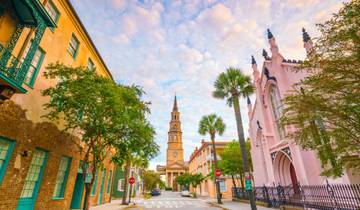
7 days
Southern Charms (from Charleston to Savannah)
- ✓ Comprehensive Charleston tour
- ✓ Expert local guides included
- ✓ All accommodation arranged
- ✓ Transportation provided
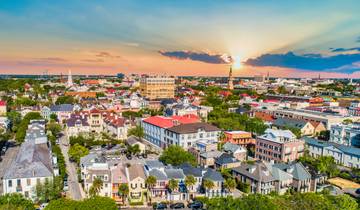
7 days
Southern Charm featuring Charleston, Savannah, and Jekyll Island (Charleston, SC to Jekyll Island, GA, 2027)
- ✓ Comprehensive Charleston tour
- ✓ Expert local guides included
- ✓ All accommodation arranged
- ✓ Transportation provided
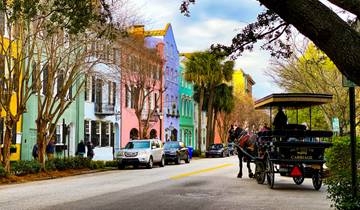
7 days
Southern Charm Holiday (Charleston, SC to Jekyll Island, GA, 2026)
- ✓ Comprehensive Charleston tour
- ✓ Expert local guides included
- ✓ All accommodation arranged
- ✓ Transportation provided
7 days
Southern Charm Holiday (Charleston, SC to Jekyll Island, GA, 2027)
- ✓ Comprehensive Charleston tour
- ✓ Expert local guides included
- ✓ All accommodation arranged
- ✓ Transportation provided
Multi-day tour packages powered by TourRadar. Prices and availability subject to change.
Introduction: Why Charleston Demands Your 2026 Travel Investment
Charleston has earned its reputation as America’s #1 small city through an exceptional combination of preserved 18th-century architecture, revolutionary culinary innovation, and coastal geography that provides both historic urban experiences and pristine beach escapes within 30 minutes of downtown. Founded in 1670 as Charles Town, this South Carolina port city played pivotal roles in the American Revolution, hosted the Civil War’s opening shots at Fort Sumter, and developed the distinct Lowcountry culture blending English colonial, French Huguenot, West African, and Caribbean influences into America’s most unique regional identity. The city’s 2.5-square-mile historic peninsula contains over 2,800 historically significant buildings representing Georgian, Federal, Greek Revival, and Italianate architectural styles, creating what the National Trust for Historic Preservation calls “one of America’s best-preserved historic cities,” while surrounding barrier islands offer 60 miles of Atlantic coastline from wild maritime forest preserves to developed resort beaches.
Charleston’s contemporary appeal extends far beyond historical tourism, driven by a James Beard Award-winning culinary scene that has produced more recognized chefs per capita than any Southern city and a cultural calendar featuring world-class performing arts through Spoleto Festival USA, evolving visual arts districts, and preservation initiatives that balance tourism growth with authentic community character. The city’s compact walkable downtown eliminates the transportation challenges plaguing sprawling Southern metropolitan areas, while maintaining distinct neighborhood identities from the French Quarter’s art galleries to upper King Street’s design shops, South of Broad’s residential grandeur to the evolving Eastside’s emerging restaurant scene. For 2026 travelers, Charleston delivers unusual value propositions including extensive free historical experiences through self-guided walking routes, accessible beach environments without resort development’s premium pricing, and transparent public information through well-organized visitor services that contrast sharply with tourism-dependent destinations prioritizing commercial operations over visitor education.
Understanding Charleston’s geography proves essential for efficient 2026 planning, as the city occupies a peninsula formed by the Ashley and Cooper Rivers flowing into Charleston Harbor, with bridges connecting to barrier islands including Sullivan’s Island, Isle of Palms, Folly Beach, Kiawah Island, and Seabrook Island to the south and east, plus suburban developments in Mount Pleasant, West Ashley, North Charleston, and James Island. Downtown Charleston’s historic district concentrates between Broad Street (southern boundary), Calhoun Street (northern edge), the Cooper River (eastern waterfront), and Ashley River (western shore), creating a walkable rectangle measuring approximately 1.5 miles north-south by 0.75 miles east-west. This compact core contains the majority of hotels, restaurants, museums, galleries, and historic sites, with attractions like Fort Sumter, Patriots Point Naval Museum, and plantation properties requiring vehicle or tour transport but remaining within 30-minute reach. The surrounding metro area population exceeds 800,000 across three counties, though visitors focus almost exclusively on the historic peninsula, selected plantations, and beach communities, rarely engaging with suburban commercial development unless accessing Charleston International Airport located 12 miles north in North Charleston.
Charleston’s seasonal patterns significantly impact 2026 planning decisions, with distinct high season (March through August), shoulder periods (September through November, late February), and low season (December through mid-February) each offering different advantages. Summer months from June through August deliver peak temperatures averaging 88-92°F with intense humidity creating heat index values exceeding 100°F, driving demand for beach activities but challenging downtown walking tours, while hotel rates reach annual peaks and restaurant reservations require weeks of advance booking. Spring’s March through May window provides ideal conditions with 70-80°F temperatures, blooming gardens, and major events including Charleston Wine + Food Festival (March) and Spoleto Festival USA (late May through early June), though accommodation costs remain elevated and crowds fill popular attractions. Fall’s September through November presents arguably the best value proposition, maintaining warm 75-85°F weather through October, reducing tourist volumes after Labor Day, offering 20-30% lower hotel rates than summer, and providing pleasant conditions for both beach and walking activities. Winter delivers dramatic cost savings with hotel rates dropping 40-50%, uncrowded attractions, and comfortable 55-65°F days suitable for walking tours, though cooler evenings limit outdoor dining appeal and ocean temperatures discourage swimming.
Understanding Charleston Costs in 2026
Charleston’s 2026 pricing structure reflects its status as a premium Southern destination, with costs 25-35% above regional cities like Savannah and Charlotte but delivering commensurate quality through superior historic preservation, culinary excellence, and concentrated attraction density within walkable geography. The city’s limited peninsula geography constrains hotel supply, driving accommodation costs upward as demand consistently exceeds availability during peak March through August season, while restaurant pricing reflects national culinary recognition with multiple James Beard Award winners commanding premium rates justified by ingredient quality and preparation excellence. Understanding these cost drivers enables strategic planning that maximizes value through timing flexibility, advance booking, and selective splurging on signature experiences worth premium investment.
Accommodation represents Charleston’s largest single expense category, with downtown peninsula hotels ranging from $200-400 nightly for mid-range properties during peak season to $400-600+ for luxury historic inns and waterfront resorts. Budget travelers can reduce costs through strategic location choices, selecting properties in North Charleston, West Ashley, or Mount Pleasant suburbs where rates drop to $100-180 nightly for national chain hotels, though this strategy trades walkability for 15-30 minute drives to downtown attractions and parking fees averaging $25-35 daily in tourist zones. Charleston lacks traditional hostel accommodations found in European cities, limiting ultra-budget options to Airbnb shared rooms averaging $45-75 nightly or budget hotel chains on the peninsula’s northern edge near the Visitors Center charging $150-220 in peak season. Seasonal variation dramatically impacts accommodation costs, with identical rooms pricing 40-50% lower in winter months (December through February) and shoulder season (September through November, late February) compared to summer peaks, creating opportunities for budget-conscious travelers willing to accept cooler temperatures and occasional rain.
Dining costs vary enormously based on restaurant selection and meal timing, ranging from $10-18 lunch sandwiches at casual spots to $50-100+ per person dinner experiences at James Beard-recognized establishments. Charleston’s culinary scene has evolved into three distinct pricing tiers each delivering quality experiences at different investment levels. Budget dining ($10-20 per meal) includes exceptional local spots like Hannibal’s Kitchen serving Lowcountry soul food, Dave’s Carry-Out offering barbecue plates, and D’Allesandro’s Pizza providing 12-inch pies under $20, plus Vietnamese pho restaurants charging $14-17 for substantial noodle soup bowls that serve as complete meals. Mid-range restaurants ($25-45 per entrée) represent Charleston’s sweet spot, featuring established favorites like Fleet Landing Restaurant overlooking Charleston Harbor, 167 Raw serving oysters and seafood, and Slightly North of Broad (SNOB) presenting refined Southern cuisine in casual settings, with full dinner including appetizer, entrée, and drinks totaling $50-75 per person before tips. Fine dining ($50-100+ per person) encompasses James Beard Award winners like FIG, Husk, and The Ordinary, plus Michelin-starred Bintü Atelier offering $135 four-course prix-fixe menus and Wild Common presenting innovative tasting experiences, though these represent special occasion splurges rather than daily dining patterns for most travelers.
Attraction costs remain remarkably accessible compared to accommodation and dining expenses, with many of Charleston’s premier experiences available free or under $30 per person. The historic downtown district itself functions as an open-air museum with free access to architectural viewing, Battery promenade walking, Waterfront Park with its iconic Pineapple Fountain, and Charleston City Market browsing. Paid attractions concentrate in the $15-35 range including Fort Sumter ferry and admission at $26, Patriots Point Naval & Maritime Museum at $28, historic house museums like Nathaniel Russell House at $15, and plantation properties like Magnolia Plantation charging $28 for gardens or $40-60 for combined garden and house tours. Carriage tours represent Charleston’s signature tourist experience at $30-35 per person for one-hour narrated routes through historic streets, while walking tours range from $25-40 depending on theme and duration. Museum admission runs $12-20 for institutions like Gibbes Museum of Art and Charleston Museum, with many offering free admission on specific days or discounted combination tickets. The South Carolina Aquarium charges $33 for adults and $26 for children, representing one of the area’s pricier single attractions but delivering 4-6 hours of engagement for families. Overall, a selective attraction strategy visiting 2-3 paid sites daily totals $25-75 per person, while free walking routes and beach access can reduce attraction spending to near zero for budget travelers.
Transportation costs depend entirely on chosen movement strategies, ranging from zero for pedestrian-focused downtown stays to $60-80 daily for rental car expenses including parking. Charleston’s compact historic district (1.5 miles by 0.75 miles) enables almost entirely pedestrian navigation, with most hotels, restaurants, and attractions reachable within 15-20 minute walks, eliminating any public transit or rideshare expenses. Free DASH shuttle buses operate three routes connecting the Visitors Center with Battery, Aquarium, and Market areas, providing air-conditioned transport during hot summer months without cost. CARTA public buses serve broader Charleston area including beaches and suburbs for $2 per ride or $7 daily passes, though limited routes and infrequent service (buses run every 30-60 minutes) make this option inefficient for time-conscious tourists. Rideshare services (Uber, Lyft) charge $11-18 for typical peninsula trips and $25-35 for beach excursions, offering convenient point-to-point transport without parking hassles. Rental cars make sense primarily for travelers planning multiple plantation visits, extensive beach time, or day trips to surrounding areas, with daily rates averaging $60-80 plus $25-35 parking fees at downtown hotels and tourist attractions, though providing maximum flexibility for independent exploration beyond walkable zones.
Accommodation Costs and Strategies 2026
Charleston accommodation landscape divides into downtown peninsula properties delivering walkability premium and suburban locations offering cost savings with driving requirements, each suited to different traveler priorities and budget constraints in 2026. Downtown hotels concentrate between Broad Street and Calhoun Street, placing guests within 5-15 minute walks of major restaurants, attractions, and waterfront areas, eliminating transportation expenses and enabling spontaneous exploration of hidden courtyards, galleries, and shops discovered while wandering historic streets. Suburban properties in North Charleston, West Ashley, Mount Pleasant, and near Charleston International Airport reduce nightly rates 30-50% but require 15-30 minute drives to downtown, $25-35 daily parking fees at attractions, and transportation planning that reduces flexibility for leisurely evening strolls or casual restaurant discoveries.
Budget accommodation options ($75-150 per room nightly) exist primarily in suburban locations, with national chain hotels like Hampton Inn, Holiday Inn Express, and La Quinta offering standardized rooms with free breakfast, parking, and basic amenities. Budget travelers sharing rooms pay $38-75 per person nightly, creating total accommodation costs of $266-525 for week-long visits when combined with driving and parking expenses. Properties near Charleston International Airport in North Charleston provide lowest rates at $75-120 nightly but require longest drives (20-25 minutes to downtown), while West Ashley locations along Highway 17 charge $90-140 and cut drive times to 12-18 minutes. Mount Pleasant hotels east of downtown across the Ravenel Bridge range $110-180 and position travelers midway between historic district and Sullivan’s Island and Isle of Palms beaches, offering balanced access for itineraries combining both. The peninsula’s northern edge near the Visitors Center hosts a few budget-friendly properties at $130-180 nightly, delivering walkable access while sacrificing the charm of lower peninsula historic district locations, though representing the most economical downtown option for cost-conscious travelers prioritizing walkability.
Mid-range accommodations ($200-400 per room nightly) dominate downtown Charleston, encompassing national brand hotels, local boutique properties, and historic inns offering varying character levels and amenity packages. Couples sharing mid-range rooms invest $100-200 per person nightly, totaling $700-1,400 per person for week-long Charleston immersion. Well-located mid-range properties include Francis Marion Hotel at $220-350 offering historic ambiance near Marion Square, Embassy Suites Charleston Historic District providing all-suite configuration with breakfast and evening reception at $250-380, and Mills House Charleston combining central King Street location with Curio Collection quality at $280-420. These properties deliver full-service experiences with on-site restaurants, valet parking ($40-58 daily), concierge services, and professional operations, while smaller boutique hotels like The Vendue at $240-380 or Zero George at $280-450 provide more intimate atmospheres with individualized service, designer interiors, and included breakfast or wine receptions. Mid-range guests should book 3-6 months ahead for peak season (March through August) and major event weekends including Spoleto Festival, as properties frequently sell out or increase rates 40-60% during high-demand periods.
Luxury accommodations ($400-750+ per room nightly) concentrate in Charleston’s most prestigious addresses, offering premium locations, exceptional service, and distinguished historic properties or contemporary design. Couples sharing luxury rooms invest $200-375+ per person nightly, creating $1,400-2,625+ accommodation budgets for week-long stays. Charleston’s luxury tier includes The Charleston Place at $480-750+ anchoring the Market area with full-service spa, indoor pool, and renowned restaurant, Belmond Charleston Place providing legendary service in converted 1839 building at $520-680, and Planters Inn offering Market Square location with 64 rooms ensuring intimate atmosphere at $420-620. Kiawah Island Golf Resort represents the area’s ultimate luxury beach destination 21 miles south of downtown, with rooms starting at $450 and reaching $1,200+ for oceanfront accommodations at The Sanctuary, though this choice trades downtown walkability for pristine beach access, championship golf courses, and resort amenities including multiple pools, spa, and nature programs. Luxury travelers should recognize that Charleston’s historic character means even premium properties occupy centuries-old buildings with period constraints including smaller room sizes than contemporary hotels, limited parking, and vintage elevator systems, though meticulous renovations preserve architectural details while integrating modern comfort systems.
Vacation rental options through Airbnb and VRBO provide alternatives to traditional hotels, particularly for groups, families, or extended stays exceeding one week. Downtown Charleston vacation rentals range from $180-350 nightly for one-bedroom apartments to $400-800 for three-bedroom houses with parking, offering full kitchen facilities that reduce dining costs through breakfast and lunch preparation, living space for relaxation beyond hotel rooms, and often included parking worth $35-58 daily at downtown hotels. Rental properties concentrate in neighborhoods slightly north of the tourist core including Cannonborough-Elliotborough, Wagener Terrace, and upper peninsula areas, positioning guests 15-25 minute walks from primary attractions while providing authentic residential neighborhood experiences. Beach vacation rentals on Sullivan’s Island, Isle of Palms, and Folly Beach deliver oceanfront access at $250-600 nightly for 2-3 bedroom properties, appealing to beach-focused travelers willing to drive 20-30 minutes for downtown dining and historic touring. Vacation rental considerations include cleaning fees averaging $150-250, lack of daily housekeeping, self-check-in processes, and variable property management quality, though cost advantages become substantial for stays exceeding 4-5 nights when kitchen access and group accommodation efficiency offset hotel convenience.
Seasonal pricing variations create dramatic cost differences for identical Charleston accommodations across the calendar year. Peak summer months (June through August) command premium rates with downtown mid-range hotels averaging $300-450 nightly, while shoulder season (September through November, late February through early March) reduces rates 20-30% to $200-350 for equivalent properties. Winter low season (December through mid-February excluding holiday weeks) delivers maximum savings with rates dropping 40-50% to $180-280, creating opportunities for budget-flexible travelers to access luxury properties at mid-range prices or mid-range hotels at budget costs. Major event weekends including Spoleto Festival (late May through early June), Charleston Wine + Food Festival (early March), and popular spring wedding season (April through May) frequently sell out properties or drive rates 50-100% above typical seasonal levels, requiring advance booking 6-12 months ahead. Charleston’s limited hotel inventory on the historic peninsula creates supply constraints that support pricing power, particularly at well-located mid-range and luxury properties that maintain strong occupancy even during shoulder seasons, though suburban locations and newer developments in Mount Pleasant and North Charleston experience more volatile pricing with deeper discounts during low-demand periods.
Food and Dining Costs 2026
Charleston’s culinary reputation as the South’s premier dining destination justifies allocating 35-50% of daily travel budgets to meals, as the city’s James Beard Award winners, Michelin-starred restaurants, and innovative chefs have transformed Lowcountry cuisine from regional comfort food into nationally recognized fine dining while maintaining accessible casual options at budget-friendly prices. The city’s food scene divides into distinct tiers based on setting, service style, and chef credentials rather than cuisine type, with exceptional quality available across price ranges from $12 Vietnamese pho bowls to $135 tasting menus, enabling travelers to calibrate dining investments to priorities and budgets while accessing authentic Charleston culinary experiences.
Budget dining ($10-20 per meal) delivers substantial value through local institutions, ethnic restaurants, and casual spots favored by residents over tourists. Breakfast options include Toast! All Day charging $10-15 for creative breakfast plates and sandwiches, Lost Dog Cafe offering $9-14 morning meals with excellent coffee, and national chains like Chick-fil-A providing $8-10 breakfast combinations. Lunch presents Charleston’s best budget opportunities with Vietnamese restaurants like Pho Lucky & Boba Tea serving complete pho bowls for $14-17, D’Allesandro’s Pizza offering 12-inch pies under $20 feeding two people, and Dave’s Carry-Out providing barbecue plates with two sides at $12-16. Dinner budget options include Hannibal’s Kitchen (featured in New York Times’ top 50 U.S. restaurants) serving soul food classics like crab and shrimp rice for $14-18, AC’s Bar and Grill offering burgers and Southern comfort food at $12-18, and Taco Boy presenting beach-casual Mexican with most items under $15. Budget-conscious travelers eating three meals daily at this tier invest $38-60 per person, creating weekly food budgets of $266-420 when supplemented with coffee, snacks, and occasional drinks.
Mid-range dining ($25-45 per entrée, $50-75 total per person with drinks) represents Charleston’s abundant middle tier, featuring restaurants that balance quality ingredients, skilled preparation, and appealing atmospheres without fine-dining formality or premium pricing. Lunch at mid-range spots runs $18-28 for entrées at restaurants like Fleet Landing Restaurant & Bar serving fresh seafood overlooking Charleston Harbor, 167 Raw presenting oysters and raw bar selections with harbor views, and Edmund’s Oast offering creative New American plates. Dinner mid-range restaurants include local favorites like Slightly North of Broad (SNOB) presenting refined Southern cuisine in brick-walled dining room at $28-42 per entrée, Butcher & Bee serving creative Middle Eastern-influenced vegetables and proteins at $24-38, and Leon’s Oyster Shop offering fried chicken, oysters, and frozen cocktails in converted auto garage at $18-32. Peninsula Grill represents mid-range fine dining with classic Lowcountry preparations including she-crab soup and shrimp and grits ranging $32-52, while Poogan’s Porch delivers upscale Southern comfort in restored Victorian house at similar pricing. Mid-range diners investing $77-113 daily across breakfast, lunch, and dinner create weekly food budgets of $539-791, with flexibility to mix occasional budget lunches and splurge dinners while maintaining overall mid-range spending.
Fine dining and special occasion restaurants ($50-100+ per person, $135+ for tasting menus) showcase Charleston’s James Beard Award winners and Michelin recognition, delivering exceptional culinary experiences worth premium investment for food-focused travelers. FIG (Food Is Good) presents seasonal American cuisine highlighting local ingredients with entrées ranging $32-48 and complete dinners totaling $75-95 per person including appetizer, entrée, and wine, while maintaining approachable atmosphere despite critical acclaim. Husk occupies white mansion on Queen Street serving New Southern cuisine focused on heritage grains and heirloom vegetables at $38-56 per entrée, with full dinner experiences reaching $85-110 per person. The Ordinary transformed historic bank building into seafood hall presenting East Coast oysters, whole fish preparations, and raw bar selections at $42-68 per entrée, creating $90-120 per person dinner investments including drinks. Michelin-starred Bintü Atelier offers West African-influenced four-course prix-fixe at $135 per person, while Wild Common presents tasting menu format at similar pricing, both requiring reservations weeks in advance during peak season. Fine dining represents special occasion splurges rather than daily patterns, with most travelers allocating 1-3 fine dining experiences across week-long Charleston visits while maintaining mid-range or budget dining for remaining meals.
Charleston’s signature Lowcountry dishes appear across all dining tiers, enabling budget-conscious travelers to sample regional classics without fine-dining investment. Shrimp and grits, Charleston’s most iconic dish, ranges from $16 at casual spots like Home Team BBQ to $32-38 at upscale restaurants like Magnolias, with mid-range versions at $22-28 delivering excellent quality. She-crab soup costs $8-12 per cup across most restaurants serving it, representing affordable luxury sampling rich bisque made with blue crab meat and roe. Lowcountry boil (shrimp, sausage, corn, and potatoes boiled with Old Bay seasoning) appears at casual seafood restaurants for $18-24 per person, while fried chicken available at Leon’s Oyster Shop ($18 for half bird with sides) or Bertha’s Kitchen ($12-16 for plate) showcases Southern cooking excellence without premium pricing. Oysters present exceptional value in Charleston due to coastal proximity, with raw bar selections running $2-3 per oyster at mid-range spots like Pearlz Oyster Bar or The Darling versus $3-4 at upscale venues, creating opportunities to sample local varieties without significant expense.
Neighborhood selection impacts dining costs and experiences, with tourists concentrated in Market area and lower King Street paying premium prices while residential neighborhoods offer better value and fewer crowds. Upper King Street from Calhoun north to Spring Street has evolved into Charleston’s trendiest dining corridor, featuring mix of established favorites and new openings at mid-range pricing with better availability than heavily-touristed lower King and Market zones. The French Quarter east of King Street toward Cooper River waterfront contains cluster of acclaimed restaurants including Wild Common, Indaco (Italian), and The Grocery at mid-range to upscale pricing with local clientele balancing tourist visitors. Cannonborough-Elliotborough neighborhood north of Calhoun Street hosts emerging restaurant scene with more casual concepts, bar-focused establishments, and ethnic options at generally lower prices than downtown core. Folly Beach, Sullivan’s Island, and Mount Pleasant deliver beach-casual dining with seafood focus at $15-30 per entrée ranges, appealing to travelers based in beach areas or willing to drive 20-30 minutes for laid-back atmospheres and ocean views.
Transportation and Getting Around 2026
Charleston’s compact peninsular geography creates ideal conditions for pedestrian navigation, with 90% of tourist attractions, hotels, and restaurants concentrated within a walkable 2-square-mile historic district that eliminates transportation needs for downtown-focused itineraries. The city’s flat terrain, grid street pattern, and concentration of historic sites along logical walking routes (King Street corridor, Waterfront area, Battery promenade) enable most visitors to explore primary attractions entirely on foot, with occasional use of free DASH shuttles for longer distances or hot weather relief. Understanding Charleston’s transportation options enables strategic decisions balancing cost, convenience, and access to outlying attractions including plantations, beaches, and regional day trip destinations.
Walking represents the optimal Charleston transportation mode for downtown exploration, as the historic district’s compact dimensions place major attractions within 15-25 minute walks from centrally-located hotels. A typical Charleston walking day covers 4-6 miles exploring routes from Waterfront Park to Battery (1.2 miles), King Street shopping corridor (1.5 miles end to end), Market area browsing (0.5 miles), and various historic house museums, churches, and architectural viewing. Charleston’s grid pattern with numbered cross streets provides easy navigation, while abundant shade trees, benches, and water fountains support extended walking even during warm months. The city’s commitment to historic preservation maintains brick sidewalks, cobblestone streets, and period lighting that enhance aesthetic experience but occasionally create uneven footing, making comfortable walking shoes essential and challenging for mobility-impaired travelers. Free walking tour maps available at Visitors Center (375 Meeting Street) identify self-guided routes highlighting architectural styles, historic events, and neighborhood character, delivering expert-level orientation without tour fees or fixed schedules.
Free DASH (Downtown Area Shuttle) buses operate three color-coded routes connecting major tourist zones with Visitors Center hub, providing air-conditioned transport during hot summer months and extending walkable range without cost. Orange Line/Route 210 runs from Visitors Center to Battery and Waterfront Park area, serving hotels in lower peninsula and attractions along East Bay waterfront. Blue Line/Route 211 connects Visitors Center with Charleston City Market and upper King Street, accessing primary shopping and dining corridor. Trolley Line/Route 213 circulates through historic district connecting hotels, attractions, and parking facilities. DASH buses run every 10-45 minutes depending on route and time of day, operating Monday through Saturday 9am-7pm and Sunday 10am-6pm, with extended hours during peak summer season. Route maps and real-time tracking available through Transit app enable efficient use despite relatively infrequent service compared to major city transit systems, though pedestrian travel remains faster for most short-distance trips within tourist core.
CARTA (Charleston Area Regional Transportation Authority) public buses serve broader Charleston metro area including North Charleston, West Ashley, Mount Pleasant, James Island, and beach communities, offering $2 per ride pricing significantly cheaper than rideshare options for budget travelers. Regular routes operate 6am-10pm with 30-60 minute frequencies, while Express routes ($3.50 per ride) provide commuter service with limited stops and more comfortable buses featuring airline-style seating. Day passes cost $7 for unlimited regular route travel, while 3-day passes run $14, creating value for travelers making multiple daily trips beyond downtown core. Route 40 serves Mount Pleasant and connects to Sullivan’s Island access, Route 31 reaches Folly Beach, and various routes cover plantation properties along Ashley River Road, though limited frequencies (buses every 60-90 minutes) make schedules challenging for time-efficient sightseeing. CARTA trip planning tools at ridecarta.com and Transit smartphone app provide route maps, schedules, and real-time tracking, while buses accept exact change cash or mobile tickets purchased through Transit app.
Rideshare services (Uber, Lyft) dominate Charleston’s on-demand transportation with reliable availability, reasonable pricing, and convenient app-based booking eliminating taxi uncertainty. Typical Charleston rideshare costs include $11-18 for peninsula trips (Visitors Center to Battery, hotel to restaurant across downtown), $18-25 for trips from downtown to Mount Pleasant or West Ashley suburbs, $25-35 for beach excursions (downtown to Folly Beach, Sullivan’s Island, or Isle of Palms), and $30-40 for Charleston International Airport transfers. Surge pricing during peak demand times (weekend evenings 7-10pm, major event days, rainy weather) can increase costs 1.5-2.5x normal rates, though advance scheduling often locks standard pricing. Rideshare services provide practical solutions for specific situations including late-night restaurant returns when walking feels unsafe, plantation visits without rental car commitment, beach day trips avoiding parking fees, and airport transfers cheaper than commercial shuttle services, while remaining economically prohibitive for frequent all-day use that would total $60-100+ daily.
Rental cars make economic and practical sense primarily for travelers planning extensive time beyond downtown peninsula, including multiple plantation visits, beach-focused itineraries, or regional day trips to Beaufort, Savannah, or Lowcountry towns. Daily rental rates average $60-80 for economy and compact vehicles during non-holiday periods, increasing to $90-120 during peak summer and major event weekends, plus $25-35 daily parking fees at downtown hotels and tourist attractions. Week-long rental car investments total $420-560 before gasoline, insurance, and parking, comparable to rideshare costs for travelers making 2-3 excursions beyond walking distance daily, while providing maximum flexibility for spontaneous exploration and multi-attraction routing. Rental car disadvantages include downtown parking challenges (garage spaces averaging $3-5 per hour, $25-35 daily maximum), one-way street navigation complexity in historic grid, and complete redundancy for downtown exploration where parking fees and walking distances make cars inefficient compared to pedestrian access. Travelers should rent cars only for specific outlying attraction days rather than entire visit duration, using Turo, Zipcar, or traditional agencies to book 1-3 day periods when actually needed rather than paying week-long rates for vehicles sitting unused during downtown touring days.
Bicycle rentals offer alternative Charleston transportation mode favored by some visitors, though limited bike lane infrastructure and tourist traffic congestion create safety concerns in heavily-visited zones. Bike rental shops including Holy Spokes (various locations) and Charleston Bicycle Tours charge $25-35 per day or $100-140 per week for comfortable cruiser-style bikes with baskets and locks, while bike-share programs provide pay-per-ride options. Charleston’s flat terrain makes cycling easy from fitness perspective, with popular routes including West Ashley Greenway, Ravenel Bridge pedestrian/bike path to Mount Pleasant (2.5 miles with stunning harbor views), and beach area roads on Sullivan’s Island and Isle of Palms. However, downtown historic district’s cobblestone streets, tourist congestion, lack of bike lanes on primary routes, and hot summer humidity make cycling less appealing than walking for typical sightseeing itineraries, relegating bikes to specialized uses like greenway exercise rides, Ravenel Bridge sunset viewing, or beach area transportation rather than primary downtown touring mode.
Major Attractions and Activities 2026
Charleston’s attraction portfolio divides between free historic district experiences accessible through self-guided walking and paid museums, tours, and cultural sites requiring admission fees or booking, with the majority of signature Charleston moments occurring outside commercial attractions through architectural viewing, waterfront strolling, and neighborhood exploration. Understanding this division enables strategic planning that balances paid admission investments in truly distinctive experiences (Fort Sumter, plantation properties, guided tours revealing hidden stories) with maximized free time exploring Charleston’s authentic character through street-level discovery. Most Charleston visitors find 2-4 hours of paid attraction programming daily provides optimal balance, leaving ample time for spontaneous wandering, extended meals, shopping, and relaxed pacing that defines authentic Southern city experiences.
Fort Sumter National Monument represents Charleston’s most significant historical attraction, marking the Civil War’s opening location when Confederate forces fired on the federal fort on April 12, 1861. Visiting Fort Sumter requires ferry transport from either Liberty Square downtown (next to South Carolina Aquarium) or Patriots Point in Mount Pleasant, with combined ferry and admission tickets costing $26 for adults and $17 for children ages 4-12 through Fort Sumter Tours, the National Park Service’s exclusive concessionaire. The 30-minute narrated ferry cruise provides Charleston Harbor orientation including views of Battery mansions, Ravenel Bridge, Castle Pinckney, and shipping channel, with National Park rangers greeting visitors at the island and offering 15-minute interpretive talks explaining fort construction, pre-war tensions, bombardment sequence, and subsequent siege operations. Visitors explore the fort’s remaining walls (largely destroyed during 1863-1865 Union bombardment), museum exhibits displaying original artifacts including cannon, uniforms, and flags, and interpretive displays explaining Civil War context, with approximately 60 minutes on the island before return ferry departure. Total experience consumes 2-2.5 hours including round-trip ferry time, making morning or early afternoon departures optimal for combining with other same-day activities, while advance online booking through fortsumtertours.com ensures availability during peak season when ferries frequently sell out.
Patriots Point Naval & Maritime Museum anchors Mount Pleasant waterfront across Charleston Harbor from downtown, featuring USS Yorktown aircraft carrier (served in World War II and Vietnam), USS Laffey destroyer, USS Clamagore submarine, 28 historic aircraft, Vietnam Experience exhibit, and Medal of Honor Museum. General admission costs $28 for adults and $19 for children ages 6-11, with tickets valid for one-time use redeemable anytime within one year of purchase, creating flexibility for splitting visits across multiple days for families wanting extended exploration time. The USS Yorktown alone requires 2-3 hours for thorough touring, with self-guided routes through flight deck, bridge, captain’s quarters, engine room, berthing areas, galley, and various aircraft displays, while USS Laffey and submarine add another 1-2 hours for visitors interested in comprehensive naval history immersion. Free parking (valuable perk saving $20-25 versus downtown garage rates) and waterfront location with picnic areas and marsh views make Patriots Point particularly appealing for families, military history enthusiasts, and visitors seeking full-day programming justifying admission investment. The museum’s position as Fort Sumter ferry departure point enables combination visits, though attempting both in single day creates rushed 5-6 hour commitment better split across separate half-day excursions.
Historic house museums scattered throughout downtown Charleston provide intimate glimpses into architectural styles, period furnishings, and social hierarchies spanning Colonial through Antebellum eras, with admission fees ranging $12-25 per house for 30-45 minute guided tours. Nathaniel Russell House (51 Meeting Street) showcases Federal-era architecture through 1808 mansion built for Rhode Island merchant who relocated to Charleston, featuring remarkable free-flying staircase spiraling three stories without central support and restored rooms demonstrating wealthy merchant lifestyle ($15 admission). Aiken-Rhett House (48 Elizabeth Street) presents rare example of preserved (versus restored) urban plantation complex retaining original wallpaper, paint colors, and slave quarters, offering unvarnished view of antebellum plantation economy within city limits ($15 admission). Heyward-Washington House (87 Church Street) interprets Charleston’s colonial and Revolutionary periods through 1772 Georgian mansion with period furnishings including impressive Charleston-made furniture collection ($12 admission). Most visitors find 1-2 house museums sufficient for understanding Charleston’s domestic architecture and social history, as tour content overlaps considerably, though architectural enthusiasts appreciate subtle distinctions between Federal, Georgian, and Greek Revival styles best understood through comparative viewing.
Plantation properties surrounding Charleston offer extensive grounds, historic gardens, and preserved buildings illustrating Lowcountry agricultural economy centered on rice, indigo, and cotton cultivation using enslaved labor, with admission ranging $28-60 depending on tour combinations. Magnolia Plantation and Gardens (3550 Ashley River Road, 15 miles northwest of downtown) features America’s oldest public gardens dating to 1676, with 70 acres of landscaped grounds, nature trails, wetland boardwalk, and historic cabin displays, plus house tours, petting zoo, and tram rides ($28 for gardens only, $40-60 for combination tickets). Middleton Place (4300 Ashley River Road, 14 miles northwest) presents National Historic Landmark gardens with terraced lawns, butterfly lakes, and Rice Mill Pond, plus active stableyards demonstrating historical trades, house museum, and farm programs ($28 gardens, $40 house and gardens combination). Drayton Hall (3380 Ashley River Road, 12 miles northwest) maintains America’s oldest unrestored plantation house circa 1738, offering specialized architecture tours emphasizing preservation philosophy and building techniques ($28 admission). Most plantation visits consume 3-5 hours including drive time, making morning departures optimal for combining with afternoon downtown activities, while house and garden combination tickets deliver best value for visitors wanting comprehensive experiences beyond grounds walking.
Charleston City Market operates continuously since 1807 as one of America’s oldest public markets, occupying four city blocks between Meeting and East Bay Streets with open-air sheds and enclosed halls hosting 100+ vendors selling sweetgrass baskets (traditional Gullah craft), jewelry, art, local food products, and tourist souvenirs. Visiting the Market costs nothing beyond optional purchases, with browsing providing cultural experience observing sweetgrass basket weavers continuing centuries-old African tradition using native marsh grass, silver palmetto fronds, and pine needles woven into functional and decorative forms. The Market operates daily 9am-6pm with extended evening hours during peak season, creating natural stopping point during downtown walks while air-conditioned halls provide heat relief during summer months. Quality and pricing vary dramatically among vendors, with authentic handwoven sweetgrass baskets commanding $100-500+ for substantial pieces requiring dozens of hours to create, while mass-produced items fill lower-priced vendor stalls. Savvy shoppers recognize that identical souvenirs sold at Market premium pricing appear at suburban stores for 30-50% less, though Market atmosphere and convenience justify moderate markups for travelers prioritizing experience over maximum value.
Waterfront Park and Battery promenade deliver Charleston’s premier free experiences through harbor views, public green spaces, and architectural showcasing without admission charges or commercial operations. Waterfront Park (Concord Street along Cooper River) features iconic Pineapple Fountain, splash fountain popular with children, shaded benches, and pier extending into Charleston Harbor providing cooling breezes and sunset viewing, operating 6am-midnight daily with free access and portable restroom facilities. Battery promenade (Murray Boulevard and East Battery) lines Charleston’s southern tip with antebellum mansions, Civil War-era defensive seawall, and White Point Garden offering Fort Sumter views, historic cannon displays, and moss-draped oak trees framing harbor vistas, accessible 24 hours daily for sunrise, midday, and golden hour photography. Both locations require zero admission fees, lack commercial vendors or programmed activities, and function primarily as contemplative public spaces where visitors absorb Charleston’s waterfront character through unstructured exploration, making them essential stops for budget travelers and premium supplements to paid attraction schedules for all visitors.
Guided Tours and Experiences 2026
Charleston’s tour industry offers specialized programming revealing hidden histories, architectural details, and cultural stories inaccessible through self-guided exploration, with options ranging from large-group carriage tours ($30-35) to intimate walking experiences ($25-45), culinary tours ($85-110), harbor cruises ($35-75), and ghost tours ($25-35) catering to different interest levels and learning preferences. Quality varies dramatically across operators, with best tours featuring passionate guides, limited group sizes, and content extending beyond basic historical facts into nuanced cultural interpretation, while commodity operations prioritize volume processing over educational value. Strategic tour selection enhancing rather than duplicating self-guided activities delivers optimal value, particularly for first-time visitors wanting historical context before independent exploration.
Carriage tours represent Charleston’s signature tourist experience, with climate-controlled covered carriages carrying 12-15 passengers through historic district streets for one-hour narrated routes emphasizing architecture, gardens, and historical anecdotes. Pricing clusters around $30-35 per adult and $15-20 for children ages 4-11, with departures every 30 minutes during peak season from companies including Palmetto Carriage Works (oldest operator), Old South Carriage Company, and Charleston Carriage Tours. Routes vary by departure time based on city-imposed restrictions preventing overuse of specific residential streets, with drivers assigned random routes ensuring variety and preventing guide favoritism toward tips-friendly areas. Carriage tours work best as Charleston orientation activity on arrival day, providing broad geographic overview and historical timeline establishing context for subsequent focused exploration, though critics note limited educational depth, tourist-heavy routes avoiding authentic neighborhood experiences, and variable guide quality favoring entertaining personalities over scholarly knowledge. Booking morning departures (before 11am) or late afternoon slots (after 4pm) reduces wait times and heat exposure compared to midday peak periods when lines extend 45-60 minutes even with reservations.
Walking tours deliver superior educational value compared to carriage rides through smaller groups (typically 8-15 people), specialized themes, and guides able to stop, point out details, and engage with questions impossible from moving vehicles. Charleston’s best walking tours include Bulldog Tours’ history and architecture routes ($25-30) featuring guides holding City of Charleston licenses requiring examination on local history, Charleston Culinary Tours’ food-focused experiences ($85-110) combining tastings at 5-6 restaurants with cultural storytelling, and Charleston Strolls’ evening ghost and legends tours ($25-35) emphasizing folklore and supernatural history. Typical walking tours last 2-2.5 hours covering 1-1.5 miles at leisurely pace with frequent stops, consuming late morning (10am-12pm) or late afternoon (3-5pm) timeslots while avoiding midday heat. Specialized tours including African American Heritage Tours ($40) examining Charleston’s Black history, Architectural Walking Tours ($35) analyzing building styles and construction details, and Charleston Photography Tours ($65) teaching composition techniques while visiting photogenic locations provide niche programming for specific interests. Walking tour quality depends heavily on guide expertise, with best operators ensuring guides possess deep Charleston knowledge, storytelling ability, and crowd management skills rather than simply reading scripts to tourist groups.
Harbor cruises and boat tours present Charleston from maritime perspective, showcasing waterfront architecture, Fort Sumter approaches, and dolphin-rich waters while providing narrated context about port history, naval operations, and coastal ecology. Charleston Harbor Tours operates basic 90-minute narrated cruises departing from Maritime Center for $28 adults and $18 children, with multiple daily departures and straightforward historical interpretation suitable for families seeking affordable harbor orientation. Schooner Pride offers 2-hour sailing experiences aboard traditional tall ship for $45-55 adults, ranked among America’s top sunset sails for romantic atmosphere and wind-powered passage without engine noise. Spiritline Cruises presents variety of themed options including dolphin watching ($35), sunset harbor tours ($45), and dinner cruises ($75-85) combining harbor viewing with onboard dining. Kayak and paddleboard rentals through Coastal Expeditions ($60-75 for 2-hour guided eco tours) enable more active harbor engagement, accessing marsh creeks, oyster beds, and wildlife areas inaccessible to larger vessels. Harbor tour considerations include weather dependency (cancellations during storms or rough seas), shade availability (limited on most vessels during midday summer heat), and motion sensitivity for those prone to seasickness even in generally calm Charleston Harbor conditions.
Food and culinary tours combine restaurant tastings with cultural storytelling, presenting Charleston’s evolution from traditional Lowcountry cooking to nationally recognized dining destination while sampling dishes across price ranges in single excursion. Charleston Culinary Tours offers various routes including Upper King Street Food Tour ($95) visiting 5-6 restaurants for tastings equivalent to substantial lunch, Chef’s Kitchen Tour ($110) including cooking demonstrations and market visits, and Mixology Tour ($85) emphasizing craft cocktails and distillery operations. Bulldog Tours operates Historic Charleston Walking Food Tour ($85) combining architectural history with restaurant stops, while several independent operators provide neighborhood-specific routes. Food tour value propositions include access to restaurants requiring reservations weeks in advance for regular dining, chef interactions explaining techniques and ingredients, cultural context connecting dishes to Charleston’s African, Caribbean, and European influences, and substantial food quantities (tours typically provide equivalent of full meal across multiple tastings). Best food tours feature thoughtfully-curated restaurant selections representing authentic Charleston cuisine rather than tourist traps, knowledgeable guides able to explain dish histories and cultural significance, and manageable group sizes (under 15 people) enabling intimate restaurant interactions rather than overwhelming small establishments with large tourist groups.
Ghost tours and evening walking experiences capitalize on Charleston’s reputation as America’s most haunted city, with numerous operators offering theatrical storytelling combining local history, folklore, and paranormal claims. Bulldog Tours operates most professional ghost programming including Haunted Jail Tour ($28) accessing Old City Jail after hours, Ghosts & Legends walking route ($25), and USS Yorktown Ghost Tour ($40) aboard aircraft carrier at Patriots Point. Tours of Charleston’s Unmentionables ($28) presents adults-only content examining Charleston’s darker historical elements including prostitution, murder, and corruption in entertaining format. Most ghost tours operate 7-9pm departures lasting 90-120 minutes, creating evening programming for visitors wanting Charleston activity after dinner. Ghost tour quality varies between historically-grounded storytelling using supernatural elements to engage audiences versus pure entertainment prioritizing theatrical performance over factual accuracy, with discriminating visitors researching specific tour operators and reading reviews identifying style matching their educational versus entertainment preferences.
Seasonal Planning and Events 2026
Charleston’s seasonal patterns create dramatically different visitor experiences across the calendar year, with weather variations, tourist volume fluctuations, hotel pricing changes, and signature events defining optimal visit windows for different traveler priorities. Understanding these seasonal dynamics enables strategic timing decisions balancing ideal conditions, cost considerations, and special programming availability, while recognizing that Charleston delivers quality experiences year-round through its preserved architecture, consistent culinary excellence, and mild climate preventing the extended closures affecting more extreme seasonal destinations.
Spring season (March through May) represents Charleston’s peak visitor period, combining ideal 70-80°F temperatures with spectacular blooming displays transforming historic gardens into floral showcases. Azaleas peak in late March through early April, followed by wisteria draping purple blooms over walls and arbors in mid-April, and rose gardens reaching full bloom by May. This coincides with Charleston’s highest hotel rates at $300-450 nightly for mid-range properties and frequent sellouts 6-8 weeks ahead of arrival during prime April weeks. Major spring events include Charleston Wine + Food Festival (early March) presenting four days of tastings, cooking demonstrations, and seminars attracting national culinary figures, Charleston Fashion Week (mid-March) showcasing emerging designers, and Spoleto Festival USA (late May through early June) delivering 17 days of performing arts including opera, theater, dance, and music across 120+ events in venues throughout historic district. Spring advantages include optimal weather for outdoor activities, peak garden displays at plantations, extended daylight hours enabling evening walks, and vibrant cultural calendar, though disadvantages encompass highest costs, maximum tourist crowds, advance booking requirements, and increased restaurant reservation difficulty.
Summer season (June through August) delivers Charleston’s hottest and most humid conditions, with 88-92°F temperatures combining with 70-80% humidity creating heat index values exceeding 100°F that challenge midday outdoor activities. This drives beach-focused visitation patterns, as Sullivan’s Island, Folly Beach, and Isle of Palms offer Atlantic Ocean relief unavailable in downtown historic district. Summer advantages include warmest ocean temperatures (78-82°F) ideal for swimming, extended beach daylight hours until 8-8:30pm, and vibrant beach town restaurant and bar scenes operating at peak capacity. Disadvantages include uncomfortable conditions for downtown walking tours (particularly 11am-4pm when heat peaks), afternoon thunderstorms averaging 2-3 weekly, maximum tourist crowds especially during July 4th week and August beach season, and peak pricing maintaining spring’s elevated rates through August despite less comfortable conditions. Successful summer Charleston visits require adjusted daily patterns emphasizing early morning historic district touring (7-11am when temperatures remain 75-85°F), midday beach time or indoor museum visits, and evening returns to downtown for dinner and strolling after temperatures moderate post-6pm.
Fall season (September through November) presents Charleston’s optimal value proposition, maintaining warm 75-85°F weather through October while reducing humidity levels, decreasing tourist volumes after Labor Day, and offering 20-30% lower hotel rates compared to spring and summer peaks. September feels like extended summer with 85-88°F temperatures and warm ocean conditions (still 78-80°F) enabling beach activities, while October delivers ideal touring weather at 75-80°F with minimal humidity and comfortable evening temperatures for outdoor dining. November transitions toward winter with 65-75°F days remaining pleasant for walking though cooler evenings and occasional 50°F mornings require layered clothing. Fall cultural calendar includes MOJA Arts Festival (late September through early October) celebrating African American and Caribbean cultures, Charleston International Film Festival (early November), and various food and wine events capitalizing on harvest season ingredients. Fall advantages include best weather-to-cost ratio of any season, reduced crowds enabling spontaneous restaurant visits without reservations, comfortable touring conditions without summer heat stress, and authentic local atmosphere as seasonal workers depart and resident life resumes post-tourist season. Disadvantages remain minimal, primarily consisting of reduced beach appeal as water temperatures drop into 60s°F by November and some seasonal restaurants closing or reducing hours after Labor Day.
Winter season (December through February) offers dramatic cost savings and uncrowded conditions while accepting cooler temperatures and reduced beach viability, appealing to budget-flexible travelers prioritizing historic and culinary experiences over outdoor recreation. December through mid-February sees hotel rates drop 40-50% to $180-280 for mid-range downtown properties, restaurant reservations available day-of or walk-in, attractions operating without lines, and authentic local experiences as tourist infrastructure scales back. Weather averages 55-65°F during daytime with comfortable walking conditions requiring light jacket, though evening temperatures dropping to 40-50°F limit outdoor dining appeal and some rooftop bars close seasonally. Charleston’s mild winter prevents snow and rarely sees freezing temperatures, enabling continued historic touring, garden visits showing architectural bones and winter plantings, and indoor cultural programming. Holiday season (mid-December through New Year’s) brings festive decorations, special events including historic house tours, and moderate visitor increases with rates rising 15-25% above January-February lows though remaining well below spring-summer peaks. Winter disadvantages include cool ocean temperatures (55-60°F) preventing swimming, some seasonal attractions closing (plantation outdoor exhibits, some boat tours), reduced restaurant hours especially Monday-Tuesday, and less vibrant evening street life as locals and tourists both minimize outdoor activities during cooler evenings.
Special events and festivals throughout 2026 create both opportunities for enhanced experiences and challenges from increased crowds and costs, requiring strategic awareness for visit planning. Charleston Wine + Food Festival (March 5-8, 2026) attracts 15,000 attendees across four days of seminars, tastings, and chef dinners, with most events requiring advance tickets ($75-200+ per event) though creating vibrant culinary atmosphere throughout city and offering access to nationally-recognized chefs and wine experts. Spoleto Festival USA (May 22-June 7, 2026) transforms Charleston into performing arts showcase with opera, theater, dance, classical music, and jazz across 17 days, requiring performance tickets ($25-150+ per show) but offering free outdoor programming and street performances throughout historic district. Southeastern Wildlife Expo (February 14-16, 2026) draws wildlife art collectors, outdoor enthusiasts, and conservation supporters for art exhibitions, vendors, and demonstrations. Charleston Fashion Week (March 18-23, 2026) presents emerging designer showcases and industry events. These major events book hotels 6-12 months ahead, increase rates 30-60% above typical seasonal pricing, require restaurant reservations weeks in advance, and create crowded conditions at attractions, though offering cultural programming justifying premium costs for interested travelers while signaling avoidance periods for visitors prioritizing budget efficiency and uncrowded exploration.
Day Trips and Regional Excursions 2026
Charleston’s coastal South Carolina location enables numerous day trip opportunities accessing barrier island beaches, historic small towns, plantation country landscapes, and regional attractions within 60-90 minutes’ drive, creating options for visitors seeking variety beyond downtown Charleston’s concentrated historic district programming. These excursions require rental car or guided tour investment but deliver distinctive experiences unavailable within city limits, particularly appealing for week-long visits when 3-4 days of downtown touring exhausts primary attraction inventory and travelers seek different environments and activities.
Beaufort, South Carolina (70 miles south, 90-minute drive) presents smaller, quieter alternative to Charleston with waterfront historic district featuring antebellum mansions, live oak-lined streets, and authentic Lowcountry atmosphere without Charleston’s tourist commercialization. Beaufort’s compact downtown (4 blocks by 6 blocks) enables easy walking visiting historic homes including Verdier House museum ($10 admission), waterfront Henry C. Chambers Waterfront Park, Bay Street shopping and dining, and atmospheric churches and cemeteries. The town served as filming location for multiple movies including Forrest Gump, The Big Chill, and Prince of Tides, with self-guided tours identifying shooting locations. Nearby Hunting Island State Park (15 miles east of Beaufort) offers 5 miles of pristine beach, maritime forest hiking trails, and iconic 1875 lighthouse ($2 park admission, $2 lighthouse climbing fee). Day trips combine Beaufort historic touring (2-3 hours) with Hunting Island beach time (2-3 hours) and lunch at waterfront restaurants like Plums or Saltus River Grill, totaling 6-8 hours including drive time and creating full-day excursion requiring early 8-9am departure from Charleston.
Savannah, Georgia (110 miles south, 2-hour drive) delivers expanded historic district with 22 park squares, extensive antebellum architecture, and distinct cultural character different from Charleston’s more reserved personality. Day trip logistics challenge the distance, as 4 hours round-trip driving leaves limited time for meaningful Savannah exploration, though early departures enabling 9am-5pm window provide 8 hours for touring including River Street waterfront, Forsyth Park, historic squares walking, and lunch at celebrated restaurants like The Grey or Mrs. Wilkes Dining Room. Savannah’s larger geographic scale (2.5 square miles versus Charleston’s concentrated core) and dispersed attractions require more extensive walking or trolley tour investment ($30-35), while parking challenges mirror Charleston’s downtown constraints. Most travelers find Savannah warrants independent multi-day visit rather than rushed day trip, though determined visitors departing Charleston by 7am and returning after 7pm can experience highlights while accepting exhausting 12-hour commitment and limited deep exploration.
Edisto Island (45 miles south, 60-minute drive) offers undeveloped barrier island experience with pristine beach, absence of commercial development, and authentic Lowcountry landscape preserving rural character increasingly rare along South Carolina coast. Edisto Beach State Park provides 4 miles of wide sandy beach with excellent shelling, maritime forest walking trails, and primitive camping facilities, charging $8 per vehicle admission for day use. The island’s compact commercial district contains casual seafood restaurants like Flowers Seafood and The SeaCow Eatery, plus small shops and galleries, while surrounding areas feature working farms, tidal creeks, and historic Edisto Island Presbyterian Church dating to 1831. Edisto appeals to visitors seeking escape from tourist congestion, families wanting safe uncrowded beach environments, and nature enthusiasts appreciating unspoiled coastal ecosystems, though lack of attractions beyond beach and natural areas makes this purely relaxation-focused destination without historic touring or cultural programming.
ACE Basin (Ashepoo, Combahee, Edisto Rivers, 40-60 miles southwest) encompasses 350,000 acres of protected wetlands, maritime forests, and agricultural lands representing one of America’s largest undeveloped estuaries and offering kayaking, birding, plantation ruins exploration, and wilderness experiences. Carolina Heritage Outfitters in Canadys operates guided kayak tours ($65-85 per person) through pristine tidal creeks and cypress swamps, while Donnelley Wildlife Management Area and Bear Island Wildlife Management Area provide self-guided hiking, birding, and photography opportunities (free admission). ACE Basin attracts outdoor enthusiasts, birders seeking coastal species including wood storks and painted buntings, and photographers pursuing undeveloped Lowcountry landscapes, though requiring genuine wilderness interest as infrastructure remains minimal and “attractions” consist primarily of natural environment appreciation rather than programmed activities.
Georgetown, South Carolina (60 miles north, 75-minute drive) preserves colonial-era seaport character with waterfront historic district, rice plantation heritage, and authentic small-town atmosphere predating tourist development. The Georgetown waterfront features Harborwalk, rice museum examining region’s plantation economy ($7 admission), historic churches, and antebellum homes accessible through self-guided walking tours. Nearby Hobcaw Barony (13,000-acre former rice plantation) offers specialized tours examining maritime forest, freshwater wetlands, and early 20th-century estate ($30-40 depending on tour type, reservations required). Brookgreen Gardens (20 miles south of Georgetown) presents sculpture garden with 2,000+ works displayed among live oak forests and historic rice field landscapes ($22 admission). Georgetown day trips work best combined with Pawleys Island or Litchfield Beach stops, creating Lowcountry coastal route experiencing small-town character, cultural heritage sites, and beach environments different from Charleston’s more developed offerings.
Sample Charleston Itineraries 2026
These sample itineraries demonstrate efficient routing, realistic time allocations, and strategic attraction combinations for different visit lengths and priorities, with cost calculations illustrating actual daily spending patterns across budget, mid-range, and luxury approaches. All itineraries assume two travelers sharing accommodation with per-person costs calculated accordingly.
Budget-Conscious 3-Day Charleston Itinerary ($255-495 Total Per Person)
Day 1: Historic Downtown Introduction
Morning begins with free self-guided walking tour using Visitors Center map (375 Meeting Street, open 8:30am) exploring Charleston’s architectural heritage along Meeting Street corridor including Circular Congregational Church, Gibbes Museum exterior, historic Charleston City Market browsing, and Waterfront Park with Pineapple Fountain. Two-hour walk concludes at Battery promenade viewing Fort Sumter and harbor. Lunch at Dave’s Carry-Out ($12) provides authentic Lowcountry barbecue experience. Afternoon Fort Sumter ferry and tour ($26) departs Liberty Square at 2:30pm, returning 4:30pm. Evening stroll through French Quarter, dinner at Hannibal’s Kitchen ($16) featuring soul food classics, gelato at Paolo’s Gelato ($6). Day cost: budget hotel $38-75 per person, meals $34, Fort Sumter $26, gelato $6. Total approximately $104-141 per person.
Day 2: Plantation and Beach
Morning CARTA bus Route 10 to Magnolia Plantation ($2 bus, $28 admission) explores gardens and nature trails, 3-4 hours on-site. Packed lunch from grocery store ($10) saves restaurant costs. Afternoon Folly Beach via CARTA Route 31 ($2 bus) provides 2-3 hours Atlantic Ocean swimming, beach walking, and relaxation without admission fees. Evening return to downtown, casual dinner at Taco Boy ($15), evening Battery walk viewing sunset. Day cost: accommodation $38-75 per person, meals $25, transportation $4, plantation $28. Total approximately $95-132 per person.
Day 3: Museums and Culture
Morning Patriots Point Naval Museum ($28) accessed via water taxi or rideshare ($12), 3 hours exploring USS Yorktown and exhibits. Lunch at Mount Pleasant casual spot ($14). Afternoon Charleston Museum ($12) or Gibbes Museum of Art ($12) examining regional history or American art. Evening upper King Street exploration, dinner at D’Allesandro’s Pizza split between two ($20 total, $10 per person), final downtown stroll. Day cost: accommodation $38-75 per person, meals $34, Patriots Point $28, museum $12, transport $12. Total approximately $124-161 per person.
Three-day total: $323-434 per person including accommodation, all meals, major attractions, and transportation, demonstrating Charleston accessibility for budget travelers willing to use public transit, select free experiences, and dine at casual local restaurants.
Mid-Range 5-Day Charleston Itinerary ($1,050-1,900 Total Per Person)
Day 1: Arrival and Orientation
Afternoon arrival, hotel check-in, carriage tour ($32) provides historic overview and architectural context. Late afternoon Waterfront Park and Market area exploration, evening dinner at Fleet Landing Restaurant ($60 with drinks) overlooking harbor. Day cost: hotel $100-200 per person, carriage tour $32, dinner $60, light lunch $15. Total approximately $207-307 per person.
Day 2: Fort Sumter and Downtown Museums
Morning breakfast at Toast! ($16), Fort Sumter ferry and tour ($26) departs 9:30am. Afternoon Nathaniel Russell House tour ($15), Charleston Museum ($12), King Street shopping. Evening dinner at Slightly North of Broad ($75 with appetizer and drinks). Day cost: hotel $100-200 per person, meals $91, attractions $53. Total approximately $244-344 per person.
Day 3: Plantation Day
Full day Middleton Place ($40 house and gardens) via rental car or guided tour, 4-5 hours on-site including grounds touring and restaurant lunch at Middleton Place Restaurant ($45). Afternoon return to Charleston, relaxation, evening dinner at Peninsula Grill ($85) featuring Lowcountry fine dining. Day cost: hotel $100-200 per person, plantation admission $40, meals $130, transportation/tour share $25. Total approximately $295-395 per person.
Day 4: Beach and Seafood
Morning Sullivan’s Island beach via rideshare ($28 round-trip), 3-4 hours swimming and beach walking. Lunch at Station 22 ($35) on Sullivan’s Island. Afternoon Isle of Palms exploration, late afternoon return. Evening Culinary Walking Tour ($95) visiting multiple restaurants, comprehensive dinner included. Day cost: hotel $100-200 per person, transportation $28, lunch $35, culinary tour $95. Total approximately $258-358 per person.
Day 5: Culture and Departure
Morning Gibbes Museum of Art ($12), historic church tours (free), French Quarter galleries. Lunch at 167 Raw ($40). Afternoon Patriots Point Naval Museum ($28) or harbor sailing cruise ($55). Early dinner at Butcher & Bee ($50), evening stroll, departure preparation. Day cost: hotel $100-200 per person, attractions $40-67, meals $90. Total approximately $230-357 per person.
Five-day total: $1,234-1,761 per person including accommodation, all meals, attractions, tours, and transportation, representing comfortable Charleston experience with quality hotels, diverse dining, comprehensive attraction coverage, and guided tour programming.
Luxury 3-Day Charleston Itinerary ($1,140-1,770 Total Per Person)
Day 1: Premium Arrival Experience
Private airport transfer ($45 per person), Charleston Place hotel check-in, afternoon spa treatment ($150), evening cocktails at Pavilion Bar, dinner at Bintü Atelier ($135 four-course tasting, $95 wine pairing). Day cost: hotel $200-300 per person, transfer $45, spa $150, dinner $230, light lunch $30. Total approximately $655-755 per person.
Day 2: Exclusive History and Cuisine
Morning private Charleston Strolls history tour ($200 for two, $100 per person), lunch at Husk ($95 with wine). Afternoon private carriage tour ($200 for two, $100 per person), Gibbes Museum ($12), boutique shopping King Street. Evening sunset harbor sailing ($55), dinner at The Ordinary ($120 with wine and oysters). Day cost: hotel $200-300 per person, tours $200, meals $215, attractions $67. Total approximately $682-782 per person.
Day 3: Plantation and Coastal Excellence
Private plantation tour Drayton Hall and Middleton Place with guide ($350 for two, $175 per person), lunch at Middleton Place Restaurant ($55). Afternoon Wild Dunes Resort spa and beach at Isle of Palms, private beach cabana rental ($150 for two, $75 per person). Evening FIG farewell dinner ($110), nightcap at Pavilion Bar ($25). Day cost: hotel $200-300 per person, plantation tour $175, spa/beach $75, meals $190. Total approximately $640-740 per person.
Three-day luxury total: $1,977-2,277 per person including premier accommodation, private tours, Michelin-starred dining, spa experiences, and exclusive programming, demonstrating high-end Charleston offerings for travelers seeking exceptional service and signature experiences.
Charleston Neighborhoods and Districts 2026
Charleston’s peninsula divides into distinct neighborhoods each offering different architectural styles, cultural character, and visitor experiences, with understanding these geographic divisions enabling strategic hotel selection, efficient touring routes, and authentic local encounters beyond tourist corridors. The historic district south of Calhoun Street contains the majority of hotels, restaurants, and attractions, while areas north of Calhoun toward North Charleston transition into residential communities and commercial zones with fewer tourist draws, though emerging restaurant and bar scenes in neighborhoods like Cannonborough-Elliotborough and NoMo (North Morrison) attract adventurous diners seeking local atmospheres.
South of Broad (area south of Broad Street to Battery) represents Charleston’s most prestigious residential district, featuring the grandest antebellum mansions, meticulously maintained gardens, and quietest streets as limited commercial development preserves neighborhood character. Rainbow Row’s pastel-colored Georgian row houses create Charleston’s most photographed streetscape along East Bay Street between Tradd and Elliott, while Battery mansions demonstrate Greek Revival, Italianate, and Victorian styles overlooking White Point Garden and Charleston Harbor. This neighborhood contains relatively few hotels, restaurants, or shops compared to areas north of Broad, functioning primarily as wealthy residential enclave where tourists walk designated routes viewing architecture from public sidewalks while avoiding private property intrusion. Visiting South of Broad requires no admission fees as architectural appreciation occurs from street level, though midday heat and limited shade make early morning or late afternoon optimal for photography when angled light enhances pastel colors and architectural details.
French Quarter (area between Meeting Street and Cooper River waterfront, roughly Broad Street north to Market Street) balances residential character with commercial activity, containing cluster of art galleries on Church Street and State Street, intimate restaurants, and historic sites including Dock Street Theatre, Old Exchange and Provost Dungeon, and French Huguenot Church. This neighborhood delivers quieter ambiance than King Street tourist corridor while maintaining walkable access to waterfront, Market area, and major attractions, with several boutique hotels including Zero George and French Quarter Inn offering luxury accommodations in restored historic buildings. The French Quarter attracts visitors seeking authentic neighborhood atmosphere, art collectors browsing gallery districts, and diners patronizing acclaimed restaurants like Wild Common, Indaco, and The Grocery operating in intimate spaces away from tourist crowds. Walking French Quarter’s narrow streets reveals hidden courtyards, private gardens glimpsed through iron gates, and architectural details easily missed on busier commercial corridors.
King Street corridor from Broad Street north to Spring Street functions as Charleston’s primary shopping, dining, and entertainment zone, divided into Lower King (Broad to Market, antiques and high-end retail), Middle King (Market to Calhoun, mainstream retail and restaurants), and Upper King (Calhoun to Spring, design shops, bars, and emerging restaurants). This approximately 2-mile corridor enables efficient walking between concentrated retail and dining options, though experiencing distinct character as sections transition from historic preservation focus in Lower King to contemporary commercial development in Upper King. Lower King features antique shops, art galleries, and upscale boutiques in historic storefronts, appealing to serious shoppers seeking investment pieces and unique finds. Middle King hosts national retail brands, Charleston City Market, and tourist-focused restaurants, experiencing heaviest pedestrian traffic and representing classic tourist commercial zone. Upper King has transformed over past decade into Charleston’s trendiest district, featuring design shops like Celadon and George C. Birlant, craft cocktail bars, and acclaimed restaurants including The Ordinary, Basic Kitchen, and Leon’s Oyster Shop, attracting younger crowds and local clientele alongside tourists seeking contemporary Charleston culture.
Cannonborough-Elliotborough neighborhood north of Calhoun Street represents Charleston’s emerging arts district, with residential streets containing mix of renovated homes, artist studios, coffee shops, and neighborhood restaurants operating at lower rents than downtown core. This area lacks traditional tourist attractions but appeals to visitors seeking authentic local experiences, craft beer culture at breweries like Holy City Brewing, and casual dining at spots like Home Team BBQ and The Royal American. Marion Square anchors the neighborhood’s southern edge, hosting Charleston Farmers Market Saturdays April through December and various festivals throughout the year, while upper King Street’s northern reaches provide walking access to established restaurants and retail. Cannonborough-Elliotborough delivers value hotel options through several mid-range properties on upper Meeting Street and Morrison Drive, positioning budget-conscious travelers within 20-30 minute walks of primary historic district attractions while offering authentic Charleston neighborhood character and local dining scenes.
Practical Charleston Information 2026
Charleston requires minimal specialized knowledge beyond typical travel planning, though understanding specific local patterns regarding weather preparation, safety considerations, tipping practices, and seasonal operations enables smoother experiences and prevents common visitor frustrations during peak season crowds or weather challenges.
Weather preparation varies dramatically by season, with summer months (June through August) requiring strategies for managing 88-92°F temperatures combined with 70-80% humidity creating heat index values exceeding 100°F. Successful summer Charleston visits demand lightweight breathable clothing, wide-brimmed hats or umbrellas for sun protection, high-SPF sunscreen reapplied every 2-3 hours, and aggressive hydration consuming 60-80 ounces water daily during outdoor activities. Downtown Charleston provides limited shade on many historic streets as building proximity creates narrow sidewalks exposed to direct sun between 11am-3pm, making morning touring (7-11am) and late afternoon/evening activities (5-9pm) preferable during summer peaks. Afternoon thunderstorms occur 2-3 times weekly June through August, typically developing 2-5pm with heavy rain lasting 30-60 minutes, requiring flexible schedules and weather app monitoring to avoid being caught outside during downpours. Spring and fall seasons (March through May, September through November) present ideal conditions with 70-85°F temperatures, though layered clothing remains advisable as morning temperatures averaging 60-70°F require light jacket while afternoon peaks reach 80-85°F. Winter months (December through February) see 55-65°F daytime temperatures comfortable for walking with light jacket, though evening temperatures dropping to 40-50°F necessitate heavier coat for outdoor dining or evening activities.
Safety considerations in Charleston remain minimal compared to larger urban destinations, as the historic district maintains low crime rates through visible police presence, active community watch programs, and tourism industry focus on visitor protection. The peninsula’s walkable scale, well-lit streets, and active evening foot traffic create safe environment for pedestrian navigation even after dark, with most visitors experiencing no safety incidents beyond typical urban caution about valuables and awareness. Areas requiring heightened attention include isolated sections along upper peninsula near Visitors Center after 10pm when pedestrian traffic decreases, parking garages and lots where vehicle break-ins occasionally occur if valuables remain visible inside cars, and peripheral neighborhoods north of Calhoun Street where residential areas transition into less-trafficked zones. Standard urban safety practices apply: maintain awareness of surroundings, avoid displaying expensive jewelry or electronics unnecessarily, secure valuables in hotel safes rather than leaving in vehicles or rooms, walk in groups when possible during late evening hours, and use rideshare services rather than walking isolated routes after midnight. Charleston’s primary safety concerns involve natural hazards rather than crime, particularly summer heat stress requiring hydration and rest breaks, afternoon thunderstorm lightning risks demanding indoor shelter, and hurricane season (June through November) when travelers should monitor weather forecasts and follow evacuation orders if issued.
Tipping practices in Charleston follow standard American conventions with 18-20% customary for restaurant servers, bartenders, tour guides, and other service providers, though specific situations warrant consideration. Restaurant gratuity typically calculates on pre-tax bill total, with 18% representing minimum acceptable tip for satisfactory service, 20% for good service, and 22-25% for exceptional experiences at upscale establishments. Buffet restaurants and quick-service establishments accepting credit cards often display tip jars, with $1-2 per person appropriate though not obligatory as no table service occurs. Tour guides expect 15-20% of tour cost for quality experiences, with carriage tour drivers appreciating $5-8 per person for hour-long rides and walking tour guides receiving $10-15 per person for 2-3 hour specialized routes. Hotel housekeeping merits $3-5 per room per night left daily in envelope marked “Housekeeping” as staff rotate and leaving lump sum at checkout may not reach personnel who serviced room. Valet parking attendants receive $2-3 when retrieving vehicle, while bellhops handling luggage deserve $2-3 per bag with $5 minimum for multi-bag assistance. Taxi and rideshare drivers typically receive 15-18% of fare, with minimum $2-3 for short trips, while airport shuttle drivers merit $3-5 per person for group service.
Seasonal business operations affect visitor planning as some restaurants, attractions, and tours reduce hours or close completely during winter low season (January through mid-February). Premium restaurants often close Mondays and/or Tuesdays during winter months when visitor counts decline, requiring reservation confirmation day-of-visit rather than assuming availability. Some plantation properties reduce tour schedules during winter months or close entirely for maintenance during January, with Drayton Hall, Magnolia Plantation, and Middleton Place maintaining year-round operations though potentially limiting house tours during slowest periods. Harbor cruises, sailing tours, and water-based activities operate weather-dependent schedules year-round, with increased cancellations during winter’s cooler windier conditions and potential complete closure during severe weather events. Many rooftop bars and restaurants close rooftop sections November through March due to cool temperatures making outdoor seating unappealing, though main dining rooms continue normal operations. Charleston’s tourist infrastructure maintains core operations year-round as year-round destination rather than seasonal market, though reduced capacity during winter months can actually benefit visitors through elimination of lines, instant table availability, and more attentive service as establishments operate below capacity.
Parking challenges in downtown Charleston create significant frustrations for rental car users, with limited street parking ($2-3 per hour), expensive garage facilities ($25-35 daily), and aggressive enforcement of violations including rapid towing from restricted zones. Hotel valet parking costs $40-58 nightly at downtown properties, while hotels offering self-parking typically charge $25-35 daily with limited spaces requiring early returns to secure availability. Visitors driving to specific attractions encounter similar challenges with Fort Sumter ferry parking at Liberty Square charging $30-35 daily, Waterfront Park and Market area garages running $25-30 for full-day access, and Battery area street parking limited to 2-hour meters with vigilant enforcement and $35-75 tickets for overstays. Smart parking strategies include selecting hotels with included or discounted parking, using public garages on peninsula’s periphery charging $10-15 daily (Visitor Center garage, Marion Square garage) then walking or using free DASH shuttles, or abandoning rental car entirely for downtown days and only retrieving vehicle for plantation and beach excursions. Most Charleston visitors find rental cars unnecessary burden for downtown-focused itineraries, with pedestrian access, free shuttles, and selective rideshare use providing superior value and convenience compared to rental car costs plus parking expenses.
Money-Saving Strategies Charleston 2026
Charleston delivers accessible experiences across budget ranges through strategic planning, with travelers able to reduce costs 40-60% compared to default tourist patterns while maintaining quality experiences through timing flexibility, free attraction focus, local dining discovery, and public transportation use. These strategies require research investment and occasional convenience sacrifice but enable budget-conscious travelers to access Charleston’s essential character without premium pricing.
Accommodation costs represent Charleston’s largest expense category but respond dramatically to strategic approaches including advance booking, seasonal timing, and location flexibility. Booking 6-12 weeks ahead for shoulder season (September through November, February through early March) secures rates 25-35% below peak season while maintaining pleasant weather, with mid-range downtown hotels charging $200-280 versus summer’s $300-450. Winter low season (December through mid-February excluding holidays) delivers maximum savings at 40-50% below peak rates, creating opportunities to access $400-600 luxury properties for $220-350 or mid-range hotels for $150-220, though accepting cooler 55-65°F temperatures and reduced evening activity. Location flexibility moving 2-3 miles from downtown core to North Charleston, West Ashley, or Mount Pleasant suburbs reduces accommodation costs 35-50%, with national chain hotels offering $100-180 rates versus downtown’s $250-400 range, though requiring rental car investment and 15-25 minute drives offsetting some savings. Vacation rental platforms (Airbnb, VRBO) provide value for groups exceeding two people, as 3-bedroom properties sleeping 6 cost $300-500 nightly ($50-83 per person) versus hotel rooms at $100-200 per person, while kitchen facilities enable breakfast and lunch preparation reducing dining costs $20-35 per person daily.
Free attraction optimization delivers Charleston’s best value proposition, as the city’s historic character, architectural significance, and waterfront location create exceptional experiences requiring zero admission fees. Self-guided walking routes using free Visitors Center maps explore architectural styles, historic churches, Battery mansions, and Rainbow Row without tour costs, while Waterfront Park, White Point Garden, and various pocket parks throughout downtown provide contemplative spaces and harbor views. Free DASH shuttle buses enable transportation between Visitors Center, Battery, Market area, and King Street without public transit fares, operating Monday through Saturday with extended summer season hours. Charleston’s churches welcome visitors during non-service hours (typically weekdays 10am-4pm), with architectural highlights including St. Michael’s Episcopal (1761), St. Philip’s Episcopal (1836), Circular Congregational Church (1891), and Cathedral of St. John the Baptist (1907) showcasing period craftsmanship and stained glass. Free museum days occur monthly at select institutions including Gibbes Museum of Art (first Sunday), Charleston Museum (varies, check website), and periodic special access during heritage festivals. Beach access remains completely free at county-managed Folly Beach, Sullivan’s Island, and Isle of Palms, with public parking ($10-15 daily) and beach facilities requiring no admission beyond parking fees.
Dining cost reduction through strategic restaurant selection, meal timing, and preparation flexibility creates daily savings of $30-50 per person without sacrificing Charleston culinary quality. Breakfast preparation using hotel breakfast (when included) or grocery purchases (bread, fruit, yogurt from Publix or Harris Teeter averaging $15-20 for 3-day supply) eliminates $12-18 daily restaurant breakfast costs. Lunch represents optimal time for affordable restaurant experiences, with many upscale dinner venues offering lunch menus at 30-40% lower pricing featuring similar preparations in smaller portions, creating opportunities to sample James Beard-recognized restaurants like FIG or Husk for $18-28 lunch entrées versus $38-56 dinner pricing. Vietnamese pho restaurants, pizza shops, and Mexican taquerias deliver complete satisfying meals for $12-17, while sandwich shops and casual spots along King Street offer $10-15 lunch options. Happy hour promotions (typically 4-6pm daily) provide discounted appetizers and drinks at numerous establishments, with strategic 5pm dining accessing specials while avoiding peak dinner rush. Grocery store prepared food sections (Whole Foods, Fresh Market, Harris Teeter) offer grab-and-go options including salads, sandwiches, and hot entrees at $8-12, enabling picnic lunches in Waterfront Park or Battery while saving $15-25 versus restaurant meals. Splitting entrées at restaurants reduces costs without sacrificing quality, particularly at establishments serving large portions like Home Team BBQ, Leon’s Oyster Shop, or casual Italian spots where single entrées often feed two people adequately.
Public transportation and walking maximization eliminates rental car costs ($60-80 daily plus parking), rideshare expenses ($40-80 daily for multiple trips), and parking fees ($25-35 at downtown garages). CARTA bus service connects downtown with beaches (Route 31 to Folly Beach, Route 40 to Sullivan’s Island via Mount Pleasant), plantations along Ashley River Road (Routes 10, 11), and Charleston International Airport (Express Route XP3) at $2 per ride or $7 daily pass versus $25-35 rideshare costs for equivalent routes. Free DASH shuttles handle all downtown transportation needs between major tourist zones, while Charleston’s 1.5-mile by 0.75-mile historic district remains entirely walkable for able-bodied visitors. Tourists staying downtown can eliminate all transportation costs through pedestrian access and free shuttles, while suburban hotel guests using CARTA buses reduce costs to $14 weekly versus $280-560 rental car expenses. Walking provides additional benefits beyond cost savings including parking hassle avoidance, spontaneous discovery of hidden courtyards and local shops, and deeper neighborhood immersion impossible from vehicles.
Tour and attraction selective splurging focuses premium spending on truly unique Charleston experiences while utilizing free alternatives for standard touring. Fort Sumter ferry ($26) delivers irreplaceable experience accessing Civil War’s opening site unavailable through any free alternative, justifying admission cost. One plantation visit to Middleton Place or Magnolia Plantation ($28-40) provides essential Lowcountry plantation context, while visiting multiple plantations creates redundant experiences as tours cover similar content, architecture, and history. Single carriage tour ($30-35) offers overview orientation worth investment for first-time visitors, while foregoing additional specialized tours in favor of self-guided walks using free resources delivers comparable architectural viewing. Culinary walking tours ($85-110) combine restaurant access, chef interactions, and cultural storytelling unavailable through independent dining, creating value for food-focused travelers, while standard history tours duplicate information available through free self-guided exploration. Harbor cruises ($35-55) justify cost for sunset viewing and waterfront perspective, particularly for romantic occasions or photography enthusiasts, while daytime harbor tours provide less essential experiences easily substituted by Battery and Waterfront Park views without admission fees.
Frequently Asked Questions About Charleston 2026
What should I pack for Charleston in different seasons?
Charleston summer packing (June through August) requires lightweight breathable fabrics including cotton or moisture-wicking materials, wide-brimmed hat or umbrella for sun protection, high-SPF sunscreen, comfortable walking shoes with moisture management, and light rain jacket for afternoon thunderstorms occurring 2-3 times weekly. Women should pack sundresses and sandals appropriate for upscale restaurants requiring business casual attire, while men need collared shirts and closed-toe shoes as shorts often appear too casual for fine dining venues. Spring and fall (March through May, September through November) demand layered approach with light jacket for 60-70°F mornings, shorts or light pants for 80-85°F afternoons, and sweater for evening temperature drops, plus umbrella for occasional spring rain systems. Winter (December through February) necessitates medium-weight jacket for 55-65°F days, heavier coat for 40-50°F evenings, and layers enabling temperature adjustment as indoor spaces maintain 70-75°F heating. All seasons require comfortable walking shoes capable of 4-6 daily miles on brick sidewalks, cobblestone streets, and uneven historic surfaces, with dress shoes or sandals for evening dining. Charleston’s generally casual atmosphere accepts jeans and nice casual wear at most restaurants, though upscale establishments including Peninsula Grill, Charleston Grill, and Halls Chophouse maintain business casual minimums prohibiting shorts, athletic wear, and flip-flops.
Is Charleston family-friendly for traveling with children?
Charleston accommodates families exceptionally well through combination of educational attractions, beach access, interactive experiences, and dining options accepting children, though downtown historic touring may challenge young children lacking interest in architecture and history. Ideal family attractions include Patriots Point Naval Museum offering aircraft carrier exploration engaging for children ages 6-16, South Carolina Aquarium ($33 adults, $26 children) presenting touch tanks and interactive exhibits suitable for ages 3-12, and beach days at Sullivan’s Island or Folly Beach providing cost-free ocean entertainment. Carriage tours appeal to younger children enjoying horse interaction and mobile sightseeing versus walking tours, while Fort Sumter ferry combines boat ride excitement with historical context appropriate for ages 8+. Many Charleston restaurants welcome families through kids menus, high chairs, and tolerant atmospheres, particularly casual spots like Fleet Landing, Shem Creek restaurants in Mount Pleasant, and beach-area establishments, though fine dining venues skew adult-oriented with late seating times and formal atmospheres. Hotel selection impacts family experiences significantly, with suite properties like Embassy Suites or Hampton Inn providing separate sleeping areas and breakfast included reducing costs, while vacation rentals offer kitchen facilities, laundry access, and space for children to play unavailable in standard hotel rooms. Successful Charleston family visits typically combine 1-2 hours morning historic touring when children remain fresh with afternoon beach or pool time and early dinner seating around 5-6pm, avoiding extended walking days and late evening schedules challenging for young children.
Do I need a car in Charleston or can I manage without one?
Charleston’s compact downtown peninsula enables entirely car-free visits for travelers focusing on historic district attractions, restaurants, and waterfront areas, with walking and free DASH shuttles providing complete coverage of tourist core. Visitors staying downtown hotels within walking distance of Waterfront Park, Market area, King Street, and Battery neighborhoods can access 80-90% of Charleston highlights without any vehicle, while CARTA buses extend reach to beaches and plantations at minimal cost. Car-free Charleston visits work best for 3-5 day itineraries emphasizing downtown historic touring, culinary experiences, harbor activities, and selective beach days via public transit, creating zero transportation costs beyond occasional rideshare trips for convenience. Rental cars become advantageous for specific situations including multiple plantation visits requiring timed entries and efficient routing between properties, extensive beach time warranting private vehicle for equipment transport and flexible schedules, regional day trips to Beaufort or Georgetown requiring personal transportation, and travelers uncomfortable with public transit limitations including 30-60 minute bus frequencies and reduced evening service. Week-long Charleston visits often benefit from hybrid approach combining car-free downtown days (days 1-3) with rental car pickup for plantation/beach excursions (days 4-5) then return for final downtown days (days 6-7), accessing rental car efficiency only when actually needed while avoiding downtown parking fees and hassles during historic district touring periods.
What are Charleston’s best beaches and how do I access them?
Charleston’s beach options divide between developed resort islands with dining and amenities versus natural barrier islands preserving maritime forest character, each accessible 15-30 minutes from downtown via different routes. Folly Beach (12 miles south, 25-minute drive) presents Charleston’s most casual beach atmosphere with surfer culture, pier fishing, shops, and restaurants along Center Street, plus 6 miles of public beach with free access except county parking lots charging $10-15 daily. Sullivan’s Island (10 miles east, 20-minute drive via Ravenel Bridge and Mount Pleasant) offers quieter residential beach environment with limited commercial development, historic Fort Moultrie ($10 admission), lighthouse viewing, and acclaimed restaurants including Poe’s Tavern and The Obstinate Daughter, appealing to families and visitors seeking uncrowded beach experiences. Isle of Palms (14 miles northeast, 25-minute drive) provides more developed resort atmosphere with Wild Dunes Resort, Front Beach commercial district, restaurants, and wide sandy beach popular with families, accessible via free public access points throughout island though parking challenges exist during summer peaks. Kiawah Island (21 miles south, 35-minute drive) requires gate access restricted to resort guests or private property owners, delivering pristine beach environment within luxury resort context for visitors staying on-island. All Charleston beaches feature wide sandy shores, gentle surf suitable for swimming, excellent shelling especially after storms, and Atlantic Ocean water temperatures ranging 78-82°F in summer, 68-72°F in spring and fall, and 55-60°F in winter. CARTA public buses serve Folly Beach (Route 31) and Sullivan’s Island (Route 40 via Mount Pleasant) at $2 per ride, while rideshare services charge $25-35 round-trip providing door-to-door convenience versus bus schedules running every 60-90 minutes.
How far in advance should I book Charleston hotels and restaurants?
Charleston booking timelines vary dramatically by season and property tier, with peak season (March through August) requiring 6-12 weeks advance hotel reservations for mid-range and luxury downtown properties frequently selling out during prime April-May weeks and major event periods. Budget and chain hotels maintain better availability though still benefit from 4-6 week advance booking securing lower rates before dynamic pricing algorithms increase costs as inventory depletes. Shoulder season (September through November, late February) allows shorter 3-4 week booking windows while still accessing good selection and competitive pricing, while winter low season (December through mid-February) enables week-of or even same-day booking at many properties due to excess inventory. Major event weekends including Spoleto Festival (late May through early June), Charleston Wine + Food Festival (early March), and popular wedding weekends (April through May) sell out hotels 6-12 months ahead with rate premiums of 50-100% above typical seasonal pricing, requiring earliest possible reservations for travelers committed to specific dates. Restaurant booking urgency depends on venue prestige and meal timing, with James Beard-recognized fine dining establishments like FIG, Husk, and Peninsula Grill requiring 2-4 week advance reservations during peak season for preferred Friday-Saturday dinner slots, though maintaining better availability for weeknight dining and lunch service. Michelin-starred restaurants including Bintü Atelier necessitate 4-8 week advance booking during high season, while mid-range popular spots like Slightly North of Broad and Fleet Landing typically accommodate walk-ins or same-day reservations except Saturday evenings. Casual restaurants and bars rarely require reservations regardless of season, with walk-in seating available even during busy periods though potentially involving 30-60 minute waits at most popular establishments during peak dinner hours.
What’s the best way to experience Charleston’s food scene on a budget?
Charleston’s culinary excellence extends across price ranges, enabling budget travelers to access authentic Lowcountry cuisine and regional specialties through strategic restaurant selection, timing flexibility, and local spot discovery. Lunch represents optimal value window, with many acclaimed restaurants offering lunch menus featuring similar preparations to dinner at 30-40% lower pricing, creating opportunities to experience James Beard-recognized establishments like FIG ($18-28 lunch entrées versus $38-56 dinner) or Husk ($22-32 lunch versus $38-56 dinner) without premium dinner costs. Happy hour promotions (typically 4-6pm daily) provide discounted small plates and drinks at upscale venues, with strategic 5pm dining accessing reduced pricing while avoiding peak demand, particularly effective at The Ordinary’s raw bar, Edmund’s Oast, and various King Street establishments. Local institutions favored by residents deliver exceptional quality at budget pricing including Hannibal’s Kitchen serving soul food plates for $12-18 (featured in New York Times’ top 50 U.S. restaurants), Dave’s Carry-Out offering barbecue with two sides at $12-16, and Vietnamese restaurants like Pho Lucky presenting complete pho bowls for $14-17. Farmers markets including Charleston Farmers Market at Marion Square (Saturdays April through December, 8am-2pm) offer prepared foods, fresh produce, and local specialties at below-restaurant pricing while supporting regional farmers. Breakfast preparation using grocery purchases ($15-20 for 3-day supply) and picnic lunches assembled from specialty shops or grocery delis ($8-12 per person) reduce daily restaurant expenses while enabling budget allocation toward one quality dinner experience. Sharing entrées at restaurants serving large portions (Leon’s Oyster Shop fried chicken feeds two, Home Team BBQ plates easily split, pizza restaurants offer substantial 12-inch pies under $20) cuts costs without sacrificing Charleston culinary experiences, while avoiding tourist-trap restaurants on Market Street and lower King Street in favor of local spots in Cannonborough-Elliotborough, upper King Street, and residential neighborhoods reduces pricing 20-30% for equivalent quality.
Is Charleston wheelchair accessible and manageable for mobility-impaired travelers?
Charleston presents significant accessibility challenges due to historic preservation priorities maintaining 18th-19th century building characteristics including narrow doorways, steep stairs, uneven brick sidewalks, and cobblestone streets, though major attractions, modern hotels, and public facilities comply with ADA requirements providing accessible experiences with advance planning. Downtown sidewalks consist predominantly of brick pavers with uneven surfaces, tree root upheaval, and storm damage creating obstacles for wheelchair users and mobility-impaired travelers, while historic district’s cobblestone streets (Chalmers Street, Philadelphia Alley, Unity Alley) prove essentially impassable for wheelchairs without assistance. Major attractions including Fort Sumter, Patriots Point Naval Museum, and South Carolina Aquarium maintain accessible routes, elevators, and facilities, though Fort Sumter’s museum and upper level require stair climbing with only ground level accessible to wheelchair users, while USS Yorktown features elevator access to some decks but numerous ship areas remain inaccessible due to historic vessel constraints. Modern hotel properties constructed post-1990 provide full ADA compliance including accessible rooms with roll-in showers, widened doorways, and grab bars, while historic boutique hotels occupying period buildings often lack elevators or provide only limited accessible rooms with standard shower/tub combinations. Restaurants range from fully accessible modern establishments to historic buildings with steps at entrance and restrooms located up/down stairs, requiring advance research through detailed accessibility information rarely available online. CARTA buses feature wheelchair lifts and designated spaces, while free DASH shuttles provide accessible boarding, though cobblestone and brick surfaces approaching many stops challenge wheelchair navigation. Carriage tours prove difficult for wheelchair users as carriages lack lifts and require step climbing, while many walking tours traverse uneven terrain though some operators accommodate mobility limitations with adjusted routes. Visitors with mobility concerns should focus on modern accessible hotels, research specific attraction accessibility features in advance, utilize rideshare services rather than walking long distances on challenging surfaces, and recognize that historic Charleston’s authentic character inherently conflicts with complete accessibility requiring acceptance of limitations or willingness to request assistance navigating challenging areas.
What are the hidden costs of visiting Charleston that tourists often overlook?
Charleston’s published attraction and accommodation pricing represents only baseline expenses, with numerous hidden costs accumulating to add 25-40% above initial budget estimates for travelers lacking advance awareness. Hotel valet parking charges $40-58 nightly at downtown properties (occasionally included but often additional charge), while hotels offering self-parking typically assess $25-35 daily fees rarely included in quoted room rates, creating unexpected $175-385 weekly parking expenses for visitors driving personal vehicles. Restaurant pricing excludes 18-20% gratuity and 10.5% combined state and local sales tax, transforming $100 dinner into $130 actual cost and dramatically affecting meal budgets when calculated across multiple dining experiences. Tour pricing often excludes gratuity for guides with 15-20% customary, adding $5-8 per person to $30-35 carriage tours and $15-20 to $85-110 culinary tours. Resort fees appear at some hotel properties (particularly beach resorts) adding $25-45 nightly charges for amenities like WiFi, pool access, and fitness center use previously included in room rate. Downtown garage parking runs $25-35 daily for visitors driving to specific attractions, while 2-hour street meter parking costs $6-8 and extends only minimally beyond posted limits before $35-75 violations occur. Plantation properties advertise garden admission ($28) while charging separately for house tours ($15-20 additional), creating $40-60 total costs for comprehensive visits versus expected $28 based on initial advertising. Beach parking fees at county lots run $10-15 daily representing hidden cost for free beach access, while some beach communities restrict parking to resident permits requiring visitors to use pay lots or risk $75-100 tickets. Alcohol dramatically increases dining costs as Charleston’s acclaimed cocktail culture and wine programs tempt drinkers into $12-18 cocktails and $60-120 wine bottles adding $30-60 per person to dinners initially budgeted at food prices alone. State and local taxes total 10.5% on goods and accommodations plus 11.5% on prepared foods and restaurant meals, incrementally increasing costs beyond posted pricing throughout visit. These hidden costs necessitate 30-40% budget buffer above calculated expenses based on published attraction admission, hotel room rates, and menu prices, with careful travelers researching total costs including parking, taxes, gratuity, and supplementary charges before finalizing Charleston budgets.
How does hurricane season affect Charleston travel planning?
Atlantic hurricane season (June 1 through November 30) overlaps Charleston’s summer and early fall tourism periods, with September and October representing statistical peak risk though actual hurricane impacts remain relatively infrequent affecting Charleston approximately once every 10-15 years. Charleston’s coastal South Carolina location creates vulnerability to both direct hurricane strikes and indirect impacts from storms passing offshore or making landfall further south along coast, with potential effects including mandatory evacuations, airport closures, flooding, and infrastructure damage lasting days to weeks. Travelers should purchase comprehensive travel insurance covering trip cancellation, interruption, and evacuation for visits during hurricane season, as standard travel insurance often excludes named storm coverage unless purchased before storm formation. Monitoring weather forecasts beginning 5-7 days before arrival enables awareness of developing systems, while National Hurricane Center (nhc.noaa.gov) provides authoritative tracking and predictions. Charleston implements evacuation orders typically 48-72 hours before anticipated hurricane landfall, requiring coastal residents and visitors to relocate inland, with hotel reservations automatically cancelled without penalty during mandatory evacuations though rebooking challenges arise as inland hotels fill with evacuees. Most hotels and vacation rentals include hurricane clauses in booking agreements allowing cancellation without penalty when mandatory evacuation orders exist, though travelers should verify specific policies when booking. Flight cancellations and airport closures (Charleston International Airport typically closes 24-36 hours before hurricane arrival) create stranded traveler situations, emphasizing importance of flexible travel arrangements and early evacuation rather than waiting until last moment. Historic Charleston’s low-lying peninsula geography creates flooding vulnerability even from storms not making direct landfall, as storm surge and heavy rainfall combine with high tides to inundate waterfront areas and low-lying streets. Practical hurricane season strategies include booking refundable hotel rates despite premium costs, monitoring weather forecasts 7-10 days ahead, maintaining flexible schedules enabling early departure if threats develop, purchasing comprehensive travel insurance, and accepting that September-October visits carry small but real storm risk requiring evacuation contingency planning.
What are the best free things to do in Charleston?
Charleston delivers exceptional free experiences through its preserved historic architecture, waterfront parks, and cultural programming accessible without admission fees, enabling budget travelers to experience the city’s essential character at zero cost beyond accommodation and meals. Self-guided architectural walking tours using free Visitors Center maps explore Georgian, Federal, Greek Revival, and Italianate building styles along designated routes highlighting notable structures, hidden courtyards, and period details, with downloadable walking tour apps providing narration without guide fees. Battery promenade and White Point Garden offer harbor views, antebellum mansion architecture, historic cannon displays, and moss-draped live oak trees framing Charleston Harbor and Fort Sumter, accessible 24 hours daily for sunrise, daytime, and sunset photography. Waterfront Park features iconic Pineapple Fountain, splash fountain popular with children, shaded benches, and pier extending into harbor with cooling breezes, operating 6am-midnight with free admission and portable restroom facilities. Rainbow Row’s pastel-colored Georgian row houses create Charleston’s most photographed streetscape along East Bay Street between Tradd and Elliott, requiring only street-level viewing from public sidewalk. Free DASH shuttle buses connect Visitors Center, Battery, Market area, and King Street enabling air-conditioned downtown transportation without cost Monday through Saturday. Charleston’s historic churches welcome visitors during non-service hours (typically weekdays 10am-4pm) including St. Michael’s Episcopal (1761), St. Philip’s Episcopal (1836), Circular Congregational Church (1891), and Cathedral of St. John the Baptist (1907), showcasing period craftsmanship and stained glass. King Street corridor window shopping explores high-end boutiques, antique shops, art galleries, and design stores without purchase obligation, while Charleston City Market browsing costs nothing beyond optional souvenir purchases. Beach access remains free at Folly Beach, Sullivan’s Island, and Isle of Palms county beaches, requiring only parking fees ($10-15 daily) for full-day ocean swimming, beach walking, and coastal landscape appreciation. Marion Square hosts free Charleston Farmers Market Saturdays April through December (8am-2pm) featuring local produce, prepared foods, live music, and community atmosphere, while various festivals throughout year offer free outdoor programming and cultural events.