
Champagne Region Guide 2026: Reims & Épernay
Key Takeaways:
- Champagne house tours cost €25-75 per person in 2026 depending on prestige level and tasting selections, with advance booking required 2-4 weeks ahead for prestigious houses
- Reims and Épernay are connected by direct TER trains running every 30-90 minutes for €7.60 each way, making day trips between cities practical and affordable
- Budget €180-280 per day per person for mid-range Champagne region experiences including accommodation, meals, champagne tastings, and local transportation
- Visit September-October 2026 for harvest season atmosphere with fewer crowds than summer, or May-June for vineyard blooms and ideal weather conditions
- Book prestigious champagne houses (Veuve Clicquot, Moët & Chandon, Taittinger) minimum 3-4 weeks ahead, smaller producers accept walk-ins or shorter notice
- Three-day Reims-Épernay itinerary costs €540-840 per person excluding accommodation, covering cathedral visits, multiple champagne houses, local dining, and regional transportation
Introduction: Planning Your Champagne Region Experience in 2026
The Champagne region of northeastern France represents one of the world’s most celebrated wine destinations, where centuries of savoir-faire meet UNESCO World Heritage recognition. Centered on the twin cities of Reims and Épernay, this compact region offers extraordinary access to legendary champagne houses, magnificent Gothic architecture, and the historic vineyard landscapes that produce the world’s most prestigious sparkling wine. Planning a Champagne region visit in 2026 requires understanding the distinct character of each city, the logistics of champagne house visits, seasonal timing considerations, and the practical realities of navigating between cellars, vineyards, and historic sites.
Reims serves as the Champagne region’s historic and cultural capital, dominated by the magnificent Notre-Dame Cathedral where French kings were crowned for over a millennium. The city houses major champagne producers including Taittinger, Veuve Clicquot, Pommery, and Ruinart, whose vast chalk cellars extend beneath city streets. Épernay, 25 kilometers south, claims the title of champagne’s commercial heart, with the legendary Avenue de Champagne hosting the headquarters and cellars of Moët & Chandon, Perrier-Jouët, and Mercier among others. Together, these cities anchor a region where 33,000 hectares of vineyards produce approximately 300 million bottles annually.
The 2026 planning landscape reflects both timeless champagne traditions and evolving tourism infrastructure. Champagne house visits operate year-round with expanded English-language tour offerings, though booking requirements vary dramatically between prestigious brands requiring advance reservations and smaller producers welcoming walk-ins. Transportation between Reims and Épernay remains straightforward via frequent regional trains, while exploring surrounding vineyard villages rewards those with rental cars or organized tour participation. Accommodation options span from budget hotels to luxury champagne estate properties, with pricing peaks during harvest season and holiday periods.
This comprehensive guide provides detailed 2026 planning information for the Champagne region, covering practical logistics, accurate cost breakdowns, champagne house visit strategies, accommodation recommendations, transportation options, and sample itineraries designed for various budget levels and time constraints. Whether planning a dedicated champagne pilgrimage or incorporating Champagne region exploration into broader French travel, understanding current costs, booking requirements, and seasonal considerations ensures an optimized UNESCO heritage and gastronomic experience.
People Also Ask About Champagne Region 2026
How much does a Champagne region visit cost in 2026?
A mid-range Champagne region visit costs €180-280 per day per person in 2026, covering accommodation (€80-140 per night in mid-range hotels), meals (€50-80 daily for three meals), champagne house tours (€25-75 per visit), and local transportation (€10-25 daily). Budget travelers manage on €110-150 daily by staying in budget hotels or guesthouses (€45-70 per night), limiting champagne house visits to 1-2 per day, dining at casual establishments, and using public transportation exclusively. Luxury experiences reach €350-600 daily with stays at champagne estate hotels (€200-400 per night), premium tasting experiences, Michelin-starred dining, and private tours or drivers.
Champagne house tour costs vary significantly by producer prestige and tasting selection. Major houses like Taittinger, Veuve Clicquot, and Pommery charge €25-35 for standard tours with tastings of two champagnes in 2026, €45-65 for premium experiences including vintage or prestige cuvée tastings, and €75-150 for exclusive private tours or masterclass sessions (check individual house websites for current official rates as pricing may vary). Smaller producers and cooperative cellars offer tours for €15-25, while some family estates provide complimentary tastings with purchases. A typical three-day Champagne region visit with 4-6 champagne house tours costs €540-840 per person excluding accommodation.
What is the best time to visit the Champagne region in 2026?
Visit the Champagne region during September-October 2026 for harvest season atmosphere, when vineyards bustle with grape picking activity and many producers offer special harvest-themed experiences. Autumn provides comfortable temperatures (12-18°C), spectacular golden vineyard colors, and fewer crowds than peak summer months, though some smaller producers limit visits during intense harvest periods. May-June offers equally ideal conditions with vineyard blooms, pleasant temperatures (15-22°C), longer daylight hours for vineyard exploration, and full tour availability before summer tourist peaks.
Avoid July-August when temperatures reach 25-30°C, tour groups crowd major champagne houses, and accommodation prices peak at €120-180 per night versus €80-120 in shoulder seasons. Winter months (December-February) bring cold temperatures (2-8°C) and reduced tour schedules at some smaller producers, though prestigious houses operate year-round with special holiday presentations and decorations. Christmas markets in Reims add festive atmosphere in December, while January-February offer the quietest visiting conditions with occasional snow dusting vineyard landscapes. Spring arrives early in Champagne, with March-April seeing vineyard awakening and increasing tour activity as producers prepare for the approaching season.
Do you need advance bookings for Champagne houses in 2026?
Book prestigious champagne houses including Veuve Clicquot, Moët & Chandon, Taittinger, Pommery, and Dom Pérignon minimum 3-4 weeks ahead for 2026 visits, as these major producers limit daily visitor numbers and offer tours exclusively by reservation. Popular time slots (10-11 AM and 2-3 PM) fill 4-6 weeks ahead during peak season (May-October), while morning and late afternoon options remain available with 2-3 weeks notice. Premium experiences, private tours, and weekend visits require earliest booking, often filling 6-8 weeks in advance.
Smaller producers and family estates accept reservations with 3-7 days notice or welcome walk-ins during business hours, particularly in surrounding vineyard villages. Cooperative cellars like Nicolas Feuillatte and Union Champagne accommodate same-day visitors most weekdays, though weekend visits benefit from advance contact. Budget at least one prestigious house requiring advance booking balanced with flexible smaller producer visits, creating itinerary resilience against schedule changes. Many champagne houses close Sundays and Mondays, with limited Saturday hours at some producers, making advance planning essential for weekend visits.
Can you visit both Reims and Épernay in one day in 2026?
Visit both Reims and Épernay in one day using the direct TER regional train connecting the cities in 20-30 minutes for €7.60 each way, with departures every 30-90 minutes throughout the day. A typical one-day itinerary includes morning cathedral visit and champagne house tour in Reims, midday train to Épernay, afternoon Avenue de Champagne house visit, and evening return to Reims. This compressed schedule allows two champagne house experiences and cathedral exploration but rushes the leisurely tasting pace that defines proper Champagne region visits.
Two separate day trips from Paris provide better pacing, with morning TGV trains from Paris-Est reaching Reims in 45 minutes (€25-55 depending on booking timing) and Épernay in 75 minutes (€30-60). Dedicate full days to each city for optimal champagne house experiences, allowing 2-3 cellar visits per day with proper tasting intervals, meal breaks, and vineyard exploration. Alternatively, base in Reims for 2-3 nights with day trip to Épernay, or split accommodation between cities for deeper regional immersion. The compact distances reward relaxed exploration over rushed coverage.
Extended multi-day tours – 5+ days
Featured Champagne Multi-Day Tour Packages
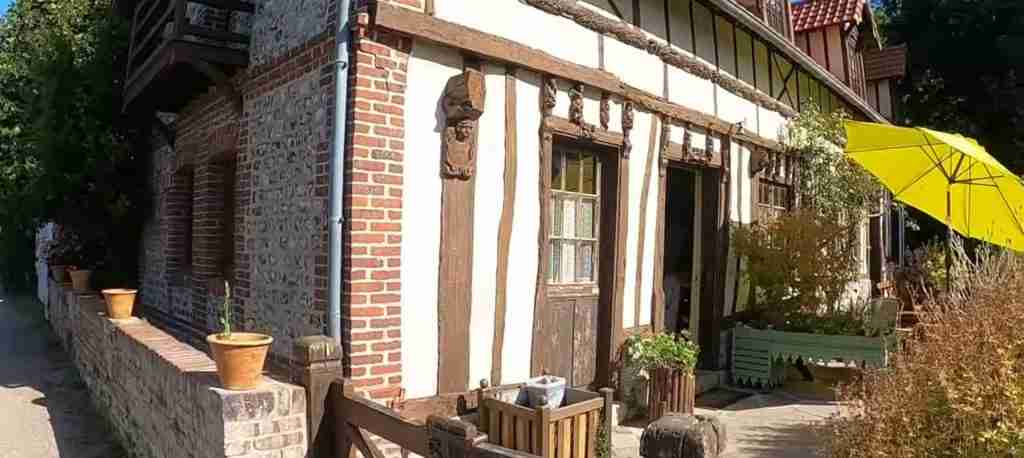
3 days
Champagne 3-Day Discovery Tour
- ✓ Comprehensive Champagne experience
- ✓ Expert local guides included
- ✓ All accommodation included
- ✓ Transportation provided
5 days
Champagne 5-Day Highlights Experience
- ✓ Comprehensive Champagne experience
- ✓ Expert local guides included
- ✓ All accommodation included
- ✓ Transportation provided
7 days
Champagne 7-Day Cultural Journey
- ✓ Comprehensive Champagne experience
- ✓ Expert local guides included
- ✓ All accommodation included
- ✓ Transportation provided
10 days
Champagne 10-Day Complete Adventure
- ✓ Comprehensive Champagne experience
- ✓ Expert local guides included
- ✓ All accommodation included
- ✓ Transportation provided
Multi-day tour packages powered by TourRadar. Prices and availability subject to change.
Essential Planning Information 2026
Current Costs and Pricing Breakdown
Champagne house tours represent the primary expense in Champagne region visits, with 2026 pricing structured by producer prestige and tasting selection. Standard tours at major houses (Taittinger, Veuve Clicquot, Pommery, Mumm) cost €28-35 including cellar visit and tasting of two champagnes, premium tours with vintage or prestige cuvées range €50-70, and exclusive experiences reach €100-200 for private tours, food pairings, or masterclass sessions in 2026. Check individual champagne house websites for current official rates as pricing may vary. Smaller producers charge €18-28 for comparable experiences, while some family estates offer complimentary tastings with bottle purchases (€25-45 per bottle).
Accommodation costs €45-70 per night in budget hotels and bed-and-breakfasts, €80-140 in mid-range hotels with breakfast included, and €180-400 in luxury champagne estate hotels or boutique properties. Reims offers broader accommodation options across all price ranges, while Épernay concentrates mid-range to luxury properties near Avenue de Champagne. Meals cost €12-18 for casual lunches, €25-40 for mid-range restaurant dinners, and €60-120 for fine dining experiences. Wine bar tastings and champagne by the glass run €8-15 per pour.
Transportation between Reims and Épernay costs €7.60 each way by regional train, with 10-ride carnets offering no savings on this route. Rental cars cost €35-55 daily for compact vehicles, €60-85 for SUVs suitable for vineyard roads, plus fuel at €1.85-2.10 per liter. Organized full-day champagne tours from Reims or Épernay range €85-150 per person including 2-3 champagne house visits and lunch, €180-280 for small-group luxury experiences with 4-5 tastings. Local taxis charge €25-35 for trips within Reims or Épernay, €55-75 for Reims-Épernay transfers.
Transportation Options and Schedules
TER regional trains connect Reims and Épernay with 20-30 minute journey times and departures approximately every 30-90 minutes from 6:30 AM to 9:30 PM weekdays, reduced frequency weekends. Trains depart Reims from Gare de Reims-Centre station, arriving at Gare d’Épernay station, both located within 10-15 minute walks of main champagne house districts. Purchase tickets at station machines or SNCF app for €7.60 each way, with no advance booking required or discounts available. Trains fill during commuter hours (7-9 AM, 5-7 PM) but rarely reach capacity during midday tourist periods.
High-speed TGV trains from Paris-Est reach Reims in 45-50 minutes with 12-15 daily departures, costing €25-55 when booked 1-3 months ahead, €45-75 for last-minute purchases. Épernay receives 6-8 daily TGV connections in 75-90 minutes for €30-60 advance purchase, €50-85 last-minute. Morning departures from Paris (7:30-9:30 AM) and evening returns (6-8 PM) maximize day trip time, though overnight stays provide superior champagne region experiences.
Car rental from Reims or Épernay enables vineyard village exploration and visits to smaller producers throughout the Côte des Blancs, Montagne de Reims, and Vallée de la Marne. Navigate using GPS or smartphone apps, as vineyard roads lack comprehensive signage. Parking in Reims and Épernay city centers costs €1.50-2.50 per hour, free at most champagne houses outside city centers. Designated driver requirements make car rental most practical for groups where non-drinkers handle driving or for spreading tastings across multiple days.
Best Time to Visit the Champagne Region 2026
Seasonal Analysis for 2026
Spring (April-June 2026) offers optimal Champagne region conditions with vineyard blooms, comfortable temperatures (14-22°C), increasing daylight hours (sunrise 6:30 AM by June, sunset 9:30 PM), and full tour availability before summer crowds. April sees lighter tourist traffic with occasional rain showers (8-10 rainy days monthly), while May-June provides the year’s most reliable weather and vibrant green vineyard landscapes. Champagne houses operate full schedules, smaller producers welcome visitors without extensive advance booking, and accommodation costs remain moderate at €70-120 per night for mid-range options.
Summer (July-August 2026) brings peak tourist season with warm temperatures (20-28°C), long daylight hours ideal for extended vineyard exploration, but substantial crowds at major champagne houses and elevated accommodation costs (€100-160 per night mid-range). Book prestigious house tours 6-8 weeks ahead for summer visits, expect tour group presence at popular sites, and reserve restaurants for dinner. Midweek visits (Tuesday-Thursday) prove less crowded than weekends, with early morning and late afternoon tour times offering quieter experiences than midday slots.
Autumn (September-October 2026) delivers harvest season atmosphere with grape picking activity visible throughout vineyard landscapes, comfortable temperatures (12-20°C), and spectacular golden and red vineyard colors. Harvest timing varies by grape variety and weather conditions, typically running mid-September through early October. Some smaller producers limit visitor hours during intense harvest work, while major houses maintain regular schedules and offer special harvest-themed experiences. Accommodation availability improves versus summer with costs dropping to €80-130 per night, while restaurant reservations remain recommended for weekend dining.
Winter (November-March 2026) sees reduced tourist activity, cold temperatures (2-10°C), shorter daylight hours (sunset 5 PM December-January), and occasional vineyard snow creating atmospheric landscapes. Major champagne houses operate year-round with regular tour schedules, though some smaller producers close or reduce hours December-February. Christmas markets in Reims and Épernay add festive atmosphere in December, while January-March offer the quietest visiting periods and lowest accommodation costs (€60-100 per night mid-range). Winter pruning work in vineyards provides insight into viticulture practices, and fewer visitors mean more personalized champagne house experiences.
Weather Patterns and Crowd Predictions
Champagne region weather exhibits continental characteristics with distinct seasons, cool winters, warm summers, and transitional spring and autumn periods. Average temperatures range 3-8°C in winter months, 12-18°C in spring and fall, and 18-26°C in summer, with occasional heat waves pushing August temperatures to 30-35°C. Rainfall distributes relatively evenly throughout the year at 8-12 rainy days monthly, with May-June and October showing slightly higher precipitation supporting vineyard growth. Snow occurs 5-10 days annually, typically December-February, rarely accumulating significantly but creating picturesque vineyard scenes.
Tourist crowds concentrate June-August with peak occupancy at hotels, champagne houses, and restaurants, requiring advance reservations and resulting in less intimate tasting experiences. September-October sees continued strong visitation during harvest season, particularly weekends when Parisians make champagne region escapes. Shoulder seasons (April-May and November) provide excellent crowd-to-weather balances with moderate visitor numbers, good weather reliability in spring, and atmospheric conditions in autumn. Winter months (December-February) offer the quietest experiences but require tolerance for cold temperatures and limited daylight for vineyard exploration.
Peak booking periods for 2026 include Easter weekend (April 18-21), Ascension long weekend (May 28-June 1), Bastille Day weekend (July 12-14), Assumption weekend (August 14-17), and Christmas season (December 20-January 5). Avoid these dates for lowest costs and smallest crowds, or book accommodation and prestigious champagne house tours 8-12 weeks ahead for holiday period visits. Midweek visits any season provide superior experiences versus weekends, with Tuesday-Thursday offering best availability, smallest crowds, and most relaxed tasting atmospheres at champagne houses.
Accommodation Strategies for 2026
Budget Accommodation Options
Budget hotels and bed-and-breakfasts in Reims cost €45-70 per night for double rooms, located primarily in neighborhoods surrounding the cathedral and train station. Ibis Budget Reims Thillois provides reliable chain accommodation at €50-65 per night with parking included, positioned 5 kilometers north of center requiring local bus or taxi access. B&B Hotel Reims Centre Gare offers central location near train station at €55-70 per night, simplifying arrival logistics and champagne house access. Au Bon Moine bed-and-breakfast provides character-filled rooms in historic building at €60-75 with breakfast included, located 10-minute walk from cathedral.
Épernay budget options include Hotel Ibis Epernay Centre-Ville at €55-75 per night positioned 5-minute walk from Avenue de Champagne champagne houses, and Saint Pierre hotel offering basic rooms at €50-65 near train station. Bed-and-breakfast properties scattered throughout surrounding vineyard villages cost €55-80 per night with breakfast, providing authentic Champagne region atmosphere at competitive prices, though requiring car rental for practical access. Youth hostel accommodation exists in Reims (Centre International de Séjour) at €25-35 per bed in shared rooms, suitable for solo budget travelers.
Budget accommodation strategies for 2026 include booking 6-8 weeks ahead for best rates, particularly for weekend stays and peak seasons, staying on city outskirts with car rental or local transport access for €10-15 nightly savings, and considering apartment rentals for groups where per-person costs drop below hotel rates. Weekday stays cost €5-15 less per night than Friday-Saturday at most properties. Many budget hotels include breakfast, eliminating €8-12 per person morning meal costs and improving overall value proposition.
Mid-Range and Luxury Options
Mid-range hotels in Reims cost €90-140 per night for double rooms with breakfast, concentrated near cathedral and pedestrian shopping districts. Mercure Reims Centre Cathédrale provides contemporary rooms at €100-140 with cathedral views from upper floors, positioned steps from champagne house cellars and restaurants. Best Western Premier Hotel de la Paix offers classic French hotel experience at €95-130 per night in restored 18th-century building, while Grand Hotel Continental maintains elegant standards at €110-150 including generous breakfast buffets. These properties feature air conditioning, modern bathrooms, WiFi, and concierge services for champagne house booking assistance.
Épernay mid-range accommodation focuses on properties near Avenue de Champagne, with Hotel Jean Moët offering refined rooms at €100-145 per night and breakfast service, positioned minutes from Moët & Chandon and Perrier-Jouët. La Villa Eugène provides boutique atmosphere at €110-160 per night with vineyard views and champagne bar, while Hôtel de Champagne delivers character-filled experience at €95-135 in Belle Époque building. These hotels provide champagne-focused amenities including cellar storage for purchases, tasting glass provision, and producer recommendations.
Luxury champagne estate hotels elevate the Champagne region experience to extraordinary levels, with properties like Royal Champagne Hotel & Spa offering panoramic vineyard views, Michelin-starred dining, and comprehensive wellness facilities at €350-550 per night in Champigny near Épernay. Les Crayères in Reims delivers palatial grandeur at €400-650 per night with two-Michelin-star restaurant and historic château setting. Domaine Les Crayères provides contemporary luxury at €280-420 per night with vineyard estate atmosphere. These properties include champagne-themed experiences, private cellar tours, bespoke tasting arrangements, and elevated service standards justifying premium rates for special occasions or luxury-focused travelers.
Transportation Guide 2026
Public Transport Options and Costs
Local public transport in Reims operates via Citura bus and tramway network with single tickets costing €1.60, 10-ride carnets at €12.60, and unlimited day passes at €4.20. Tramway lines A and B connect train station to cathedral district and champagne house areas, running every 8-12 minutes from 5:30 AM to midnight weekdays, reduced weekend frequency. Bus routes serve outer neighborhoods and champagne houses including Taittinger, Pommery, and Veuve Clicquot, though walking remains fastest for central champagne house visits. Purchase tickets at tabac shops, machines at major stops, or via Citura smartphone app.
Épernay lacks comprehensive public transport beyond limited local bus routes, making walking the primary method for Avenue de Champagne champagne house visits. The compact town center positions most accommodation within 10-15 minute walks of Moët & Chandon, Perrier-Jouët, and Mercier. Taxis cost €10-15 for trips within Épernay, €55-75 for transfers to Reims, with Uber operating in both cities at similar rates. Book taxis ahead for evening restaurant returns, as availability decreases after 10 PM, particularly weekdays in smaller Épernay.
Regional bus routes connect Reims and Épernay to surrounding vineyard villages including Ay, Hautvillers, Cramant, and Verzenay, operated by Marne transport network with fares at €2-4 per trip and limited schedules (3-5 daily departures). These services suit visitors without cars accessing smaller champagne producers in villages, though irregular timing and long journey durations (45-90 minutes for short distances due to routing) make rental cars more practical for serious vineyard exploration. Bus schedules reduce or eliminate service Sundays and holidays.
Private Transport and Alternatives
Rental cars cost €35-55 daily for compact vehicles suitable for city and vineyard driving, €60-85 for SUVs providing comfort on unpaved vineyard tracks. Major agencies (Europcar, Hertz, Avis) maintain offices at Reims train station and city center, while Épernay has limited local agency presence. Book 4-6 weeks ahead for summer and harvest season availability, 1-2 weeks for off-season rentals. Insurance costs €12-25 daily depending on coverage level selected, with credit card rental car insurance potentially providing coverage for cardholders from certain countries.
Fuel costs €1.85-2.10 per liter for unleaded gasoline, €1.70-1.95 for diesel, with typical Champagne region vineyard touring consuming 20-30 liters across a three-day visit (€40-60 total). Parking in Reims and Épernay city centers costs €1.50-2.50 per hour at public lots and street meters, free at most champagne houses outside cities. Traffic remains light except commuter hours and summer weekend afternoons. Navigation apps (Google Maps, Waze) provide adequate routing, though purchasing Michelin Champagne region maps (€8-10) enhances vineyard village discovery.
Organized champagne tours eliminate driving concerns while providing structured experiences at 3-5 champagne houses daily, costing €85-150 per person for standard full-day tours from Reims or Épernay including transportation, champagne house visits, and lunch in 2026. Small-group luxury tours range €180-280 with premium champagne selections, gourmet meals, and personalized service. Private tours cost €400-650 for 2-4 people with customized itineraries and dedicated guide-driver. Tours suit visitors prioritizing comprehensive tastings over driving flexibility, though they follow fixed schedules limiting spontaneous exploration opportunities.
Money-Saving Strategies for 2026
Advance Booking Benefits
Book champagne house tours directly through official websites 4-6 weeks ahead for standard pricing without markup, as third-party booking platforms add €5-10 per ticket commission fees. Some houses offer early booking discounts (5-10% off) for reservations made 8-12 weeks ahead, though these promotions vary by season and remain uncommon at prestigious brands. Combining tour bookings with champagne purchases yields occasional benefits, with some producers offering free tours when purchasing 6-12 bottles (€150-300 value for €200-400 champagne investment).
Accommodation booking 8-12 weeks ahead secures lowest rates for hotels and bed-and-breakfasts, with potential savings of €15-30 per night versus last-minute prices during peak seasons. Mid-week bookings (Sunday-Thursday nights) cost €10-25 less than Friday-Saturday across all accommodation categories. Package deals combining 2-3 nights accommodation with champagne house tours occasionally appear through regional tourism office promotions, offering 10-15% savings versus independent bookings, though these packages typically feature mid-range properties and lesser-known champagne houses.
Train tickets from Paris purchased 1-3 months ahead cost €25-40 for Reims, €30-50 for Épernay, versus €45-75 for same-day purchases. Book opening sales dates (typically 4 months ahead) for cheapest fares, selecting early morning and late evening departures showing lowest prices. Regional TER trains between Reims and Épernay at €7.60 don’t require advance purchase or offer discounts, maintaining consistent pricing regardless of booking timing.
Seasonal Optimization Tips
Visit during shoulder seasons (April-May or November) for accommodation savings of 20-30% versus summer peak rates, reduced champagne house crowding enabling more personalized experiences, and equivalent or superior weather conditions in spring. November offers particularly strong value with harvest season concluded, tourist crowds departed, and mild temperatures (8-14°C) still comfortable for vineyard exploration. Avoid Easter, Ascension, and Bastille Day holiday weekends when French domestic tourism drives prices up €20-40 per night without corresponding experience quality improvements.
Balance visits between prestigious houses requiring advance booking and fees (€28-70) with smaller producers offering complimentary or low-cost tastings (€0-18). A typical three-day visit might include two major house tours (Taittinger and Veuve Clicquot at €60 combined), two smaller producer visits (€0-30 total), and one cooperative cellar experience (€15-20), creating comprehensive champagne education at €75-110 total versus €140-280 for exclusively prestigious house touring. Smaller producers often provide more intimate experiences and detailed viticulture education despite lower prices.
Reduce meal costs by picnicking for lunches using boulangerie sandwiches and pastries (€6-10 per person) instead of restaurant meals (€15-25), reserving sit-down dining for dinners when restaurants offer better value and atmosphere. Purchase champagne bottles from producers for hotel room celebrations (€25-45) rather than ordering by the glass at wine bars (€8-15 per pour), and take advantage of champagne house tasting room pours included in tour prices for sampling without additional purchase requirements.
Sample 2026 Itineraries
Three-Day Reims & Épernay Complete Experience
Day 1 – Reims Introduction: Morning TGV arrival from Paris (€35-55), Notre-Dame Cathedral visit (free, €10 tower access), lunch at Les Cornichons bistro (€18-25), afternoon Taittinger champagne house tour (€28 for classic tour including two champagne tastings), evening walk through Reims historic center, dinner at Le Millénaire (€35-48). Accommodation at mid-range hotel (€90-130 per night). Cathedral tour €10, Taittinger tour €28, lunch €18-25, dinner €35-48, local transport €4. Total day cost: €95-115 per person excluding accommodation.
Day 2 – Épernay Day Trip: Morning train to Épernay (€7.60), Avenue de Champagne walk and photo opportunities, Moët & Chandon prestige tour with vintage tasting (€55), lunch at C.Comme restaurant (€25-35), afternoon Perrier-Jouët Belle Époque tour (€45), late afternoon train return to Reims (€7.60), casual dinner at Au Bureau (€20-30). Train tickets €15.20, Moët tour €55, lunch €25-35, Perrier-Jouët tour €45, dinner €20-30. Total day cost: €160-180 per person excluding accommodation.
Day 3 – Vineyard Exploration & Departure: Morning rental car pickup (€45 daily rate), drive to Hautvillers village (birthplace of Dom Pérignon), visit to Au 36 champagne producer (€18 tour with three tastings), lunch at Café Hautvillers with vineyard views (€20-28), afternoon drive through Montagne de Reims vineyard villages, return to Reims, car return, evening TGV to Paris (€35-55). Car rental €45, champagne tour €18, lunch €20-28, fuel €8, train €35-55. Total day cost: €126-154 per person excluding accommodation.
Total Three-Day Budget: Day costs €381-449 per person, accommodation €180-260 for two nights mid-range, total trip cost €561-709 per person excluding Paris transportation. Luxury upgrade substituting champagne estate hotel (€350-550 per night), premium champagne tours (€70-120 each), and fine dining (€60-90 per meal) raises total to €950-1,450 per person.
One-Day Paris Day Trip Itinerary
Reims Day Trip from Paris: Depart Paris-Est station 8:13 AM TGV (€35-55, advance booking), arrive Reims 9:00 AM, walk to cathedral (10 minutes), cathedral visit 9:15-10:30 AM (free, €10 tower access optional), morning champagne house tour at Veuve Clicquot or Pommery 11:00 AM-12:15 PM (€30-35 with advance reservation), lunch at Le Bocal bistro 12:30-2:00 PM (€20-28), afternoon champagne house tour at Taittinger 2:30-3:45 PM (€28), walk through historic center and shopping district 4:00-5:15 PM, depart Reims station 5:52 PM TGV, arrive Paris 6:40 PM. Round-trip train €70-110, cathedral tower €10, two champagne tours €58-63, lunch €20-28. Total day cost: €158-211 per person.
This compressed schedule allows quality cathedral experience and two champagne house visits, though it rushes the leisurely tasting pace ideal for Champagne region appreciation. Consider overnight stays for superior experiences including dinner at Reims gastronomic restaurants, evening cathedral illumination, and more relaxed champagne house scheduling. Alternative focuses exclusively on Épernay with Paris TGV to Épernay (75 minutes, €40-60), enabling Avenue de Champagne exploration and 2-3 champagne house visits at Moët & Chandon, Mercier, and Perrier-Jouët before evening return.
Booking and Reservations for 2026
Official Booking Channels
Book prestigious champagne houses directly through official websites for guaranteed availability and standard pricing: Taittinger at taittinger.com, Veuve Clicquot at veuve-clicquot.com, Pommery at pommery.com, Moët & Chandon at moet.com, and Perrier-Jouët at perrier-jouet.com. These sites display current tour options, pricing, language offerings, and real-time availability calendars. Most houses accept online payment at booking, some require telephone confirmation for premium experiences or private tours. Email contact information appears on each site for specific questions about group visits, accessibility requirements, or custom experiences.
Smaller producers and family estates often lack sophisticated booking systems, instead listing telephone numbers and email addresses for reservation requests. Contact these producers 1-2 weeks ahead for weekday visits, 2-3 weeks for weekend slots, with many accepting same-day walk-ins when visitor numbers allow. Cooperative cellars like Nicolas Feuillatte (nicolasfeuillatte.com) and Union Champagne maintain regular visiting hours with minimal advance booking requirements, ideal for flexible itinerary planning.
Regional tourism office websites (reims-tourism.com and ot-epernay.com) provide comprehensive champagne house directories with contact information, tour descriptions, and pricing summaries. These sites don’t handle bookings directly but offer planning resources including suggested itineraries, accommodation listings, and seasonal event calendars. Tourism office visitor centers in Reims and Épernay provide in-person booking assistance for champagne houses, restaurants, and tours, useful for travelers experiencing difficulty with online booking systems or requiring specific accessibility arrangements.
Tour Operator Recommendations
Organized champagne tours from Reims and Épernay provide structured experiences with guaranteed champagne house access, transportation, and guide services, particularly valuable for visitors without cars or preferring comprehensive commentary. Champagne Domi offers small-group half-day tours (€85 per person) and full-day experiences (€140) visiting 2-4 champagne houses with detailed viticulture and production explanations. Champagne Authentic Tours specializes in boutique producer access at €120-180 per person for full-day experiences, targeting travelers seeking smaller family estates over prestigious brands.
Luxury tour operators including O Chateau and France Bubbles provide premium experiences at €220-350 per person featuring prestigious champagne houses, gourmet lunch pairings, and maximum group sizes of 6-8 participants. These tours emphasize quality over quantity, visiting 2-3 carefully selected houses with extended tasting sessions and sommelier-level instruction. Private tours cost €500-800 for groups of 2-4 people, allowing complete itinerary customization, flexible scheduling, and access to exclusive producer experiences unavailable through standard public tours.
Multi-day tour packages combining accommodation, champagne house visits, meals, and transportation exist through operators like Le Verre Gourmand and Grape Escape, ranging €650-1,200 per person for 2-3 day experiences. These packages suit travelers prioritizing convenience over budget optimization, though independent travel typically costs 15-25% less with equivalent quality when booked thoughtfully. Evaluate whether guided experiences, guaranteed access, and logistical management justify premium pricing based on personal travel preferences and champagne knowledge level.
Regional UNESCO Sites and Cultural Attractions
Notre-Dame Cathedral Reims
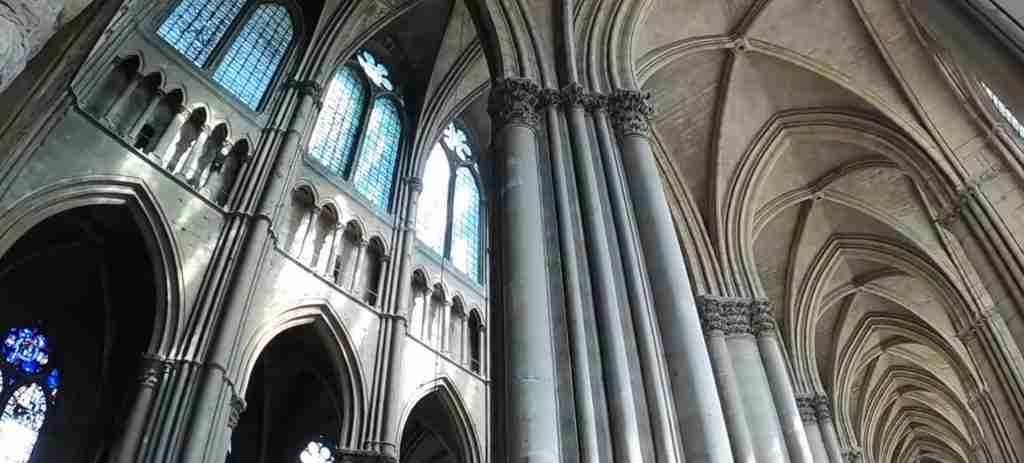
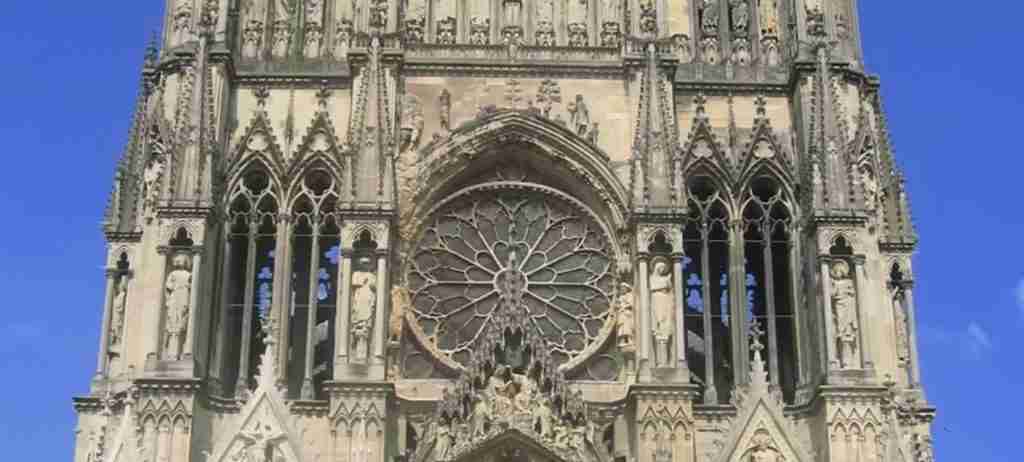
Reims Cathedral represents French Gothic architecture’s pinnacle achievement, where 33 French kings received coronation between 1027 and 1825, establishing the building’s status as national symbol and UNESCO World Heritage site. The 13th-century structure showcases extraordinary sculptural decoration with 2,303 statues adorning facades and interior, famous rose window measuring 12 meters diameter, and 15th-century Marc Chagall stained glass windows in the apse chapel. Cathedral visit remains free with tower access costing €10 in 2026, open daily 7:30 AM-7:30 PM with reduced hours during religious services and special events.
The cathedral sustained severe damage during World War I with shell bombardment destroying significant portions of the roof and original stained glass, leading to extensive 20th-century restoration work funded by the Rockefeller Foundation. Modern Chagall windows installed 1974 demonstrate successful contemporary artistic integration within historic framework. Audio guides cost €5 providing detailed architectural and historical commentary across 90-minute self-guided tours. Cathedral Museum adjacent to the building displays treasury items, architectural fragments, and coronation ceremony artifacts for €8 admission.
Hillsides, Houses and Cellars of Champagne UNESCO Designation
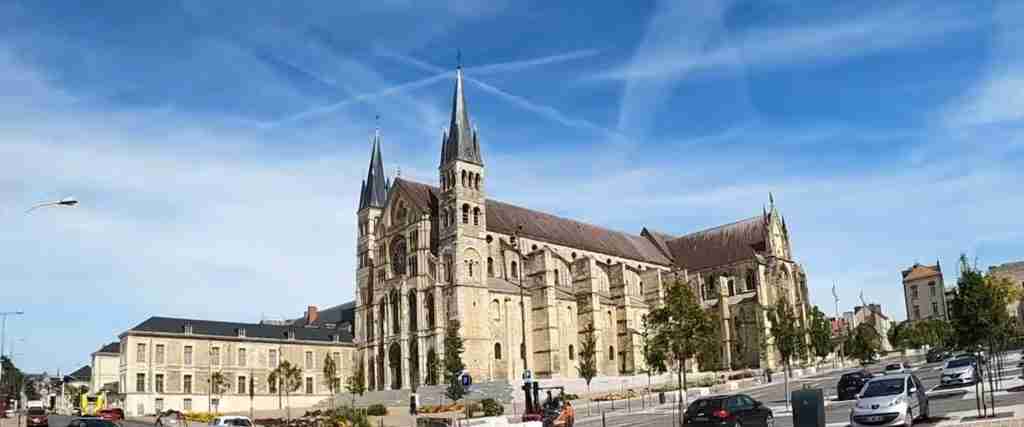
The “Champagne Hillsides, Houses and Cellars” UNESCO World Heritage designation encompasses three distinct areas: the historic vineyard landscapes of Hautvillers and Aÿ-Champagne, the Avenue de Champagne and Fort Chabrol cellars in Épernay, and the Saint-Nicaise hillside cellars in Reims. This designation recognizes the complete champagne production landscape including vineyard terroirs, historic production facilities, and underground chalk cellars where 200 million bottles age in optimal conditions. The sites represent three centuries of champagne method development and commercial success transforming regional viticulture into global luxury brand.
Visiting these UNESCO components requires exploring both cities and surrounding vineyard villages. Hautvillers village offers free walking access to historic vineyard landscapes where Benedictine monk Dom Pérignon developed champagne production techniques in the 17th century. Abbey church contains Dom Pérignon’s tomb and overlooks grand cru vineyard slopes. Avenue de Champagne in Épernay presents 19th-century champagne house architecture with many buildings accessible through paid tours, while Saint-Nicaise neighborhood in Reims provides access to underground chalk cellars extending 18 meters deep beneath city streets, best experienced through Taittinger, Pommery, or Ruinart tours showcasing these remarkable subterranean spaces.
Photography and Visual Documentation
Cathedral and Architecture Photography
Photograph Reims Cathedral from Place du Cardinal-Luçon for classic facade shots capturing full height and sculptural detail, best during morning hours (8-10 AM) when eastern light illuminates western facade, or late afternoon (4-6 PM) for golden light on stone. Interior photography requires high ISO settings (1600-3200) or tripod for long exposures, with nave and rose window best captured from western entrance looking east. Chagall windows in apse chapel photograph beautifully during afternoon hours when backlit by natural light, though flash photography remains prohibited throughout cathedral.
Avenue de Champagne in Épernay offers Belle Époque architecture photography opportunities with champagne house mansions lining 1.5-kilometer boulevard, best photographed during late afternoon golden hour (May-August 6-8 PM) when soft light enhances ornate facade details. Include champagne house names in compositions for context, capturing wrought iron gates, decorative stonework, and manicured grounds. Permission required for interior photography at most champagne houses, with some prohibiting all photography during cellar tours, others allowing non-flash images.
Vineyard Landscape Photography
Vineyard photography peaks during spring (April-May) with bright green young vines and flowering, autumn (September-October) for golden leaf colors and harvest activity, and winter (December-February) for dramatic snow-dusted geometric rows. Montagne de Reims viewpoints including the Phare de Verzenay lighthouse offer panoramic vineyard vistas ideal for sunrise and sunset photography, accessible by car via D26 scenic route. Hautvillers village provides elevated perspectives over Marne Valley vineyards with church tower viewpoint offering 360-degree panoramas.
Photograph champagne production during cellar tours when permitted, capturing remuage (riddling) racks showing traditional bottle rotation methods, disgorgement demonstrations of sediment removal, and underground chalk cellars with arched galleries extending hundreds of meters. Request photography permission before tours begin, as policies vary significantly between houses. Some producers welcome photography for personal use while prohibiting commercial or social media posting, others restrict all image capture to protect proprietary production methods or maintain exclusive atmosphere.
Local Cuisine and Dining Recommendations
Regional Specialties Beyond Champagne
Champagne region cuisine emphasizes local products including Reims pink biscuits (biscuits roses), Chaource cheese, Langres cheese, Ardennes ham, and freshwater fish from Marne River tributaries. Traditional dishes pair naturally with champagne, including Chaource cheese served with honey and walnuts, pork dishes featuring Champagne sauce, and pike quenelles in champagne cream. Mustard production centered in Reims provides spicy condiments used in regional preparations, while nearby Ardennes forests supply wild game featured on autumn and winter menus.
Boulangeries sell Reims pink biscuits (€4-7 per box) traditionally dipped in champagne for breakfast or dessert, with Maison Fossier maintaining original 1756 recipe. Local markets in Reims (Halles du Boulingrin) and Épernay operate Wednesday and Saturday mornings offering cheese, charcuterie, produce, and prepared foods ideal for picnic assembly. Regional AOC Chaource cheese costs €12-18 per wheel at fromageries, providing excellent pairing with vintage champagne for hotel room tastings or vineyard picnics.
Restaurant Recommendations by Budget
Budget dining (€12-20 per meal) includes Le Bocal in Reims serving market-fresh plates and natural wines in casual atmosphere, Les Cornichons offering traditional French bistro fare near cathedral, and Au Bureau providing reliable brasserie standards with champagne by the glass. Épernay budget options include C.Comme serving modern French cuisine at accessible prices near Avenue de Champagne, and La Cave à Champagne combining simple food with extensive champagne list. Lunch formules (fixed menus) at these establishments cost €14-18 for two courses including wine, providing excellent value.
Mid-range dining (€35-55 per meal) features Le Millénaire in Reims offering refined bistronomy with extensive champagne pairings, Le Foch presenting modern French cuisine in elegant setting, and Brasserie Le Boulingrin serving classic brasserie dishes since 1925. Épernay mid-range restaurants include La Grilliade Gourmande specializing in grilled meats and Champagne region wines, and Les Berceaux providing gastronomic cuisine with sommelier-curated champagne selections. Reserve dinner tables 1-3 days ahead for these restaurants, particularly Thursday-Saturday evenings.
Fine dining experiences include L’Assiette Champenoise (three Michelin stars) outside Reims offering tasting menus at €145-245 with exceptional champagne pairings in converted manor house setting, requiring reservations 4-8 weeks ahead for 2026 visits. Les Crayères (two Michelin stars) delivers palatial dining at €130-180 for tasting menus in Belle Époque château with impeccable service and extensive vintage champagne cellar. These restaurants represent special occasion dining justified by exceptional cuisine, historic settings, and comprehensive champagne programs showcasing rare and vintage selections unavailable elsewhere.
Practical Tips and Local Insights
Champagne Purchasing and Shipping
Purchase champagne directly from producers at cellar door prices typically 20-30% below retail, with standard bottles ranging €25-45 for non-vintage from smaller producers, €40-75 for prestigious house non-vintage, €70-150 for vintage champagnes, and €120-400 for prestige cuvées. Most champagne houses pack purchases securely for luggage transport, some offer international shipping at €25-50 for 6-bottle cases to European destinations, €80-150 to North America. Calculate shipping costs against duty-free allowances and airline baggage fees when deciding between purchase methods.
European Union residents carry unlimited champagne for personal use when traveling home via car or train, making direct purchase highly attractive for multi-bottle buying. Non-EU visitors face customs allowances varying by country, typically 1-2 liters duty-free with additional bottles subject to import duties and taxes. United States allows one liter duty-free per person over 21, additional bottles taxed at approximately $2-3 per bottle federal duty plus state alcohol taxes. Check specific regulations for home country before committing to large purchases.
Cultural Etiquette and Tasting Protocol
Champagne tasting follows wine tasting protocols with visual examination for bubble quality and color, gentle swirling to release aromatics, and thoughtful tasting noting sweetness level, acidity, fruit characteristics, and finish length. Avoid discussing preferences using terms like “sweet” or “dry” without context, as champagne classification runs from Brut Nature (0-3 grams sugar per liter) to Doux (50+ grams), with most popular champagnes falling in Brut (0-12 grams) category providing balanced character.
Spitting remains acceptable and expected during professional tastings or when visiting multiple champagne houses daily, with spittoons provided at all tasting rooms. Finish provided champagnes during tours rather than requesting refills, as pours reflect producer’s preferred tasting quantity. Purchase decisions carry no obligation despite tour inclusion of complimentary tastings, though buying one bottle per person visited shows appreciation and supports smaller producers dependent on direct sales. Many producers appreciate specific questions about viticulture practices, blending decisions, or aging protocols, demonstrating genuine interest beyond casual tourism.
Planning Your 2026 Champagne Region Visit
Pre-Trip Preparation
Book prestigious champagne houses (Veuve Clicquot, Taittinger, Moët & Chandon) minimum 4-6 weeks before visit, noting that weekend slots and popular times (10 AM-12 PM, 2-4 PM) fill earliest. Select tour language preferences during booking, as English tours occur less frequently than French at smaller producers. Download champagne house websites’ mobile apps where available for reservation management, digital guides, and producer background information. Research champagne production basics before arrival to maximize tour educational value, understanding key terms like disgorgement, dosage, and assemblage.
Reserve accommodation 6-8 weeks ahead for mid-range to luxury hotels, particularly for summer visits (June-August), harvest season (September-October), and holiday weekends. Request rooms away from streets in city center hotels for quietest sleeping conditions, or specify vineyard views at champagne estate properties. Confirm hotel champagne storage and cooling facilities if planning cellar door purchases, as maintaining proper temperature proves critical for wine quality during multi-day stays.
On-Site Logistics
Pace champagne house visits at 2-3 per day maximum, allowing proper tasting intervals, meal breaks, and reflection time between experiences. Morning visits (9-11 AM) provide freshest palate conditions, while afternoon tours (2-4 PM) allow morning sightseeing and lunch breaks. Avoid scheduling back-to-back tours without 90-minute intervals minimum, as sensory fatigue diminishes tasting appreciation after third or fourth champagne. Alternate prestigious house visits requiring advance booking with flexible smaller producer tours allowing spontaneous itinerary adjustments.
Carry basic tasting supplies including notebook for recording impressions and favorite producers, bottle bag for purchases (provided by most houses but occasionally limited), and appropriate attire for cellar visits where temperatures remain 10-12°C year-round. Chalk dust in some cellars requires closed-toe shoes, while stairs and uneven surfaces make athletic footwear preferable to formal dress shoes. Layer clothing for temperature transitions between warm above-ground spaces and cool cellars.
Frequently Asked Questions About Champagne Region 2026
Is champagne region worth visiting for non-wine drinkers in 2026?
Yes, Champagne region offers significant attractions beyond wine including Reims Cathedral’s Gothic architecture and coronation history, Belle Époque mansion architecture along Avenue de Champagne, historic vineyard village exploration, French cuisine experiences, and World War I historical sites. Non-drinking visitors enjoy cultural and historical aspects while companions participate in champagne tastings. Cathedral visit, village walking, local markets, and regional cuisine provide full days of activity without alcohol involvement. Many champagne houses offer non-alcoholic grape juice tastings demonstrating production methods without wine consumption.
How many champagne houses can you visit in one day in 2026?
Visit 2-3 champagne houses per day maximum for optimal tasting experiences without palate fatigue or rushed schedules. Morning tour (9:30-11 AM), lunch break, afternoon tour (2-3:30 PM), and possible late afternoon visit (4:30-5:30 PM) creates well-paced schedule with proper tasting intervals. More than three visits diminishes appreciation and overwhelms sensory capacity, while attempting four or more tours per day leaves insufficient time for cellar exploration, question asking, and thoughtful tasting. Quality trumps quantity in champagne house touring, with two carefully selected houses providing superior educational value versus five rushed visits.
Do champagne houses require French language skills for tours in 2026?
No, major champagne houses (Taittinger, Veuve Clicquot, Moët & Chandon, Pommery) offer multiple daily English-language tours without requiring French skills. Smaller producers and family estates increasingly provide English tours, particularly during peak season (May-October), though appointment scheduling may require basic French email correspondence. Tourism industry staff at hotels, restaurants, and visitor information centers speak English in Reims and Épernay. Smartphone translation apps assist with menu reading and basic interactions when French skills prove limited. Reserve English tours specifically when booking online to guarantee language preference.
What is the minimum age for champagne house visits in 2026?
Champagne houses welcome visitors of all ages for cellar tours and cultural experiences, with alcohol consumption restricted to legal drinking age (18 in France). Children participate in educational aspects of tours including cellar architecture, production methods, and historical context while parents engage in tastings. Some prestigious houses discourage young children during weekday business tours but welcome families during special weekend family tours featuring adapted content. Strollers and carriers suit cellar visits better than requiring young children to navigate stairs and uneven surfaces independently. Non-alcoholic grape juice provided for underage visitors at family-friendly producers.
Can you visit champagne region without a car in 2026?
Yes, visit Champagne region successfully without car using trains between Reims and Épernay (€7.60, 20-30 minutes), local buses and trams within cities, organized champagne tours covering multiple houses, and strategic selection of champagne houses accessible by walking from accommodation. Base in Reims for cathedral, Taittinger, Veuve Clicquot, and Pommery access by foot or short bus rides, take train day trip to Épernay for Avenue de Champagne house walking tour. Car rental provides flexibility for vineyard village exploration and smaller producer visits but remains unnecessary for quality Champagne region experiences focused on major houses and historic sites.
Is tipping expected at champagne houses in 2026?
Tipping remains optional at champagne houses in France, as tour guides receive salaries without dependency on gratuities. Exceptional service, private tours, or extended personalized experiences merit tips of €5-10 per person for standard guides, €20-50 for private tour guides providing multiple hours of dedicated service. Group tour participants occasionally pool tips of €2-3 per person for appreciated guides. Most visitors don’t tip for standard paid tours, while free tastings accompanied by purchases justify €5-10 appreciation gestures. Cash tips prove preferable to credit card additions, handed directly to guides at tour conclusion.
What should you wear to champagne house visits in 2026?
Wear smart casual attire to champagne houses combining comfort for walking with respect for wine industry professionalism. Closed-toe shoes required for cellar visits where temperatures reach 10-12°C year-round and chalk dust, stairs, and uneven surfaces exist. Layered clothing accommodates temperature transitions between warm above-ground spaces and cool cellars, with light jacket or sweater recommended even in summer. Avoid heavy perfumes or strong scents interfering with tasting aromatics. Prestigious houses like Veuve Clicquot and Moët & Chandon appreciate neat appearance without requiring formal business attire, while smaller family estates accept casual clothing.
Can you buy champagne cheaper at producers versus shops in 2026?
Yes, champagne costs 20-30% less purchasing directly from producers versus retail shops or restaurants, with additional savings from producer-exclusive bottles unavailable elsewhere. Standard non-vintage champagnes from smaller producers cost €25-35 at cellar door versus €35-50 retail, prestigious house bottles run €40-65 direct versus €55-85 retail. Vintage and prestige cuvées show similar percentage savings. Some producers offer tour participants discounted purchase prices 5-10% below standard cellar door rates. Tax-free shopping for non-EU visitors adds 20% VAT recovery on purchases over €100, further improving direct purchase value proposition.
How far ahead should you book Reims and Épernay accommodation for 2026?
Book accommodation 8-12 weeks ahead for summer visits (June-August), harvest season (September-October), and major holiday weekends including Easter, Bastille Day, and Christmas season. Mid-range hotels show best availability and rates with 6-8 week advance booking, luxury properties require 12-16 weeks for preferred room categories during peak periods. Budget hotels and bed-and-breakfasts accept shorter booking windows of 3-4 weeks, though choice locations near cathedral or Avenue de Champagne fill earlier. Last-minute booking (under 2 weeks) risks limited availability and premium pricing, particularly for Friday-Saturday nights when Parisian weekend visitors increase demand.
Are champagne region experiences accessible for visitors with mobility limitations in 2026?
Accessibility varies significantly between champagne houses, with modern facilities and prestigious houses offering elevator access to cellars, while traditional smaller producers feature stairs-only access to underground spaces. Taittinger, Pommery, and Mumm in Reims provide accessible tour options with elevators or limited stair requirements, while Veuve Clicquot offers modified tours for mobility-limited visitors. Contact champagne houses directly before booking to discuss specific accessibility needs and available accommodations. Reims Cathedral provides level entry and accessible areas, though tower access requires stair climbing. Épernay’s Avenue de Champagne features level sidewalks suitable for wheelchair access with accessible champagne house options including Moët & Chandon and Mercier.