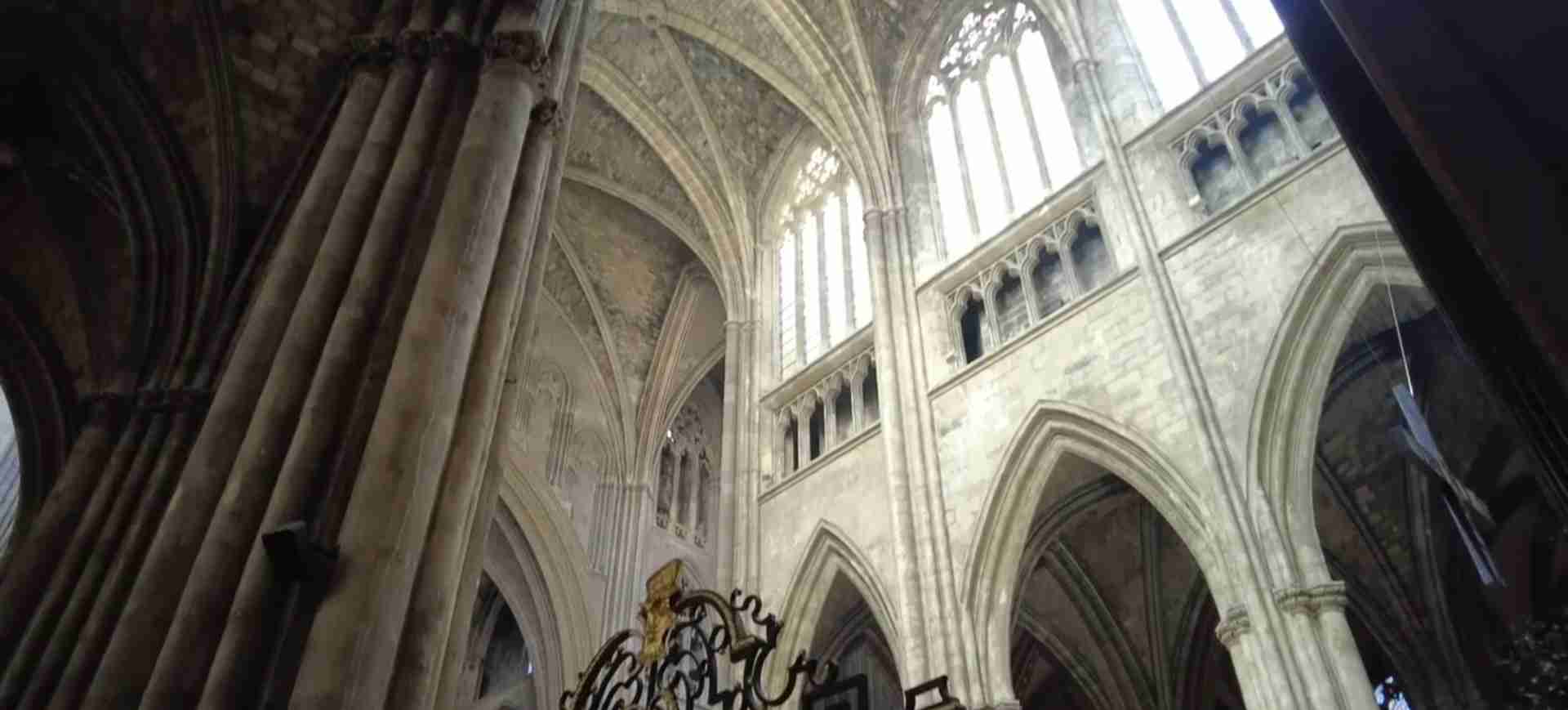
Bordeaux Travel Guide 2026: UNESCO Wine Capital
Key Takeaways
- Bordeaux’s UNESCO-listed port and wine districts offer world-class experiences with advance planning yielding 20-30% savings on tours and accommodations
- Budget €120-180 per person daily (excluding accommodation) for comprehensive wine capital exploration including tastings, museums, and dining
- Spring (April-June) and fall (September-October) provide optimal weather, harvest experiences, and 25-40% lower accommodation costs than summer peak season
- The city’s efficient tram system (€1.80 per ride) connects all major UNESCO sites within 30 minutes from the city center
- Book château wine tours 6-8 weeks ahead for 2026 to secure preferred time slots, particularly for prestigious Médoc and Saint-Émilion properties
- Bordeaux City Pass (€35-49 for 24-72 hours) includes public transport, museum entries, and discounts at participating wine bars and restaurants
Introduction to Planning Your Bordeaux 2026 Experience
Bordeaux stands as France’s wine capital and a UNESCO World Heritage site encompassing 1,810 hectares of exceptional urban architecture spanning from the 18th century Enlightenment period through contemporary developments. The Port of the Moon district curves along the Garonne River, creating a crescent shape that has defined the city’s identity since Roman times. In 2026, Bordeaux continues to blend historical preservation with modern viticulture innovation, offering visitors unprecedented access to world-renowned wine estates, architectural masterpieces, and cutting-edge wine museums.
The city’s designation as a UNESCO World Heritage site recognizes not only its architectural ensemble but also its role as a center of wine trade and cultural exchange for over 2,000 years. Planning your 2026 visit requires understanding the seasonal rhythms of wine production, the logistics of château visits, and the transportation networks connecting urban attractions with surrounding vineyard regions. This guide provides comprehensive planning information to maximize your Bordeaux experience while managing costs effectively.
Bordeaux’s compact city center makes it accessible for first-time visitors, while the surrounding wine regions—Médoc, Saint-Émilion, Pomerol, Graves, and Sauternes—offer diverse terroirs and architectural styles from medieval villages to neoclassical estates. The 2026 season brings enhanced visitor experiences with newly renovated wine museums, expanded tram networks reaching outer wine regions, and digital booking platforms streamlining château reservations. Whether you’re planning a weekend wine tasting escape or an extended exploration of French viticulture, Bordeaux delivers exceptional value when approached with strategic planning.
People Also Ask About Bordeaux 2026
How much does it cost to visit Bordeaux in 2026?
Daily costs in Bordeaux range €120-180 per person (excluding accommodation) for a comprehensive experience. This includes château wine tours at €25-45 per visit, museum entries at €8-14, dining at €45-75 for lunch and dinner combined, and local transportation at €5.40 for a day pass. Wine enthusiasts should budget an additional €30-60 daily for bottle purchases and premium tastings. Accommodation costs €90-150 per night for mid-range hotels, €180-300 for boutique properties in the historic center. Check booking platforms for current rates as seasonal pricing varies significantly, with summer months commanding premium rates 40-50% higher than spring and fall periods.
When is the best time to visit Bordeaux in 2026?
April through June and September through October offer optimal conditions for Bordeaux visits in 2026. Spring months (April-June) provide pleasant temperatures of 15-22°C, flowering vineyards, and 30-40% lower accommodation costs compared to July-August peak season. September brings the vendange (harvest), allowing visitors to witness grape picking and participate in harvest activities at select châteaux. October offers mild weather (12-18°C), autumn vineyard colors, and the lowest tourist crowds of any month. Summer (July-August) sees temperatures of 20-28°C and extended daylight hours but brings significantly higher costs and advance booking requirements. Winter (November-March) offers the lowest prices but limited château operating hours and cooler temperatures of 5-12°C.
Do you need advance bookings for Bordeaux wine tours in 2026?
Yes, advance bookings are essential for Bordeaux wine tours in 2026. Prestigious châteaux in Médoc (Margaux, Pauillac) and Saint-Émilion require reservations 6-8 weeks ahead, particularly for English-language tours and weekend slots. Many premier properties limit daily visitors to 20-30 people to preserve intimate tasting experiences. Lesser-known estates in Graves and Entre-Deux-Mers accept bookings 2-3 weeks ahead, while some cooperative cellars accommodate walk-ins during weekdays. The Cité du Vin museum accepts same-day tickets but specific workshop sessions (wine and cheese pairing, barrel-making demonstrations) sell out 4-6 weeks ahead. Booking early secures preferred time slots and often provides 10-15% early bird discounts on tour packages.
What’s included in the Bordeaux City Pass for 2026?
The Bordeaux City Pass costs €35 for 24 hours, €45 for 48 hours, and €49 for 72 hours in 2026. The pass includes unlimited tram and bus transportation throughout the TBM network, free entry to 20+ museums and monuments (including Musée d’Aquitaine, CAPC Museum of Contemporary Art, and Château Wine Museum), one guided city walking tour, and river cruise discounts. Passholders receive 20% discounts at participating wine bars and restaurants, plus reduced rates on bike rentals (€2 per hour versus standard €4). The pass provides fast-track entry at major attractions, eliminating queue times of 20-40 minutes during peak summer months. Purchase online through bordeaux-tourisme.com for immediate mobile activation or collect physical passes at the tourist office on Place de la Comédie.
Extended multi-day tours – 5+ days
Featured Bordeaux Multi-Day Tour Packages
7 days
From Bordeaux to Toulouse or Toulouse to Bordeaux by Bike Self-Guided
- ✓ Comprehensive Bordeaux tour
- ✓ Expert local guides included
- ✓ All accommodation arranged
- ✓ Transportation provided
6 days
Cycling The Grand Crus of Bordeaux
- ✓ Comprehensive Bordeaux tour
- ✓ Expert local guides included
- ✓ All accommodation arranged
- ✓ Transportation provided
11 days
Beautiful Bordeaux 2026
- ✓ Comprehensive Bordeaux tour
- ✓ Expert local guides included
- ✓ All accommodation arranged
- ✓ Transportation provided
8 days
Wellness Retreat South of France
- ✓ Comprehensive Bordeaux tour
- ✓ Expert local guides included
- ✓ All accommodation arranged
- ✓ Transportation provided
Multi-day tour packages powered by TourRadar. Prices and availability subject to change.
Essential Planning Information for 2026
Current Costs and Pricing Breakdown in 2026
Understanding Bordeaux’s cost structure enables realistic budget planning for your 2026 visit. The city offers experiences across all price ranges, from free architectural walks to premium grand cru château tours. Wine tour pricing varies significantly based on appellation prestige and château classification, with first growth properties commanding €65-95 per person for 90-minute visits including tastings of 3-4 wines, while village-level estates charge €15-25 for similar experiences.
Château wine tours range €15-95 depending on prestige and tasting offerings. Village appellations (Bordeaux AOC, Côtes de Bordeaux) charge €15-25 for basic tours with 2-3 wine tastings. Mid-tier properties in Haut-Médoc, Graves, and Blaye-Côtes de Bordeaux cost €25-40 for extended tours covering viticulture, cellar operations, and 4-5 wine samples. Premier estates in Pauillac, Margaux, Saint-Émilion Grand Cru, and Pessac-Léognan charge €45-75 for comprehensive experiences. First growth properties (Château Margaux, Château Latour, Château Haut-Brion) require €75-95 reservations made 8-12 weeks ahead. Check château websites for current official rates as pricing varies by season and tour language. Many properties offer discounted afternoon slots 15-20% below morning peak pricing.
Museum and cultural attraction costs provide excellent value in 2026. The Cité du Vin wine museum charges €22 for adults, €15 for students and seniors, including panoramic viewpoint access and one complimentary tasting. Specialized workshops (wine blending, sensory analysis) add €12-18. The Musée d’Aquitaine offers free permanent collection access with €8 charged for special exhibitions. CAPC Museum of Contemporary Art costs €8 general admission, free for under-26 visitors. The Bordeaux Monumental pass (€14) grants entry to seven historic monuments including Tour Pey-Berland, Palais Rohan, and Grosse Cloche. Cathedral Saint-André remains free to enter, though climbing the 231-step Pey-Berland tower requires €8.
Dining costs span from casual wine bar experiences to Michelin-starred gastronomy. Budget lunches at traditional bistros run €12-18 for plat du jour (daily special) with house wine. Mid-range brasseries charge €25-35 for three-course meals with regional wines by the glass at €6-9. Fine dining establishments along Quai des Chartrons and Place de la Bourse cost €55-85 per person for tasting menus excluding wine pairings. Wine bars throughout Saint-Pierre district offer tapas-style small plates at €8-14 each with extensive by-the-glass selections €7-15. Dinner reservations require booking 3-5 days ahead for popular establishments, 10-14 days for Michelin-rated restaurants.
Accommodation pricing reflects Bordeaux’s growing tourism infrastructure. Budget hotels and hostels 2-3km from the center cost €45-70 per night for double rooms. Mid-range properties in Chartrons and Bastide districts charge €90-150 nightly with breakfast adding €12-18. Boutique hotels within the UNESCO triangle (Place Gambetta to Place de la Bourse) range €150-220 per night. Luxury establishments on Cours de l’Intendance and Quai des Chartrons command €250-400 nightly. Apartment rentals through Airbnb average €80-140 for entire one-bedroom units. Prices increase 40-50% during summer (July-August) and harvest season (mid-September through October). Check booking platforms for current rates and advance purchase discounts of 15-25%.
Transportation Options and Costs in 2026
Bordeaux’s transportation network efficiently connects the city center with outlying wine regions through trams, buses, regional trains, and bike paths. The TBM tram system operates four lines (A, B, C, D) converging at Place de la Comédie and Quinconces, providing access to all major UNESCO sites, museums, and train stations within 5-15 minutes from the city center. Single tram tickets cost €1.80, valid for 90 minutes including transfers between trams and buses. Day passes cost €5.40 for unlimited travel, while 7-day passes run €18.50. The Bordeaux City Pass includes all public transport at no additional cost.
Reaching wine regions from Bordeaux requires planning specific to each appellation. Saint-Émilion sits 40km east, accessible via TER regional train (€10.50 one-way, 35 minutes, departing hourly from Gare Saint-Jean). The train arrives at Saint-Émilion’s hilltop station within 500 meters of Grand Cru châteaux. Médoc appellations (Margaux, Pauillac, Saint-Estèphe) require bus service or private transport, as rail connections ended in the 1970s. TransGironde bus line 705 serves Margaux (€2.50, 90 minutes) with limited weekday schedules departing 8:15 AM and 4:30 PM from Quinconces terminus. Pauillac and northern Médoc require taxi services at €80-110 one-way or organized group tours.
Bike rentals provide flexible exploration of nearby vineyard areas, particularly Graves region south of Bordeaux. V3 bike-sharing system offers mechanical bikes at €1.80 per hour, electric bikes at €3 per hour, available at 174 stations throughout the city. Full-day rentals through private shops (Cyclopolis, Bordeaux Bikes) cost €15-20 for standard bikes, €25-35 for electric models. The Roger Lapébie cycle path runs 56km from Bordeaux to Sauveterre-de-Guyenne through Entre-Deux-Mers vineyards, offering safe traffic-free riding on converted railway lines. Most paths feature gentle grades suitable for casual cyclists.
Private drivers and tour operators offer premium transportation eliminating logistics stress. Half-day private tours (4 hours) covering 2-3 châteaux in one region cost €280-350 for groups up to 4 people, including château entry fees and transportation. Full-day tours (8 hours) visiting Saint-Émilion and Pomerol or northern Médoc appellations run €480-580 for 4-person groups. Luxury tour operators (Wine Cab, Bordeaux Wine Trails) charge €650-800 daily for Mercedes vehicles with certified wine guide drivers. These services provide booking assistance, tasting notes, and flexible scheduling not possible with public transport. Book private tours 4-6 weeks ahead for 2026 high season.
Best Time to Visit Bordeaux in 2026
Seasonal Analysis for 2026 Planning
Spring season (April through June 2026) offers exceptional conditions for Bordeaux exploration. April sees average temperatures of 12-18°C with occasional rain showers, flowering vines creating picturesque vineyard landscapes, and accommodation costs 30-40% below summer rates. May brings stable weather (15-22°C), extended daylight until 9 PM, and the Bordeaux Wine Festival (Fête du Vin) scheduled for mid-June along the riverfront quays. This four-day event features over 80 wine producers, cooking demonstrations, live music, and river parades with free tastings throughout the UNESCO district. Spring travel avoids summer crowds while maintaining full château operating schedules with English tours available daily.
Summer months (July-August 2026) present peak tourism conditions with maximum daylight hours, warmest temperatures (22-28°C), and highest accommodation costs. July 14 Bastille Day celebrations include fireworks over the Garonne River and special extended hours at major attractions. However, many local Bordelais vacation during August, causing some smaller wine shops and restaurants to close for 2-3 weeks. Château tours operate at maximum capacity with 8-10 daily time slots versus 3-4 in shoulder seasons. Advance bookings become essential 8-10 weeks ahead, and afternoon temperatures can reach 32-35°C in exposed vineyard areas, making morning tours preferable. Despite challenges, summer provides the longest days for combining urban exploration with wine region visits.
Fall season (September-October 2026) delivers the quintessential Bordeaux experience centered on harvest activities. September brings the vendange (grape harvest) typically beginning the second week and continuing through early October depending on varietal and weather conditions. Many châteaux offer special harvest tours allowing visitors to observe or participate in picking, crushing, and first fermentation stages. Temperatures moderate to 18-24°C in September, 12-18°C in October, with vineyard foliage transitioning to autumn colors creating spectacular photo opportunities. Accommodation costs drop 25-35% from summer peaks while château availability remains excellent. October represents the year’s quietest period with the lowest tourist numbers yet full service availability.
Weather Patterns and Crowd Predictions for 2026
Bordeaux’s oceanic climate produces moderate temperatures year-round with Atlantic weather systems bringing regular but brief rainfall periods. Spring months average 12-15 rainy days with showers lasting 1-3 hours rather than all-day downpours. Summer sees only 8-10 rainy days monthly with thunderstorms typically arriving late afternoon or evening. Fall brings increased precipitation with 14-18 rainy days in October, though morning showers often clear by midday. Winter months experience the highest rainfall (16-20 days monthly) with persistent drizzle and temperatures of 5-10°C. Wind conditions remain generally mild (10-15 km/h average) except during Atlantic storm systems bringing gusts of 40-60 km/h several times annually.
Tourist crowd patterns follow predictable seasonal rhythms enabling strategic visit timing. Peak season (July-August) brings 180,000-220,000 daily visitors to Bordeaux’s historic center with wait times of 30-45 minutes at major attractions without advance tickets. Mid-season (May-June, September-October) sees 80,000-120,000 daily visitors with manageable crowds and wait times of 10-20 minutes. Low season (November-March) attracts only 30,000-50,000 daily visitors with immediate entry at all attractions except special exhibitions. Saint-Émilion village becomes particularly congested during summer weekends with narrow medieval streets creating bottlenecks, suggesting weekday visits or early morning arrivals before 10 AM.
Château visiting conditions vary seasonally beyond just crowd levels. Spring and fall allow more intimate tasting experiences with winemakers present and available for questions, as summer peak periods often require larger tour groups of 15-20 people versus off-season groups of 6-10. Harvest period (late September through October) provides unique access to production facilities actively processing grapes, though some châteaux limit tours during critical fermentation monitoring periods. Winter offers the smallest tour groups and longest personal interaction with staff, but many properties reduce operations to weekends only or close entirely January-February for equipment maintenance.
Accommodation Strategies for 2026
Budget Accommodation Options in 2026
Budget travelers find numerous affordable accommodation options throughout Bordeaux’s residential districts beyond the UNESCO center. Youth hostels like Barbey Youth Hostel in Bastide district charge €22-32 for dormitory beds with breakfast included, offering shared kitchens reducing food costs by 40-50% through self-catering. Private rooms in hostels run €55-75 nightly for doubles with shared bathrooms. Budget hotel chains (Ibis Budget, B&B Hotels, Premiere Classe) operate properties 2-4km from the center along tram lines at €45-70 per night. These locations sacrifice walkability for value, requiring 15-25 minute tram rides costing €3.60 daily round-trip.
Apartment rentals through Airbnb and local platforms provide excellent value for stays of 4+ nights with entire studios averaging €50-75 nightly, one-bedroom units €65-95. Properties in Bastide, Chartrons, and Saint-Michel districts offer authentic residential experiences within 2km of major attractions. Weekly rentals often include 15-25% discounts versus nightly rates. Aparthotels like Citadines and Adagio provide self-catering accommodations with hotel services (daily cleaning, reception desk) at €70-95 for studio units. These properties suit families and groups sharing costs across multiple travelers.
University residences (résidences universitaires) offer budget options during summer months when students depart. CROUS Bordeaux operates several properties with private rooms at €25-35 nightly available June through August. These spartan accommodations include desk, bed, and private bathroom but lack air conditioning and require advance reservations through crous-bordeaux.fr. Booking ahead 6-8 weeks for summer availability proves essential as spaces fill quickly with international students and budget travelers.
Mid-Range and Luxury Options for 2026
Mid-range hotels cluster throughout Bordeaux’s historic districts with options suiting various preferences and budgets. Three-star properties in Chartrons and Saint-Pierre quarters charge €90-130 per night with breakfast at €12-15. Hotels along Cours de l’Intendance and Place Gambetta provide classic French hospitality in 18th-century buildings with modern renovations. Properties like Hôtel Majestic and Hôtel Continental offer €110-150 rates for standard doubles, superior rooms with street views at €130-180. These locations sit within 5-10 minute walks of major attractions including Grand Théâtre, Place de la Bourse, and Cité du Vin.
Boutique hotels occupy restored wine merchant mansions along the riverfront quays and in the Golden Triangle shopping district. Properties like La Maison Bord’eaux and Yndo Hôtel feature 12-20 rooms each with design focused on local wine heritage and contemporary luxury. Rates range €150-220 for standard rooms, €200-280 for suites with private terraces. These hotels provide concierge services arranging château tours, restaurant reservations, and private driver bookings. Many properties offer afternoon wine tastings featuring regional producers and complimentary cheese boards for guests.
Luxury accommodations include international brands and historic grand hotels along the riverfront. InterContinental Bordeaux – Le Grand Hôtel and Regent Grand Hotel Bordeaux charge €250-350 for superior rooms, €350-500 for suites with river views. These properties feature Michelin-starred restaurants, full-service spas, and rooftop bars overlooking the Garonne River. Five-star château hotels in surrounding vineyard regions (Les Sources de Caudalie in Graves, Château Cordeillan-Bages in Pauillac) offer €300-600 nightly rates with vineyard views, wine therapy spas, and on-site grand cru production. These properties provide ultimate wine immersion experiences with guided vineyard walks, private cellars, and harvest participation options.
Transportation Guide for 2026
Public Transport Options and Strategies
Bordeaux’s TBM tram system provides the primary transportation backbone throughout the metropolitan area with four color-coded lines serving all major districts. Line A runs north-south from La Gardette to Floirac, passing through Quinconces central hub and connecting to Gare Saint-Jean train station. Line B serves east-west routes from Berges du Lac to Pessac Centre via Place de la Bourse and Palais de Justice. Line C links northern suburbs to Gare Saint-Jean and Bassins à Flot developing districts. Line D, the newest addition, connects Cantinolle to Bordeaux Saint-Jean creating a complete loop system. Trams operate 5 AM to 1 AM with 5-8 minute frequencies during peak hours, 12-15 minutes evenings and weekends.
Bus routes complement tram service reaching neighborhoods and suburbs beyond rail coverage. Night buses (Réseau Noctambus) operate midnight to 5 AM on weekends connecting major nightlife districts with residential areas. River shuttle boats (Bat3) provide scenic transport between Quai de Queyries in Bastide and Quai de la Daurade near Place de la Bourse during summer months (May-September) at €1.80 per crossing included in TBM ticketing. This 8-minute journey offers unique perspectives of UNESCO architecture along both riverbanks while avoiding pedestrian congestion on Pont de Pierre bridge.
Ticket purchasing requires understanding TBM’s validation system and planning options. Single tickets purchased from tram station machines cost €1.80, valid for 90 minutes of unlimited transfers between trams, buses, and river shuttles. Tickets remain valid until the printed expiration time regardless of how many trips you take. V3 bike-sharing becomes included with day passes at no extra cost. Contactless bank cards now work directly at tram validators without purchasing tickets, charging €1.80 per trip automatically with daily caps at €5.40 maximum. Visitors planning 4+ days benefit from 7-day unlimited passes at €18.50 versus €37.80 for seven single-day tickets.
Private Transport and Alternative Options
Taxi services operate throughout Bordeaux with fixed ranks at major locations including Gare Saint-Jean, Place Gambetta, and Place de la Bourse. Base fare starts at €2.80 with €1.10 per kilometer within the city, increasing to €1.60 per kilometer beyond municipal boundaries. Airport transfers from Bordeaux-Mérignac to the city center run €35-45 depending on destination district. Uber and Bolt operate extensively in Bordeaux with competitive pricing often 10-15% below traditional taxis. Airport rides via rideshare cost €25-35. Book rides 15-20 minutes ahead during peak times to ensure vehicle availability.
Car rentals provide maximum flexibility for visiting multiple wine regions in a single day but require careful consideration of alcohol consumption laws. France enforces strict blood alcohol limits of 0.05% (approximately one glass of wine for most adults) with severe penalties including license suspension and €4,500 fines for violations. Designated driver arrangements become essential for wine touring. Rental cars cost €35-55 daily for economy models, €60-85 for mid-size vehicles. Automatic transmissions add €15-25 daily surcharges. Book through major companies (Europcar, Hertz, Avis) at Bordeaux-Mérignac Airport or Saint-Jean station for convenient pickup and drop-off locations.
Organized wine tours eliminate driving concerns while providing expert guidance and logistics management. Half-day group tours visiting 2-3 châteaux in single appellations cost €75-95 per person including transportation, château entry fees, and tastings. Full-day tours covering multiple regions (Saint-Émilion and Pomerol, or Médoc appellations) run €130-165 per person with lunch included. Small group tours (maximum 8 participants) charge premium rates of €145-185 for full days with more intimate tasting experiences and flexible scheduling. Book tours through recognized operators (Bordeaux Wine Trails, Wine Cab Tours, Ophorus) providing licensed guides and comfortable Mercedes vehicles.
Money-Saving Strategies for 2026
Advance Booking Benefits and Early Planning
Strategic advance booking delivers significant savings across all aspects of Bordeaux travel. Accommodation discounts of 15-25% apply when reserving 8-12 weeks ahead through hotel websites offering early bird rates. Booking.com and Hotels.com provide “secret deals” for advance purchases showing 10-20% reductions versus flexible rate bookings. Apartment rentals reward weekly bookings with 20-30% weekly discounts compared to seven nightly rates. Spring and fall shoulder seasons offer the best combination of advance booking savings and already-reduced seasonal pricing.
Château wine tours provide early booking discounts particularly at premier properties. Many grand cru estates offer 10-15% reductions for reservations made 10-12 weeks ahead versus walk-in or last-minute bookings. Saint-Émilion and Pomerol properties with limited daily visitors often sell out 6-8 weeks ahead during peak season, making advance booking essential beyond just price considerations. Some châteaux bundle multi-property visits across sister estates at 20-30% savings compared to individual tour pricing, requiring advance coordination through château offices or tour operators.
Transportation bookings reward early planning with substantial discounts. TGV train tickets from Paris to Bordeaux drop from €120-160 for last-minute purchases to €45-75 when booked 3-4 months ahead during TGV Prem promotions. Regional TER trains use fixed pricing without advance discounts, but connecting services to Saint-Émilion and other wine regions maintain low €10-15 fares regardless of booking timing. Bordeaux City Pass purchases show no advance discount but including the pass in pre-trip planning ensures immediate use upon arrival versus spending 30-45 minutes at tourist office queues.
Seasonal Optimization Tips for 2026
Selecting optimal travel dates within seasons maximizes both experience quality and budget efficiency. May represents the sweet spot for spring visits, offering stable weather (15-22°C), full château operating schedules, and accommodation costs 35-45% below July-August peaks. The first two weeks of May especially provide excellent value before French school holidays drive prices upward mid-month. September delivers similar benefits for fall travel with harvest activities adding unique experiences unavailable other times while maintaining shoulder season pricing.
Avoiding French school holiday periods (vacances scolaires) substantially impacts costs and crowds. July-August sees families throughout France vacationing simultaneously, creating maximum demand for accommodations and attractions. The last two weeks of October (Toussaint holidays) bring brief price increases despite fall shoulder season. Christmas and New Year periods command premium rates at luxury properties hosting special wine pairing dinners and champagne celebrations. Checking the French school calendar at education.gouv.fr when planning 2026 dates helps avoid unintentional peak period bookings.
Weekday versus weekend timing affects both pricing and experience quality. Monday-Thursday château visits encounter smaller groups (6-10 people versus 15-20 on weekends) with more personal interactions with winemakers and cellar masters. Many mid-range hotels offer Sunday-Thursday rates 15-25% below Friday-Saturday pricing. Saint-Émilion village transforms on weekends with day-trippers filling narrow streets and restaurants, while weekday visits maintain peaceful medieval atmosphere. Structuring visits with urban Bordeaux exploration on weekends (when tram schedules operate extended hours) and wine region touring weekdays optimizes both cost and experience.
Sample 2026 Itineraries
Three-Day Bordeaux and Médoc Discovery
Day 1 focuses on Bordeaux city center UNESCO heritage with morning arrival at Gare Saint-Jean followed by tram Line C to Quinconces. Begin at Place de la Bourse and Miroir d’Eau for iconic photographs (free), then walk through Saint-Pierre medieval quarter to Cathedral Saint-André (free entry). Lunch at a traditional bistro in the historic center costs €15-22 for plat du jour with house wine. Afternoon visit to Cité du Vin wine museum (€22 admission) includes panoramic viewpoint access and complimentary tasting. Evening stroll along Quai des Chartrons with dinner at a riverside wine bar featuring small plates at €8-14 each and regional wines by the glass at €7-12.
Day 2 explores northern Médoc appellations with organized tour departing 9 AM from central Bordeaux. Half-day tour visiting Château Margaux and one Pauillac property includes transportation and château fees at €85 per person. Tours return by 2 PM allowing afternoon exploration of Bordeaux’s Golden Triangle shopping district and Jardin Public (free entry). Dinner at a mid-range brasserie costs €30-40 for three courses with regional wine selections. Day 1 costs: Museum €22, lunch €15-22, dinner €25-35, tram day pass €5.40. Total: €67-84 per person (excluding accommodation). Day 2 costs: Wine tour €85, lunch €15-22, dinner €30-40. Total: €130-147 per person (excluding accommodation).
Day 3 covers Saint-Émilion with TER train departure from Gare Saint-Jean (€10.50 one-way, 35 minutes). Morning château tour in Saint-Émilion Grand Cru costs €35-45 including tasting of 3-4 wines. Lunch in the village ranges €20-30 for traditional menus. Afternoon tour of Monolithic Church (€8) and rampart walk (free) before return train to Bordeaux. Final evening in Bordeaux features dinner at a Michelin-starred restaurant at €65-85 per person for tasting menu without wine pairings. Day 3 costs: Train roundtrip €21, château tour €35-45, church €8, lunch €20-30, dinner €65-85. Total: €149-189 per person (excluding accommodation).
Five-Day Comprehensive Wine Regions Circuit
Day 1-2 follows the three-day itinerary above, establishing Bordeaux city base and completing Médoc exploration. Day 3 ventures to Graves region south of Bordeaux with rental bike from V3 system (€15-20 full day). Cycle the Graves wine route visiting two family estates with tours at €15-25 each, picnic lunch with wines purchased at châteaux (€15-25 for food, €20-35 for wine bottles). Return to Bordeaux by late afternoon for evening river cruise (€18) and dinner along Quai de la Daurade at €25-35. Day 3 costs: Bike rental €15-20, château tours €30-50, picnic €35-60, cruise €18, dinner €25-35. Total: €123-183 per person (excluding accommodation).
Day 4 explores Sauternes sweet wine region 45km southeast via organized tour (€95 per person half-day including transportation and tastings at two properties). Tours include visits to classified growth estates like Château d’Yquem or Château Guiraud with detailed explanations of noble rot process and extended barrel aging. Lunch in Sauternes village costs €20-30. Afternoon return to Bordeaux with evening free time exploring Bassins à Flot converted submarine base district with contemporary art galleries (free entry) and craft beer bars. Dinner at casual establishment costs €20-30. Day 4 costs: Tour €95, lunch €20-30, dinner €20-30. Total: €135-155 per person (excluding accommodation).
Day 5 concludes with Pomerol and Saint-Émilion satellite appellations requiring private driver tour (€140 per person in 4-person group sharing costs, €280 individual). Visit three small-production properties in Lalande-de-Pomerol and Montagne Saint-Émilion with intimate tastings and winemaker interactions. Lunch at château restaurant costs €35-50. Return to Bordeaux by 5 PM for final evening at leisure with dinner featuring personal wine selections from bottle shop purchases throughout the week. Day 5 costs: Private tour €140-280, lunch €35-50. Total: €175-330 per person (excluding accommodation and final dinner from provisions).
Booking and Reservations for 2026
Official Booking Channels and Resources
Bordeaux tourism infrastructure provides centralized booking through several official platforms ensuring reliable reservations and current pricing information. The Bordeaux Tourisme website (bordeaux-tourisme.com) serves as the primary resource offering accommodation searches, tour bookings, and cultural event tickets through a single interface. The site provides English-language navigation with secure payment processing and immediate confirmation emails. Their mobile app includes digital City Pass activation, offline maps, and real-time tram tracking enhancing on-the-ground navigation.
Individual château bookings require direct contact through property websites or email correspondence particularly for classified growth estates. Major properties in Médoc (Château Margaux, Château Latour, Château Mouton Rothschild) require advance requests through their respective websites indicating preferred dates, group size, and language requirements. Response times average 3-5 business days with confirmations including detailed access directions and parking instructions. Some premier estates require professional credentials or wine industry affiliations for visits, while others welcome serious wine enthusiasts who demonstrate knowledge and respect for the properties.
The Cité du Vin museum offers direct booking through laciteduvin.com with time-slot reservations ensuring immediate entry upon arrival. Workshop and tasting sessions require separate bookings often selling out 6-8 weeks ahead for weekend slots. The booking system allows selection of specific workshop topics (Bordeaux terroir comparison, blind tasting challenges, food pairing explorations) with English sessions offered 3-4 times weekly during peak season, 1-2 times weekly during shoulder periods.
Tour Operator Recommendations and Comparison
Established tour operators provide varying approaches to Bordeaux wine experiences with important distinctions in group size, vehicle type, and guide expertise. Ophorus operates small group tours (maximum 8 participants) in Mercedes minivans with bilingual guides certified by French wine education programs. Their full-day Médoc tours cost €155 per person including three château visits, lunch at wine estate restaurant, and hotel pickup. Half-day Saint-Émilion tours run €110 per person. Book through ophorus.com 6-8 weeks ahead for preferred dates.
Bordeaux Wine Trails specializes in private customized tours for couples and small groups using luxury vehicles with climate control essential during summer months. Their services include flexible scheduling allowing late-morning departures and extended afternoon tastings catering to jet-lagged travelers. Pricing starts at €480 for full-day private tours (up to 4 participants) visiting 3-4 châteaux with all entry fees included. Book through bordeaux-wine-trails.com providing detailed preferences regarding wine styles, château prestige levels, and mobility considerations.
Wine Cab Tours focuses on educational experiences with guides holding WSET (Wine and Spirit Education Trust) certifications and sommelier credentials. Their tours incorporate structured tasting methodology teaching participants to evaluate wines systematically rather than simply sampling. Full-day programs cost €145-165 per person in small groups of 6 maximum, with emphasis on blind tasting comparisons between appellations and discussion of terroir influences. Book through winecab-bordeaux.com ideally 8-10 weeks ahead as their educational focus attracts returning clients who pre-book annually.
Bordeaux City Pass and Tourist Cards for 2026
Pass Benefits and Value Analysis
The Bordeaux City Pass consolidates multiple services into prepaid packages offering convenience and cost savings for comprehensive city exploration. The 24-hour pass at €35 includes unlimited public transport (€5.40 value), one museum entry (€8-22 value depending on choice), guided walking tour (€15 value), and various restaurant discounts (potential €10-15 savings). Break-even requires using public transport (1 day pass), visiting one paid museum, and taking the guided tour for total value of €28-42 versus €35 pass cost. Additional discounts at wine bars and river cruises push value proposition favorably for active tourists.
The 48-hour pass at €45 and 72-hour pass at €49 provide incrementally better value for extended stays. The 72-hour option includes everything from shorter passes plus additional museum entries and extended transport coverage. Calculated value reaches €65-80 in individual purchases versus €49 pass cost representing 25-40% savings. The pass particularly benefits visitors planning intensive cultural exploration across multiple days, while those focusing primarily on wine region day trips derive less value as château visits and regional transportation remain separate expenses.
Pass purchase through the official Bordeaux Tourisme website allows immediate digital activation upon arrival, avoiding 30-45 minute queues at the tourist office on Place de la Comédie. The mobile app version stores the pass digitally with QR code scanning at attractions and tram validators. Physical passes remain available for collection at the tourist office, train station, and airport information desk for those preferring tangible tickets. Pass activation begins at first use rather than purchase time, providing flexibility in timing when to commence the coverage period.
Alternative Discount Cards and Memberships
Beyond the Bordeaux City Pass, several alternative discount programs serve specific traveler profiles with targeted benefits. The Bordeaux Métropole Carte Jeune (Youth Card) provides residents and temporary visitors under 30 access to reduced rates at museums, theaters, and cultural events. The €10 annual fee delivers 30-50% discounts at participating venues, though many benefits overlap with existing youth rates making it primarily valuable for extended stays or frequent visits. International students in Bordeaux programs automatically receive this card as part of enrollment.
Museum pass programs operate independently from the City Pass with l’Été des Musées (Summer of Museums) initiative running June through September offering €15 passes granting entry to twelve museums over three months. This specialized card suits art-focused travelers planning multiple museum visits across extended Bordeaux stays. The pass includes major institutions (Musée des Beaux-Arts, CAPC Contemporary Art, Musée d’Aquitaine) plus smaller specialized collections (Wine and Trade Museum, Decorative Arts Museum) rarely visited by short-term tourists.
Wine tourism memberships through regional appellations provide access benefits and discounts at member châteaux. The Saint-Émilion Wine Council offers annual memberships at €45 granting 15-20% discounts on tours and tastings at forty participating estates, priority reservation access during peak seasons, and quarterly newsletters announcing special events and harvest activities. Serious wine enthusiasts planning multiple Saint-Émilion visits over several years benefit from these programs, while casual tourists rarely generate sufficient savings to justify membership fees.
Planning Your 2026 Bordeaux Visit
Step-by-Step Planning Timeline
Begin planning 4-5 months before travel with accommodation research and booking to secure preferred properties at optimal rates. Compare options across Booking.com, Hotels.com, and individual hotel websites checking cancellation policies allowing flexibility if plans change. Book boutique hotels and luxury properties first as limited room counts fill quickly, particularly during high season and harvest period. Budget and mid-range options provide more availability but still benefit from advance booking discounts of 15-25%.
Three months ahead, confirm major château tour reservations particularly for classified growth properties in Médoc and Saint-Émilion Grand Cru appellations requiring 8-12 week advance bookings. Email châteaux directly with specific date requests, group size, language preferences (English tours), and any special interests (organic viticulture, barrel aging techniques, historical architecture). Secure Cité du Vin workshop reservations and any Michelin-starred restaurant bookings requiring similar advance notice. Purchase Bordeaux City Pass if staying 2-3 days to lock in current pricing and ensure immediate activation capability.
Six weeks before departure, finalize transportation arrangements including TGV tickets from Paris or connecting cities if applicable, taking advantage of advance purchase discounts. Book organized wine region tours (Médoc, Saint-Émilion, Sauternes) selecting preferred operators and group sizes. Confirm whether tours include lunch or require separate arrangements. Research specific wine interests (particular appellations, winemaking techniques, architectural styles) to maximize learning during château visits. Download offline maps and Bordeaux tourism app ensuring navigation capability without international data plans.
Two weeks ahead, conduct final confirmation calls or emails to châteaux, hotels, and tour operators verifying reservations and any last-minute details. Check weather forecasts adjusting packing lists accordingly with layers for variable spring/fall temperatures or sun protection for summer visits. Review restaurant options near accommodations and major attractions, creating shortlists for meals not included in planned activities. Familiarize yourself with French wine terminology and Bordeaux classification systems enhancing tour comprehension and tasting discussions.
Final Preparations and On-the-Ground Resources
One week before travel, organize essential documents including accommodation confirmations, château reservation emails, tour operator vouchers, and transportation tickets into digital folder accessible offline on smartphones. Print paper backups for critical reservations as backup in areas with limited connectivity. Notify credit card companies of international travel preventing fraud blocks on cards during purchases. Exchange small amounts of cash (€100-150) for immediate needs upon arrival, though cards work universally throughout Bordeaux for nearly all transactions.
Upon arrival in Bordeaux, collect City Pass if purchased online, activate TBM transport passes, and orient yourself to the tram system using free maps at tourist information or via mobile app. Visit the main Bordeaux Tourisme office on Place de la Comédie (open 9 AM – 7 PM daily May-October, 9 AM – 6 PM November-April) to gather supplementary maps, current event listings, and last-minute booking assistance for any unfilled days. Staff provide English-language consultation answering questions about château access, restaurant recommendations, and transportation timing.
During your stay, maintain flexibility within structured plans allowing spontaneous discoveries enhancing the Bordeaux experience. Leave gaps in daily schedules for unplanned café visits, wine shop exploration along Cours de l’Intendance, and riverfront walks discovering tucked-away courtyards and hidden architectural details. The city rewards slow exploration beyond major attractions, with neighborhood wine bars (Saint-Michel, Chartrons) offering authentic experiences away from tourist circuits. Balance planned château visits with unstructured urban wandering achieving comprehensive understanding of Bordeaux as both wine capital and living UNESCO heritage city.
2026 Updates and Current Information
Bordeaux’s tourism infrastructure continues evolving in 2026 with several significant developments enhancing visitor experiences. The TBM tram network completed Line E extension reaching Bordeaux-Mérignac Airport with direct 30-minute connections to the city center at standard €1.80 fares, eliminating previous airport shuttle fees of €8-10. This expansion operates 5 AM to midnight with 15-minute frequencies providing convenient access for early morning and late evening flights. The Bat3 river shuttle service expanded to year-round operations (previously May-September only) connecting both riverbanks every 15 minutes during daylight hours.
The Cité du Vin completed renovations adding interactive virtual reality experiences allowing visitors to “walk” through Bordeaux vineyards across four seasons and experience harvest from vine to bottle. These new installations appear throughout the museum’s permanent exhibition at no additional cost beyond standard admission. The museum extended opening hours during summer 2026 (June-August) from previous 6 PM closing to 8 PM, accommodating visitors returning from afternoon wine region tours. Workshop reservations remain available through the website with increased capacity handling 40% more participants than 2025.
Several prestigious Médoc châteaux implemented new booking systems streamlining reservations for international visitors. Properties including Château Palmer, Château Rauzan-Ségla, and Château d’Issan now accept online bookings through their websites versus previous email-only processes. English-language tours expanded from 2-3 weekly slots to daily availability during high season (May-September) reflecting growing international tourism demand. Digital payment options (Apple Pay, Google Pay) became universally accepted at châteaux eliminating previous cash-only policies at smaller estates.
Bordeaux-Mérignac Airport expanded international connections with new direct flights from major North American cities (New York, Los Angeles, Montreal) and Asian hubs (Tokyo, Seoul) beginning spring 2026. These additions reduce connection requirements through Paris or other European capitals, though multi-stop routings often provide better value for budget-conscious travelers. The airport renovated Terminal A with expanded duty-free wine shopping allowing purchases of Bordeaux appellations shipped directly to international destinations, avoiding luggage weight concerns and import compliance issues.
Sustainability initiatives across Bordeaux wine regions introduced organic and biodynamic certification tracking at visitor centers and tourist information points. Digital maps highlight châteaux practicing sustainable viticulture, organic farming, or biodynamic principles for environmentally conscious travelers seeking aligned producers. Many estates now offer electric vehicle charging stations for visitors driving between properties, supporting France’s 2026 clean energy objectives. These developments reflect growing global interest in sustainable wine production and environmentally responsible tourism practices.
Frequently Asked Questions About Bordeaux 2026
Is Bordeaux expensive to visit?
Bordeaux costs align with other major French cities but remain 15-25% less expensive than Paris for comparable experiences. Budget travelers spend €120-180 daily (excluding accommodation) covering transportation, meals, and moderate wine experiences. Mid-range visitors allocating €200-300 daily access premier châteaux, quality restaurants, and comfortable hotels. Luxury travelers spending €400+ daily enjoy first growth château visits, Michelin dining, and five-star accommodations. Costs scale dramatically based on wine tourism choices, with village appellation tours at €15-25 versus first growth properties at €75-95 per person creating significant budget flexibility.
How many days should I spend in Bordeaux?
Three days provides comprehensive introduction covering Bordeaux city center (1 day), Médoc wine region (1 day), and Saint-Émilion (1 day). Five days allows deeper exploration adding Graves/Pessac-Léognan, Sauternes, and Pomerol appellations. Seven days suits serious wine enthusiasts covering all major regions with extended château visits and multiple tastings daily. First-time visitors find 3-4 days optimal balancing urban culture with wine region exposure without overwhelming palates or budgets. Each additional day enables focusing on specific appellations or winemaking styles aligned with personal preferences.
Do I need to speak French in Bordeaux?
English works effectively throughout Bordeaux’s tourism infrastructure including hotels, major restaurants, museums, and classified growth châteaux. Staff at premier estates speak fluent English with many winemakers having studied or worked internationally. Budget accommodations and neighborhood bistros require basic French phrases for navigation, though smartphone translation apps bridge communication gaps. Village appellations with family-run estates sometimes operate in French only during weekdays when tour groups absent. Learning wine vocabulary in French (cuvée, élevage, terroir, millésime) enhances technical discussions and demonstrates respect for local culture, earning extra attention from guides and winemakers.
Can I visit Bordeaux châteaux without a car?
Yes, through strategic planning combining public transport and organized tours. Saint-Émilion reaches easily via regional train (35 minutes, €10.50) with multiple grand cru properties within walking distance. Médoc appellations require organized tours or private drivers as limited bus service operates on restricted schedules. Graves region becomes accessible via V3 bike rentals along dedicated cycling paths. Combining one independent Saint-Émilion day trip with one organized Médoc tour creates comprehensive wine region exposure without car rental. Groups sharing private driver costs ($120-140 per person for full-day tours with 4-person groups) achieve flexibility and value rivaling car rental expenses plus designated driver considerations.
When is Bordeaux harvest season?
Bordeaux harvest (vendange) occurs mid-September through October with exact timing varying annually based on growing season weather patterns. White varieties (Sauvignon Blanc, Sémillon) harvest first in mid-September. Red varietals (Merlot, Cabernet Sauvignon, Cabernet Franc) follow late September through early October. Sweet wine regions (Sauternes, Barsac) conduct selective harvests extending into November awaiting noble rot development. Visiting during harvest provides unique experiences witnessing picking, crushing, and fermentation activities. Many châteaux offer special harvest tours though some limit visitor access during critical production periods. Book harvest-focused visits 8-10 weeks ahead as these experiences attract enthusiasts worldwide and capacity remains limited.
Are children welcome at Bordeaux wine châteaux?
Family policies vary significantly between properties and regions. Saint-Émilion and Médoc grand cru estates generally welcome children accompanied by adults, though lengthy technical tours may challenge young attention spans. Many properties offer shortened family tours (45-60 minutes versus standard 90 minutes) with simplified explanations and reduced tasting components. The Cité du Vin wine museum provides excellent family-friendly experiences with interactive exhibits, scent stations, and educational games engaging children while parents explore adult-focused content. Some châteaux maintain minimum age policies (typically 12-16 years) for technical tours, while others welcome all ages. Confirm family policies when booking château visits to avoid arrival disappointments.
What should I wear to Bordeaux wine tastings?
Smart casual dress suits most Bordeaux château visits with closed-toe shoes essential for cellar tours where floors become slippery from humidity and wine spillage. Avoid strong perfumes or colognes interfering with wine aromatic evaluation. Layers work well year-round as cellars maintain 12-16°C regardless of exterior temperatures. Premier classified growth properties expect respectful attire (collared shirts, long pants, dresses) though formal wear remains unnecessary. Village appellations accept more casual clothing including clean jeans and polo shirts. Harvest period visits benefit from weatherproof shoes handling muddy vineyard conditions. Temperature differences between sunny vineyards and cool cellars require adaptable clothing choices throughout single-day tours.
Can I ship wine purchases home from Bordeaux?
Yes, through specialized wine shipping services and participating retailers. Many château boutiques partner with international shipping companies (World Wine Shippers, Wine Worldwide) managing customs documentation and temperature-controlled transport. Shipping costs €25-40 per case (12 bottles) to North America, €15-25 to European destinations. Processing requires 2-3 business days for documentation plus 4-8 weeks international transit. Check import regulations and duty requirements for your destination country before purchasing, as allowances vary significantly. Some regions limit imports without licensed importer relationships. Alternatively, check 2-3 bottles per person in padded luggage inserts purchased at Bordeaux wine shops for immediate transport within baggage allowances.
Is tap water safe to drink in Bordeaux?
Bordeaux tap water meets French and European Union safety standards and remains perfectly safe for consumption. The water originates from underground aquifers and surface water sources receiving modern treatment. Restaurants provide free tap water (carafe d’eau) upon request, though some establishments charge minimal fees for still or sparkling bottled options. Calcium content produces slightly hard water in some districts, noticeable in taste but causing no health concerns. Visitors sensitive to mineral variations purchase inexpensive bottled water at supermarkets (€0.30-0.50 per liter) rather than accepting restaurant markup pricing. Water fountains throughout the city center provide free drinking water during summer months for refilling reusable bottles.
What are tipping expectations in Bordeaux restaurants?
French law requires service charges (service compris) included in all menu prices, eliminating mandatory tipping. However, leaving small additional amounts for exceptional service remains appreciated though not expected. Standard practice involves rounding up bills or leaving €2-5 at casual establishments, €5-10 at mid-range restaurants, €10-20 at fine dining venues for particularly attentive service. Château tour guides appreciate tips of €5-10 per person for small group tours, €3-5 for larger groups, though again not required. Taxi drivers expect rounded fares retaining small change (€1-2) rather than percentage-based tips. Understanding service inclusion prevents over-tipping while acknowledging exceptional service preserves positive relationships with hospitality staff.