Cefalù Day Trip from Palermo 2026: Complete Planning Guide
Key Takeaways
- Cefalù combines UNESCO World Heritage Norman architecture with Mediterranean beach resort ambiance, positioned 70 kilometers east of Palermo on Sicily’s northern Tyrrhenian coast with direct train connections departing every 30-60 minutes
- Regional trains complete the Palermo-Cefalù journey in 50-60 minutes with tickets costing €5-7 each way, making this Sicily’s most accessible coastal day trip with frequent service and spectacular coastline views throughout the route
- Cefalù Cathedral houses exceptional Byzantine apse mosaics second only to Monreale in preservation quality, with free admission to the main church and €5 rooftop access providing panoramic perspectives of the medieval town and dramatic La Rocca cliff backdrop
- Optimal day trip strategy allocates 7-8 hours total: 90 minutes for cathedral exploration, 2-3 hours on the public beach, 90 minutes for historic center walking tour, and 60-90 minutes for traditional Sicilian seafood lunch in waterfront restaurants
- Morning train departures between 8:00-9:00 AM maximize beach time during optimal weather windows while avoiding peak afternoon crowds and August heat that reaches 32-35°C (90-95°F) with limited shade
- Budget €48-68 per person for complete day trips excluding Palermo accommodation: train transportation, cathedral admission, beach equipment rental, meals, and gelato totaling a full Mediterranean coastal experience
Introduction: Why Cefalù Captivates 2026 Sicily Travelers
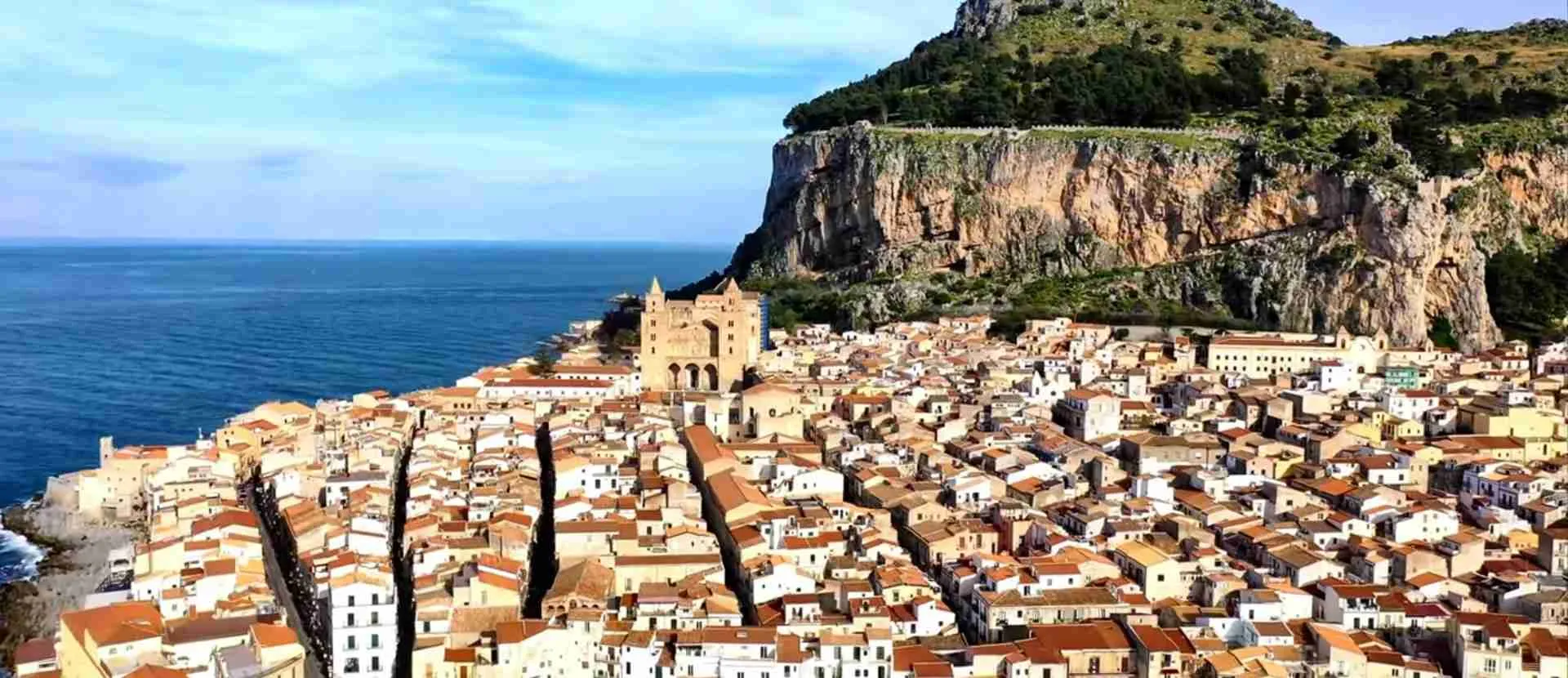
Seventy kilometers east of Palermo along Sicily’s northern Tyrrhenian coastline, Cefalù represents an exceptional synthesis of cultural heritage and Mediterranean resort appeal rarely combined so successfully within a single compact destination. The town’s Norman cathedral, designated a UNESCO World Heritage Site in 2015 alongside Palermo’s Arab-Norman monuments and Monreale Cathedral, contains Byzantine mosaics that art historians rank among the finest examples of 12th-century Eastern Christian artistry in Western Europe. Yet unlike many heritage sites where cultural tourism dominates completely, Cefalù maintains active beach resort character with two kilometers of golden sand, crystalline swimming conditions, and authentic Sicilian seaside atmosphere that Italian families have treasured for generations.
Planning a Cefalù day trip in 2026 offers travelers the rare opportunity to integrate high-culture museum-quality artistic experiences with classic Mediterranean beach leisure within a manageable single-day timeframe from Palermo. The frequent train service (departures every 30-60 minutes throughout the day), short journey duration (50-60 minutes), and moderate costs (€5-7 per direction) eliminate logistical complexity while the town’s walkable scale concentrates all major attractions—cathedral, beach, historic center, restaurants—within 500-800 meters of the train station. This accessibility makes Cefalù ideal for diverse travel styles: cultural enthusiasts prioritizing Norman architecture, beach lovers seeking swimming and sunbathing alternatives to urban Palermo, families with children requiring varied activities maintaining engagement, and photographers capturing dramatic coastal landscapes where medieval architecture meets dramatic cliff formations.
The physical setting enhances Cefalù’s appeal beyond individual monuments or beaches. The massive limestone promontory La Rocca rises 270 meters directly behind the compact medieval center, creating a natural fortress that shaped settlement patterns since ancient Greek colonization (4th century BC) and provides dramatic visual backdrop to every street scene. The cathedral’s twin towers punctuate the skyline with architectural authority while sandy beaches extend east and west from the historic harbor, offering swimming access directly adjacent to cultural attractions without requiring transportation between separate beach and museum districts common in larger coastal cities.
For 2026 visitors balancing cultural education with vacation relaxation, Cefalù delivers comprehensive Sicilian experiences unmatched by single-purpose destinations. Morning hours devoted to cathedral mosaic appreciation, medieval street exploration, and local craft shopping transition naturally into afternoon beach time with authentic Italian seaside culture—elderly women walking the shoreline, children building sandcastles, fishermen maintaining traditional boats in the ancient harbor. The town’s restaurant scene emphasizes fresh seafood, traditional Sicilian pasta preparations, and family-run establishments where multi-generational dining traditions continue largely unmodified by mass tourism. This combination of UNESCO artistic heritage, accessible natural beauty, authentic cultural immersion, and practical logistical simplicity makes Cefalù a priority day trip for travelers seeking to understand Sicily’s multiple dimensions within compressed timeframes.
People Also Ask About Cefalù Day Trip from Palermo 2026
How much does a Cefalù day trip from Palermo cost in 2026?
A complete Cefalù day trip from Palermo costs €48-68 per person in 2026, covering round-trip train tickets (€10-14), cathedral rooftop admission (€5), beach umbrella and sun lounger rental (€15-20 for two loungers plus umbrella), seafood lunch at waterfront restaurants (€18-28), afternoon gelato or granite (€4-6), and miscellaneous costs including public restrooms and refreshments. Check Trenitalia’s official website for current train fares as pricing may vary with advance purchase discounts and promotional periods. This budget excludes Palermo accommodation since most travelers return the same evening. Organized tours including round-trip transportation from Palermo hotels, guided cathedral visits, and beach time cost €65-95 per person, while private experiences with personal drivers and expert guides range €180-280 per person for groups up to four people. Budget-conscious travelers can reduce costs by €15-20 by bringing picnic supplies from Palermo markets, using free public beach sections without equipment rental, and limiting restaurant meals to single courses rather than traditional three-course Italian dining.
How long is the train from Palermo to Cefalù in 2026?
Regional trains from Palermo Centrale to Cefalù require 50-60 minutes depending on specific service type and intermediate stops. Express regional trains (marked “REG” in Trenitalia schedules) complete the journey in 50-55 minutes with stops only at major stations including Bagheria and Termini Imerese, while slower regional services (marked “REG” with higher stop counts) require 58-65 minutes serving additional suburban stations. The route follows the Tyrrhenian coastline providing spectacular sea views from train windows during the entire journey, particularly beautiful during morning hours when eastern light illuminates the water. Trains depart Palermo Centrale every 30-60 minutes from 5:30 AM until 10:00 PM, with peak frequency (every 30-45 minutes) occurring during morning commute hours (7:00-9:30 AM) and evening return periods (5:00-8:00 PM). Verify specific train duration when purchasing tickets, as occasional express services complete the journey in 48-50 minutes while certain local trains may require up to 70 minutes with extended intermediate stops serving smaller coastal towns.
What is the best time to visit Cefalù in 2026?
Morning arrivals between 8:30-9:30 AM provide optimal experiences for Cefalù day trips in 2026, allowing cathedral exploration before afternoon heat intensifies and securing prime beach locations before peak crowding. The cathedral opens at 8:00 AM daily (9:00 AM on Sundays during religious services), and early visitors encounter minimal tourist crowds while morning light enters through eastern windows illuminating the apse mosaics with exceptional clarity. Summer months (June-August) demand early arrivals as midday temperatures regularly exceed 32°C (90°F) with intense sun exposure on beaches lacking natural shade, while spring (April-May) and early autumn (September-October) offer comfortable temperatures (22-28°C / 72-82°F) ideal for combining cultural activities with beach leisure without heat exhaustion concerns. Late May through mid-June represents the sweet spot for 2026 visits: warm swimming temperatures (20-22°C / 68-72°F water), manageable tourist crowds before peak July-August season, extended daylight hours (sunset 8:15-8:30 PM), and stable weather with minimal rainfall. Avoid Sundays during July-August when Italian domestic tourism concentrates on weekend beach trips, creating maximum crowding at public beaches and waterfront restaurants with extended service wait times.
Can you swim at Cefalù beaches?
Yes, Cefalù offers excellent swimming conditions along two kilometers of sandy beaches with gradual depth progression, calm Mediterranean waters, and lifeguard supervision during summer season (June 15-September 15). The main public beach (Spiaggia di Cefalù) extends east from the historic harbor with fine golden sand, gentle slope into water depth reaching 1.5-2 meters at 25-30 meters from shore, and clear water quality consistently rated “excellent” by Italian environmental authorities. Water temperatures range 18-20°C (64-68°F) in May-June, peak at 25-27°C (77-81°F) during July-August, and remain comfortable 22-24°C (72-75°F) through September-October allowing extended swimming seasons. The beach provides easy walking access from the cathedral and train station (400-600 meters or 8-10 minute walk), with public shower facilities, changing cabins, and umbrella rental concessions operating throughout tourist season. Swimming safety is excellent with minimal currents, wave action limited to 0.5-1 meter heights during typical conditions, and sandy bottom without rocks or sea urchin concerns. Families with children appreciate the shallow water extending 15-20 meters from shore before reaching waist depth for adults, while strong swimmers can access deeper waters (3-4 meters) 40-50 meters offshore for more vigorous exercise.
Extended multi-day tours – 5+ days
Featured Palermo Multi-Day Tour Packages
3 days
Palermo 3-Day Discovery Tour
- ✓ Comprehensive Palermo experience
- ✓ Expert local guides included
- ✓ All accommodation included
- ✓ Transportation provided
5 days
Palermo 5-Day Highlights Experience
- ✓ Comprehensive Palermo experience
- ✓ Expert local guides included
- ✓ All accommodation included
- ✓ Transportation provided
7 days
Palermo 7-Day Cultural Journey
- ✓ Comprehensive Palermo experience
- ✓ Expert local guides included
- ✓ All accommodation included
- ✓ Transportation provided

10 days
Palermo 10-Day Complete Adventure
- ✓ Comprehensive Palermo experience
- ✓ Expert local guides included
- ✓ All accommodation included
- ✓ Transportation provided
Multi-day tour packages powered by TourRadar. Prices and availability subject to change.
Essential Planning Information for 2026 Cefalù Visits
Cefalù Cathedral Admission and Visiting Details
Cefalù Cathedral (Duomo di Cefalù) main nave admission is free, providing access to the ground-level church interior with its exceptional Byzantine apse mosaics depicting Christ Pantocrator, the Virgin Mary, and apostles and archangels arranged in hierarchical registers. The cathedral rooftop terrace costs €5 for adults and offers panoramic views across the medieval town, La Rocca cliff, and Tyrrhenian coastline. Check the official cathedral website for current admission rates as pricing may vary. Children under 6 enter free, while students ages 6-18 and seniors over 65 receive reduced rates at €3 with valid identification. Combined tickets for the cathedral, cloister museum, and archaeological site beneath the building cost €10, though these additional sections hold limited interest for general tourists compared to the main church’s artistic treasures.
The cathedral opens at 8:00 AM and closes at 7:00 PM daily from April through October, with reduced winter hours (8:00 AM-5:00 PM November through March) accommodating shorter daylight periods. Sunday morning hours (9:00-11:00 AM) experience restricted tourist access during religious services, with full visitor access resuming at 11:30 AM after mass concludes. The rooftop terrace closes 30 minutes before cathedral closing to allow staff time for securing the access route. Photography is permitted throughout the cathedral without flash, though professional equipment including tripods requires advance authorization from the cathedral office (contact through official website). Video recording is permitted for personal use without additional fees, unlike many Italian monuments charging separate video permissions.
Audio guides rent for €3 and provide 30-minute narrated tours in English, Italian, French, German, and Spanish explaining the Byzantine mosaic iconography, Norman architectural features, and 12th-century construction history. These represent excellent value for independent travelers lacking art history backgrounds, though the cathedral’s compact size and clear sight lines to all major artistic elements make self-guided visits entirely feasible with modest preparation. Free printed brochures at the entrance provide basic orientation and highlight significant features including the Christ Pantocrator mosaic (6.5 meters tall in the central apse), the silver frontal altar piece, and the medieval wooden ceiling. The cathedral bookshop sells English-language scholarly publications (€15-30) offering detailed iconographic analysis and historical context that enhance understanding beyond brief visits allow.
Beach Equipment and Services in 2026
Cefalù’s public beach provides free access along its entire two-kilometer length, with visitors welcome to bring personal towels, umbrellas, and beach equipment without fees or restrictions. However, most day-trippers rent sun loungers and umbrellas from private beach concessions (stabilimenti balneari) operating throughout the main beach area. Standard rental costs €15-20 for two sun loungers plus one large umbrella for the full day (8:00 AM-7:00 PM), with prices varying based on proximity to the shoreline—front-row positions command premium rates (€18-22) while rows 3-5 from water cost €12-16. Half-day rentals (morning 8:00 AM-1:00 PM or afternoon 1:00-7:00 PM) available at 60% of full-day rates provide flexibility for travelers allocating limited time to beach activities.
Beach concessions typically include access to changing cabins, freshwater showers, and secure storage lockers (€2-3 additional charge) providing convenience for day-trippers arriving by train without hotel accommodation for securing valuables. Some premium concessions offer additional services including beach bar with food and beverage delivery to loungers, WiFi access, and recreational equipment rental (paddleboards, kayaks, snorkeling gear) at €10-20 per hour depending on equipment type. Reserved lounger arrangements are unnecessary during weekdays and shoulder season (May-June, September) when adequate availability exists for walk-up rentals, though July-August weekends benefit from advance reservations (telephone or WhatsApp contact information posted at concession entrances) ensuring preferred positioning during peak demand.
Free public beach sections without commercial concessions exist at both eastern and western ends of the main beach, offering identical sand quality and water access for budget travelers willing to bring personal shade solutions (beach umbrellas, canopies) and sacrifice the convenience of organized services. Public shower facilities (€1 coin-operated for 3-minute freshwater rinse) and changing areas are positioned at 200-meter intervals along the beachfront promenade, while public restrooms operate at Piazza Marina and Piazza Garibaldi (€0.50 usage fee). Lifeguard supervision covers the full beach length from 9:00 AM-6:00 PM during official swimming season (June 15-September 15), with red flag warnings prohibiting swimming during rare periods of dangerous wave or current conditions.
Train Transportation: Palermo to Cefalù 2026
Trenitalia operates regional train service between Palermo Centrale and Cefalù with departures every 30-60 minutes from 5:30 AM until 10:00 PM daily. The 70-kilometer coastal route requires 50-60 minutes depending on service type, with express regional trains (50-55 minutes, fewer intermediate stops) alternating with slower regional services (58-65 minutes, additional stops at suburban stations). Ticket prices range €5-7 for second-class one-way travel, with exact pricing depending on advance purchase timing and promotional offers available through Trenitalia’s website and mobile application. Round-trip tickets cost €10-14 and remain valid for the travel date specified, allowing flexible return timing on any train that day without specific departure time commitment.
Purchase tickets at Palermo Centrale station from automated machines (accepting credit cards and cash), ticket windows with English-speaking staff, or through Trenitalia’s mobile application providing digital tickets eliminating paper handling. Tickets must be validated (stamped) before boarding using the green or yellow machines on train platforms, with €50 fines applying for travel with unvalidated tickets even when legitimately purchased. Digital tickets automatically validate upon activation in the mobile application, eliminating this concern for technology-comfortable travelers. First-class tickets (€8-11 one-way) provide marginally more spacious seating and quieter cars, though the brief journey duration makes premium seating unnecessary for most travelers.
Trains depart from Palermo Centrale’s platforms 3-6, with electronic departure boards displaying track assignments 10-15 minutes before scheduled departure times. Arrive at the station 15-20 minutes before departure to allow time for ticket purchasing, platform location, and boarding. The coastal route provides spectacular Tyrrhenian Sea views from both train sides, particularly beautiful during morning eastbound travel when sunlight illuminates the water and coastal towns. Cefalù station positions travelers 600 meters (10-minute walk) from the cathedral and 400 meters from the main beach, with clear signage in English and Italian directing visitors toward the centro storico (historic center) and spiaggia (beach).
Understanding Cefalù’s UNESCO World Heritage Significance in 2026
Cefalù Cathedral earned UNESCO World Heritage designation in 2015 as one component of the serial property “Arab-Norman Palermo and the Cathedral Churches of Cefalù and Monreale,” recognizing Sicily’s unique cultural fusion during the Norman Kingdom (1130-1194) when Western European, Byzantine, and Islamic artistic traditions synthesized into original architectural and decorative forms. The inscription acknowledges how Norman rulers Roger II and his successors employed multicultural craftsmen—Arab architects, Byzantine mosaicists, Latin masons—creating monuments embodying religious tolerance, cultural exchange, and artistic innovation distinctive to medieval Mediterranean civilization.
Cefalù Cathedral’s construction (begun 1131, consecrated 1267) under Roger II of Sicily demonstrates the Norman monarchy’s strategic use of monumental religious architecture to legitimize political authority while accommodating diverse artistic traditions within Christian liturgical frameworks. The building program employed Greek mosaicists from Constantinople for the apse decoration, Muslim craftsmen for geometric elements, and Latin architects for the structural system, creating collaborative achievements reflecting Sicily’s multicultural society. The Christ Pantocrator mosaic in the central apse (measuring 6.5 meters tall) represents one of the earliest and finest examples of Byzantine figurative artistry in Western architecture, predating Monreale’s similar but larger mosaic by four decades and demonstrating stylistic connections to contemporary Constantinopolitan monuments.
The apse mosaic program’s preservation quality exceeds most Byzantine monuments in Sicily and mainland Italy, providing modern scholars with essential evidence for understanding 12th-century artistic techniques, iconographic conventions, and the cultural transmission mechanisms through which Eastern Christian visual traditions influenced Western European art. The three-register hierarchical arrangement (Christ Pantocrator in the semi-dome, Virgin Mary with archangels in the middle register, apostles in the lower register) follows theological programs developed in Constantinople’s imperial workshops, adapted to the architectural scale of Norman Sicilian cathedrals. The gold-ground technique, color palette, and physiognomic rendering demonstrate direct continuity with Eastern Orthodox artistic traditions while the Latin architectural frame and liturgical function create syncretic results unique to Norman Sicily.
For 2026 travelers interested in World Heritage contexts, Cefalù provides opportunities to understand UNESCO’s serial property designation strategy. The “Arab-Norman Palermo” inscription links nine separate monuments across three cities (Palermo, Monreale, Cefalù) demonstrating how UNESCO evaluates cultural landscapes and artistic movements rather than isolated buildings. Visiting multiple components of this serial property—Cefalù’s cathedral, Monreale’s cathedral, Palermo’s Cappella Palatina and royal palaces—reveals stylistic evolution, patronage patterns, and regional variations within Norman Sicilian architecture impossible to comprehend from single-site visits. Cefalù’s coastal setting and smaller urban scale compared to Palermo or Monreale demonstrate how Norman architectural ambitions adapted to diverse geographical and social contexts across Sicily’s regions.
Sample 2026 Cefalù Day Trip Itineraries
Beach-Focused Summer Visit (8:00 AM – 6:00 PM)
Depart Palermo Centrale on the 8:00 AM express regional train (€5-7, advance ticket purchase), arriving Cefalù station at 8:50-8:55 AM. Walk 600 meters through the town center to the cathedral (10-12 minute walk along Corso Ruggero), arriving at 9:05-9:10 AM. Spend 60-75 minutes exploring the cathedral interior with focus on the Byzantine apse mosaics, Norman architectural features, and the free-admission ground level spaces. Ascend to the rooftop terrace (€5) for 15-20 minutes photographing panoramic views of the medieval town, harbor, and La Rocca cliff formations.
Exit the cathedral at 10:20-10:30 AM and walk 300 meters to Spiaggia di Cefalù public beach (5-minute walk). Rent sun loungers and umbrella from beach concession (€15-20 for two loungers plus umbrella full-day rental) securing preferred positioning before peak crowding. Spend 10:45 AM-2:00 PM on the beach with swimming, sunbathing, and relaxation. The shallow water entry and calm conditions make this ideal for families, while the dramatic cathedral backdrop creates picturesque settings for photography during beach breaks.
Walk to waterfront restaurants along Lungomare Giuseppe Giardina at 2:00 PM for seafood lunch. Ristorante La Botte serves excellent fresh fish, pasta con le sarde, and grilled swordfish for €18-28 per person, while Osteria del Duomo offers traditional Sicilian primi and secondi courses with outdoor terrace dining for €16-24. Order local white wines (Catarratto, Grillo varieties) for €4-6 per glass complementing seafood preparations. Lunch requires 60-75 minutes allowing leisurely Mediterranean dining pacing.
Return to beach at 3:30 PM for additional 2-2.5 hours swimming and relaxation through peak afternoon heat. Use beach concession showers at 5:45 PM for freshwater rinse before departing to the train station. Purchase afternoon granite (Sicilian crushed ice dessert with lemon, almond, or coffee flavors) from Gelateria Da Nino near the harbor (€4-5) for pre-departure refreshment. Walk to Cefalù station at 6:15 PM for the 6:30-6:45 PM return train to Palermo, arriving Palermo Centrale at 7:25-7:45 PM.
Total day cost: Train round-trip €10-14, cathedral rooftop €5, beach rental €15-20, lunch €18-28, granite €4-5. Total: €52-72 per person. This itinerary maximizes beach time during optimal weather conditions while incorporating essential cultural experiences for balanced coastal leisure and UNESCO heritage appreciation.
Culture-Focused Spring/Autumn Visit (9:00 AM – 5:00 PM)
Depart Palermo Centrale on the 9:00 AM regional train (€5-7), arriving Cefalù at 9:55-10:00 AM. Walk to the cathedral (10 minutes) for 90-minute comprehensive exploration including detailed observation of apse mosaics, architectural analysis of Norman structural systems, rooftop terrace access with extended photography, and cathedral museum visit examining liturgical objects and archaeological artifacts from the site’s earlier religious structures. Art enthusiasts should allocate sufficient time for contemplative mosaic appreciation—the Christ Pantocrator figure rewards extended viewing revealing subtle color gradations and psychological intensity often missed during rushed visits.
Exit cathedral at 11:30 AM for walking tour through Cefalù’s medieval center along Via Vittorio Emanuele and parallel side streets featuring 13th-15th century palazzi with Gothic and Catalan architectural details. Visit Chiesa del Purgatorio (free admission, opens 10:00 AM-12:00 PM) for baroque interior contrasting with Norman cathedral austerity. Walk along Corso Ruggero exploring local craft shops selling ceramics, textiles, and food products (olive oil, wine, preserved seafood) with quality superior to tourist shops near the beach. Reach Piazza Duomo at 12:15 PM for photography of the cathedral exterior from various angles capturing the twin-tower facade and relationship to surrounding urban fabric.
Lunch at 12:30 PM at traditional trattoria in the historic center away from waterfront tourist concentration. Al Porticciolo (Via Carlo Ortolani di Bordonaro) serves authentic Sicilian cucina povera including pasta alla Norma, caponata, and grilled vegetables for €14-20 per person, while La Galleria (Via Vazzana) specializes in regional pasta dishes and local wine selections in intimate indoor dining rooms. These establishments offer superior food quality and cultural authenticity compared to beachfront restaurants targeting day-trippers with generic tourist menus.
After lunch (2:00 PM), choose between two alternative afternoon activities based on interests and weather. Option A (cultural extension): Walk 400 meters to Museo Mandralisca (admission €6) for 45-60 minute visit viewing the Portrait of an Unknown Man by Antonello da Messina (one of Sicily’s most significant Renaissance paintings), archaeological collections from ancient Himera, and decorative arts. Follow with afternoon coffee and pastries at Pasticceria Pietro Serio (Via Giglio) sampling traditional cannoli, cassata, and marzipan fruits for €5-8. Option B (nature experience): Hike the Rocca di Cefalù trail (45-60 minute ascent, moderate difficulty) for panoramic views from 270-meter summit, ancient Greek fortress ruins (Temple of Diana, 5th century BC), and Mediterranean vegetation observation. This option requires comfortable hiking shoes and water bottles.
Return to Cefalù station at 4:30 PM for the 4:45-5:00 PM train to Palermo, arriving at Palermo Centrale by 5:40-5:55 PM. Total day cost: Train €10-14, cathedral rooftop €5, museum €6 (if selected), lunch €14-20, coffee/pastries €5-8. Total: €40-53 per person. This itinerary emphasizes cultural immersion, architectural appreciation, and authentic local experiences over beach tourism, ideal for shoulder season visits (March-May, October-November) when comfortable temperatures favor extended walking and museum attendance.
Family-Friendly Balanced Experience (8:30 AM – 6:30 PM)
Depart Palermo on the 8:30 AM train arriving Cefalù at 9:25-9:30 AM. Walk directly to the public beach (400 meters from station, 8-minute walk) for early morning beach time before cathedral visit—this sequence works well with children who tolerate cultural activities better after initial high-energy play. Rent beach equipment (€15-20) and spend 9:45 AM-11:45 AM on the sand with swimming, sandcastle building, and shallow water play. The gentle beach slope and calm morning conditions create safe environments for children while parents supervise from adjacent loungers.
Depart beach at 11:45 AM for brief lunch at casual beachfront café or pizzeria. Lido Angeli del Mare serves children-friendly options including pizza, pasta with simple sauces, and panini for €8-12 per person with quick service accommodating restless young diners. Walk to the cathedral at 12:30 PM for 60-minute visit focusing on accessible highlights: the dramatic Christ mosaic (children often respond to the scale and intense gaze), treasure hunt for architectural details (count the columns, find the carved capitals, spot the different stone colors), and rooftop terrace climb (€5 per adult, children under 6 free) engaging physical energy while providing rewarding views.
Return to beach at 1:45 PM for extended afternoon beach time 2:00-5:30 PM during peak warmth and optimal swimming conditions. Bring afternoon snacks from Palermo supermarkets (fresh fruit, packaged cookies, water bottles) reducing costs and providing immediate food access when children express hunger between meals. Use beach concession facilities for diaper changing (for young children), freshwater showers, and secure storage for valuables while swimming. Purchase afternoon gelato from beachfront vendors (€3-4 per child, €4-5 per adult) as treat and energy boost before departure.
Walk to station at 5:50 PM for 6:00-6:15 PM return train to Palermo, managing departure timing to avoid late evening travel when children’s energy wanes and patience diminishes. Total day cost: Train €10-14 (adults), €5-7 (children 4-12), beach rental €15-20, casual lunch €25-35 (family of four), cathedral rooftop €10 (two adults), gelato €10-15 (family), snacks €8-12. Total: €83-113 for family of four (two adults, two children). This itinerary balances cultural education with age-appropriate activities, prioritizes children’s attention spans and energy patterns, and maintains flexibility for spontaneous adjustments based on mood and weather conditions.
Best Time to Visit Cefalù in 2026
Seasonal Analysis for Optimal Experiences
Late May through mid-June represents optimal timing for Cefalù visits in 2026, combining warm swimming temperatures (20-23°C / 68-73°F water), comfortable air temperatures (24-28°C / 75-82°F), manageable tourist crowds before peak July-August season, and extended daylight hours (sunrise 5:45-6:00 AM, sunset 8:15-8:30 PM). This period provides reliable weather with minimal rainfall (3-5 days precipitation per month), stable high-pressure systems maintaining clear skies for beach activities and cathedral photography, and fresh seasonal produce appearing in restaurant menus (zucchini flowers, early tomatoes, strawberries). Accommodation rates in Palermo remain moderate during this shoulder season, and train frequency remains high without the overcrowding characteristic of summer peak periods.
Spring (March-May) offers excellent conditions for culture-focused visits emphasizing cathedral exploration, historic center walking tours, and La Rocca hiking over beach activities. March temperatures (15-18°C / 59-64°F) prove too cool for comfortable swimming despite inviting sunny conditions, though the cathedral and museums provide rewarding experiences without peak-season crowds. April and early May bring wildflower blooms along La Rocca trails, creating photographic opportunities combining natural beauty with architectural backdrops. The Easter period (April 13-20, 2026) features special religious processions and ceremonies at the cathedral, offering cultural experiences unavailable during other seasons though increasing tourist presence and requiring advance accommodation planning.
Summer (July-August) represents peak season with maximum tourist crowds, highest temperatures (29-35°C / 84-95°F), and premium beach conditions but substantial practical challenges. The public beach reaches capacity by 11:00 AM during weekends requiring early arrivals for acceptable positioning, while waterfront restaurant reservations become necessary for lunch service (12:30-2:00 PM) when walk-in availability disappears. Water temperatures peak at 25-27°C (77-81°F) providing ideal swimming comfort, and extended daylight (sunrise 5:30 AM, sunset 8:30-8:45 PM) enables full-day beach experiences. However, the cathedral interior becomes uncomfortably hot during midday (no climate control in the medieval stone structure), and the town’s narrow streets trap heat creating oppressive conditions during afternoon hours. Budget travelers face increased costs as beach equipment rental, restaurant prices, and accommodation rates peak during this period.
September offers conditions rivaling early June for balanced beach-culture experiences: water temperatures remain warm (23-25°C / 73-77°F) from summer heat retention, air temperatures moderate to comfortable levels (25-29°C / 77-84°F), and tourist crowds diminish substantially after Italian school returns following August holidays. Restaurant quality often improves in September as establishments shift from volume-focused summer service to quality-oriented offerings for discerning autumn visitors. Early autumn provides excellent cathedral visiting conditions with comfortable interior temperatures and optimal morning light entering eastern windows during the 8:00-10:00 AM period. October maintains pleasant conditions for culture-focused visits though swimming becomes marginal with water temperatures declining to 20-22°C (68-72°F) and increasing rainfall (7-9 days per month) requiring schedule flexibility.
Winter (November-February) suits travelers prioritizing cultural immersion over beach recreation. The cathedral provides equally impressive artistic experiences regardless of season, while minimal tourist presence allows unhurried contemplation of the Byzantine mosaics without photography interference or crowd navigation. Temperatures remain moderate (12-16°C / 54-61°F) compared to northern European winters, though swimming is impractical for most visitors with water temperatures dropping to 14-16°C (57-61°F). Restaurant availability decreases as many beachfront establishments close November-March, though this concentration improves the cost-value ratio at remaining family-run trattorias serving local clientele. Winter offers the most economical Cefalù experiences with lowest accommodation rates, off-season train promotions, and reduced competition for services, appealing to budget-conscious travelers accepting weather variability and shorter daylight hours (sunset 5:00-5:30 PM).
Daily Timing Recommendations for 2026 Visits
Morning departures from Palermo (7:30-8:30 AM trains) maximize Cefalù visit quality by arriving before peak heat and tourist crowds concentrate. The 8:00 AM train departure provides ideal timing: arrival in Cefalù by 8:55 AM allows immediate cathedral access when doors open, completing comprehensive exploration before 10:30 AM when tour groups arrive and morning light loses its clarity for mosaic photography. Early arrivals also secure premium beach equipment positioning during summer months when front-row umbrella locations fill completely by 11:00 AM.
Mid-morning departures (9:00-10:00 AM) suit travelers prioritizing extended Palermo hotel breakfasts or morning city activities before departing to Cefalù. These schedules work well for culture-focused visits without beach priorities, as arriving Cefalù 10:00-11:00 AM leaves adequate time for cathedral exploration, historic center walking tours, and museum visits before afternoon train returns. However, mid-morning arrivals sacrifice optimal beach positioning during peak season and encounter maximum tourist density at the cathedral during 11:00 AM-1:00 PM windows when multiple tour groups schedule visits.
Afternoon departures from Palermo (after 12:00 PM) prove viable only for abbreviated visits focusing exclusively on evening beach time or cathedral photography during golden hour light. Summer sunset timing (8:15-8:45 PM) provides sufficient daylight for 2-3 hours beach relaxation following 2:00-3:00 PM arrivals, though this schedule eliminates cultural activities and reduces overall visit value. Afternoon departures work better during shoulder seasons when reduced beach interest makes cathedral visits and historic center exploration the primary objectives, with late afternoon light (5:00-6:30 PM) creating dramatic photographic conditions inside the cathedral as western sun enters clerestory windows.
Return timing from Cefalù balances maximizing day-trip duration against evening activities in Palermo. The 6:00-7:00 PM return trains position travelers back in Palermo by 7:00-8:00 PM, allowing dinner reservations and evening city exploration while maintaining comfortable pacing throughout the day without rushed departure pressures. Later returns (8:00-9:00 PM trains) extend beach time but create late evening arrivals (9:00-10:00 PM in Palermo) when restaurant availability decreases and traveler fatigue impacts enjoyment of subsequent activities. For families with children, earlier returns (5:00-6:00 PM trains) prevent evening meltdowns and accommodate children’s dinner and bedtime schedules while sacrificing 1-2 hours potential beach time.
Budget Planning for Your 2026 Cefalù Visit
Comprehensive Cost Breakdown by Travel Style
Budget-conscious travelers complete comprehensive Cefalù day trips for €35-48 per person in 2026. This includes round-trip train tickets (€10-14 with advance purchase and promotional fares), free cathedral admission to the main nave (€0, though rooftop access at €5 provides substantial additional value), beach access using personal towels on free public sections without equipment rental (€0), picnic lunch with supplies from Palermo markets (€6-10 for bread, cheese, fruit, water), afternoon granite or gelato (€4-5), and public restroom usage (€1-2). This budget level demands advance planning for picnic preparation, willingness to forego beach equipment comfort, and acceptance of limited restaurant experiences in favor of outdoor eating.
Budget strategies include purchasing multi-ride train tickets (carnet of 10 tickets at discounted rates) if making multiple Sicily coastal excursions, bringing beach umbrellas and mats from Palermo accommodation rather than renting equipment, and timing visits during shoulder seasons (May, September-October) when beach concessions offer midday discounts (30-40% reductions for 1:00-5:00 PM periods). The cathedral’s free-admission main nave provides the essential artistic experience—the Byzantine apse mosaics—making the rooftop terrace optional for visitors prioritizing cost savings. Budget accommodations in Palermo (€35-55 per night at hostels or budget hotels) combined with minimal-cost Cefalù visits create accessible Sicily itineraries for students, backpackers, or long-term travelers managing expenses carefully.
Mid-range travelers typically allocate €55-75 per person for balanced comfort and experiences. This budget includes train transportation (€10-14), cathedral rooftop access (€5), beach equipment rental (€8-10 per person for shared umbrella and two loungers), seafood lunch at waterfront restaurants (€20-28), afternoon gelato and coffee (€6-8), museum admission if interested (€6), and miscellaneous costs for showers, storage, or additional refreshments (€5-8). Mid-range spending provides convenient beach experiences without equipment-carrying logistics, authentic restaurant meals showcasing Sicilian seafood traditions, and flexibility for spontaneous additions like craft purchases or extended museum visits.
This spending level suits travelers staying at comfortable Palermo hotels (€80-120 per night) near Quattro Canti or the train station, positioning themselves for convenient morning departures without cross-city transportation. Mid-range budgets accommodate small-group guided tours (€60-85 per person) including round-trip train escort, cathedral entry, local guide services, and beach club access when travelers prioritize expert interpretation and logistical convenience over independent exploration. The moderate cost increase over budget travel provides substantial quality-of-life improvements—comfortable seating, superior food experiences, professional guidance—without reaching luxury premium pricing.
Luxury travelers allocate €180-280 per person for exclusive experiences emphasizing personalized service, expert cultural interpretation, and stress-free logistics. This budget includes private driver with luxury vehicle providing door-to-door transportation from Palermo hotels (€200-250 for full-day service divided among group size), private art historian guide for cathedral visits (€150-180 for 2-3 hour exclusive tour), premium beach club reservations with front-row positioning and enhanced services (€40-60 per person), gourmet seafood lunch at select restaurants (€45-65 per person with wine pairings), and flexibility for spontaneous additions including water sports, boat excursions, or shopping at high-end boutiques.
Luxury accommodations in Palermo (€200-400+ per night at Grand Hotel Wagner or Villa Igiea) provide concierge services coordinating all arrangements, while private guides offer customized itineraries combining Cefalù with additional destinations (Solunto archaeological site, coastal viewpoints, artisan workshops) based on specific interests. The premium budget eliminates all logistical concerns—parking, ticket purchasing, schedule coordination—allowing complete focus on cultural immersion and leisure relaxation. Private transportation also enables extended stays in Cefalù (10-12 hours) without train schedule constraints, supporting comprehensive experiences including multiple-course gourmet lunches, afternoon museum visits, and sunset photography sessions.
Money-Saving Strategies for 2026 Visits
Purchase Trenitalia train tickets online 3-7 days before travel dates to access advance purchase discounts (10-25% savings) and promotional fares that sell out closer to departure dates. The Trenitalia mobile application offers last-minute deals during off-peak periods (November-March, excluding holidays) with same-day discounts reaching 30-40% for trains departing within 2-4 hours. Create a Trenitalia account to receive email notifications about promotional campaigns including weekend specials, regional travel packages, and seasonal offers that substantially reduce transportation costs.
Visit Cefalù on weekdays (Tuesday-Thursday) to avoid weekend domestic tourism surges that increase beach crowding, raise equipment rental rates by 20-30%, and create restaurant wait times. Weekday visits provide superior beach positioning, immediate restaurant seating without reservations, and more intimate cathedral experiences with minimal tour group interference. September offers exceptional value combining near-peak weather conditions with post-summer price reductions across accommodation, restaurants, and services as establishments transition to shoulder-season operations.
Bring complete beach supplies from Palermo including large towels, sun umbrellas (compact travel models available at decathlon-type sporting goods stores for €15-25), water bottles, and snacks purchased from supermarkets (Lidl, Eurospin, or Conad stores near Palermo train station). This preparation eliminates beach equipment rental (saving €15-20), reduces food costs by 40-60% compared to beach vendors, and provides superior product selection and quality compared to tourist-area shops. Many Palermo accommodations lend beach umbrellas and cooler bags to guests, eliminating purchase requirements.
Focus cathedral visits on the free-admission main nave containing the essential Byzantine mosaics, supplementing with English-language guidebooks (€15-20) purchased in Palermo bookshops offering superior detail and interpretive depth compared to brief rooftop terrace visits. The main artistic treasures—the Christ Pantocrator apse mosaic, Virgin Mary and archangels, apostle register—are fully accessible from ground level without rooftop access, making the €5 terrace admission optional for budget-conscious visitors. Allocate those savings toward extended lunch experiences or museum visits providing greater cultural value.
Cefalù Cathedral Art and Architecture
The cathedral’s architectural form represents an exceptional synthesis of Norman structural ambitions and Byzantine artistic traditions adapted to Sicilian geographical and cultural contexts. The basilica plan measures 72 meters long with three aisles separated by columns supporting pointed arches, creating spatial organization reflecting Latin liturgical requirements. However, the fortress-like twin tower facade (38 meters tall), decorative interlacing arches on exterior walls, and massive limestone construction demonstrate defensive architectural concerns specific to Norman Sicily’s contested medieval political environment.
The Byzantine apse mosaics executed between 1145 and 1170 by Greek craftsmen from Constantinople represent the artistic pinnacle justifying Cefalù’s UNESCO designation. The Christ Pantocrator figure dominating the central apse semi-dome measures 6.5 meters tall and demonstrates sophisticated Byzantine theological iconography combined with technical mastery of gold-ground mosaic techniques. The Pantocrator (“Almighty” in Greek) depicts Christ as divine ruler and judge, with right hand raised in blessing gesture and left hand holding open Gospel inscribed with Greek and Latin text: “I am the light of the world; he who follows me will not walk in darkness.” The stern facial expression, penetrating gaze directed at viewers, and hieratic frontal pose emphasize Christ’s transcendent divinity rather than human compassion, following Eastern Orthodox artistic conventions distinguishing Byzantine from contemporary Romanesque Western European depictions.
Technical analysis reveals exceptional craftsmanship in the mosaic execution. The artists employed thousands of individual tesserae (small glass and stone pieces) set at slight angles maximizing light reflection and creating the characteristic shimmering effect that transforms static images into living presences. Color gradations across Christ’s face use approximately 50 distinct tones achieving naturalistic flesh modeling while maintaining the gold background’s abstract transcendence. The Virgin Mary figure in the middle register wears blue robes (traditional Byzantine color symbolizing heavenly origin) with gold highlights suggesting divine glory, while the four archangels flanking her demonstrate individualized facial features despite standardized iconographic poses.
The lower register presents twelve apostles in rigid frontal positions holding texts or making blessing gestures, each labeled with Greek inscriptions identifying specific disciples. This hierarchical three-level organization (Christ supreme in dome, Mary and archangels as intermediaries, apostles as earthly witnesses) follows theological programs developed in Byzantine imperial churches, communicating Christian salvation doctrine through visual narrative accessible to medieval populations with limited literacy. The iconographic sophistication and preservation quality make Cefalù’s apse mosaics essential references for understanding how Byzantine artistic traditions adapted to Western architectural contexts during the 12th century.
The wooden ceiling (soffitto) covering the nave demonstrates Islamic architectural influences characteristic of Norman Sicilian monuments. The painted timber beams feature geometric patterns and muqarnas-style decorative elements derived from Arab architectural traditions, creating visual connections to contemporary Cappella Palatina in Palermo where similar multicultural artistic synthesis reached full expression. This integration of Christian figurative mosaics, Norman fortress architecture, and Islamic geometric decoration within a single monument exemplifies the cultural tolerance and artistic experimentation that UNESCO recognized as having universal significance for understanding medieval Mediterranean civilization.
Photography Guide for Cefalù Cathedral and Beach 2026
Cathedral Interior Photography Techniques
Photographing Cefalù’s Byzantine apse mosaics requires understanding specific lighting conditions, technical camera settings, and compositional strategies maximizing visual impact while respecting heritage conservation standards. The cathedral permits photography without flash throughout the interior, with handheld cameras and smartphones welcomed for personal documentation. Morning visits (8:00-10:00 AM) provide optimal natural light when eastern sun enters through clerestory windows, illuminating the apse mosaics with clarity that afternoon oblique light cannot match.
Set cameras to aperture priority mode (f/5.6-f/8) allowing sufficient depth of field for sharp focus across the curved apse surface while maintaining manageable shutter speeds (1/40-1/80 second) for handheld shooting without camera shake. Expose for midtones in Christ’s robes rather than gold backgrounds to prevent underexposure of flesh tones and detail loss in the mosaic’s subtle color gradations. Shoot in RAW format enabling post-processing recovery of highlight and shadow detail compressed by the extreme luminance range between illuminated gold tesserae and darker architectural elements.
Wide-angle lenses (16-35mm full-frame equivalent) capture the complete apse mosaic program within single frames, documenting the hierarchical three-register theological organization (Christ Pantocrator, Virgin Mary with archangels, apostles). Shoot from the central nave axis approximately 15-20 meters from the apse to maintain the mosaics’ carefully calibrated proportions and perspective systems—closer positions introduce geometric distortion while excessive distance reduces detail visibility. Include architectural framing elements (columns, arches) providing scale reference and structural context that isolate mosaic images cannot convey.
Detail photography with moderate telephoto lenses (70-135mm) reveals individual mosaic tesserae, color gradations creating illusionistic three-dimensional effects, and facial expressions demonstrating Byzantine artists’ psychological subtlety. Focus on Christ’s blessing hand gesture (captured iconographic conventions), the Virgin Mary’s contemplative expression, or individual apostle portraits distinguishing personality through subtle physiognomic variations despite standardized poses. These detail images complement wide establishing shots by documenting artistic quality and technical achievement that overview photography cannot communicate.
Beach and Landscape Photography Opportunities
Cefalù’s dramatic coastal setting creates exceptional landscape photography combining medieval architecture, limestone cliff formations, and Mediterranean seascapes within compact compositions. The cathedral’s twin towers provide distinctive vertical elements punctuating horizontal beach and sea expanses, creating dynamic tension in architectural landscape images. Photograph from the eastern beach areas (300-500 meters from the cathedral) using moderate wide-angle to short telephoto lenses (35-85mm) capturing the cathedral silhouetted against La Rocca cliff with foreground beach activity providing human scale and narrative interest.
Morning golden hour (6:30-8:00 AM, varies seasonally) offers exceptional light quality with warm color temperatures illuminating the cathedral’s limestone facades and La Rocca’s stratified rock formations. The low-angle morning sun creates dimensional modeling through shadow and highlight patterns revealing architectural details flattened by midday overhead light. Summer mornings provide additional benefits of empty beaches before tourist crowds arrive, enabling unobstructed foreground compositions and long-exposure water effects without people interference.
Evening golden hour (7:30-8:45 PM during summer, earlier in shoulder seasons) positions the setting sun directly behind viewers photographing the cathedral from beach viewpoints, creating front-lit conditions with warm tones saturating the limestone architecture. The western light illuminates the entire medieval town creating luminous atmospheric conditions ideal for architectural photography. Sunset timing varies substantially across seasons: summer offers 8:30-8:45 PM sunsets enabling extended evening photography, while winter sunsets at 5:00-5:30 PM require earlier afternoon positioning.
La Rocca cliff provides elevated perspectives for panoramic photography documenting Cefalù’s complete urban form, harbor configuration, and coastal setting. The 45-minute hiking ascent (moderate difficulty, steady incline) rewards photographers with 270-meter elevation commanding views across the medieval town, Tyrrhenian coastline extending east and west, and interior mountain ranges rising south from the coastal plain. Wide-angle lenses (16-35mm) capture comprehensive landscape panoramas, while telephoto lenses (100-300mm) isolate cathedral details, beach activities, or distant coastal villages for compressed perspective compositions.
Combining Cefalù with Other Sicily Day Trips in 2026
Advanced travelers can create multi-destination day trips combining Cefalù with other northeastern Sicily attractions accessible via the coastal train line. Depart Palermo at 7:00 AM arriving Cefalù at 7:55 AM for abbreviated 90-minute visit (8:00-9:30 AM) focusing exclusively on cathedral exploration. Board the 9:45 AM eastbound train to Taormina (€8-12, 90 minutes), arriving 11:15 AM for afternoon exploration of the Greek theater, medieval centro storico, and Mount Etna viewpoints. Return to Palermo via evening trains (departures 5:00-7:00 PM) completing a comprehensive northeastern Sicily cultural circuit. This ambitious itinerary costs €28-40 per person for transportation alone plus admission fees, meals, and local services, requiring strong physical stamina and willingness to sacrifice depth for breadth.
Alternatively, combine Cefalù with Solunto archaeological site, positioned between Palermo and Cefalù along the same train route. Depart Palermo 8:00 AM, exit at Santa Flavia-Solunto station (€3-5, 25 minutes), climb 15 minutes to the Hellenistic-Roman ruins for 90-minute exploration (magnificent coastal views, well-preserved house foundations, exceptional site museum). Return to the train, continue to Cefalù (arriving 11:00-11:15 AM) for cathedral and beach afternoon. This routing provides archaeological variety complementing medieval Norman heritage while maintaining manageable pacing and reasonable costs (€15-22 total transportation, €8-12 for combined site admissions).
Weekend visitors can create comprehensive Norman heritage tours combining Cefalù with Monreale for complete coverage of the UNESCO “Arab-Norman Palermo” serial property’s cathedral components. Saturday: full-day Monreale trip (detailed in separate guide) exploring the cathedral’s superior mosaic cycle and Benedictine cloister. Sunday: morning Cefalù train for beach-cathedral combination with afternoon return to Palermo. This two-day structure provides thorough Norman-Byzantine architectural education while incorporating relaxation beach time preventing cultural-site fatigue. Total costs approximately €80-110 per person across both days including transportation, admissions, and meals, representing exceptional value for World Heritage site access and comprehensive Sicilian cultural immersion.
Planning Your 2026 Cefalù Visit: Essential Practical Information
What to Bring for Optimal Day Trip Experience
Beach essentials include swimwear, multiple towels (one for beach use, one for post-swimming drying), sun protection (SPF 30+ sunscreen, lip balm, after-sun lotion), wide-brimmed hats or caps providing facial shade, and UV-protective sunglasses reducing glare from water and sand. Bring reef-safe sunscreen formulations avoiding oxybenzone and octinoxate chemicals that damage marine ecosystems—Italian beach authorities increasingly enforce environmental protection standards. Pack lightweight cover-ups (sarongs, t-shirts, loose pants) for walking between beach and restaurants where swimwear alone is inappropriate for entry.
Cathedral visit requirements include modest clothing covering shoulders and knees—no sleeveless tops, shorts above knee length, or revealing garments. Bring lightweight scarves or shawls providing shoulder coverage when wearing tank tops or sundresses during hot summer months. Comfortable walking shoes with closed toes and non-slip soles navigate both polished cathedral floors and cobblestone historic center streets safely—avoid flip-flops or sandals without ankle support that create injury risks during extended walking. Small daypacks or cross-body bags carry water bottles, sunscreen, cameras, and personal items while keeping hands free for photography and maintaining awareness of belongings in crowded areas.
Technology essentials include fully charged smartphones with offline map applications (Google Maps, Maps.me) downloaded for Cefalù’s street network and attraction locations. The Trenitalia mobile application displays real-time train schedules, platform assignments, and delay notifications preventing missed connections. Portable battery packs (10,000+ mAh capacity) ensure devices remain functional throughout full-day trips without depending on scarce public charging access. Waterproof phone cases or bags protect electronics during beach activities and accidental water exposure—saltwater damage is permanent for most consumer electronics.
Cefalù Visitor Services and Amenities
The train station (Cefalù Stazione) provides basic services including ticket machines, customer service office with English-speaking staff (open 7:00 AM-8:00 PM), public restrooms (€0.50), and taxi stand with reliable vehicle availability. Luggage storage (deposito bagagli) operates at the station for €5-8 per piece per day, enabling travelers arriving from other Sicily destinations to avoid carrying bags during beach and cathedral visits. The tourist information office (ProLoco Cefalù) on Corso Ruggero opens 9:00 AM-1:00 PM and 3:00-7:00 PM Monday-Saturday with free maps, English-language brochures, and advice on current events or temporary closures.
Public restrooms throughout Cefalù charge €0.50-1 usage fees, standard for Italian beach towns, with facilities positioned at Piazza Marina (near the beach), Piazza Garibaldi (cathedral area), and the train station. These maintain basic cleanliness though lack amenities found in modern facilities. Beach concessions provide customer restrooms without additional charges for equipment renters, offering superior maintenance compared to public alternatives. Carry small coins (€0.50 and €1 pieces) for restroom access and automated machines selling drinks, snacks, or beach toys.
WiFi availability varies throughout Cefalù. The cathedral and train station offer free WiFi networks (password posted at entrance areas or available by asking staff) with basic connectivity adequate for messaging and light browsing. Beach concessions and many restaurants provide WiFi to customers, though reliability decreases during peak occupancy when bandwidth demand exceeds capacity. Major Italian cellular carriers (TIM, Vodafone, Wind Tre) provide strong 4G/5G coverage throughout Cefalù enabling data usage for travelers with Italian SIM cards or international roaming plans. Download essential information, maps, and guidebook materials to devices before departure to ensure offline access if connectivity proves unreliable.
Medical services include a pharmacy (Farmacia Comunale) on Via Roma open standard hours (9:00 AM-1:00 PM, 4:00-8:00 PM) with extended duty rotations providing after-hours emergency medication access. The pharmacy stocks sunburn treatments, motion sickness remedies, and minor wound care supplies that beach and travel activities may require. For serious medical emergencies, call 118 (Italian emergency services) or 112 (European universal emergency number). The nearest hospital is Ospedale Civico in Palermo, reached via emergency ambulance transport or taxi for non-critical conditions requiring physician evaluation.
Frequently Asked Questions About Cefalù Day Trips from Palermo 2026
Is Cefalù worth a day trip from Palermo?
Yes, Cefalù provides exceptional value as a Palermo day trip combining UNESCO World Heritage Norman architecture, high-quality Mediterranean beaches, authentic Sicilian town atmosphere, and practical accessibility through frequent train service. The cathedral’s Byzantine apse mosaics rival Monreale’s artistic achievement within more intimate architectural scale, while the beach offers swimming and relaxation opportunities unavailable in urban Palermo. The compact medieval center concentrates cultural and leisure attractions within 500-meter radius, eliminating transportation logistics between separate sites. The journey cost (€10-14 round-trip) and time investment (50-60 minutes each direction) yield comprehensive experiences balancing cultural education with vacation leisure, making Cefalù among Sicily’s highest-value day trip destinations. Travelers with limited Sicily time should prioritize Cefalù over less accessible coastal towns lacking comparable artistic heritage.
Can you do both Cefalù and Monreale in one day?
Yes, visiting both Cefalù and Monreale in a single day is logistically possible though creates compressed schedules sacrificing depth for breadth. Depart Palermo 7:00 AM on the Cefalù train (arriving 7:55 AM), complete cathedral visit by 9:30 AM, return to Palermo on 9:45 AM train (arriving 10:40 AM), immediately transfer to Monreale bus from Piazza Indipendenza (departing 11:00 AM, arriving 11:30 AM), explore Monreale Cathedral 11:45 AM-2:30 PM, return to Palermo by 3:15 PM. Total transportation costs €18-21 per person with both cathedrals providing essential Norman-Byzantine heritage exposure. However, this schedule eliminates Cefalù beach time, prevents leisurely restaurant meals, and creates exhausting pacing requiring constant awareness of departure times. Better approach: dedicate separate days to each destination allowing comprehensive experiences including Cefalù’s beach leisure and Monreale’s cloister exploration. Combined single-day visits suit travelers with severely limited Sicily time prioritizing UNESCO site coverage over relaxed cultural immersion.
What is the best beach in Cefalù?
The main public beach (Spiaggia di Cefalù / Lungomare) stretching two kilometers east from the historic harbor represents the optimal beach for day-trippers combining accessibility, services, safety, and scenic quality. The fine golden sand, gentle slope into swimming depth, calm water conditions, and lifeguard supervision create ideal family beach environments. The central sections directly south of the cathedral (300-500 meters from Via Roma) provide the most convenient access from the train station (8-10 minute walk), abundant beach equipment rental options, and dramatic architectural backdrops for photography. Western beach sections near the harbor offer more authentic local atmosphere with Italian families and fewer international tourists, while eastern sections beyond Piazza Marina provide quieter conditions with reduced commercial development. Alternative beaches include Mazzaforno (3 kilometers west, requiring taxi or local bus), offering less crowded conditions during peak season, and Caldura (2 kilometers east), featuring rockier shoreline with excellent snorkeling but less comfortable sandy access.
How long should you spend in Cefalù?
A complete Cefalù day trip requires 7-9 hours on-site (9:00 AM-4:00 PM or 8:30 AM-5:30 PM) providing adequate time for comprehensive cathedral exploration (90-120 minutes including rooftop access), beach leisure with swimming and sunbathing (2-3 hours), traditional Sicilian seafood lunch (60-90 minutes), and historic center walking tour (45-60 minutes). Abbreviated visits focusing exclusively on the cathedral work within 3-4 hour windows, suitable for travelers prioritizing Norman architecture over beach recreation or combining Cefalù with other same-day destinations. Extended full-day visits of 10-12 hours suit travelers maximizing beach time, pursuing hiking experiences at La Rocca (45-60 minute ascent), or investigating museums and secondary churches. Most visitors find 7-8 hours optimal, balancing cultural depth with relaxation leisure while maintaining comfortable pacing without exhaustion. Budget minimum 6 hours on-site for satisfying experiences; shorter visits feel rushed and sacrifice either cultural or leisure components.
Is the water in Cefalù clean?
Yes, Cefalù’s waters maintain excellent quality with consistent “excellent” ratings from Italian environmental authorities (ARPA Sicilia) monitoring bacterial levels, pollution indicators, and marine ecosystem health. The beach receives the European Blue Flag designation recognizing superior water quality, environmental management, safety standards, and service amenities. Water clarity extends 3-5 meters horizontal visibility during typical conditions, allowing swimmers to observe sandy bottom and occasional small fish schools. The Tyrrhenian Sea along this coastline benefits from limited industrial pollution, strong currents flushing coastal waters, and municipal wastewater treatment systems meeting European Union standards. Occasional summer jellyfish (harmless species causing minor stinging) appear during August heat waves but do not constitute safety concerns. Beach lifeguards post water quality warnings during rare periods when storm runoff or unusual weather conditions temporarily affect swimming safety. Overall, Cefalù provides some of Sicily’s cleanest coastal swimming with quality exceeding many other Mediterranean resort destinations.
Are there restaurants near Cefalù Cathedral?
Yes, numerous restaurants and trattorias surround Cefalù Cathedral within 100-300 meter radius along Via Vittorio Emanuele, Corso Ruggero, and side streets of the medieval center. Ristorante Al Gabbiano (Via Lungomare Giuseppe Giardina) specializes in fresh fish and seafood for €20-32 per person with outdoor terrace overlooking the harbor. Osteria del Duomo (Via Seminario) offers traditional Sicilian pasta dishes, grilled meats, and local wine selections in historic building with vaulted ceilings for €18-26 per person. La Brace (Via XXV Novembre) serves wood-fired pizzas, Mediterranean appetizers, and salads for €12-18 per person appealing to casual diners or families. Quality and authenticity vary substantially—restaurants directly facing the cathedral often target tourists with generic menus and higher prices compared to establishments one block removed from main piazza serving local clientele. Reserve tables for lunch service (12:30-2:00 PM) during peak season (July-August) when popular restaurants reach capacity. Most establishments close Mondays or Tuesday afternoons for staff rest days, affecting midweek dining availability.
Can you hike La Rocca in Cefalù?
Yes, La Rocca di Cefalù trail provides moderate-difficulty hiking (45-60 minute ascent, 30-40 minute descent) to the 270-meter summit with panoramic views, ancient Greek temple ruins (Temple of Diana, 5th century BC), and medieval fortress remains. The trailhead begins near Via Saraceno, 400 meters southeast of the cathedral, with clear signage marking the route. The path features irregular stone steps, steep sections requiring careful footing, and minimal shade making morning ascents (7:00-10:00 AM) preferable during summer months. Bring minimum one liter of water per person, sun protection, and closed-toe hiking shoes or trail runners with ankle support—flip-flops or sandals are inappropriate and dangerous. The summit rewards hikers with 360-degree views encompassing Cefalù’s medieval town, cathedral, harbor, coastline extending to Capo d’Orlando, and interior Madonie Mountains. The Temple of Diana ruins demonstrate Cefalù’s ancient Greek heritage predating Norman construction by 1,600 years. The trail is free and accessible year-round, though summer midday heat makes hiking uncomfortable and potentially dangerous. Adequate fitness and steady footing required—not recommended for young children, elderly with mobility limitations, or travelers with cardiovascular concerns.
What is there to do in Cefalù besides the beach?
Beyond beach activities, Cefalù offers the UNESCO-designated Norman Cathedral with exceptional Byzantine mosaics (90-120 minute comprehensive visit), medieval centro storico walking tours exploring Via Vittorio Emanuele’s 13th-15th century architecture (45-60 minutes), Museo Mandralisca containing Antonello da Messina’s Portrait of an Unknown Man plus archaeological collections (€6 admission, 60 minutes), La Rocca hiking for panoramic views and ancient Greek temple ruins (90-120 minutes round-trip), medieval laundromat (Lavatoio Medievale, free admission) demonstrating pre-modern water management systems, Chiesa del Purgatorio showcasing baroque religious art (free admission, irregular hours), harborfront passeggiate (leisurely evening walks) observing traditional fishing boats and local social culture, craft shopping for ceramics and textiles in historic center boutiques, wine tasting at enotecas featuring Sicilian regional varietals, cooking classes with local families teaching traditional recipes (€60-90 per person, advance booking required), boat excursions to coastal grottoes and swimming coves (€25-45 per person, 2-3 hour tours), and sunset photography from multiple viewpoints capturing the cathedral’s silhouette against La Rocca cliff. These activities support full-day or multi-day stays for travelers seeking diverse experiences beyond single-day beach tourism.
Is Cefalù better than Taormina?
Cefalù and Taormina serve different traveler preferences and priorities. Cefalù provides superior accessibility from Palermo (50-60 minute train versus 3-3.5 hours to Taormina), more authentic Sicilian town atmosphere with substantial year-round residential population, better beach quality for swimming (sandy versus rocky Taormina beaches), and comparable UNESCO artistic heritage through the Norman cathedral. Cefalù maintains moderate pricing across restaurants and services compared to Taormina’s premium tourist-market rates. Taormina offers more dramatic landscape setting with Greek theater overlooking Mount Etna, sophisticated restaurant and shopping scenes, and greater accommodation diversity including luxury resort properties. Taormina’s artistic collections and archaeological sites exceed Cefalù’s scope. For Palermo-based day trips, Cefalù clearly superior through practical logistics and time efficiency. For travelers basing in eastern Sicily or Catania, Taormina provides comparable or superior value. For comprehensive Sicily itineraries, both destinations merit inclusion serving different functions: Cefalù for Norman heritage and beach leisure, Taormina for Greek history and volcanic landscapes. Budget constraints favor Cefalù; luxury preferences favor Taormina.
When does Cefalù get crowded?
Cefalù experiences peak crowding during July-August, particularly weekends and Italian national holidays (Ferragosto August 15 represents maximum congestion) when domestic tourism concentrates on beach destinations. The public beach reaches capacity by 11:00 AM-12:00 PM on summer weekends, with available beach equipment rental selling out and waterfront restaurants requiring advance reservations for lunch service. Cathedral tourist density peaks 10:00 AM-1:00 PM year-round when multiple tour groups schedule visits, though the building’s substantial size distributes crowds better than smaller churches. Late June and early September maintain high tourist numbers without peak-season congestion, offering balanced beach conditions and cultural accessibility. Shoulder seasons (May, October) provide comfortable crowd levels with immediate beach equipment availability and restaurant walk-in seating. November through April represent the quietest periods with minimal international tourism though reduced services as many beach-dependent businesses close. Weekdays consistently offer 30-40% fewer visitors than weekends across all seasons. Early morning arrivals (before 9:30 AM) and late afternoon timing (after 4:00 PM) avoid peak density regardless of season.