
Catalonia Travel Guide 2026: Ultimate Planning Resource
This comprehensive guide provides complete planning information for experiencing Catalonia’s UNESCO heritage sites, cultural attractions, natural landscapes, and culinary traditions. From budget strategies and transportation logistics to accommodation recommendations and itinerary planning, you’ll find detailed costs, booking advice, and practical information for crafting an exceptional 2026 Catalonian adventure. Whether exploring Gaudí’s architectural revolution in Barcelona, hiking Pyrenean valleys to Romanesque monasteries, or discovering Mediterranean fishing villages, this resource delivers the planning tools needed for successful travel.
Key Takeaways:
- Catalonia offers seven UNESCO World Heritage sites including Gaudí’s masterpieces, Romanesque churches, and archaeological treasures across Barcelona and beyond
- Barcelona accommodation ranges €80-150 per night for mid-range hotels in 2026, with significant savings in shoulder seasons (March-May, September-November)
- Metro passes cost €11.35 for unlimited travel zones within Barcelona, while regional trains connect UNESCO sites for €15-45 round-trip
- Sagrada Família tickets cost €26 for basic entry, €36 with tower access in 2026 (check official sagradafamilia.org for current rates as pricing may vary)
- Book Sagrada Família and Park Güell tickets 2-3 months ahead during peak season (June-August), 2-4 weeks ahead in shoulder seasons
- Three-day Barcelona itineraries range €280-420 per person excluding accommodation, with strategic planning reducing costs by 30-40%
Introduction to Catalonia Travel Planning 2026
Catalonia stands as one of Europe’s most culturally rich regions, offering travelers an extraordinary combination of Mediterranean coastline, architectural innovation, mountain monasteries, and urban sophistication. The autonomous community encompasses Barcelona’s modernist treasures, medieval villages perched in the Pyrenees, Costa Brava’s dramatic cliffs, and wine country that rivals France’s finest regions. Seven UNESCO World Heritage sites anchor Catalonia’s cultural landscape, from Antoni Gaudí’s revolutionary architecture to thousand-year-old Romanesque churches and Roman archaeological complexes.
Planning a Catalonian journey for 2026 requires understanding the region’s diverse geography and cultural offerings. Barcelona serves as the primary gateway, with El Prat Airport connecting to over 200 international destinations. The city’s compact historic center and efficient metro system make independent exploration straightforward, while regional trains extend throughout Catalonia connecting coastal resorts, mountain retreats, and cultural destinations within two hours. The region experiences Mediterranean climate with hot, dry summers and mild winters, creating distinct seasonal opportunities for different travel experiences.
People Also Ask About Catalonia Travel 2026
How much does a Catalonia trip cost in 2026?
A week-long Catalonia trip costs €1,400-2,100 per person excluding flights in 2026. This breaks down to €80-150 per night for mid-range Barcelona accommodation, €280-420 for three days of activities and meals, €150-250 for regional excursions to UNESCO sites beyond Barcelona, and €80-120 for local transportation including metro passes and occasional taxis. Budget travelers spending €900-1,200 weekly stay in hostels or budget hotels at €35-60 per night, eat primarily at local markets and casual restaurants, use public transportation exclusively, and focus on free walking tours and parks. Luxury travelers spending €3,500-5,500 weekly book four-star hotels at €250-400 per night, dine at Michelin-starred restaurants, hire private guides for cultural tours, and enjoy premium wine experiences in Penedès and Priorat regions.
Barcelona specifically costs €100-160 daily per person excluding accommodation. Sagrada Família tickets cost €26 for basic entry, €36 with tower access, Park Güell costs €10-13 for timed entry, and Casa Batlló costs €35 for standard admission in 2026 (check official websites for current rates as pricing may vary). Museums average €12-15 entry, though many offer free admission Sunday afternoons and first Sundays monthly. Meals range €12-18 for lunch menú del día at neighborhood restaurants, €8-12 for tapas and pintxos at bars, and €30-50 for dinner at quality restaurants. The 10-journey T-Casual transit card costs €11.35 providing excellent value for metro, bus, and tram travel throughout Barcelona’s urban area.
When is the best time to visit Catalonia in 2026?
May, June, September, and October provide optimal conditions for visiting Catalonia in 2026, combining comfortable temperatures, manageable crowds, and reasonable pricing. May temperatures range 15-23°C with occasional spring rain, perfect for urban exploration and coastal walks without summer heat. June offers 20-27°C warmth with longer daylight hours and pre-peak season pricing, ideal for combining Barcelona sightseeing with beach time. September maintains summer warmth at 18-26°C while crowds diminish after August holidays, creating excellent conditions for cultural tourism. October brings 13-21°C temperatures with harvest festivals across wine regions and autumn colors in Pyrenean valleys.
Summer months (July-August) deliver peak heat at 25-30°C with significant tourist crowds, particularly in Barcelona and coastal areas. Hotels charge premium rates €180-280 per night versus €100-160 in shoulder seasons, while popular attractions require advance booking weeks ahead. However, summer offers vibrant beach culture, outdoor festivals, and guaranteed sunshine for Mediterranean experiences. Winter (December-February) provides the quietest, most affordable travel with temperatures 8-15°C, though some mountain monasteries close and coastal areas hibernate. Barcelona remains fully operational year-round with indoor attractions, museums, and cultural performances maintaining regular schedules regardless of season.
Do you need advance bookings for Catalonia attractions in 2026?
Barcelona’s major Gaudí sites require advance online booking, particularly during peak season and weekends. Sagrada Família sells out 2-3 months ahead for summer visits, 3-4 weeks ahead in shoulder seasons, with timed entry slots filling fastest for morning hours. Park Güell requires online booking with entry times 10 AM-7 PM, selling out 1-2 weeks ahead during high season. Casa Batlló, Casa Milà (La Pedrera), and Palau de la Música Catalana similarly implement timed entry with advance purchase recommended 1-3 weeks ahead. Same-day tickets occasionally become available for early morning or late afternoon slots, though relying on this creates significant risk during busy periods.
Regional attractions beyond Barcelona generally accept walk-up visitors except during special events or peak summer weekends. Montserrat monastery welcomes visitors without reservations, though the rack railway and cable car can develop lines during midday hours in summer. Wine region tours in Penedès and Priorat benefit from advance booking, particularly for English-language tours and premium winery experiences. Dalí museums in Figueres and Cadaqués recommend online booking during July-August but rarely sell out completely. Beach restaurants along Costa Brava accept reservations for dinner service, essential for popular establishments during summer weekends.
What’s the cheapest way to travel around Catalonia in 2026?
Regional trains operated by Renfe provide the most economical transportation throughout Catalonia, connecting Barcelona to major destinations for €8-30 round-trip. The R2 train reaches Sitges beach town in 35 minutes for €4.60 each way, R5 line serves Manresa for Montserrat access at €8.50 round-trip, and intercity trains connect Girona (€15-20 round-trip) and Tarragona (€16-24 round-trip) within 90 minutes. The T-Mobilitat card offers integrated ticketing across metro, bus, tram, and regional train services with better rates than individual tickets. Within Barcelona, the T-Casual 10-journey card at €11.35 provides unlimited transfers within 75 minutes per validation, significantly cheaper than single tickets at €2.55 each.
BlaBlaCar ridesharing connects Barcelona to Costa Brava towns, Pyrenean villages, and wine regions for €8-20 per journey, approximately 50-70% cheaper than equivalent bus or train fares. FlixBus and ALSA operate intercity routes at €10-25 for longer distances to places like Lleida, Tarragona, or Girona. Renting a car costs €35-55 daily for compact vehicles, worthwhile for groups of three or four visiting multiple rural destinations like Romanesque churches in Vall de Boí or wine regions where public transit proves limited. However, Barcelona parking costs €25-40 daily making car rental unnecessary and expensive for city-focused itineraries.
Extended multi-day tours – 5+ days
Featured Catalonia Multi-Day Tour Packages

3 days
Catalonia 3-Day Discovery Tour
- ✓ Comprehensive Catalonia experience
- ✓ Expert local guides included
- ✓ All accommodation included
- ✓ Transportation provided
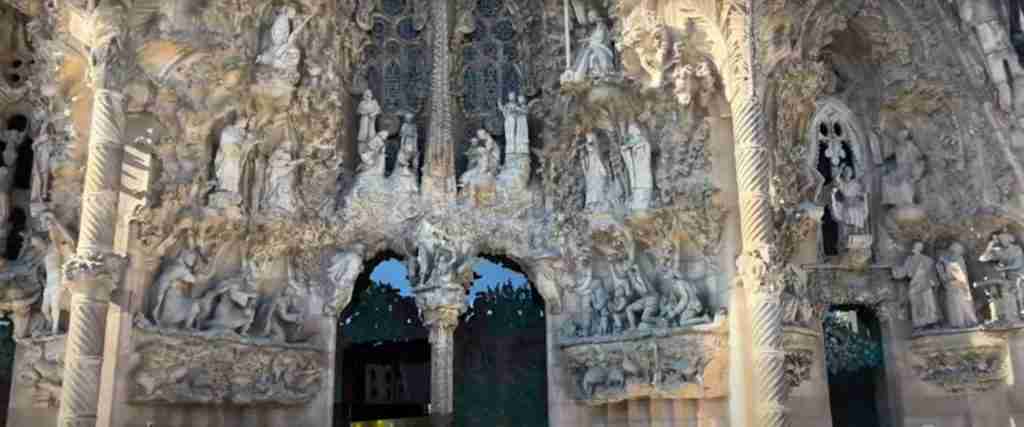
5 days
Catalonia 5-Day Highlights Experience
- ✓ Comprehensive Catalonia experience
- ✓ Expert local guides included
- ✓ All accommodation included
- ✓ Transportation provided
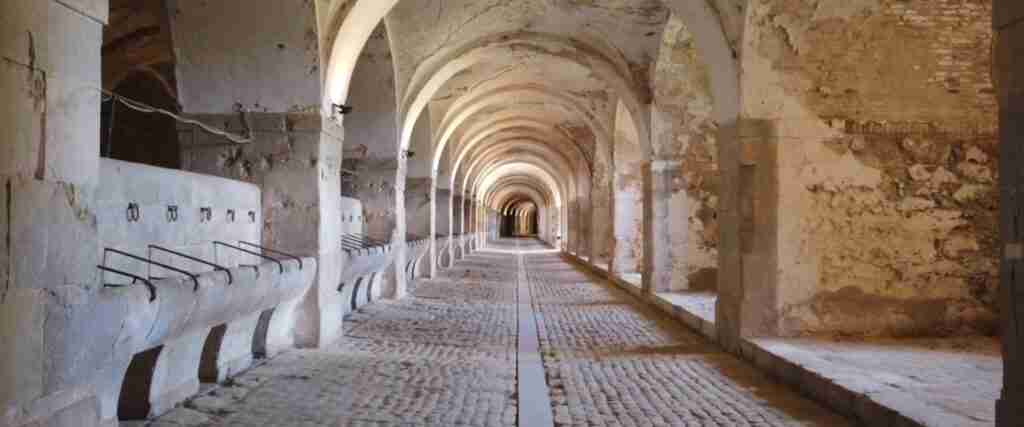
7 days
Catalonia 7-Day Cultural Journey
- ✓ Comprehensive Catalonia experience
- ✓ Expert local guides included
- ✓ All accommodation included
- ✓ Transportation provided
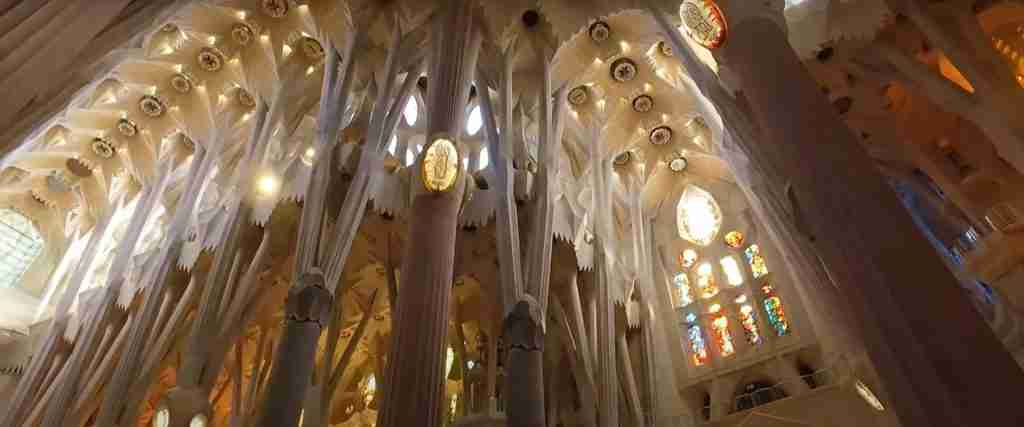
10 days
Catalonia 10-Day Complete Adventure
- ✓ Comprehensive Catalonia experience
- ✓ Expert local guides included
- ✓ All accommodation included
- ✓ Transportation provided
Multi-day tour packages powered by TourRadar. Prices and availability subject to change.
Essential Planning Information for 2026
Understanding Catalonia’s UNESCO Heritage Sites
Catalonia’s seven UNESCO World Heritage sites span two millennia of cultural achievement, from Roman ruins to avant-garde architecture. Works of Antoni Gaudí in Barcelona include Sagrada Família, Park Güell, Casa Milà, Casa Vicens, Casa Batlló, Palau Güell, and Crypt in Colònia Güell, representing the architect’s revolutionary organic modernism and religious symbolism. The Palau de la Música Catalana and Hospital de Sant Pau showcase Lluís Domènech i Montaner’s decorative modernisme style with intricate mosaics, stained glass, and sculptural elements. These Barcelona sites cluster within walkable distances or short metro rides, allowing comprehensive modernist architecture tours within 2-3 days.
Beyond Barcelona, the Catalan Romanesque Churches of the Vall de Boí comprise nine churches and one hermitage in remote Pyrenean valleys, preserving extraordinary 11th-12th century frescoes and Lombard Romanesque architecture. The Archaeological Ensemble of Tárraco in Tarragona protects Roman amphitheater, circus, forum, and city walls from the provincial capital of Hispania Tarraconensis. The Poblet Monastery represents Cistercian monastic architecture at its most complete, with royal pantheon, Gothic cloisters, and fortified walls. The Archaeological Site of Atapuerca near Burgos (shared with Castile y León) contains crucial evidence of early human occupation in Europe spanning 1.2 million years.
Current Costs and Pricing Breakdown for 2026
Barcelona attractions implement tiered pricing based on access levels and added experiences. Sagrada Família costs €26 for basic basilica entry, €36 with tower access, and €45 for guided tour packages in 2026 (check sagradafamilia.org for current official rates as pricing may vary). Park Güell charges €10 for online advance booking, €13 for same-day tickets when available, with monumental zone access from 8:30 AM onward. Casa Batlló ranges €35 for standard admission to €43 for premium experiences with virtual reality and rooftop access. Casa Milà costs €25 for daytime visits, €34 for evening visits with rooftop light shows. Palau de la Música Catalana offers €20 guided tours or €55-180 concert tickets depending on performance and seating.
Museums across Barcelona charge €12-15 standard admission with frequent free entry opportunities. MNAC (National Art Museum of Catalonia) costs €12, free first Sunday monthly and Saturday after 3 PM. Picasso Museum charges €12 for permanent collection, free Thursday evenings 6-9 PM and first Sunday monthly. Barcelona History Museum costs €7 for medieval city and Roman ruins beneath. The Articket BCN pass costs €35 providing entry to six major museums including MNAC, Picasso, Miró, and contemporary art centers, worthwhile for visitors planning extensive museum tours.
Regional destinations beyond Barcelona maintain lower pricing structures. Montserrat monastery museum costs €8, while rack railway costs €14 round-trip from Monistrol, cable car €10 round-trip. Tarragona’s Roman sites charge €3.30 individual monuments or €11.50 combined ticket covering all archaeological areas. Poblet Monastery costs €9 for guided tours, €7 self-guided. Dalí Theatre-Museum in Figueres charges €18 for standard admission, €25 with Dalí-Jewels collection. Wine tastings in Penedès and Priorat range €15-35 for standard experiences at mid-level wineries, €50-120 for premium estates with vineyard tours and paired tastings.
Accommodation Costs and Neighborhood Selection
Barcelona accommodation spans from €35 hostel beds to €400+ luxury hotel rooms, with mid-range hotels averaging €100-160 per night for double occupancy in 2026. Gothic Quarter and Born district hotels range €120-180 per night placing visitors within walking distance of major attractions, medieval architecture, and restaurant concentrations. Eixample district near Sagrada Família and Casa Milà offers €100-150 per night with excellent metro connections and modernist architecture surroundings. Gràcia neighborhood provides local atmosphere at €80-120 per night with family-run hotels, neighborhood restaurants, and Park Güell proximity. Barceloneta beachfront hotels cost €140-220 per night delivering Mediterranean views and seafood restaurants alongside summer crowds and higher prices.
Vacation rentals through Airbnb average €90-140 per night for entire apartments, though Barcelona implements strict regulations limiting short-term rentals in residential buildings. Hostels in Gothic Quarter and Raval offer €25-40 per bed in shared dorms, €60-90 for private rooms, appealing to budget travelers and solo visitors seeking social atmosphere. Boutique hotels in Eixample and Sant Antoni range €160-240 per night providing design-focused accommodations, rooftop terraces, and personalized service. Prices increase 40-60% during peak summer weeks (July-August) and major events like Mobile World Congress (late February), while shoulder season rates (March-May, September-November) offer significant savings.
Beyond Barcelona, Costa Brava beach towns offer vacation rentals €80-150 per night for apartments near beaches in Cadaqués, Tossa de Mar, and Calella de Palafrugell. Rural Catalonia provides agriturismos and countryside hotels €70-120 per night in wine regions, Pyrenean valleys, and mountain villages. Girona hotels cost €60-110 per night in medieval quarter locations. Tarragona accommodation ranges €55-95 per night with Roman ruins proximity. Booking 2-3 months ahead secures best rates and selection, particularly for summer travel and popular neighborhoods in Barcelona.
Barcelona Sightseeing Strategies 2026
Gaudí Architecture Tour Planning
Comprehensive Gaudí architecture tours require 2-3 full days covering seven UNESCO buildings plus additional works across Barcelona. Sagrada Família demands 2-3 hours for thorough exploration, with early morning 9 AM entry slots providing best light and smallest crowds. Tower access adds 45 minutes climbing narrow spiral staircases to elevated viewpoints overlooking construction and city panoramas. Audio guides included with admission provide architectural history, religious symbolism, and construction techniques in 16 languages. Photography allowed throughout interior and facades captures extraordinary natural light filtering through stained glass creating jewel-toned illumination across stone columns and vaulted ceilings.
Park Güell requires 90 minutes to two hours exploring the monumental zone’s mosaic dragon, serpentine bench, hypostyle hall, and Austrian gardens alongside free park areas with city viewpoints. Morning visits before 11 AM avoid peak crowds and afternoon heat during summer months. Casa Batlló and Casa Milà (La Pedrera) each merit 75-90 minutes with audio guides explaining biomorphic design, innovative structural systems, and art nouveau decorative elements. Rooftop terraces at both buildings showcase Gaudí’s sculptural chimneys and ventilation towers alongside Barcelona panoramas. Casa Vicens, Gaudí’s first major commission, offers smaller-scale introduction to his emerging Moorish and geometric influences in 45-60 minute visits.
Palau Güell in Raval district demonstrates Gaudí’s early career mansion design with elaborate ironwork, geometric ceilings, and rooftop chimneys. Crypt in Colònia Güell, located 20 km outside Barcelona requiring train journey, shows Gaudí’s experimental structural work with tilted columns and hyperbolic arches predating Sagrada Família innovations. Budget two hours including 40-minute train ride from Barcelona Sants station. Combining all seven UNESCO Gaudí sites costs €200-240 per person with individual admissions, though no combined pass currently exists making strategic daily planning essential.
Gothic Quarter and Born District Exploration
Barcelona’s medieval core encompasses Gothic Quarter’s Roman foundations, cathedral, and labyrinthine streets alongside Born district’s medieval palaces, basilica, and artisan workshops. Barcelona Cathedral costs €9 donation for entry during most hours, free 8-12:30 PM and 5:45-7:30 PM daily. Gothic cloisters shelter resident geese and medieval garden, while rooftop access (€3 additional) provides old city panoramas. Plaça del Rei’s medieval square and Barcelona History Museum (€7) contains Roman city Barcino beneath street level with remarkably preserved columns, mosaics, and shop foundations from 1st-4th centuries CE.
Santa Maria del Mar basilica in Born district exemplifies Catalan Gothic architecture with soaring nave, minimal decoration, and exceptional acoustics for concerts. Free entry allows exploration during non-service hours, though €10 rooftop and towers tour provides architectural details and harbor views. Palau de la Música Catalana offers €20 guided tours showcasing modernist concert hall’s stained glass skylight, mosaic decorations, and sculptural elements. Evening concerts (€25-120 tickets) present chamber music, choral performances, and jazz in extraordinary architectural setting. El Born Cultural Center (free entry) preserves excavated medieval neighborhood beneath steel and glass structure, documenting 18th century Barcelona life through archaeological remains.
Free walking tours departing from cathedral square morning and afternoon provide 2-3 hour introductions to Gothic Quarter history, architecture, and culture, operating on tips basis with €10-15 per person suggested. Self-guided exploration benefits from starting at Plaça de Catalunya, walking Las Ramblas to harbor, then returning through Gothic Quarter streets discovering hidden plazas, medieval buildings, and neighborhood restaurants. Budget €40-60 daily for Gothic Quarter exploration including museum entries, cathedral donation, and lunch at traditional Catalan restaurant serving €12-15 menú del día.
Museums and Cultural Attractions Planning
Barcelona’s museums span prehistoric archaeology to contemporary art, with strategic planning maximizing free entry opportunities and cultural experiences. MNAC (National Art Museum of Catalonia) houses Europe’s finest Romanesque art collection, including frescoes relocated from Pyrenean churches, plus Gothic, Renaissance, and modern Catalan art in Montjuïc palace setting. Free entry first Sunday monthly and Saturday after 3 PM provides budget access to €12 standard admission. Picasso Museum contains 4,200 works tracing the artist’s development with emphasis on early Barcelona years and Las Meninas series. Free entry Thursday evenings and first Sunday monthly, otherwise €12 standard admission with advance booking essential during peak season.
Joan Miró Foundation on Montjuïc presents comprehensive collection of paintings, sculptures, and graphics by the Catalan surrealist, housed in purpose-built modernist building with sculpture garden and temporary exhibitions. €13 admission includes audio guide. Barcelona Museum of Contemporary Art (MACBA) in Raval focuses on post-1945 international contemporary art with rotating exhibitions and strong local artist representation. €11 admission, free Saturday 4-8 PM. Fundació Antoni Tàpies showcases abstract expressionist works by Catalan artist in modernist building topped by wire sculpture “Cloud and Chair.”
The Articket BCN museum pass at €35 provides entry to six museums: MNAC, Picasso, Miró, MACBA, Tàpies, and CCCB (contemporary culture center). Individual admissions total €70, making pass worthwhile for visitors planning three or more museum visits. Museums operate reduced hours Sundays and Mondays, with some closing Tuesday. Summer hours extend evening openings, while winter months reduce afternoon schedules. Audio guides typically cost €5 additional, though several museums include them with admission or offer free smartphone apps.
Transportation Guide for 2026 Catalonia Travel
Barcelona Public Transit Systems
Barcelona’s integrated transit system combines metro, bus, tram, and suburban trains under TMB operation with unified ticketing through T-Mobilitat card system. The metro operates six color-coded lines covering central Barcelona and reaching major attractions, airports, and train stations. Trains run 5 AM to midnight Sunday-Thursday, 5 AM to 2 AM Fridays, and 24 hours Saturday nights. Metro costs €2.55 single journey or €11.35 for T-Casual 10-journey card allowing unlimited transfers within 75 minutes per validation across metro, bus, tram, and FGC suburban trains. Zones 1 coverage includes central Barcelona and airport, sufficient for most tourist activities.
Bus network operates 100+ routes covering areas beyond metro reach, with same ticketing as metro system. Night buses (Nitbus) operate 10:30 PM-5 AM when metro closes, maintaining essential connections across city. The TMB app provides real-time arrival information, route planning, and digital tickets. Trams serve western districts including Camp Nou stadium and Diagonal Mar coastal areas. FGC suburban trains connect mountain areas including Montserrat, Tibidabo, and Vallvidrera with Barcelona Plaça Catalunya station.
Airport connections include Aerobus shuttle (€5.90 one-way, €10.20 round-trip) running every 5-10 minutes between El Prat Airport and city center in 35 minutes. Metro L9 Sud line (€5.15) reaches airport with multiple transfers required to reach most hotels, taking 50-70 minutes total. Taxis cost €30-35 to central Barcelona with fixed airport rates, worthwhile for early morning or late night arrivals, or groups of three splitting costs. Private transfers through Cabify or Uber range €25-40 depending on destination and time.
Regional Train Network and Day Trip Access
Renfe operates regional trains connecting Barcelona to destinations throughout Catalonia, with Barcelona Sants serving as main hub for long-distance routes. R2 Sud line reaches Sitges beach resort in 35 minutes for €4.60 each way, running every 15-20 minutes throughout day. Trains continue south to Tarragona (70 minutes, €8.50-12 depending on service type) and Valencia. R5 line serves Manresa for Montserrat access in 90 minutes, connecting with rack railway or cable car for final monastery ascent. High-speed AVE trains reach Girona in 38 minutes (€15-25), Figueres in 52 minutes (€20-30), perfect for Dalí museum visits.
North coast destinations require combination of regional trains and local buses. Trains reach Blanes (90 minutes, €9-13) on southern Costa Brava, with buses continuing to Tossa de Mar, Lloret de Mar, and smaller beach towns. Girona serves as hub for northern Costa Brava, with buses to Cadaqués (90 minutes from Girona), Begur, and Pals. Lleida provides access to Pyrenean valleys and Vall de Boí Romanesque churches, though car rental proves more practical for mountain destinations with limited public transit. Wine regions in Penedès require trains to Vilafranca del Penedès (45 minutes, €5-8) plus prearranged winery transportation.
Multi-day rail passes don’t exist for Catalonia, though advance online booking through Renfe website secures 20-40% discounts on long-distance trains versus station purchases. Regional trains use zone-based pricing with T-Mobilitat integration allowing 10-journey cards for frequent travelers. Tickets purchased through Rodalies Renfe smartphone app avoid station queues and provide schedule updates. First and last trains vary by route, typically 5:30 AM-11 PM on major corridors, with reduced frequency Sundays and holidays requiring advance schedule checking.
Car Rental Logistics and Driving Considerations
Renting a car makes sense for exploring rural Catalonia, wine regions, Pyrenean monasteries, and remote Costa Brava coves inaccessible by public transportation. Compact cars cost €35-55 daily including basic insurance, with Barcelona airport location offering widest selection and competitive rates versus city center offices. International chains including Europcar, Hertz, Avis, and Sixt operate alongside Spanish companies like Record Go and Centauro offering lower prices. Minimum age 21 with one year driving experience, though drivers under 25 pay surcharges €15-25 daily. International driving permits recommended though not legally required for EU/US license holders.
Avoid renting cars for Barcelona city exploration where parking costs €25-40 daily at hotels, street parking proves nearly impossible in Gothic Quarter and Eixample, and metro/walking surpass driving efficiency. Pick up rental car departing Barcelona for regional trips, returning before final Barcelona nights. Autopistas (toll highways) charge €8-15 Barcelona to Girona, €12-18 Barcelona to Tarragona, with payment by cash or credit card at exit booths. Secondary roads (carreteras) remain free but increase journey times 30-50%. GPS navigation essential for rural areas with limited signage, available as €10-15 daily rental add-on or through smartphone apps.
Parking in regional towns costs €1.50-3 per hour in blue zones requiring prepaid tickets from machines, with enforcement 9 AM-2 PM and 4-8 PM weekdays. Green zones allow two-hour maximum stays. White lines indicate free parking where available. Coastal towns implement summer parking restrictions with limited space and high demand July-August. Mountain villages generally offer free parking in designated areas near church or village centers. Fuel costs €1.60-1.80 per liter for gasoline, with stations less frequent in mountain areas requiring advance fueling. Spanish drivers maintain lane discipline, though Barcelona traffic moves aggressively requiring defensive driving.
Sample 2026 Catalonia Itineraries
Three-Day Barcelona UNESCO Heritage Focus
Day 1 – Gaudí Masterpieces: Begin early 9 AM at Sagrada Família (€36 with towers, 2.5 hours) exploring basilica interior, facades, and nativity tower climb. Metro to Diagonal for Casa Milà (€25, 90 minutes) examining wavy facade, innovative apartments, and sculptural rooftop. Walk 15 minutes to Casa Batlló (€35, 75 minutes) discovering bone-like balconies, marine-themed interior, and dragon-scale roof. Lunch at nearby restaurant (€15-20 menú del día). Afternoon metro to Lesseps for Park Güell (€10, 90 minutes) exploring mosaic dragon, serpentine bench, and hilltop viewpoints. Evening return to city center via metro. Sagrada Família €36, Casa Milà €25, Casa Batlló €35, Park Güell €10, lunch €18, dinner €35, metro day pass €11, snacks €8. Total day cost: €178 per person (excluding accommodation).
Day 2 – Medieval Barcelona and Modernisme: Start 9 AM at Barcelona History Museum (€7, 90 minutes) exploring Roman Barcino beneath medieval city. Walk through Gothic Quarter to Barcelona Cathedral (€9 donation, 60 minutes) viewing Gothic cloisters and rooftop. Visit Palau de la Música Catalana guided tour (€20, 50 minutes) experiencing modernist concert hall. Lunch in Born district (€15-20). Afternoon at Santa Maria del Mar basilica and Born Cultural Center (free). Evening at Picasso Museum (€12, 90 minutes) if visiting Thursday free entry 6-9 PM, otherwise paid entry. Walk to Barceloneta for seafood dinner (€40-50). Museum €7, cathedral €9, Palau tour €20, Picasso €12 (or free Thursday evening), lunch €18, dinner €45, metro €5, snacks €10. Total day cost: €126 per person (excluding accommodation).
Day 3 – Montjuïc Cultural Hill: Morning bus or funicular to Montjuïc castle (€5 entry, 45 minutes) for harbor panoramas and fortress history. Walk downhill to MNAC (€12 or free first Sunday, 2 hours) exploring Romanesque frescoes and Catalan art. Lunch at museum cafe or nearby restaurant (€15-22). Afternoon at Joan Miró Foundation (€13, 90 minutes) viewing surrealist collection. Visit Olympic Stadium area and Botanical Gardens if time permits. Evening Magic Fountain light show (free, 9 PM summer months). Alternative evening: flamenco show in Gothic Quarter or Poble Sec (€25-40 with drink). Castle €5, MNAC €12, Miró Foundation €13, lunch €18, dinner €35, flamenco €30 (optional), transportation €8, snacks €8. Total day cost: €129 per person (excluding accommodation, €159 with flamenco).
Three-Day Total: Attractions €190-220, meals €210-240, transportation €30-40, incidentals €25-35. Total: €455-535 per person excluding accommodation (€120-180 nightly = €360-540 for three nights). Complete three-day Barcelona heritage experience: €815-1,075 per person.
Five-Day Catalonia UNESCO Circuit
Days 1-2 Barcelona: Follow Day 1 and Day 2 itineraries above focusing on Gaudí sites and medieval core. Day costs €178 and €126 respectively, totaling €304.
Day 3 – Montserrat and Colònia Güell: Train from Barcelona Sants to Monistrol de Montserrat (€8.50 round-trip, 90 minutes total transit). Rack railway to monastery (€14 round-trip). Explore basilica (free), Black Madonna shrine, museum (€8), and mountain hiking trails. Lunch at monastery cafeteria or pack picnic (€12-18). Afternoon descent and train to Colònia Güell station for Gaudí Crypt (€10, 60 minutes). Return Barcelona evening. Train €8.50, rack railway €14, museum €8, Crypt €10, meals €20, snacks €8. Total day cost: €68.50 per person (excluding accommodation).
Day 4 – Tarragona Roman Heritage: Morning train Barcelona to Tarragona (€16-24 round-trip depending on service, 70 minutes). Visit Archaeological Museum (€5), Roman Amphitheater (€3.30), Circus (€3.30), Forum complex (€3.30), or combined ticket (€11.50). Walk medieval quarter and cathedral (€5). Seafood lunch at port (€20-28). Afternoon beach walk and Balcony of the Mediterranean viewpoint. Return Barcelona evening or overnight in Tarragona (accommodation €55-95). Train €20, combined archaeological ticket €11.50, cathedral €5, lunch €24, dinner €30 (Barcelona) or €18 (Tarragona), transportation €8. Total day cost: €86.50 per person (excluding accommodation).
Day 5 – Poblet Monastery and Wine Country: Rent car Barcelona (€45 daily), drive 90 minutes to Poblet Monastery (€9 guided tour, 90 minutes) exploring Cistercian architecture and royal pantheon. Continue to Priorat wine region for winery lunch and tasting (€40-60) at estate like Clos Mogador or Álvaro Palacios. Afternoon wine tour or drive to Siurana medieval village perched above reservoir. Return Barcelona evening (fuel €25). Alternative: Train to Lleida (€25-35 round-trip) and taxi to Poblet (€40 round-trip), eliminating car costs but reducing flexibility. Car rental €45, fuel €25, monastery €9, wine tasting lunch €50, dinner €25, snacks €10. Total day cost: €164 per person (excluding accommodation) or €149 with train option.
Five-Day Total: Attractions and experiences €420-480, meals €380-440, transportation including car rental €180-220, incidentals €50-70. Total: €1,030-1,210 per person excluding accommodation (€100-160 nightly = €400-640 for four nights in Barcelona plus possible Tarragona night). Complete five-day Catalonia UNESCO circuit: €1,430-1,850 per person.
Week-Long Catalonia Comprehensive Tour
Days 1-3: Follow three-day Barcelona itinerary above (€455-535 excluding accommodation).
Day 4 – Costa Brava North: Train to Figueres (€20-30 round-trip, 52 minutes) for Dalí Theatre-Museum (€18, 2 hours) exploring surrealist’s largest collection in his hometown. Lunch in Figueres (€15-20). Optional: Train continuation to Port Bou or bus to Cadaqués (additional €12-15 each way, 90 minutes) for seaside village and Dalí house museum (€15). Return Barcelona evening or overnight Cadaqués for sunset and morning beach. Train €25, Dalí museum €18, lunch €18, Cadaqués bus €15 (optional), Dalí house €15 (optional), dinner €30, snacks €8. Total day cost: €114-129 per person depending on Cadaqués inclusion (excluding accommodation).
Day 5 – Girona Medieval City: Train to Girona (€15-25 round-trip, 38 minutes). Walk medieval walls (free), visit Cathedral (€7), Arab Baths (€2), Jewish Quarter (free walking), and colorful Onyar River houses. Lunch in Old Town (€15-22). Afternoon shopping or museum visits including Art Museum (€6) and Cinema Museum (€6). Return Barcelona evening. Train €20, Cathedral €7, Arab Baths €2, museums €12 (optional), lunch €18, dinner €30, snacks €8. Total day cost: €97 per person (excluding accommodation, €109 with museums).
Day 6 – Penedès Wine Region: Train to Vilafranca del Penedès (€10 round-trip, 45 minutes). Prearranged winery tour with English guide visiting 2-3 estates (€60-80 including lunch and tastings) or rent car in Barcelona for self-drive winery visits. Top wineries include Torres, Gramona, and Raventós i Blanc offering tours €15-25 plus tastings €8-15 per winery. Afternoon Sant Sadurní d’Anoia for cava cellars. Return Barcelona evening. Train €10, winery tour with lunch €70, additional tasting €10, dinner €25, snacks €8. Total day cost: €123 per person (excluding accommodation).
Day 7 – Sitges Beach Town and Wrap-up: Train to Sitges (€9.20 round-trip, 35 minutes). Morning beach relaxation, walk promenade and Old Town. Visit Cau Ferrat Museum (€10) and Maricel Museum (€10). Seafood lunch at beachfront restaurant (€25-35). Afternoon beach or return Barcelona for final shopping, missing museum visits, or neighborhood exploration. Farewell dinner in Barcelona (€45-60 for quality restaurant). Train €10, museums €20, lunch €30, beach club €15 (optional lounger rental), dinner €50, snacks €8. Total day cost: €128-143 per person (excluding accommodation).
Week Total: Attractions and experiences €680-800, meals €560-680, transportation €140-180, incidentals €80-110. Total: €1,460-1,770 per person excluding accommodation (€100-160 nightly = €600-960 for six nights). Complete week-long comprehensive Catalonia experience: €2,060-2,730 per person.
Money-Saving Strategies for 2026
Advance Booking Benefits and Discounts
Booking Gaudí sites 2-3 months ahead secures availability at standard online prices without premium last-minute surcharges. Sagrada Família occasionally adds €5-8 to same-week bookings during peak season when available. Hotel rates drop 15-25% booking 60-90 days ahead versus last-minute rates, particularly for mid-range and boutique properties in popular neighborhoods. Airline tickets to Barcelona average 30-40% cheaper purchasing 8-12 weeks before summer travel, 4-6 weeks for shoulder season trips. Monitor rates starting 120 days out, booking when prices dip rather than waiting until close to departure.
Museum free entry days eliminate €70-90 admission costs for Barcelona’s major museums. First Sunday of each month provides free access to MNAC, Picasso Museum, and numerous others. Thursday evenings 6-9 PM grant free Picasso Museum entry. Saturday afternoons after 3 PM offer free MNAC access. Planning visits around free admission days requires flexibility but yields significant budget savings. Articket BCN pass at €35 saves €35 versus individual admissions when visiting all six included museums, breaking even at three museums and saving considerably with complete circuit.
Rail passes don’t exist for Catalonia, but Renfe advance online booking saves 20-40% versus station purchases on intercity routes. Purchasing round-trip tickets simultaneously secures better rates than separate one-way purchases. T-Casual 10-journey metro cards reduce per-trip costs to €1.14 versus €2.55 single tickets, a 55% savings essential for multi-day Barcelona stays. Restaurant menú del día lunch specials (€12-18) deliver three courses plus drink or coffee for 40-50% less than equivalent evening dining, making lunch the main meal practical for budget optimization.
Seasonal Pricing and Shoulder Season Value
Shoulder seasons (March-May, September-November) reduce accommodation costs 30-50% versus peak summer weeks while maintaining excellent weather for sightseeing. Barcelona hotels charging €180-280 in August drop to €100-160 in October, identical facilities and service at significantly lower rates. Restaurants in tourist zones offer better value outside summer peaks when kitchen quality remains high but pressure lessens. Costa Brava beach towns transform from expensive summer resorts to affordable coastal bases in May and September when Mediterranean remains swimmable but crowds vanish.
Winter months (December-February excluding holidays) deliver lowest prices with Barcelona hotels at €70-110 per night and reduced crowds at major attractions. Sagrada Família and Park Güell maintain minimal queues allowing walk-up purchases occasionally, though advance booking remains recommended. Winter weather averages 8-15°C with sunshine most days, suitable for urban exploration and museums though uncomfortable for beach activities. Christmas markets, January sales, and cultural programming maintain city vibrancy despite reduced tourist numbers.
Avoiding peak weeks saves substantially regardless of season. Easter week, Mobile World Congress (late February), and mid-August see hotel rates spike 50-100% above baseline. Local festivals like La Mercè (late September) and Sant Jordi (April 23) increase demand but generally less dramatically than business conferences or summer peak. Monitoring local event calendars during booking identifies dates to avoid or embrace depending on budget priorities and interest in cultural celebrations.
Free Activities and Budget Alternatives
Barcelona offers extensive free activities balancing paid attraction costs. Beaches stretch seven kilometers from Port Olímpic to Forum providing swimming, sunbathing, and beach volleyball at no cost May-October. Park de la Ciutadella contains waterfall monument, lake with rowboats (€6 rental), and free green space popular for picnics and relaxation. Bunkers del Carmel deliver best city panoramas entirely free, requiring uphill walk but rewarding with 360-degree views, particularly stunning at sunset. Numerous free walking tours operate on tips basis (€10-15 per person expected) covering Gothic Quarter, modernisme architecture, or food neighborhoods.
Sunday afternoon and evening street markets including Las Ramblas, El Raval, and Barceloneta create vibrant atmosphere without entry costs. Beach volleyball, skateboarding, and outdoor gyms along waterfront require no fees. Mountain biking in Collserola Natural Park reaches hilltop viewpoints and trails through Mediterranean forest above city. The Magic Fountain light show operates weekend evenings (summer) free of charge with choreographed water, music, and illumination displays. Churches including Santa Maria del Mar and cathedral allow free entry outside service hours, with donation boxes suggesting but not requiring contributions.
Supermarket picnics reduce meal costs to €8-12 daily versus €40-60 restaurant dining. Mercadona, Lidl, and Carrefour Express stores stock fresh produce, prepared foods, cheese, wine, and bread throughout neighborhoods. Food halls including Mercat de la Boqueria, Mercat de Santa Caterina, and Mercat Sant Antoni offer grab-and-go options €5-10 for meals assembled from market vendors. Tap water throughout Catalonia remains safe and drinkable, eliminating bottled water costs €2-3 daily. University cafeterias in Raval and other neighborhoods serve €8-10 fixed-price lunches to public, not just students.
Practical Information for 2026 Visits
Language and Cultural Communication
Catalan serves as primary language throughout Catalonia alongside Spanish, with both appearing on signage, menus, and official communications. Most Barcelona tourism workers speak functional English, particularly at major attractions, hotels, and international restaurants. Learning basic Spanish phrases assists in neighborhood restaurants, markets, and smaller towns where English proves less common. Catalan bears similarity to Spanish, French, and Italian, making romance language speakers generally comprehensible. Translation apps on smartphones bridge communication gaps, though personal effort attempting Spanish or Catalan earns appreciation from locals who distinguish tourists showing cultural respect from those expecting English everywhere.
Cultural etiquette emphasizes later dining schedules with lunch 2-3:30 PM and dinner after 9 PM standard practice. Restaurants serving 7 PM identify primarily tourist clientele rather than local dining culture. Greetings involve cheek kissing (two kisses, right cheek first) for acquaintances, though handshakes suffice for formal or initial business interactions. Service staff expect polite address with “hola” and “gracias” basics, while shouting across restaurants to summon waiters registers as rude. Tipping rounds up bills or adds 5-10% for good service, though not obligatory as service charge typically includes in prices.
Catalonian identity carries political significance with many residents preferring Catalan language, flags, and cultural markers over Spanish equivalents. Addressing everyone as “Spanish” or assuming Barcelona equals Spain can cause offense. References to “Catalonia” and “Catalan culture” demonstrate awareness of regional identity and autonomy discussions. Avoid political debates about independence movements unless locals initiate conversation, respecting divided opinions and complex history. Regional pride manifests through language preservation, cultural traditions, and architectural heritage celebration rather than hostility toward visitors showing cultural sensitivity.
Safety and Health Considerations
Barcelona experiences petty theft targeting tourists, particularly pickpocketing on Las Ramblas, metro lines, and crowded attractions. Wear cross-body bags in front of body, secure valuables in inside pockets, and maintain awareness in tourist zones and public transit. Distraction techniques involve locals creating diversions while accomplices steal belongings. Hotel room safes protect passports, extra cash, and electronics when sightseeing. Avoid wearing expensive jewelry or displaying camera equipment unnecessarily. Police maintain visible presence in tourist areas, though prevention surpasses recovery for pickpocketing incidents.
Emergency medical services operate through EU standard 112 number providing ambulance, police, or fire response. Hospital Clínic, Hospital del Mar, and other major facilities offer emergency care. EU citizens use European Health Insurance Card (EHIC) for public healthcare access, while non-EU visitors require travel insurance covering medical emergencies. Pharmacies (farmàcies) identified by green crosses provide over-counter medications, basic health advice, and prescription fulfillment with many locations open late or operating 24-hour rotations. Tap water throughout region remains safe for drinking. Summer heat requires sun protection, hydration, and avoiding midday exposure during intense July-August temperatures.
Terrorism concerns remain elevated throughout Europe with Barcelona experiencing 2017 Las Ramblas attack. Authorities maintain security presence at major attractions, stations, and public spaces. Stay alert to surroundings, report suspicious behavior, and follow official guidance during any incidents. Register with embassy or consulate if staying extended periods. Political demonstrations occasionally occur, particularly around Catalan independence dates, generally remaining peaceful though creating traffic disruption. LGBTQ travelers find Barcelona highly accepting with vibrant scene concentrated in Eixample “Gaixample” district. Women traveling solo encounter minimal harassment compared to other Mediterranean destinations, though standard urban awareness applies in bars and nightlife areas.
Connectivity and Digital Services
WiFi appears throughout Barcelona at hotels, restaurants, cafes, and major attractions, typically requiring password access rather than open networks. Metro stations and trains lack reliable connectivity though 5G mobile signals cover most above-ground areas. EU residents use domestic mobile plans without roaming charges under EU regulations. Non-EU visitors benefit from purchasing Spanish SIM cards (€15-25 for 2-4 week data plans with 10-20GB) at airport, metro stations, or mobile shops including Orange, Vodafone, and Movistar. Unlocked phones required for SIM swapping. International roaming charges vary by home carrier with some US/Canadian providers offering affordable European packages worth investigating before purchasing local SIM.
Essential smartphone apps include TMB Barcelona for public transit route planning and real-time arrivals, Renfe for regional train booking and schedules, Citymapper for comprehensive journey planning, Google Maps for navigation, and Google Translate for language assistance. Download offline map areas before losing connectivity. Barcelona attractions increasingly require online ticket booking with QR code admission rather than physical tickets, making charged smartphone essential. Portable battery packs prove valuable for full-day sightseeing preventing dead phone preventing museum entry, transportation, or communication.
ATMs throughout city center dispense euros with major networks accepting international cards, though foreign transaction fees and ATM operator charges total 3-5% plus fixed fees €3-5 per withdrawal. Withdraw larger amounts less frequently minimizing fixed fee impact. Notify banks before travel preventing fraud alerts blocking cards. Credit cards work widely at hotels, restaurants, and shops, though smaller establishments and markets prefer cash. Contactless payment operates at metro stations and many retailers. Banking apps provide real-time exchange rates and transaction monitoring detecting any fraudulent charges quickly.
FAQ: Catalonia Travel Planning 2026
How many days should I spend in Catalonia?
Five to seven days allows comprehensive Catalonia exploration covering Barcelona’s major Gaudí sites, medieval quarters, museums, plus day trips to Montserrat, Tarragona Roman ruins, or Costa Brava beaches. Three days suits Barcelona-focused visits hitting essential Sagrada Família, Park Güell, Gothic Quarter, and one or two museums. Ten days to two weeks enables deep Barcelona exploration plus extended regional travel including Pyrenean monasteries, wine country, multiple coastal towns, and Girona medieval city. First-time visitors typically spend 3-4 days in Barcelona then 2-3 days exploring regional UNESCO sites and Mediterranean coast.
Do I need to speak Catalan or Spanish?
English functions adequately at major Barcelona attractions, hotels, and international restaurants, though basic Spanish proves helpful in neighborhood establishments, markets, and smaller towns beyond Barcelona. Most Catalans speak Spanish fluently alongside Catalan, accommodating Spanish speakers easily. Attempting greetings and basic phrases in Catalan earns appreciation: “bon dia” (good morning), “gràcies” (thank you), “sisplau” (please). Translation apps bridge remaining gaps, though personal effort attempting local language demonstrates cultural respect distinguishing thoughtful travelers from those expecting English universally.
Is Barcelona safe for tourists?
Barcelona ranks as reasonably safe city with primary concern involving pickpocketing and bag snatching rather than violent crime. Exercise standard urban awareness including securing valuables, using cross-body bags worn in front, avoiding phone display in crowded areas, and maintaining alertness on metro and Las Ramblas. Hotel safes protect passports and extra cash. Neighborhoods including Gothic Quarter, Raval, and Barceloneta remain safe walking during evening hours following common sense precautions. Report theft to police for insurance claims though recovery remains unlikely. Overall safety compares favorably to other major European cities with millions of annual visitors experiencing incident-free travel.
What’s the best base for exploring Catalonia?
Barcelona serves as optimal base for Catalonia exploration, offering widest accommodation selection, best public transit connections, and day trip accessibility to most regional attractions within two hours. Stay in Eixample district for metro access to both Gaudí sites and Gothic Quarter, Gràcia neighborhood for local atmosphere near Park Güell, or Gothic Quarter for medieval ambiance and central location. Girona makes alternative base for northern Costa Brava access with medieval charm and lower costs than Barcelona. Coastal towns like Sitges or Cadaqués suit beach-focused trips but complicate inland cultural site access. Wine region accommodations work for driving-based trips but lack public transit connections to Barcelona attractions.
Can I visit Catalonia’s UNESCO sites in one trip?
Visiting all seven Catalonia UNESCO properties requires 5-7 days minimum with strategic planning and transportation. Barcelona contains nine Gaudí buildings requiring 2-3 days, plus Palau de la Música Catalana and Hospital de Sant Pau accessible in additional day. Poblet Monastery reaches via 90-minute drive or train-taxi combination, suitable as day trip or overnight. Tarragona Roman sites visit via 70-minute train as comfortable day trip. Vall de Boí Romanesque churches require car rental for remote Pyrenean access, combining with overnight mountain stay. Atapuerca site near Burgos falls outside typical Catalonia circuits requiring dedicated trip or Spain road trip extension. Most visitors prioritize Barcelona’s seven Gaudí sites plus 1-2 regional properties based on interests.
How do I book Sagrada Família tickets?
Book Sagrada Família tickets exclusively through official website sagradafamilia.org selecting specific date and entry time slot 2-3 months ahead for summer visits, 3-4 weeks ahead for shoulder seasons. Basic entry costs €26, entry with tower access €36, guided tour €49 in 2026. Morning 9-10 AM slots provide best natural light and smallest crowds. Avoid third-party resellers charging markups or offering “skip-line” access that standard online tickets already provide. Present confirmation email QR code on smartphone or printed paper at entrance. Audio guides include with admission in 16 languages. Allow 2-2.5 hours minimum for thorough exploration, 3 hours with tower access and leisurely pace.
What’s the difference between Catalan and Spanish cuisine?
Catalan cuisine emphasizes seafood, mountain ingredients, and combinations like mar i muntanya (sea and mountain) mixing meat and fish in single dishes. Signature dishes include escalivada (roasted vegetables), esqueixada (salt cod salad), suquet de peix (fish stew), botifarra amb mongetes (sausage with beans), and crema catalana (custard dessert). Pa amb tomàquet (bread with tomato) appears at every meal as Catalan staple. Barcelona specializes in vermouth culture and xampanyeria (cava bars) alongside wine. Spanish tapas exist but Catalonia favors sit-down meals over continuous small plates. Catalan cooking incorporates more Mediterranean vegetables and seafood compared to central Spanish emphasis on cured meats and heartier stews, reflecting coastal geography and French influence across Pyrenean border.
Is Barcelona expensive compared to other European cities?
Barcelona costs moderate-to-expensive relative to Europe, cheaper than London, Paris, or Zurich but pricier than Lisbon, Prague, or Budapest. Accommodation €100-160 per night (mid-range), meals €40-60 daily, and attraction entries €25-40 daily positions Barcelona similar to Rome, Amsterdam, or Vienna. Budget travelers spending €70-100 daily manage through hostel stays, market food, free activities, and public transit. Luxury budgets €300-500 daily access premium hotels, fine dining, and private experiences. Strategic planning using free museum days, menú del día lunches, and shoulder season rates reduces costs substantially. Overall value rates good considering quality attractions, Mediterranean climate, beach access, and cultural richness compared to similar-priced northern European cities.
Do I need a car in Catalonia?
Skip car rental for Barcelona-focused trips where metro, walking, and occasional taxis surpass driving efficiency while avoiding parking costs €25-40 daily. Public transit connects Barcelona to Montserrat, Tarragona, Sitges, Girona, and Figueres making major destinations accessible without vehicle. Rent car for exploring wine regions (Penedès, Priorat), remote Pyrenean monasteries including Vall de Boí Romanesque churches, and rural Costa Brava coves lacking bus service. Car rental makes sense for 3+ travelers splitting costs, extended regional trips beyond public transit, or visitors valuing flexibility over urban convenience. Pick up rental departing Barcelona, use for 2-3 days exploring countryside, return before final Barcelona nights avoiding city parking hassles and maximizing both transit systems’ advantages.
What should I pack for Catalonia in different seasons?
Summer (June-September) requires lightweight breathable clothing, sun hat, quality sunscreen, swimsuit for beaches, walking shoes for sightseeing, and light sweater for air-conditioned museums and restaurants. Spring and fall (March-May, October-November) need layering pieces including jacket for cool mornings and evenings, rain jacket for occasional showers, comfortable walking shoes, and versatile clothing for 15-25°C temperature ranges. Winter (December-February) calls for warm jacket, long pants, closed shoes, and sweater for 8-15°C temperatures, though rarely requiring heavy winter coats. All seasons benefit from cross-body bag for secure valuables, portable phone battery, comfortable walking shoes for cobblestone streets and metro stairs, and modest clothing covering shoulders and knees for church visits. Umbrella proves useful year-round for unexpected rain, particularly autumn and spring.