Castile and León Travel Guide: Spain’s UNESCO Heartland
Key Takeaways:
- Castile and León contains eight UNESCO World Heritage sites including Burgos Cathedral, Salamanca University city, Segovia Roman aqueduct, and Ávila medieval walls
- The region preserves Spain’s most complete medieval urban landscapes with fortified cities, Gothic cathedrals, and royal palaces spanning Reconquista history
- Architectural treasures range from Roman engineering marvels to Gothic masterpieces, Renaissance universities, and Baroque monastery complexes
- Cultural significance encompasses Spain’s literary golden age, Christian-Islamic-Jewish heritage, and origins of Castilian language and Spanish empire
- Gastronomic traditions include Ribera del Duero and Rueda wines, lechazo (roast lamb), Salamanca jamón ibérico, and traditional tapas culture
- Strategic central plateau location connects Madrid to northern Spain with extensive rail and highway networks accessing UNESCO heritage sites
Introduction to Castile and León Heritage
Castile and León forms Spain’s largest autonomous community, stretching across the northern Meseta Central plateau from Portugal to La Rioja, encompassing historic kingdoms that forged modern Spain through Reconquista campaigns and New World conquests. The region’s name reflects 1983 merger of Old Castile and León kingdoms, though both maintained distinct identities for eight centuries prior. Eight UNESCO World Heritage sites anchor extraordinary cultural landscape preserving medieval fortifications, Renaissance urbanism, Romanesque architecture, and prehistoric archaeology alongside literary landmarks, pilgrimage routes, and royal monasteries that shaped European history.
Geographic diversity spans windswept plateaus at 800-1,000 meters elevation, Duero River valley vineyards, Picos de Europa mountain ranges exceeding 2,600 meters, and agricultural plains producing Spain’s finest wheat and legumes. Continental climate brings hot, dry summers reaching 35°C and cold winters dropping below freezing with occasional snowfall transforming Segovia and Ávila into winter postcards. Nine provinces—León, Zamora, Salamanca, Valladolid, Palencia, Burgos, Soria, Segovia, and Ávila—contain over 1,800 protected cultural sites including 300+ castles giving Castile (Castilla) its name meaning “land of castles.”
This comprehensive guide explores Castile and León’s UNESCO World Heritage treasures, architectural evolution from Roman aqueducts through Gothic cathedrals to Plateresque universities, cultural traditions spanning Christian-Islamic-Jewish coexistence, literary connections to Cervantes and picaresque novels, and gastronomic heritage centered on roast meats, aged wines, and pastoral traditions. Understanding this heartland reveals Spain’s transformation from frontier Christian kingdoms battling Islamic al-Andalus into global empire exporting language, religion, and culture across continents. The journey through walled cities, university halls, and monastery cloisters illuminates foundations of Hispanic civilization.
People Also Ask About Castile and León Heritage
Why does Castile and León have so many UNESCO sites?
Castile and León accumulated eight UNESCO World Heritage designations through exceptional preservation of medieval urban landscapes, architectural innovations, and cultural landmarks spanning 2,000 years of continuous occupation. The region served as Christian kingdoms’ frontier against Islamic al-Andalus for four centuries (711-1085 CE), creating fortified cities like Ávila with Europe’s best-preserved medieval walls and Segovia combining defensive position with economic prosperity. Royal patronage funded Gothic cathedral construction in Burgos and León representing architectural pinnacles of their eras, while Renaissance humanism transformed Salamanca into Europe’s premier university city with Plateresque facades unmatched elsewhere.
Geographic centrality positioned Castilian cities as political capitals alternating between Toledo, Valladolid, and eventually Madrid, concentrating royal building projects, religious institutions, and intellectual activity. The Camino de Santiago pilgrimage route traversing Castile and León brought European architectural influences, merchant wealth, and cultural exchange fostering artistic flowering. Relatively stable 19th-20th century development preserved historic cores that industrialization destroyed elsewhere in Europe, maintaining authentic medieval streetscapes and building ensembles. Archaeological significance emerges at Atapuerca caves containing Europe’s oldest human fossils, while Las Médulas Roman gold mines demonstrate ancient engineering at monumental scale.
What makes Castilian architecture distinctive?
Castilian architecture synthesizes Roman engineering foundations, Islamic decorative influences, French Gothic structural innovations, and indigenous Mudéjar craftsmanship into styles unique to central Spain. Romanesque churches dotting countryside display heavy stone construction with minimal ornamentation suited to frontier conditions where religious buildings doubled as defensive refuges. Gothic cathedrals in Burgos and León adopted French rayonnant style with soaring heights, flying buttresses, and stained glass expanses but incorporated wider naves for processional ceremonies reflecting Spanish liturgical practices and Muslim-influenced spatial concepts.
Plateresque style emerged during Renaissance combining Gothic structures with intricate sculptural decoration resembling silverwork (platería), exemplified by Salamanca University facade with medallions, heraldic shields, and symbolic figures covering every surface. Mudéjar architecture reflects Christian patrons employing Islamic craftsmen, creating hybrid brick buildings with geometric patterns, horseshoe arches, and ceramic tilework particularly evident in Toledo, Sahagún, and Arévalo. Spanish Baroque adds dynamic facades and gilded altarpieces to austere Herreran classicism, culminating in Churrigueresque exuberance at Salamanca’s Plaza Mayor. This layered architectural evolution creates palimpsest cities where Roman walls support medieval churches topped with Renaissance towers overlooking Baroque plazas.
How did Salamanca University influence Spanish culture?
Salamanca University, founded 1218 and receiving royal charter 1254, developed into medieval Europe’s third most prestigious university after Bologna and Paris, shaping Spanish intellectual life, language standardization, and colonial administration for seven centuries. The university produced Spain’s Golden Age writers including Fray Luis de León and poets of the School of Salamanca, while theology faculty influenced Catholic Counter-Reformation doctrine through figures like Francisco de Vitoria pioneering international law concepts. Christopher Columbus consulted Salamanca astronomers regarding Atlantic voyage feasibility, and university graduates staffed colonial bureaucracies administering New World territories from Mexico to Philippines.
Linguistic legacy includes Antonio de Nebrija’s 1492 Castilian grammar, first published grammar of modern European language, standardizing Spanish as imperial administrative tongue and literary medium. Salamanca’s cosmopolitan student body attracted Portuguese, Italian, French, and German scholars creating intellectual exchange network spreading Renaissance humanism throughout Catholic Europe. The university’s astronomical observations contributed to Gregorian calendar reform, while medical school advanced anatomical studies and pharmaceutical knowledge. Architectural patronage transformed medieval city into Renaissance showcase with Plateresque facades demonstrating scholarly wealth and humanist ideals through classical motifs and symbolic iconography celebrating knowledge, virtue, and Catholic orthodoxy.
What role did Castile play in Spanish unification?
Castile provided political leadership, military force, language, and administrative structures that unified Iberian kingdoms into Spanish state between 1469-1516. Isabella I of Castile’s 1469 marriage to Ferdinand II of Aragon joined peninsula’s two largest Christian kingdoms while maintaining separate institutions and laws. Castilian armies completed Reconquista capturing Granada 1492, extended authority over Navarre 1512, and conquered Canary Islands, establishing territorial core of modern Spain. The Castilian language became administrative standard spreading through conquest and settlement, evolving into modern Spanish spoken by 500+ million people globally.
Castilian institutions including Cortes (parliament), administrative councils, and legal codes provided templates for unified Spanish governance. Economic power concentrated in Mesta wool guild, Medina del Campo fairs, and Burgos merchant networks financed exploration and colonial ventures. Royal residences alternating between Burgos, Valladolid, and Segovia established Castile’s political primacy before Madrid’s 1561 designation as permanent capital. Cultural dominance manifested through Castilian literature, religious orthodoxy, and social customs becoming “Spanish” standards. However, Castilian hegemony generated lasting tensions with Catalonia, Basque Country, and Galicia regarding linguistic rights, fiscal autonomy, and regional identity, continuing into contemporary Spanish politics.
Why are there so many castles in Castile and León?
Castile and León contains over 300 castles, more than any European region of comparable size, reflecting four centuries (711-1085 CE) as frontier between Christian kingdoms and Islamic al-Andalus requiring extensive military fortifications. The Duero River valley formed shifting border zone where neither Christian nor Muslim forces maintained permanent control, necessitating castle networks controlling river crossings, agricultural valleys, and strategic heights. Christian kingdoms granted land and titles to nobles who constructed castles fulfilling feudal obligation to defend territory, creating aristocratic families whose fortress-centered estates dominated regional politics for centuries.
Architectural diversity reflects evolving military technology from early Reconquista watchtowers through concentric-walled 13th century fortresses to 15th century artillery-resistant designs. Many castles originated as Islamic alcazabas (fortresses) captured and modified by Christian forces, combining Moorish building techniques with European castle architecture. Post-Reconquista decline saw castles transition from military fortifications to aristocratic residences, adding Renaissance palaces within medieval walls. Strategic locations atop dramatic rock outcrops created defensive advantages while producing the romantic silhouettes defining Castilian landscapes immortalized in literature and visual arts as symbols of medieval chivalry, Christian-Muslim conflict, and Spanish martial tradition.
Extended multi-day tours – 5+ days
Featured Spain Multi-Day Tour Packages
3 days
Spain 3-Day Discovery Tour
- ✓ Comprehensive Spain experience
- ✓ Expert local guides included
- ✓ All accommodation included
- ✓ Transportation provided
5 days
Spain 5-Day Highlights Experience
- ✓ Comprehensive Spain experience
- ✓ Expert local guides included
- ✓ All accommodation included
- ✓ Transportation provided

7 days
Spain 7-Day Cultural Journey
- ✓ Comprehensive Spain experience
- ✓ Expert local guides included
- ✓ All accommodation included
- ✓ Transportation provided

10 days
Spain 10-Day Complete Adventure
- ✓ Comprehensive Spain experience
- ✓ Expert local guides included
- ✓ All accommodation included
- ✓ Transportation provided
Multi-day tour packages powered by TourRadar. Prices and availability subject to change.
Burgos Cathedral: Gothic Architectural Pinnacle
Historical Development and Construction
Burgos Cathedral represents Spanish Gothic architecture’s supreme achievement, constructed 1221-1567 combining French structural innovations with Spanish decorative exuberance and German artistic influences. King Ferdinand III laid the foundation stone 1221 on earlier Romanesque cathedral site, employing Master Enrique from French cathedral workshops who introduced rayonnant Gothic style to Spain. Initial construction completed main transept, choir, and west facade by 1260, though subsequent centuries added chapels, spires, and decorative programs transforming the building into increasingly elaborate showcase. The German artist Juan de Colonia designed distinctive openwork spires 1442-1458 inspired by Germanic Gothic verticality, becoming cathedral’s most recognizable features visible across city.
Major 15th-16th century additions include Capilla del Condestable (Constable’s Chapel) designed by Simón de Colonia 1482-1494, octagonal chapel with star-vaulted ceiling considered Spanish late Gothic masterpiece. The cimborio (lantern tower) over crossing collapsed 1539, reconstructed 1540-1568 by Juan de Vallejo with Renaissance-influenced design incorporating classical elements alongside Gothic structure. Chapel patronage by noble families and merchant guilds funded elaborate altarpieces, tombs, choir screens, and paintings creating accumulated artistic treasures spanning four centuries. UNESCO designation 1984 recognized outstanding universal value as Gothic architectural ensemble with exceptional artistic unity despite extended construction period.
Architectural Features and Artistic Elements
The cathedral’s facade presents tripartite organization with central rose window, pointed arch portals, and twin spires reaching 84 meters height. Sculptural programs depict Last Judgment, biblical narratives, and Castilian kings with exceptional detail in stone carving demonstrating 13th century artistic sophistication. Interior spaces soar 27 meters to Gothic vaults supported by compound piers and flying buttresses, creating luminous volume enhanced by stained glass filtering colored light across limestone surfaces. The cathedral measures 106 meters length with three naves, transept, ambulatory, and radiating chapels following French Gothic cathedral plan adapted to Spanish liturgical requirements.
Capilla del Condestable showcases Isabelline Gothic style blending Germanic structural complexity with Spanish decorative intensity. Star vaults spring from clustered columns creating geometric ceiling patterns, while walls display heraldic shields, sculptural figures, and intricately carved stone tracery. The chapel contains tomb of Constable of Castile Pedro Fernández de Velasco and wife Mencía de Mendoza in white Carrara marble carved by Felipe Bigarny with Renaissance realism. Main altarpiece rises six stories with painted panels and gilded sculptures depicting religious narratives in overwhelming visual complexity characteristic of Spanish late Gothic aesthetic.
Choir stalls carved 1505-1512 by Felipe Bigarny present 103 walnut seats with biblical scenes, grotesques, and armrests depicting human figures demonstrating Renaissance naturalism entering Spanish religious art. The cloister preserves 13th century Gothic architecture with pointed arches, ribbed vaults, and sculptural decoration creating contemplative space connecting cathedral to chapter house and library. Puerta del Sarmental (south transept portal) contains 13th century tympanum sculpture ranking among Spanish Gothic masterworks, depicting Christ in Majesty surrounded by evangelists with Romanesque influences still evident in figural style. Multiple side chapels house paintings by Spanish and Flemish masters, reliquaries, liturgical objects, and funerary monuments documenting Burgos’s religious and aristocratic patronage over five centuries.
Cultural Significance and El Cid Connection
Burgos Cathedral functions as spiritual heart of Castile, containing tomb of El Cid (Rodrigo Díaz de Vivar) and wife Jimena, transforming legendary warrior into religious symbol and regional patron. El Cid’s historical career fighting for both Christian and Muslim rulers complicated medieval reception, though 12th century “Cantar de Mio Cid” (Poem of the Cid) established literary foundation for legendary status as Christian champion. Burial beneath cathedral crossing 1921 during nationalist archaeology created powerful symbol linking medieval Reconquista to contemporary Spanish identity. The tomb attracts pilgrims and visitors connecting Burgos to Castilian military traditions and cultural mythology surrounding frontier warfare.
Cathedral archives preserve medieval manuscripts including 13th century cartulary documenting cathedral properties, benefices, and ecclesiastical administration throughout diocese. The library contains Gothic choir books with illuminated manuscripts, early printed books, and theological treatises demonstrating Burgos’s role in Spanish religious intellectual life. Cathedral treasury displays liturgical objects including Romanesque reliquaries, Gothic processional crosses, Renaissance ciboria, and Baroque monstrances demonstrating evolving artistic styles and sustained ecclesiastical patronage. Annual Corpus Christi processions through Burgos streets maintain medieval traditions with cathedral hosting elaborate ceremonies, textile displays, and public celebrations linking contemporary community to eight centuries of religious practice.
Salamanca University City: Renaissance Humanism
University Foundation and Academic Evolution
Salamanca University emerged from cathedral schools receiving royal charter 1218 from Alfonso IX of León, papal confirmation 1255, establishing medieval Europe’s third university after Bologna and Paris. Initial faculties covered canon law, civil law, medicine, and arts following Bologna model, while theology faculty added 1381 elevated Salamanca’s status in Catholic scholarship. The university attracted international students particularly from Portugal given geographic proximity, plus Italian, French, and German scholars drawn by academic reputation and relatively affordable living costs compared to Paris or Oxford. Peak enrollment reached 6,000-7,000 students during 16th century golden age when Salamanca rivaled leading European universities in prestige and scholarly production.
Academic organization centered on colegios mayores (major colleges) including Colegio de San Bartolomé (1401), Colegio de Oviedo (1517), Colegio del Arzobispo (1521), and Colegio de Cuenca (1500), residential communities with libraries, chapels, and dining halls where students lived under religious discipline while attending university lectures. Faculty chairs (cátedras) achieved through competitive public examinations and student voting created meritocratic academic appointments, though patronage and political connections influenced selections particularly in theology and law positions carrying social prestige and economic benefits. The university maintained semi-autonomous jurisdiction over students and faculty through academic courts, creating city-within-city with distinct legal privileges, though conflicts with municipal authorities occurred regularly over jurisdiction, taxation, and public order.
Plateresque Architecture and Urban Character
Salamanca’s architectural flowering 1480-1570 transformed medieval university into Renaissance showcase demonstrating humanist values through classical motifs and symbolic programs. The university facade constructed 1529-1533 exemplifies Plateresque style with three-story elevation covered in intricate stone carving resembling silverwork. Lower level presents medallions of Catholic Monarchs Ferdinand and Isabella flanking papal arms, middle section depicts Charles V as Holy Roman Emperor, upper story shows Pope blessing with cardinals, hierarchically organizing temporal and spiritual authority. Symbolic elements include frog hidden among skull and pomegranate motifs reportedly bringing good luck to exam-taking students who locate it, demonstrating popular traditions accreting around humanist iconographic program.
Patio de Escuelas complex contains university buildings surrounding rectangular courtyard including library, lecture halls, and administrative offices creating academic precinct. Library interior preserves original 18th century Baroque decoration with frescoed ceilings, wooden galleries, and 40,000+ volumes including medieval manuscripts, incunabula, and early printed books. Biblioteca General staircase features Isabeline Gothic vaulting with university seal and astronomical motifs reflecting mathematical sciences curriculum. Schools facade sculptural program includes scenes of Venus and Hercules, Greek philosophers, and zodiac symbols integrating classical learning into Christian educational institution demonstrating Renaissance synthesis of ancient and medieval knowledge traditions.
Plaza Mayor, constructed 1729-1756 to Churrigueresque designs by Alberto Churriguera and Andrés García de Quiñones, represents Spanish Baroque urban planning with continuous arcaded facades, medallion portraits of Spanish kings, and harmonious proportions creating public living room for commercial, social, and ceremonial activities. The plaza measures 88 × 75 meters with uniform four-story buildings housing cafes, shops, and apartments above stone arcades. Evening paseo (promenade) tradition fills plaza with students, locals, and visitors creating animated atmosphere contrasting formal architectural grandeur. Cathedral complex includes Old Cathedral (1120-1178) preserving Romanesque architecture and Torre del Gallo, adjacent to New Cathedral (1513-1733) combining Gothic structure with Plateresque facades and Baroque tower, demonstrating architectural evolution over six centuries.
Literary and Intellectual Heritage
Salamanca University nurtured Spain’s literary golden age producing Fray Luis de León (1527-1591), Augustinian friar imprisoned by Inquisition for translating Song of Songs, whose mystical poetry and humanist biblical interpretations influenced Spanish literature for centuries. The School of Salamanca economists and theologians including Francisco de Vitoria (1483-1546) pioneered international law concepts, just war theory, and natural rights philosophy that influenced European political thought and Spanish colonial legal frameworks. Miguel de Unamuno served as rector 1901-1914 and 1931-1936, making university center of Spanish philosophical debate through essays on existentialism, Spanish identity, and modernization struggles documented in “Tragic Sense of Life.”
Cervantes references Salamanca repeatedly in “Don Quixote” and picaresque novels, establishing university city as literary topos representing learning, youthful excess, and social climbing through education. The celestina archetype from Fernando de Rojas’s “La Celestina” (1499) emerged from Salamanca student culture, depicting go-between arranging illicit love affairs in urban setting where university students interact with townspeople creating comedic and tragic situations. Anonymous picaresque novel “Lazarillo de Tormes” (1554) includes Salamanca episode establishing literary tradition of student poverty, ingenious survival, and social commentary that influenced European novel development through translated editions circulating across continent.
Ávila Medieval Walls: Fortified Urban Heritage
Construction History and Military Function
Ávila’s defensive walls constitute Europe’s best-preserved complete medieval urban fortification, constructed 1090-1099 following Christian conquest of city from Islamic control. Raymond of Burgundy, Count of Galicia and son-in-law to Alfonso VI of Castile, supervised construction employing master builders Casandro and Florín de Pituenga directing workforce of 1,900 laborers constructing 2,516 meters of walls in nine years. The unprecedented construction speed reflected frontier urgency with Ávila positioned as forward Christian stronghold facing Islamic territories to south. Roman foundations and Visigothic remnants incorporated into medieval construction provided structural base and building materials, while architectural elements from dismantled mosques served as decorative spolia demonstrating Christian triumph over Islamic predecessor city.
Defensive architecture includes 88 semicircular towers averaging 20 meters height projecting from walls, creating interlocking fields of fire for archers defending approaches. Nine gates control entry including Puerta del Alcázar, Puerta de San Vicente, and Puerta del Rastro, each fortified with additional walls, murder holes, and machicolations allowing defenders to drop projectiles on attackers. Merlons (crenellations) top 12-meter-high walls with walkway 3 meters wide permitting rapid troop movement around perimeter. Wall thickness averages 3 meters solid stone construction using granite blocks quarried from nearby hillsides, creating formidable barrier withstanding siege weapons available in 11th-12th centuries. The walls successfully deterred Islamic raids and protected Christian settlers establishing agricultural community on Castilian plateau.
Architectural Integration and Urban Development
Ávila’s cathedral apse projects into defensive wall forming most fortified section known as cimorro, unique architectural integration of religious and military functions where cathedral buttresses serve as defensive towers. This arrangement reflects frontier conditions where cathedral required protection and defensive utility justified ecclesiastical construction costs shared between religious and civil authorities. Cathedral foundation 1091 occurred simultaneously with wall construction, coordinating both projects under unified defensive strategy. Romanesque cathedral interior preserves 12th century architecture with fortress-like solidity, thick walls, minimal windows, and fortified appearance distinguishing Spanish frontier ecclesiastical architecture from contemporary French churches emphasizing light and vertical spaciousness.
Intra-muros (within walls) urban fabric maintains medieval street pattern with narrow lanes, small plazas, aristocratic palaces, and parish churches preserving 12th-16th century urban character. Palaces line Calle de los Leales and Calle de Bracamonte displaying Gothic and Renaissance facades with heraldic shields identifying noble families who received properties for military service during Reconquista. Convents of Santa Teresa, San José, and La Encarnación connect to mystic Saint Teresa of Ávila (1515-1582), Carmelite reformer and Doctor of Church who transformed women’s religious life through contemplative spirituality documented in autobiographical writings. Teresa’s birthplace preserves 16th century aristocratic house converted to museum, while Santa Teresa convent occupies her family’s former palace containing relics, personal items, and baroque chapel on her birth room site.
Cultural Symbolism and Heritage Tourism
Ávila walls symbolize Christian Reconquista creating powerful visual representation of medieval frontier warfare and religious-military crusading ideology. Nationalist interpretations during Franco dictatorship emphasized walls as bulwark of Catholic orthodoxy against Islamic civilization, though contemporary heritage presentation acknowledges multicultural medieval society including Jewish and Mudéjar communities within walled city. UNESCO World Heritage designation 1985 recognized exceptional preservation and authenticity with walls, cathedral, and extra-muros churches of San Vicente, San Pedro, and San Andrés constituting integrated medieval landscape of outstanding universal value.
Night illumination transforms walls into dramatic architectural spectacle visible across surrounding plateau, reinforcing monumental character and tourism appeal. Walking walls circuit provides 360-degree city and landscape views though only portions of wall-walk open to public for conservation reasons. Guided tours explain medieval construction techniques, defensive strategies, and historical events including 1520 Comuneros revolt when Ávila supported Castilian cities rebelling against Charles V’s foreign advisors and taxation policies. Annual medieval festivals recreate historical atmosphere with period costumes, markets, theatrical performances, and traditional crafts demonstrations attracting heritage tourists seeking authentic cultural experiences. The walls’ preservation demonstrates successful heritage management balancing tourism development with architectural conservation and urban livability for 55,000 contemporary residents inhabiting medieval cityscape.
Segovia Roman Aqueduct: Engineering Marvel
Roman Construction and Hydraulic Engineering
Segovia’s Roman aqueduct ranks among antiquity’s most impressive engineering achievements, transporting water 15 kilometers from Sierra de Guadarrama mountains to Roman settlement at 1,000 meters elevation overcoming significant topographic obstacles. Construction dates to late 1st century CE during Trajan or Hadrian reigns, though precise dating remains uncertain with estimates spanning 98-138 CE based on architectural style and construction techniques. The aqueduct consists of 167 arches rising to 28.5 meters maximum height in Plaza del Azoguejo where structure achieves most impressive visual impact as granite arcade spanning valley between opposing hills.
Engineering brilliance manifests through gravity-flow design with 1% gradient maintaining water velocity preventing sedimentation while avoiding excessive speed causing erosion. The aqueduct’s arcade section measures 813 meters with stone blocks fitted without mortar using precise cutting and friction to create stable structure lasting nearly 2,000 years. Upper level contains water channel 30 cm wide and 30 cm deep lined with waterproof mortar transporting approximately 20,000 liters daily during operational period. Double-tier arch construction uses Doric-inspired design with lower tier carrying greater loads through wider piers while upper tier maintains lighter proportions creating visual elegance alongside structural efficiency. The structure demonstrates Roman concrete and arch technology applied at monumental scale for civic infrastructure improving urban quality of life through reliable water supply.
Medieval Adaptations and Modern Preservation
Following Western Roman Empire collapse 5th century CE, aqueduct maintenance declined though structure continued functioning intermittently under Visigothic and Islamic administrations. Christian conquest 1085 prompted restoration work repairing damaged sections and maintaining water delivery to growing medieval city. The aqueduct supplied Segovia until mid-19th century when modern pipe systems replaced ancient infrastructure, marking 1,700+ years of continuous hydraulic service unparalleled in Roman engineering heritage. Plaza del Azoguejo developed around aqueduct becoming commercial center where monument’s monumental scale created civic focal point integrating Roman remains into medieval and modern urban fabric.
20th century preservation challenges included automobile vibrations damaging mortar joints and industrial pollution corroding granite surfaces. UNESCO World Heritage designation 1985 catalyzed conservation programs including Plaza del Azoguejo pedestrianization 1992 eliminating vehicle traffic, structural reinforcement using modern materials invisible from exterior, and cleaning campaigns removing pollutants. Contemporary preservation employs laser scanning, structural monitoring, and materials analysis documenting condition and guiding intervention strategies. The aqueduct remains Segovia’s defining monument and primary tourist attraction with annual visitors exceeding 500,000, generating economic benefits while creating management challenges balancing public access with conservation requirements protecting 2,000-year-old structure from deterioration.
Cultural Impact and Symbolic Significance
Segovia aqueduct represents Roman engineering achievement exported across Empire transforming provincial settlements into urban communities with metropolitan amenities. The monument embodies Roman civilization’s material culture emphasizing practical infrastructure, technological innovation, and imperial authority demonstrated through monumental public works. Spanish national identity incorporates Roman heritage as civilizational foundation predating Islamic conquest and Christian kingdoms, with aqueduct symbolizing Spain’s European character and Latin cultural roots distinct from Islamic North Africa and medieval frontier warfare narratives emphasizing religious conflict.
Artistic representations include numerous paintings, engravings, and photographs establishing aqueduct as Castilian landscape icon alongside Ávila walls and Alcázar castle. Romanticist artists including David Roberts depicted monument as picturesque ruin symbolizing historical depth and cultural continuity, while modernist interpreters emphasized geometric form and structural rationality presaging contemporary architecture. The devil’s bridge legend recounts supernatural construction by demon assisting Christian woman fetch water uphill overnight, medieval narrative explaining impressive structure predating historical knowledge of Roman engineering while demonstrating cultural anxiety reconciling pagan architectural legacy with Christian identity through diabolical attribution.
Las Médulas Gold Mines: Roman Industrial Landscape
Roman Mining Operations and Technology
Las Médulas preserved largest Roman gold mining complex, operating 1st-3rd centuries CE extracting estimated 5,000+ kilograms gold through hydraulic mining techniques transforming landscape into dramatic orange-red clay formations resembling natural badlands. Roman engineers employed ruina montium (destroying the mountain) methodology channeling water from streams through constructed canals and aqueducts totaling 300+ kilometers to mining sites. High-pressure water jets collapsed mountainsides exposing gold-bearing deposits processed through sluicing operations where water flow separated heavier gold particles from lighter sediments. The scale demonstrates Roman imperial resources mobilizing thousands of workers including slaves, freemen, and soldiers for decades-long operations creating wealth funding military campaigns and imperial administration.
Mining complex infrastructure included aqueducts, reservoirs, worker settlements, and processing areas across 1,000+ hectare site. Galleries honeycombing hills allowed workers access gold-bearing veins while water-saturated clay created structural instability triggering controlled collapses releasing deposits. Pliny the Elder documented operations in “Natural History” describing sophisticated engineering and dangerous working conditions with tunnel collapses killing workers. Environmental impact included deforestation for timber supports, landscape erosion, and stream sedimentation affecting downstream agriculture. Post-Roman abandonment allowed vegetation recovery creating contemporary cultural landscape where ruined mining works merge with Mediterranean oak forests and chestnut groves producing distinctive terrain unique in European industrial archaeology.
Archaeological Significance and Heritage Value
Las Médulas demonstrates Roman mining technology, hydraulic engineering, and imperial economic exploitation of provincial resources at unprecedented scale. UNESCO World Heritage designation 1997 recognized site’s outstanding universal value documenting ancient industrial processes, environmental transformation, and economic systems supporting Roman Empire. Archaeological research continues revealing mining techniques, chronologies, and social organization with excavations uncovering worker housing, processing installations, and ceramic evidence documenting daily life, food consumption, and trade networks connecting remote mining district to Mediterranean-wide economic systems.
Comparative analysis with other Roman mining sites including Dolaucothi (Wales) and Dacia (Romania) establishes Las Médulas as exemplary preservation with dramatic landscape expression visible centuries after operations ceased. The gold extracted funded Julius Caesar’s military campaigns, imperial construction projects, and monetary circulation throughout Empire, connecting remote northwestern Hispania mining to Roman political economy and military expansion. Contemporary heritage tourism promotes Las Médulas as cultural landscape demonstrating human-environment interaction, technological innovation, and economic exploitation with interpretive programs explaining Roman engineering, mining processes, and post-industrial landscape evolution creating environmental education alongside historical presentation.
León Cathedral: Stained Glass Masterpiece
Gothic Construction and French Influences
León Cathedral exemplifies Spanish adaptation of French Gothic architecture with construction beginning 1205 on Romanesque predecessor damaged by civil conflicts. Master Enrique (same architect as Burgos Cathedral) designed new cathedral following French rayonnant Gothic model emphasizing vertical proportions, extensive stained glass, and skeletal stone structure reducing wall mass. Construction accelerated under King Alfonso X “the Wise” patronage completing major structure by 1302, though towers, cloister, and decorative programs continued into 14th-15th centuries. The cathedral achieved architectural coherence rare in Spanish ecclesiastical construction spanning multiple centuries, maintaining unified Gothic aesthetic without later Baroque or neoclassical additions disrupting original design.
Structural innovations include flying buttresses supporting thin walls perforated by enormous windows, allowing 1,800 square meters of stained glass covering nearly every available wall surface creating luminous interior unique in Spanish church architecture. Triple nave configuration measures 90 meters length, 30 meters width, with vaults rising 30 meters height creating spatial volume emphasizing verticality and light contrasting Romanesque horizontal emphasis and solid wall construction. Western facade displays triple portal arrangement with sculptural programs depicting Last Judgment following French cathedral prototypes, though 19th century restorations altered original medieval appearance addressing structural deterioration accumulated over five centuries.
Stained Glass Collection and Artistic Programs
León Cathedral contains Spain’s finest medieval stained glass collection with 125 windows dating primarily to 13th-16th centuries depicting biblical narratives, saints’ lives, royal donors, and heraldic devices. Rose windows in transept and facade demonstrate geometric complexity with radiating tracery patterns creating kaleidoscopic color effects. Nave clerestory windows present tall lancets depicting apostles, prophets, and angels against vibrant blue backgrounds characteristic of French Gothic glass. Lower level windows incorporate donor portraits including bishops, kings, and noble families who funded construction and decoration, documenting patronage networks supporting ecclesiastical art production.
Artistic quality varies reflecting different workshops and periods with finest windows demonstrating sophisticated drawing, subtle color modeling, and narrative clarity rivaling contemporary French achievements at Chartres or Sainte-Chapelle. Later Renaissance windows introduce classical architectural frames and perspective techniques alongside medieval hieratic compositions creating stylistic heterogeneity. 19th-20th century conservation campaigns cleaned glass, replaced deteriorated sections with compatible materials, and restored windows to original locations following earlier restorations that scrambled arrangement. Controlled interior lighting preserves fragile medieval glass while allowing visitors appreciation of chromatic effects transforming stone architecture into luminous cage of colored light creating mystical atmosphere enhancing religious experience and artistic appreciation.
Royal Pantheon and Historical Significance
León Cathedral crypt preserves royal pantheon containing tombs of León kingdom monarchs including Ordoño II, Fruela II, and Alfonso IV, establishing cathedral as monarchical necropolis reinforcing symbolic connection between secular authority and ecclesiastical institution. The pantheon’s location beneath high altar emphasizes sacred protection of royal remains while manifesting divine sanction of monarchical power through proximity to consecrated altar and Eucharistic celebration. Sculptural tombs demonstrate evolution from medieval recumbent effigies to Renaissance humanist portraiture, documenting artistic styles and funerary practices spanning five centuries of Spanish royal burials.
Cathedral archives and library preserve medieval manuscripts including Gothic choir books, administrative records documenting cathedral economy and ecclesiastical jurisdiction, and theological texts demonstrating León’s role in Spanish religious intellectual life. The cloister houses archaeological museum displaying Roman remains, Visigothic sculpture, and medieval architectural fragments documenting León’s historical development from Roman legionary camp (Legio VII) through Visigothic capital to Asturian kingdom stronghold and eventually Castilian-Leonese royal city. Cathedral continues functioning as active religious institution with daily masses, liturgical celebrations, and pilgrimage destination on Camino de Santiago route connecting León to Santiago de Compostela shrine, maintaining living religious tradition within architectural heritage monument.
Regional Gastronomy and Wine Culture
Traditional Cuisine and Local Specialties
Castilian cuisine emphasizes roast meats, aged cheeses, legume stews, and wheat-based preparations reflecting pastoral economy and agricultural traditions. Lechazo (milk-fed lamb roasted in wood ovens) represents signature regional dish with Aranda de Duero, Sepúlveda, and Pedraza renowned for traditional preparations. Young lambs aged 20-30 days roasted whole in wood-fired ovens develop crispy skin and tender interior meat served simply with bread absorbing meat juices. Cochinillo asado (roast suckling pig) achieves similar prominence particularly around Segovia where traditional restaurants employ centuries-old ovens and family recipes, serving pig so tender it’s traditionally cut with plate edge rather than knife demonstrating proper cooking technique.
Legume stews including Castilian chickpea stew, lentil preparations, and Salamanca-style fabes (beans) provide hearty fare suited to cold plateau winters and agricultural labor. Morcilla (blood sausage) from Burgos incorporates rice creating distinctive texture compared to other Spanish blood sausages, served as tapa, breakfast, or stew ingredient. Jamón ibérico from Salamanca province achieves designation of origin status with acorn-fed pigs producing highly marbled cured ham aged 24-48 months. Cheese production includes Zamorano sheep’s milk cheese, aged wheels developing hard texture and complex nutty flavors, while fresh queso de Burgos provides creamy soft cheese consumed with honey or membrillo (quince paste).
Wine Regions and Viticulture
Ribera del Duero Denomination of Origin produces Spain’s most prestigious red wines from Tempranillo grapes (locally called Tinto Fino) grown along Duero River valley. High elevation vineyards at 750-850 meters experience extreme continental climate with hot summers, cold winters, and dramatic day-night temperature variations during ripening creating concentrated flavors and balanced acidity. Traditional wineries including Vega Sicilia (founded 1864) pioneered fine wine production while contemporary estates like Pingus, Dominio de Pingus, and Pesquera achieve international recognition for powerful, age-worthy reds commanding premium prices. The region’s success catalyzed quality improvements throughout Castilian viticulture with over 300 wineries operating currently versus handful 1980s.
Rueda Denomination specializes in white wines from indigenous Verdejo grape producing aromatic wines with citrus, fennel, and mineral characters. Modern winemaking techniques introduced 1970s-1980s transformed Rueda from oxidized traditional styles to fresh, fruity expressions achieving commercial success nationally and internationally. Sauvignon Blanc plantings complement Verdejo providing blending options and varietal bottlings. Toro Denomination east of Zamora produces full-bodied reds from old-vine Tempranillo (Tinta de Toro) achieving high alcohol levels and intense concentration suitable for cellaring. Additional emerging regions including Bierzo, Cigales, and Arlanza contribute diversity to Castilian wine portfolio with indigenous varieties and distinctive terroir expressions.
Culinary Tourism and Food Culture
Traditional restaurants (mesones and asadores) maintain wood-fired ovens, historic interiors, and multi-generational family operation serving regional specialties prepared with minimal alteration to inherited recipes. Valladolid and Burgos tapas culture includes complimentary small portions accompanying drinks (pinchos), while Salamanca develops more elaborate paid tapa offerings creating progression from bar to bar assembling dinner from successive portions. Local markets including Salamanca’s Mercado Central and Valladolid’s Mercado del Val provide ingredients, prepared foods, and atmospheric shopping experiences connecting visitors to food sourcing and seasonal availability.
Wine tourism infrastructure includes winery visits, tasting rooms, vineyard accommodations, and gastronomic experiences pairing regional wines with traditional cuisine. Ribera del Duero wine route connects member wineries through signposted roads facilitating self-drive tours, while Rueda offers similar tourism development. Harvest festivals throughout autumn celebrate vintage with traditional stomping, religious blessings, and communal feasting maintaining cultural practices despite modern production technology. Culinary museums including León’s Museum of Botillo document traditional food preservation, production techniques, and cultural significance positioning gastronomy as intangible heritage complementing architectural and archaeological tourism draws.
Camino de Santiago Pilgrimage Routes
Historical Development and Religious Significance
Camino de Santiago pilgrimage routes crossing Castile and León formed medieval Europe’s most important religious journey after Rome and Jerusalem, connecting French frontiers to Santiago de Compostela shrine containing relics attributed to St. James the Apostle. Route development accelerated 11th-12th centuries following shrine’s establishment and Cluny monastery promotion creating infrastructure of churches, hospitals, bridges, and hostels serving pilgrims traversing Iberian peninsula. French Way (Camino Francés) enters Castile and León at Burgos, continues through León, Astorga, and Ponferrada before entering Galicia totaling approximately 400 kilometers through region.
Religious motivations combined with penance requirements, adventure seeking, economic opportunities, and social bonding creating diverse pilgrim populations from across Christian Europe. Medieval pilgrimage peaked 12th-14th centuries with estimates suggesting 500,000 annual pilgrims when European population totaled 60-75 million, representing extraordinary devotional mobilization and economic impact. Pilgrimage declined post-Reformation as Protestant regions abandoned Catholic practices, though Spanish and Portuguese faithful maintained traditions. Modern revival beginning 1980s transformed Camino into cultural tourism phenomenon with 300,000+ annual pilgrims walking, cycling, or horseback riding routes experiencing physical challenge, cultural immersion, and spiritual reflection alongside religious devotion.
Architectural Heritage and Pilgrim Infrastructure
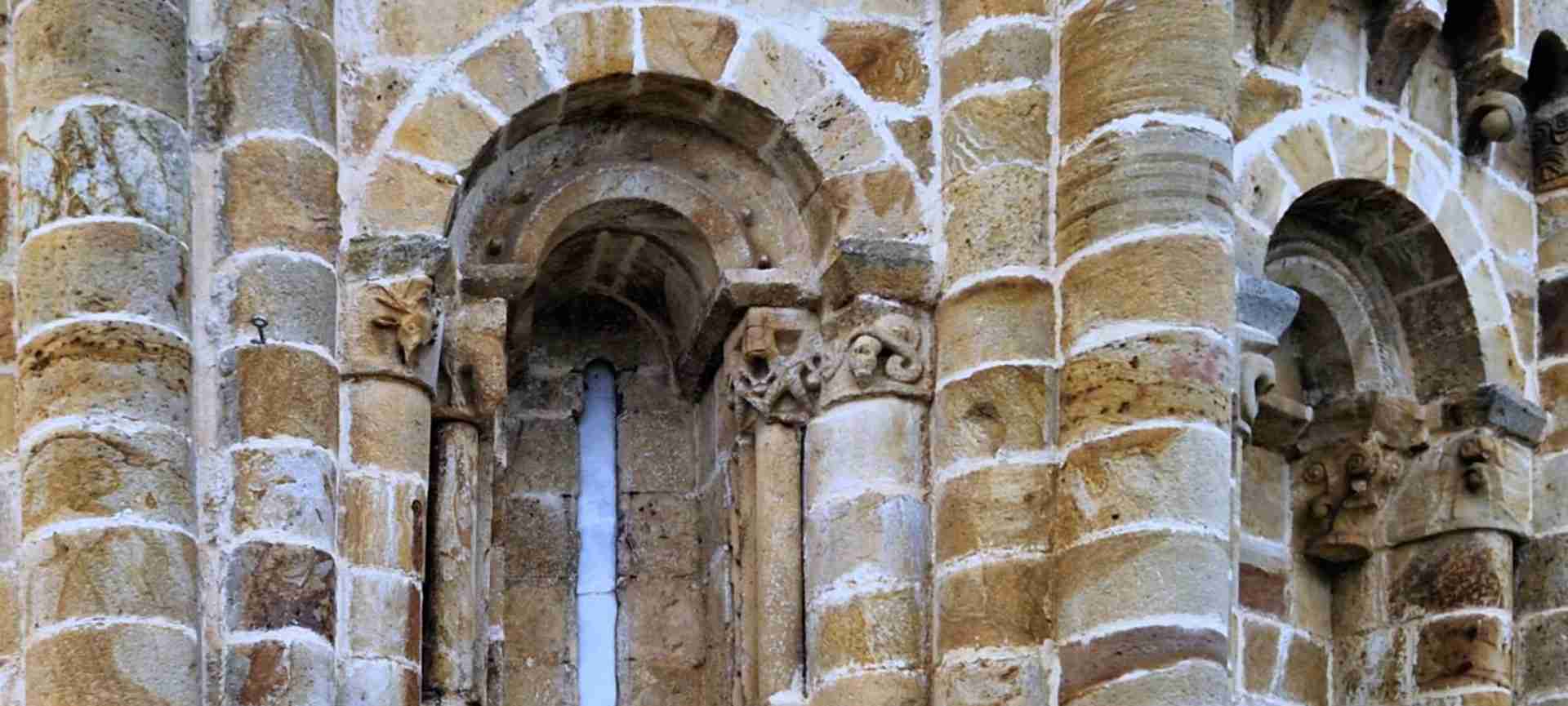
Romanesque churches aligned along pilgrimage routes demonstrate architectural diffusion as French Cluniac influences merged with Spanish building traditions creating distinctive hybrid styles. Burgos Cathedral represents Gothic evolution beyond earlier Romanesque churches, while León Cathedral exemplifies French Gothic transplantation to Spain. Smaller parish churches, hermitages, and monastery churches preserve medieval architectural character including San Martín de Frómista (11th century) demonstrating pure Romanesque forms with barrel vaults, semicircular apses, and sculptural capitals depicting biblical scenes and fantastical creatures.
Pilgrims’ hospitals provided accommodation, meals, and medical care for sick or injured travelers with institutions in Burgos, León, and smaller towns offering charitable services funded by religious orders, municipal governments, and private donations. Medieval bridges including Puente de Órbigo (13th century) facilitated river crossings becoming pilgrimage landmarks associated with legends including knight defending bridge in 15th century trial of arms. Contemporary infrastructure updates maintain historical routes with marked paths, modern albergues (hostels), and support services while preserving cultural landscapes and architectural heritage through conservation regulations and heritage management coordinated between municipalities, regional government, and UNESCO oversight following Camino’s World Heritage designation 1993.
Contemporary Pilgrimage Culture
Modern pilgrims walk traditional routes for religious devotion, personal challenge, cultural tourism, or combinations thereof creating diverse motivations and experiences. Credential (pilgrim passport) stamped at churches, albergues, and cafes documents journey, required for Compostela certificate issued to those completing final 100 kilometers on foot or 200 kilometers by bicycle. Albergue networks provide basic dormitory accommodation €5-15 nightly creating communal atmosphere where pilgrims share meals, stories, and mutual support. Municipal albergues offer cheapest options while private and religious-operated facilities charge moderate fees for improved amenities.
Environmental concerns include trail erosion, waste management, and excessive commercialization as increased numbers strain infrastructure and alter character of rural communities along routes. Heritage authorities balance accessibility with preservation, tourism development with authenticity, and economic benefits with cultural integrity. Camino experience combines physical endurance walking 20-30 kilometers daily, cultural discovery visiting monuments and towns, social bonding with international pilgrim community, and introspective opportunities for personal reflection or spiritual growth creating transformative experience documented in contemporary pilgrimage memoirs, documentaries, and travel narratives continuing medieval tradition of pilgrimage journey as metaphor for life’s spiritual quest.
FAQ: Castile and León Cultural Heritage
What distinguishes Castile and León from other Spanish regions?
Castile and León maintains distinctive identity through historic role as Christian kingdom heartland during Reconquista, exceptional concentration of medieval architectural heritage including eight UNESCO World Heritage sites, and cultural traditions emphasizing pastoral economy, fortress architecture, and Castilian language development. The region preserves Spain’s most complete medieval urban landscapes with walled cities, Gothic cathedrals, and university towns demonstrating continuous occupation from Roman through contemporary periods. Geographic isolation on central plateau fostered conservative cultural traditions, slower industrial development compared to coastal regions, and stronger retention of historical urban fabric and rural settlement patterns creating authentic heritage experiences unavailable in more modernized Spanish regions.
How does Islamic heritage appear in Christian Castile?
Islamic heritage manifests through Mudéjar architecture employing Islamic craftsmen under Christian patronage, creating hybrid buildings with brick construction, horseshoe arches, geometric decorations, and ceramic tilework particularly evident in Sahagún, Arévalo, and Toro. Archaeological remains include Islamic alcazabas incorporated into later Christian castles, mosque foundations beneath churches, and domestic architecture preserving courtyards and spatial organization from Islamic periods. Cultural influences include agricultural techniques, irrigation systems, place names with Arabic etymology, and culinary traditions incorporating almonds, saffron, and sweets reflecting Andalusian influences. However, Reconquista narrative emphasizing Christian triumph and centuries of Islamic absence (post-1085 in most areas) reduced visible Islamic heritage compared to southern Spain where Muslim populations remained under Christian rule maintaining architectural and cultural continuity.
Why did Salamanca University decline from medieval prominence?
Salamanca University declined 17th-19th centuries through multiple factors including Inquisition restrictions limiting intellectual freedom and discouraging controversial scholarship, political instability during Habsburg decline and Bourbon reforms redistributing resources toward Madrid-based institutions, Spanish economic crisis reducing aristocratic patronage and student enrollment, and intellectual conservatism rejecting Enlightenment sciences and modern pedagogy maintaining scholastic curricula obsolete elsewhere in Europe. Wars including Peninsular War (1808-1814) damaged buildings and disrupted operations, while liberal-conservative political conflicts caused faculty purges and administrative instability. Recovery began late 19th century with curricular modernization and infrastructural improvements, accelerating 20th century as Spanish higher education expanded though university never regained medieval international prominence, functioning instead as respected regional institution with strong humanities programs and UNESCO heritage tourism contributing to contemporary identity.
What role did Jewish communities play in Castilian cities?
Jewish communities (aljamas) contributed intellectual, commercial, and financial expertise to medieval Castilian society, concentrating in cities including Ávila, Segovia, Salamanca, and Burgos where they occupied designated juderías (Jewish quarters) with synagogues, markets, and communal institutions. Jewish scholars served as court physicians, astronomers, translators, and financial administrators while merchants facilitated trade networks connecting Castile to Mediterranean commercial systems. Intellectual contributions included Hebrew literary production, religious scholarship, and knowledge transmission between Islamic, Jewish, and Christian cultures. However, social tensions, religious prejudice, and economic resentments erupted periodically in pogroms including 1391 attacks that devastated communities. The 1492 Expulsion Edict forced Jewish conversion or exile eliminating centuries of cultural presence, though converso (converted Jews) populations maintained suppressed cultural memories and faced Inquisition persecution for suspected crypto-Judaism. Synagogue buildings converted to churches or demolished leaving minimal architectural heritage beyond scattered remains incorporated into later construction.
How has modern tourism affected UNESCO heritage sites?
Tourism generates essential economic resources supporting conservation, heritage management, and local employment while creating pressures including visitor overcrowding degrading architectural fabric, commercialization diminishing authenticity, and seasonal fluctuations causing business instability. Heritage managers implement visitor limits, timed entry systems, guided tour requirements, and pedestrianization programs protecting monuments while maintaining public access. Economic benefits include hotel development, restaurant expansion, and artisan craft revival sustaining traditional skills and cultural practices. However, gentrification displacing long-term residents, homogenization of commercial offerings toward tourist preferences, and conversion of residential neighborhoods to short-term rentals alter urban character and social fabric. Sustainable tourism initiatives promote off-season visits, dispersal to secondary sites, integration of heritage conservation with community needs, and educational programming emphasizing cultural understanding over superficial consumption balancing preservation requirements with economic development and social equity concerns.
What makes Castilian Spanish distinct from other dialects?
Castilian Spanish originated in northern Castile developing from Vulgar Latin spoken in medieval Kingdom of Castile, becoming standardized written language through literary works, royal chancellery documents, and eventually Spanish Empire’s administrative requirements. Distinctive phonological features include retention of /θ/ sound (distinción between “casa” and “caza”) contrasting Latin American seseo, clear consonant pronunciation compared to Andalusian consonant elision, and lexical choices reflecting Castilian cultural traditions and historical experiences. Geographic expansion during Reconquista and American colonization spread Castilian as prestige dialect becoming basis for modern standard Spanish despite regional variations. Royal Academy of Spanish Language (founded 1713) standardized orthography, grammar, and vocabulary based primarily on Castilian usage establishing normative standard though recognizing legitimate regional variations. Contemporary linguistic prestige maintains Castilian, particularly northern varieties around Burgos and Valladolid, as model for formal Spanish education and media despite demographic dominance of alternative dialects in Latin America.
Can you visit Ávila’s walls circuit completely?
Ávila walls circuit includes walkable sections totaling approximately 1,700 meters out of complete 2,516-meter perimeter, with access points at Puerta del Alcázar and Puerta del Puente. Conservation concerns and private property integration limit complete circuit access, though accessible sections provide representative experience including views over city interior, surrounding plateau landscapes, and architectural details of towers, merlons, and defensive features. Entry costs €5 with reduced rates for students, seniors, and local residents. Guided tours explain medieval construction techniques, historical events, and architectural evolution providing context beyond independent walking. Evening illumination creates atmospheric experience visible free from exterior though wall-walk closes at sunset. Some tower interiors house small exhibitions on medieval warfare, daily life, and wall construction accessible during wall-walk visits. Complete exterior circuit via streets and plazas surrounding walls remains free and unrestricted providing exterior architectural appreciation and photography opportunities supplementing wall-walk experience.
What are traditional festivals in Castile and León?
Semana Santa (Holy Week) achieves particular intensity in Castilian cities with processions featuring elaborate pasos (religious floats), hooded penitents, and solemn religious ceremonies attracting participants and spectators from across Spain. Valladolid and Zamora processions demonstrate exceptional artistry and traditional continuity receiving UNESCO recognition as intangible cultural heritage. Toro’s Wine Battle (Batalla del Vino) celebrates local wine culture with participants dousing each other in wine during June festivities. Salamanca’s nocturnal estudiantina (student musical groups) maintain university traditions with lute-accompanied serenades, period costumes, and impromptu performances throughout academic year. Corpus Christi flower carpets create elaborate floral designs decorating streets for religious processions in cities including Peñafiel and Gormaz. Harvest festivals across autumn celebrate grain and grape harvesting with traditional threshing demonstrations, wine stomping, and communal feasting maintaining agricultural cultural practices despite mechanized modern farming.
How accessible are rural castles and monasteries?
Major castles including Peñafiel, Coca, and Medina del Campo operate as museums or cultural centers with regular hours, guided tours, and visitor facilities providing easy access. Many rural castles remain private property, ruins lacking visitor infrastructure, or municipal property with irregular opening requiring advance inquiry regarding access. Monasteries including Santo Domingo de Silos maintain active religious communities limiting visitor areas to churches, cloisters, and museums during specified hours, typically morning and late afternoon excluding midday breaks and religious services. Poblet and other monastery-museums provide comprehensive access with professional management, though respecting religious character requires modest dress and quiet behavior. Remote Romanesque churches scattered across countryside often remain locked with keys held by local residents requiring village inquiry or pre-arranged visits through tourism offices. Some areas implement patrimonio cultural programs hiring local guides providing access to otherwise closed monuments while generating rural employment and promoting cultural tourism beyond major cities.
What traditional crafts survive in Castile and León?
Blacksmithing traditions continue in cities like Ávila producing decorative ironwork for buildings, furniture, and liturgical objects maintaining medieval techniques alongside modern equipment. Ceramics production in Talavera de la Reina creates tin-glazed pottery with distinctive blue and yellow geometric patterns continuing Islamic-influenced traditions. Leather working in Salamanca and Valladolid produces traditional book bindings, bags, and footwear using vegetable tanning and hand-tooling methods. Textile weaving in rural areas maintains traditional patterns in wool blankets, rugs, and clothing though production scales reduced from earlier centuries when Mesta wool guild dominated regional economy. Stone masonry and ecclesiastical woodcarving preserve medieval building techniques and decorative arts through restoration work on historical monuments training apprentices in traditional methods. Many crafts survive through tourism demand for authentic artisan products, heritage conservation programs requiring traditional materials and techniques, and cultural associations promoting intangible heritage transmission though commercial viability challenges continuity as artisan populations age and youth pursue alternative employment.